Author: Mei Ling Tan

  • Blue Coral Samsung Galaxy S7 edge officially confirmed, launching November 5 in Singapore

    Blue Coral Samsung Galaxy S7 edge officially confirmed, launching November 5 in Singapore

    If you recall, a photo leak last week revealed a new Blue Coral variant of the Samsung Galaxy S7 edge, and that it’s headed to Verizon in the US. Now, the South Korean company has officially confirmed the new Galaxy S7 edge color.

    Specifically, the confirmation came from Samsung’s Singapore subsidiary which announced the retail availability for the handset on its official website.

    The image that leaked last week

    “Samsung today also announced the retail availability of the Samsung Galaxy S7 edge 4G+ in Blue Coral, adding a stunning colour variant to this sleek and stylish device,” the company said in a press release.

    “Currently available in Black Onyx, Gold Platinum, Silver Titanium and Pink Gold, the new colour variant of the Galaxy S7 edge 4G+ features a refined design coupled with powerful functionality while encased in a cool blue hue.”

    As for availability, the subsidiary said the phone (32GB variant) will go on sale in the Asian country starting November 5. It will carry a price tag of SGD 1,098 ($787).

  • Google Android Pay lands in Hong Kong

    Google Android Pay lands in Hong Kong

    Google may be blocked in mainland China, but it’s Android Pay mobile payment service has just launched in the freer environs of Hong Kong.

    The mobile payment service from the American Internet company has launched in Hong Kong and is now available at thousands of retail outlets.

    Android Pay is a “one-click payment” service launched by Google. It features NFC communications technology and can be used on devices starting with the KitKat 4.4 Android system.

    Android Pay is similar with Apple Pay, which supports rapid and convenient payment functions via smartphones. Apple Pay launched in Hong Kong and mainland China earlier this year.

    Android Pay has established partnerships with the Bank of East Asia, DBS, Dah Sing Bank, Hang Seng Bank, HSBC, and Standard Chartered Bank in Hong Kong. At the same time, Android Pay gained support of over 5,000 retailers, including 7-11, Circle K, Fortress, Mannings, Maxims Cakes, MX, and McDonald’s.

  • Rupiah falls against dollar to 13,414 on Friday

    Rupiah falls against dollar to 13,414 on Friday

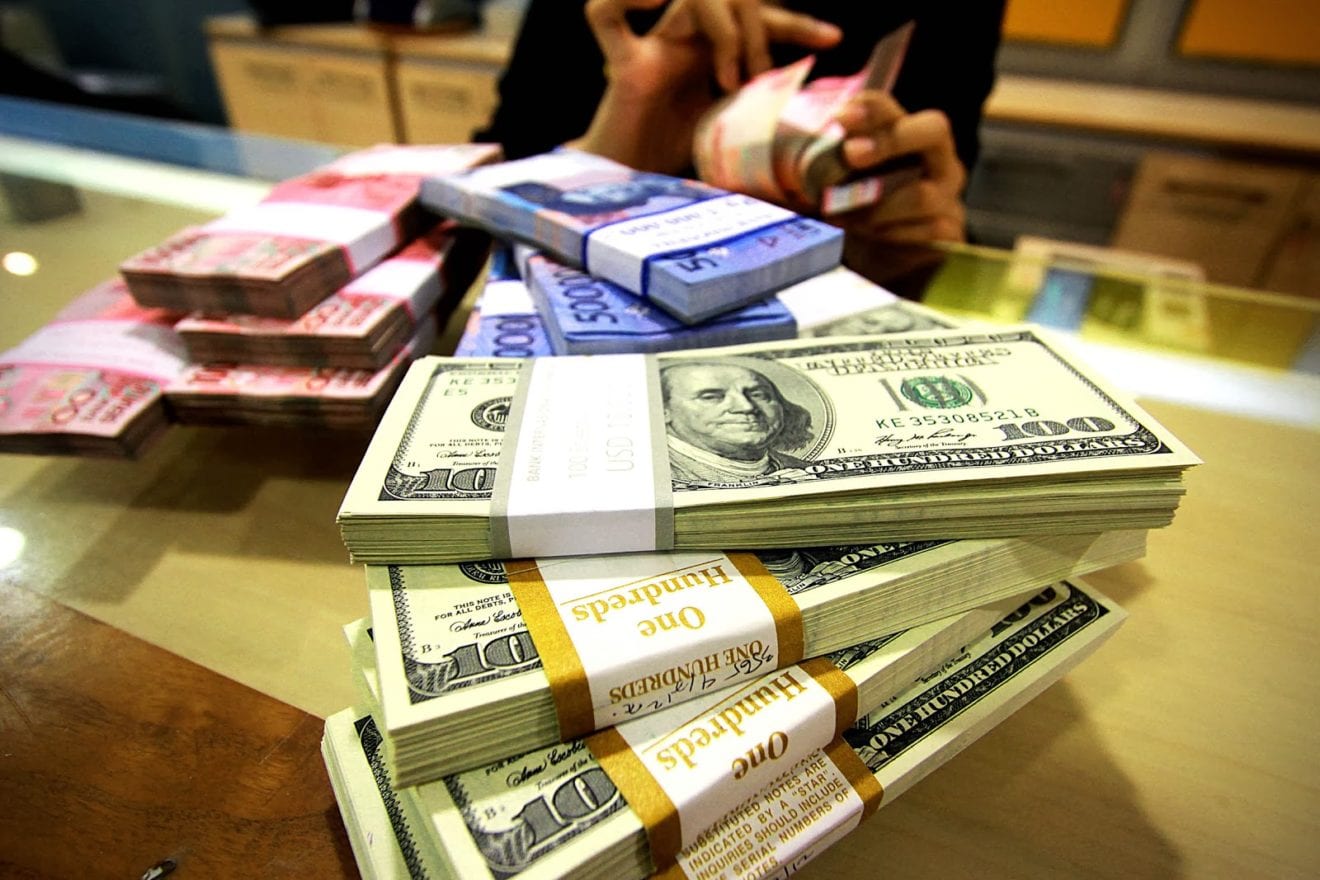
    The rupiah fell 54 points to close at Rp13,414 per dollar in the Jakarta inter-bank spot market on Friday evening, compared to the previous close of Rp13,360 per dollar.

    The dollar appreciated at the weekend, sending a signal that the Fed has indicated the possibility of raising its interest rate this year end, Ariston Tjendra, chief researcher of Monex Investindo, said here on Friday.

    “The signal about a hike in the US interest rate is in line with the US optimistic economic data,” he added.

    The release of data about US jobless claims at low level and the increase in home sales are among the reasons for the Fed to tighten its monetary policy, he noted.

    “The majority of global currencies also tend to weaken against the US dollar,” he commented.

    Lukman Leong, an analyst of PT Platon Niaga Berjangka, reminded that Bank Indonesia which remains in the foreign currency and bond market to control the fluctuation of local currency has prevented the rupiah from further weakening against the dollar.

    On the other hand, the tax amnesty program has added to the rupiah enjoying a positive sentiment, he observed.

    According to the BI mid-rate, the rupiah weakened to Rp13,408 per dollar, compared to Rp13,385 per dollar the day before.

  • Philippines based mobile payment service Abra joins hands with Codapay

    Philippines based mobile payment service Abra joins hands with Codapay

    Philippines-based mobile payment service Abra has announced a partnership with Singapore-based e-payment gateway Codapay.

    With this new deal, Abra users in the Philippines will be able to purchase Steam wallet codes, Skype credit, Amazon gift cards and Battle.net cards by paying with Abra at Codapay’s retail site, Codashop.

    “It is Abra’s goal to provide its users a better way to send and receive money, and to pay for things online. I am incredibly happy to partner with Codapay, a company whose vision of financial inclusion aligns with ours,” said Bill Barhydt, founder and CEO of Abra, in an official press statement.

    Founded in 2014, Abra leverages on blockchain technology to store digital cash on users’ smartphones. Credits in the mobile wallet can be topped up via any accredited Abra teller (which incurs a small fee) or through the users’ bank accounts. Users can also transfer cash to other users via the app — including cross-border money transfers between Philippines and the US.

    To date, it has raised a total of US$14 million in three funding rounds.

    While mobile payment services such as Smart Money and GCash have been operating in the Philippines for a decade, the country is experiencing a surge in mobile payment adoption due to the increasing smartphone penetration rate and growth of e-commerce (which is set to hit US$1.01 billion in revenue this year).

    Additionally, a Mastercard survey revealed that 17 per cent of consumers and 15 per cent of consumers in Philippines have made mobile commerce purchases and p2p transactions respectively.

  • Thailand’s Bank of Ayudhya books 11% Q3 profit rise

    Thailand’s Bank of Ayudhya books 11% Q3 profit rise

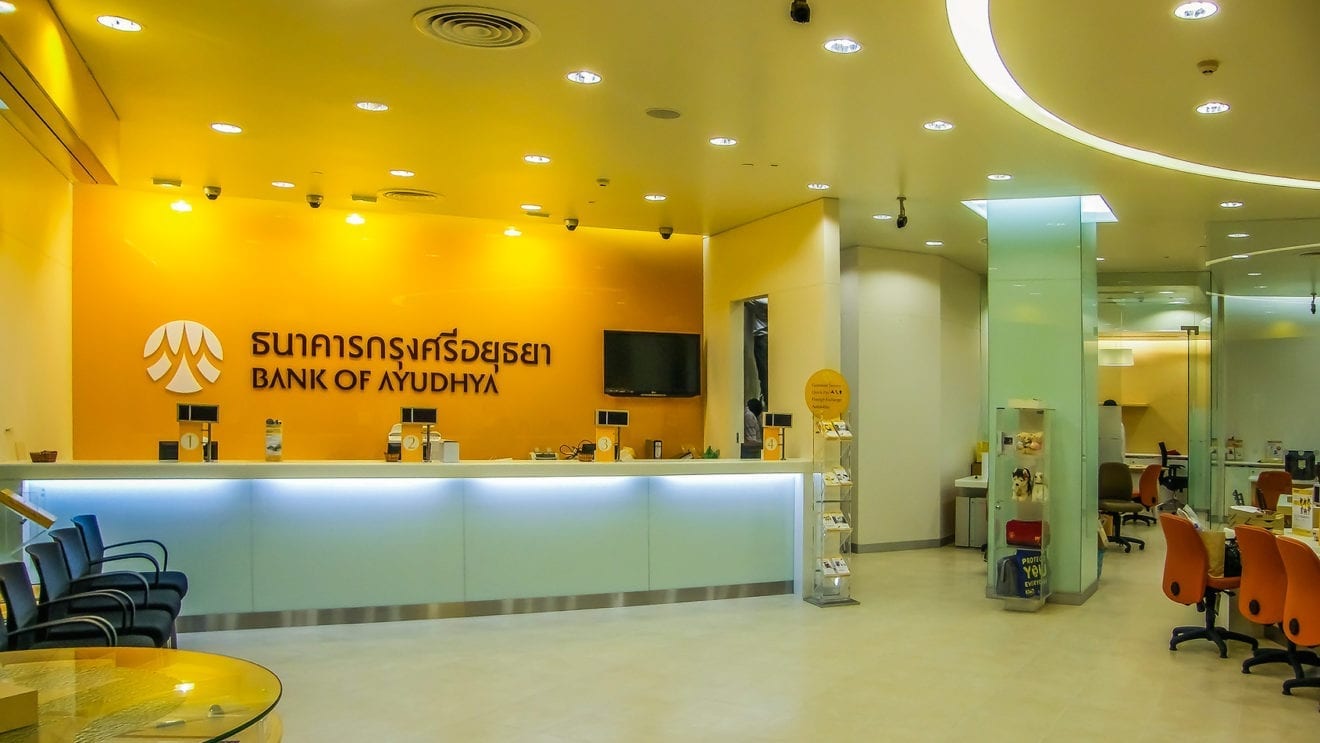
    Bank of Ayudhya PCL, Thailand’s fifth-largest lender, said on Friday its quarterly net profit rose 10.6 percent from a year earlier, boosted by higher net interest income as a result of strong loan growth from retail clients.

    Bank of Ayudhya, controlled by Japan’s Mitsubishi UFJ Financial Group Inc, raised its 2016 loan target range to 8 per cent to 9 per cent, from 5 per cent to 6 per cent, after consolidating loans from Cambodia subsidiary Hattha Kaksekar, it said in a statement.

  • Pernod Ricard TR sees Q1 improvement in Korea

    Pernod Ricard TR sees Q1 improvement in Korea

    According to Pernod Ricard travel retail witnessed an “improving trend in travel retail Americas” with a “return to growth [and] better performance from duty free across zone, product mix and pricing.”

    However, the travel retail division admitted that it battled a ‘difficult environment’ in Asia for Q1 ‘impacted by tough commercial negotiations’. More positively the same division said that Korea duty free appeared to show improvement.

    A sales decline for travel retail in Europe was apparently caused by weakness in Eastern Europe; something which the company has been battling for the last few years.

    Pernod-Ricard-Q1-FY2017

    Highlights from the Pernod Ricard Q1 FY2017 results. The company does not share its travel retail results, but does provide some commentary on the division.

    Group wide, For FY17, as indicated in September, Pernod Ricard expects good sales growth to continue in USA, India, Jameson and innovation. It also expects sales to improve vs FY16 in China, Absolut and Chivas.

    There will be a ‘continued focus on the operational efficiency roadmap and priority brands and innovations’ and ‘continued deleveraging and strong cash flow generation’.

    Pernod-Ricard-house-of-brands

    Pernod Ricard shares its strong lineup of strategic brands (for the whole group).

    For FY17 the company is looking for organic growth in profit from recurring operations between +2% and +4%.

    *Shipments brought forward from July to June2015 ahead of back-office mutualisation between Ricard and Pernod on 1 July 2015.

  • No Incentives for Hybrids in Thailand

    No Incentives for Hybrids in Thailand

    The Thai government rejects Toyota’s request to include hybrid vehicles in investment-incentive packages about to be offered for electric vehicles.

    Industry Ministry Permanent Secretary Somchai Harnhirun says the Board of Investment (BOI) will not include hybrids because government policy is to promote international-standard automobiles.

    The cabinet agreed in August to waive import tariffs on battery-electric vehicles (BEVs) and to give BOI incentives to investors who set up assembly plants for BEVs and produce critical parts such as batteries and motors within five years.

    Toyota Motor Thailand Senior Vice President Suparat Sirisuwannagkura argues the government should include hybrid vehicles in its promotion policy to keep them no more than 5% more expensive than pure internal-combustion-engine vehicles.

    Suparat argues hybrid technologies share some core technologies such as batteries and motors that producers could develop further for plug-in hybrid vehicles, BEVs and fuel-cell vehicles (FCVs) in the future. Moreover, EVs still have many limitations, especially in battery technology, and automakers may eventually bypass them and leapfrog to FCVs.

    Suparat says Toyota’s facility in Thailand has the capacity to develop more HEVs in the near future, “But a production volume of more than 100,000 vehicles and batteries a year will be tough to achieve without government support.”

    The Nation English-language newspaper reports Somchai told a seminar held by the Thailand Development Research Institute (TDRI) that the government does not pick winners.

    “We want to see real investment,” Somchai says. “We won’t be giving away our taxes for free, but we want a commitment as to what they will produce in the future.”

    TDRI researchers told the seminar the government must revamp the automobile excise tax structure to accurately reflect emission-release levels and be technology-neutral. They say that would make next-generation vehicles more competitive, increase buyer demand and make Thailand attractive as a manufacturing base for critical EV parts.

    TDRI President Somkiat Tangkitvanich says as global automotive trends tilt toward environmentally friendly vehicles, Thailand’s traditional non-alignment of energy and industrial policies could hinder the future of its local auto industry.

    A report quotes research fellow Wichsinee Wibulpolprasert saying Thailand’s ambition to develop EVs is unlikely to be realized any time soon because the domestic car market is not yet ready and its focus remains largely on conventional vehicles.

    She says while the government wants to generate a fleet of up to 1.2 million EVs and increase the number of charging stations to 690 by 2036, there are no clear policies on renewable energy and the environment.

    “The number of EVs and charging stations is just the final result,” Wichsinee says. “What is desperately needed for Thailand’s future automotive development is a solid background and fundamentals, which are renewable energy and environmentally friendly industry development plans.

    “EVs are an upcoming technology for the world’s automobiles, but the current situation is that excise tax for eco-friendly vehicles and conventional ones still overlap, making EV retail prices unattractive for buyers.”

    More importantly, Wichsinee says, the government has yet to launch any schemes to create a production hub for core components of EVs, such as batteries and motors, which are the building blocks of high-tech vehicles.

    She says that when the government waived customs duty for related components for assembling hybrids during 2011-2013, which cut retail prices by TB20,000 ($574), it boosted sales from 9,256 units in 2010 to 69,911 units in 2015.

    “The government should develop and stimulate demand for HEVs and PHEVs in the short run, with more tax incentives to support massive production,” she says.

  • Nomura Goes Live with BDO Unibank Trading Platform

    Nomura Goes Live with BDO Unibank Trading Platform

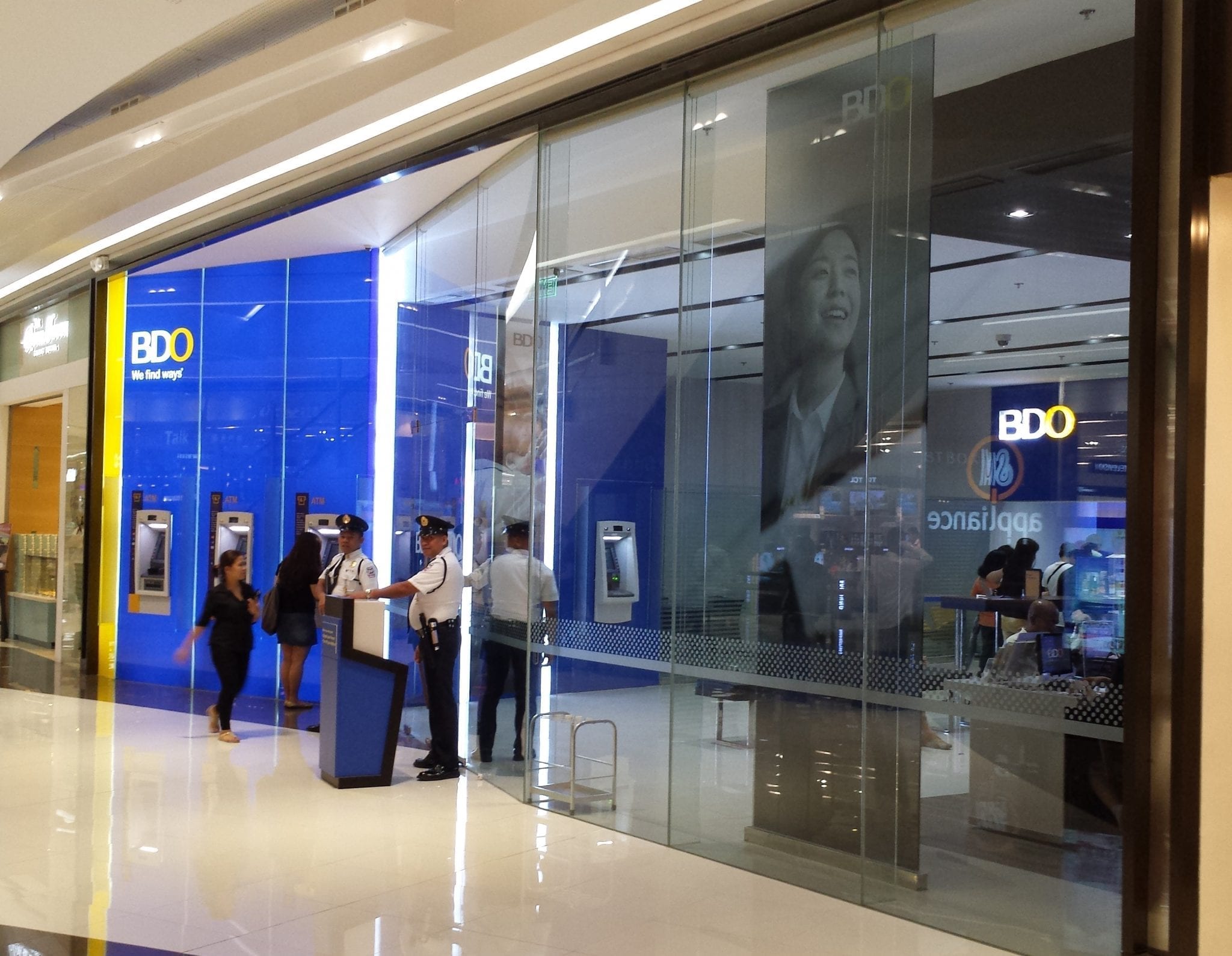
    Nomura Holdings and Philippine bank BDO Unibank, the country’s largest bank, have announced that their joint venture, BDO Nomura Securities, has officially commenced operations.

    Offering online trading services for stocks listed on the Philippine Stock Exchange (PSE), BDO Nomura has been set up to provide investors in-depth market research, quick execution time and competitive rates. Additionally, the platform offers ease of use through simple and paperless online application and fund transfers through the customer’s BDO Deposit Accounts.

    The joint venture with BDO is Nomura’s second retail operation in the region, following a successful one in Thailand, and is in line with Nomura’s strategy to develop local retail brokerage businesses in Southeast Asia. BDO owns 51 percent of the joint venture company, while Nomura holds 49 percent.

    Philippines Richest

    BDO is a full-service universal bank which provides a wide range of corporate and retail banking services and has one of the largest distribution networks, with more than 1,000 operating branches nationwide.

    The bank is owned by retail and banking magnate Henry Sy, who according to Forbes is the richest man in the Philippines.

    The securities dealer and broker with a seat in the PSE is headed by Koichi Katakawa.

  • iPhone7 hits Korean stores in Note 7’s absence

    iPhone7 hits Korean stores in Note 7’s absence

    The Apple iPhone 7 went on sale in South Korea on Friday, seeking to fill a void left by arch-rival Samsung on its home turf following a damaging recall fiasco over the Note 7 smartphone.

    The South Korean electronics giant discontinued the Note 7 — one of its key iPhone challengers — on October 11 following reports that replacements for combustible models were also catching fire.

    The decision is set to cost Samsung billions in lost profits, and there are already signs that Apple is reaping some of the benefits.

    An official at mobile carrier Korea Telecom (KT) said the first batch of 50,000 iPhone 7s they put up for pre-order a week ago sold out in 15 minutes.

    “I would attribute part of that to the Note 7 effect,” said the official, who declined to be identified because he was not authorised to talk to the media.

    Customer defection is one of Samsung’s biggest concerns, especially as the Note 7 was specifically aimed at taking on the iPhone in the premium handset market.

    In the hope of retaining customer loyalty, Samsung had offered Note 7 users a 70,000 won ($60) phone bill credit if they swapped their faulty phones with another Samsung handset.

    The half-dozen customers buying the new iPhone at a KT store in central Seoul on Friday were all long-time Apple users who had pre-ordered their handsets.

    Office worker Lee Kyung-Hee, 34, said she had moved fast when the pre-order service opened, fearing a surge of interest from unhappy Note 7 owners.

    “I set an alarm and was very quick,” Lee said.

    In South Korea, retail prices for the iPhone 7 and 7 Plus start from 869,000 won and 1.02 million won respectively, for their basic 32GB models.

  • Rising price of gold leaves hefty dent in jeweller Luk Fook’s sales

    Rising price of gold leaves hefty dent in jeweller Luk Fook’s sales

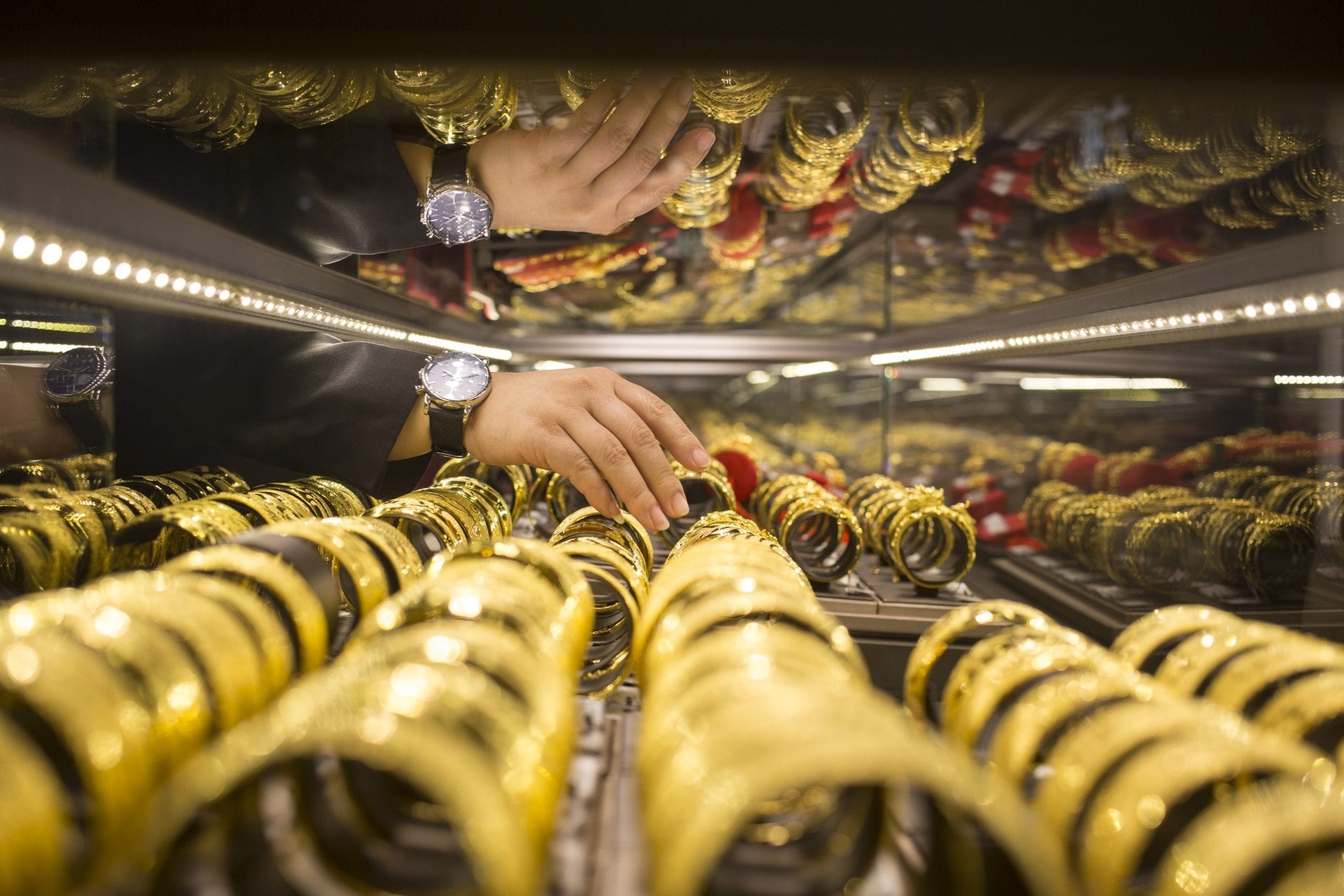
    Surging gold prices, and a mini gold rush in 2015 have been blamed by leading Hong Kong jewellery retailer Luk Fook Holdings for a sharp fall in sales during its second quarter.

    The retailer which operates over 1,400 retail outlets in mainland China, Hong Kong, Macau, Singapore and North America, saw same store sales decline 37 per cent in the three months to September (its second quarter) on the same period last year, which was weaker than expected, Bank of America Merrill Lynch analyst Tina Long said in a note.

    Much of the decline was due to gold sales, which recorded a 47 per cent fall in same store sales in the second quarter year on year , worse than competitor Chow Tai Fook’s 36 per cent decline.

    Sales of gemsets, items designed using various types of gem stones, fell 14 per cent, better than the 23 per cent drop seen by peers, but started moving into single digit growth in September and October.

    Sales were better in the mainland than in Hong Kong, which still accounts for 75 per cent of its revenue. Mainland sales fell 23 per cent, while combined sales for Hong Kong and Macau fell 37 per cent in the second quarter.

    Luk Fook’s management said in a statement the deterioration in gold sales this year was being compared with what had been a high base in 2015, thanks to the mini gold rush in July and August.

    That had been coupled with “overall sluggish retail sentiment” and the gold price rally in the same period this year.

    Daiwa analyst Jamie Soo noted that Hong-Kong based competitor Chow Tai Fook had released sales performance figures for the same period which showed a “similarly lacklustre performance”.

    Gold prices rallied to a three-year high in July as investors chose “safe haven” assets following Britain’s vote in June to leave the European Union.

    Gold futures were trading at over US$1,370 per ounce in July and August, but have dropped back down to $1,267.

    Both Long and Soo expect things to get brighter for the jewellery retailer, with Soo noting September had seen low single digit growth, mainly driven by an improvement in sales of gemsets.

    “Management also indicated that there has been slight improvement in gemset sales in Hong Kong and Macau,” he said.

    This momentum had continued into China’s national “golden week” holiday in October, and the management has said they believe there were signs of stabilisation, Soo said.

    Long expected a more favourable movement in the gold price and a better-than-expected recovery in consumer sentiment to help push the price objective up.

    “We think that sales bottomed in July, and kept improving thereafter with positive growth for gemsets seen in both September and October in Hong Kong and mainland,” Long said.

    Long estimated this year’s net income to slip from HK$959 million last year to HK$951 million before bouncing up to HK$1,072 million next year, still down on 2015’s HK$1,615 million.

    Long expected the share price to trend upward, helped by lower rental costs for retail outlets, although she lowered her price objective for Luk Fook from HK$21.70 to HK$21.00.

    “Luk Fook would be the biggest beneficiary from the recent upward trend of gold price due to its smallest hedging ratio of 15 per cent to 20 per cent,” she said.

    “We see re-rating more likely as sentiment towards gold stocks improves.”

    But Long warned that there were a number of risks to the rating, including a slowdown in Hong Kong tourist growth and depreciation of the yuan and gold prices.

    Retail sales in Hong Kong plunged 10.5 per cent in August on dwindling visitor numbers – the steepest decline since February, and the 18th consecutive monthly contraction.

    Luk Fook Holdings was trading at HK$20.25 on Monday, while Chow Tai Fook was trading at HK$5.63.

  • Walmart Invests $50M In JD.Com’s O2O Logistics Services App New Dada

    Walmart Invests $50M In JD.Com’s O2O Logistics Services App New Dada

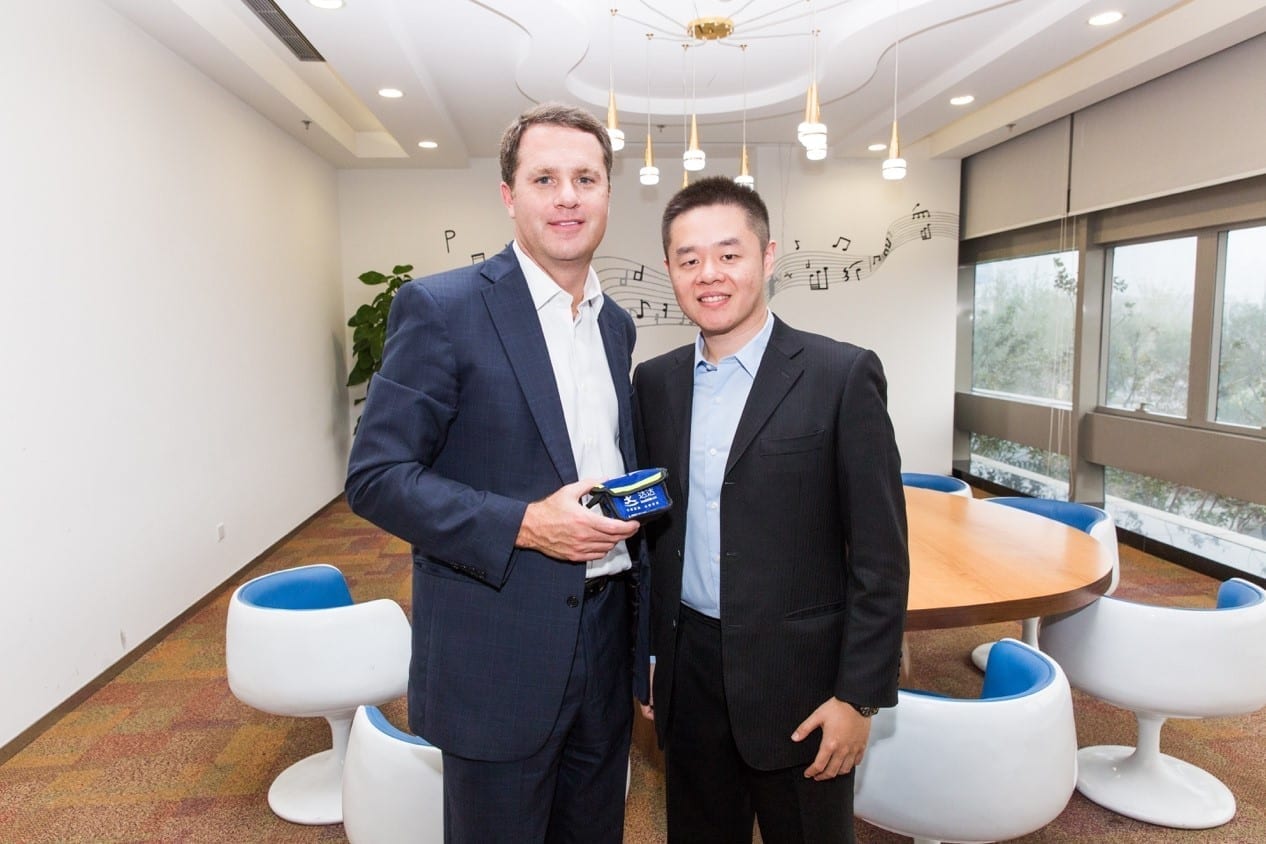
    Walmart has made a US$50 million strategic investment in New Dada, formerly known as Dada and controlled by JD.com Inc., in another step deepening an existing partnership between the global retail giant and China’s second largest e-commerce firm.

    New Dada was created in April from a merger between JD.com’s O2O (online-to-offline) unit and Dada Nexus Ltd., a venture-backed Uber-like mobile app that focuses on providing last mile logistics services.

    “Our alliance with JD and cooperation with New Dada will enable seamless shopping to millions of customers across China,” says Walmart CEO, Doug McMillon.

    The O2O logistics services provider New Dada currently has more than 25 million registered users, and provides local on-demand delivery capabilities with 2.5 million crowd-sourced deliverers across more than 300 cities in China.

    New Dada currently offers customers two-hour delivery on groceries ordered from Walmart stores to customers within a 3-kilometer radius of more than 20 Walmart stores in China. The number of Walmart stores offering two-hour delivery is expected to double by the end of the year.

    Officially launched in 2014, Dada operates through Imdada.cn and last completed a US$300 million series D round of financing from DST Global, Sequoia Capital and others in January.

    It previously raised three rounds of venture funding from DST Global, Sequoia Capital, Greenwoods Investment Management and other undisclosed investors.

    In April, JD.com paid US$200 million in cash and injected JD Daojia assets into Dada in exchange for a 47.4% stake in the newly merged Dada.

  • CapitaLand’s retail REIT records 6.7% fall in 3Q 2016 DPU

    CapitaLand’s retail REIT records 6.7% fall in 3Q 2016 DPU

    CapitaLand Mall Trust has posted a DPU of 2.78 Singapore cents for its 3Q 2016, a year-on-year fall of 6.7% compared to the 2.98 cents achieved in the corresponding period of 2015.

    Gross revenue for the period improved by 4.9% to SGD170 million (USD121 million) while its net property income of SGD119.5 million represents an increase of 5.5% over the SGD113.3 million recorded in 3Q 2015.

    This was mainly due to a contribution of SGD14.5 million from Bedok Mall which was acquired in October 2015, higher rental revenue achieved for IMM Building, Tampines Mall, and Bukit Panjang Plaza after asset enhancements, and higher occupancy at Clarke Quay.

    However distributable income for 3Q 2016 was SGD98.4 million, 4.7% lower than 3Q 2015.

    The distributable income for 3Q 2015 included the release of SGD8.0 million taxable income retained in 1Q 2015, and excluding this release, the distributable income for 3Q 2016 would have been 3.3% higher year-on-year, said the Singapore-listed retail REIT.

    “Despite uncertainties in the macroeconomic environment and challenging retail conditions in Singapore, CapitaLand Mall Trust’s portfolio occupancy rate as at 30 September 2016 remained high at 98.6%”, said Wilson Tan, CEO of the REIT’s manager.

    “For the first nine months of 2016, the REIT also registered year-on-year growth of 2.9% and 1.2% in shopper traffic and tenants’ sales per square foot respectively”, he added.

    The REIT’s aggregate leverage as at 30 September 2016 was at 35.4%, up slightly from 35.3% in the previous quarter, while portfolio weighted average lease expiry (WALE) was at 2.0 years by gross rental income.

    Units of CapitaLand Mall Mall Trust finished the trading day about 0.5% lower from its previous close on the Singapore Exchange to end at SGD2.11.

  • Samsung Galaxy Note 7 Still Available for Purchase in Hong Kong Despite Recall

    Samsung Galaxy Note 7 Still Available for Purchase in Hong Kong Despite Recall

    For example, a good place to look for a Note 7 is Hong Kong, as a store there is selling the recalled model at a special price, even though it’s pretty clear that using this phone is no longer recommended.

    Samsung: Stop using the Note 7!

    Samsung made it very clear in the official recall published October 13 that using a Note 7 is no longer safe, so it’s working with retailers to get all phones off the market and replace them with S7 Edge or offer full returns to customers.

    “Since the affected devices can overheat and pose a safety risk, we are asking consumers with a Galaxy Note7 to power it down and contact the carrier or retail outlet where they purchased their device,” Samsung explained.

    ‘So why would anyone still purchase a Note 7?’ you could ask. The answer is pretty simple: if they get a Note 7 at a special price (read heavily discounted), they can then return it to Samsung and receive a brand new S7 Edge, the price difference between the two, as well as $100 in bill credit.

    So it could all prove to be a pretty smart move for those looking to make some extra money, although we’re pretty sure that there’ll always be people saying that it is not worth the effort.

    In the meantime, keep in mind that using a Note 7 is not safe by any means, even though there are so many people out there who refuse to return it. The risk of overheating and the battery catching fire is pretty big, so it’s indeed a good idea to send it back to Samsung or the retailer and get an S7 Edge instead.

  • Foschini to open three more outlets after Junction Mall entry

    Foschini to open three more outlets after Junction Mall entry

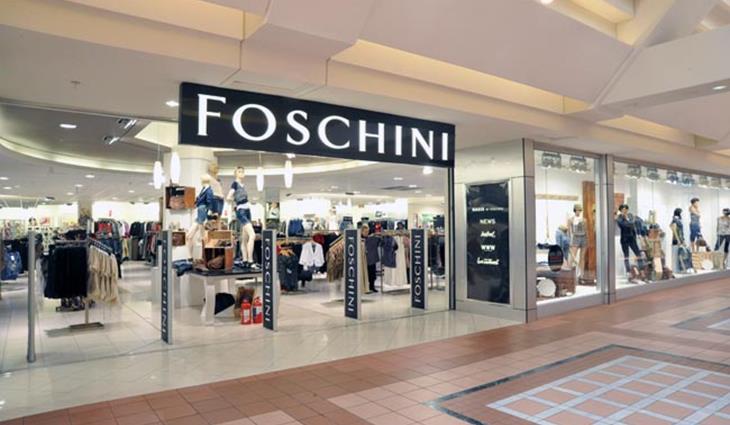
    South Africa’s clothing retailer Foschini Group has set its eyes on opening of three more outlets after marking its entry into the country with a branch at Nairobi’s Junction Mall.

    Foschini Group, which has 22 different retail brands under its label, has opened Sterns — a contemporary and classic Jewellery shop that targets individuals in the lower-middle, middle and upper income class — at the Junction Mall.

    The firm plans to open three additional stores — Foschini women’s wear shop, Markham targeting men and a second Sterns store — at the Village Market before the end of the year, with further plans to open 10 more next year.

    “Sterns store is our first entry into Kenya and the East African market. We’re bringing something fresh into a market that has for a long time been dominated by closed family businesses. We aim to cater to individuals in all categories,” said the Foschini Group Kenya area manager Isabelle Achila in an interview.

    The Fix and Exact fashion lines, Totalsports and Sportscene sports and street wear brands, AmericanSwiss — a jewellery line and @Home, a homeware and interior décor store, are other retail brands the group is looking to introduce in Kenya. Foschini’s entry is expected to create more than 100 jobs for locals.

    “We believe that Kenya is a strong emerging market with opportunities for growth. Our mission it to be the biggest retailer in Africa and we plan to introduce other brands that are doing well outside South Africa,” said Ms Achila.

    The group’s debut in the local market was scheduled to happen in 2015 but the delay in completion of the Two Rivers Mall where Foschini Group has booked 10 stores and the construction of the Village Market extension saw them push back entry dates. The firm had also embarked on an expansion drive in West Africa delaying its entry into the Kenyan market.

    “The reason why we have not rolled out as aggressively as we had anticipated and would want to is because the various places where we had booked space are yet to open and this has delayed our entry plans. We are specific when it comes to location and we were able to open our current branch at the Junction Mall because an opportunity we liked presented itself,” she said.

    Foschini Group deals in clothing, jewellery, accessories, sporting and outdoor equipment as well as homeware that target the middle and upper middle income markets.

    The group has a network of more than 2,100 stores in African countries that include Botswana, Nigeria, Ghana, Lesotho, Swaziland and South Africa. It also has an international presence with stores in Hong Kong, Mexico, Netherlands, Qatar and Switzerland, among others.

    South African brands are looking for markets outside the country to beat competition and grow sales from Africa’s growing middle class with disposable income.

    Edgars, another South African fashion chain retailer is also eyeing the local market, which is now billed as the second biggest retail market after South Africa.

    It is estimated that by 2020 Africa’s spending power will be Sh140 trillion ($1.4 trillion) up from Sh86 billion ($860 million) in 2008.

    Global players are now turning to emerging markets such as Africa for growth, attracted by rising disposable household incomes, fast economic growth and a young population, according a study by McKinsey & Co.

  • Malaysian shares rise after 2017 budget sticks to consolidation path

    Malaysian shares rise after 2017 budget sticks to consolidation path

    Malaysian shares edged higher Friday, as investors cheered Prime Minister Najib Razak’s resolve to narrow the budget deficit next year.

    Najib, who pledged to hand out cash aids and push for infrastructure development to stoke growth in an uncertain global environment, expects the nation’s gross domestic product to expand 4% to 5% in 2017. He forecast fiscal deficit to narrow to 3% of GDP from the 3.1% target for this year.

    The nation’s benchmark FTSE Bursa Malaysia KLCI ended 0.2% higher at 1,669.98 points Friday. The index rose 0.7% for the week, tracking gains in most regional indexes.

    CIMB Group Holdings, British American Tobacco Malaysia and plantation stocks led gains on Friday, while YTL Corp, Genting and Genting Malaysia slipped.

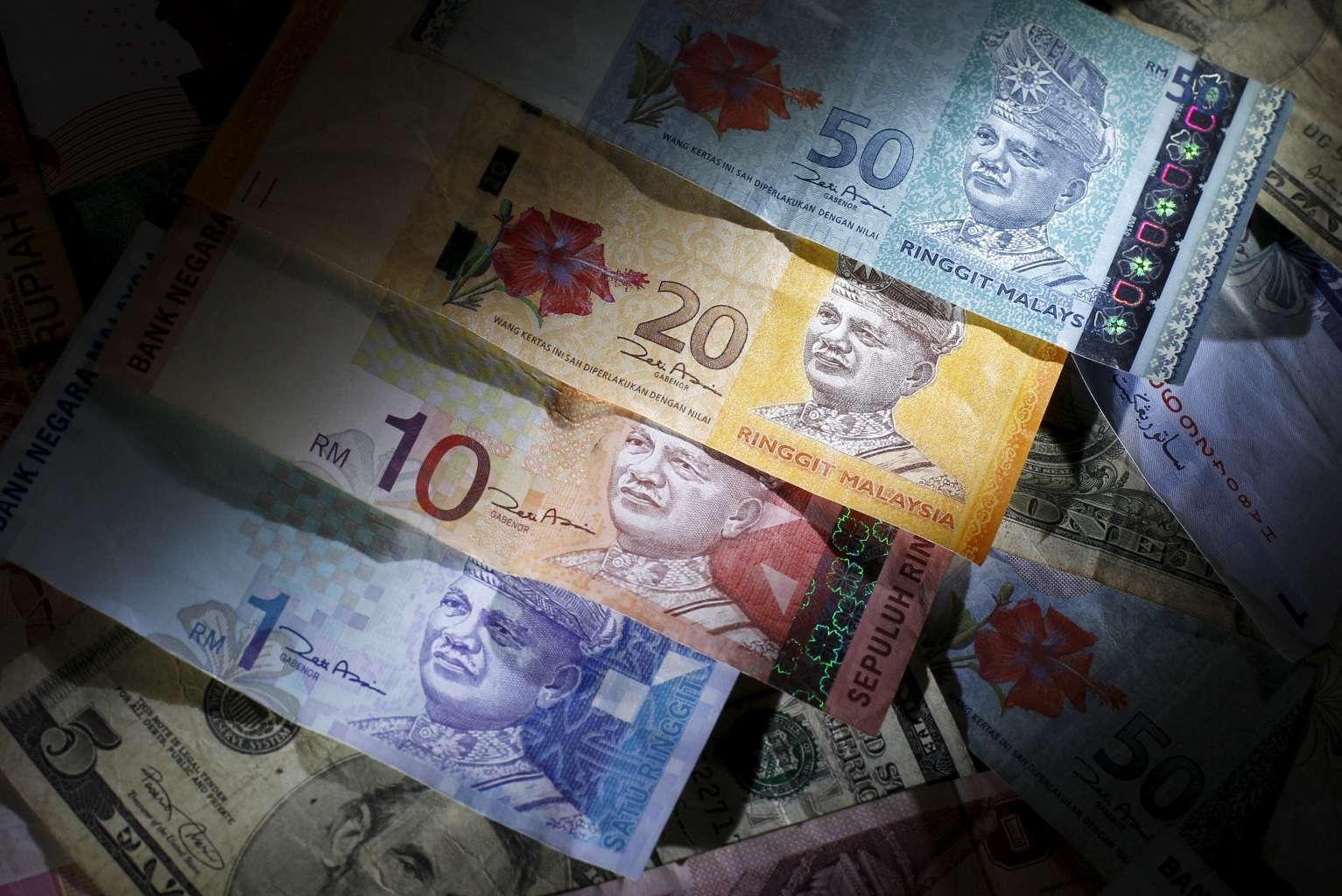
    The ringgit declined 0.05% to 4.183, tracking broad gains in the dollar as the European Central Bank’s post-policy comments pushed the euro to seven-month lows.

    Data released Friday showed Malaysia’s retail inflation rate rose a lesser-than-expected 1.5% last month, unchanged from August’s reading. Economists had expected a 1.7% increase in September.

    “At this juncture, the balance of risks is still skewed towards growth disappointment, not to mention possible fiscal slippage, with inflation pressures of second-order concern,” said Weimen Ng, an economist at ANZ Research, in a note. “A key trigger that will bring Bank Negara Malaysia back to the rate cut table at the final meeting of the year on 23 November is a significant slowdown in private consumption.”

    At today’s budget, inflation was projected at be between 2% to 3%. Malaysia’s central bank stood pat on interest rates at its September review, after delivering a surprise rate cut in July.

    Regional sentiment was tepid on Friday, weighed down by broad strength in the dollar and sliding crude prices.

    Crude oil prices slipped over 2% on Thursday, reversing the previous day’s gains.

    The dollar index, measured against a basket, rose to its highest level since February on Friday as the euro remained under pressure after the ECB stood pat. Chatter about a possible plan to taper the central bank’s 80 billion euro a month bond-buying program rattled markets earlier this month.

    ECB President Mario Draghi’s comments that a long-awaited rise in inflation required “very substantial” monetary policy accommodation also weighed on the euro.

    In Southeast Asian markets Friday, Philippine’s PSE Composite and Singapore’s Straits Times slipped 0.8% and 0.4%. Indonesia’s Jakarta Stock Exchange Composite rose 0.1%, while Thailand’s SET index advanced 0.5%.

    In rest of Asia, South Korea’s KOSPI and Japan’s Nikkei 225 declined 0.4% and 0.3%. China’s Shanghai Composite advanced 0.2%. Hong Kong markets were closed due to a typhoon.

    On the KLCI, 15 of the 30 constituents ended lower Friday and four closed unchanged, while overall declining issues outnumbered advancing ones 392 to 327.

    Foreign investors sold 15.5 million ringgit ($3.7 million) in Malaysian shares on Thursday, according to Kenanga Research.

    British American Tobacco Malaysia advanced 2.7% to 49.8 ringgit, leading gains on the KLCI. The cigarette maker reports third-quarter earnings on Monday.

    CIMB rose 2.2% to 5.04 ringgit. The banking major is trading at its highest level this year, helped by expectations of lower credit costs in Malaysia and Indonesia, especially in the second half of next year, analysts said.

    Plantation majors Kuala Lumpur Kepong and IOI Corp rose 1.8% to 24.36 ringgit and 0.5% to 4.51 ringgit. On Friday, the government said palm oil production in Malaysia is expected to rise 5.6% in 2017. Palm oil futures were up 0.4% at 2,728 ringgit per tonne.

    Plantations-to-motoring conglomerate Sime Darby ended 0.3% higher at 7.98 ringgit.

    Genting Malaysia slipped 1.7% to 4.71 ringgit Friday. The leisure and hospitality major declined 1.7% for the week, trimming last week’s 2.8% rally.

    Choppy trading in resort-to-rail conglomerate YTL Corporation continued Friday, with the stock closing 1.1% lower at 1.75 ringgit. The stock has alternated between losses and gains this week, ending the week 1% lower.

    Gaming conglomerate Genting slipped for the second day, falling 1% to 7.87 ringgit.