Author: Mei Ling Tan

  • Hawaiki picks US landing partner for subsea cable

    Hawaiki picks US landing partner for subsea cable

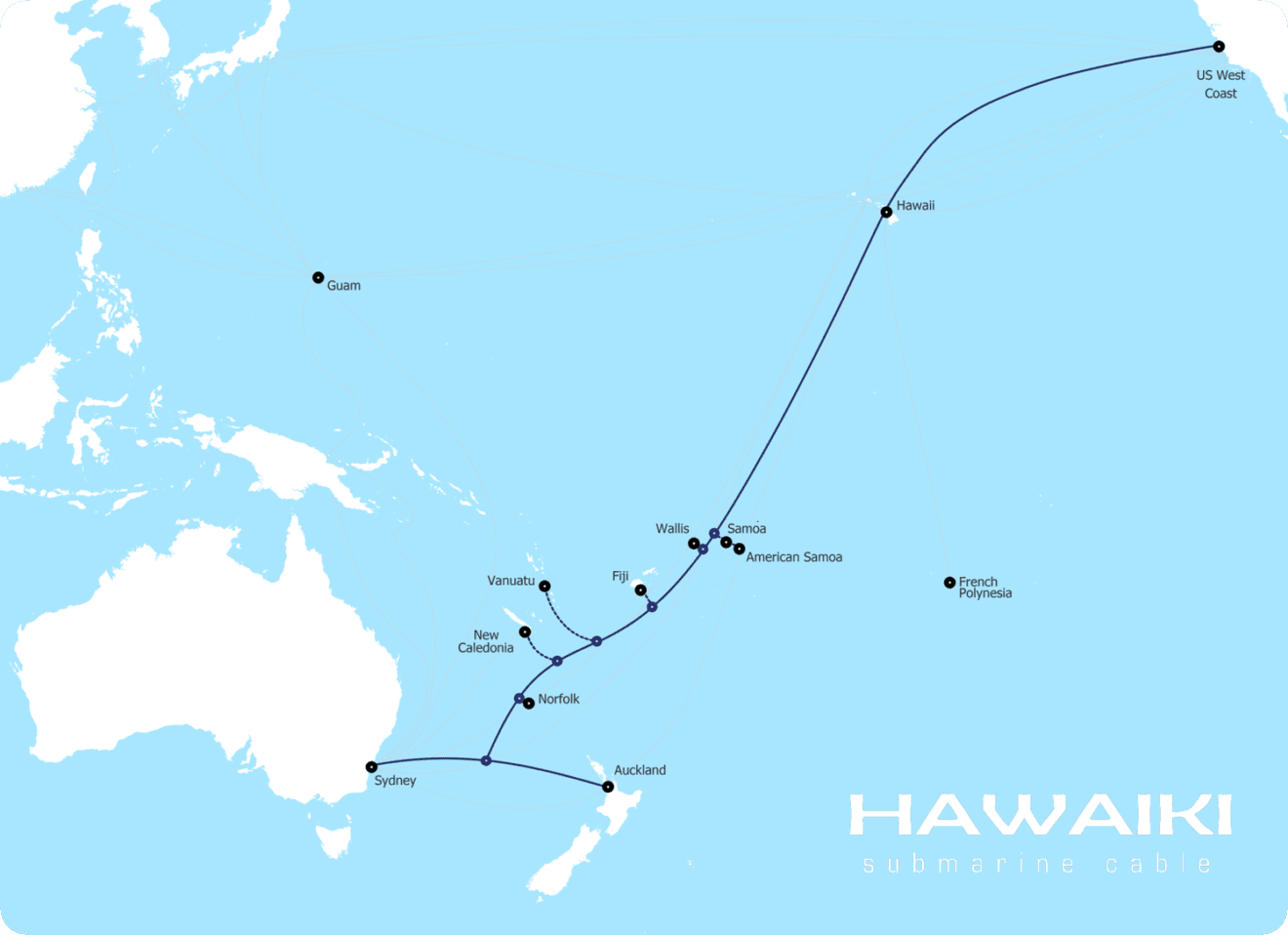
    Hawaiki Submarine Cable, the New Zealand based company building a cable between Australia, New Zealand, Hawaii and the continental US, has selected its landing and operating partner in the US state of Oregon.

    Hawaiki has signed a landing party agreement with Alaska Communications after completing the maritime survey of the 4,000km segment between Oregon’s Pacific City and Honolulu.

    The completed cable will span 14,000km and deliver more than 30Tbps of total capacity, making it the largest link between the US and Australia/New Zealand.

    “Oregon is probably the best state on the US West Coast to land a submarine cable. The

    coast is relatively safe, the state permitting process is efficient and most importantly, our

    customers like Oregon’s diversity and easy access to US networks and data centers,” Hawaiki SVP for Noth America Gina Bohreer said.

    “As part of the US permitting process for international submarine cable, Hawaiki has

    subsequently submitted its application to the Federal Communication Commission.”

    The company has already signed on anchor customers including AWS  and major Australian fixed-line ISP group TPG Telecom.

    Construction of the Hawaiki cable is expected to be complete in mid-2018.

  • Wal-Mart Stores mulls Flipkart ownership

    Wal-Mart Stores mulls Flipkart ownership

    Wal-Mart Stores is seeking to pay as much as US$1 billion for a share of India’s Flipkart Online Services to counter Amazon’s foray into the fast-developing eCommerce market.

    Under a proposed agreement, reported by both Bloomberg and the Wall Street Journal, the world’s largest retailer would take a minority Flipkart ownership. Insiders say the terms have not yet been finalised for the deal, which follows on the heels of Amazon CEO Jeff Bezos announcing plans to spend a further $3 billion in India.

    India’s largest online retailer, Flipkart is worth about $16 billion, according to research firm CB Insights.

    India’s online market will expand at an average of 45 per cent annually in the next four years and reach $28 billion by 2020, according to estimates from Kotak Institutional Equities.

    Wal-Mart first established a retail joint venture in India with Bharti Group, which runs the country’s largest telecommunications organisation, Bharti Airtel. Eventually Wal-Mart sold its stake to its partner.

    Meanwhile, Amazon has been making major investments in infrastructure and partnerships in India, so far costing about $2 billion.

    Wal-Mart last month agreed to buy US eCommerce company Jet.com for about $3.3 billion, and put founder Marc Lore in charge of the combined company’s online business.

  • Samsung, HPE team on telco cloud

    Samsung, HPE team on telco cloud

    Samsung and Hewlett Packard Enterprise (HPE) have sealed a partnership to jointly provide carriers with integrated network functions virtualization (NFV)infrastructure and virtual network functions (VNF) solutions.

    Under the partnership, the companies will work together to merge Samsung’s carrier network and HPE’s IT telecoms expertise.

    The integrated solutions will help carriers facilitate the transformation of their networks from monolithic, proprietary appliances to cloud-based networks enabled by NFV.

    As part of the partnership, Samsung will join the HPE OpenNFV Partner Program as a carrier-grade network equipment provider.

    “We see profound potential on joining the HPE OpenNFV Partner Program to ensure a variety of choices for carriers in selecting NFV providers, along with the commercially-proven NFV solution we developed in 2015,” said Woojune Kim, vice president and head of strategy group in next generation communication team at Samsung Electronics.

    The program is a broad ecosystem of NFV technology, application and service partners that have tested and validated solutions on ETSI-compliant HPE OpenNFV infrastructure.

    “HPE and Samsung have already collaborated successfully behind the scenes on NFV projects that are transforming communications service providers and their old school networks to agile telco cloud environments ready to satisfy the ever increasing demands of their customers while reducing cost,” said Werner Schaefer, vice president & general manager, NFV, HPE.

    “By formalizing our partnership with Samsung, we further expand our work to bring NFV benefits to the CSP ecosystem.”

    The partnership also includes a joint go-to-market strategy with ready-to-install third party solutions. Carriers can choose from various third party offerings, already verified by the HPE OpenNFV Partner Program, such as virtual private-LTE network service, vCPE and SD-WAN.

    The pair will also provide telcos with NFV systems integration services to help ensure new technologies are implemented, the companies said.

  • BlackBerry exits hardware business

    BlackBerry exits hardware business

    BlackBerry has announced it will no longer design its own smartphones in house, concentrating on software while outsourcing hardware development to partners.

    After 14 years as a smartphone manufacture, BlackBerry has implicitly raised the white flag against rivals including Apple and Samsung.

    The company aims to drive efficiency by concentrating on its enterprise software. The decision follows a year-long review of the potential profitability of the company’s hardware business by CEO John Chen.

    BlackBerry sold just 400,000 smartphones in the second quarter. The vendor’s plan to turn around its hardware operations involved designing an Android phone with the distinctive BlackBerry physical keyboard, but this plan failed due to a high price tag limiting the device’s mass-market appeal.

    BlackBerry has also announced its first deal under its new software licensing model, covering the Indonesian market, where BlackBerry smartphones are disproportionately popular.

    The company has entered an agreement with newly-formed joint venture PT BB Merah Putih to license BlackBerry software and services for the production of BlackBerry-branded handsets for the Indonesian market.

    The devices will use BlackBerry’s Android software and applications. The joint venture is being led by a subsidiary of Indonesia’s largest mobile operator PT Telkom.

    “BlackBerry is no longer just about the smartphone, but the smart in the phone. Working with trusted partners to extend the reach and availability of our secure mobility software remains a key focus for the Mobility Solutions unit and this joint venture is just one of our next steps in making our software licensing strategy successful,” Chen said.

    “BB Merah Putih is comprised of companies with extensive background in providing innovative mobile services to their customers, making the newly formed joint venture the perfect partner to offer trusted BlackBerry secure mobile software that is available exclusively to Indonesian customers.”

  • Superdry India to roll out more stores

    Superdry India to roll out more stores

    British fashion brand Superdry is set to expand its store network in India.

    Superdry India, a joint venture with Reliance Brands, currently operates 21 stores across the country.

    “We want to grow to 28 to 29 outlets by this fiscal year,” Manu Sharma, business head of Reliance Brands told the Economic Times. “We are expanding in India.”

    The new outlets are targeted for the nation’s east, where it recently opened its first store, at the Sohum Emporia in Guwahati. Stores are planned now for Ahmedabad and Kolkata.

    Currently, most Superdry India stores are located in New Delhi, Chennai and Pune.

    Meanwhile, Superdry is continuing its aggressive store roll-out in China and North America.

  • Online shoppers prefer control to speed, says Deutsche Post DHL study

    Online shoppers prefer control to speed, says Deutsche Post DHL study

    Rather than speedy deliveries, online shoppers prefer to be able to nominate delivery times and locations, according to a new study by Deutsche Post DHL Group.

    They also want greater visibility, such as easily accessible shipment tracking and details of the delivery company.

    “Speed isn’t everything,” says DHL eCommerce CEO Charles Brewer. “Through the survey of more than 1000 online shoppers in Germany, we found out that 78 per cent of them wish to specify the time for their deliveries, while 68 per cent want control over the arrival date for their orders.

    “Online shoppers also gain satisfaction from a greater choice of delivery location, with 94 per cent of respondents saying they are very happy when they can specify parcel lockers like DHL’s Packstations as alternative delivery addresses, while one in every two say they would like the option to have delivery to a trusted neighbour in their absence.”

    Print

    The trends are similar in Asia Pacific. “In a region where fast deliveries have become the norm, Asian e-tailers can no longer differentiate themselves on speed alone,” says DHL eCommerce Asia Pacific CEO Malcolm Monteiro. “We’ve also seen a growing number of e-tailers in Asia seek greater customisation and flexibility in the range of delivery options we offer their customers.”

    Quick deliveries are still important for some buyers, favoured by 66 per cent of those surveyed.

    Also, 88 per cent of online shoppers want direct access to shipment tracking, while 84 per cent want to know the name of the company making the delivery.

    “A successful delivery is no longer solely determined by the speed of the last mile – it requires a whole new level of digital infrastructure, from real-time fleet tracking to SMS alerts and mobile apps,” says Monteiro. “Providing that level of visibility determines how much trust customers will put in any eCommerce brand, and how effectively it can grow and maintain customer loyalty.”

  • House of Fraser China debut nears

    House of Fraser China debut nears

    UK department store group House of Fraser is preparing for its debut in China after pushing back its original April launch date because of the Chinese New Year.

    House of Fraser China says it has made “good progress” with its store planning with the launch now set for late this year.

    The first store will open in Nanjing, inspired by the historic Frasers store in Glasgow, and featuring international and local brands. The opening will follow flat sales for the group during the first half of its latest fiscal year. However, the Chinese-owned department store group believes there is “significant opportunity” to set up as a global brand, says executive chairman Frank Slevin.

    When Sanpower Group acquired House of Fraser two years ago, founder Yuan Yafei spoke of a global vision for the department store, including outlets throughout the Middle East and Russia, and as many as 50 stores in China.

    House of Fraser last year confirmed it would open three stores in China.

  • Drive de Cartier offers gentleman’s approach

    Drive de Cartier offers gentleman’s approach

    To celebrate the launch of Drive de Cartier watches for men, Cartier is running a week-long event that offers shoppers a chance to step inside a gentleman’s impeccably stylish home.

    The Qube at PMQ in Central has been transformed into a series of rooms filled with a mix of objects and collectibles. Visitors are first welcomed into the lobby and have their picture taken at an interactive photo wall before beginning their tour in a library.

    Cartier 1

    Filled with collectibles, the library features contemporary art pieces from Opera Gallery and one-of-a-kind figurines including Batmobiles, Transformers and vintage racing cars.

    Next on the tour is an atelier featuring a wall of television screens with sketches of the Drive de Cartier watch on display. In the corner is a working desk made from the aircraft wing.

    Cartier 2

    For the gentleman’s dressing room, grooming products from Joyce Grooming are on display as well as Technogym equipment. Several outfits put together by Mr Porter are also on display, all styled to match with the Drive watches and their colourful leather straps. Old-school shave workshops are also being provided by Fox & The Barber, while The Armoury is providing an insight into classic Italian tailoring.

    Cartier 3

    The chic and contemporary drawing room is furnished with sofas, bar, garden and a games den including a car-racing simulator. Other interaction for visitors includes using their mobile phones to play arcade games on a giant screen, honing their poker-playing skills with professional player Jan Tan, and challenging award-winning pool master Au Siu Wai. There is also the chance to taste exclusive coffee and chocolates, and take part in workshops on coffee blending, whiskey and craft-beer tasting, and cocktail mixology.

  • New retailers to open at Marina Bay Sands

    New retailers to open at Marina Bay Sands

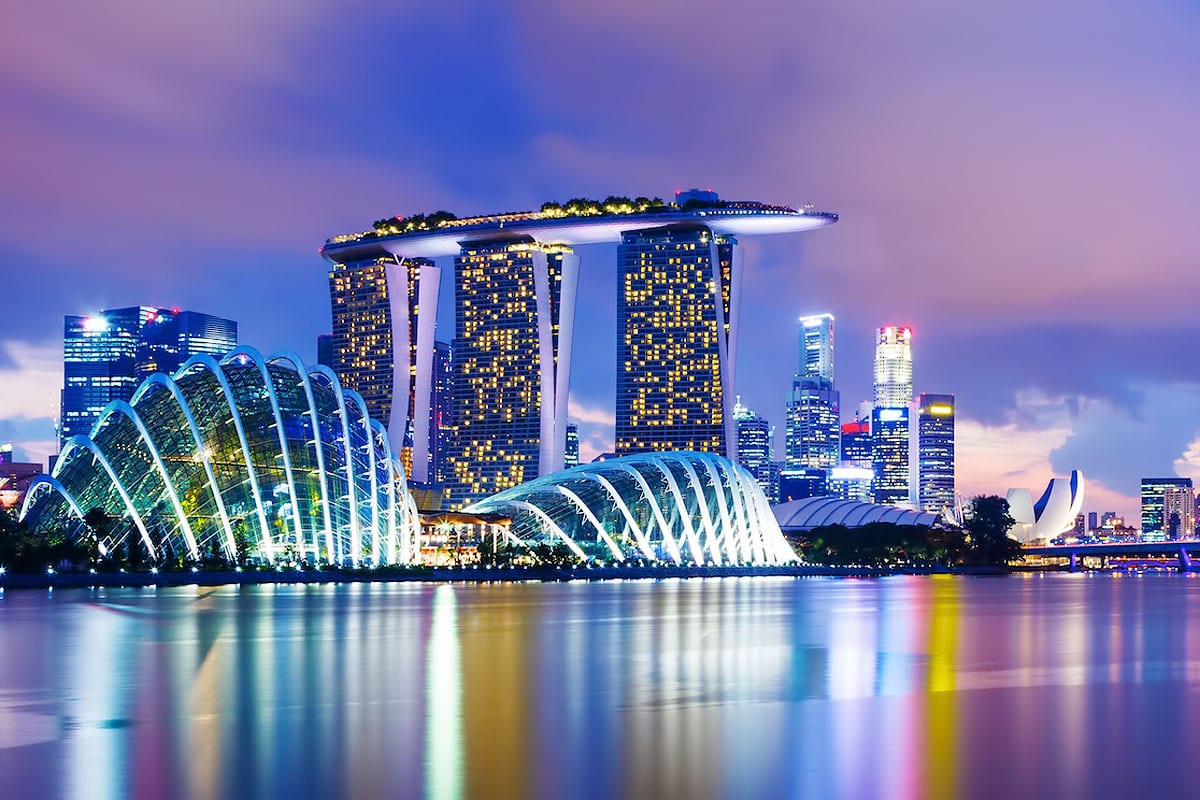
    More luxury brands and new-to-market retail concepts are debuting at The Shoppes at Marina Bay Sands – along with an expanded collection of premium children’s brands at the North Promenade.

    Gucci Kids, Kenzo Kids, Paul Smith Kids and Stella McCartney Kids will open in the first half of next year – the first standalone stores in Singapore for all four brands. They join Baby Dior, Dolce Gabbana Junior and Fendi Kids, all of which are the first and only outlets for the brands in Southeast Asia.

    Hugo Boss Nico Rosberg Event_A

    Marina Bay Sands VP of retail John Postle says the brand expansion helps The Shoppes continue to sharpen its edge as a leading shopping destination.

    Lewis Hamilton at The Shoppes

    Lewis Hamilton at The Shoppes


    Culinary options at the mall are also being extended. Just opened is Seafood Paradise, the homegrown brand’s flagship restaurant in Singapore.

    Baked Pork Belly Ribs with Honey Pepper Sauce

    The Paradise Group will also be opening its Canton Paradise this year to showcase classic Hong Kong cuisine such as roasts, noodles and wok-fried dishes.

    Signature Creamy Butter Crab topped with Coconut Crumbs

    Steamed Star Garoupa in Teochew Style

    Also launching soon is the first standalone Venchi Chocolate and Gelato kiosk in Singapore, featuring South American chocolate. Japanese chain Ippudo Ramen is also in the pipeline, as well as the new-concept Starbucks Reserve, which introduces rare coffees and special brewing methods.

    New-to-market brands

    As well as luxury lingerie store Agent Provocateur, other new-to-market brands set to join the mall this year include Homme Plisse by Issey Miyake, a men’s range of sporty separates. The collection will be featured in the same boutique space featuring Pleats Please Issey Miyake and Bao Bao Issey Miyake.

    Front Row Boulevard_C_A personal shopping journey with Anita Kapoor at The Shoppes

    French fashion house Chloe will return to Singapore in the first quarter of next year with its first standalone boutique as part of a significant expansion across the mall’s luxury boutiques. Key enhancements will include Tiffany & Co doubling its store size and the Chanel duplex also expanding to nearly 11,000 sqft (1021 sqm). It will have a new design concept by architect Peter Marino.

    Front Row Boulevard_located between Chanel and Gucci

    Shoes, bags and accessories designer Jimmy Choo will also double its shop size. Other outlets also enlarging their stores include Breguet, Omega, Paul & Shark and Rimowa.

    Meanwhile, The Shoppes at Marina Bay Sands is midway through its fashion promotion Front Row at The Shoppes. The event features the world’s fashion capitals each week through the eyes of trendsetters, highlighting craftsmen and offering personal styling sessions.

    Front Row 2016 - FENTY PUMA show_C

    Front Row 2016_Repetto Event with Yoyo Cao_B (2)

    Front Row 2016 – Repetto Event with Yoyo Cao


    Front Row at The Shoppes_Runway D

    A highlight was a regional party hosted by Burberry and attended by more than 200 guests. The evening introduced the brand’s new “Personalised for You” in-store experience for Southeast Asia, showcasing its most iconic designs and revealing the craftsmanship behind each piece.

    Front Row 2016 - Burberry Regional Party_D

    Front Row 2016 - Burberry Regional Party_C

    Front Row 2016 - Burberry Regional Party

    British singer/songwriter Georgie also marked her debut in Asia with a performance at the in-store party.

    Front Row 2016 - Burberry Regional Party_British singer Georgie_B

  • Cloudera, CenturyLink offer Big Data as a Service

    Cloudera, CenturyLink offer Big Data as a Service

    Cloudera has expanded its partnership with CenturyLink to deliver big data as a service to enable customers gain value from all their data.

    As part of being a preferred partner, CenturyLink’s Global IT Services is delivering a fully managed big data solution powered by Cloudera Enterprise.

    This combined big data offering will exponentially speed time to deploy Cloudera Enterprise and also simplify some of the management complexities from Hadoop operations, so that customers can spend more time working with data and generating new insights that drive business growth.

    “In addition to offering a platform for big data management and analytics in the cloud, we are also focused on delivering value-added use cases that run on this platform and help our customers become more agile and responsive,” said Gary Gauba, president of CenturyLink Cognilytics.

    By leveraging Cloudera Enterprise, CenturyLink will gain a more complete view of its customers across all its systems, products, and diverse interaction channels. This entails integrating all existing data sources and ingesting real-time data.

    CenturyLink will use the Cloudera platform to perform advanced analytics in the areas of SDN as well as network virtualization to proactively monitor and further optimize its global communications network.

    Tom Reilly, CEO of Cloudera, said CenturyLink’s big data-as-a-service offerings will make concepts like advanced analytics, machine learning, and real-time data more available and accessible to more people.

    CenturyLink’s big data-as-a-service solutions are under development and expected to be generally available later this year. Cloudera managed services by CenturyLink are now generally available.

  • Samsung Recovers More Than 60 Percent Of Galaxy Note 7 Smartphones In US And South Korea

    Samsung Recovers More Than 60 Percent Of Galaxy Note 7 Smartphones In US And South Korea

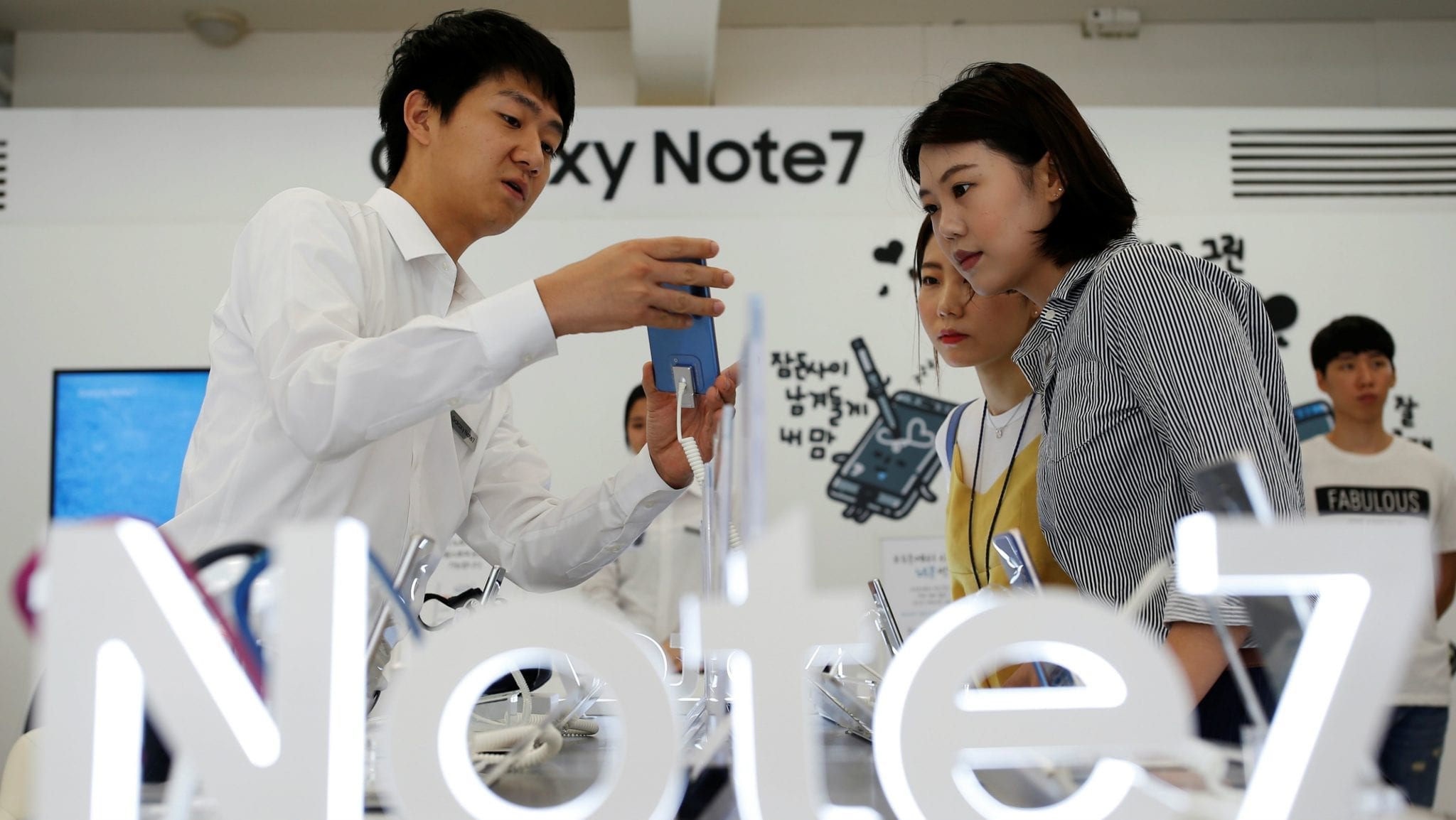
    Galaxy Note 7 smartphones caused headaches and occasional burns to their owners, but only 60 percent of the defective devices sold in South Korea and the U.S. have so far been exchanged with new models, Samsung says.

    This means that 40 percent of the potentially explosive handsets are still in consumer hands, despite the fact that Samsung issued a worldwide recall on the smartphone almost a month ago.

    The percentage shows that the successful exchanges in the U.S. are slowing down.

    At the middle of last week, Samsung reported that 50 percent of the potentially hazardous smartphones were replaced with new models in the U.S. It would seem that the number of returns increased by 10 percent in five days, but keep in mind that the total figure takes into account South Korean returns as well.

    Last week, reports from South Korea indicated that the return percentage in the country is north of 50 percent.

    Samsung tried its best to motivate South Korean retail stores to accelerate the replacement of faulty Note 7 phones, and it even put financial incentives on the table. The Korea Times reports that vendors can earn 20,000 won (about $18) per exchanged phone. Stores can get an additional $18 per phone should they top an 80 percent exchange rate of the Note 7 handsets prior to the end of September.

    Even with the financial motivators in line, mobile customers in South Korea seem rather reluctant to let go of their Galaxy Note 7s. In the OEM’s home country, it took five days to see half of the Note 7 stock exchanged, whereas in the U.S. and Singapore the switch only took two days for 50 percent of devices.

    Singapore customers wasted no time and swiftly returned the fiery Note 7 models. Samsung’s recall program was open for 10 days in the country and it already ranked an 80 percent exchange of the Note 7.

    The recent battery scandal dented Samsung’s reputation as a reliable electronics manufacturer as well as its share value. However, 90 percent of Note 7 customers choose to replace their phones with a safe version of the same device. Of South Korean clients, only 4 percent chose a refund over an updated Note 7.

    As a reminder, the biggest smartphone builder announced on Sept. 2 that at least 2.5 million Note 7 smartphones are being recalled due to faulty batteries that can overheat while charging, causing some phones to burst into flames.

    According to the OEM, the replacement devices that are in stores are sporting safe batteries.


  • Why Is China The Center-Piece Of Starbucks’ Growth Story?

    Why Is China The Center-Piece Of Starbucks’ Growth Story?

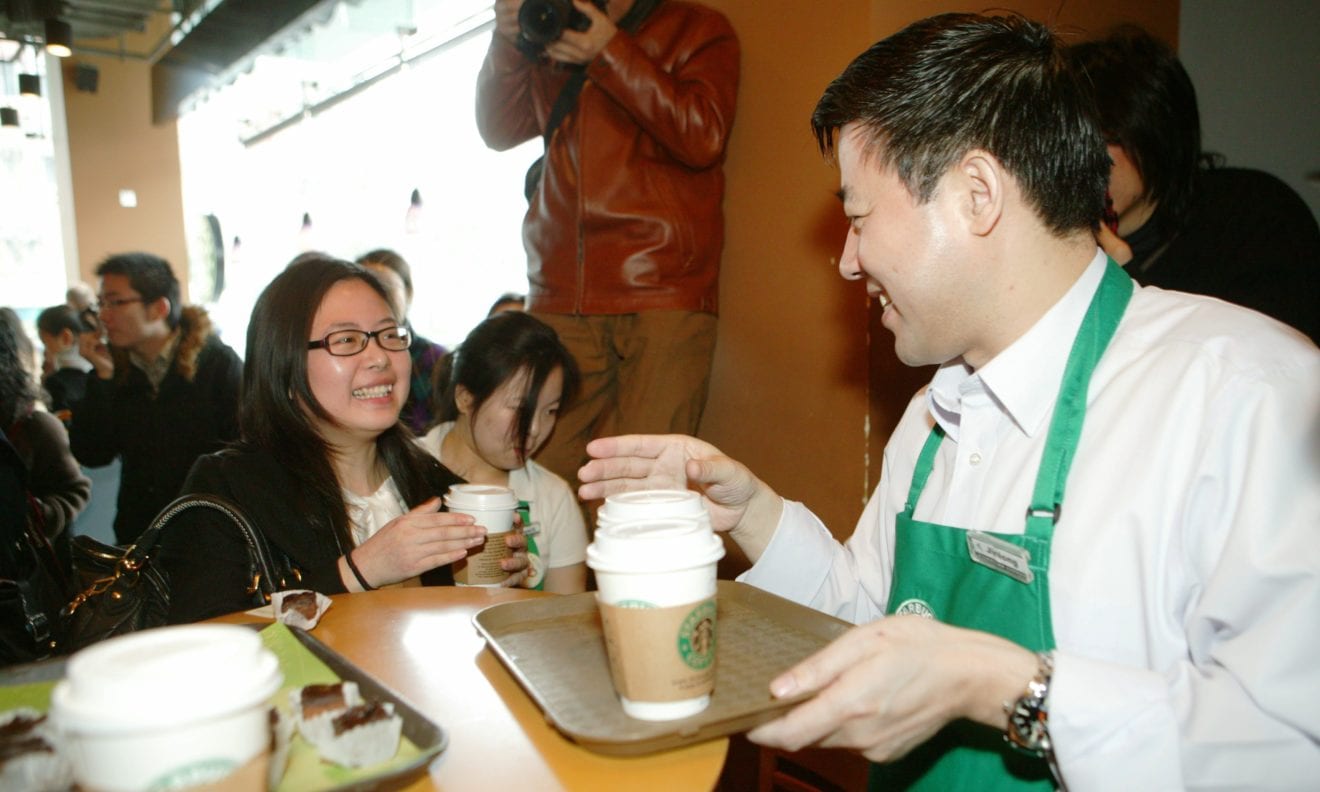
    China is the brightest star of the Starbucks growth story. The company has almost 2,300 stores in over 100 cities in China, and continues to open more than one store per day. China outshone the other regions in the June quarter, by posting 7% comparable sales growth due to increased traffic. Further, China accounts for over 10 million of the 19 million Starbucks Reward members in China and Asia Pacific (CAP). To reinforce China’s growth potential, Starbucks has plans to open up 2,500 stores for the next five years in the region.

    s1

    Why Is The Focus On China?

    Starbucks is facing intense competition from western brands like McDonald’s, Dunkin’ Donuts, and Burger King, to establish a foothold in China, not to mention the existing domestic players. However, Starbucks differs from the other food chains in the fact that it is seeing continued success in the region, while others, like McDonald’s, which is selling-off its restaurants in mainland China, are seeing their business flailing. The question to be asked here is why is everyone focusing on China. There are a number of reasons. Firstly, the American market is largely mature. Consequently, a large growth impetus cannot be expected from the U.S. That means Starbucks, like others, needs to look at emerging countries and markets with low penetration to drive revenues. This leads us to China, which is the second largest economy in the world. The middle income class in China is expected to double over a period as short as five years. Although, its economy has slowed down recently, China is still among the fastest growing nations, far ahead of Europe and the States.

    s2

    What Is The Reason Behind Starbucks’ Success In China?

    According to data from Roland Berger, Starbucks dominated the Chinese coffee market with an impressive 60% share, while McDonald’s and Costa only make for 13% and 11% of the total. One of the major reasons behind Starbucks’ success in China, when others are failing, is its commitment towards delivering what customers want. Instead of trying to pitch the U.S. bestsellers in China, it came up with new and innovative products, such as green-tea flavored coffee, which holds appeal for the country’s masses. Secondly, rather than pushing take-out orders, which account for the majority of American sales, Starbucks adapted to local consumer wants and promoted dine-in service. Although dine-in services bring in lesser revenue per square meter, Starbucks’ high pricing strategy in the area results in China being as profitable a market as the U.S.

    In addition to all this, Starbucks proved itself to be an employee-friendly workplace. While most western conglomerates treat their Chinese employees like cheap labor, causing the turnover rate to be high, Starbucks has invested in its employees through programs like student loans and subsidized accommodation. This further strengthened Starbucks position in China as satisfied employees are the best marketing agents a company can possibly ask for as they are the ones responsible for customer experience. Moreover, it has smartly partnered with local companies in various parts of China to overcome hurdles, deal with the complex foreign laws, and thus, grow effectively. The recent partnerships with the Chinese company, Tingyi, to manufacture and sell “ready to drink” products in China, is one example.

    s3

    What Is Next For Starbucks In China?

    According to the management, Starbucks plans to make China its largest retail market by the end of 2019. As mentioned before, it plans to open 2,500 new stores over the next five years in the region, even as the concerns about the slowdown in China increase. In 2017, it plans to open up a 30,000 square-foot Starbucks Shanghai Roastery and Tasting Room to appeal to the growing and increasingly rich upper class of China.

    Starbucks has also begun sourcing its coffee beans from areas within China, to seem less foreign and help the domestic coffee industry flourish. Further, Starbucks has branched out into selling tea drinks, such as Teavana, in China. According to Euromonitor, the size of China’s retail tea market was nearly $10 billion in 2014, the largest in the world and far ahead of second-positioned Russia.

    s3

  • Are low spending Chinese shoppers a new normal?

    Are low spending Chinese shoppers a new normal?


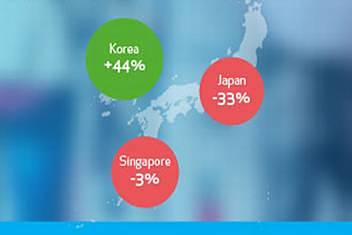
    August shopping data from tax refund specialist, Global Blue, indicates a downward trend in tax-free in-store sales of -13% (year-on-year) – the worst decline since the start of the year and a big fall compared with July’s 0% change.

    global-blue-august-asia-3-markets
    There are stark differences in August tax-free sales, largely because of the beneficial ‘MERS effect’ in Korea.

    While transactions rose significantly in August by +25%, the decline of average spend at -30% clearly shows that individual travellers are spending less and this is probably due to a combination of factors ranging from China’s customs clampdown, a different passenger profile, and currency influences.

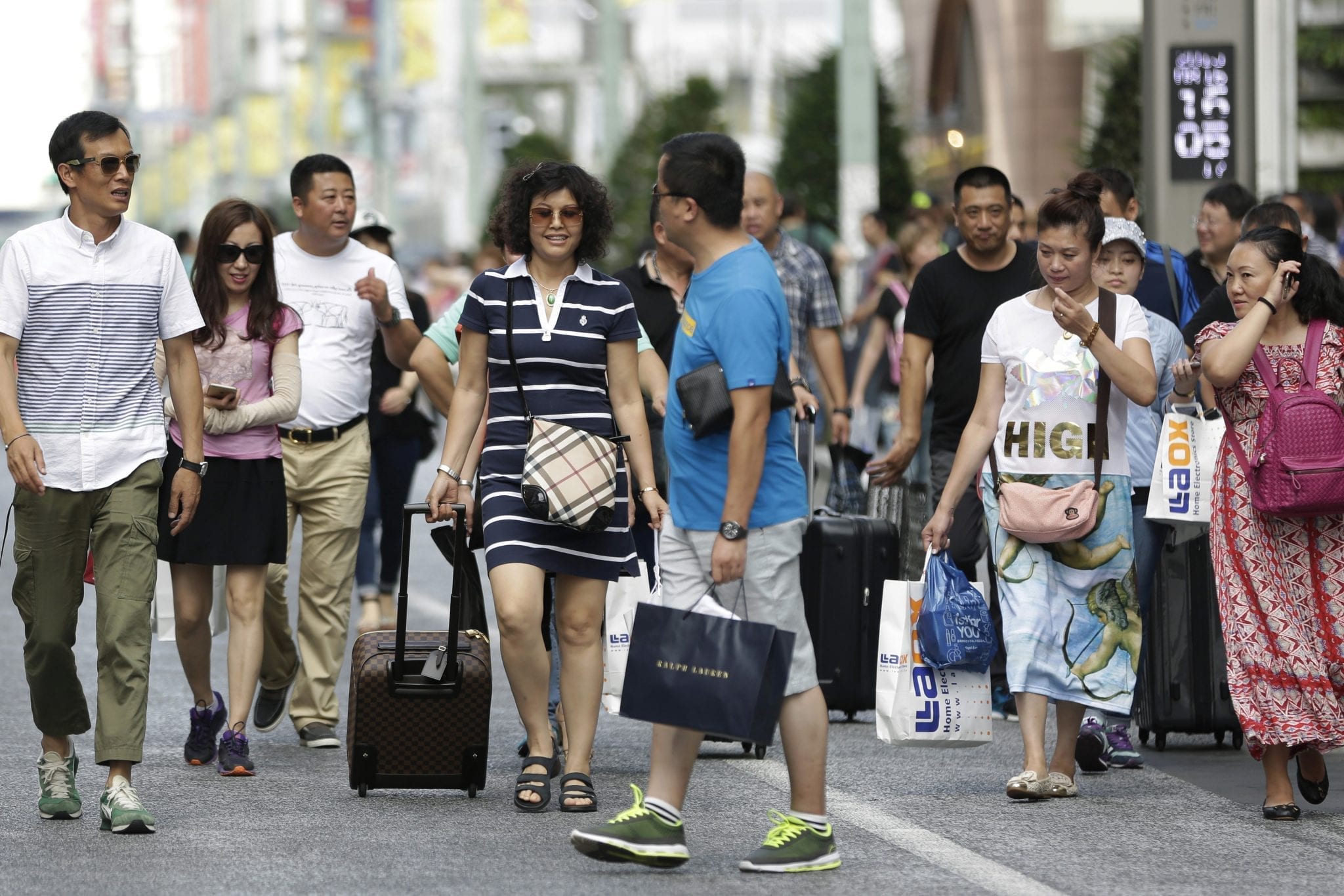
    Global Blue says: “The rise of less affluent middle class Chinese travellers continues to bring down the average spend of tax-free shopping globally, with a sizeable impact in Asia. Across the region more ‘value seekers’ from second-tier and third-tier cities are growing their transactions, but with less affluent spending patterns.”

    Duty free and travel retailers can take comfort from the rising number of travellers in Asia, which correlates with higher numbers of transactions in South Korea, Japan and Singapore. But, says Global Blue, the overall sales performance in the region is significantly limited by the headwinds of a stronger yen in Japan and Chinese spending in the region increasingly being driven by value-seeking shoppers who spend less.

    COMMON THEME IS LOWER SPEND POTENTIAL

    The travel boost is not compensating for the spending fall in key duty free and travel retail locations such as Singapore and Japan – while Hong Kong (downtown) does not even have the benefit of rising traveller numbers.

    All Global Blue’s Asia tax-free shopping destinations rely on increased arrivals and traffic, yet the common theme is lower spend potential. With -33% sales in August, Japan has been affected by the strong currency, which has negatively impacted the number of transactions.

    Global Blue August Asia

    Transactions are strongly up but average spending is even more strongly down.

    Global Blue estimates that 23% of Japan’s negative sales performance this month is driven by the softer yen and the other 10% is due to increased numbers of less affluent Chinese shoppers arriving in Japan (+20 to +30% more in the first half of the year at Narita airport) from second-tier and third-tier cities.

    South Korea’s sales performance of +44% this month (versus an impressive triple-digit growth of +215% for July) is on the back of highly beneficial comparisons to last year when the MERS virus took a big toll on traffic.

    ASIA YEAR-TO-DATE DOWN -21%

    Transaction numbers are significantly up across all globe shopper nationalities in Asia, except for Hong Kong (-10%), reflecting the increase in air arrivals across Japan and South Korea. Taiwanese globe shoppers (+43%) showed the highest transactions growth in the region in August, followed by Chinese (+28%), with Thais and Indonesians up too. However, the decline in average spend per transaction is a long-term trend.

    Global Blue estimates that the new Chinese value seekers are having a negative impact of between -6% and -10% across Asia as their demand for regional travel increases, driven by the Chinese government’s strategy of strengthening the economy by localising discretionary spending.

    Year to date tax-free sales performance across the region is flat and average sales are down -21%. A less favourable economic situation in mainland China is also not helping travel spending: for example Japan’s current picture YTD is a +26% increase in transactions and a decline of -25% in average sales.

  • Việt Nam retail market attracts international investors

    Việt Nam retail market attracts international investors

    Việt Nam’s growing retail market has attracted the attention of foreign retailers. A series of famous retailers from Japan, Thailand, South Korea and France have flocked to the country, hoping to penetrate the market, a recent JLL Việt Nam report said.

    As penetration of foreign retailers into the country has increased, fierce competition in the retail space has become more intense. This will put the retail market to the test and only retailers with the right positioning to meet market demand will gain market share.

    In 2014, the Berli Jucker acquisition of Metro Cash & Carry Việt Nam for an enterprise value of 655 million euro (US$700 million) – the largest-ever Merger & Acquisition deal in Việt Nam at that point – signalled entry of the Thailand retailer into the country.

    Later, another Thailand giant, Central Group, acquired Nguyễn Kim Trading – Việt Nam’s top electronics retailer, and BigC Việt Nam- the second largest supermarket chain in terms of store number in the nation.

    In October 2015, Emart – the leading South Korean retailer – officially marked its entrance with a US$60 million shopping centre in north HCM City. Also from South Korea, Lotte Mart is quite successful with 11 supermarkets, a number expected to increase to 60 stores by 2020.

    Most Japanese investors consider the success of Aeon in Việt Nam a praiseworthy case in overseas investment. Aeon has four malls and expects to reach 20 malls before 2020. Also from Japan, Takashimaya arrived in July 2016 as anchor tenant of downtown HCM City’s Saigon Centre retail mall.

    Adding to three Simply Mart stores in HCM City, AuchanSuper, a major retail brand from France, is planning to open another 17 supermarkets by end-2017 in the city and 20 stores by 2020 in northern Việt Nam.

    Thanks to increasing disposable incomes, big fashion brands such as Gap, Mango and Topshop have become the top choice of many young Vietnamese. In September 2015, Zara opened its first flagship store in HCM City. H&M will reportedly enter Việt Nam early next year.

    With 90 million people, Việt Nam has attracted retailers with its relatively young population – 70 per cent are aged between 15 and 64 years – who promise to be a key driver of robust market growth. Việt Nam’s urban population is expected to grow 2.6 per cent annually from 2015 to 2020, the highest rate among regional peers.

    “Increasing disposable incomes, rapid urbanisation and rising living standards make Việt Nam one of the most dynamic emerging economies in South East Asia,” says Bùi Trang, Commercial Leasing Director at JLL Việt Nam.

    According to the Boston Consulting Group, Việt Nam has the fastest growing middle and affluent class (MAC) in the region, which will double in size between 2012 and 2020, from 12 million to 33 million. MAC consumers, whose income is VNĐ15 million (US$700) or more a month, will be a key group of potential customers for retailers.

    Việt Nam e-commerce is set for strong growth thanks to its growing consumer and online population. According to the Nielsen’s report, nine out of ten consumers in Việt Nam (91 per cent) own smartphones, compared to 82 per cent in 2014, and the rapid up-take of connected devices, especially smartphones and tablets are instrumental in media consumption shifting.

    “Significantly increasing the amount of the credit card holders has also had an impact on the change in consuming behaviour. It is observed that people now are more willing to spend as they can afford more with credit and it tends to make shoppers less canny,” she said.

    Additionally, increasing international arrivals and continuously improving infrastructure are also factors that make Việt Nam an alluring market for retailers.
  • High-end Knockoff Retailers Busted in Seoul’s Busiest Tourist District

    High-end Knockoff Retailers Busted in Seoul’s Busiest Tourist District

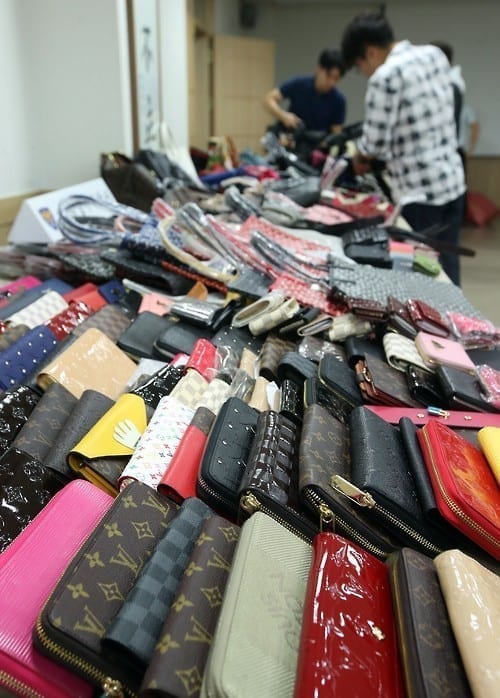
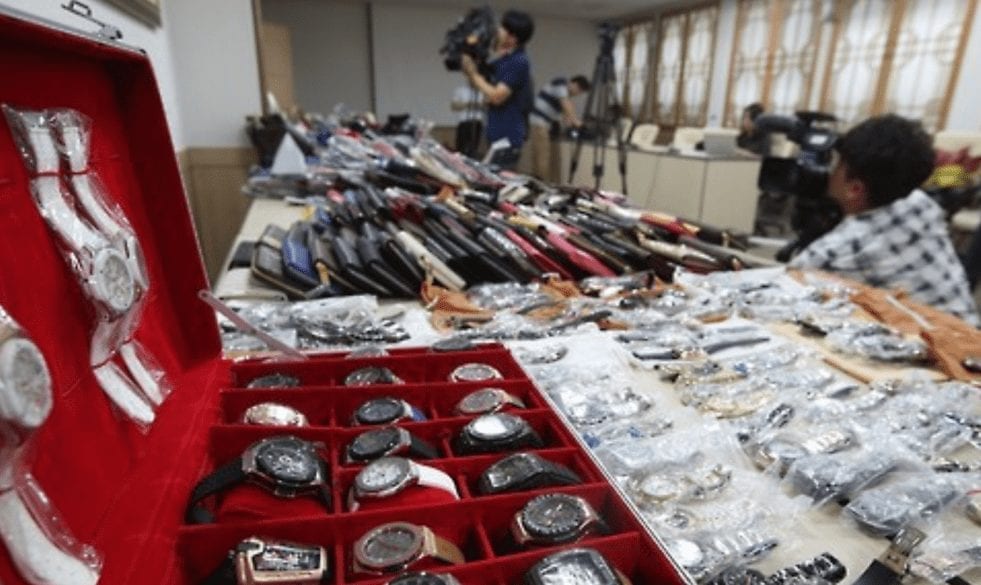
    Seoul police busted four retailers Monday for selling counterfeit products of luxury brands in Myeongdong, one of the busiest tourist and shopping districts in Seoul. 
    fake-product-luxury

    The gang launched operations in April, and has since sold 40-million-won ($36,245) worth of knockoff products from 41 brands that included luxury brands Louis Vuitton and Rolex. Converting the sales figure to the retail value of their respective genuine products, they were worth over 8.3 billion won, the police said. 

    The suspects displayed the products without the logo engravings to evade police crackdowns. Instead, they sold the final products with the logos at a separate storage area only when visiting customers asked for counterfeit products.
    “Counterfeit products can badly hurt the image of Myeongdong, so we plan to continue our crackdown operations jointly with the local government and the intellectual property office,” said a police official.


    Image Credit: Yonhap