Author: Mei Ling Tan

  • Fifth Tokyo outlet for Dolce & Gabbana Japan

    Fifth Tokyo outlet for Dolce & Gabbana Japan

    Special lighting helps create atmosphere in the new store opened in the upmarket Aoyama neighbourhood of Tokyo by Italian fashion brand Dolce & Gabbana Japan.

    Dolce-Gabbana-new-store-Aoyama-Tokyo-4

    Gwenael Nicolas of Curiosity came up with the retail design concept with the brief being to transport the brand’s creative soul and its Sicilian roots. Both the architectural design and decor of the 550 sqm store express Sicily’s distinctive and vibrant luminosity through chiaroscuro effects, contrasts and perspectives.

    Dolce-Gabbana-new-store-Aoyama-Tokyo-1

    The boutique space resembles a compact black volume with the displayed collections illuminated in sequence. The 400 spotlights on the ceiling move around and switch on and off, making the products immersed in shadow burst with colour at regular intervals.

    Featured are women’s and men’s ready-to-wear, shoes, handbags, eyewear, accessories and fine jewellery.

    Dolce-Gabbana-new-store-Aoyama-Tokyo-2

    Dolce-Gabbana-new-store-Aoyama-Tokyo-3

    Outside, the store is coated in Arabescato marble, which also backgrounds the display windows and display cases. A majestic panel at the entrance with the Dolce & Gabbana sign is in black Carnico marble.

    dolce-gabbana-new-store-aoyama-tokyo-5

    It is the brand’s fifth outlet in Tokyo.

    Photos: CPP Luxury

  • Sunway Malls recruiting flight attendants

    Sunway Malls recruiting flight attendants

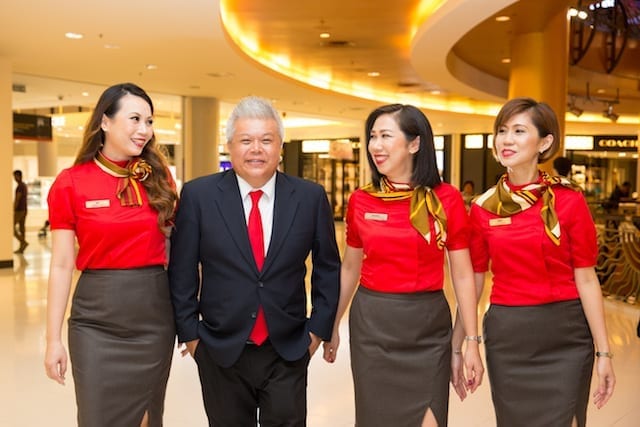
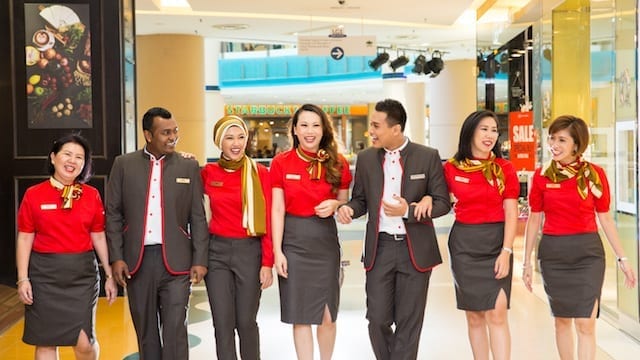
    In a bid to soar above the growing competition in the Malaysian mall industry, Sunway Malls is hiring former flight attendants to work in customer service.

    As well as experience in delivering quality service, the former flight attendants have training and experience in safety and handling emergencies.

    Customer care - Sunway Pyramid 3

    So far nine former flight attendants have been recruited from a local carrier to work in both Sunway Pyramid and the soon-to-be-opened Sunway Velocity Mall. Similar recruits are also being sought for Sunway Putra Mall in Kuala Lumpur and Sunway Carnival Mall in Penang.

    “With increasing competition, it is imperative the creation of good customer-service experience in malls takes precedence as both a strategic differentiator and a loyalty tool in a saturated market,” says Sunway Malls COO Kevin Tan.

    customer-care-sunway-pyramid

    Earlier customer-service initiatives have included a carpark guiding system, powered wheelchairs and child distance monitors. Sunway Pyramid received a My Branded Service Award for outstanding customer service in 2009.

    Customer care - Sunway Pyramid 2

    Tan says the company still welcomes others who have not been flight attendants, with the most important criteria being passion and willingness to serve customers.

    Competition is expected to intensify in Malaysia’s mall industry as another 27.28 million sqft (2.5 million sqm) of new retail space is about to enter the market, according to data from the National Property Information Centre.

  • Bank of Bhutan to Start Accepting JCB Card

    Bank of Bhutan to Start Accepting JCB Card

    JCB International Co., Ltd. (JCBI), international operations subsidiary of JCB Co., Ltd., and Bank of Bhutan Ltd. (BOBL), the first and largest scale commercial bank in Bhutan, today announced that BOBL started accepting JCB cards at the bank’s merchants.

    Bhutan is popular destination for people in Asia Pacific. According to Tourism Council of Bhutan, over 150,000 travelers visited the country in 2015, which has more than tripled over the past 5 years. Most of the travelers are from regional countries in Asia, where JCBI focuses on for its business. BOBL, established in 1968, is the first bank of the country and currently has about 45 branches throughout Bhutan. With this launch, JCB cards are accepted at more than 480 locations and it covers 90% of POS terminals and ATMs in the market.

    JCBI Deputy President Kimihisa Imada said, “This year is the 30th anniversary of the establishment of diplomatic relations between Bhutan and Japan and it is my pleasure to announce the launch of business cooperation of BOBL and JCB in such a historic year. South Asia is an emerging market and Bhutan is located in the middle of East Asia, Southeast Asia, and South Asia. Through the bank’s nationwide merchant network, we can meet JCB cardmember demand while travelling and sightseeing in Bhutan, especially cardmembers from neighbor countries, such as China, Bangladesh, and Thailand, which have about 13 million cardmembers.”

    Pema N Nadik, Chief Executive Officer of BOBL, said, “The introduction of JCB card acceptance has been long awaited given the popularity of Bhutan as a destination for Japanese travelers. With JCB cards now being accepted in Bhutan through the network of Bank of Bhutan’s ATM and POS terminals, visitors holding JCB cards have the option of making payments securely through this payment channel.”

  • Despite problems at home, SMRT eyes Indonesian market

    Despite problems at home, SMRT eyes Indonesian market

    Transport operator SMRT has been awarded the tender for the construction of a public rail project in Bandung, the Mayor of Indonesia’s third-largest city said, a development that has elicited a thumbs-up from analysts.

    Local media in Indonesia had reported in recent days that SMRT will be the project operator for the Light Rail Transport (LRT) in Bandung. Bandung Mayor Ridwan Kamil was quoted in the reports as saying that in the initial stage, SMRT will build the LRT Corridor 1, a 10.2km route from Babakan Siliwangi to Leuwipanjang.

    In a Facebook post last Monday (Sept 19), Mr Kamil wrote SMRT had been awarded the tender for Corridor 1 and that construction would begin by next year if everything went well.

    In the wake of those reports, SMRT on Monday (Sept 26) said in a regulatory filing with the Singapore Exchange (SGX) that its wholly-owned subsidiary, SMRT International, had on Sept 9 submitted together with T-Files Indonesia a formal bid to participate in a tender for the construction of a public rail project in Bandung, about 180km from Jakarta.

    SMRT said in its filing that it had not received official notification of the tender award and that no agreement had been reached on any of the terms with regard to the construction and implementation of the project. It declined to comment beyond the SGX filing.

    Assistant Professor Yang Nan, Department of Strategy & Policy at NUS Business School, said: “Obviously this is an interesting project. Even if it doesn’t promise immediate high returns, SMRT is eyeing the future. As the largest economy in Asean, Indonesia has very underdeveloped transport infrastructure but is ready to catch up quickly.”

    He added: “Getting an early and strong foothold in these new markets is crucial for rail expansions and SMRT’s move is in this direction. I’m optimistic about SMRT’s perspective in winning this and future tenders, for its specialties and experiences operating in the Asean market.”

    CMC Markets Singapore analyst Margaret Yang said: “Indonesia is a fast-growing emerging economy, with a large population and high demand for infrastructure upgrading. This would be a good opportunity for SMRT to explore new business in Asean’s largest economy.”

    The latest development comes two years after SMRT International joined a consortium to provide consultancy services and secured first rights to operate and maintain the Jakarta Eco Transport monorail, due to commence operations next year.

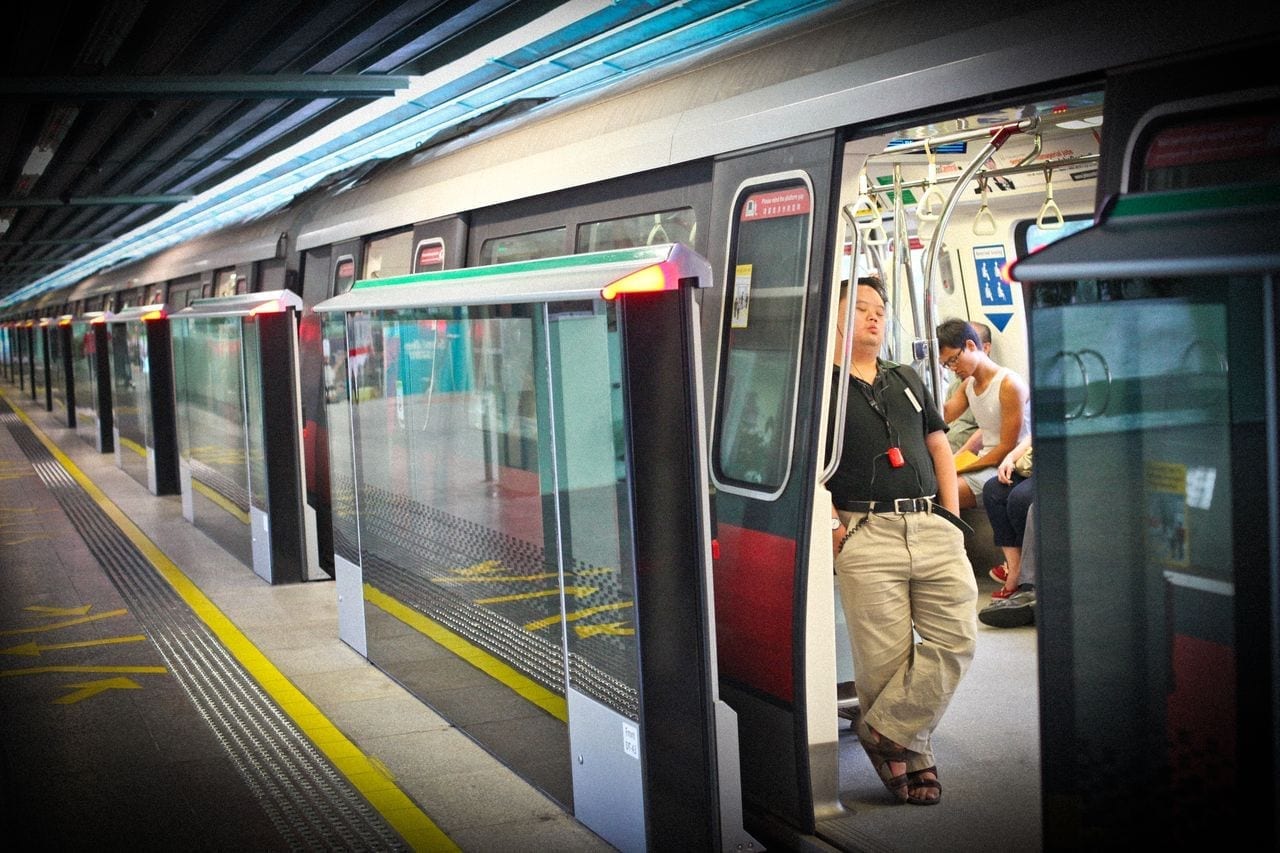
    At home, SMRT has come under heavy criticism in recent years as frequent train disruptions and delays on its various lines held up passengers on their daily commutes.

    In March, two employees carrying out routine maintenance work on a track near Pasir Ris MRT Station were killed after they were hit by a train approaching the platform. In July, SMRT said it had sent back 26 China-made trains to the manufacturer for repairs after cracks were found in them.

    Earlier this month, SMRT said it had not been able to determine the source that caused the intermittent loss of signalling communications on the Circle Line last month, which led to days of train service delays.

    Transport analyst Park Byung Joon, who lectures at SIM University, said that any operator with a long-enough history in operations will have its own record of mishaps. “As a train operator, it has a responsibility to the public, of course, but as a commercial entity there is nothing wrong for a business expansion opportunity,” he said.

    “Despite some recent operational hiccups suffered by SMRT, it is still a very strong operator of trains. As an operator of trains, it can bring in its knowledge on how to oversee the construction project and what kind of considerations you have to have for safety concerns. This kind of knowledge can be very useful for the consortium.”

    This Thursday, SMRT shareholders will vote on state-owned investment fund Temasek Holdings’ proposed buyout of the public transport company and experts have mixed views on how news of the Indonesian tender will affect the vote.

    Temasek’s wholly-owned subsidiary Belford has proposed to buy the 46 per cent of SMRT shares that the state-owned fund does not already hold, by way of a scheme of arrangement at S$1.68 per share.

    More than 50 per cent of shareholders present in person or by proxy must vote to approve, and they have to hold at least 75 per cent of the value of SMRT shares among those present. This excludes shares held by Temasek, which is not eligible to vote.

    SMRT said in Monday’s filing that the company does not expect the Indonesian bid to have a material impact on its net tangible assets per share or earnings per share (EPS) for the current financial year.

    “There shouldn’t be a material impact on shareholder’s decision due to the uncertainty surrounding the bid, and no material impact on its tangible assets or EPS in the near term,” said Ms Yang.

    However, Mr Yang disagreed.

    “The shareholders may vote for SMRT to remain publicly-listed as they see this announcement as something that can boost the future stock value of SMRT, and an opportunity to receive higher future dividends,” he said.

  • Indonesia’s health care industry is on the rise

    Indonesia’s health care industry is on the rise

    Data from WHO Global Health Expenditure Database has revealed that, in 2014, Indonesia’s spending on health care totaled only 2.8 percent of GDP. Compared to the global average of 9.9 percent, it goes without saying that our nation’s total expenditure for health is among the lowest in the world.

    Full implementation of National Health Insurance (JKN) is targeted for 2019 and was initially been seen as the main catalyst to the country’s growth in the health care industry.

    Nevertheless, the initiative saw a challenging launch and, thanks to regulation disparities, poor infrastructure, inadequate medical staff and ultimately funding shortfalls, many analysts maintain their doubts that the program can achieve its main objective, covering 260 million Indonesians by 2019.

    While the pain experienced by the majority of Indonesians dealing with Indonesia’s health care may continue to grow for some time, this is a necessary journey toward success and all the bumps can be read as signposts on the road that the nation must travel to higher-income status.

    The government has maintained the JKN program as a top priority; hence, the challenges will eventually be overcome.

    Moreover, the spark generated by the government’s boost to the health care sector is creating abundant opportunities for all to prosper.

    Substandard health care service in Indonesia represent investment opportunities and records have shown surging demand for health and medical services since the JKN program rolled out.

    In recent years, Indonesia’s conglomerates have started consolidating and investing heavily in the hospital business.

    The likes of Siloam (backed by Lippo Group) and Mitra Keluarga (affiliated with Kalbe Farma) are leading players in Indonesia’s hospital industry. Both have aggressive growth strategies.

    According to a report by the Oxford Business Group, Siloam plans to reach total capacity of 10,000 beds with 22 new hospitals coming online by 2017, while Mitra Keluarga has raised US$372 million through one of the largest initial public offerings (IPO) in recent years, the funds will be used to expand its hospital network to 18 by 2020.

    Foreign players also find Indonesia’s market very captivating. Foreign investment limits in the hospital business have recently been revised to a level of 67 to 70 percent, so more international hospital groups can be expected to leave their footprint in Indonesia soon.

    The limits in the pharmaceutical industry are even higher: 85 percent, and given the estimation that 20 percent of total health expenditure will be allocated to pharmacy products, it was not an exaggeration when in 2015 Frost and Sullivan named Indonesia as “the most promising emerging market for pharma”.

    Another area that represents an exciting prospect for investment is stem cell therapy, already an important health commodity in countries like Russia, China and India.

    While this is certainly a new area for most investors, the potential revenue is huge, surpassing $18 billion according to a study by the Prodia Group.

    Along with economic incentives, this area will promote greater international collaboration that will be useful in the advancement of medical technology in Indonesia.

    Perhaps the talk of positioning Indonesia as one of the world’s leading destinations for medical tourism is not a wild dream anymore.

    Indonesia may be playing catch up for now to the likes of Singapore and Malaysia in ASEAN, nonetheless, it is not too late to start gaining credibility in international markets like Australia, where higher medical costs may force patients to search for more affordable, but still reliable, treatment overseas.

    Indonesia’s health care providers, hence, must prepare themselves to conform to international standards in order to win the hearts of potential foreign patients.

    Indonesia’s health care industry is expected to be worth more than $50 billion by 2020. With the influx of foreign players and the race of local players to shift gear in preparation for faster growth, the government must take an active role to ensure the upgrades to the nation’s health care are beneficial for all people of all statuses.

    Various investments in the industry must make health care more affordable and accessible, especially for those in less developed parts of Indonesia.

    In addition to the primary benefit of delivering adequate health care to the people, the government must also ensure the “side effects” that could potentially also have a larger impact on society in the long run.

    Multinational medical companies operating in the domestic market should be persuaded to develop in-country research and development centers and collaborate with local universities to train capable future human resources.

    Even the tech and startup industry can make the most of this bloom by exploring various value-added services that offer faster information access, easier interaction, better and strong enough to disrupt the industry.

    This wave has already started with the creation of medical portals, real-time health trackers and even the utilization of artificial intelligence that can help medical practitioners diagnose patient health.

  • BMW recalls 110,000 cars in Japan over Takata airbags

    BMW recalls 110,000 cars in Japan over Takata airbags

    BMW Group said today it is recalling about 110,000 cars in Japan over potentially faulty airbag inflators made by Takata Corp., as part of the auto industry’s largest ever global call back.

    The automaker recalled 44 models including its 1-series 116i and 118i hatchbacks and the 3-series 320i sedan to replace passenger-side airbags made by the supplier, according to a filing to Japan’s transport ministry.

    Affected vehicles were produced between 2004 and 2012.

    Defective Takata airbags have been linked to at least 14 deaths and 150 injuries worldwide as the ammonium nitrate-based propellant used in its inflators has a tendency to explode following prolonged exposure to hot, humid conditions, spraying metal shrapnel at the car’s occupants.

    Today’s recall comes after Japan’s transport ministry in May ordered automakers to recall an additional 7 million vehicles in Japan equipped with Takata airbag inflators which do not contain a drying agent, in phases by 2019, following an expanded recall by U.S. authorities.

    Battered by the recalls, Takata is looking for a financial backer to help overhaul its business and carry ballooning costs as its stock price has crumbled almost 90 percent since early 2014 and it faces potentially billions of dollars of liabilities.

  • Nissan returns to Japan’s most exclusive address

    Nissan returns to Japan’s most exclusive address

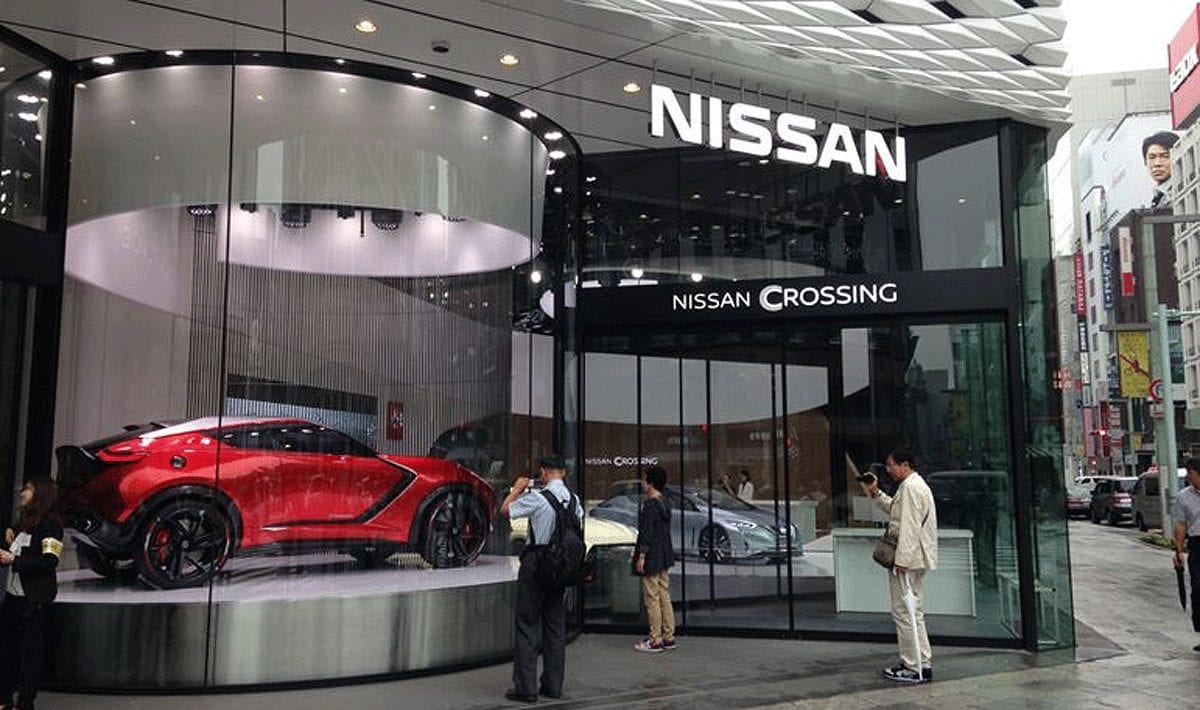
    Nissan Motor Co.’s flagship showroom has returned to Japan’s most exclusive, priciest address — Tokyo’s glitzy Ginza district, flush with department stores and geisha clubs.

    A sleek new two-story showroom sits at the shopping district’s main neon-soaked intersection, with the brand’s signature models such as the GT-R sports car and Leaf electric vehicle looking down on the well-heeled throngs through floor-to-ceiling glass walls.

    Nissan is back at the landmark locale after a two-year hiatus.

    Japan’s No. 2 automaker had had a showroom at the intersection since 1963, when models of a different kind — women in swimsuits — helped christen the gallery and show off the Fairlady 1500 convertible then on display. Nissan later moved across the street to another building owned by Sapporo Beer, which still manages the property.

    The showroom was shuttered in 2014 to renovate the entire building. Nissan offered a sneak peek of the new digs to journalists Friday, ahead of its public opening this weekend.

    Reborn as “Nissan Crossing,” the revamped gallery boasts two floors of displays featuring concept cars such as the IDS Concept and more pedestrian fare such as the Serena family van.

    The goal is to showcase how Nissan is repositioning of itself as a global leader in next-generation mobility, from EVs to self-driving cars. The Serena, for example, is the first vehicle featuring Nissan’s new ProPilot semiautonomous driving technology.

    To make sure passersby don’t miss the cars, the picture-window facade embedded with LED lights grabs their attention with colorful light shows. Once inside, Nissan invites them to stay awhile at a trendy cafe, where visitors can indulge in custom latte art that features cocoa-powder images of their own face dusted on top of their foamed milk.

  • FedEx has rolled out its Delivery Signature Options in the Asia-Pacific region.

    FedEx has rolled out its Delivery Signature Options in the Asia-Pacific region.

    FedEx has rolled out its Delivery Signature Options in the Asia-Pacific region.

    According to FedEx, the new service allows customers to decide how they want their customers to confirm receipt of their shipments. Four options are available, under which FedEx can either release the package without a signature; with a signature from a neighbour; with a signature from any person at the recipient’s address; or with a signature from an adult at the delivery address.

    FedEx expects the service to be of particular benefit to retailers and their end-customers.

    The four options are available for outbound shipments in all Asia-Pacific markets where FedEx International First, FedEx International Priority and FedEx International Economy are available, according to FedEx.

  • Singtel expands collaboration with Palo Alto

    Singtel expands collaboration with Palo Alto

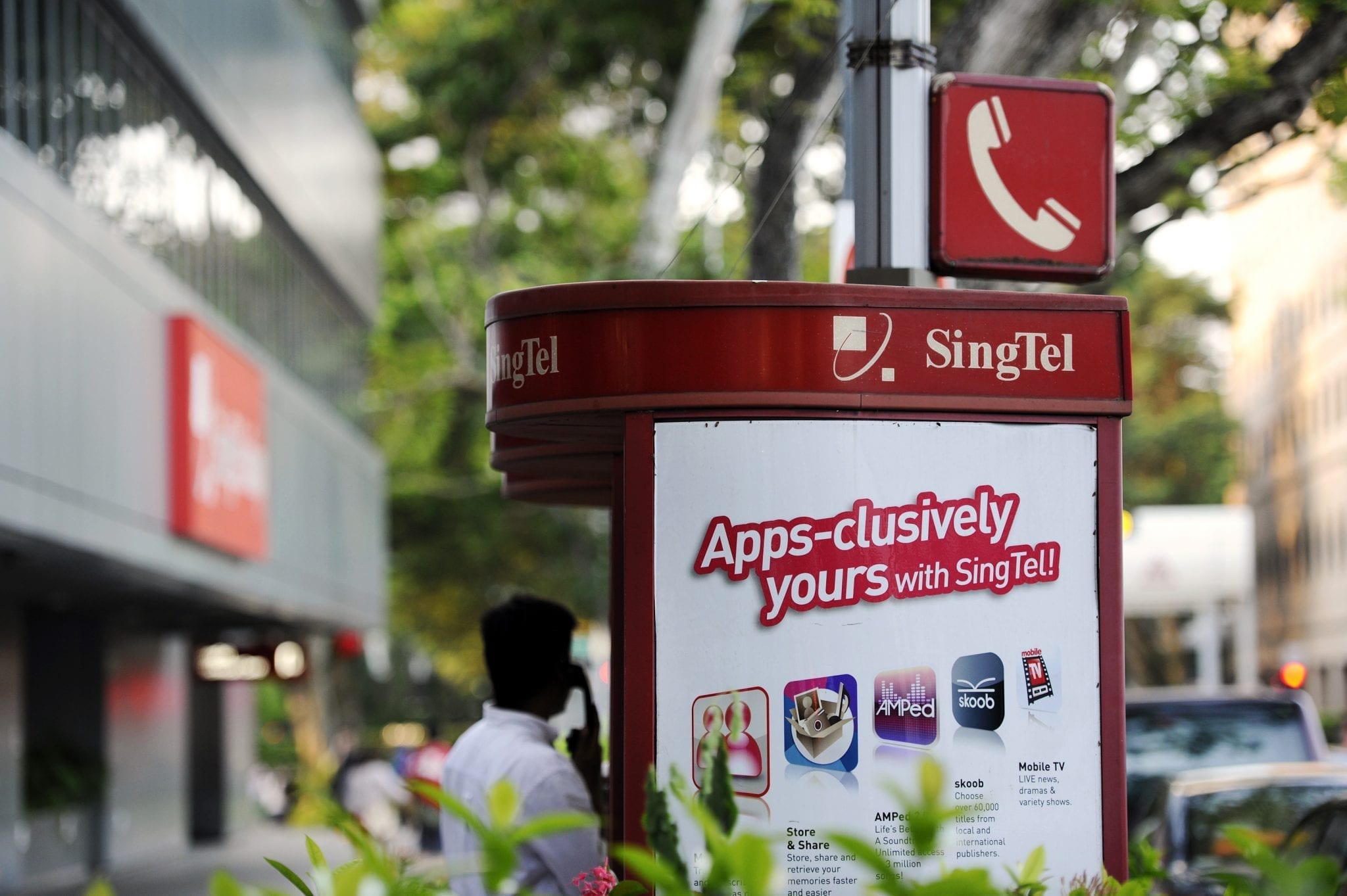
    Singtel and Australian subsidiary Optus have expanded their respective managed security services portfolios with a managed advanced threat protection service using Palo Alto’s security platform.

    The new services are designed to monitor, isolate and prevent suspicious applications from breaching an organization’s networks or endpoint devices, and to provide advanced threat intelligence capabilities for enterprise customers.

    Singtel’s managed security services business unit Trustwave provides services through a global network of eight security operations centers, integrated with Singtel’s Global Threat Intelligence.

    Singtel employs 2,000 security professionals worldwide, including its SpiderLabs cyber response team.

    “As a leading global Managed Security Services Provider, we are committed to strengthening our capabilities to protect organisations against sophisticated, evolving cyber threats. Through our collaboration with Palo Alto Networks, we have developed an innovative cyber security service which takes a holistic and preventive approach towards cyber threats,” Singtel CEO group enterprise Bill Chang said.

    “Together with our Trustwave managed security service, the trained cyber security experts at our Advanced Security Operations Centre can forestall cyber attacks and use the information of any neutralised malware to update our global threat intelligence to benefit other regions.”

    Optus’ enterprise unit Optus Business meanwhile plans to launch its own managed advanced threat protection services over the Palo Alto platform.

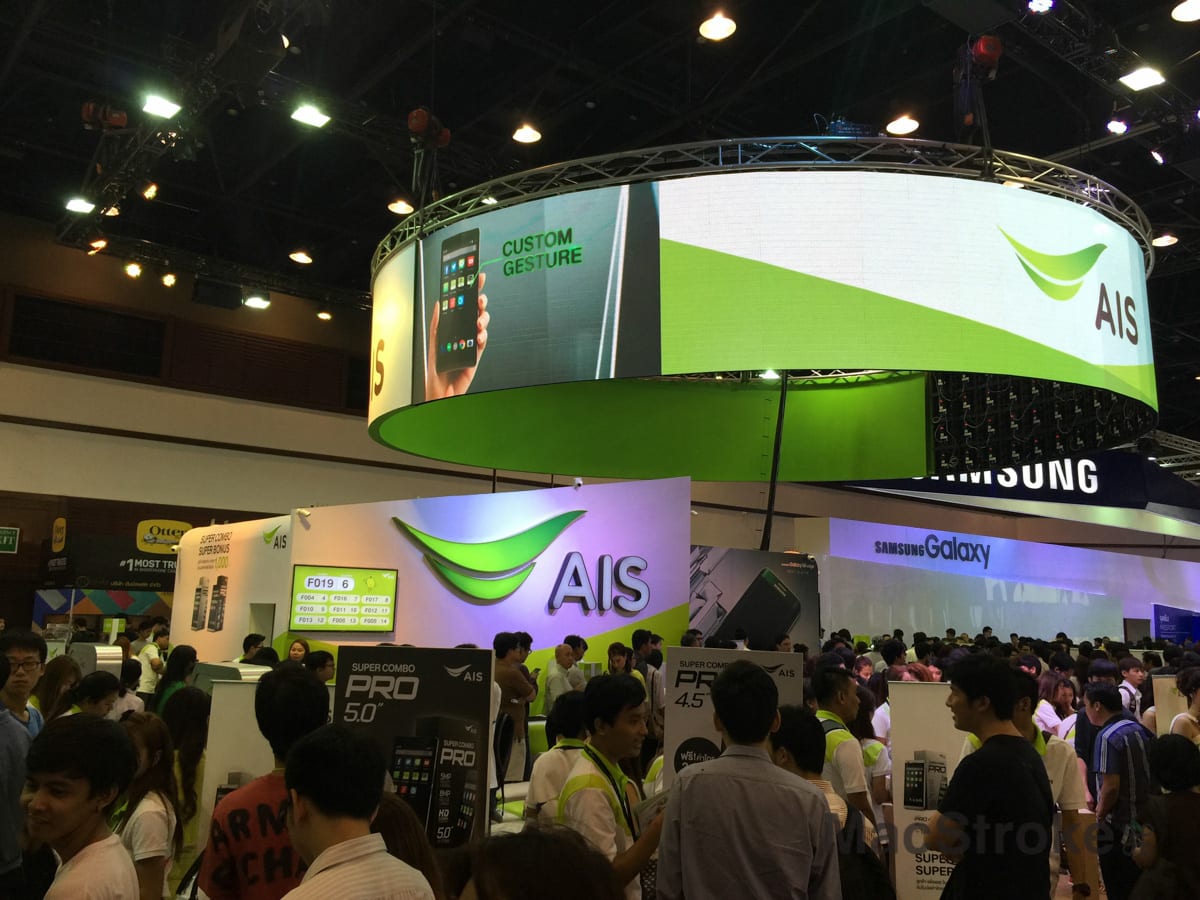
  • AIS to roam on TOT’s 2100-MHz spectrum

    AIS to roam on TOT’s 2100-MHz spectrum

    Thai state-owned operator TOT has reportedly signed a six-month trial contract with AIS subsidiary Advanced Wireless Network (AWN) covering roaming on TOT’s 2100-MHz spectrum.

    A TOT source told that AWN has agreed to pay a 325 million baht ($9.4 million) monthly roaming fee for use of 80% of TOT’s 2100-MHz spectrum allocation.

    The six-month trial is being conducted with a view to potentially entering into a permanent arrangement. AWS is expected to pay a 3.9 billion baht annual roaming fee under such a deal.

    TOT plans to allocate the remaining 20% of its 2100-MHz spectrum to other interested operators, according to the report. AIS already holds 15MHz of spectrum in the 2100-MHz band.

    State-owned TOT has been steadily losing 3G subscribers to its 2100-MHz service, and is under pressure to find new revenue streams following Thailand’s transition from a concession model for spectrum allocations to a more conventional auction model.

    In June, AWN also agreed to lease TOT’s 900-MHz network and towers for a combined 5.6 billion baht annually.

    TOT also holds 60MHz of 2300-MHz spectrum, and plans to use this to offer a wireless broadband service in conjunction with a strategic partner. The partner is due to be selected shortly.

  • DTAC service center flagship store ‘dInfinite’ at Siam Paragon

    DTAC service center flagship store ‘dInfinite’ at Siam Paragon

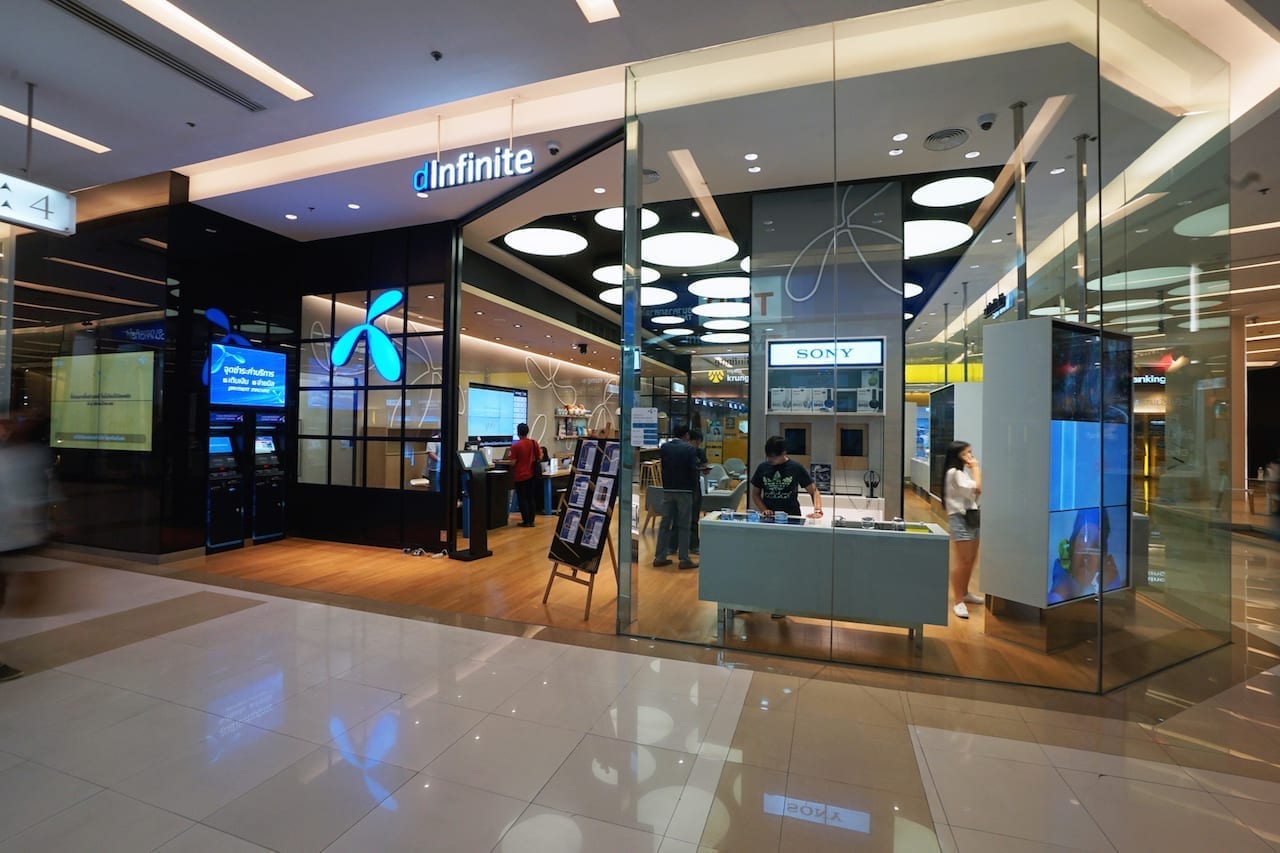
    The new dtac service center flagship store, dInfinite, was launched at Siam Paragon Department Store with the concept ‘the endless digital experiences’. The store has been re-designed to enhance the customer experience through the use of digital services.

    The service center was designed by Whitespace Ltd., a professional retail design company. The key service area has been arranged to serve two main functions: counter service and consultation. The layout reflects of how retail stores have changed overtime; the transaction counter is no longer a key area as e-service, Speedy Queue, allows customers to easily queue online and to check out anywhere in the store.

    dsc00985edit-copy_s

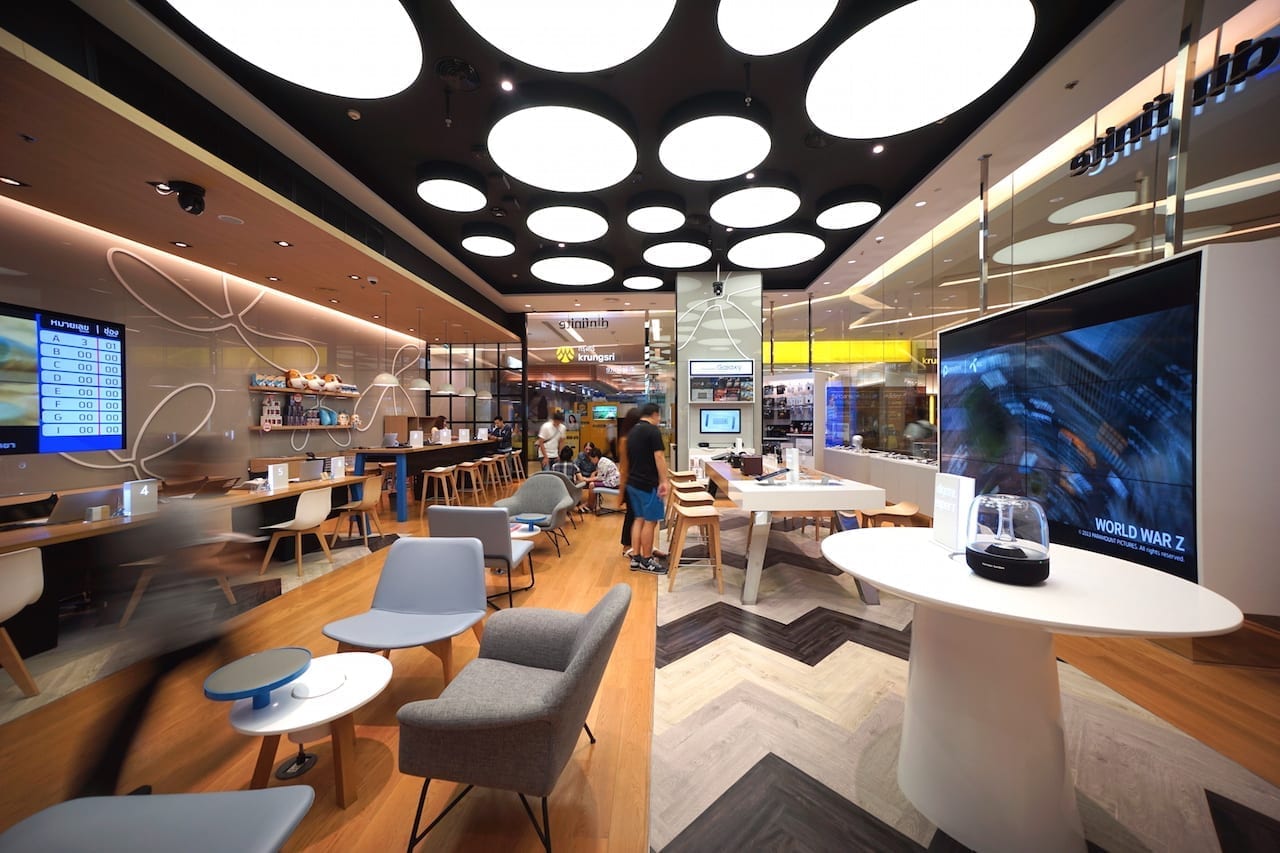
    Rather than waiting in line to pay ones bill, customers are urged to spend their time discovering, testing, and experiencing dtac’s newest devices. Cutting-edge smart phone models are available for customers to interact with at the Smart Table. The latest trends of gadgets and accessories are also available for customers to tryout in the Experience Corner.

    Moreover, the dInfinite flagship store delivers convenience and entertainment through the use of digital devices including a touchscreen e-brochure wall with the most up-to-date dtac promotions and at the Knowledge Table big screen tablets are used to live-stream entertainment via dtac Music Infinite and Primetime apps.

    When customers walk into dInfinite, they will feel at home and welcomed by the casual and warm ambience of the store. The cozy mood and tone is enhanced by custom-made wood furnishings, comfortable seating, wood floors and a black and gray color palette. Circular lights on the ceiling and the use of the dtac logo symbol on the walls throughout the store adds a sense of energy and excitement as well as reinforces the brand.

  • Revenue up 36pc for Zalora parent

    Revenue up 36pc for Zalora parent

    The Lazada and Zalora parent is paring back its losses after divesting operations in two markets.

    With operating losses nearly halved and excluding disposals in India and Southeast Asia, Global Fashion Group (GFG) has reported a 36.3 per cent rise in net revenue.

    Backed by Rocket Internet and comprising online fashion retail businesses in emerging markets, GFG says net revenue in constant currency rose 47.5 per cent to 456 million euros (US$512.73 million).

    GFG sold interests in Thailand and Vietnam for an undisclosed amount to retailer Central Group in April. It also sold its Indian fashion business Jabong to Flipkart for $70 million in cash in August.

    GFG raised 330 million euros in funding from existing investors in July, cutting the holding of Rocket Internet to 20.4 per cent.

    The company says adjusted losses before interest, taxes, depreciation and amortisation (EBITDA) narrowed to 67.6 million euros in the first half of this year from 120.5 million euros in the same period last year. The EBITDA margin improved to a negative 14.8 per cent in the first half from minus 33.4 per cent, which the company says was driven by tighter inventory management and cost-cutting.

  • Antonia debuts in Asia at Macau

    Antonia debuts in Asia at Macau

    Multi-label Italian luxury fashion retailer Antonia has opened its first store in Asia, at The Parisian Macao in Macau.

    Designed by architect Vincenzo de Cotiis, the 3000 sqm store features such brands as Gucci, Rick Owens, Sacai, Saint Laurent, Valentino and Versace.

    The store is run in partnership with Modern Avenue, formerly the Canudilo Group. Ten other stores are planned for greater China.

  • Bangkok tops Global Destinations Cities Index

    Bangkok tops Global Destinations Cities Index

    Bangkok is the top-ranked destination city by international overnight visitor arrivals, according to the annual Mastercard Global Destinations Cities Index.

    Ranking 132 cities, the index projects visitor volume and spend estimates while delivering insights into how people travel and spend around the world.

    As cross-border travel and spending continue to grow at a faster pace than the world GDP, the world’s cities continue to be engines of broader economic growth, says Mastercard.

    According to the study, Bangkok is projected to receive 21.47 million international overnight visitors this year, just ahead of London (19.88 million visitors).

    Also in the top 10 cities are:

    • Kuala Lumpur, 12.02 million visitors

    • Paris, 18.03 million visitors

    • Istanbul, 11.95 million visitors

    • Dubai, 15.27 million visitors

    • Tokyo, 11.70 million visitors

    • New York, 12.75 million visitors

    • Seoul, 10.20 million visitors

    • Singapore, 12.11 million visitors

    Hong Kong was 11th.

    “The way people travel and spend across borders indicates just how interconnected and important the world’s cities are,” says Mastercard president of international markets Ann Cairns.

    As well as the top 10 cities, Mastercard names the top 10 fastest-growing destinations, which indicates the increasingly importance of Asia Pacific to the global economic landscape.

    Osaka new star

    Osaka has shown the strongest growth in international visitors (24.15 per cent) over the past seven years. Other cities that make the fastest-growing list:

    • Chengdu, 20.14 per cent

    • Taipei, 14.53 per cent

    • Abu Dhabi, 19.81 per cent

    • Xi’an, 14.2 per cent

    • Colombo, 19.57 per cent

    • Tehran, 12.98 per cent

    • Tokyo, 18.48 per cent

    • Xiamen, 12.93 per cent

    • Riyadh, 16.45 per cent

    For the first time, the index explores whether visitors travel for business or leisure, giving broader insights into spending on dining, lodging and shopping. The index shows that more people are travelling to the top 20 cities for leisure with Shanghai being the sole exception.

    Visitors to the top 20 cities overwhelmingly spent more on shopping, as opposed to dining, says the index.

    Asia Pacific dominates both the global top 10 (five cities) and top 10 fastest-growing destination cities (seven cities).

    Public data is used in deriving the international overnight visitor arrivals and their cross-border spending in each of the 132 destination cities for the index. Mastercard volumes or transactional data is not considered.

    The full report can be downloaded here.

  • Bangkok’s Greyhound Cafe heads to Singapore

    Bangkok’s Greyhound Cafe heads to Singapore

    From Bangkok, fashion and lifestyle venue Greyhound Cafe will open in Singapore in November.

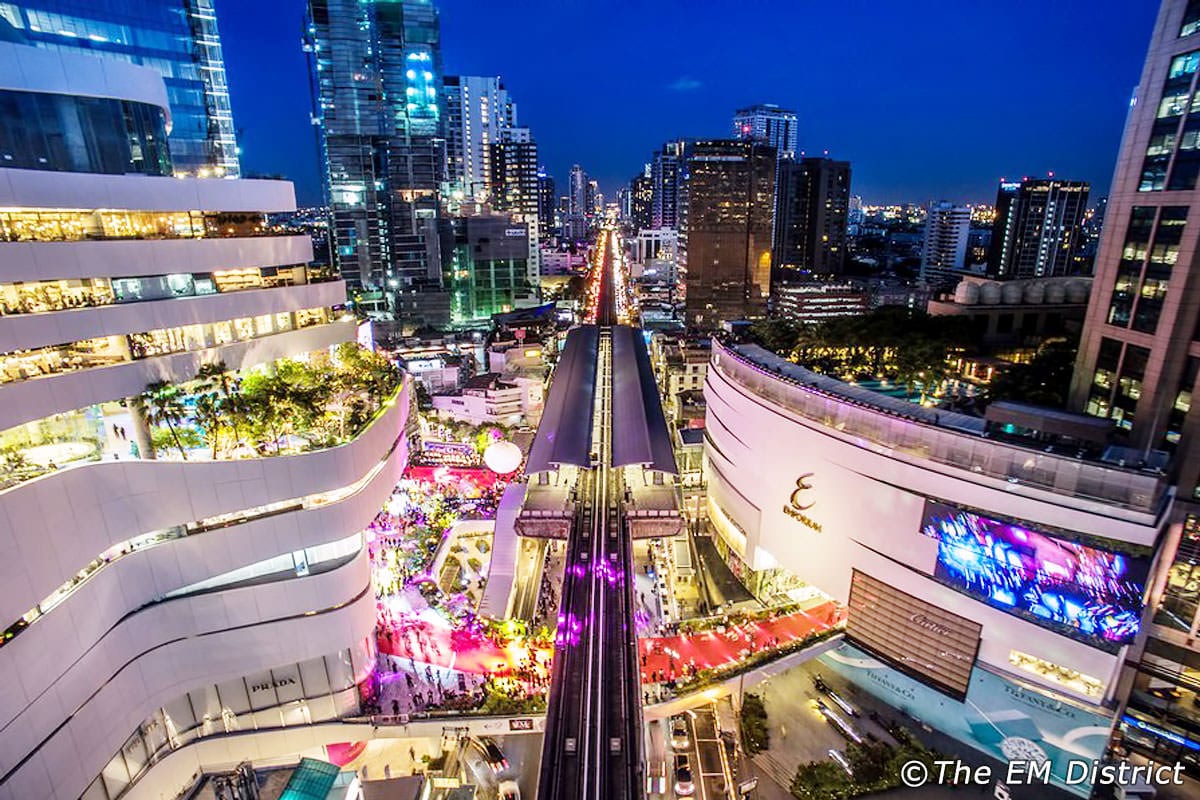
    Greyhound started as a fashion brand in 1980 with a casual menswear outlet. In 1997 it decided to bring together fashion and lifestyle by opening its own cafe in the Emporium Shopping Complex in Bangkok.

    Design is a strong element in its cafes, with its seven outlets in Bangkok all featuring such modern touches as murals and monochromatic furnishings, as well as specially designed staff uniforms.

    Greyhound is known for its fried wings, Thai iced tea granita and coconut crepe cake, and has been described by Fortune magazine as “the hottest seats in Bangkok”. Signature dishes include Complicated Noodle (a self-assembled dish), Fried Rice Noodle with Chicken and Dried Squid, and Spaghetti with Crab Meat and Prawn Cream Sauce.

    Singapore’s Greyhound Cafe will be in Paragon on Orchard Road.

    Early this month, Greyhound Thailand’s parent, Mudman, launched an IPO to raise capital for further investment at home and abroad.