Author: Mei Ling Tan

  • UNIQLO’s ‘look good, do good’ campaign takes off

    UNIQLO’s ‘look good, do good’ campaign takes off

    Whether you want to admit it or not, bumping into someone wearing the same outfit you’re wearing can be awkward. (We may laugh it off, but deep down inside, we are wishing it doesn’t happen again.)

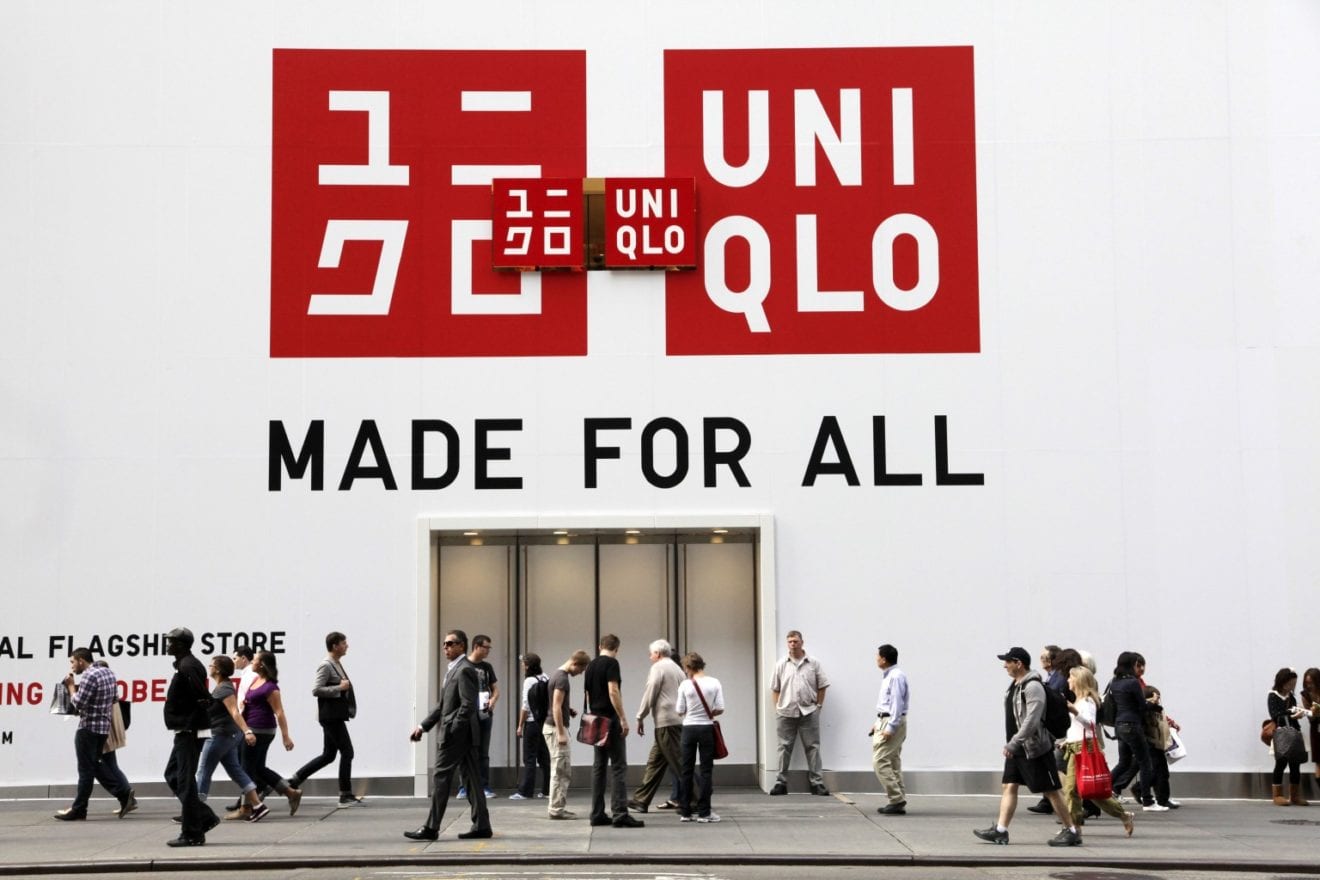
    Thankfully, as part of the Uniqlo Street Tales initiative, the popular casual fashion brand has come up with a unique way of ensuring it doesn’t. All you need to do is download the free UTme! application (it is a new custom T-shirt service) and design your own tee. Then, head down to Uniqlo Bugis+, print out your design and voila! You get to showcase your one-of-a-kind art piece wherever you go.

    This is one of several initiatives by the brand to give back to local communities. So far in Singapore, Uniqlo has gotten more than 50 artistes (such as Rebecca Lim, Desmond Tan), businesses (Tiger Balm, BreadTalk) and personalities (chef Willin Low, fashion icon Daniel Boey) under the Uniqlo Street Tales umbrella to create UTme! T-shirts, retailing at Uniqlo Bugis+ for S$29.90 (RM83.21) for adults and S$24.90 for children’s tees, with all net proceeds from the sale of these tees from now until Aug 10 donated to the Community Chest.

    “I feel great about it. I’ve always known that Uniqlo is very big on CSR (corporate social responsibility) projects but to be able to participate with Uniqlo and at the same time try my hand at designing something, the whole experience just makes it a lot more meaningful,” said actress Lim. “(We are) contributing to something that is close to our hearts, it’s a charity organisation in Singapore so it’s great (to) see Singaporeans buying and supporting the brand and at the same time, supporting this organisation.”

    Cheok Weiling, PR manager of Uniqlo Singapore, said that the brand has seen “encouraging response from customers who are eager to personalise their T-shirts”. But more than that, Heng Li Lang, director of relations & engagement at Community Chest, said that the net proceeds from the sale of these T-shirts would also be matched dollar for dollar by the government under the Care & Share Movement “to build the capability and capacity of the social service sector”. “Through these efforts, Uniqlo has exemplified the spirit of the movement in giving time, talent and treasures towards helping the less fortunate. We are very thankful to Uniqlo for this innovative partnership and look forward to many more years of close collaboration ahead,” Heng said.

    Also doing its part is Swedish fashion giant H&M, which launched Unicoin, “the first currency dedicated to good”. In support of UNICEF, the H&M Conscious Foundation’s Unicoin initiative enables children to help less privileged children gain access to learning opportunities.

    With help from their parents, children would upload a drawing that depicts what they dream of becoming when they grow up to the Unicoin website (https://unicoins.org) in exchange for a Unicoin. The H&M Conscious Foundation then matches each Unicoin with one notebook and pencil, which UNICEF then distributes to children around the world.

    Abby Wee, PR manager of H&M Singapore and Malaysia, said she was encouraged by the “very positive and overwhelming” response so far. “Twenty thousand notebooks and pencils have been sent to children worldwide, thanks to the help from everyone who has supported this initiative. Even though the period to exchange your drawing for a Unicoin has ended, we hope that more people will spread the word in support of every child’s right to early development and education.”

    That is not all. Homegrown brand TANGS said their Shop For Good initiative will return in the last quarter of the year. Launched last October, the initiative saw the company partnering with retailers to raise funds for charities. TANGS donated S$0.50 to the Community Chest with every receipt generated during the period. “As one of the pioneers in the Singapore retail scene, we hope to use our influence to drive lasting social awareness by inspiring and building a strong community of purpose-driven consumers and retail partners,” said Foo Tiang Sooi, chief executive officer of C.K. Tang Limited, adding that the company hoped that this would “empower a new generation of savvy, ethical consumer”.

    Even beauty brands have gotten in on the act. Globally, Clarins has constructed a facility to generate clean drinking water in Madagascar, with the funds for the project coming from the sale of the Katafray bark extract, an ingredient that can be found in Clarins’ HydraQuench range. The French brand has also built schools in Vietnam, thanks to the harvesting of the Vu Sua fruit used in its bust care range. In Singapore, Clarins has been participating in the Singapore Garden Festival since 2006 to raise awareness for sustainable development. (In honour of its contribution, the Singapore Botanic Gardens presented Christian Courtin-Clarins, the chairman of the Clarins Group, with the first Clarins Orchid, the Renanthera Clarins Christian & Olivier, in 2010.)

    “It is our great pride and deep honour to be gifted with an orchid that was specially created for us,” Courtin-Clarins said. “It is not simply a flower, but a validation of the efforts that Clarins has dedicated to sustainable development all these years.”For Estee Lauder Companies, which has brands such as Estee Lauder, Clinique, La Mer, Origins and Bobbi Brown under its wing, championing awareness and support for breast cancer has been one of its aims since the 1990s. The Breast Cancer Awareness (BCA) Campaign, for example, started in 1992 with the creation of the Pink Ribbon, which has been regarded as the universal symbol for breast health. The BCA Campaign has raised more than US$58 million to support global research, education and medical services over the past 21 years.

    “In Singapore, breast cancer is the most common cancer among women. Our colleagues are very committed to building breast cancer awareness among women of all ages and different ethnicities through the BCA Campaign that we run in October every year,” said Lisa Chow, managing director, Estee Lauder Cosmetics. “We have a very dedicated committee formed by our employees who organise fund-raising activities and education programmes in order to reach thousands of women, not only to enforce better knowledge that early detection saves lives but also raise funds to support local research projects or education programmes …”

    While the various brands under Estee Lauder Companies have been crafting what they termed “Pink Ribbon Products”, with a percentage of the profits from the sale of these items going towards the Breast Cancer Awareness Fund, here in Singapore, the Estee Lauder Companies will take going pink to a whole new level this year, by lighting up an iconic building in pink later this year, although the brand has yet to reveal which one.

    Nevertheless, it is nice to know that, in an era when people are taking pains to look good, they can now do good at the same time. ― TODAY
  • Hong Kong Is Key Link in Ivory Trade

    Hong Kong Is Key Link in Ivory Trade

    A new report from conservation group Save the Elephants shows Hong Kong has more ivory products for sale than any other city in the world. The group says the illegal export of these products to mainland China is undermining that government’s efforts to stop the ivory trade.

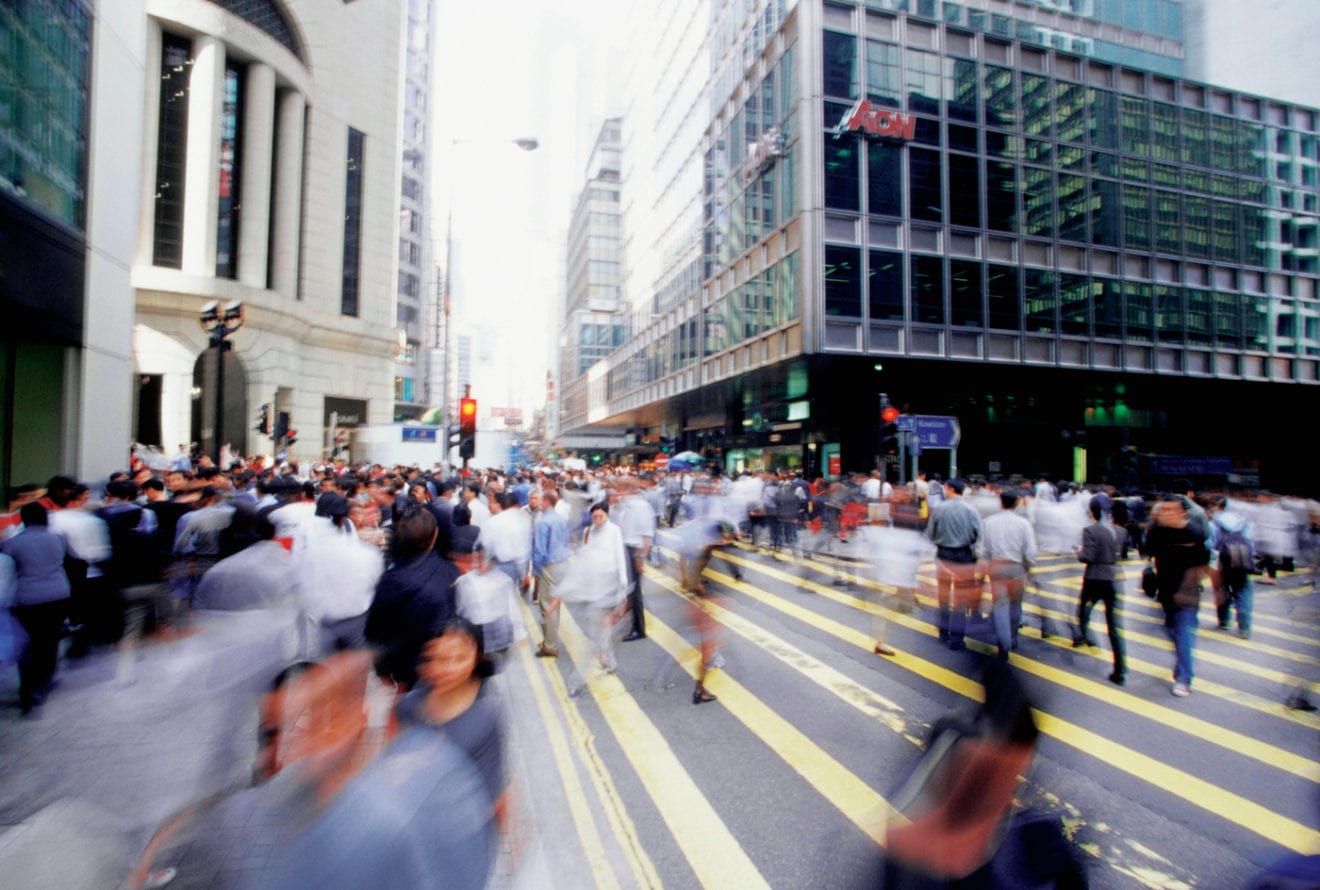
    According to the report released Thursday in Nairobi, researchers counted more than 30,000 ivory items on sale in Hong Kong in 72 different retail outlets. Most of the items are carved jewelry and figurines, sold to tourists at luxury hotels and shops.

    In Hong Kong, the sale of ivory from registered stocks is permitted by law, but export to mainland China is not.

    Illegal smuggling

    Researchers found 90 percent of the ivory being sold in Hong Kong is being bought by customers from the mainland. Much of it is then smuggled illegally into China.

    Save the Elephants founder Iain Douglas-Hamilton said the practice is damaging to China’s efforts to stop demand for elephant ivory.

    “I think the future of Africa’s elephants actually lie in the hands of China. Hong Kong is part of China, and it is undermining bans that are increasingly being deployed in China,” he said.

    Douglas-Hamilton said 100,000 elephants were killed across Africa for their ivory between 2010 and 2012. Most of the slaughter is driven by demand in Asia.

    Hong Kong has not legally imported ivory since 1990; new items are carved and sold from existing stocks.

    Although the report does not conclude that Hong Kong has been marketing illegal ivory, conservationists have suggested traders in the city may be slipping poached ivory into their stocks.

    Seized shipments

    Report lead researcher Esmond Martin said Hong Kong is a known transit point for illegal ivory, and notes authorities there have seized several large shipments from Africa.

    “With these large consignments being intercepted in Hong Kong, almost all of them, according to the government and to the research that we have carried out, is going to mainland China, almost all of it,” said Martin. “And this is an extremely important point. But the question to ask is how much is going through Hong Kong that is not being picked up? And that is we do not really know much about.”

    Martin said some of the larger shipments recently seized in Hong Kong originated from Kenya, Tanzania and Togo.

    He said corruption along the supply line, starting in the national parks where elephants live, remains one of the most pressing challenges to stopping the ivory trade.

  • King Living Singapore opens showroom

    King Living Singapore opens showroom

    International furniture designer, manufacturer and retailer, King Living has opened a showroom in Singapore.

    The Australian based, family-owned company, founded in 1977, focuses on contemporary furniture design, especially sofas and King Living says it plans to offer Singaporeans “new ideas, inspiration and solutions for all areas of their home” now it has debuted in the city state.

    The showroom, at 22 Kallang Ave in the Hong Aik Building, offers a large collection of King Living designs, as well as a range of Italian beds, coffee and dining tables, chairs and storage systems from leading Milan furniture designer and manufacturer Former Italy, stocked exclusively by King Living.

    “King Living is incredibly proud to introduce its wide range of furniture solutions to Singapore residents,” said Renata Bayer-Volf, the company’s GM.

    “This showroom is inspiring and contemporary, displaying some of the latest King Living releases in beautiful lifestyle settings that help customers visualise the potential of each design in their own home.

    “Including a wide selection of pieces from Former Italy, with Italian design and styling, we are confident Singaporeans will embrace our modern and luxurious furniture that complements the urban lifestyle.”

  • Metro China expands into Deyang

    Metro China expands into Deyang

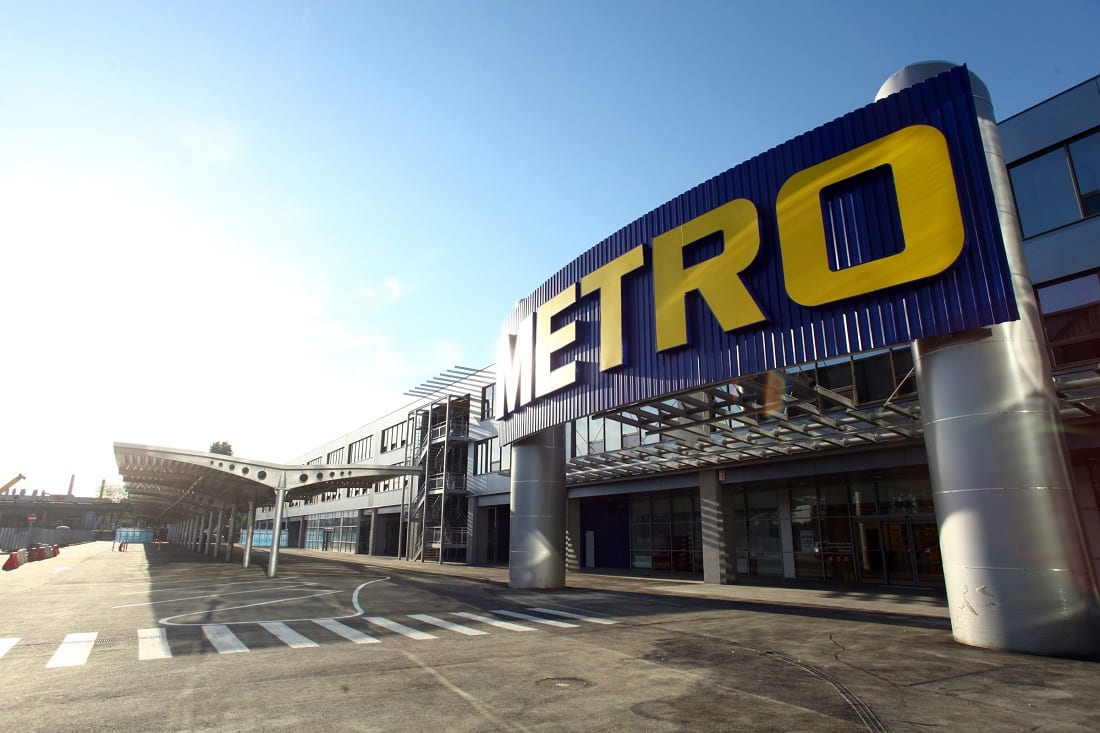
    Metro China has opened its eighth wholesale store in West China.

    The new outlet is located in Deyang, Sichuan, described as the “Heavy Duty Equipment Capital” of China.

    “Deyang is a center for manufacturing, and the local economy has seen phenomenal growth in the past few years.” said Jeroen de Groot, president of Metro China.

    “Aiming to be the Champion for Independent Business, Metro China is well positioned to support Deyang’s growing number of small and medium-sized businesses by providing high-quality and safe products, as well as professional solutions and excellent services.”

    Metro entered West China in 2001 by opening two stores in Chongqing and Chengdu. The company opened its second store in Chongqing in 2013, which is also the wholesaler’s 750th store worldwide. With the opening of the Deyang store, Metro will introduce its Cash & Carry new store concept, meanwhile its online store will also open to local customers on the same day to better meet their needs.

    True to the wholesaler’s commitment to local sourcing, Metro has built close relationships with local suppliers through deep roots established in Sichuan over the past years. Hengdu Beef and Luzhou Langjiu Liquor are among the best-selling products in Metro stores throughout the year. Local vegetables and fruits in Sichuan, including kiwifruit, lemon and mango, are purchased and distributed to Metro stores nationwide through Metro’s professional logistics system to provide authentic Sichuan flavor to the customers.

    The new store has a sales area of nearly 5500 sqm, offering more than 19,200 items.

    A feature of Metro Deyang is the coldness in food related display areas, reflecting the importance of the cold chain to food freshness and high quality. The store has multi-temperature areas to meet the demand of different products, such as 0 Celsius – 4 Celsius for fresh meat, 5 Celsius – 7 Celsius for dairy products, etc. If customers want to walk into the cold storage areas to select products, they may borrow clean cotton-padded jackets, considerately prepared by the store for customers’ convenience.

    The store also sells a wide range of non-food products, including Seasonal, Kitchen, Cooking & Table, Apparel, Office & Media, and Business & Home Care, satisfying customers’ various needs.

    To meet expectations of the customers, especially small and independent businesses, Metro Deyang store adopts a wholesale pricing scheme. On top of the already competitive shelf prices, customers receive five per cent off if they buy three of the same item, and up to 20 per cent off on six of the same on selected items, truly buying more with better prices.

    The new store features a Metro Cafe, Welfare & Gifting Showroom, Express Delivery, scan pole, information counter and complimentary in-store WiFi.

  • Migros to sell private label in Japan

    Migros to sell private label in Japan

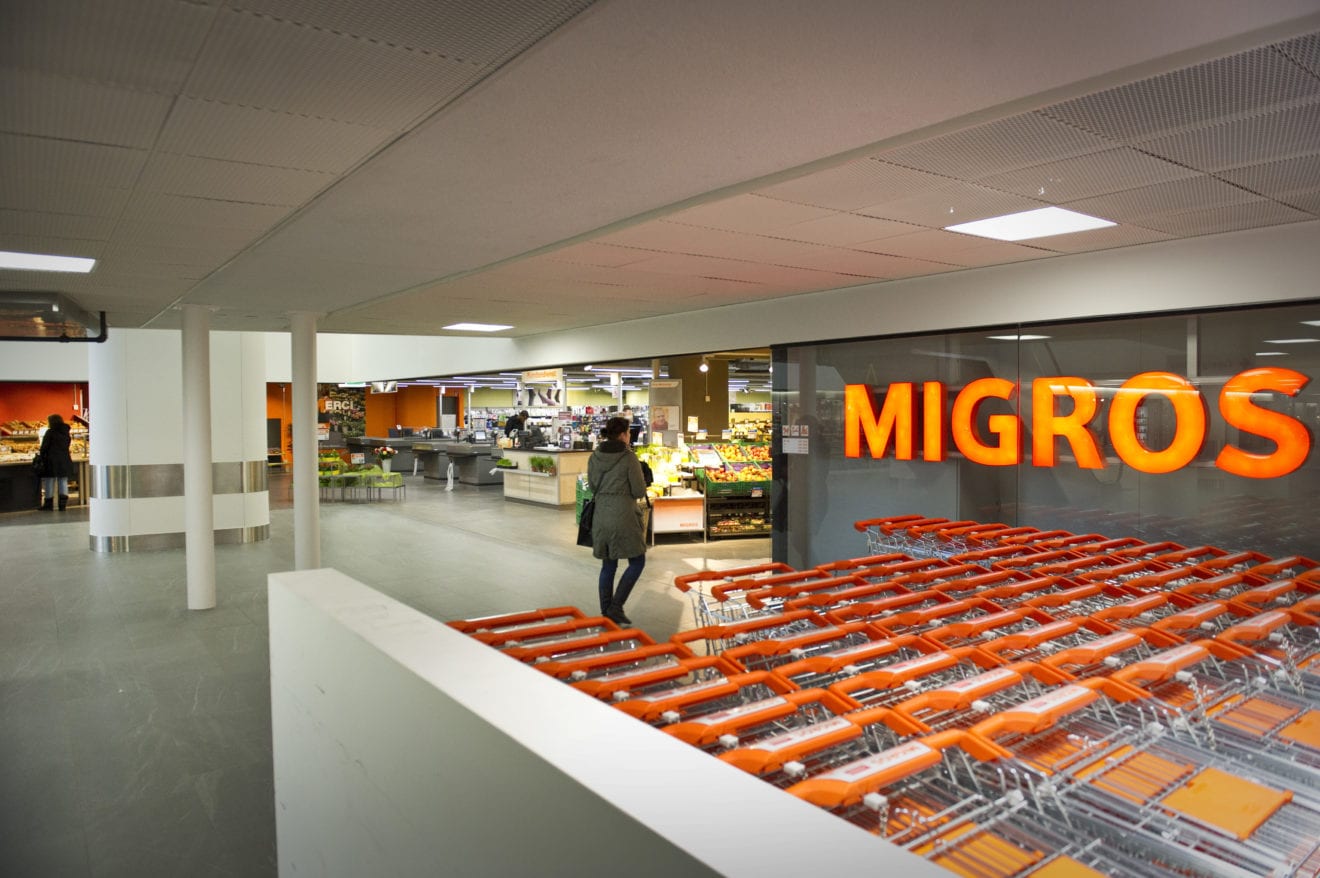
    Swiss retailer Migros is to sell private label products into two Japanese retail chains.

    Switzerland’s largest grocer, and one of the world’s 40 largest supermarket chains, is to sell lines to Lawson’s Seijo Ishii stores and Seiyu, which is Walmart’s Japan business.

    According to the Nikkei Asian Review, Migros will start with 16 premium products including Swiss Delice biscuits and iced tea, which will go on sale in 400 supermarkets trading under the Seiyu and Seijo Ishii banners.

    By 2020, Migros hopes to expand the range to 300 items, including desserts, snacks, cosmetics and skincare products, projecting sales of US$16 million annually.

    Retail research house IGD describes the move as “particularly surprising” for Seiyu, whose range already includes private label lines from Walmart’s own network, including Asda’s Extra Special wines.

    IGD describes Japan as “the most sophisticated private label market in Asia,” with strong players including Seven & I, Aeon, FamilyMart and Lawson.

    “These retailers are exploring the higher margin opportunities that premium private label ranges offer, focusing development around high quality, special ingredients and unique products.”

    Those ranges include Seven Gold and FamilyMart’s Platinum Line.

    But IGD says European influenced products are likely to appeal to shoppers’ increasingly cosmopolitan tastes, and the early line-up includes items which are mutually popular in the Swiss and Japanese markets: ice cream and iced tea.

    “Migros follows in the footsteps of European retailers Waitrose and Carrefour, whose private label products are already available in Japan through partnerships with Aeon.”

  • Keepers pop up showcases Singapore design

    Keepers pop up showcases Singapore design

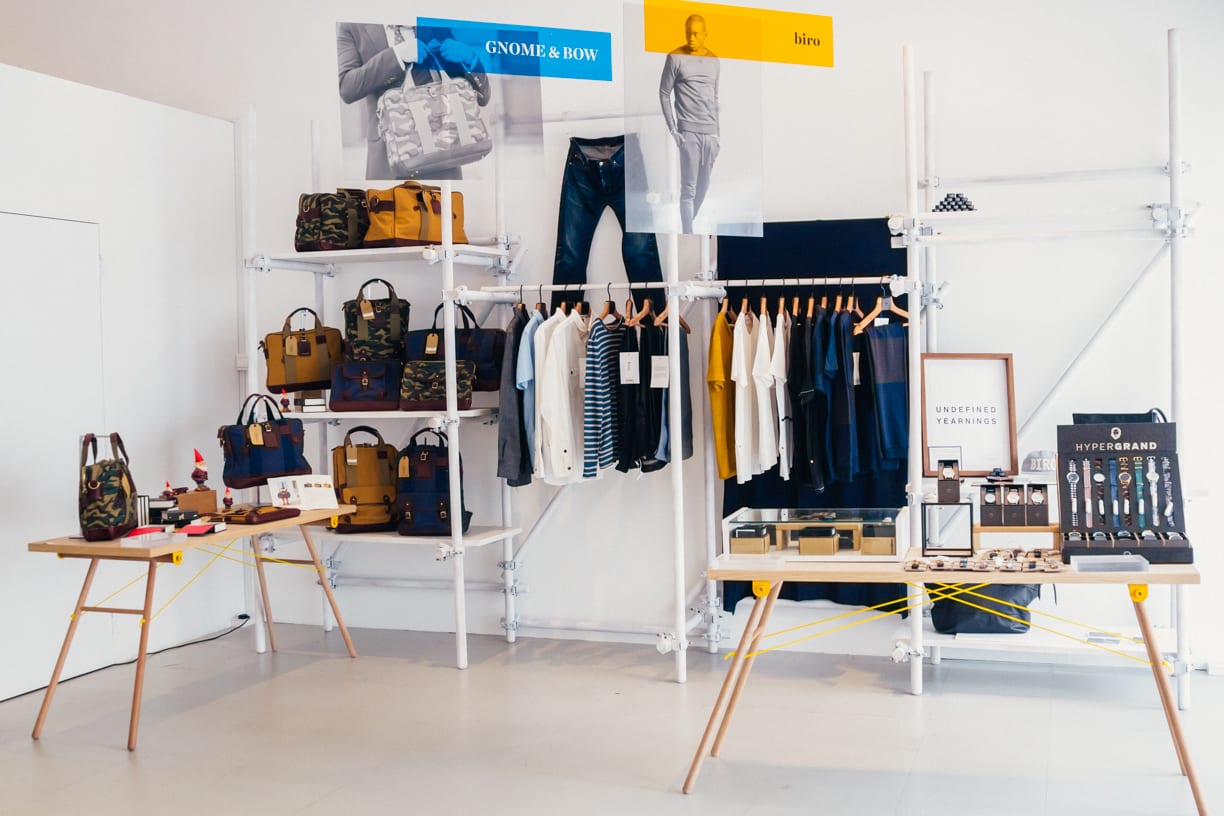
    Singapore Designer Collective has opened a pop up store at Singapore Changi Airport to showcase local design.

    The 21 sqm Keepers store, in Changi Airport’s Terminal 1 departure hall, features works from 11 Singapore designers and will remain open until January 7.

    A previous pop up was located at Orchard Green.

    On display are fashion items from Ayesha and Matter; jewellery from Carrie K, Saught and Marilyn Tan Jewellery; handmade candles from A Dose of Something; leathergoods from Lingwu, Gnome & Bow and Extreme Exotic; and watches from HyperGrand.

    “Having a second location at the airport will help to fast-track our local designers’ footprint to a global audience,” said Carolyn Kan, founder and designer of Carrie K and co-organiser of Keepers.

    Lynette Lee, who is CEO of Textile & Fashion Federation and another co-founder of Keepers, said the group chose Changi after noticing about half its customers at Orchard Green were tourists.

    “This is very encouraging as it shows that tourists and local shoppers alike are keen on purchasing items by Singapore designers,” she said.

    “With Keepers at Changi Airport providing an accessible platform for local designers to showcase their work, we hope more overseas visitors will become advocates of Singapore designers.”

  • Carrefour China sales slip

    Carrefour China sales slip

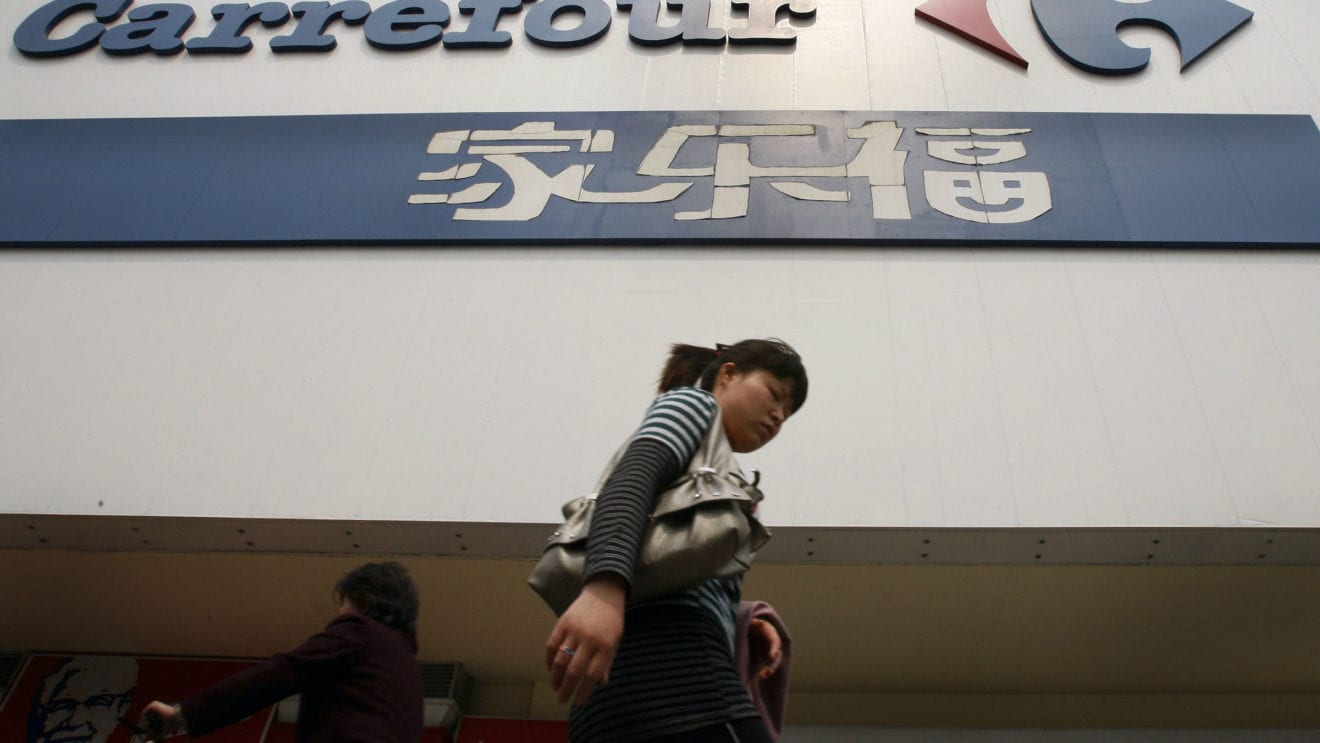
    French-headquartered retailer Carrefour says its Asian sales rose 13 per cent in the second quarter of this year.

    But Carrefour China struggled during the quarter, its sales down 11.4 per cent measured organically and 12.3 per cent on same store sales basis.

    The overall Asia figure benefited from a positive currency effect, with organic sales down 8.6 per cent.

    In Taiwan, sales grew for the second consecutive quarter, both same store and organic sales rose, by 2.1 per cent and 1.4 per cent respectively.

    The company said the China market was affected by slowing consumption nationwide.

    “We are continuing the roll-out of our action plan in the country,” the company said in its sales statement.

    That plan includes enhancing its logistics and distribution centers in Mainland China over the next two years. After opening new centers in Kunshan in June 2014 and Chengdu last April, Carrefour China plans two more in Wuhan, Hubei, and another in Beijing serving the capital and the Tianjin region this year.

    Two more will follow in 2016 serving the northeast and South China regions.

    Carrefour says when complete its six center distribution network will be the best in China’s retail industry, based on scale and speed to market. The centres will use advanced voice-picking technology.

  • Uniqlo denies video role

    Uniqlo denies video role

    Beijing police have arrested five people they say played a role in the filming of a video of a couple having sex in a Uniqlo fitting room in China’s capital.

    The sheer number of people involved in the video, which has gone viral on social media networks around the world, has raised speculation the apparel retailer was somehow involved behind the scenes in engineering the video as a publicity stunt.

    But the company has strenuously denied it had anything to do with the one minute long production, or endorses it. And such a viral campaign certainly does not fit with the company’s ethical positioning or its record of community involvement and sponsorships.

    Some Chinese media say the police “suspect that the case may possibly be a publicity stunt by Uniqlo”, one going so far as to quote a Beijing lawyer saying the company could face a fine of between 200,000 and 1 million RMB (US$32,000 and $165,000) and have its trading licence revoked if it was found to be involved.

    In a statement (not issued through Uniqlo’s normal media media channels) Uniqlo reportedly condemned the filming.

    Since the video was uploaded, attracting attention from news organisations worldwide, the Sanlitun flagship in which it was filmed has become something of a tourist attraction, with people posing for photographs outside.

    The young couple who had reportedly “only just met” were quickly identified via social media and have become celebrities on Chinese social media networks, albeit they have now reportedly been arrested and charged with indecency.

    From censored stills posted online by news media outlets, the video appears to have been filmed entirely by mobile phone. So the involvement of an additional three people is puzzling unless they were responsible for its spread or reposting, rather than production as reported in China.

    Meanwhile, Chinese authorities have summoned representatives of Tencent and Weibo to discuss how the video was so widely shared and viewable on its networks. Chinese law prohibits pornography.

  • China retail sales stabilise

    China retail sales stabilise

    China retail sales growth is stabilising.

    Figures from the National Bureau of Statistics show a 10.4 per cent year on year growth rate in the first half of 2015, to US$2.32 trillion.

    That rate is a negligible 0.2 percentage points lower than the rate seen in the first quarter.

    In the latest month, June, retail sales rose by 10.6 per cent, half a percentage point ahead of May.

    The biggest mover was the catering sector, which recorded an 11.5 per cent year on year rise in the first six months of 2015. ‘Other consumer products’ was the next best performing category with growth of 10.3 per cent.

    Online retail sales soared 39.1 per cent.

  • Take Flight at Sky on 57

    Take Flight at Sky on 57

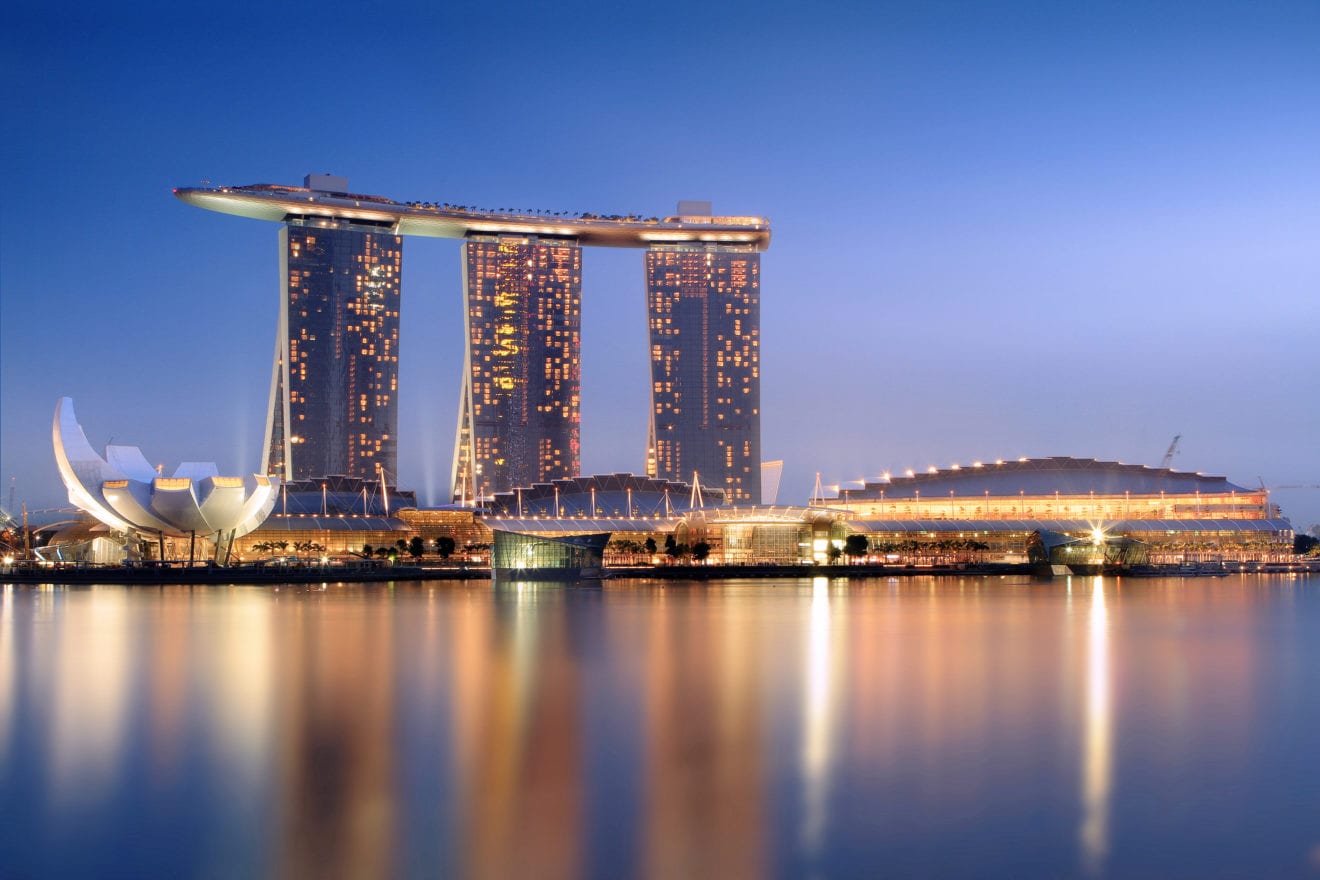
    A brand new entertainment venue has opened in Singapore: Flight at Sky on 57  a new lounge experience atop Marina Bay Sands.

    The integrated resort has transformed its outdoor terraces into a “contemporary lounge experience” called Flight, making the most of the million-dollar views at the Sands Skypark restaurant and the culinary artistry of Chef Justin Quek.

    Now the lounge also offers a unique bar program by award-winning mixologist Lucas Swallows.

    Sky on 57 is one of a collection of celebrity chef restaurants in the Marina Bay Sands complex, most of which are assembled in the Shoppes at Marina Bay Sands retail mall closer to the ground.

    The lounge describes the new venue as “sophisticated and playfully provocative”.

  • Kappa China sales soar

    Kappa China sales soar

    Kappa China sportswear brand sales are soaring in the Mainland.

    China Dongxiang, the Kappa sportswear and accessories brand’s Chinese rights owner, has reported a 21.5 per cent year-on-year same-store sales growth in China for the second quarter of 2015.

    There were 1231 Kappa retail stores trading at the end of the quarter, a net increase of 21 stores over six months.

    And Kappa’s trade orders also posted double digit growth.

    Chen Yihong, chairman, CEO and executive director of China Dongxiang, described the retail trading result as “spectacular” saying they were the result of efforts to streamline the company’s brands and business, sales and supply-chain models. China Dongxiang, listed on the Hong Kong stock exchange, designs, develops, markets and wholesales of branded sportswear in China.

    Currently, China Dongxiang owns all rights to the internationally renowned Kappa brand in China, Macau and Japan.

    The company believes the Kappa brand’s success in China is due to the products conveying “a vibrant, fashionable and youthful image hugely popular with China’s fast-growing base of consumers with potentially high spending powers”.

    China Dongxiang also owns Phenix, the most popular ski brand in Japan.

  • Tourists spend up at Great Singapore Sale

    Tourists spend up at Great Singapore Sale

    While this week’s retail sales figures data may have subdued expectations of Singapore’s retail sector, another set of figures just out will do little to change the mood.

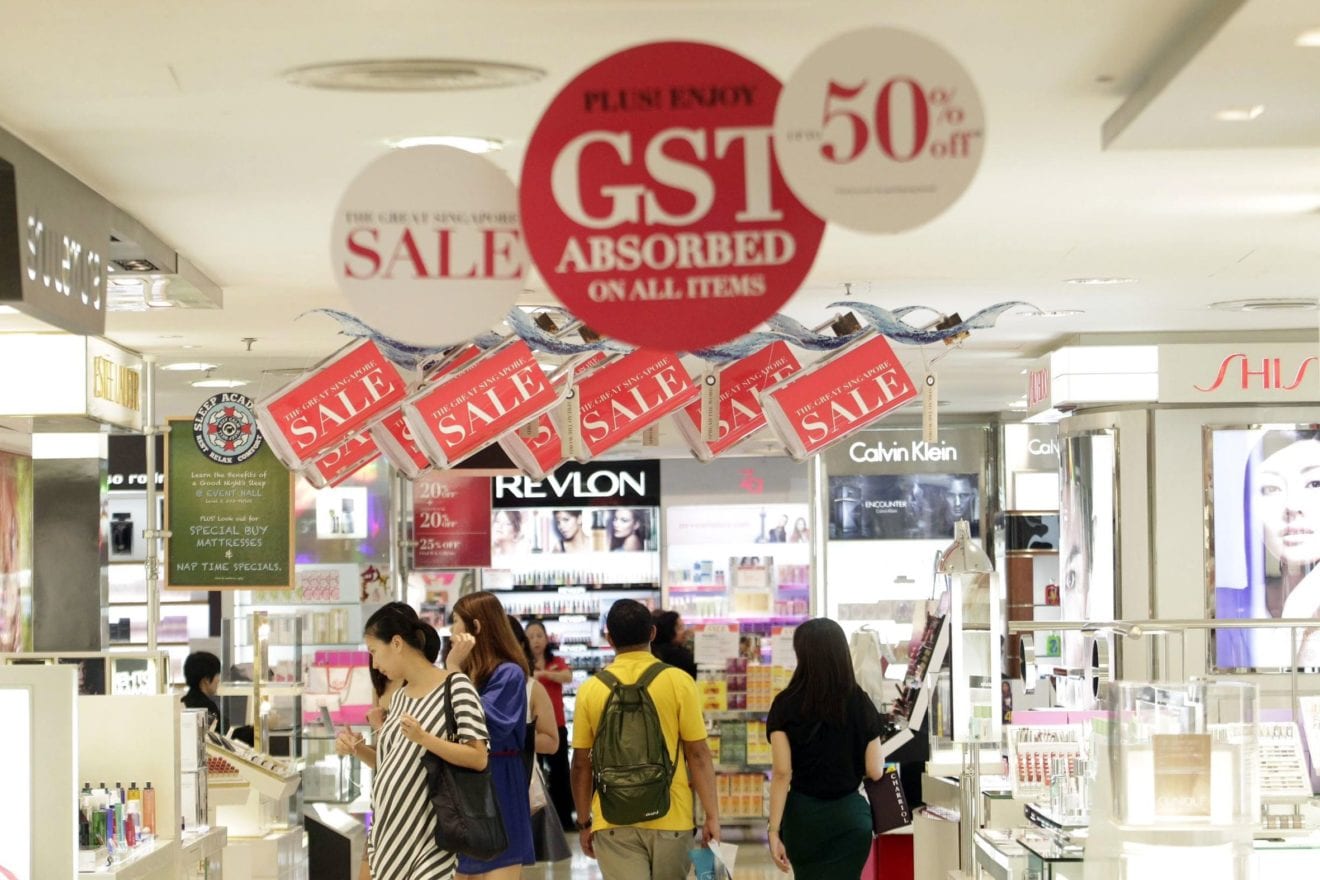
    Spending data from MasterCard suggests the Great Singapore Sale has delivered a significant increase in retail spending by tourists, especially in the food and beverage sector.

    According to MasterCard, the value of goods and services spent by tourists using its cards rose 9.9 per cent year on year, to S$350.6 million during the first month of the promotion.

    The number of transactions rose 17.8 per cent to 2.01 million, compared with 1.7 million last year.

    But Singaporeans failed to respond. Spending by locals fell 12.7 per cent in 5.1 million transactions, about 7.2 per cent less than last year. Spending on Singapore-issued MasterCards represented about double the amount of tourists, or $684.9 million.

    By card origin, Australia was the biggest source of spending during the Great Singapore Sale period from May 29 to June 28, with $39.5 million splurged, mainly at restaurants.

    Malaysians were next, spending mainly on electronics, followed by Chinese in speciality retail stores and Japanese – up from sixth in 2014 – mostly on restaurant meals.

    So while local spending was disappointing the increased cashflow from offshore shows Singapore is retaining its regional appeal as a tourist destination.

  • Swire unveils HKRI Taikoo Hui

    Swire unveils HKRI Taikoo Hui

    HKR International and Swire Properties  have jointly revealed the name of their Shanghai joint-venture project: HKRI Taikoo Hui.

    The large-scale mixed-use development formerly known as the Dazhongli project, is located on Nanjing Road (West), one of Shanghai’s major shopping thoroughfares, in the Jingan District of Puxi, Shanghai.  It will have a gross floor area of some 3.46 million sq ft (approximately 321,200 sqm) and comprise a retail mall, two office towers and three hotels/serviced apartments.

    It is served by three metro lines – the existing Line 2 and two planned Lines 12 and 13 due to open in 2015-2016. The development is also close to the Yanan and N-S Elevated Highways, providing good accessibility to downtown locations and Pudong and Hongqiao International Airports.

    “The project is poised to become a landmark development in the heart of Shanghai and will inject new excitement into the retail, dining and entertainment scene in the buzzing Nanjing Road (West) neighbourhood,” the two companies said in a statement.

    “As the founding partner of the project, we have come a long way since acquiring the Dazhongli site in 2002. With great pleasure, we announce the launch of HKRI Taikoo Hui together with Swire Properties, our partner since 2006,” said Cha Mou Zing Victor, deputy chairman & MD of HKR International.

    “We look forward to the imminent completion of the mixed-use commercial development, which is set to become the next focal point for business and leisure activities in Shanghai with its prime location and excellent connectivity.”

    Guy Bradley, Swire Properties CEO, said the project is being built in the most vibrant district of an amazing city and will be the last major development in the Jingan District.

    “We intend to make it a spectacular addition, and I am confident that HKRI Taikoo Hui will become a new lifestyle destination and a premium business address in Shanghai.”

    Hong Kong listed HKR International has diversified interests in real estate development and investment, property management, luxury hotels and serviced apartments, healthcare services and other investments in Hong Kong, Mainland China and across Asia.

    Also listed in Hong Kong, Swire Properties develops and manages commercial, retail, hotel and residential properties, with a particular focus on mixed-use developments in prime locations. Its properties include Taikoo Place, Cityplaza and Pacific Place.

  • Duty free mall planned for Vientiane

    Duty free mall planned for Vientiane

    A consortium of Lao and Thai investors is building a shopping and hotel complex in Laos’ largest city, Vientiane as the two nations prepare for the new Asean Economic Community.

    The US$290 million project will be built on a 32 hectare site in downtown Vientiane. In the first stage a 37,000 sqm duty free mall will be built with tenancies for 200 brands.

    Stage two will include a larger shopping mall, a hotel, theme park and commercial buildings. A logistics and distribution centre is also planned.

    The first retail facility – to be called the Laos Duty Free Mall – is under construction already with an opening scheduled for February next year.

    Targeting Chinese, Thai and Lao shoppers, the centre is expected to draw about 10,000 customers a day.

    The project is being undertaken by BM Group, 51 per cent owned by Lao’s, including coffee and duty free business Dao-Heuang Group, and 49 per cent owned by Thai company Sayam International.

    BM Group is also planning four more duty free malls within four years in Laos: in Pakse, Vientiane, Savannakhet and Luang Prabang.

  • Parkson HK to take over Singapore assets

    Parkson HK to take over Singapore assets

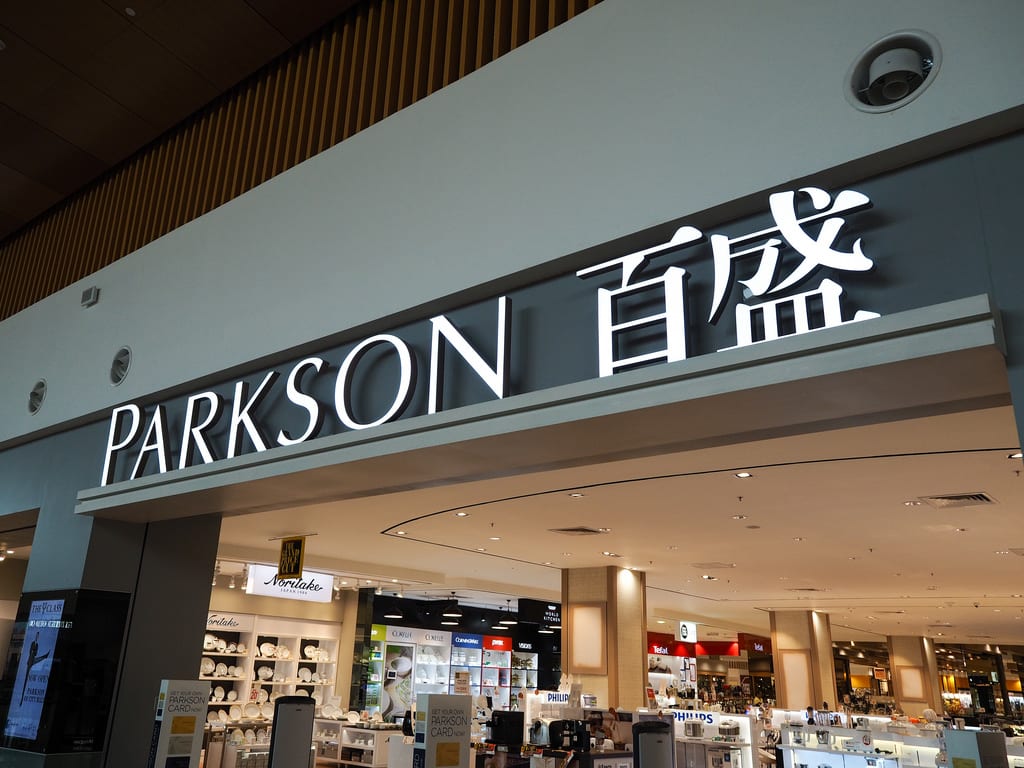
    Malaysia’s Parkson Holdings is to sell a 67.6 per cent stake in its Singapore-listed Parkson Retail Asia Ltd to its Hong Kong listed subsidiary Parkson Retail Group Ltd.

    The rearrangement of its assets will net it US$167.2 million, according to the financial press.

    The purpose of the exercise is to consolidate the retail business of the Singapore-based business, which operates in Southeast Asia, with the Hong Kong listed business which operates in China.

    All three companies predominantly trade in the department store business with their formats becoming increasingly aligned across markets.

    The move will also allow Parkson Holdings (Malaysia) to raise cash for investment in business expansion which has not been detailed as yet.

    Parkson is a subsidiary of the Lion Group, headed by Malaysian billionaire William Cheng.