
Indonesia’s rubber businesses are eyeing a boost in sales and exports next year as the global automotive industry, one of the sectors that the rubber industry relies on, has begun recovering after being hit hard by the global economic downturn.
Author: Mei Ling Tan
-
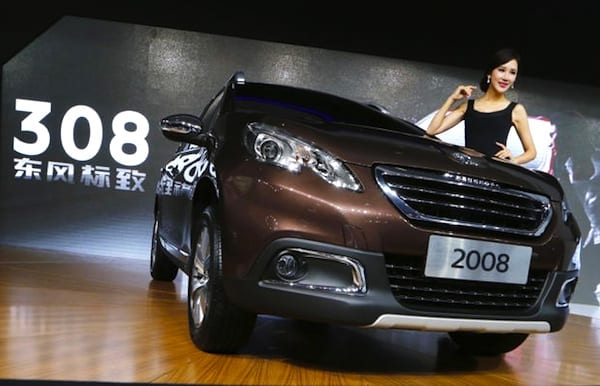
Peugeot and China Changan Automotive in joint venture
French car giant Peugeot has agreed a new joint venture to manufacture light commercial vehicles and cars in China.
Peugeot has signed an initial agreement with domestic carmaker China Changan Automotive Group. If it goes ahead, the deal will give Peugeot a bigger foothold in the fast-growing Chinese car market.
-

Synovate strengthens automotive research team in Asia
China’s Global market research company Synovate announced the appointment of Klaus Paur as Managing Director for Synovate Automotive Vertical for its automotive research unit in Korea and Greater China, which includes the markets of China, Hong Kong, and Taiwan. He will join Synovate on 1st January 2011 from TNS.
His addition supports the expected strong growth of the automotive industry in China, which has been changing its role from a global manufacturing centre to a significant market player.
Based in Shanghai, Paur will be responsible for leading automotive market research in Synovate China and Korea. Paur brings over 20 years of experience in marketing and market research, 15 of which have been spent specifically in the automotive industry. Paur started his automotive research career in 1995 as a senior researcher for quantitative and qualitative ad-hoc studies in Paris. In 1997, he began leading international advertising effectiveness tracking surveys across Europe and Latin America, and then relocated to Shanghai in early 2003 to head the TNS Automotive research practice in China.
-
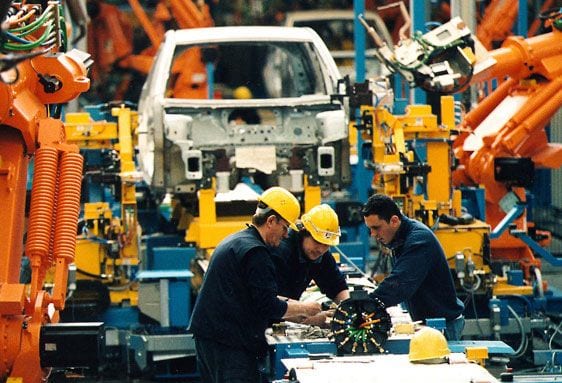
More room to develop for Thai automotive sector
The automotive industry is on a roll, particularly in Thailand, which recorded a 47-month high domestic automobile sales last November. With the economic recovery and increasing purchasing power of consumers, the automobile market have been registering high growth and this in turn give rise to the need for adequate level of aftermarket service care.
According to the latest findings of market research company GfK, there are a total of 3,200 shops in the country selling passenger car tires in the aftermarket. While tire specialist shops are uniformly spread out across the country, fast fit outlets make up a third of all shops and are more commonly found in Bangkok and vicinity area where demand tends to be higher compared to the other regions. Within the central region alone, more than one in two tire specialist shops are fast fitters.
The 160 exhibitors from 40 countries in this year’s Tyrexpo Asia exhibition make it the largest in its 15 year history, attesting to the vibrancy of the automotive sector, according to the event organiser ECI International.
Some other key automotive trends were uncovered by GfK Thailand’s automotive retail audit, such as the dominance of six main starter battery brands, which contribute nearly 95 percent of the total market sales. In addition, GfK findings reveal that conventional lead-acid batteries still take up the lion’s share of 80 percent sales in the replacement market as compared to maintenance-free batteries which form the remaining 20 percent.
“The Thai automotive sector is already thriving, but looking at the current market situation, there is definitely still more room for development; to allow for more players to enter the field. Having said this, automotive is big business in Thailand, and there is no doubt that the industry will remain very competitive and continue its upward growth trend for many years to come,” said Wichit Purepong, general manager of GfK Thailand.
-
China’s JD.com vying with Alibaba to woo Western brands
China’s JD.com Inc has partnered Gap Inc to sell the US clothing retailer’s apparel online in China, as the Beijing-based e-commerce company goes head to head with Alibaba Group Holding Ltd to woo big foreign fashion names.
Alibaba and JD.com, China’s number one and two e-commerce companies respectively, are vying to ink deals with some of the world’s most recognised brands, which offer big boosts in both sales and image at home and overseas.
By announcing its partnership with JD.com in a joint statement on Thursday, Gap, which already has a store on Alibaba’s Tmall website, would be the latest foreign company to sign with some of China’s biggest Internet firms, including Tencent Holdings Ltd.
-

Myanmar’s automotive market to grow nearly 8pc in 2019
Myanmar’s automotive market is likely to grow at a compound annual growth rate (CAGR) of 7.8 percent from 2013 to 2019, driven by a growing economy, infrastructure development and increasing income, new analysis from Frost & Sullivan showed.
Currently dominated by used vehicles, the market is expected to reach 95,300 in 2019 also due to greater integration with ASEAN.
Dushyant Sinha, Associate Director, Automotive Practice, Asia-Pacific at Frost & Sullivan, however, said that factors such as unpredictable regulatory changes, high car prices, under-developed auto service market and inadequate road infrastructure might hinder the potential growth.
Myanmar is highly dependent on two-wheelers, accounting for more than 80 percent of the market while passenger cars represent 11 percent. Meanwhile, trucks and buses only make up 3 percent and 1 percent, respectively. A young labour force with a high two-wheeler ownership promises a potential car buying group in the long term.
Dushyant said Japanese brands are expected to continue dominating the passenger vehicle market even in 2019, with Honda, Suzuki and Nissan gaining popularity thanks to their small car offerings (such as Honda Fit/Brio, Suzuki Swift, and Nissan March) which would appeal to Myanmar customers. Chinese and Korean brands will also see growth due to their more affordable prices and smaller engine sizes compared to their Japanese counterparts.
-
China Mobile eyes 250 million 4G customers next year
China Mobile, China’s largest telecommunication service provider, has forecast that it will have 250 million 4G customers in 2015.
The company has experienced robust 4G business growth in 2014 and had more 50 million 4G users as of the end of October, China Mobile chief executive officer Li Yue said on Friday.
China’s 4G is powered by the homegrown technology, Time-Division Long-Term Evolution (TD-LTE), one of the two major international standards in the mobile telecom industry, the other being Frequency Division Duplex.
-

Zalora offers same-day delivery in 5 ASEAN nations
Zalora, Asia’s online fashion destination, on Thursday announced its new same-day delivery service, making it the only regional online fashion retailer to offer such a facility.
Its regional managing director Michele Ferrario said in a statement that customers can choose the same-day delivery option at checkout on selected items for a nominal fee.
“With the new service, we are further committing ourselves to customers who lead busy lives. It also comes with other customer-centric services such as free shipping for orders over a certain amount, self-collection and cash on delivery.”
-
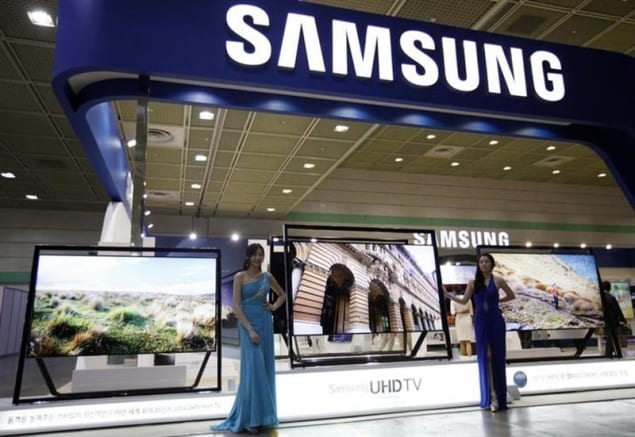
Samsung to hit back at Xiaomi with budget phone
Samsung Electronics is gearing up to release a low-cost Tizen-powered smartphone in the USD100 price range, according to local media reports, responding to intensifying competition from Chinese budget smartphone makers shaking up the market.
The phone will be launched in India, the world’s third largest smartphone market, by end-January, South Korea’s Yonhap news agency reported on Sunday, citing industry sources.
Tizen is Samsung’s homegrown operating system which seeks to lessen its reliance on Google’s Android. While the majority of Samsung’s mobile devices run on an Android platform, the Tizen platform has been used to power some of its wearables, including its first smartwatch products.
-

Australia’s slow economy puts brakes on online retail
Online retailing has been belted by Australia’s economic woes, with November’s sales figures recording the slowest monthly and annual growth since the series was first compiled.
And some bricks-and-mortar retailers are also doing it tough, with shares in outdoor equipment retailer Kathmandu plunging 20 percent after poor Christmas sales forced the company to issue a profit warning.
According to National Australia Bank, not only are November’s online sales down 0.2 percent on October, they are only 3.9 percent higher year-on-year.
-
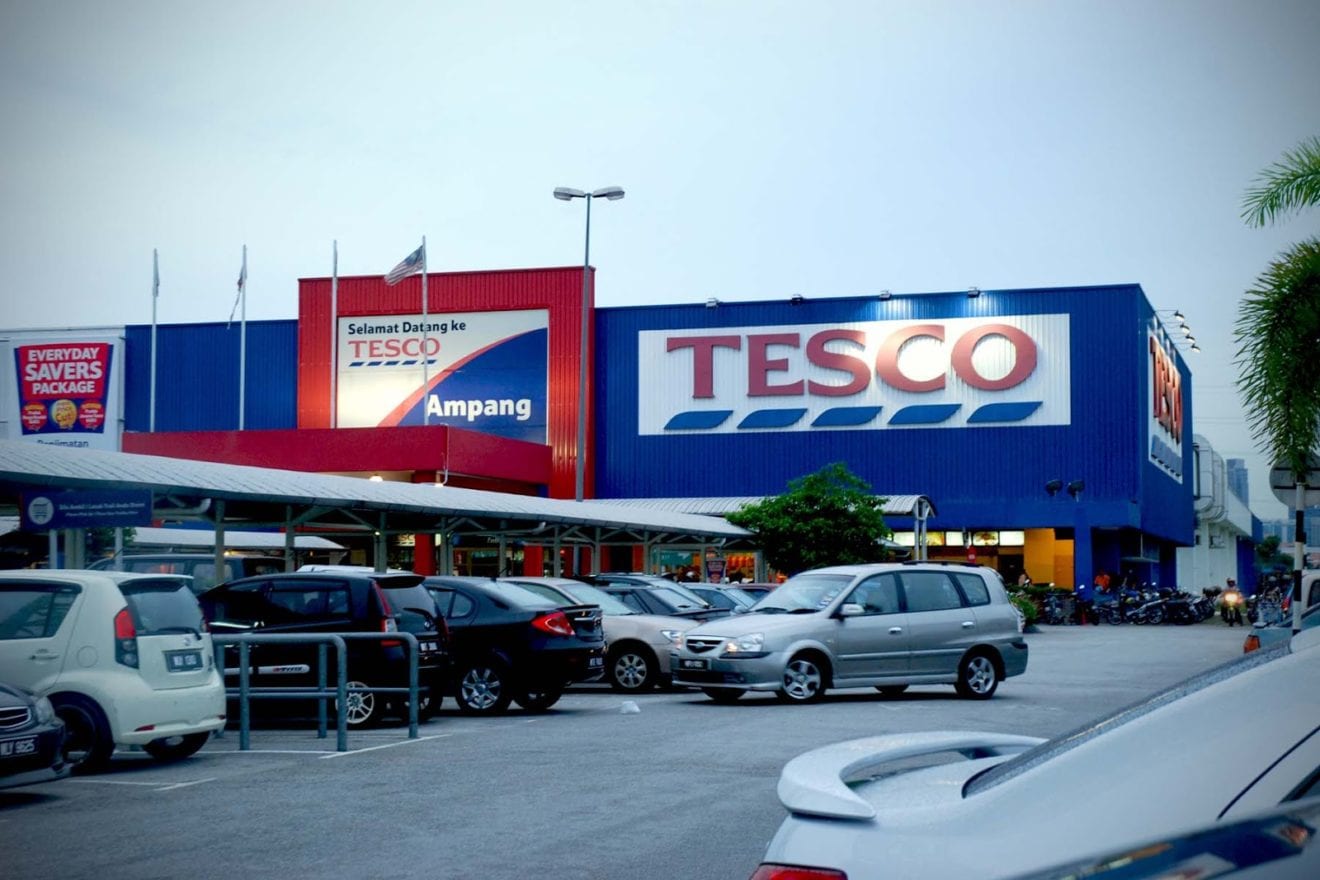
Tesco masterplan? New boss keeps investors and staff guessing
When Phil Clarke was sacked as Tesco’s CEO, senior executives hoped his 0700 strategy meetings would go with him. They did – new boss Dave Lewis starts his at 0630.
Parachuted in from Unilever in September, Lewis soon faced the task of making the shock announcement that a GBP250 million (USD391 million) hole had been found in Tesco’s profits, in an accounting scandal that led to the departure of several senior executives.
Now the CEO – despite having no direct retail experience – is keeping management on a tight rein and personally taking charge of key areas of the business, sources say. And as he conducts a vast review of Tesco’s operations to come up with a strategy to revive its fortunes, he is giving little away – even to insiders.
-
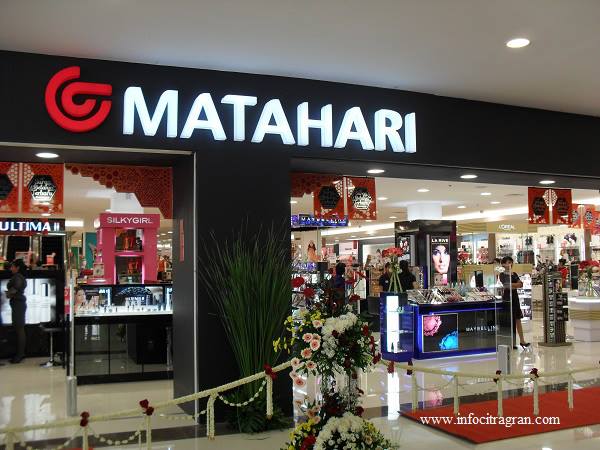
Matahari department store opens its 130th store in Jakarta’s Cyberpark
Matahari Department Store opened its 130th outlet in Cyberpark, North Lippo Karawaci, last week to tap growing demand of consumers in the Tangerang region, the retailer said in a statement.
Matahari currently operates in 62 cities across the archipelago and the Cyberpark outlet would be its sixth in Tangerang.
“With a shopping area of almost 5,000 square metres, we strive to provide consumers with a fun and unique experience while shopping,” the statement read.
-

Tiffany to improve lustre in emerging Asia
Tiffany & Co., the world’s second largest jewellery retailer by sales aims to improve its lustre in emerging Asia, where demand for gold and gems appears to be insatiable.
While Americans and Japanese remain the high-end brand’s biggest customers, their share of sales has fallen to a combined 62 percent, from over 80 percent a decade ago. Asian shoppers, excluding Japan, now account for 23 percent of Tiffany’s total net sales. The company’s jewellery sales have more than doubled to USD4 billion over the past 15 years.
China, where the Nasdaq-listed firm owns 24 stores and plans to open three a year for the foreseeable future, is the biggest sales generator. But Tiffany is not forsaking Japan.
-
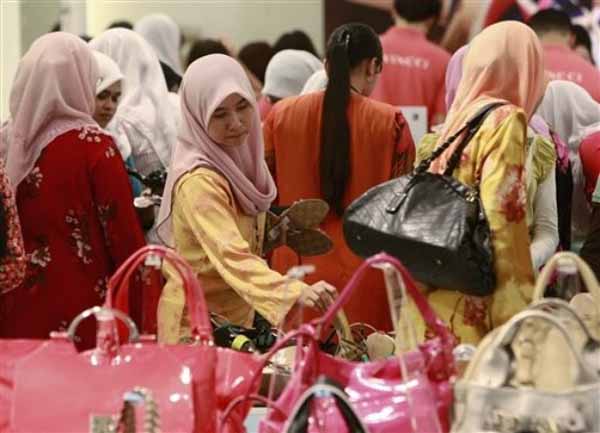
Consumers in Malaysia grappling with rising cost of living
While most consumers grappled with the escalating cost of living, the Malaysian government’s subsidy rationalisation programme and the impending introduction of the goods and services tax (GST) also took centre stage.
The government’s decision to reduce subsidies, effective 3 September 2013, was generally aimed at strengthening the nation’s economic position and ensuring that subsidies reached the target groups.
In 2014, the government allocated about MYR40.5 billion (USD11.61b) for its various subsidy schemes. Out of that amount, MYR21 billion went towards subsidising RON95 petrol, diesel and cooking gas or liquefied petroleum gas.
-
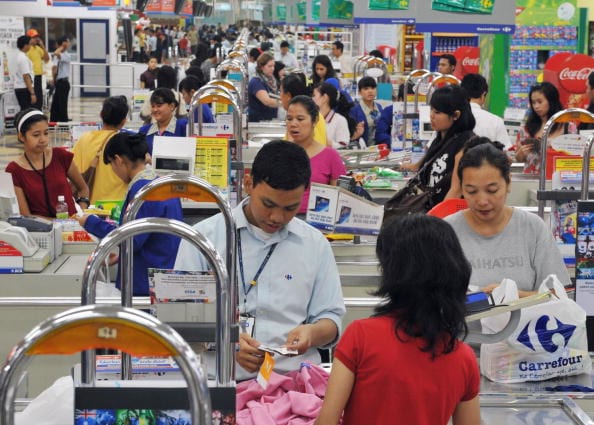
MPP to build 20 new Hypermart outlets in Indonesia
Matahari Putra Prima, the operator of the supermarket chain Hypermart, is setting aside up to IDR882 billion (USD71 million) to beef up its retail network next year in another sign of confidence for the country’s burgeoning middle class.
Danny Kojongian, a director at Matahari Putra Prima, said that the listed company aims to build 20 new Hypermart outlets and renovate 10 existing outlets next year. The 20 additional outlets will primarily target cities in the eastern region of Indonesia, he added.
Danny said that there are also plans to build up to eight additional stores for grocery market chain Foodmart, as well as a high-end version of the grocery market chain next year, which will be called Foodmart Primo.