Author: Mei Ling Tan

  • Bebelian flourishes on celebrity cast-offs

    Bebelian flourishes on celebrity cast-offs

    A unique Indonesian eCommerce venture is making money by selling local celebrities cast-offs to starry-eyed fans.

    And if the concept works in Indonesia, surely it’s a fit for other Asian markets, like Thailand and Korea, where celebrity-spotting is almost a national obsession.

    As TechInAsia.com reports, in an article written by Lina Noviandari. and translated from Indonesian,Bebelian founder Khairiyyah Sari was a former executive fashion and beauty editor at Indonesia’s Femina magazine. It was a role which kept her up to date – and in stock – with everything related to branded apparel and accessories, particularly handbags. Her work in the media also allowed her rare access to the nation’s exclusive pool of models, actresses, and celebrities who were deeply entrenched in the archipelago’s fast-moving fashion world.

    Having cultivated relationships with many socialites and famous women, those in Indonesia’s fashion and beauty industry came to endearingly know her by one name; Sari. In mid-2011, however, she resigned from her safe and cushy media job to chase down a daring eCommerce dream. Bebelian was born, with the vision to sell branded, fashionable apparel and accessories that were pre-owned by Indonesian celebrities.

    “On eBay, I found Hollywood celebrities putting their goods up to be auctioned. I then thought, Indonesia should have a place that sells items previously owned by celebrities. Because I knew a lot of them, I was sure they had a lot stuff that they rarely used. And certainly, there were many fans out there who wanted a piece of their style, right?”

    Realising she couldn’t do it alone, Sari invited her friend Dewi Rezer – an Indonesian model, TV presenter, and actress – to help develop the company. Now a two-woman operation, Bebelian had an even deeper network of celebs it could tap into for secondhand goods. Sari went right to work creating the site and populating it with content, while Rezer helped legitimise the business and build buzz in the right circles.

    As a fashion journalist, Sari already knew that people in Indonesia bought branded apparel that was endorsed or pre-owned by celebrities, but that there wasn’t a formal place where people were doing it.

    She also knew that there was no website that was specialising in pre-owned celebrity handbags. With this in mind, she decided to focus her site solely on handbags in order to capture an early niche audience.

    “Because I was a fashion journalist, the concept of an online store that I made didn’t seem too arbitrary. Each celebrity has to make a profile, so it’s sort of like a magazine. Complete profiles are linked with the celebrity’s own signature style, including handbags. Each bag is photographed in our studio and celebrities share tips on how to wear them.”

    Sari claims that apart from the potential earning power of Bebelian, the site also has a mission to provide a means for average consumers to get their hands on designer brands at affordable prices. According to her, buying a pre-owned, branded handbag from a celebrity has a better value proposition than buying a counterfeit one.

    However, when you look at the site, it’s plain to see that the prices are somewhere between what they’d be for counterfeit items versus real branded ones. So in that sense, shopping on Bebelian is still a step above buying fake branded items, but still not as expensive as picking something up from the Gucci store.

    On Bebelian, users can browse via brands, celebrities, price, or product. According to Sari, around 30 celebrities have signed up, and she says she’s been dividing her time between Bebelian and her own private consultancy. She declined to comment on Bebelian’s traction, including the number of transactions it has facilitated to date. However, Bebelian currently features brand names like Chanel, Gucci, Guess, and Louis Vuitton as well as famous local names such as Astrid Tiar, Sandra Dewi, Jill Gladys, and Edies Adelia.

    While Bebelian is a unique business model, it does see indirect competition in local site WokuWoku, an eCommerce firm that sells clothes and apparel from fashion lines owned by celebs. The primary difference is that Bebelian sells designer brands from the personal closets of celebrities, while WokuWoku deals in brands that are part of celebrity-made clothing lines.

    However, Sari says she doesn’t need to worry too much about competitors just yet, as Bebelian seems to be performing beyond her expectations.

    “The next obstacle we face is that our celebrities don’t have any more items they want to sell,” says Sari. “Because of this, we must always be looking for new celebrity partners to feature on Bebelian.”
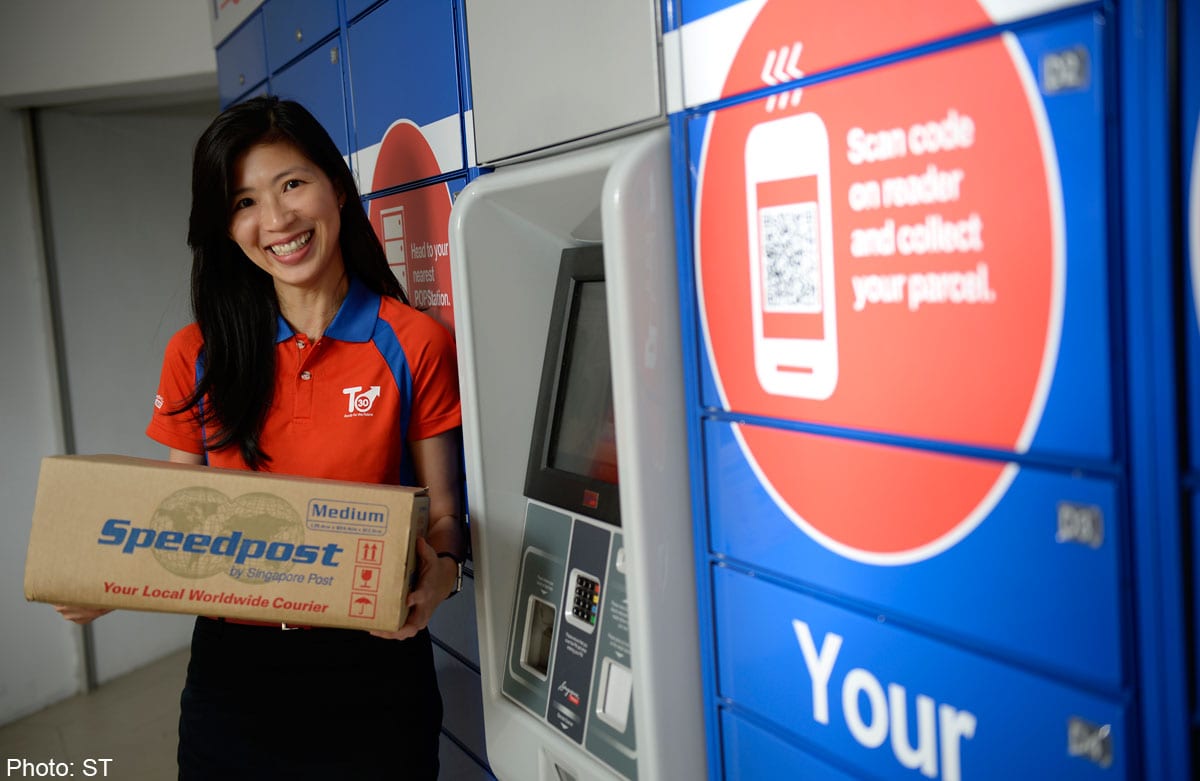

  • SingPost POPStation: a worldwide eCommerce mannequin

    SingPost POPStation: a worldwide eCommerce mannequin

    SingPost’s intelligent embracement of the web buying revolution is a case research different nationwide postal providers all over the world ought to take discover of.

    Final week, SingPost opened its 100th POPStation – a parcel supply and assortment service which has minimize the supply time of on-line purchases by as a lot as a day, boosted comfort for patrons and distributors alike – and decreased its personal operational overheads and logistical challenges on the similar time.

    The SingPost POPStation is a supply and assortment community system which now offers a receiving level for patrons with a mean distance of not more than 2.5 km from any resident within the metropolis state.

    Primarily, POPStation is a locker supply service which does away with the necessity for patrons to should be obtainable at one place to obtain their deliveries, and for postal employees to traverse the town making private deliveries. It’s tailor made to the web retailing business, as a result of it standardises supply techniques and provides each distributors and SingPost the economies of scale of creating a lot of deliveries to a single level.

    Buyers can have their gadgets delivered to automated sensible lockers in any one of many 100 POPStations, all of that are accessible 24-seven. In addition to receiving gadgets, shoppers could make returns simply onsite as properly. Clients obtain their supply notifications and a PIN for his or her safe locker by way of smartphone.

    “POPStation is nicely fitted to city cities like Singapore because it lets the parcels do the ready, catering to busy way of life of Singaporeans on this digital age,” explains SingPost senior VP of Singapore Parcel, Lim Ann Nee, in a press release.

  • Burberry bemoans Larger China problem

    Burberry bemoans Larger China problem

    Higher China has put a dampener on the in any other case stellar success story of revamped luxurious model Burberry.

    The corporate had earlier posted an 11 per cent rise in income to £2.5 billion and a seven per cent improve in pre-tax revenue to £456 million within the yr to March.

    However on Friday is warned that a beneficial fluctuation in foreign money would increase its backside line by £50 million would truly solely in reality ship £10 million, because of an increase in worth of the pound towards the Hong Kong and US dollars.

    Buyers have been spooked, maybe extra by the size of a monetary miscalculation which was by some means out by £40 million in simply 11 days as by any concern over the worth or efficiency of the model as an entire. Shares shed six per cent of their worth within the day’s buying and selling.

    Final yr’s pro-democracy protests in Hong Kong, together with the much-publicised shift within the demographic of mainland Chinese language vacationers hit Burberry arduous, given the territory accounts for 10 per cent of its international gross sales.

    So a gross sales drop in Hong Kong measured within the mid single digits can simply impression the underside line. So, too, wallet-tightening in China’s mainland. So whereas Burberry had anticipated some cushioning from beneficial trade price tendencies, additional evaluation since has apparently revealed much less constructive developments.

    The weakening of the euro has elevated what luxurious manufacturers confer with as ‘gray market gross sales’, the place inventory is purchased from wholesalers or shops in Europe on the market at a revenue in China and Southeast Asian markets. This prompted the model to extend Europe costs, and scale back them in Asia, affecting income at each ends, however defending the integrity of its provide chain.

    One vendor noticed that decreasing the 2016 steerage had harm Burberry, hinting the share worth influence was an unfair judgment.

    “Beneath, the numbers learn nicely and are forward of forecasts and the corporate is doing lots to make the enterprise sustainable,” one London supplier advised UK information media.

  • Coaching, CTV for Sim Lim Sq.

    Coaching, CTV for Sim Lim Sq.

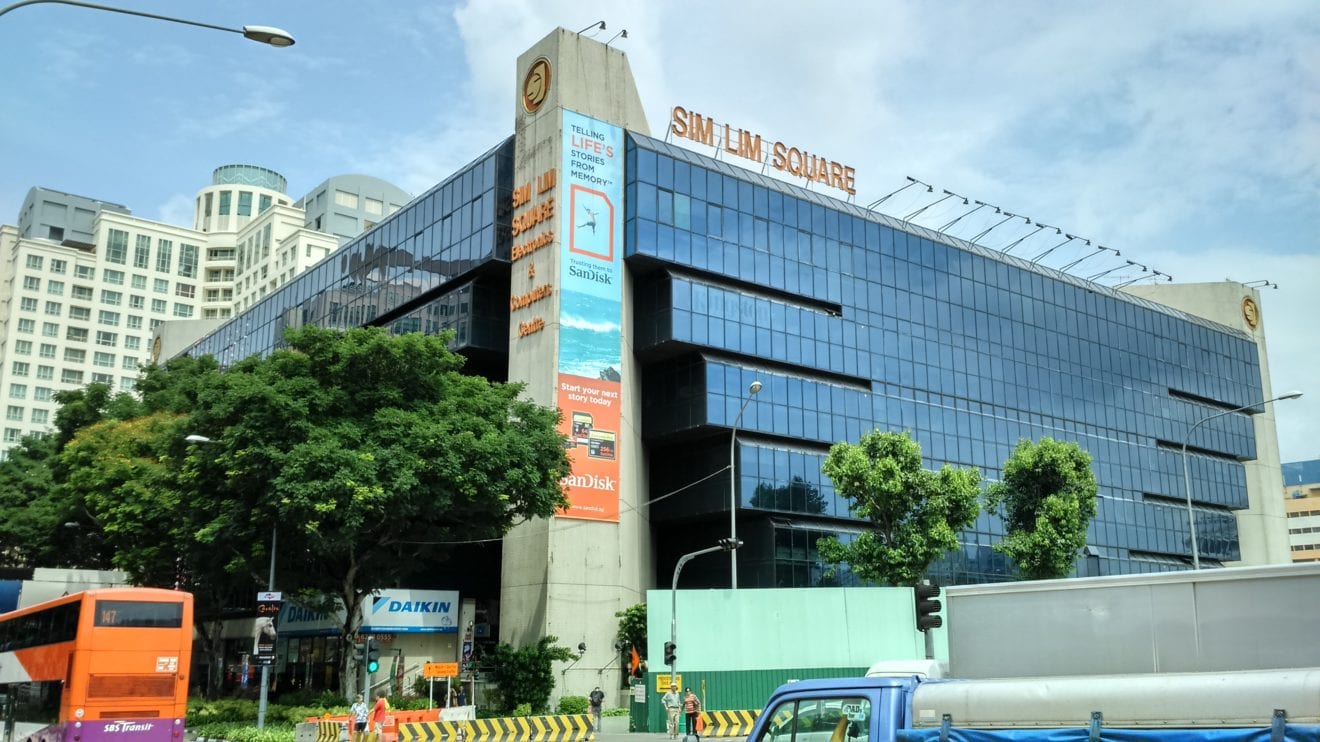
    Sim Lim Sq., Singapore’s infamous electronics mall the place overseas vacationers have been ripped off in dodgy cell phone offers, appears to have turned a nook.

    The Shoppers Affiliation of Singapore (Case) says it has acquired solely 12 complaints towards the mall’s electronics retailers within the first 4 months of this yr – about one third the quantity it fielded throughout the identical interval final yr.

    Final November the mall acquired international information and social media publicity after a Vietnamese vacationer was left in tears after spending his life financial savings to purchase his girlfriend an iPhone – which with an pointless ‘guarantee’ payment he was required to pay ended up costing him 3 times the worth of the identical telephone in Ho Chi Minh Metropolis.

    That retailer shut up store and deserted the mall – together with a number of others ‘outed’ by Case and native information media for comparable unconscionable conduct and since then the mall’s administration has labored onerous to enhance its popularity.

    On the core of the development is an accreditation program recognising dependable and reliable retailers. To realize accreditation, tenants should attend a subsidised coaching program run by Nanyang Polytechnic’s Singapore Institute of Retail Research. The coaching will give employees expertise in coping with clients in addition to finer factors of shopper legal guidelines.

    That follows information of the introduction of CCTV cameras and recording units in entrance of outlets topic to 3 or extra complaints to Case or the Singapore Tourism Board, together with stickers warning would-be clients to be cautious of the shops.

    A mall administration spokesman informed The Straits Occasions newspaper: “Our council members instructed this and it received unanimous approval throughout our annual assembly final month.”

    Case president Lim Biow Chuan, Central Singapore District mayor Denise Phua and Singapore commerce and business minister Teo Ser Luck met at Sim Lim Sq. on Friday for a walkabout of the centre and discussions with mall administration about progress on cleansing up the centre’s picture.

  • Jumei gross sales soar

    Jumei gross sales soar

    Jumei Worldwide, the Chinese language on-line retailer of magnificence merchandise, has revealed a 61.eight per cent improve in first quarter gross sales to US$250.6 million.

    Gross merchandise quantity lept 20.three per cent because of a 14.three per cent improve within the variety of lively clients to five.6 million, and an 18.four per cent improve in complete orders.

    Gross revenue was US$78.7 million, a rise of 15.2 per cent from the primary quarter of 2014. However expressed as a proportion of gross sales it decreased from 44.1 per cent to 31.four per cent, largely because of the firm’s shift in technique from pure play magnificence market to a broader merchandise supply.

    Founder and CEO Leo Chen stated the expansion price was stronger than anticipated for the primary quarter.

    “We efficiently accomplished our transition for magnificence merchandise from market gross sales to merchandise gross sales on the finish of 2014, and our new enterprise initiative – Jumei International, took off early this yr and skilled excessive progress when it comes to gross sales quantity. Jumei is at present one of many main gamers in cross-border eCommerce in China.

    “We expanded into cross-border child and maternity class in mid-April, 2015 and shortly achieved market main place on this new class in China. Our goal for 2015 is concentrated on prime line progress and enlargement into different cross-border classes as we glance to broaden our buyer base and considerably develop our order numbers. We’re assured that we will obtain our quarterly and yearly gross sales goal for 2015,” he concluded.

    For the second quarter of 2015, the corporate tasks complete internet revenues to be between US$270.1 million and US$277.eight million, representing a year-over-year progress fee of between 75 per cent and 80 per cent.

  • Carrefour Taiwan, China open shops

    Carrefour Taiwan, China open shops

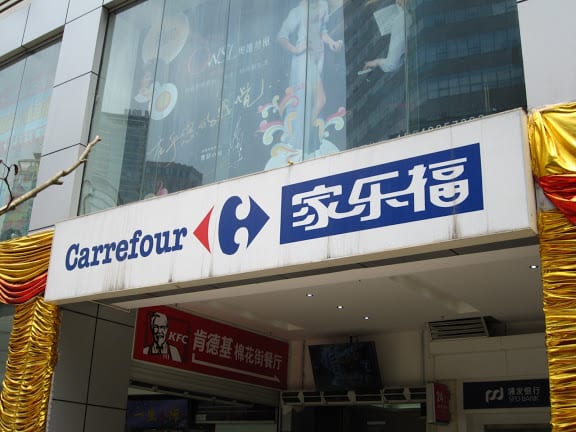
    French hypermarket operator Carrefour has additional prolonged its footprint in Taiwan and China, with three new shops opening their doorways in current weeks.

    Carrefour Taiwan has opened its 73rd retailer – the Xi Ke retailer in Hsi Chih science park. The only degree retailer has a complete 6864 sqm gross sales space and stands above the Taiwan Railway Xi Ke station by means of which 70,000 commuters move day-after-day.

    Within the Xi Ke retailer, Carrefour makes use of digital units to supply product info and work together with clients. A video wall on the entrance attracts clients in from the exterior mall.

    Carrefour Taiwan additionally launched the primary ‘Pure and Healthful’ merchandising space in its grocery part to supply extra HOPE (Wholesome, Natural, Premium and Eco-Nature) merchandise whereas selling traceability, natural options and high quality recent strains.

    Different retailer options embrace  a sports activities space the place clients can truly shoot basketball hoops and check health or biking gear.

    Carrefour China lately opened two new hypermarkets.

    The primary retailer to be opened within the north-east of China. With a gross sales space of greater than 7000 sqm, it has 22 checkouts and parking for 750 automobiles. This hypermarket anchors a purchasing centre of 25 shops.

    The second retailer – Hefei Mingbang Retailer – has a 7761 sqm gross sales space, 22 check-outs and parking for 780 automobiles. It’s situated in a big buying centre made up of 48 shops.

  • Competitors eats into Nation Fashion gross sales

    Competitors eats into Nation Fashion gross sales

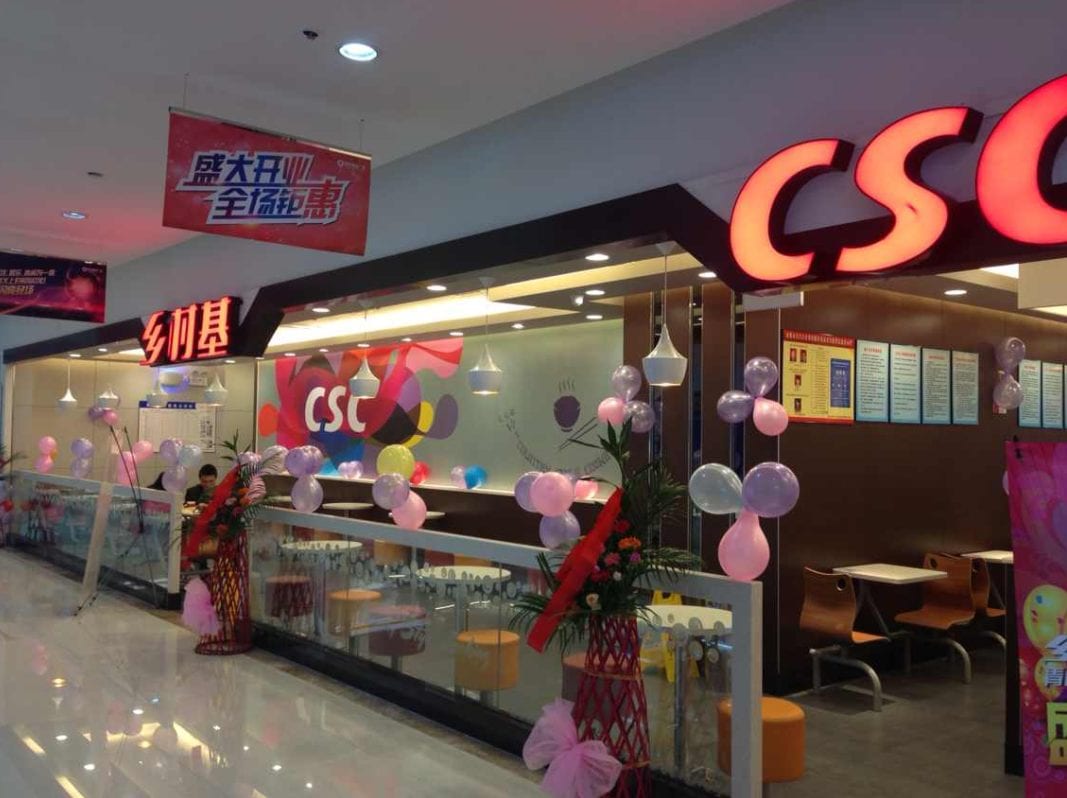
    China QSR operator Nation Type Cooking Restaurant Chain says same-store gross sales slumped 7.three per cent within the first quarter of this yr.

    The corporate, which is on monitor to open 60 new eating places this yr, reported first quarter revenues of RMB353.5 million ($57 million), a rise of 1.9 per cent on the identical quarter in 2014. The corporate had 245 eating places buying and selling in each quarters, however as on the finish of March had 344 buying and selling, in 29 Chinese language cities, 77 beneath the Mr Rice model.

    Its eating places working margin was 12.9 per cent, a lower of 170 foundation factors from the identical quarter of 2014.

    Internet revenue for the quarter was RMB8.three million ($1.three million), in comparison with RMB11.6 million in the identical quarter of 2014.

    Xingqiang Zhang, CEO, stated the corporate was happy with continued income progress and community enlargement within the first quarter.

    “Through the quarter, we targeted on additional enhancing meals security and vitamin through the use of high-quality uncooked supplies like non-GMO oil, sea salt and cage-free chickens to our product choices. We consider these efforts to enhance meals high quality is in keeping with the evolving eating habits of our clients, can higher differentiate CCSC from its rivals and should result in greater per-order spending over time,” he stated.

    “We’re additionally engaged on modifying our picture and the eating setting in our eating places to strengthen buyer notion of CCSC eating places as a perfect location for younger individuals and households who recognize an distinctive buyer expertise and a spot for socialising.”

    The corporate stated growing competitors had led to the discount in gross sales, together with a rise in meals and packaging prices and wages.

    CCSC expects second quarter revenues of between RMB 360-380 million ($58.1-$61.three million), representing a year-over-year progress of between roughly four.four per cent and 10.1 per cent.

  • Philippines to import extra rice as El Nino bites – sources

    Philippines to import extra rice as El Nino bites – sources

    President Benigno Aquino has approved a proposal to import more rice this year, government sources said, in a move to avert a potential spike in food price inflation due to forecast El Nino affected dry weather conditions.

    Fresh buying by the Philippines, one of the world’s biggest rice importers, could help support rice export prices in Asia, which have fallen in recent months because of weak demand.

    The final terms of the increased imports, which normally specify the amount and variety, are still subject to approval by the National Food Authority (NFA) Council headed by Food Security Chief Francis Pangilinan, the two sources said.

    The Philippine government last week revised down its estimate of first-half domestic rice production, with dry weather already affecting more than half of the country’s 81 provinces.

    The sources declined to disclose the volume of additional imports, although industry sources have said the Philippines may buy up to 310,000 tonnes more this year, with shipments expected before the lean harvest season starting July.

    The Southeast Asian nation recently bought 500,000 tonnes via government-to-government deals with key sellers Vietnam and Thailand, and regional supplies remain abundant.

    Thailand, the world’s second-biggest rice exporter after India, has said its plans to sell 2 million tonnes of rice over the next two months from stockpiles built up under the previous administration’s failed buying program.

    In Vietnam, the world’s third-largest exporter where prices have weakened this week on a lack of buying demand, a new crop harvest will begin from around late June, traders said.

    FOOD INFLATION IN FOCUS

    A dramatic rise in retail rice prices in the Philippines last year after damage to supply chains from Super Typhoon Haiyan pushed food price inflation to the highest in more than five years.

    Economic Planning Secretary Arsenio Balisacan said in March that the government must guard against future food price spikes, which had driven up the country’s poverty rate.

    The El Nino phenomenon, a warming of sea-surface temperatures in the Pacific, can lead to scorching weather across Asia and east Africa and is almost certain to last through the Northern Hemisphere summer, the U.S. weather forecaster has said.

    A significant El Nino would put the Philippines’ headline inflation well over the 2-4 percent target by 2016, which could put the central bank under pressure to raise interest rates sooner than expected, HSBC economists said this month.

    “We now expect two rate hikes in 1Q and 2Q (next year), but food inflation risks could bring this into late 2015,” HSBC said.

  • Futuristic Chengde mall planned

    Futuristic Chengde mall planned

    Sunlay Design Group has created a stunning, futuristic design for the planned Chengde mall in China’s Hebei province.

    The modern shopping center has heavy ties to China’s ancient cultural influences, inspired by classical dragon mythology and the principles of feng shui.

    Named the Chengde Tianshan Retail Center, it will offer the Hebei province a mixed-use shopping experience that fuses contemporary form with traditional methodology. Construction is scheduled to commence within a few months.

    In creating the mall’s exterior design, Sunlay faced a major challenge: such is the mountainous nature of the site, a conventional building would have lacked visibility from the street. Whatever design they settled on, the had to also maximise the centre’s usable area.

    The result is best described as “a fluid form” that defines the site’s perimeter and creates a natural flow from indoor to outdoor food and beverage and retail tenancies.

    Sunlay says that by wrapping the building around the site’s edges, the mall gained elevation necessary for it to become a landmark and focal point for the neighbouring city.

    A tall cantilevered wing rests about 20 meters above the mall.

    Besides a retail tenancy mixing local and international brands, Chengde mall, on a 27,535 sqm site, features a cinema complex, restaurants, a karaoke bar and a hotel.

  • ‘Fantastic start’ to Malaysia tax refund scheme

    ‘Fantastic start’ to Malaysia tax refund scheme

    Retail tax refund specialist Global Blue says the first month of the electronic Tax Refund Scheme in Malaysia has got off to a “fantastic start”.

    With the introduction of a six per cent GST on April 1, Malaysia’s government launched a refund scheme for tourists, in line with other Asian economies.

    Nigel Dasler, Global Blue’s head of commercial for South Asia, said the introduction was a “great collaborative effort” with more than 1000 merchants affiliated by April 30.

    However more than 4000 more are still awaiting approval via the Customs Approval portal.

    “It’s is very encouraging to note that the average spend per traveller is over EUR700, making Malaysia one of the highest average spend countries within Global Blue. This, coupled with the strong merchant pipeline and transaction growth validates our decision to enter Malaysia. Malaysia is shaping up to be a strong pillar for our Asia Pacific ambitions and I look forward to its continued development.”

    Gareth Costello (eTFS Programme Implementation Manager), added that local Customs management and officers have fully recognised the benefits of eTFS with over 8000 transactions digitally validated in the first 30 days of production.

    “Our success in Malaysia is due to an exceptionally committed local and international team, which continues to dedicate itself to completing all deliverables and managing a solid handover to operations.”

    Azraf Bin Mohamed Tahir (head of commercial, Malaysia), noted that “it has been an exhilarating experience to see the team working hard and cooperating with colleagues from several continents, succeeding to launch a nationwide project so successfully and on schedule.”


  • Asian cities top rankings for global brands

    Asian cities top rankings for global brands

    Tokyo is the world’s hottest market for retail expansion, attracting 63 new global brands last year as leasing momentum in core areas remained strong.

    In a list dominated by Asia and Middle East cities, Singapore ranked second with 58 new entrants, outshining Hong Kong which tied for fifth with Dubai (45 each) in the CBRE Group’s report How Global is the Business of Retail?

    Singapore’s new entrant count was double the number of 2013 – with entrants largely in the food and beverage sector, with apparel and accessories chains a little further behind.

    While Hong Kong finished fifth equal with Dubai on the list, it was still a respectable showing given CBRE surveyed 164 cities in 50 countries. In between Singapore and Hong Kong came Abu Dhabi and Taipei.

    For foreign retailers entering Singapore for the first time, the Shoppes at Marina Bay Sands ranked as their top choice f destination, largely due to the steady flow of affluent customers streaming to and fro the connected casino facilities.

    Globally, mid-range fashion retailers are the most active category looking at new market expansion, accounting for 21 per cent of activity, just a little more than luxury brands at 21 per cent.

    In Asia, luxury and business fashion retailers drove 24 per cent of the region’s business expansion, followed by coffee and restaurant retailers at 22 per cent.

    Meanwhile, the report found that the primary expansion targets for America’s retailers are Asia (41 per cent) Europe (33 per cent), and the Middle East and Africa (12 per cent).

  • Komehyo Hong Kong opens showroom

    Komehyo Hong Kong opens showroom

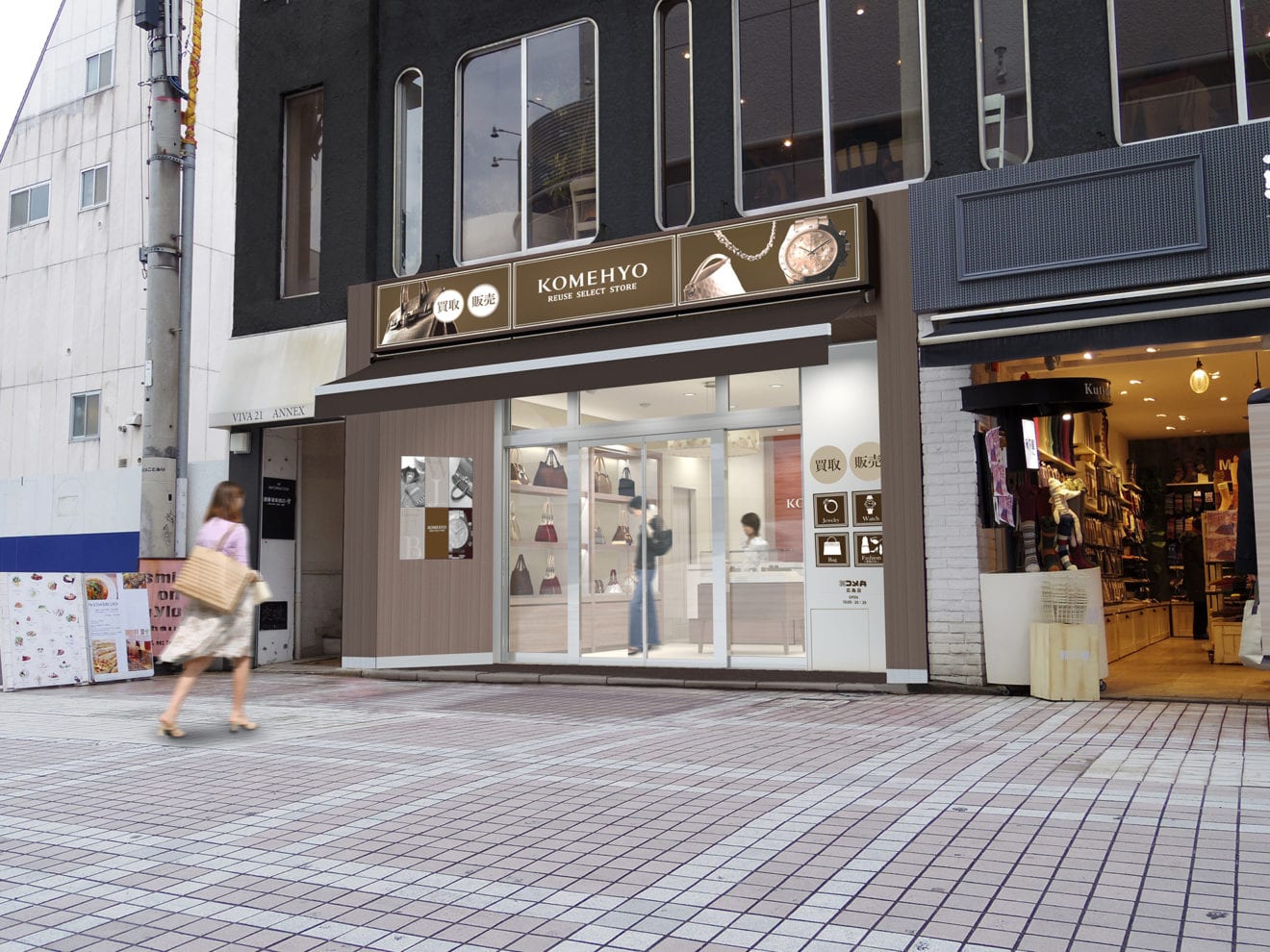
    Used luxurious items retailer Komehyo Hong Kong has opened a downtown showroom as a part of its Japanese mum or dad’s regional enlargement technique to succeed in out to consumers outdoors Japan.

    President of Komehyo Hong Kong, Toshio Sawada, stated the showroom will assist the corporate set up a robust presence within the territory and join with abroad consumers.
    The showroom will supply second-hand jewelry, watches, branded luggage and equipment to related enterprises.

    “Hong Kong is properly related with the world and Mainland China,” stated Sawada. “It’s a handy and strategic location for Komehyo to serve its abroad consumers who’re principally from Mainland China.

    “We anticipate that the Hong Kong workplace will assist our firm increase its gross sales channels and supply higher customer support to abroad consumers outdoors Japan.”

    Sawada stated that through the previous few years, Komehyo has been actively buying and selling its second-hand jewelry and watches via commerce festivals in Hong Kong.

    “We have now seen robust demand for luxurious watches and diamond jewelry from abroad consumers. The opening of the showroom exhibits our rising confidence in Hong Kong.”
    Affiliate director-general of funding promotion, Jimmy Chiang, stated, with its free port and low tax regime, Hong Kong stays a really perfect location to overseas corporations wishing to showcase and market high-end high quality items to Mainland Chinese language and different Asian clients.

    “Establishing a everlasting location in Hong Kong facilitates commerce with worldwide consumers all year long. Komehyo, with its robust branding within the business, will simply discover a foothold in Hong Kong. I want its enterprise each success.”

    Based in 1947, Komehyo Co buys and sells second-hand and new merchandise by means of 33 retail shops in Japan. The corporate trades in recycled and new merchandise together with jewelry, valuable metals, watches, branded luggage, clothes, kimonos, cameras and musical devices in Japan. Komehyo is listed on the second part of each the Tokyo Inventory Change and the Nagoya Inventory Trade.

  • Worldwide gross sales drive Mothercare restoration

    Worldwide gross sales drive Mothercare restoration

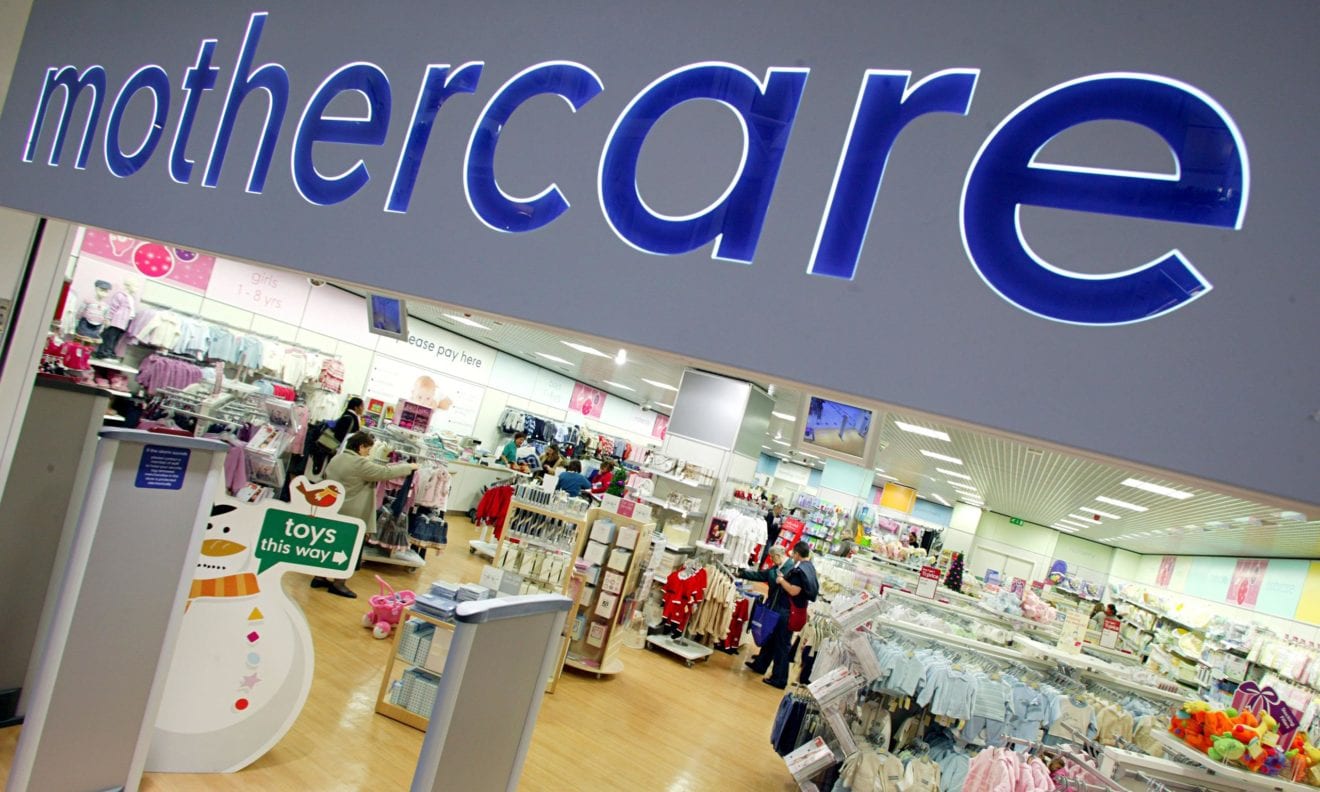
    Struggling UK childrenswear idea Mothercare has reported bought worldwide gross sales and a burgeoning on-line enterprise because it recovers its mojo.

    Within the full yr to March 28, Mothercare says its pre-tax, underlying revenue rose 37 per cent to £13 million. Worldwide gross sales have been up 5.6 per cent – a good more healthy 12.four per cent on a continuing foreign money foundation – and on-line gross sales rose 18 per cent, accounting for 30 per cent of complete UK gross sales with over a 3rd of on-line orders collected in retailer and 82 per cent of on-line visitors now generated from cellular.

    UK like-for-like gross sales have been up two per cent, and gross margin stabilised, the corporate stated in its annual assertion.

    Complete UK house market gross sales have been down zero.9 per cent as an extra 31 underperforming shops have been closed. However the concentrate on increasing internationally is clearly bearing fruit: Mothercare stated complete promoting area was up 9 per cent, now numbering 1273 shops in 60 nations, with 52 new ones opened in the course of the monetary yr. Mothercare made its Korean debut, opening 4 shops.

    Chairman Alan Parker stated the yr was certainly one of “main change” for the corporate, with a brand new CEO and CFO recruited, new financing preparations entered into with its banks, an uninvited takeover supply rebuffed and a efficiently accomplished a rights difficulty.

    “I’m assured that we now have the appropriate management and plans to realize our clear potential of being a world main international retailer.”

    CEO Mark Newton-Jones stated the corporate’s worldwide enterprise has delivered progress when it comes to area, gross sales and revenue, regardless of elevated financial and overseas foreign money headwinds.

    “We’re making good progress towards all six pillars of our technique and we’ll proceed to construct from this platform within the yr forward. There’s nonetheless a lot to do and buying and selling circumstances might stay difficult, however we’ll keep singularly targeted on our imaginative and prescient of being the main international retailer for folks and younger youngsters.”

    Mothercare’s worldwide enterprise now accounts for 64 per cent of the model’s worldwide area and 62 per cent of gross sales.

    The corporate stated Asia, the place Mothercare now has 397 shops in 13 nations, continues to supply thrilling excessive progress alternatives.

    “We opened our first 4 shops in South Korea, within the final quarter of the yr. This market provides vital alternative with a rich center class, good high quality retail area and a mature on-line market. Because the finish of the yr, we’ve got exited our three way partnership in India, which not wanted our help to develop the enterprise. India now operates on a pure franchise foundation. Area was up about 17 per cent year-on-year with mid-single-digit like-for-like gross sales progress. Robust fixed foreign money gross sales progress was diluted by ongoing foreign money devaluation which resulted in excessive single-digit gross sales progress in precise foreign money.

    “Asia now has transactional web sites in China, India and Indonesia.”

    Within the yr forward, Mothercare says it plans to proceed to develop its enterprise to turn out to be digitally led by investing in its on-line platform.

    “On the similar time, in keeping with the plans we communicated final yr, we’ll modernise and refurbish 35-40 shops while closing 25-30 underperforming shops.”

  • NZ Mad Group sure for Japan, US

    NZ Mad Group sure for Japan, US

    New Zealand restaurant idea Mad Group, says it has signed Memorandums of Understanding to enter Japan and the US.

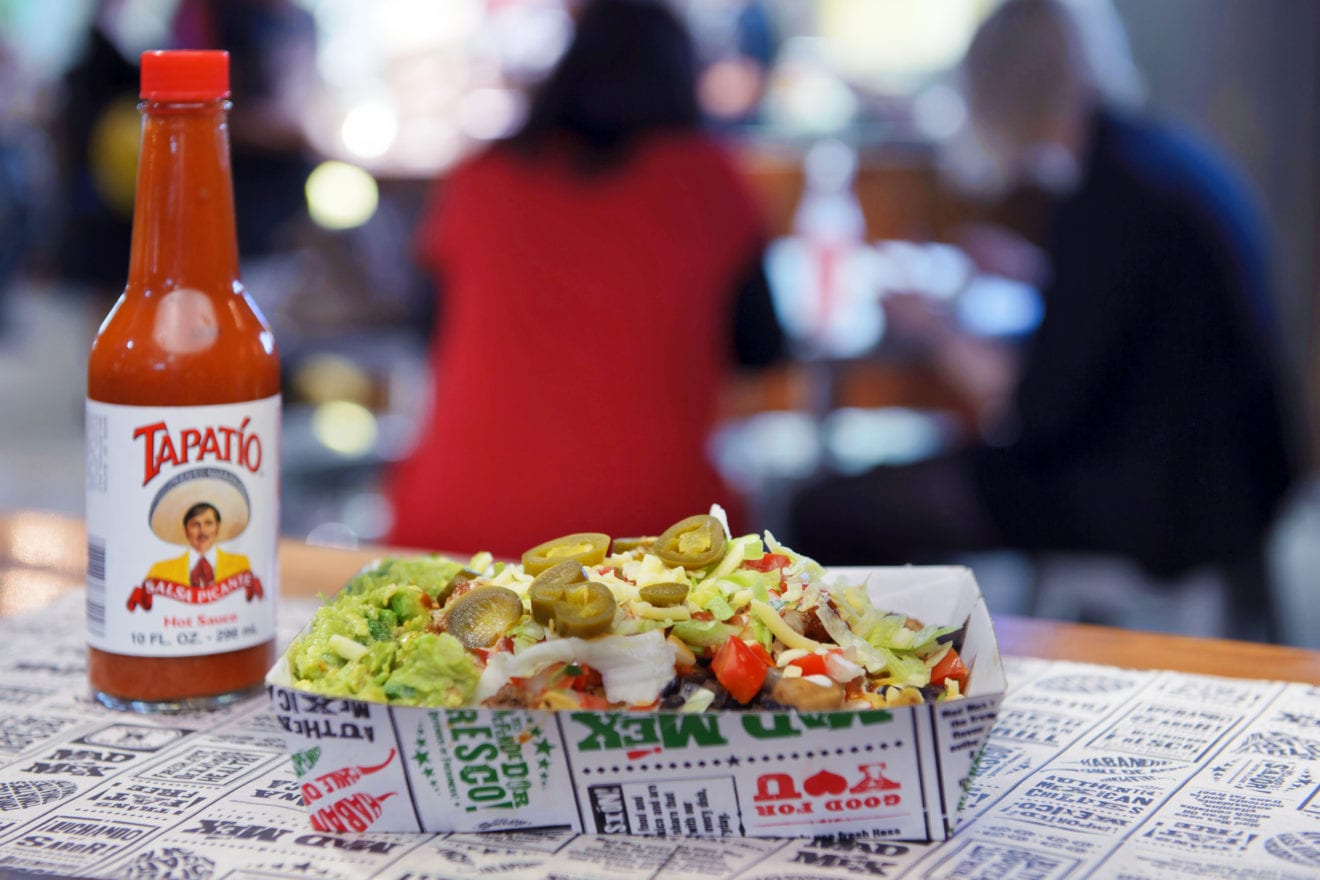
    Mad Group runs the Mad Mex Mexican fast service restaurant idea and Ordinary Repair, which specialises in wholesome wraps, salads, smoothies and juices.

    A 10-year Memorandum of Understanding (MoU) has been signed with an nameless American associate to launch 30 Ordinary Repair restaurant chains within the US beginning in Los Angeles in 2016. The deal is value over NZ$6 million in franchise royalties over the preliminary time period and could be renewed for an additional 10 years after the preliminary time period expires at a franchise royalty fee of greater than $1 million per yr. The corporate plans to have Ordinary Repair places in at the least 5 totally different US states inside 5 years.

    Mad Group has additionally signed a separate MoU with one other as but unidentified companion in Japan, however not but launched additional particulars about plans for that market..

    The enlargement of the wholesome consuming ideas follows a worldwide development towards more healthy consuming of high quality recent meals, for which Mad Group is famend. Only recently McDonald’s added kale to its menu to maintain up with altering dietary preferences.

    The corporate lately raised fairness in a crowdfunding marketing campaign to develop the Mad Mex enterprise regionally, rolling out each manufacturers round New Zealand and aiding within the gross sales and advertising of worldwide franchise licences for Ordinary Repair.

    Ordinary Repair eating places are to date situated in Auckland and Wellington and can doubtless quickly be coming to the South Island as properly.

  • Money increase for iprice comparability idea

    Money increase for iprice comparability idea

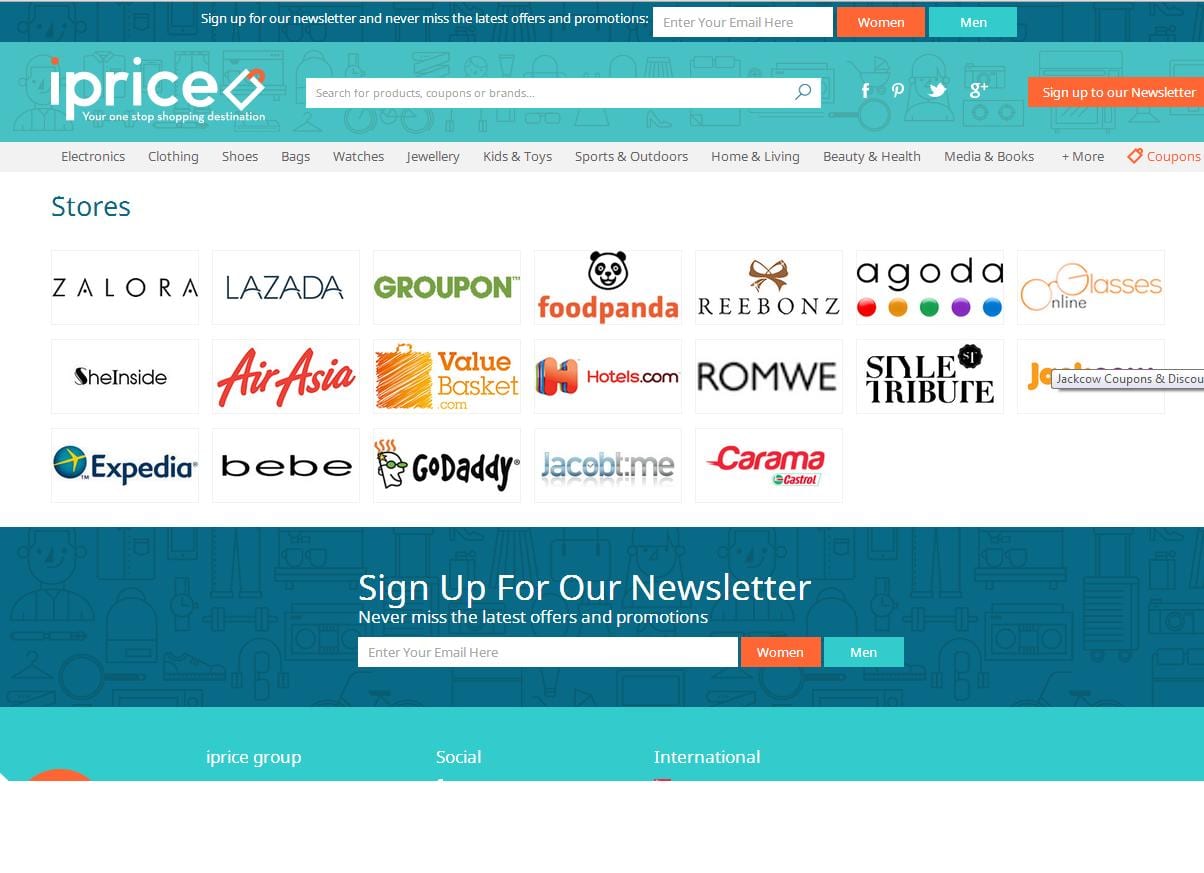
    Iprice Group, a Malaysia-based on-line worth comparability service for consumers, has acquired a $550,000 money funding from an angel investor enterprise capital group.

    Based solely final October, the enterprise is already lively in its residence base Malaysia, together with Hong Kong, Singapore, the Philippines, Thailand, Indonesia and Vietnam. The corporate says its on-line visitors is greater than doubling each month.

    The US$550,000 in funding was invested by from Asia Enterprise Group, a Malaysia-based angel investor, which needs to assist Iprice create “the most important on-line buying group in Southeast Asia”.

    Iprice co-founder Heinrich Wendel says the thought of the web site is to create “a pleasant on-line purchasing expertise” by giving buyers an intuitive and visible option to uncover merchandise.

    “Whereas different websites within the area are all about evaluating costs, we give attention to narrowing down the huge quantity of merchandise to your private choice. Regardless of you’re on the lookout for a blue and black gown, three-inch excessive heels, a strong backpack or a basic Chesterfield couch, we’ll present you the place you will get one of the best supply.”

    Because the younger Web inhabitants within the area is rising by greater than 50 per cent inside the subsequent three years – based on a report by UBS – it can drive eCommerce quantity no less than five-fold by 2020. Tapping into this potential, the web site already provides greater than three million merchandise from over 10,000 native and worldwide manufacturers, sourced by way of trusted on-line shops.

    Consumers flick through the hundreds of thousands of merchandise by classes, manufacturers, fashions and hues, amongst different attributes, to get inspiration. All merchandise are mechanically linked to particular promotions and coupons which might be provided by the respective eCommerce shops. Sooner or later, the corporate says it’ll double down on its machine studying algorithms to additional enhance the “sensible search” and supply particular person suggestions in response to the consumer’s searching behaviour.

    Working from its Kuala Lumpur headquarters, the corporate employs expertise from throughout Southeast Asia, enabling them to deal with the wants of every native market individually.

    For eCommerce shops, iprice supplies invaluable experience in on-line advertising, serving to them to increase their attain to new markets and develop their buyer base. Tito Costa, Zalora Group MD, says he recognises iprice as a robust affiliate associate.

    “Iprice helps internet buyers to seek out what they’ve been on the lookout for and to find new merchandise. They ship excessive changing visitors to Zalora throughout the Southeast Asia area and drive our income considerably,” he stated.