
The popularity of South Korean pop culture and products in China shows no signs of abating, as South Korea has seen more Chinese shoppers than ever, but it could come at a cost to Hong Kong. Erwan Rambourg, a consumer goods analyst for HSBC and the author of “The Bling Dynasty,” has seen the surge in shoppers first hand. He estimated that Chinese shoppers accounted for around 70 percent of South Korea’s duty free sales and accounted for about one third of all luxury purchases in the country, reports The Wall Street Journal.
Author: Mei Ling Tan
-

Wearable devices have bright future in China
A latest survey showed that wearable devices will become more popular in the Chinese market in the next five years.
For wearable health devices, 39 percent of respondents worldwide plan to buy one by 2020, but 65 percent of Chinese consumers surveyed already have an interest in buying one, according to a survey filed to Xinhua Saturday by Accenture, a consulting and technology services company.
As many as 67 percent of Chinese consumers are likely to buy wearable fitness monitors and 73 percent wants smart watches in the coming five years, more than doubled 32 percent and 27 percent in the United States.
-
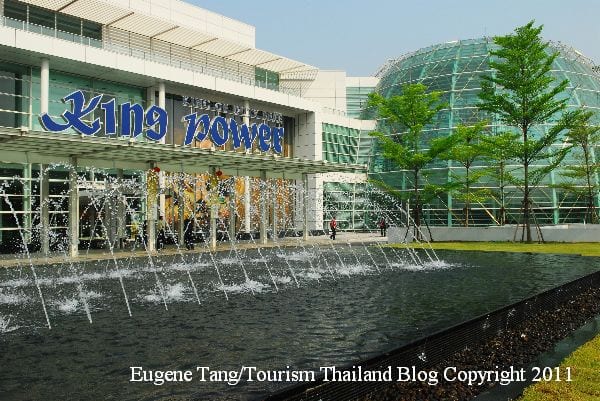
Thai government looks to expand duty-free services
The government is exploring ways to allow more companies, including South Korea-based Lotte Group, to operate duty-free services at airports and downtown areas.
Currently, King Power, the country’s largest duty-free company, is the sole concessionaire operating duty-free shops at Suvarnabhumi, Don Mueang and Phuket airports overseen by the Airports of Thailand (AoT).
Transport Minister ACM Prajin Juntong has revealed that Lotte Group’s executives met him last week. The South Korean operator inquired about the possibility of it stepping in as a new player in Thailand’s duty-free market.
However, King Power currently holds the concession as the sole operator of duty-free shops at Suvarnabhumi until 2019 and at Don Mueang until 2022. Therefore, it is impossible for the government to allow new duty-free shop operators at the airports.
Once a new terminal is built as part of Suvarnabhumi’s second phase of development, there is likely to be more than one duty-free shop operator, but until then, King Power holds the concession, said the minister.
-

GCH to open 4 more Giant hypermarkerts, supermarkets this year
GCH Retail (Malaysia) Sdn Bhd, the owner of Giant, Cold Storage, Mercato, Jason’s and G-Express stores, is to open four new Giant hypermarkets and supermarkets in Malaysia this year to add to the 126 it already has.
They will be in the Klang Valley, Sarawak, Perlis and Trengganu and will further strengthen its position as the country’s largest hypermarket group.
Its G-Express, a convenience store subsidiary, is also embarking on a similar expansion plan and targets to open 500 nationwide within the next five years.
-
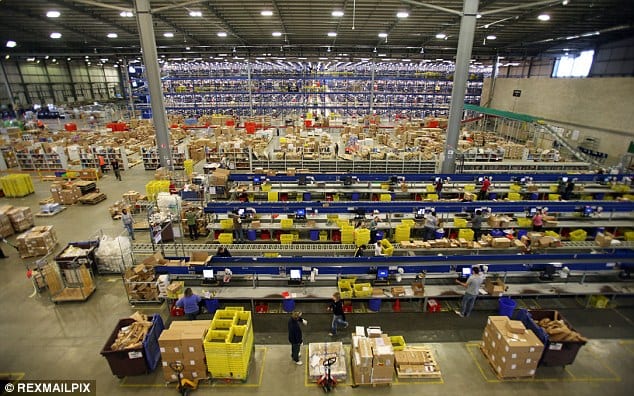
Stranded online parcels claim ‘partly untrue’
China Post has said reports that thousands of parcels from overseas have been languishing at a Shanghai port for months because it owes millions of yuan in port fees are “partly untrue.” This follows online claims that 200 containers mostly containing haitao — goods bought online from overseas — brought by ship to the city are piled up at a Shanghai port. Items transported by air are unaffected. They are mainly said to be items bought from Japan between October and November — including diapers and other infant products ordered by parents. It has been claimed online that the delay is because the China Post Express Mail Service owes some 5 million yuan (US$817,730) to Shanghai International Port Group and has refused to pay.
-
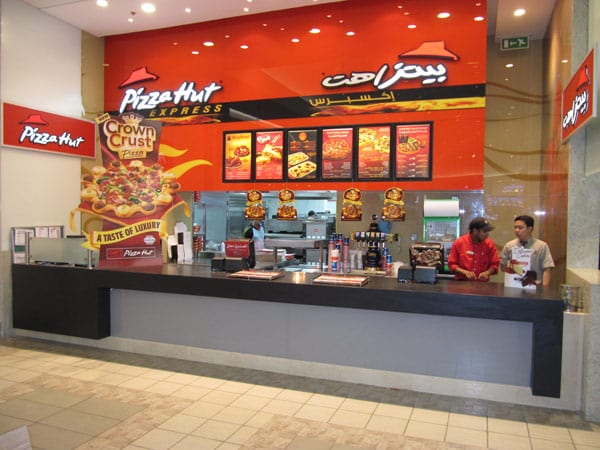
Pizza Hut to sell gluten-free pizza
Beginning Jan. 26, roughly 2,400 of the chain’s 6,300 domestic locations will begin selling gluten-free pizzas. The move comes two years after rival Domino’s rolled out a pizza sold with a gluten-free crust — but not entirely gluten free. Pizza Hut will be the first major pizza chain to sell a pizza that is certified gluten-free.
-

E-retailer Zalora bets big on Southeast Asia
Asian fashion e-commerce start-up Zalora aims to become a multi-billion dollar company, and according to managing director Michele Ferrario, Southeast Asia’s burgeoning market holds the key to achieving that goal.
“Singapore is well-served in terms of online and offline retail, but when you think about smaller towns in Indonesia, the Philippines, Vietnam and Thailand, people there do not have the same access to fashion as people in developed markets,” he told CNBC’s “Managing Asia.”
Home to more than 600 million consumers, the region’s internet retail market is at an “inflection point,” according to a UBS report published last June. Analysts estimate online spending across Southeast Asia is poised to hit USD35 billion by 2020, on the back of high internet penetration and widespread smartphone usage.
-

COACH aspires to luxury upgrade with new ‘honest’ approach
COACH’s debut at London Fashion Fashion week with its menswear 2015-16 Fall Winter Collection signals the aspiration of the brand to a luxury upgrade positioning which was launched when Stuart Vevers (ex LOEWE) was appointed as Creative Director in 2014. The new collection was inspired by the aesthetic of Gus Van Sant’s “My Own Private Idaho” and functional winter street style in the designer’s new home, New York City. “New Yorkers are quite practical, and they don’t sacrifice function,” Stuart Vevers said. “There are no tricks — the collection is straightforward with honest construction.”
-
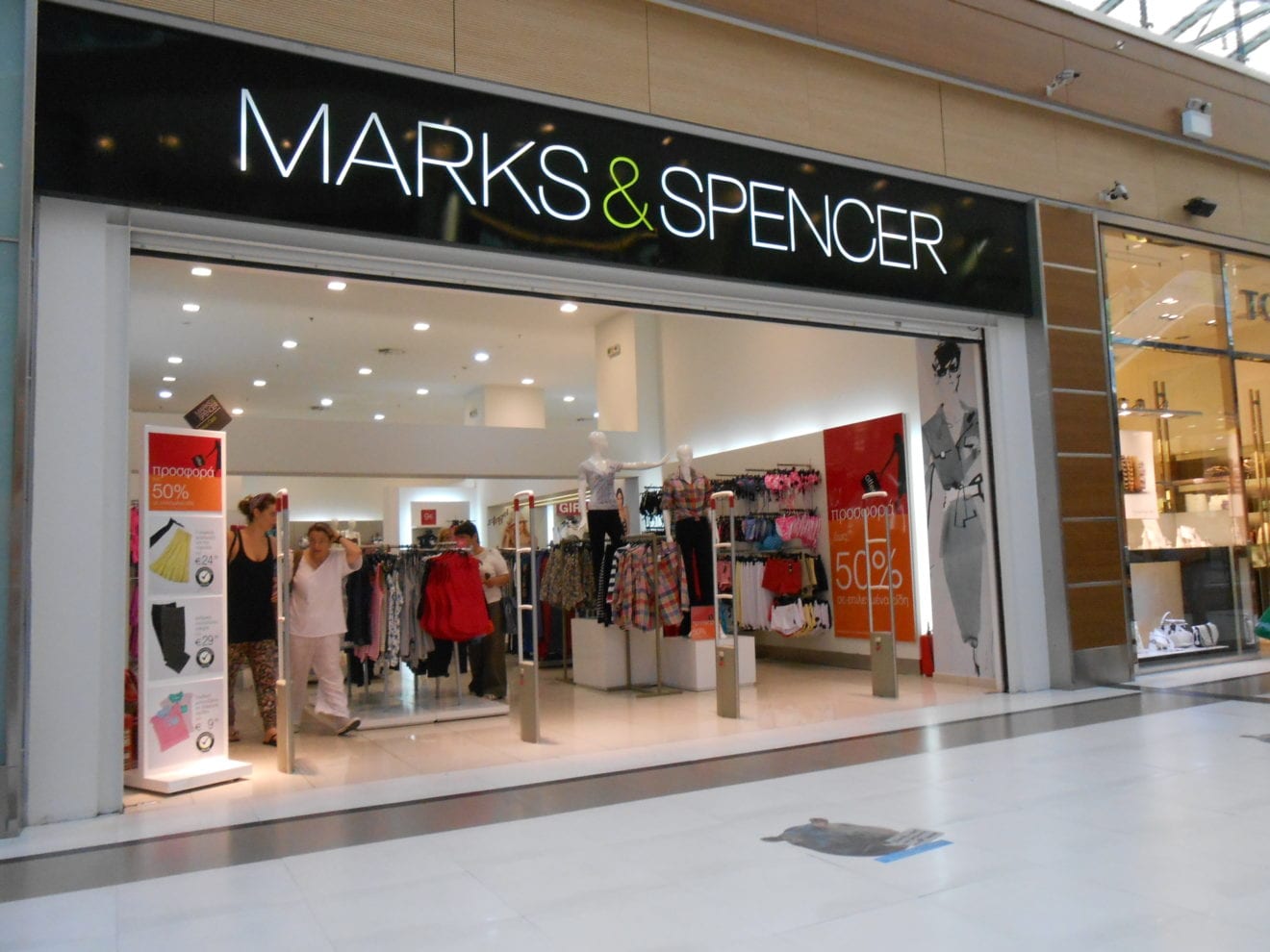
M&S boss Marc Bolland faces mounting pressure following Christmas sales fall
Pressure was mounting on the chief executive of Marks & Spencer, Marc Bolland, on Monday night as investors digested the retailer’s decline in sales over the crucial Christmas trading period.
One of the City’s most influential fund managers said questions should be asked about Bolland, who joined M&S in 2010 and last week announced a 5.8% fall in general merchandise sales and a 0.1% rise in like-for-like sales in its food division.
David Cumming, head of equities at Standard Life Investments, said: “In terms of Marks & Spencer they had another disappointing set of figures and I suppose Marc Bolland has been there for some time, almost five years, so I think the chairman and the senior independent director are probably asking themselves whether his scorecard is acceptable, and they should be asking M&S shareholders the same question.”
Cumming was also asked on BBC Radio 4’s Today programme about Dalton Philips, who replaced Bolland as boss of Morrisons. The supermarket chain is due to release its Christmas trading figures on Tuesday, amid speculation about potential boardroom change.
“We’re not particularly large shareholders in Morrisons or Marks & Spencer. I think some might change CEOs, we saw that with Tesco – it’s going to be a difficult process,” Cumming said.
Tesco replaced insider Philip Clarke with Dave Lewis after issuing a profits warning in July. Lewis unearthed a string of accounting problems at Britain’s biggest supermarket chain.
Last week he announced moves to restructure the business. They are expected to lead to thousands of job cuts along with the closure of the head office in Cheshunt, Hertfordshire.
Cumming said profits at M&S had fallen over the five years Bolland had been in charge despite £2.5bn of expenditure. “I think M&S has got a lot of potential but that’s not being demonstrated by results, which is one of the reasons we’re not a major shareholder,” he said.
M&S declined to comment on the remarks, as did Morrisons – whose trading update is expected to show the continued pressure on the sector as shoppers move to hard discounters such as Lidl and Aldi.
Analysts at HSBC said that they expected like-for-like sales at Morrisons to be down 4% – which would be a smaller fall than during the same period a year earlier – and that Andrew Higginson, a former Tesco executive, might come in early as chairman, before his planned start dater.
David McCarthy, an HSBC analyst, said: “He joined the board last year as deputy chairman/chairman-elect and is not due to take over until the summer. But given the state of the industry, changes at Tesco, and Morrison’s sales losses, it might make more sense to see him take the chairman’s role sooner rather than later. 2015 is going to be a year of change for the industry and Morrisons will be part of that.”
M&S has been meeting its major shareholders since last week’s trading update, which also showed profit margins being maintained despite the fall in sales. This was welcomed by analysts on the day of the trading update.
Bolland admitted last week that M&S sales had been affected by problems with its online operations, caused by problems at its distribution centre in Castle Donington, Leicestershire. Deliveries of online orders incurred delays in the runup to Christmas.
-
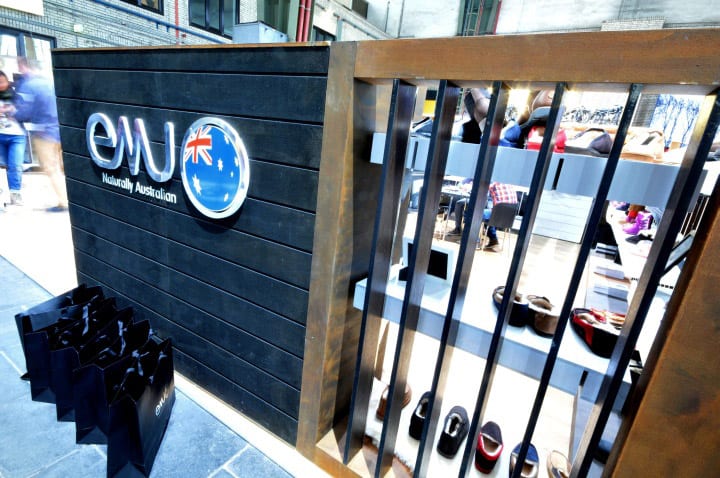
Emu footwear launches localised global websites
Australian footwear brand Emu has launched a global transactional website to serve key markets including the UK and Europe, New Zealand, China, Canada, the US and Japan.
-
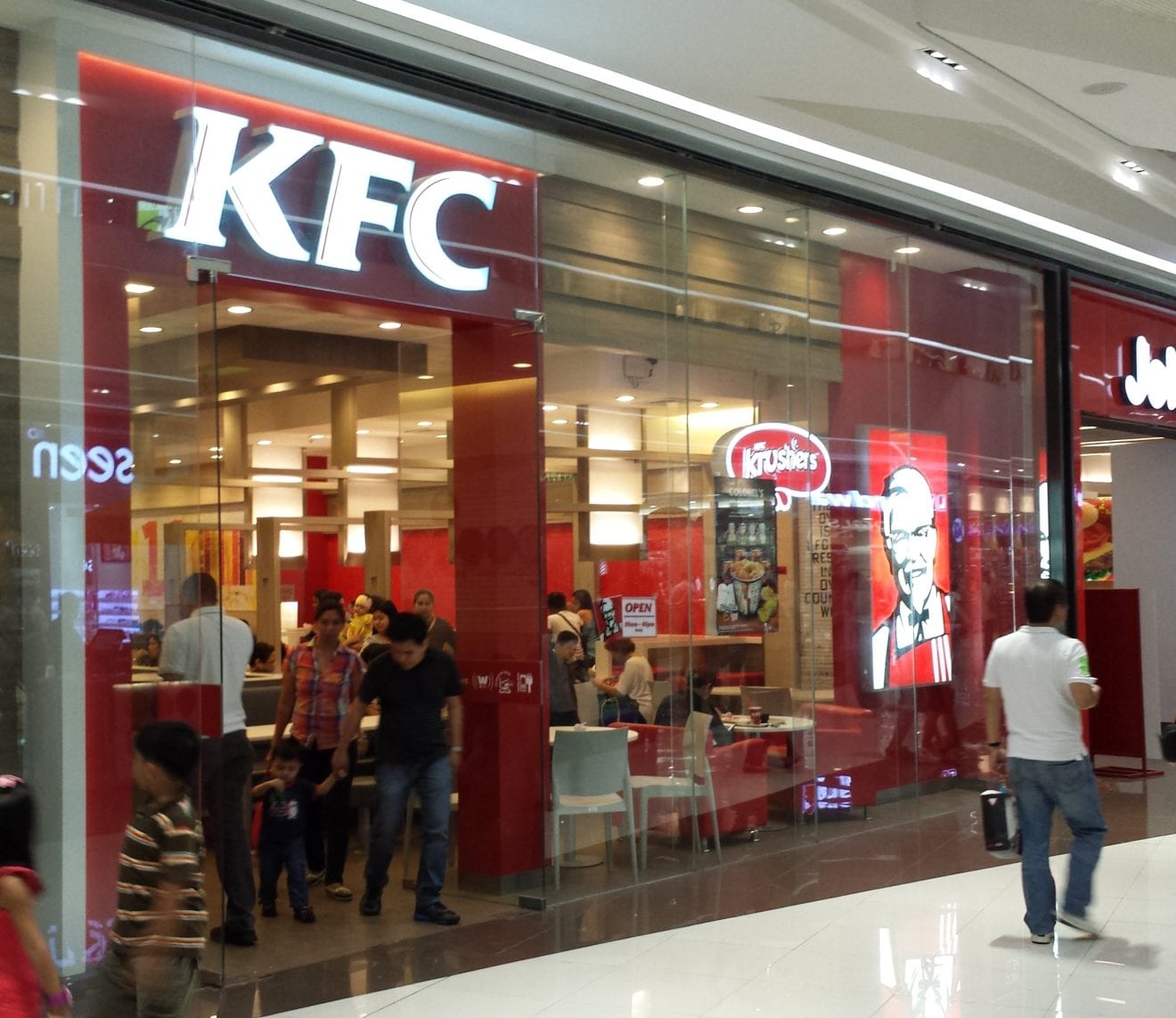
KFC aims to have 500 outlets by year end
American quick-service restaurant (QSR) brand KFC plans to become the largest QSR chain in the country and expects to have over 500 outlets by end-2015.
The company has just launched its “Flaming Crunch Chicken,” which has been spiced using the ‘BhutJolokia’ chilli grown in Assam.
Talking about expansion, Dhruv Kaul, Chief Marketing Officer, KFC India, said: “We have aggressive plans. It’s our ambition to become the number one QSR chain in the country by next year. We target having over 500 outlets by 2015.”
Kaul said despite softer consumer sentiment, the company is continuing to open new stores, not only in cities where it is already present but also in new cities. KFC India has over 300 restaurants across 81 cities, which are a mix of franchisee and company-run outlets.
“Last year was challenging for the industry, but we are confident about 2015. We hope to see an uptick in the economic environment and are well-positioned to leverage it,” added Kaul.
Vegetarian menu
Last year, the company expanded its vegetarian menu and it has kick-started this year by introducing a spicier version of its chicken offering. Kaul said: “We have seen a new trend emerging, where our consumers prefer a more intense, spicy experience in their food, After scouting for chillies from around the world, we narrowed down on “BhutJolokia” from Assam. We will continue to focus on introducing products that are rooted in consumer insights.”
This year, the company will also focus on growing its online ordering facility as an incremental channel for sales. “Last year, we scaled up home delivery significantly across our outlets. Also, without any big push, we have seen growth in online ordering. Stores that offer home delivery are seeing over a quarter of orders coming through the online channel. This year, we will give a big thrust to grow the online ordering,” Kaul added.
-
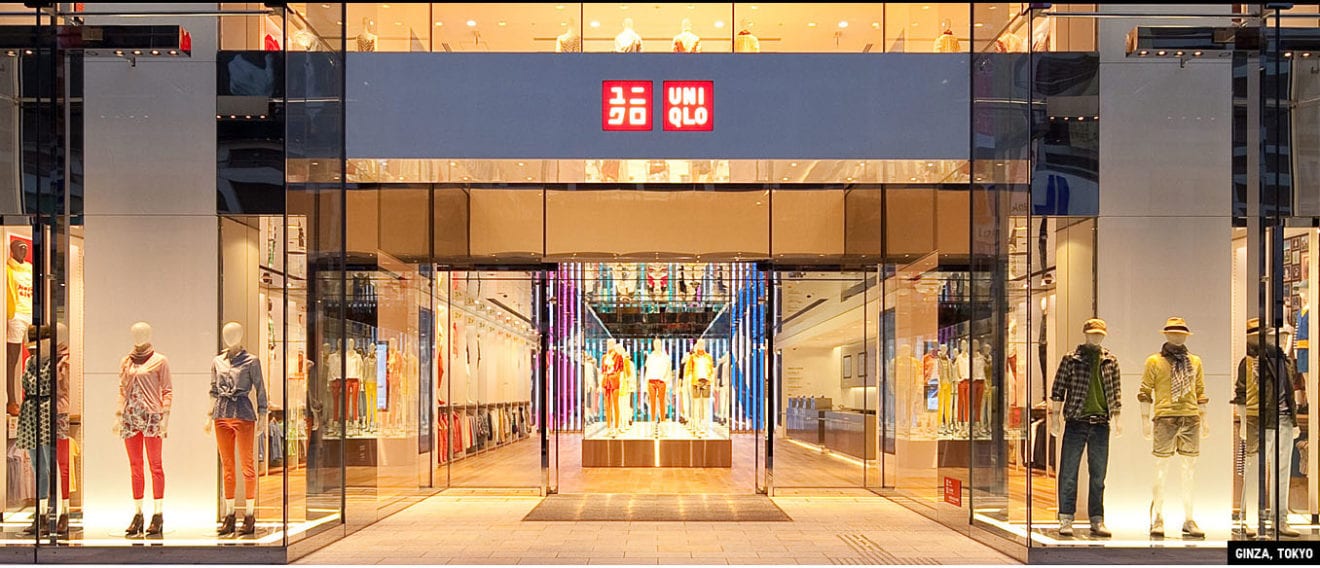
Uniqlo under fire for buying supplies from unsafe factories
Japanese clothing giant Uniqlo came under fire yesterday for buying supplies from Chinese factories accused of putting workers at risk in unsafe conditions, with sewage on the floor, extremely high temperatures and poor ventilation.
-
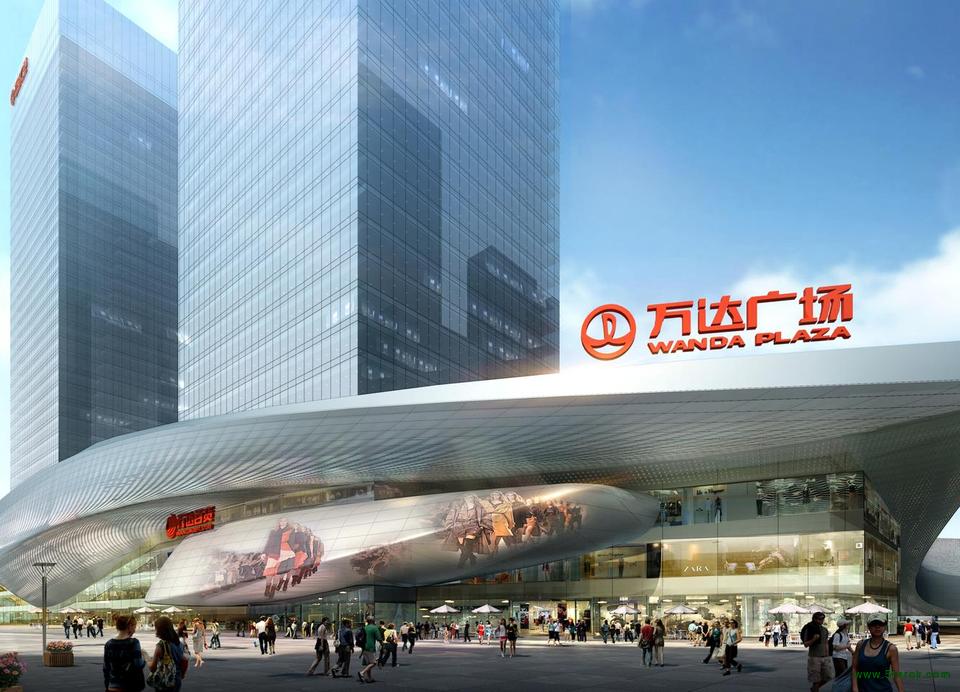
External investors to finance Wanda Plazas
China’s Dalian Wanda Commercial Properties Co said on Wednesday four investors have agreed to contribute CNY24 billion yuan (USD3.9 billion) over the coming two years as the first tranche of funding to build around 20 shopping malls.
-
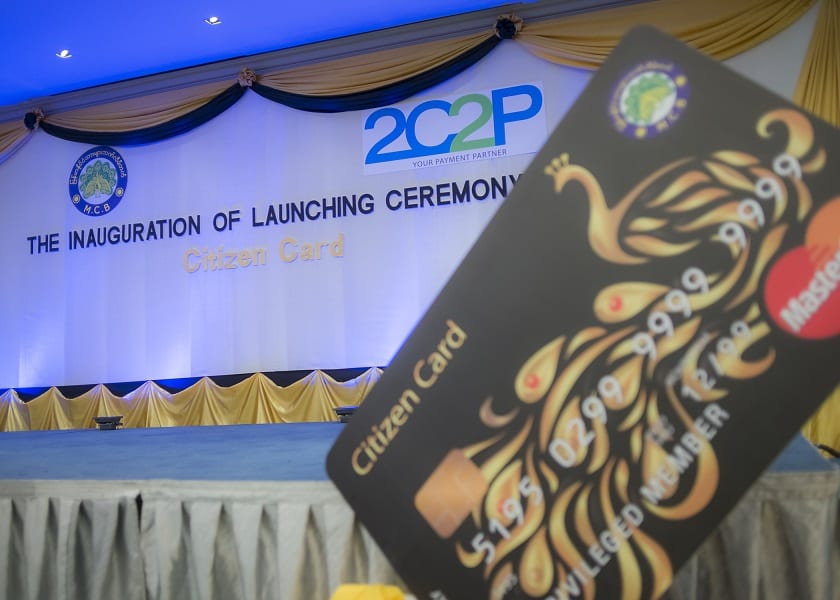
Citizen Card to facilitate online shopping in Myanmar
A citizen card launched by payment services provider 2C2P and Myanmar Citizens Bank is expected to support e-commerce in Myanmar.
The reloadable prepaid card is accepted by MasterCard merchants and comes with an optional smartphone application that allows cardholders to manage transactions in real time.
“Targeted at the retail, and travel and tourism sectors, Citizen Card will facilitate both physical and online shopping. It will also be of use to Myanmar tourists when they travel overseas, as consumers can enjoy special benefits and privileges at destinations such as Thailand and Singapore, with a number of partner merchants in the airline, food and beverage and hospitality sectors,” said.
Initially, supply of the Citizen Card will be limited to 5,000 units but plans are underway for options to roll out more within the year.
According to McKinsey & Co, Myanmar is expected to quadruple the size of its economy from USD45 billion to over USD200 billion by 2030, with per capita GDP rising from USD1,300 in 2010 to USD5,100 by 2030.
“Building on this momentum, we are pleased to partner with 2C2P and launch MCB’s very first prepaid card, which will help support the imminent growth in Myanmar e-commerce,” said U Myint Win, Managing Director of Myanmar Citizens Bank.
2C2P has also introduced in Myanmar iACCEPT, a mobile point-of-sales system with Visa, MasterCard, Myanmar Citizens Bank and Myanmar Hotels International. In July, 2C2P partnered with Creative Web Studios, a Yangon-based e-commerce solutions provider, working to drive financial inclusion and develop Myanmar’s contactless payment infrastructure.
-
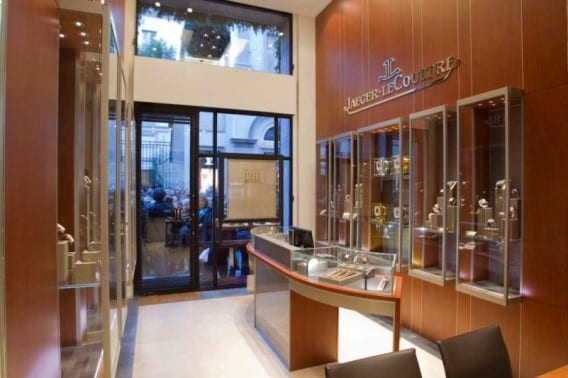
Richemont Group reports declining sales in Asia-Pacific
World’s second largest luxury conglomerate, Swiss based Richemont Group reports flat sales at constant exchange rates (sales increased at 4 percent at actual rates) in the quarter to 31 December 2014. Growth in Europe/Middle East and the Americas was offset by a significant decline in Asia-Pacific. Overall, third quarter trading was below the first six months of the year.