Author: Mei Ling Tan

  • UBS Gets Business Back on Track

    UBS Gets Business Back on Track

    Switzerland’s largest bank indicated that profitability in the second quarter returned to the levels it saw before being forced to rescue Credit Suisse.

    UBS indicated that profit before taxes in the second quarter was $1.5 billion, a media release sent by the group on Tuesday (year-earlier figures are not directly comparable given the first-time integration of Credit Suisse).

    The bank nevertheless said it experienced continued client momentum, with its core wealth management business seeing net new assets of $27 billion.

    Of the net new assets, UBS said $16 billion were fee-generating assets. In the first half, net new assets totaled $54 billion, it indicated.

    Beyond that, UBS’s investment bank saw strong transactional activity, with the Global Markets business, where revenues were up 18 percent, experiencing its best second-quarter performance since 2013.

    Overall, the bank maintained that it had returned to the levels of profitability it had before being forced to rescue its former peer and competitor, Credit Suisse.

    We are now entering the next phase of our integration, which will be critical to realize further substantial cost, capital, funding and tax benefits, the media release stated.

    It realized additional cost savings of $0.9 billion in the second quarter, which corresponds to 45 percent of the cuts it is targeting by the end of 2026.

    By the end of this year, it expects to be in a position to realize 55 percent, or more than half, of its final target.

    The bank also managed to reduce risk-weighted assets in its non-core and legacy business by 42 percent year-on-year while its CET1 capital ratio was at 14.9 percent and its CET leverage ratio at 4.9 percent.

    It also restarted its share buyback program with the total amount of shares bought back at $467 million as of 9 August.

    The outlook for the remainder of the year continues to be «clouded by ongoing conflicts, other geopolitical tensions and the upcoming US elections.

    Entering the third quarter, we are seeing positive investor sentiment and continued momentum in client and transactional activity,» the bank maintained.
  • eleport and Etihad Cargo partners in line with growing trade flow between Southeast Asia and Middle East

    eleport and Etihad Cargo partners in line with growing trade flow between Southeast Asia and Middle East

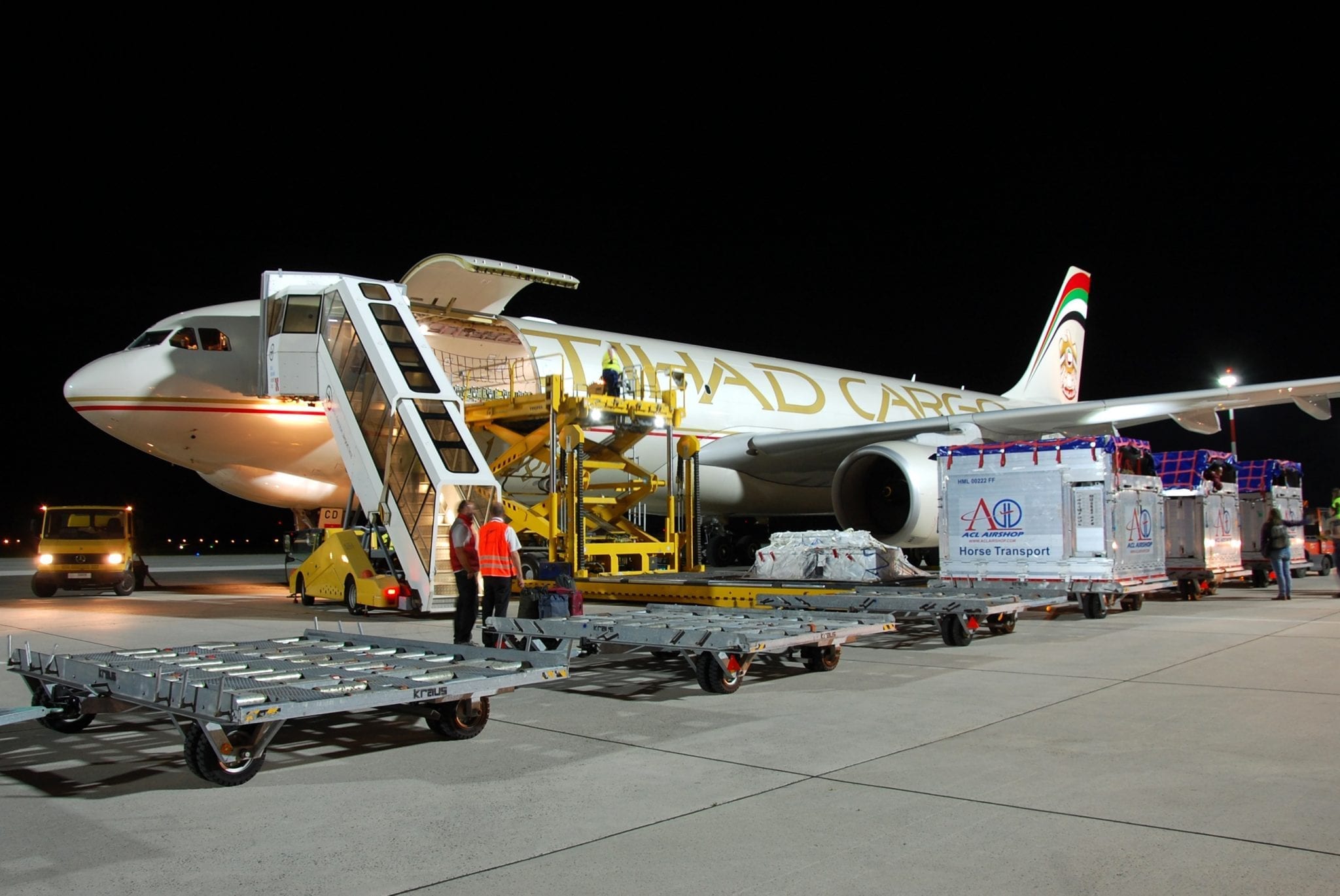
    Teleport, an integrated logistics provider, and Etihad Cargo have partnered to inject cargo capacity and frequency into their respective cargo network between Southeast Asia and the Middle East, with plans to increase frequency shortly. This move is against a backdrop of growing airfreight demand and trade between the two regions.

    Trade between the Gulf nations and emerging Asian nations continues to show high growth momentum, surging 35% from US$383bil in 2021 to US$516bil in 2022, and is expected to reach US$757bil by 2030, outstripping growth rate with Western nations such as the US, UK and the Euro Area. At the same time, air freight demand continues to pose double-digit growth across all regions, having risen 14.1% as of June 2024.

    Since signing the partnership in May this year, Teleport has deployed its freighters for Etihad to ship machines, raw materials, phones and chip sets among others, from Ho Chi Minh to Kuala Lumpur twice a week, with onward connection via Etihad’s capacity to Abu Dhabi and beyond. This partnership also enables both parties to maximise the available passenger belly capacity especially out of leisure hubs such as Bali and Phuket, by leveraging on each other’s network strength. Etihad will deepen its connectivity in Southeast Asia on the back of Teleport’s extensive network in the region, while Teleport leverages Etihad’s strong global network to expand its network reach into the Middle East, Europe, Americas and the African regions. By the end of this year, the partnership is expected to see 1600 tonnes of cargo moved between the two destinations with the potential for an increase in flight frequency and new routes.

    Stanislas Brun, Vice President of Cargo at Etihad Cargo said, “We continue to anchor our strategy on key partnerships that will enable us to better serve our customer needs while supporting global trade. This recent partnership with Teleport is important to enhance our connectivity to Southeast Asia, and we are confident that through the integration of their freighter operations and our capacity, we are able to continue to grow and build a more efficient and robust network that better serves both regions, and quickly. The market environment is highly favourable to grow our presence here today, and with a strong air partner like Teleport.”

    Jagedeswaran Nadrajah, Head of Air Partners at Teleport, commented “The integration of Etihad’s global network with our largest Southeast Asia network has opened up a more dynamic way to connect cargo between these two regions – leveraging on the strengths of both our networks. This is valuable to both our existing and new customers trading between two important regions. This sort of synergy is testament to what Teleport has been building through its Air Partners programme as a win-win solution for all Teleport Air Partners, where we can continue to build and grow, and never fly empty.”

  • Uniqlo headhunts managers in Southeast Asia,

    Uniqlo headhunts managers in Southeast Asia,

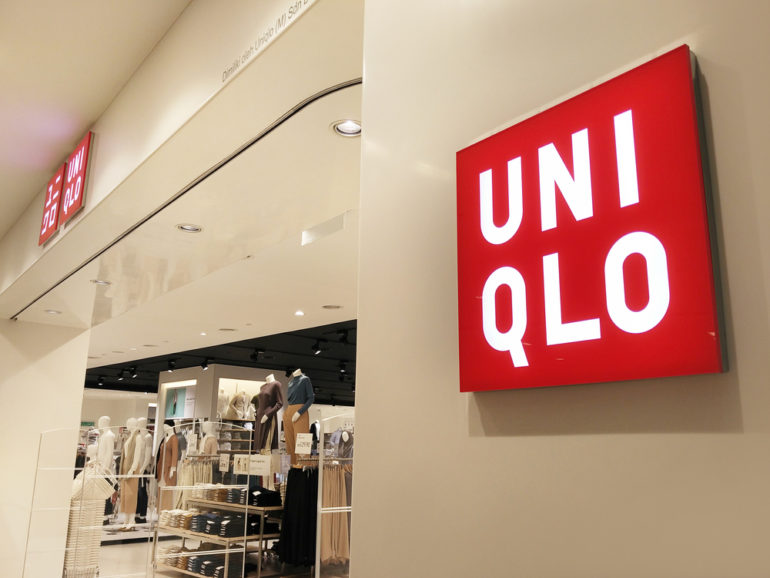
    Japanese fashion retail chain Uniqlo is expanding its recruitment scheme to India and Southeast Asia where its number of stores have been growing fast.

    In the past two months, Uniqlo’s parent company Fast Retailing has been sending staff to Vietnam, Singapore and the Philippines to meet with students and university directors to discuss partnerships.

    The company has been accelerating recruitment in South and Southeast Asia because of a practical need for more human resources there, its chief adviser Noriaki Koyama said.

    “These regions have great potential for future development, and we will be able to find very talented people there,” said Koyama, who is in charge of human resource strategy.

    Fast Retailing has been setting up many new stores in South Asia, Southeast Asia and Oceania. As of February, it had 367 stores in those areas, up 14% from 2023. It now operates 13 stores in India and plans to have 28-30 outlets in next three years.

    To find potential managers, the company now partners with more than 40 universities in Asia and Oceania to organize internships at local offices and stores. In the fiscal 2023 (which ended in August), it hired 1,100 new graduates globally.

    It also seeks to be competitive in terms of compensation. “We are adjusting the pay scale for our store employees to be among the best in each country, not only in the local retail industry but also in other industries,” said Koyama.

    Around 56% of Fast Retailing management positions are given to non-Japanese staff. The company targets to bring the figure to 80% by 2030.

  • Apple Intelligence could be used to make the Journal app more useful

    Apple Intelligence could be used to make the Journal app more useful

    Apple’s Journal app was launched with iOS 17.2. It’s a basic app that serves as a journal and helps you record your day. A new patent indicates that the Journal app may become more sophisticated in the future with the help of Apple Intelligence (Apple’s take on generative AI).

    The patent is filed with the USPTO (United States Patent and Trademark Office) and reveals planned improvements for the Journal app. The patent illustrations hint at a possible deep integration with Apple Intelligence so you get some fancy smart suggestions.

    You already get some basic suggestions for memories based on photos, music, and places you’ve visited, as well as people you’ve messaged. But as noted by The Mac Observer, Apple Intelligence may take these suggestions to the next level.

    For example, the app would ask you to more proactively record in the Journal app when you finish a workout or if you take multiple photos in the same location. Also, the app may integrate usefully with calendar events and reminders.

    There could also be a new timeline interface: you would be able to see events of the same day as if in a chat.

    So far, Apple hasn’t announced anything Apple Intelligence-related for the Journal app. But many AI features are only in preview right now and I reckon many more are being worked on.

    I’d love to have more suggestions for the Journal app and using Apple Intelligence for it can elevate it. However, I do agree with 9to5Mac and believe that Apple should first bring the app to the iPad and Mac before it thinks of how to make it more attractive.

    Also, the patent doesn’t reveal a lot about the features that Apple Intelligence could bring to the app. I hope it will be more than a couple more suggestions to write.

  • Vietnam’s coffee export value rises 31% in 7 months

    Vietnam’s coffee export value rises 31% in 7 months

    Vietnam exported 964,000 tonnes of coffee in the first 7 months of 2024, worth nearly US$3.54 billion, down 13.8% in volume but up 30.9% in value compared to the same period last year.

    The Agency of Foreign Trade under the Ministry of Industry and Trade and the Vietnam Industry and Trade Information Center forecast that Vietnam’s coffee exports in the remaining months of the third quarter would decrease due to low supply.

    Supply will not increase until October, when the 2024-25 coffee harvest begins. Statistics from the Ministry of Agriculture and Rural Development show that the country’s coffee output is estimated at 1.47 million tonnes in the 2023-24 crop year, the lowest level in four years, down 20% compared to the 2022-23 crop year.

    Coffee output in the 2024-25 crop year is forecasted to continue to decrease due to unfavorable weather factors.

    Without including the inventory carried over from the previous year, Vietnam will only have about 200,000 tonnes left to export from now until September.

    However, the Vietnamese coffee industry will benefit in terms of price.

    The Global Robusta coffee prices would fluctuate in a strong and prolonged upward trend due to concerns about scarce supply from Vietnam.

    According to the International Coffee Organization (ICO), the world may face a shortage of Robusta coffee of up to 35 million bags (60kg/bag) by 2040.

  • Philippines spends $1.2B on Vietnamese rice in H1

    Philippines spends $1.2B on Vietnamese rice in H1

    Rice was the Vietnamese product with the highest export value to Philippines in the first six months of 2024, with a turnover of $1.2 billion, up 41% over the same period last year.

    According to data from the Vietnam Trade Office in the Philippines, Vietnamese rice has been leading the market in the Philippines, Vietnam’s largest rice export partner, for many years.

    In June, the Philippines reduced rice import tax from 35% to 15% until 2028, and is expected to increase import volume from 4 million to 4.5 million tons. This is deemed a great opportunity for Vietnamese rice in the second half of the year.

    However, although rice export opportunities are expanding, many businesses are still cautious due to high input prices and the impact of storms that could reduce rice supply at the end of the year.

    The Vietnam Trade Office in the Philippines recommends that businesses need to balance costs to offer competitive prices and maintain market share. At the same time, the Ministry of Industry and Trade, the Embassy and the Vietnam Trade Office will also support businesses in trade promotion activities, advertising and improving product quality to increase export value, it said.

    Last year, Vietnam exported more than 3 million tons of rice to the Philippines, down 3% compared to 2022. However, thanks to the increase in prices, export turnover reached $1.75 billion, up 17.6% compared to the previous year.

  • Foreign businesses step up investment, recruitment in Vietnam amid global shift

    Foreign businesses step up investment, recruitment in Vietnam amid global shift

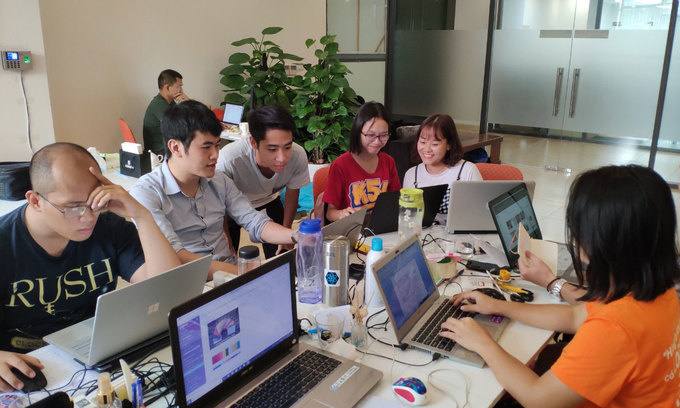
    Foreign companies, especially Chinese, are investing and hiring more staff in Vietnam to shift their production to the country or expand.

    In the first half of the year recruitment and payroll services provider Adecco saw a 10% year-on-year jump in demand for personnel in manufacturing.

    The positions included specialists and senior quality assurance and supply chain managers with a common requirement being moderate proficiency in Chinese.

    “As Vietnam is attracting lots of foreign investment, there is increasing demand for workers proficient in English and other languages, particularly Chinese, to strengthen connections with international partners,” Adecco said.

    Headhunter Navigos Search reported that manufacturing companies with Chinese investment are shifting to or expanding their operations in Vietnam.

    They require a diverse workforce, with 68.3% preferring experienced personnel and nearly 22% seeking management skills.

    Navigos Search added that demand has increased in the high-tech, components, electronics, and automobile sectors.

    According to recruitment firms, the recent surge in labor demand in the manufacturing sector indicates that foreign companies are embracing the supply chain shift to Vietnam.

    The world’s second largest economy has been one of the top investors this year, with Hong Kong and mainland China accounting for $2.53 billion or 23.4% of new FDI.

    More Chinese companies are relocating due to the China Plus One strategy, which involves diversifying production.

    FDI disbursement hit a four-year high of $12.55 billion, with most of the money going into industrial zones in the north.

    In the second quarter Bac Ninh Province attracted several new investments such as Taiwanese electronics giant Foxconn’s 14.26-hectare circuit board plant worth $383 million in its Nam Son – Hap Linh Industrial Park.

    This month industrial real estate developer KCN Vietnam began work on the second phase of a project that will add over 80,000 square meters of mixed-use warehousing and high-quality storage space in the DEEP C Industrial Zone in Hai Phong City.

    It is launching more projects in anticipation of higher demand from foreign clients as Hai Phong is one of three localities attracting the most FDI in the country.

    In fact, the demand is so high that foreign firms are even considering industrial zones that have yet to be completed.

    Kinh Bac City, another industrial real estate developer, said it has received inquiries for a 20-hectare battery plant from a South Korean investor and a 60-hectare induction cooktop and oven manufacturing factory from a Chinese enterprise, both in Trang Due 3 Industrial Park in Hai Phong. The zone is set to open once it gets approval from authoritie.

    According to HSBC’s July report, Vietnam is a “top FDI destination, surpassing other Southeast Asian countries” amid the global production shift due to its competitive costs and labor.

    Over the past 20 years the country has emerged as a major manufacturing hub and integrated into the global supply chain. Its exports have grown at over 13% annually since 2007, primarily driven by foreign enterprises.

    Its wages for manufacturing workers are lower than in China while other costs, such as energy prices, are also competitive.

    The country has the second lowest electricity rates for production in Southeast Asia and relatively inexpensive diesel, a fuel widely used in industrial manufacturing.

    Another appealing factor is the active support from the government through the tax system.

    The corporate income tax rate is 20% and the government offers tax waivers, deferrals and cuts to aid businesses.

    “Vietnam’s integration into the global value chain has significantly increased over the years and is now comparable to that of Singapore.”

    To sustain the strong investment flow, Vietnam needs to advance further up the manufacturing chain and increase the use of local inputs in production.

    A shortage of skilled labor could pose a challenge to developing high-tech sectors such as semiconductors, logistics and maritime transport. The country’s infrastructure quality, ability to digitalize, streamline trade processes, and energy supply are also factors.

  • Apple showcases Vietnamese game developers on App Store

    Apple showcases Vietnamese game developers on App Store

    Two Vietnamese developers behind the pixel-art game DreamChaser have been featured on Apple’s App Store along with other Southeast Asian talents.

    In a recent spotlight category called “Dare to Dream”, Apple hailed the duo Pham Duy Phuc and Tran Tuan Hiep for building their endless runner game which is rated 4.8 out of 5 by over 500 users.

    “My game development journey is quite rough,” said former IT major Phuc, who left university to pursue game development professionally, as cited by Apple. “I did not know how to draw, so I needed to find an artist. That was how I met Hiep.”

    Hiep took inspiration from Vietnam’s history and tradition to create the game’s colourful pixel-art which depicted the Nguyen dynasty, where the game’s protagonist runs from Hue Imperial Palace to a tranquil bamboo forest while dodging bouncing animals.

    The game became popular when Phuc discussed the experience of making it on YouTube videos. He now has more than 30,000 subscribers.

    “When I uploaded the video about DreamChaser to YouTube, a large number of users started playing it. That was also when I received a massive amount of bug reports from users,” he said. “Seeing players enjoy our game and create their own content based on our work is incredibly fulfilling.”

    Phuc now desires to open his own game studio, with around 10 staff. “I think there is still more room to grow, and that keeps me grinding.”

    Other developers featured in the category included Singapore’s Joan Low who created ThoughtFull Chat, a software which helps connect people who need mental health support.

    Indonesia siblings Andika Pradana and Anggia Lestari were praised for their chemist game Potion Permit.

    Tyme Suteesopon and Sirin (Nanny) Thamakaison from Thailand were mentioned for their creation of an app called WithU, which compiles motivating quotes and appealing artworks created by Thai artists.

  • WhatsApp testing new duration feature for community group chat events

    WhatsApp testing new duration feature for community group chat events

    WhatsApp, the popular and global messaging app, is now testing a new feature that will let users set a start and end time for events created in community announcement groups. This feature, which is currently available to some beta testers, will make it easier for people to plan their schedules and avoid conflicts.

    The new duration feature will appear when creating an event in a community announcement group. Users will be able to select a start time and an end time for the event, and this information will be displayed to all members of the group. This will help people to see at a glance when an event is happening and how long it will last, so they can plan their time accordingly.

    The duration feature is particularly useful for large communities where multiple events might be scheduled. By having clear start and end times for each event, members can avoid scheduling conflicts and ensure that they are able to attend all the events that they are interested in.

    In addition to helping people to plan their schedules, the duration feature can also help to keep events structured and timely. By setting an end time for an event, organizers can ensure that it doesn’t drag on too long and that people are able to leave when they need to. This can be especially helpful for events that require preparation or follow-up, as participants can allocate appropriate time for these tasks.

    The duration feature is still in beta testing, but it is expected to be rolled out to all users in the near future. Providing tools that make it easier to create and manage events, is just one of many new features that WhatsApp is working on, as the company continues to improve its platform and make it more useful for its users.

  • Ralph Lauren bucks subdued luxury market with higher sales

    Ralph Lauren bucks subdued luxury market with higher sales

    Ralph Lauren has posted a modest increase in sales and a surge in profit for the first quarter despite a challenging luxury market.

    The company’s revenue for the quarter ended June 29 was $1.5 billion, up 1 percent on a reported basis and 3 percent in constant currency.

    According to GlobalData MD Neil Saunders, the slight increase was delivered against a very difficult environment for luxury and consumer spending. This shows the company has “bucked the performance of many other high-end brands”, setting it apart as one of the few players still driving growth in a more subdued market.

    The sales growth was led by Europe with a 6 percent increase on a reported basis, followed by Asia with 4 percent improvement. Sales in North America, however, declined 4 percent as stronger direct-to-consumer performance was more than offset by planned declines in wholesale.

    While Ralph Lauren will need to wait for the NA market to bounce back, Saunders believes the Europe and Asia regions will continue to drive some good numbers. The company has more control over distribution and the brand is less mature in these markets, he added.

    Comparable store sales rose 5 percent, reflecting a strong performance in a muted market. The brand is benefitting from attracting more younger consumers, while its focus on classic, quiet luxury is favorable to current trends, according to the analyst.

    The results were even more robust on the bottom line, with net income jumping 27.6 percent to  $169 million. “Lower cotton costs, some better margins from a shift to retail, and general cost savings all helped to produce the outsized performance,” Saunders explained.

    For FY25, the company expects revenue to increase 2-3 percent given the current geopolitical and macroeconomic environment.

    “The powerful combination of our brand strength and diverse growth drivers — together with our culture of agility and operating discipline — gives us confidence that our long-term strategy will continue to deliver even through these dynamic times,” commented Patrice Louvet, president and CEO of Ralph Lauren.

  • Shiseido cites China slump for mid-year operating loss

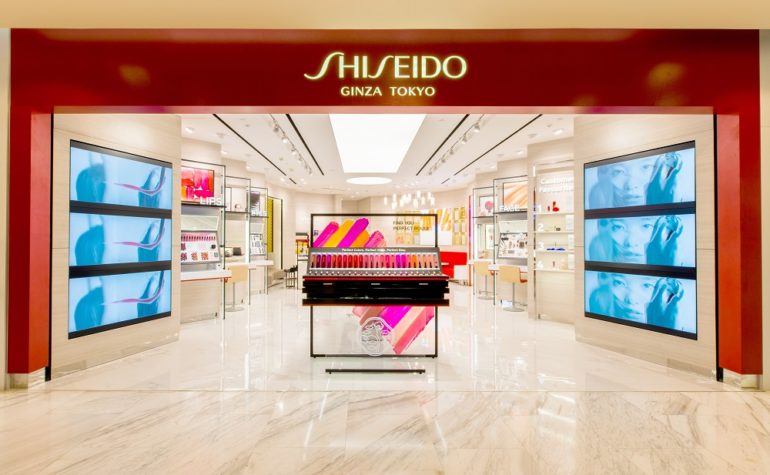
    Shiseido cites China slump for mid-year operating loss

    Japanese cosmetics powerhouse Shiseido fell by its daily limit in Tokyo trading on Thursday following midyear earnings that were hit by restructuring costs and slumping demand in China.

    Shiseido becomes the latest casualty among luxury brands, including Cartier-owner Richemont and Gucci’s Kering, to be stung by slowing growth and consumer confidence in the world’s second-biggest economy.

    The company said on Wednesday it fell to an operating loss of US$18.44 million in the six months through June, from profit of 13.6 billion the previous year.

    The shares plunged by their daily limit of $4.77, down 15.5 per cent from the previous session close.

    In addition to a slump in sales to China due to changes in purchasing behaviour, the recording of $139.155 million in structural reform costs also affected results.

    Domestic sales were a bright spot, however, benefiting from a tourism boom in Japan fuelled by the weak yen. Some tourists, particularly Chinese, appear to be holding off on buying designer goods at home and splurging in Japan where they are cheaper.

  • Decathlon Singapore opens new outlet, revamps Kallang store

    Decathlon Singapore opens new outlet, revamps Kallang store

    Decathlon has completed two developments in Singapore: renovating the Decathlon Lab in Kallang and opening a new outlet at Lot One Shoppers’ Mall in the Northwest region.

    The Singapore Lab now features a modern layout with immersive alcoves, offering customers a more interactive and personalised shopping experience. Its new design leads through different sports areas in a circular path, making it easier to find related products.

    In addition, the store introduces digital solutions like a Safe Size digital foot scan, which uses 3D tech to help shoppers find their perfect shoe fit; the Zwift Cycling Turbo Challenge; and watersports testing zones for the Stand-Up Paddle and Kayak.

    Meanwhile, the new Lot One outlet is Decathlon’s 11th click-and-collect outlet in the country and its first in the Northwest. It will offer a range of items, including hiking, fitness, running, and water sports gear.

    The company plans to refresh all its experience stores with similar features over the next two years.

  • Hanoi retail space rents forecast to surge 18% this year

    Hanoi retail space rents forecast to surge 18% this year

    Rents for retail space could rise by 17-18% this year in downtown Hanoi and by 8-9% on the city’s outskirts, property consultancy CBRE has forecast.

    They might grow by 10% and 3% annually in the next three years, it added.

    CBRE said the average monthly rent in the downtown area in the first half was US$180 per square meter after rising by 11% from a year earlier.

    According to real estate agency Avison Young, in the second quarter the average retail rent rose by 15% in outlying districts. Ground-floor rents saw the highest average hike of nearly 15%.

    Reports from multiple real estate agencies and consultancies suggested that retail rents in the capital are on the rise due to low supply and growing demand from large international brands.

    In the first half it only saw one new project in Ha Dong District, which added 10,000 square meters of space to the market.

    Savills, another property consultancy, said the retail segment saw many transactions in the food and beverage sector in the second quarter.

    Japanese restaurant chain Pizza 4P, for instance, leased additional space to double the size of its current store in the Lotte Center Hanoi skyscraper.

    Gyu Shige, another Japanese restaurant, rented a property in Dong Da District to open its first store in Hanoi.

    As rents increase, the retail space occupancy rate in the city is inching down. According to Savills, it fell by two points year-on-year to 84% in the second quarter.

    David Jackson, CEO of Avison Young Vietnam, said tenants are shifting away from the downtown area to find cheaper and bigger places in the outskirts.

    Savills said six shopping malls and 11 ground-floor retail spaces would be launched in the next two years, mostly in Tay Ho, Dong Da and Hoang Mai districts.

  • China Airlines’ new contract extends its partnership with Frankfurt Cargo Services (FCS) beyond 25 years

    China Airlines’ new contract extends its partnership with Frankfurt Cargo Services (FCS) beyond 25 years

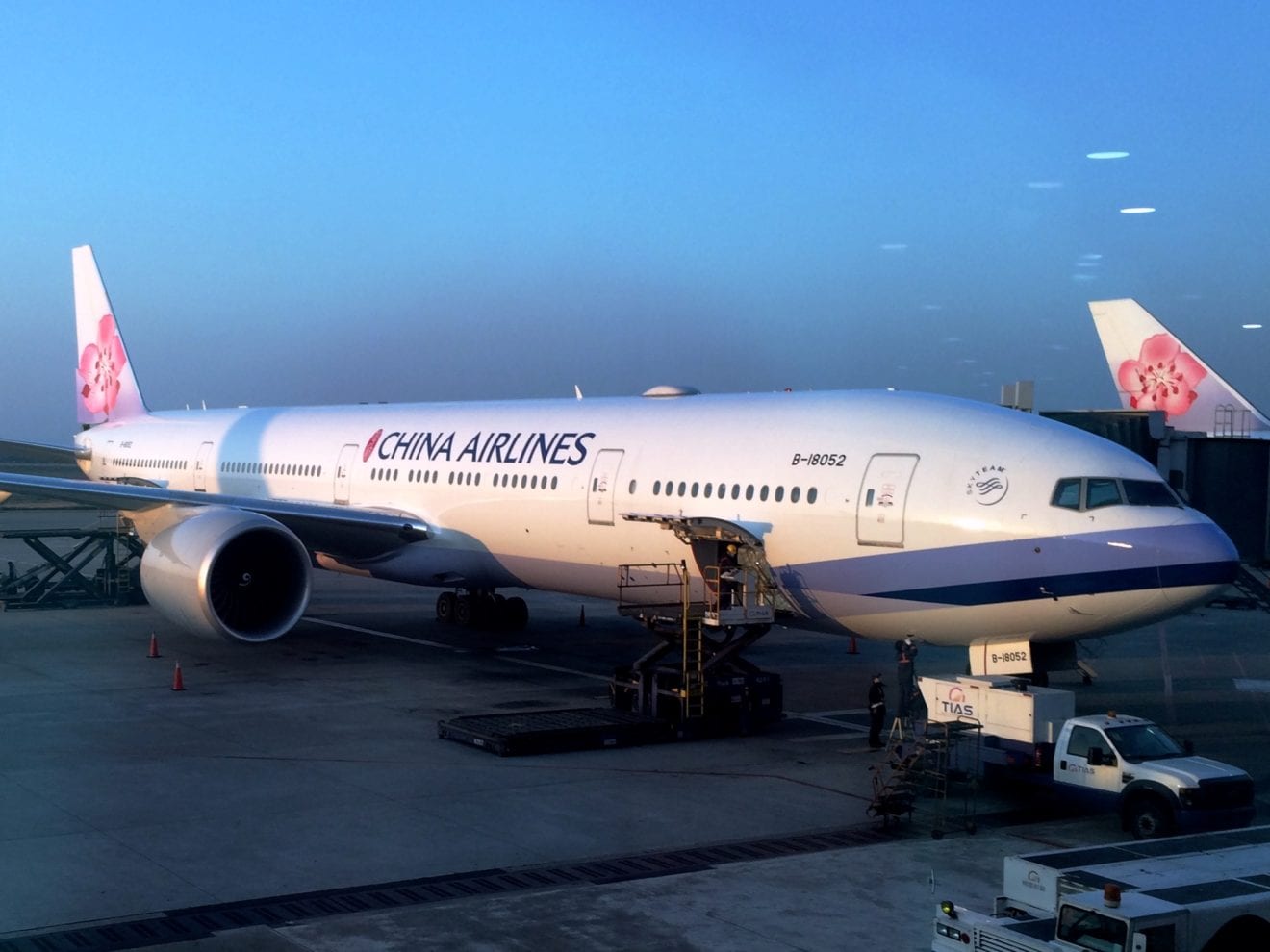
    Frankfurt Cargo Services (FCS) has earned a new multi-year cargo handling contract with China Airlines, extending their partnership at Frankfurt Airport, Germany’s biggest air cargo gateway, to more than 25 years.

    China Airlines signed its first cargo handling agreement in 2000 with FCS, a subsidiary of Worldwide Flight Services (WFS), part of the SATS Group. Today, it is the most longstanding airline customer of FCS, transporting some 25,000 tons of cargo annually on its Boeing 777 flights connecting Frankfurt and Taipei.

    The new contract commences in August 2024. It also further extends China Airlines’ partnership with WFS, which provides cargo handling for the airline in Belgium, Denmark, France, Germany, Ireland, Spain, and the United Kingdom as well as in India, Thailand, and North America.

    “Over two decades, we have established a strong collaboration and partnership with China Airlines and its team in Germany. We are proud of the reliable flight operations we jointly deliver and appreciative of the airline’s long-term commitment to FCS. Our success in winning this most recent tender in a very competitive commercial environment is driven by our constant focus on providing high quality service levels and competitive advantages for China Airlines and its customers,” said Claus Wagner, Managing Director of FCS.

    FCS is the largest airline-independent cargo handler at Frankfurt Airport, Europe’s largest cargo airport. With a 48,000 square metres warehouse offering direct access to the airport apron, FCS serves some 50 international airline customers and handles about 600,000 tons per annum. This includes growing volumes of temperature-controlled pharma shipments in its dedicated Good Distribution Practice (GDP) and IATA CEIV Pharma-certified facility.

    FCS also provides solutions for e-commerce and special handling and storage for vulnerable cargo and Dangerous Goods shipments, including radioactive material.

  • Vietnam’s exports to US accelerate

    Vietnam’s exports to US accelerate

    Vietnam’s exports to the U.S. surged 24.4% year-on-year to $66.09 billion in the first seven months, the highest growth rate among its export markets.

    In the seven-month period, American buyers spent a monthly average of close to $9.6 billion on purchasing goods from Vietnamese suppliers.

    With the U.S. accelerating goods purchases for the year-end festive season and the volume of their goods in stock plunging, the number of orders from U.S. buyers is expected to grow significantly.

    Vu Vinh Phu, an economic expert, predicted Vietnamese exports to the market such as electronics, leather and footwear, garment textiles, farm produce, machinery and equipment will continue to recover in months to come.

    These product categories have seen improvement in quality and competitive pricing thanks to substantial foreign direct investment in production and export activities as well as their deep integration into supply chains, making them more favoured and trusted by U.S. importers.

    If the current growth momentum is maintained, bilateral trade could reach $135 billion this year.