Author: Mei Ling Tan

  • Honda Vietnam’s automobile, motorbike sales drop in October

    Honda Vietnam’s automobile, motorbike sales drop in October

    Honda Vietnam has revealed that its retail sales of motorcycles and automobiles in October dropped by 7.5% and 15.9% respectively compared to previous month due to market difficulties.

    In the reviewed period, Honda Vietnam sold 180,881 motorbikes, with 18,452 exported and 2,148 automobiles of all kinds.

    In the fiscal year of 2024 (from April 2023 to March 2024), the company has posted sales of 1,171,108 motorbikes, marking a year-on-year decrease of 12.9%.

    It has sold 12,850 automobiles of all kinds in the fiscal year, a decline of 27.3% over the same period in fiscal year 2023.

    The Honda City sedan continued to be its best-seller with 751 units sold, followed by Honda CR-V and Honda BR-V with 477 units and 468 units, respectively.

  • TikTok in talks with Indonesian e-commerce firms about partnerships

    TikTok in talks with Indonesian e-commerce firms about partnerships

    TikTok has been talking with Indonesian e-commerce companies about possible partnerships, an Indonesian minister said on Monday, a month after Southeast Asia’s largest economy banned online shopping on social media platforms.

    TikTok has spoken with five companies including GoTo’s e-commerce unit Tokopedia, Bukalapak.com and Blibli, according to Teten Masduki, minister for small-medium enterprises (SMEs).

    “Some e-commerce companies in Indonesia have talked to TikTok,” he said in an interview, citing what the companies’ executives told him.

    Indonesia’s trade ministry implemented the ban last month, aiming to protect smaller brick-and-mortar merchants and protect users’ data.

    It was a particular blow to TikTok, which was forced to close its e-commerce service TikTok Shop. TikTok has 125 million users in Indonesia.

    Tokopedia declined to comment. A representative for Bukalapak said the company was unaware of such talks. Blibli did not immediately respond to a request for comment.

    TikTok and YouTube are considering joining Meta in applying for e-commerce licenses in Indonesia after Southeast Asia’s largest economy banned online shopping on social media platforms, people familiar with the discussions have said.

    The app, owned by Chinese technology giant Bytedance, was also pursuing talks with local e-commerce players, they added.

    Teten, one of the staunchest critics of TikTok Shop prior to the ban, said President Joko Widodo has tasked him to formulate rules on e-commerce.

    He plans to meet TikTok Chief Executive Shou Zi Chew later this month.

    “I want them to commit to have a sustainable business that does not harm domestic SME products,” he said.

    Teten also said he has proposed further regulations for the flow of imported goods into the country but did not provide details.

    Until it stopped operations, TikTok Shop delivered about 3 million parcels daily in Indonesia, sources have said.

    Indonesia’s e-commerce market is expected to grow to around $160 billion by 2030 from $62 billion this year, according to a report on Southeast Asia’s internet economy by Google, Singapore state investor Temasek Holdings and consultancy Bain & Co.

    Other major e-commerce players in Indonesia include SEA’s Shopee and Alibaba’s Lazada.

  • Gasoline, diesel prices fall

    Gasoline, diesel prices fall

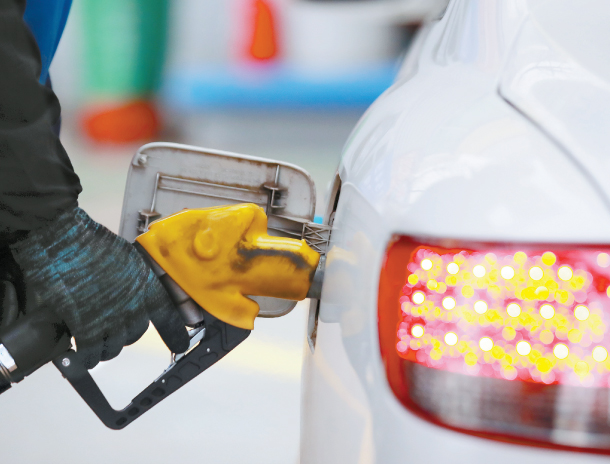
    Gasoline prices dropped slightly, while diesel slid to a three-month low Monday afternoon.

    The popular fuel RON95 fell 1.63% to VND23,530 ($1), while biofuel E5 RON92 dropped 1.5% to VND22,270.

    Diesel plunged 4.83% to VND20,880.

    In the last 13 days fuel prices have fluctuated globally due to tightened supply after Russia and Saudi affirmed production cuts, the strengthening of the U.S. dollar, and the Middle East conflict.

    RON92 fell 1.5% to $93.78 per barrel, while RON95 dropped 1.6% to $99.20. Diesel declined 3.6% to $105.29 per barrel.

  • Vietcombank makes biggest profit among lenders in Q3

    Vietcombank makes biggest profit among lenders in Q3

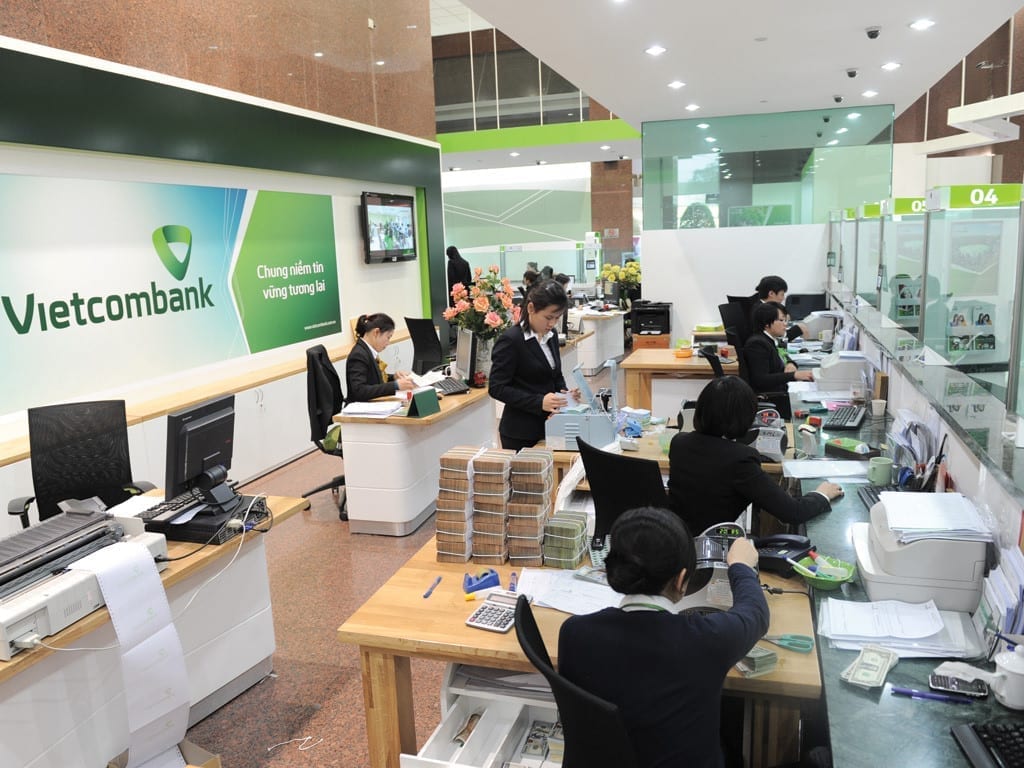
    Vietcombank remained the biggest profit earner among lenders in the third quarter, a period in which half of all listed banks saw smaller profits following a race to lure deposits.

    Vietcombank made a profit of VND9 trillion (US$375 million) in the third quarter, up 20% year-on-year, followed by MB with VND7.3 trillion, and BIDV with VND5.9 trillion.

    Meanwhile, Techcombank reported a profit of nearly VND5.9 trillion, down 12%.

    Twenty-seven listed banks have just released their financial statements for the first nine months. Instead of reporting huge profits like they all did over last three years, 14 banks reported smaller profits.

    BVBank’s profit dropped by 85% year-on-year to VND60 billion (US$2.5 million), and ABBank’s profit fell from VND1.75 trillion in the first nine months of last year to VND700 billion.

    These are the smallest Q3 profits the two banks have earned in five years, mainly due to capital costs increasing more than credit income. ABBank also faced pressure on credit risk provision costs.

    VPBank and Eximbank profits were halved, while earnings at VietABank, LPBank, BacABank, VietBank and SeABank dropped by 20% or more.

    Less than half of the listed banks enjoyed bigger profits, including Vietcombank (up 18%), BIDV (12%), VietinBank (10%), MB (10%), ACB (11%), HDBank (8%), VIB (7%), Sacombank (54%), MSB (8%), OCB (48%), NamABank (10%) and KienlongBank (25%).

    Among the 10 banks with the largest profits, Techcombank, VPBank and SHB saw smaller profits compared with the same period last year.

    VPBank ranked 10th with a profit of VND8.3 trillion, compared to third place last Q3 with earnings of VND19.8 trillion. The bank had difficulties with consumer lending and there were no longer any unusual revenues from the re-signing insurance contracts.

    Techcombank lost its second ranking, standing in the fifth position after its profit decreased by 18% to VND17 trillion.

    SHB’s profit dropped by 8% to VND8.5 trillion.

    Vietcombank maintained its first ranking, followed by MB, BIDV and VietinBank.

    Banks’ business performance deteriorated a mostly successful race to mobilize capital, which started at end of last year.

    SCB’s crisis in October last year, along with the collapse of some U.S. banks, caused increasingly strained liquidity in the banking system.

    Last October, the State Bank put SCB under special control after people withdrew money in droves at many SCB branches and transaction offices.

    Late last year, banks were concerned with defense and liquidity reserves. This led to a charge to mobilize capital, pushing deposit interest rates up to 11-12% a year at times.

    Interest rates quickly cooled down from the second quarter of this year, but the amount of deposits banks mobilized at high interest rates have not yet matured, pushing capital costs up sharply.

    Current account savings accounts (CASA), a source of cheap capital for banks, have continuously decreased since the end of last year due to cash flows trending into the savings channel.

    The falling stock market, and the dormant real estate and bond markets, also caused people to reduce spending and investment.

    In addition, a series of companies withdrew money to serve capital needs and pay financial obligations, including the buying back corporate bonds before maturity.

    This series of factors caused the CASA ratio to decline throughout the banking industry.

    These factors caused capital costs in the banking industry to skyrocket, with some banks even having to double the expense over the same period last year.

    Meanwhile, many banks found it difficult to lend when production and business as a whole slowed down, and the bond and real estate markets froze.

    The banking industry’s credit growth by the end of September had only increased 6.92%, figure as low as Covid period nadirs.

    Credit balance at many banks also grew at the lowest rate in many years. At BVBank, credit growth by the end of September had reached a mere 4.2%.

    This caused credit revenues to not increase at pace with expenses, and income from credit also barely increased or declined.

    Securities companies predicted that profit growth of the banking industry would end the year at 10% this year, a meagre showing compared to last year’s growth rate of 30%.


  • Upgraded version of Siri with AI capabilities rumored to debut at WWDC 2024

    Upgraded version of Siri with AI capabilities rumored to debut at WWDC 2024

    Looking to play catch up with Google, Apple is expected to unveil some new AI-based features in iOS 18. “X” tipster @Tech_Reve recently posted a tweet in which he said that Apple will use an LLM (Large Language Model) to make Siri “the ultimate virtual assistant and is preparing to develop it into Apple’s most powerful killer AI app.” LLM, used on chatbots like ChatGPT, is a language model with a huge amount of data, allowing it to understand a broad range of conversations and respond correctly to them.

    We said yesterday that based on the weekly Power On newsletter written by Bloomberg’s Mark Gurman, Apple plans on adding new features and designs to iOS 18hoping that the software can help sell the iPhone 16 series which will feature very small hardware changes compared to this year’s models. This dovetails perfectly with @Tech_Reve’s tweet in which he says that the new Siri, using Apple’s own in-house LLM, will debut at the Worldwide Developers Conference (WWDC) next June and will be available on the iPhone 16 series and future models.

    This might be how Apple plans on selling uninspired hardware using iOS 18. The new version of Siri should be able to understand natural language and patterns of speech better. Whether the virtual assistant will ecome more of a challenger to the Google Assistant in terms of giving correct answers is unknown.

    Siri has disappointed many Apple device users since the virtual assistant was first introduced with the iPhone 4s in 2011. If I may digress, I find that using the iOS Google Assistant app will give you more direct answers to your queries instead of making you read a paragraph from Wikipedia. You can also set alarms and timers using the ios Google Assistant app.

    Gurman says that other areas where Apple could introduce AI functionality include the Pages app by helping users write letters, the Keynote app by helping users construct their presentation decks, and Apple Music by creating AI-generated playlists. To make this happen, Apple will need to beef up the AI capabilities of the A18 Pro chipset. When you think about it, this could explain why Apple is rumored to be packing all four 2024 iPhone models with the latest A18 Pro application processor (AP) next year.

    One big question is whether Apple plans on offering new AI features to older models that will be compatible with iOS 18. Apple is in a tough situation here since it wants to include as much on-device processing as possible. And adding new AI features only for the iPhone 16 line and up might improve hardware sales. But it also could leave many angry iPhone users who can’t easily upgrade next year or even the year after.

    Apple might have to allow some of the new features to be processed off-device. However, it might wait for a few months after the 2024 iPhones are released to give iPhone 15 Pro and other older Pro units some of the same AI functionality that we could see with the iPhone 16 series. This is what Google does with its Pixel phones. The Magic Eraser is a good example.

    The Magic Eraser debuted on the Pixel 6 line and helps erase unwanted and distracting items (including people and pets) from processed photos using AI. Earlier this year, Google added the feature to older Pixel models, other Android devices, and even iOS phones that are subscribed to Google One cloud storage.

    For those wondering how Apple would use a game-changing upgrade in iOS 18 to help sell the iPhone 16 line with its uninspiring changes, improving Siri and adding new AI capabilities tot he new phones is the answer.

  • Oakberry Açai expands, to open 30 stores in 2024

    Oakberry Açai expands, to open 30 stores in 2024

    Oakberry Açai will open 30 new stores next year, with 10 -15 of these new retail outlets franchised.

    The chain plans to open two franchised stores and seven corporate stores before the end of 2023.

    Circular Quay, Hawthorn, and Perth Stores should open this month. Oakberry Açai will unveil stores in St Kilda, Wollongong, Clovelly, Bondi Road, Maroubra, and Surry Hills through December.

    By the end of the year, there will 45 Oakberry stores in Australia offering berry smoothies, bowls, snacks and drinks.

    The business offers a traditional franchise and an investment model.

    Oakberry growth in Australia and Bali Renan Fretes, CEO, Oakberry Australia, told Franchise Executives the brand faces two challenges right now.

    He said the availability of suitable retail locations can challenge its growth plans.

    “Added to this is the impact of widespread inflation across all consumer products, and since Oakberry açai comes exclusively from the Amazon rainforest, cost increases in shipping do impact Oakberry pricing.”

    Fretes said the brand will continue its expansion across Bali.

    “We have three stores to open by the end of 2023 – Canggu, Ubud & Uluwatu. Oakberry would like to extend its reach in Indonesia, looking to open at least 10 more stores in 2024 in between Bali and Jakarta. The next store planning to be opened is Seminyak in 2024.

    “Oakberry and Bali seem like a natural fit. Just like Australia, people in Bali tend to value a healthy lifestyle and enjoy eating food that’s packed full of vitamins and nutrients, whilst also valuing convenience.”

    The Brazilian business began in 2016, and now has more than 600 operating stores worldwide.

  • Mondelez boosts Gourmet Food with $13m state-of-the-art packaging line

    Mondelez boosts Gourmet Food with $13m state-of-the-art packaging line

    Snackfoods giant Mondelez has introduced a $13 million state-of-the-art packaging line at its Gourmet Food manufacturing site as part of its $25 million investment plan since acquiring the business in 2021.

    The new packaging line aims to increase production of the Olina’s Bakehouse Artisan crackers range by 35 percent, open up export opportunities, and drive more demand for locally sourced ingredients.

    Fully operational, the facility is powered by 100 percent renewable electricity through Mondelez International’s renewable power purchase agreement with Pacific Blue Retail.

    The initiative will reduce the carbon footprint from the facility by 44 percent (against a 2023 baseline) and complement the company’s Ringwood and Scoresby factories already powered by renewable energy.

    Bevan Tippet, MD, Gourmet Food, says the investment demonstrates the brand’s commitment to providing consumers with an “exceptional range” of biscuits and premium crackers.

    “The investment will increase the production of our prominent Olina’s Artisan range by a third, as we meet growing local and export demand,” he added.

    “Already, twenty percent of our volumes are exported overseas, and this investment will equip us to explore and capture opportunities to showcase our Australian-made products to the world.”

  • Qualcomm and Iridium end Snapdragon Satellite because of one key factor

    Introduced this past January, Qualcomm and Iridium surprised the mobile industry at the end of last week by announcing the end of Snapdragon Satellite without having one Android phone manufacturer sign on the dotted line. Snapdragon Satellite was expected to be used by Android manufacturers as a way to match the iPhone 14 and iPhone 15’s Emergency SOS via Satellite feature.
    Announced last year one day after Huawei unveiled a similar feature for its Mate 50 series, Emergency SOS via Satellite allows someone with a compatible iPhone model to report an emergency even in areas where there is no cellular connectivity. The iPhone screen helps show the user where to position the device to connect with a satellite; information about the emergency is texted to emergency services who dispatch first responders. The feature has already been credited with saving some lives.
    Snapdragon Satellite was set to work with Iridum’s satellite constellation and both Qualcomm and Iridium have announced the end of their partnership starting on December 3rd. This action effectively ends Snapdragon Satellite, at least for now. In its press release, Iridium notes that the decision to end the partnership is due to one huge factor: no business. As the satellite firm wrote, “The companies successfully developed and demonstrated the technology; however, notwithstanding this technical success, smartphone manufacturers have not included the technology in their devices.”

    Where this leaves Samsung is unclear. Last month, John Yong-In Park, head of Samsung Electronics SLSI Business Division, said during the 2023 Semiconductor Expo (SEDEX) keynote that 2024 Samsung Galaxy phones will offer satellite connectivity. He did not mention any specific models, but it was believed that the Galaxy S24 line might be Samsung’s first phones to offer emergency satellite connectivity.

    Last February, chipmaker MediaTek announced its MT6825 chipset that offers satellite connectivity for Android smartphones through Bullitt’s Satellite Connect platform. The chipset supports two-way satellite messaging, location sharing, and emergency SOS. Last year, T-Mobile announced that it would team up with Elon Musk’s Starlink to cover areas with no cellular coverage with satellite connectivity allowing users to send and receive SMS and MMS messages.
    Iridium CEO Iridium Matt Desch, talking about the end of his firm’s partnership with Qualcomm, said, “While I’m disappointed that this partnership didn’t bear immediate fruit, we believe the direction of the industry is clear toward increased satellite connectivity in consumer devices. Led by Apple today, MNOs and device manufacturers still plan, over time, to provide their customers with expanded coverage and new satellite-based features, and our global coverage and regulatory certainty make us well-suited to be a key player in this emerging market. User experience will be critical to their success, and we’ve proven that we can provide a reliable, global capability to mobile users.”
    Qualcomm also commented by stating that the lack of Snapdragon Satellite to sign a deal with any Android manufacturers “indicated a preference towards standards-based solutions” to be used to support smartphone-to-satellite connectivity. “We expect to continue to collaborate with Iridium on standards-based solutions while discontinuing efforts on the proprietary solution that was introduced earlier this year,” Qualcomm said.
    With a standards-based solution, several companies could create the technology to allow Android handsets to offer emergency satellite connectivity.
    As we noted earlier in the story, Huawei last year became the first phone manufacturer to offer satellite connectivity for emergencies and beat out Apple by one day. This year, the new Mate 60 line reportedly offers users the opportunity to make satellite calls using the new flagship phones. This could be considered an improvement over the technology used by Apple, which is limited to text-based communications.
  • Imported fruit prices plummet on burgeoning supply

    Imported fruit prices plummet on burgeoning supply

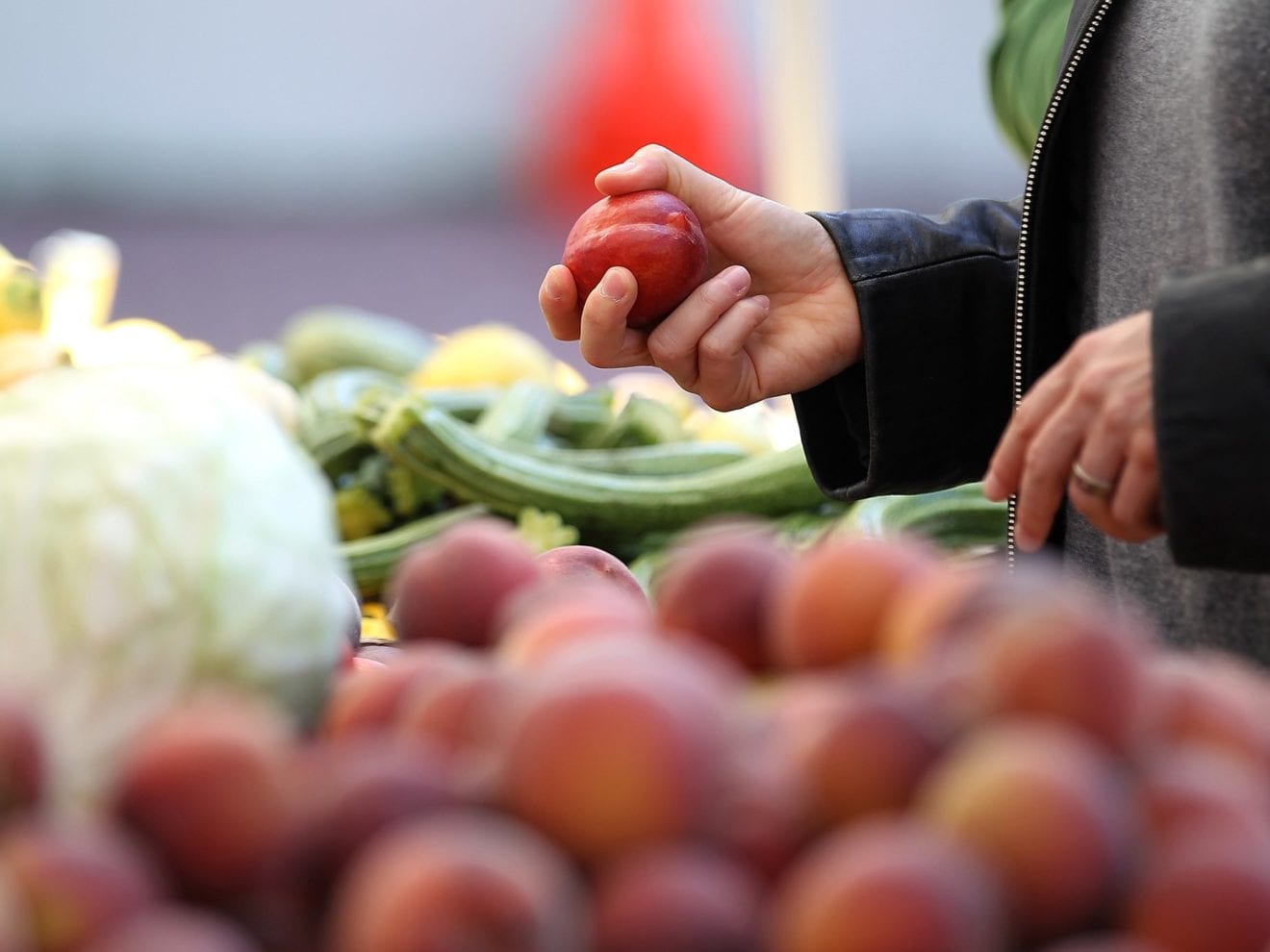
    Imported kiwis, apples, pomegranates, and pears only cost a few tens of thousands of dong (VND24,000=US$1) per kilogram, or a fifth of the prices two years ago.

    Hanh, a seller of imported fruits on Bach Dang Street in HCMC’s Binh Thanh District, said golden kiwi imported from New Zealand is selling at VND200,000 ($8.21) per box of 3.5 kilograms, or VND57,000 per kilogram.

    For those buying more than 10 boxes, the price comes down to VND160,000. “This price is down 15% from a year ago,” she said.

    Imported pomegranate and pear are also becoming cheaper, she said.

    Chinese and Tunisian pomegranates currently sell for VND60,000-70,000 and VND35,000-50,000 per kilogram.

    In 2021, imports from the North African country had cost up to VND250,000.

    First-grade pears imported from South Korea are sold for VND60,000-80,000 per kilogram, and second-grade varieties for VND30,000-40,000, the lowest prices ever.

    The prices of apples imported from New Zealand have also dropped sharply to VND40,000-60,000 per kilogram.

    Envy apples, the most expensive imports along with Japanese apples, cost VND200,000-350,000 two or three years ago, but only VND70,000-110,000 now.

    Thanh, who sells imported fruits at the Thu Duc wholesale market in HCMC, said prices have declined because supply is abundant while demand has not gone up much.

    India and New Zealand have recently sought to export more fruits to Vietnam, and so their prices are attractive, he said.

    Recent deals between Vietnam and China have helped Chinese fruits enter the Vietnamese market easier and at lower prices than before.

    Dang Phuc Nguyen, general secretary of the Vietnam Fruit and Vegetable Association, said the country’s accession to free trade agreements has brought down import taxes on fruits and vegetables virtually to zero.

    According to statistics from the General Department of Vietnam Customs, the country imported fruits and vegetables worth $1.6 billion in the first 10 months of this year.

    Imports of fruits at low prices from countries such as India, New Zealand and South Korea were up 4-62% year-on-year.

  • UBS Serves Up Crypto ETFs in Hong Kong

    UBS Serves Up Crypto ETFs in Hong Kong

    Switzerland’s largest bank is following in the tracks of HSBC by allowing wealthy clients to trade crypto exchange-traded funds in the city.

    A selection of three crypto-ETFs related to Bitcoin and Ethereum were available on a UBS trading platform for wealthy clients as of Friday.

    The funds had been approved by the Securities & Futures Commission (SFC), with the source, who requested to remain anonymous, indicating that clients could access educational material related to the funds. UBS declined to comment on the matter, the news agency showed.

    Hong Kong implemented a new digital licensing regime related to digital assets on June 1 to both promote digital asset trading while also ensuring that investors remain duly protected.

    Zug-based Seba Bank, one of two Swiss crypto-banks, was licensed by the SFC earlier this week. The step will allow it to engage in various activities and advisory services related to securities, OTC derivatives, and structured products related to underlying virtual or digital assets.

  • Google Messages could be getting “Profiles” to share your information with other users

    Google Messages could be getting “Profiles” to share your information with other users

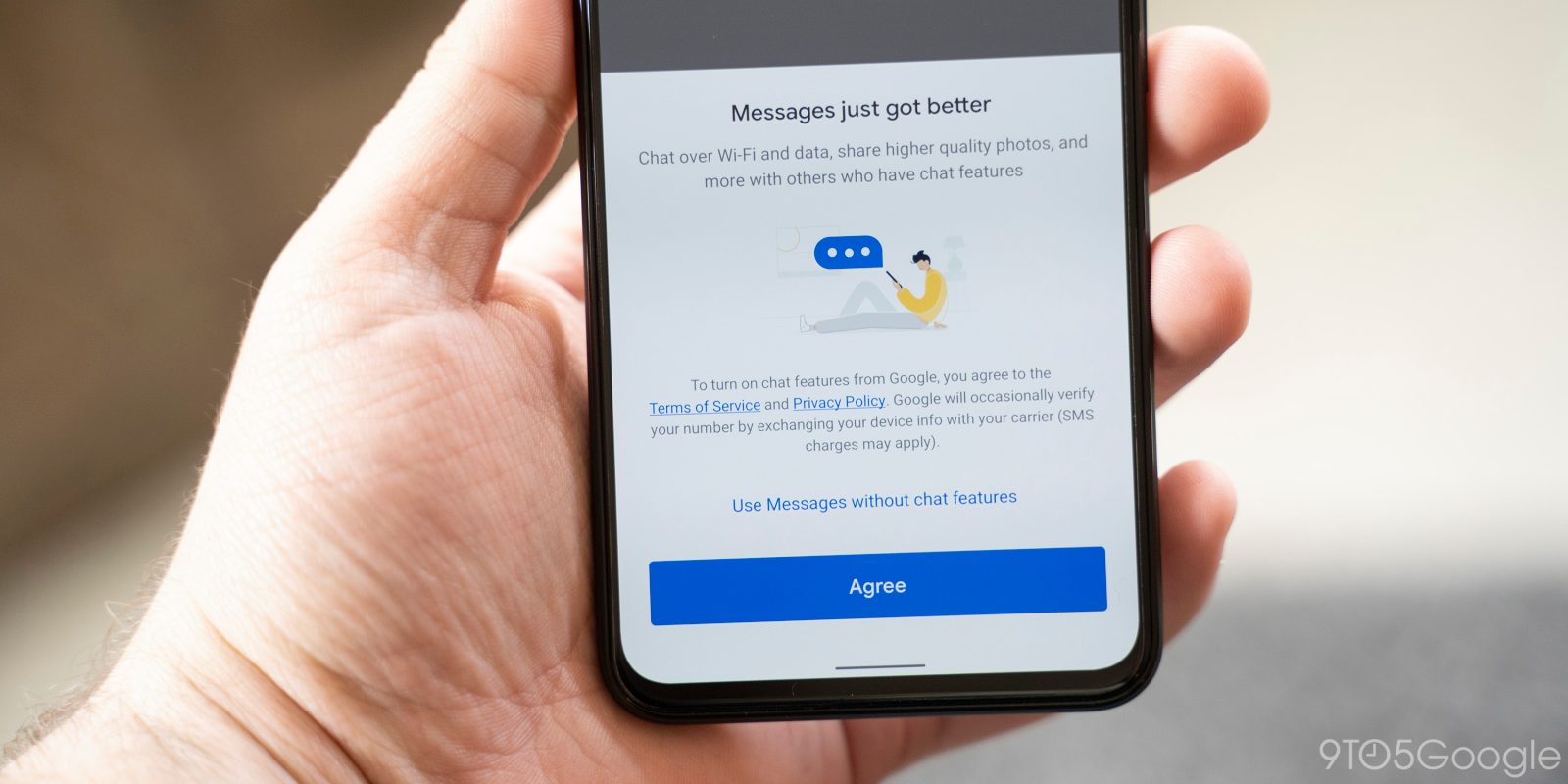
    Google has been reportedly working on a Profiles feature for its Messages application for several months. This feature appears to be a way for users to have their desired name, photo and other information attached to their contact card within the application.

    The “Profiles” feature was spotted in an APK teardown by 9to5Google, which helped identify more details on what it could do. According to this teardown, code was found in the latest beta version of Google Messages (v20231106_01_RC00) which describes Profiles as a way for users to “Choose your profile name & picture so people can recognize you.”

    The feature is still under development, but it appears that users will be able to create a profile with their name, photo, and other information. This profile could then be shared with other Messages users, so that they can easily identify each other in conversations.

    “Profiles” was originally spotted back in January as a preferences page in Android system settings, although the toggle was not functional when turned on. This suggested that Profiles could be a standalone feature that is managed by Google Messages, rather than being part of RCS.

    If Profiles are implemented, it is likely that they would appear at the top of conversations in Google Messages. I would speculate that tapping on a profile name or photo could then open a profile page with more information about the user that other users could then save to the corresponding contact card.

    Google has not yet announced a release date for the Profiles feature. However, given that it has been in development for several months and is now appearing in beta versions of the app, it will likely be released shortly.

    Google Messages Profiles have the potential to be a significant new feature that would improve the messaging experience for users. It will be interesting to see how Google implements Profiles and how it integrates them with other Messages features, such as RCS and group chats.

  • Google Wallet will soon allow users to digitize their workplace IDs

    Google Wallet will soon allow users to digitize their workplace IDs

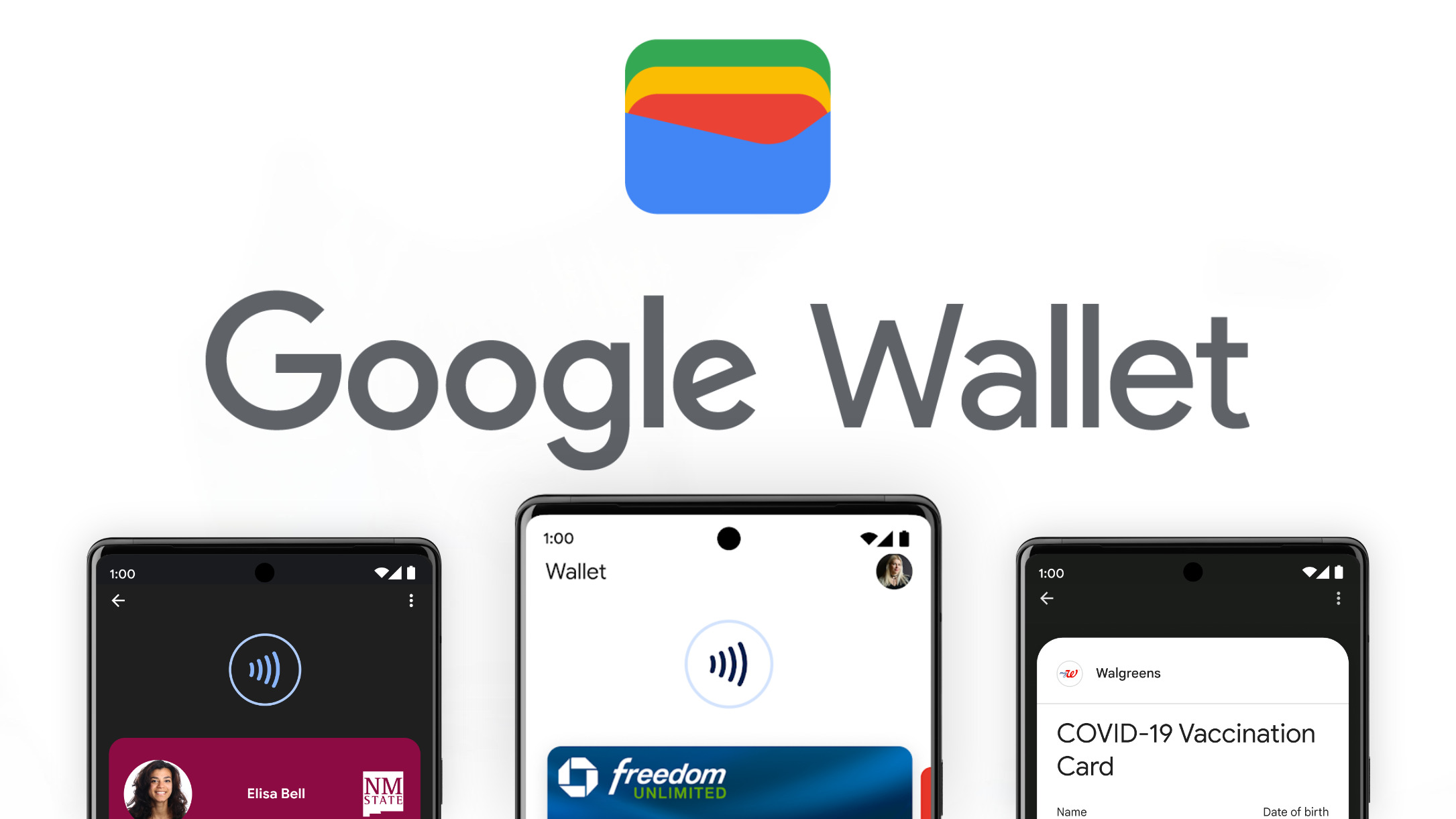
    In June, Google announced a series of new features that would slowly make their way to the Google Wallet app to make it a more comprehensive digital wallet solution. Most of these features have already launched, and one in particular was quietly added in a recent Google Play Services update.

    We are referring to the ability to add your workplace ID cards to the app, effectively eliminating the need to carry a physical ID or lanyard. This means that, unless your workplace insists that physical identification needs to be shown at all times, you may finally be able to leave your ID at home and use your phone to access your workplace facilities.

    As spotted by Android Police, the addition of workplace ID card support is part of a flurry of recent additions to Google Wallet. In the past few months, Google has added support for government-issued IDs in new states, easier tap-to-pay systems for commuters, and support for sharing passes. You can also digitize all the unsupported documents and passes, like library cards and gym memberships.

    This new capability is part of the Google Play Services app update to version 23.44 that began to roll out yesterday, as detailed in the app’s changelog. However, it doesn’t seem to have reached all users yet, not even those using the app’s beta version, which is now at version 23.44.14. Once rolled out, the feature will appear alongside the current options for adding a digital ID, such as a state driver’s license.

    In its June announcement, Google never specified a rollout timeline for the workplace ID card support, except for “later this year.” Hopefully, this means that it should start reaching users soon, making it easier for them to set up digital IDs for reliable use.
  • Vietnam’s power prices increase by 4.5%

    Vietnam’s power prices increase by 4.5%

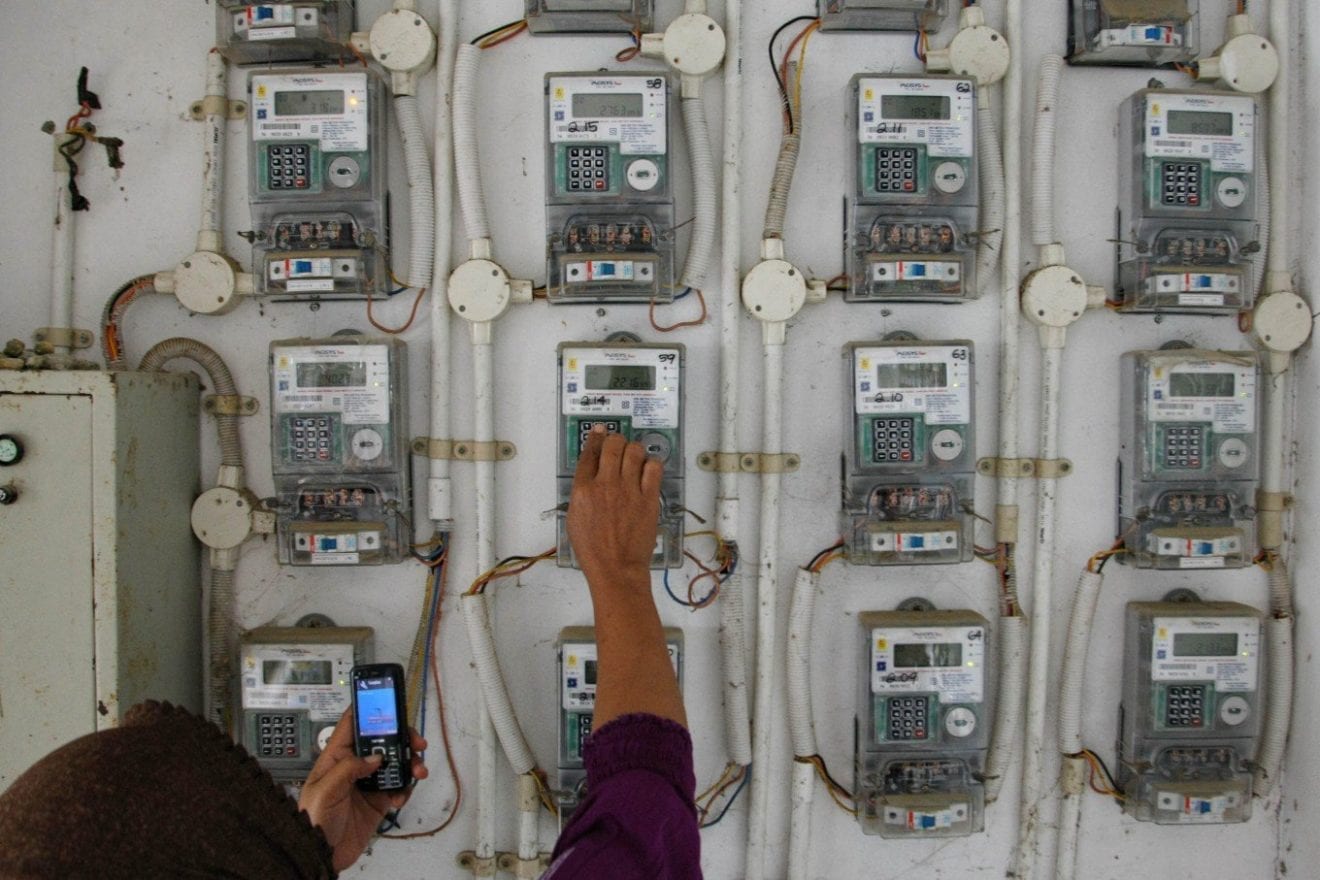
    Starting Thursday, Vietnam’s power prices increased by 4.5% to over VND2,000 (8.2 U.S. cents) per kWh, the second time they went up this year.

    Average power prices have increased from VND1,920.37 to VND2,006.79 per kWh, just six months after prices increased by 3% in May, state-owned Vietnam Electricity (EVN) announced.

    Nguyen Quoc Dung, head of the business department of EVN, said the government would continue to support those in circumstances through cash financially, their values being 30 kWh worth of power use a month.

    Nguyen Dinh Phuoc, EVN’s head accountant, said that power prices for domestic use are still lower than those for industrial use after the increase. He also said EVN proposed the 4.5% increase to ensure social security and socio-economic criteria.

    The price increase will help EVN earn an additional VND3.2 trillion (US$131.39 million) until the end of this year.

    EVN said certain factors impacted its costs this year, including hydropower production dropping by 17 billion kWh, while fuel prices remain high.

    Production costs account for 83% of energy pricing, it said. The firm adds that with current fuel prices, each kWh of energy produced costs around VND2,098.

    Last year, EVN reported over VND26 trillion of losses.

    In a recent report by the Ministry of Planning and Investment, its losses have increased by another VND28 trillion in eight months.

  • Coconut prices fall on bumper crop

    Coconut prices fall on bumper crop

    It is the coconut harvest in the Mekong Delta, but with exports falling, prices have halved from a year ago to VND1,500-2,900 (US$0.06-0.12) for a nut, causing farmers losses.

    Phan Van Dinh, 68, of Giong Trom District in Ben Tre, Vietnam’s biggest coconut-growing province, has an orchard of 2,000 square meters.

    “At present, we only manage to sell VND1 million worth of coconuts a month, enough only to cover costs, not profit,” he said.

    Traders are buying at VND2,500-2,900 apiece, down from VND5,000-5,800 a year ago, he said.

    Le Van Trong, owner of a 6,000-sq.m orchard in Ben Tre, does not want to sell the 2,500 fruits he has harvested because traders are offering only VND1,500, saying they are too small.

    He is now drying the coconuts to sell them as seedlings for cultivation.

    Huynh Quang Duc, deputy director of the Ben Tre Department of Agriculture and Rural Development, said it is the coconut harvest season with large output, causing prices to fall.

    Ben Tre has over 74,000 hectares of orchards, or 80% of the total coconut growing area in the delta and 50% of Vietnam’s.

    Besides some exports to the U.S., coconuts are mainly exported to China via border trade.

    “We are waiting for exports to China through the official quota with a much bigger volume, so that the life of coconut growers will improve,” Duc added.

  • Gmail accounts inactive for two years are about to be deleted by Google

    Gmail accounts inactive for two years are about to be deleted by Google

    You might recall that back in May, Google said that Gmail accounts that have been inactive for two years would face deletion and get wiped off the face of this earth. Before making this announcement, Google used to erase the content stored in these seemingly forgotten accounts but would still allowed the Gmail account to remain active. Now, Google might be concerned with the extra security risk that accompanies abandoned Gmail accounts.

    Using an abandoned Gmail account to send and receive gmail containing personal data is not a good idea which is why Google would rather delete these accounts fully instead of wiping out the content and letting users continue to use the accounts. Per Android Authority, Google will begin deleting these accounts starting next month.

    While the clock is ticking down toward December, it is not too late to save an inactive Gmail account that you have. Otherwise, it will be tossed in the trash as though you never created it at all. To save your inactive Gmail account all you have to do is sign in and, well, use it. Here are some suggestions for things you can do to keep your Gmail account alive if you’re closing ion on two years of inactivity:

    • Watch YouTube.
    • Read an email.
    • Use Google Drive.
    • Use Google Search.
    • Use your Google sign-in to log into a third-party app.

    Speaking of YouTube, Google does have a process that it will use to delete the abandoned Gmail accounts and one thing that it will not do at this time is delete an unused Gmail account that has a YouTube video currently active. What it will do is start with Gmail accounts that were created and never used again.

    Google is only removing inactive personal Gmail accounts. Abandoned accounts belonging to companies or schools will not be deleted. Remember, those Gmail accounts that have withered on the vine for two years are the ones that Google is deleting.