Author: Mei Ling Tan

  • Vietnam and US Set to Launch Trade Talks on May 7

    Vietnam and US Set to Launch Trade Talks on May 7

    Vietnam Navigates Tariff Challenges with Strategic Growth Initiatives

    Vietnam’s Prime Minister Emphasizes Proactive Measures Amid Global Economic Uncertainties

    In a recent address to the National Assembly, Vietnam’s Prime Minister Nguyen Xuan Phuc highlighted the country’s resilience in the face of shifting global economic conditions, particularly referencing the impact of high reciprocal tariffs imposed by the United States. As the U.S. defers its tariff schedule for trade partners (excluding China), Vietnam is strategically positioning itself to safeguard its trade interests.

    Addressing Tariff Impacts on Vietnam’s Economy

    Phuc underscored the negative repercussions of the U.S. tariffs on global economic growth, warning that they threaten supply chains and international trade. Despite these challenges, Vietnam’s government remains calm and adaptive, implementing timely strategies that have yielded positive outcomes thus far.

    A recent Vietnamese delegation visited the U.S. to engage with key agencies, focusing negotiations on protecting Vietnam’s rights while ensuring sustainable trade that aligns with its international commitments.

    Notable Growth in Exports and Imports

    The data reveals that Vietnam’s exports to the U.S. surged to $31.4 billion in the first quarter of this year, marking a 22% year-on-year increase. Meanwhile, imports also grew, reaching $4.1 billion. However, the repercussions of U.S. tariffs have hit critical sectors such as textiles and furniture, highlighting the fragile recovery of domestic demand.

    Strategic Responses to Economic Pressures

    Phuc acknowledged the challenges ahead, especially as Vietnam’s highly open economy grapples with global uncertainties. He pointed out that economic management pressure remains elevated in key areas like interest rates, exchange rates, and inflation, with production activities facing significant hurdles.

    To combat the adverse effects of tariffs, the government plans to implement a strategic trade policy decree, enhance inspections of product origins, and explore new markets to boost the competitiveness of Vietnamese goods and services. Initiatives to support affected businesses and workers are also in the works.

    Future Economic Goals

    Vietnam aims for a remarkable GDP growth of 8% or higher by 2025, targeting a total economy exceeding $500 billion and lifting per capita GDP above $5,000. This vision includes expanding revenues by more than 15%, managing budget deficits prudently, and prioritizing development investments.

    To reinforce growth, the government is committed to designating the private sector as a pivotal economic driver, encouraging local companies to integrate more fully into global value chains. Future reforms will emphasize science, technology, and innovation as the bedrock of economic restructuring.

    As Vietnam continues to adapt to the evolving global landscape, its resilient approach could serve as a blueprint for other nations facing similar economic pressures.

    Potential Impact on the Retail Sector

    The ongoing developments within Vietnam’s economy, coupled with strategic government initiatives, could lead to enhanced consumer confidence and spending. As the nation strengthens its position in global trade, retail businesses may see opportunities for expansion and increased consumer engagement.

    Questions & Answers

    1. What key challenges is Vietnam facing due to U.S. tariffs? Vietnam is experiencing negative impacts on its key sectors like textiles and furniture due to the U.S. tariffs, although it still sees growth in exports and imports.
    2. What measures is the Vietnamese government taking to address these challenges? The government is implementing a strategic trade policy, enhancing product inspections, and rolling out support measures for affected businesses and workers.
    3. What are Vietnam’s economic growth targets for the future? Vietnam aims for an 8% GDP growth by 2025, hoping to surpass a GDP of $500 billion and achieve a per capita GDP exceeding $5,000.

  • Chinese Holiday Spending Hits $79 Per Person, Boosting Retail Sales

    Chinese Holiday Spending Hits $79 Per Person, Boosting Retail Sales

    May Day Holiday Signals Mixed Results for Chinese Consumer Trends

    Chinese Consumer Confidence Tested Amid Growing Travel and Spending
    The recent May Day holiday has emerged as a significant indicator of consumer sentiment in China, showcasing a blend of heightened travel activity and modest spending. The five-day celebration, traditionally a peak time for family trips, witnessed a notable uptick in travel, while per capita expenditures lagged behind pre-pandemic levels.

    Surge in Travel Activity

    During the May Day holiday, approximately 10.9 million travelers moved in and out of the country, marking an impressive 28.7% increase compared to 2024. Among them, 1.1 million were international visitors, reflecting a robust 43.1% rise, according to the official Xinhua news agency. This resurgence in travel underscores a rebound in consumer patterns following previous years of restrictions.

    Modest Spending Growth

    Despite the surge in visitors, average spending per person over the holiday reached 574.1 yuan (approximately $79), a modest increase of 1.5%. This figure still trails behind 2019 levels, which recorded per capita spending at 603.4 yuan. This discrepancy highlights ongoing challenges facing consumer confidence in China amidst economic fluctuations and external pressures.

    Domestic Travel Trends Expand

    Data from China’s tourism ministry revealed 314 million domestic trips during the May holiday, signifying a 6.5% increase from the previous year. Notably, transactions through Weixin Pay, a prevalent payment platform, surged by over 10% year-on-year, especially in restaurant sectors, indicating strong consumer engagement in specific areas.

    Cinema Revenues Decline

    While travel and dining have seen positive trends, the cinema industry faced setbacks, with total box office receipts plummeting to 747 million yuan over the holiday – about half of what was generated in 2024. This decline raises questions about consumer interest in entertainment options during holiday periods.

    Easing Growth in Services Sector

    Recent surveys highlight a slowdown in the services sector’s new order growth, reflecting heightened uncertainty due to U.S. tariffs. The Caixin/S&P Global services purchasing managers’ index (PMI) dipped to 50.7 in April, down from 51.9 in March, indicating the lowest growth rate since September.

    Despite initial optimism fueled by government stimulus, China’s broader economic landscape remains fragile, grappling with deflationary risks. The services PMI, deemed a reliable indicator of the economic pulse among smaller firms, suggests a sharp decrease in new business growth, although modest recovery in export orders has been noted thanks to tourism.

    Implications for Future Consumer Behavior

    With around 48% of the workforce employed in the services sector, the potential impacts of U.S.-China trade tensions resonate deeply within an economy predominantly driven by domestic consumption. As challenges mount, experts suggest that restoring consumer confidence and enhancing spending strategies will be crucial in navigating the post-holiday period.

    Short-term measures such as consumption vouchers could invigorate domestic demand, while longer-term strategies focused on improving service quality and availability will be vital. Economic analysts stress the need to foster a positive consumer sentiment to unlock savings and stimulate growth in the retail sector.

    Potential Impact on the Retail Sector
    The mixed signals from the May Day holiday highlight crucial dynamics in China’s retail landscape. While travel and dining sectors display signs of resurgence, overall consumer spending trends indicate a cautious recovery. The retail sector’s adaptability will be tested as it navigates these evolving consumer behaviors in a challenging economic environment.

    Questions & Answers

    1. What was the increase in travel during the May Day holiday in China? Approximately 10.9 million travelers entered and exited the country, representing a 28.7% increase compared to last year.

    2. How much did per capita spending change during the holiday? Average spending per person rose by 1.5% to 574.1 yuan, but it remains below pre-pandemic levels from 2019.

    3. What sectors showed contrasting performance during this holiday? While sectors such as dining benefitted from increased spending, the cinema industry suffered a downturn, with ticket sales falling to about half of last year’s take.

  • Aeon Plans 100 Large Retail Stores in Vietnam by 2030

    Aeon Plans 100 Large Retail Stores in Vietnam by 2030

    Aeon Targets 100 Large-Scale Stores in Vietnam by 2030: A Major Brand Expansion in Retail News

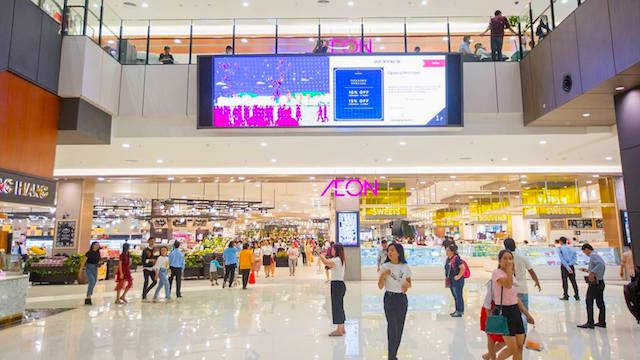
    Japan’s leading retailer, Aeon, is setting its sights on a substantial growth trajectory in Vietnam, with ambitious plans to establish 100 large-scale supermarkets and general merchandise locations by 2030. This expansion marks a significant eightfold increase in its footprint across the country and aims to redefine the retail landscape.

    Expanding the Retail Experience

    In a strategy driven by rising consumer demand, Aeon intends to introduce a novel concept of “super-supermarkets” that seamlessly blend grocery shopping with general merchandise offerings. These stores will feature food courts and beauty sections, enhancing the shopping experience for Vietnamese consumers.

    Yasuyuki Furusawa, who has recently transitioned to President of Aeon Retail, emphasized the need for this expansion to stay competitive against other key players in the market, such as Thailand’s Central. In addition to the larger stores, Aeon is also planning to grow its network of smaller grocery outlets, targeting an extensive reach of 200 locations throughout Vietnam.

    Current Operations and Future Plans

    As of February 2025, Aeon operates 12 general merchandise stores in Vietnam—including three super-supermarkets—and 36 standard supermarkets, which includes the Citimart stores managed by its subsidiary. With a strategic investment of approximately $1.5 billion over the past decade, Vietnam has become Aeon’s second most crucial market after Japan.

    In 2024, Aeon Mall reported a profit of JPY 4.23 billion (around $29.6 million) from its Vietnamese operations, achieving revenues of JPY 17.3 billion. This success positions Vietnam as Aeon’s top-performing market in Southeast Asia and the second largest after China, underscoring the country’s potential for retail growth.

    Retail Landscape in Vietnam

    Vietnam’s retail sales recorded an impressive 8% increase, totaling VND 4.92 quadrillion last year, capturing the attention of international brands, particularly Japanese firms. According to a survey conducted by the Japan External Trade Organization (Jetro), over 60% of Japanese companies operating in Vietnam reported profitability in 2024, the highest rate seen in five years. Additionally, about 56% of these businesses plan to expand their operations within the next two years, highlighting a robust demand for growth in the region.

    Ozasa Haruhiko, the chief representative of Jetro Hanoi, commented, “This is the highest rate in ASEAN, indicating that Vietnam has one of the strongest potentials for growth.”

    Conclusion: A Shift in Consumer Trends

    Aeon’s significant investment and expansion plans could reshape Vietnam’s retail sector, enhancing consumer choice and access to high-quality products. As the company reinforces its presence, consumers can expect a retail experience that combines convenience with a variety of options, signalling positive growth in the industry.

    Questions & Answers

    1. What are Aeon’s expansion plans in Vietnam? Aeon plans to increase its network to 100 large-scale supermarkets and general merchandise stores by 2030, alongside growing its smaller grocery outlets to 200 locations.
    2. How has Aeon’s performance been in the Vietnamese market? Aeon reported a profit of JPY 4.23 billion ($29.6 million) from its Vietnamese operations last year, making it the top-performing market in Southeast Asia for the brand.
    3. What trends are influencing retail in Vietnam? Vietnam’s retail sales rose by 8% last year, attracting international brands, particularly from Japan. A significant percentage of Japanese businesses reported profitability and plan to expand operations, highlighting a strong market potential.
  • CapitaLand Development Expands Presence in Thriving Vietnam Market

    CapitaLand Development Expands Presence in Thriving Vietnam Market

    CapitaLand Development (CLD) has officially partnered with Vingroup Joint Stock Company, marking a significant step in the collaborative efforts towards large-scale urban development within Vietnam. The partnership, unveiled at a signing ceremony led by CLD CEO Jonathan Yap and Vingroup chairman Pham Nhat Vuong, is expected to channel extensive capital into the Vietnamese real estate market, enhances both companies’ roles amid increasing consumer demand for modern living spaces.

    Doubling Down on Investment

    Tan Wee Hsien, CEO of CLD Vietnam and International, emphasized Vietnam’s critical role as a core market alongside Singapore and China. With a strategic vision to more than double its capital investment in Vietnam over the next five years, the partnership looks set to bolster CLD’s influence in the nation’s evolving real estate landscape. “By merging Vinhomes’ local expertise with CLD’s regional know-how in design and asset management, we are well-equipped to meet the growing demands for quality urban living,” Tan stated.

    Elevating Vinhomes’ Urban Development Strategy

    According to Nguyen Dieu Linh, vice chairwoman of Vingroup and board member of Vinhomes, this collaboration is pivotal for executing Vinhomes’ ambitious development strategy. By aligning efforts with CLD, the partnership aims to create high-quality urban spaces that foster livable, modern communities reflective of international standards.

    Introducing The Fullton: A New Residential Milestone

    In tandem with the announcement, CLD debuted The Fullton, its inaugural low-rise residential project located in the burgeoning Hung Yen Province, part of the expansive Vinhomes Ocean Park 3 complex. With a residential development portfolio now exceeding 19,000 units across 19 projects in Vietnam, The Fullton showcases a commitment to quality living solutions.

    Strategic Location and Diverse Offerings

    Situated just east of Hanoi, The Fullton boasts excellent connectivity to major infrastructure routes, including National Highway 5A and the forthcoming Tran Hung Dao Street. The project will comprise various residential options such as shophouses, cluster villas, and single villas set within a gated community, catering to a multitude of lifestyles and preferences.

    Spanning 25 hectares and developed in two phases, The Fullton’s first phase will offer 342 units with completion aimed for 2026, while an additional 350 units will follow in the second phase by 2027. The development will include a Central Park and an array of amenities designed to enrich the quality of life for its residents.

    Designing for a Sustainable Future

    An eco-conscious design philosophy underpins The Fullton, featuring terraced landscaping that harmonizes with Vietnam’s natural terrain. By integrating green spaces, CLD emphasizes a commitment to livability and sustainability within the residential framework.


    This partnership represents a significant advancement in urban development, promising to enhance the quality and availability of housing options in Vietnam. As brands like CLD and Vingroup expand their presence, consumers can anticipate improved, sustainable living environments that cater to modern lifestyles.

    Questions & Answers

    1. What is the purpose of the partnership between CapitaLand Development and Vingroup? The partnership aims to explore joint ventures in urban development and significantly increase CLD’s capital investment in Vietnam over the next five years.
    2. What is The Fullton project and its significance? The Fullton is CLD’s first low-rise residential project in Hung Yen Province, which expands their portfolio by adding a diverse range of over 19,000 residential units in Vietnam.
    3. How does The Fullton plan to integrate sustainability into its design? The Fullton will feature terraced landscaping inspired by Vietnam’s natural environment, with ample green spaces incorporated into residential living to promote sustainability and a quality lifestyle.
  • Credit Suisse Veteran Boosts Private Bank with Strategic Expertise

    Credit Suisse Veteran Boosts Private Bank with Strategic Expertise

    After an impressive tenure spanning over 27 years at Credit Suisse, a seasoned leader has embarked on an exciting new journey at Indosuez Wealth Management, a prominent player in the global wealth management arena. This strategic move signals a commitment to strengthen and expand the brand’s presence within the Swiss market.

    Indosuez Wealth Management: A Key Player in Global Finance

    Indosuez Wealth Management, part of the French banking giant Crédit Agricole, is well-positioned as a formidable global wealth manager. With Switzerland being a focal point for its operations, the brand is set to leverage its extensive expertise to meet the evolving needs of its clientele.

    A Bold Vision for Swiss Expansion

    The recent appointment underscores Indosuez’s ambitions in Switzerland, particularly in the rapidly growing region of Ticino. “This strategic move reaffirms our dedication to expanding our footprint in the Swiss home market,” stated Jacob-Nebout, highlighting the brand’s focus on meeting rising consumer demand for luxury wealth management solutions.

    The Retail Sector Impact

    This strategic personnel change comes at a time when consumer trends are shifting towards personalized wealth management services. As brands like Indosuez expand their capabilities, they are better equipped to cater to the unique needs of high-net-worth individuals, which could significantly alter the landscape of the retail financial services sector.

    Questions & Answers

    What significant change has occurred at Indosuez Wealth Management? A veteran from Credit Suisse, with nearly three decades of experience, has been appointed to a leadership role at Indosuez Wealth Management, focusing on growth in the Swiss market.

    What market is Indosuez particularly targeting with this new leadership? Indosuez is looking to enhance its presence in Switzerland, specifically aiming to capture opportunities in the Ticino region.

    How does this leadership change align with broader retail trends? The appointment reflects a strategic shift in wealth management, targeting the increasing demand for personalized services among high-net-worth individuals, which may reshape the retail financial landscape.

  • Malaysia Anticipates 20% Surge in Durian Exports to China, Led by Musang King

    Malaysia Anticipates 20% Surge in Durian Exports to China, Led by Musang King

    As consumer demand for premium durian varieties surges in China, Malaysia projects a significant increase in its durian exports this year. Loh Wee Keng, chairman of the Malaysia Chamber of Commerce and Industry in China, shared insights on the growing market, setting the stage for brand expansion amidst shifting global consumer trends.

    Strong Demand for Premium Varieties
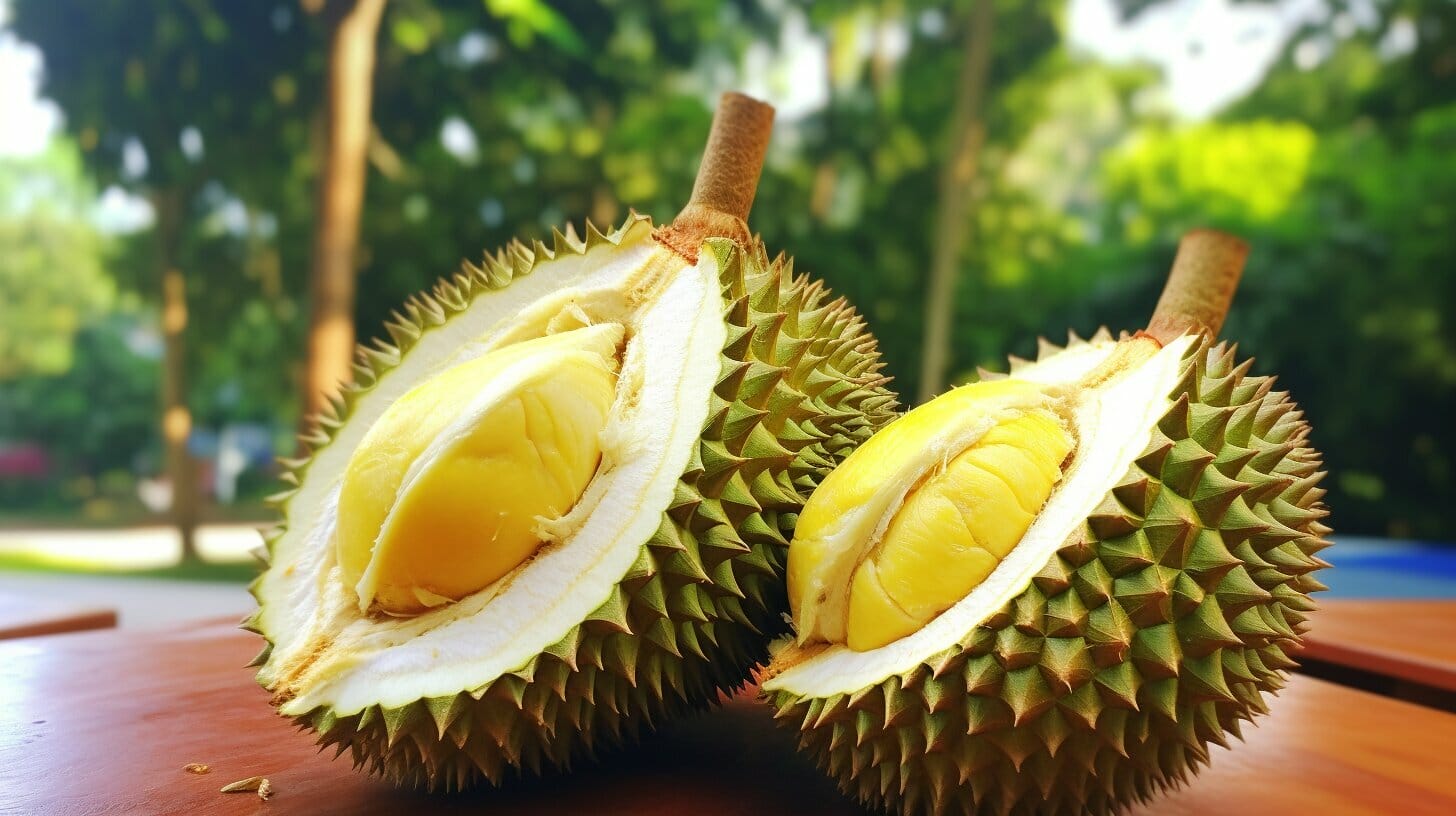
    The allure of Malaysia’s premium durian varieties, particularly Musang King and D24, continues to captivate Chinese consumers. Loh noted that despite recent heavy rains in Malaysia leading to some premature fruit drop, he anticipates total export volumes to rise by 15% to 20% compared to last year. “Even with challenges, we see robust growth ahead,” he remarked in an interview with state-owned news outlet Bernama.

    Market Pricing Dynamics
    In terms of market pricing, Grade A Musang King currently commands $7.12 per kilogram at Malaysian farms—a price that can more than double during off-seasons, enhancing its appeal as a luxury fruit. Last year alone, China imported $212 million worth of durians from Malaysia, marking a strong foothold since the two nations signed a special protocol on durian imports in 2022.

    Navigating Competition
    While Thailand remains the historical leader in durian exports to China, Loh clarified that Malaysia is not in a race to surpass its neighbor. “We are not competing on the same playing field,” he emphasized, highlighting the fundamental differences in pricing and quality between Thai Monthong durian and the more premium Musang King.

    Maintaining Authenticity and Consumer Education
    A critical focus of Malaysia’s export strategy involves preserving the authenticity of the Musang King brand. Loh expressed concern over practices where traders mislabel lower-grade durians as Musang King to maximize profits. Educating Chinese consumers about the distinctions between these varieties is essential to maintaining the brand’s integrity.

    Challenges in Cultivation Abroad
    Loh also addressed the initiatives to cultivate Musang King on China’s Hainan Island, which, despite initial excitement, have not met Malaysian standards. “The taste and quality remain unmatchable due to differences in soil and climate,” he added, reinforcing that Hainan-grown durians cannot replicate the original Malaysian experience.

    Conclusion
    The projected growth in Malaysian durian exports highlights the evolving consumer trends within the premium fruit market, particularly among Chinese buyers. As Malaysia seeks to solidify its position, the focus on brand authenticity and consumer education may reshape the dynamics of the retail sector.

    Questions & Answers

    1. What growth rate is expected for Malaysian durian exports this year? Loh Wee Keng anticipates a 15% to 20% increase in overall export volume compared to last year.
    2. How does the Musang King durian compare to Thai varieties like Monthong? Musang King is a premium variety with higher prices and quality, while Thai Monthong durians are generally lower in price and quality.
    3. What measures are being taken to preserve the authenticity of Musang King durians? Educating consumers about the differences between Musang King and other durian varieties is crucial to maintaining brand integrity and preventing mislabeling.
  • Private Labels Fuel 8% Surge in Global FMCG Sales Growth

    Private Labels Fuel 8% Surge in Global FMCG Sales Growth

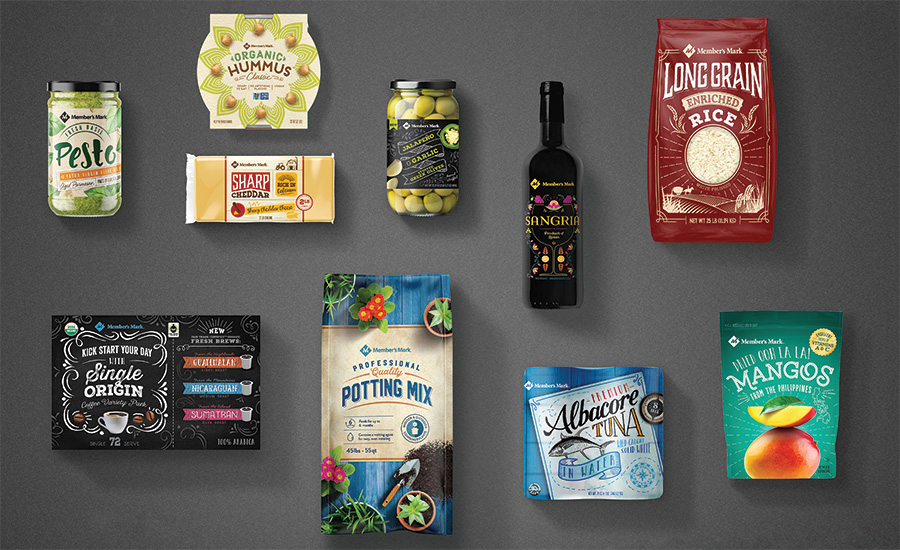
    In a notable shift within the retail landscape, private label products are becoming increasingly popular among consumers, contributing nearly 8% to global sales growth in the fast-moving consumer goods (FMCG) sector in the past year, according to recent insights from NIQ. With 53% of global shoppers indicating they are purchasing more private labels, retailers are reimagining these store brands as innovative alternatives to traditional national brands.

    Rising Demand for Private Labels
    The study reveals a striking 4.3% year-over-year increase in global private label sales, showing strong growth potential as these brands carve out significant share in the marketplace. Furthermore, projections from Technavio indicate a compound annual growth rate of 6.64% for private labels through 2028, signaling sustained consumer interest and brand expansion potential.

    Innovation Drives Brand Perception
    Retailers are shifting from viewing private labels as mere budget options to positioning them as premium offerings. This transformation is fueled by consumer demand for innovative products that prioritize wellness, sustainability, and convenience. Brands that can effectively adapt and showcase these qualities stand to benefit greatly.

    Omnichannel Strategy Becomes Essential
    To capitalize on the growing trend, retailers must enhance their omnichannel strategies. Today’s consumers expect private label products to match, if not exceed, the quality and presentation of established national brands. This means robust digital content is essential, with a focus on making private label offerings informative, discoverable, and visually appealing.

    The Importance of High-Quality Visuals
    Visual appeal plays a crucial role in influencing purchasing decisions. High-resolution images allow consumers to assess product quality and foster trust, simultaneously reducing return rates. With 87% of grocery shopping now conducted via mobile devices, optimizing visuals for smaller screens is increasingly important.

    Leveraging CGI for Consistency
    Computer-generated imagery (CGI) presents a scalable solution for retailers managing large portfolios of private label products. This technology enables consistent, high-quality product images, which is particularly beneficial for those frequently updating packaging or launching seasonal items.

    Detailed Information Enhances Discoverability
    Beyond visuals, providing comprehensive product details—such as dietary claims and allergen information—improves discoverability on e-commerce platforms. This is particularly vital for categories witnessing rapid growth, such as gluten-free foods or eco-friendly household items.

    Consistency Across Channels
    As consumers expect a seamless shopping experience, maintaining consistency in product naming, packaging visuals, and descriptions is critical. A cohesive presentation across online and offline channels not only fosters brand trust but also helps shoppers navigate their choices confidently and efficiently.

    Conclusion: Implications for the Retail Sector
    The rise of private labels reflects shifting consumer trends and heightened demand for value, quality, and innovation. As retailers adapt to this changing landscape, the focus on strong digital strategies and consistent branding will be pivotal in defining the future of the retail sector. This dynamic evolution will ultimately empower consumers, offering them more choices and enhancing their shopping experiences.

  • Jewelry Leader Cao Thi Ngoc Dung: PNJ’s Mission Beyond Gold Trading

    Jewelry Leader Cao Thi Ngoc Dung: PNJ’s Mission Beyond Gold Trading

    Cao Thi Ngoc Dung, Chairwoman of Phu Nhuan Jewelry (PNJ), Pioneers a Modern Era in Vietnam’s Jewelry Market

    Cao Thi Ngoc Dung has revolutionized the jewelry industry in Vietnam, steering Phu Nhuan Jewelry (PNJ) toward a remarkable success story worth over USD 1 billion in market capitalization. Unlike many companies that rely on foreign partnerships, Dung took a bold stance, opting to develop local manufacturing technology and a unique brand identity that elevates Vietnam’s presence on the global stage. In light of the 50th anniversary of Vietnam’s reunification, Dung shared her insights and experiences with VnExpress, shedding light on her journey and the principles that have guided PNJ to its current status.

    From Ground Zero to Industry Leader

    A Pioneering Spirit

    When Dung took the helm at the Phu Nhuan Precious Metals Store in 1988, Vietnam’s jewelry landscape was virtually non-existent. Tasked with establishing a legal framework for gold trading, Dung’s lack of background in jewelry did not deter her. With the encouragement of a mentor, she embraced the challenge.

    “I initially hesitated, but a leader urged me to apply my business experience and adapt,” Dung recalled. Opting for independence instead of partnering with established firms, she prioritized building a workforce of skilled artisans—a decision that would become the cornerstone of PNJ’s philosophy.

    Rejecting Foreign Ties for Local Growth

    In 1992, PNJ was offered a joint venture with an Australian company, a lucrative opportunity that could have expedited its growth. However, after observing the potential for local self-sufficiency during a trip to Australia, Dung declined the offer. “Why pay for something we can learn to do ourselves?” she questioned. This decision allowed PNJ to focus on developing its capabilities and aimed for global export rather than limiting its market to domestic sales.

    “We needed to create a strong manufacturing base that emphasized craftsmanship rather than mere commerce,” Dung asserted.

    Overcoming Challenges in a Growing Market

    Navigating Initial Consumer Resistance

    Despite adopting international best practices and machinery, introducing mass-produced jewelry to the Vietnamese market was met with skepticism. “Vietnamese consumers had a preference for imported goods, which impeded our early sales,” she shared.

    In response, Dung spearheaded efforts to build a robust retail system, emphasizing branding as essential for establishing PNJ’s identity. This shift culminated in significant growth following the company’s full privatization in 2004, allowing greater flexibility and innovation.

    Learning from Adversity

    The years 1992 to 1995 were transformative yet challenging for PNJ. As the company transitioned from a small workshop to an industrial powerhouse, Dung emphasized the importance of adaptability and long-term vision. “Sustainable growth requires a self-reliant approach to technology and production,” she said, reflecting on the foundation laid during those formative years.

    A Legacy of Leadership and Innovation

    Insights for Future Entrepreneurs

    As a mentor and strategic leader, Dung offers a wealth of insight for the younger generation of entrepreneurs. “Today’s youth are well-trained and globally connected, but they must embrace bold decision-making to seize emerging opportunities,” she advised. Her mantra emphasizes balancing speed with strategic thinking to achieve entrepreneurial success.

    Building a Future-Focused Company

    With an eye on succession planning, Dung is dedicated to instilling PNJ’s core values in future leaders, focusing on integrity and cultural fit. “Leadership is not about titles; it’s about creating value for the next generation,” she expressed, reiterating the essence of impactful leadership.

    The Future of Retail in Vietnam

    Cao Thi Ngoc Dung’s journey exemplifies the vibrant role of leadership in shaping a modern industry. As PNJ continues to expand its footprint in both domestic and international markets, the company’s commitment to craftsmanship and innovation underscores a significant trend in retail. In an era where consumer demand is shifting, brands that prioritize unique identity and quality, like PNJ, are poised to not just survive but thrive, ultimately enhancing the retail landscape for consumers and entrepreneurs alike.

  • DHL Supply Chain Expands Support for SMBs with Acquisition of IDS Fulfillment

    DHL Supply Chain Expands Support for SMBs with Acquisition of IDS Fulfillment

    Strategic Acquisition Boosts E-Commerce Capabilities

    In a move to strengthen its e-commerce infrastructure and better serve small and midsized businesses, DHL Supply Chain has acquired U.S.-based logistics provider IDS Fulfillment. The acquisition adds over 1.3 million square feet of warehouse and distribution space to DHL’s network, enhancing its ability to meet growing demand across North America.

    Expanding Reach with Key U.S. Facilities

    IDS Fulfillment’s facilities are strategically located in Indianapolis, Salt Lake City, Atlanta, and Plainfield (Indiana headquarters). DHL has confirmed that all facilities will continue operations under the leadership of existing local teams to ensure a smooth transition for customers and employees.

    Targeted Support for Smaller Businesses

    Patrick Kelleher, CEO of DHL Supply Chain North America, emphasized the importance of the acquisition:

    “The acquisition of IDS Fulfillment not only expands our operational footprint but also ensures small and midsized companies have access to our state-of-the-art logistics solutions designed for their specific requirements.”

    Enhancing DHL’s Fulfillment Network

    This marks DHL’s second e-commerce acquisition in 2025. In January, the company acquired Inmar’s reverse logistics business, making it the largest returns processing provider in North America. IDS Fulfillment’s integration strengthens DHL’s Fulfillment Network, offering scalable, flexible logistics solutions to businesses of all sizes.

    CEO of IDS Welcomes Growth Opportunity

    IDS Fulfillment CEO Mark DeFabis expressed confidence in the partnership:

    “DHL’s commitment to innovation and service excellence makes them the ideal partner to enhance our operations and deliver industry-leading capabilities to our customers and team members.”

    Positioning for Future Growth

    With global e-commerce expected to grow at an 8% compound annual growth rate (CAGR) through 2029, DHL is investing to stay ahead of the curve. Oscar de Bok, Global CEO of DHL Supply Chain, noted:

    “IDS Fulfillment complements our existing DHL Fulfillment Network, enhancing our ability to offer seamless global eCommerce solutions with local expertise and reach—especially as multinational organizations seek North American fulfillment capabilities.”

    Strengthening DHL’s Leadership in Logistics

    The IDS acquisition not only brings additional infrastructure but also a diverse client portfolio and advanced fulfillment know-how. According to Kelleher, these strategic moves reinforce DHL’s position as the preferred logistics provider for companies of all sizes.

    Questions & Answers

    1. Why did DHL Supply Chain acquire IDS Fulfillment? To expand its e-commerce fulfillment capabilities and better serve small and midsized businesses with strategically located U.S. facilities.

    2. What does IDS Fulfillment add to DHL’s network? Over 1.3 million square feet of distribution space across key U.S. locations, a diverse customer base, and specialized e-commerce logistics expertise.

    3. How does this acquisition align with DHL’s long-term goals? It supports DHL’s Strategy 2030 by growing its e-commerce footprint and enhancing its ability to offer scalable logistics solutions amid rising global e-commerce demand.

  • AB InBev Posts Strong Q1 Profit Despite Volume Declines and Global Headwinds

    AB InBev Posts Strong Q1 Profit Despite Volume Declines and Global Headwinds

    Anheuser-Busch InBev (AB InBev), the world’s largest brewer, reported a 7.9% increase in first-quarter operating profit, far exceeding analysts’ expectations of a 3.1% gain. The profit surge was driven primarily by improved margins, even as global beer sales volumes declined.

    Margins Expand Despite Lower Sales

    While global beer volumes dipped 2.2% in the quarter ending March 31, AB InBev managed to expand its margins through reduced sales costs and more efficient overhead management. This operational discipline helped the company outperform its rivals, including Heineken, which also reported falling volumes.

    CEO Confirms Positive Outlook for 2025

    CEO Michel Doukeris credited the company’s solid performance to consistent strategy execution:

    “The consistent execution of our strategy by our teams and partners drove a solid start to the year and reinforces our confidence in delivering on our outlook for 2025.”

    Challenges in Key Markets

    In the United States—one of AB InBev’s most important markets—revenues fell 5.1% year-on-year. The company attributed the drop to fewer selling days, poor weather, and the timing of Easter. Notably, AB InBev did not directly mention potential impacts from U.S. tariffs, unlike competitors Heineken and Carlsberg, who expressed concerns about how tariffs might affect consumer spending.

    Aluminium Tariffs Could Pose Future Risk

    The company may face rising costs due to potential U.S. tariffs on aluminium, a key material used in beer cans. Analysts warn that if tariffs weaken the broader economy, consumer spending on discretionary items like beer could also fall.

    Struggles in China Offset Gains Elsewhere

    China remains a challenging market for AB InBev, with first-quarter sales volumes down 9.2%. The brewer’s premium brand portfolio has struggled in the face of a sluggish economic recovery, causing the company to lose ground to competitors.

    Strategic Response: Invest in Core Brands and At-Home Consumption

    In response to shifting consumption patterns, AB InBev is increasing investment in key brands like Budweiser and promoting at-home beer consumption, as demand in bars and restaurants softens.

    Questions & Answers

    1. What was AB InBev’s Q1 operating profit growth, and how did it compare to expectations? The company reported a 7.9% rise in operating profit, more than double the 3.1% increase analysts had forecast.

    2. Why did U.S. revenues decline despite overall profit growth? U.S. revenues fell 5.1% due to fewer selling days, poor weather, and a late Easter, which offset gains from margin improvements.

    3. How is AB InBev addressing market pressures in China and globally? The brewer is ramping up investments in key brands and focusing on boosting at-home consumption as traditional bar and restaurant sales come under pressure.

  • Fonterra Commits $65 Million to Ditch Coal and Embrace Renewable Energy

    Fonterra Commits $65 Million to Ditch Coal and Embrace Renewable Energy

    Fonterra has taken a major step toward its decarbonisation goals with the commissioning of its first electrode boiler at its Edendale site in Southland, New Zealand. This move marks a significant shift away from coal usage in the dairy cooperative’s operations.

    NZ$70 Million Investment for Further Transition

    The company has pledged an additional NZ$70 million (approximately A$65 million) to install two more electrode boilers. This initiative is part of Fonterra’s broader strategy to transition to renewable energy across its operations.

    Ensuring Long-Term Operational Resilience

    Fonterra Chief Operating Officer Anna Palairet emphasised the importance of energy reliability, stating:

    “Investing in renewable energy solutions, such as electrode boilers, will help ensure we can continue to process milk efficiently now and in the future. This investment will help future-proof Edendale for years to come.”

    The new boilers will replace two coal-fired units and support the site’s expansion, including a new UHT (ultra-high temperature) processing plant currently under development.

    Significant Emissions Reductions

    The switch to electrode boilers is expected to cut around 72,800 tonnes of carbon emissions annually—comparable to removing more than 30,000 cars from New Zealand’s roads.

    Boost for the Local Economy

    Andrew Johns, Fonterra’s General Manager for Operations in the Lower South Island, highlighted the local impact:

    “The investment is also great news for the local economy. Where possible, we will be engaging with local contractors, and we expect more than 400 people from Southland and wider New Zealand to be part of the team on site delivering this investment.”

    Government Partnership Supports Project

    The project is being co-funded in partnership with the Energy Efficiency and Conservation Authority (EECA), a government body focused on promoting energy efficiency and reducing carbon emissions.

    Timeline for Completion

    Construction of the new boilers is expected to begin this year, with the upgraded energy systems anticipated to be operational by August 2027.

    Questions & Answers

    1. What is the main purpose of Fonterra’s investment in electrode boilers? To replace coal-fired boilers with renewable energy solutions, ensuring sustainable milk processing and reducing carbon emissions.

    2. How much carbon emission reduction is expected from this transition? Approximately 72,800 tonnes of carbon emissions will be reduced annually, equivalent to taking over 30,000 cars off the road.

    3. When will the new boilers be fully operational? The new electrode boilers are scheduled to be operational by August 2027.

  • Switzerland’s Fintech Challenge: Missing Out on Asia’s Retail Revolution

    Switzerland’s Fintech Challenge: Missing Out on Asia’s Retail Revolution

    As the Singapore Fintech Festival (SFF) draws to a close, it’s clear that this event has evolved from a modest gathering to Asia’s premier financial technology showcase, attracting over 70,000 attendees this year. The SFF has become a nexus for innovation, where startups and industry giants alike converge to explore the future of finance.

    The Significance of the Singapore Fintech Festival

    Since its inception in 2016, the SFF has established itself as a vital platform for discussing cutting-edge technologies ranging from generative AI to digital assets. Major financial institutions, including J.P. Morgan, HSBC, and Tencent, are heavily investing in technological advances, underscoring the event’s importance in shaping the global financial landscape.

    Switzerland’s Diminished Presence

    Switzerland has historically maintained a close partnership with Singapore, benefiting from mutual insights and exchanges. However, the Swiss representation at this year’s SFF has been notably subdued. While the nation did have a pavilion at the event, it did not command the attention or influence expected from a leading financial hub.

    A Defensive Posture

    The Swiss exhibit evokes a sense of isolation, resembling a “Reduit” — a fortification. Though Swiss fintech companies have made commendable efforts to attend, the absence of recognizable figures from its financial sector casts a shadow over their contributions. Major Swiss banks, which often express an interest in Asia, have not fully committed to showcasing their initiatives at influential events like the SFF.

    Missing Opportunities

    This year’s event highlights a puzzling contradiction; Switzerland is a prominent partner in the SFF yet struggles to make its mark. The nation even hosts a reciprocal event in Zurich, “Point Zero,” each summer, which draws high-level delegates from Singapore. However, the once-vibrant Swiss presence at SFF has diminished, with only a handful of representatives notably participating.

    Inadequate Engagement

    Current representation includes Deputy State Secretary Christoph König, who is only scheduled for a single panel discussion focused on “Innovation and Consumer Protection.” The Swiss financial sector’s representation in key conversations appears minimal. In contrast, nations like Italy take an active approach, utilizing press releases and announcements to foster engagement and visibility.

    Missed Strategic Goals

    This lack of visibility at influential gatherings further cements the idea that Switzerland risks missing out on significant opportunities to shape the future of finance. As the financial landscape evolves, issues such as financial inclusion, sustainable investment, and cybersecurity are becoming increasingly critical. It is here that fintech can serve as a key facilitator of progress.

    Upcoming Initiatives: Swiss Financial Innovation Desk

    In an effort to regain its edge, Switzerland has launched the Swiss Financial Innovation Desk (FIND), aimed at bolstering its status as a global financial hub. Despite the initiative, FIND’s forthcoming report, “Pathway 2035 for Financial Innovation: Your Navigator,” will not be released until January—potentially too late to capitalize on momentum gained at the SFF.

    A Call to Action

    The contrasting dynamics observed at the Singapore International Reinsurance Conference (SIRC) serve as a lesson in effective representation. Swiss Re’s CEO, Andreas Berger, delivered a powerful keynote speech, illustrating how impactful leadership can promote national interests on the global stage.

    In conclusion, Switzerland’s hesitancy to fully engage with the fintech ecosystem in Asia poses a significant challenge for both industry players and policymakers. As consumer demand for innovative financial solutions continues to grow, ensuring a robust presence in such influential forums will be crucial for the country’s future in the competitive global market.

  • Korea’s Retail Sales Surge 9.2% in March: Strong Consumer Demand Boosts Growth

    Korea’s Retail Sales Surge 9.2% in March: Strong Consumer Demand Boosts Growth

    South Korea’s Retail Sector Sees 9.2% Growth Amid Rising Online Sales

    In a marked turnaround, South Korea’s retail industry experienced a remarkable 9.2% year-on-year growth in March 2025, driven by a surge in online shopping. While brick-and-mortar stores faced challenges, the digital marketplace thrived, particularly in food and essential services.

    Digital Sales Propel Retail Growth

    According to the latest data from the Ministry of Trade, Industry, and Energy (MOTIE), online sales soared by an impressive 19.0%. This shift highlights changing consumer patterns, as shoppers increasingly turn to e-commerce for their purchasing needs. In contrast, traditional offline sales reported a slight decline of 0.2%.

    Despite the overall positive growth, not all retail segments fared well. Both hypermarkets and department stores recorded declines, with drops of 0.2% and 2.1%, respectively. Categories like fashion and home appliances were particularly hard-hit.

    Growth in Convenience and Supermarkets

    Amid the fluctuating landscape, convenience stores and supermarkets bucked the trend with notable gains. Convenience store sales increased by 1.4%, while super supermarkets enjoyed a robust growth of 3.6%, driven by local shopping preferences that continue to dominate the market.

    Strong Demand for Food and Services

    Online sales significantly benefited from the rising demand for food products, which climbed by 19.4%. Additionally, services experienced a staggering 78.3% boost, largely due to an increased reliance on food delivery and online orders. However, fashion and sports categories struggled, witnessing declines of 4.7% and 10.1%, respectively.

    Notably, back-to-school shopping stimulated demand for home appliances and consumer electronics, which rose by 7.8%. The cosmetics sector also saw a growth of 7.5%, thanks to ongoing online sales momentum.

    Implications for Consumer Trends

    The retail landscape in South Korea is evolving rapidly, with online sales playing a pivotal role in shaping consumer trends. As digital shopping continues to expand, it presents significant opportunities and challenges for retailers, necessitating adaptations to meet the shifting preferences of consumers.

    As the retail sector navigates these changes, the potential for sustained growth remains promising, particularly for brands that embrace innovation and enhance their online presence.

  • Julius Baer’s CEO Tackles Major Challenges in Retail Growth Strategy

    Julius Baer’s CEO Tackles Major Challenges in Retail Growth Strategy

    In a bold move to reshape Julius Baer, newly appointed CEO Stefan Bollinger is steering the prestigious Zurich-based private bank through a significant transformation. With an eye on enhancing performance and accountability, Bollinger aims to revitalize the organization amidst a backdrop of recent controversies and financial hurdles.

    A Fresh Vision for Leadership

    Stefan Bollinger, donning a casual dark-blue suit paired with white sneakers, embodies a new era at Julius Baer. During the company’s recent full-year results announcement, he outlined an ambitious plan to refocus the company’s leadership structure, ultimately reducing the Executive Board from 15 to just 5 members. This reduction is part of a larger strategy to boost accountability and foster a client-centric approach.

    With targeted cost savings projected at CHF 110 million and a 5% cut in the workforce, Bollinger’s overhaul signals a clear intent to streamline operations and sharpen the firm’s focus on client needs.

    Addressing Past Challenges

    Bollinger’s task is formidable, especially following a series of damaging incidents that have affected the bank’s reputation. In 2021, Julius Baer paid $79 million to settle U.S. money laundering allegations linked to the FIFA scandal. More recently, a CHF 606 million loan to Austrian real estate mogul René Benko’s Signa Group resulted in a crippling 52% profit decline after the company collapsed.

    As a result, the bank’s cost-to-income ratio stands at a concerning 70.9%, starkly above its target of 64%, underscoring the urgent need for reform. Additionally, Swiss financial regulator Finma has launched proceedings to assess potential deficiencies in risk management and lending protocols.

    Strategic Developments Amidst Uncertainty

    Despite these challenges, market confidence seems gradually returning. Inflows surged in 2024, particularly in the second half, with net new money reaching CHF 14 billion and assets under management soaring to a record CHF 497 billion. The bank concluded the year with a net profit of CHF 1.02 billion, indicative of Bollinger’s potential impact.

    To further streamline operations, Bollinger has initiated the creation of a Global Wealth Management Committee, alongside a new product and solutions unit that consolidates all digital transformation initiatives under unified leadership. This structural realignment aims to reinforce the firm’s commitment to clients while enhancing risk management.

    Upcoming Strategy Announcement

    Looking ahead, Bollinger is set to unveil a comprehensive strategy update on June 3 in London. Securing the support of newly appointed Chairman Noel Quinn will be vital in this endeavor. Observers in Zurich note the swift pace of change under Bollinger’s leadership, though some industry insiders express curiosity about his approach to further restructuring key positions within the firm.

    Path to Sustainable Growth

    While cost cuts are underway, questions linger regarding the balance of savings and long-term growth. Experts highlight the opportunity for greater savings through technology investments, a critical area that remains largely unaddressed in Bollinger’s current strategy.

    As Bollinger navigates this complex landscape, his dynamic approach resonates with shareholders eager for both immediate improvements and sustainable growth. “Cost reductions are a positive step, but the real challenge lies in building a robust future for Julius Baer,” remarked one observer.

    The transition at Julius Baer illustrates significant shifts within the banking sector, emphasizing the need for agility and accountability in responding to consumer trends and market demands. As new developments unfold, the impact on consumers and the broader retail landscape will certainly be noteworthy.

  • Coconut Prices Surge in Asia Amid Climate Impact on Supply

    Coconut Prices Surge in Asia Amid Climate Impact on Supply

    on
    Vina T&T, a major player in the fruit export sector, is making headlines as it offers a staggering VND 220,000 (approximately US$8.47) for a dozen coconuts—the highest recorded price to date. With prices more than doubling year-on-year, this surge reflects broader trends impacting the coconut market worldwide, influenced by supply disruptions and rising consumer demand.

    Coconut Prices on the Rise

    Industry experts indicate that coconut prices are increasing at an alarming rate, paralleling the volatility seen in gold prices. Nguyen Dinh Tung, CEO of Vina T&T, highlighted the challenges in supply, revealing that the company currently exports seven containers of coconuts weekly, which only meets two-thirds of its international buyers’ needs.

    Global Trends Impacting Supply

    The surge in coconut prices is not confined to Vietnam. Countries like Sri Lanka, the Philippines, and Thailand—significant exporters of the nut—are experiencing a similar escalation in prices, with increases ranging from 50% to 100% year-on-year. For instance, coconuts now retail for $2.90 per kilogram in Thailand and up to $4.28 in the Philippines.

    Supply chain disruptions due to extreme weather events are primarily responsible for this instability. El Niño is causing heatwaves and droughts, while La Niña brings excessive rainfall and storms, adversely affecting coconut yields. Additionally, pest outbreaks have further complicated production, as demand from key markets—particularly China and the United States—continues to push prices upward.

    Vietnam’s Growing Coconut Export Market

    Despite the challenges, Vietnamese coconuts are carving out a strong niche in global markets thanks to their competitive pricing and exceptional quality. The Ministry of Agriculture and Environment reports robust growth in fresh coconut exports from Vietnam in the first four months of this year, particularly to the U.S. and China.

    As the world’s fifth-largest coconut exporter, Vietnam boasts 200,000 hectares of orchards, producing approximately two million tons annually. Last year alone, the value of coconut exports and related products reached nearly $1.1 billion, with coconuts accounting for $390 million. Following the U.S. opening its market to Vietnamese coconuts in August 2023, exports skyrocketed eleven-fold within less than a year.

    The formal export protocol signed with China in August 2024 has also dramatically increased shipments, positioning Vietnam as a key supplier in a market that consumes an estimated four billion coconuts annually.

    Future Outlook

    According to Dang Phuc Nguyen, General Secretary of the Vietnam Fruit and Vegetable Association, Vietnamese coconuts are gaining popularity, especially in summer among consumers in the U.S. and China. He predicts that fresh coconut exports could reach an unprecedented $500 million by the end of this year, highlighting the brand’s potential for expansion and establishing itself as a significant player in the international market.

    The recent trends in the coconut market, marked by soaring prices and growing demand, signal a shifting landscape for both producers and consumers. As demand continues to rise, the potential for Vietnam’s coconut industry to grow and expand is substantial, making this a crucial moment in retail news.

    Questions & Answers:

    1. Why are coconut prices rising so dramatically? Coconut prices are climbing due to supply chain disruptions caused by extreme weather conditions such as droughts and excessive rainfall, alongside increased global consumer demand.

    2. How is Vina T&T responding to the rising prices? Vina T&T has increased its farm gate price to a record VND 220,000 for a dozen coconuts, but it still struggles to meet the high demand from international buyers.

    3. What does the future hold for Vietnam’s coconut exports? With strong growth anticipated, Vietnamese coconut exports are projected to reach $500 million this year, bolstered by access to key markets like the U.S. and China.