Author: Mei Ling Tan

  • WhatsApp for Android is beta testing split view on tablets

    WhatsApp for Android is beta testing split view on tablets

    The tablet version of WhatsApp now has access to a split view thanks to a new update that was just released. The update was made available for the Android beta app on the Play Store for those fortunate enough to make it into the beta program.
    News of this update was reported by Wabetainfo which found that this change took place with the beta Android WhatsApp app, version 2.22.21.6. This newest change builds upon the WhatsApp version released in September 2022, which was compatible with tablets but not optimized for use on larger screens.
    This new feature is a game-changer for users because it optimizes the interface for tablets, it provides a better experience on a larger screen, and users can now view and use two different sections of the app simultaneously side by side on their tablet screen, as seen on the below screenshot:
    In the past, when users opened a chat on the tablet version of WhatsApp, the chat view would take up the entire screen. Users would then have to return to the chat list each time they wanted to switch to a different conversation. This new feature will allow users to switch between conversations without returning to the chat list since it will be consistently visible whenever a chat window is opened.
    After installing the most recent update of WhatsApp beta for Android from the Play Store, users will have access to a redesigned user interface optimized for tablet use. However, if the new feature isn’t available to you after installing the latest beta, Wabetainfo states that there will be an upcoming update that will unlock this feature for even more users. Unfortunately, if you do not already have access to the beta version of WhatsApp, you will not be able to sign up at this time as the beta program is almost always full.

  • Fruit, vegetable exports rise 17.8%

    Fruit, vegetable exports rise 17.8%

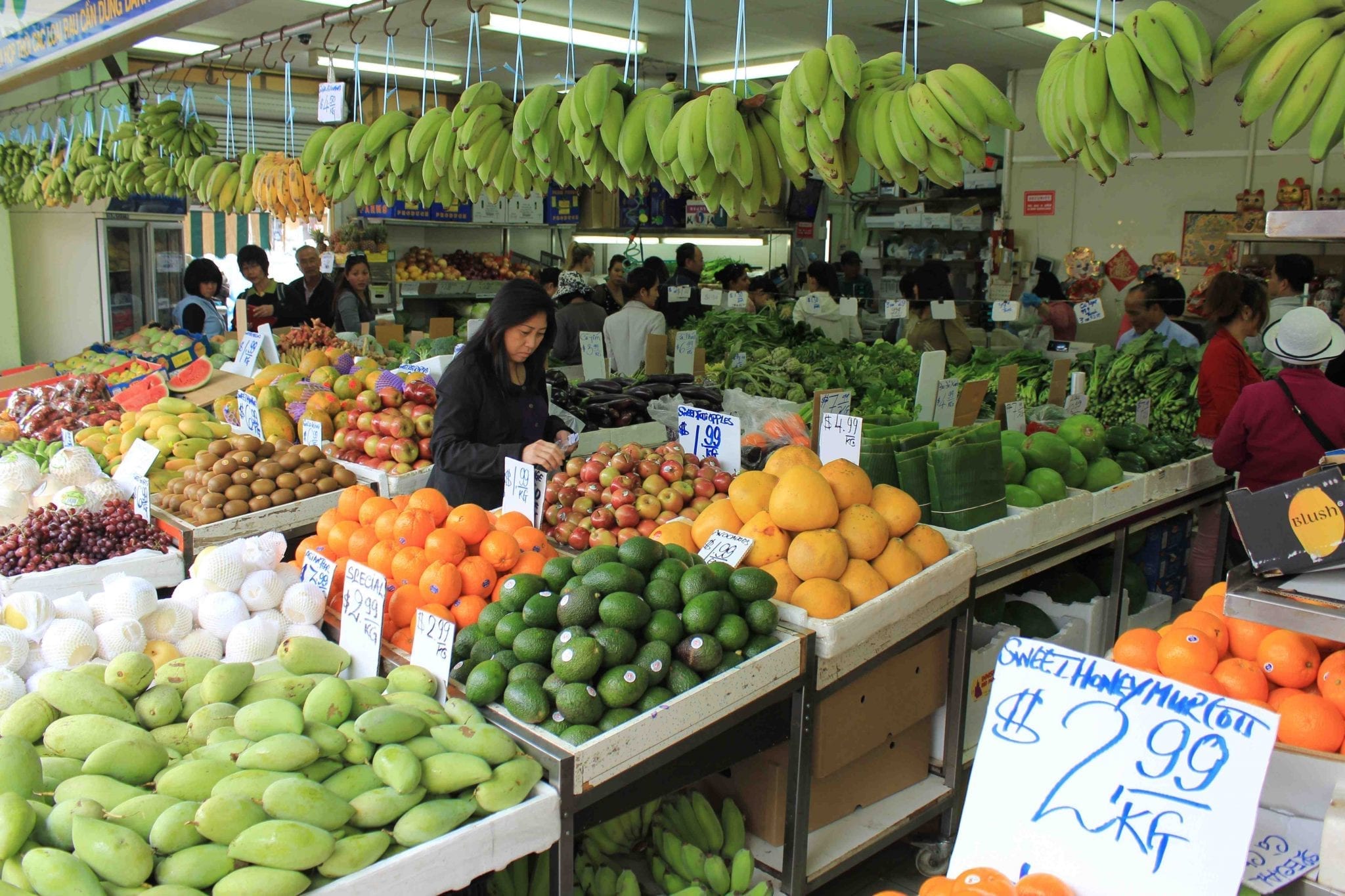
    Vietnam’s fruit and vegetable exports in the first two months of this year increased by 17.8% year-on-year to US$592 million.

    China accounted for 57.5% of the exports, according to the Ministry of Agriculture and Rural Development’s department of agricultural products processing and market development.

    Since early February when it reopened after Covid, China has been importing large volumes of Vietnamese agricultural products like durian, jackfruit, watermelon, and sweet potato.

    Exports to Laos have tripled.

    The U.S. and Europe have also imported large volumes of Vietnamese fruits and vegetables.

    A Tien Giang Province-based company told VnExpress that its exports of durian and pomelo to the U.S. and China have been increasing steadily this year. Freight rates have decreased to pre-Covid levels, creating favorable conditions for exporters.

    Surveys in the Mekong Delta show that the prices of durian, dragon fruit, jackfruit, and sweet potato have all doubled or tripled from 12 months ago, with the durian price surging to a record high of VND190,000 ($8) per kilogram at the farm gate.

    Last year exports were worth $3.34 billion, down 5.9% from 2021, according to the agriculture ministry.

    Vietnam imported fruits and vegetables for $289 million in the first two months of this year, a 12% increase, the department said.

  • Airasia CEO says the high rates aren’t going anywhere

    Airasia CEO says the high rates aren’t going anywhere

    Even low-cost carriers, which struggle to increase capacity amidst labor shortages, soaring fuel prices, and closed airspace, have set prices that have stumped travelers.And if you think this is going anywhere, it’s not – at least that’s according to AirAsia’s CEO Tony Fernandes.

    Speaking last week at the Aviation Festival Asia in Singapore, Fernandes revealed his belief that airlines have been under-pricing their services and that the industry has a way to go in charging passengers an appropriate price.

    However, higher airfares have not deterred or slowed down flight demands or demand projection, and Fernandes believes these airfares are more authentic prices that should have been charged pre-pandemic.

    “After not having flown for three years, passengers’ value of travel has also increased,” Fernando said.

    With many airlines facing challenges that hinder their ability to maintain and increase required capacity, classic supply and demand become a consideration. A shortage of available seats cannot meet the heightened demand, so Fernandes believes passengers can expect to be greeted with higher airfares this year.

    Alongside this, airlines cannot acquire more planes due to the manufacturers’ ability to speed up production rates impacted by the pandemic. Without new planes readily available and old planes suffering from technical setbacks, carriers have to outsource third-party agreements for wet leasing and maintenance, increasing expenses.

    Fernandes said AirAsia has faced these challenges, but the low-cost carrier will have its fleet of over 200 planes back in service by May.

    “The main obstacle for us has been getting our planes back into active service, and bringing about 204 planes back is no easy feat,” he said

    “And what was initially predicated on being finished by May of next year, we’ll be able to do by May of this year.”

    The global commercial aviation industry struggles to get back on its feet due to similar problems AirAsia, so, unfortunately for travellers, getting back to pre-pandemic prices may still take a while.

  • Shrimp exports set for difficult year

    Shrimp exports set for difficult year

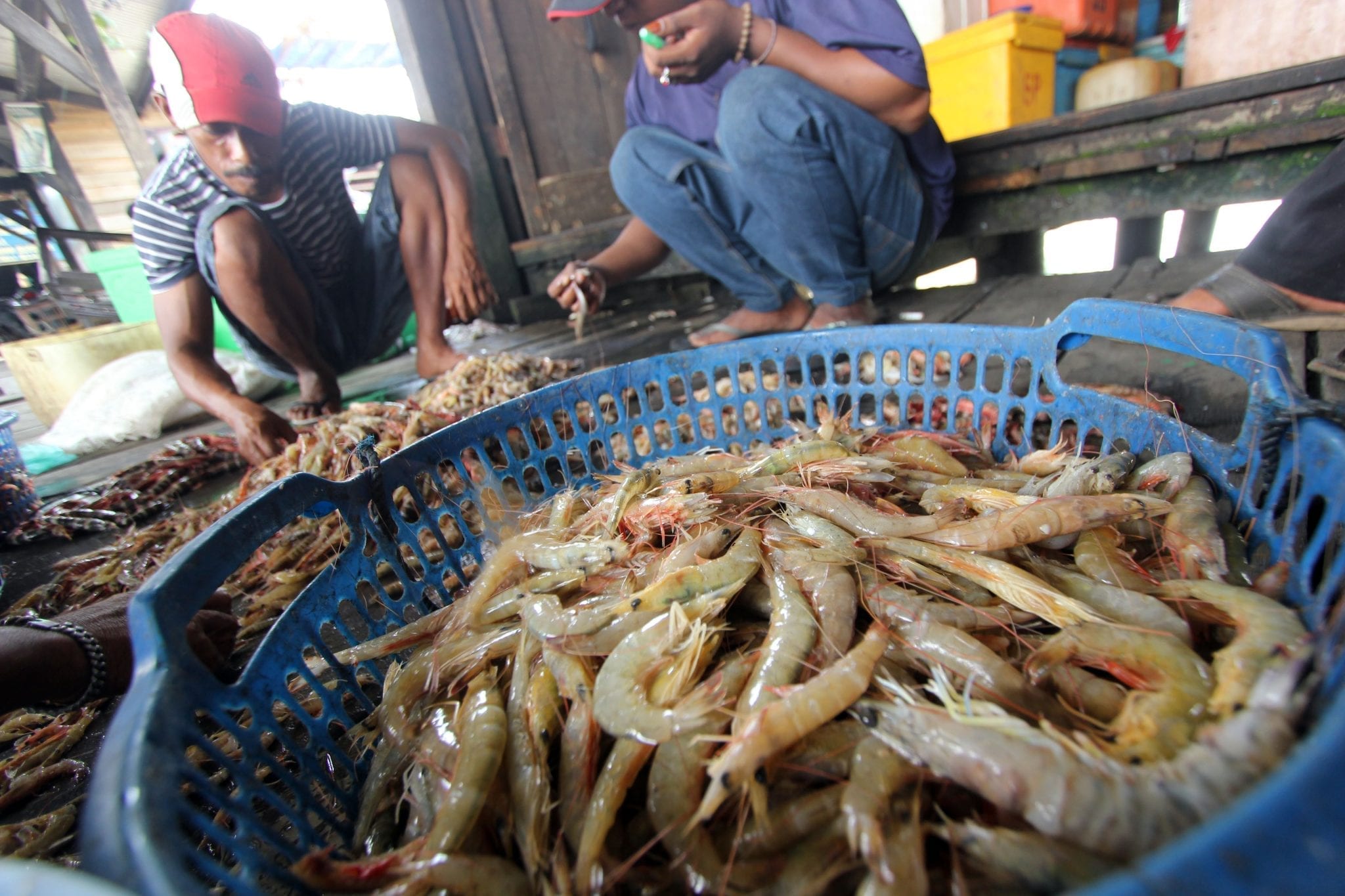
    Vietnam’s shrimp exports face challenges with prices decreasing and competition from Ecuador and India intensifying, according to the Vietnam Association of Seafood Exporters.

    Global prices have decreased since the second half of last year and are expected to fall further this year as supply rises sharply to six million tons, VASEP general secretary Truong Dinh Hoe said Friday at a shrimp industry conference.

    VASEP general secretary Truong Dinh Hoe says shrimp exporters face fierce competition from Ecuador and India this year. Photo by Anh Minh

    The U.S. has extensive shrimp inventories, and so is sure to reduce imports in the first half of this year.

    When it increases imports in the second half, it will likely opt for small shrimp from Ecuador because of its abundant supply and geographical proximity.

    Vietnamese exports to European markets will be affected by the economic turmoil there.

    Le Van Quang, chairman of Minh Phu Seafood Corp., said Vietnamese shrimp costs are too high due to low aquaculture productivity, making it difficult to compete with Ecuador and India.

    “Our shrimp farming success rate is less than 40%. It is over 90% in Ecuador and more than 60% in India.”

    According to the Directorate of Fisheries, the shrimp output this year is likely to be 1.08 million tons, and exports will fetch US$4.3 billion.

    But VASEP forecast exports to be worth only $4 billion out of total seafood exports of $10 billion.

    Last year shrimp exports had risen by 11% to $4.3 billion.

  • Sea shipping costs dip amid sliding demand

    Sea shipping costs dip amid sliding demand

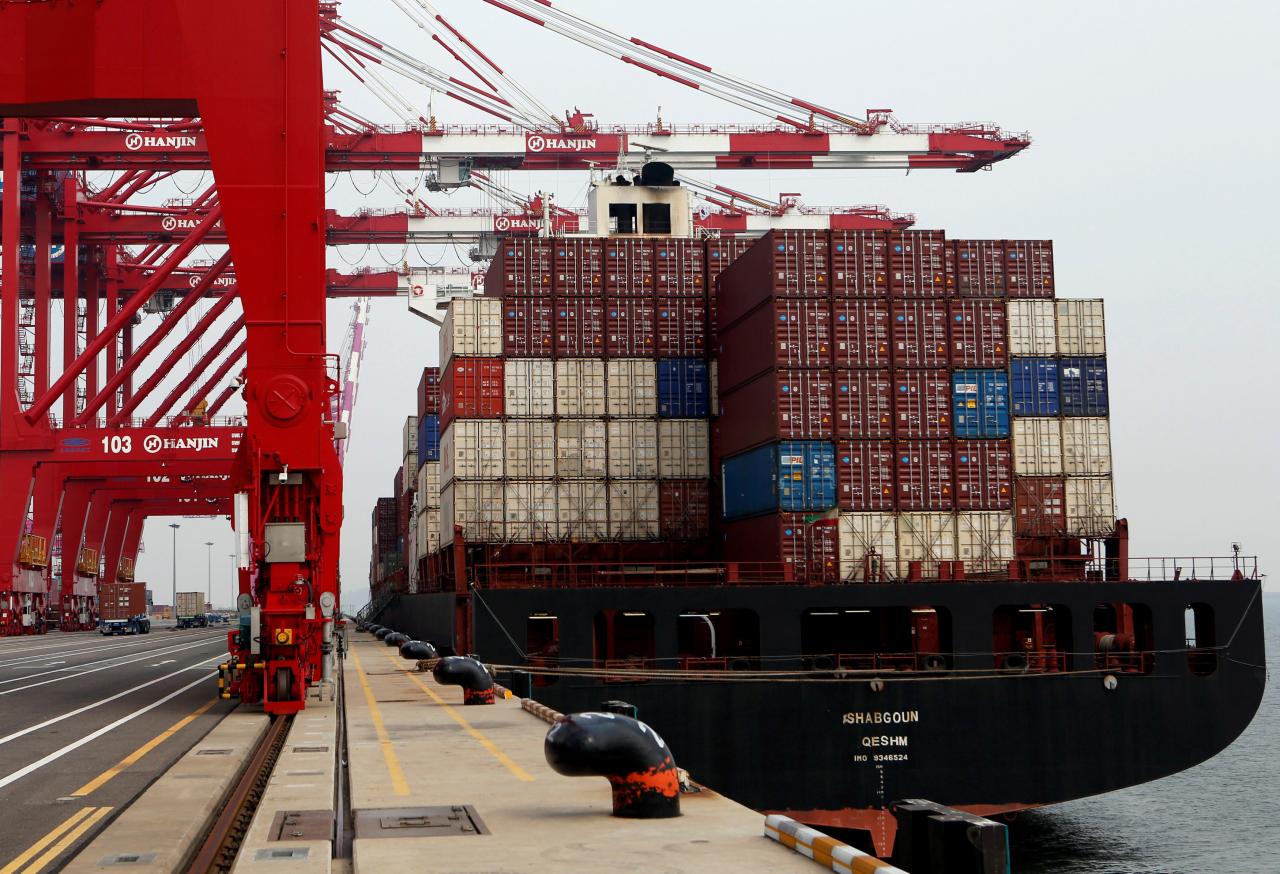
    Sea shipping costs have plunged by over 80% from the previous peak as consumption has dropped amid inflation concerns. Tran Lam Son, CEO of wood and furniture exporter Thien Minh, said that shipping a container to Europe now costs around $1,700, down nearly 92% from the peak of $20,000 a couple of years ago.

    The price drop poses opportunities for businesses like Thien Minh but is perceived as a negative sign for the logistics sector.

    Logistics platform Phaata has data showing that shipping a 40-foot container from Ho Chi Minh City to Northern Europe now costs $1,700, down from $15,000 in January.

    From HCMC to Los Angeles, the average price is now $1,400, compared to $12,000 in September 2021. To New York, freight costs $2,900 against $15,000 two years ago.

    From Asia to India costs have plunged by over 90%, said Le Thi Lan Anh, business director of logistics firm MH Great Sun.

    Phaata CEO Nguyen Hoai Chung said that prices are now plunging because consumer demand in North America and Europe has plummeted due to inflation and forecasts of economic difficulties.

    Inventory in these regions is still high and so importers do not need to buy more from Asian countries, including Vietnam, he added.

    Slower manufacturing activity in China in recent years has reduced pressure in ports and congestion is no longer a problem, he said.

    Weak demand is likely to persist throughout this year. The International Monetary Fund last month forecast that global trade growth will drop from 5.4% last year to 2.4% this year.

    American spending on goods has dropped 5.4% from the peak in March 2021.

    Logistics giant Maersk anticipates that container shipping demand will drop by 2.5% this year.

    The supply of container ships, however, is expected to rise in this and next year and many ships are set to be completed.

    Container ship capacity is set to increase by 7.8% this year while demand is expected to rise 3.5%. In 2024 the two figures are expected to be 8.3% and 3.5% respectively.

    This shows that there will be an oversupply of container ships in 2023 and 2024, and competition in the logistics sector is set to be intense, Chung said.

    SSI Securities Corp. analysts said in a report that demand for goods from Vietnam will likely resume in the second half of the year when the shopping season arrives and after unsold inventory has been liquidated in Europe and the United States.

    Anh, however, has a more pessimistic forecast.

    “There is no sign that the financial market will recover this year,” said Anh. “Deposit interest is still rising and a recovery in the logistics industry is not expected until the very end of 2023.”

    Phaata CEO Chung said that container shipping prices to North America and Europe will continue to stay low until recovering in the fourth quarter as Christmas shopping rises.

    Next year, prices will continue to fall as container supply outweighs demand.

    “The logistics sector will see brighter signs in 2025 and prices will resume to pre-pandemic levels,” said Chung, “with a more balanced supply and demand relationship.”

    Chung advises logistics firms to expand their markets to other Asian destinations such as China, Japan, South Korea and Southeast Asian countries.

  • What airlines need to speed up their recovery

    What airlines need to speed up their recovery

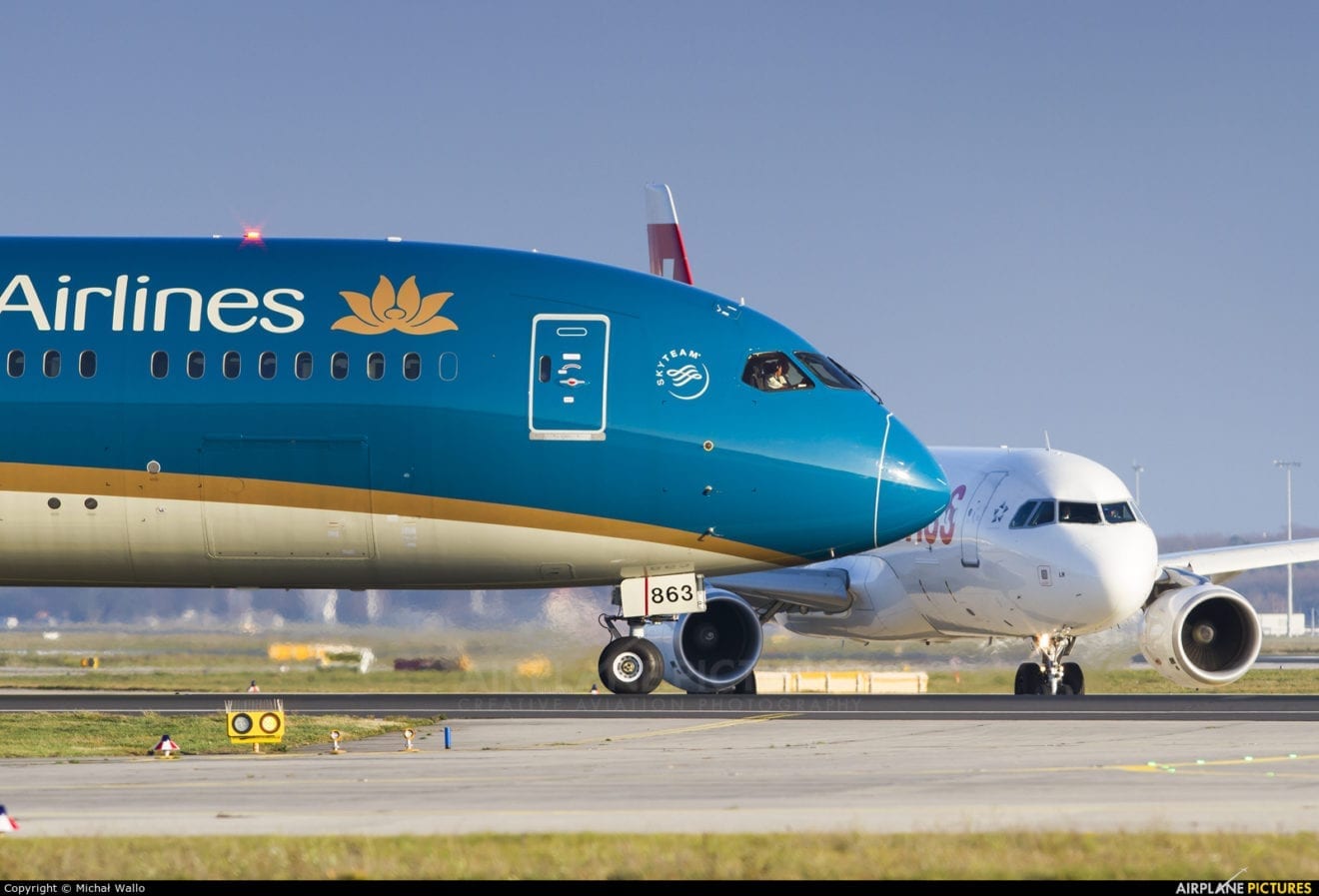
    Vietnamese airlines seek government support to speed up post-pandemic recovery, including scrapping a ticket price ceiling and relaxing visa policies.

    The outlook for the aviation industry seemed bright in a forecast by the Civil Aviation Authority of Vietnam (CAAV) last month when it said that a full recovery of Vietnam’s air transport is expected by the end of the year.

    CAAV forecast that 80 million passengers and 1.44 million tons of cargo will be transported this year, up 1% and 14.8%, respectively from 2019 when Covid-19 had yet to hit Vietnam.

    For airlines, however, the forecast seems too optimistic. Last year, Vietnam Airlines posted an accumulated loss of over VND34 trillion ($1.43 billion), while budget airline Vietjet recorded more than VND2 trillion in loss.

    Bamboo Airways and Vietravel Airlines are yet to turn a profit. Luong Hoai Nam, a member of the Vietnam Tourism Advisory Board, said at a recent event that there is no rosy picture for domestic airlines this year.

    “Carriers are deep in debt and are facing an operational crisis,” he said.

    Now that demand is rising, aircraft leasing companies are seeking to get their jets back, Nam said, adding that if Vietnamese airlines cannot pay for the lease the jets might be taken away.

    Vietjet’s Deputy CEO Ho Ngoc Yen Phuong said that although some international airlines have become profitable again after the two-year hiatus, Vietnamese carriers are still facing many financial difficulties, and they might lose on their own playground if other carriers increase their presence.

    Deputy CEO of Vietnam Airlines Trinh Ngoc Thanh said that the industry will not fully recover until the end of 2024, but he was not sure whether the national flag carrier can survive until than as its “financial health is very weak.”

    Local airlines, therefore, are proposing several support policies to help them survive and speed up their recovery. They want the domestic ticket price ceiling removed, saying that this policy is no longer in line with international norms. The price ceiling has remain unchanged for eight years and this is unreasonable as expenses, including fuel, currency exchange rates and loan interests, have all increased.

    Vietnam Airlines and Bamboo Airways proposed that while the ceiling is yet to be removed it should be raised to reflect the hike in operational costs.

    Ticket agents are saying that domestic prices on some routes have nearly doubled year-on-year.

    A survey of 1,600 readers last month found that 51% of respondents want the price ceiling to remain unchanged.

    Airlines are also requesting the government relax visa policies and create a national tourism promotion campaign.

    “The Vietnam National Administration of Tourism partnered with airlines to promote tourism in other countries in previous years,” Thanh said. “But now there is no campaign and carriers do not have the budget to create their own.”

    The Vietnam Airlines executive also said that the 15-day visa policy for European and American visitors should be doubled to 30-days.

    Vietjet wants authorities to untie administrative knots so that Chinese tours can soon travel to Vietnam. Vietnam is yet to be included in the 20 countries that Chinese tourism firms are allowed to send tours to.

    Even though China – which accounts for 30% of foreign tourists to Vietnam – has reopened, Vietnamese airlines still have to postpone plans to expand their flight frequency to this country.

    Carriers are also seeking reductions in taxes and fees.

    Thanh said that the 50% reductions in landing and takeoff fees of domestic airlines and an environmental tax on fuel, which were given during Covid-19, should be maintained to help ease the financial burden for carriers.

    Bamboo Airways has proposed for these reductions to last until the end of 2024 or 2025.

    Can Van Luc, chief economist at lender BIDV, said that it is unlikely that carriers will get out of losses this year and that they will still need a lot of government support in taxes and fees.


  • Renault, Geely Ink Pact With Aramco For Engine Venture

    Renault, Geely Ink Pact With Aramco For Engine Venture

    Oil giant Saudi Aramco has agreed to take a minority stake in a new powertrain engine company that French car maker Renault SA and China’s Geely Automobile Holdings Ltd plan to set up jointly, they said on Thursday.

    Reuters reported in January that Aramco has been involved in advanced discussions to take up to 20% stake in a previously announced but still-unnamed Geely-Renault powertrain company that would develop and supply internal combustion engines (ICE) and hybrid technologies.

    They said on Thursday Geely and Renault are expected to retain equal equity stakes in the new independent entity, but did not disclose how much each would own and how much Aramco would invest.

    The new joint venture is aimed at developing more-efficient gasoline engines and hybrid systems at a time when the focus of much of the automobile industry has been on the capital-intensive transition to purely electric vehicles.

    “This partnership with Aramco will… give it a head start in the race towards ultra-low-emissions ICE powertrain technology,” Renault CEO Luca de Meo said in the statement.

    By carving out its internal combustion engine business, Renault plans to focus on electric cars, part of the French automaker’s broad restructuring that also involves overhauling its decades-old alliance with Nissan Motor Co.

    “Aramco’s entry brings to the table unique know-how that will help develop breakthrough innovations in the fields of synthetic fuels and hydrogen,” De Meo said.

    The deal would make Aramco the first major oil producer to invest in the car business, as the rise of electric cars threatens to cut demand for conventional fuels.

    Last year, Aramco announced a partnership with Hyundai Motor Co to study advanced fuels that could be used in hybrid engines to reduce CO2 emissions.

    For Geely, the deal with Renault extends its pattern of building partnerships to expand beyond China. Geely previously announced a hybrid gasoline engine development deal with Mercedes-Benz and holds a stake in the German automaker.

    The new company would have an annual production capacity of more than 5 million in

  • Tesla Recalls 3,470 Model Y Vehicles Over Loose Bolts

    Tesla Recalls 3,470 Model Y Vehicles Over Loose Bolts

    Tesla said it recalls 3,470 2022 through 2023 Model Y vehicles in the United States because bolts securing the second-row seatback frames may not have been securely tightened, according to a public filing.

    The National Highway Traffic Safety Administration (NHTSA) said a loose seat frame bolt may reduce seat belt system performance, increasing injury risks during a crash.

    Tesla told NHTSA it has identified five warranty claims since December that may be related to these conditions. Tesla said it was not aware of any injuries or deaths that may be related to the recall issue.

    Tesla will inspect bolts securing second-row driver-side and passenger-side seat back frames to the lower seat frames and if needed tighten them to specifications.

    In December, the automaker said that a Tesla supplier implemented improved process controls along with improved training and supervision to ensure bolts are torqued to specifications.

  • Raiffeisen Pushes Foward with Asset Management Business

    Raiffeisen Pushes Foward with Asset Management Business

    Switzerland’s banking group Raiffeisen, saw mortgage loan volumes reach record levels last year.

    Raiffeisen Group posted a group profit of 1.18 billion Swiss francs ($1.3 billion) in 2022, it said in a statement Thursday. The cooperative bank, which consists of 220 banks, said that operational revenue increases drove its 10.6 percent profit increase over the previous year.

    The market leader for Swiss mortgages saw mortgage loans rise 3.7 percent to 203.7 billion Swiss francs, bringing its mortgage volume over the 200 billion mark for the first time.

    Despite a difficult market environment, Raiffeisen recorded a net new money inflow of 3.9 billion francs in its pension and investment portfolios. A total of more than 40,000 retirement and investment custody accounts were opened last year, 158 custody accounts per working day.

    The number of pension custody accounts increased by 17.6 percent, the number of asset management mandates by 34.4 percent, and the number of fund savings plan custody accounts by 11.8 percent.

    However, due to negative market developments, custody account volumes decreased by 4 billion Swiss francs to a portfolio of 41.1 billion Swiss francs, it added.

    Raiffeisen expects business to be solid in the coming months. However, the market environment remains challenging, it said.

  • Gold prices up

    Gold prices up

    SJC gold gained 0.07% to VND66.9 million ($2,819.45) per tael Friday morning.

    Gold ring price rose 0.09% to VND54.1 million per tael. A tael equals 37.5 grams or 1.2 ounces.

    Globally gold prices rose on Friday, on track for their first weekly gain in five, as the dollar eased, even though fears persisted that the U.S. Federal Reserve would keep raising interest rates to curb inflationary pressures.

    Spot gold was up 0.3% at $1,840.89 per ounce.

    The dollar index eased 0.1%, making bullion more affordable for buyers holding other currencies.

    The number of Americans filing new claims for unemployment benefits fell again last week, pointing to sustained labour market strength and adding to fears that the Fed would keep hiking interest rates for longer.

    Another report from the U.S. Labor Department on Thursday showed labor costs grew much faster than previously estimated in the fourth quarter.

  • Dollar slips on black market

    Dollar slips on black market

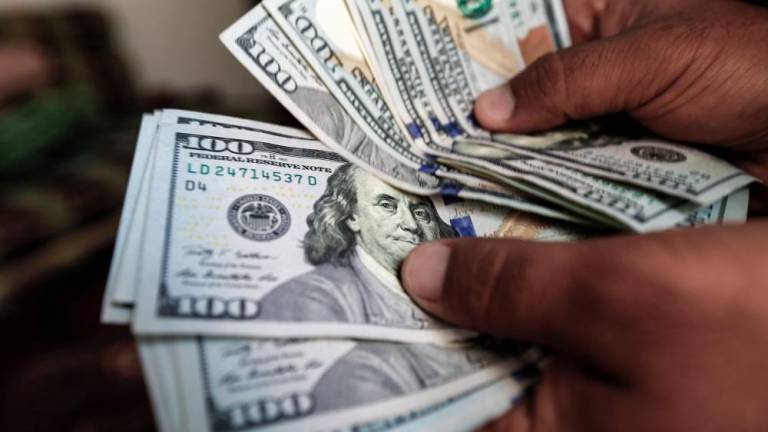
    The U.S. dollar dropped against the Vietnamese dong Friday morning on the black market.

    Unofficial exchange points sold the greenback at VND23,850, down 0.29% from Thursday.

    Vietcombank sold the dollar 0.15% higher at VND23,910.

    Eximbank maintained the dollar at VND23,860, while at Techcombank the rate stayed unchanged at VND23,890.

    The State Bank of Vietnam kept its reference rate stable at VND23,637.

    The dollar as appreciated over the dong by 0.76% since the beginning of the year.

    The U.S. dollar eased back from a 2-1/2-month high versus the yen on Friday and weakened toward its first weekly loss since January against major peers as traders tried to gauge the path for Federal Reserve policy.

    The yen, which is particularly sensitive to U.S.-Japanese long-term interest rate differentials, threatened to extend a weekly losing streak to seven weeks, even as it gained strength on Friday with 10-year U.S. yields retreating from a nearly four-month high close to 4.1%.

    Taking some steam out of the dollar and the breathless advance in U.S. yields were comments from Atlanta Fed President Raphael Bostic overnight that “slow and steady is going to be the appropriate course of action,” despite new labour figures adding to the run of strong data of late.

  • UBS Loses Appeal to Halt London Lawsuit

    UBS Loses Appeal to Halt London Lawsuit

    UBS has lost an appeal to throw out a lawsuit by an exiled Chinese businessman over an allegedly forced share sale by the Swiss bank’s London branch.

    A London court of appeal has dismissed UBS’s latest attempt to throw out a $500 million lawsuit by exiled Chinese businessman Guo Wengui and his firm Ace Decade.

    According to Guo, he and Ace Decade allegedly lost $500 million after UBS forced a sale of an indirect equity investment in Chinese brokerage Haitong Securities during a market downturn in July 2015.

    Last month, UBS argued in the appeal court that the lawsuit would only be valid in Switzerland despite involvement by the London branch. This argument was previously rejected by a lower court in 2022.

    The claims undoubtedly arose out of UBS London’s operations. UBS London significantly participated in the events that have given rise both to the claim and the los ns claimed.

  • Tata Motors Launches Its First Registered Vehicle Scrapping Facility

    Tata Motors Launches Its First Registered Vehicle Scrapping Facility

    Tata Motors launched its first Registered Vehicle Scrapping Facility (RVSF) in Jaipur, Rajasthan today. The facility is called Re.Wi.Re which stands for Recycle with Respect and has a capacity of 15,000 vehicles per annum. The company also claims that the facility uses eco-friendly methods to dispose of the vehicles, which will go through a strict documentation process before being dismantled. It is developed and operated by Tata Motors’ partner Ganganagar Vaahan Udyog Pvt. Ltd. to scrap end-of-life passenger and commercial vehicles of all brands. The facility was inaugurated by Hon’ble Union Minister of Road Transport and Highways, Shri Nitin Gadkari.

    Speaking at the inauguration ceremony, Hon’ble Union Minister of Road Transport and Highways, Government of India, Shri Nitin Gadkari said “The National Vehicle Scrappage Policy was introduced with the aim to promote circular economy by creating an ecosystem for phasing out unfit and polluting vehicles and to achieve a lower carbon footprint in the country by replacing them with greener and more fuel-efficient vehicles. I congratulate Tata Motors for setting-up this quality facility that is at par with global standards. We are working towards positioning India as a vehicle scrapping hub for the entire South Asian region and need more such state-of-the-art scrapping and recycling units in India.”

    Mr. Girish Wagh, Executive Director, Tata Motors, said, “The inauguration of this RVSF (Registered Vehicle Scrapping Facility) heralds a new beginning in responsible scrapping of end-of-life vehicles. With globally benchmarked and optimised recycling processes, we intend to yield maximum value from the scrap for future use and minimise waste for the overall betterment. We appreciate the visionary efforts of Shri Gadkari ji in enabling the National Vehicle Scrappage Policy and look forward to setting-up Re.Wi.Re facilities across the country in collaboration with our partners. These decentralised facilities will benefit the customers, share the economic value generated, create employment while addressing the need of scrapping vehicles in every part of the country in an eco-friendly manner.”

  • Singapore leads foreign investment in Vietnam

    Singapore leads foreign investment in Vietnam

    Singapore remained the biggest foreign investor in Vietnam in the first two months of 2023, with investment of $978.4 million, down 42.7% year-on-year, the Ministry of Planning and Investment reported.

    Taiwan ranked second with nearly $407.1 million, 3.85 times higher than that in the same period last year. The Netherlands came third with nearly $369 million.

    The ministry said the total newly-registered capital, adjusted capital, and capital contribution and share purchase of foreign investors neared $3.1 billion, down 38% year-on-year.

    Bac Giang led the localities in FDI attraction with $824.3 million, making up 26.6% of the total, up 8.4 times over the same period in 2022. Ho Chi Minh City ranked second with 103 new projects worth $369.1 million, accounting for 11.9% of the total.

    As of February 20, as many as $2.55 billion of foreign investment capital had been disbursed, a decrease of 4.9% compared to the same period last year.

    Foreign firms have poured capital into 17 out of Vietnam’s 21 sectors, with the processing and manufacturing industry taking the lead with more than $2.17 billion, making up 70.1% of the total. It is followed by real estate with 396.9 million USD, accounting for over 12.8%.

  • Fruit, vegetable exports see high potential, tough requirements

    Fruit, vegetable exports see high potential, tough requirements

    Vietnamese vegetables and fruits are eyeing potential overseas markets, in which quality requirements and standards are high, said experts at a forum in Ho Chi Minh City on March 1.

    Nguyen Minh Phuong, Director of the Asia-Africa Market Department under the Ministry of Industry and Trade, said that due to low supply and high demand, the Middle East and North Africa are also promising markets for Vietnamese farm produce.

    However, experts underscored that the major challenge for Vietnamese fruits and vegetables is the increasing requirements in international market, especially those in origin traceability and food safety.

    Pham Minh Thang from the Agrotrade said that Vietnamese firms have faced a lack of information on market demands and access to distribution channels in imported countries.

    Meanwhile, the export of fresh vegetables to other markets is encountering obstacles due to transportation difficulties, while the rate of processed products remains modest.

    In order to promote fruit and vegetable exports, Thang advised producers and exporters to actively renovate their farming techniques to increase their product quality, while strengthening processing and trade promotion activities, diversifying trading activities in digital platforms, and applying information technology in the sale of farm produce.

    Le Thanh Hoa, Vice Director of the Agro Processing and Market Development Authority (Agrotrade), said that over the recent years, fruits and vegetable have been among the groups with export revenue of over $3 billion each year. The figure reached $3.37 billion in 2022.

    Last year, many kinds of fruits such as passion fruit, durian and banana were allowed to be exported to China through official channels, while Vietnamese pomelo was excepted to the U.S., limes and pomelos to New Zealand, and fresh longan to Japan.

    In the first two months of this year, the export of fruits and vegetables hit $592 million, up 17.8% compared to the same period in 2022. China remained the major market of Vietnam, consuming 57.5% of the country’s total fruit and vegetable exports.