Author: Mei Ling Tan

  • Dyson to invest US$1.1 billion in Singapore as part of global plan

    Dyson to invest US$1.1 billion in Singapore as part of global plan

    Dyson, the inventor of the bagless vacuum cleaner, said on Friday it would invest S$1.5 billion ($1.1 billion) in Singapore over the next four years, the newest phase of a S$4.9 billion global investment plan.

    When Dyson announced the global investment plan in 2020, it said the money would be divided between the company’s global head office in Singapore, its two campuses in Wiltshire, southern England, and the Philippines.

    On Friday, it launched its new global headquarters in a restored power station in the Southeast Asian city-state, where it plans to hire more than 250 additional engineers and scientists.

    The positions will span robotics, machine learning, high-speed electric digital motors, energy storage, and more.

    Singapore is a hub for Dyson’s research and engineering teams, as well as commercial, advanced manufacturing, and supply chain operations. It has more than 1,400 staff in the country, including 560 engineers and scientists.

    Singapore, a low-tax global business centre, has been ramping up efforts to lure technology and research firms.

    “This is the future for technology companies – to go wherever talent is available and made welcome,” its prime minister, Lee Hsien Loong, said at the opening of the headquarters.

    “It is also the future for Singapore – to welcome companies and talent, which can help make us a hub of new ideas and scientific progress.”

    Founded by British entrepreneur James Dyson in the 1990s, the company became a household name by developing sleekly designed products ranging from hand driers and air purifiers to hair care tools and vacuums.

    Dyson, a billionaire Brexit supporter, announced plans in 2019 to move his company’s head office to Singapore to be closer to its fastest-growing markets, sparking a backlash at home.

    The company has other sites in Singapore, including an engineering hub, a motor manufacturing facility and a new battery factory.

    Southeast Asia is a major production base for Dyson with Malaysia counting as its second-biggest global hub.

    Last year, Dyson split with its supplier ATA IMS Bhd following an audit of the Malaysian company’s labour practices and allegations by a whistleblower.

    ATA made parts for Dyson’s vacuum cleaners and air purifiers.
  • FujiMart to expand its footprint in Vietnam

    FujiMart to expand its footprint in Vietnam

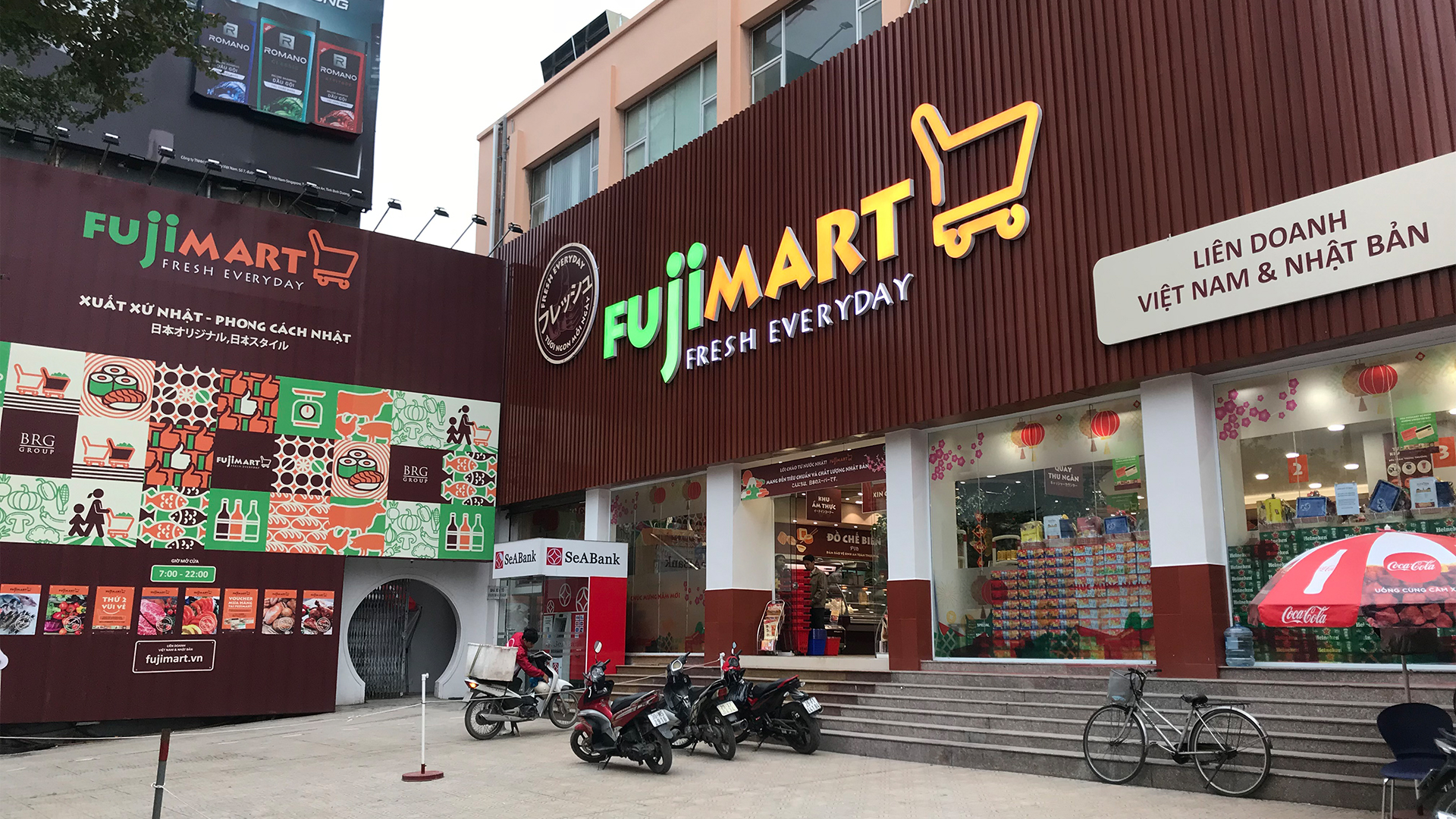
    Sumitomo Corporation is accelerating its expansion plan for its FujiMart grocery supermarket chain in Vietnam, eyeing about 50 new stores by 2028 through its extended partnership with BRG Group.

    The retail chain aims to open five to 10 stores per year from FY2022, including new stores in Ho Chi Minh City. FujiMart offers a product range, sales floor design, and freshness management tailored to local needs that are based on Japanese-style supermarket operations.

    “In recent years, the overall grocery retail market in Vietnam has been expanding rapidly due to rising personal incomes and improved living standards bolstered by economic growth,” Sumitomo said in a statement.

    “Growing consumer awareness in areas of food security and safety, including hygiene measures taken to fight Covid-19 infections, has led to a shift from traditional retail outlets run by individual proprietors to modern stores, such as supermarkets and convenience stores which offer superior levels of safety and convenience.”

    Launched in 2018 in Hanoi, FujiMart Vietnam currently operates three stores in the city. Under the partnership, BRG group owns 51 per cent of FujiMart while Sumitomo holds the remaining stake.

  • As western retail brands exit, Russia looks east for replacements

    As western retail brands exit, Russia looks east for replacements

    Russia is looking to China, India, Iran and Turkey to plug the gap created by an exodus of western retail companies, an industry body said on Friday, as Moscow grapples to find ways to combat its growing isolation in the face of sanctions.

    The Russian Council of Shopping Centres (RCSC), an organisation representing developers, shopping centre owners and retail chain operators, said it was negotiating with its corresponding representatives in the four countries about finding alternatives to western brands.

    “A list of foreign companies that have temporarily ceased operations in Russia was sent to them so that appropriate equivalents can be found,” a statement on the RCSC website read.

    “Over time this will help supplement or completely replace goods of the defunct brands with ones of a similar quality and design.”

    Dozens of big brands have temporarily shuttered operations or exited the country since Russia sent tens of thousands of troops into Ukraine on Feb. 24 in what it calls a special operation.

    Sanctions have hampered supply chains and fuelled panic buying among some Russians, with medicine and sugar shortages reported, and accelerating inflation is set to send prices higher.

    During an RCSC meeting of more than 100 market participants, the challenges facing Russian retailers were discussed.

    RCSC cited Igor Maltinsky, director of development at Melon Fashion Group, as saying that the main challenge facing domestic retail firms was the uncontrollable growth of production costs, due to huge increases in procurement and logistics costs, as well as many other related factors.

    Melon owns four, mainly women’s, fashion brands – Zarina, Befree, Love Republic and Sela and had 846 stores across Russia and CIS at the end of 2021. It had been planning to hold an initial public offering (IPO) this year.

    On Thursday, Swedish real estate firm Eastnine, a minority shareholder in Melon, said the planned IPO had been postponed. It said western sanctions had negatively affected the company, making valuing it very difficult.

  • Ways To Have Fun And Win At Online Casinos

    Ways To Have Fun And Win At Online Casinos

    Because of greater accessibility and an enormous selection of online games available on various platforms, gambling sites now provide world-class and better gameplay than land-based casinos. 

    When you start a game at an online casino, you’re guaranteed to have fun, feel comfortable, and make money. online casino sites can be accessed from anywhere in the world. Every day, both novice and veteran gamblers ate, joining various online gaming platforms to play online casino games.

    Are you a newcomer to online casinos? Here are some ideas for having fun at an online gaming site and choosing the types of games. You can try out all these solid Online Casino Strategies for beginners at bingo online real money philippines  Casino.

    Take advantage of new promotions

    Today’s online gambling industry is rife with competition. Every day, hundreds of online gambling sites compete for the hearts of users. Because the online market is worldwide, online websites employ marketing strategies to attract new customers and retain current ones. One of the most popular methods is to use free spins and promotional offers.

    You can take advantage of these offers to increase your winnings in online casinos in the Philippines. Use the free spins as well as bonuses to give yourself an advantage when trying to play at your favourite casino. 

    Once you’ve used up your rewards in one casino, you can always join a new one and take advantage of their new player welcome bonus.

    Enter the chat rooms

    Joining chat rooms allows online gamers to interact with other gamers while still playing their favourite games and having a strategy. You can meet someone new and exchange ideas on how to improve as a player here. 

    Whether you’re lucky, you might even meet professional gamers who can help you improve your gaming abilities. Live dealer games also allow players to interact with a true dealer via webcam.

    Take part in tourneys

    Tournaments are available at reputable online gambling sites. You can participate in these tournaments and compete against the finest punters. It’s a great way to put your online gambling knowledge to the test, and you might even get a chance to win big.

    Experiment with some entertaining titles

    Since all online casinos offer digital, you can play a variety of slots with different features and themes. To Win At Online Casinos and provide a diverse range of games, online casinos collaborate with some of the best software vendors, including Netent, Evolution Gaming, and many others.

     Some of these development companies create new games every month. There are currently literally thousands of online slots to keep you occupied for years. There is something and someone for everyone, whether you prefer slots or table games.

    Examine guide books as well as reviews

    Understanding online players’ favourite titles is the best approach for having fun at a gaming site. Reading reviews as well as guidebooks is an excellent way to accomplish this. 

    They assist you in fully comprehending the fun and devising a great strategy to increase your winnings. Before you begin gaming, make sure you have read the types of bonuses. You can also play games for free.

    Set spending restrictions

    The right approach to bet is to bet in a responsible way. Most online casinos will gladly assist you with this. Setting limits is a prevalent tool for assisting players. As a casino customer, you can set a loss as well as a win limit. These limits are clever ways to keep track of how much you end up losing or win over time.

    The best part is that you can set these limits myself, and they can be rebooted daily, weekly, or monthly. Once you’ve reached your limit, you won’t be able to place any more wagers until the limit is reset. A win cap works on the same principle, but with a player’s account.

    Final Thoughts

    In conclusion, Gambling Fun is quickly becoming popular among individuals from different walks of life and with a wide range of financial means. Trying to incorporate our top tips into your casino style will help you ensure that you enjoy and also have fun while gambling online. 


  • Paris Baguette Indonesia grows as sales exceed expectation

    Paris Baguette Indonesia grows as sales exceed expectation

    SPC Group announced on March 24 that it is opening two Paris Baguette stores in Indonesia, one in Jakarta and the other in Bekasi. They are the third and fourth Paris Baguette stores in Indonesia, respectively.

    Paris Baguette, together with its local partner Erajaya Group, opened its first store in Indonesia, at Ashta Mall in November 2021. The Korean bakery giant is quickly establishing itself in the Indonesian market. Thanks to a great response from local customers, it expanded its presence beyond the capital city of Jakarta to the neighboring city of Bekasi.

    The third Paris Baguette store in Indonesia is located on the first floor of Pondok Indah Mall, one of the top five premium shopping malls in Jakarta, which is visited by an average of 100,000 people a day. The 162-squre-meter store opened with 66 seats on March 23.

    SPC Group is planning to operate Pondok Inda Mall Store as a flagship store in Indonesia that provides differentiated products and services. For customers who enjoy simple meals, it launched mushroom risotto and spicy seafood tomato pasta and drinks, including green grape ice tea of SPC Group’s tea brand Teatra. Its interior gives the impression of a French greenhouse. It is decorated as an island-style store with a cozy and antique atmosphere.

    The fourth store, Sumarecon Bekasi Store, occupies a 132-square-meter space on the first floor of Sumarecon Mall in Bekasi, a large residential area in eastern Jakarta. It will open with 40 seats at the end of March.

  • Meta seals partnership for 3D ads in step toward the metaverse

    Meta seals partnership for 3D ads in step toward the metaverse

    Meta Platforms will make it easier for brands to run three-dimensional ads on its Facebook and Instagram social media platforms through a new partnership with an eCommerce technology firm.

    The integration with VNTANA will allow brands to upload the 3D models of their products to Facebook and Instagram and easily convert them into ads, VNTANA said on Thursday in a press release.

    The move is a stepping stone into advertising in the metaverse, said VNTANA Chief Executive Ashley Crowder, referring to the futuristic idea of a collection of virtual worlds that can be accessed through devices such as headsets.

    Meta has staked its future on contributing to the building of the metaverse, which it has said could take up to a decade to be realized.

    Meta previously partnered with augmented reality (AR) companies Modiface and PerfectCorp to help beauty and cosmetic brands more easily run 3D and AR advertising.

    “The metaverse is basically the spatial internet,” Crowder said. “It is a whole world of possibility that starts with having the right 3D models of your products.”

    Facebook and Instagram users who see a 3D ad while browsing on their desktop or phone can interact with an image of a handbag, for instance, and move it around to view the item from all angles.

    “In a way, this offers a glimpse of what you might expect on future devices like AR glasses,” said Chris Barbour, director of augmented reality partnerships at Meta’s Reality Labs unit.

    Before VNTANA’s integration with Meta, advertisers would need to reformat 3D files to be compatible with Meta’s ad systems. Now, brands can use VNTANA to easily upload and convert the files into ads without technical expertise in working with 3D images, Crowder said.

  • AirAsia boosts domestic and international flights

    AirAsia boosts domestic and international flights

    AirAsia gears up for the nation’s reopening by adding more international routes to cater for significant pent-up demand ahead of Malaysia reopening borders to international travel 1 April.

    With the continued easing of travel restrictions, the airline group increased domestic flight capacity in Malaysia by 156% since October 2021, when it kickstarted the Langkawi travel bubble scheme.

    It has also increased international flights by 50% since the Malaysian government’s 8 March announcement confirming the reopening of borders on 1 April.

    Currently, the airline has 75 aircraft operating flights across the group serving Thailand, the Philippines, Indonesia, Cambodia, Singapore and Vietnam.

    AirAsia Aviation Group CEO Bo Lingam said:  We’re thrilled to be resuming more flights in all of our core markets in Malaysia, Thailand, the Philippines and Indonesia and to be adding additional services to some of AirAsia’s most popular international destinations, including Bali, Manila, Bangkok, Ho Chi Minh City, Phuket and more, starting in April. Domestic flying also continues to soar across the group. We have recently  launched four new domestic routes in Malaysia from Kuching to Langkawi, Penang to Sibu, Johor Bahru to Bintulu and Kota Kinabalu to Kuala Terengganu this year.

    “While our domestic services across the group have grown by 156% in recent months due to significant consumer demand, and by 50% for international, we expect to return to 100% or more of pre-Covid domestic and international flying by the end of this year.”

    To spur travel demand and bookings to destinations such as  Singapore, Vietnam, the Philippines, India, Thailand, Indonesia, the Maldives, Brunei, Cambodia, Sri Lanka, Laos, Bangladesh, the airline group is pegging fares as low as MYRM89 one-way, while domestic routes are on sale from just MYR39 one-way.

    Travelers can book cheap fares through the ‘Flights’ option in the AirAsia Super App from now until 27 March 2022 for travel between 1 April and 25 March 2023.

  • China’s JD Logistics seals US$1.1bn capital increase, stock drops

    China’s JD Logistics seals US$1.1bn capital increase, stock drops

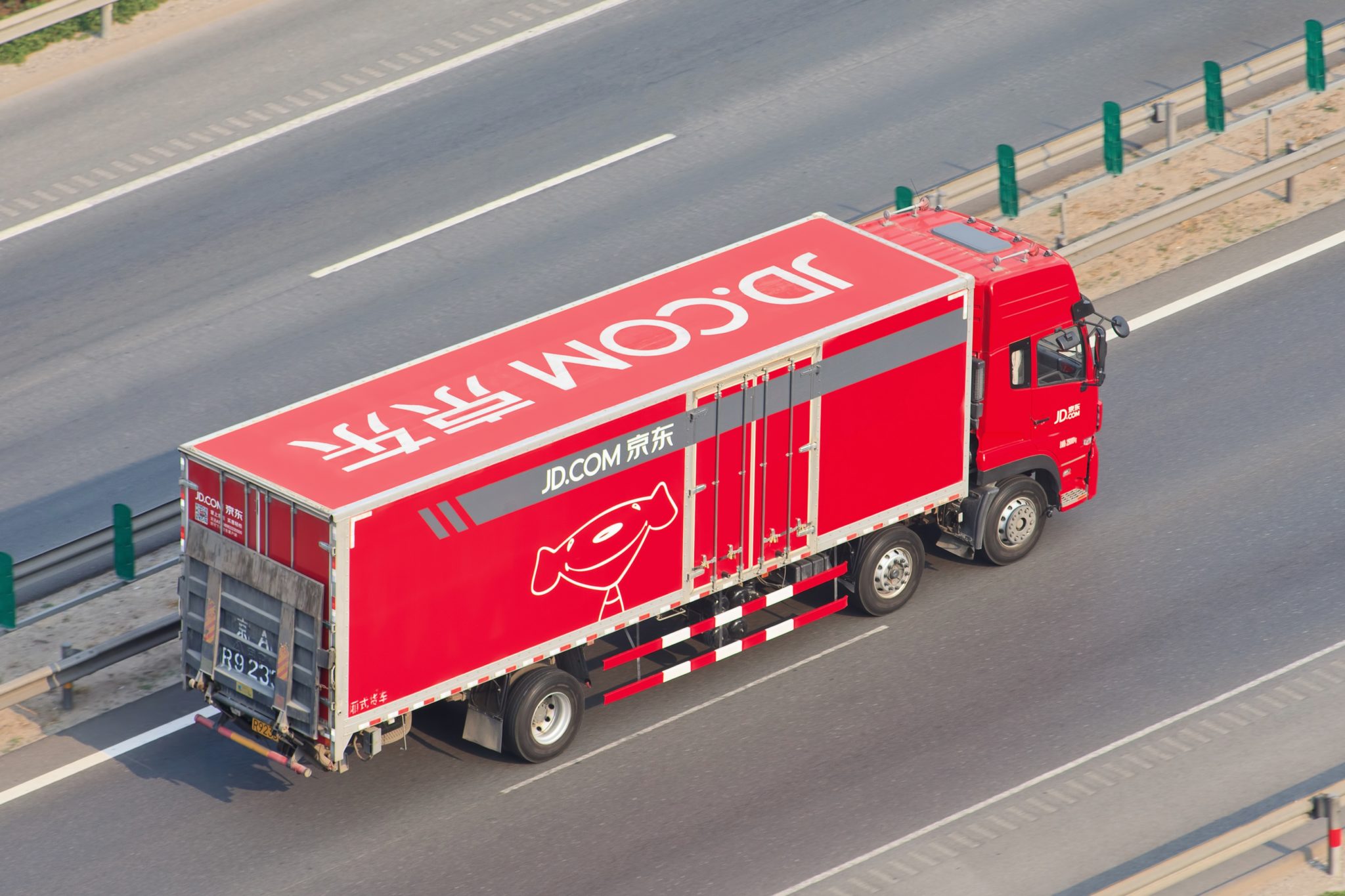
    China’s JD Logistics priced new shares issued on Friday (Mar 25) in a US$1.1 billion capital increase at a steep discount to their previous close, triggering a slump in its stock early in the Kong Kong trading session.

    According to a Hong Kong Stock Exchange filing, JD Logistics priced the shares at HK$20.71 each, a discount of about 10 percent to Thursday’s closing price, to raise HK$8.53 billion (US$1.09 billion) on Friday. The stock fell by up to 11 percent on Friday in early trade to HK$20.35.

    The deal consisted of a placement of about US$700 million worth of shares to its parent company JD.com, and about US$400 million in a primary share sale, according to filings on Thursday.

    It was the first follow-on share sale in Hong Kong since Feb. 21, and the biggest since Sunac China carried out a US$580 milllion top-up placement in early January.

    It was also the third-largest follow-on deal in Asia and fifth globally this year, according to Refinitiv data.

    The share sale came despite ongoing volatility in regional equities markets, with Hong Kong’s Hang Seng Index down 6.5 percent this year.

    The top 15 investors who bid during the bookbuild were allocated 80 per cent of the stock that was on offer, according to a source with direct knowledge of the matter, who declined to be identified because he was not authorised to discuss the deal.

    JD.com did not immediately respond to a request for comment on the deal’s composition.

    JD Logistics said it would use the money raised to help fund potential acquisitions and build up its cash reserves.

  • Barry Callebaut expands NSW chocolate plant

    Barry Callebaut expands NSW chocolate plant

    Barry Callebaut has completed the expansion of its Campbellfield factory in Melbourne, after the 11,000 m2 site was acquired in 2020.

    The expansion will cater for local industrial food manufacturers with new production lines to increase the total operating capacity and its range of chocolate offerings. The range will now include liquid chocolate, compound, buttons and chips, in addition to the products already produced at the site such as coatings and fillings.

    “This factory expansion underlines Barry Callebaut’s ongoing commitment to Australia. The facility further strengthens our regional footprint in Asia–Pacific, producing safe and high-quality products. The move is in line with our ambition to locate production close to our customers,” said Jo Thys, President of the Asia Pacific region for Barry Callebaut.

    The factory will be equipped with chocolate refining and conching lines, which will enable the company to serve the Australian food industry from artisans to global manufacturers.

    “I am proud that our Gourmet chocolates have been brought into the country for many years now. Today, I am even prouder that our high quality ‘Made in Australia’ products are available in higher volumes, creating more chocolate happiness for our local consumers,” said Denis Convert, Managing Director Australia at Barry Callebaut.

    “With the expansion of our Campbellfield factory, we are well-positioned to become the leading chocolate manufacturer in Australia.”

  • Ads on Facebook are starting to recover from Apple’s App Tracking Transparency effect

    Ads on Facebook are starting to recover from Apple’s App Tracking Transparency effect

    Recently, Facebook has been struggling with its market share as it predicted a $10 billion loss in revenue due to Apple’s App Tracking Transparency. However, the company might be starting to recover its ad revenue.

    For those of you who don’t know, with iOS 14.5, Apple introduced a feature dubbed App Tracking Transparency (ATT), which allowed iPhone and iPad users to opt-out of tracking of their activity for targeted ads. Before this change, apps could track you across websites in order to offer you relevant ads, but Apple’s feature prevented that. And, as you can imagine, a vast majority of iOS users decided they didn’t want to be tracked.

    Facebook was among the companies that vocally disagreed with ATT, accusing Apple of harming small businesses with the move. And, as we could see later, Facebook ended up suffering quite a lot from ATT, and its ad revenue dropped significantly.

    As nothing is without consequence in this world, Facebook’s share value then plummeted because investors started selling their Facebook stock.

    However, things seem to be starting to improve, at least according to some small businesses owners on Facebook or Instagram. Many small businesses are claiming that their ads are performing better than usual. The reason for this change is… surprise, surprise – unknown at the moment.

    Earlier, Meta stated that it is working on adapting its advertisement systems to the new situation, so they can maximize the performance of ads. At the same time, many advertisers are reportedly still skeptical, but Meta seems to be working hard to maintain the improvement.

  • Twitter now lets you search your direct messages

    Twitter now lets you search your direct messages

    Good news for all people who like to track their online history to the last letter of the last message. Twitter has rolled out a new feature in its DM search bar, which allows you to search for specific messages using keywords.

    The search option has been present for quite some time but up until now it only allowed users to find a specific person or a group chat. With the latest improvement, Twitter allows people to granulate their searches and find content in their message history.

    We know you’ve been waiting for the option to search your DMs. Now you can use the search bar in your inbox to find specific messages using keywords and names.

    The new feature has been added to the Twitter mobile app – when you type something in the search bar at the top of your inbox, you’ll see additional filtering options – people, groups, or messages. If you chose messages, then the search will return DMs containing that particular keyword.

    This new search option can go way back in time and return results from up to three years in the past. However, it seems that this is the threshold, and older messages won’t appear in the results.

    Twitter keeps on adding interesting new features, last month the company added the option to tip creators with Ethereum, and back in November last year, Twitter started showing previews for Instagram links.

  • Spotify to move Greenroom to its main app, rename it to Spotify Live

    Spotify to move Greenroom to its main app, rename it to Spotify Live

    It seems that the Clubhouse craze is slowly dying out – Spotify is the latest company to make changes to its live conversation app, Greenroom. According to inside sources, Spotify plans to integrate Greenroom into the main app, and rename it to Spotify Live.

    The change is apparently happening in the second quarter of the year, with all the features migrating to Spotify. Creators will be able to organize and start conversations in Spotify Live, and subscribers will be able to listen to them in the main app.

    There’s another piece of evidence, tied to the change – it was found in the beta app by developer Steve Moser who allegedly shared the matter with Bloomberg. Spotify reacted to the popularity of Clubhouse, which exploded last year, by acquiring Betty Labs, the maker of social audio app Locker Room, and then rebranded the product to Greenroom.

    The short-lived success of Clubhouse resulted in many companies trying to replicate the functionality – Twitter introduced Spaces, and Facebook launched Live Audio Rooms. According to data from SensorTower, Clubhouse scored less than 1 million active monthly users in October 2021, compared to the top result of 9.6 million active users back in February of the same year.

    Integrating Greenroom into Spotify is probably a wise choice, as the standalone app failed to take off and managed to haul only 140,000 installs on iOS as of July 2021. Spotify, on the other hand, ended 2021 with 406m active users and 180m subscribers, and giving them the opportunity to listen to these Clubhouse-like streams may breathe a new life to the feature.

  • Google improves its search criteria for product reviews

    Google improves its search criteria for product reviews

    You’ve probably been in a situation where you’ve been looking to buy a new smartphone and have been constantly searching for reviews in order to decide if this phone is worth your hard-earned cash. Apparently, Google understands how important product reviews are to potential buyers. It recently improved its search engine to display more relevant reviews for potential buyers to easily decide if they want to buy a product or not.

    From now on, for Google Search to show reviews as search results, Google will be looking to see if product reviews meet certain criteria. According to a blog post from Google, Google Search will now look for product reviews to:

    • Include detailed information that will assist potential consumers in understanding all of the product’s pros and cons.
    • Come from people who have really used the products they’re talking about and can show what the product looks like and how to use it.
    • Include additional helpful information that manufacturers don’t provide, such as additional photos, audio, or links to other content that shows the reviewer’s experience with the product.
    • Include product comparisons or explain how a certain product differs from its rivals.

    Google’s new search criteria for product reviews currently only work if you search in English. But Google stated that it would expand these new criteria to other languages as well. In this regard, Google said, “Ultimately, our goal is to help people find trustworthy, reliable advice when they come to Search — no matter what they’re looking for.”

  • Apple reportedly considering a monthly subscription program for iPhone and other hardware

    Apple reportedly considering a monthly subscription program for iPhone and other hardware

    Apple is working on a hardware subscription service that would let you use its products in exchange for a monthly fee. It would be different than the iPhone Upgrade program that lets you pay for the iPhone in 24 monthly installments. Under that program, the device is yours once you have paid for it in full.

    The new rumored Apple subscription service will not work like that. It will be similar to paying a monthly subscription fee for paid apps. So, while this would let you use products like the iPhone during the subscription period, the monthly fees wouldn’t be the same as splitting the cost of an iPhone over a 12 months period, for instance, and thus, the phone will technically never be yours. It would be more like a leasing service.

    At the risk of reading too much into this, it could be that the monthly fees will be a lot lower when compared to the installments charged by carriers and Apple at the moment for ownership programs. The report adds that users would be able to swap out phones when a new one comes out.

    This would generate recurring sales for the company and will help further reduce the influence of carriers since Apple will apparently operate this program itself, via the App Store or iCloud.

    At the same time, it would also make Apple products more accessible to consumers who cannot afford to pay for the devices upfront.

    Apple could bundle it with the Apple One services subscription program and AppleCare extended warranty and technical support plans and promote it as a one-stop subscription service.

    Apple’s hardware subscription program has been subject to delays, and we can expect the company to formally announce it by the end of this year or in 2023.

  • Google Meet update adds important audio capabilities

    Google Meet update adds important audio capabilities

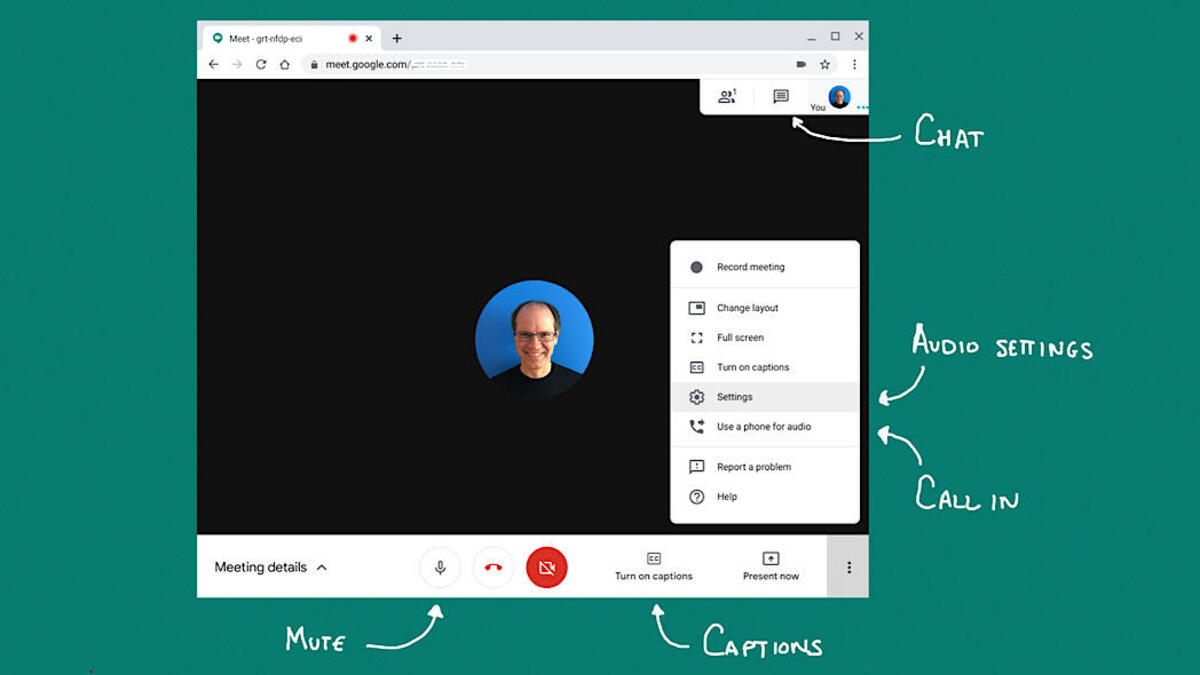
    Google Meet is getting a small yet important update this week, which adds noise cancellation capabilities to the app. The new feature is available to all Google Meet users starting today and there’s no need to make any adjustments to the app’s settings to benefit from noise cancellation.

    Google Meet users can take advantage of noise cancellation if they join a meeting using any Google Meet hardware devices. Also, the feature is available for the meeting organizer’s Google Workspace edition. It’s important to mention that if a user has noise cancellation, the feature will be active in all meetings regardless of whether the meeting organizer has noise cancellation or not.

    Google Workspace accounts that have noise cancellation enabled by default for their organizations in meetings with other people outside, they can also use the feature, but only during that meeting.

    The new feature is enabled by default for Google Workspace Business Standard, Business Plus, Enterprise Essentials, Enterprise Standard, Frontline, Enterprise Plus, and Workspace Individual Subscriber accounts. However, noise cancellation will not be on by default for Education Plus, and Teaching and Learning Upgrade accounts.