Author: Mei Ling Tan

  • Citroen To Launch One New Model In India Every Year

    Citroen To Launch One New Model In India Every Year

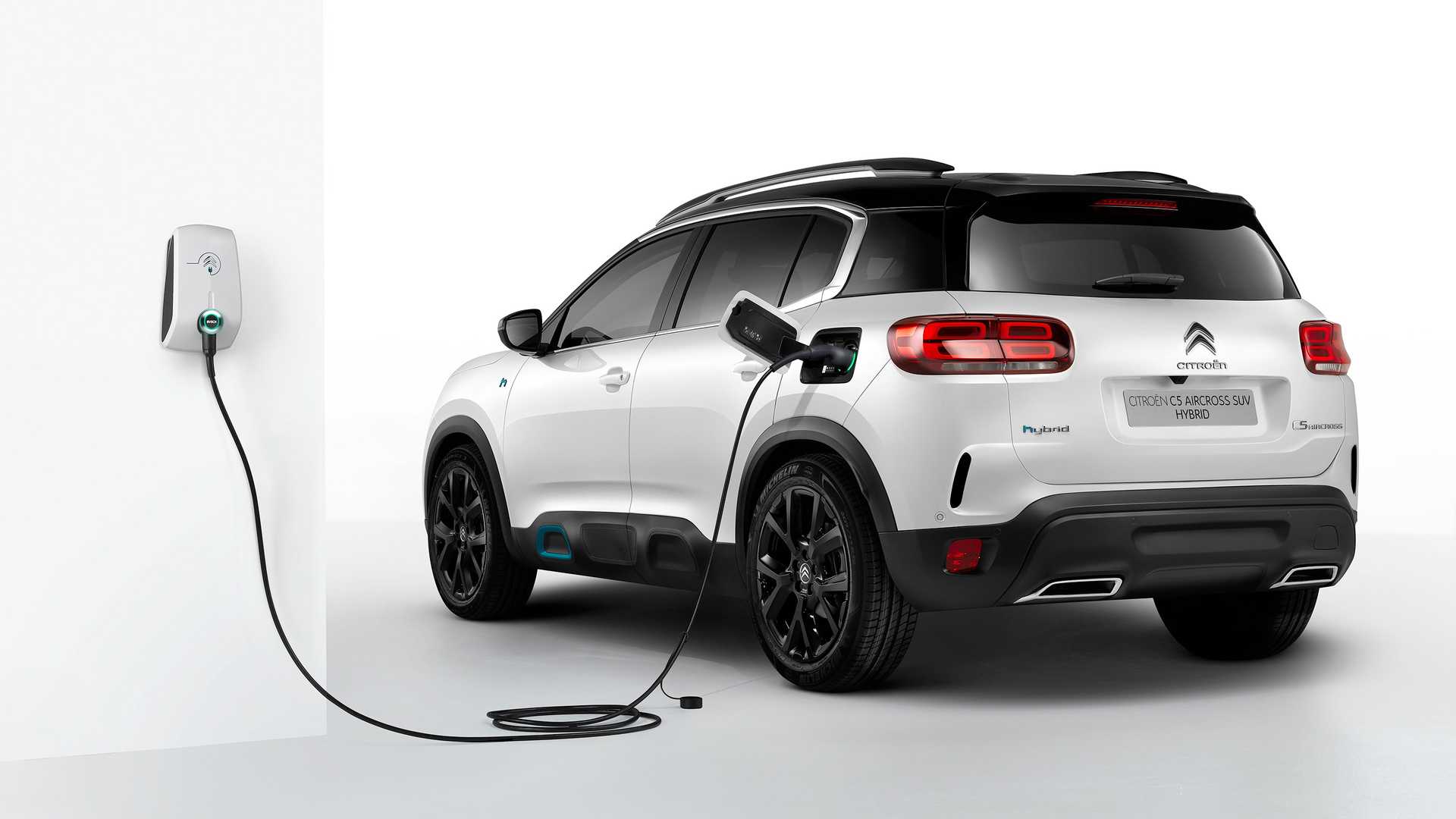
    Citroen is all set to begin sales operations in India next month which is when it will take the wrap off its first model- the Citroen C5 Aircross and it’s just the beginning of the Journey for the French carmaker in India. Citroen has inaugurated it ‘La Maison’ showroom in Ahmedabad, Gujarat, and is promising that it will keep introducing at least one new model every year, in a bid to gradually build up its product line-up in our market.

    Now a couple of models other than the Citroen C5 Aircross which will be a Jeep Compass and Tata Harrier rival, have been spotted doing rounds in India last year. The next model which most likely will hit our market by the end of 2021 or early next year will be the C3 Aircross which is a smaller subcompact SUV, taking on the likes of the Maruti Suzuki Vitara Brezza and Hyundai Venue among others. Then, the Citroen Berlingo MPV was also spotted testing in India last month, and if on its arrival, it will enter a segment where Renault had launched the Lodgy five years ago. However, we don’t have any final word from the company on its launch yet.

    Roland Bouchara, Vice President – Sales & Marketing, Citroen India, “We have a clear intention which not many manufacturers had when they entered the country. We have created an ecosystem in India. We have engineering, R&D facilities already here and we are already manufacturing the diesel engine at the Hosur plant. We are looking at localization levels of 90 percent -100 percent in our cars for India.”

    The company has also confirmed that all upcoming models will be underpinned by the C-Cubed platform and will have both petrol and diesel engine options. The Citroen C5 Aircross will also be powered by a 2.0-liter, four-cylinder diesel engine that puts out 177 bhp and 400 Nm of peak torque and will be mated to an eight-speed torque-converter automatic unit. The petrol version will be added later to the line-up. Citroen will open 10 dealerships in different cities before the launch of the C5 Aircross.

  • Cartier and Asia help Richemont quarterly sales rise 5 per cent

    Cartier and Asia help Richemont quarterly sales rise 5 per cent

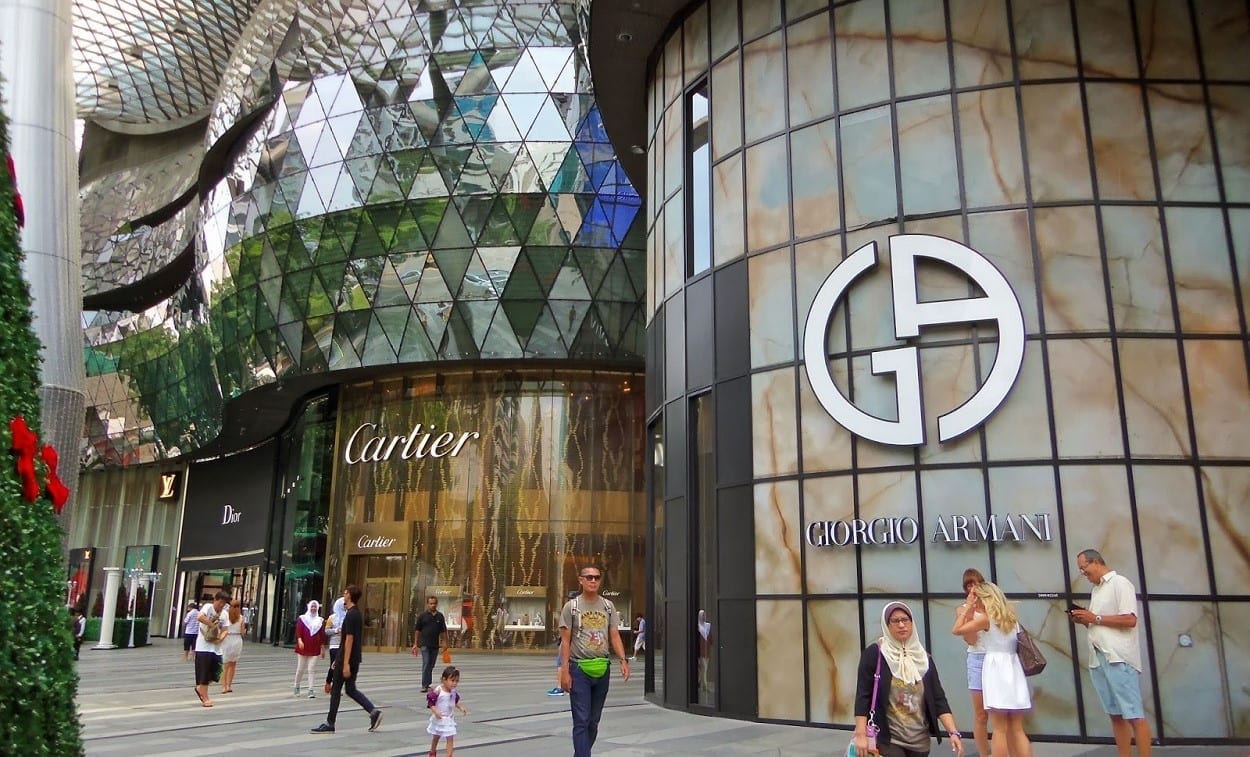
    Richemont, maker of brands Cartier and Van Cleef & Arpels, on Wednesday posted a 5% increase in quarterly sales led by strong growth at its jewelry brands in Asia Pacific and the Middle East.

    Luxury watch sales have contracted sharply during the COVID-19 pandemic, but the jewelry category led by Richemont’s Cartier brand has fared better, motivating LVMH’s recent acquisition of U.S. jeweler Tiffany.

    Richemont, the world’s second-biggest luxury group behind LVMH, said sales at constant exchange rates grew 5% in the company’s third-quarter, while sales at current rates rose 1% to 4.19 billion euros ($5.09 billion).

    The Geneva-based group did not give an outlook.

    Shares were indicated to open 3.2% higher, according to pre-market data by bank Julius Baer.

    It said it had seen strong growth in Asia Pacific with China up 80%, while Dubai in the Middle East had benefited from resumed tourist spending. Europe declined 20%, hit by the absence of tourism and store closures, and the Americas stagnated.

    Jewelry brands Cartier and Van Cleef & Arpels posted 14% growth, while watch brands were down 4%.

    “Richemont’s Xmas quarter was clearly ahead of expectations, which was mainly due to strong growth in Jewellery Maisons, which is also the main earnings contributor,” Vontobel analyst Rene Weber said, recommending to buy the stock.

    Kepler Cheuvreux’s Jon Cox said declines in Europe were also less than feared. “There is clearly an appetite for luxury given pent-up demand,” he said.

  • Prada cuts ties with Chinese actress after surrogacy controversy

    Prada cuts ties with Chinese actress after surrogacy controversy

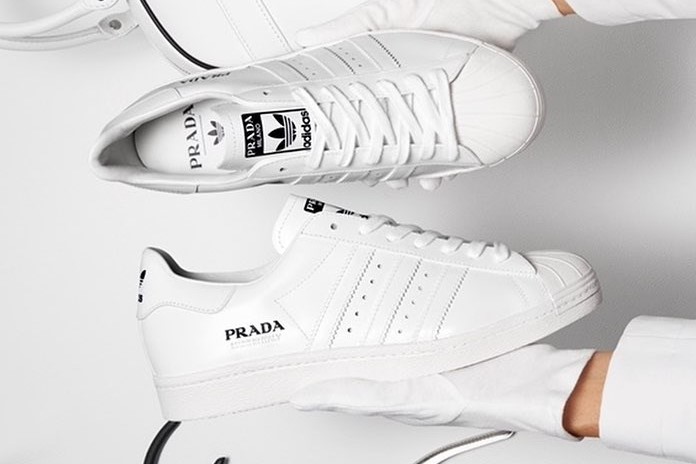
    Italian luxury label Prada has ended all cooperation with Chinese actress Zheng Shuang, a week after appointing her as a brand ambassador after she was engulfed in a surrogacy controversy that has enthralled the Chinese public.

    Prada made the announcement late on Tuesday, after coming under heavy criticism on Chinese social media for cooperating with 30-year-old Zheng, whose former partner Zhang Heng has accused her of trying to abandon two young children the couple had through a U.S -based surrogate.

    It is the latest global brand to succumb to public pressure in China, where customers have become increasingly vocal about their expectations for the behavior of companies and celebrities, especially foreign ones.

    “The Prada Group has terminated all cooperation with Ms Zheng Shuang,” the company said on its official Weibo account, without providing further details.

    Prada did not respond to Reuters queries on Wednesday. Zheng and Zhang also did not answer Reuters’ requests for comment.

    China has become an increasingly important market for luxury labels during the global pandemic and its shoppers are expected to account for around half of all global spending on high-end brands in 2020, up from 37 percent in 2019, according to McKinsey & Company.

    Prada has said the group’s China sales jumped 60 percent in June and 66 percent in July.

    “The hit to Prada’s image is huge,” said Huang Shengming, professor of the Communication University of China in Beijing. “Their decision to stop working with Zheng is an effort to cut their losses and it’s the right move.”

    Surrogacy Controversy

    The controversy erupted on Monday after Zheng’s former partner Zhang Heng said on social media that the couple had turned to a surrogate to birth two children in the United States and released voice recordings of a woman he said was Zheng lamenting that the children could not be aborted.

    Zhang said he was stranded in the United States because he had to take care of the two children born in 2019 and 2020.

    Zheng quickly became the target of public criticism, with Weibo users calling her “irresponsible” and “vicious”. The controversy has over the past three days been a top trending item on the Twitter-like site, with 600 million views and more than 100,000 comments.

    Thousands of users also left comments on Prada’s Weibo account to question and ridicule the brand for hiring her.

    On Tuesday, the actress said on her Weibo account that she had not violated laws in either China or the United States but did not comment on whether any of the accusations were true.

    “It’s a very sad and private matter for me,” she said.

    Surrogacy is forbidden in China but going abroad to have surrogate children in countries such as the United States has increasingly become an option for some Chinese couples, especially wealthy ones.

    Chinese state media have weighed in on the Zheng controversy. Changan Sword, an online media site backed by the Central Political and Legal Affairs Commission, criticized her for taking advantage of the law and “corrupting human ethics”.

  • LG Display will no longer supply Apple with LCD panels for certain iPhone models

    LG Display will no longer supply Apple with LCD panels for certain iPhone models

    A new report from Korea’s The Elec says that LG Display will no longer be supplying LCD panels to Apple for the low-priced iPhone SE model. The company will continue to sell a small amount of OLED to Apple for the Apple iPhone 12 series. The factories that LG Display used to manufacture LCD for Apple will now make in-vehicle displays.

    The reason for LG Display’s decision to back out of producing LCD panels for Apple might have to do with its inability to make a profit from the business. Starting with last year’s iPhone 12 series, Apple’s new high-end models use OLED only which reduces the demand for LCD from the tech giant. LG Display reportedly stopped producing LCD panels for the iPhone during the third quarter of 2020 and by the end of the following quarter, it also stopped supplying other smartphone firms with LCD displays.

    Apple CEO Tim Cook has made the long trek to the pitcher’s mound where he has signaled to the bullpen for replacements to LG Display; Sharp and JDI will take over the job of supplying LCD screens for the iPhone. The factories that LG Display used to make LCD panels for Apple will now be used to manufacture low-temperature polycrystalline silicon (LTPS) thin-film transistors (TFT). The latter is used for touchscreen displays used in vehicles.

    This year’s iPhone 13 Pro models are rumored to be equipped with ProMotion panels that update the screen 120 times per second (120Hz). At that rate, battery life takes a hit.

    But with low-temperature polycrystalline oxide (LTPO) displays, the screen can adjust the refresh rate to run at 120Hz when needed to make an animation (such as the kind you’d find on mobile games) run and look smoother. At the same time, when the content on the display is more static (like when you’re viewing an email or text), the refresh rate changes to a lower number in order to prevent the phone’s battery from draining to quickly.

    At this point, it isn’t clear whether LG will be involved in the production of the LTPO panels alongside Samsung and BOE. The latter has tried to find a place among Apple’s display suppliers but has had problems with its output passing Apple’s Quality Control.

  • Bidders Emerge for AXA’s Singapore Unit

    Bidders Emerge for AXA’s Singapore Unit

    Three bidders have reportedly emerged as frontrunners for AXA’s business in Singapore after the French insurer first signaled a potential sale in August last year.

    HSBC, Malayan Banking’s insurance joint venture Etiqa and an at least one Chinese firm are reportedly in the running, according to a «Bloomberg» report citing unnamed sources.

    Etiqa was established in 2005 and provides general and life insurance solutions. It was founded as a merger between a Maybank-Ageas joint venture and Malaysia’s National Insurance.

    HSBC also has an existing insurance business in Singapore and its chairman Mark Tucker recently called for accelerated expansion across Asia.

    According to the report, expectations are for the sale to raise about $700 million amid AXA CEO Thomas Buberi’s attempt to shift focus to property and casualty insurance, evidenced by its $15.3 billion purchase of XL Group in 2008.

    The three frontrunners will have a few weeks before submitting binding bids for AXA Singapore.

    AXA’s Singapore unit offers life, property, and casualty insurance and it generated 615 million euros ($745 million) of revenue for 2019, according to its annual report.

  • Burberry delivers growth in APAC, most coming from E-commerce

    Burberry delivers growth in APAC, most coming from E-commerce

    Global luxury fashion brand Burberry saw comparable retail sales decline 9 percent during its third-quarter period, as tourist traffic slowed amid the continuing Covid-19 pandemic.

    However, full-price sales jumped due to a decline in markdowns, and the business performed well in Asia-Pacific with comparable sales up 11 percent from strong growth in Mainland China and Korea.

    Japan and the South Asia Pacific, however, continue to be affected by limited tourist traffic and store closures.

    Full-priced sales increased by “double digits” in China, Korea, and the Americas, driven by Christmas and Lunar New Year campaigns, as well as a bigger focus on online pop-ups and activations supporting a 50 percent increase in full-priced sales in Burberry’s digital channel.

    Europe, the Middle East, India, and Africa saw comparable sales fall 37 percent, due to falling tourist numbers, while the Americas fell 8 percent.

    “The brand is pushing full-steam ahead with a full-price strategy to strengthen its gross margins as it continues to focus on driving online demand, particularly from new, younger customers,” said GlobalData’s Gemma Boothroyd.

    “Burberry’s online capabilities will prove vital for its ability to navigate the uncertainty of Covid-19.”

    And, with 15 percent of the business’ stores closed and 36 percent operating with reduced hours or restrictions, the business warned that uncertainty is leading to an uncertain trajectory moving into the fourth quarter.

    “We expect trading will remain susceptible to regional disruptions as we close the financial year,” Burberry said.

    “Notwithstanding any incremental lockdowns, we expect gross margins to benefit from positive full-price, regional and channel mix and lower stock provisions.”

    According to Boothroyd, Burberry’s digital focus has set the standard for other players in the luxury industry, due to the introduction of features such as AR shopping and virtual try-on capabilities.

    “The brand is also harnessing digital platforms to drive engagement through influencer partnerships,” Boothroyd said.

    “Such initiatives will continue to be crucial in Burberry’s attempts to strengthen its appeal amongst a younger demographic.”

  • CCB Nabs Bank of China President

    CCB Nabs Bank of China President

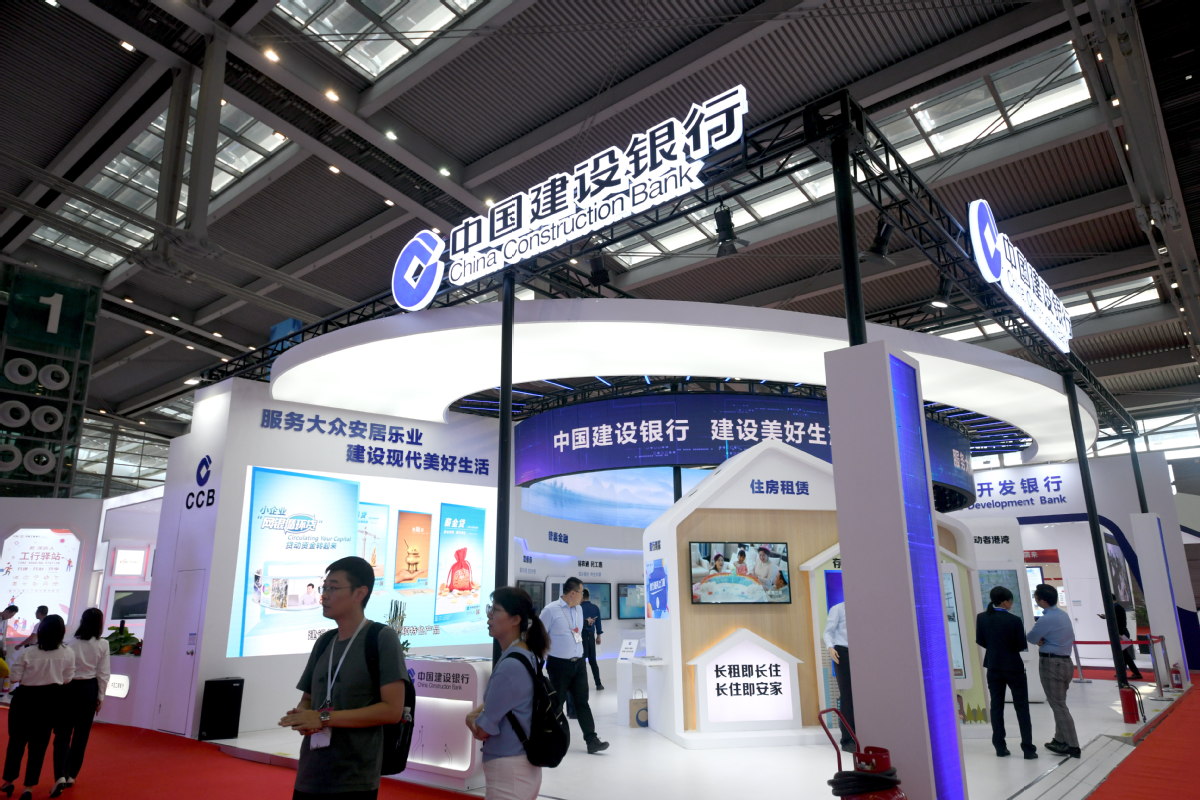
    China Construction Bank, the world’s second-largest commercial lender, hires from rival Bank of China to appoint a new president.

    Wang Jiang was named president of CCB, according to a Caixin report citing unnamed sources, filing a position that has been vacant for two months.

    Wang will also serve as vice chairman for the Shanghai and Hong Kong-listed CCB.

    Wang, 57, will be returning to CCB where he worked for many years including as its the general manager of its Hubei and Shanghai branches.

    At Bank of China, he was a vice-chairman since January 2020 and president since December 2019. He was also named vice chairman and non-executive director of Bank of China’s Hong Kong subsidiary in March 2020.

    Wang graduated from Shandong Economics College in 1984 and obtained his Doctoral Degree in economics from Xiamen University in 1999.

  • Ralph Hamers’ Long Road to Leaving ING Behind

    Ralph Hamers’ Long Road to Leaving ING Behind

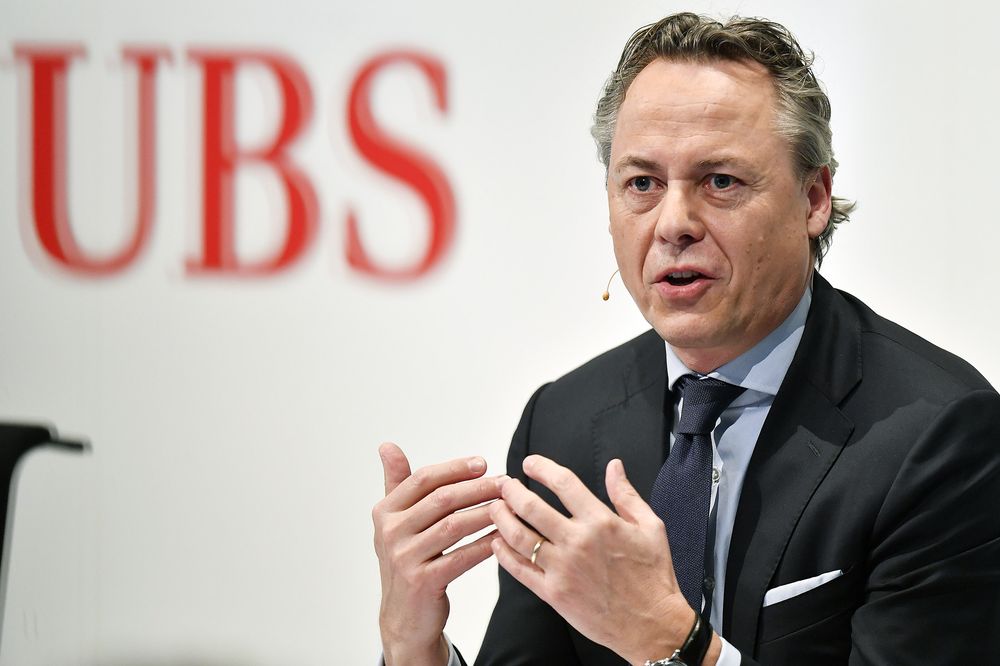
    The UBS boss has a long road to shaking off his past: he faces an 18-month journey before knowing if prosecutors will charge him in a Dutch money-laundering investigation.

    A Dutch criminal probe into whether Ralph Hamers and money laundering is ticking on after prosecutors agreed to comply with a surprising court ruling last month. Prosecutors were ordered to revisit a money-laundering scandal at ING that culminated in a 775 million euro ($939 million) settlement.

    We’re currently clarifying the organizational questions in relation to the court’s decision,» the Dutch prosecutor told HandelsblattThe German outlet reported that it may take prosecutors as long as 18 months to decide whether to press charges against Hamers or not, citing a person familiar with the investigation.

    The matter is potentially explosive for the Swiss lender, which hired him in full knowledge of the 2018 settlement – UBS had ordered an outside evaluation of Hamers while recruiting him, and the Dutch banker also passed Swiss fitness and probity checks by regulator Finma.

    What UBS didn’t know is that a Dutch activist, Pieter Lakeman, would successfully force the 2018 settlement to be reopened. This represents a major stumbling block for Hamers, who ran ING from 2013 until mid-2020, then joined UBS in September and took over fully three months ago.

    The Dutch prosecutor’s comments perfectly exemplify the logistics involved in reopening the investigation: Hamers has since moved to Switzerland and is widely expected to later this month unveil an outline of his plans to modernize and update UBS during his tenure.

    But he must also appear in-person in the Netherlands when prosecutors want to question him, seriously cutting into his chockfull calendar running the Swiss lender. The pandemic also complicates his life in a very practical way: Switzerland last week reimposed a mandatory ten-day quarantine on travels from the Netherlands (the Netherlands requires the same of all visitors from abroad).

  • Forgotten Passwords: $140 Billion Bitcoin Write-Off?

    Forgotten Passwords: $140 Billion Bitcoin Write-Off?

    Nearly $140 billion worth of Bitcoins is at risk of being permanently lost, according to online platform Chainalysis, due to forgotten passwords for decryption.

    3.7 million Bitcoins worth almost $140 billion could permanently vanish from the market, as of January 18 this year.

    Based on June 2020 figures, this represents around one-fifth of the total 18.6 million Bitcoins created in the market. Bitcoin’s infrastructure is designed to cap supply at 21 million.

    German-born San Francisco-based programmer Stefan Thomas first shined a light on the issue after he revealed that he failed to gain access to his crypto wallet to access over more than $200 million worth of Bitcoin.

    Thomas had already made eight successful attempts and he has two more remaining to save his sizeable Bitcoin holdings.

    I would just lay in bed and think about it. Then I would go to the computer with some new strategy, and it wouldn’t work, and I would be desperate again, he recalls. I got to a point where I said to myself, ‘Let it be in the past, just for your own mental health.

  • The giddy rise of Vietnam’s steel billionaire

    The giddy rise of Vietnam’s steel billionaire

    Tran Dinh Long, dubbed the “king of steel,” had no experience in the steel industry when he decided to enter it anyway in the mid-90s.

    “All I had at the time was passion and a lack of fear,” Long, founder and chairman of Vietnam’s biggest steelmaker, Hoa Phat Group, said in a recent interview.

    The company was, in the beginning, distributing machinery and equipment and furniture, but it was steel that ultimately took it to dizzy heights. Hoa Phat had a 32 percent share of Vietnam’s steel market as of August 2020, making it the biggest player in the industry, according to the Vietnam Steel Association.

    The name Hoa Phat cropped up again and again in the news in the past year when its HPG stock, listed on the Ho Chi Minh Stock Exchange (HoSE), chalked up some of the most impressive gains on the VN-Index, thanks to record profits despite the Covid-19 pandemic and a growing market share.

    On Monday, the share closed at VND44,600 ($1.94), more than three times up from its nadir in last March at the height of the Covid-19 crisis when most Vietnamese stocks hit the bottom, and its all-time high price.

    According to the Bloomberg Billionaires Index, HPG’s performance took the net worth of Long and his wife to $1.9 billion. He believes the stock is still not overvalued through its price-earnings ratio (P/E) is nearly at its highest level in 10 years.

    Long started his business in the early 1990s. In 1992, he and some friends set up the Hoa Phat Equipment and Accessories Co., Ltd. to sell machinery and equipment.

    In 1995 it diversified into furniture, becoming a distribution agent for imported products.

    It was in 1996 that Hoa Phat established its first steel unit, at first called Hoa Phat Steel Pipe Co., Ltd. and four years later becoming Hoa Phat Steel JSC.

    “A newly industrialized country has to build a lot of infrastructures,” Long said in an interview, explaining that was the reason he had bet on steel.

    By the time Hoa Phat was listed on HoSE in 2007, Hoa Phat Steel and Hoa Phat Steel Pipe accounted for more than 60 percent of the company’s revenues and profits.

    In the following years, despite a long slump in the housing market, steel still dominated HPG’s business in an overwhelming fashion.

    In 2017, when HPG had become the market leader, Long continued to bet on steel by building the Dung Quat Steel Production Complex at a cost of $2.6 billion in the south-central Quang Ngai Province.

    With the market growing, owning the entire value chain is helping Hoa Phat improve its profit margins. It also gives Long the wherewithal to engage in price wars when he wants to increase market share in new markets such as southern Vietnam.

    And if it cannot sell finished products to the market, Hoa Phat could instead sell billets to other manufacturers, he said.

    The pay-off from this strategy has been partly reflected in HPG’s performance in 2020. “Since the Dung Quat plant went on stream in the third quarter of 2019, HPG has been gradually gaining shares from other major steelmakers such as Posco SS, Pomina and VNSteel,” securities company FPTS said in a recent note.

    Thus, from 26 percent at the end of 2019, its market share rose to 32 percent by August last year.

    In 2020 it sold over five million tons for the first time, with sales of construction steel rising 22.5 percent to 3.4 million tons. Billets sold in the domestic and export markets accounted for 1.7 million tons.

    In the final quarter of the year, the company benefited from the government’s determination to increase spending on public infrastructure, Vietcapital Securities said.

    Hoa Phat plans to expand even further in the steel supply chain with the second phase of its Dung Quat Complex. Construction is set to begin in January 2022 and take three years. It will increase capacity by five million tons a year, with the main output being hot-rolled coil (HRC).

    “It is estimated that after completion Hoa Phat can supply five million tons of HRC per year, equivalent to about 50 percent of current domestic demand,” FPTS said.

    The focus on HRC is expected to increase the company’s income since it is an input in the manufacturing of steel pipes, a product with higher profit margins than construction steel. The segment itself also has plenty of room for Hoa Phat to grow, FPTS said.

    Long estimated that when the Dung Quat plant is fully operational, Hoa Phat’s revenues and profits could increase by 80 percent.

    “Vietnam ranks low in per capita steel consumption and has only taken the first steps in infrastructure development,” said Pham Mai Trang, associate director of research at fund manager Dragon Capital Group.

    “With the Dung Quat complex, Hoa Phat became the dominant player.” Dragon Capital Group owns a 6 percent stake in Hoa Phat.

    Though Vietnam’s steel industry has made great strides, it still has to import large volumes of finished steel and semi-finished products from China.

    Hoa Phat executives have confessed to being worried China could dump cheap steel on Vietnam if its exports continue to be hampered by U.S.-China trade tensions.

    In the first nine months of 2020 Hoa Phat reported a 40 percent year-on-year increase in revenues to VND65 trillion, and 56 percent increase in post-tax profits to VND8.85 trillion.
  • VPBank profits jump 26 pct

    VPBank profits jump 26 pct

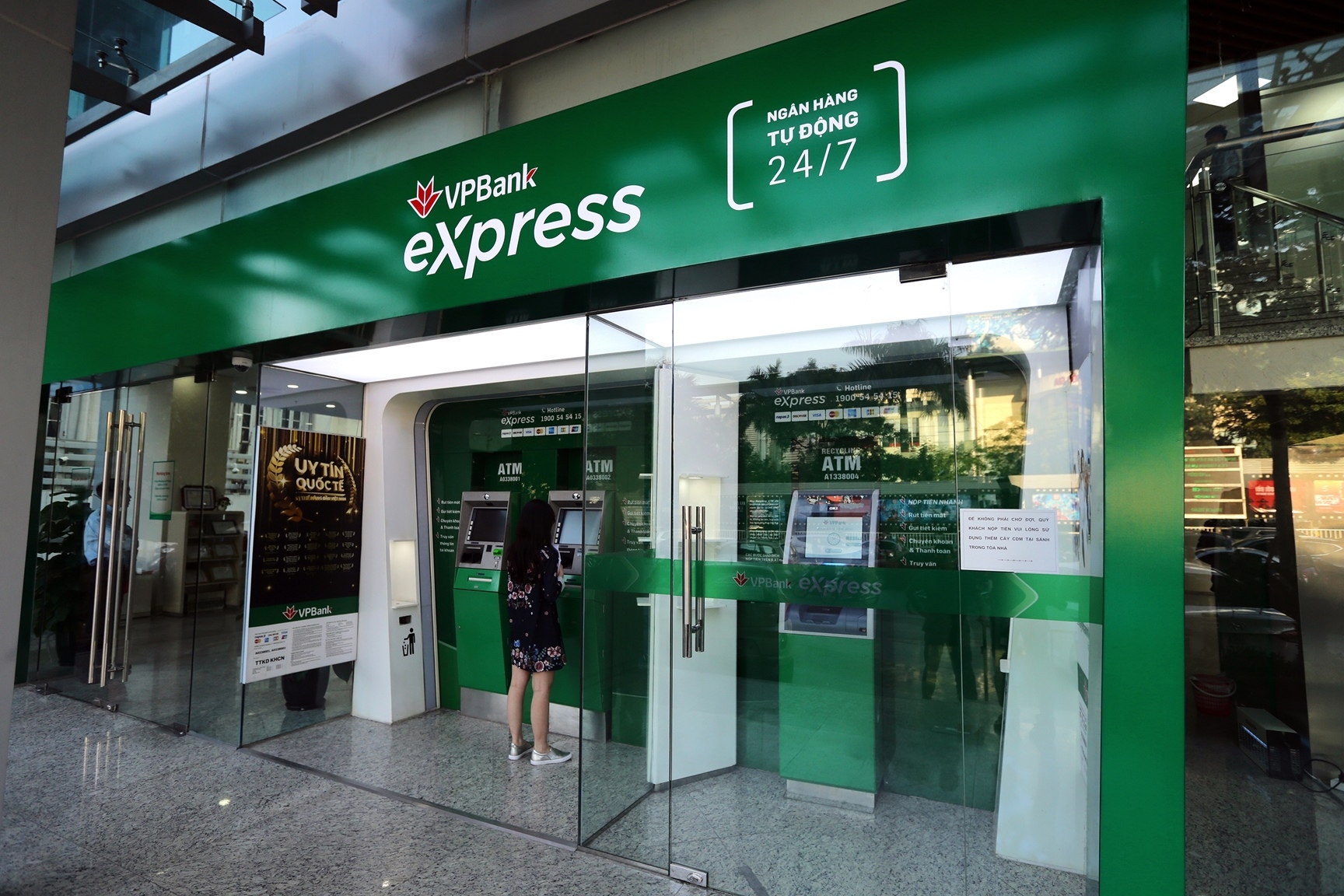
    Lender VPBank reported a 26 percent jump in pre-tax profit last year to VND13 trillion ($564.24 million).

    The second and fourth quarters saw its highest ever quarterly profits of VND3.67 trillion and VND3.62 trillion.

    The lender’s profits exceeded those of state giant BIDV and private lender VIB.

    Its income was up 7.3 percent to VND39 trillion, with interest income accounting for nearly 83 percent.

    Services and securities trading were profitable, but foreign exchange trading caused a loss.

    Credit growth was 13.1 percent, and non-performing loans accounted for 2.9 percent.

    In 2019, VPBank had reported the sixth-largest pre-tax profit behind Vietcombank, Techcombank, Agribank, VietinBank, and BIDV.

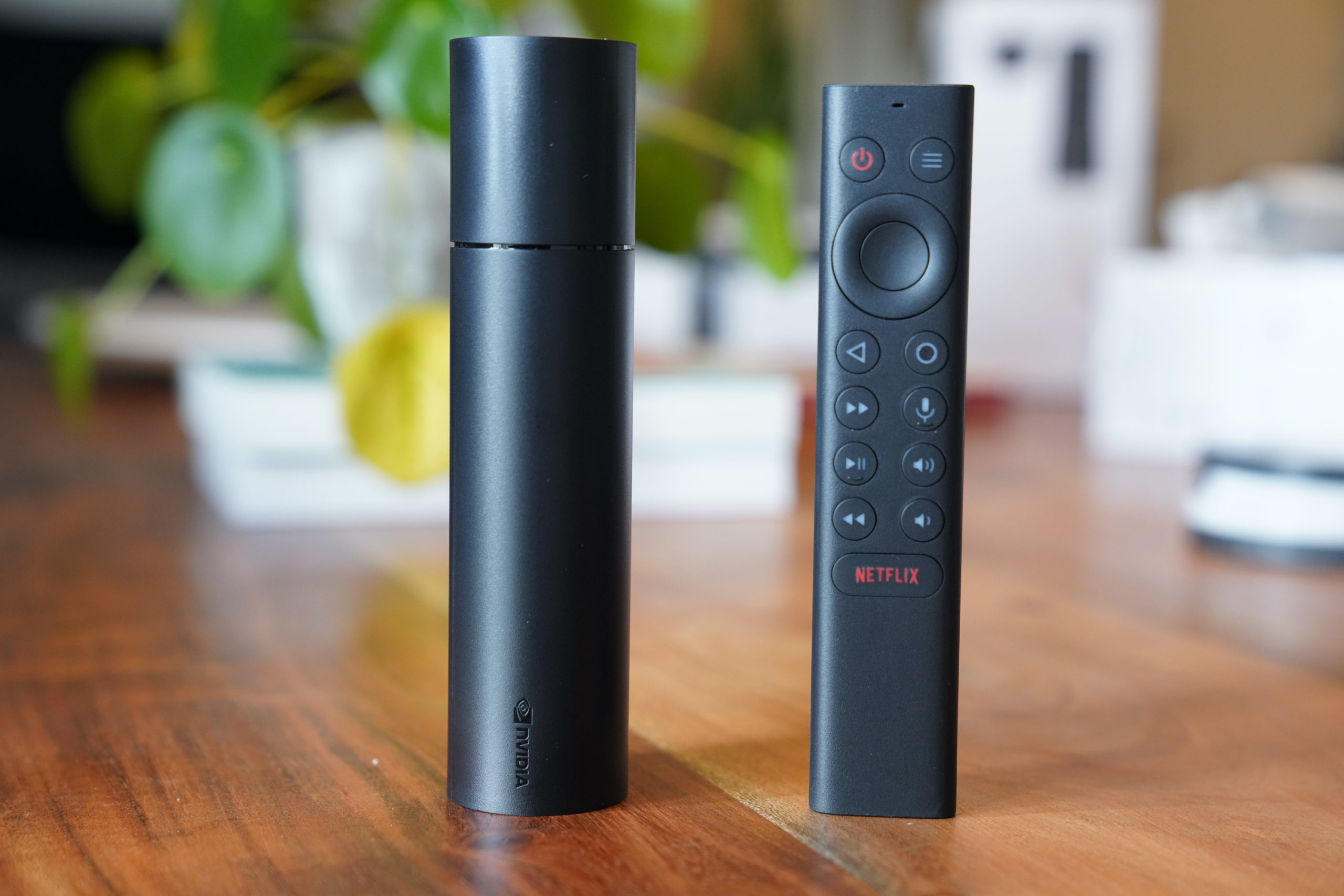
  • NVIDIA SHIELD TV’s latest update adds support for the newest controllers

    NVIDIA SHIELD TV’s latest update adds support for the newest controllers

    NVIDIA’s SHIELD Android TV box has gone through a few iterations, but the base model was launched more than five years ago. During that time, the device received numerous updates that further expanded its functionality making it one of the most reliable of its kind.

    If you own one of these digital boxes, you’ll be happy to know that NVIDIA is now rolling out another of those important updates that usually adds major new features and improvements. In this case, it’s support for both DualSense and Xbox Series X/S controllers.

    With update 8.2.2, NVIDIA SHIELD TV users will be able to connect current-gen console (PlayStation 5 or Xbox Series X/S) controllers and start playing Android or GeForce NOW games. The new feature uses Bluetooth connectivity to pair the controllers with the NVIDIA SHIELD TV, so here is how it’s done:

    Besides that, NVIDIA announced that the SHIELD TV now supports Control4 for users with home theaters. And if you’re into gaming, you’ll be happy to know that you can now play new titles on your NVIDIA SHIELD TV via GeForce NOW, including Cyberpunk 2077, Destiny 2: Beyond Light, Assassin’s Creed Valhalla, Among Us, and Watch Dogs: Legion.

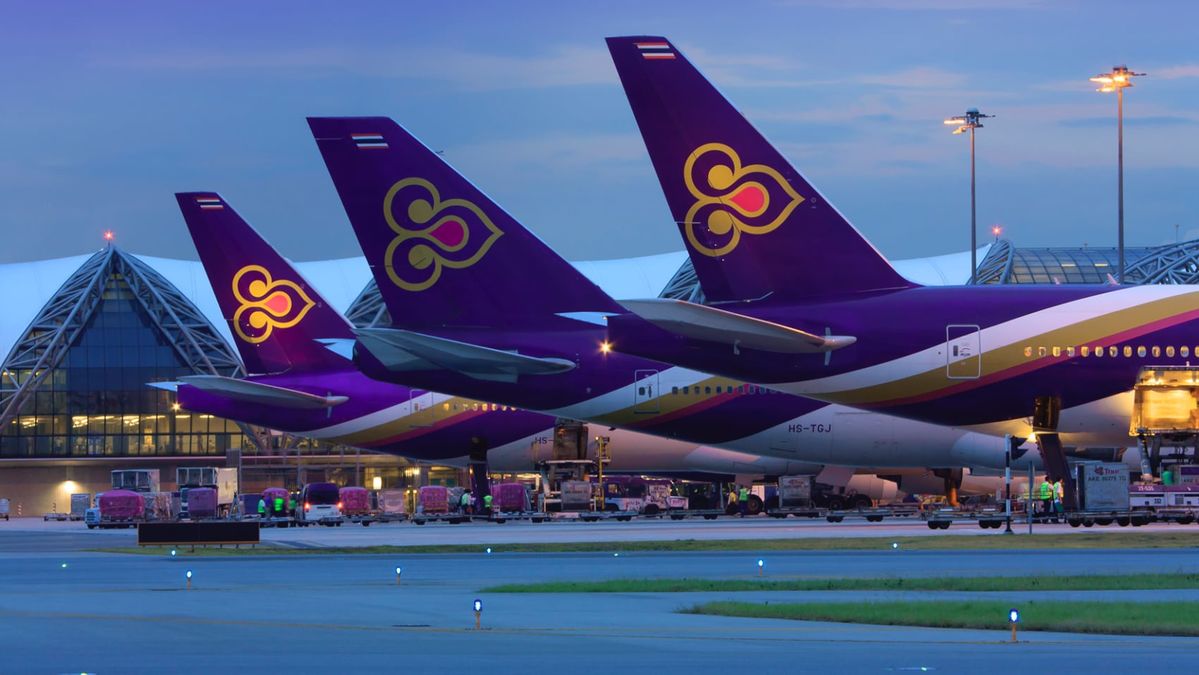
  • Thai Airways Is On Track With Its Rescue Plan

    Thai Airways Is On Track With Its Rescue Plan

    Thai Airways acting president Chansin Treenuchagron claims the airline is still on schedule with its debt rehabilitation plan. Thai Airways has until February 2nd to submit its plan to the Central Bankruptcy Court in Thailand after it was granted a one-month extension.

    In an attempt to save Thailand’s national airline from going under, the country’s Central Bankruptcy Court approved its restructuring back in September. Having accumulated $11bn in debt, the carrier was set a deadline of January 2nd to submit its full rehabilitation plan. However, the courts gave Thai Airways an additional month to finalize its rescue plan, with a new deadline of February 2nd.

    The extension suggests Thai Airways has been struggling to reach a satisfactory agreement with all parties involved. In a statement, acting president Chansin Treenuchagron offered reassurance that the airline is still on track with its plan.

    The nature of Thai Airways’ debt is complex, with banks, aircraft lessors, lenders, and suppliers all looking for a satisfactory outcome. The airline is ‘moving closer and closer to an agreement’ with its creditors. Before it can submit its plan to the Central Bankruptcy Court, Thai Airways requires approval from its creditors.

    While Thai Airways initially planned to implement the restructuring plan by the first quarter of 2021, it wasn’t able to finalize and submit the details in time. The airline is also working with consultants and advisors to help it deal with all the complexities of the restructuring process. Mr. Treenuchagron added,

    Thai Airways has been in a difficult position for a few years now, with fierce competition from low-cost carriers contributing towards spiraling debt. The airline was in a precarious position before the COVID pandemic had begun, with the downturn in air travel only adding to its woes. By July 2020, Thai Airways had defaulted on over $3bn worth of debt and suspended most of its operations.

    Domestic air travel has remained steady in Thailand for most of 2020, with the country faring better than most in its domestic market. However, a second COVID wave sweeping across Thailand has led to a 60% drop in air travel since the beginning of the year. Thai Airways has resorted to increasingly novel methods of raising capital during the pandemic. This includes selling surplus consumables like salt shakers, aircraft tires, and wine glasses, as well as auctioning off 32 widebody planes.

  • AS Watson and Grab launch regional health & beauty partnership

    AS Watson and Grab launch regional health & beauty partnership

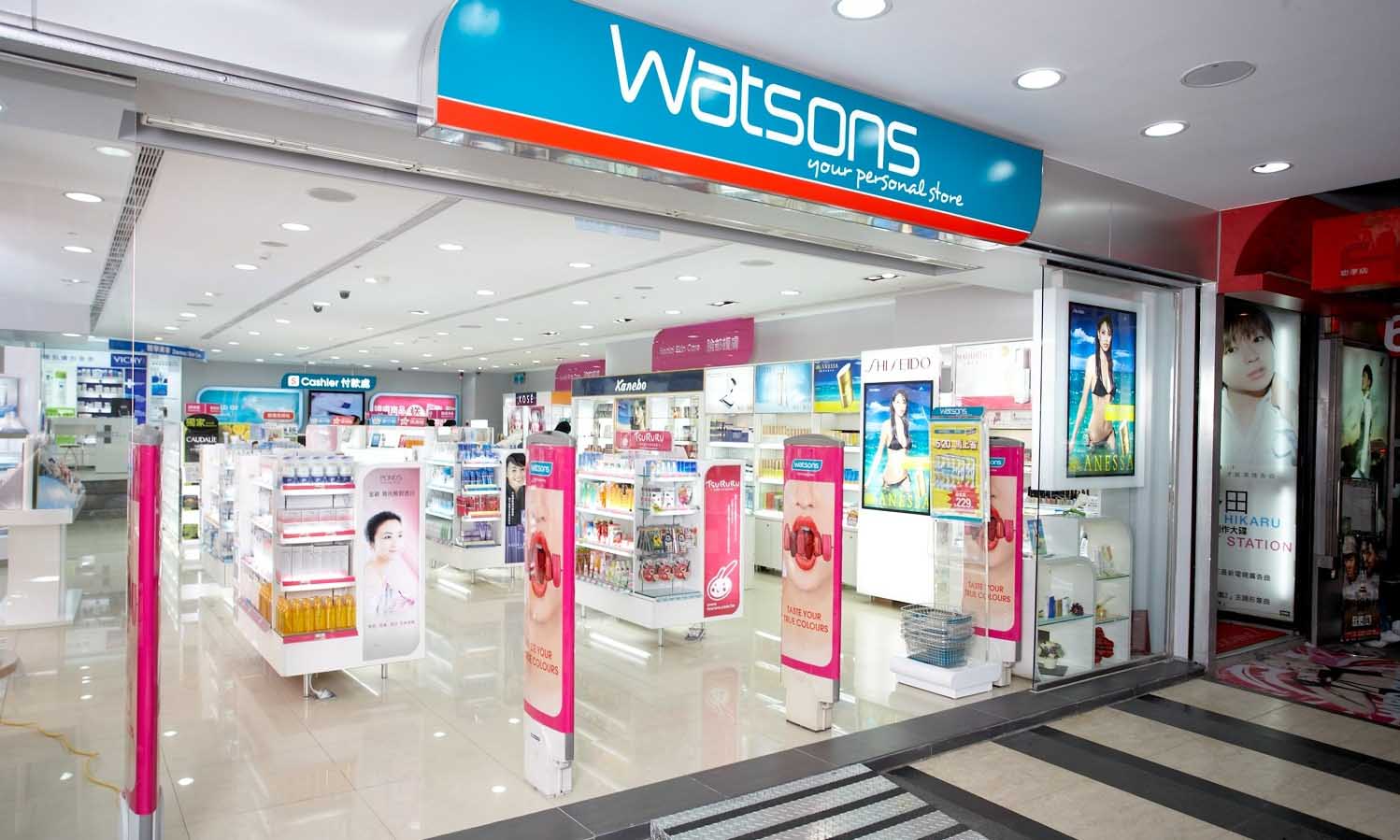
    Hong Kong-based health and beauty retailer AS Watson has partnered with Grab to launch an online and offline collaboration across Southeast Asia.

    The partnership will allow customers to access more than 62,000 health and beauty products at Watsons stores via Grab services, expanding Watsons’ online reach in Southeast Asia. The service is available in six markets: Singapore, Indonesia, Malaysia, Thailand, Vietnam and the Philippines.

    Through GrabExpress, Grab will serve as Watsons’ last-mile delivery partner in the markets, offering fast deliveries for purchases made through the Watsons website and mobile app. More than 2000 Watsons stores will be listed on GrabMart, making Watsons the largest health and beauty retailer to be on the platform.

    Meanwhile, Watsons will accept GrabPay cashless payment option in its Southeast Asia stores and integrate the digital wallet into its Watsons mobile app.

    “Covid-19 accelerated the growth of e-commerce and our customers expect their purchases to be delivered fast,” said Freda Ng, chief digital officer at Watsons International. “With our network of 2200 stores in Southeast Asia … Grab is the ideal partner to complete the purchase journey.”

    “Grab’s open platform enables companies to scale by easily plugging into our ecosystem and leveraging our unique online and offline capabilities to grow together with us in this region,” added Shawn Heng, MD, regional business development at Grab.

  • Almost three in four people are drinking less alcohol in APAC

    Almost three in four people are drinking less alcohol in APAC

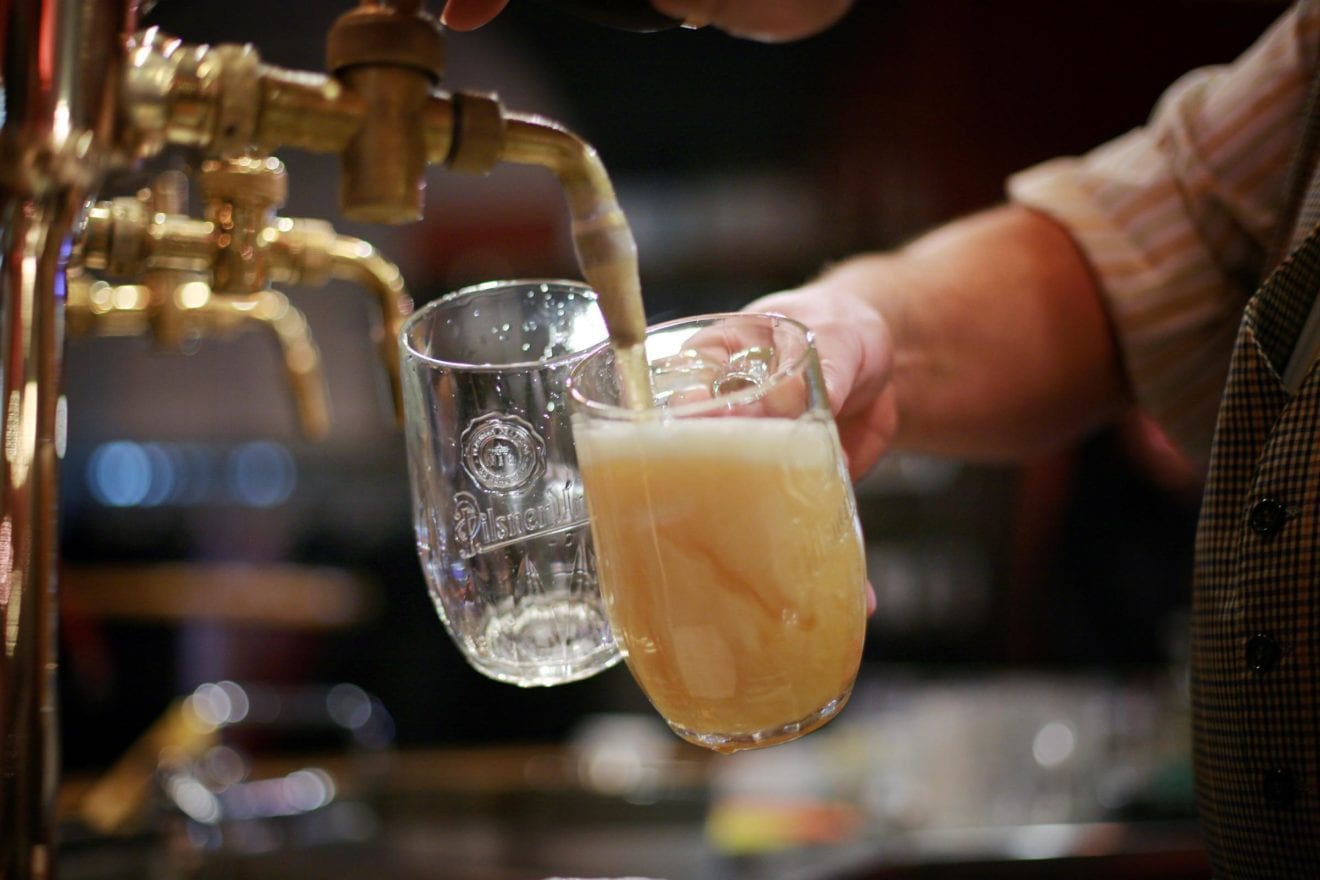
    More people are shying away from alcoholic drinks in Asia-Pacific, according to new research from GlobalData.

    Approximately three out of four people in the region said they were drinking less alcohol in August 2020, GlobalData said, and a third are likely to replace them with products that claimed to have a positive health impact.

    “APAC consumers are turning away from alcohol-driven by concerns around physical and mental health,” GlobalData consumer analyst Carmen Bryan said.

    “While general health concerns take precedence, back by almost half (49 percent) of the region’s population, weight management, fitness, physical appearance, and emotional wellbeing are all considerable factors driving low or no-alcohol innovations.”

    Around 20 percent of people in the region have stopped drinking alcohol altogether. Much of these changes have been driven by the ongoing Covid-19 pandemic, according to Bryan, as pubs and bars were shut down and people were forced to reassess their own priorities and lifestyles while in lockdown.

    “Trends are shaping new home-bound leisure and social occasions where consumers seek the same taste and feel of mature drinks without the negative implications,” Bryan said.

    “It will be crucial for brands to blur these lines further, emphasizing the positive health credentials that will help reassure consumers, both mentally and physically, to tap into multiple consumption occasions and justify a potentially higher price mark up.”