Author: Mei Ling Tan

  • Harmay teams with Chinese designer Masha Ma

    Harmay teams with Chinese designer Masha Ma

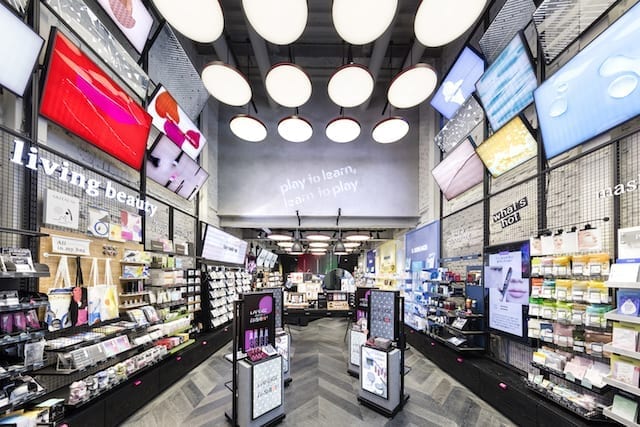
    Chinese fashion retailer Harmay has entered into a collaboration with local designer Masha Ma.

    The new collection – a move to continue the expansion of the brand despite the impact of the coronavirus pandemic – comprises T-shirts, pants and bags designed to express and contribute to the “beauty of life”.

    “Harmay was born in the golden age of China’s cosmetics and beauty retail industry,” said Harmay HK co-founder and GM Jason Ju, “and now we have grown and expanded to become a unique retail brand that pursues beauty and beautiful life.

    “Bringing consumers high-quality and innovative shopping experience and becoming a new benchmark for retail are goals we have been aiming for.”

    The brand has undergone continuous development since 2008, expanding both in terms of physical stores as well as online, where it serves an “experiential shopping journey”. The firm retails its own line of cosmetics and beauty products within China as well as products from international brands. It is an agency for more than 50 global brands and licenses more than 200 brands for distribution.

    Harmay operates stores in Shanghai, Hong Kong, and Beijing, and plans to launch in Chengdu and another Shanghai location this year.

  • Daimler Talks With Workers Heat Up, With 15,000 Jobs At Risk

    Daimler Talks With Workers Heat Up, With 15,000 Jobs At Risk

    Labour representatives at German carmaker Daimler said on Monday that discussions with management over cost cuts had become “rougher”, after a board member said over the weekend that more than 15,000 jobs were at risk. The auto industry has been hit hard by the coronavirus pandemic, which shuts factories and showrooms forcing traditional carmakers to seek deeper cuts.

    Daimler had already said in November, before the pandemic started, that it would cut at least 10,000 jobs worldwide over the following three years, following peers as they cut costs to invest in electric vehicles while grappling with weakening sales.

    Daimler says it will deepen cost-cutting measures ahead of an expected loss in the second quarter.

    The owner of the Mercedes-Benz brand had stuck with a pledge at the time to avoid forced redundancies at its German workforce until 2029.

    Daimler board member Wilfried Porth told Stuttgarter Zeitung over the weekend, however, that more than 15,000 workers would now have to take a buyout or retire to avoid forced layoffs.

    The works council for Daimler said on Monday it was aware of the seriousness of the situation.

    The owner of the Mercedes-Benz brand had stuck with a pledge at the time to avoid forced redundancies at its German workforce until 2029

    “The tone of our discussion is getting rougher and is putting our cooperation to the test,” it said.

    Daimler managed to come through a crisis in the past, the works council said, adding it had always found a way forward, and did not expect the situation to be any different this time around.

    Daimler reiterated on Monday the company wanted to avoid forced redundancies, but for this to happen the carmaker needed to find alternative ways of cutting costs.

  • Luckin Coffee names new chairman and CEO after founder ousted

    Luckin Coffee names new chairman and CEO after founder ousted

    Luckin Coffee has named Jinyi Guo as chairman and CEO as the Chinese chain tries to move past an accounting scandal that nearly brought it down.

    Guo, a director, and former acting CEO, replaces founder and former chairman Charles Zhengyao Lu, who was voted out by shareholders, the company said Monday in a statement. Yang Cha, Feng Liu, Jie Yang, and Ying Zeng were also appointed as independent directors, while David Hui Li, Erhai Liu, and Sean Shao left the board following an extraordinary general meeting July 5 and board meeting July 12.

    While shareholders voted to remove Lu and the other three directors, some investors cried foul because Lu had nominated two of the new members to the board, potentially giving him ongoing influence at the company, according to the Wall Street Journal.

    Lu has come under fire amid an accounting scandal that has already led to the firing of Luckin’s CEO and made its stock nearly worthless. Chinese and U.S. regulators have been investigating the company over fabricated transactions that inflated net sales by about US$300 million last year.

    The scandal has rocked the Xiamen-based company once considered among China’s brightest growth stories, sending the US-listed stock plunging 93 percent this year. The situation is also a black eye for China Inc as the US Congress moves closer to passing legislation that could bar Chinese companies from trading on US stock exchanges.

    In May, Luckin Coffee dismissed CEO Jenny Zhiya Qian, COO Jian Liu, and some employees who reported to them, after uncovering the scheme that funneled funds to the company from several third parties with links to the participants. The board said it fired the executives based on evidence showing their participation in the false transactions.

    Lu became a billionaire after his fast-growing Chinese chain went public in the US, but much of his wealth was wiped out by the plunge in Luckin’s stock. Lu last month resigned as chairman of Car Inc, China’s biggest rental-car fleet operator, as scrutiny increased over Luckin and the accounting scandal.

  • UBS Overseer’s Dealings

    UBS Overseer’s Dealings

    Dieter Wemmer is capping an illustrious finance career with a seat on UBS’ board. He is also partnering with a fearsome hedge fund – which may soon roil the financial industry.  In the Netherlands, the mention of Elliot Management is synonymous with unwelcome activism: the U.S.-based hedge fund in 2017 attempted to force AkzoNobel into an unwanted merger with American PPG Industries. The warring factions buried the hatchet – via a lengthy court battle.

    Elliott has a new target: it snapped up three percent of the largest Dutch insurer NN in February. Last month, Elliott called for NN to cut costs and to boost cash flow by taking more risk in its bond portfolio, in a website devoted to the campaign dubbed the time is now.

    Led by Paul Singer, Elliott has marshaled influential support for its efforts – Dieter Wemmer supports the U.S. hedge fund, and also bought a small stake in NN. There are ways to generate higher investment returns without taking on unusual risks, the German-Swiss executive told Dutch daily NRC Handelsblad last month.

    Wemmer and the activist fund are a surprising match, and a coup for Elliott: the 63-year-old looks back on a distinguished executive career in the insurance industry. He worked his way up to finance chief of Swiss insurer Zurich, where he was a leading contender to replace then-CEO James Schiro. Zurich’s board in 2010 picked Martin Senn instead – a five-year tenure that ended quietly in 2015 (Senn died by suicide six months later).

    Wemmer, a Cologne native, had moved to Allianz as their finance chief in 2011, a role he inhabited until reaching retirement age three years ago. He had in 2016 been elected to UBS’ board, where he is a member of the governance and nomination committee (as well as audit and pay bodies).

    The Rhinelander’s career enshrined him into Europe’s financial establishment, and Wemmer is also highly thought of both because he is sharp as a tack (he has a Ph.D. in mathematics) and because he is an excellent manager. In 2012, he was elected Swiss blue-chip finance boss of the year by CFO Forum. Those who have worked for Wemmer, who didn’t respond to a request for comment about his plans with Elliott, speak glowingly of him.

    Wemmer signaled a conciliatory stance in his comments to NRC Handelsblad about NN: «The team can either listen to us or ignore us (…) we trust the company and the management.» Given Elliott’s 70-slide barrage, Wemmer sounds like he has been assigned the good guy role in a good cop, bad cop strategy.

    Elliott’s efforts bore fruit: NN, led by David Knibbe, is dropping its initial resistance and dipping into somewhat riskier investments, which should lift free cash flow. The insurer last month promised to keep raising its dividend yearly.

    The concession paves the way for the kerfuffle to calm down – and what of Wemmer? In Switzerland, he is touted as a candidate to preside either UBS or Credit Suisse, where both banks are seeking a new chairman.

    At Credit Suisse, Chairman Urs Rohner is in the twilight of his a ten-year tenure overseeing the Swiss bank – a stay beyond April of next year would likely reignite a power play with the bank’s biggest shareholder. At UBS, Axel Weber is scheduled to hand over the reins in the boardroom by 2022.

    UBS’ succession search could be complicated by the bank’s domestic head, Axel Lehmann. The Swiss banker and insurance executive knows Wemmer: the duo worked side-by-side at Zurich Insurance as top finance and risk executives.

    Like Wemmer, the 60-year-old Lehmann was also passed over for the CEO role at Zurich. A further small-world quirk: incoming UBS boss Ralph Hamers was responsible for NN in its current form. It was the Dutch banker’s decision to spin off the former Nationale-Nederlanden in 2014, severing ties entirely four years ago.

  • Mercedes-Benz India Launches New Digital Solutions For Its Customers

    Mercedes-Benz India Launches New Digital Solutions For Its Customers

    Mercedes-Benz announced the launch of two new customer-centric digital solutions in India. These new solutions from the carmaker are aimed to provide not only seamless ownership experience but also reinforcing confidence in the Indian luxury car market. The Digital Service Drive Next solution comprises of several key digital service initiatives that ensure safe and hassle-free ownership experience. On the other hand, ‘Pay at your convenience’ is a smart financial solution that offers financial assistance to the customers.

    The visit of the customers to the workshop will now be auto-detected. They will be welcomed with a personalized message at the service facility along with an intimation to the entire service staff about the customer. Vehicle Digital Reception System (vDRS) is a unique services program that allows customers to stay connected with their vehicle at the comfort of being at home. The customer receives a link of ‘Service Web Check-In Pass’, which gives access to information related to the service appointment, preference selection, real-time tracking, real-time service updates, access to invoices & documents, online bill payment and more.

    The newly introduced service bill finance solution will guarantee easy payment for the service requirements, which is available with credit cards of more than 13 banks. The customers will be benefitted with credit card EMI option for up to 12 months, zero-cost EMI option for 3 months, one swipe EMI easy payment option.

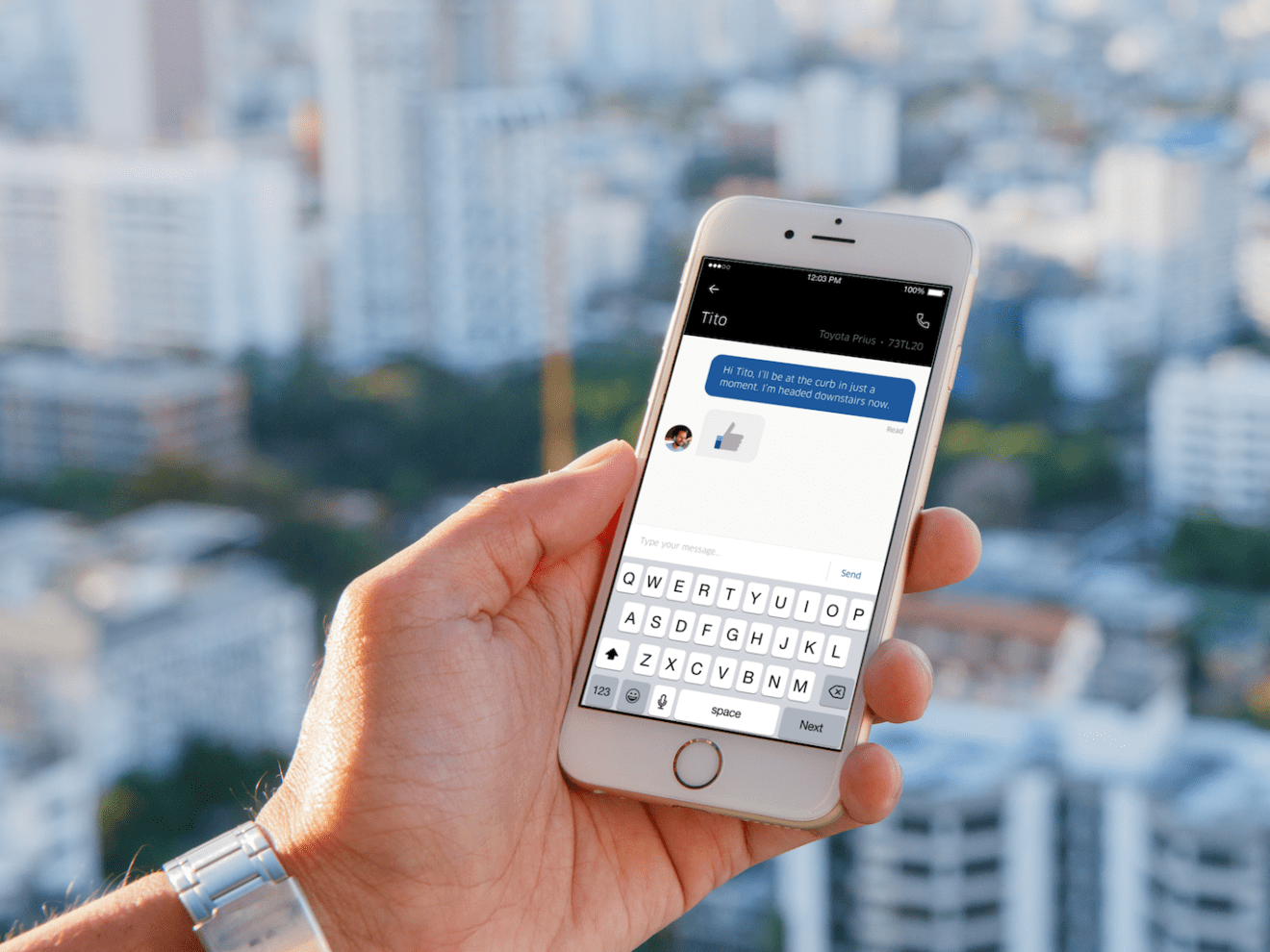
    This digital program also includes WhatsApp as the new communication channel for the customer. They will now get updates related to their next service due date, allotment of service consultant, service estimate and service status on their smartphone.

    Martin Schwenk, MD & CEO, Mercedes-Benz India, said, “Every element of our strategy revolves around the customer. At Mercedes-Benz, we are designing the digital future and are responding to changing customer expectations, and faster innovation cycles. Digitalization is driving customer experience. As a customer-centric brand, we believe in the integration of digital technology in our entire value chain, from design and development to production, and finally to sales and service. Towards this strategy, today we rolled-out key customer service initiatives under our digital program DSDNxt, the Vehicle Digital Reception System (vDRS), and WhatsApp for Business. These initiatives will ensure real-time service updates to our customers remotely, ensuring utmost convenience.”

  • Calvin Klein to bring footwear collections in house

    Calvin Klein to bring footwear collections in house

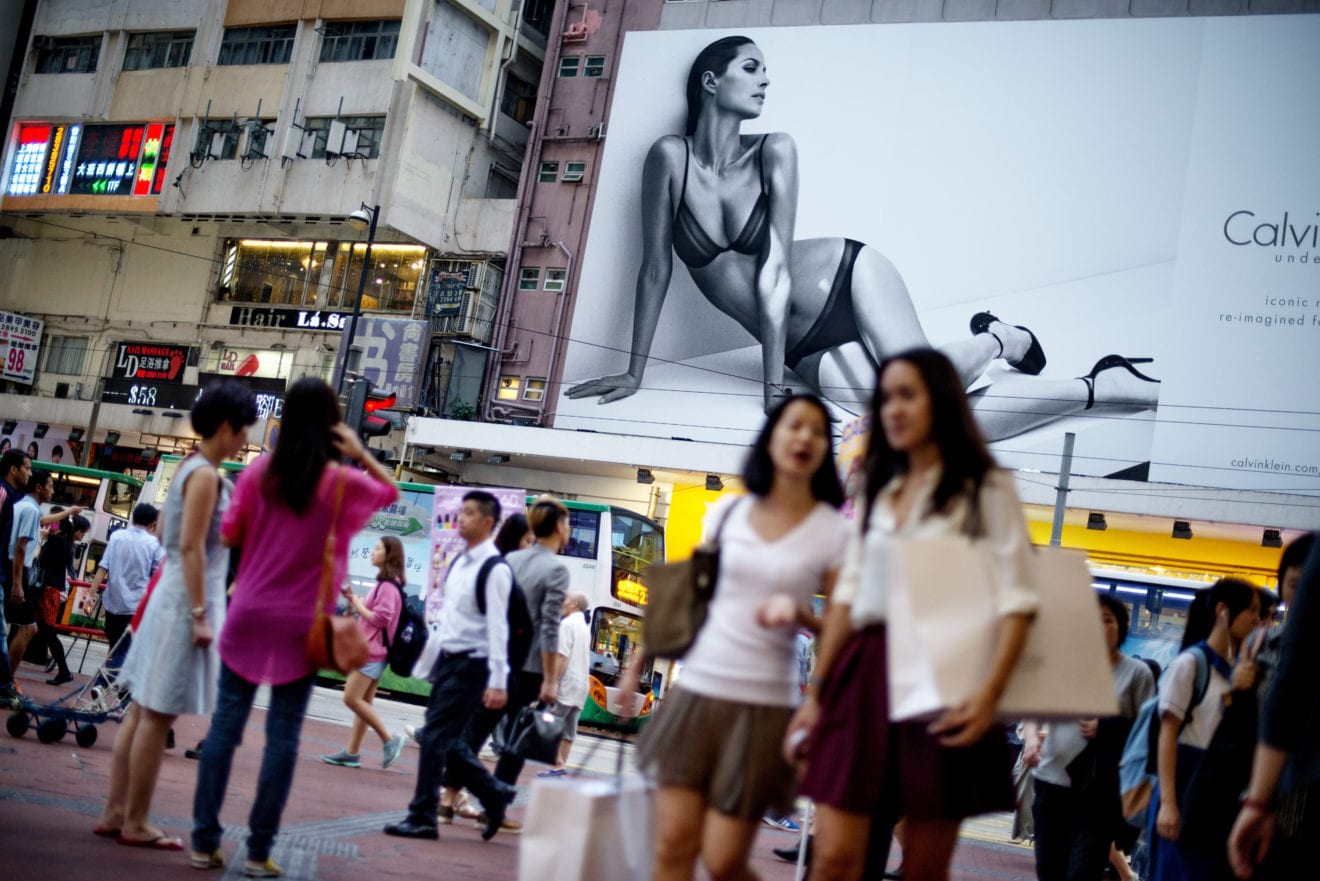
    US fashion house Calvin Klein is discontinuing its partnership with licensee Jimlar Corp to bring its footwear collections in-house for Asia and Europe.

    The brand, which is owned and operated by PVH Corp, has collaborated with Jimlar for a decade but will take over managing Calvin Klein footwear when Jimlar’s license expires at the end of this year.

    “Jimlar has been a best-in-class licensee for over 10 years and we’d like to thank them for contributing to the successful development of our footwear business,” said Calvin Klein’s president of global licensing John Van Glahn. “We … will continue the momentum by bringing the category in-house in Europe and Asia, leveraging PVH’s operations and expertise to take the business to the next level.”

    The new arrangement affects footwear lines under Calvin Klein Jeans, Calvin Klein and CK Calvin Klein. The footwear business will proceed from next year onwards under internal management, giving the firm greater control over development and design.

    CK’s existing networks will be employed to manage the distribution of footwear.

  • Chatbots are backfiring, ‘pushing away customers’

    Chatbots are backfiring, ‘pushing away customers’

    Chatbots in customer support can backfire and result in the loss of business, according to a new Brunel Business School study.

    The research, published in Services Industry Journal, investigates factors that make chatbot interaction a negative experience for customers, which can cause them to abandon a purchase or even a brand altogether, blaming the company rather than themselves for any communication failure.

    “For firms, chatbots promise improvements in customer service while enabling big cost savings,” said Brunel Business School professor Dr. Ana Canhoto. “The negative experiences identified in our study mean firms end up with unhappy customers, may lose customers or face a PR crisis which makes it hard to attract new ones.”

    Unpleasant chatbot interactions are caused by inauthenticity, explains the study, when customers feel tricked into conversing with a non-human; excessive questions or repeated answers on the part of the bot; failure to exhibit appropriate empathetic responses causing upset; and failure to deal with complex queries due to a limited operational scope.

    If customers conclude the chatbot cannot resolve their inquiry, they will grow frustrated and ask to speak with a human – and if this cannot be arranged, they are likely to cut off the chat and abandon the firm, as well as potentially taking to social media to express their dissatisfaction, the study concludes.

    “When customer interactions with AI chatbots are negative, it can have serious negative ramifications on service providers, as customers can opt for more costly customer support channels, such as a phone channel,” said Canhoto.

    “In such cases, investment in AI technology intended to result in cost savings might backfire and result in a heavier load on other support channels. Or customers may terminate the service, switch to a competitor, or complain on social media.”

    Dr. Canhoto advises businesses to use these insights to fine-tune both their bots and customer expectations of them to avoid negative experiences.
    According to the Services Industry Journal, chatbots are involved in two out of three customer interactions.

  • Starbucks set to open its first bakery cafe in South Korea

    Starbucks set to open its first bakery cafe in South Korea

    Starbucks, marking its 21st year in South Korea with more than 1400 stores across the country, will open its first bakery cafe this month.

    Starbucks Korea, the local unit of the US coffee giant, plans to open a bakery in Yangpyeong County, Gyeonggi Province, overlooking the Namhan River. It will also feature a bar that serves the company’s tea brand Teavana.

    The company has been outsourcing the production of the baked goods it sells at its stores.

    The new store, however, will bake fresh bread on site with dough from Shinsegae Food, the food manufacturing arm of South Korean retail giant Shinsegae Group, which owns 50 percent of the South Korean Starbucks franchise through subsidiary E-mart

    The new initiative is seen as an attempt to achieve a new breakthrough in South Korea’s overcrowded coffee market.

    More than 70 percent of Starbucks sales come from drinks, with food accounting for about 20 percent of sales.

    Starbucks has been introducing new baked goods every one or two months to persuade customers to buy more bread or cakes and bakery sales have been growing by more than 20 percent annually.

  • Tommy Hilfiger backs up BLM statement with US$15m plan to disrupt the fashion industry

    Tommy Hilfiger backs up BLM statement with US$15m plan to disrupt the fashion industry

    Global fashion brand Tommy Hilfiger has unveiled a comprehensive plan to address racial inequality within its own organization and the fashion industry more broadly. On Monday, the PVH-owned brand announced the launch of the People’s Place Program, a new initiative that aims to increase the representation of minority communities in fashion in three ways: partnerships, career support, and industry leadership.

    Going forward, Tommy Hilfiger has said it will focus on “purpose-led collaborations” and partnerships with organizations and creative peers working to advance the representation of Black, Indigenous and people of color (BIPOC) in the fashion industry.

    It has also committed to providing to information, physical materials, specialist advice, industry introductions, and other actions to increase access to fashion and creative career opportunities for minority communities.

    And it will support independent, industry-wide analyses of diversity, equity, and inclusion and develop and share a concrete action plan to create long-term change.

    The People’s Place Program will be funded with US$5 million annually for the next three years as an initial minimum commitment.

    The name is based on designer Tommy Hilfiger’s first store, the People’s Place, which opened in 1969 and was meant to be a space for people from all walks of life to come together to enjoy art, music, fashion and pop culture.

    The initiative follows a statement made by the brand’s namesake founder in response to the death of George Floyd in police custody in the US in May.

    “What is happening to Black communities in the US and around the world has no place in our society,” Hilfiger said. “The fact that it has continued to exist in our industry – overtly and systemically – is unacceptable.”

    “We are far behind where we should be in achieving diverse representation. It shouldn’t have taken us this long to acknowledge that, but we are determined and committed to changing it going forward,” he added.

    Many brands and businesses issued similar statements condemning racism as Black Lives Matter protests gained traction around the world throughout June. Many of those statements, however, were quickly criticized as virtue signaling, or cynical attempts to benefit from consumers’ desire to support the movement.

    But according to Tommy Hilfiger, the People’s Place Program is not just about good PR, as demonstrated by the governance structure the brand is building to oversee the program and ensure its success.

    This includes appointing senior leadership to direct the program
    and accelerate its growth internally and externally, and conducting regular reporting on its progress and impact to maintain transparency.

    It also helps that the brand has a long history of supporting diversity.

    Tommy Hilfiger claims to be the first fashion brand to collaborate with hip-hop artists in the 1990s, and in recent years, the brand launched an adaptive range, catering to people with special needs.

    Martijn Hagman, chief executive of Tommy Hilfiger’s global business and PVH Europe, said the company acknowledges that it hasn’t done enough, but it is determined to do better.

    “We are taking immediate action to ensure that BIPOC communities in the fashion industry feel represented, heard and equally welcome to their seat
    at the table,” he said in a statement.

    “The People’s Place journey starts now with a dedicated internal governance structure that will drive and report regularly on the long-term objectives of the platform. This is a firm commitment and first step in a long journey for what the People’s Place Program can achieve.”

    Through its foundation, PVH has donated US$100,000 to The NAACP Legal Defense and Education Fund, which supports racial justice through
    advocacy, impact litigation, and education, and The National Urban League, a historic civil rights organization dedicated to economic empowerment, equality and social justice.

    During the month of June, it also matched 100 percent of charitable donations made by the company’s associates globally to organizations supporting racial justice.

    PVH’s brand portfolio includes Tommy Hilfiger, Calvin Klein, Izod, Van Heusen, Arrow, Warner’s, Olga and Geoffrey Beene. It employs more than 40,000 associates in over 40 countries and has US$9.9 billion in annual revenues.

  • AmorePacific launches luxury brand Sulwhasoo into India

    AmorePacific launches luxury brand Sulwhasoo into India

    South Korea beauty giant AmorePacific has launched its luxury brand Sulwhasoo across India exclusively with Indian retailer Nykaa.

    “In recent years, Nykaa has led the South Korean beauty conversation in India, focusing on educating Indian customers on the novelty of the products and ingredients,” said Falguni Nayar, founder & CEO of Nykaa.

    Prior to Sulwhasoo, Amorepacific already introduced other brands in the country such as Innisfree, Laneige, and Etude.

    “I believe our customers in India are going to experience Sulwhasoo’s unique beauty solutions and to create more sophisticated and healthier skin care routines in the future,” said Michael Youngsoo Kim, Head of Amorepacific APAC RHQ.

    Sulwhasoo is Amorepacific’s signature luxury brand based on Korean ginseng.

    The Sulwhasoo India range will include the brand’s First Care Activating Serum and other lines such as Concentrated Ginseng Renewing line and Essential line.

  • Platinum Jewellery Leads China Jewellery Industry in a V-Shaped Recovery

    Platinum Jewellery Leads China Jewellery Industry in a V-Shaped Recovery

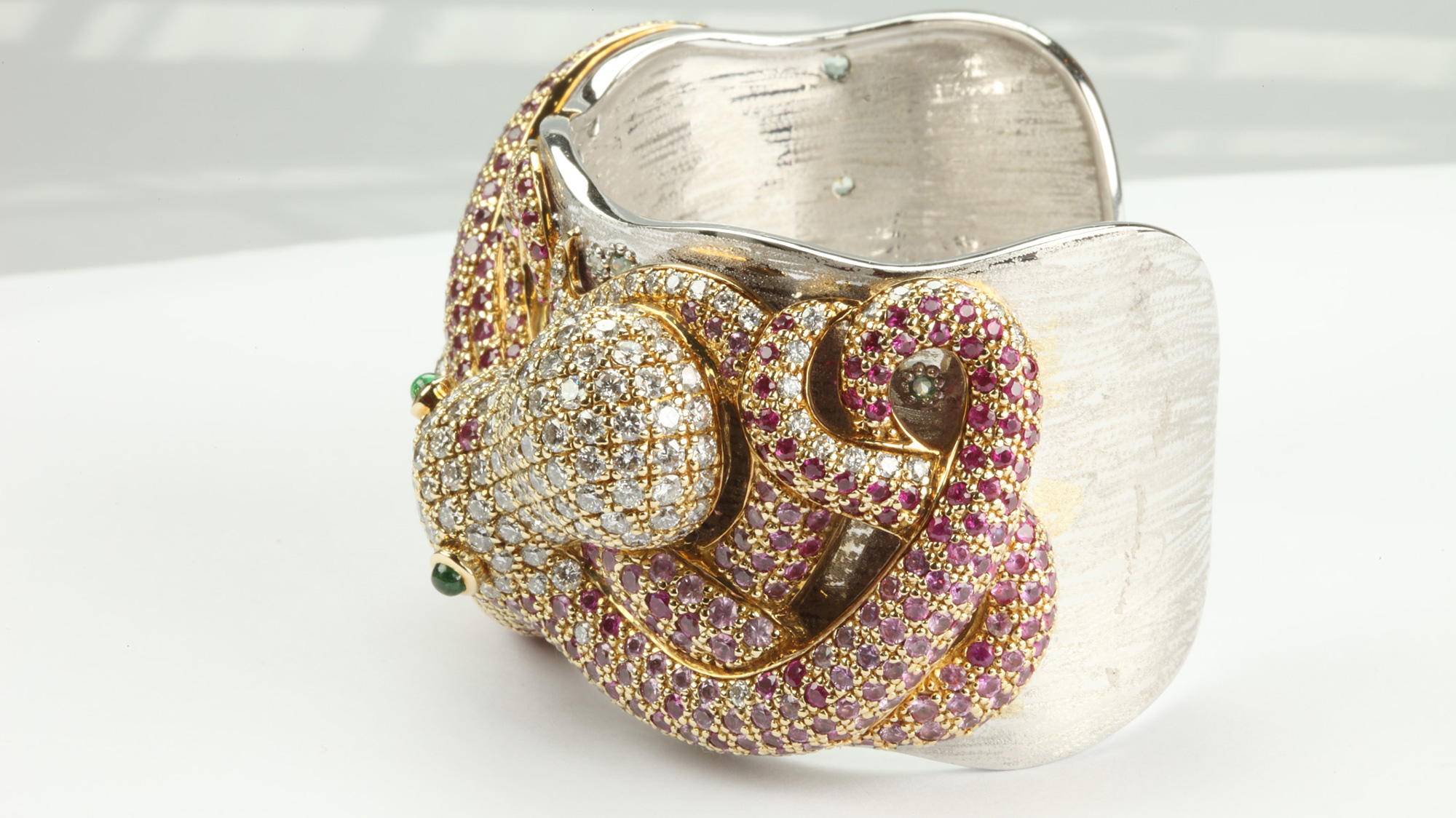
    With manufacturers reporting greater demand volumes and retailers confirming a steady increase in business in April and May, the China jewelry industry finds itself in the midst of a V-shaped recovery in the second quarter of 2020. A confluence of factors has led to platinum becoming a strategic category as the industry embarks upon recovery programs.

    Platinum jewelry manufacturers have been reporting greater demand volumes through April and May as a result of a remarkable level of replenishment purchasing in platinum.  Retailers across the board, from national and Hong Kong chains through regional chains, independents, and wholesalers have shown strong interest in a new generation of designs that provide stronger margins. By May, platinum fabrication volume had returned to a level on par with the same period last year.

    Retailers have witnessed a gradual ramp-up in business volume since the reopening, with some reporting sales of platinum jewelry reaching 80% or higher compared to the same period last year.

    Over-stocking of gold and gem-set jewelry due to lockdowns imposed since January had led to an inventory backlog in these categories. Record high prices for gold have depressed buying among consumers and retailers, while a record low platinum price has made platinum an attractive replacement for some pure gold and k-gold counters, offering improved profit margins and turn.

    This comes at a time when manufacturing partners of Platinum Guild International (PGI) have been prioritizing new collections and design directions to meet changing consumer needs.

    Underpinning this innovation has been the development of new alloys and technologies that PGI has been working with partners in recent years. This includes hard platinum and heat-treatable alloys that allow for refined contours in designs, better polish, better shape retention, and higher resistance to scratch. These innovations are expected to enable platinum to capture a more competitive market position in the jewelry space. The incorporation of new materials including enamels also add color and novelty allowing for more designed collections, such as Chow Tai Fook’s Frozen II and Angel of Peace Collections.

    “Our industry partners in China are reporting a platinum recovery driven by competitive pricing and the launch of new products which utilize innovative new technologies and designs that are capturing the interest of a new generation of consumers. Platinum Guild International’s initiatives to engage with both the jewelry trade and consumers have been extremely effective in accelerating this recovery during post-COVID-19. Despite pandemic uncertainty ahead, we hope conditions will allow for continued foot traffic to stores to ensure the sell through needed for a sustainable recovery,” says CEO Huw Daniel of PGI.

    More players have begun to enter or re-enter the platinum jewelry industry, leading to a rising interest in platinum fabrication. New players from the gem-set and gold retail industries have also started to carry platinum. For example, Shining House, which is a newcomer in platinum gem-set jewelry, now carries platinum in 100 of its 300+ stores in Central and East China, with the intention to include a platinum exclusive collection (“One Life One Love”) to all stores by end of third quarter.

    ”We are prioritizing this new SKUs, with improved production technology, that enables better pricing and recognizable new features for sales push this summer. We believe these SKUs could better help sales recovery,” says Ms. Sun, Product Head of Changzhou Jewellery, a regional prominent retailer in East China.

  • AEON partners with Big C to launch ‘Big C World Mastercard’ for the ultimate shoppers in the New Normal era

    AEON partners with Big C to launch ‘Big C World Mastercard’ for the ultimate shoppers in the New Normal era

    Mr. Nuntawat Chotvijit (Left), Director of AEON Thana Sinsap (Thailand) Public Company Limited, a leading retail finance company, together with Dr. Piyawan Piyapong (Right), Executive Vice President-Service and Ecommerce Business of Big C Supercenter Public Company Limited, Thailand’s leading hypermarket business announced the premier of “Big C World Mastercard”, a credit card that provides exclusive contactless payment solution that suits the cashless lifestyle of the ‘New Normal’ shoppers. The card offers superior shopping benefits and experience, both online and offline at Big C stores nationwide, under the slogan “The best credit card @ Big C “. Benefits include up to 10% discount for Big C shopping online and 7% discount including the electrical appliances department at Big C stores. Cardholders will also earn x5 reward points for a shopping of THB 10,000 or more, with terms applied, as well as a 10-months 0% installment plan at the electrical appliances department. In addition, cardholders can earn 1 AEON Happy Point for every THB 20 spent, which can be used to redeem Big C gift vouchers and many other privileges from the Big Card at leading partner stores.

    Exclusively for the launch of Big C World Mastercard, customers that spend a total of THB 30,000 or above by the card will receive a Lock & Lock Frying Pan, Eco Fryer 3.5 liters valued THB 4,490, along with THB 500 Big C discount code. Apply to receive special privileges from July 1st to December 31st, 2020.

  • Uniqlo to open its 24th store in Australia early September

    Uniqlo to open its 24th store in Australia early September

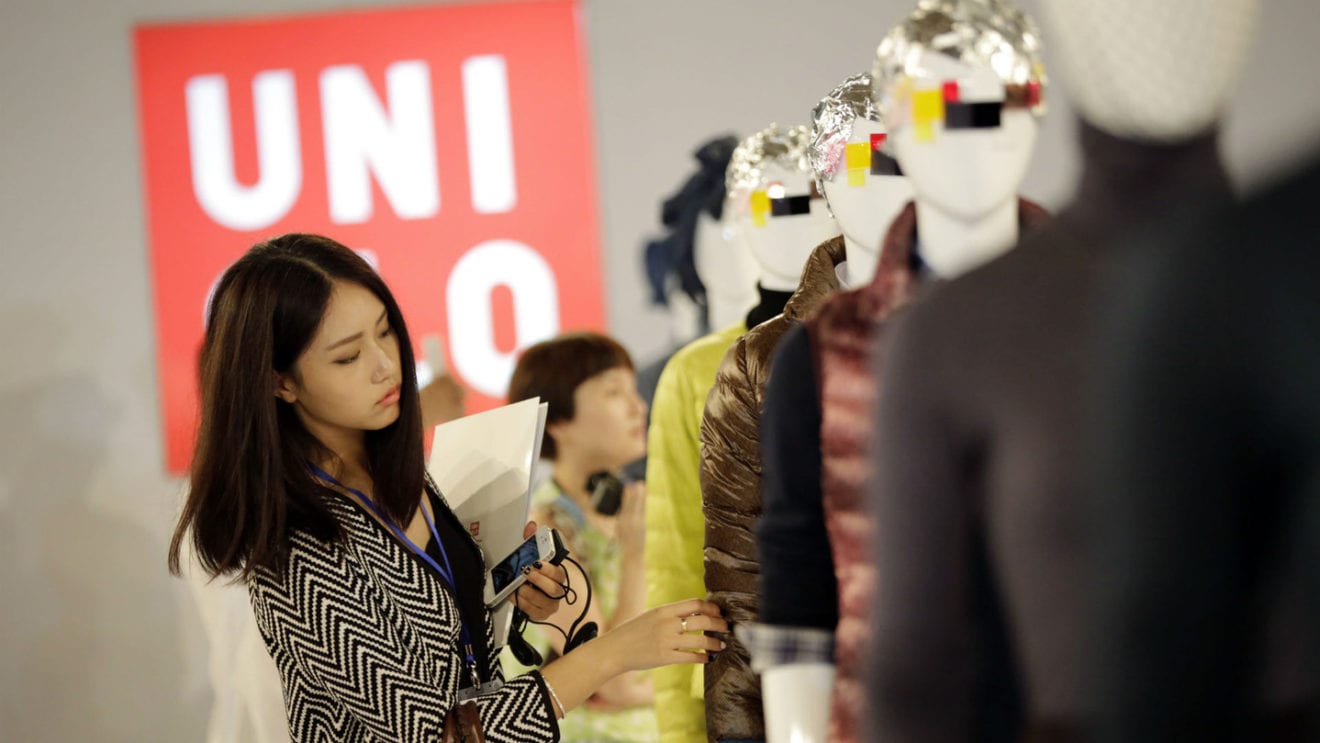
    Japanese clothing retailer Uniqlo will open a new store in the country at Bondi Junction this September, taking its store count in Australia to 24.

    The new store at Westfield Bondi Junction, which will span 1323sqm, will be the retailer’s ninth store in New South Wales.

    Uniqlo said this store will feature the biggest LED screen installation ever seen in the retailer’s Australian stores and will offer a full line-up of the brand’s LifeWear apparel for men, women, kids and babies.

    Kensuke Suwa, company chief operating officer, said since they’ve opened their first store in Australia in 2014, they have been able to consistently grow their retail footprint by leveraging their keen understanding of the local consumer and ensuring their products align with their needs.

    “We hope to keep the momentum going and look forward to making the brand even more accessible to Australians,” Suwa said.

    “We are excited by this milestone of bringing LifeWear from Tokyo to a truly iconic location in Australia and are looking forward to becoming a positive part of the Bondi community”

    This Uniqlo store is its eighth store with the Westfield Group, following Hurstville, Hornsby, Chatswood, Parramatta, Miranda, Chermside and Carousel.

  • Lush calls out Hong Kong landlords after flagship closing

    Lush calls out Hong Kong landlords after flagship closing

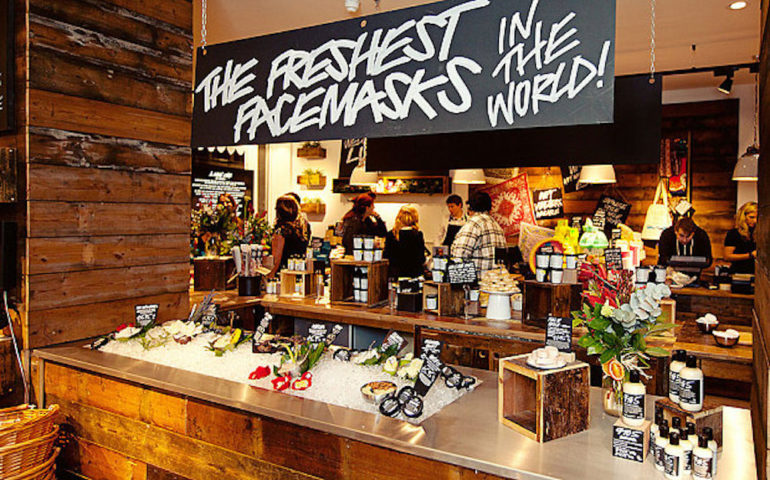
    Lush has taken a positive approach to its future in Hong Kong following the closure of its Central flagship store at the end of last month.

    But it has criticized the city’s landlords generally for failing to share the burden of a decimated retail market in the wake of the pandemic. The beauty products company said the decision to close the five-story flagship store, and its first spa in Asia at the end of its lease took “much consideration”.

    Lush said that all of its other stores in Hong Kong and Macau will continue to trade as usual.

    The Soho Square store’s closure reflected the challenges of dealing with reduced footfall during the Covid-19 crisis, the impact of “previous conditions” and a lack of early response from landlords and the government to help struggling businesses.

    “The pandemic has challenged many businesses around the world. Unfortunately, the measures to help in Hong Kong have been very late. Up until the end of January we had received little support from landlords or the government. However, the measure on salaries is very much needed and we are grateful for this.

    “Even though we are saying goodbye to Lush Soho Square Shop & Spa, we want to highlight the achievement of the team in the past five years and thank them for all their hard work. We have loved bringing the spa experience to customers in Hong Kong and we hope they have enjoyed every moment.”

    Elsewhere in Hong Kong, Lush has been engaging with landlords across the two territories because rent accounts for the majority of costs to businesses of all types.

    “We know it is also difficult for our landlords and as property owners, they also have a vested interest in the future of the retail industry,” Lush said in its email. “We would like to thank our partners who have to date been open to constructive discussion and particularly for those that have given discounts of 50 percent and above.

    “But this isn’t the time for one party to take all and one party left with all the burden. We believe there is collective social responsibility, and landlords and retailers should work collaboratively together to ensure retail survives in Hong Kong, which will benefit the local people and economy that in turn supports property owners that need rental tenants.

    “Some landlords gave us a slight discount on rent in February and March, following negotiations with us. However, this is not reflective of the reality we are facing. We have been in continual negotiations of the rent relief and payment plan with the landlords, and we are confident of keeping things under control with our strategic property plans, and where governments have offered pay schemes and guarantees we are making use of these to ensure staff payroll is protected as much as possible whilst there is little money flowing into the business.”

    Meanwhile, over the past few months, the company has worked to have a positive impact on the local communities during the pandemic.

    Underpinning the message of washing hands to keep the virus at bay, Lush donated more than 8 tonnes of soap to healthcare workers, non-profit organizations and minority groups.

    “We strongly believe that this is the time we have to help each other locally to overcome the unpredictable challenges so that we can support a positive future together.

    “We look to the future with optimism and sincere gratitude to our incredible staff and community. We are doing our best to make decisions and operate the only way we know how: honestly and transparently.”

    Lush founder Mark Constantine said the pandemic may bring many long-lasting changes to the way people live their lives.

    “Lush needs to adapt to these changes, stay agile and relevant, whilst holding true to our principles of being a business that is kind and caring. We will need the help of everyone as we enter this next phase.”

  • Bonjour CEO exits, replacement known yet

    Bonjour CEO exits, replacement known yet

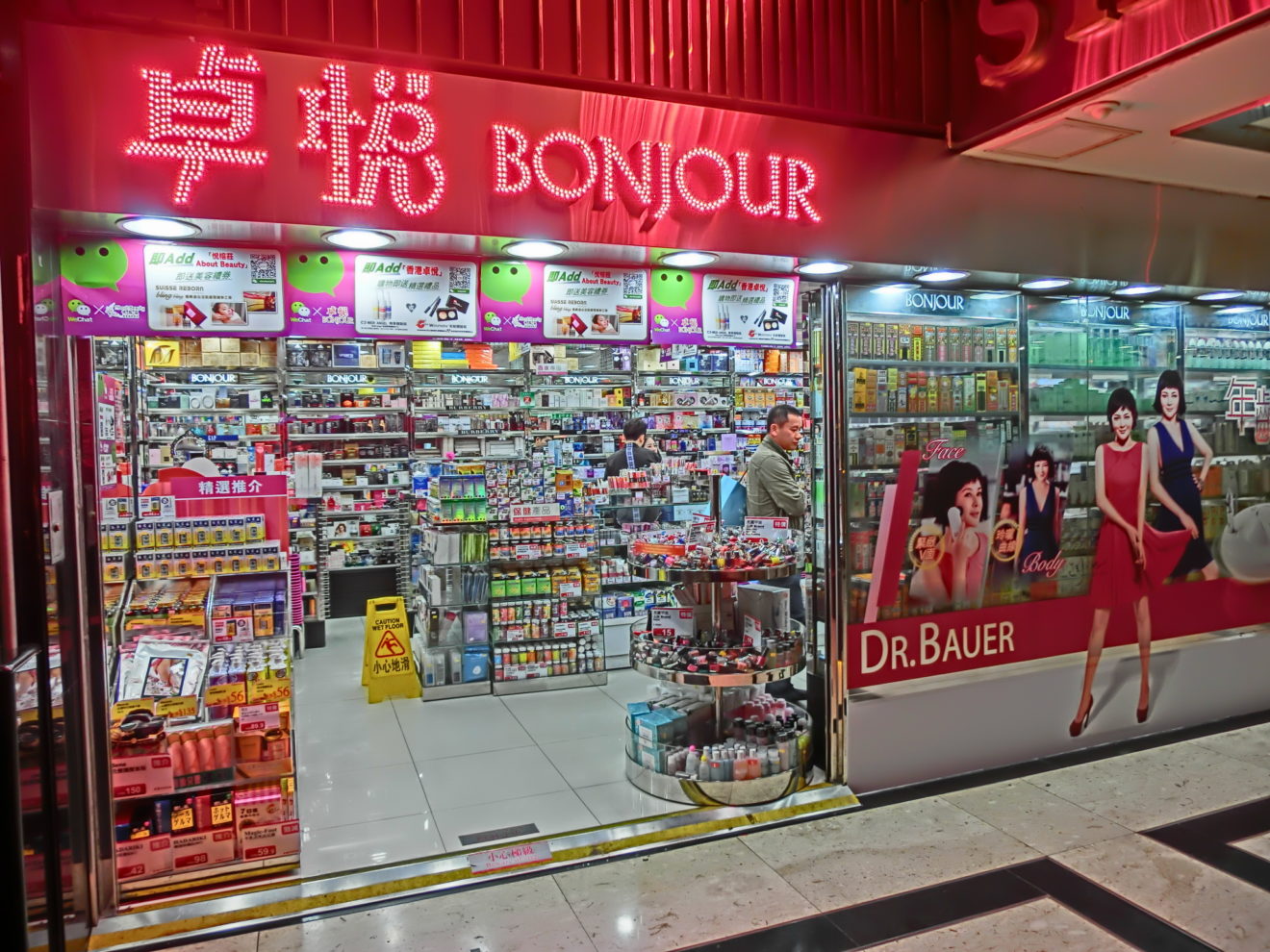
    Bonjour CEO Cheung Ka Fai has resigned after less than two months in the role, citing “personal career development”. He has been replaced by Wong Iu Ming.

    In a statement to the stock exchange, the struggling apparel chain confirmed there was “no disagreement with the board” or other matter relating to the resignation that should be brought to the attention of shareholders.

    In May, the husband-and-wife founders of the beauty-products retailer, Dr Wilson Ip Chun Heng and Chung Pui Wan, stepped down from their roles as chairman and CEO, and vice-chairman, respectively. Cheung stepped up from CFO to CEO.

    Ming, 65, is currently executive director and deputy CEO of Haifu International Finance Holding Group and holds directorships of Global Leather Intelligence, China Leather Intelligence, Innogy Global, Haifu China Petrochemical Group. He is a past GM of the Internal Audit of Urban Renewal Authority.

    He also has experience in risk controls, finance and administration, and the internal audit of both large Hong Kong public bodies and multinational conglomerates.

    Previous Bonjour CEO Cheung, 45, has been with Bonjour since August 2012 and has more than 20 years’ experience in audit, finance, and business advisory.

    In March, Bonjour Holdings reported a sales decrease of 18.7 percent for the 2019 fiscal year, following a 7.3-per-cent decline in 2018. The company’s annual loss attributable to shareholders ballooned from US$5.1 million in 2018 to $16.7 million last year.