Author: Mei Ling Tan

  • OCBC Bank to reopen all branches over the next two weeks

    OCBC Bank to reopen all branches over the next two weeks

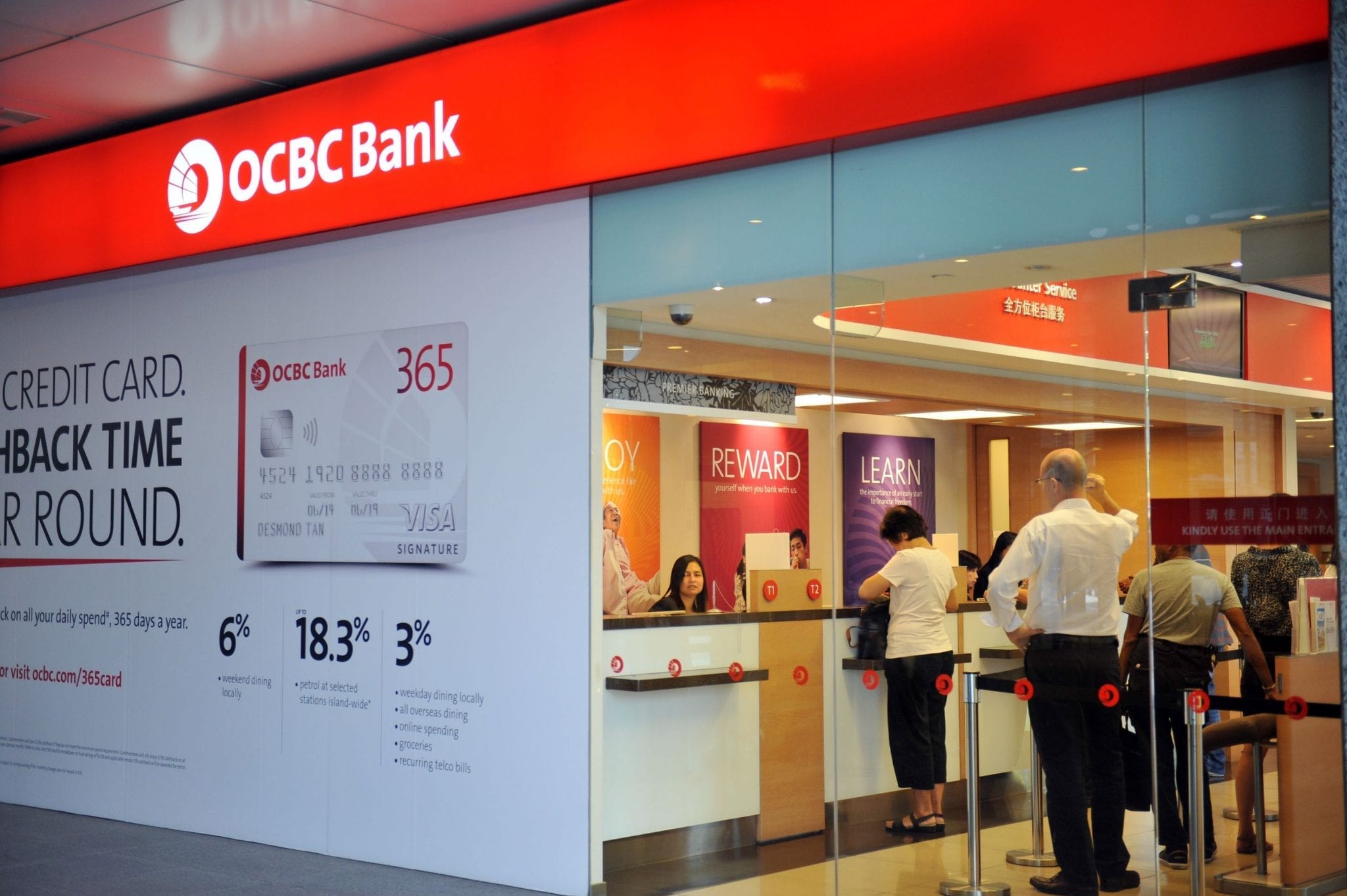
    OCBC Bank announced it would reopen five branches tomorrow, 19 June 2020, due to the expected increase in customer traffic as Singapore enters Phase Two of ‘Safe Re-opening’. They are located in Bishan, Buking Panjang, Jurong West, and at City Square Mall and Paya Lebar Square. This brings the total number of branches open up to 32. The remaining branches which were closed during Singapore’s ‘circuit breaker’ period will progressively reopen over the next two weeks.

    OCBC Bank will also resume all in-person meetings with customers on an appointment basis for all financial services. These meetings can be held within the bank’s premises or at external locations, and include home loan applications, bancassurance sales and wealth management advisory services for bonds, funds, and structured investments (which took effect on bank premises since 12 June 2020) for retail banking. In-person meetings by appointment will also resume for corporate and commercial banking services for large corporates and small-and-medium enterprises (SMEs).

    However, OCBC Bank’s retail banking customers are encouraged to continue to use its virtual wealth advisory service, which includes the comprehensive Financial Needs Analysis, for their financial planning needs. The virtual wealth advisory service via secure video conferencing with an OCBC Bank financial advisor was launched on 18 April 2020during the Circuit Breaker.

    Safe distancing measures continue to be enforced

    For the safety of employees and customers, OCBC Bank employees will wear face masks while rendering the in-person home loans, bancassurance and wealth advisory services. Customers are required to wear face masks. All employees and customers entering OCBC Bank branches have been using SafeEntry since the app was mandated as a contact tracing tool. TraceTogether has been used by all branch employees and by customers who are coming to the branches for face-to-face wealth advisory services.

    Temperature screenings and one metre queue markings at branches are strictly enforced to keep employees and customers safe. Employees also ensure that customers are practicing safe distancing of at least one metre within the branch waiting area. At branch locations where it is feasible, separate queues with seats are provided for elderly and pregnant customers. Branch employees will assist seniors to perform the SafeEntry QR code scanning if they are unable to do so independently.

    Mr Sunny Quek, OCBC Bank’s Head of Consumer Financial Services, Singapore, said: “As we transition to Phase Two of Singapore’s ‘Safe Reopening’, we continue to encourage our customers to use our digital banking platforms for their day-to-day banking needs, and to invest in wealth management products and apply for credit cards, home loans and personal loans. While all our branches will open progressively and we look forward to serving our customers’ needs, our financial advisory services will continue to remain available virtually via video conferencing with our financial advisors, so customers can receive timely investment and financial advice from the comforts of their home, without having to come to a branch.”

    The list of 32 branches and one dedicated OCBC Premier Banking Centre in operation from 19 June 2020 are:

      Branch
    1 Ang Mo Kio
    2 Ang Mo Kio Central
    3 Bedok
    4 Bedok North
    5 Bishan
    6 Bukit Batok
    7 Bukit Panjang
    8 Causeway Point
    9 Choa Chu Kang
    10 City Square Mall
    11 Clementi
    12 Compass One
    13 Harbourfront
    14 Hougang Mall
    15 ION Orchard
    16 Jurong East
    17 Jurong Point
    18 Jurong West
    19 Marine Parade
    20 NEX
    21 NorthPoint
    22 OCBC Centre
    23 Orchard Gateway
    24 Paya Lebar Square
    25 Sixth Avenue
    26 Sun Plaza
    27 Tampines
    28 Thomson
    29 Tiong Bahru Plaza
    30 Toa Payoh Centre
    31 Waterway Point
    32 White Sands
       
      Dedicated OCBC Premier Banking Centre
    1 Parkway Parade

  • Eight in ten Thais use contactless payments more often as they become uncomfortable with cash

    Eight in ten Thais use contactless payments more often as they become uncomfortable with cash

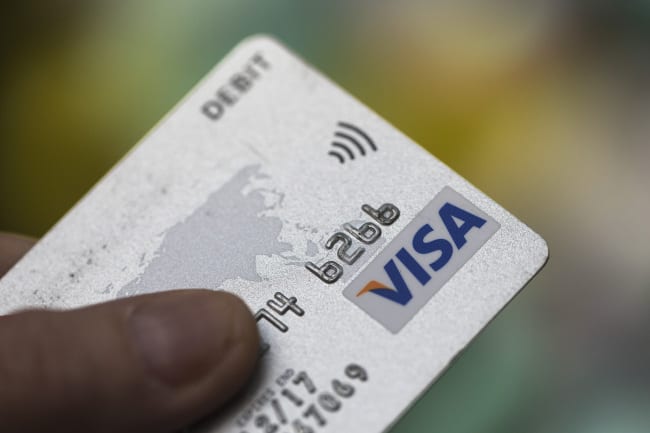
    Visa, the world’s leader in digital payments, today released findings from its Visa Consumer Payment Attitudes study (the “Study”), that show almost eight in ten Thais (79 percent) are using contactless payments more often than they did two years ago.

    The study, which tracks consumer habits and attitudes towards payments across Southeast Asia, also revealed three in four Thai respondents (75 percent) who are not using contactless payments today, are interested in doing so in the future.

    Suripong Tantiyanon, Country Manager for Visa Thailand, said: “It is heartening to see Thai consumers embracing new payment technologies, especially the use of contactless cards for payments.  The shift in behavior and the rise in confidence can be attributed to an industry effort to educate the general public on the benefits of contactless and an increasing acceptance points.  Contactless payments are still in the early stages of adoption in Thailand, but we are optimistic for their growth due to its speed, convenience, security and global acceptance wherever Visa contactless is accepted across the world.

    The top reasons consumers cited for adopting contactless payments are: not needing to carry cash (68%), desire to use an innovative way to pay (58%), and faster payment compared to other methods (55%).

    When it comes to frequency of using contactless payments, over four in five respondents (82 percent) use their cards at least once to more than four times a week.

    The top places where respondents use their contactless cards to make payments are during overseas travel (17 percent), followed by at supermarkets (12 percent), and retail shops (11 percent).

    The Study also delved into usage between demographics.  While Gen Y is more likely to use contactless cards (55%), use among older Gen X users was significant (45%).  The younger generation uses contactless payments more frequently, with three in ten making payments more than four times a week, while only one in five Gen X users will make the same number of payments.

    State of the Nation: Cashless Society

    Based on the findings, over two in five respondents (43 percent) said they carry less cash now than they did two years ago.  Their top reasons for carrying less cash are: carrying cash around is unsafe (65 percent), using more contactless payments (62 percent), and cash withdrawals are easily accessible (62 percent).

    In addition, more than four in five respondents (82 percent) have moved away from cash and tried living daily life relying on cashless methods.  Almost three in four (70 percent) managed to live cashless up to a few days.  Twenty-one percent managed to live more than a week but short of one full month on cashless modes of payment.  The remaining nine percent could live their lives without cash for one month or more.

    When asked about their inclination towards adopting cashless payments in the future, seven in ten Thai respondents (72 percent) said they expect to increase their usage of cashless payment methods next year.  Their top reasons for intention to displace cash include convenience (69 percent), the hassle of carrying cash (62 percent), and an increase in their comfort paying with cashless methods (51 percent).

    Increasingly, Thai consumers are confident in going cashless.  Two in five (38 percent) believe they can last more than a month without cash.  On the other end of the spectrum, nearly six in ten (58 percent) hold the belief they could only get by for 24 hours without paying by cash.

    When asked how long it would take for Thailand to become a cashless nation, 40 percent of the people surveyed believe it will take between two to five years, 27 percent thought it would take between six to ten years, and interestingly seven percent believe it could happen next year.

    Respondents to the survey believe the top benefits for Thailand being a cashless nation are convenience (58 percent), ability to track financial records easily (56 percent), lower risk of theft (55 percent), and promoting financial inclusivity (44 percent).

    “It is evident that payment innovations can accelerate the transformation into a cashless society.  However, it is equally important to continuously stay in touch with the end consumer to better understand their existing needs as well as anticipating their future demands.  We hope the Visa Consumer Payment Attitudes Study, already in its sixth edition, will help our clients and partners grow business and support the government in shaping measures that will benefit the people and enable the Thai economy to thrive,” Suripong concluded.

  • Apple Glass won’t need prescription lenses according to a new patent

    Apple Glass won’t need prescription lenses according to a new patent

    Imagine wearing a pair of glasses that automatically adjusts to your eyes in order to correct any deficiencies; instead of wearing prescription lenses, the lenses would automatically make the necessary changes. Today, the U.S. Patent and Trademark Office (USPTO) awarded a patent to Apple for technology that would allow self-correcting lenses to be used on the rumored Apple Glass AR eyewear. The system seen in the patent illustrations shows a smartphone (like an iPhone) sliding into a frame. This would place the phone directly in front of the users’ eyes and allow it to plug into internal connectors so that it can be used as a display.

    Apple has used the title of the patent, “Head-mounted display apparatus for retaining a portable electronic device with a display,” multiple times with each use adding another change to the design. The latest version of the patent deals with a system to change the position and configuration of the device’s optical components in line with the user’s prescription. The beauty of this is that it would allow the user to wear the headset without having to put it on top of corrective lenses or contact lenses. Besides adjusting the lens configuration to make up for the user’s prescription, the display can be adjusted to make images look clearer; this can be accomplished by changing the position of images on the lens and resizing content. Right now, however, it doesn’t appear that Apple Glass will be available with tinted lenses for a sunglasses variant.

    The processing power required for the lenses to be automatically adjusted would come from a paired iPhone. In fact, like the original Apple Watch models which relied on a nearby iPhone to run many of the features on the timepiece, the first versions of Apple Glass will likewise obtain processing power from an iPhone. Eventually, it is hoped that Apple Glass users will be able to leave their iPhones at home and still have the AR shades handle tasks using on-demand processing.

    Apple Glass is expected to be unveiled next year. Last month, tipster Jon Prosser disseminated some leaks revealing that Apple Glass will look like a traditional pair of glasses with options for prescription lenses. This would indicate that the self-adjusting lenses won’t be offered by Apple for the first version of the device. Prosser says that the device will cost $499 and while prototypes of the glasses have a plastic build, a version with metal frames will eventually be available. While there will be no cameras mounted on Apple Glass, the wearable will have a LiDAR time-of-flight depth sensor. First employed by Apple on the 2020 iPad Pro models, the sensor computes how long it takes for infrared light to bounce off of a subject and return to the device. With this information, more precise depth measurements can be calculated and used for enhanced bokeh blurs on portraits, improved AR capabilities, and more.

    The camera available on Google Glasses became a controversial topic since users could snap photos of people without their knowledge. This led some bars to throw out patrons wearing Google Glasses and owners of the device were unceremoniously given the nickname “Glassholes.” Additionally, several movie chains, afraid that Google Glasses were being used to record bootlegs of newly released films, would not allow anyone wearing Google Glass to enter the theater. To prevent a repeat of this happening, Apple is reportedly going to employ a depth sensor only on Apple Glass.

    Prosser says that Apple Glass buyers will get a plastic stand right out of the box for wireless charging. A dedicated UI called “Starboard” will use gestures on the frames or via the LiDAR sensor.

  • Index Living Mall unveils new store concept in Bangkok

    Index Living Mall unveils new store concept in Bangkok

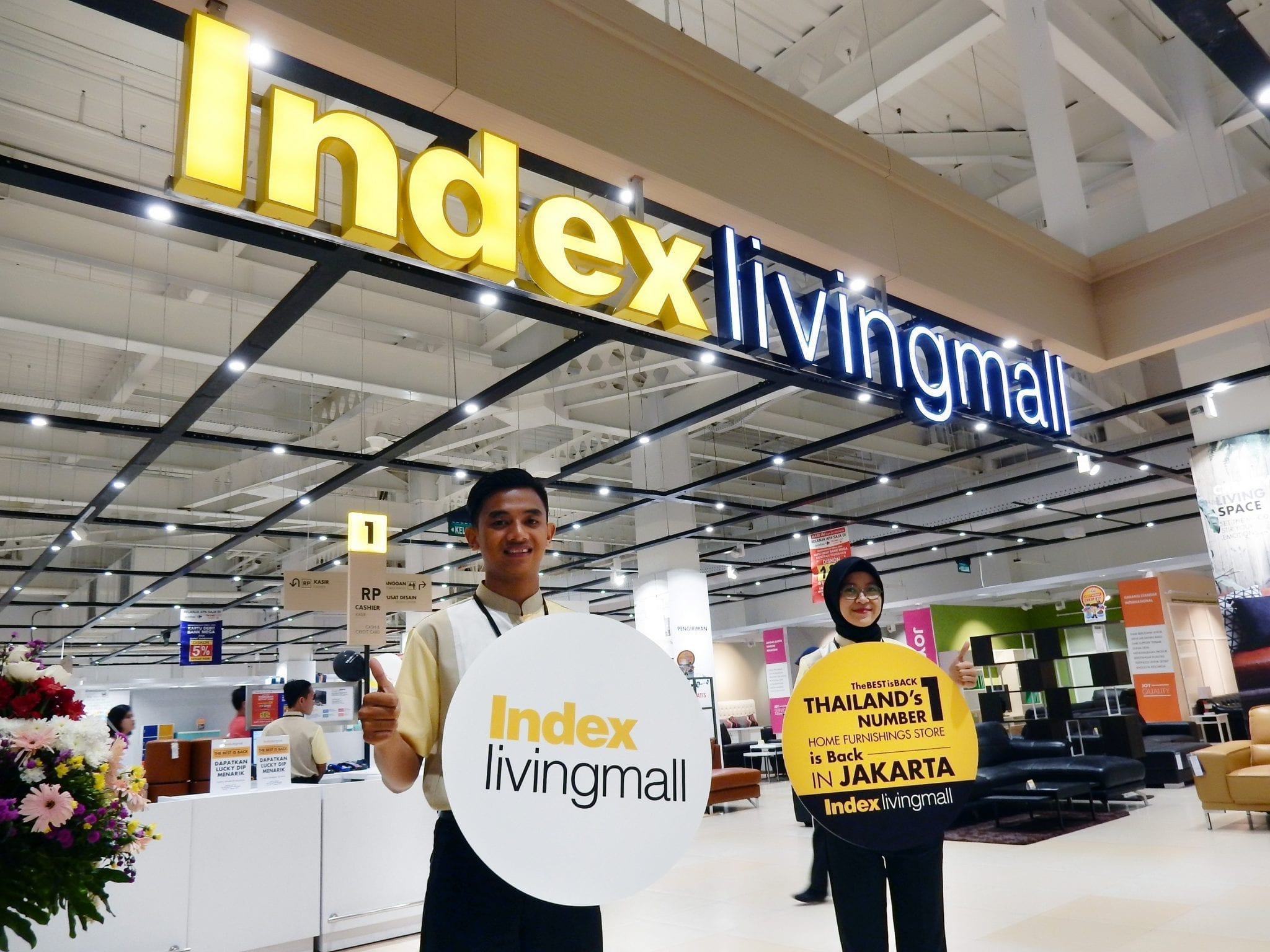
    Index Living Mall has unveiled its next retail concept in Bangkok’s Ekkamai district, with a focus on apartment furnishings, fresh graphics and new store layout.

    Called ‘ Fresh-up Ekkamai, lift-up your life’, the concept introduces new zones and features a variety of new-to-market homewares and furniture items.

    The “Condo Collection” zone presents furniture specially designed for condominiums, while the “Younique” zone offers customized furniture. Other zones include a Sofa & Recliner Exhibition, Outdoor life and Storage Solutions & Home Organisation.

    Index Living Mall MD, Kridchanok Patamasatayasonthi, said the store’s renovation was undertaken because Ekkamai is becoming a popular residential neighborhood, with multiple condominium units rented to both locals and foreigners.

    The new concept store will suit shoppers with tight budgets who are seeking functional items for compact living spaces.

    Index Living Mall’s Ekkamai store also offers customers free consultations with in-house specialists.

  • Retail sales in Indonesia drop dramatically

    Retail sales in Indonesia drop dramatically

    Retail sales in Indonesia have fallen by 16.9 percent during the month of April compared to last year, according to government data.

    The drop is the steepest within the territory in 14 years and is the result of a steady decline in retail sales of a range of products surveyed by the Indonesian central bank.

    The decline is 4.5-per-cent deeper than comparable figures for the previous month, while retail sales in Indonesia declined by a more modest 0.8 percent during February.

    Even worse figures are expected for May, however, as the advent of Covid-19 saw people forced to implement social distancing.

    The Bank Indonesia now predicts sales figures to show a heavy 22.9-per-cent fall in volume year on year for last month.

  • Carrefour China set to open 100 more restaurants

    Carrefour China set to open 100 more restaurants

    Supermarket operator Carrefour China plans to open 100 restaurants at its existing stores.

    The first outlet of Carrefour restaurant chain Mr Fu has opened at its Gubei branch in Shanghai, followed by a second in Chongqing.

    “With more than 2000 products in a self-run goods pool, Mr Fu will introduce at least 30 new products each month,” said Li Yijiang, head of catering business division at Suning Carrefour China.

    The renovation work will be launched at selected Carrefour branches and will not be outsourced to a third party.

    “We will have more independence to promote food and drinks according to different festive occasions and promotional activities, and we also offer customized decoration styles at consumers’ requests,” Li told the Shanghai Daily.

  • Qualcomm’s new Snapdragon 690 chipset brings 5G to the masses

    Qualcomm’s new Snapdragon 690 chipset brings 5G to the masses

    As more carriers expand 5G services to more markets, demand for 5G-enabled smartphones starts to increase. In theory, that’s supposed to increase prices as well, but only if there are few offerings. Qualcomm is making sure that you will no longer have to pay a fortune for a 5G smartphone going forward.

    The new Snapdragon 690 chipset fully supports 5G connectivity and is meant to be embedded in mid-range devices. With the new SoC (system-on-chip), Qualcomm plans to make 5G broadly available worldwide with the help of smartphone makers.

    The first companies to confirm they will launch smartphones equipped with the new Qualcomm Snapdragon 690 chipset are Motorola, LG, HMD Global, Sharp, and TCL. Other important players in the market are likely to embrace this new piece of tech, but they’ll probably wait for the first wave of devices to hit the market.

    Qualcomm’s new Snapdragon 690 5G is the first mid-range chipset to feature 4K HDR support to capture pictures at up to 192 megapixels. Moreover, the chipset includes support for 120hz displays for very fast refresh rates.

    Hardware-wise, the Snapdragon 690 chipset accommodates a Qualcomm Kryo 560 processor that should provide up to 20% performance improvement compared to its predecessor. The included Snapdragon X51 5G modem is optimized for the 6-series platform and offers blazing-fast speeds and superior 5G coverage.

    Also, the chipset comes with an Adreno 619L GPU (graphics processing unit) that delivers up to 60% faster graphics rendering. Last but not least, the Snapdragon 690 is fully compatible with Qualcomm’s Quick Charge 4+ technology that charges up to 4x faster than conventional charging.

    If you’re dying to get your hands on the new devices equipped with the Snapdragon 690 5G chipset, you’ll be pleased to know that the first smartphones are expected to be commercially available in the second half of the year.

  • Fuel Sales Recover In The First Half Of June In India

    Fuel Sales Recover In The First Half Of June In India

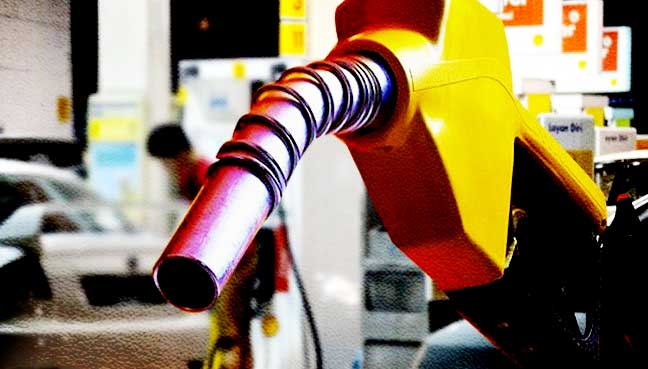
    India’s fuel demand continued to recover in the first half of June compared with the previous month as the nation eased restrictions on road transport, air travel and industries, provisional data from industry sources showed. Indian state fuel retailers’ gasoline sales jumped 63% to 903,000 tonnes in the first half of June compared with the same period last month, while diesel sales rose 39% to about 2.68 million tonnes.

     Indian state fuel retailers’ gasoline sales jumped 63% to 903,000 tonnes in the first half of June compared with the same period last month

    However, petrol and diesel sales declined 18% and 15%, respectively in June first half compared with a year earlier. State retailers’ LPG sales rose 6% to 960,000 tonnes in the first half of June compared with a year earlier, although consumption was down 20% from May first half.

    However, petrol and diesel sales declined 18% and 15%, respectively in June first half compared with a year earlier.

    Jet fuel consumption more than doubled to 85,000 tonnes in June first half from the previous month, while it dropped 73% compared with a year earlier. State companies – Indian Oil Corp, Hindustan Petroleum Corp and Bharat Petroleum – own about 90% of India’s retail fuel outlets.

  • AirAsia races for funding to keep flying

    AirAsia races for funding to keep flying

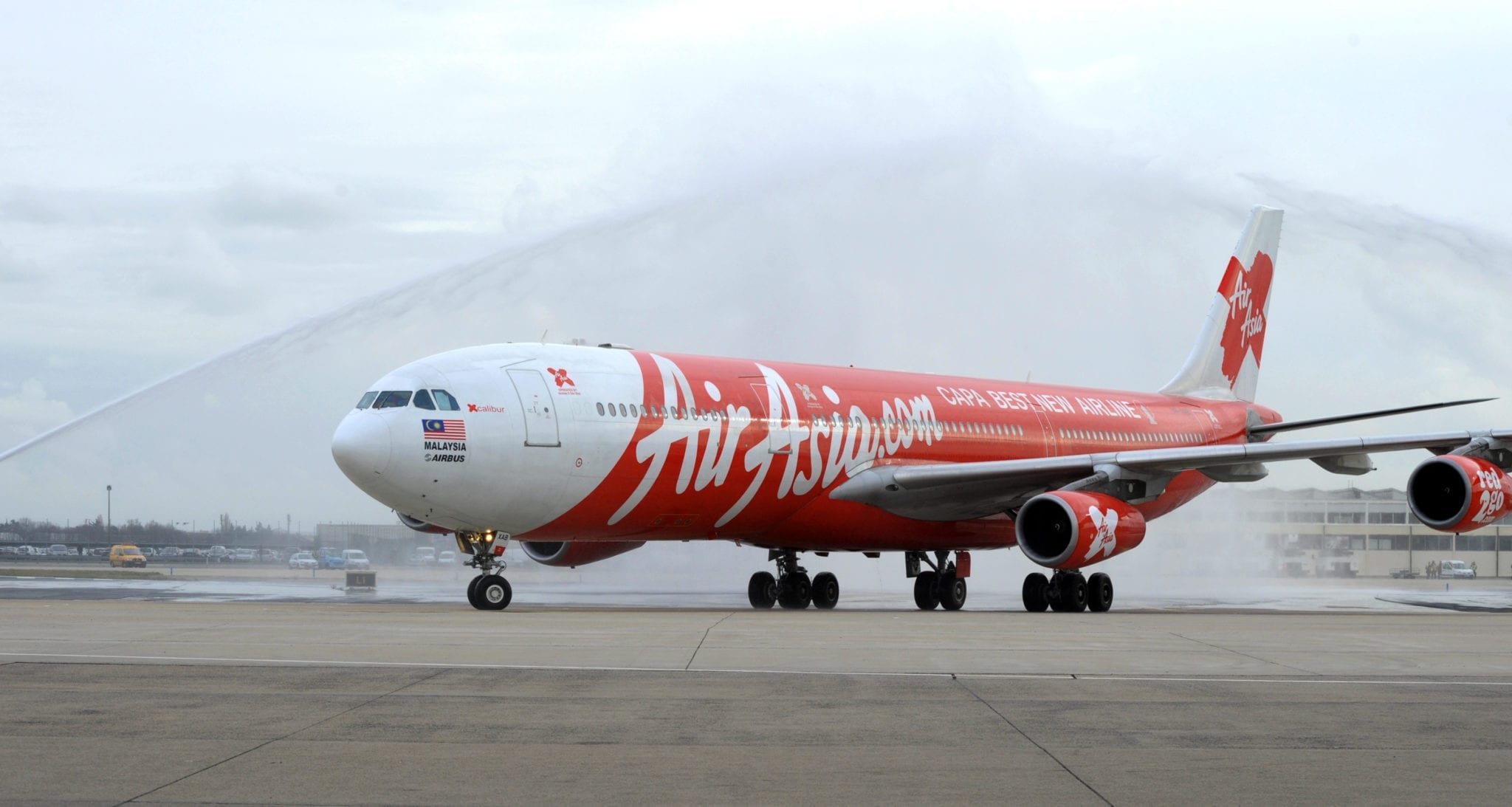
    AS the coronavirus pandemic claims more casualties in the aviation sector, airlines are racing against time to raise funds and keep their operations going. Last Thursday’s report that AirAsia Group Bhd could see a RM334 million cash injection by the possible entry of a new investor sent its shares to a two-month high.

    The potential investment by South Korea’s SK Corp, if it materializes, heralds a much-needed cash boost for the low-cost carrier, whose net cash position of RM2.1 billion as at end-2019 makes it the best-placed airline in the country in these trying times. Analysts say, however, that the airline’s existing reserves alone will allow it to sustain operations only until year-end at the current cash burn rate.

    Nomura Global Markets Research aviation analyst Ahmad Maghfur Usman estimates that AirAsia’s cash burn is now at RM120 million a month (excluding fuel hedging losses and after payment deferrals), given that it has trimmed its fixed burn costs by 60%.

    According to industry sources, AirAsia is in talks with banks for a syndicated loan to support near-term cash requirements. Bloomberg has put the figure at RM1 billion.

    “The loan facility is likely to involve some form of government backing, which is the case with airlines globally. That’s because based on standalone credit profiles, no bank would want to take on the risks of lending to airlines, given the continued lockdowns in most countries,” one industry source tells The Edge.

    He notes, however, that most banks are unlikely to be favorable to bundling the loans to include that for AirAsia’s long-haul arm AirAsia X Bhd (AAX), which is in more dire need of a cash injection. While AirAsia is bankable, he says, AAX’s low-cost long-haul business model remains questionable.

    Last Thursday, The Star reported that AirAsia could place out new shares representing 10% in the carrier to SK Corp at RM1 each, which would see the South Korean chaebol forking out around RM334 million. The reported offer price represents a 21% premium to the stock’s closing price of 82.5 sen on Wednesday. It also values AirAsia at RM3.34 billion compared with its market capitalization of RM2.76 billion on that day.

    “The reported private placement is essentially an equity injection, which allows the carrier to manage its gearing levels concurrently with the debt coming in. The deal would also be a vote of confidence in AirAsia, given that SK Corp is a solid foreign name,” says the industry source.

    Nomura’s Ahmad Maghfur believes that AirAsia is also likely to turn to the equity market to raise additional capital, especially to settle on its cash deferral payment backlog.

    “However, the size of this could also depend on how much soft funding can be provided by the respective governments [that AirAsia operates in],” he says in a report last Thursday.

    Calls have been made for government support and it looks like the Malaysian government may finally be ready to share the pain that this unprecedented crisis has brought to airlines.

    Ahmad Maghfur says AirAsia is near to closing a RM500 million loan from the government.

    Still, the new debt would not be enough. Combining the reported syndicated loan amount of RM1 billion, the RM500 million government loan and the rumored private placement of RM334 million would raise less than RM1.9 billion for AirAsia, which pales in comparison to the proceeds raised by foreign airlines. In March, Singapore Airlines Ltd undertook a massive cash call to raise S$15 billion (RM45.9 billion), not only to deal with the impact of Covid-19 on its business but also to position it for growth beyond the pandemic.

    “This increasing of the equity base by placing out new shares to new or existing shareholders is considered the first move expected by governments, in the case for eventual state support,” says Khair Mirza, associate director of Canadian transport infrastructure consultancy Modalis Infrastructure Partners.

    As leisure air travel is likely to be the last segment of the industry to recover, he says, AirAsia may be preparing to weather the storm.

    “Even in the best-case scenario, companies may trim or right-size their workforce to face the reality of a new normal.

    “In the end, we cannot rule out state support being sought as it already has been elsewhere, like in Australia and the UK. And, in such an eventual scenario, we have to face the reality that ownership may change if creditors are not appeased sufficiently.”

    In April, the International Air Transport Association (IATA) had urged 18 governments in Asia-Pacific, including Malaysia, to provide support for their airlines.

    Conrad Clifford, regional vice-president for Asia-Pacific at IATA, says that, while the Malaysian government has announced a US$58 billion enhanced economic stimulus package, it is unclear how much of it really goes directly into supporting the airline industry.

    “Action needs to be taken urgently to assist the airlines through this crisis by providing direct financial support in the form of loans, loan guarantees, corporate bonds and incentive schemes. We estimate passenger demand for Malaysia to fall 51% in 2020 compared with 2019, putting at risk some 220,000 jobs, including those that depend on the airline industry, such as travel and tourism,” Clifford tells The Edge in an email interview.

    The airline grouping is asking the government to consider providing relief on industry taxation such as departure levy, tourism tax and sales and service tax related to aviation, airport charges such as six months’ rebates for airport premises rental, landing and parking charges and recovery incentives, and rebates for air navigation charges or deferment of any planned increase.

    “Time is of the essence. We urge the Malaysian government to act quickly. Having a viable aviation industry when we come out of the Covid-19 crisis will be critical to supporting the economic recovery,” says Clifford.

    He believes the worst is not over for the airline industry. “Recently, we saw the Thai government sending Thai Airways to the bankruptcy court, which is similar to Chapter 11. There are others at risk. With much of the fleet grounded, airlines are burning cash.”

    He believes airlines that will come out of this crisis successfully are those that have some form of support from the government to tide them over this challenging time.

    On Friday, the government’s Short-Term Economic Recovery Plan brought no cheer to the airlines except for the extension of the period for deferment of tax instalment payment to Dec 31.

  • Hong Kong Airport extends relief period to retail tenants

    Hong Kong Airport extends relief period to retail tenants

    Hong Kong airport is extending its rent-relief package to tenants and other stakeholders in recognition of the prolonged impact of the coronavirus pandemic.

    The airport implemented a waiver or reduction of various fees for the aviation industry and partners in March this year. The reductions are now scheduled to continue through July and August.

    The measures include a rental relief for retail and catering tenants and a full rental waiver for temporarily closed shops and restaurants.

    In addition, the airport has instituted a full waiver of parking and airbridge fees for idle passenger aircraft, a reduction for passenger aircraft landing charges and a full waiver on fixed charges for inflight catering services amongst a range of other relief measures for the industry.

  • Oriental Watch issues profit warning

    Oriental Watch issues profit warning

    Slow-moving stock and falling sales due to the Covid-19 pandemic have prompted listed Hong Kong timepiece retailer Oriental Watch to issue a profit warning.

    The company has advised the stock exchange that net profit for the year to March 31 will fall by about 20 percent.

    Furthermore, for the two months ended May 31, the group’s revenue decreased by more than 10 percent compared with last year (when sales were impacted by social unrest in the territory).

    During the quarter to March, Oriental Watch has allowed for impairment of assets, plant and equipment and provisioned for “slow-moving watches”.

    “There has been no change in the group’s operation as a result of the Covid-19 outbreak and its financial position continues to be strong,” said chairman Yeung Ming Biu in the filing.

  • Lawson Japan to stock Muji products

    Lawson Japan to stock Muji products

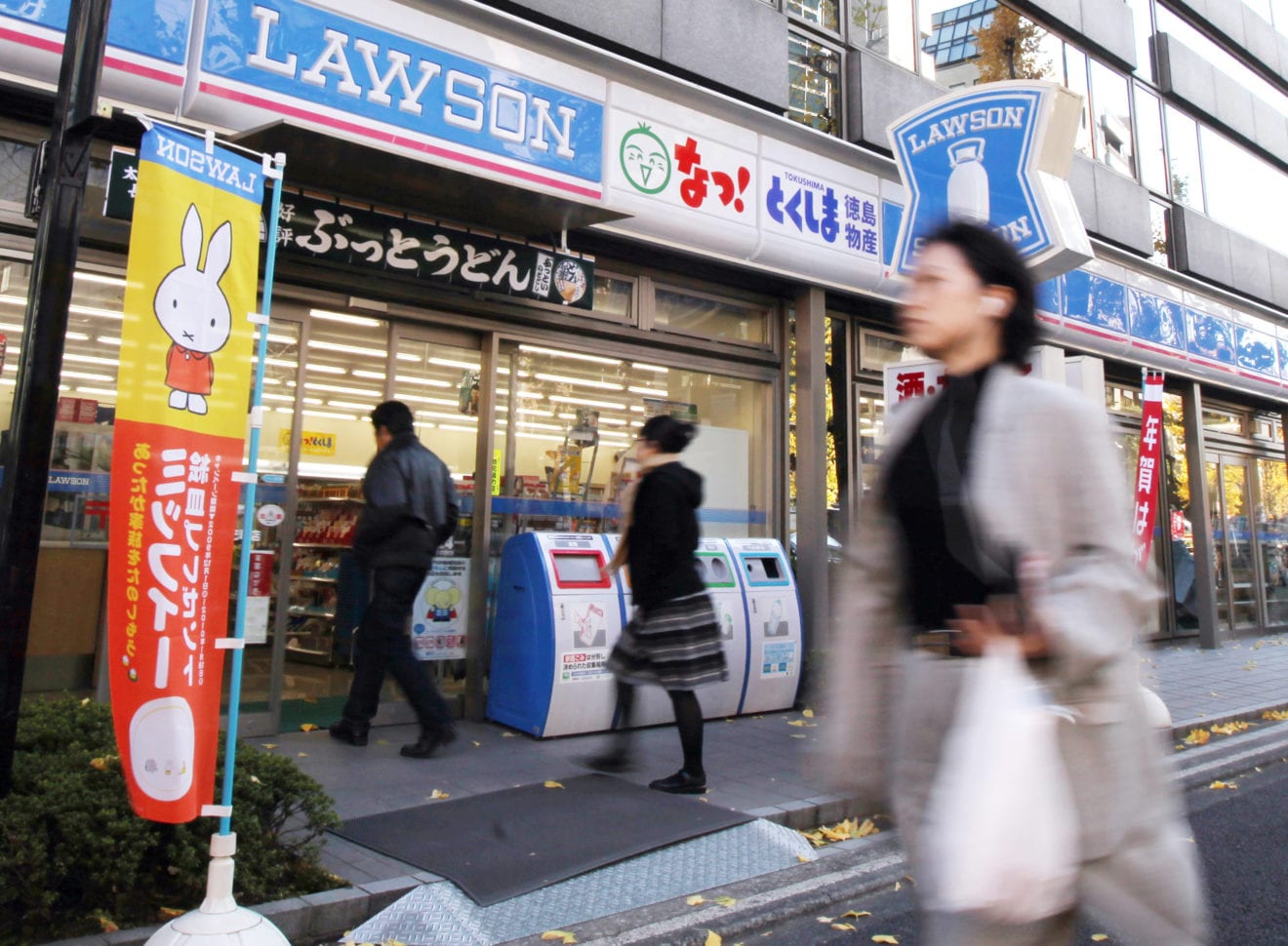
    Japanese convenience-store business Lawson will cooperate with local home-goods network Muji in a sales and brand development partnership, according to a Nikkei Asia report.

    The deal will see Muji products stocked in Lawson Japan outlets as well as the development of further daily-use products under a new private brand, which may lead to a fresh store concept. It replaces Muji’s previous supply contract with rival chain FamilyMart.

    The move will take advantage of shifting consumer behaviors as more Japanese shoppers purchase daily items from convenience store chains in the wake of the coronavirus outbreak.

    Around 20 percent of items currently stocked at Lawson are likely to be replaced with Muji-branded products, most probably goods such as eco-friendly detergents and nutritional pre-packaged foods, in high demand since the advent of Covid-19.

    Early customer response to the change in a small number of outlets will determine how broadly the initiative is applied across Lawson’s 15,000-store network.

    The agreement also addresses shrinking opportunities to expand given the gradual decline in Japan’s population, providing a broader product range in existing stores.

    Muji currently operates more than 400 locations in Japan.

  • Starbucks and Hyundai launching its own credit card

    Starbucks and Hyundai launching its own credit card

    South Korean conglomerate Hyundai’s credit-card subsidiary Hyundai Card is collaborating with Starbucks to launch a private-label credit card.

    The card will be made available later this year with marketing and operations are taken care of by the local issuer. Customers bearing the card will be eligible for all rewards offered by Starbucks on top of regular credit functions and will enjoy optimized benefits from both firms.

    “Along with the private-label credit-card product, we will spur the development of customized services based on our big data,” company officials said.

    The partnership marks Starbucks’ first such private-label alliance within the territory, while Hyundai has previously set up such agreements with E-mart, eBay, Costco, GS Caltex and Korean Air, among others.

  • Superdry exiting Mainland China

    Superdry exiting Mainland China

    British clothing label Superdry is set to quit the Mainland China market after five years of mounting losses.

    Several Chinese-language fashion industry news channels on the mainland are reporting clearance sales in Superdry stores – a rare event in itself – with merchandise discounted by 25 or 30 percent.

    A staff member of a Superdry Xiamen store told Interface Fashion that sold stock was not being replenished. “We have received a notice from the Shanghai company that we will withdraw from the Chinese market in July,” she said, in a comment translated from traditional Chinese.

    News of Superdry’s withdrawal from Mainland China was confirmed by Azoya, which monitors multiple Chinese-language sources, in a LinkedIn post overnight. Azoya said steep discounts of the brand’s merchandise were also being offered on e-commerce platforms such as Tmall, JD and Vipshop.

    Superdry launched in China in September 2015 with a catwalk show at the British embassy in Beijing. In partnership with Trendy International Group which has around 3000 stores on the mainland, Superdry originally planned to open two to five stores in the first year. Each of the two companies pledged to invest £9 million each over 10 years to develop the brand.

    A spokesperson for Superdry’s Chinese partner neither confirmed or denied a decision for the brand to quit China in a note sent to Interface Fashion.

    “At present, due to the impact of the epidemic, Superdry and Trendy Group are currently reviewing the joint venture business and Superdry China operations.”

    Meanwhile, other sources have reported via Weibo that since April 1, about 90 percent of Superdry China employees, from store roles to head office, have been under pressure to take unpaid leave, while management and directors have accepted a 25-per-cent salary reduction.

    Ker Zheng, marketing & partnerships executive with Azoya said that Superdry failed to stand out as a brand in China.

    “Streetwear is trending upscale these days – while the prices at Superdry are high, I don’t think the brand has invested enough in marketing to really differentiate itself from other competitors. It’s not a popular brand,” he said.

    “Apparel is a tough and competitive industry and not many other foreign players besides Uniqlo and Zara have succeeded in China. In the past Chinese males have been less likely to splurge on shopping and prefer to buy simpler clothes, but this is starting to change, so there is hope.”

  • Apple App Store ecosystem generated big bucks last year

    Apple App Store ecosystem generated big bucks last year

    Apple reported today that its app storefront supported $519 billion in billings and sales in 2019. A study was conducted by independent economists working for Analysis Group who calculated that since the App Store opened with 500 apps in 2008, Apple has paid developers more than $155 billion. A quarter of those payments were made last year. Developers share with Apple payments for paid apps, digital content or in-app purchases made by users through Apple’s in-app payment system.
    The economists that were studying the amount of money that flows through the iOS app ecosystem are underestimating the amount of money that is collected by Apple. That is because some developers decide to monetize their apps through other methods outside of the App Store. For example, digital goods and services can be sold outside of the App Store for use within apps on Apple devices. An example of that would be downloading the Netflix app from the App Store and going to the Netflix website to pay for a subscription. Another example, one that is very popular these days, involves installing a delivery app like Instacart or Shipt and paying the delivery firm directly for groceries through its website.
    Of the $519 billion in billings and sales that the App Store generated last year, physical goods and services accounted for $413 billion or 80% of total revenue. $61 billion, or 11.8% of revenue, came from Digital Goods and Services; that leaves $45 billion, or 8.7%, which came from in-app ads. Analysis Group says that the world’s largest smartphone market, China, was responsible for a leading $246 million or 47% of global App Store billings. That was followed by the $138 billion or 27% that comes from the U.S.
    While the report is based on 2019 data, AG says that the coronavirus has had an enormous, positive impact on App Store business. The Analysis Group says that it has seen increased use of educational and business collaboration apps during the pandemic, growth in demand for food and grocery deliveries, and a trend toward ordering food and then driving to the restaurant to pick it up. Other changes include an increasing trend toward mobile gaming and video streaming apps, and the increasing popularity of social apps which are replacing the gap felt by users during periods of social isolation.
    The report says, “With widespread social distancing around the globe, more consumers are turning to mobile to make purchases and to stay informed, connected, and entertained. Many companies and their employees have had to adjust to working from home, while universities, schools, and students have switched to remote teaching and learning. During this time, app downloads, usage, billings, and sales have seen an overall surge.
    Not all apps have been able to benefit from the pandemic. Apps related to businesses that have closed or have faced strict regulations (such as the hotel business, airlines and restaurants) or those that require face-to-face interaction (like the ride share business) have been seriously impacted. And as the global economy has taken a huge hit, digital advertising also has see a plunge as companies feel less of a need to advertise to a public that is not as liquid as it once was.
    Apple CEO Tim Cook, talking about the App Store says, “The App Store is a place where innovators and dreamers can bring their ideas to life, and users can find safe and trusted tools to make their lives better. In a challenging and unsettled time, the App Store provides enduring opportunities for entrepreneurship, health and well-being, education, and job creation, helping people adapt quickly to a changing world. We’re committed to doing even more to support and nurture the global App Store community — from one-developer shops in nearly every country to businesses that employ thousands of workers — as it continues to foster innovation, create jobs, and propel economic growth for the future.”