Category: Automotive

Retail News Asia is committed to providing both local and global retailers with the latest Auto and Car news throughout the Asian market. This on a daily base.

  • The Layout Of Tesla’s Nevada Gigafactory

    The Layout Of Tesla’s Nevada Gigafactory

    Tesla’s famous Nevada Gigafactory has been under construction for three years but it has only been completed 30 percent. It is one of the key strategic assets for Tesla to secure battery cell supply. In fact, some of the space in the Gigafactory was reserved for Panasonic as the leading electric car maker had partnered with the Japanese company. Panasonic is said to deploy a new battery cell production capacity at the facility which Tesla will use to build battery packs for its vehicles and Powerwall products.

    Originally, the plant was to produce 105GWh battery cells per year and 150GWh of battery packs per year. This would’ve made this Gigafactory the largest building in the world. But this hasn’t happened as both Tesla and Panasonic have just used up 30 percent of the space and focussed its energies on optimizing the current production facility. Panasonic’s Celina Mikolajczak, its Vice President for battery technology in North America has revealed what the future expansions are in-store for the Gigafactory. Mikolajczak was actually formerly at Tesla where she was an expert in batteries and technical leaders in the development and validation of lithium-ion batteries.

    Mikolajczak has released a slide that shows the plan for the future sections of the Gigafactory. Panasonic currently occupies the majority of the factory, but future expansions are meant to give Tesla more manufacturing space, more battery manufacturing space for Panasonic and additional space for raw materials.Now this factory has 13 battery cell assembly lines 24 hours per day 7 days a week producing 35GWh of battery cells per year. With the extra space, the factory could top beyond the 105GWh battery cell capacity.
  • Mercedes-AMG GLC 4MATIC Coupe

    Mercedes-AMG GLC 4MATIC Coupe

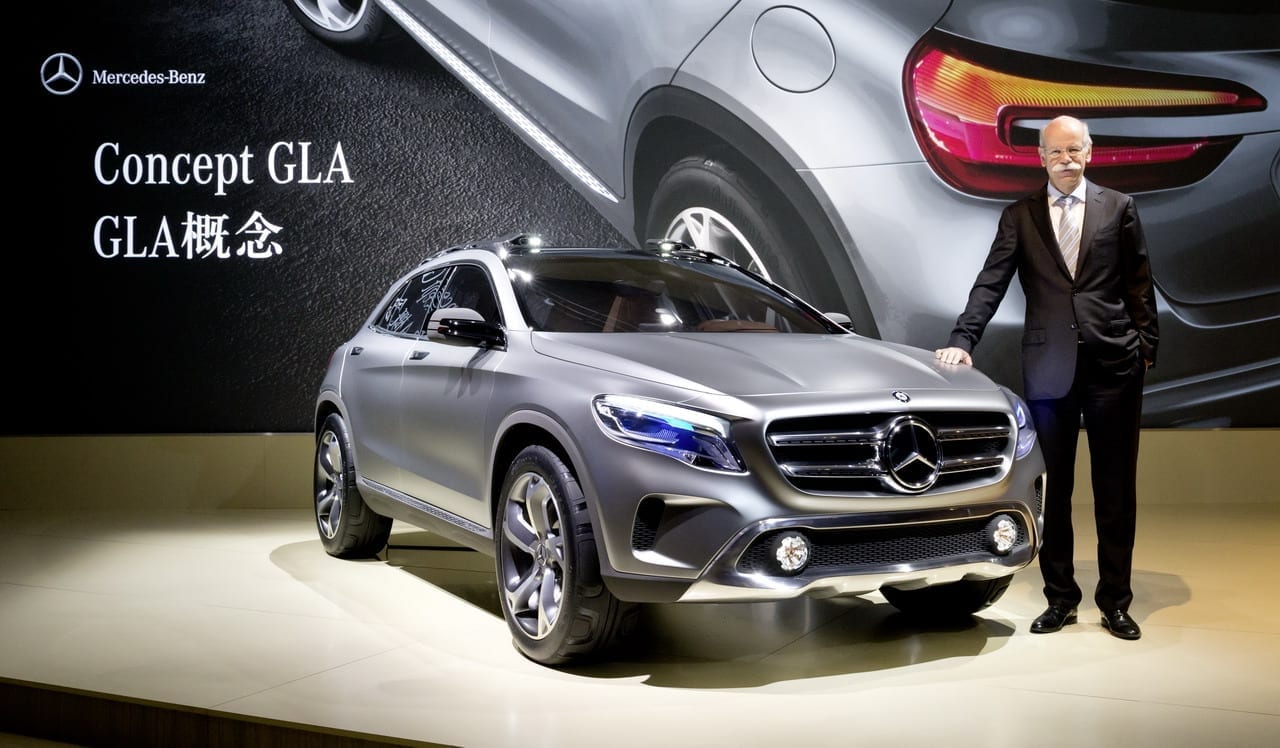
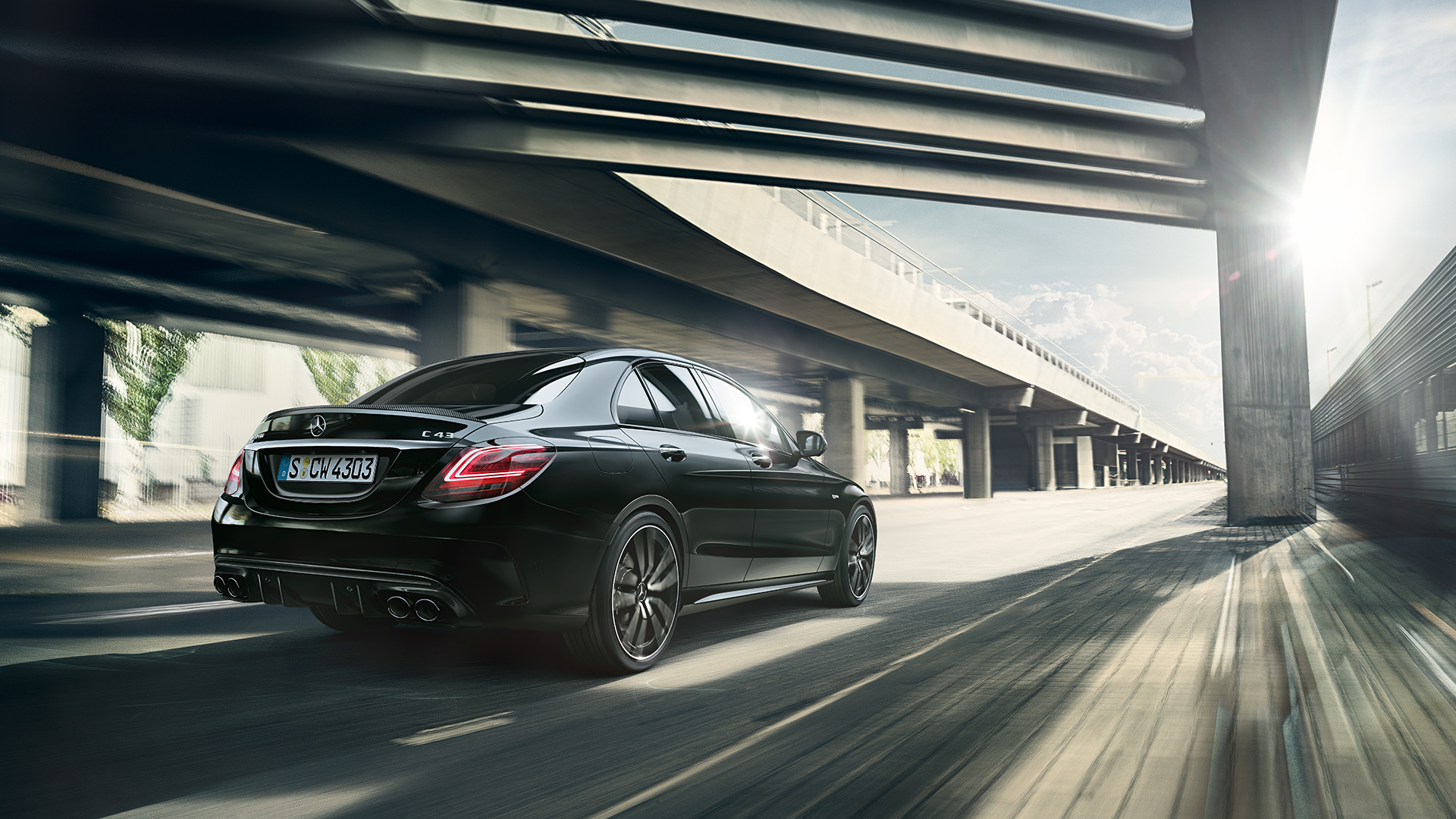
    Mercedes’ fifth AMG launch in India in 2020 is rather special. For the first time any automaker has considered local assembly of its performance oriented car and it’s the Mercedes-AMG GLC 4MATIC Coupe that is the first made-in-India AMG model to go on sale in India. The Mercedes-AMG GLC 4MATIC Coupe went on sale at ₹ 76.70 lakh (ex-showroom, India). Here’s everything you know about this new model.

  • Mercedes-Benz India Sees Positive Annual Growth Despite Challenging Situations

    Mercedes-Benz India Sees Positive Annual Growth Despite Challenging Situations

    Auto sales have been on the upswing for the last four months. While we still cannot expect any exponential growth this year, thanks to the coronavirus crisis that dampened sales for three months, automakers are expecting sales to be restored and at least inch to breakeven level for the overall year. Even luxury carmakers like Mercedes-Benz India has observed sales getting back on the growth trajectory gradually and the festive season is expected to give automakers the much-needed shot in the arm.

    Speaking to Siddharth Vinayak Patankar, Editior-In-Chief, on the latest Freewheeling with SVP webisode, Martin Schwenk, Managing Director (MD) and Chief Executive Officer (CEO)- Mercedes-Benz India said, “Overall, I think we’re back as a leader brand. Again, we’re back in a completely normal year but we have sales that are comparable to what previous years have done. Overall, we are in the stable mode now and have a good starting base for next year.”

    Now the German carmaker has also started with the local assembly of its performance AMG range in India and that’s indeed a bold move especially at a time when many plans have been put off owing to the Coronavirus crisis. In fact, the German brand is confident that AMG models do have a burgeoning market by segment standards in India making them more affordable by way of localization will help to tap a potential market. “2019 was 50 percent higher in AMG and obviously this year there is some setback as well, but AMG still is doing better than the normal segment. So performance seems to be a little bit stronger in terms of growth, but honestly, the numbers are absolutely much smaller compared to our regular models,” Schwenk added. Mercedes-AMG has launched the locally built GLC 43 Coupe in India at ₹ 76.70 lakh, ex-showroom, India.

  • My Volkswagen Connect App Launched

    My Volkswagen Connect App Launched

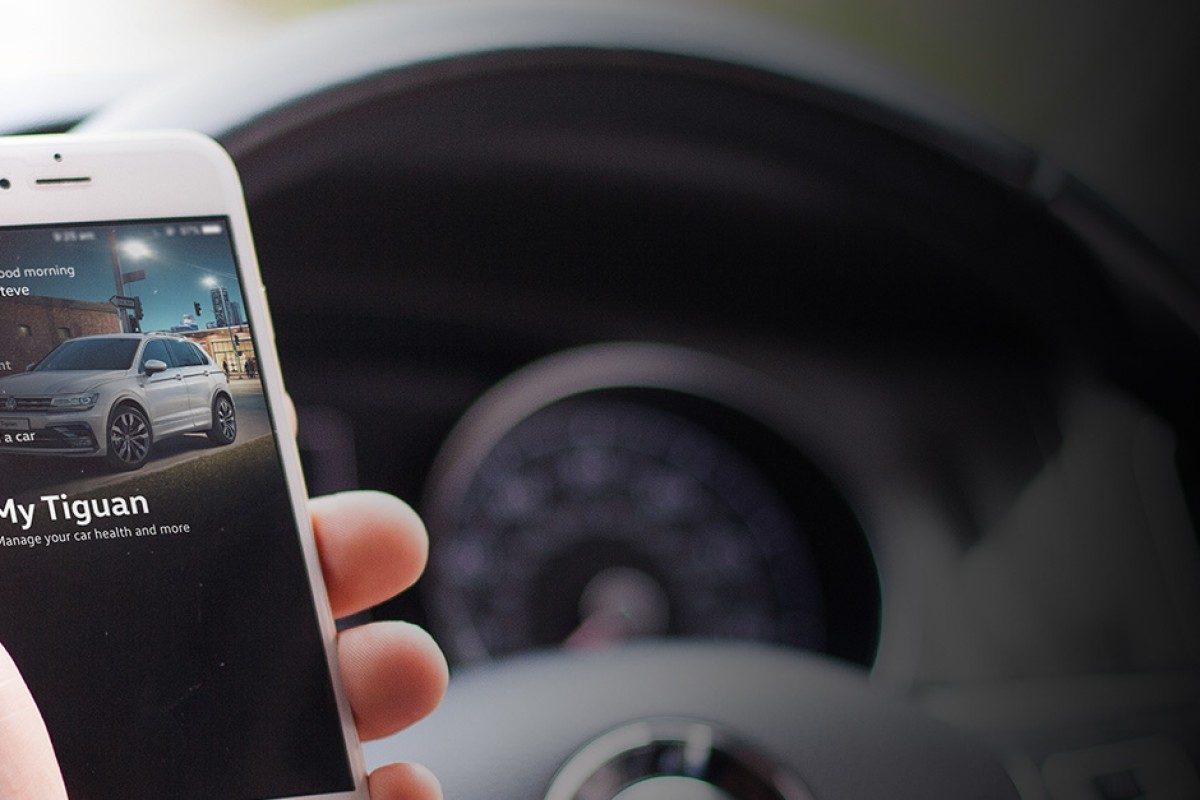
    Volkswagen India has joined the connected car bandwagon with the launch of the ‘My Volkswagen Connect’ mobile app. The new interactive sim-based app brings connected car technology to Volkswagen cars sold in the country and provides access to a host of features like vehicle telematics, geofencing, remote tracking and more. The app is available for both Android and iOS devices. The new Polo GT TSI and the Vento Highline Plus will get the new My Volkswagen Connect app as standard, the company has said in a statement.

    Commenting on the launch, Steffen Knapp, Director, Volkswagen Passenger Cars India said, “At Volkswagen India, we have relentlessly been working towards enhancing and providing our customers the best of technology and connected solutions. Today, we introduced the upgraded ‘My Volkswagen Connect’ app that offers customer convenience and safety at their fingertips. Customers will have access to real-time vehicle analysis and assistance that would make them aware of their vehicle condition, driving patterns, and enhance the overall fun-to-drive experience that a Volkswagen stands for.”The new Volkswagen connected car app essentially uses a dongle that’s plugged in the car’s on-board diagnostics (OBD) port that relays information on the mobile app. The app offers a range of data that includes the user’s driving style quantifying speed, braking behavior, coolant temperature, acceleration, and rpm. The app also enables users to locate the point of interest and also reach out to customer care or roadside assistance, in case of emergencies.

    The My Volkswagen Connect app also has the provision to scan and store vehicular documents for a paperless record. You can also use the app to set reminders for vehicle insurance renewal. Volkswagen India is offering the app with a three-year subscription for free and three years of warranty. Similarly, Honda Cars India also offers the Honda Connect app on its cars, while Nissan offers the Nissan Connect app on the same lines. It is noteworthy to mention that both companies among several others have been offering the technology for about a few years now.

  • Mercedes-Benz To Increase Its Share In Aston Martin

    Mercedes-Benz To Increase Its Share In Aston Martin

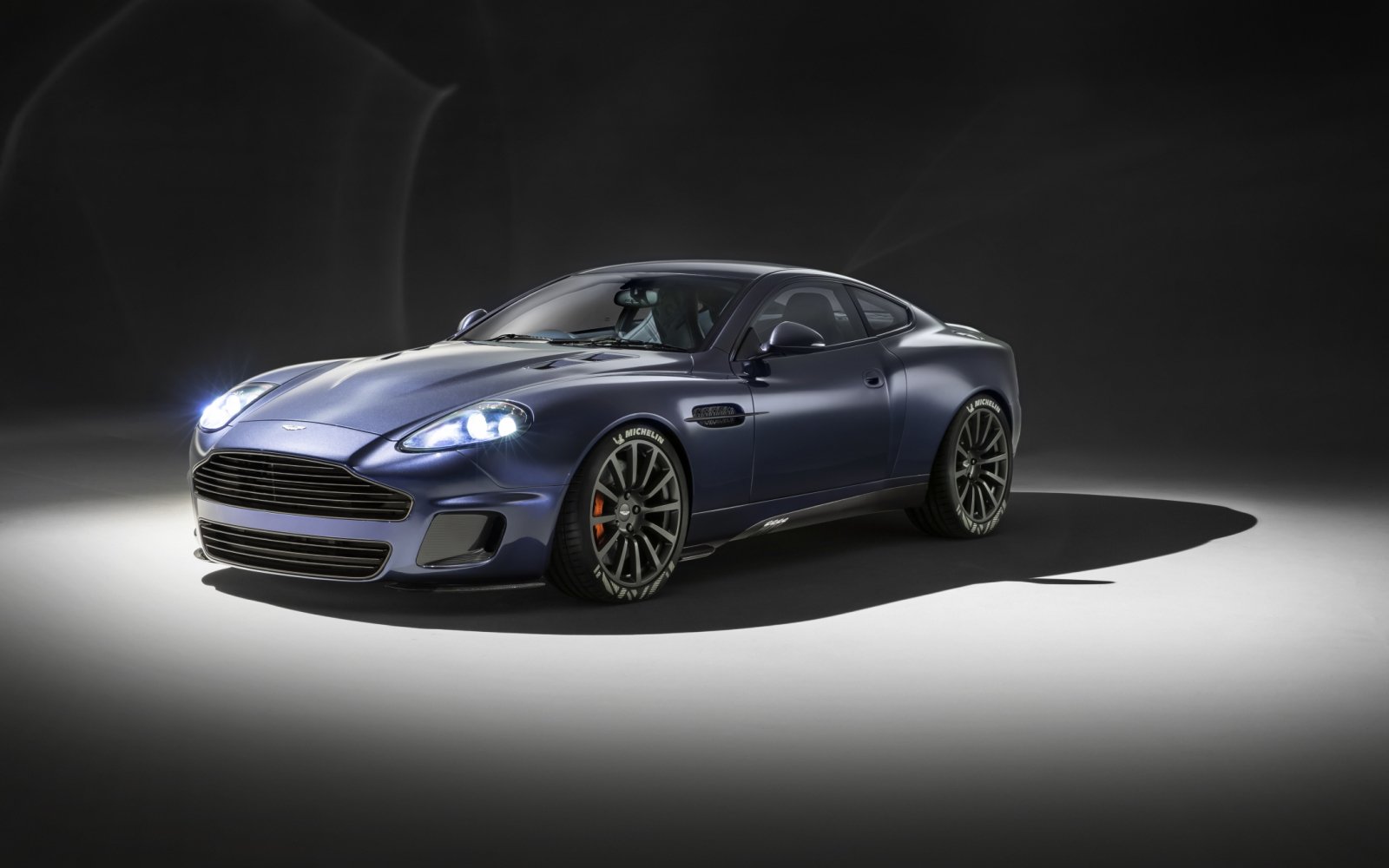
    Aston Martin is a celebrated British car manufacturer and the company is not in great shape financially. But in order to make the going easier, Aston Martin has announced that Mercedes-Benz will increase its stake in the company to 20 percent. In return, Mercedes-Benz will grant Aston Martin access to its latest technologies. These also include Mercedes’ technology for plug-in hybrid and fully electric vehicles. What this essentially means is that Aston Martin will reduce the cost and risk of developing its own technology for electrified vehicles and will focus on investment in other areas and expand its model portfolio.

    Lawrence Stroll, Executive Chairman of Aston Martin Lagonda, said “Today, we take another major step forward as our long-term partnership with Mercedes-Benz AG moves to another level with them becoming one of the Company’s largest shareholders. Through this newly expanded agreement, we secure access to world-class technologies to support our long-term product expansion plans, including electric and hybrid powertrains and this partnership underpins our confidence in the future.”

    Mercedes-Benz will provide technology (including powertrain architecture for a conventional, plug-in hybrid, and electric vehicles) for all product launches through 2027. Aston Martin has plans to reach 10,000 unit sales per annum by 2024/25 although there is still a long way to go, with the British company delivering just 2,752 cars so far in 2020, which is a drop of 39 percent over 2019. But a part of that can be attributed to the global corona pandemic as well. Aston Martin’s operating losses for 2020 so far stands at £229m. The company aims to have a net income of £500m with interest, taxes, depreciation, and amortization added back by the mid part of the decade.

    In its recently released financial statement, Aston Martin says that the company has a plan to update its entire front-engined sports car line-up, introduce a new SUV model which will sit along-side the DBX, and launch a new range of mid-engine cars.

  • Waymo And Daimler Are Partnering For Self Driving Trucks

    Waymo And Daimler Are Partnering For Self Driving Trucks

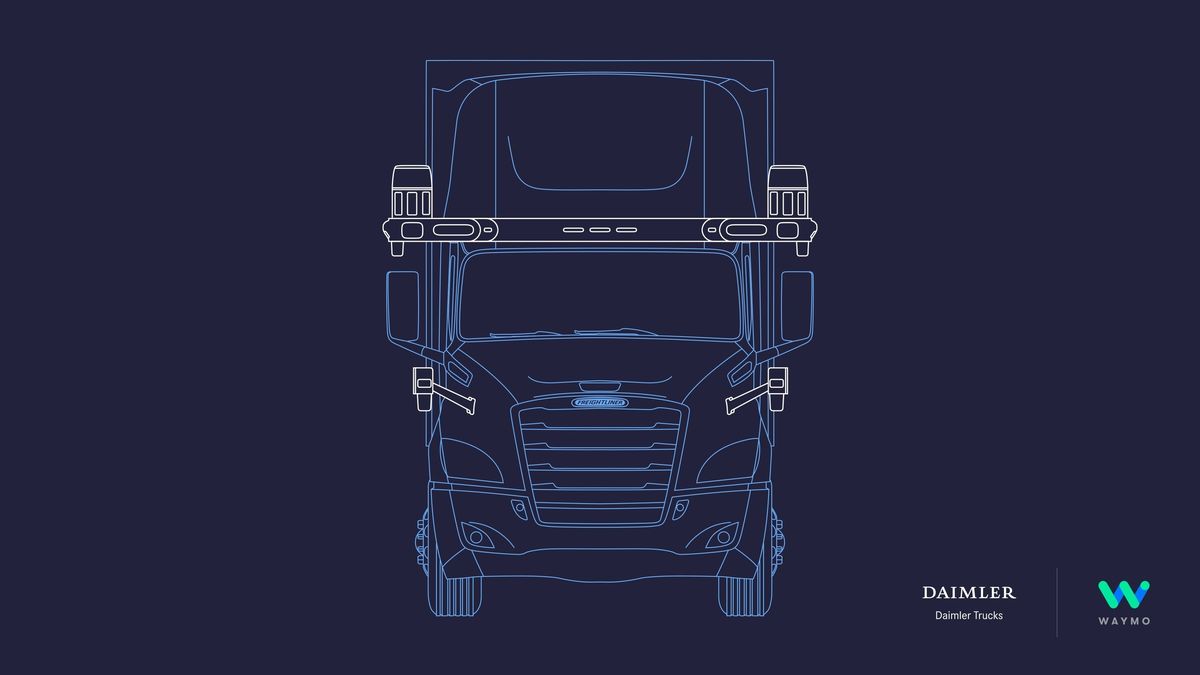
    Recently few reports emerged which said that Mercedes was scaling back from developing autonomous driving technology which was quickly buried by the company’s head of digital transformation. Now Alphabet-owned Waymo and Daimler have officially announced a partnership in which the German company will be teaming up with the pioneering self-driving company to sell autonomous trucks in the US. This partnership will see the Waymo One technology make its way to Daimler’s trucks – it is the same technology that Alphabet has deployed in Phoenix, Arizona which forms the world’s first self-driving ride-hailing service.

    “The autonomous Freightliner Cascadia truck, equipped with the Waymo Driver, will be available to customers in the U.S. in the coming years,” the two companies said in a statement. “Waymo and Daimler Trucks will investigate expansion to other markets and brands in the near future,” the statement added without outlining an actual timeline.

    The deal is particularly with Daimler North America ties in soundly with Waymo’s vision of graduating to larger vehicles like trucks. Daimler also has tested its own self-driving trucks in the past. Mercedes recently also introduced autonomous driving technology to the S-class and has also partnered with the airport in Stuttgart to provide a self droving car valet service in partnership with Bosch.

    “We have the highest regard for Daimler’s engineering skills and broad global truck product portfolio, and so we look forward to scaling the Waymo Driver, together with our new partner, to improve road safety and logistics efficiency on the worlds’ roadways,” said John Krafcik, Waymo’s CEO.

    Adding to this Martin Daum, chairman of the board of management of Daimler Truck AG and Member of the Board of Management of Daimler AG said, “As the leader of our industry, Daimler Trucks is the pioneer of automated trucking. In recent years, we have achieved significant progress on our global roadmap to bringing series-produced highly automated trucks to the road. With our strategic partnership with Waymo as the leader in autonomous driving, we are taking another important step towards that goal. This partnership complements Daimler Trucks’ dual strategy approach, of working with two strong partners to deliver autonomous L4 solutions that are seamlessly integrated with our best-in-class trucks, to our customers.”

    The Freightliner Cascadia truck will be the primary focus of this deal. It will be outfitted with the Waymo driver platform. It is a class 8 vehicle and comes with a hefty safety suite called the Detroit assurance 5.0 which includes active safety technology including active brake assistance, adaptive cruise control, lane departure warning and lane-keeping systems as options.

    The Waymo Driver platform will elevate the ADAS capability of this truck beyond level 4. They will be able to handle most driving conditions including heavy inclement weather. This comes with the credence of the Waymo driverless platform being able to handle alternative climates something Waymo has tested for more than half a decade as the pioneer of driverless technology ever since it graduated out of Google Skunkworks R&D unit called Google X and then was spun off into a separate company called Waymo.

  • BMW R 18 Classic Unveiled

    BMW R 18 Classic Unveiled

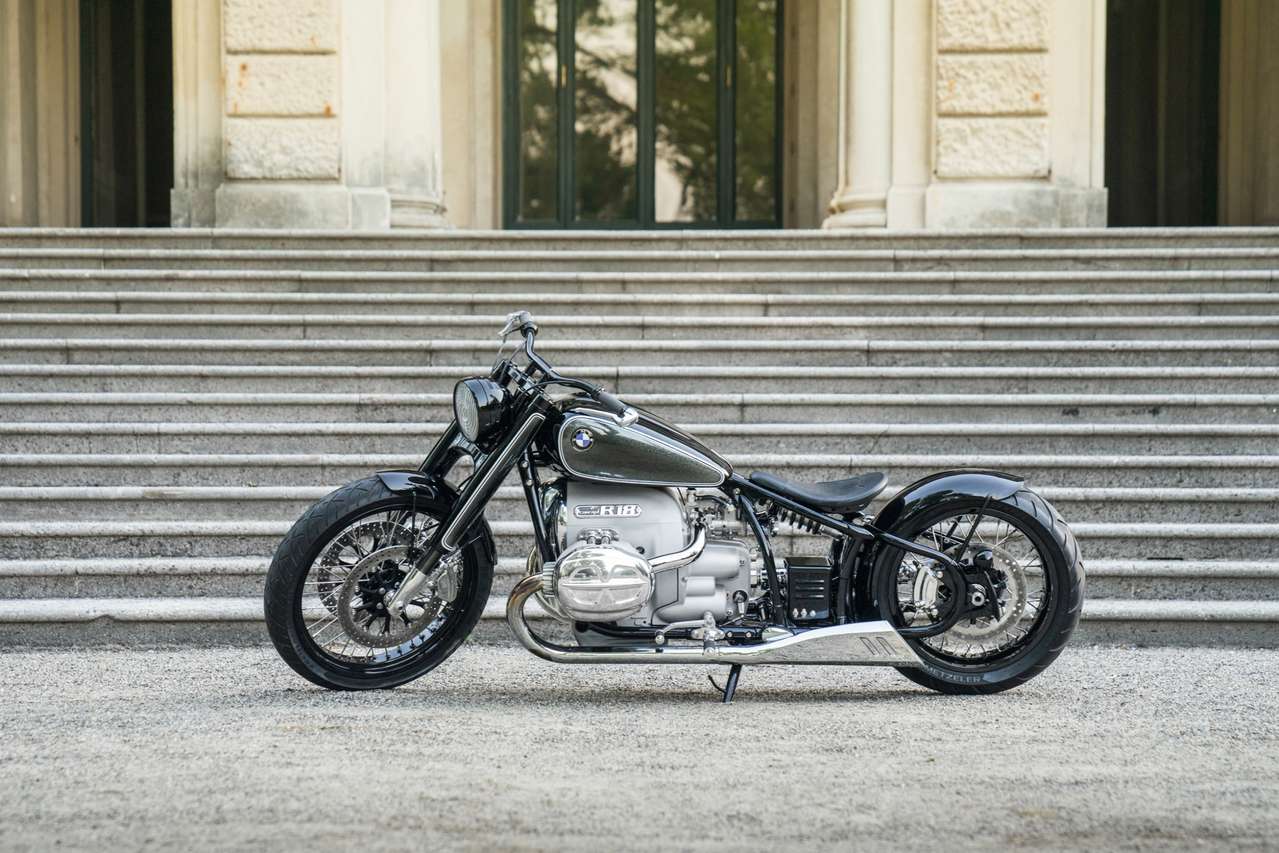
    BMW Motorrad has started introducing its 2021 range of motorcycles, and with the new range, has added a new variant to the BMW R 18 model line-up. The BMW R 18 Classic is based on the standard BMW R 18, but gets some additional equipment to make it more touring friendly, and a slightly different passenger seat. The obvious changes include a clear windshield, a pair of leather-finished saddlebags with traditional looking buckle stays, and all of these are removable, so the R 18 Classic can be turned back to something which is almost identical to the standard BMW R 18.

    On the R 18 Classic, there are also extra LED headlights, a smaller, and wider 16-inch front wheel, instead of the 19-inch front wheel on the base R 18, and also gets standard cruise control. The saddlebags come with 15.5 liters of storage space or 10 liters with the removable liners, and the buckles are cosmetic, just to give the traditional look. The fasteners are more conventional push-in units. The windscreen slots into the top of the forks and attaches to the bolt-on auxiliary light bracket with locking brackets, and can be removed or replaced very quickly and conveniently.

    The powerplant is the same as the R 18, so the 1,802 cc, air-cooled boxer twin puts out the same 91 bhp of power and 157 Nm of peak torque. The engine is mounted on a double-cradle steel frame and the hidden rear suspension system gives the look of a classic hardtail cruiser. There is a modern electronic system, with multiple riding modes, ABS, traction control, engine brake control, which can be monitored and set via a simple LCD unit on the analog speedometer console. There’s also the option of adding an electric reverse gear and hill start control.

    BMW also offers a wide range of extras for both models, the R 18 and the R 18 Classic, with wheel options ranging from 16-inch to 21-inches, different seats, footboards, screens, bars, luggage and cosmetic components, so the standard 345 kg kerb weight of the base R 18 becomes irrelevant with the addition of aftermarket components.

    With the additional components, the BMW R 18 Classic adds some weight too, pushing its kerb weight to 365 kg, compared to 345 kg of the base BMW R 18. The base R 18 is priced at ₹ 18.90 lakh (Ex-showroom) in India, and if BMW Motorrad India decides to introduce the R 18 Classic, expect prices to be around ₹ 21 lakh (Ex-showroom). The BMW R 18 Classic is expected to be offered on sale across BMW Motorrad dealerships by the second quarter of 2021.

  • Suzuki mulls assembling passenger cars in Vietnam

    Suzuki mulls assembling passenger cars in Vietnam

    Japanese automaker Suzuki is possible to assemble passenger cars in Vietnam in the coming time, a leader of the company says.

    Toshiyuki Takahara, general director of Suzuki Vietnam, told local media that the country is a key market for the company and it is considering assembling certain models there.

    When selecting a country for establishing a car assembly plant, Suzuki needs to take into consideration the possible sales volume, he said, but did not mention a specific target, saying it was a trade secret.

    With its current market share, it is more reason for it to import completely built unit (CBU) cars for local distribution, he added.

    Suzuki now assembles light trucks and vans in Vietnam. But all passenger cars, including four- and seven-seater, are imported from Indonesia and Thailand.

    Takahara said assembling passenger cars in the country requires huge capital investments in the production line. If the assembling depends on imported components, it would be ineffective because of increasing costs, resulting in higher car prices.

    Suzuki’s market share in Vietnam has been increasing over the past three years. It sold more than 6,800 vehicles in 2018, accounting for 2.5 percent of the market share. Last year, these numbers increased to 11,780 and 3.9 percent, correspondingly.

    The market share of Suzuki brand cars increased to 5.1 percent in the first 9 months of this year.

  • Daimler Posts Forecast-Beating Results For Q3 2020 As Demand Rebounds

    Daimler Posts Forecast-Beating Results For Q3 2020 As Demand Rebounds

    Daimler shares surged 4.5 percent on Friday after the luxury carmaker posted forecast-beating third-quarter results, buoyed by a better-than-expected rebound in sales of luxury cars in September. European car registrations rose slightly in September, the first increase this year, industry data showed on Friday, suggesting a recovery in the auto sector in some European markets where coronavirus infections were lower. Swedish truckmaker AB Volvo also posted third-quarter core earnings well above forecasts thanks to a healthy jump in orders.

    Daimler’s third-quarter earnings before interest and tax reached 3.07 billion euros ($3.59 billion), it said late on Thursday, beating the 2.14 billion euro Refinitiv consensus.

    The Stuttgart-based company is due to publish further financial details on Oct. 23 and said it would publish updated guidance for the full year at that time.

    Analysts had expected premium carmakers to benefit from a rebound in demand and welcomed Daimler’s strong cash flow during the quarter.

    “Free cash flow beat is a solid surprise,” Philippe Houchois, an analyst at Jefferies, said in a note.

    Daimler said it expected the positive momentum to continue in the fourth quarter, assuming there are no further coronavirus lockdowns.

    The COVID-19 pandemic had led to a slump in sales, pushing the company to operate losses in the first and second quarters.

    To counter losses, Daimler’s Mercedes-Benz has stopped building sedans in the United States to focus on more profitable SUVs, combined its fuel cell development with Volvo Trucks, and halted an automated development alliance with BMW..

    Earlier this month, Daimler said it will cut fixed costs, capex, and research and development spending at Mercedes-Benz by more than 20% by 2025 as part of a strategy overhaul to take the brand further upmarket.

    The move will see Mercedes-Benz, currently, the world’s top-selling premium car brand, turn its back on a decades-old strategy of chasing sales volume to focus on the industry’s most profitable segments: limousines and sport-utility vehicles.

  • New-Generation Hyundai i20 Sketches Revealed

    New-Generation Hyundai i20 Sketches Revealed

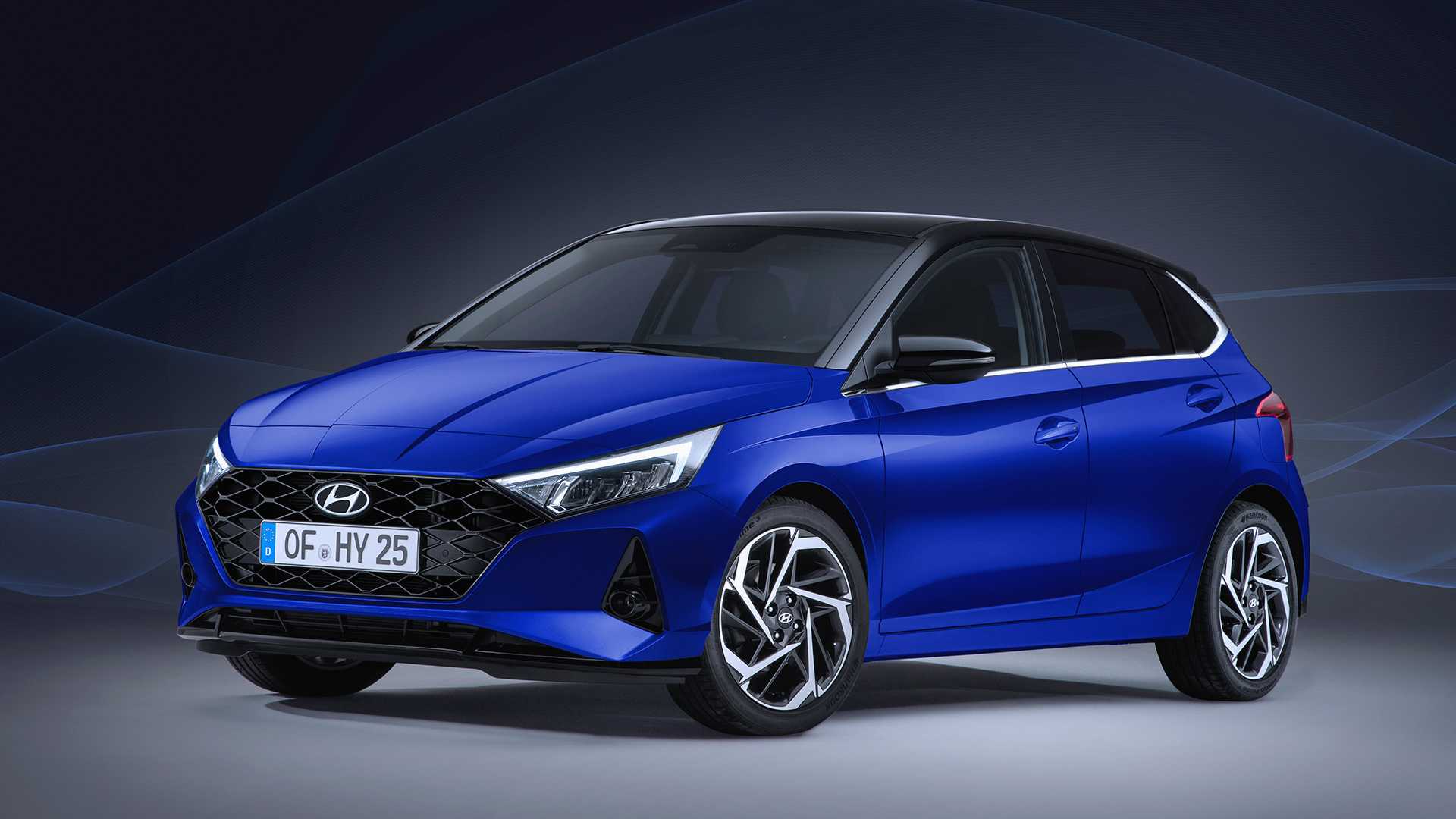
    Hyundai Motor India Limited (HMIL) has revealed the design renderings of the new-generation Hyundai i20, which will be launched in India next month. This will be the third-generation model of the i20, with the current generation model having debuted in 2014. The new i20 is designed around the company’s theme of sensuous sportiness. Needless to say, the new-gen i20 gets a complete overhaul including a new design. The look of the car is bolder now and the stance is sportier too, with a sloping hood upfront. The cascading grille and the headlight cluster are completely new and add to the bold look. The rear too sees a complete change of design, with new boot lid and sharp looking taillights which form a ‘Z’.

    Hyundai says that the new i20 has been designed keeping four elements in mind which are proportion, architecture, design, technology. The cabin of the new i20 has been completely re-done. It is likely to be an all-black affair and get features like a digital instrument cluster, 10.25-inch touchscreen infotainment unit, flat-bottom steering with mounted controls, dual airbags, rear AC vents, charging sockets, Hyundai’s BlueLink connected car technology, and other more

    The new i20 is expected to get three engine options which include the 1.2-liter petrol, the 1.5-liter diesel and the 1.0-liter turbocharged petrol engines, similar to the ones found on other Hyundai cars. Transmission options will include both manual and automatic gearboxes. The car has already started making its way to Hyundai dealerships across the country and as we said earlier, we expect the new-generation i20 to be launched in November 2020. It will continue to go up against rivals such as the Maruti Suzuki Baleno, Tata Altroz, and the Volkswagen Polo.

  • Geely’s New EV Plant Will Build Premium Polestar Cars

    Geely’s New EV Plant Will Build Premium Polestar Cars

    An electric vehicle (EV) factory planned by the Chinese automaking group Geely will produce cars under the premium Polestar marque, two people with direct knowledge of the matter told Reuters on Monday. Zhejiang Geely Holding Group Co Ltd plans to build a plant with an annual manufacturing capacity of 30,000 premium EVs in the western city of Chongqing, run by a wholly-owned, newly registered company, showed documents on its website.

    Geely and Polestar declined to comment on the marque. The plan comes as foreign automakers including BMW AG and Tesla Inc expand EV production in the world’s biggest market, sourcing major EV components such as batteries locally and often exporting the end product.

    Hangzhou-based Geely is China’s most internationally known automaker. It owns Volvo Cars and Lotus, almost half of Proton and 9.7% of Daimler AG. Its Hong Kong-listed Geely Automobile Holdings Ltd is planning a Shanghai float.

    Through wholly-owned company Polestar, it builds low-volume Polestar 1 hybrid performance cars in the western city of Chengdu and Polestar 2 volume sedans in Taizhou in the east.

    It also plans to begin production of the Precept sedan, displayed at this year’s China auto show.

    Polestar aims to eventually offer bigger, more sporty vehicles at its showrooms, which currently span nine countries and whose number it plans to raise to 45 from 23 by year-end.

    Polestar Chief Executive Thomas Ingenlath told Reuters the firm is scouting markets in Asia-Pacific and the Middle East.

    Geely is also building a factory in China to make sport-utility vehicles under the Lotus marque, Reuters reported.

  • Royal Enfield Meteor 350 Launch Date Revealed

    Royal Enfield Meteor 350 Launch Date Revealed

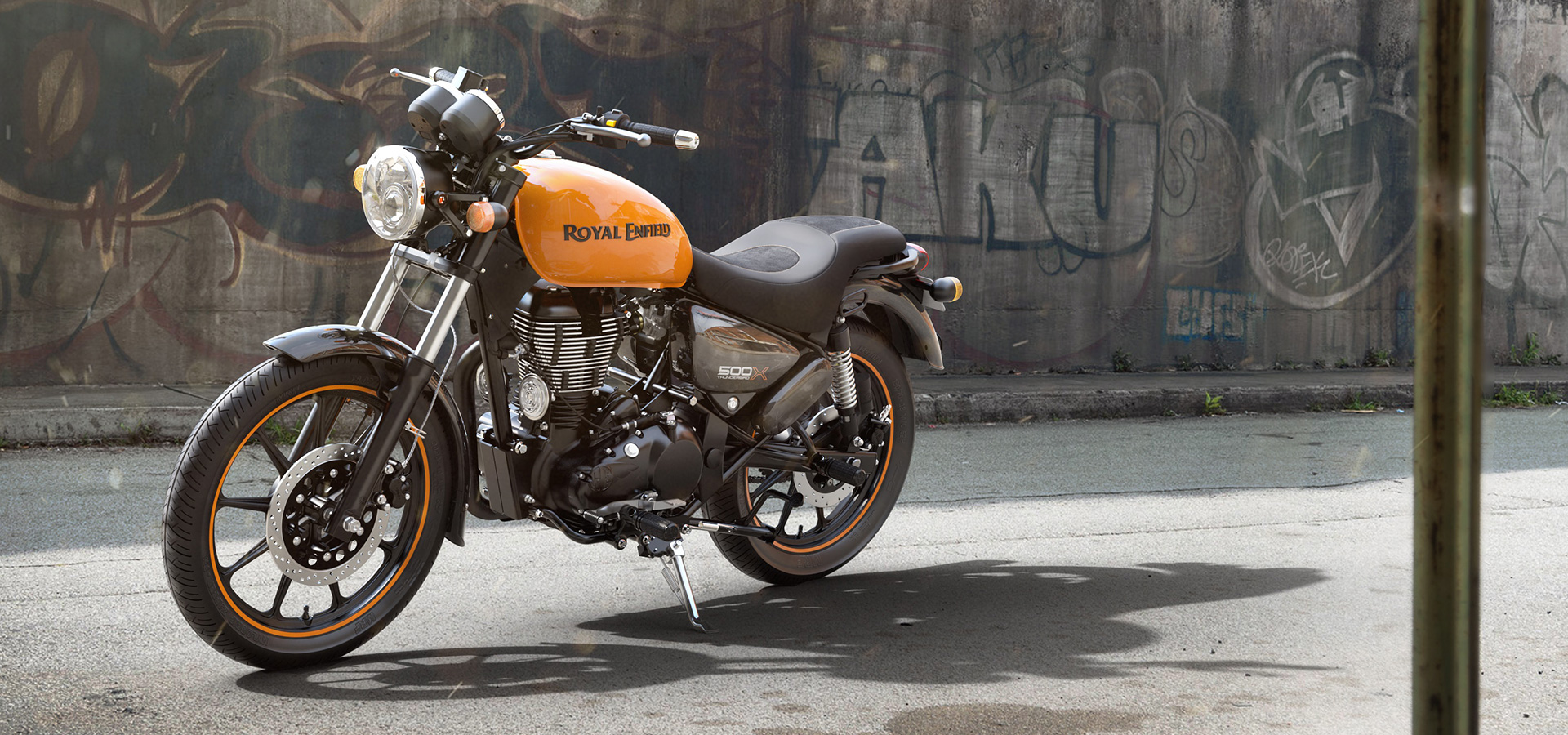
    The Royal Enfield Meteor 350 finally has a launch date! It will be launched in India on November 6, 2020. It is going to be the most important launch for Royal Enfield after the 650 Twins. The Meteor range represents a new era for the company, as the bikes are built on a brand new platform and get an all-new engine too. The Royal Enfield Meteor 350 will be positioned as a global product and is likely to replace the Thunderbird 350. Leaked brochures and other documents suggest that Royal Enfield will offer the Meteor 350 in three variants, Fireball, Supernova, and Stellar.

    The main differences, cosmetically, seem to be the new instrument console set-up and the new split seat design, together with other changes in the rear fender, headlight, and taillight. The instrument console, certainly is the center point of the changes, with an asymmetrical design, and could possibly offer far more information than the rather rudimentary set-up on the Thunderbird 350X. Design cues are likely to include a tear-drop shaped fuel tank, bright colour options, LED daytime running lights, new alloys, and a split-seat.

    As mentioned earlier, the Meteor is likely to employ a new frame and a new engine. Spyshots reveal that the Meteor 350 uses a double-cradle chassis as opposed to a single downtube frame on the Thunderbird 350. Plus, the new 350 cc engine on the Meteor is likely to generate better power and torque figures than the 350 cc UCE (unit construction engine) but not so much that it overwhelms first time buyers. The leaked brochure suggests that the engine will pump out 20.2 bhp and 27 Nm of peak torque.

    Another set of spy shots suggest that the Meteor will get a secondary TFT color display, along with the main unit that comes with an analog speedometer and LED panel for trip meter and other essential information. The leaked images show that the new TFT display will have a turn-by-turn navigation feature, which in turn suggests that the new Meteor could also get Bluetooth connectivity, making it the first Royal Enfield motorcycle to get it.

    We expect the RE Meteor 350 to be priced between ₹ 1.5 lakh and ₹ 2 lakh and it will go up against the Benelli Imperiale 400, Jawa 300 and the newly launched Honda H’Ness CB350 and the latter has been solely launched by HMSI to go up against the Meteor 350.

  • Tesla’s Release Of New ‘Self-Driving’ Software Closely Watched By U.S. Regulator

    Tesla’s Release Of New ‘Self-Driving’ Software Closely Watched By U.S. Regulator

    The U.S. auto safety regulator said on Thursday it was closely watching Tesla Inc’s release of a software version intended to allow its cars to drive themselves, saying it stood ready to protect the public against safety risks. Tesla on Tuesday night released a beta, or test version, of what it calls a “Full Self Driving” software upgrade to an undisclosed number of “expert, careful” drivers. The release prompted online posts by excited recipients who shared video snippets of their car driving apparently autonomously on city streets at night.

    During a Tesla earnings call on Wednesday, Chief Executive Elon Musk said the latest upgrade was planned to be widely released by the end of this year, with the system becoming more robust as it collected more data.

    “NHTSA has been briefed on Tesla’s new feature, which represents an expansion of its existing driver assistance system. The agency will monitor the new technology closely and will not hesitate to take action to protect (the) public against unreasonable risks to safety,” the National Highway Traffic Safety Administration said in a statement.

    NHTSA in July said its special crash investigation team had “looked into 19 crashes involving Tesla vehicles where it was believed some form of advanced driver assistance system was engaged at the time of the incident.”

    Musk for years has promised self-driving for the company’s vehicles but missed several self-imposed deadlines.

    Researchers, regulators and insurance groups say true self-driving is still years away and more complex than companies anticipated several years ago. They have criticized Tesla’s promotion of its existing semi-automated Autopilot system as dangerously misleading.

    A consortium of self-driving technology companies, Partners for Automated Vehicle Education (PAVE), which includes Ford Motor Co, General Motors Co and Google’s self-driving unit Waymo, criticized Tesla’s approach.

    “Public road testing is a serious responsibility and using untrained consumers to validate beta-level software on public roads is dangerous and inconsistent with existing guidance and industry norms,” PAVE said in a Thursday statement.

    Autopilot and similar advanced driver assistance systems can provide steering, braking and acceleration support under limited circumstances, generally on highways.

    Tesla’s website describes the new software release as “Autosteer on City Streets,” saying the system requires active driver supervision and does not make the car autonomous.

    Tesla owners can purchase “Full Self Driving” for $8,000 in hopes of eventually receiving the upgrade. Musk said early Thursday the price would rise by $2,000 on Monday, but later in the day tweeted U.S. price hikes would be pushed to Thursday next week. Similar price increases will apply in other countries as the test version was released there, he added.

    On Twitter, Tesla owners receiving the test version posted videos of their experience, claiming the car “literally sees everything,” setting indicators on its own and navigating turns even without clear lane markings. https://bit.ly/3kpgvUu

    They also posted a picture of the software update release notes, which said the system “may do the wrong thing at the worst time,” urging drivers to keep their hands on the wheel and pay extra attention.

    Reuters could not reach Tesla for comment on NHTSA’s statement and to confirm the authenticity of the release note.

  • Tesla May Build A Battery Plant In Indonesia

    Tesla May Build A Battery Plant In Indonesia

    Tesla is reportedly planning to build a facility for making batteries in Indonesia a report by CNBC revealed. “Minister of Industry (Menperin) Agus Gumiwang confirmed about Tesla’s plan, he said that Tesla would later be directed to build a factory in Batang. Currently, the discussion process between Tesla and the government is still ongoing,” says the report.

    “I said you put the investment here today, we will give the reserves. So, if we always change from commodity base to downstream. So, we see production downstream. That will turn Indonesia into a great country into the global supply chain,” said Indonesia’s coordinating minister of maritime affairs and investment, Luhut Binsar Pandjaitan.
    Reportedly, this facility would come up in Batang. All this comes after Tesla CEO Elon Musk pleased with mining companies to increase their Nickel production. Tesla was already in talks with the Indonesian government for building a new venture for nickel as the South East Asian country has rich reserves of the mineral.

    Indonesia has banned exporting Nickel which could be one of the reasons why Tesla is now keeping to invest in the country. Tesla has already outlined its vision for scaling the production of its batteries to 200 GWh by 2023 and 3 TWh by 2030 and the only way it will achieve this ambitious target is by having a facility in Indonesia.

  • Daimler Chief Eyes China Growth As Trade Tensions Rise

    Daimler Chief Eyes China Growth As Trade Tensions Rise

    Daimler’s Chief Executive said China will remain Mercedes-Benz’s biggest growth market in the next decade and the German carmaker will adjust production locations to capture shifts in demand as global trade tensions continue to rise.

    The remarks by Ola Kaellenius come against a backdrop of increasingly strained relations between the United States, China and Europe after almost a decade of growth that has helped Mercedes to emerge as the world’s biggest-selling luxury car brand.

    “The situation has become much rougher, with a tendency toward rougher talks, right up to and including trade conflicts,” Kaellenius told the Frankfurt-based ICFW Journalists association late on Monday. “We need to look at our production footprint and where it makes sense, shift our production,” he said during the video call meeting.

    “Last year we sold around 700,000 passenger cars in China. The next biggest market is the U.S. with between 320,000 and 330,000 cars.”

    Thanks in large part to a strong rebound in demand from China, Daimler and German rival BMW both pre-released forecast-beating third-quarter results.

    “In the next 10 years we also expect the biggest growth in China,” Kallenius added, explaining that the luxury carmaker will follow the market.

    But with international trade tensions on the rise, the outlook for global sales remains uncertain.

    Britain’s Brexit negotiations could end without tariff-free trade with the European Union and serves as an example of how things can go wrong, the Swedish executive explained.

    If Britain and the European Union fail to clinch a deal, World Trade Organization (WTO) rules would apply, resulting in tariffs.

    “In the event of a so-called hard Brexit, we would not open factories, because this would not be worth it, given our sales numbers,” Kaellenius said, referring to sales in Britain. “We would have to learn to live with WTO rules.”

    Increasingly fragmented global markets make it harder to build cars at a profit because it reduces economies of scale in production, he said.

    Mercedes-Benz, for example, only builds its top-of-the-line S-Class model in Germany. With global sales of only 100,000 vehicles, it hardly makes business sense to build new production lines in the United States and China to build these cars locally, he said.

    However, tensions between the United States and the rest of the world are likely to remain, regardless of whether the Republicans or Democrats win the U.S. election next month.

    “What the two (presidential) candidates are saying is that they have an interest in improving the trade balance, and we need to be ready for that,” Kaellenius said.