Category: Automotive

Retail News Asia is committed to providing both local and global retailers with the latest Auto and Car news throughout the Asian market. This on a daily base.

  • Geely Hosts CCC Digital Key Trials in Ningbo as China Penetration Hits 58%

    Geely Hosts CCC Digital Key Trials in Ningbo as China Penetration Hits 58%

    Geely Holding Group opened the Car Connectivity Consortium Plugfest in Ningbo on September 7, 2026, testing cross-device vehicle access specifications across global hardware makers.

    Digital keys reached 13.3 million passenger vehicles in China in 2025, taking factory installation rates to 58.1 per cent, according to ResearchInChina.

    The four-day event runs through September 10, bringing engineers from Apple, Volkswagen Group China, Leapmotor, and the China Academy of Information and Communications Technology together to validate CCC Digital Key Version 3 and Version 4 implementations. Testing focuses on Bluetooth Low Energy, Near Field Communications, remote keyless systems, and relay-server architectures built for Chinese mobile platforms.

    Standardizing Access Across Mobile Ecosystems

    Hardware and vehicle makers face a fragmented user base where device compatibility dictates owner satisfaction. Chinese electric vehicle makers built proprietary smartphone-to-car links early to differentiate their cabins, but scaling across export markets requires uniform global protocols. Aligning with CCC protocols reduces development friction for Chinese auto exporters targeting Europe and Southeast Asia, where multi-brand phone compatibility is mandatory.

    The technical risk sits in the handoff between mobile operating systems and vehicle transceivers. Proprietary app-based keys often suffer from background process throttling and latency on Android devices. Standardized Near Field Communication and Ultra-Wideband protocols shift authentication directly to device secure elements, eliminating reliance on third-party companion apps.

    Regional Expansion and Certification Pipeline

    Earlier in 2026, the consortium certified its first batch of Chinese vehicles across Geely brands including Volvo, Polestar, Zeekr, Lynk & Co, Smart, and Lotus, alongside standalone approvals for Nio and Xpeng. Regional momentum extended into India with Mahindra & Mahindra and South Korea through Hyundai Motor Company.

    Testing in Ningbo directly addresses local technical conditions, including cross-platform key sharing via relay servers. Test equipment suppliers including Comprion, Dekra, and Ellisys are running validation benches for Bluetooth sniffing and updated NFC test suites alongside software provider GosuncnWelink.

    “As digital key adoption grows, a common global standard is essential to ensuring interoperability across vehicles and devices,” said Alysia Johnson, President of the Car Connectivity Consortium.

    Testing China-Specific Architecture

    Participating laboratories are using authorized IDL hardware and Comprion validation software to check device compatibility against published automotive test cases before production rollouts. These trials will establish the technical criteria for the next round of device-to-car certifications across Asian component supply chains.

    Engineering teams conclude the Ningbo trials on September 10, 2026, with the validated test cases feeding into updated consortium validation tools as China’s passenger car digital key penetration passes 60 per cent before year-end.
  • Yutong Deploys 50 Electric Articulated Buses in Thessaloniki

    Yutong Deploys 50 Electric Articulated Buses in Thessaloniki

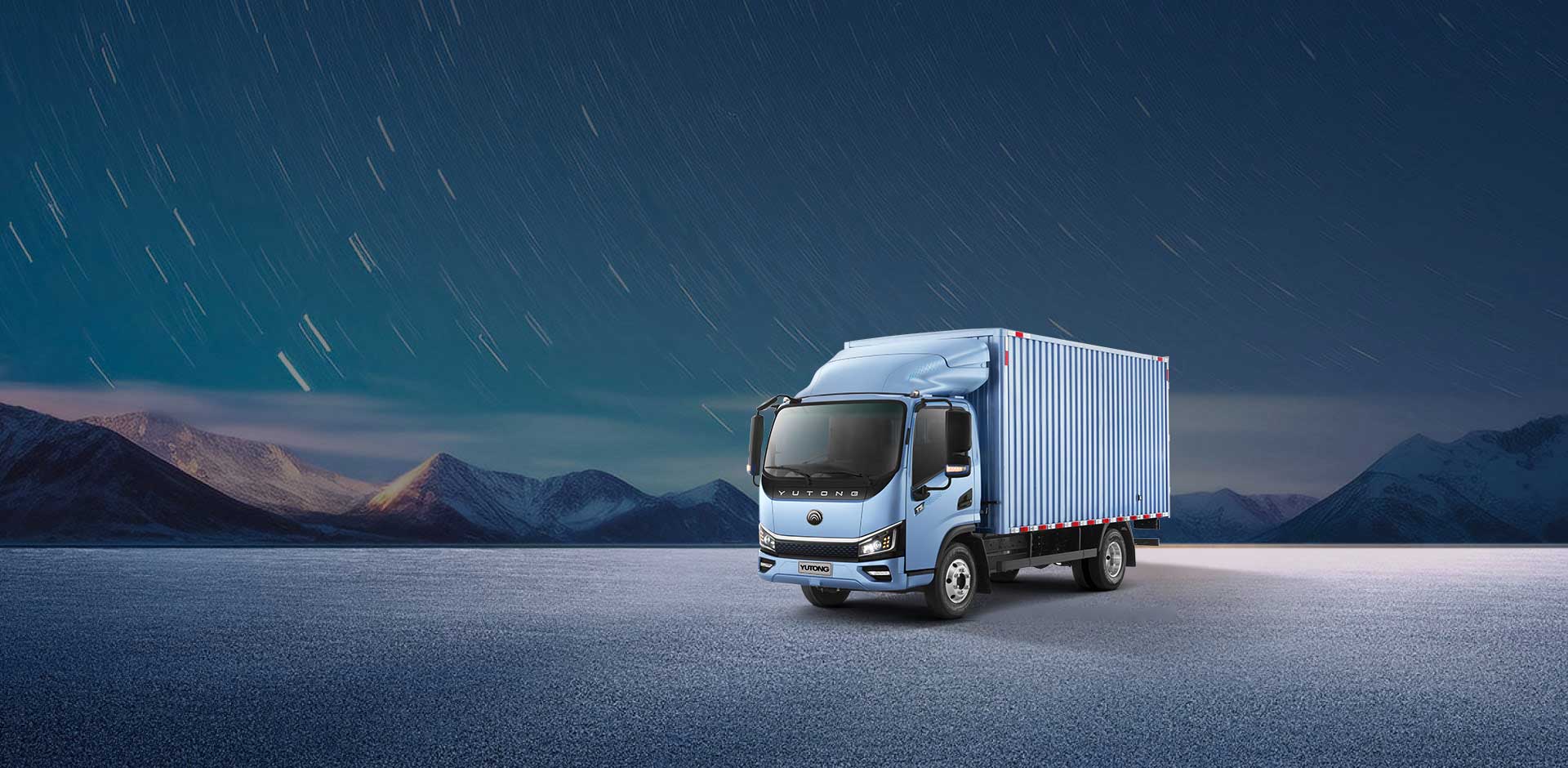
    Chinese commercial vehicle maker Yutong delivered 50 electric articulated buses to Thessaloniki, expanding the Greek city’s battery-powered transit fleet to roughly 160 vehicles. The 18-meter units entered commercial service across four municipal routes at the start of September.

    City transit agency OASTH hired 170 drivers to run the expanded schedule and increase trip frequencies across western Thessaloniki routes X1, 12, 27 and 32. Each vehicle carries up to 130 passengers and delivers an operating range of 300 kilometres on a single charge.

    Fleet Specifications and Route Coverage

    The buses feature air conditioning, ventilation units and tilt-and-turn passenger windows. Authorities did not release the exact model name, though the technical footprint points to Yutong’s U18 platform, which carries battery packs between 528 and 704 kilowatt-hours.

    Operating these articulated models across western routes targets heavy commuter corridors that link residential districts with commercial hubs. Deploying high-capacity zero-emission buses on fixed schedules allows municipal operators to cut fuel bills while meeting European urban emissions mandates.

    Chinese Bus Exports Push into Southern Europe

    For Chinese automotive exporters, fleet procurement contracts across Southern Europe provide steady volume outside domestic assembly markets. Yutong and its domestic competitors continue to win municipal tenders by bundling high battery capacities with prompt delivery timelines that European legacy coachbuilders struggle to match.

    The risk for Chinese suppliers sits in political scrutiny over European Union transit procurement and long-term depot maintenance. Winning tenders requires solid local aftersales partnerships, spare parts distribution hubs and dedicated charging support to avoid costly downtime for municipal operators.

    Expansion Following 2024 Joint Tender

    This deployment builds on an earlier procurement round in 2024, when transport authorities in Athens and Thessaloniki jointly bought 250 electric buses from Yutong. That delivery formed the core of Greece’s state-backed plan to replace ageing diesel fleets in its two largest metropolitan areas.

    OASTH plans to introduce additional routes and increase departure frequencies as the 170 newly recruited drivers complete route training during the winter timetable.

  • Voyah Opens Dream 9 MPV Pre-Sales in China from 429,900 Yuan

    Voyah Opens Dream 9 MPV Pre-Sales in China from 429,900 Yuan

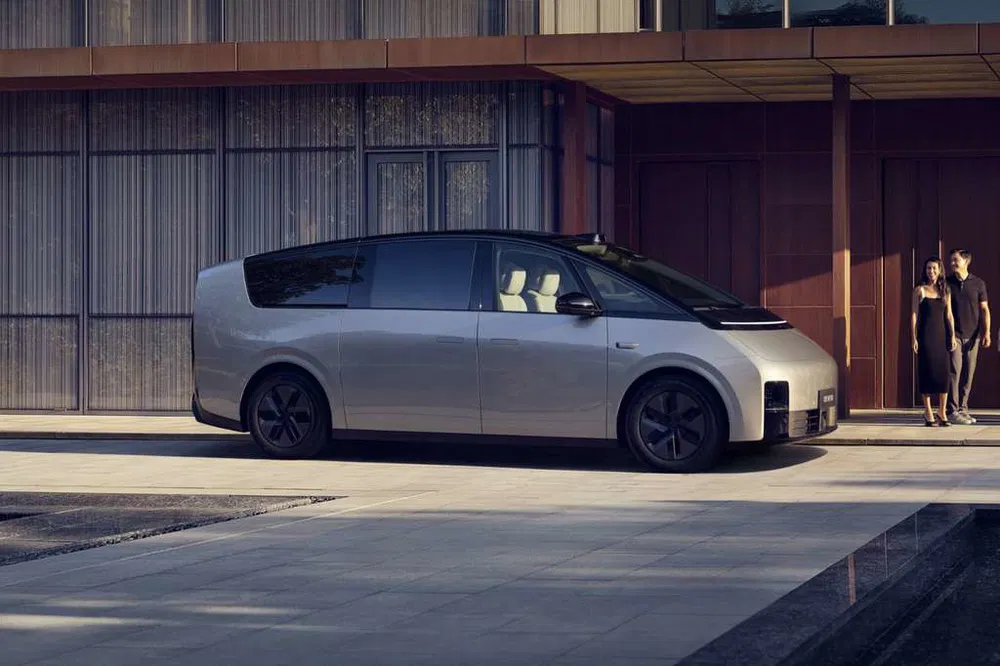
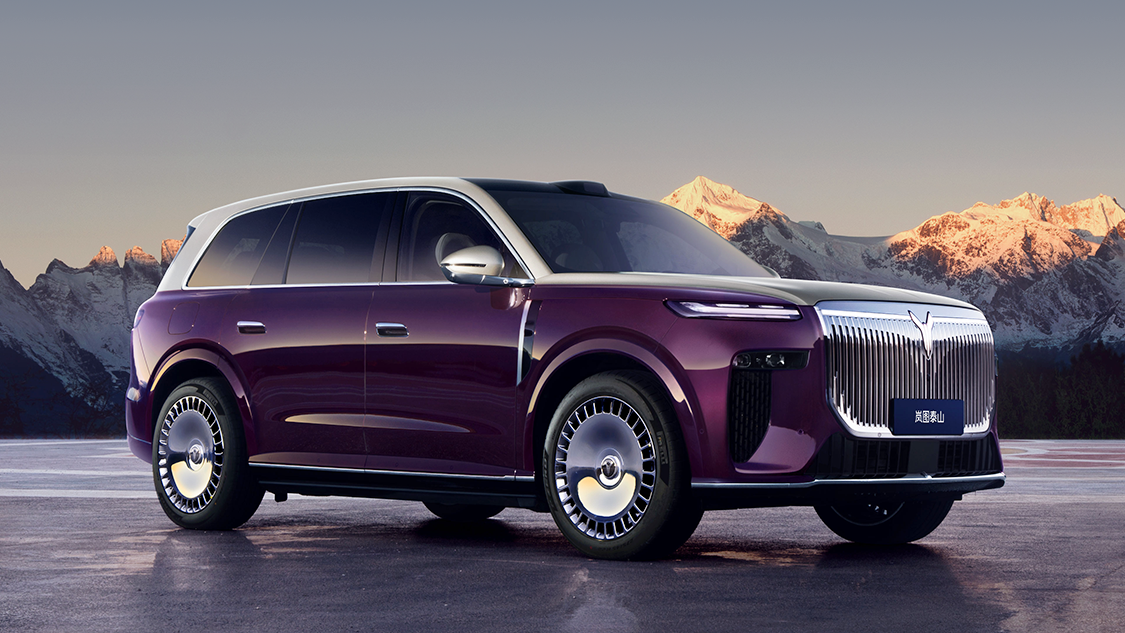
    Dongfeng Motor subsidiary Voyah opened pre-sales for its Dream 9 luxury multi-purpose vehicle in China on Saturday. The flagship model starts at 429,900 yuan ($63,420).

    Buyers can choose across three trim levels spanning five variants, topping out at 529,900 yuan. Introductory sweeteners total up to 50,000 yuan. Dealership display units have arrived across mainland cities for test drives ahead of initial customer handovers.

    Hardware and Huawei Cockpit Software

    Powertrain options divide into three plug-in hybrid (PHEV) variants and two battery electric (BEV) editions. All models sit on an 800-volt electrical architecture. They run Huawei’s Qiankun ADS 5 driver-assistance suite alongside HarmonySpace 6 smart-cabin software.

    Sensor hardware includes 37 units covering urban streets and expressways. Voyah fitted an 896-channel dual-optical-path main LiDAR on the roof and three solid-state LiDAR units around the body. The cabin operating system uses a multimodal large language model with hundreds of billions of parameters to handle voice and in-car controls.

    Electric models carry a 120-kWh battery pack, the largest capacity fitted to any production MPV in China. That battery pairs with a 175-kW front motor and a 300-kW rear unit. The PHEV combines a 1.5-litre turbocharged petrol engine with twin electric motors for 555 kW of total output. It draws power from a 65-kWh pack that charges from 20 per cent to 80 per cent in 12 minutes.

    Chassis Tuning and Interior Layout

    Chassis hardware relies on triple-chamber air suspension, dual-valve electronic dampers and rear-wheel steering that turns up to 10 degrees. A coordinated domain controller manages torque distribution, braking force and suspension damping in real time.

    The body measures 5,325 mm in length and 1,998 mm in width on a 3,200 mm wheelbase. Inside the three-row cabin, second-row captain chairs feature rotation, sideways sliding, zero-gravity reclining and mechanical massage functions. Outside, smart projection headlights beam navigation arrows directly onto the road surface.

    Margin Pressure Behind the Premium Push

    Chinese automakers are crowding into executive vans. Private buyers and corporate fleets still pay cash premiums that mass-market sedans no longer command. Voyah skipped a conventional theatrical launch, putting metal straight into showrooms to secure non-refundable deposits.

    That pricing puts the Dream 9 in direct competition with established luxury nameplates from Denza and Zeekr. Voyah needs higher transaction prices to stop cash erosion after a brutal price war across China compressed earnings throughout the year.

    Deliveries expanded in the first half of 2026. The brand handed over 76,264 vehicles for a 35.9 per cent gain, lifting revenue 42.4 per cent to 18.16 billion yuan. Profitability swung the other way. Gross margin contracted to 17.7 per cent, pushing Voyah to a net loss of 389 million yuan compared with a 460 million yuan profit a year earlier.

    Official delivery dates and the final retail schedule for the Dream 9 lineup have not been published.

  • Li Auto Launches Li L9 in UAE Starting at $87,100

    Li Auto Launches Li L9 in UAE Starting at $87,100

    Li Auto introduced its flagship L9 sport utility vehicle in the United Arab Emirates on Thursday, pricing the extended-range model from AED 319,900 ($87,100).

    The rollout gives the Chinese electric vehicle maker its first commercial sales operation in the Gulf, where it sells the SUV at a 28 percent premium over domestic retail prices.

    Local buyers can choose between two trims: the base Ultra and the AED 359,900 Livis edition. Both variants use a third-generation extended-range powertrain pairing a battery pack with a petrol generator, delivering 420 kilometres of battery-only range and 1,650 kilometres combined under China Light-Duty Test Cycle standards. The vehicles feature Qualcomm Snapdragon 8797 cockpit processors, steer-by-wire systems, and rear-wheel steering. On the higher-spec Livis, Li Auto includes an 800-volt active suspension alongside electromechanical brake-by-wire hardware.

    Dealership network and regional adaptation

    Engineers modified cabin thermal management and dust sealing to handle Gulf summer temperatures and desert driving. Digital interfaces include Arabic text support and localized navigation, with Arabic voice control scheduled for release by December. English voice interaction functions from launch.

    Sales run exclusively through Abu Dhabi-based conglomerate Al Fahim Group under an agreement signed in April. The partnership plans more than two showrooms and service centers across the country, starting with a downtown Dubai retail location opening in September. Buyers receive factory warranty coverage, certified servicing, and over-the-air software updates.

    Middle East expansion and production targets

    Chinese electric carmakers are pushing into the Middle East to broaden export revenue outside domestic price wars. Li Auto previously entered Kazakhstan and Uzbekistan, securing a local assembly contract with Kazakh group Allur. The company also signed a distribution agreement with Mohamed Yousuf Naghi Motors in Saudi Arabia in April, though sales dates for that market remain unannounced.

    Deliveries in China recovered in August to 37,679 units, up 32.07 percent year-on-year, but total volume for the first eight months fell 0.6 percent to 261,619 vehicles. The Beijing-based carmaker posted a second-quarter net loss of 1.7 billion yuan ($250.8 million) as revenue declined 15.1 percent to 25.7 billion yuan.

    Next on the company’s overseas calendar is an appearance at the 2026 Paris Motor Show, where it plans to display vehicles to European buyers for the first time.

  • Chinese Electric Vehicle Makers Prepare Canada Launch with Lower Cost Models

    Chinese Electric Vehicle Makers Prepare Canada Launch with Lower Cost Models

    Chinese electric vehicle manufacturers are preparing shipments to Canada, offering advanced vehicle technology at price points below established North American competitors.

    Domestic assembly plants across China have scaled output to supply overseas export corridors as international distribution plans advance.

    Export expansion into North America

    Production lines inside Chinese EV facilities are shifting capacity toward global specifications. Manufacturers have focused on software integration, high-voltage battery architecture, and cabin electronics to compete directly with legacy marques.

    Canada represents a key entry corridor in North America. Integrated local supply chains and battery manufacturing scale allow Chinese carmakers to price vehicles competitively even after international freight costs.

    Pricing pressure and regulatory hurdles

    Competitive pricing remains the primary lever for Chinese automakers entering developed automotive markets. By controlling component supply, cell manufacturing, and digital operating systems in-house, these plants maintain substantial production cost margins.

    Establishing certified retail networks and securing federal safety approvals in Ottawa remain the operational steps ahead of the first scheduled consumer deliveries.

  • Geely Prepares North American Push as Canadian Tariffs Drop to 6 per Cent

    Geely Prepares North American Push as Canadian Tariffs Drop to 6 per Cent

    Geely plans to enter North America under a Canadian trade arrangement permitting up to 49,000 Chinese electric vehicles annually at a reduced 6 per cent tariff. The agreement cuts duties from a previous 100 per cent rate, creating an entry point into the broader North American market.

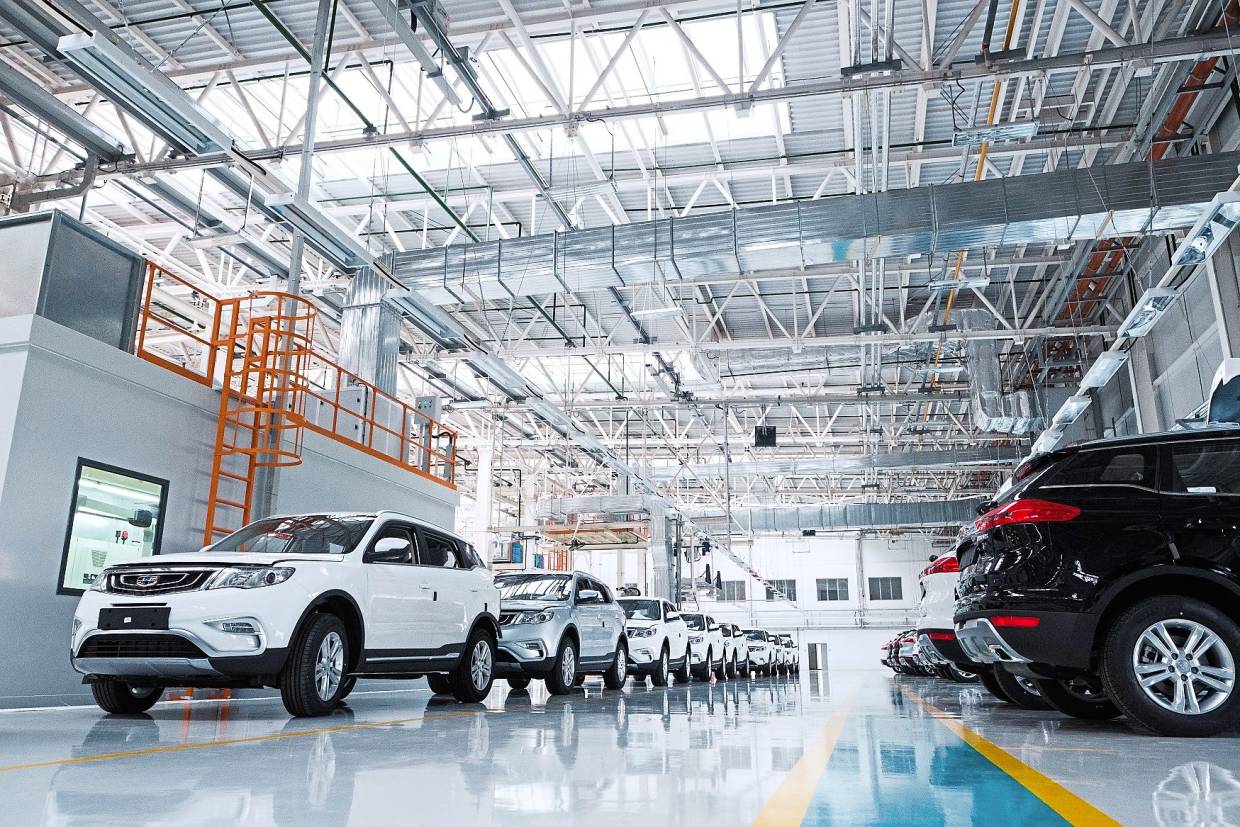
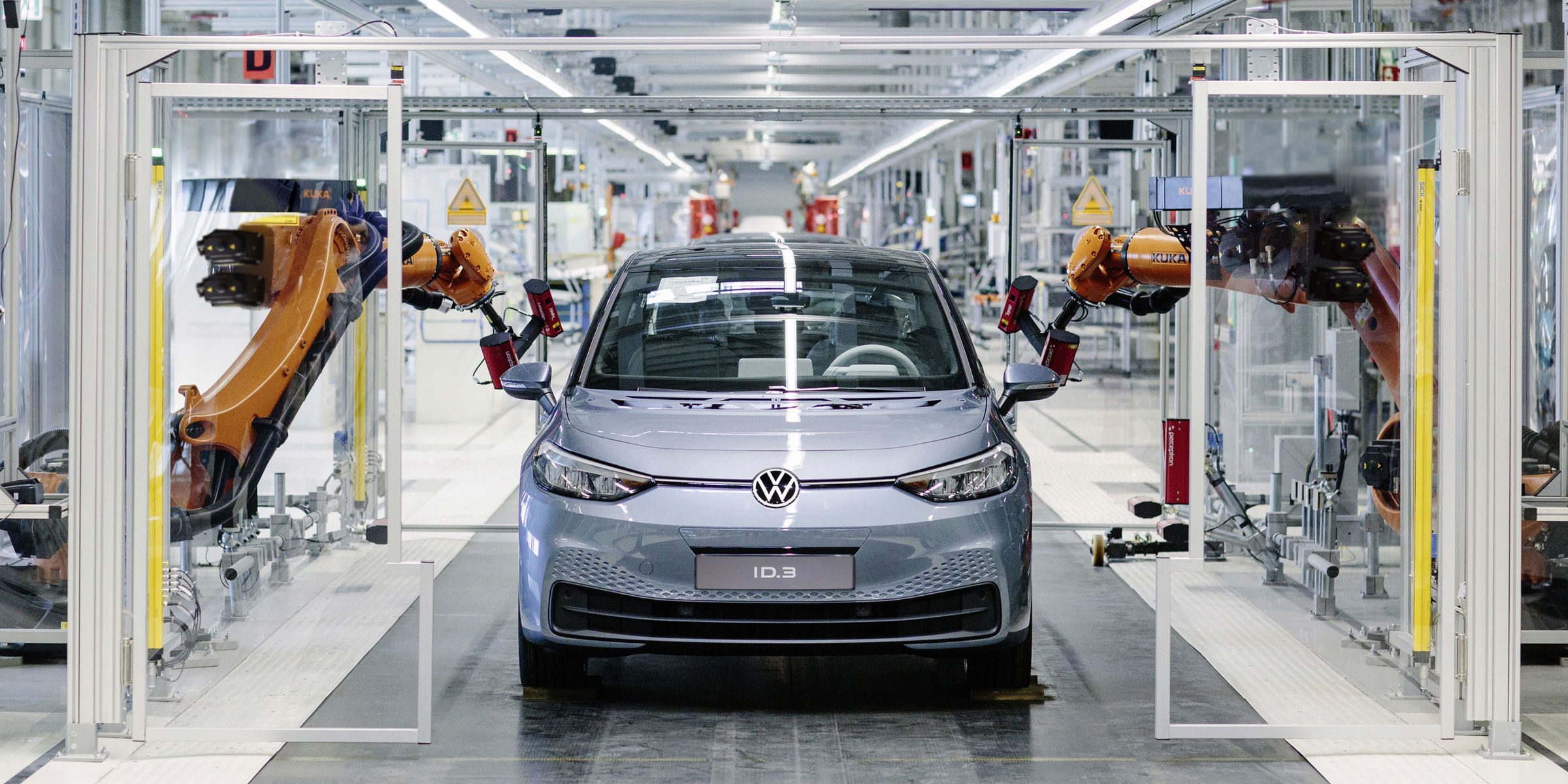
    Assembly takes place at Geely’s factory in Ningbo, where production lines for its luxury electric marque Zeekr run at 99 per cent automation using artificial intelligence and robotic machinery. Zhao Chunlin, vice president of manufacturing and a former General Motors executive, oversees the plant. Zhao confirmed the group eventually aims to sell and manufacture Geely-branded vehicles in the United States.

    Exporting the Zeekr 9X

    The company is broadening its export operations across multiple regions this month. Geely begins shipments of its flagship Zeekr 9X hybrid SUV to dealerships across Europe and the Middle East. The vehicle achieves a range of 745 miles on a single charge and fueling cycle, includes automated self-parking software, and retails for approximately $70,000. That price tag is roughly half the cost of competing full-size luxury SUVs built by legacy American and European rivals.

    Automation on the Ningbo line

    High levels of factory automation allow Chinese automakers to sustain vehicle margins even when entering highly competitive export markets. Geely’s push into Canada and Europe mirrors similar export campaigns by domestic peers such as BYD and SAIC Motor, which have turned to foreign dealerships as price competition intensifies across mainland China.

    Initial shipments for Europe and the Middle East depart Chinese ports this month, while the first batch of Canadian vehicle imports will determine how quickly North American buyers adopt Chinese luxury electric models.

  • Chery-JLR Launches Freelander 8 in China Starting at 289,900 Yuan

    Chery-JLR Launches Freelander 8 in China Starting at 289,900 Yuan

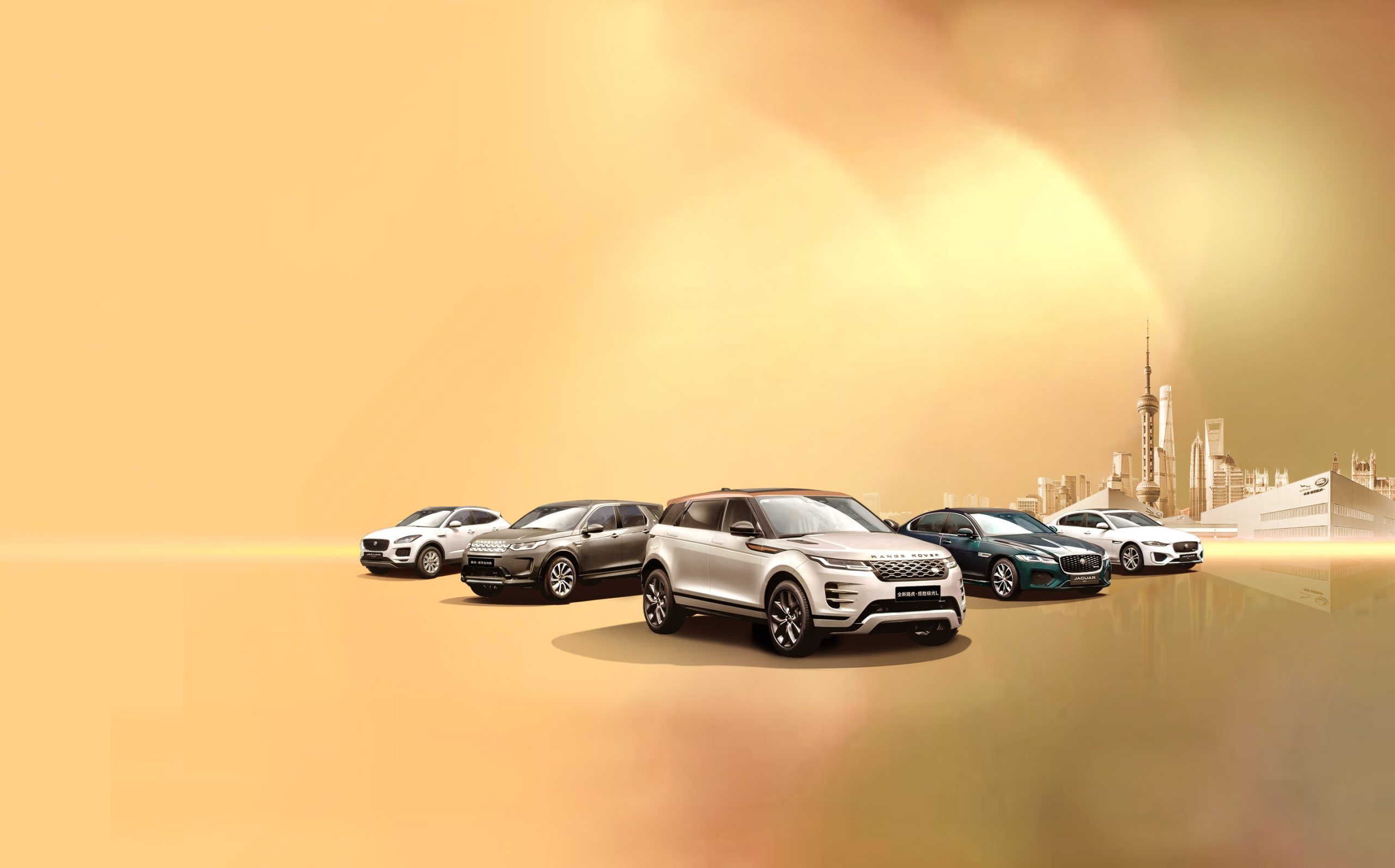
    Chery and Jaguar Land Rover launched the Freelander 8 in China on Thursday, pricing the extended-range electric SUV from 289,900 yuan ($42,750) after incentives. The final entry sticker cuts 40,000 yuan from the pre-sales price announced in late August.

    Buyers can choose between five-seat and six-seat cabin layouts across Pro, Max and Max+ versions, which top out at 379,900 yuan. Six-seat configurations add 10,000 yuan to each trim. A flagship launch edition limited to 1,000 units and priced at 449,900 yuan sold out prior to the official debut.

    Powertrain and charging specs

    The 5.1-metre SUV runs on an 800-volt electrical architecture paired with a 60.3-kilowatt-hour ternary lithium battery from CATL, delivering 310 kilometres of pure electric range under China light-duty vehicle test cycle standards. A fast-charging cycle takes the pack from 20 per cent to 80 per cent in 12 minutes.

    A 1.5-litre turbocharged four-cylinder engine acts as a dedicated range extender for a dual-motor all-wheel-drive system. Output reaches 610 kilowatts (818 horsepower) and 813 Newton-metres of torque, driving the vehicle from zero to 100 kilometres per hour in 4.6 seconds. Standard chassis hardware includes dual-chamber air suspension, continuously variable dampers, and rear-wheel steering that delivers a 5.15-metre turning radius.

    Software and export plans

    Cabin systems operate on Qualcomm Snapdragon 8397 chips alongside a 46.3-inch 8K display and Huawei’s Qiankun ADS 5 driver-assistance platform. Higher trims add multi-channel roof LiDAR hardware for advanced automated navigation.

    Foreign automakers in China have steadily lost market share to domestic extended-range producers such as Li Auto and Seres. By turning JLR’s legacy Freelander badge into an electric sub-brand built on Chery platforms and Huawei software, the joint venture is attempting to hold premium territory without relying entirely on British engineering.

    Chery-JLR plans to introduce six Freelander models over the next five years. Initial exports start between late 2026 and early 2027, led by left-hand-drive shipments to the Middle East.

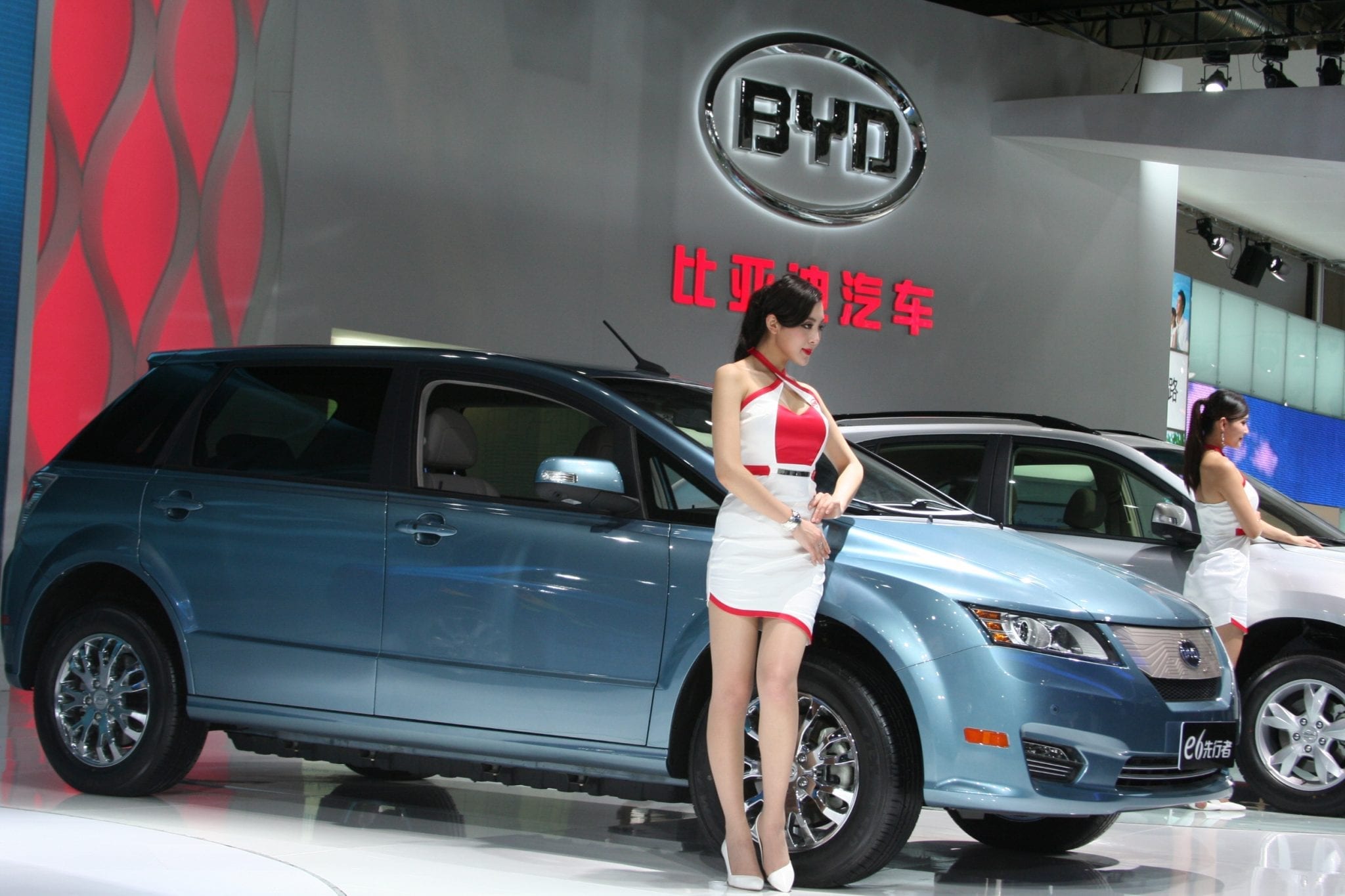
  • BYD Launches Flagship Sealion 08 SUV in China from $33,890

    BYD Launches Flagship Sealion 08 SUV in China from $33,890

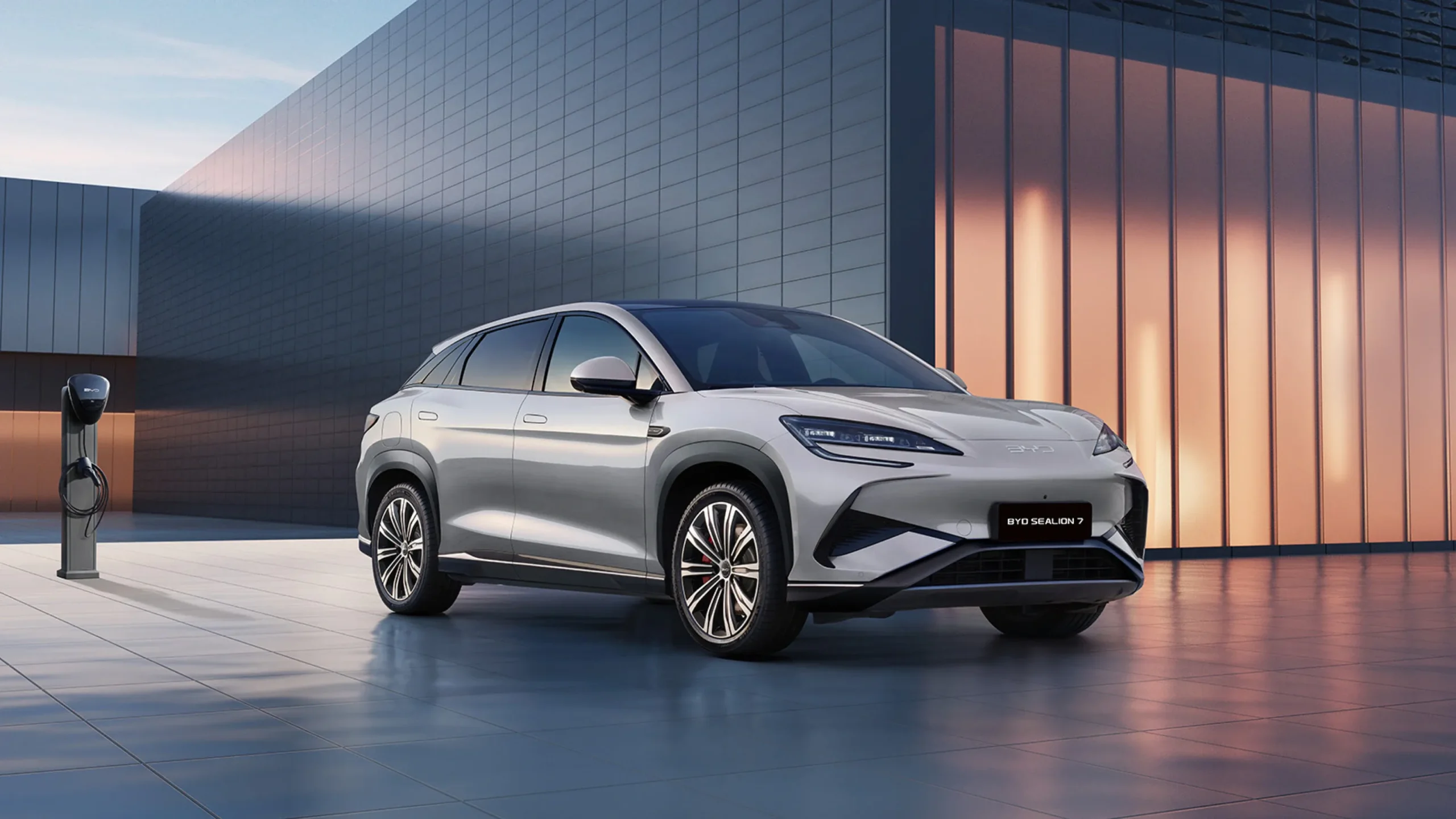
    BYD launched its flagship Sealion 08 SUV in China on Wednesday, priced between 229,900 yuan ($33,890) and 279,900 yuan across eight variants. The mid-to-large model offers battery electric and plug-in hybrid options with five- and six-seat configurations.

    Plug-in hybrid editions run from 229,900 yuan to 269,900 yuan, pairing a 55.843-kilowatt-hour battery with a fuel tank for up to 1,650 kilometers of combined range. Rear-wheel-drive hybrid versions deliver 400 kilometers of battery-only range under CLTC testing, while all-wheel-drive models offer 350 kilometers. Fuel consumption on a depleted battery sits at 4.6 liters per 100 kilometers under NEDC benchmarks.

    Fast charging and hardware specs

    Pure electric versions cost from 239,900 yuan to 279,900 yuan and use a 115.072-kilowatt-hour battery pack. The rear-wheel-drive electric variant delivers up to 900 kilometers of CLTC range with a 370-kilowatt motor, while the twin-motor all-wheel-drive edition offers 800 kilometers. Both powertrains incorporate BYD’s second-generation Blade Battery and flash-charging hardware that lifts battery charge from 10 percent to 70 percent in five minutes.

    Measuring 5,115 millimeters in length with a 3,030-millimeter wheelbase, the SUV includes active rear-wheel steering that tightens its turning radius to 4.95 meters. Dual-chamber air suspension and BYD’s DiSus-A body control system come standard, alongside God’s Eye 5.0 driver-assistance software for urban navigation.

    Defending volume in premium family segments

    The vehicle arrives as domestic competitors crowd China’s family SUV segment, directly targeting rivals such as Xpeng’s G9L and Great Wall Motor’s Wey V8X. BYD is using the Ocean lineup to push its namesake badge into higher price bands, bridging the gap between mass-market commuter cars and dedicated luxury nameplates like Denza.

    Sales momentum for the Sealion badge showed signs of plateauing before this release, with August deliveries dipping 8.86 percent year-on-year to 48,559 units. The series delivered 275,974 vehicles in the first eight months of the year, representing just over 10 percent of the carmaker’s total group volume. Dealerships will watch whether the 08 variant can reverse that monthly slip as deliveries ramp up through the final quarter.

  • Mitsubishi Motors Revives Pajero SUV Starting in Thailand

    Mitsubishi Motors Revives Pajero SUV Starting in Thailand

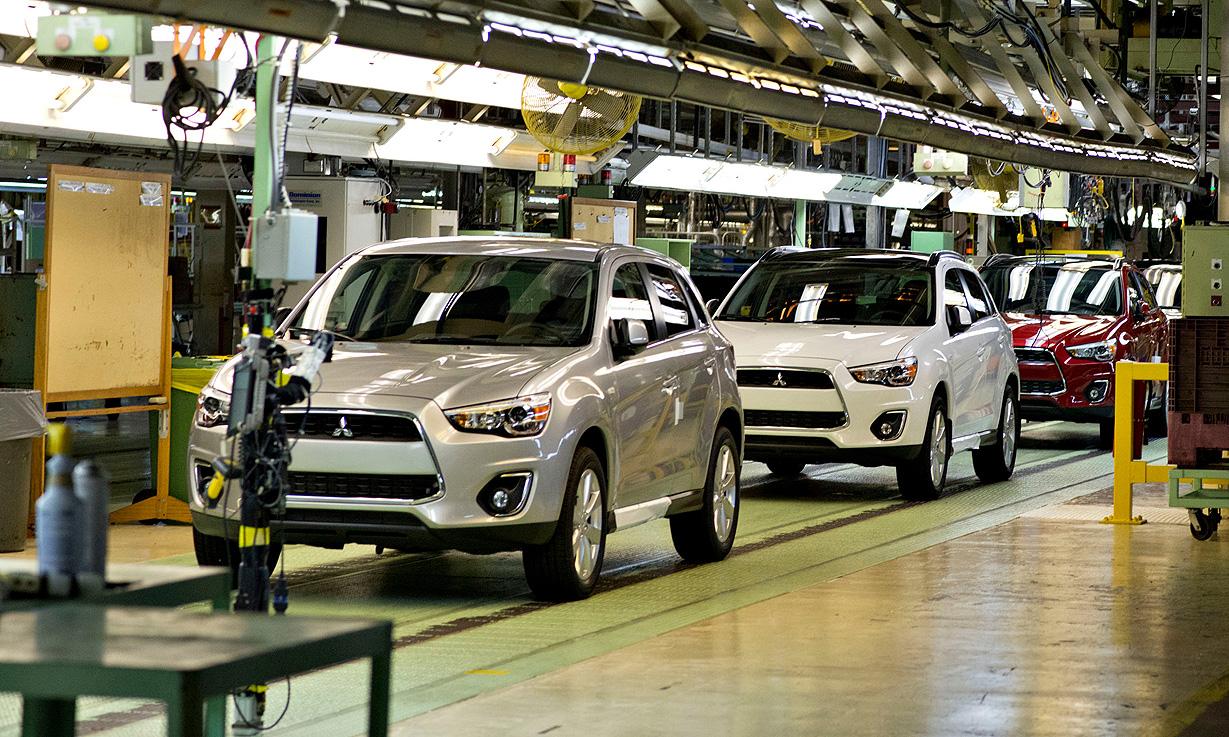
    Mitsubishi Motors has unveiled the reboot of its flagship Pajero sport utility vehicle, beginning a worldwide commercial rollout that starts in Thailand.

    The Tokyo-based carmaker is leaning on its best-known nameplate to protect sales volumes across Southeast Asia, where Japanese brands face intense competition from Chinese electric vehicle manufacturers.

    Defending the Southeast Asian Base

    Thailand serves as Mitsubishi’s primary manufacturing and export hub in the region. Launching the Pajero there first targets a domestic customer base that has historically favored rugged, ladder-frame utility vehicles and diesel-powered transport.

    Chinese brands such as BYD have expanded rapidly across Thai showrooms, cutting into market share long dominated by Japanese legacy marques. Mitsubishi is countering that push by committing further to full-sized utility models where brand loyalty and established dealership servicing networks remain strong.

    The Broader Regional Landscape

    Japanese automakers have spent decades building integrated supply chains and dealer networks across ASEAN member states. That dominance is eroding as regional governments roll out subsidies and lower tariffs to attract battery-powered vehicle manufacturing.

    While rivals accelerate software alliances and pure electric platforms, Mitsubishi is relying on proven model equity to maintain factory output and retail cash flow across its core export destinations.

    Mitsubishi will follow the Thai debut with rollout schedules, pricing and regional delivery dates for secondary export markets across Asia-Pacific and the Middle East.

  • BYD Adapts Japanese Kei Car Platform for European Electric Microcars

    BYD Adapts Japanese Kei Car Platform for European Electric Microcars

    BYD will develop compact electric cars for Europe using vehicle architecture and battery technology adapted from its Racco microcar sold in Japan for 2,145,000 yen.

    The plan uses the structural layout of the Japanese mini-vehicle to anchor a new line of small urban cars tailored to export markets. While the Japanese Racco measures 3.40 metres long and 1.48 metres wide, the export derivatives will be larger to match European consumer preferences and safety standards.

    Underfloor Battery Integration

    Central to the export project is the X-Pack battery format developed for the Racco. The design packs the motor inverter and primary control units directly inside the underfloor battery housing rather than mounting them separately in a traditional front motor bay.

    That unit combines with BYD’s lithium iron phosphate Blade cells in a cell-to-body structure where the pack functions as a load-bearing chassis component. By eliminating standalone control housings and shortening internal wiring runs, the company cuts manufacturing costs and frees up passenger space inside short-wheelbase bodies.

    In Japan, the Racco runs on a 36 kilowatt-hour pack and a 47-kilowatt front-axle motor, delivering a range of 320 kilometres. The European variants will use scaled versions of the same integrated platform to hit higher cruising speeds while keeping overall vehicle length under 4.20 metres.

    Positioning Below The Dolphin Surf

    Staying under the 4.20-metre threshold allows BYD to target the European Union’s proposed M1E small-vehicle classification, which is expected to carry regulatory incentives. The planned models will sit below BYD’s existing 3.99-metre Dolphin Surf hatchback.

    European legacy brands have struggled to build profitable electric city cars below the 20,000-euro mark because small battery packs carry high fixed component costs. BYD’s transfer of Japanese kei-car packaging gives the Shenzhen carmaker a direct shortcut into entry-level pricing in Western markets.

    Production of the new compact models could feed into BYD’s passenger car assembly plant in Szeged, Hungary, where trial production began earlier this year.

  • China Orders Automakers to Curb Overseas Price Cuts as Exports Surge

    China Orders Automakers to Curb Overseas Price Cuts as Exports Surge

    China ordered domestic automakers to halt volatile overseas price cuts and deceptive marketing across foreign markets on Tuesday, after passenger car exports reached 5.18 million units through July.

    Shipments of electric and plug-in hybrid vehicles jumped 129 per cent to roughly 2.77 million units over the same seven-month period.

    Jointly released by the Ministry of Commerce, the Ministry of Industry and Information Technology, and the State Administration for Market Regulation, the 20-article rulebook targets predatory pricing practices that damage brand reputations abroad. The agencies directed manufacturers to set export prices based on production costs and local supply, avoid abrupt discounts, and give foreign dealerships full autonomy over retail pricing. Sales incentives, customer gifts, and financing promotions must also comply transparently with host-market laws.

    Rules for Dealerships and Data

    Beyond showroom floors, the guidelines govern physical factory investments, which currently span more than 80 countries. Auto groups setting up regional assembly plants must adhere to local workplace safety, intellectual property protections, after-sales requirements, and labor standards.

    The policy also places strict limits on software and vehicle intelligence. Companies running connected-car or autonomous-driving systems abroad must handle consumer privacy and cross-border data transfers in accordance with local regulations.

    Exporting Domestic Competition

    Prolonged price wars inside China squeezed dealer margins and triggered aggressive showroom discounting over the past two years. By extending regulatory supervision overseas, Beijing is stepping in to prevent state-backed and private manufacturers from exporting those destructive discounting tactics into Southeast Asia, Europe, and Latin America.

    Passenger new energy vehicle shipments reached 540,000 units in July alone, capturing 58.8 per cent of total passenger exports, as manufacturers attempt to outpace the 8.32 million total vehicles China exported worldwide in 2025.

  • LG Energy Solution Buys 80,000 Tonnes of Arkansas Lithium in Ten-Year Deal

    LG Energy Solution Buys 80,000 Tonnes of Arkansas Lithium in Ten-Year Deal

    South Korea’s LG Energy Solution signed a ten-year binding agreement with Smackover Lithium to buy 8,000 tonnes of battery-grade lithium carbonate annually starting in 2029.

    The contract secures 80,000 tonnes in total from the South West Arkansas Project, representing more than a third of the site’s planned first-phase output of 22,500 tonnes per year. Commercial terms and pricing remain confidential.

    Smackover Lithium Direct Extraction Project

    Smackover Lithium operates as a joint venture formed in 2024 between Standard Lithium, which holds 55 per cent, and Norwegian energy firm Equinor, which owns 45 per cent. The venture uses direct lithium extraction to pull the metal straight from underground brine rather than relying on evaporation ponds across sites in Arkansas and Texas.

    Trading house Trafigura locked in another 8,000 tonnes annually from the same project in March. Together, the Trafigura and LG Energy Solution contracts cover roughly 90 per cent of the venture’s target to pre-sell 80 per cent of its planned capacity.

    Three export credit agencies have offered more than $1 billion in prospective debt financing to back the buildout. Project partners expect to reach a final investment decision before the end of the year.

    Local Sourcing for North American Cell Plants

    For LG Energy Solution, securing Arkansas supply ensures raw materials bypass restrictions tied to foreign entities of concern. Asian battery manufacturers face strict domestic sourcing rules in the United States, driving heavy investment into local processing deals and joint-venture extraction projects.

    The Seoul-based manufacturer operates an expanding manufacturing network across North America, targeting more than 50 gigawatt-hours of lithium iron phosphate production capacity by the end of 2026 across five sites. That footprint supplies stationary storage systems, including units for Tesla, alongside electric vehicle programmes.

    Production recently started at the company’s Lansing facility in Michigan, which will add nickel-manganese-cobalt cell lines for Toyota electric vehicles alongside its existing storage battery output.

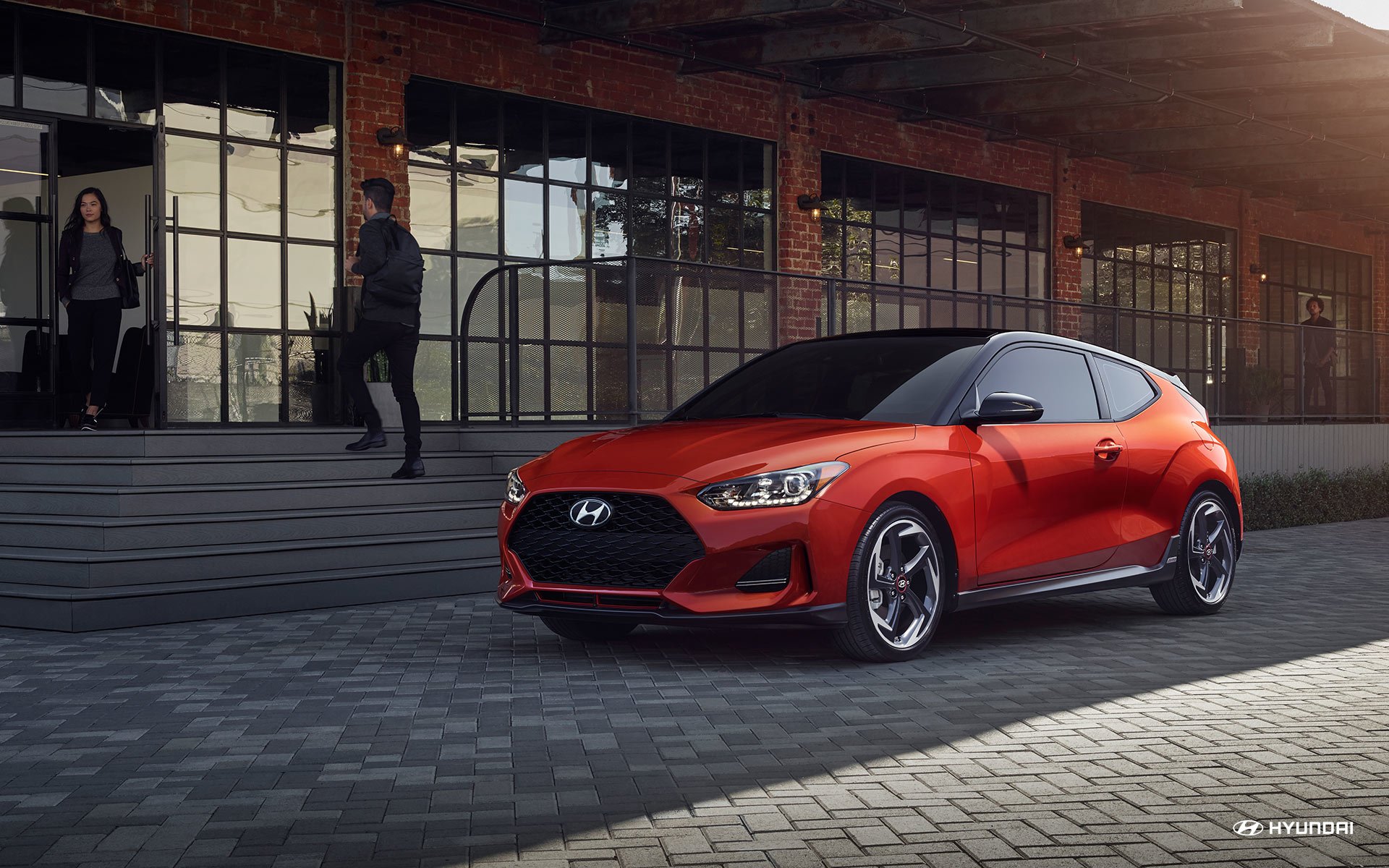
  • Hyundai Commits to Extended-Range Electric Vehicles

    Hyundai Commits to Extended-Range Electric Vehicles

    Hyundai Motor Group is developing extended-range electric vehicles to broaden its electrified lineup across major automotive markets. The powertrain format pairs electric motors with a small petrol engine acting solely as an onboard generator to charge the battery pack while driving.

    The technology eliminates direct mechanical drive from the combustion engine to the wheels, delivering pure electric driving dynamics without public charging dependency on long journeys.

    How the Powertrain Operates

    Extended-range electric vehicles rely on an electric motor to turn the axles at all times. When battery capacity runs low, an internal combustion engine kicks in to supply electricity directly to the battery and motor. Drivers refuel at conventional petrol stations while retaining the smooth acceleration and regenerative braking of a dedicated battery electric vehicle.

    Automakers increasingly view the technology as a practical interim solution for buyers concerned about charging station availability, high battery replacement costs, and cold-weather range degradation.

    Market Competition and Powertrain Shifts

    Chinese manufacturers such as Li Auto and Seres built substantial domestic market share using extended-range architectures over the past three years. Hyundai’s push into the format brings direct competition from an established legacy carmaker to a powertrain segment previously dominated by Chinese electric vehicle specialists.

    The strategy lets the Seoul-based manufacturer scale electrified production while managing capital allocation across pure battery development, conventional hybrids, and software-defined vehicle architectures.

    Hyundai plans to roll out its initial extended-range models across target regional markets as production schedules and regional regulatory frameworks align.

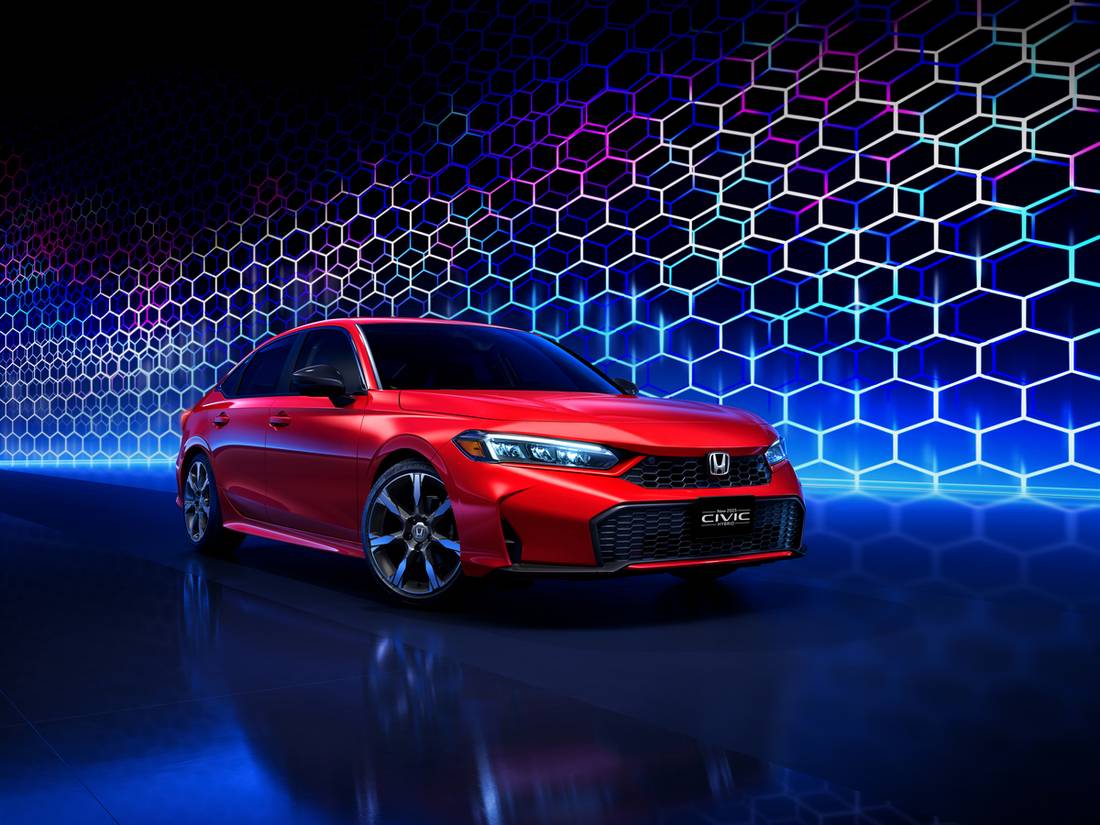
  • Toyota and Honda Face Factory Closures Under Proposed 50 per Cent US Tariff

    Toyota and Honda Face Factory Closures Under Proposed 50 per Cent US Tariff

    Toyota and Honda face potential plant closures in Canada after US President Donald Trump proposed doubling import tariffs on Canadian-built vehicles to 50 per cent.

    The two Japanese manufacturers assemble more than three-quarters of all light vehicles produced in Canada, making them the most exposed automakers to the cross-border levy.

    Canadian shipments represent 24 per cent of Honda’s US sales volume and 17 per cent of Toyota’s deliveries, according to Barclays data. Key export models include the Toyota RAV4 and the Honda CR-V, two of the top-selling sport utility vehicles in the American market. If implemented on Jan 1, 2027, the duties would force both companies to alter production networks that took decades to build.

    Rebuilding the North American Footprint

    Existing US tariffs cost Toyota approximately 1.4 trillion yen in the 2025 financial year. In response, the group committed up to $10 billion over five years to expand its manufacturing footprint inside the US, including a $3.6 billion assembly facility in Texas that will take over production of the Tacoma pickup truck from Mexico.

    Honda faces a steeper hurdle because its automotive unit is still working through a turnaround plan. The company has put plans for an eighth North American assembly facility on hold while talks over the US-Mexico-Canada Agreement remain unresolved. South Korea’s Hyundai reported similar delays to its regional capital spending in 2025.

    Squeezed Between US Tariffs and Chinese EVs

    The border friction hits Japanese manufacturers at a weak point in their global operations. Chinese electric vehicle makers led by BYD have eroded market share for Japanese brands across Southeast Asia, Australia and Latin America, leaving North America as the primary profit engine for both Toyota and Honda. With Chinese brands barred from the US market, defending North American market share is essential for Tokyo’s automotive sector.

    Redirecting Canadian output to alternative export destinations presents structural problems. Assembly lines in Ontario build vehicles configured specifically for US safety and emissions rules, while alternative factories across the Pacific already run close to maximum capacity.

    Negotiations over the USMCA framework continue ahead of the planned Jan 1, 2027 tariff implementation date, with Japanese parts suppliers holding off on capital allocation until trade terms are finalized.

  • BVM Petroleum Partners with Intertek to Boost Fuel Quality in Cambodia

    BVM Petroleum Partners with Intertek to Boost Fuel Quality in Cambodia

    Cambodian fuel distributor Bright Victory Mekong Petroleum signed an agreement with quality assurance firm Intertek on Friday to tighten fuel quality inspections across its domestic retail network.

    The partnership coincides with an expansion of BVM Petroleum’s storage capacity as Cambodian authorities enforce stricter quality standards and market compliance across downstream distribution.

    BVM Petroleum chief executive Sou Sophivann and Intertek regional managing director Chee Teck Ang signed the agreement at the Hyatt Regency Phnom Penh, witnessed by Commerce Minister Cham Nimul.

    Inspection Standards and Downstream Expansion

    Under the arrangement, Intertek will run independent testing and compliance audits across BVM Petroleum’s supply chain. The testing protocol verifies fuel specifications before shipments enter retail pumps and commercial supply lines.

    Sophivann said the testing regimen is necessary to build consumer confidence as the distributor expands fuel storage sites and broadens its wholesale reach. Cambodia relies entirely on refined petroleum imports, leaving downstream operators exposed to varying regional product grades.

    Chee Teck Ang said meeting strict technical specifications directly supports the country’s transport, industrial, and agricultural operations while safeguarding commercial equipment.

    Market Scrutiny and Retail Oversight

    Downstream petroleum operators across Southeast Asia face stricter scrutiny from regulators seeking to curb blended, out-of-specification fuels at retail stations. Independent testing partnerships have become a primary tool for local independent distributors competing against established international retail brands in the region.

    The Ministry of Commerce confirmed it is preparing an initiative to evaluate and recognize fuel companies that comply with trade standards and consumer protection rules.

    BVM Petroleum will now implement Intertek verification across its expanded storage depots before deploying standardized supply across its retail station network.