Category: Automotive

Retail News Asia is committed to providing both local and global retailers with the latest Auto and Car news throughout the Asian market. This on a daily base.

  • Vietnam’s Motorbike Market Accelerates, Topping Southeast Asia with Electric Bike Boom

    Vietnam’s Motorbike Market Accelerates, Topping Southeast Asia with Electric Bike Boom

    The Vietnamese motorcycle market experienced a significant expansion of 14.9% in the previous year, marking the most substantial growth rate within Southeast Asia. This surge was, in part, propelled by a substantial increase in sales of electric motorcycles.

    Vietnam reportedly sold 3.4 million units, positioning it as the second-largest market in the region, with Indonesia leading at 6.5 million units. This sales volume also marks Vietnam as the fourth largest global motorcycle market and the third largest market for electric motorcycles.

    Reshaping the Two-Wheeler Market

    The landscape of the motorcycle market in Vietnam is undergoing a significant transformation due to investments in electric two-wheelers. This shift is not only fueled by China’s major manufacturers but also by domestic producers.

    In parallel with this market transformation, a mature market is also experiencing growth, characterized by discerning consumer demand and steadfast brand loyalty. Honda, in particular, continues to enjoy a strong consumer base.

    Adopting Electric Vehicles Amid Environmental Policies

    The adoption of electric vehicles is accelerating in response to strict environmental policies. A notable factor expediting this shift towards electrification is the announcement by Hanoi authorities of a prohibition on internal combustion engine vehicles by July 2026.

    Pressure on Traditional Manufacturers

    Traditional motorcycle manufacturers are increasingly feeling the heat from specialists in electric scooters. Honda, a market leader for over seven decades, reported a meager growth of 1.3%. Their long-standing competitor, Yamaha, experienced a decline of 17.3%, subsequently losing its second-place standing.

    Interestingly, VinFast, a domestic electric mobility brand, has claimed the second spot, with a remarkable 532% growth. This development underscores the swift rise of domestic electric mobility.

    Several other players focused on electric models are also reporting robust growth. China’s Yadea, for example, has seen a 61.6% increase. Local manufacturers Pega and Dibao reported growth rates of 60% and 75% respectively, ranking them fourth, fifth, and sixth.

    Questions & Answers

    What was the growth rate of the Vietnamese motorcycle market last year?
    The Vietnamese motorcycle market grew by 14.9% last year, the highest growth rate in Southeast Asia.

    What are some factors that are reshaping the motorcycle market in Vietnam?
    Investments in electric two-wheelers by both domestic and Chinese manufacturers are significantly reshaping the Vietnamese motorcycle market.

    What is the impact of environmental policies on the adoption of electric vehicles in Vietnam?
    Tightening environmental policies, such as Hanoi’s ban on internal combustion engine vehicles from July 2026, are accelerating the adoption of electric vehicles in Vietnam.

  • AI Revolution: The Blossoming Era of Robotaxis Redefining Urban Mobility in Asia

    AI Revolution: The Blossoming Era of Robotaxis Redefining Urban Mobility in Asia

    In Asia, the evolution of urban mobility is accelerating with the advent of robotaxis, which are autonomous vehicles that offer ride-hailing services with minimal to no human involvement. The progress in this field is fueled by advancements in artificial intelligence (AI), machine learning (ML), sensor technology, and supportive regional policies. Due to these factors, Asia is rapidly emerging as a global hub for autonomous vehicle (AV) research, trials, and initial commercial launches.

    Unlike traditional ride-hailing services, robotaxis offer advantages such as reduced operational costs, increased safety, and wider access to transportation. This is especially beneficial for densely populated cities grappling with driver shortage, traffic congestion, and growing transportation needs.

    China: At the Vanguard of Robotaxi Development in Asia

    China is at the leading edge of robotaxi development in Asia, and possibly globally, with substantial governmental support that has elevated autonomous technology to a national strategic priority. As part of initiatives like the 14th Five-Year Plan, Chinese authorities have integrated autonomous vehicles into broader digital economy objectives, promoting pilot programs, regulatory frameworks, and infrastructure development in numerous cities.

    By the middle of 2024, authorities had issued 16,000 test licenses and designated over 32,000 kilometers of public roads for autonomous vehicle testing, marking the largest testing area among all countries.

    Tech behemoths and AV specialists in China, including Baidu, Pony.ai, WeRide, Didi, and others, are fiercely competing to expand robotaxi operations in major cities like Beijing, Shanghai, Guangzhou, Shenzhen, and Wuhan. Baidu’s Apollo Go service has alone completed millions of driverless trips and logged substantial commercial mileage through its app-based ride-hailing service. Similarly, Pony.ai offers commercial robotaxis in multiple Tier-1 cities and has significantly reduced hardware costs for autonomous stacks, a trend influencing scalability.

    The progress of China’s autonomous mobility sector is closely linked to its prowess in AI and data processing. Firms heavily invest in machine learning systems that integrate sensors (LiDAR, radar, cameras) and AI models for perception and decision-making. These systems allow vehicles to navigate complex urban environments, a significant challenge in cities with dense traffic, mixed road users, and variable conditions.

    Singapore: An Incubator for Autonomous Shuttles and Robotaxis

    Singapore is becoming a regional center for autonomous mobility experiments, supporting robotaxi and automated shuttle projects in line with its Smart Nation and sustainable transport strategy. Authorities have teamed up with Chinese robotaxi specialists WeRide and Pony.ai to introduce autonomous shuttle services in residential areas like Punggol, slated to begin in early 2026, pending regulatory approval and mapping preparations.

    These initial services will feature autonomous vehicles navigating fixed routes and providing travel options complementary to existing public transportation. Singapore’s regulatory ecosystem, often viewed as efficient and innovation-friendly, makes the city-state a top pilot zone for AV integration in Southeast Asia.

    Partnerships and Strategic Expansion

    Beyond Singapore, the broader Southeast Asian region is starting to attract commercial robotaxi ventures. Notably, Grab, Southeast Asia’s leading ride-hailing and super app, has revealed a strategic investment in China’s WeRide to expedite the deployment and commercialization of autonomous vehicles across the region, integrating WeRide’s Level 4 robotaxis with its ride-hailing platform.

    The partnership between Grab and WeRide is anticipated to broaden access to autonomous mobility in high-density urban areas, addressing labor limitations and mobility gaps.

    Regional ride-hailing operators are recognizing AI-driven mobility as a supplement to traditional driver-based services, particularly in markets where driver shortages and surging labor costs present challenges.

    Malaysia and Beyond: Commercial Expansion from China

    Key Chinese companies, such as Baidu, are also eyeing cross-border expansion in Southeast Asia. Baidu has declared plans to introduce its Apollo Go robotaxi services to Singapore and Malaysia as early as late 2025, marking the first commercial robotaxi launches in Southeast Asia outside China.

    If executed as planned, these deployments signify crucial milestones in the regional adoption of advanced autonomous mobility services, and illustrate how AI-driven transport can be integrated into existing urban transit networks.

    Japan and South Korea: Testing and Future Markets

    While not as advanced in commercial deployment as China or Singapore, Japan and South Korea are strategically evaluating autonomous technologies and creating ecosystems for future robotaxi operations. In Japan, prominent players like Waymo (operated by Alphabet) have started testing autonomous vehicles in Tokyo, which could be the first step toward commercial robotaxi operations there.

    In South Korea, government-backed pilot initiatives, such as the National Strategic Smart City Program (NSSCP) in Seoul, suggest a growing interest in autonomous solutions, with wider commercialization anticipated in the coming years.

    In Japan, an aging population and robust demand for accessible transportation are driving policy momentum for autonomous mobility solutions, as driverless vehicles can potentially address labor shortages in traditional taxi and delivery services.

    Economic Impact and Challenges

    Market research indicates that the Asia Pacific robotaxi market is poised for substantial expansion. Forecasts predict the sector’s regional value to surge to over USD 60 billion by 2034, growing at a compound annual growth rate (CAGR) exceeding 50%.

    This brisk growth is spurred by strong governmental policy support, particularly in China, coupled with the rise of strategic partnerships between tech companies and ride-hailing platforms. Rising AI capabilities are also reducing hardware costs and enhancing safety, making autonomous mobility more viable. Meanwhile, pressures of urbanization are driving cities toward scalable and efficient transport solutions, whereas labor shortages in driver-based services are hastening the shift toward automation as a practical alternative.

    In spite of the clear momentum, considerable challenges persist across Asia:

    Regulatory Frameworks: Autonomous mobility operates in regulatory gray areas in many jurisdictions. While China and Singapore have established frameworks that encourage testing and limit commercial use, other countries are still formulating safety and liability standards, especially for fully driverless (Level 4/5) operations.

    Safety and Public Perception: AI-powered robotaxis depend on intricate sensor and decision-making systems that must function safely in dynamic urban conditions. Public skepticism about safety, accident liability, and data/privacy concerns can hinder adoption. Effective regulation, robust testing, and transparent reporting will remain key to building trust.

    Infrastructure and Costs: Urban infrastructure, from detailed HD maps to roadside connectivity, must evolve to support reliable autonomous operations. Integration with existing traffic systems and communication networks (vehicle-to-everything technologies) will be crucial for scaling robotaxi services.

    With ongoing progress in AI, machine learning, and regulatory frameworks, robotaxis have the potential to revolutionize how millions of city dwellers commute, creating safer, more efficient, and more accessible transportation networks.

    However, technological advancements must be balanced with inclusive policy development, ethical AI standards, and infrastructure planning to ensure that autonomous mobility benefits society at large. As Asian cities balance swift innovation with public safety and economic impact, robotaxis could not merely reshape transportation, but also redefine urban life in the future.

    Questions & Answers

    What are the advantages of robotaxis over traditional ride-hailing services?
    Robotaxis promise lower operating costs, improved safety, and broader access to mobility, especially in densely populated cities dealing with driver shortages, congestion, and increasing transportation demand.

    Why is China considered a leader in the development of robotaxis?
    With substantial government support, China has integrated autonomous vehicles into its broader digital economy objectives. It has also issued a large number of test licenses and designated a significant amount of public roads for autonomous vehicle testing, which has bolstered its position in the field.

    What challenges do autonomous vehicles face in Asia, and how can they be addressed?</b

  • Vietnam Mobility Show 2025: Pioneering Green Technology In The Automotive Industry

    Vietnam Mobility Show 2025: Pioneering Green Technology In The Automotive Industry

    The Vietnam Mobility Show 2025 is slated to take place in Hanoi from December 26 to 28. This event will present the latest models of cars, motorbikes, and accessories, showcasing cutting-edge technologies and sustainable practices in the automotive industry.

    Eco-friendly Focus

    The show will prominently feature car brands that are employing green technologies and utilizing environmentally friendly materials in an effort to decrease emission and fuel consumption. Aiming to address the pressing environmental issues of our time, the event will also host a seminar titled “Removing Barriers to Accessing Green Vehicles”. This session will gather car manufacturers, distributors, and authorities to discuss viable solutions, goals, and roadmaps for the widespread use and development of electric, hybrid, and other eco-friendly vehicles in Vietnam.

    Experience the Latest Models

    One of the most eagerly awaited components of the exhibition is the test-drive program. Visitors will have the opportunity to experience the latest models, especially those with high performance, on specially designed tracks. Each brand is set to bring a broad range of vehicles for test drives, minimizing wait times for participants.

    Highlighting Electric Motorbikes

    Electric motorbikes will be a vital part of the event, as cities like Hanoi and Ho Chi Minh City are planning to restrict the use of internal-combustion vehicles. This focus on sustainable transportation options aligns with the exhibition’s broader goal of assisting consumers in making educated decisions about their vehicle preferences by blending viewing with test-drive experiences.

    A Celebration for Enthusiasts

    Not just an exhibition, the Vietnam Mobility Show 2025 is also a festival for vehicle enthusiasts and families. The event will feature a dedicated zone for high-performance vehicles, alongside areas for services, accessories, and food. With safety and education in mind, demonstrations on safe charging and how to assist children in escaping from a locked car will be conducted. The event is expected to draw hundreds of thousands of visitors.

    Questions & Answers

    What is the aim of the Vietnam Mobility Show 2025?
    The show aims to present the latest models of cars and motorbikes, spotlighting brands that employ green technologies and sustainable materials. It also seeks to educate visitors, offering test-drive experiences and safety demonstrations.

    What is the focus of the seminar “Removing Barriers to Accessing Green Vehicles”?
    The seminar will bring together manufacturers, distributors, and authorities to discuss strategies, goals, and roadmaps for the development and adoption of electric, hybrid, and other eco-friendly vehicles in Vietnam.

    What experiences will be offered at the event?
    Visitors will have the opportunity to see and test drive the latest car and motorbike models, especially electric and high-performance vehicles. The show will also provide safety demonstrations and various services, accessories, and food options.

  • Auto Sales Surge 6.5% in 2025: Imported Vehicles Steal the Spotlight

    Auto Sales Surge 6.5% in 2025: Imported Vehicles Steal the Spotlight

    In the first eleven months of 2025, the total auto sales of leading automobile manufacturers reached 328,669 units, marking a 6.5% increase from the same period the previous year. Interestingly, despite a 3% drop in the sales of domestically assembled vehicles, the sales of fully imported vehicles (CBU) soared by 17%, indicating a shift in market preferences and supply trends.

    Monthly Breakdown

    In November alone, the members of the Vietnam Automobile Manufacturers’ Association (VAMA) report a sale of 39,338 vehicles. This reflects a 4% increase from October, albeit an 11% decrease compared to November the previous year.

    Out of the total vehicles sold in November, 28,557 were passenger vehicles, a 5% increase from October. Sales of commercial vehicles reached 10,273 units, marking a 1% increase, while sales of specialised-purpose vehicles fell to 488 units, a 3% decrease.

    Locally Assembled vs Imported Vehicles

    Sales of domestically assembled vehicles increased by 7% to 18,370 units in November, while the sale of imported CBU vehicles slightly rose by 1% to 20,968 units. This November concluded the ninth consecutive month in which VAMA members reported higher sales of imported cars than locally manufactured ones.

    Vehicle Categories

    In terms of vehicle types, the combined sales of sedans, SUVs, crossovers, and MPVs hit 24,604 units in November. SUVs retained their top position as the most popular vehicle type, with 9,870 units sold, indicating a consistent demand for high-clearance models. Brands such as Lexus, Thaco Premium, and Peugeot also recorded positive sales for several of their key models.

    Questions & Answers

    What is the total auto sales figure for major manufacturers in the first eleven months of 2025?
    The total auto sales figure for leading manufacturers in this period is 328,669 vehicles.

    What trends are observed in the sales of domestically assembled and imported vehicles?
    While the sales of domestically assembled vehicles fell by 3%, the sales of fully imported vehicles saw a significant rise of 17%.

    Which vehicle category proved to be the most popular?
    SUVs maintained their popularity, emerging as the best-selling category with 9,870 units sold.

  • VinFast Smashes Sales Record in November with Unprecedented Delivery of Electric Vehicles

    VinFast Smashes Sales Record in November with Unprecedented Delivery of Electric Vehicles

    VinFast, a leading automaker, reported a record-breaking delivery of 23,186 electric vehicles in November. This figure contributes to the company’s impressive tally of 147,450 units supplied since the start of the year, reinforcing its dominant position in the market.

    Driving Success:

    VinFast’s Green line, particularly the Limo Green model, spurred the company’s sales in November. The Limo Green model alone achieved the highest monthly sales for any single VinFast model, with 9,642 units delivered.

    After-Sales Service Expansion:

    Alongside its escalating sales, VinFast is also expanding its service network. By November, the company had inaugurated its 350th service workshop and is ambitiously aiming for a total of 400 by the end of the year. This progress solidifies VinFast’s status as the automaker with the most extensive after-sales network in Vietnam.

    December Deliveries:

    VinFast has significant plans for December. The company is set to commence deliveries of the mini EC Van and the four-seat Minio Green, indicating its ambition to fortify its presence in the rapidly expanding Vietnamese electric vehicle market.

    Questions & Answers

    What was a significant contributor to VinFast’s sales record in November?
    The Green line, particularly the Limo Green model, significantly contributed to VinFast’s sales record in November.

    How is VinFast expanding its after-sales service?
    VinFast is expanding its after-sales service by increasing the number of its service workshops. The company had inaugurated 350 service workshops by November and aims to reach 400 by the end of the year.

    What are VinFast’s plans for December?
    In December, VinFast plans to begin deliveries of the mini EC Van and the four-seat Minio Green to strengthen its presence in the electric vehicle market.

  • Rev Up for the Harley Davidson X440T: Next-Gen Motorcycle Sneak Peek Ahead of Official Debut

    Rev Up for the Harley Davidson X440T: Next-Gen Motorcycle Sneak Peek Ahead of Official Debut

    In December 2024, Hero MotoCorp announced through a Securities and Exchange Board of India (SEBI) filing a continuation of its partnership with Harley-Davidson beyond the X440, revealing plans for new variants. Now, one year later, the first of these new additions, the X440T, is set to make its debut. This new motorcycle retains the familiar features of its X440 predecessor while introducing several key improvements.

    Design Distinctions of the New Harley-Davidson X440T

    Among the noticeable revisions on the X440T is an entirely restyled rear three-quarters section. A longer cowl graces the tail of the X440T, likening its design to that of other commuter motorcycles. While Harley-Davidson has yet to release a front-angle image of the new model, it is anticipated to bear a close resemblance to the original X440. Additional changes include bar-end mirrors and a fresh color palette featuring red, black, blue, and white options.

    Anticipated Advancements in the X440T

    Beyond the aesthetic upgrades, the X440T is expected to unveil several feature enhancements. Among these is the possibility of a ride-by-wire system, which could introduce additional riding modes and switchable traction control, among other advancements.

    As yet, further details remain undisclosed. However, it is predicted that the X440T will share much of its hardware with the X440, such as the chassis, engine, suspension, wheel sizes, and braking setup. For reference, the existing Harley-Davidson X440 is equipped with a 440 cc, oil-cooled, 2-valve SOHC single-cylinder engine that produces 27 bhp at 6,000 rpm and 38 Nm of torque at 4,000 rpm, coupled with a 6-speed transmission.

    History of the Hero-Harley Partnership

    The Hero-Harley alliance was forged in 2020 when the American motorcycle brand joined forces with Indian two-wheeler powerhouse Hero MotoCorp to manage local sales and service networks and co-develop high-end models. The first motorcycle resulting from this collaboration was the H-D X440 introduced in 2023, followed by Hero’s Maverick 440 in early 2024.

    There is yet to be a decision on whether the new X440T will replace the existing X440, or if both models will be sold concurrently. The Hero equivalent on this platform is still listed on the company’s website despite reaching the end of its production run. Currently, only selected dealerships with remaining stock are selling the Maverick 440.

    Questions & Answers

    What are the anticipated feature enhancements of the new X440T?
    The X440T is expected to introduce several feature advancements, such as a ride-by-wire system, potentially offering additional riding modes and switchable traction control.

    What is the current status of the Maverick 440?
    While the Maverick 440 has reached the end of its production run, it is still listed on the company’s website and is available at select dealerships with remaining stock.

    Will the existing X440 be replaced by the new X440T?
    It is not yet decided whether the X440T will replace the X440 or if both models will be sold concurrently.

  • Go Green and Earn Green: Hanoi Rewards Residents with Cash for Switching to Electric Motorbikes

    Go Green and Earn Green: Hanoi Rewards Residents with Cash for Switching to Electric Motorbikes

    Hanoi’s local government is currently deliberating a proposition to incentivize motorbike users to switch to electric models. According to the proposal, a subsidy of VND5 million (US$190) will be given to individuals opting to replace their gasoline motorbikes with electric ones.

    The Subsidy Plan

    The subsidy is designed to encourage the adoption of electric motorbikes by permanent residents and those who have resided in the city for at least two years. The plan dictates that when a resident purchases an electric motorbike with a price tag of VND10 million (US$379) or above, they will receive a subsidy of 20% of the motorbike’s cost, up to a maximum of VND5 million (US$190).

    For those who fall under the category of low-income or nearly low-income residents, the subsidy rises to VND20 million and VND15 million respectively. The proposal stipulates that each individual is entitled to a subsidy for one vehicle until January 1, 2031.

    This proposal offers a more generous subsidy than the previous recommendation issued by the Department of Construction in July, which proposed a maximum subsidy of VND3 million.

    Additional Incentives

    Apart from the subsidies on electric motorbike purchases, the proposal also includes several additional incentives to encourage the transition to electric vehicles. For instance, the city plans to cover 50% of registration and license plate fees for new electric motorbike owners. For those who purchase their vehicles on installment plans, a 30% subsidy on loan interest for the first 12 months is offered.

    The proposal also extends its benefits to transportation businesses such as buses and taxis, offering a full subsidy on all fees when they transition to electric vehicles.

    Infrastructure Plans

    In a bid to ensure adequate infrastructure for the anticipated increase in electric vehicles, the city also plans to require certain facilities to allocate a portion of their parking lots to charging stations. Apartment buildings, commercial buildings, hospitals, and other public facilities are expected to dedicate at least 15% of their parking space to charging stations for electric vehicles. Newly-built facilities will be required to allocate at least 30%.

    In a further step towards reducing emissions, Hanoi plans to prohibit gas-powered motorbikes from downtown streets starting July 2026 and to ban most fossil fuel vehicles by 2030. The city, currently home to around 6.9 million motorbikes, has identified gasoline-powered motorbikes as a significant contributor to the city’s pollution, accounting for around 60%.

    Questions & Answers

    What is the purpose of the subsidy?
    The subsidy aims to encourage the adoption of electric motorbikes by providing financial incentives to residents.

    What other incentives are included in the proposal?
    Other incentives include subsidies on registration and license plate fees, as well as on loan interest for those purchasing on installment plans. Subsidies are also offered to transportation businesses transitioning to electric vehicles.

    What steps are being taken to accommodate the anticipated shift to electric vehicles?
    The city plans to mandate certain facilities to dedicate a portion of their parking lots to charging stations for electric vehicles. In addition, it plans to ban gas-powered motorbikes and most fossil fuel vehicles by 2030.

  • Waze Unleashes Phone Access: Major Android Auto Hurdle Finally Overcome

    Waze Unleashes Phone Access: Major Android Auto Hurdle Finally Overcome

    Waze, the popular navigation application, is set to enhance its user experience on Android Auto by finally removing a significant hurdle that has been a point of frustration for many of its users. The app will now allow the use of phones while connected to the vehicle, aligning its functionality more closely with its direct competitor, Google Maps.

    Unlocking the User Experience

    Android Auto users who are fans of Waze have had a notably frustrating issue for some time. Upon connecting their device to their vehicle, the application would effectively freeze on their phone, often presenting a black screen or a banner urging the user to concentrate on the dashboard. This made the phone virtually impractical for entering directions. Fortunately, this source of exasperation is now being addressed.

    A widespread update is being rolled out that permits users to access and operate the Waze app on their mobile device while it concurrently runs on the car’s display. Although this feature has been seen in beta versions over the last few months, it now seems to be accessible to all in the stable builds.

    This enhancement has been anticipated for quite some time. Google Maps, a close cousin and rival to Waze, resolved this exact restriction back in 2023. Prior to this amendment, Maps users faced the same predicament of a ‘locked screen,’ a situation that was universally disliked.

    The Importance of This Update

    The significance of this update lies in the fact that in-car infotainment systems are often less responsive than smartphones. Inputting an address on a dashboard touchscreen can be clumsy, slow, and distracting. Older vehicles or specific models frequently rely on rotary dials instead of touchscreens, making the task of typing an address like ‘Main Street’ by scrolling through an alphabet wheel incredibly tedious.

    However, this alteration evens the odds. It enables a passenger to conveniently pick up the phone to add a stopover or check alternative routes without obstructing the driver’s map view on the larger screen. This update recognizes that the phone is often the superior input device, even though the vehicle may offer a better viewing experience.

    A Timely Improvement

    Many users, including myself, find themselves in a constant quandary over which of the two navigation behemoths – Google Maps or Waze – to choose. While Google Maps scores higher for its neater user interface and superior lane guidance, Waze is unmatched in its real-time police spotting and hazard alerts. Nonetheless, the inability to swiftly grab my phone and change a destination on Waze was a significant disincentive that often led me back to Maps.

    This update overcomes that obstacle. It makes Waze significantly less restrictive and considerably more contemporary. It’s a quality-of-life improvement that may sway me to consistently use Waze for my daily commute. If you are yet to see this feature in action, try force-stopping the app and reopening it while connected; this appears to activate the new pop-up.

    Questions & Answers

    What does the new Waze update entail?
    The update allows Waze users to access and operate the app on their phone while it’s simultaneously running on their car’s display.

    Why is this update significant?
    This update brings an end to the frustration of being unable to use the phone for navigation once connected to the car, a problem that had been a major issue for Waze users on Android Auto.

    Is this feature already available on Google Maps?
    Yes, Google Maps resolved this exact issue back in 2023, allowing users to operate the app on their phone while it’s connected to their vehicle’s infotainment system.

  • Swift Strike: Vietnamese Gang Cracks Motorbike Theft in 5 Seconds Flat

    Swift Strike: Vietnamese Gang Cracks Motorbike Theft in 5 Seconds Flat

    In central Vietnam, law enforcement authorities have successfully brought down a criminal ring suspected of swiftly stealing motorbikes across the provinces of Nghe An and Ha Tinh. The official inquiry began on Friday, led by Nghe An police, focusing on Truong Hoang Hiep, 18 years old, believed to be the gang’s ringleader, along with five other suspects. The charges faced by the alleged criminals are of “property theft.”

    Method of Operation

    The police claim that the alleged thieves, under Hiep’s leadership, specifically targeted residences and motorbike shops situated in both provinces. Their modus operandi was remarkably fast, involving a technique where they would cut into the motorbike’s wiring to hot-wire it. This method enabled them to start the ignition and escape with the motorbike within an estimated five seconds.

    Their next step would be to conceal the license plates using tape, post which they would trade the stolen motorbikes for cash. As per the police, the criminals usually traveled together, wearing face masks and sun-protection clothing to hide their identities while on the lookout for potential victims.

    Investigation and Arrest

    Reports from victims ultimately led the Nghe An police to launch investigations. By mid-November, the officers had successfully tracked the suspects’ movements, which resulted in their arrest. All the suspects have reportedly confessed to their crimes.

    The police authorities have accused the gang of committing 13 motorbike thefts from May until their eventual capture. The estimated total value of the stolen motorbikes from both provinces is said to be around VND230 million (US$9,600).

    Questions & Answers

    Who are the suspects in the motorbike theft case?
    The chief suspect is Truong Hoang Hiep, an 18-year-old who is believed to be the leader of the gang. There are five other individuals involved in the case.

    How did the gang execute the thefts?
    The gang employed a quick technique to hot-wire the motorbikes by cutting into the wiring. They would then ride away with the motorbike, cover the license plates with tape, and sell the stolen vehicles for cash.

    What led to the gang’s capture?
    Reports from victims led the Nghe An police to initiate investigations. By successfully tracing the suspects’ movements, the officers were able to arrest them. All suspects have confessed to their crimes.

  • Gemini Revolutionizes Android Auto: Introducing a Smarter, More Conversational AI Assistant for Productive Hands-Free Driving

    Gemini Revolutionizes Android Auto: Introducing a Smarter, More Conversational AI Assistant for Productive Hands-Free Driving

    Gemini, a new conversational AI, is set to enhance the Android Auto experience by improving voice command capabilities. This latest update offers an elevated hands-free driving experience by integrating with emails, real-time reviews, and more.

    Gemini’s Arrival to Android Auto

    Android Auto users have traditionally utilized built-in voice commands for elementary tasks like navigation and phone calls. The previous Google Assistant, while functional, was somewhat inflexible, often requiring precise phrasing.

    The introduction of Gemini, a more interactive and intuitive AI assistant, aims to change this. This new conversational AI has begun its global rollout to Android Auto users who have updated their devices. The implication of this is a less taxing and more natural interaction with the system while maintaining safe, hands-free control of the vehicle.

    Google confirmed that, while continuing to handle basic hands-free tasks, Gemini will extend its functionality as a comprehensive conversational AI. This means the need for memorizing specific phrases is eliminated, allowing users to interact with the system using natural language.

    The rollout is currently underway and all users need to access Gemini is the app on their Android device. Users can initiate interaction with the AI by simply saying “Hey Google,” or by using the on-screen or steering wheel controls.

    The Leap Towards a Better User Experience

    This significant update is set to revolutionize Android Auto’s user experience, which until now, has been somewhat clunky due to the requirement for very precise wording. This update is set to tackle this issue head-on, resulting in less distraction and a more authentically helpful virtual assistant.

    Comparatively, Apple’s CarPlay uses Siri, which is capable of handling rudimentary commands and integrating with Apple Music and Maps. However, Siri has not been known to provide the in-depth, cross-app conversational intelligence that Gemini offers.

    Gemini is poised to redefine the in-car AI experience, offering superior conversational utility and outpacing its competition. Its introduction is a significant victory for the multitude of vehicles already equipped with Android Auto, and for regular drivers and commuters who stand to benefit immensely from this product.

    The Future of Driving Assistance

    This update represents a momentous advancement towards driving assistance’s future. Although the former Google Assistant was adequate, its limited ability to process complex queries or follow up on previous commands often left users frustrated.

    The transition to a truly conversational AI in a hands-free environment is a game-changer. The “Live” feature allows users to brainstorm or rehearse, turning monotonous commutes into productive journeys. It can summarize emails or find addresses in Gmail, offering practical, frictionless utility. Android users eagerly await the arrival of this update on their devices.

    Questions & Answers

    What is the Gemini update in Android Auto?
    Gemini is a new conversational AI update in Android Auto that enhances the built-in voice command capability. It allows for more natural language interaction, making hands-free tasks less taxing and more efficient.

    How does the Gemini update compare to Siri on Apple’s CarPlay?
    While Siri on Apple’s CarPlay can handle basic commands and integration with Apple Music and Maps, it does not offer the same level of in-depth, cross-app conversational intelligence that Gemini provides on Android Auto.

    What are the benefits of the Gemini update for Android Auto users?
    The Gemini update offers Android Auto users a more genuinely helpful virtual assistant. It reduces distraction, supports safe driving, and turns potentially unproductive commute time into useful “done time” by completing tasks such as summarizing emails or finding addresses within Gmail.

  • Singaporean Woman Fined $15,300 Over Lamborghini Sale Featuring Mileage Discrepancy

    Singaporean Woman Fined $15,300 Over Lamborghini Sale Featuring Mileage Discrepancy

    A woman from Singapore, named Virginia Wong, has been mandated by the court to pay SGD20,000 (US$15,300) in damages to dealership Purpose Automobiles due to a discrepancy in the mileage of a Lamborghini Urus she sold them. Wong sold the vehicle to Purpose Automobiles in April 2023, assuring them its mileage was at 9,000 kilometers.

    However, a third-party inspection later uncovered that the actual mileage was over 18,000 km, which was twice the amount initially stated by Wong. Following this discovery, Purpose Automobiles took legal action against Wong, claiming SGD145,500 in damages. They argued that they lost a potential sale due to the SUV’s incorrect mileage.

    Court Finds No Breach of Contract

    On November 17, District Judge Sim Mei Ling found that the failed sale was not a result of Wong’s contract violation. Therefore, Purpose Automobiles was not eligible to receive the profits they might have obtained if the deal had proceeded. The judge pointed out that the potential buyer chose not to finalize the purchase once it became apparent that the car’s warranty had been voided by the authorized dealer.

    Judge Sim clarified that Purpose Automobiles was only entitled to compensation for the losses directly linked to Wong’s breach, and not for damages related to the warranty cancellation. As a result, Wong was instructed to pay SGD20,000 in damages, plus interest. This amount represents the difference in the car’s value once the actual mileage was taken into account.

    Judge Sim also mentioned that there was no concrete evidence showcasing what caused the mileage discrepancy or if Wong manipulated the odometer.

    Dealings & Transactions

    Purpose Automobiles initially acquired the car from Wong, the registered owner, for SGD908,000 in April 2023. In June 2023, a potential buyer expressed interest in purchasing the car for SGD965,000, pending an inspection at authorized dealer Eurosports Auto.

    It was during this inspection that it became evident that the mileage recorded on several independent electronic components, and shown on the diagnostics protocol downloaded during recovery, was twice the amount displayed on the vehicle’s odometer.

    Purpose Automobiles explained that the original sale did not go through, and they were only able to sell the Lamborghini Urus for SGD800,000 in August 2023.

    Questions & Answers

    What was the discrepancy in the Lamborghini Urus’ mileage?

    The car was initially reported to have 9,000 km of mileage. However, a subsequent inspection revealed that the actual mileage was over 18,000 km.

    How much in damages was the seller ordered to pay?

    The seller, Virginia Wong, was ordered by the court to pay SGD20,000 (US$15,300) in damages.

    Why did the potential sale of the car fall through?

    The prospective buyer decided not to proceed with the purchase after discovering that the car’s warranty had been voided by the authorized dealer.

  • Tesla Shifts Gears: Embracing Apple CarPlay in Game-Changing Move

    Tesla Shifts Gears: Embracing Apple CarPlay in Game-Changing Move

    Tesla, a renowned auto manufacturing powerhouse, is said to be on the cusp of incorporating Apple CarPlay into its vehicles. This decision is a significant shift from the stance of Tesla’s CEO, Elon Musk, who had previously opposed the integration of Apple’s entertainment system into Tesla cars.

    Tesla and Apple’s Gradual Convergence

    iPhone-using Tesla drivers have long awaited the integration of Apple CarPlay into their vehicles. Over the years, Tesla has been gradually integrating components of Apple’s ecosystem into its models. In 2022, it incorporated Apple Music, followed by the addition of Apple Podcasts in 2023. However, offering full CarPlay integration remained a stubborn line the company wouldn’t cross.

    This situation is on the verge of changing, however. Reportedly, Tesla is gearing up to launch full support for CarPlay, a move expected to occur in the coming months. For Tesla drivers immersed in the Apple ecosystem, this is a welcome development. It enables them to use their iPhone’s mapping, music and messaging applications seamlessly on the vehicle’s large display, offering what many consider a long-desired feature.

    Why the Change in Tesla’s Stance?

    Elon Musk’s resistance to CarPlay integration has been reportedly linked to the protection of Tesla’s proprietary infotainment system, a key aspect of the vehicles’ user experience. So, what caused this change in attitude? The primary reason appears to be the increasing competition in the electric vehicle market.

    Reports indicate that the evolving electric vehicle landscape has prompted this shift in Tesla’s strategy. The absence of CarPlay has increasingly become a notable drawback as global competition intensifies, potentially affecting Tesla’s sales. The expected standard of vehicle integration has been established by CarPlay, and its exclusion is a conspicuous deficit.

    Another contributing factor is Apple’s decision to halt its car production ambitions. It is speculated that Musk would have held out on integrating CarPlay if Apple continued to be a direct competitor in the car industry. However, with the absence of this potential threat and with sales targets to meet, Tesla has deemed it necessary and strategic to integrate the Apple system.

    Tesla Embraces the ‘If You Can’t Beat ‘Em, Join ‘Em’ Philosophy

    Tesla seems to be adopting the old adage: ‘If you can’t beat ’em, join ’em.’ Many believe this move has been long overdue. While slick, Tesla’s native system is not an iPhone. The advantage of CarPlay lies in its seamless, effortless integration with the device many people use for their entire digital life.

    Forcing users to use a different proprietary system for navigation and media, despite its high quality, creates friction. The persistent opposition to CarPlay has often been perceived as a personal vendetta rather than a decision made with the user’s best interests in mind. By integrating CarPlay, Tesla is improving the user experience for drivers by eliminating a major point of frustration and making their high-tech cars feel truly connected to the driver’s digital life.

    Questions & Answers

    Why has Tesla decided to integrate Apple CarPlay into its vehicles?
    This decision is primarily motivated by increasing competition in the electric vehicle market and the need to meet customer expectations for seamless, device-integrated experiences.

    Wasn’t Elon Musk resistant to integrating Apple CarPlay into Tesla vehicles? What changed?
    Reportedly, Musk’s resistance was rooted in the protection of Tesla’s own proprietary infotainment system. However, the evolving electric vehicle landscape and Apple’s withdrawal from car production have necessitated this strategic adjustment.

    What does the integration of Apple CarPlay into Tesla vehicles mean for drivers?
    The move means that drivers can now enjoy a seamless connection between their iPhones and their vehicles, using their favorite maps, music, and messaging apps directly from the car’s display, enhancing the driving experience and usability of the vehicle.

  • Vietnam’s Auto Market Zooms Ahead: 24% Sales Growth in October Fueled by Promotions & EV Surge

    Vietnam’s Auto Market Zooms Ahead: 24% Sales Growth in October Fueled by Promotions & EV Surge

    In a significant rebound from an initially sluggish year, the Vietnam Automobile Manufacturers Association (VAMA) reported a 24% surge in car sales in October, with a total of 37,910 vehicles sold. This increase reflects a revival in consumer demand coupled with an abundant supply, and is also attributed to the appeal of promotional programs during the year-end shopping season. The association, which comprises more than a dozen major auto companies, provided this information in its latest report.

    October Sales in Detail

    Breaking down the October sales, passenger cars dominated, with 27,246 units sold marking a 33% rise from September. Commercial vehicles also saw a boost, accounting for 10,162 units, a 6.6% increase. However, special-purpose vehicles experienced a slump in sales, dropping 15% to 502 units. Locally assembled vehicles saw a 19% increase in sales to 17,129, while imports, or completely built-up (CBU) units, witnessed a 28% surge with 20,781 units sold.

    SUVs, sedans, and MPVs were the top selling segments, aligning with the urban mobility needs of consumers.

    Factors Driving the Surge

    Industry experts pin the October sales boom on a confluence of factors. Aggressive promotional campaigns, improved supply chains, more flexible consumer credit, lower interest rates, and rising urban demand all played a role. The launch of multiple new models from Japanese, Korean, Chinese, and European brands also fueled the increase in sales.

    In the year to date, VAMA members have sold a total of 289,331 units, a 9.5% hike year-on-year. Sales of domestically assembled vehicles increased by 2%, while imports saw a significant 18% jump, indicating a growing consumer preference for imported vehicles with diverse designs and advanced technology.

    VinFast’s Record Performance

    However, it’s worth noting that these figures from VAMA may not fully represent the market, as the association does not include several major players such as VinFast and Hyundai, the two leading carmakers by market share in Vietnam, along with other brands like Audi, BYD, and Jaguar Land Rover.

    VinFast, a local automaker, reported a record delivery of 20,380 electric vehicles in October, bringing its total for the first ten months of 2025 to 124,264 units, the highest ever for a Vietnamese automaker. This milestone solidifies VinFast’s leadership in the electric vehicle segment and underscores its significant contribution to the local automotive industry.

    Looking Forward

    Vietnam’s auto market is poised for a promising year-end, with the influx of new models, growing demand for imported cars, and VinFast’s record performance shaping a dynamic, competitive, and technology-driven industry landscape.

    Questions & Answers

    What were the factors driving the surge in October auto sales in Vietnam?
    Promotional campaigns, improved supply chains, flexible consumer credit, lower interest rates, and rising urban demand, along with the launch of new models, primarily contributed to the surge.

    Which was the top-selling vehicle type in October?
    Passenger cars dominated the sales in October, registering a 33% rise from September.

    What does VinFast’s record delivery of electric vehicles indicate?
    VinFast’s record delivery underlines its leadership in the electric vehicle segment and marks a significant contribution to the Vietnamese automotive industry.

  • VinFast Set to Revolutionize Transport with Hybrid Vehicles in 2023: A Game Changer in the EV Market?

    VinFast Set to Revolutionize Transport with Hybrid Vehicles in 2023: A Game Changer in the EV Market?

    VinFast, a Vietnamese automaker, is reportedly planning to tap into the hybrid vehicle market by next year. The company will reportedly add gasoline-powered generators to its existing electric vehicle models, easing the transition for consumers into the electric vehicle market.

    VinFast’s Hybrid Vehicle Plans

    Informed sources have revealed that VinFast is gearing up to roll out hybrid versions of its VF 8 and VF 9 models. However, the automaker has yet to officially confirm these plans. The recent buzz surrounding VinFast’s entry into the hybrid market was stoked when Sailun, a Chinese tire manufacturer with operations in Vietnam, used images of a car resembling a VinFast model in their promotional materials for an upcoming line of hybrid vehicle tires.

    According to insiders, the VinFast hybrid vehicles will likely fall under the extended-range electric vehicle (EREV) category. These vehicles are fully powered by an electric engine, but feature a gasoline-fueled generator to recharge the battery. This specific type of hybrid vehicle could broaden the customer base for electric vehicles by addressing common concerns about long-distance travel and the availability of charging stations.

    Global Shift Towards Hybrid Vehicles

    VinFast’s move towards hybrid vehicles mirrors a broader global trend among automakers. Several leading companies, including Honda, Mercedes, and Volvo, initially committed to exclusively manufacturing electric vehicles. However, they later modified or abandoned these plans, incorporating hybrid vehicles into their lineups. BYD, currently the top-selling new-energy vehicle brand worldwide, also heavily relies on hybrid vehicle sales.

    In recent years, hybrid vehicle sales in Vietnam have seen consistent growth, with a variety of options available from manufacturers like Toyota, Honda, Nissan, Suzuki, and Subaru. Chinese brands like BYD, Jaecoo, and Lynk & Co are further expanding the hybrid vehicle segment. Depending on the design, the interaction between the gasoline engine and the electric motor produces diverse hybrid formats.

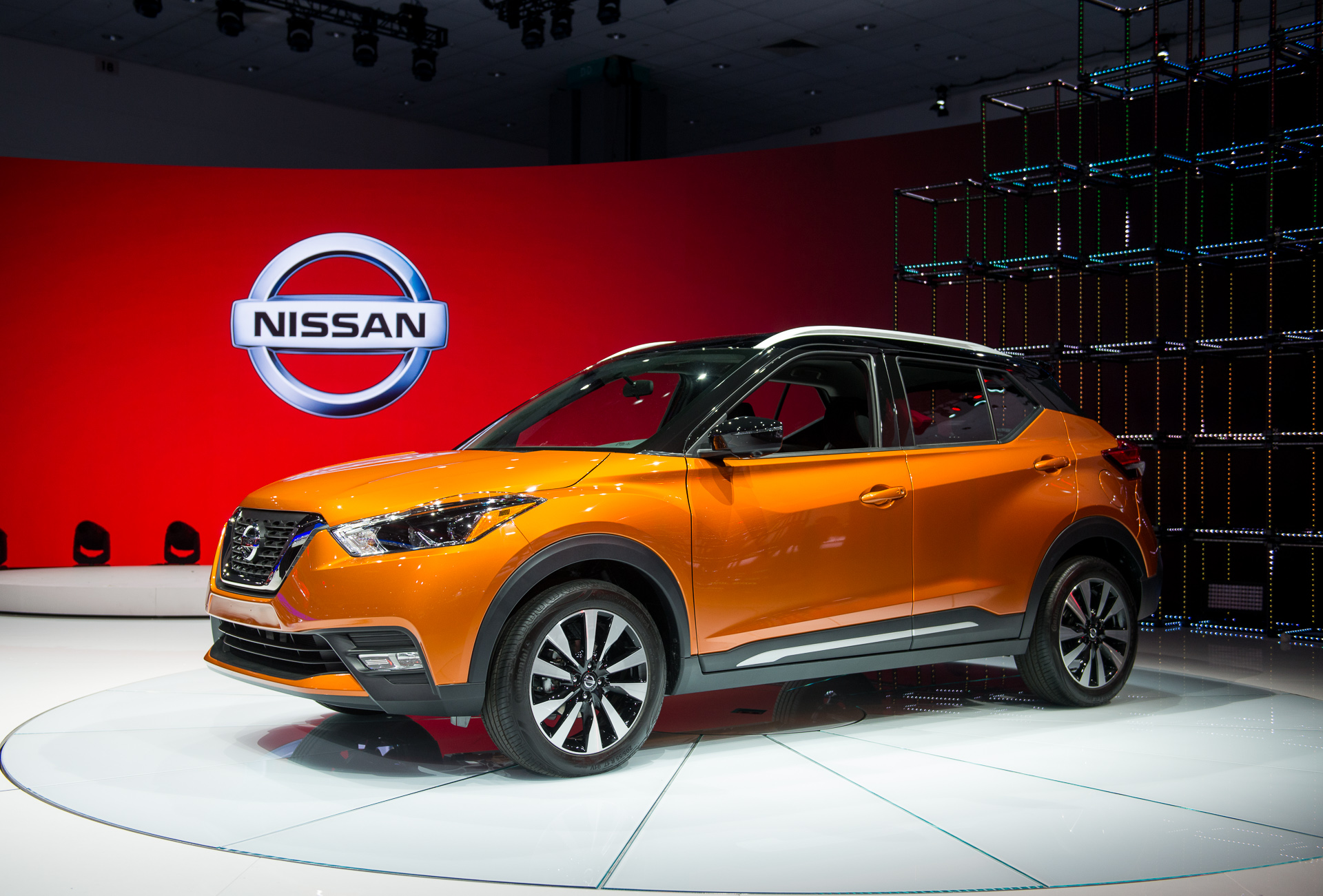
    Extended-range electric vehicles are relatively rare in the Vietnamese market. The Nissan Kicks was the only model in this category, but it is no longer available for sale.

    Questions & Answers

    What are VinFast’s plans for entering the hybrid vehicle market?
    VinFast is reportedly planning to introduce hybrid versions of its VF 8 and VF 9 models by next year.

    What is an extended-range electric vehicle (EREV)?
    An EREV is a vehicle that is entirely powered by an electric engine but also has a gasoline-fueled generator to recharge the battery.

    How does VinFast’s shift towards hybrid vehicles fit into global automotive trends?
    VinFast’s move aligns with a broader international trend, with many automakers initially committing to electric vehicles but later incorporating hybrid vehicles into their lineups.