Retail News CRM

Category: Automotive

Retail News Asia is committed to providing both local and global retailers with the latest Auto and Car news throughout the Asian market. This on a daily base.

  • Tesla Unveils Affordable Model Y And Model 3 Variants: High Performance Meets Budget-friendly

    Tesla Unveils Affordable Model Y And Model 3 Variants: High Performance Meets Budget-friendly

    Tesla has recently unveiled a new line-up of affordable versions of their popular Model Y and Model 3 vehicles. Going by the names of Model Y Standard and Model 3 Standard, these models are designed to offer a more budget-friendly option for consumers, in an attempt to bolster sales and strengthen Tesla’s position in a highly competitive marketplace. These entry-level models are targeted at a wider demographic, aiming to appeal to those who may not have previously considered a Tesla due to the traditionally high price point. Alongside the introduction of these new models, Tesla has also rebranded the Long Range versions of these vehicles under the Premium label. Currently, these new models are only available in the US market.

    The Tesla Model Y Standard

    The Tesla Model Y Standard brings a few changes from its other variants, including the removal of the light bars seen on the front of the higher-end models. This new, more affordable version also features 18-inch wheels. While the panoramic sunroof that is a feature of the higher-end Model Y variants is absent from this model, the color options have also been limited to just three: white, black, and grey.

    This model lacks a few of the “luxury” features seen in its counterparts: the second-row screen, heated rear seats, and it comes with manual steering and side mirrors, as well as a 7-speaker setup instead of the 15-speaker unit seen on the other models.

    However, performance has not been compromised, with the new affordable Model Y variant powered by a 69.5kWh battery capable of producing 300hp and delivering a range of 517 km on a single charge.

    The Tesla Model 3 Standard

    The Tesla Model 3 Standard also features 18-inch wheels as standard, with the option to upgrade to a 19-inch set. This model comes in a standard grey color, with customers having the option to choose a black variant for a premium price.

    On the inside, this model lacks the rear touchscreen unit seen on other variants, but it does retain the panoramic sunroof found on the other Model 3 versions.

    This model shares most of its configuration with the Model Y Standard, including the same 69.5 kWh battery pack, which claims to deliver a range of 517 km. However, the new variant is slightly slower than the Model 3 Premium RWD, achieving 0-100 kmph in 5.8 seconds.

    Despite their reduced-priced cost and the omission of several sophisticated exterior and interior features, both the Model Y and Model 3 Standards retain Tesla’s core digital features, such as the 15.4-inch central touchscreen, Autopilot, and Sentry Mode, among others.

    The Model 3 Standard has now positioned itself as Tesla’s most affordable sedan, with a new price point of around USD 36,990, a drop of nearly USD 5,000 from its previous starting price. The new Model Y Standard is priced at USD 39,990 in the US market.

    Questions & Answers

    What key features have been changed in the new Tesla Model Y and Model 3 standard variants?
    Some luxury features have been removed or downgraded in these models to make them more affordable. These include removal of the light bars, panoramic sunroof and second-row screen in the Model Y Standard, and the rear touchscreen unit in the Model 3 Standard.

    What is the performance capability of the new cheaper variants?
    Both the Model Y and Model 3 standard variants are powered by a 69.5 kWh battery pack that can deliver a range of 517 km on a single charge. The Model 3 Standard can do 0-100 kmph in 5.8 seconds.

    Are the Tesla Model Y and Model 3 Standard models still equipped with Tesla’s basic digital features?
    Yes, despite their lower cost, both models still include key Tesla digital features, such as a 15.4-inch central touchscreen, Autopilot, and Sentry Mode.

  • Google’s Android Auto Enhances Driver Safety With Innovative Call Screening And Notes Features

    Google’s Android Auto Enhances Driver Safety With Innovative Call Screening And Notes Features

    Google has announced the implementation of new features to Android Auto, designed to augment safety and convenience for drivers. The recent update incorporates Call Screening and Call Notes, enabling drivers to handle calls in a more sophisticated way, without diverting their attention from driving.

    Call Screening in Your Car

    The latest update allows Android Auto to screen incoming calls, particularly from unknown or unsaved numbers, on behalf of the driver. When a call is received, the system prompts the caller to identify themselves and state the purpose of the call. The driver is then relayed the responses, providing them the choice to accept or reject the call without having to answer it manually.

    This innovative feature helps to deter unwanted interruptions while driving, ensuring that drivers only receive pertinent calls. By reducing distractions, it offers a smart safety solution.

    Call Notes: Keep Track of Key Points

    Android Auto plans to support Call Notes later this year. This tool automatically generates a summary of your calls in text format. It proves particularly beneficial for business or crucial conversations that cannot be recorded while driving.

    Call Notes was initially introduced with Google’s Pixel 9 phones. Now, by incorporating it into Android Auto, it aims to enhance productivity on the move.

    Why These Additions Matter

    These two enhancements offer tangible benefits for drivers:

    Reduced Distractions: Drivers no longer need to physically manage each incoming call while driving.

    Better Context: Call Notes enables drivers to capture key points from calls without the necessity of manually taking notes.

    Keeping Up with Competition: Apple’s iPhones already provide call screening within CarPlay. Google is maintaining its competitive edge by integrating this feature into Android Auto.

    Questions & Answers

    What are the new features introduced in Android Auto?
    The new features introduced are Call Screening and Call Notes, aimed at reducing distractions and improving convenience for drivers.

    What is the purpose of the Call Screening feature in Android Auto?
    Call Screening allows Android Auto to screen incoming calls on behalf of the driver. The system prompts the caller to identify themselves and state their reason for calling, giving the driver the option to accept or reject the call without manually answering it.

    What is the function of Call Notes in Android Auto?
    Call Notes is a feature that automatically creates a text summary of your calls. It assists drivers in keeping track of important points from calls without having to manually take notes.

  • Surge in Demand for Electric Motorbikes Sparks Excitement in Vietnam’s Retail Market

    Surge in Demand for Electric Motorbikes Sparks Excitement in Vietnam’s Retail Market

    Sales of electric motorbikes surged in the first eight months of the year, outpacing traditional gasoline-powered bikes and signaling a shift in consumer preference.

    A Boom in Electric Motorbike Sales

    Electric vehicles, particularly those that don’t require a driver’s license, experienced an astonishing 89% increase in sales year-on-year. For those requiring a license, the growth was even more dramatic, soaring by 197%. In contrast, traditional gasoline motorbikes saw a more modest sales increase of 14.8%, as reported by the research platform Motorcycles Data. Overall, Vietnam’s motorbike market witnessed 2.08 million units sold across all categories, marking a notable 15.2% rise.

    The Leaders of the Market

    In terms of market dominance, Honda and Yamaha remained juggernauts, closely followed by VinFast. Honda recorded a sales uptick of 6.3%, while VinFast’s sales skyrocketed by 447% compared to the previous year. Meanwhile, Yamaha faced a downturn, with an 8.6% drop in sales.

    Why the Shift Towards Electric?

    Industry analysts attribute the explosive demand for electric motorbikes to their lower operating costs, making them increasingly attractive to consumers. Additionally, government initiatives are playing a pivotal role in this shift. Hanoi is set to gradually ban internal combustion engine motorbikes starting in July 2026, and Ho Chi Minh City is exploring similar restrictions.

    Promotional Pushes Fuel Demand

    With these impending restrictions on the horizon, manufacturers are ramping up promotions to capture the attention of potential buyers. Incentives such as cash discounts, complimentary accessories, and trade-in support for those switching from gasoline bikes to electric are becoming standard practice. Notably, the back-to-school season has also contributed to the increased sales, as parents are keen on purchasing electric motorbikes that their children can ride legally without needing a license.

    VinFast Eyes Ambitious Sales Goals

    VinFast currently holds the largest market share in the electric motorbike segment. The company has set an ambitious goal of selling approximately 1.5 million electric motorbikes by 2026 through its network of over 600 distributors nationwide. For context, Honda’s sales figures in 2024 stood at around 2.14 million, illustrating the competitive landscape.

    A Growing Global Presence

    As electric motorbike sales continue to surge, Vietnam now ranks as the third-largest electric motorbike market globally, trailing only behind China and India. With brands like Yadea, Dat Bike, Selex Motors, and HK Bike also carving out significant market shares, the landscape looks poised for a vibrant future.

    Questions & Answers

    What sparked the rapid rise in electric motorbike sales in Vietnam?
    The surge in electric motorbike sales is largely due to their lower operating costs, supportive government policies, and the anticipation of restrictions on gasoline motorbikes in major cities.

    Which brands are leading the electric motorbike market?
    Honda dominates the overall motorbike market, but VinFast is now the leader in the electric segment, achieving an impressive growth of 447% in sales.

    How does Vietnam’s electric motorbike market compare globally?
    Vietnam currently stands as the third-largest electric motorbike market in the world, following China and India, highlighting the rapid adoption of electric vehicles among consumers.

  • Thailand Unveils New 45% Tax on Vintage Cars: A Bold Move for Classic Car Enthusiasts

    Thailand Unveils New 45% Tax on Vintage Cars: A Bold Move for Classic Car Enthusiasts

    Thailand will introduce a 45% tax on imported vintage cars in fiscal year 2026, a strategic move projected to boost government revenue by an additional THB1-2 billion (US$31.4-62.9 million) annually.

    The regulations accompanying this tax will restrict these classic vehicles to use only on Saturdays, Sundays, and public holidays, although exceptions may be made for special events with prior police approval.

    Revving Up Vintage Car Culture

    Kulaya Tantitemit, the director-general of the Thai Excise Department, explained that the new tax aims to transform Thailand into a vibrant hub for vintage car exhibitions while also supporting the local car restoration industry. “We want Thailand to be the go-to destination for vintage enthusiasts,” Kulaya said, perhaps envisioning a future where restored beauties cruise down Bangkok’s streets like it’s 1955.

    Who’s Affected? The Details of the Tax

    This tax will specifically target vintage cars that are imported, with the initial classification declaring a vehicle must be at least 30 years old. Future regulations may provide further specifications on models and reference international pricing to ensure fairness. However, be advised: vintage motorbikes and cars already registered in Thailand will remain untouched by this levy.

    Revenues Surpassing Expectations

    The announcement comes on the heels of encouraging news from the Excise Department, which is optimistic about surpassing its revenue goals for the current fiscal year. For the first 11 months of fiscal year 2025, the department reported collections of THB489 billion, marking a 1.6% increase from the previous year.

    Questions & Answers

    What prompted Thailand to implement this new tax on vintage cars?
    The tax aims to boost government revenue while positioning Thailand as a key player in the vintage car exhibition scene and supporting the domestic car restoration industry.

    Who will be affected by the 45% tax on vintage cars?
    The tax specifically targets vintage cars imported into Thailand, defined as vehicles that are at least 30 years old. It will not apply to vintage motorbikes or vehicles already registered in the country.

    How much revenue is expected to be generated from this tax?
    The government expects the new tax to raise between THB1-2 billion (US$31.4-62.9 million) annually, significantly contributing to the national coffers.

  • Yamaha Motor Streamlines Global ERP and Business Data for Enhanced Operational Efficiency.

    Yamaha Motor Streamlines Global ERP and Business Data for Enhanced Operational Efficiency.

    Yamaha Motor, the Japanese titan of mobility, is embarking on an ambitious quest to harmonize its global data landscape across all regions and departments. This bold initiative aims to provide employees with reliable data access, paving the way for more agile decision-making, improved reporting, and streamlined operations in delivering enhanced services.

    At the heart of this transformation is Informatica’s AI-powered Master Data Management (MDM) Software as a Service (SaaS) solution, driven by the innovative CLAIRE AI engine. This strategic move allows Yamaha to centralize and automate its cross-domain and cross-departmental data assets, culminating in a rich, contextualized 360-degree view of its operations.

    By implementing this system, Yamaha not only enhances productivity and accelerates data discovery but also ensures the consistency and accuracy of the data that leads to trusted insights. Toyoto Ono, chief general manager at the IT Centre, emphasizes that the Informatica MDM platform will connect regional ERP systems with proprietary “scratch systems,” effectively bridging fragmented operations.

    “This will significantly improve our decision-making, forecasting, and reporting processes, while also unleashing productivity gains and cost efficiencies,” Ono explained.

    Confronting Data Challenges Head-On

    Like many corporations navigating the labyrinth of modern data environments, Yamaha Motor has grappled with extensive and complex data management issues. Compounded by siloed systems in its manufacturing and operational branches scattered around the globe, the need for standardized data frameworks across its global ERP systems became pressing.

    Data harmonization was essential, as inconsistencies in instances and content varied from region to region. The lack of unified master data across Yamaha’s ERP and business systems hampered operational efficiency—something the company was eager to rectify.

    Taito Kozawa, country manager and vice president of Informatica Japan, underscored the significance of this partnership: “We are committed to supporting Yamaha’s ambition to strengthen data-driven decision-making and accelerate AI and digital transformation. As many organizations in Japan are pursuing similar goals, we strive to help our clients unlock meaningful business value through our AI-powered platform and capabilities.”

    Questions & Answers

    How is Yamaha Motor improving its data management processes?
    Yamaha Motor is implementing Informatica’s AI-powered Master Data Management solution to centralize and harmonize its data across various ERP systems, allowing for more effective decision-making and enhanced operational efficiency.

    What challenges did Yamaha face in its data management before this initiative?
    The company struggled with extensive, complex data and siloed systems across global locations, which necessitated data harmonization due to inconsistencies in regional data instances and content.

    What benefits does Yamaha expect from the MDM implementation?
    Yamaha anticipates improved productivity, accelerated data discovery, consistent and accurate insights, and enhanced decision-making processes, all contributing to significant cost efficiencies.

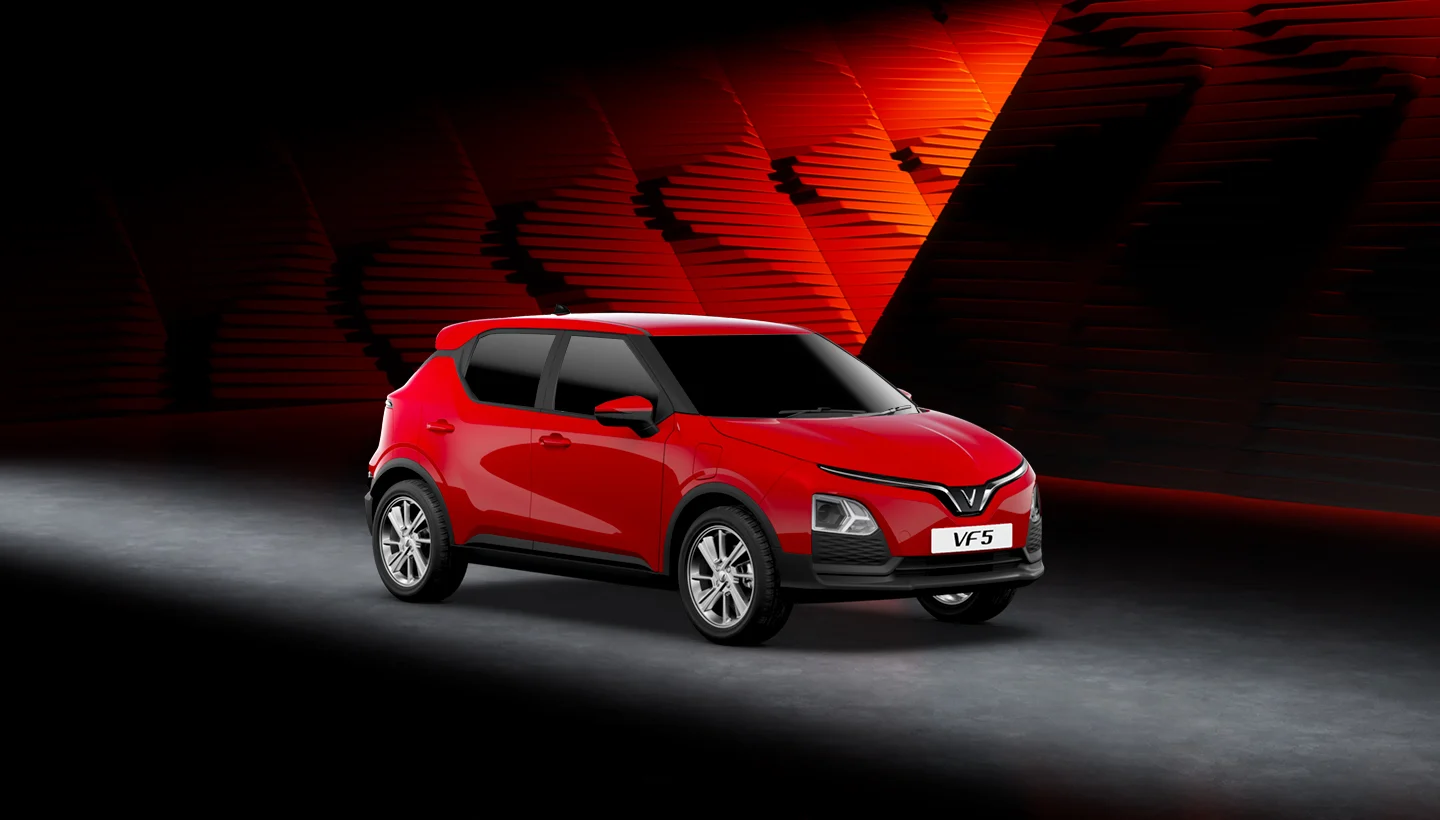
  • VinFast VF 5 Dominates Market, Outselling Rivals Fourfold in City Car Segment

    VinFast VF 5 Dominates Market, Outselling Rivals Fourfold in City Car Segment

    Vietnamese electric automaker VinFast’s VF 5 exemplifies a remarkable shift in the automotive landscape, dominating the A+ crossover utility vehicle segment with over 27,000 units sold. The VF 5 emerged as the uncontested leader in the A+ crossover utility vehicle category, an area increasingly characterized by low-cost city cars. During this same period, traditional competitors such as the Kia Sonet, Toyota Raize, and Hyundai Venue experienced steep sales declines, each facing a double-digit percentage drop. In total, these gasoline models collectively managed to sell only 6,700 units, with the Sonet down 26% year-on-year, the Raize declining by 15%, and the Venue plunging by a staggering 41%.

    A Shift in Consumer Preferences

    Interestingly, the overall demand for gasoline vehicles in this segment has tumbled by around 26% in the past eight months. In August alone, the VF 5 boasted sales exceeding 2,700 units, surpassing the total eight-month sales figures for both the Raize and Venue. It seems the allure of electric mobility is casting a strong shadow over traditional auto offerings, showing that consumers are more than ready to embrace change.

    Popularity Fuels VinFast’s Growth

    The VF 5’s appeal can be attributed to its practical design and low operating costs, which resonate well with both individual buyers and service operators alike. Its pricing positions it in the mid-range of the segment, yet it remains competitive due to supportive government initiatives, such as waiving registration fees for electric vehicles. This combination of factors has undoubtedly propelled its market success.

    The Landscape Ahead

    While the Raize is currently the only model in its segment being imported from Indonesia, others, including the Kia and Hyundai offerings, are assembled domestically. The upcoming arrival of the Suzuki Fronx in October—also imported from Indonesia and available with either a gasoline or mild-hybrid engine—promises to shake things up further. This model employs a small electric motor and battery to complement the traditional internal combustion engine, potentially adding another layer of competition to an already dynamic market.

    Questions & Answers

    What factors contribute to the VF 5’s impressive sales performance?
    The VF 5’s success can largely be attributed to its practical design, low operating costs, and favorable government policies, including waived registration fees for electric vehicles.

    How does the VF 5 compare to its gasoline-powered competitors?
    The VF 5’s sales have outpaced its gasoline rivals significantly, achieving over 27,000 units sold compared to a meager 6,700 for combined competitors such as the Kia Sonet, Toyota Raize, and Hyundai Venue.

    What can we expect from the automotive market in the coming months?
    The introduction of new models like the Suzuki Fronx, along with ongoing shifts in consumer preference towards electric vehicles, suggests a rapidly changing automotive landscape ahead.

  • Ford Issues Recall of 21,100 Vehicles in Vietnam Due to Screen Malfunction Issues

    Ford Issues Recall of 21,100 Vehicles in Vietnam Due to Screen Malfunction Issues

    American automaker Ford is initiating a recall of more than 21,100 vehicles in Vietnam due to issues with infotainment screens that unexpectedly crash while displaying images from the rearview camera.

    Screen Failures Raise Safety Concerns

    This particular glitch has been identified in certain models of the Ranger, Ranger Raptor, and Everest, where the screen intermittently freezes and restarts during reverse operation, heightening the risk of accidents, according to Ford Vietnam. Notably, this issue affects both domestically assembled vehicles and those imported into the market.

    A Breakdown of the Recall

    The recall encompasses 11,002 Ranger vehicles manufactured between August 2022 and April 2024, alongside 7,947 Everests produced between December 2021 and April 2024 and 2,179 Raptors made between April 2022 and May 2024. Interestingly, the latter two models were built at Ford’s facility in Thailand before being shipped to Vietnam.

    Commitment to Customer Safety

    Ford has assured customers that authorized dealerships will conduct the necessary repairs at no cost. This proactive approach is aimed at restoring consumer confidence, although it’s worth noting that this isn’t Ford’s first major recall related to display failures in Vietnam. Just a few months earlier, in May, the company recalled nearly 1,000 Explorer SUVs due to problems with their rearview and 360-degree camera displays. Those vehicles were produced in the U.S. between January 2019 and July 2023 and had also been imported into Vietnam.

    As Ford navigates these technical hiccups, drivers are reminded of the importance of vehicle safety and the potential pitfalls of modern technology—proof that sometimes, screens aren’t so smart after all.

    Questions & Answers

    What models are affected by the Ford recall in Vietnam?
    The recall involves the Ranger, Ranger Raptor, and Everest models, totaling over 21,100 vehicles.

    What specific issue are these vehicles experiencing?
    They suffer from infotainment screen malfunctions, freezing and restarting while reversing, increasing the risk of collisions.

    Will the repairs for the recall be free of charge?
    Yes, Ford has stated that all necessary repairs will be conducted free of charge by authorized dealerships.

  • Premium Automobiles Faces $9,400 Fine Following Audi Service Center Explosion in Singapore

    Premium Automobiles Faces $9,400 Fine Following Audi Service Center Explosion in Singapore

    Singapore’s car retailer Premium Automobiles has been issued a fine of SGD12,000 (approximately US$9,400) following a significant explosion at its Audi service center, which left a gaping hole in a wall and prompted the evacuation of around 100 people.

    On September 10, Premium Automobiles admitted guilt for failing to promptly cease the operation of a malfunctioning lift that posed serious safety risks, as reported by The Straits Times.

    The incident occurred on March 7, 2023, at the company’s service center located at 55 Ubi Road 1. An investigation into the explosion revealed that a waste oil tank, installed in 2002, was located in the lift’s machine room, a decision that would ultimately prove catastrophic.

    Despite hiring a contractor to perform monthly maintenance on the lift, Premium Automobiles did not inform them about the presence of the waste oil tank. This oversight proved to be a costly mistake when arcing from the lift’s control panel ignited flammable vapors that had built up in the confined space, leading to the explosion.

    In court, a representative from Premium Automobiles requested leniency, underscoring that this was the first legal issue the company has faced since its establishment in 1999. “We believed we were ill-informed regarding the need for approval for the waste oil tank,” the representative stated, adding, “We accept full responsibility for this incident and are committed to improving our safety protocols moving forward.”

    While some might think an explosion at a car service center feels like a plot twist in a blockbuster film, for Premium Automobiles, it’s a sobering reality check that safety cannot be an afterthought.

    Questions & Answers

    What caused the explosion at Premium Automobiles’ Audi service center?
    The explosion was triggered by arcing in the relay switch of the lift’s control panel, which ignited flammable vapors from a waste oil tank that had been improperly installed in the lift’s machine room.

    How did Premium Automobiles respond to the incident?
    Premium Automobiles accepted full responsibility for the explosion, acknowledging their oversight in not informing their maintenance contractor about the presence of the waste oil tank.

    What penalties did the company face after the incident?
    The company was fined SGD12,000 (US$9,400) as a result of the explosion, marking the first legal trouble they have encountered since their founding in 1999.

  • VinFast Electrifies Market with Nearly 11,000 EVs Sold in August!

    VinFast Electrifies Market with Nearly 11,000 EVs Sold in August!

    VinFast reports that its sales figures have held steady at approximately 11,000 units monthly, positioning the Vietnamese electric vehicle manufacturer far ahead of its competitors. The company shared these insights on Friday, revealing a robust performance across its diverse lineup.

    The VF 5 Shines in the Sales Arena

    Leading the charge is the VF 5, which sold 2,745 units in August, bringing its year-to-date total to an impressive 27,109. This model, often seen as a yardstick of consumer enthusiasm, underlines VinFast’s stronghold in the A-SUV segment. Meanwhile, the Herio Green variant tailored for transport service providers also made significant strides, with 2,395 vehicles delivered, further cementing the company’s market dominance.

    VF 3: The “National Car” Star

    In a close competition, the VF 3 followed up with 2,481 units sold last month. This vehicle has captured the hearts of consumers, becoming Vietnam’s best-selling model of the year with a staggering total of 28,704 cars delivered since January. Its affordability, striking aesthetics, and universal appeal have rightfully earned it the affectionate title of the “national car.”

    Appeal of the VF 6 and the Rise of the VF 7

    Not to be overlooked, the VF 6 also showcased strong performance, recording sales of 2,038 units last month and a total of 12,492 for the year. This model has garnered acclaim for its durability and advanced technology, making it particularly attractive to younger buyers in the B-SUV segment. In the C-SUV category, the VF 7 is turning heads with its stylish design, achieving 718 units sold in August and accumulating 5,099 so far this year.

    Diverse Model Range Fuels Growth

    VinFast’s August success also stretched beyond its flagship models, with other offerings like the VF 8, VF 9, Nerio Green, and Limo Green contributing to sales figures. A noteworthy moment came on August 5, with the first deliveries of the Limo Green, marking the company’s strategic entry into the seven-seat MPV market, promising greater versatility for both families and service operators.

    Looking Ahead: Promising Growth on the Horizon

    Duong Thi Thu Trang, VinFast’s deputy CEO of global sales, remains optimistic, predicting a surge in sales during the peak season later this year. The anticipated growth will be bolstered by a combination of new models and the established appeal of existing offerings. Currently, VinFast leads in Vietnam’s electric vehicle landscape, boasting the most expansive portfolio that includes everything from mini-SUVs to E-SUVs and MPVs. Plans are already underway to introduce new models, including the Minio Green for transport businesses, the small cargo EC Van, and compact electric buses aimed at public transport.

    Questions & Answers

    What factors are driving VinFast’s strong sales performance?
    VinFast’s diverse product lineup, which includes the popular VF 3 and VF 5 models, alongside strategic entry into various market segments such as the MPV category, has significantly boosted its sales figures.

    How has VinFast’s approach to the electric vehicle market set it apart in Vietnam?
    The company offers the broadest range of pure electric vehicles in Vietnam, catering to different consumer needs with models spanning from mini-SUVs to larger MPVs, making it a versatile player in the growing EV sector.

    What future developments can we expect from VinFast?
    VinFast is planning to expand its lineup with new models such as the Minio Green for transport services, the EC Van for cargo, and electric buses for public transportation, which will further enhance their presence in the EV market.

  • German Automotive Giants BMW, Mercedes, and VW Transform for a New Era of Innovation

    German Automotive Giants BMW, Mercedes, and VW Transform for a New Era of Innovation

    Under mounting pressure from Washington and Beijing, German automotive stalwarts BMW, Mercedes-Benz, and Volkswagen are stepping back into the limelight at IAA Mobility in Munich. With billions poured into new electric models and a refreshed global strategy, these industry titans aim to reaffirm their critical role in shaping the future of mobility.

    At the IAA Mobility, the local heavyweights take center stage, as BMW, Mercedes-Benz, and Volkswagen look to reclaim their spotlight amid fierce competition from a growing influx of Chinese brands. With 14 Chinese manufacturers showcasing their innovations, nearly half of all exhibitors hail from the East, challenging traditional automotive powerhouses in new ways.

    Reclaiming Ground on Home Turf

    The three German carmakers are leveraging the event to unveil their latest fully electric models, signaling their intent to keep Chinese competitors in check while also eyeing expansion into the U.S. market, despite the challenges of the ongoing trade war initiated by former President Donald Trump.

    The German automotive sector has faced tumultuous years marked by restructurings, job cuts, and strategic overhauls. The rise of Chinese manufacturers has intensified competition, compelling the industry to innovate rapidly. Initially burdened by hefty U.S. tariffs of 27.5 percent, later reduced to 15 percent but still looming, the industry has pivoted decisively toward electric drivetrains, software, and artificial intelligence.

    Volkswagen’s CEO, Oliver Blume, declared, “We are going on the offensive,” while Mercedes-Benz’s Ola Källenius portrayed a “wind of optimism” enveloping an industry that is investing like never before to face a rapidly changing landscape.

    French Motors Make a Splash

    Renault is also making its presence felt in Munich, showcasing its successful electric models such as the R5, Megane, and Scenic, while premiering the sixth generation of its renowned Clio. Celebrated for over three decades, the Clio now boasts over 33 percent recycled materials, a 160 hp hybrid drive, and upgraded connectivity features.

    The Chinese Challenge Intensifies

    Yet, the road ahead won’t be easy. Chinese brands have doubled their foothold in the European market over the past year, skyrocketing from 2.9 percent to 5.9 percent. Stella Li, vice president of BYD, the world’s largest seller of electrified vehicles, asserted, “BYD is here to stay.” In Munich, they are showcasing the innovative Seal 6 DM-i Touring plug-in hybrid, crafted in Hungary, along with cutting-edge charging technology that can provide 400 kilometers of range in just five minutes — talk about quick pit stops!

    Other hopefuls like Leapmotor are targeting younger buyers with stylish compact models, while Xpeng announces ambitions to enter 60 countries by the end of 2025, kicking off with Switzerland this month and launching a new AI-driven P7 sedan development center in Munich.

    BMW has unveiled its Neue Klasse iX3 SUV, boasting an impressive range of up to 800 kilometers and adding 369 kilometers in just ten minutes of charging—an homage to design aesthetics from the 1960s. Mercedes focuses on the electric GLC, featuring a 713-kilometer range alongside an illuminated Maybach-style grille. Meanwhile, Volkswagen is reviving its roots with the iD.Polo, expected to launch in 2026 at a price under 25,000 euros, including a sporty GTI variant.

    Volkswagen faces a dilemma, grappling with losses in China and significant expenses stemming from U.S. tariffs, which are especially affecting Audi and Porsche. Audi recently fell out of Germany’s leading DAX index, following a stock decline exceeding 45 percent since its IPO due to weak Taycan sales in the Chinese market and high costs associated with in-house EV development. Blume’s dual role as CEO of both Porsche and Volkswagen adds to the complexity.

    Amid these struggles, Volkswagen has over 5,000 employees at its Tennessee plant and is eyeing further investment, contingent upon positive signals from the U.S. market, though specifics remain under wraps.

    Questions & Answers

    What challenges are German automakers currently facing in the market?
    German automakers are contending with increased competition from Chinese manufacturers, significant losses in the Chinese market, and the financial burdens of U.S. tariffs that have weighed heavily on companies like Audi and Porsche.

    What new electric models are being introduced by the German carmakers at IAA Mobility?
    BMW premiered its Neue Klasse iX3 SUV with a range of up to 800 kilometers, Mercedes showed off the all-electric GLC with a 713-kilometer range, and Volkswagen is set to reintroduce the iD.Polo, a sporty model priced under 25,000 euros.

    How have Chinese automotive brands impacted the European market?
    Chinese brands have significantly increased their market share in Europe, doubling from 2.9 percent to 5.9 percent in just one year, showcasing a strong commitment to becoming key players in the region with innovative electric vehicles.

  • Audi Slashes Prices Across Range In India Following Gst 2.0 Implementation

    Audi Slashes Prices Across Range In India Following Gst 2.0 Implementation

    In response to the newly implemented Goods and Services Tax (GST) 2.0 regime, Audi India has released an updated price listing for its various models. The reductions, varying from Rs 2.6 lakh to a substantial Rs 7.8 lakh depending on the model, intend to make Audi’s luxury cars and SUVs more affordable. As a result, they hope to stimulate customer demand just in time for the upcoming holiday season. For the precise cost of their chosen model, customers are encouraged to visit their local Audi dealership or the official website.

    Audi Q3, Q5, and Q7: More Affordable Than Ever

    There have been notable price drops across the Audi range. The Audi Q3, originally on the market at a starting price of Rs 46,14,000 (ex-showroom), now has a new starting price of Rs 4,307,000 (ex-showroom). The Audi Q5 has also seen a significant decrease in price, with a reduction of up to Rs 4.55 lakh. This adjustment lowers the starting price to Rs 63.75 lakh (ex-showroom), a significant discount from the previous Rs 68.30 lakh (ex-showroom).

    Even Audi’s Q7 model has become more affordable, thanks to the new pricing. The earlier price tag of Rs 92.29 lakh (ex-showroom) is now reduced to a more wallet-friendly Rs 86.14 lakh (ex-showroom). Furthermore, the Audi Q8, the brand’s flagship SUV, has also been reduced by up to Rs 7.83 lakh. This cuts the previous price from Rs 1,17,49,000 (ex-showroom) to its current starting price of Rs 1,09,66,000 (ex-showroom).

    Discounts for Audi A4 and A6 Models

    The price changes also affect the Audi A4 and A6 models. These popular vehicles have received price reductions of up to Rs 2.64 lakh and Rs 3.64 lakh, respectively. The adjusted starting price for the Audi A4 is now at Rs 46,25,000, while the A6 starts from Rs 63.74 lakh (ex-showroom).

    Questions & Answers

    What are the new starting prices for the Audi Q3 and Q5?
    The Audi Q3 now has a starting price of Rs 4,307,000 (ex-showroom), while the Audi Q5 starts at Rs 63.75 lakh (ex-showroom).

    How much has the price been reduced for the Audi A4 and A6?
    The Audi A4 and A6 have seen price reductions of up to Rs 2.64 lakh and Rs 3.64 lakh respectively.

    What impact is the GST 2.0 regime expected to have on Audi sales?
    With price reductions across Audi’s range of models, the company anticipates these changes will drive customer demand, particularly ahead of the festive season.

  • Fuyao Glass Amplifies Asia’s Retail Horizon With $600m Vietnam Factory Expansion

    Fuyao Glass Amplifies Asia’s Retail Horizon With $600m Vietnam Factory Expansion

    In a significant move reflecting the evolving landscape of Asia’s retail sector, Fuyao Glass Industry Group is set to expand its footprint by opening a second glass factory in Vietnam. This new facility, which represents a monumental investment of approximately $600 million, is poised to enhance the company’s capacity to serve the growing demand for automotive glass in the region.

    Shifting the Gears of Growth

    Currently operating a factory in the north of Vietnam, Fuyao’s new location in the south is strategically aimed at tapping into the bustling automotive manufacturing hub centered around Ho Chi Minh City. With a target commencement date set for 2025, this expansion is expected to create around 2,700 new jobs, cementing Fuyao’s role as a key player in both the local economy and the broader automotive supply chain.

    A Competitive Edge in Automotive Glass

    Established in 1987 and boasting a market capitalization exceeding $16 billion, Fuyao Glass has worked tirelessly to innovate and elevate industry standards. The company has amassed a diverse clientele, supplying glass to renowned automakers such as Volkswagen and BMW. With its new facility, Fuyao aims to not only amplify production capabilities but also enhance its competitive edge in a market that’s increasingly leaning toward sustainability and innovation.

    Building a Sustainable Future

    The factory’s design and operational plans underscore a commitment to sustainability, integrating energy-efficient technologies and practices. It’s a sign that in today’s retail environment, making green choices isn’t just commendable; it’s becoming essential. As Fuyao steps into this new chapter, it couples economic growth with its pledge to lower environmental impact — a narrative increasingly resonant among modern consumers.

    The Local Impact: A Win-Win Situation

    The benefits of this investment won’t be limited to Fuyao alone. This expansion is anticipated to stimulate the local economy, attracting supporting industries and boosting ancillary services in logistics and supply chains. Quite frankly, for a country like Vietnam, which is quickly becoming a regional manufacturing hub, projects like these could be the proverbial cherry on top of an already thriving cake!

    Paving the Way for Future Innovations

    As Fuyao Glass sets its sights on this ambitious project, the company positions itself at the forefront of an exciting period for the automotive glass industry in Asia. With technology and consumer preferences constantly shifting, Fuyao is proving that strong investments in innovation and infrastructure can lead to transformative impacts — both within its corporate walls and across the communities it touches.

    Questions & Answers

    What prompted Fuyao Glass to expand its operations in Vietnam?
    Fuyao Glass is responding to the increasing demand for automotive glass in the region, capitalizing on Vietnam’s growth as an automotive manufacturing hub.

    How many jobs will the new factory create?
    The new facility in southern Vietnam is expected to create approximately 2,700 jobs, significantly contributing to local employment.

    What is Fuyao’s stance on sustainability regarding its new factory?
    The company is committed to sustainability, integrating energy-efficient technologies and practices into the factory’s design and operations to minimize environmental impact.

  • Porsche Unveils Exciting Exhibition Store at Changi Airport: A New Retail Experience Awaits!

    Porsche Unveils Exciting Exhibition Store at Changi Airport: A New Retail Experience Awaits!

    Porsche is making a bold statement in Singapore with the launch of “Porsche at Jewel,” an innovative exhibition space nestled within the vibrant Changi Airport. This new venture marks a significant expansion for the luxury automotive brand, seamlessly blending its heritage with local culture and modern lifestyle experiences.

    The new location offers more than just a showroom; it features an array of engaging experiences designed to captivate both casual visitors and avid car enthusiasts. Among the highlights is a café that dishes out exclusive menu items, promising to tantalize taste buds while fostering a unique environment for discussion and delight.

    At Porsche at Jewel, customers can explore a curated selection of Porsche-branded apparel and accessories, alongside seasonal collections that reflect the brand’s ethos of luxury and performance. A standout feature is Porsche’s collaboration with local artist Tiffany Lovage, who crafted a limited-edition artwork inspired by Singapore’s beloved kopi (coffee) culture — a nod that adds a touch of local flavor to the brand’s international prestige.

    The exhibition space also showcases a rotating display that reflects the rich history and innovation of the automotive industry, from themed collections to rare vehicle showcases that transport visitors through Porsche’s storied lineage. Visitors can currently admire a striking red Porsche 911 Carrera, dramatically set against the backdrop of Singapore’s iconic shophouses, embodying the city-state’s unique blend of tradition and modernity.

    Looking ahead, Porsche plans to enhance its presence even further with the upcoming Porsche Experience Centre set to open by 2027, adjacent to the Changi Exhibition Centre. This attraction will offer an immersive journey into the world of Porsche, allowing enthusiasts and newcomers alike to experience the dynamic performance of these extraordinary vehicles firsthand.

    Questions & Answers

    What unique offerings can visitors expect at Porsche at Jewel?
    Visitors can enjoy a café with exclusive menu items, browse Porsche-branded apparel, and view a limited-edition artwork inspired by Singapore’s coffee culture, alongside rotating exhibitions of historical and innovative automotive displays.

    What current exhibit is featured at the new location?
    The opening exhibit features a bold red Porsche 911 Carrera, dramatically displayed against the backdrop of Singapore’s iconic shophouses, combining local flavor with automotive excellence.

    What future plans does Porsche have for its presence in Singapore?
    Porsche is set to launch the Porsche Experience Centre in 2027, which will provide an interactive platform for visitors to dive deeper into the performance and engineering of Porsche vehicles.

  • Honda Unveils Exclusive Naked Bike in Vietnam, Priced at $21,000 – A Must-See for Enthusiasts!

    Honda Unveils Exclusive Naked Bike in Vietnam, Priced at $21,000 – A Must-See for Enthusiasts!

    Four Honda CB1300SF Final Edition motorcycles made in Japan have been imported and are on sale at around VND550 million (US$21,000). In an exciting development for motorbike enthusiasts, four rare Honda CB1300SF Final Edition motorcycles have been imported into Vietnam, each priced at approximately VND550 million (US$21,000). These are part of the final production run, with only 3,400 units crafted in February before Honda concluded the model in response to evolving exhaust regulations.

    A Tribute to a Legend

    The CB1300SF Final Edition pays homage to the revered CB1000SF, a model that played a crucial role in establishing the Honda CB series as a global favorite in the 1990s, earning a devoted following among riders. As if Honda has sent a love letter to its fans, this motorcycle blends nostalgia with modern engineering.

    Timeless Design Meets Modern Performance

    The CB1300SF sports an upgraded design, retaining its iconic look while boasting an engine displacement of 1,300cc. It features a long, streamlined seat and elevated handlebars that ensure a comfortable riding experience. With a 21-liter fuel tank proudly displaying the Final Edition badge, this bike signifies not just closure but also celebration, offering 113 horsepower at 7,250 RPM.

    Riding Dynamics That Cross Generations

    While competitors in the market target younger riders with sporty designs, the CB1300SF speaks to a broader demographic, drawing both younger enthusiasts and seasoned riders with its classic aesthetic and relaxed riding dynamics. It’s a bike that says, “Age is just a number; let’s hit the road together!”

    Questions & Answers

    What makes the Honda CB1300SF Final Edition a special motorcycle?
    The Honda CB1300SF Final Edition is part of the last production run before Honda discontinued the model due to new exhaust regulations, making it a rare collector’s item and a tribute to the beloved CB1000SF.

    What are the key features of the CB1300SF Final Edition?
    This motorcycle features a nostalgic design with modern performance upgrades, including a 1,300cc engine, comfortable seating, and a distinctive Final Edition badge, all contributing to its appeal across different age groups.

    Why did Honda decide to discontinue the CB1300SF model?
    Honda discontinued the CB1300SF as part of its compliance with stricter exhaust regulations, marking the end of an iconic model that has captured the hearts of motorcycle enthusiasts for decades.

  • Vietnam’s Auto Association Alerts: Proposed Fuel Standard Could Eliminate 96% of Cars by 2030!

    Vietnam’s Auto Association Alerts: Proposed Fuel Standard Could Eliminate 96% of Cars by 2030!

    In a significant move for the automotive sector, the Ministry of Construction is inviting input from various agencies regarding a bold proposal to mandate that all passenger cars achieve a fuel efficiency of 4.83 liters per 100 kilometers by 2030. This regulation notably exempts electric vehicles, allowing them to steer clear of stringent fuel efficiency requirements.

    Fuel Consumption Credits as a Safety Net

    Under this proposed regulation, manufacturers unable to meet the efficiency standard will have the option to purchase fuel consumption credits from those who do. This system mirrors the carbon credit trading mechanisms found globally, suggesting a creative approach to encouraging fuel efficiency.

    Manufacturers Urged to Innovate

    The message is clear: manufacturers are encouraged to innovate by upgrading technology, phasing out fuel-hungry vehicles, and expanding their lineup of fuel-efficient models. Failure to comply after a three-year grace period could lead to the discontinuation of production or importation until a viable alternative plan is conceived.

    Industry Concerns About Stringent Standards

    However, not everyone is on board with this aggressive approach. The Vietnam Automobile Manufacturers Association (VAMA), representing 17 manufacturers, has labeled the proposed efficiency threshold as “too strict.” They warn that a staggering 96% of gasoline vehicles and 14% of hybrid models would not meet these ambitious requirements. For example, Toyota’s widely popular Vios would fall short at 5.08 liters per 100 kilometers in its most efficient variant, while the Yaris Cross Hybrid performs admirably at 3.56 to 3.8 liters per 100 kilometers.

    A Shift Towards Electrification

    VAMA argues that to meet the proposed standards while sustaining current sales volumes, the industry would need to boost the share of electrified vehicles nearly tenfold over the next five years. Given the current limitations in charging infrastructure and consumer hesitance toward electric vehicles, this target may be a bit like trying to fit a square peg into a round hole.

    A Compromise on Fuel Efficiency Targets

    In light of these challenges, VAMA has suggested a more gradual approach. Their alternative proposal recommends achieving fuel efficiency targets of 6.7 liters per 100 kilometers by 2027, 6.5 by 2028, 6.3 by 2029, and finally reaching 6 liters in 2030. This roadmap would involve a 34% reduction in gasoline vehicle production, alongside a dramatic 366% increase in electric vehicle sales — a far more feasible scenario, according to industry leaders.

    Questions & Answers

    What is the proposed fuel efficiency target for passenger cars by 2030?
    The proposed target is 4.83 liters per 100 kilometers for all passenger cars by 2030.

    How will manufacturers who fail to meet the efficiency standards be penalized?
    Manufacturers who do not meet the standards after three years may have to halt production or importation until they establish an appropriate alternative plan.

    What alternative targets has VAMA suggested instead of the initial proposal?
    VAMA suggests a more realistic gradual approach: 6.7 liters per 100 kilometers in 2027, 6.5 in 2028, 6.3 in 2029, and 6 liters in 2030.