Category: E-Tailing

Retail News Asia is committed to providing both local and global retailers with the latest E-Commerce & Etail news throughout the Asian market. This on a daily base.

  • E-retailer Zalora bets big on Southeast Asia

    E-retailer Zalora bets big on Southeast Asia

    Asian fashion e-commerce start-up Zalora aims to become a multi-billion dollar company, and according to managing director Michele Ferrario, Southeast Asia’s burgeoning market holds the key to achieving that goal.

    “Singapore is well-served in terms of online and offline retail, but when you think about smaller towns in Indonesia, the Philippines, Vietnam and Thailand, people there do not have the same access to fashion as people in developed markets,” he told CNBC’s “Managing Asia.”

    Home to more than 600 million consumers, the region’s internet retail market is at an “inflection point,” according to a UBS report published last June. Analysts estimate online spending across Southeast Asia is poised to hit USD35 billion by 2020, on the back of high internet penetration and widespread smartphone usage.

  • Citizen Card to facilitate online shopping in Myanmar

    Citizen Card to facilitate online shopping in Myanmar

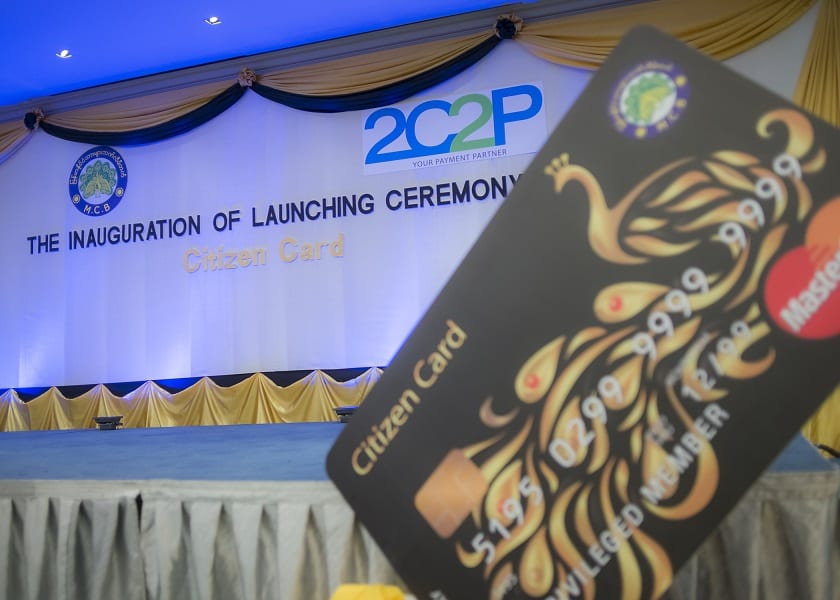
    A citizen card launched by payment services provider 2C2P and Myanmar Citizens Bank is expected to support e-commerce in Myanmar.

    The reloadable prepaid card is accepted by MasterCard merchants and comes with an optional smartphone application that allows cardholders to manage transactions in real time.

    “Targeted at the retail, and travel and tourism sectors, Citizen Card will facilitate both physical and online shopping. It will also be of use to Myanmar tourists when they travel overseas, as consumers can enjoy special benefits and privileges at destinations such as Thailand and Singapore, with a number of partner merchants in the airline, food and beverage and hospitality sectors,” said.

    Initially, supply of the Citizen Card will be limited to 5,000 units but plans are underway for options to roll out more within the year.

    According to McKinsey & Co, Myanmar is expected to quadruple the size of its economy from USD45 billion to over USD200 billion by 2030, with per capita GDP rising from USD1,300 in 2010 to USD5,100 by 2030.

    “Building on this momentum, we are pleased to partner with 2C2P and launch MCB’s very first prepaid card, which will help support the imminent growth in Myanmar e-commerce,” said U Myint Win, Managing Director of Myanmar Citizens Bank.

    2C2P has also introduced in Myanmar iACCEPT, a mobile point-of-sales system with Visa, MasterCard, Myanmar Citizens Bank and Myanmar Hotels International. In July, 2C2P partnered with Creative Web Studios, a Yangon-based e-commerce solutions provider, working to drive financial inclusion and develop Myanmar’s contactless payment infrastructure.

  • Richemont Group reports declining sales in Asia-Pacific

    Richemont Group reports declining sales in Asia-Pacific

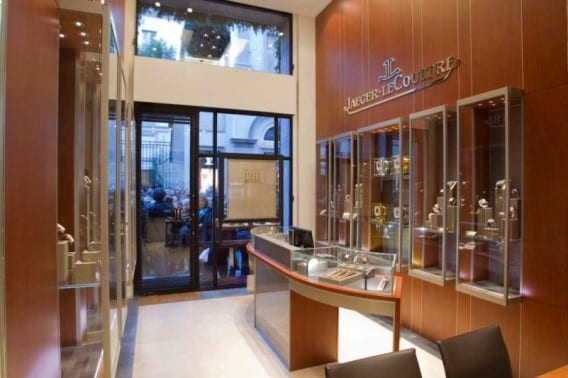
    World’s second largest luxury conglomerate, Swiss based Richemont Group reports flat sales at constant exchange rates (sales increased at 4 percent at actual rates) in the quarter to 31 December 2014. Growth in Europe/Middle East and the Americas was offset by a significant decline in Asia-Pacific. Overall, third quarter trading was below the first six months of the year.

  • Microsoft partners with Alibaba to enhance IP protection for its products

    Microsoft partners with Alibaba to enhance IP protection for its products

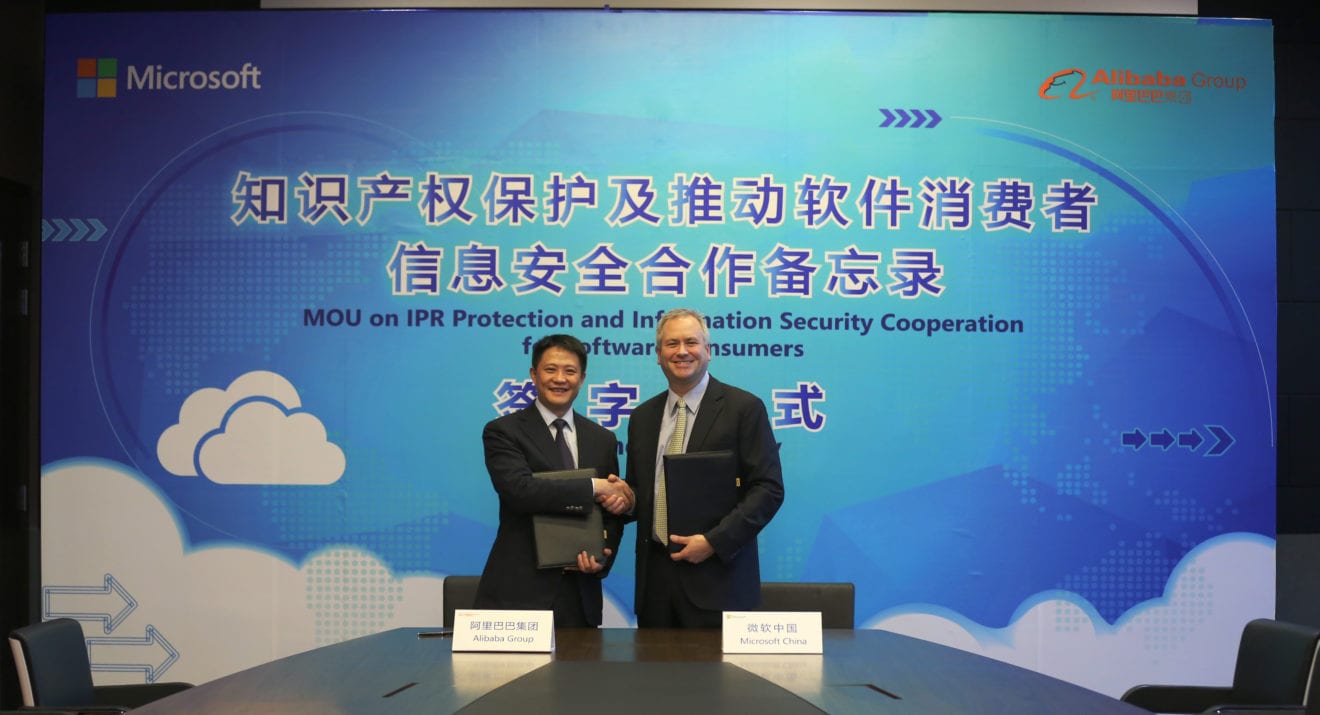
    An agreement between Microsoft (China) and Alibaba Group Holding Limited (Alibaba Group) is expected to enhance the protection of Microsoft’s intellectual property rights (IPR) on the two most popular e-commerce platforms in China operated by Alibaba – Taobao Marketplace and Tmall.com.

    The cooperation is also expected to strengthen anti-counterfeit measures already in place on both platforms.

    Both sides said they will work to raise awareness among consumers about the threats posed by counterfeit and unlicensed software to their information security, privacy and personal data.

    Tim Cranton, Microsoft’s Associate General Counsel and Greater China Region’s Chief Legal Counsel, said legitimate businesses and innovators in China will also benefit from a safer and more robust e-commerce marketplace with safeguards to protect intellectual property rights.

    Under the agreement, Taobao and Tmall will remove product listings suspected of offering counterfeit or unlicensed Microsoft products. Alibaba Group and its associated companies like Alipay will cooperate with relevant parties and provide necessary information to those consumers who mistakenly buy unauthorized software to receive compensation from the sellers according to relevant laws.

    Microsoft’s cooperation with Alibaba Group dates back to April 2007 when Microsoft signed a memorandum of understanding with Alisoft as the two parties joined hands in providing information service for small- and medium-sized businesses.

    In December 2013, Microsoft launched its flagship online store on Tmall.com, the largest e-commerce platform in China with to promote genuine Microsoft software.

  • Walmart India head likely to meet Sitharaman

    Walmart India head likely to meet Sitharaman

    Under pressure from the US, the government might again be compelled to review the foreign direct investment (FDI) policy in multi-brand retail trading (MBRT). At the forefront is American retail giant Walmart, demonstrating a renewed interest in entering India’s fast growing retail market, estimated at USD600 billion. Currently, Walmart operates 20 cash-and-carry or wholesale stores in the country, for which there’s no foreign investment cap.

  • foodpanda partners with HSBC in HK, Southeast Asia

    foodpanda partners with HSBC in HK, Southeast Asia

    Online food delivery service foodpanda is partnering with HSBC in Hong Kong and Southeast Asia.

    Customers and cardholders in eight Southeast Asian countries – Hong Kong, Vietnam, Indonesia, Singapore, Malaysia, Taiwan, Philippines, and India – will benefit from the partnership through discounts.

    In the first quarter of 2015, cardholders will get 25 percent off on all orders, and will enjoy HKD50 off on their first order for the rest of the year; subsequent orders will be discounted 10 percent for standard cardholders, and 15 percent for Premium cardholders.

    food panda has nearly nearly 500 restaurants in the region and offers the largest variety of restaurants and cuisines of any food delivery service in Hong Kong.

  • Myntra rejigs top management

    Myntra rejigs top management

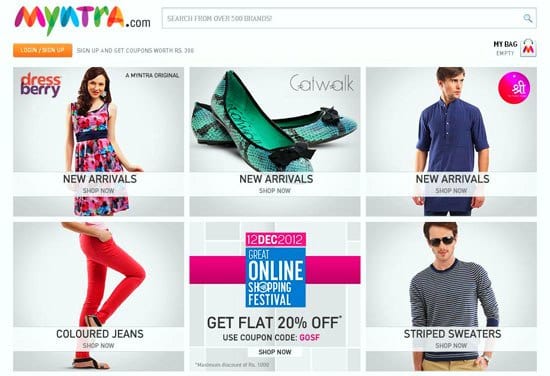
    Ganesh Subramanian, Chief Operating Officer at Myntra.com, has been given a new responsibility as Head – New Initiatives with immediate effect. Confirming the development, Subramanian told BusinessLine: “As a company, we are thinking long term. Therefore, we are investing to look at continuously creating unique value for customers by challenging the way the fashion business is run at present. For instance, it takes 12-15 months to deliver fashion products from concept to retail to consumers; why should it take so long?”

  • Study: Asia-Pacific to account for 41.4pc of global e-commerce sales

    Study: Asia-Pacific to account for 41.4pc of global e-commerce sales

    Asia-Pacific will account for 41.4 percent of worldwide e-commerce sales and is set to overtake the US as the world’s biggest e-commerce market, the latest research by Worldwide Business Research (WBR) shows.

    The research was conducted as part of the 3rd Annual e-Tail Asia conference to be held in Singapore in March.

    The study also found that e-commerce leaders in the region sees customer experience as the most crucial focus in 2015, followed by mobile marketing and cross border marketing.

    In the latest research conducted by Worldwide Business Research (WBR), e-commerce leaders across Asia-Pacific identified Customer Experience as the most crucial focus area for 2015, followed by Mobile Marketing and Cross border Marketing.

    The research was conducted as part of the 3rd Annual e-Tail Asia conference to be held in Singapore in March.

  • Alibaba to invest about USD575m in Indian online-shopping service, Paytm

    Alibaba to invest about USD575m in Indian online-shopping service, Paytm

    Chinese e-commerce giant Alibaba Group Holding Ltd. and its financial-services affiliate have agreed to jointly invest about USD575 million in India’s One97 Communications Ltd.’s online-payment and marketplace businesses, a person familiar with the matter said.

  • Made-in-China.com increases website traffic with cloud

    Made-in-China.com increases website traffic with cloud

    Made-in-China.com, a global trade commerce company, has grown its website traffic over 2000 percent using a managed cloud portfolio.

    The dedicated hosting solution from Backspace, which is part of its managed cloud offering, allows the company to have full control over its servers while also enjoying high levers of speed and performance.

    “As an ecommerce company that connects worldwide buyers with Chinese suppliers, it is critical that we provide a user-friendly and quality experience to our customers around the world,” said Tao Yan, IT Manager, Made-in-China.

    The company started working with Racks[ace in 2006 and has since then grew its website traffic from 1 to 2 million to 25 to 35 million today. Revenues also increased from CNY43 million (USD6.9 million) annually in 2006 to approximately CNY500 million (USD80.5 million) a year today.

    “Because of the company’s support, we’ve been able to focus on growing our business year-over-year, as opposed to investing our time handling IT issues, as we did with our previous provider,” Tao Yan added.

    In the eight years that Made-in-China has worked with Rackspace, the company’s infrastructure has also grown dramatically, from just two servers in 2006 to a total of 23 servers hosted in the US, as well as seven cloud servers hosted in Hong Kong.

    While Made-in-China is based in Nanjing, China, over 70 percent of Made-in-China’s web traffic comes from overseas, meaning it needed a reliable hosting provider that could support its business globally.

    “With more and more China-based companies expanding West, demand has spiked for stable and flexible hosting solutions that can manage traffic around the globe,” said Ajit Melarkode, managing director, Rackspace Asia-Pacific.

  • Tmall growing out of Taobao’s ‘little brother’ role

    Tmall growing out of Taobao’s ‘little brother’ role

    Chinese e-commerce giant Alibaba has for the first time unveiled the trade details of its major global business unit Tmall Global, revealing a tenfold increase since it was founded 10 months ago, reports the Shanghai-based China Business News.

  • Site set to be ‘Alibaba’ for food sector

    Site set to be ‘Alibaba’ for food sector

    Chinese popular chain restaurants, including Shanghai Min, Waipojia and Ajisen China, will upgrade their unified e-commerce platform this year to help cut cost and improve food safety standards.

  • Amazon’s third-party merchants are a growing piece of the sales pie

    Amazon’s third-party merchants are a growing piece of the sales pie

    To help fuel its growth, Amazon.com is increasingly turning to the millions of businesses that use its site to sell their own goods. That’s a good thing for Amazon, because those third party sales tend to have higher margins, according to some analysts, and it’s an inexpensive way to fill out its online catalog.

    To view the full article (note: you must be a Wall Street Journal Online subscriber), visit The Wall Street Journal Online.

  • Brands now targeting online and stores differently

    Brands now targeting online and stores differently

    In order to steer clear of the war between online and offline retailers, consumer brands may soon ensure that their products on e-commerce platforms such as Flipkart and Amazon are different from those retailing at traditional brick-and-mortar outlets. For example, Taiwan-based BenQ, manufacturer of LCD monitors and projectors, has already diversified its portfolio.

  • Luxury brands’ missed opportunity: YouTube

    Luxury brands’ missed opportunity: YouTube

    Luxury fashion brands sashayed their way to substantially more YouTube views in 2014. But they still have a lot of runway ahead for growth on the social media platform.

    According to a new report by think tank L2, conducted in partnership with YouTube ad buying platform Pixability, fashion brands increased views on the video site by 204 percent as of October, as compared to the prior year’s total. The 90 brands examined also boosted their subscriber base by 87 percent, with Chanel, Dior and Burberry leading the way.

    Despite this improvement, the report noted fashion brands “consistently fail to optimize their YouTube presence,” in part because the majority of their content fails to appear in the top slot of search results for their respective brands.