Category: E-Tailing

Retail News Asia is committed to providing both local and global retailers with the latest E-Commerce & Etail news throughout the Asian market. This on a daily base.

  • Shinsegae Chairman Joins US-Led AI Supply Chain Push

    Shinsegae Chairman Joins US-Led AI Supply Chain Push

    Shinsegae Group Chairman Chung Yong-jin met senior United States officials in Washington on Thursday, expanding the Korean retail group’s role in a US-led artificial intelligence supply chain initiative.

    The Korean retail giant partnered with US startup Reflection AI in March, and the two companies are currently working to establish a joint venture and select a site for a large-scale AI data center in Korea.

    Washington Backing for Korean Infrastructure

    Chung attended the launch of Foundry School at the Donald J. Trump Institute of Peace after an invitation from US Vice President JD Vance and the US Department of State. Run jointly by the State Department and Stanford University, the program trains technical talent and entrepreneurs for strategic industrial sectors.

    US Under Secretary of State for Economic Affairs Jacob Helberg called the Shinsegae alliance with Reflection AI a template for allied economic security under Washington’s Pax Silica framework. The initiative aligns supply chains across semiconductors, artificial intelligence, advanced manufacturing and power generation among allied nations.

    Attendees included US Secretary of State Marco Rubio and House Republican Majority Leader Steve Scalise. Corporate leaders present included Meta President Dina Powell McCormick, Micron Technology CEO Sanjay Mehrotra and Applied Materials CEO Gary Dickerson.

    “Successfully leading an advanced-industry supply chain alliance centered on the US is the task of our time,” Chung said during discussions in Washington.

    From Department Stores to Server Racks

    Shinsegae is pivoting from traditional store networks into digital infrastructure. Department store operators across Asia face margin pressure in physical formats. That pressure is driving conglomerates to seek revenue from digital services, logistics networks and cloud infrastructure.

    Securing backing from Washington gives Shinsegae diplomatic standing and potential hardware access that purely domestic competitors lack. Execution carries risk. Developing and powering high-density data centers requires heavy capital expenditure and massive grid capacity in an already constrained Korean energy market.

    Next Steps for Joint Venture

    Talks in Washington build on an initial agreement signed in March, when Shinsegae and Reflection AI agreed to pursue a dedicated data center project in South Korea. That deal was the first project designated under the State Department framework promoting allied AI expansion.

    Both companies are now finalizing terms for the joint venture entity. They are reviewing prospective sites across South Korea ahead of formal construction filings.
  • Virtue Mirage Launches 17-Tool Fashion Personalisation Platform

    Virtue Mirage Launches 17-Tool Fashion Personalisation Platform

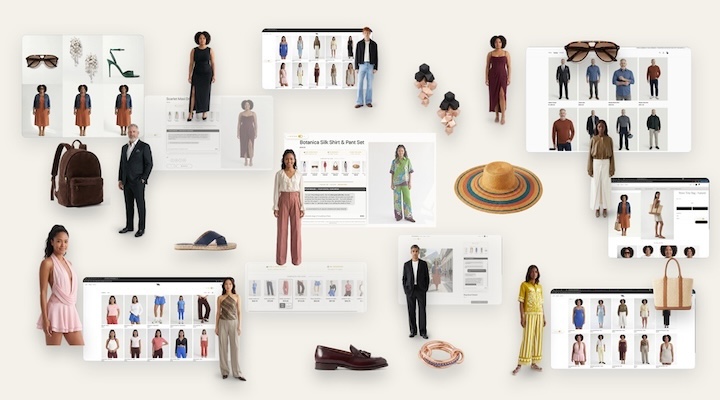
    Australian entrepreneur Lukas Cervenan launched Virtue Mirage in September 2026, introducing a hyper-personalisation platform designed to reshape the online fashion shopping experience.

    The system offers 17 tools that create a digital twin of a shopper using photos or exact measurements, extending personalisation across entire online stores rather than limiting it to individual products.

    By replacing traditional model imagery across every product gallery, the platform allows shoppers to see garments on their real body sizes across participating stores running on services such as Shopify and BigCommerce.

    How the Network Functions

    Shoppers manage their profiles through a central dashboard that stores saved outfits, real-time stock availability, and tailored size advisories for specific garments. A semantic search engine pairs items across a merchant’s inventory directly onto the user’s avatar, rather than displaying isolated product grids. New inventory drops can be pre-rendered for registered customer profiles before users land on the store page.

    To our knowledge, we are the only platform in the world that is transforming entire websites. So a size-16 shopper is never looking at a professional size-6 model; she sees her real size, on her real body, in every image across a brand’s entire store.

    The Return Problem Across Regional Fashion

    Retail margins across Asia-Pacific e-commerce continue to erode under the weight of reverse logistics. Fit failures drive the bulk of fashion returns, worsened by bracket-buying habits where shoppers purchase several sizes of a single item with the intention of returning most of them. Eliminating the disconnect between model proportions and real customer bodies attacks reverse logistics costs at the point of discovery.

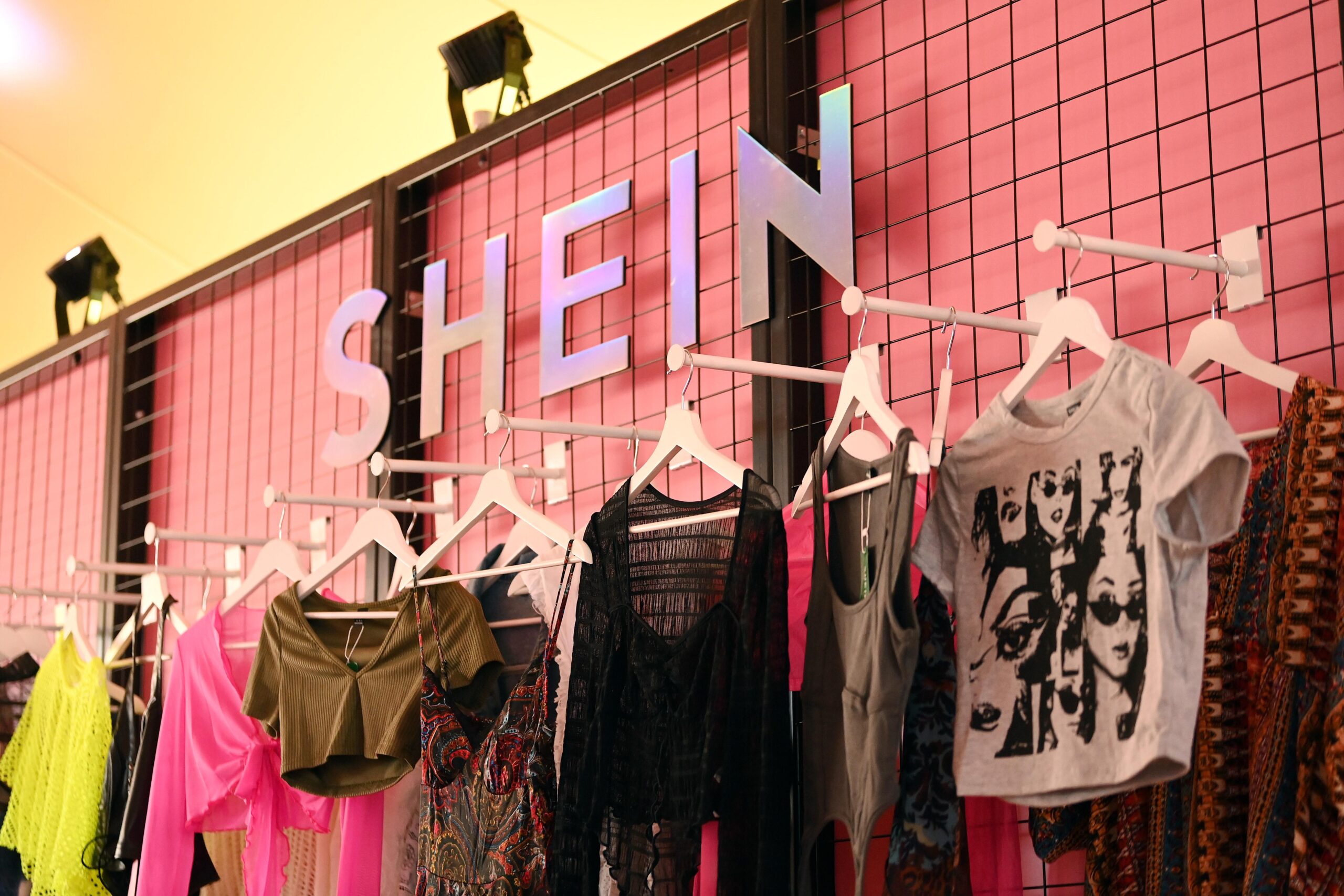
    Standalone virtual fitting widgets rarely alter overall conversion because they sit isolated on individual product detail pages. By transforming whole catalogues into personalised galleries, operators attempt to lift checkout completion while defending independent web stores against dominant regional marketplaces like Shein and Zalora. The primary technical hurdle remains rendering fidelity, as artificial intelligence tools frequently struggle with drape and textile weight across edge sizes.

    Decade of Commercial Imaging Preceded Launch

    The platform builds directly on Cervenan’s commercial imaging business, Virtue Creative Studios, which produced e-commerce and campaign photo shoots for more than 500 apparel brands over the past ten years. That production background informed the platform’s visual architecture, which formats store catalogs to allow external AI shopping agents and semantic web scrapers to parse inventory data directly.

    Participating merchants on Shopify and BigCommerce are now integrating the software into their live storefronts ahead of peak year-end trading cycles.

  • Shein Commits US$80 Million to Everlane Takeover as Shares Slump

    Shein Commits US$80 Million to Everlane Takeover as Shares Slump

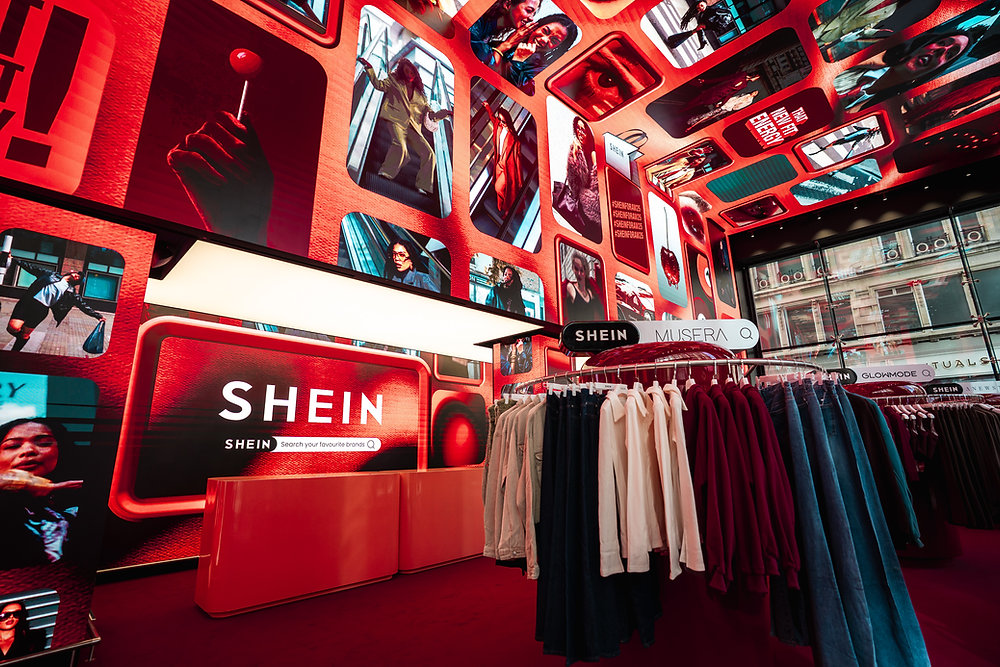
    Shein agreed to buy United States clothing brand Everlane for US$80 million. The company is deploying part of its US$16.74 billion cash reserve to reignite slowing revenue growth.

    The purchase follows a difficult trading debut in Hong Kong this week. Retailer shares finished Friday at HK$38.14 (US$4.86), down more than 20 per cent from the initial public offering price.

    People familiar with the matter said the transaction tests a broader strategy to buy labels across multiple price tiers. Shein held US$15 billion in cash before listing and added US$1.74 billion in net proceeds from the share sale. It plans to plug acquired businesses into its proprietary supply chain and global sales portal.

    Plugging Brands into the Xcelerator Network

    Under the plan, Shein intends to channel targets through its Xcelerator programme. It sells third-party labels access to its on-demand manufacturing system, automated warehousing, and cross-border shipping networks. The platform tracks online consumer demand. It instructs partner factories to scale production up or halt lines within days, keeping unsold stock minimal.

    Everlane will retain independent operations and keep its ethical manufacturing guidelines, Chief Executive Officer Alfred Chang told staff in an internal memo. The US label built its business on organic cotton basics and factory transparency. That approach contrasts with Shein’s high-volume polyester catalogue.

    Slowing Sales and Tariff Pressures

    For Asian fashion operators and global apparel vendors, the takeover shifts how Chinese-founded e-commerce platforms handle slowing organic traffic. Competitors like Temu and TikTok Shop fight on price. Shein is instead trying to buy higher-income shoppers directly rather than relying on deep discounts. If the model works, contract manufacturers across southern China and Southeast Asia will produce higher-margin runs under Western labels instead of unbranded fast fashion.

    Execution and brand equity present financial risks. Buying Western premium labels does not immediately solve Shein’s volume problem. It also offers no guarantee of customer retention if core buyers reject the new owner. Marketplace service revenue is growing faster than direct apparel sales, but it still makes up a small fraction of the balance sheet.

    From Listing Delays to Slower Expansion

    Regulatory changes are already squeezing cross-border logistics margins. Shein’s sales growth slowed to 1.1 per cent in the first quarter of 2026, down from 8 per cent across 2025, after the United States government revoked the de minimis tariff exemption on small incoming parcels. The company previously bought British fast-fashion chain Missguided in 2023 to test brand integration, before regulatory pushback delayed listing attempts in New York and London.

    Investors and suppliers will now watch Shein’s second-quarter earnings and the completion filing for the US$80 million Everlane deal to see if marketplace volume can offset core margin compression.

  • Flipkart Minutes Reaches 1,000 Dark Stores Across India

    Flipkart Minutes Reaches 1,000 Dark Stores Across India

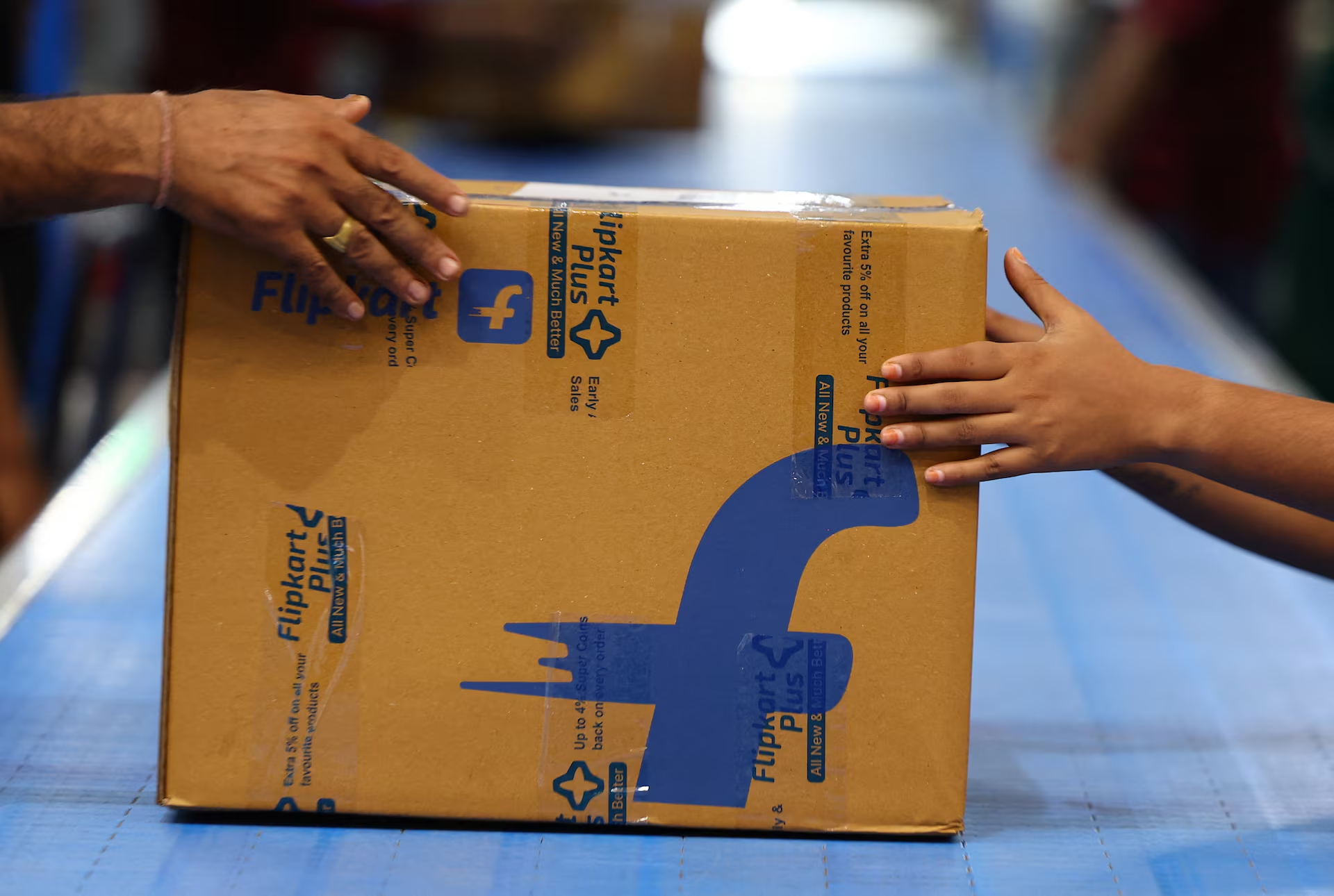
    Flipkart has expanded its quick commerce arm Minutes past 1,000 dark stores across 120 to 130 Indian cities. Dark stores operational for five to six months handle between 1,000 and 1,500 orders daily, according to research from investment bank UBS.

    Across the entire network, average daily volume sits at 800 to 1,000 orders per store. The rapid rollout has allowed the Walmart-backed e-commerce operator to challenge pure-play instant delivery platforms on order size and distribution density.

    Electronics Drive Higher Basket Values

    Excluding mobile phones, Minutes records a net order value of Rs 500 to Rs 530, matching Blinkit’s benchmark of Rs 518. When mobile devices are included, Minutes generates a higher average basket value than Blinkit, aided by Flipkart’s long-established vendor relationships and supply chains in consumer tech.

    The service has also helped Flipkart defend customer spending. In operational markets, between 40 and 45 per cent of existing Flipkart marketplace shoppers now use Minutes, recovering transaction volume previously lost to specialized instant delivery apps in fresh produce and personal care.

    Indian e-commerce platforms are increasingly using 10-minute delivery networks to shield high-margin categories from encroachment by grocery startups. While gross margins at Minutes trail Blinkit, per-order fulfillment costs have narrowed to match levels at Swiggy Instamart and Blinkit, though operational throughput is still catching up.

    Network Growth and Metro Demand

    Metropolitan areas generate 60 to 65 per cent of total orders on Minutes. North India accounts for just under one-third of overall volume, while southern cities are expanding quickly and eastern hubs such as Kolkata show strong adoption.

    Flipkart is planning to add roughly 1,000 more dark stores by the middle of next year. That expansion schedule aims to support peak demand ahead of the group’s annual Big Billion Days sale, provided backend warehouse construction keeps pace.

  • Shopee Expands Local Fulfillment Network Across Southeast Asia and Taiwan

    Shopee Expands Local Fulfillment Network Across Southeast Asia and Taiwan

    Shopee is overhauling its logistics network across Southeast Asia and Taiwan. The push aims to cut transit times and protect delivery margins across its core marketplace.

    The Singapore-based platform, owned by Sea Group, uses a mix of in-house couriers, third-party fulfillment centers, and external delivery networks. These teams process merchant orders across multiple regional hubs.

    How the routing model operates

    Merchants use a split fulfillment model. They either ship directly from their own facilities or hold stock inside platform-managed hubs. Storing fast-moving inventory near dense urban areas cuts transit distance and speeds up dispatch. Automated systems then route each parcel to external couriers or internal fleets based on carrier capacity, pricing, and destination.

    Surges during promotional events like 11.11 and 12.12 test this setup. Shopee handles these spikes by enforcing strict cut-off windows. It also synchronizes warehouse picking schedules with local freight partners.

    Cross-border friction and last-mile costs

    Last-mile transport remains the most expensive link in regional logistics. Island geography in Indonesia and the Philippines creates delivery hurdles. Heavy traffic in capital cities adds further friction, forcing platforms to run separate delivery setups for urban and rural buyers. Cross-border consignments face extra delays from customs clearance and import duties, requiring close coordination with regional freight handlers.

    Marketplace operators across the region face steady pressure to balance speed against parcel subsidies. Moving higher volumes through dedicated fulfillment nodes lowers per-package handling costs. It also helps platforms retain larger brand merchants.

    Sellers are now preparing inventory allocations for year-end shopping campaigns, setting up the network’s next operational test.

  • Philippine Retailers Seek Abolition of P10,000 Import Tax Exemption

    Philippine Retailers Seek Abolition of P10,000 Import Tax Exemption

    Philippine retail groups are demanding the complete abolition of the country’s 10,000-peso duty-free import threshold ahead of peak holiday shopping.

    The Philippine Retailers Association estimates that 57.4 billion pesos ($1.02 billion) in cross-border parcels entered the country tax-free in 2023 out of a 287 billion peso total e-commerce market. Under current customs regulations, commercial shipments valued below 10,000 pesos avoid all import duties and local taxes, giving offshore digital storefronts a structural pricing edge over domestic brick-and-mortar operators.

    Tax exemptions under fire

    PRA chair Roberto Claudio Sr., founder of sporting goods chain Toby’s Sports, said the association has petitioned the Department of Finance, the Department of Trade and Industry, and Congress to eliminate the exemption for commercial cargo. The group previously favored reducing the threshold value, but Claudio noted that partial cuts fail to curb the influx of untaxed and counterfeit inventory flooding local online marketplaces.

    Domestic retail accounts for 16 percent to 18 percent of Philippine gross domestic product, pays 780 billion pesos in annual taxes, and employs up to 12 million workers. PRA president Alice Liu acknowledged that removing the duty exemption could lift prices on small consumer parcels, but argued the revenue loss and employment risks for domestic operators outweigh individual transaction savings during the critical year-end sales cycle.

    Regional crackdown on cross-border parcels

    The push reflects a broader regulatory shift across Southeast Asia, where finance ministries have steadily dismantled low-value import exemptions to protect domestic supply chains. Indonesia banned direct cross-border trade below $100 on e-commerce platforms and tightened customs clearance on imported apparel, while Malaysia and Thailand introduced value-added taxes on low-value imported goods to close similar digital loopholes.

    Economic managers at the Department of Finance have not yet scheduled formal hearings on the PRA submission, leaving the 10,000-peso de minimis threshold in place as fourth-quarter import volumes begin to climb.

  • Shein Shares Close Flat in Hong Kong After Raising US$1.7 Billion

    Shein Shares Close Flat in Hong Kong After Raising US$1.7 Billion

    Shein shares closed broadly flat on their Hong Kong debut after opening at HK$48.56, raising US$1.7 billion in an offering that valued the retailer at US$26.5 billion.

    The listing price matched the initial offer level after early trading saw the stock drop as much as 10 per cent to HK$43.8. The final valuation sits well below the nearly US$100 billion private valuation the company achieved in 2022.

    Management allocated 40 per cent of the IPO proceeds to technology infrastructure and another 40 per cent to global brand expansion. The remaining funds will cover corporate responsibility programs and general corporate needs. The public debut follows years of regulatory hurdles after Shein abandoned listing attempts in New York and London before securing Chinese regulatory approval in July.

    Tariffs and the End of Tax Exemptions

    The company built its business on exporting small, low-value parcels directly from mainland China to consumers overseas under duty exemptions. More than 90 per cent of Shein’s 2025 revenue came from inventory held in central Chinese warehouses.

    That channel has narrowed quickly. The United States removed its duty exemption on commercial imports valued under US$800, leaving Shein’s China-origin shipments facing import tariffs between 10 and 87.5 per cent. The European Union has also increased charges and tightened controls on low-value e-commerce packages.

    To counter border duties, Shein now imports bulk containers into regional hubs and operates 18 fulfillment warehouses across Europe. Shipping containers once rather than millions of individual parcels daily forces the group to absorb higher local storage and handling costs.

    Slowing Sales and Margin Pressures

    Top-line momentum has dropped sharply over the past three years. Revenue grew 41.1 per cent in 2023, 20.7 per cent in 2024 and 8 per cent in 2025 to US$41.8 billion. First-quarter revenue in 2026 reached US$9.05 billion, up just 1.1 per cent from the prior year.

    Profitability shrank over the same stretch. Net income fell 38.7 per cent in 2025 to US$2.06 billion. The company posted a net loss of US$99 million in the first quarter of 2026, compared with a US$395 million profit a year earlier, weighed down by a US$328 million fair-value charge on convertible preferred shares.

    RetailNews Asia views the shift toward onshore inventory as a fundamental change in Shein’s cost profile. Moving inventory closer to Western consumers erodes the asset-light advantage that allowed Chinese cross-border platforms to outprice established domestic department stores and apparel chains.

    To broaden its customer reach, Shein acquired US apparel brand Everlane for roughly US$100 million, alongside earlier deals for Missguided and an equity stake in Forever 21. Investors will track whether second-quarter operating margins recover as these acquired brands integrate with its third-party marketplace platform.

  • Swiggy Instamart Enlists 400 Partner Brands for Exclusive Assortment

    Swiggy Instamart Enlists 400 Partner Brands for Exclusive Assortment

    Swiggy Instamart partnered with more than 400 alternative brands to offer platform-exclusive pack sizes and cleaner product formulations across its Indian dark-store network.

    Datum Intelligence estimates Instamart held a 22 percent share of India’s quick-commerce sector in 2025, trailing market leader Blinkit at 47 percent and Zepto at 24 percent.

    Targeting Clean Formulations and Custom Packs

    Instamart launched the push under its ‘Switch to Better’ program, which started in June. The campaign guides online shoppers toward partner labels that manufacture preservative-free items or use cleaner ingredient lists.

    Suppliers are also developing custom pack sizes and distinct product variations built exclusively for Instamart. Those unique stock-keeping units make the platform’s catalog harder for competing rapid-delivery apps to replicate directly.

    Rivals Squeeze Delivery Differentiation

    India’s quick-commerce platforms previously competed almost entirely on delivery speed and basic grocery availability. With 10-minute drop-offs now standard across major metro areas, operators need product exclusivity to keep customers from toggling between rival apps for identical items.

    Established e-commerce operators are intensifying that pressure. Both Amazon India and Flipkart have expanded their own rapid-delivery setups, adding capital and warehouse density to an already crowded field.

    The next metric to monitor is whether dedicated SKU partnerships can help Instamart close the market-share gap with Zepto and Blinkit as new dark stores open across secondary cities.

  • TikTok Shop Doubles US Livestream Sales as Live Commerce Chases China Model

    TikTok Shop Doubles US Livestream Sales as Live Commerce Chases China Model

    TikTok Shop doubled its livestream shopping sales in the United States during the first half of 2026, exporting a commercial format pioneered across Asian digital marketplaces. The platform increased its live broadcast sessions by more than 60 per cent over the same period as total broadcast hours climbed 80 per cent.

    The expansion reflects an aggressive push by parent company ByteDance to replicate the live selling ecosystem that dominates Chinese retail. US live shopping sales are forecast to reach nearly $20 billion this year, up 35 per cent from 2025, according to eMarketer estimates. That total remains a fraction of China, where livestream retail sales are projected to top $1.1 trillion in 2026 after Alibaba launched Taobao Live a decade ago.

    Platform fees and broadcaster competition

    Merchant adoption has widened across social channels and dedicated auction platforms. Live selling specialist Whatnot reached a $20 billion valuation after generating $8 billion in global sales in 2025, mostly in the US market. Established television retailer QVC now broadcasts more than 200 hours weekly across seven TikTok channels following its recent corporate restructuring.

    Monetisation rules are tightening as volumes rise. TikTok takes a base commission fee of 6 per cent on merchant sales plus processing fees, while Whatnot charges between 4 per cent and 8 per cent. Sellers also face higher customer acquisition hurdles as algorithmic feeds demand longer daily broadcast schedules to sustain viewer traffic.

    Exporting the Asian super app playbook

    Western platforms are attempting to reconstruct an engagement habit that developed naturally inside Asian super apps such as WeChat and Taobao. While Asian consumers routinely combine entertainment, messaging and direct checkout inside single applications, legacy US retailers like Amazon, Walmart and eBay still operate primarily as utility search engines. Bridging that structural divide requires merchants to convert social viewers into buyers directly on video feeds.

    The test for ByteDance is whether livestream gross merchandise value can sustain its growth rate as US platform fees rise and competition for creator airtime intensifies into the fourth-quarter holiday trading period.

  • Who Gives A Crap Targets A$100 Million Annual Donations on Retail Push

    Who Gives A Crap Targets A$100 Million Annual Donations on Retail Push

    Melbourne consumer brand Who Gives A Crap has distributed more than A$50 million to global sanitation initiatives as it expands into mainstream supermarket chains worldwide.

    The company, which gives half of its profits to water and hygiene projects, is now mapping a growth path aimed at generating A$100 million in annual donations by 2050. That target requires building a commercial footprint large enough to challenge legacy paper giants such as Kimberly-Clark.

    From web stunt to supermarket shelves

    Co-founders Simon Griffiths, Danny Alexander and Jehan Ratnatunga launched the business in 2012 by raising A$50,000 through a 50-hour crowdfunding web feed. Bootstrapped for its first nine years, the company took outside institutional funding in 2021 and expanded its workforce to nearly 300 employees.

    While direct-to-consumer delivery drove early revenue across Australia, the United States, Britain, Canada, France and Germany, long-term growth now depends on physical grocery distribution. In the United States, placement with Whole Foods Market opened access to shoppers who do not buy paper goods online. Supermarket distribution across Australian chains followed a similar pattern, forcing the brand to compete directly against entrenched multinational FMCG lines on store shelves.

    Targeting global scale in paper goods

    Entering physical stores presents distinct margin and packaging challenges for direct-to-consumer challengers across the Asia-Pacific region. Brand visibility in high-traffic aisles requires heavy inventory commitments and immediate shelf recognition, especially in staple categories where consumers buy on autopilot.

    The company plans to use expanded supermarket listings in North America and Europe to fund its target of A$100 million in yearly charitable disbursements by 2050.

  • Hims & Hers Rolls Out Weight-Loss and Prescription Platform in Australia

    Hims & Hers Rolls Out Weight-Loss and Prescription Platform in Australia

    Telehealth group Hims & Hers has launched branded GLP-1 weight-loss drugs and prescription treatments in Australia, chasing a global revenue target of US$6.5 billion by 2030.

    The rollout follows the completed acquisition of Sydney-based digital health firm Eucalyptus, which gave the US provider control of local men’s telehealth brand Pilot. Australian patients can now access treatments for sexual health, cholesterol and weight management directly through the combined digital channel.

    Integration of Pilot and Juniper

    Existing Pilot clinicians are shifting directly over to the Hims platform. A spokesperson for the company confirmed that the weight-loss catalogue includes access to branded GLP-1 medications, mirroring its US lineup of treatments such as Novo Nordisk’s Wegovy and Eli Lilly’s Zepbound.

    Former Eucalyptus chief executive Tim Doyle, who now serves as senior vice president at Hims & Hers, will oversee the Australian rollout. The company plans to bundle consultations and products that consumers previously bought as separate transactions, focusing on suburban and regional areas where physical access to specialists is limited.

    Digital health platforms across the Asia-Pacific region are consolidating fast to capture soaring consumer demand for metabolic care and discreet direct-to-consumer treatments. Local pharmacy operators face stiffer competition as international platforms buy up homegrown startups rather than building customer rosters from scratch.

    International Expansion and Margins

    Expanding across foreign markets has lifted monthly revenue per subscriber by 21 per cent year-on-year. That top-line gain comes with a cost: management told investors during its second-quarter earnings call that gross profit margins will stay below historical levels while international operations scale.

    The Australian launch builds on the 2025 purchase of London-based Zava, which distributes weight-loss drugs across the UK, Germany, France and Ireland. Next on the Australian schedule is the launch of its dedicated women’s health service through Eucalyptus brand Juniper before the end of the year.

  • Shein Targets US$1.7 Billion Hong Kong Listing After Shifting Focus to China

    Shein Targets US$1.7 Billion Hong Kong Listing After Shifting Focus to China

    Shein will debut on the Hong Kong stock exchange on Tuesday, seeking to raise US$1.7 billion after abandoning earlier plans to list in New York and London.

    The listing values the fast-fashion group at US$26.5 billion, down from its peak valuation of more than US$100 billion in 2022. That drop follows years of regulatory hurdles in the West and an extensive effort to secure approval from Chinese market authorities.

    Supply Chain Commitments and Regulatory Clearances

    Founded in Nanjing in 2012, Shein shifted its corporate headquarters to Singapore in late 2021 as part of an attempt to position itself as a global retail player. That strategy ran into resistance from Chinese regulators, including the China Securities Regulatory Commission, which reviews foreign-registered businesses with substantial domestic operations.

    Founder Sky Xu responded by taking direct charge of regulatory relations in China. Xu made a rare public appearance at a February business forum in Guangdong province, pledging a US$1.5 billion investment to expand the company’s supply chain network across the region.

    The company also opened a research and development centre in Nanjing. In its Hong Kong listing prospectus, Shein confirmed that mainland China remains the central anchor of its logistics network and accounts for nearly 80 per cent of its total workforce.

    Western Market Pressures Reshape Listing Strategy

    Attempts to secure listings in the United States and the United Kingdom unraveled under heightened political and regulatory scrutiny. US lawmakers pushed for supply chain audits under the Uyghur Forced Labor Prevention Act, while trade policy shifts eliminated the US$800 de minimis customs exemption that originally accelerated Shein’s cross-border parcel volumes. European authorities introduced comparable parcel handling charges.

    Former executive chairman Donald Tang stepped down ahead of the Hong Kong filing after his previous public remarks claiming American corporate values drew criticism from Chinese officials.

    For retailers across Asia, Shein’s pivot illustrates the limits of cross-border corporate restructuring when manufacturing remains concentrated in southern China. Regional e-commerce operators face a tighter compliance environment globally, leaving Hong Kong as the primary capital market for Chinese-rooted digital exporters.

    Trading begins on Tuesday on the Hong Kong exchange, where investors will test Shein’s revised pricing against slowing margins in overseas markets.

  • Shein Shares Drop 8 per Cent in Hong Kong Debut

    Shein Shares Drop 8 per Cent in Hong Kong Debut

    Shares in Shein fell 8 per cent on their first day of Hong Kong trade on Tuesday, valuing the online fast-fashion retailer at roughly US$24 billion.

    The morning price of HK$44.60 represents a steep reset from the company’s peak valuation of nearly $100 billion in 2022. Hong Kong’s benchmark Hang Seng Index slipped 0.6 per cent over the same session.

    Shein turned to Hong Kong after regulatory pushback from Chinese authorities blocked earlier listing attempts in New York and London. The public offer sold about 6.6 per cent of the company’s enlarged share capital. Cornerstone investors took roughly one-fifth of the shares on offer, leaving just 5 per cent freely tradeable under a six-month lockup agreement.

    Valuation gap with regional rivals

    Investor appetite remained muted throughout the sale. The retail portion was subscribed 5.63 times and the international tranche 2.59 times, trailing the hundreds-fold subscriptions common in Hong Kong’s technology and robotics listings.

    Saxo market data shows Shein listed at 15 times forward earnings. That multiple is more than double the valuation of PDD Holdings, the owner of Temu, giving Shein a premium price tag despite heightened geopolitical friction and slower earnings visibility across major Western markets.

    RetailNews Asia notes that the muted debut reflects how quickly cross-border e-commerce economics deteriorated once Western customs loopholes vanished. For years, Chinese discount retailers expanded into the US and Europe by relying on tax exemptions for low-value parcels. Now that both jurisdictions levy duties on direct-shipped goods, margins across the entire ultra-fast fashion export sector are compressing simultaneously.

    Tariffs squeeze operating margins

    Policy changes in Shein’s largest markets dismantled its core cost advantage. The US repealed its duty exemption for packages under $800 last year, and the European Union instituted collection fees on small consumer shipments.

    Higher customs duties, tariffs and logistics expenses across Europe and the Middle East dragged Shein’s net income down 39 per cent last year, pushing the business into an operating loss in the first quarter. To compensate earlier venture backers who bought in at higher price points, Shein agreed to disburse $3.5 billion in cash payments and execute share adjustments for select preferred stockholders.

    Management has turned to acquisitions and marketplace fees to diversify revenue. The company purchased American clothing label Everlane in May, adding to earlier takeovers of British brand Missguided and French fashion label Pimkie.

    Attention now turns to Shein’s upcoming first-half financial report, where the company projected operating profit margins will fall below first-quarter levels.

  • Southeast Asian Shopping App Installs Jump as Singapore and Indonesia Lead Gains

    Southeast Asian Shopping App Installs Jump as Singapore and Indonesia Lead Gains

    Shopping app downloads across Southeast Asia surged in the first half of 2026, led by a 67 per cent jump in Singapore.

    Average session duration in Singapore expanded 58 per cent over the same period as regional platforms stepped up user acquisition spending.

    Data from mobile analytics firm Adjust shows Vietnam recorded a 42 per cent rise in e-commerce application installs alongside a 21 per cent gain in session length. Indonesia registered a 36 per cent increase in installs and a 62 per cent jump in session time. Malaysia saw downloads rise 14 per cent and sessions increase 38 per cent, while Indian app installs climbed 37 per cent against a 42 per cent increase in sessions.

    Platform Spending and Acquisition Battles

    Shopee, Lazada and TikTok Shop are competing directly for user traffic across the region, channeling higher advertising budgets into external media channels including YouTube. Shopee has maintained quarterly revenue expansion of nearly 50 per cent, but escalating logistics requirements and higher sales expenses continue to weigh on operating budgets.

    Fulfillment across fragmented island networks and developing road corridors keeps shipping expensive across Southeast Asia. Those operational complexities earlier prompted Amazon to halt regional expansion plans beyond Singapore.

    Usage Gaps Behind Western Markets

    Actual time spent inside shopping apps across Asia remains lower than the global average despite the sharp uptick in downloads. North American shopping apps logged a 46 per cent increase in installs and a 26 per cent rise in session length over the same timeframe, holding higher total engagement per user.

    RetailNews Asia tracking shows marketplace operators are now focused on closing that engagement deficit as consumer acquisition costs rise heading into the final quarters of 2026.

  • Humii Report Finds Flawed E-Commerce Signals Hurt Shopper Trust

    Humii Report Finds Flawed E-Commerce Signals Hurt Shopper Trust

    Almost 30 per cent of online retail refunds take more than three days to reach Australian shoppers, contradicting timeline promises made by 90 per cent of merchants. The finding comes from the 2026 Online CX Report by digital benchmark platform Humii, which tracked interface friction and post-purchase communication breakdowns across major consumer brands.

    Technical systems often report success while customer journeys falter. While automated triggers update internal order statuses instantly, shoppers face unexplained gaps between warehouse label generation, banking settlement cycles and actual parcel movement.

    Interface Habits and Misplaced Features

    Customer expectations increasingly penalise unconventional website layouts. Humii found that 91 per cent of digital shoppers expect live support chat widgets in the bottom-right corner of a desktop screen. When grocer Coles positioned its chat icon on the bottom left, users experienced higher friction locating assistance compared to rival Woolworths, which positioned its tool on the standard bottom right.

    Apparel giant Zara presents a similar design friction by requiring users to scroll product photos vertically instead of swiping horizontally. While the code operates without technical defects, the layout runs against standard touchscreen reflexes established across modern mobile operating systems.

    The Gap Between Fulfilment and Delivery

    Post-purchase messaging creates a wider credibility divide. Mystery shopping assessments revealed that apparel brands, including Ralph Lauren, generated automated dispatch notifications when carriers had merely received initial electronic documentation. Parcels remained uncollected in warehouses while buyers checked empty tracking links.

    Financial processing shows identical friction points. Retail systems mark refunds complete once an internal instruction issues to a merchant payment gateway. Because Australian interbank settlements frequently take up to five days to credit personal accounts, buyers are left contacting support desks to trace missing funds.

    Across regional e-commerce markets, engineering teams continue to optimise for system completion rather than customer receipt. Digital platforms that align notification triggers with physical carrier scans and realistic banking windows reduce inbound customer service volumes without redesigning their underlying tech stack.