Category: E-Tailing

Retail News Asia is committed to providing both local and global retailers with the latest E-Commerce & Etail news throughout the Asian market. This on a daily base.

  • Indian Gen Z Spends Three Times More on Quick Commerce Than Older Shoppers

    Indian Gen Z Spends Three Times More on Quick Commerce Than Older Shoppers

    Indian Gen Z shoppers spend three times more on quick commerce platforms for groceries than consumers over 30, allocating 2.6 per cent of their wallet share to instant delivery.

    By contrast, traditional supermarket chains such as D-Mart capture just 0.85 per cent of their spending, according to transaction data from credit-on-UPI fintech platform Kiwi. Consumers aged 30 and older continue to direct the bulk of their grocery budgets to physical stores and neighbourhood kirana shops.

    Shifting priorities in grocery and credit

    Younger shoppers in India are bypassing traditional discount hunting in favour of speed. Kiwi, which analysed 25,000 users between June and July 2026, found that Gen Z cardholders use credit selectively for high-value items while relying on app-based delivery for routine supplies.

    They also spend 20 per cent more on rental and education payments compared to older age groups, pointing to heavy reliance on credit for essential recurring living costs. When financing larger transactions through equated monthly instalments, Gen Z users consistently choose longer repayment windows to reduce monthly outgo, accepting higher overall interest charges in exchange for immediate budget flexibility.

    “Gen Z is not necessarily using credit more frequently; they are using it differently,” said Siddharth Mehta, co-founder and chief operating officer at Kiwi. “Our data shows that convenience is playing a much bigger role in how younger consumers make payment and credit decisions.”

    Everyday essentials dominate digital wallets

    The pivot toward speed over pricing rewards mirrors broader consumer shifts across South Asia, where instant delivery platforms like Blinkit, Zepto and Swiggy Instamart have eroded market share from established hypermarkets. A separate study of 520,000 users by payroll fintech SalarySe confirmed that Gen Z spending remains concentrated on essential living costs, utilities and recurring digital subscriptions managed through automated UPI mandates, rather than discretionary lifestyle splurges.

    Kiwi, which has issued more than 200,000 RuPay credit cards over the past two years, reported a 10 per cent higher wallet share among Gen Z users compared to millennials on its platform. Retailers and card issuers now face the challenge of retaining young consumers who show little loyalty to multi-card cashback schemes, focusing instead on whether quick commerce operators can sustain current delivery speeds as order volumes rise into the festive quarter.


  • Asia-Pacific Takes 42.5 per Cent of Global E-Commerce Market Heading to $19.8 Trillion

    Asia-Pacific Takes 42.5 per Cent of Global E-Commerce Market Heading to $19.8 Trillion

    Asia-Pacific captured 42.5 per cent of the global e-commerce market in 2025, leading an industry projected to reach $19.83 trillion by 2035. The worldwide sector stood at $7.65 trillion in 2025 and is tracking toward $8.42 trillion in 2026, driven by mobile internet adoption and direct-to-consumer digital channels.

    China, India, and Southeast Asia anchored the regional share, outpacing North America at 24.3 per cent and Europe at 20.1 per cent. Electronics and media formed the largest single product category globally, generating $1.98 trillion in 2025, while fashion and apparel climbed at an 11.3 per cent annual rate.

    Mobile Checkouts and Direct Sales

    Consumer shift to mobile devices altered checkout dynamics across major platforms. Mobile internet access passed 5.5 billion users in 2025, pushing retailers to redesign storefronts around single-screen purchase funnels. Data from platform operator Shopify showed 73 per cent of transactions took place on mobile devices, helping reduce cart abandonment below 55 per cent.

    Brand-owned direct-to-consumer platforms generated $1.42 trillion in 2025, accounting for 18.5 per cent of total e-commerce revenue. Retailers spent more than $22 billion on artificial intelligence recommendation engines during 2024 to lift conversion rates by 15 to 25 per cent. Marketplace platforms retained the largest transaction volume, with projections pointing to 10.6 per cent annual expansion through 2035.

    For retailers across Asia, these numbers reflect a structural transition from basic marketplace storefronts to proprietary apps and conversational commerce tools. Brands that relied entirely on third-party aggregators five years ago are redirecting capital into unified backends that handle social shopping, mobile web, and offline inventories together.

    Payment Infrastructure and Regulatory Hurdles

    Instant payment networks accelerated transaction volumes throughout emerging markets. India’s Unified Payments Interface processed more than 14 billion transactions monthly by late 2024, while digital wallets accounted for over half of all online payments globally.

    Operating costs and compliance mandates continue to squeeze vendor margins. Last-mile logistics represented 41 per cent of total supply chain expenses, amplified by urban fuel and labor costs. Tightening data protection rules, including India’s Digital Personal Data Protection Act, added compliance expenses equivalent to two to five per cent of digital marketing budgets.

    Cross-border sellers now face tighter platform vetting as international agencies track counterfeit goods, which totaled $509 billion in worldwide trade. The next operational test comes as national customs authorities implement revised digital tax rules across regional trade corridors through 2027.

  • Shopee Monetises Marketplace Platform with Tiered Seller Fees and Paid Services

    Shopee Monetises Marketplace Platform with Tiered Seller Fees and Paid Services

    Singapore-based Shopee generates its core income from a multi-tiered marketplace model charging seller commissions between 1 and 6 per cent alongside payment and fulfillment fees across Southeast Asia.

    The platform, founded in 2015 by Forrest Li, reached 1.78 billion dollars in annual revenue during 2020 as it scaled past regional rivals to capture merchant transaction flows.

    Commission Structures and Paid Merchant Tools

    Standard marketplace merchants pay base commissions of 1 to 2 per cent per completed sale. Brands listed on the premium Shopee Mall tier face higher commission rates that climb to 6 per cent depending on the product category and transaction volume.

    Transaction processing adds another 2 per cent fee to cover payment handling. Merchants looking for wider reach buy search visibility through a cost-per-click advertising system, placing sponsored listings across product queries and feeds.

    Warehousing and shipping generate additional revenue through Fulfilled by Shopee, a proprietary distribution program that bills sellers on a per-item rate determined by package dimensions and weight.

    Ancillary Services and Regional Competition

    Beyond traditional retail transactions, the company captures payments revenue through its ShopeePay digital wallet. It also takes merchant commissions and consumer delivery fees on orders processed through its ShopeeFood division.

    The platform established market leadership over Alibaba-backed rival Lazada across Southeast Asia before launching localized operations in Latin American markets including Brazil, Mexico, Colombia, and Chile. RetailNews Asia tracks how marketplace operators in the region steadily adjust take-rates and ad loads as merchant competition tightens across core territories.

    Market watchers are monitoring whether Shopee can maintain seller retention across Southeast Asia while defending merchant margins against regional competitors.

  • Amazon Expands Quick Commerce Fashion Delivery to 300 Indian Cities

    Amazon Expands Quick Commerce Fashion Delivery to 300 Indian Cities

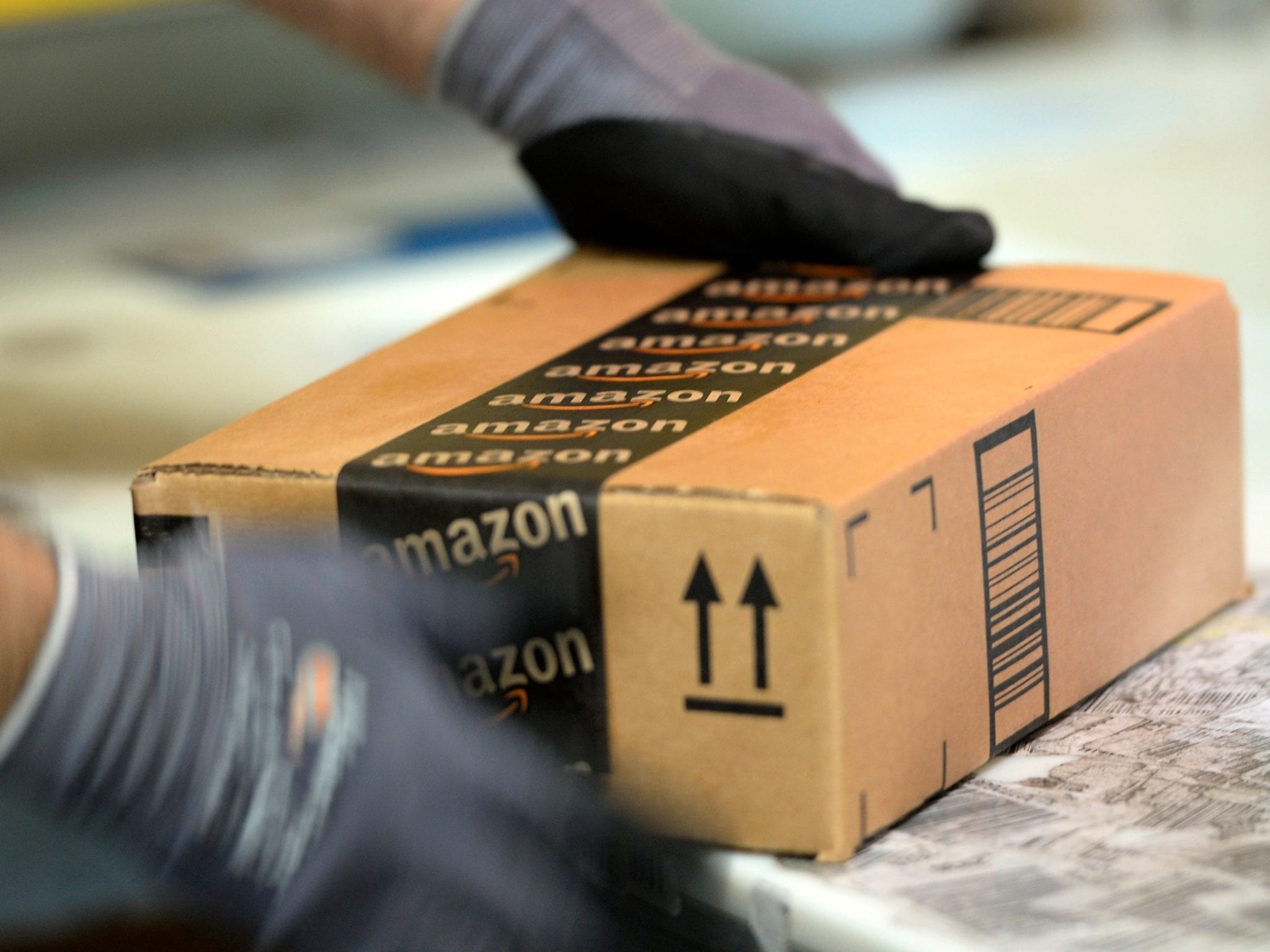
    Amazon plans to expand its Amazon Now quick delivery service for fashion to 300 cities across India. Orders on the platform doubled every quarter since launch, while Prime members who adopt the rapid option purchase three times more frequently.

    Micro-Fulfilment and Event Demand

    The service uses compact, technology-enabled micro-fulfilment centres placed close to residential clusters. Inventory algorithms position stock according to neighbourhood demand patterns rather than broad regional forecasts.

    Amazon is directing the rapid delivery network toward sudden, occasion-led purchases instead of planned wardrobe restocking. During the T20 World Cup, cricket jersey sales rose 2.5 times before match days and spiked eightfold on match days.

    Demographic Shift Toward Gen Z

    Younger shoppers are driving the platform’s fastest gains. Gen Z consumers now account for more than half of Amazon Fashion’s customer base in India, up from 30 per cent two years ago, with order volumes in Tier 2 and Tier 3 cities expanding at double the national pace.

    Premium labels now account for nearly 20 per cent of fashion spending on the platform and are expanding at twice the broader category rate. The company channels this traffic through its Gen Z portal SERVE, an influencer network of over 100,000 creators, and digital sizing tools including virtual try-on and Rufus.

    Across India, quick commerce operators such as Blinkit, Zepto, and Instamart have pushed aggressively into apparel and lifestyle items, forcing traditional e-commerce marketplaces to compress delivery windows from days to hours. Amazon is relying on its micro-hub density and Prime ecosystem to defend fashion market share against those dedicated hyper-local rivals.

    The company has not disclosed the completion schedule for the 300-city rollout, making the pace of micro-hub deployment the key operational figure to track across the country.

  • Shein Prices Hong Kong IPO at $26.5 Billion Valuation to Raise $1.73 Billion

    Shein Prices Hong Kong IPO at $26.5 Billion Valuation to Raise $1.73 Billion

    Shein priced its Hong Kong initial public offering at HK$48.56 a share, raising HK$13.6 billion ($1.73 billion) and valuing the fast-fashion retailer at $26.5 billion.

    The price sits near the midpoint of the marketed HK$47.60 to HK$49.50 range. That crystallises a sharp valuation reset, leaving the business worth roughly one-quarter of its $100 billion private market peak in 2022 and down from $66 billion in 2023.

    Valuation Reset and Shareholder Payouts

    Cornerstone investors committed about $383 million to the offering. Existing backers Boyu Capital, Tiger Global and General Atlantic led that group, joined by Tencent, Greenwoods, Taikang Life and UBS Asset Management. Shein plans to spend 80 per cent of the net proceeds on upgrading technology infrastructure and expanding its international market reach.

    Cash outflows will also head straight to legacy backers. The company agreed to pay up to $3.5 billion to settle obligations with investors who bought special share classes during earlier private fundraising rounds.

    The listing ends a four-year hunt for a public venue after regulatory hurdles blocked attempts to float in New York and London. For Asian equity capital markets, securing a $26.5 billion consumer tech platform provides welcome liquidity to the Hong Kong exchange, but the steep discount shows investors now demand hard profitability rather than runaway gross merchandise volume.

    Slowing Growth and Market Scrutiny

    Financial filings show operating momentum has cooled across key Western markets. Shein reported revenue growth of just 1.1 per cent in the first quarter, with management projecting first-half performance to match that pace alongside slightly weaker operating margins.

    Local retail demand in Hong Kong proved muted during the bookbuild following a broader regional equities retreat in July. Alvin Cheung, associate director at Prudential Brokerage, noted that retail investors questioned Shein’s expansion prospects as shipping expenses and competition climbed.

    Goldman Sachs, Morgan Stanley and JPMorgan served as joint sponsors on the deal. Final institutional and retail allotment figures will be published on Monday, ahead of the stock’s trading debut on the Hong Kong Stock Exchange on Tuesday.

  • China Halts Cooperation with EU Regulators over JD.com Ceconomy Bid

    China Halts Cooperation with EU Regulators over JD.com Ceconomy Bid

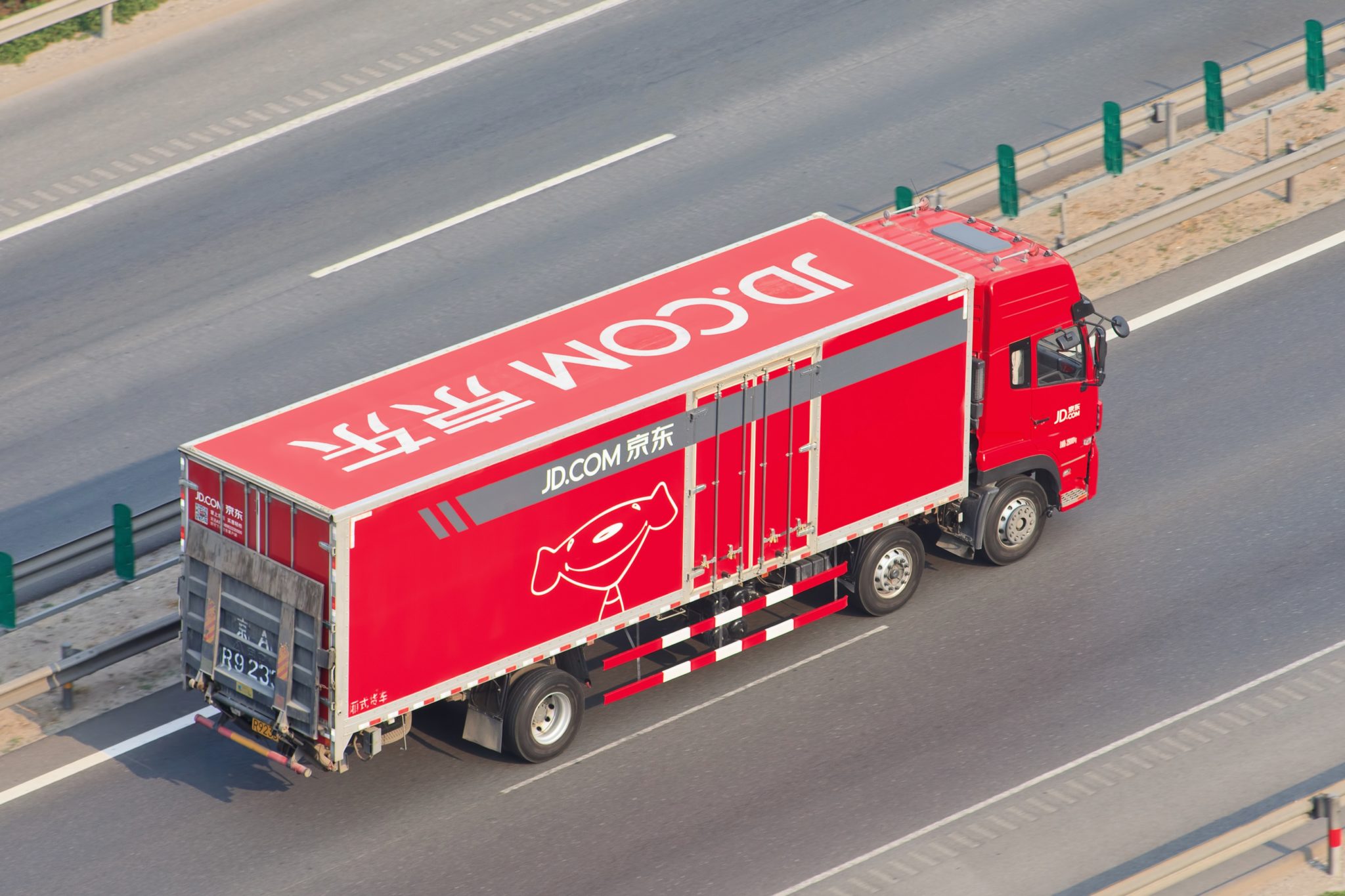
    Chinese authorities have halted regulatory cooperation with the European Commission over its antitrust investigation into JD.com’s proposed investment in German electronics retailer Ceconomy. The standoff complicates the Beijing-based e-commerce giant’s biggest push yet into Western Europe’s brick-and-mortar retail sector.

    European officials are scrutinising whether JD.com benefits from state-backed subsidies that distort competition under the bloc’s Foreign Subsidies Regulation. Without data from Chinese ministries, Brussels must rely on publicly available market disclosures and submissions from competing European merchants.

    Regulatory Standoff over State Subsidies

    JD.com targeted Ceconomy, the parent group of MediaMarkt and Saturn, to secure a vast logistics and physical retail footprint across Germany, Austria and southern Europe. The transaction requires regulatory clearance in Brussels before any formal share transfer or operational integration can proceed.

    Ministry officials in Beijing refused requests from European investigators seeking internal financial records, citing national data security rules and sovereignty limits. The resistance marks a sharp turn in cross-border corporate oversight, leaving transaction counsel to navigate conflicting legal mandates in both jurisdictions.

    European Ambitions Meet Cross-Border Friction

    For Chinese e-commerce operators, European expansion has shifted from direct cross-border parcel delivery to acquiring established logistics networks and physical storefronts. Alibaba pursued logistics hubs in Belgium and Spain, while PDD Holdings focused purely on discount marketplace app Temu. JD.com chose physical retail scale through Ceconomy, betting that owning store networks would shield it from rising import scrutiny.

    The European Commission will decide in its preliminary review whether to open an in-depth phase-two investigation or demand asset sales before approving the transaction.

  • Taiwan Plans Ban on Auto-Renewing Subscriptions with Fines up to NT$50 Million

    Taiwan Plans Ban on Auto-Renewing Subscriptions with Fines up to NT$50 Million

    Taiwan will ban automatic subscription renewals for digital services and require explicit user consent, the Executive Yuan announced in Taipei.

    Companies that conceal renewal terms face fines of up to NT$50 million ($1.57 million) per violation under proposed regulatory amendments. The cabinet said service providers must scrap pre-ticked consent boxes and allow customers to manually confirm any recurring payment schedule through a clearly labeled checkbox.

    Contract Rules and Cancellation Parity

    The Ministry of Digital Affairs will amend the Mandatory and Prohibited Clauses for Standard Contracts in Online Retail Transactions to enforce the ban. Under the updated framework, platforms must clearly disclose subscription durations, recurring fee structures and cancellation procedures before a customer signs up.

    Ending a recurring plan must become as simple as starting one. Regulators will require businesses to build cancellation workflows that match the ease of their sign-up funnels. Platforms must also send a separate advance notice to users before any scheduled renewal charge goes through.

    Under Article 42 of the Fair Trade Act, initial concealment of subscription terms carries fines between NT$50,000 and NT$25 million ($1,570 to $784,831). Operators that fail to fix non-compliant interfaces before a set deadline face recurring penalties ranging from NT$100,000 to NT$50 million for each infraction.

    Targeting Dark Patterns in Digital Commerce

    Scrutiny over subscription traps has sharpened across Asia-Pacific markets as streaming, software and direct-to-consumer apps shift revenue models toward recurring billing. Regulators across the region are cracking down on deceptive user interface designs, commonly known as dark patterns, that lock shoppers into recurring payments with hidden clauses and overseas corporate registrations.

    Taiwanese consumer protection rules will also void hidden terms entirely. Under Article 12 of the Enforcement Rules of the Consumer Protection Act, clauses presented in ways that are difficult to detect or understand will not legally bind the subscriber.

    The policy overhaul follows legislative questioning by Chinese Nationalist Party (KMT) lawmaker Liao Hsien-hsiang, who highlighted user financial losses tied to overseas digital providers. The cabinet is working against a one-month timeline to formalize the regulatory draft and submit the revised contract provisions.

  • More Japanese Merchants Leave Rakuten Marketplace over Drone Logistics Alliance

    More Japanese Merchants Leave Rakuten Marketplace over Drone Logistics Alliance

    Japanese merchants are leaving Rakuten Group’s e-commerce marketplace following the company’s latest drone logistics alliance. Seller departures have increased as platform operators adjust delivery requirements across the domestic network.

    Merchant relations on the platform face renewed strain over fulfillment and distribution integration. Store operators running storefronts on Rakuten Ichiba must balance rising platform costs against competing fulfillment channels.

    Merchant Friction Over Delivery Strategy

    The marketplace has pushed deeper into automated logistics and aerial transport to solve driver shortages in regional Japan. That shift requires store owners to adapt packaging, inventory management and dispatch schedules to automated logistics hubs.

    Sellers unwilling or unable to meet those fulfillment rules are closing their accounts. For smaller Japanese brands, direct-to-consumer websites and rival channels now offer cheaper operational alternatives.

    Pressure Across Japanese E-Commerce

    Competition among Japan’s digital marketplaces has tightened sharply. Amazon Japan and LY Corporation’s Yahoo Shopping continue to court independent merchants with flexible shipping terms and lower platform fees. Rakuten has spent heavily to defend its merchant base, yet policy shifts around shipping rates and fulfillment standards historically triggered seller pushback across the country.

    Merchant retention numbers for the current quarter will show how many storefronts follow through on closing their marketplace accounts.

  • JD.com and Sino Land Win $2.1B Northern Metropolis Hub in Hong Kong

    JD.com and Sino Land Win $2.1B Northern Metropolis Hub in Hong Kong

    A consortium led by JD.com and Sino Land won the tender for an 11-hectare Northern Metropolis development site in Hong Kong with expected total investment of HK$16.8 billion ($2.1 billion). The group beat Henderson Land Development with a HK$1.03 billion land bid evaluated under a two-envelope system.

    Hong Kong authorities awarded the 50-year grant for three residential parcels and a dedicated technology park site in the Hung Shui Kiu-Ha Tsuen New Development Area. The residential plots will yield more than 3,000 homes, while the tech site provides 50,950 square metres of gross floor area.

    Logistics hub and residential split

    Four mainland developers joined JD.com and Sino Land in the winning group: China Overseas Land & Investment, China Merchants Land, China Resources Land (Overseas) and CTG Investment. The government weighted non-price technical criteria at 70 percent and price at 30 percent, assessing anchor tenant commitments, development speed and employment generation.

    Sino Land and its partners will construct an intelligent logistics centre on the commercial parcel, with JD serving as the anchor tenant. The tender conditions require the consortium to bring at least 15,300 square metres of gross floor area into operation within 55 months. The group must also complete site formation works for three government plots intended for public facilities.

    Expanding footprint across Hong Kong

    The land tender cements a fast physical build-out by Beijing-based JD across Hong Kong assets. The group bought grocery chain Kai Bo Food Supermarket last August to gain direct neighbourhood retail access. In December, it agreed to buy a 50 percent stake in Central’s China Construction Bank Tower from Lai Sun for HK$3.5 billion to house its local headquarters, followed by a HK$750 million purchase of the Silka Seaview Hotel in Kowloon for student accommodation.

    By securing industrial land directly adjacent to the mainland border, Chinese e-commerce operators are shifting from leasing third-party warehouses in the territory to developing dedicated automated cross-border fulfilment infrastructure. The project now enters detailed planning, with the 55-month countdown starting for delivery of the first automated supply chain space.

  • Brandpay Logs 65 Million Impressions Turning Retail Shoppers into Ad Channels

    Brandpay Logs 65 Million Impressions Turning Retail Shoppers into Ad Channels

    Australian retail technology platform Brandpay has logged 65 million organic impressions across 250 brands by turning regular shoppers into measurable advertising channels. The platform generated an average 4.2 times return on reward spend across 12,894 pieces of customer content.

    Instead of hiring professional creators, the system pays shoppers in store credit when they post authentic social media content about products they bought. That credit circulates back through existing checkout systems, encouraging repeat transactions.

    Micro audiences and store credits

    Brandpay co-founder and chief executive Dr Mike Haywood said the model distributes reach across regular buyers rather than concentrating budgets on a handful of high-profile influencers. More than 80 per cent of rewarded participants have between 100 and 5,000 followers.

    The mechanics produce measurable cost advantages over standard digital ad inventory. Brandpay reported an average cost per mille of $2.48 and a cost per click of $2.62 across its network.

    A brand’s own content describes itself. A customer’s content is evidence.

    RetailNews Asia has tracked a sharp regional pivot away from high-fee influencer contracts across Asia-Pacific e-commerce operators, as rising customer acquisition costs on major ad platforms force merchants to monetize their existing customer bases.

    Measuring return on reward spend

    Shoppers rewarded under the program return to buy twice as frequently as non-rewarded customers. The resulting data allows merchants to test specific reward tiers against basket size increases.

    Brandpay is now testing automated reward calibrations to determine how different credit amounts influence basket size and repurchase frequency across retail categories.

  • Dingdong Lifts Second Quarter Profit to $40 Million Ahead of Meituan Deal

    Dingdong Lifts Second Quarter Profit to $40 Million Ahead of Meituan Deal

    Dingdong boosted second-quarter net income by 153 per cent to $40 million, lifted by higher domestic order frequency and an accounting adjustment on assets designated for sale.

    Revenue rose 8.6 per cent to $956.1 million for the three-month period, while gross merchandise value increased 11.8 per cent to $1.07 billion.

    Accounting Shift Drives China Earnings

    Net profit from operations in China surged 155 per cent. That increase stemmed primarily from the cessation of depreciation and amortisation charges on long-lived assets classified as held for sale under US GAAP rules. Overseas operations moved in the opposite direction, with net losses widening 166 per cent despite a 36.2 per cent rise in international revenue.

    The divergent performance comes as Dingdong prepares to hand over its domestic operations. In February, the grocer agreed to divest its China business to on-demand delivery giant Meituan. That transaction remains pending regulatory and closing conditions.

    Summer Peak Drives Daily Volumes

    Chief executive Song Wang credited higher order frequency among loyal members for driving the gains. Dingdong has now recorded non-GAAP profit across 15 consecutive quarters, alongside 10 straight quarters of year-over-year revenue expansion and positive GAAP net income.

    Trading accelerated further as the platform entered its summer peak in July. Monthly gross merchandise value hit a record high, with single-day sales exceeding RMB 100 million multiple times during the month.

    China’s instant-grocery sector has shifted decisively toward consolidation after years of heavy cash burn, forcing independent warehouse networks to integrate into larger delivery ecosystems or redirect resources abroad. Dingdong’s run of GAAP profitability shows the frontline warehouse model can deliver positive margins once promotional subsidies recede.

    Market attention now centers on the completion date for the Meituan transaction, which will determine how quickly Dingdong pivots its core focus toward international expansion.

  • Online Merchants Face Rising Fraud Rates as AI Tools Lower Attack Costs

    Online Merchants Face Rising Fraud Rates as AI Tools Lower Attack Costs

    Retailers face rising fraud losses as bad actors deploy low-cost artificial intelligence tools at scale, according to global payment processor Worldpay. A survey of 1,466 payment specialists across major markets including Australia shows fraud as a percentage of merchant revenue is climbing.

    The shift leaves digital store operators fighting automated attacks at checkout while trying to prevent unnecessary transaction rejections that destroy legitimate sales. Traditional card-not-present theft remains common, but pressure is shifting rapidly towards bot-driven credential stuffing, account takeovers, and refund abuse.

    The Cost of False Declines

    Rejecting good customer transactions out of caution carries a steep penalty. When checkout software incorrectly blocks a legitimate shopper, merchants lose both the immediate basket and the customer acquisition cost spent bringing that buyer through the sales funnel.

    Colin Baines, vice president of commercial and country manager at Worldpay, said false declines act as a silent drag on merchant margins. Using risk-based authentication backed by device intelligence and behavioral analytics allows retailers to challenge suspicious orders without adding friction to trusted buyers.

    Optimizing payment routing improves conversion. Implementing network tokenization, managing card credentials across their lifecycle, and configuring soft-decline retry schedules give merchants measurable lifts in completed orders across domestic card networks.

    Cross-Border Payment Routing

    Cross-border expansion introduces friction when checkouts fail to support local acquiring banks or domestic payment preferences. Presenting buyers with unfamiliar currencies, foreign checkout flows, or rigid 3D Secure rules increases cart abandonment.

    For retailers trading across Asia-Pacific markets, pairing stored network tokens with domestic acquiring infrastructure lifts card acceptance rates and cuts interchange processing expenses. Baines said store operators must treat payment routing and compliance as active components of their commercial strategy rather than administrative checkout settings.

  • Kogan Group Gross Sales Pass $1 Billion as Core E-Commerce Offsets Mighty Ape Loss

    Kogan Group Gross Sales Pass $1 Billion as Core E-Commerce Offsets Mighty Ape Loss

    Kogan Group lifted annual gross sales past $1 billion in the year ended June 30, driven by double-digit expansion across its core Australian e-commerce platform.

    Group revenue rose 5 per cent to $510 million, while statutory net profit after tax reached $11.2 million. The result masked a sharp divergence between the company’s flagship Australian portal and its struggling New Zealand subsidiary.

    The main Kogan.com business expanded gross sales and revenue by 16 per cent during the period, delivering $16.3 million in net profit. Management credited internal automation and AI-driven processes with lowering operational expenses, freeing cash to reinvest in customer marketing while defending profit margins.

    Restructuring the New Zealand Arm

    Mighty Ape remained a drag on bottom-line earnings, posting a $5.1 million net loss. Gross sales at the Auckland-headquartered online retailer fell 14 per cent, while annual revenue dropped 30 per cent as the group dismantled unprofitable operations.

    To stem the losses, management halved inventory from $21 million to $10 million and shuttered its Christchurch fulfillment center. Those reductions lowered quarterly fixed operating costs from $4.9 million to $3.4 million, pushing Mighty Ape into positive adjusted EBITDA in the fourth quarter.

    Higher-margin digital services cushioned the hardware contraction. Paid subscriptions via Primate, marketplace commissions, and the Mighty Mobile telecommunications service all expanded their share of the subsidiary’s total top line.

    Marketplace Shift Across Australasia

    The split performance mirrors a broader transformation across Australasian e-commerce, where pure-play retailers have moved away from holding heavy direct inventory to rely on third-party marketplace commissions and automated logistics. RetailNews Asia has tracked similar inventory purges at competing digital platforms seeking to protect gross margins against stubborn freight and handling costs.

    Group management confirmed it will maintain strict capital discipline across both divisions entering fiscal 2027, with full-year performance hinging on whether Mighty Ape can convert its fourth-quarter operating stability into sustained annual profit.

  • TikTok Shop Tracks Toward US$100 Billion in Global GMV by 2026

    TikTok Shop Tracks Toward US$100 Billion in Global GMV by 2026

    TikTok Shop is on track to surpass US$100 billion in global gross merchandise volume in 2026 as its social commerce format expands across Asia and Western markets.

    The projected milestone reflects steep annual transaction volume growth, driven by aggressive merchant acquisition in Southeast Asia and rapid adoption in the United States.

    Challenging Incumbents Across Southeast Asia

    ByteDance built TikTok Shop around short-form video feeds and live shopping broadcasts, funneling consumer traffic directly into merchant checkout flows. In Southeast Asia, the platform has eaten into market share held by Sea Group’s Shopee and Alibaba’s Lazada, particularly in Indonesia, Thailand, and Vietnam.

    Cross-border competition has intensified as PDD Holdings’ Temu and fast-fashion platform Shein push discount goods into the same consumer segments. TikTok Shop countered by integrating local logistics partnerships and offering subsidized shipping to lock in high-frequency buyers.

    Global Footprint and Platform Competition

    Western market expansion provides the second engine behind the US$100 billion trajectory. After scaling up operations in the United Kingdom and the United States, ByteDance began preparing localized rollouts in continental Europe and Latin America to diversify revenue away from single-market regulatory risks.

    RetailNews Asia notes that conventional marketplace apps rely primarily on search intent, while TikTok generates spontaneous purchases by inserting checkout prompts into entertainment feeds. That structural difference forced Shopee and Lazada to invest heavily in their own live streaming hubs to defend market share.

    The key metric to track heading into 2026 will be TikTok Shop’s take rate, as ByteDance lifts seller commission fees to convert platform volume into operating profit.

  • Alibaba Net Profit Plunges 75 per Cent on Heavy AI Infrastructure Spending

    Alibaba Net Profit Plunges 75 per Cent on Heavy AI Infrastructure Spending

    Alibaba Group reported a 75 per cent plunge in quarterly net profit to June as capital expenditure on artificial intelligence surged. Group revenue rose 9 per cent to 268.95 billion yuan, matching market forecasts while cloud computing gains offset slowing domestic commerce.

    Capital spending climbed 75 per cent year on year to 67.68 billion yuan in the three months to June 30. The Hangzhou-based group has already deployed half of its 380 billion yuan AI investment budget scheduled through 2029, buying server processors and expanding data centres to handle surging enterprise demand.

    Surging Compute Costs and In-House Silicon

    Chief executive Eddie Wu said the company expects to break even on its AI-related capital expenditure within three years at current gross margins. Revenue from AI cloud and compute services jumped 45 per cent to 48.44 billion yuan during the quarter, with annual recurring revenue from AI model-as-a-service exceeding 16 billion yuan.

    To rein in hardware expenses, Alibaba is replacing commercially procured processors with silicon built by its in-house chip division, T-head. The proprietary semiconductors are now running across clustered server racks for both model training and inference workloads, which management expects will widen operating margins as deployment expands.

    The margin squeeze mirrors the heavy infrastructure spending across Asia’s technology sector, where hyperscalers and platform operators are absorbing massive upfront costs before enterprise software monetization matures. Alibaba is defending its cloud dominance against domestic rivals Tencent and Baidu, while simultaneously backing frontier model developers such as Moonshot to anchor future compute traffic to its ecosystem.

    Reorganisation and Core Retail Headwinds

    Adjusted earnings per American Depositary Share fell to 8.52 yuan, trailing the 10.53 yuan consensus tracked by LSEG. Softer consumer demand in mainland China continues to weigh on the core marketplace division, prompting chief financial officer Toby Xu to highlight macroeconomic friction across domestic online shopping.

    Wu now leads the dedicated Alibaba Token Hub following an internal restructuring that split operations into four divisions: e-commerce, AI cloud and compute, model applications, and other businesses. Affiliate Ant Group recorded a 1 per cent rise in quarterly profit as it tests AI shopping assistants and digital health tools.

    Management is targeting overall profitability for the group’s quick-commerce unit by fiscal 2029, while tracking a three-year payback window on its current infrastructure outlays.