Category: E-Tailing

Retail News Asia is committed to providing both local and global retailers with the latest E-Commerce & Etail news throughout the Asian market. This on a daily base.

  • Mike Ashley in talks to sell Missguided to Shein

    Mike Ashley in talks to sell Missguided to Shein

    Chinese fashion giant Shein has reportedly been in talks with Mike Ashley’s Frasers Group to acquire the UK-based fashion platform Missguided.

    Sky News said the two companies have been negotiating for several weeks. The move came about a year after Missguided was brought out of administration by Frasers Group for £20 million. The deal, if it happens, will mark Shein’s first acquisition of a UK label.

    The source said the acquisition will likely include Missguided’s brand and its intellectual property, while Frasers Group will retain its head office.

    Missguided was founded in 2009 by Nitin Passi, the daughter of an Indian immigrant who set up the high street supplier By Design in the 1960s. The company grew its presence in the UK and overseas markets, including the Middle East and Asia. Investment company Alteri acquired a 50 percent stake in Missguided in 2021 before the fashion company went into administration last year as it failed to pay its debts.

    Shein has recently announced it will bring the company’s ESG roadmap pledge to $155 million, following the $70 million committed last April.

  • Shein pledges an additional $85 million to support its ESG roadmap

    Shein pledges an additional $85 million to support its ESG roadmap

    China’s Shein has allocated an additional US$85 million over five years for its Global Community Empowerment Commitment.

    The fund will bring the company’s ESG roadmap pledge to $155 million, following the $70 million committed last April. The strategy, dubbed ‘EvoluShein’, consists of nine environmental and social priorities organized under three strategic pillars – People, Planet and Process.

    According to the company, while the $70 million commitment will be used to fund the company’s manufacturing supplier community, $50 million and $35 million will be used to support ‘aspiring designers’ and women, young people, and the underprivileged, respectively.

    “This fund will support these communities to grow alongside Shein, towards a more equitable future,” said Molly Miao, COO at Shein.

    Shein, which sells goods in more than 150 countries, is headquartered in Singapore but manufactures most of its products in China.

    Last month, US states asked the Securities and Exchange Commission to audit the chain for the use of forced labor ahead of its potential IPO.

  • TikTok launches online shopping in the US

    TikTok launches online shopping in the US

    With over 150 million users in the United States, social media juggernaut TikTok, is embarking on a groundbreaking journey that could redefine the way we shop online.

    After months of testing, the platform officially integrates e-commerce into its social media ecosystem, offering users a unique blend of entertainment and shopping. The strategic move comes as TikTok aims to capitalize on the platform’s immense popularity and expand its business.

    Users will now discover videos and live streams in their feeds featuring clickable links that lead to product purchases, effectively transforming TikTok into a thriving shopping destination.

    The TikTok app also introduced a dedicated “shop” tab feature where businesses can showcase their products, complete with logistics and payment solutions, all integrated within TikTok.

    This strategic addition is expected to boost user engagement and drive sales as consumers can seamlessly discover and purchase products within the TikTok ecosystem in hopes of replicating the success of other Asian platforms like Shein and Temu in the US.

    As a way to create a versatile e-commerce ecosystem, the social media giant has strategically integrated its shopping services with several third-party platforms, including Shopify, Salesforce, and Zendesk.

    Overall, TikTok’s goal is clear: to empower content creators, brands, and merchants with the tools they need to create engaging and interactive shopping experiences and ease how customers make purchases on the platform.

    TikTok’s retail expansion comes amid scrutiny from governments and regulators due to concerns over data privacy and an alleged political affiliation with the Chinese state.

    With over 1 billion monthly active users (MAUs) worldwide, TikTok isn’t only focused on the U.S. and has since expanded its reach to multiple countries, including Thailand, Vietnam, Malaysia, the Philippines, Singapore, and the United Kingdom, with plans to reach $20 billion merchandise sales by the end of the year. This underscores its determination to leave a mark on the international e-commerce landscape.

  • Indonesia to ban online shopping via social media

    Indonesia to ban online shopping via social media

    Indonesia’s government is preparing to introduce a series of new business regulations that will prohibit the sale of products via social media. During a parliamentary hearing, the Indonesian Deputy Trade Minister, Jerry Sambuaga, announced this.

    “Social media and social commerce cannot be combined,” the official said, reiterating the government’s intention to crack down on “predatory” practices of sellers on social media, which would threaten offline markets in Southeast Asia’s largest economy. The deputy minister cited as an example the use of the “live” function for the sale of goods via the social media platform TikTok: “The revisions to the trade regulations currently underway will prohibit these practices firmly and explicitly,” said Sambuaga.

    The representative of TikTok Indonesia, Anggini Setiawan, he responded this morning, saying that separating social media and e-commerce into separate platforms would impede competition. TikTok has 2 million sellers in Indonesia, and has previously reported that it has no plans for a dedicated platform for cross-border trade of Chines

  • Amazon, Alibaba demand more Vietnam-made home décor

    Amazon, Alibaba demand more Vietnam-made home décor

    As purchasing power for home decorations and compact furniture on ecommerce platforms Amazon and Alibaba increases, opportunities are opening up for Vietnamese businesses to sell made-in Vietnam products.

    From grass brooms and water hyacinth baskets to compact chairs and shelves, “Made in Vietnam” home decoration products have been attracting customers on U.S. ecommerce platform Amazon.

    An $81 black painted bar stool from Linon Home Decor is labeled as an “Amazon’s Choice,” meaning it is selling well, of high quality, and can be delivered right away. Over 50 of the items were sold the past month.

    Selling garden furniture and wooden planks, BeeFurni’s revenue on this platform in the first 10 months of 2022 increased by 300% compared to 2021.

    The brand’s stools launched in 2018 are priced US$35-50, depending on the size, and have attracted hundreds of customer reviews with an average score of 4.4 out of 5.

    According to Amazon statistics, home decoration and furniture items have experienced outstanding growth in the 2020-2022 period. Even after returning to the office, people still spend a lot of time enjoying their life at home, and online shopping for such products has remained stimulated.

    Last year, “wall decoration, kitchen decoration, bathroom decoration” were the most searched keywords in this category.

    Over the past three years, home and kitchen decor have continuously been some of the best-selling item categories for Vietnamese sellers on Amazon.

    Gijae Seong, managing director of Amazon Global Selling Vietnam, said this is an industry that “has great potential and still has many untapped advantages” for Vietnamese businesses.

    With about 1,500 craft villages, abundant raw material supplies and supply chain advantages, Vietnamese furniture and decoration manufacturers possess immense potential on the international market, according to Amazon.

    Chinese online ecommerce platform Alibaba said home and gardening products is one of the three most popular Vietnamese product categories on their wholesale platform.

    In the last three months, potential buyers for Vietnamese products in this category have increased 64% year-on-year.

    The most sought-after items have been dining sets, kitchenware, home textiles and affordable, practical storage, according to Alibaba.

    Specializing in selling wrought iron products such as doors, fences and railings, Nguyen Phong Metal, a small and medium-sized enterprise, has opened a large export channel on this platform, according to Sales Director Pham Nguyen Le Uyen.

    Their first order on Alibaba three years ago was worth $45,000. Since then, the company’s export revenue on Alibaba has doubled domestic sales.

    Both platforms highly appreciate Vietnam because it is one of the countries that owns a large number of skilled craftsmen: about 7.4 million workers. The country’s traditional craft villages have rich experience and a long history, and they create unique products.

    To be successful on the global market, there must be a harmonious combination between what Vietnam has and what the international market expects, according to Amazon.

    For example, with products made from rattan, bamboo, and sedge, manufacturers must improve the material processing because these goods are easily affected by factors such as humidity and insects.

    In the first seven months of the year, Vietnam’s export turnover on wood and wood products was down 26.2% year-on-year at US$7.21 billion.

    The U.S., Japan, China, the EU and South Korea continued to be the main export markets for Vietnamese timber and forest products.

    Total export value to the five markets during the January-July period was estimated at $5.44 billion, accounting for 89% of the country’s total export value.

  • China’s JD beats revenue estimates despite slowing economy

    China’s JD beats revenue estimates despite slowing economy

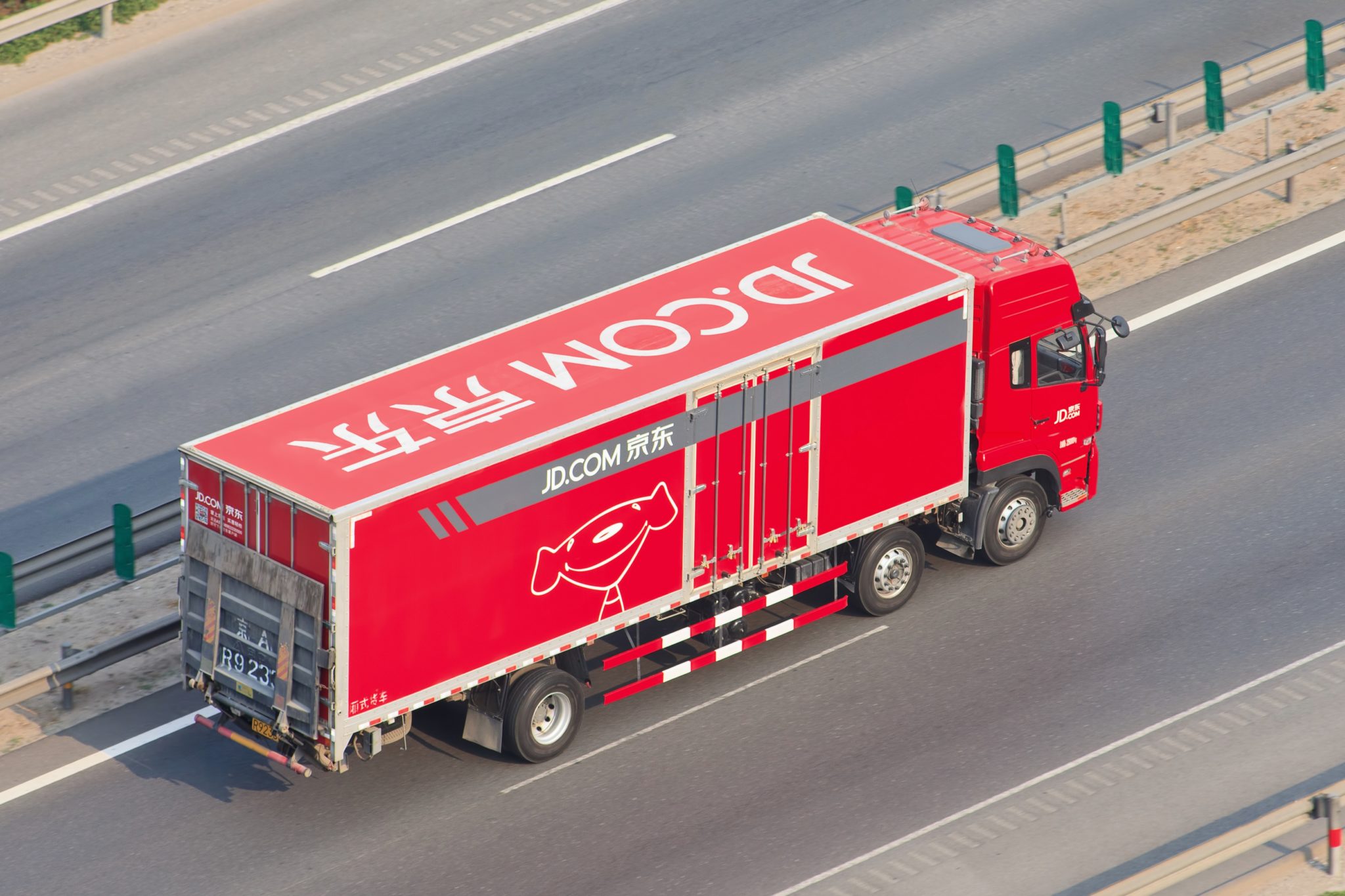
    Chinese e-commerce firm JD.com beat Wall Street estimates for second-quarter revenue on Wednesday, as its focus on lower-priced products to attract customers amid an economic slowdown paid off.

    JD.com saw increased traffic on the back of purchases ahead of the holiday season and as people attending offices and social functions continued to upgrade their wardrobes.

    Revenue grew 7.6 percent to 287.9 billion yuan (US$39.7 billion), compared with analysts’ average estimate of 278.85 billion yuan, Refinitiv Eikon data showed.

    After China abandoned its stringent COVID-19 lockdown policies, consumption failed to rebound immediately amid a slowdown in the country’s overall economy.

    Recent official economic data has also been gloomy, with the consumer price index tipping into deflation in July.

    Retail sales rose just 2.5 percent, slowing from a 3.1 percent increase in June, despite the summer travel season.

    Analysts had expected retail sales to grow 4.5 percent.

  • Gucci launches flagship store on JD platform

    Gucci launches flagship store on JD platform

    Gucci and JD.com are delighted to announce a digital partnership and the highly anticipated launch of the official Gucci digital flagship store on the e-commerce leader’s platform. This marks the first time the Italian luxury brand will bring its unique fashion authority and 102-year-old legacy of Italian craftsmanship to the JD.com community.

    Users searching for “Gucci” within the JD.com app will be invited to explore the House’s official flagship store and shop for their favorite items. This will also include a full range experience of Gucci brand services, all within a seamless and secure digital ecosystem. An exceptional customer experience is at the heart of this new collaboration, where customers can browse the store’s extensive range of timeless icons and new-season ready-to-wear, handbags, travel, shoes, jewelry, watches, and accessories for men and women. They will also have special access to Gucci’s online client advisor service before ordering their desired products.

    The opening of the new digital flagship store marks a milestone in the partnership between Gucci and JD.com and underscores their commitment to digital innovation. In response to the evolving digital ecosystem, JD.com continuously delivers cutting-edge digital solutions to fulfill diverse needs. This includes the development of diversified models tailored for the luxury industry, leveraging its state-of-the-art supply chain capabilities and open ecosystem. With the launch of its new online environment on JD.com, Gucci will elevate shopping experiences that are tailored to the tastes of JD.com’s customer base and further explore the unique digital landscape of China using both brands’ respective technological strengths to set a new standard in online luxury shopping, expand their market reach, and pioneer original approaches to digital marketing.

    In celebration of the upcoming Chinese Valentine’s Day on August 22, Gucci’s official flagship store on JD.com will offer a selection of gifts that showcase the House’s exquisite craftsmanship and romantic aesthetic. Featuring floral motifs symbolizing the blossoming of love and emotions, the collection will also present a purse designed exclusively for JD.com customers to celebrate this special occasion. To enhance the moment, customers will also be abl

  • South Korea e-commerce market to surpass $160 billion mark in 2027

    South Korea e-commerce market to surpass $160 billion mark in 2027

    South Korea continues to evolve as a major e-commerce market and is expected to register a strong compound annual growth rate (CAGR) of 7.7% between 2023 and 2027 to reach KRW202.6 trillion ($160.4 billion) in 2027, forecasts GlobalData, a leading data and analytics company.

    GlobalData’s E-Commerce Analytics reveals that South Korea e-commerce market has been on growth trajectory, registering a CAGR of 17.4% between 2018 and 2022 to reach KRW136.6 trillion ($108.2 billion) in 2022. This trend is expected to continue in 2023, with e-commerce sales expected to grow by 10.0%.

    Shivani Gupta, Senior Analyst Banking and Payments at GlobalData, comments: “South Korea has a well-developed e-commerce market supported by high-speed internet, rising smartphone penetration, availability of secure online payment systems and increasing consumer confidence in online shopping.”

    South Koreans are frequent online shoppers with over 80% of the consumers reported to have shopped online in the past six months, while only 10% indicated that they never shopped online, according to GlobalData’s 2023 Financial Services Consumer Survey*.

    The availability of new and innovative mode of online shopping such as video live streaming is also encouraging shoppers to go online. South Korean e-commerce giant Naver leads this space by enabling merchants to live stream their products on its “Naver Shopping Live” platform. Customers can view the product details, interact with the seller and buy from the platform on real-time.

    International brands are also venturing into this space, contributing to the e-commerce growth in the country. In June 2023, YouTube launched its first official online shopping channel in South Korea, live-streaming products in Korean language.

    Gupta adds: “Koreans increasingly prefer shopping online even for day-to-day products, a trend that continued post COVID-19. GlobalData’s survey revealed that everyday essentials such as food and drinks account for nearly one fourth of the e-commerce purchases by value in 2023, while clothing and footwear account for 12.2%.

    Gupta concludes: “South Korea’s e-commerce market registered sustainable growth during the last five years. The uptrend in e-commerce sales is likely to continue over the next few years supported by the growing consumer preference, improving payment infrastructure, and growing popularity of innovative online shopping modes.”

    *GlobalData’s 2023 Financial Services Consumer Survey was carried out in Q2 2023. Approximately 50,000 respondents aged 18+ were surveyed across 40 countries.

  • Alibaba to double investment in Vietnam

    Alibaba to double investment in Vietnam

    Alibaba.com, the global business-to-business e-commerce platform of Chinese tech giant Alibaba, will double its investment in emerging manufacturing centers in Vietnam and additionally hire hundreds of employees.

    In the next three years, Alibaba.com will complete the establishment of specialized teams to operate in Vietnam’s emerging manufacturing hubs, including Binh Duong, Bac Ninh, Long An, Da Nang and Hai Phong, in addition to the teams already operating in Hanoi and Ho Chi Minh City, Roger Luo, director of Alibaba in Asia-Pacific, announced recently in Ho Chi Minh City.

    “Vietnam is a very important part of our e-commerce development map,” Luo said, pointing out three advantages of this market.

    First, Vietnam has favorable foreign trade policies with many free trade agreements being signs. “Compared to China, Vietnamese-made goods have an advantage. Moreover, the U.S.-China trade war has big influence on Chinese goods, while Vietnamese goods are not affected,” he said.

    Second, labor costs are still low. Third, there are many Vietnamese specialty products.

    “Vietnamese suppliers on our platform are gradually building a reputation with a large number of global buyers, especially in such areas as agricultural products, food, fashion and home garden products,” he said.

    The number of Vietnamese sellers on Alibaba’s e-commerce platform has increased to thousands.

    The number of Vietnamese products available on this platform in March surged by 24% against the same period last year.

    In the first half of this year, Vietnam’s export turnovers stood at US$164 billion, down 12% against the same period last year.

    The situation would be better in the second half of the year because inventory in the U.S. is decreasing.

    “Small and medium-sized businesses need to quickly seize this opportunity by reviving their human resources and strengthening their digital capabilities,” he recommended.

  • Brazil’s postal service inks deal with Shopee to sell products to Asia

    Brazil’s postal service inks deal with Shopee to sell products to Asia

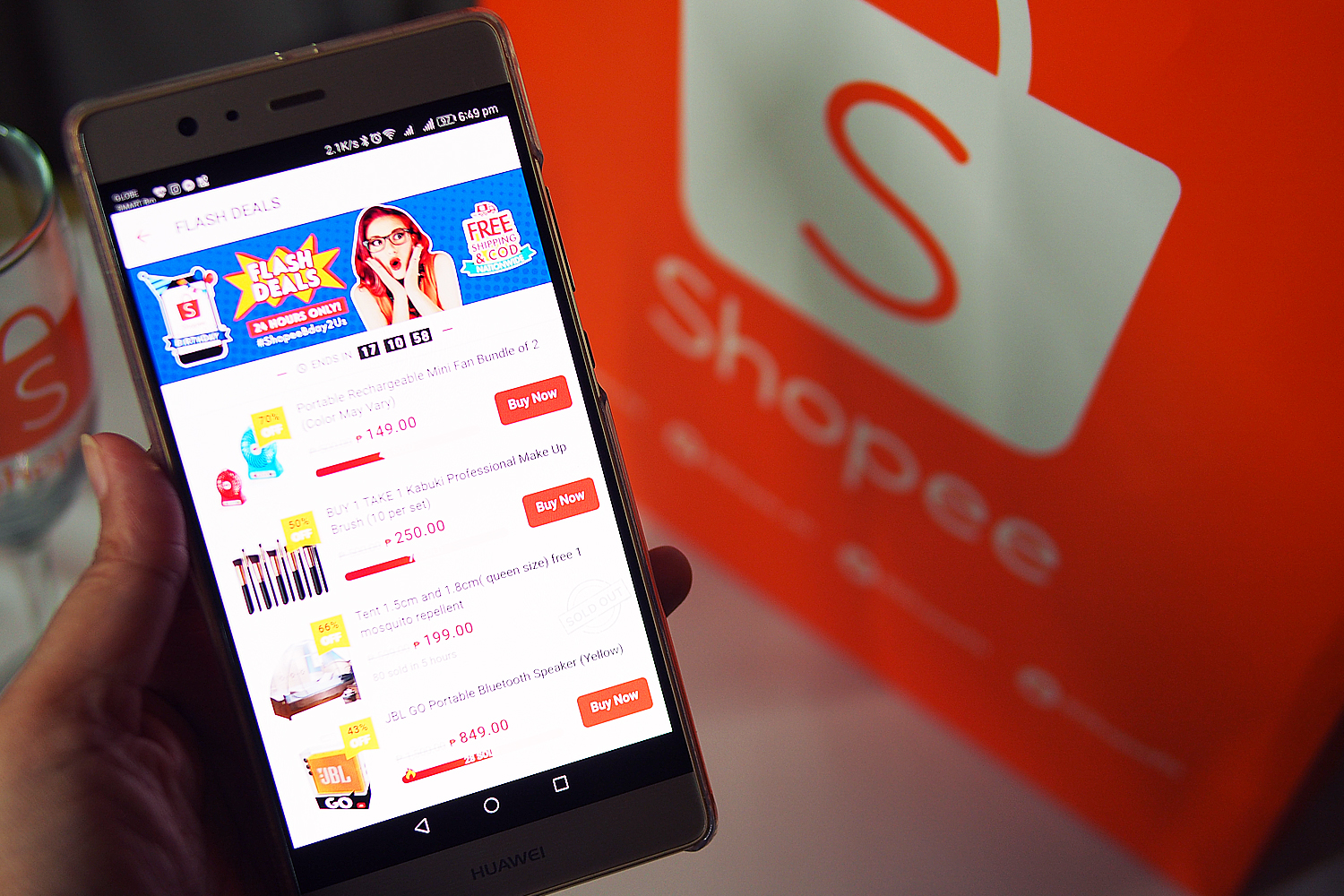
    Brazil’s postal service Correios said on Wednesday it has signed an agreement with Singaporean shopping app Shopee to boost exports of Brazilian products to Southeast Asian markets.

    Shopee, owned by Southeast Asian tech giant Sea, signed a memorandum of understanding with Correios, along with the Brazilian Agency for the Promotion of Exports and Investments (ApexBrasil).

    The deal aims to help small and medium companies from Brazil export to countries like Indonesia, Malaysia, the Philippines, Singapore, Taiwan, Vietnam and Thailand.

    The trade bloc known as the Association of Southeast Asian Nations (ASEAN) is a key partner for the Brazilian economy, with a trade flow of $16.6 billion in the first half of 2022, up 21.3% compared to the same period in 2021, according to the latest data from ApexBrasil.

    The agreement will offer training for companies, as well as “support for strategic and adequate operation on the Shopee platform” and assistance from Correios with shipping and distribution logistics, Brazil’s postal service said in a statement, adding it expects exports to start this year.With the agreement, companies “with good products and a huge potential” will gain the know-how and access to these markets needed start the export process, said Eduardo Terra, president of the Brazilian Society of Retail and Consumption.

    The move follows last year’s announcement from Shopee that it had opened five new distribution centers in Brazil. The app has become one of the country’s most-downloaded e-commerce apps since its launch there in 2019, drawing users to its low-cost marketplace.

  • Online platforms pay $166M in tax in Vietnam

    Online platforms pay $166M in tax in Vietnam

    Vietnam collected VND3.94 trillion (US$166.5 million) in taxes from 57 foreign online platforms including Google, Apple, Facebook, Netflix, and TikTok in the first half of this year.

    Of the sum, VND3.4 trillion was paid directly via the portal of the General Department of Taxation (GDT), which was established last March to make it easier for cross-border giants to pay their taxes in Vietnam.

    Their representatives in Vietnam paid the remaining sum.

    The GDT also said that tax revenue from e-commerce platforms in the first five months of this year reached VND246 billion, equal to 34% of 2022’s revenue.

    It said the tax revenue collected from e-commerce providers in 2022 and 2021 was VND716 billion and VND261 billion, respectively.

    The tax authority has recorded data from over 330 e-commerce platforms through the e-commerce portal operating since the end of last year.

    Particularly in the first quarter of this year, 64,300 individuals and 22,840 organizations traded on those platforms with 9 billion transactions registering a total value of VND11.5 trillion.

    The GDT said it is working on setting up rules on exploiting information from e-commerce platforms’ databases to manage taxes more effectively.

    This agency is checking and comparing information of several taxpayers who are e-commerce platform owners, payment intermediaries, partners of foreign companies in Vietnam, and foreign suppliers that do not have a fixed business establishment in Vietnam.

    So far, it has inspected 15 enterprises and handled, fined, or collected tax arrears of VND129 billion, reducing tax loss by VND986 billion and reducing VAT deduction by VND114 billion.

  • Apple patching a serious WebKit flaw by disseminating iOS 16.5.1 (c)

    Apple patching a serious WebKit flaw by disseminating iOS 16.5.1 (c)

    Back on June 21st, Apple disseminated iOS 16.5.1 and iPadOS 16.5.1. But soon it was discovered that the updates had a flaw in the WebKit browser engine that could lead an attacker to create an arbitrary code execution which would allow said attacker to run any command or code on a targeted device. That is a serious problem and to top it off, Apple said that it had reports that the vulnerability was being actively exploited.
    Instead of having to develop iOS 16.5.2 and iPadOS 16.5.2, Apple decided to use its Rapid Security Response feature to push out iOS 16.5.1 (a) and iPadOS 16.5.1 (a). These updates can be installed in a matter of minutes and can be quickly disseminated to Apple device users to patch a serious vulnerability such as the one that was supposed to be patched by Monday’s update. Note that we said that the update was “supposed” to patch the flaw. That’s because the updates sent out to fix the WebKit issue on Monday had issues of their own.
    According to several iPhone and iPad users, the updates changed the user agent for Safari. The user agent tells server information about the device requesting content from it so the server knows what information to send out. For example, the user agent will determine whether a request to see a phone manufacturer’s website should return the U.S. site with models sold in the States priced in Dollars, or whether it should show the site created for European buyers that lists models offered on the continent with prices posted in Euros.
    As a result of the issue with the user agent, iPhone, and iPad users complained that they were not able to access sites like Zoom, Facebook, and Instagram after installing iOS 16.5.1 (a) and iPadOS 16.5.1 (a). Apple, realizing that there was a problem with the updates, pulled them yesterday and even included directions on how to delete them. But if you haven’t deleted the updates, don’t worry. Apple has now released iOS 16.5.1 (c) and iPadOS 16.5.1 (c).
    We said the other day that the vulnerability was too serious for Apple not to push out another patch right away, and now it has happened. To download and install the updates, go to Settings > General > Software Updates and follow the directions. Hopefully, Apple won’t be taking these updates back.
  • Australia’s Coles Supermarkets enters Malaysia via Jaya Grocer

    Australia’s Coles Supermarkets enters Malaysia via Jaya Grocer

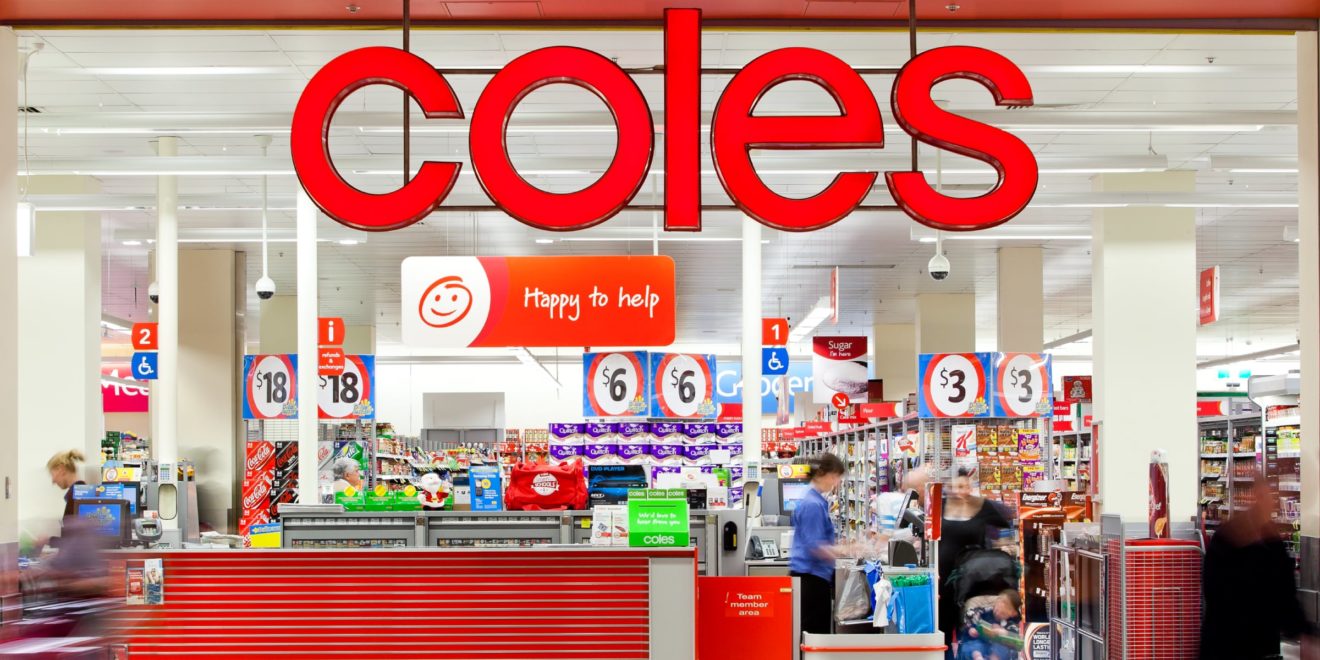
    Australia’s leading retailer Coles Supermarkets has entered the Malaysian market, bringing in 200 products through an exclusive collaboration with Malaysian supermarket Jaya Grocer.

    The deal allows Jaya Grocer to expand their Australian product offerings with over 1,000 products from Australian-based brands, including Coles, available at all 43 stores and for GrabMart delivery nationwide.

    The well-known Australian home-grown supermarket chain is renowned for its diverse range of quality fresh ingredients and imported goods.

    “Coles has been exporting high-quality Australian food for over 20 years to more than 30 countries.

    “We think Malaysia is a great country and with Jaya Grocer and GrabMart supporting our brand, we hope growth will continue into the future,” said Coles’ general manager for exports Will Mulholland at a ceremony here, today.

    He said Coles would broaden its offerings to include Australian dairy products and ice creams.

    At the moment, most of its products are predominantly placed in the grocery aisle.

    “We are here for the long term. Jaya Grocer’s great offerings and presentation fit very well with our stores in Australia,” said Mulholland.

    Shoppers enjoy up to a 15 per cent off some of Coles’s top-selling products such as Coles Rice Crackers Seaweed, Coles Chocolate Finger Biscuits, Coles Drinking Chocolate and Coles Hot Chocolate Sachets until July 9, 2023.

    There will be more value deals and discounts every month via Jaya Grocer’s membership programme powered by Grab. Access to the membership programme is directly via the Grab mobile app.

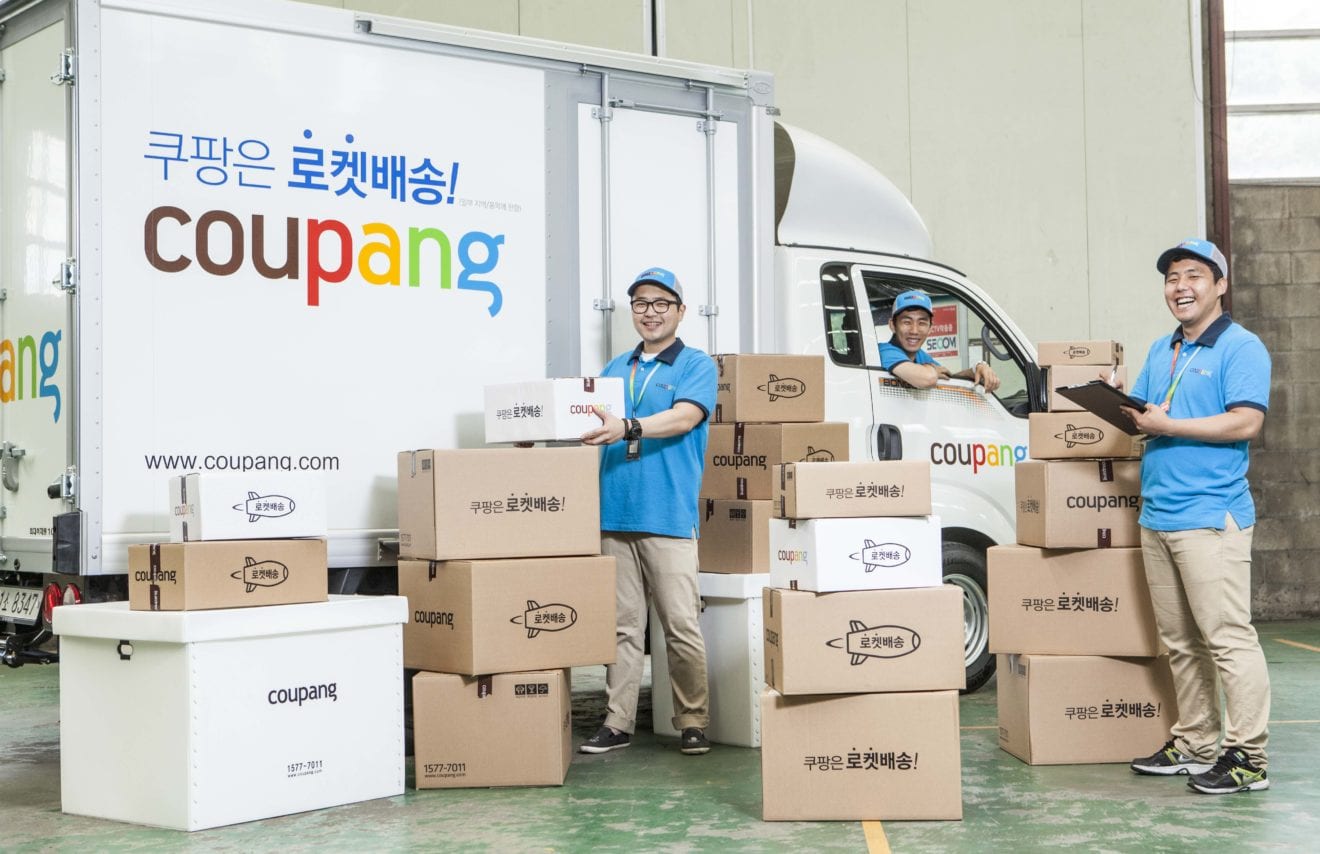
  • Coupang launches luxury beauty shopping service Rocket Luxury

    Coupang launches luxury beauty shopping service Rocket Luxury

    South Korea’s top e-commerce retailer Coupang said Monday it has launched a new service allowing customers to buy luxury beauty brands’ products at its platform.

    At Rocket Luxury, customers will be able to purchase products of 16 high-end beauty brands from home and abroad, including Estee Lauder, MAC, Bobby Brown, and Hera, directly bought by Coupang.

    The products will be delivered through the “rocket delivery” service, which offers delivery service within 24 hours upon order.

    For members of Coupang’s paid subscription service, Wow, the company will provide free delivery and free return service.

    “Customers who use luxury beauty brands will be able to buy at Rocket Luxury with trust as it only provides genuine products certified by Coupang,” Lee Byeong-hee, the head of Coupang’s retail division, said.

  • Pattern Identifies Key Shopping Categories to Watch This Amazon Prime Day

    Pattern Identifies Key Shopping Categories to Watch This Amazon Prime Day

    Home & Kitchen, Electronics, Books, Sports and Fitness Predicted to be Popular

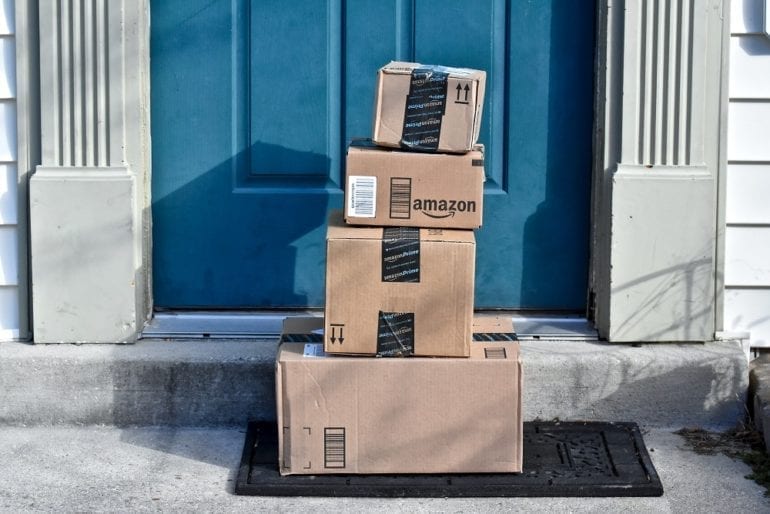
    Amazon Prime Day, the two-day members-only sales event being held from 11-12 July, is expected to reach new heights in 2023. New research within Pattern’s fifth annual ‘Marketplace Consumer Trends Report – 2023’, shows 43% of Australians now have access to Amazon this year, presenting local brands with significant opportunities for revenue.

    “In spite of ongoing cost of living pressures impacting household budgets, it’s not expected that Amazon Prime Day will feel the force of reduced consumer spending. Our research shows 84% of consumers expect to spend more or the same amount shopping on the marketplace, and only 16% of consumers are planning to reduce their spend. This bodes well for local brands participating in Prime Day, as it is expected there will be strong consumer participation and opportunity for sales,” said Merline McGregor, General Manager of Pattern Australia.

    To assist local brands in planning their Prime Day activities, the shopping categories Australian consumers indicated they would most likely consider purchasing on Amazon are:

    • 58% would consider buying Home & Kitchen products
    • 57% would consider buying Electronics & Computer Equipment
    • 55% would consider buying Books or eBooks
    • 47% would consider buying Sports, Fitness and Outdoor Products
    • 44% would consider buying Toys, Kids and Baby Products
    • 44% would consider buying Luggage and Travel Gear
    • 37% would consider buying Skin Care and Make-up.

    “The popularity of these product categories across the Amazon Australia marketplace can (in part) be linked to the fact that there are a large and growing number of sellers within these categories, leading to wider ranges of products for consumers to choose from and competitive pricing,” McGregor explained.

    While shoppers participating in Prime Day sales will be eager for bargains, high value goods will also attract interest due to Amazon’s shopper demographic. High income earners are most likely to shop on Amazon compared with any other online marketplace – 36% of Amazon shoppers are high income earners, versus 21% for marketplaces overall.

    Australian businesses have significant opportunities for brand exposure and growth through Prime Day, with 30% of consumers stating they are open to buying from new brands on Amazon if they can’t find the brand they are looking for. This also presents a risk for brands not present on Amazon or participating in Prime Day, who may lose customers if they aren’t providing consumers the products they are looking for on the platform, at the right time.

    Importantly for brands considering listing on Amazon, consumers are becoming increasingly loyal to shopping on the marketplace, with 91% of shoppers indicating they had purchased multiple times from Amazon over the last 12 months, up from 82% in the previous year. Research also indicates those purchasing at least monthly had doubled in the past twelve months, and Prime deliveries are up 60% over the past year.

    “Prime membership is growing strongly in Australia. As Prime members rise, so too will the number of shoppers taking part in Prime Day and businesses looking to sell on the Amazon marketplace. Brands should proactively and strategically prepare for Prime Day by aligning their offerings with key categories for the opportunity to attract the most attention,” concluded McGregor.

    Download the full ‘Australian Marketplace Consumer Trends  Report – 2023’ report HERE