Category: Fashion

Retail News Asia is committed to providing both local and global retailers with the latest Fashion news throughout the Asian market. This on a daily base.

  • Nordstrom opens in New York, and Burberry takes prime position

    Nordstrom opens in New York, and Burberry takes prime position

    US department store Nordstrom has opened a 320,000sqft store in the world’s tallest residential building, Central Park Tower in New York.

    The five-storey store was designed by the firm in collaboration with James Carpenter Design Associates with two underground levels and a curving glass facade. The interior featured LED lighting, glass walls and a chainmail curtain, which is used as a divider between the luxury brands featured in store.

    Luxury house Burberry has become the first brand to take over the store’s concept space with an immersive installation that spans five rooms, which will run through December.

    The installation is an industrial space with cardboard building blocks contrasted against silver and gold mirror cubes. Visitors are welcome to decorate the concept store’s blank windows.

    The temporary space also features a cafe inspired by Burberry’s all-day London cafe Thomas’s.

  • South Korea’s outdoor-fashion industry in ‘dire’ state

    South Korea’s outdoor-fashion industry in ‘dire’ state

    South Korea’s outdoor-fashion industry is in “dire” condition according to a report by Korea Bizwire, with brands and retailers once the leaders of the fashion industry “slowly fading into obscurity”.

    Ashley Son writes that LF, the apparel affiliate of LG Group, plans to gradually shut down all Lafuma stores, a French outdoor brand, by next year.

    And Millet Edelweiss Holdings, Millet’s Korean branch, is looking for companies interested in a potential take-over.

    According to Samsung Fashion Institute, the South Korean outdoor fashion market, which was as large as 7.1 trillion won (US$6.1 billion) back in 2016, shrank to only 4.5 trillion won by 2017.

    K2 Korea’s annual sales dropped from 352.1 billion won in 2016 to 308.8 billion won in 2018. Black Yak’s yearly sales also fell, from 426.7 billion won to 387 billion won over the same period.

    Song says experts cite the overall economic downturn, excessive competition, and the rise of casual fashion as the cause of the demise of South Korea’s outdoor-fashion industry.

    Hiking apparel, once signature products made by outdoor fashion companies, have also been taken over by golf-wear brands.

    With a strong impression among South Koreans that outdoor fashion is for the older generations, younger South Koreans are also shunning outdoor brands.

    “Too many companies are competing in an overheated market, which has resulted in excessive competition as well as slower technological advances,” said a source familiar with the industry.

  • Li & Fung signs Arctic Ocean shipping pledge

    Li & Fung signs Arctic Ocean shipping pledge

    Supply chain solutions firm Li & Fung has signed a pledge under its logistics business LF Logistics to support an initiative to prohibit shipping through the Arctic Ocean.

    The initiative was launched by its customer Nike with Ocean Conservancy.

    Although LF Logistics does not use any Arctic sea routes, the commitment indicates the firm’s willingness to share responsibility for preserving the Arctic.

    A statement released by the firm said that the rapid reduction of Arctic sea ice caused by climate change could possibly increase cargo transportation through Arctic sea routes that were previously unnavigable, offering shorter transit times compared to traditional routes. This raises major environmental risks to marine life as well as the human population that relies on a healthy Arctic ecosystem for its livelihood.

    “We are proud to support Nike’s leading role in this pledge which will help prevent harmful trans-Arctic shipments,” said Li & Fung group president Joseph Phi. “Li & Fung is committed to operate supply chains in a responsible and sustainable manner. We strongly believe in the power of collaboration on urgent action which will bring about a change in the industry and protect the fragile Arctic ecosystem.”

    “Our support to Nike and Ocean Conservancy is critical to the future of this already fragile region,” said Fung Group executive VP sustainability and government and public affairs Harsh Saini. “The severe impact of climate change on the Arctic ecosystem is apparent, as evidenced by the rapid reduction in sea ice. The possibility of increased shipping will have catastrophic effects on our ocean.”

    In August, Fung Group announced its commitment to the Fashion Pact, a coalition of more than 30 global fashion and textile companies pledging to reduce the environmental impact of the fashion industry. Presented at the G7 summit by French president Emmanuel Macron, the Fashion Pact focuses on stopping global warming, restoring biodiversity and protecting the oceans.

    The objectives of Nike and Ocean Conservancy’s Arctic Shipping Pledge closely align with the Fashion Pact as well as Li & Fung’s stand on pollution prevention and the implementation of environmental responsibility programs into its operations and supply chains.

  • Desigual Japan expands as locals embrace edgy label

    Desigual Japan expands as locals embrace edgy label

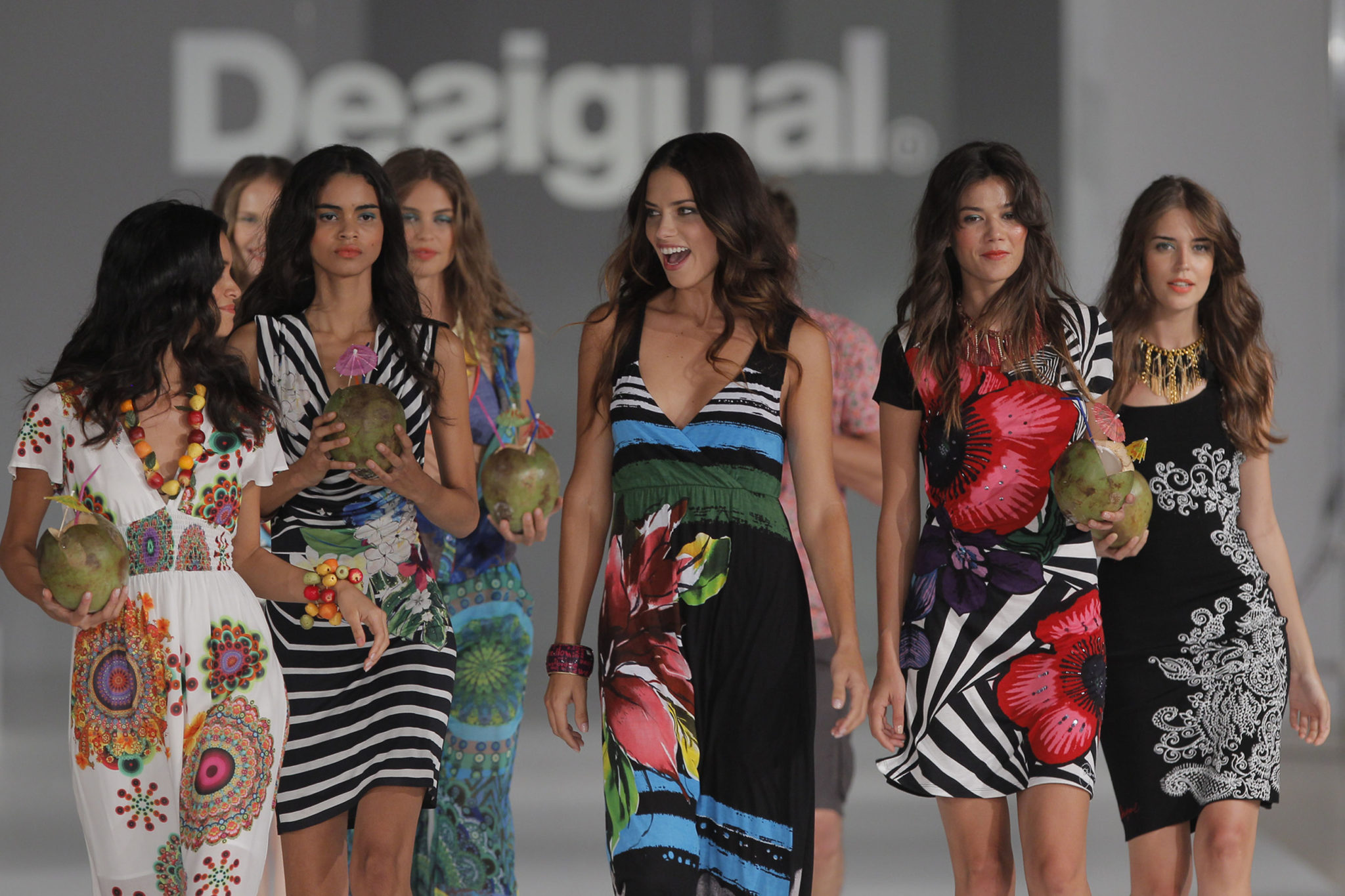
    Desigual Japan has opened its third store as it targets further growth in the country.

    The Spanish fashion brand’s 300sqm store, its largest yet, is located in Nagoya´s Sakae Street, adding to its existing stores in Fukuoka and Tokyo.

    The fashion brand, known for its fun and bright designs, identified Japan as its strongest market outside Europe. In the last year, it says its Japan revenue has increased to €25.2 million from €4.6 million in 2011. It is also bullish this year, having recorded 11 percent revenue growth in the first half.

    Country manager Balazs Krizsanyik said another store is planned for Ginza next year.

    Japan is the only Asian country, where it runs a business across all sales channels, the company says. Besides its own e-commerce site, Desigual also sells through local online e-commerce websites including Zozotown, Rakuten and Amazon.

    Elsewhere in Asia, the brand plans to strengthen business in China and expand its presence in Singapore, India and Malaysia.

  • Gucci powers French Luxury Group Kering’ growth

    Gucci powers French Luxury Group Kering’ growth

    French international luxury group Kering has seen positive trading results brought on by stronger-than-expected sales of its Gucci brand.

    The group is among several luxury houses that have so far managed to ride out interruptions to business caused by 21 weeks of protests in Hong Kong.

    Kering is following a strategy of redistributing stock originally intended for sale in Hong Kong to other markets.

    Gucci has a large store network in Mainland China and South Korea, where spending has picked up among luxury-goods consumers who may otherwise have shopped in Hong Kong. Sales in the territory during China’s Golden Week holiday were underwhelming.

    “The trends are still negative so far in Hong Kong,

  • Uniqlo to quadruple SE Asia retail store network

    Uniqlo to quadruple SE Asia retail store network

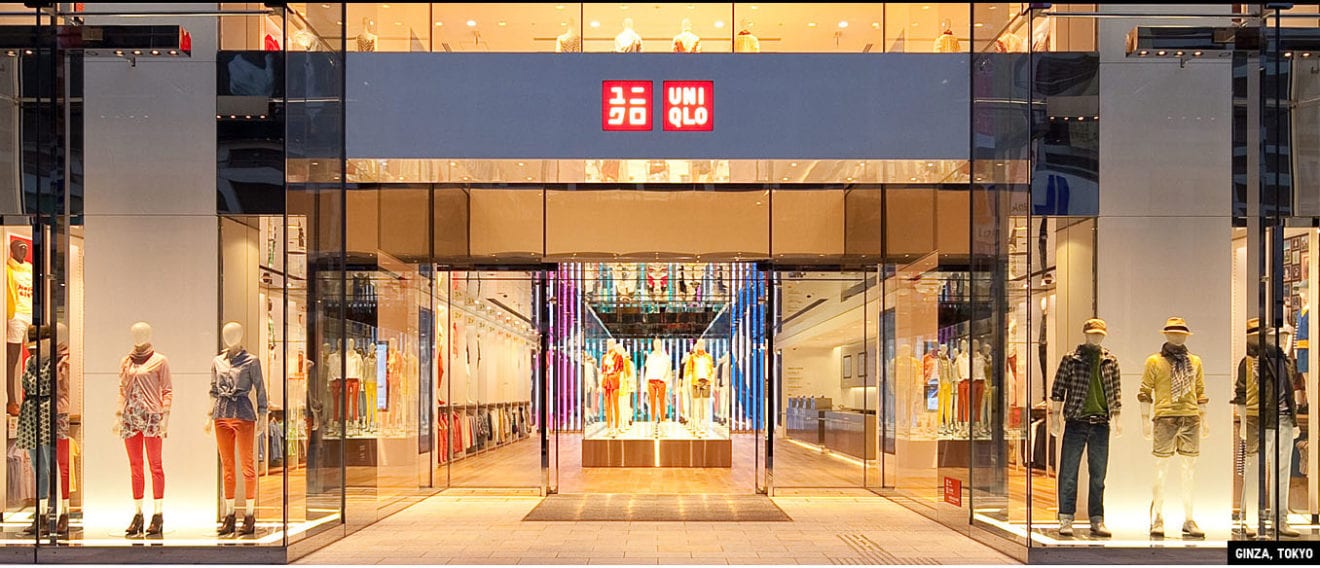
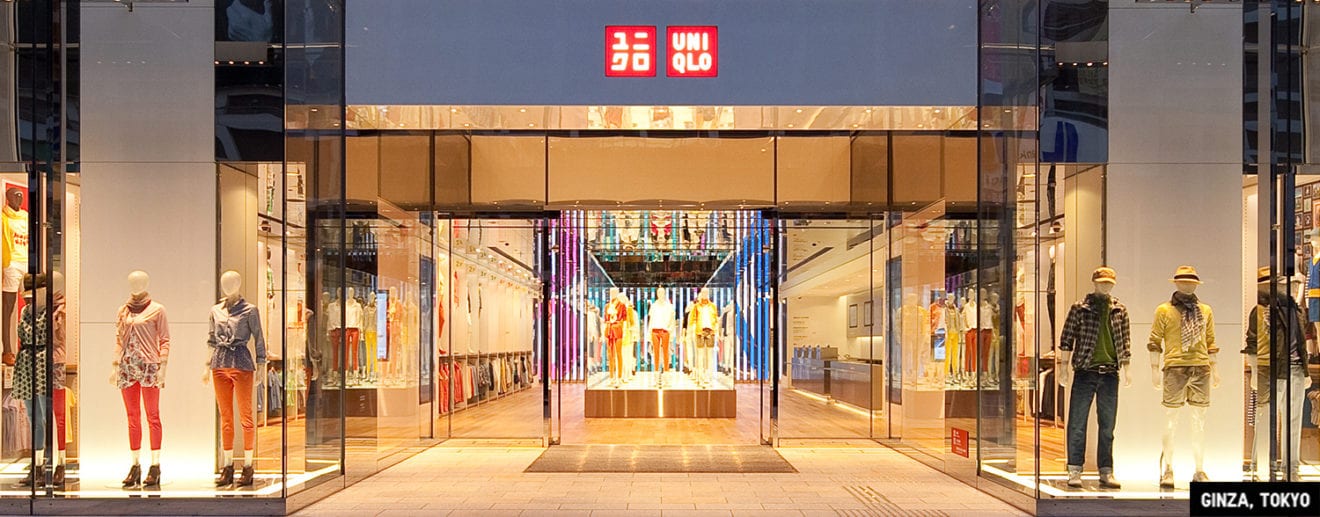
    Japanese casual wear retailer Uniqlo plans a four-fold increase in its Southeast Asian store count during the next decade.

    Tadashi Yanai, chairman, and CEO of the firm’s parent company Fast Retailing said in an interview with Nikkei that Uniqlo is seeking a much faster rate of expansion than it took to build its 800-strong network of stores in greater China.

    “Asia, from China to India with 4 billion people, is the world’s only region that is showing steady growth,” said Yanai.

    He said that for the time being, Cambodia, Laos, and Myanmar are not being considered as potential markets for the brand because there are too many opportunities outside those countries.

    Next month the Japanese retailer will open its first store in Vietnam. Located in Ho Chi Minh City, the store will be its largest in Southeast Asia and located across the road from Zara’s two-year-old Vietnam flagship and a rival H&M’s store.

    Uniqlo operates around 2200 outlets internationally.

  • Vans, The North Face parent reports huge Chinese growth

    Vans, The North Face parent reports huge Chinese growth

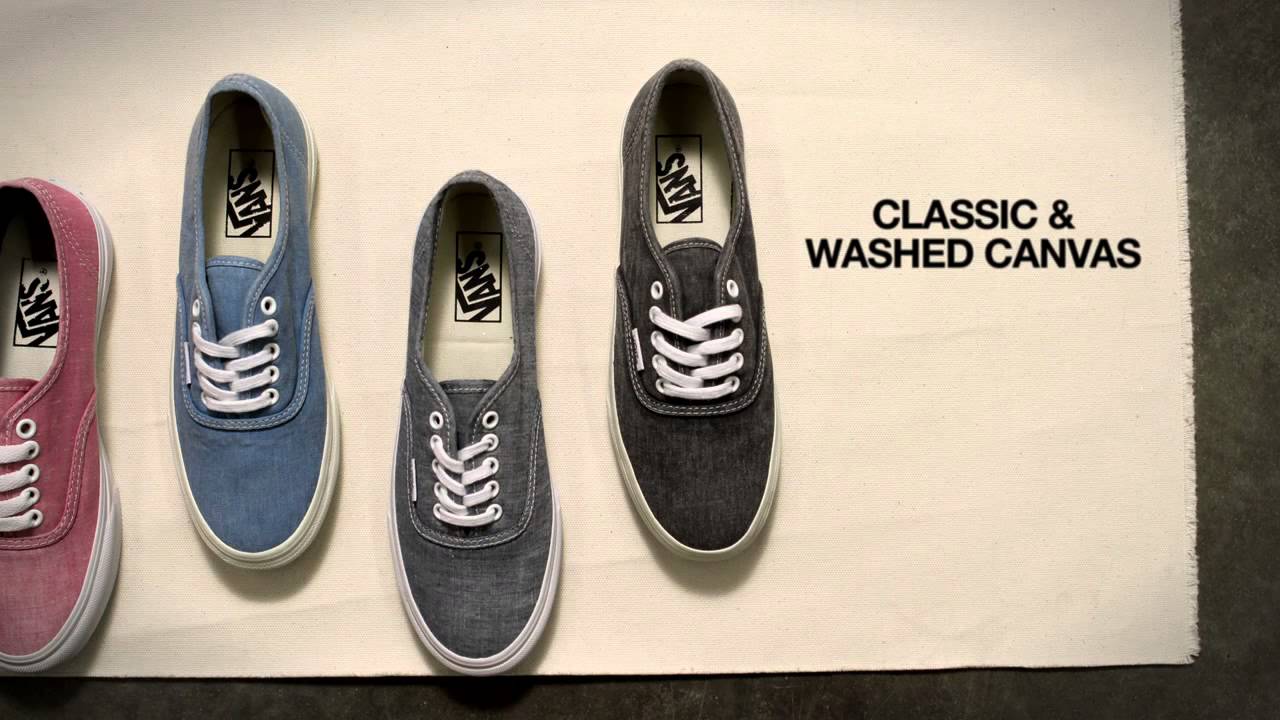
    VF Corporation – parent of brands including Vans and The North Face – says sales in China soared 20 percent in the September quarter.

    Expressed in constant currency terms, they rose by 24 percent year on year.

    The China performance was a key factor in the company’s global sales rising 5 percent in the quarter to US$3.4 billion, or by 6 percent when excluding acquisitions and divestments.

    Globally, Vans led the way with sales up 14 percent and The North Face improved by 8 percent.

    “We’re pleased with the strength of our second-quarter and first-half results, driven by our two largest brands and our international and direct-to-consumer platforms,” said Steve Rendle, chairman, president, and CEO. “The quality and fundamentals of our business remain solid as a result of the focus and strategic execution of our business teams around the globe.”

    He said that despite an increasingly uncertain geopolitical and macroeconomic environment, the company is confident in the trajectory of its business.

    “We remain deeply committed to transforming VF into a more consumer-minded and retail-centric organization while delivering superior returns to shareholders.”

    Gross margin from continuing operations increased 90 basis points to 52.9 percent. Operating income on a reported basis was $579 million.

    The company still expects its full-year revenue to be about $11.8 billion, reflecting the growth of about 6 percent.

  • H&M unveils small format retail stores in Berlin

    H&M unveils small format retail stores in Berlin

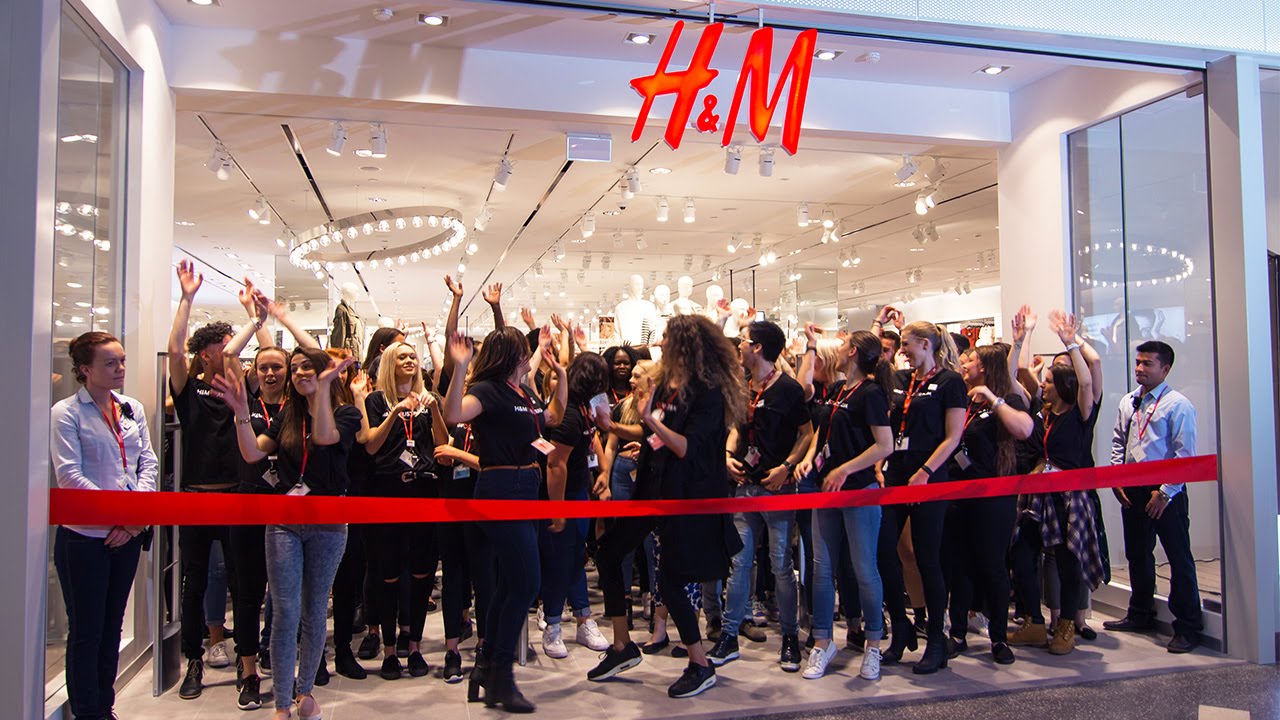
    Fashion retailer H&M has opened a new ‘hyper-local flagship’ in Berlin’s creative Mitte Garden district.

    The 300sqm store, one of the brand’s smallest worldwide, offers curated womenswear, selected external brands, vintage pieces and a showroom for customers. It features curated fashion from H&M’s own assortment as well as selected external brands, most of them Berlin-based.

    The selected assortment is paired with a digital tool offering H&M’s full range where customers can browse and build their looks on their own or aided by a stylist.

    “It’s a test for us as a global retailer to elaborate around how we can be more personal and locally relevant,” said H&M Group laboratory business developer Anna Bergare.

    H&M Mitte Garten will regularly offer events such as lectures, fashion talks, and yoga for its customers. Upcoming trends and looks will be presented in the public showroom. Here consumers can try on and borrow pieces to make sure their future purchases are consciously made.

    “This is a unique location and it has served as a meeting place for Berliners for more than 100 years,” said H&M Germany country manager Thorsten Mindermann. “[It’s] a tradition we want to honor. We aim to offer a neighborhood store serving as a platform for local and global talents within retail, culture, and art.”

    Rentals move in Sweden

    The opening comes as the brand gets ready to debut clothing rentals in its Stockholm flagship store. The brand is offering the chance to rent selected party dresses and skirts from its 2012–2019 Conscious Exclusive collections to members of its customer loyalty program.

    “We have looked at clothing rental for quite some time and are so happy to for the first time soon offer fashion fans the possibility to rent some stunning pieces from our Conscious Exclusive collections,” H&M said head of sustainability Pascal Brun. “We look forward to evaluating this as we are dedicated to change the way fashion is made and consumed today.”

    Members will be able to rent up to three pieces a time for a week at a cost of around SEK350 (US$36) per piece.

  • Uniqlo switches to paper bags

    Uniqlo switches to paper bags

    Japanese retailer Uniqlo has jumped on the sustainability train, eliminating the use of plastic bags in its stores and switching to eco-friendly paper bags later this month.

    The bags will cost 15c in an attempt to encourage customers to bring their own reusable bags and will be launched in phases across the brand’s 21 Australian locations. The store will also sell branded bags made of recycled plastic bottles for $2.90.

    The switch is part of a move to become more environmentally friendly and coincides with the Victorian Government’s single-use plastic shopping bag ban which comes into effect in November.

    “Sustainability has increasingly become a priority on the global agenda and as a leading retailer, it has been crucial for Uniqlo to look at how we can address this key issue, whether from a clothing design perspective, or current in-store practices,” Kensuke Suwa, Uniqlo Australia’s chief operating officer, said.

    “We definitely recognize that Uniqlo has a role to play and the team is consistently exploring new sustainability initiatives to roll out in this market.”

    Woolworths also began offering paper bags earlier this month, in a bid to give more options to customers who forget to bring a reusable bag when shopping.

    “The vast majority of our customers bring their own bags to shop, but we know there are occasions when they forget or visit our stores unplanned,” a Woolworths spokesperson said in a statement to Inside Retail.

    “Some customers have told us they would like the option of a paper bag when this happens.”

    The adoption of paper bags is one part of Uniqlo-owner Fast Retailing’s ongoing efforts to eliminate the use of unnecessary plastic in its supply chain – having committed to reducing the amount of single-use plastics passed on to customers by 85 percent by the end of 2020.

    However, it is also looking at other parts of the supply chain and introducing several initiatives aimed at improving the manufacturing process.

    Uniqlo’s Jeans Innovation Centre has reduced the amount of water used in the washing process of its jeans by an average of 90 percent. The first batch of jeans using this process will be introduced in its 2019 fall/winter season and will be used for all Uniqlo jeans moving forward.

    Additionally, the company announced last year it would begin using a material formed from recycled plastic bottles in items of clothing called ‘Dry-Ex’, and that it would recycle down collected in Japanese stores into new products.

    “Uniqlo is committed to improving the sustainability of society,” Uniqlo founder and chairman Tadashi Yanai previously said.

  • KIS targets 30 stores in Bangkok aimed at millennials

    KIS targets 30 stores in Bangkok aimed at millennials

    Thai beauty retailer KIS opened its first store in Bangkok just last month and is already planning 30 more across the city.

    The chain has been created to capitalize on the continuously growing number of millennials, who tend to be frequent buyers of beauty products. The store was designed by Malherbe.

    The first KIS store opened at CentralWorld shopping mall and carries more than 800 brands grouped in five major zones: iconic brands, make-up, skincare, fragrances, and a live studio.

    The live studio zone offers various services including a `Masterclass by Beauty Expert´ where customers are invited to join special workshops with beauty professionals, as well as leading brands, complemented with a live DJ to make shopping more entertaining.

    It also has a selfie booth, where shoppers can take photos and post them on social media, and a Gaga Attitude in a Cup Cafe, which serves drinks.

    The design features checkerboard, dichroic and iridescent, which according to the company reflect women´s changing emotions, while the use of pink color, with a touch of classy black, accentuates femininity

    “The concept is The Ultimate Beauty Destination, as the store is set to become the new beauty destination for women who know what they need,” says KIS MD Tarpida Norpanlob.

    “Millennials are the biggest group in the beauty industry and KIS will help everyone keep on style in their own way.”

    Two more stores are to be opened by the end of the year, to be located at Central Plaza Ladprao and Zen shopping malls in Bangkok. And it plans to expand the footprint to include tourist destinations such as Phuket.

  • Louis Vuitton parent about to acquire US jeweller Tiffany & Co

    Louis Vuitton parent about to acquire US jeweller Tiffany & Co

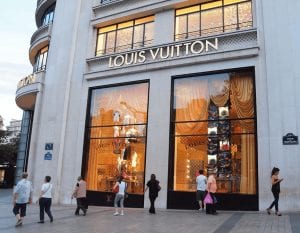
    Luxury house LVMH has reportedly made a US$14.5 billion offer to acquire high-end jewelry retailer Tiffany & Co as part of an ongoing attempt to expand into the US market.

    The jewelry firm currently has a market valuation of $11.9 billion, but the Financial Times quotes sources saying the US company is likely to reject the offer saying it undervalues the business.

    The offer was lodged earlier this month, valued at US$120 per share which represented a 30-per-cent premium on the share price at the time. Since then, Tiffany’s share price has increased, so the offer now represents a smaller 22-per-cent premium but is way lower than Tiffany’s share price in July last year when it peaked at $139.50.

    A Reuters report stated that the potential acquisition comes “at a time when the US luxury jeweler grapples with the impact of tariffs on its exports to China”. The report said Tiffany has yet to respond and is currently reviewing the possible deal.

    Unlike other luxury firms, LVMH’s business has not appeared to suffer a significant impact from the Sino-US trade war or pro-democracy protests in Hong Kong, where the premium retail market has been hit by a decrease in Chinese tourists from the mainland. The firm beat sales forecasts for this year’s third quarter.

    Neither company has commented on the bid.

  • L’Oréal and Cathay Innovation in support of Chinese beauty-tech startups

    L’Oréal and Cathay Innovation in support of Chinese beauty-tech startups

    French personal care company L’Oréal has inked a partnership with venture capital firm Cathay Innovation to aid Chinese beauty tech startups.

    The partnership between L’Oréal’s corporate venture capital fund Business Opportunities for L’Oréal Development (BOLD) and Cathay Innovation will support beauty-tech entrepreneurs in testing their innovations and accelerating their developments.

    “It will enable us to connect to the dynamic ecosystem of disruptive beauty-tech startups in China, a driving force in advanced technology and innovation. Our objective is to help young entrepreneurs by sharing L’Oréal’s expertise and experience in order to co-create the products and services of tomorrow,” says L’Oréal China president Fabrice Megarbane.

    Launched by Cathay Capital, Cathay Innovation invests in startups that are committed to the sustainable transformation of the world through innovation and technology in sectors ranging from e-commerce and consumer-centric digital platforms to fintech, health, new mobility and all segments of the artificial intelligence space. Among them is a solution provider for online and offline retailers in China, Shopal, and machine-learning platform for medical research Owkin.

    According to Cathay Capital founder and president Mingpo Cai, China is a breeding ground for innovation in the new uses of disruptive technology, and in particular in the world of beauty.

    “We will work to identify new emerging trends and collaborate with the most promising startups. Together with L’Oréal teams and visionary Chinese entrepreneurs, we will develop new innovations for consumers in China and the world at large.”

    With China as its second-largest market, L’Oréal reported 26.9 billion euros (US$29.8 billion) sales last year across its portfolio of 36 brands. The company launched the BOLD last year to take minority stakes in innovative companies and brands with high growth potential.

  • Shiseido Empowers Marginalised Young Women inAsia Pacific

    Shiseido Empowers Marginalised Young Women inAsia Pacific

    Shiseido Asia Pacific, in partnership with The Asia Foundation, officially announces the launch of the Girls Learning & Leading Program (GLL), which aims to equalise access to education, opportunity and mentorship for marginalised women in Southeast Asia.

    Greater access to education is one proven way to ensure that young women can lift themselves and their families out of poverty and better contribute to the development of their communities and their country. Cambodia is the program’s inaugural location – a rapidly changing nation, where education is a key component of its development goals. Building on the Foundation’s two decades of on-the-ground experience in Cambodia, the program’s pilot phase runs from May to December 2019, and provides scholarships to female students – giving them access to secondary education, mentorship, and career pathways.

    Equalising access in Cambodia

    While Cambodia has made strides in offering equal access to education for boys and girls, a substantial gender disparity remains. The literacy rate is 70.9% for adult females and 85.1% for adult males in Cambodia. Females make up more than half the population but represent a minority of university graduates. Proactive measures in combatting poverty, cultural norms, and access to schools in rural Cambodia are necessary to keep girls in secondary school.

    Shiseido Girls Learning & Leading Program

    The pilot phase of the GLL Program kicks off in Cambodia in 2019 and is designed to improve retention and completion of girls’ secondary education – a critical time when young women are most likely to drop out of school to find paying jobs. Guided by Shiseido’s global corporate mission of Beauty Innovations for a Better World, the company continues to take concrete actions to drive social change in areas such as women’s empowerment – a crucial philosophy underlying the business and management of Shiseido.

    This year, Shiseido and The Asia Foundation will provide scholarships to 102 female students from the ages of 16 to 19 studying in grades 10 – 12 at Norodom Secondary School in rural Prey Veng province, a 2.5-hour drive from the capital, through this program. Designed as a comprehensive support system for the young female scholars, the program focuses on four key pillars:

    • Material support: Students receive material support for their basic, practical needs including books, stationery, and rice for their families, which help lift an often-daunting economic burden.
    • Soft-skills development: Training of critical soft skills, such as leadership, communication skills, critical thinking, problem solving, and team building, as well as mentoring support for tertiary education & career pathways. The scholars then apply these skills in short, impactful action projects.
    • Academic support: English language training, extracurricular classes in STEM subjects such as mathematics and science.
    • Mentorship: Shiseido and local Cambodian mentors serve as positive role models and a support network for the scholars, inspiring and providing them a safe space to share their challenges, experiences and ideas.

    Jean-Philippe Charrier, President & CEO, Shiseido Asia Pacific, said, “Women are the heart and soul of Shiseido’s business. I firmly believe that beauty can change the world; and that we as a company are well-placed to make a lasting, positive impact that equalises the opportunities for young women and empowers them through learning and mentorship. Through our strong partnership with The Asia Foundation, I hope the Girls Learning & Leading Program will enable our young Cambodian scholars to successfully obtain a higher education, learn critical leadership and soft skills that will secure a better future for them and their families.”

    Meloney Lindberg, Cambodia country representative, The Asia Foundation, also added, “Cambodia’s decade-long path of private sector-driven growth has yielded important but uneven development benefits for citizens. Women and poor communities remain especially vulnerable. With Shiseido’s crucial support, together we are seeing a vital shift in the girls’ school retention and academic performance, and are equipping themselves with the skills and self-confidence to transform their lives.”
  • Marie France Van Damme launches Fall 2019 capsule collection

    Marie France Van Damme launches Fall 2019 capsule collection

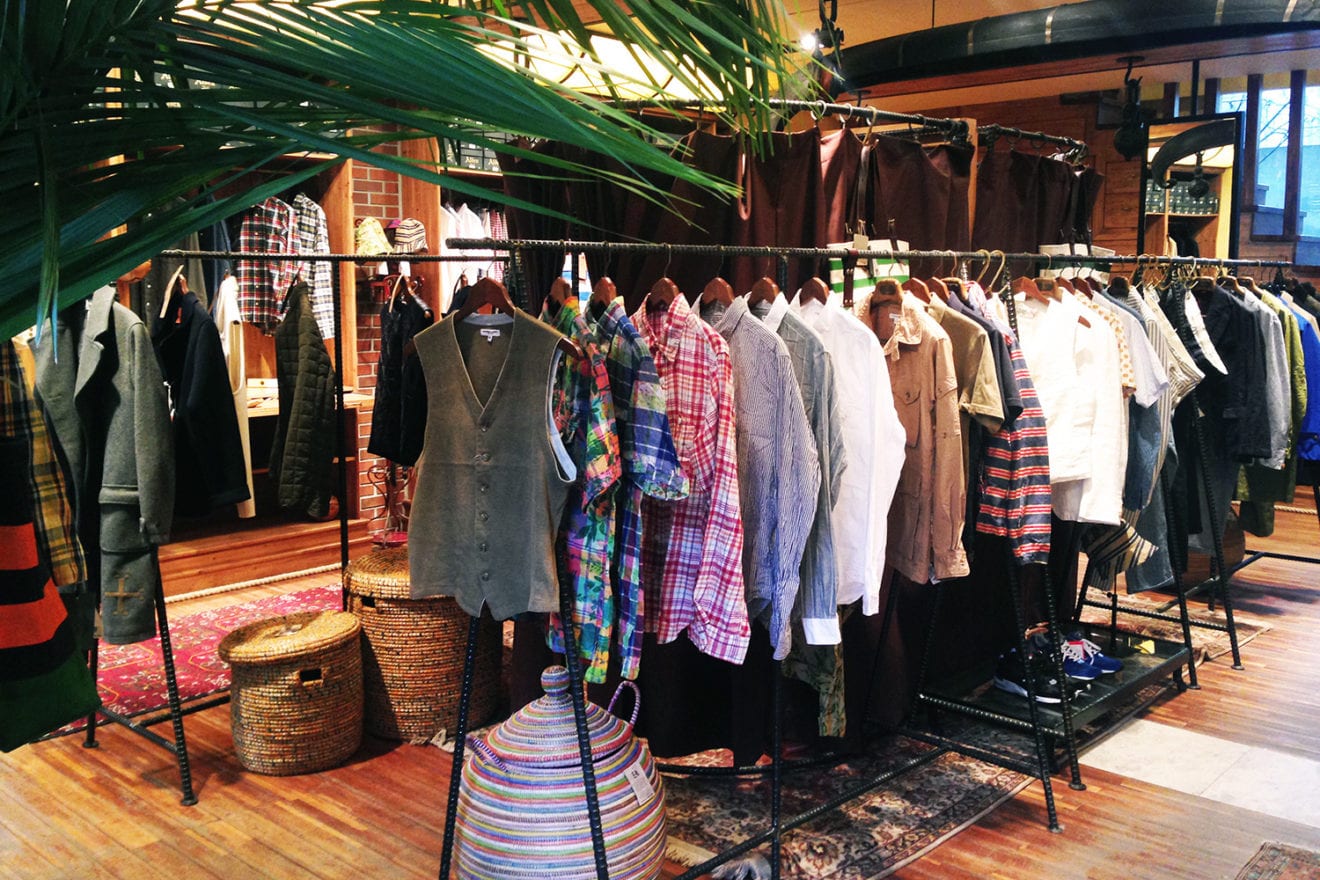
    Hong Kong-based fashion designer Marie France Van Damme has released a new capsule collection.

    Retailing from US$500–$2000, the new Fall 2019 capsule collection is available as of this month.

    Photographed by Edwin Datoc in the industrial alleys of Kwun Tong in Kowloon – an area is known for its textile industry history and that also houses Marie France Van Damme’s office and atelier for the last 30 years – the campaign features model Hou Jing Cui set against the cityscape.

    “I think of my new capsule collection as the perfect blend of East and West,” said Marie France Van Damme. “Kowloon is the perfect backdrop for my latest collection inspired by the city I love and call home. We are proud of our atelier’s history and heritage and excited to share our new campaign.”

    The collection uses the designer’s signature black, white, and gold palette in luxurious fabrics from French lace to metallic-toned Italian weaves and light Chinese silks. New this season is a collection of full-length lightweight cotton and wool tweed coats.

    Marie France Van Damme has 13 boutiques and more than 100 retail locations in international destinations from London to Dubai.

  • Nike culls Indian retail partner network

    Nike culls Indian retail partner network

    Sneaker giant Nike India has more than halved the number of its retail partners, from around 350 to just 150.

    The cull is part of a global strategy to reduce the number of physical sales points to focus online and on its own flagship stores. Nike has singled out 12 major cities internationally where it will focus on building brand awareness and market share, including Tokyo and Shanghai, in Asia.

    Moving forward, Nike India will work with just a single reseller partner which will operate the brand’s offline stores. Nike will run its own online store.

    The consolidation of the Nike India network began in 2016 but has gathered pace in recent months as the international initiative gained a higher profile.