Category: Fashion

Retail News Asia is committed to providing both local and global retailers with the latest Fashion news throughout the Asian market. This on a daily base.

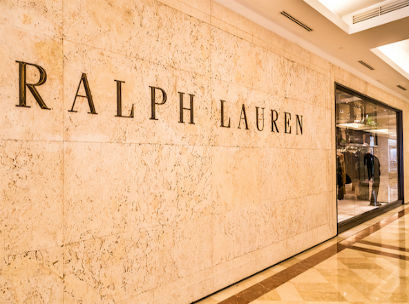
  • Ralph Lauren Partners with Korea National Cancer Center for 2028 Facility

    Ralph Lauren Partners with Korea National Cancer Center for 2028 Facility

    Ralph Lauren will open its first Asian cancer recovery facility in Goyang, South Korea, in 2028 through a partnership with the Korea National Cancer Center Foundation.

    This project extends the New York-listed luxury group’s philanthropy into South Korea. Government registry figures show more than 2.7 million people in the country live with or beyond cancer.

    Inside the Goyang facility

    Plans place the Ralph Lauren Center for Patient and Family Recovery inside the Phase II Proton Therapy Center at the National Cancer Center’s new Innovative Cancer Research Center. The facility will provide recovery rooms, psychological counseling, family education and social welfare support for proton therapy patients.

    Funding flows through Pink Pony, Ralph Lauren’s global oncology initiative founded in 2000. That program currently supports 38 beneficiary projects across 17 countries. The company has funded local cancer programs in South Korea since 2012, but the Goyang project is its first physical center in the region.

    Cancer care should extend beyond treatment itself to helping patients return to their daily lives and improve their quality of life.

    Han-Kwang Yang, president of the National Cancer Center of Korea and chairman of the Korea National Cancer Center Foundation, noted that proton therapy requires extended care. Those long treatment cycles place heavy emotional demands on families, making non-clinical support spaces essential.

    Luxury philanthropy across Asian markets

    Global apparel and luxury houses have shifted corporate giving in North Asia away from generic sponsorships toward long-term civic infrastructure. For luxury groups operating in Seoul’s department stores and duty-free corridors, institutional healthcare partnerships build local goodwill. Transactional marketing cannot match that standing.

    The Goyang facility mirrors Ralph Lauren’s healthcare network in the West. That roster includes facilities at Memorial Sloan Kettering in New York, Georgetown University in Washington, USC Norris in Los Angeles, the University of Chicago and the Royal Marsden in Britain. Adapting that model to East Asia tests whether Western lifestyle brands can anchor specialized public health infrastructure in state-run Asian medical institutions.

    Building out regional healthcare commitments

    Overseas, the retailer recently established the UChicago Medicine Ralph Lauren Center in the United States as part of a wider run of foundation grants. In South Korea, the National Cancer Center has operated under the Ministry of Health and Welfare since 2000. The agency serves as the central coordinator for nationwide oncology research, clinical practice and patient screening.

    Construction on the broader Innovative Cancer Research Center is underway in Goyang. When the complex opens in 2028, the Ralph Lauren facility will begin welcoming proton therapy patients and their families.
  • Birkenstock Opens First Indonesian Concept Store in Bali with 180-Sqm Community Hub

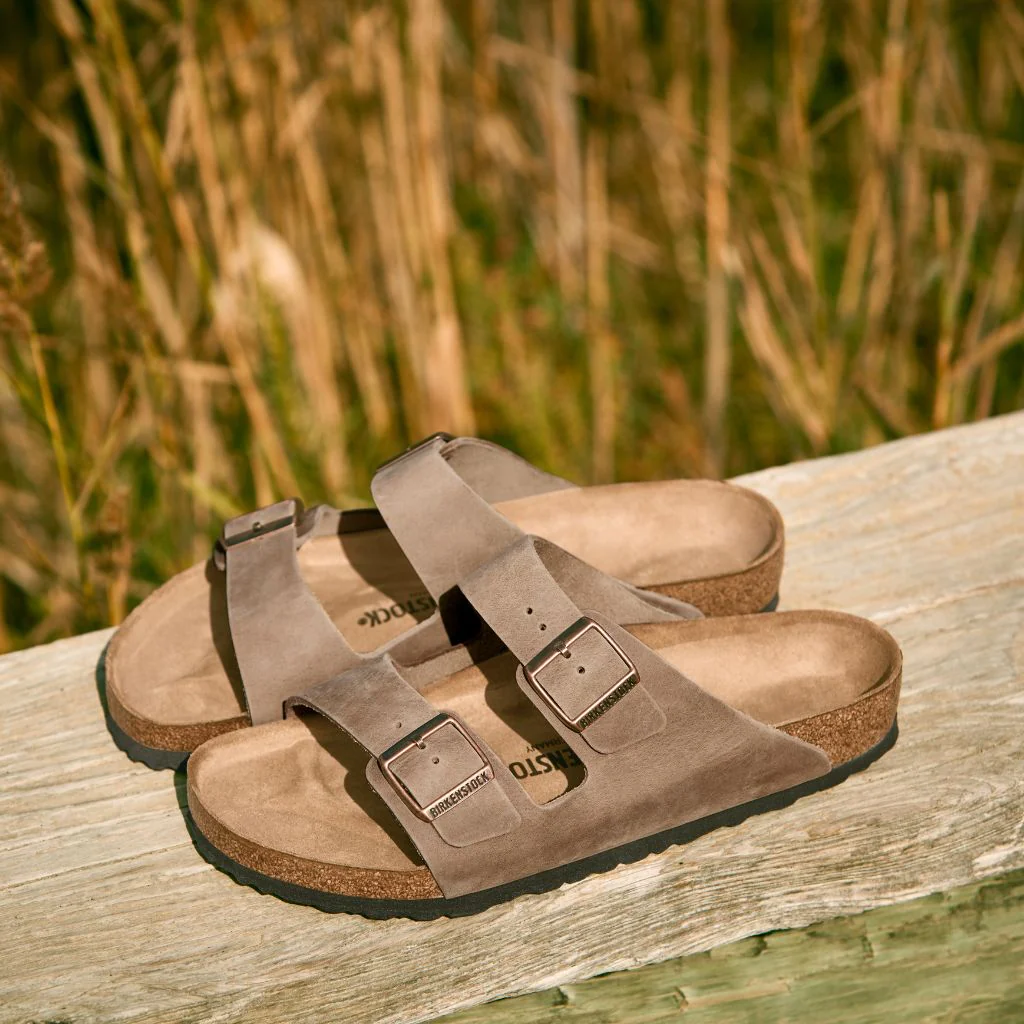
    Birkenstock Opens First Indonesian Concept Store in Bali with 180-Sqm Community Hub

    Birkenstock opened its first standalone concept store in Indonesia on September 10, adding a two-storey, 180-square-metre community space in Ubud, Bali.

    The location takes the German footwear brand into direct retail in Southeast Asia’s largest consumer market after years of selling exclusively through local department stores.

    Balinese Architecture and Premium Footwear

    Architect Yoka Sara designed the Ubud property around traditional Balinese residential layouts, using the concept of ‘Umah’, the local word for home. Sara placed the store entrance around a kitchen layout, reflecting the traditional first room entered in a Balinese house.

    Retail space on the upper floor carries Birkenstock’s higher-margin 1774 line alongside an exhibition detailing shoe assembly methods and raw materials. Adjoining the sales floor, the two-level community hub hosts sound healing sessions, yoga classes, and craft workshops run by local practitioners.

    We want to strengthen our presence in strategic markets while staying true to what defines us; creating experiences that are relevant to the places and communities we become part of.

    Direct Retail Over Wholesale Shelves

    Choosing Ubud over Jakarta shifts Birkenstock’s commercial entry point away from high-traffic Indonesian shopping malls. Bali gives the footwear maker direct access to international tourist footfall and resident expatriates who already know the brand, keeping customer acquisition costs lower than a ground-up push in the capital.

    The format also protects pricing power. Selling premium lines like the 1774 collection inside department stores limits brand control and exposes inventory to concession discounting, whereas a dedicated venue allows Birkenstock to sell full-price stock alongside experiential programming.

    Regional Expansion Track

    Direct store rollouts across Asia-Pacific have accelerated following Birkenstock’s flagship opening in Tokyo’s Shibuya district in July 2026. The shift reflects a wider push across the region to convert third-party wholesale accounts into owned mono-brand flagships in primary resort and metropolitan locations.

    Store traffic metrics from Ubud will determine whether Birkenstock expands the standalone concept into Jakarta and Surabaya mall developments later in the financial year.

  • China’s Kailas Opens First Directly Operated European Store in Chamonix

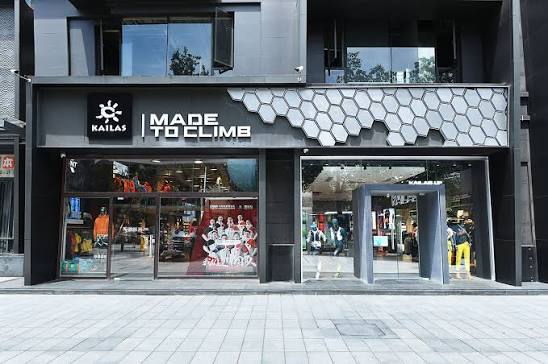
    China’s Kailas Opens First Directly Operated European Store in Chamonix

    Chinese mountain sports brand Kailas opened its first European retail store in Chamonix, France. The site gives the brand a direct physical foothold in the continental outdoor hub.

    It is the company’s first directly operated store outside China. Kailas already runs more than 300 wholesale and retail sales outlets worldwide.

    Direct operations replace third-party distribution

    Founded in 2003, Kailas built its business across mountaineering, rock climbing, ice climbing and trail running. The Chamonix store shifts that strategy. Instead of relying on wholesale accounts, event sponsorships and athlete outfitting, the brand now operates its own storefronts in competitive Western markets.

    Inside, the branch focuses on the Kailas Fuga trail-running line and doubles as a community hub for local runners. Kailas used the location to launch its Fuga Ex Pro G shoe. More than 80 runners and ambassadors from its Fuga Team and Fuga Mountain Club attended the debut.

    Challenging established alpine competitors

    Setting up shop in Chamonix puts Kailas in direct competition with European mountain sports incumbents on their home terrain. The French Alps draw dense traffic from elite trail runners and mountaineers. That makes the town an expensive proving ground rather than a high-volume revenue generator.

    For Asian sportswear makers, direct European retail brings higher overhead, strict labour regulations and steep lease commitments compared to domestic operations. Kailas bets that technical validation in the Alps will lift brand equity across international accounts and its core domestic market in China.

    Building on athlete partnerships

    This opening follows years of sports marketing that assembled an international roster of 107 sponsored athletes. Those sponsorships previously fed third-party retail distribution and online orders rather than dedicated company-owned doors.

    Future expansion will show whether the Chamonix location remains a standalone flagship or serves as a template for more direct-to-consumer stores across Western Europe.

  • Sydney Fashion Label Asta Resort Opens Permanent Flagship in New York

    Sydney Fashion Label Asta Resort Opens Permanent Flagship in New York

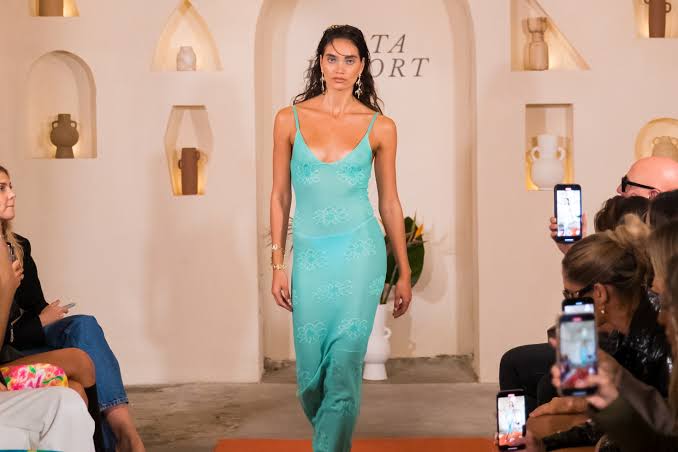
    Sydney luxury label Asta Resort opened its first permanent US flagship in Manhattan’s SoHo. Helena and Jasmine Ammitzboell founded the brand in 2021. The permanent boutique converts an earlier New York pop-up trial into a long-term presence.

    The retail launch coincides with a back-office buildout in Williamsburg, designated as the operational base for North American distribution.

    From Sydney Harbour to Manhattan

    Designers Joel Harding and Yuria Kailich of Studio of Enso planned the SoHo space around a Mediterranean resort aesthetic. The boutique features a quartz-clad champagne bar and a dedicated bridal podium. Ceramic plates hand-painted by the founders line one wall.

    Sydney is where Asta Resort began. New York is where we are laying down roots for our North American home.

    Wholesale Bypass and Direct Retail

    High digital customer acquisition costs push Australian resortwear labels toward physical flagships in global hubs. Securing permanent SoHo space lets independent brands bypass wholesale intermediaries. It also captures higher direct margins from affluent shoppers who first discovered the label online.

    Operating in New York brings steep lease commitments in a commercial market far costlier than Sydney. Operators expanding abroad also face inventory exposure across two hemispheres with opposing seasonal apparel demands.

    Building the US Operations Base

    Asta Resort opened its first permanent flagship boutique in Sydney in December. That domestic store served as the testbed for translating its online catalogue into an experiential physical space.

    Centralising regional management in Brooklyn gives the label direct control over inventory dispatches, styling appointments and client services across North American time zones.

    RetailNews Asia will track whether the label follows Manhattan with dedicated resort outposts in Florida or California retail corridors.

  • China Luxury Label Icicle Hires Former Gucci Head Sabato De Sarno

    China Luxury Label Icicle Hires Former Gucci Head Sabato De Sarno

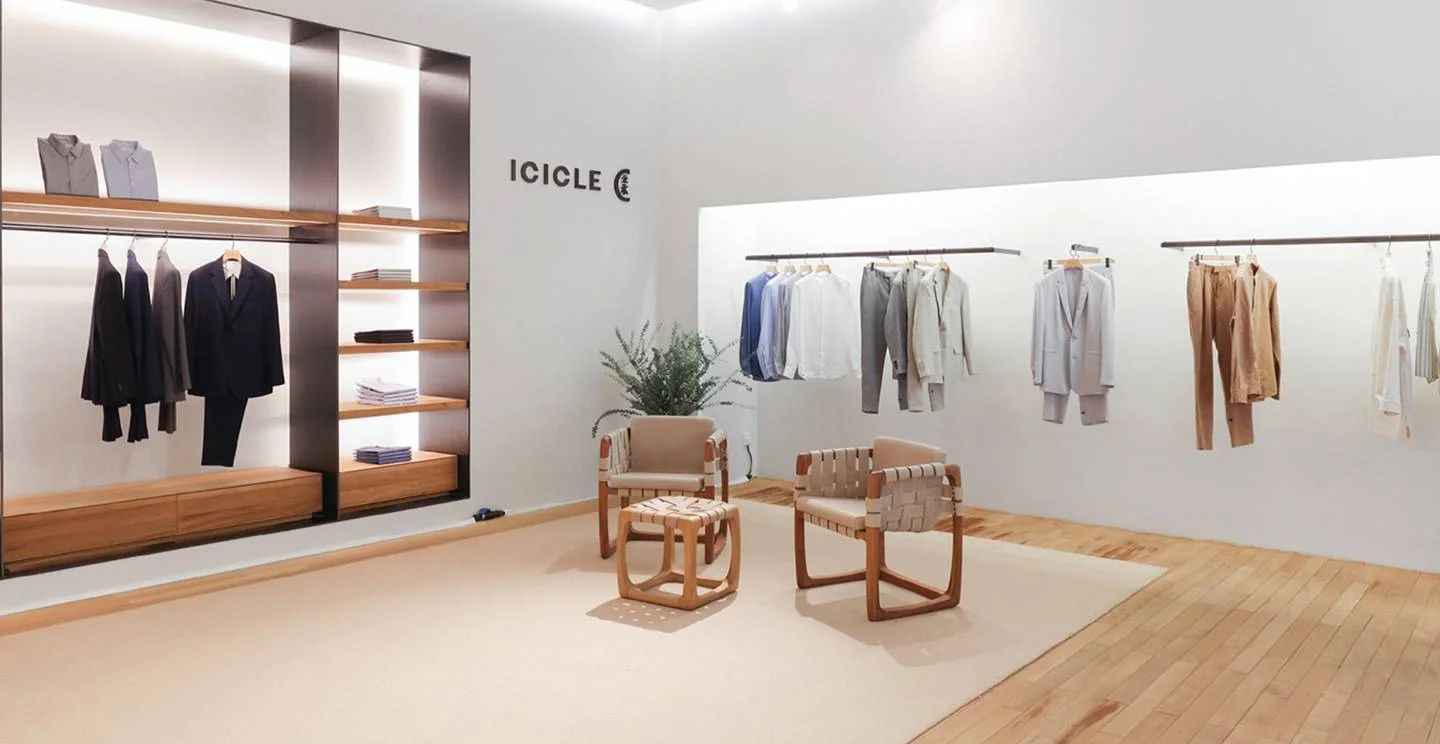
    China’s Icicle hired former Gucci creative director Sabato De Sarno on Monday to lead its design operations across ready-to-wear, accessories and eyewear.

    His debut collection for the Shanghai-based fashion house will arrive for the autumn/winter 2027-2028 season.

    The Kering connection and design scope

    De Sarno takes direct control of creative direction for both women’s and men’s lines. The Italian designer previously ran design at Gucci, the flagship label of French luxury group Kering.

    The appointment deepens ties between the two businesses. Kering took a minority stake in Icicle in April 2026, giving the Chinese brand financial backing and direct access to European luxury executive networks.

    Chinese brands buying European prestige

    Chinese fashion groups are increasingly hiring established European designers to push their brands upmarket and expand outside mainland China. Icicle built its domestic business on high-end natural fabrics and understated cuts, but matching European heritage houses requires international design pedigree.

    The approach carries clear execution risks. Integrating European creative directors into Chinese corporate structures has produced mixed commercial returns, requiring labels to balance Western aesthetic direction with a core domestic customer base that values different proportions and styling.

    Precedents across the domestic sector

    Down-jacket specialist Bosideng followed the same playbook in 2025 when it hired British designer Kim Jones to lead its luxury line, Areal. French luxury group Hermes took a similar path with Shang Xia, which hired London-based designer Yang Li in 2021.

    Icicle is now preparing its production pipeline and marketing rollout ahead of De Sarno’s first autumn/winter 2027-2028 show.

  • Zara Opens 2,100-Square-Metre Flagship Store in Seoul’s Gangnam District

    Zara Opens 2,100-Square-Metre Flagship Store in Seoul’s Gangnam District

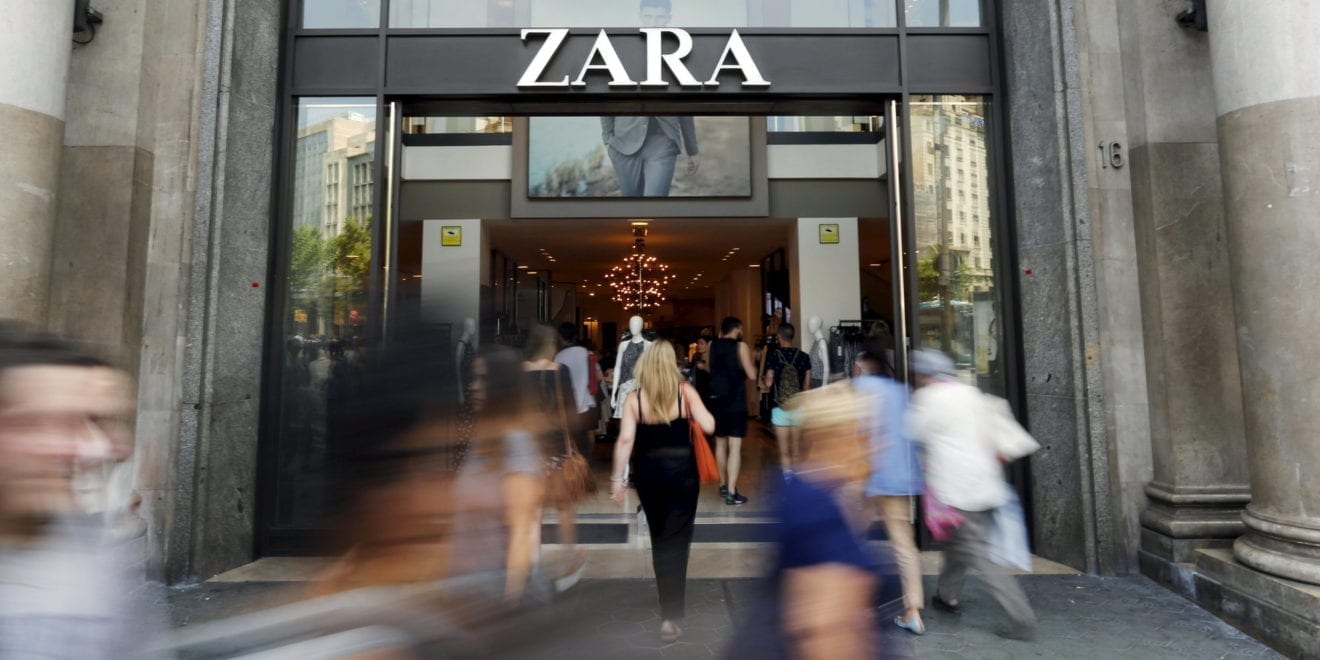
    Zara opened a flagship store spanning more than 2,100 square metres in Seoul’s Gangnam district on September 8. The three-storey space is part of the retailer’s push into larger, experience-driven flagships across key Asian commercial hubs.

    Designed by Zara’s Architecture Studio, the interior uses stone, wood, concrete, and metal finishes to segment product categories across three levels. Womenswear and youth collections occupy the ground floor. The second floor carries an expanded women’s range, plus dedicated footwear and handbag sections. Menswear lines sit on the third floor, including Zara Origins, Athleticz, and limited collaboration releases.

    Floor Layout and In-Store Cafe

    The Gangnam store incorporates a Zacaffe outpost with an outdoor terrace and a book collection focused on Korean authors. It also houses a site-specific art installation titled Imugi, created with Seoul-based creative studio Our Labour. The artwork spans all three floors. It draws on Korean folklore, traditional timber construction, and dancheong decorative painting.

    Digital retail functions are embedded across the sales floor. Shoppers can check real-time store inventory through the Zara mobile app. They can also pick up online orders at dedicated counters and process refunds at automated return terminals alongside assisted checkout lanes.

    Store Rationalisation and Format Upgrades

    Across prime Asian shopping corridors, global apparel brands are trading smaller mall units for high-visibility, multi-category flagships. By bundling hospitality, local art, and specialized collections into destination spaces, operators aim to drive physical footfall against domestic e-commerce platforms. Seoul high street landlords face rising demand for experiential tenants who can draw sustained weekend crowds.

    This format brings operational complexity. Running in-store cafes and custom art installations alongside fast inventory cycles demands higher operating expenditure than standard retail units. It also requires tighter inventory turn rates. Fast-fashion retailers must balance these interior costs against strict store-level margin targets.

    Expansion Across East Asian Flagship Hubs

    The Seoul opening follows the June debut of Zara’s flagship on Huaihai Road in Shanghai, which introduced the brand’s updated global format to mainland China. Both openings show the company’s focus on prime retail corridors across North Asia rather than secondary market expansion.

    Attention now turns to how Inditex manages its remaining South Korean store fleet as leases expire. Industry watchers are also tracking whether the group brings the Zacaffe concept to other major metropolitan locations across the region.

  • Lululemon Appoints Heidi O’Neill as CEO After Comparable Sales Drop Nine per Cent

    Lululemon Appoints Heidi O’Neill as CEO After Comparable Sales Drop Nine per Cent

    Former Nike executive Heidi O’Neill took charge of Lululemon on September 8 after second-quarter comparable sales dropped nine per cent.

    Net revenue fell four per cent year over year. In the United States, comparable store sales sank 12 per cent.

    The Vancouver-based activewear company lowered its full-year financial outlook and scaled back its physical retail pipeline. Lululemon now plans to open 35 net new stores in 2026, down from an earlier target of 40. It will also trim its operational pop-up fleet to about 40 locations, down from 65 at the end of last year.

    Slowing Demand Hits Global Expansion

    For landlords and retail operators across Asia and the Pacific, the pullback signals that premium athleisure no longer guarantees footfall. Rapid international sales growth previously cushioned softening retail demand in North America. That buffer eroded in the second quarter when international comparable sales slipped into decline.

    Fast-growing rivals such as Vuori and Alo Yoga continue to capture shelf space and customer loyalty across key metropolitan hubs. Lululemon must defend high price points without the product novelty that originally justified them. That leaves franchise partners and department store landlords facing softer conversion rates.

    Product Fatigue and Pricing Pressure

    Expansion into non-core lifestyle categories failed to resonate with shoppers looking for technical performance. High price tags compounded the problem as consumers rejected premium pricing on basic assortments.

    “The reason they are is that Lululemon has gone firmly off the boil,” said Neil Saunders, managing director at GlobalData.

    O’Neill’s operational task centres on rebuilding the product engine rather than relying on discounts. Americas revenue slipped three per cent in the first quarter, then dropped eight per cent in the second quarter. Core customer fatigue is accelerating.

    Targets for the Turnaround

    Momentum has slowed over several quarters. The brand built its original market dominance on proprietary yoga fabrics and studio ambassador networks. Aggressive international scaling then diluted its product focus and slowed its development cycles.

    Investors and retail property operators are tracking O’Neill’s initial 90-day operating review and the third-quarter earnings release. Progress against the revised 35-store opening plan will show whether core product fixes can stabilise full-price sales.

  • Jonathan Waecker Completes First Year as Michael Hill CEO

    Jonathan Waecker Completes First Year as Michael Hill CEO

    Jonathan Waecker marked his first 12 months as chief executive of jeweller Michael Hill on August 27. His arrival followed an international search and a sombre period for the retailer.

    Former chief executive Daniel Bracken died unexpectedly in February 2025, followed by founder Sir Michael Hill in July.

    Leadership Transition at the Jeweller

    Waecker took charge of the retail network just weeks after Sir Michael died. The double loss forced the company to manage executive succession and institutional continuity at the same time.

    Directors turned to Waecker to execute long-term strategy while protecting brand equity across the store fleet. Maintaining operational discipline during senior turnover remains the board’s primary focus.

    “I’ve approached it with enormous respect for what Sir Michael and Lady Christine built,” Waecker said. “There’s so much magic in this brand and its history.”

    Succession After Twin Losses

    Retail chains facing sudden leadership gaps often risk strategic drift. Michael Hill countered that threat by moving rapidly through a global search to fill the vacancy left by Bracken.

    Executive stability gives regional landlords and investors clear assurance on leasing commitments and store funding. Sector rivals continue to fight for discretionary spend, leaving management little room for operational disruption.

    Stewardship Across Core Markets

    Before Waecker took charge in August 2025, the group relied on Bracken to direct brand elevation and store network refinements. Losing both the operational chief and the founder within five months tested governance across the business.

    Attention now turns to annual trading performance and network expansion targets across the brand’s core markets.

  • Bonds Launches Resale Marketplace After Tracking 30,000 Secondary Listings

    Bonds Launches Resale Marketplace After Tracking 30,000 Secondary Listings

    Australian apparel brand Bonds launched a dedicated secondhand marketplace called Village Marketplace on September 1, aiming to capture transactions after tracking more than 30,000 listings across third-party platforms.

    The service lets shoppers buy and sell pre-owned Bonds garments directly on the retailer’s primary website. Bonds built the peer-to-peer system in partnership with re-commerce technology provider Treet, focusing initially on children and baby clothing before rolling the model out to other high-demand product lines.

    Reclaiming Secondary Market Traffic

    Third-party resale platforms have built sizable volumes on staple family apparel, pulling consumer traffic and margin away from brand storefronts. By creating an owned resale channel, Bonds captures secondary transaction data and keeps existing shoppers inside its digital network rather than losing them to generalist marketplaces like eBay or Depop.

    Brand-managed resale platforms also solve authentication and condition concerns for parents buying second-hand children’s wear. Operating the marketplace directly gives the retailer a steady engagement loop with families as children outgrow sizes every few months.

    “Our new ‘Kids & Baby’ marketplace gives pre-loved Bonds items a new lease of life, making it easier for parents to pass on pieces they’ve loved and discover quality items for their own little ones,” said Kedda Ghazarian, head of marketing at Bonds.

    The Economics of Owned Re-Commerce

    Apparel retailers across the Asia-Pacific region are shifting toward structured resale platforms to protect brand equity and extract incremental revenue from garments already in circulation. For basic apparel brands with high unit volumes, customer retention often hinges on whether the trade-in process offers immediate digital store credit to fund the next full-price basket.

    Managing peer-to-peer fulfillment carries operational friction, particularly around customer disputes and reverse logistics. Partnering with specialized software vendors allows apparel groups to run resale storefronts without holding used inventory on their own warehouse balance sheets.

    Expanding Beyond Babywear

    Bonds developed the dedicated exchange after an internal audit revealed tens of thousands of its branded garments circulating unmonitored on independent peer-to-peer networks. That audit prompted the company to formalize an in-house channel rather than let external platforms monetize its secondary market.

    The company plans to expand Village Marketplace from children’s wear into higher-margin adult basics and seasonal apparel categories as listing volumes scale across Australia.

  • Furla Opens 75Sqm Boutique at the Venetian Macao

    Furla Opens 75Sqm Boutique at the Venetian Macao

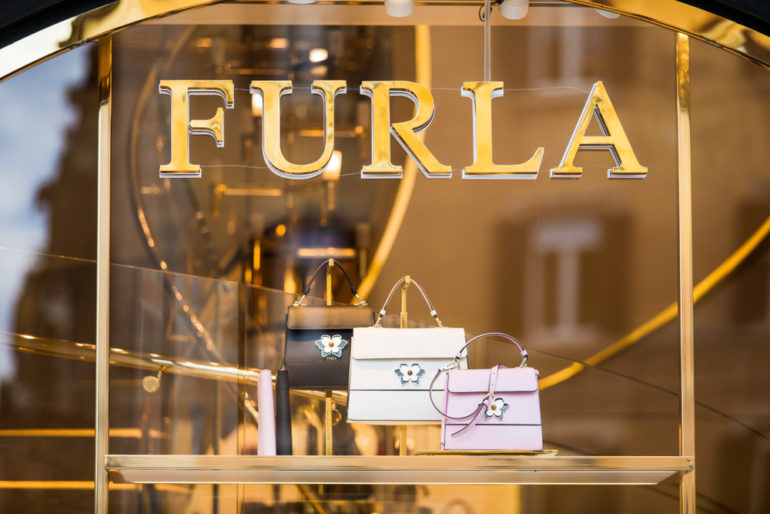
    Italian accessories brand Furla has opened a boutique at Shoppes at The Venetian Macao in September 2026, adding more than 75 square metres of retail space to its Asia-Pacific network.

    It carries the brand’s full range of handbags, small leather goods, eyewear, textiles and charms under an updated store format.

    Modular Layout and Interior Fit-Out

    Inside, the boutique features dedicated product zones and a magnetic display wall for seasonal arrivals. The setup lets staff reconfigure floor layouts without structural work.

    Italian materials anchor the interior, mixing natural oak and painted metal with lacquered surfaces, tiles and light gold accents. A palette of ivory, latte, white, grey, burgundy and aqua green runs across the display fixtures and perimeter shelving.

    Casino Footfall and Regional Push

    Casino mall retail relies heavily on mainland tourist traffic. Leases demand steady transaction velocity from transient shoppers rather than local repeat footfall. In this corridor, premium leather goods makers face direct competition from heritage luxury houses upstairs and accessible fashion labels fighting for discretionary travel spend.

    A compact 75-square-metre footprint keeps operating costs down while the brand tests product turnover along high-density casino walkways. Success at The Venetian will depend on converting foot traffic during peak holiday windows when mainland visitor volumes surge.

    Greater Bay Footprint

    Founded in Bologna in 1927, the company expanded its retail presence earlier in the year with a refreshed store format in Hong Kong. That rollout introduced lighter fixtures and revised zoning across urban locations.

    The Macao opening extends that format across the Pearl River Delta, where retail performance tracks incoming visitor arrivals alongside cross-border ferry and bridge volume.

  • Bangladesh Plans New Effluent Plant to Protect $5 Billion Leather Export Target

    Bangladesh Plans New Effluent Plant to Protect $5 Billion Leather Export Target

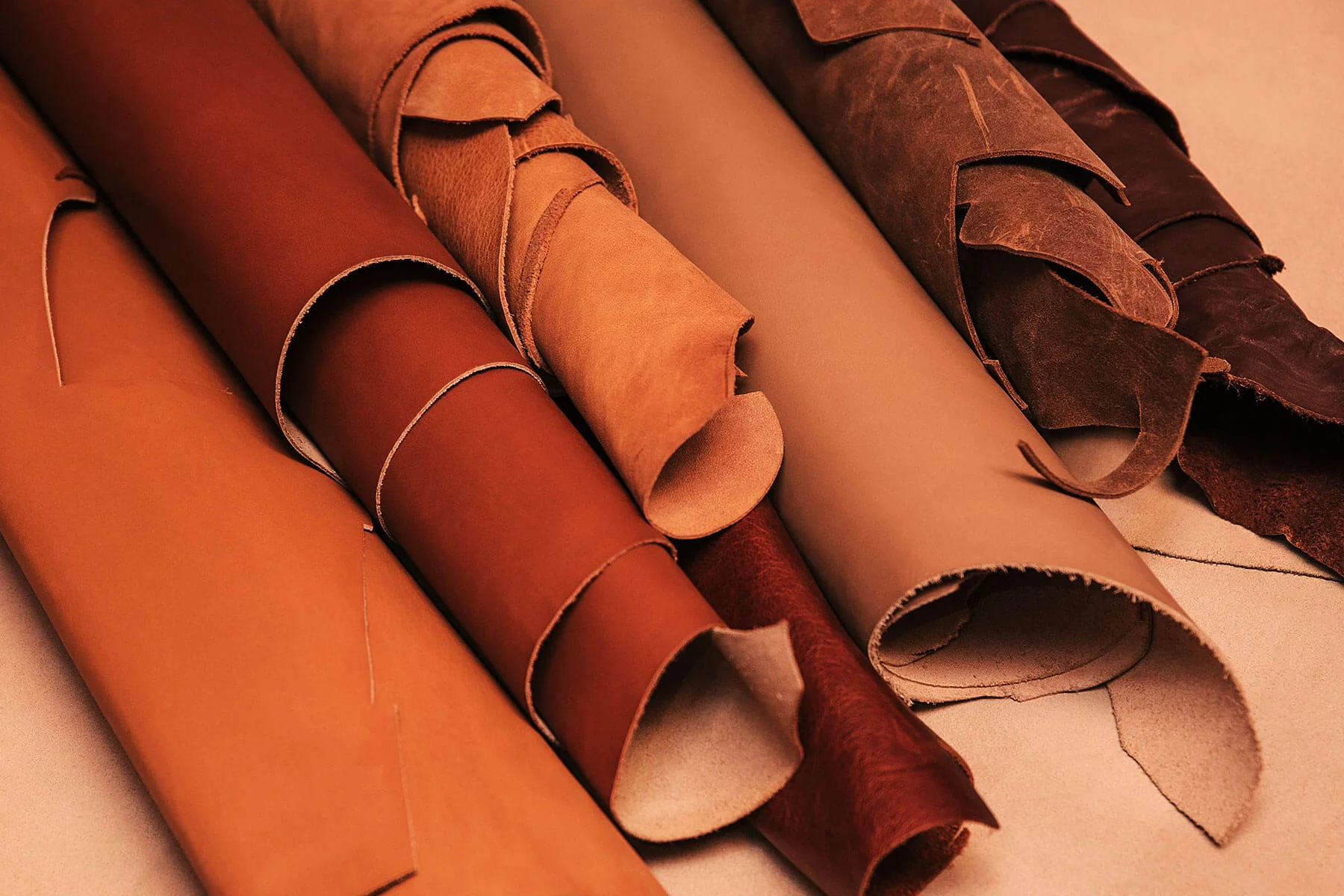
    Bangladesh will build a new central effluent treatment plant at the Savar tannery estate to protect its target of reaching $5 billion in leather and footwear exports by 2030.

    The existing facility processes between 14,000 and 18,000 cubic metres of liquid waste a day, well below its designed capacity of 25,000 cubic metres. Volumes surge to 45,000 cubic metres daily during peak slaughter periods such as Eid-ul-Azha, overwhelming the site and blocking factories from securing international environmental certifications.

    Overhauling the Savar Estate

    Commerce and Industry Minister Khandaker Abdul Muktadir said the government will select a private operator through an open tender to construct and run the replacement facility. Larger tanneries will receive financial and technical backing to build individual treatment units, while non-compliant operators will receive assisted exit packages to leave the cluster. Tanneries that stay must secure certification from the Leather Working Group.

    Infrastructure bottlenecks extend beyond liquid waste. Bay Group Managing Director Ziaur Rahman reported spending nearly Tk30 million on solid-waste handling last year alone, citing unresolved gas shortages and unpaved roads across the estate. Bangladesh shipped $1.76 billion worth of leather goods and footwear across 105 markets last year, yet roughly 65 per cent of leather leaves the country as crust leather rather than finished consumer merchandise.

    Cutting Red Tape for Footwear Makers

    Footwear manufacturers are pushing to diversify beyond raw hides. Non-leather shoes now generate 31 per cent of the sector’s export revenue, but Bangladesh controls less than 0.5 per cent of global trade in the category. The Footwear Leathergoods and Accessories Exporters Association estimates that lifting that share to 5 per cent would add $3.5 billion in export value.

    Across Southeast Asia, rival manufacturing hubs have pulled ahead by streamlining factory setup and clearing environmental hurdles. Vietnam requires four compliance documents for footwear exporters, whereas Bangladeshi manufacturers must navigate 23 separate licences and 190 administrative filings, according to trade group data. That administrative drag slows foreign joint ventures and leaves machinery import permits stalled for months.

    Government negotiators are preparing bilateral talks with Japan to widen tariff concessions on finished leather items before Bangladesh loses its least developed country trade preferences.

  • Mecca Opens 285-Square-Metre Store at Sydney International Airport

    Mecca Opens 285-Square-Metre Store at Sydney International Airport

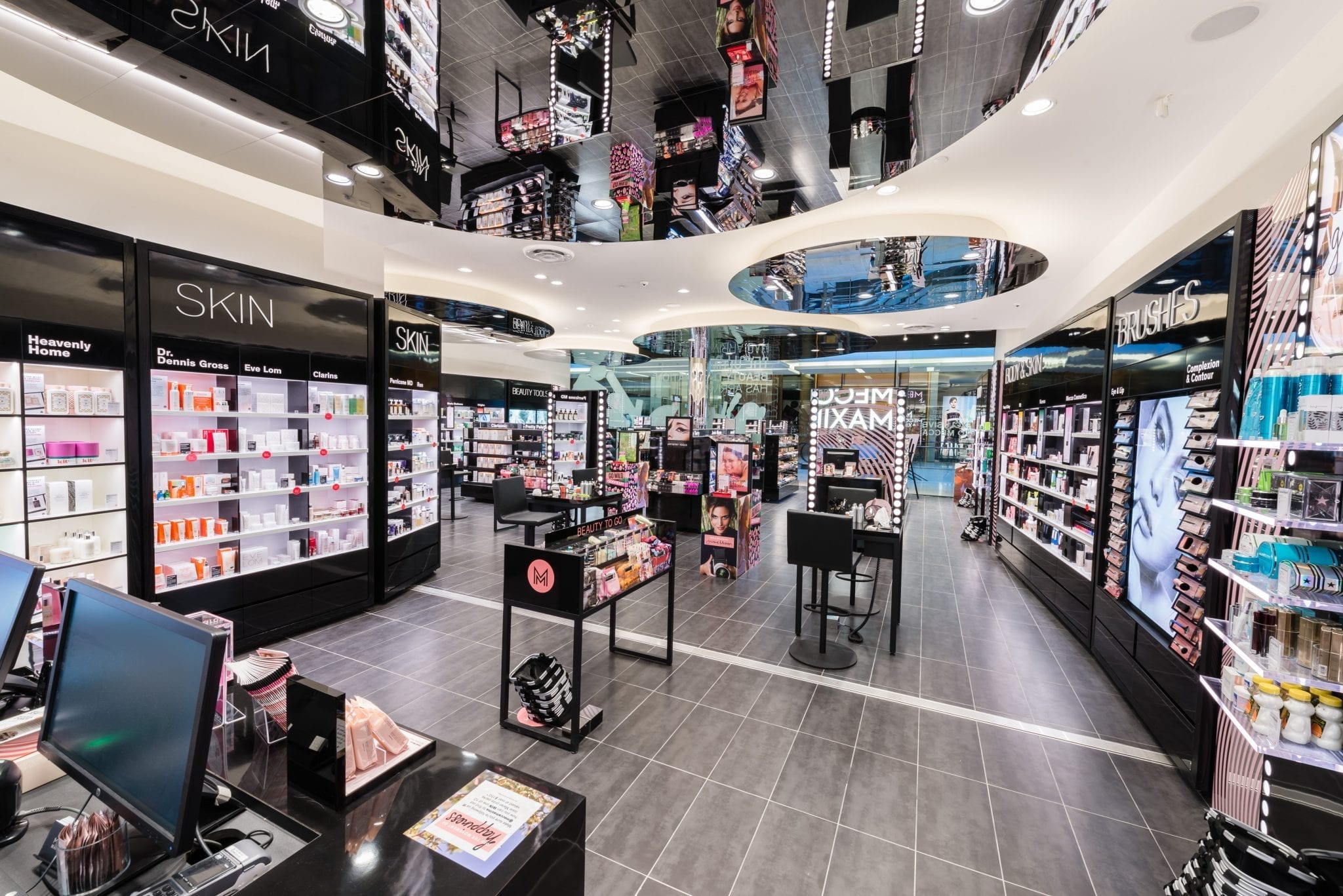
    In September 2026, Mecca opened a 285-square-metre retail space in Sydney’s T1 International terminal, marking the Australian beauty brand’s first international airport store.

    The footprint sits inside the Heinemann Tax and Duty Free concession, trading standard duty-free product walls for interactive service stations and dedicated brand zones. That footprint is roughly half the size of a standard Mecca high-street flagship, forcing the retailer to compress its inventory into high-velocity skincare, cosmetics, and travel exclusives.

    Shifting airport beauty from transaction to service

    Airport beauty retail across Asia-Pacific has historically relied on branded island counters, multi-buy discounts, and quick transactions before boarding gates call. Operators like Shilla, Lotte, and Heinemann have traditionally built duty-free concessions around volume and liquor-tobacco margins rather than high-touch advisory services.

    Mecca is testing whether hands-on consultations, application stations, and curated indie labels can extract higher basket values from outbound passengers who have cleared customs with dwell time to spare. The risk falls on staffing costs and turnaround speed: consultative beauty takes ten to twenty minutes per shopper, a cadence that clashes directly with flight departure windows.

    Heinemann’s concession strategy in Sydney

    For Heinemann, integrating a domestic specialty powerhouse allows the German travel retailer to defend sales against competing downtown duty-free stores and suburban flagship locations. Domestic travelers familiar with the Mecca brand loyalty ecosystem get an immediate reason to spend before departure rather than waiting for overseas destinations.

    Sydney Airport restructured its T1 luxury and retail precincts over recent years to capture higher average spends from returning international traffic, particularly routes across East Asia and North America. Adding specialized domestic operators inside wholesale duty-free concessions gives landlords a blueprint to raise sales per square metre without carving out independent tenancy leases.

    The travel retail rollout pipeline

    The Sydney terminal opening establishes the operating template Mecca needs before negotiating similar airside locations in Melbourne, Brisbane, or Auckland. The immediate metric to monitor is sales productivity per square metre against Heinemann’s conventional multi-brand cosmetic floorplates during peak morning departure banks.

  • Gentle Monster Parent Iicombined Appoints Renaud Divisia as Europe GM

    Gentle Monster Parent Iicombined Appoints Renaud Divisia as Europe GM

    In September 2026, Seoul-based Gentle Monster parent Iicombined appointed Renaud Divisia as general manager of Europe to lead its regional expansion.

    Divisia previously served as general manager of Puig Korea and international director of Byredo, following several years at LVMH’s Dior Parfums in leadership roles across Europe and the Middle East.

    In his new role, Divisia oversees organisation, retail expansion, and commercial strategy across Europe, where the South Korean group first launched in 2018.

    Expanding Beyond the London Beachhead

    Iicombined entered Europe in 2018 with a Gentle Monster store in London’s West End. Standalone locations in Paris and Milan followed. Those openings tested European appetite for the brand’s gallery-style retail spaces in competitive fashion capitals.

    Europe demands a different commercial model than Asia. In Asian markets, Gentle Monster built scale through experiential flagships that rotate art installations every few months. European high streets present steeper prime rents in cities like Paris and Milan. These locations require tighter retail economics and established wholesale accounts alongside mono-brand real estate.

    Bringing in a leader with roots in European luxury fragrance and cosmetics gives Iicombined a structure capable of handling multi-brand rollouts. The company cannot rely solely on the eyewear playbook that drove its early international visibility.

    Managing a Multi-Brand Portfolio

    Founded in 2011, Iicombined has expanded well beyond eyewear into a broader lifestyle business. Its wider portfolio includes fragrance and skincare brand Tamburins, bakery cafe concept Nudake, headwear label Atiissu and kitchenware brand Nuflaat.

    Tamburins gives the group a second growth vehicle with direct appeal to European department stores and specialty beauty retailers. Fragrance brands scale faster than luxury eyewear. Replenishment cycles are shorter, and distribution networks through multi-brand retail are already built.

    Operational risks remain across fragmented European real estate markets. Opening high-cost flagships in London or Paris requires major capital. Western European luxury consumers also demand sustained brand heritage rather than rapid trend turnover.

    Capital Backing and the Next Phase

    Private equity firm ZWC Partners invested in Iicombined earlier this year to finance global expansion. That capital targets growth across Asia alongside deeper penetration into Europe and North America.

    Divisia must now decide how to expand the wider portfolio. His immediate challenge is whether to introduce Tamburins and Nudake into existing flagships or secure dedicated real estate across prime retail streets in France, Italy and the United Kingdom.

  • Okada Manila and Dior Lead Philippine Customer Service Rankings

    Okada Manila and Dior Lead Philippine Customer Service Rankings

    Okada Manila topped a Philippine customer service study across 78 categories with a score of 96.87, leading a field led by luxury hospitality and global retail brands.

    Grand Hyatt Manila followed in second place at 95.57, while French fashion house Dior ranked third overall at 95.12. The benchmark, compiled by data portal Statista and the Philippine Daily Inquirer, evaluated both physical and digital operations using more than 90,000 customer reviews collected between February and April 2025.

    How the scores were calculated

    Researchers weighted the final scores equally between a respondent’s likelihood to recommend a brand and five direct performance metrics. Those five criteria, each carrying a 10 percent weighting, covered accessibility, customer focus, quality of communication, professional competence and range of services.

    Participants evaluated companies they had transacted with, visited or researched over the previous three years. The survey spanned five broad sectors: brick-and-mortar stores, online retailers, digital services, hospitality and general consumer services.

    Top performers across retail and hospitality

    Homegrown luxury furniture maker Philux placed fourth with a score of 94.88 in the home goods retail division. Shangri-La Hotels took fifth at 94.81, followed by serviced apartment operator Ascott at 94.41.

    Consumer technology and fast-moving retail also secured spots in the upper tier. LG Electronics Philippines led online home goods with 94.33, while bakery chain Red Ribbon scored 93.5 in the restaurant and leisure bracket. Japanese apparel giant Uniqlo took the final two spots in the top ten, scoring 93.38 for its physical stores and 93.30 for its Philippine e-commerce operation.

    The strong showing of physical flagships alongside digital channels mirrors a broader shift across Southeast Asian retail, where omnichannel consistency dictates customer loyalty. Premium hospitality operators and luxury apparel labels continue to command the highest marks because their operating models justify higher floor staffing and dedicated post-purchase support.

    Statista and local partners plan to track category shifts through the next evaluation cycle, where rising store automation and digital checkouts face direct consumer assessment.

  • Chinasquad Expands Global Cross-Border Sales with Curated Chinese Fashion

    Chinasquad Expands Global Cross-Border Sales with Curated Chinese Fashion

    Chinasquad is scaling international distribution for domestic apparel designers, offering direct deliveries across global markets with a free shipping threshold set at $99.

    The platform has accumulated more than 7,200 verified customer reviews while targeting shoppers seeking curated streetwear, statement dresses, and modern Hanfu-inspired collections.

    To address cross-border fulfillment friction, the operator provides optional DHL Express transport with delivery times between two and four days. Returns operate on a 14-day window supported by a checkout protection add-on that covers return handling and exchanges across multiple international territories.

    Sizing Standards and Cross-Border Logistics

    Cross-border apparel exporters from China routinely face high return rates tied to sizing discrepancies. Chinasquad produces its inventory to Asian sizing specifications, advising international buyers to size up on fitted garments and evaluate flat measurements across shoulders, bust, and waist. Flat garment measurements published on the site account for manual variations between one and three centimetres.

    Discounts on the storefront reach up to 90 percent on clearance lines. The merchandising mix focuses on structured trousers, outerwear, and dresses that emphasize tailored cuts rather than disposable basics.

    The Shift Toward Niche Chinese Aesthetics

    Direct-to-consumer fashion exporters in China are shifting away from pure low-cost volume to focus on distinctive regional aesthetics, including contemporary interpretations of traditional Hanfu tailoring. While mass-market players compete primarily on bottom-tier pricing, specialised curators seek higher basket sizes by pairing distinctive cuts with express air freight.

    Customer service operations and global return intake remain centred on managing cross-border garment fits as the platform tests overseas appetite for contemporary Chinese designer labels.