Category: Fashion

Retail News Asia is committed to providing both local and global retailers with the latest Fashion news throughout the Asian market. This on a daily base.

  • Nykaa Buys Additional 24.2 Percent Stake in Beauty Brand Earth Rhythm

    Nykaa Buys Additional 24.2 Percent Stake in Beauty Brand Earth Rhythm

    Indian beauty and fashion retailer Nykaa acquired an additional 24.2 per cent stake in direct-to-consumer personal care brand Earth Rhythm. The transaction builds on the retailer’s initial backing of the company two years ago.

    Nykaa first took a position in Earth Rhythm during an 8 million dollar Series A funding round in 2022. The increased holding deepens its direct ownership of domestic skincare and haircare labels as competition intensifies across India’s beauty and personal care market.

    Consolidation in Indian Beauty Brands

    The deal reflects a broader push by established e-commerce platforms to secure higher-margin proprietary and partner labels rather than relying entirely on third-party marketplace distribution. By taking a larger equity position, Nykaa gains tighter control over product development, supply chains, and exclusive digital merchandising rights for Earth Rhythm’s portfolio.

    Direct-to-consumer brands in India face rising customer acquisition costs on digital channels. Partnering closely with platform operators provides these brands with immediate shelf space, physical store exposure through Nykaa Luxe and Nykaa On Trend outlets, and shared logistics infrastructure across tier-one and tier-two cities.

    Building Out the House Brand Strategy

    Rival platforms including Reliance Retail’s Tira and Tata Cliq Palette are expanding their own portfolios of private and partnered beauty brands. Nykaa’s strategy mirrors global retail trends where multi-brand operators buy equity in high-performing independent labels to capture manufacturing margins alongside retail markups.

    The investment follows Nykaa’s entry into Earth Rhythm in 2022, when the startup used its Series A proceeds to expand manufacturing capacity and marketing reach. The brand formulates solid beauty bars, skincare serums, and clean-label cosmetic formulations sold across India.

    Investors will look to Nykaa’s upcoming quarterly filings for the total cash consideration paid for the 24.2 per cent equity tranche and any changes to Earth Rhythm’s board structure.
  • Victoria’s Secret Profit Tripled in Second Quarter Despite Sales Miss

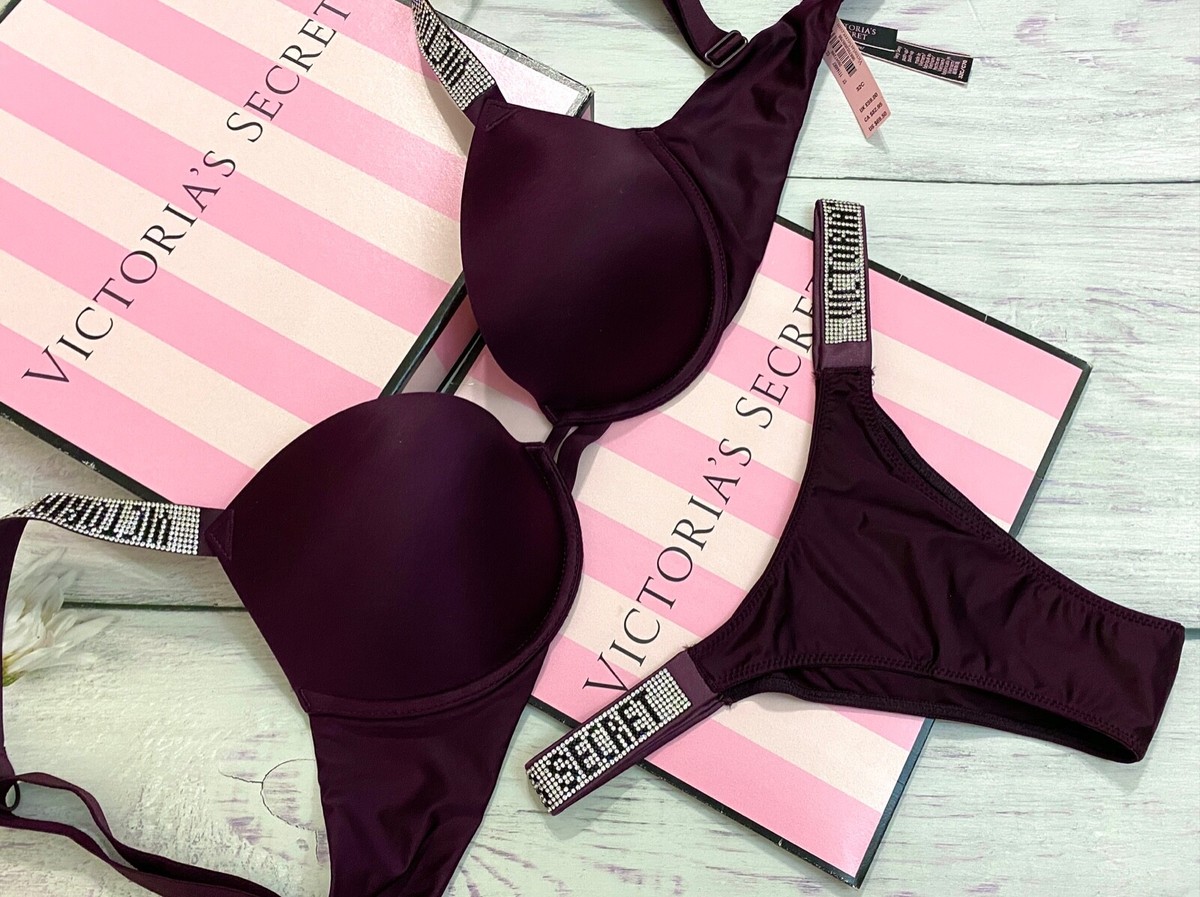
    Victoria’s Secret Profit Tripled in Second Quarter Despite Sales Miss

    Victoria’s Secret nearly tripled its profit in the second quarter and lifted its full-year earnings guidance, overcoming a narrow top-line sales miss that rattled equity investors.

    Higher merchandise margins drove the profit surge as shoppers bought more lingerie and apparel at regular price points rather than clearance discounts.

    Margin Gains and Product Overhauls

    Chief executive Hillary Super faces scrutiny from financial markets to prove that the turnaround plan can deliver consistent revenue expansion alongside margin gains. The recovery strategy relies on fresh product lines, tighter brand positioning and the return of a revamped fashion show.

    Full-price sell-through provided the foundation for the quarterly improvement. By pulling back on heavy discounting, the apparel group protected profitability across its physical store fleet and digital sales channels.

    The Balance Between Price and Volume

    For store operators and regional franchisees, the profit rebound confirms that higher retail pricing can offset sluggish foot traffic and cautious consumer spending. Yet relying entirely on margin expansion without broad sales volume growth carries structural risk in competitive markets.

    Rival innerwear and athleisure brands continue to fight for floor space and customer wallet share across shopping centres. Landlords and retail partners need steady transaction volume to support retail footfall, not just cleaner balance sheets from lower inventory markdowns.

    The Turnaround Path

    The latest quarterly report follows multiple management efforts to reposition the brand away from outdated marketing concepts and rebuild credibility with mainstream apparel shoppers. Earlier restructuring phases focused on rationalising store networks, overhauling product assortments and adjusting wholesale partnerships.

    Attention now shifts to whether the upcoming fashion show and new seasonal merchandise can lift revenue through the second half of the financial year.

  • LC Waikiki Starts Production at New Apparel Plant in Aleppo

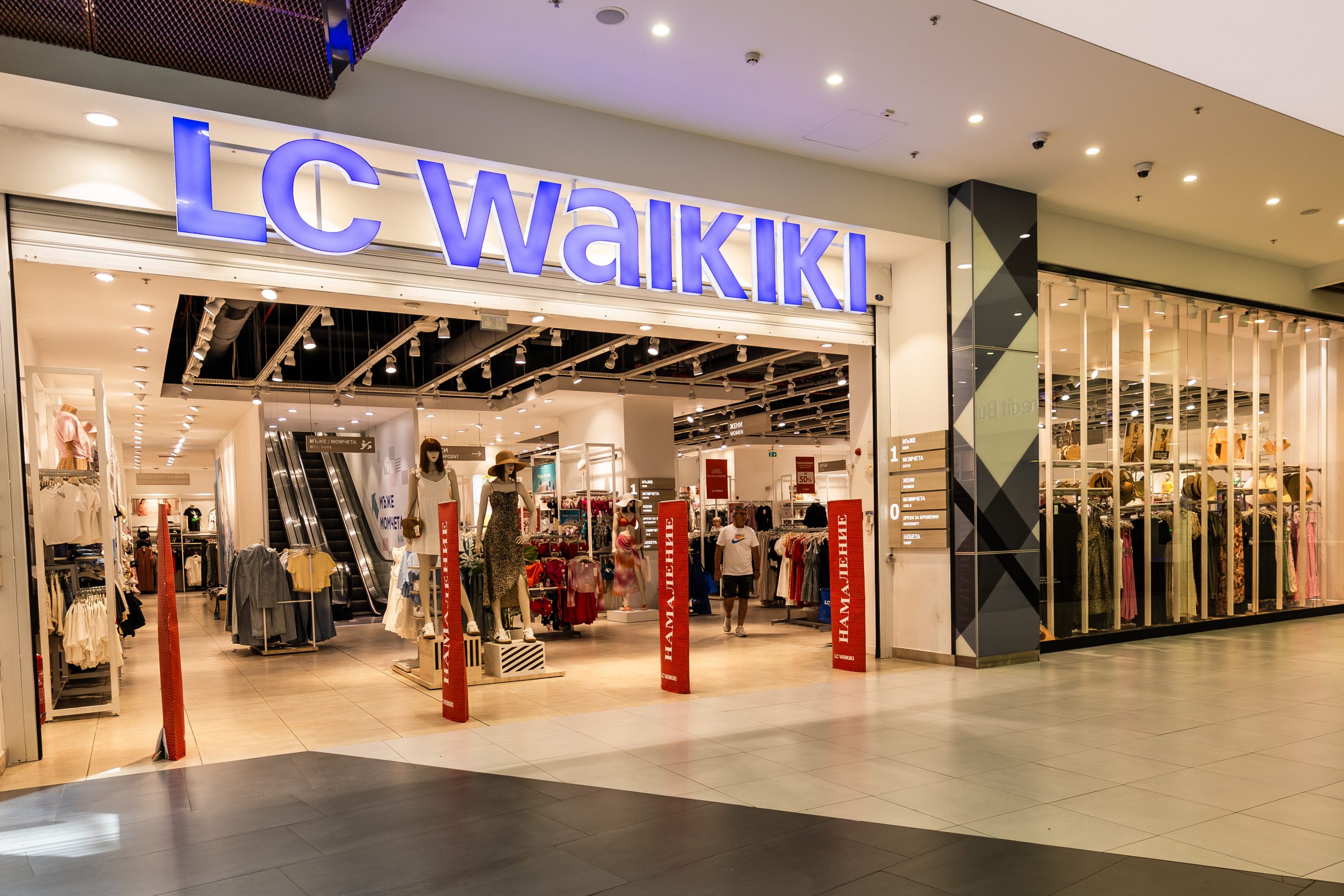
    LC Waikiki Starts Production at New Apparel Plant in Aleppo

    Turkish apparel retailer LC Waikiki has started production at a new manufacturing facility in Aleppo, Syria, initially hiring 150 workers.

    The company plans to expand the plant’s workforce to 1,000 staff over the next three years.

    Scaling up in Al-Rai

    Operations at the facility in Al-Rai Industrial City began in June. The site establishes direct garment assembly capacity just south of the Turkish border.

    Other Turkish manufacturers are now preparing similar cross-border production arrangements in the industrial zone. Lower wage bases and proximity to established Turkish textile supply chains make northern Syrian border zones an emerging manufacturing corridor.

    Cross-border textile shifts

    Apparel groups based in Turkey have faced rising domestic labor and energy expenses, prompting brands to explore assembly hubs across nearby borders. The move mirrors how Asian garment manufacturers established cross-border supply networks between higher-cost domestic hubs and lower-wage neighboring markets.

    The Aleppo facility provides an operational test for cross-border logistics and labor stability in the region. The primary milestone to watch is whether LC Waikiki reaches its 1,000-worker employment target within the three-year window.

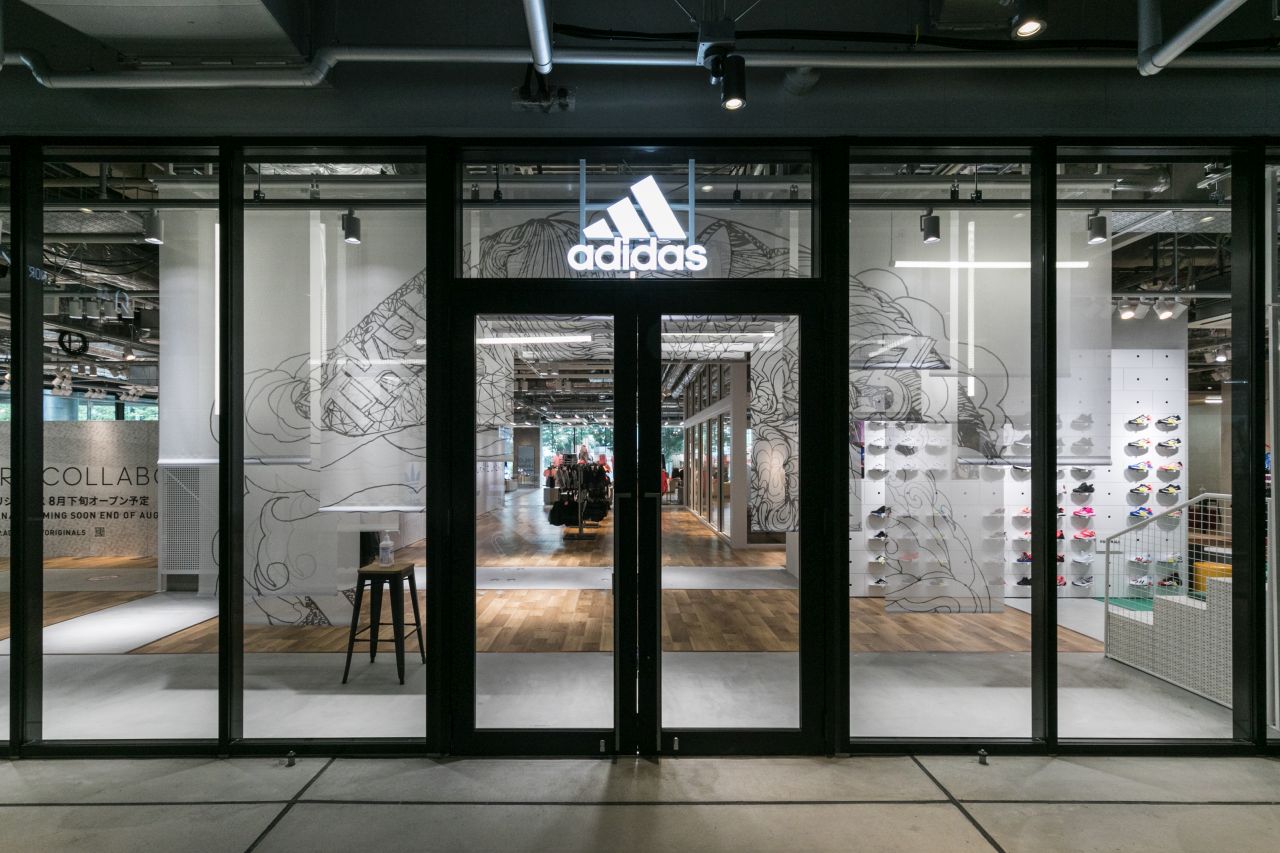
  • Adidas Reopens 569-Square-Metre Chadstone Store Under Home of Sports Concept

    Adidas Reopens 569-Square-Metre Chadstone Store Under Home of Sports Concept

    Adidas reopened its Chadstone store in Melbourne with 569 square metres of selling space, making it the first location in the region built around the Home of Sports concept.

    The store returned to trading following a three-month renovation designed to expand floor capacity and introduce new merchandising layouts.

    Customisation and Footwear Ranges

    Part of the expanded floor plan houses a dedicated Originals shop-in-shop, using the brand’s Collection V2 design for the first time in the Australian market. Two main footwear walls show inventory spanning running, training, football and lifestyle lines.

    Shoppers can also use a dedicated Made for You counter near the point of sale. The station applies heat-pressed patches and personalised name sets directly onto apparel and shoes during purchase.

    Foot Traffic and Format Rollouts

    Securing prime space matters for sportswear operators chasing high-volume sales. The Chadstone shopping centre draws more than 22 million visitors each year, giving the brand direct exposure to one of the highest-density retail corridors in the country.

    Sportswear majors across Asia-Pacific continue to replace standard mall units with larger experience-led stores that combine performance categories with lifestyle streetwear under one roof. Nike and Puma have followed similar paths across regional gateway hubs, using flagship remodels to push direct-to-consumer sales and higher-margin personalised gear.

    The business opened the upgraded doors with a weekend roster of local pop-up collaborations, with attention now turning to how the Home of Sports layout performs ahead of wider network updates across Australia.

  • Indian Sneaker Brand Comet Raises $10.5 Million to Expand Retail Network

    Indian Sneaker Brand Comet Raises $10.5 Million to Expand Retail Network

    Indian footwear brand Comet raised 10.5 million dollars in Series B funding led by global investment firm Verlinvest. The capital injection follows a ninefold revenue increase since the company’s prior round and will fund physical store rollout across India.

    Existing backers Elevation Capital and Nexus Venture Partners joined the round. Angel investors including Urban Company chief executive Abhiraj Singh Bhal, Snap Inc. Global chief business officer Ajit Mohan, and VegNonVeg co-founder Anand Ahuja also participated.

    Tooling and Product Development

    Comet allocates the fresh capital toward retail expansion, technology infrastructure, and in-house research and development. The shoemaker designs proprietary sole moulds and tooling internally rather than relying on off-the-shelf white-label outsoles, a choice that drives higher upfront capital expenditure per silhouette.

    “We want to continue pushing the boundaries of what an Indian footwear brand can build, which means investing deeply in sole technology, R&D and engineering,” co-founder Utkarsh Gupta said. The company spent twelve months engineering a women-specific model with bespoke sole tooling ahead of an upcoming market release.

    Footwear startups across South Asia face steep unit economics when trying to compete directly with global sportswear incumbents. Developing custom moulds costs tens of thousands of dollars per silhouette before a single production run ships, leaving little margin for inventory errors if consumer uptake falters.

    Retail Footprint and Expansion

    Physical stores provide direct access to street-level shoppers who still demand tactile trial for sizing and cushioning. Direct-to-consumer digital channels in India grapple with high return rates and customer acquisition costs, forcing domestic lifestyle labels into brick-and-mortar storefronts to secure stable cash flow.

    Landlords in top tier metros now allocate dedicated lifestyle wings to local challenger labels that pull younger foot traffic into shopping centres. Comet faces competition for prime high-street square footage against well-funded apparel and footwear peers rapidly securing leases in the same commercial corridors.

    Fundraising Track Record

    Founded in 2023, Comet previously raised 42.3 crore rupees in a Series A financing round led by Elevation Capital in 2024. The brand built its early presence around limited-run design drops and four core footwear models.

    The company reaches 10 operational stores this month. Management targets a portfolio of eight distinct footwear models by late next year while expanding the retail fleet to 20 stores across India by the close of fiscal 2027.

  • Richemont Anchors Asian Network Through Dual Hubs in Hong Kong and Tokyo

    Richemont Anchors Asian Network Through Dual Hubs in Hong Kong and Tokyo

    Richemont manages its expanding Asian luxury operations through dedicated regional hubs in Hong Kong and Tokyo, supporting a global footprint of 2,369 monobrand boutiques generating 22 billion euros in revenue. Direct sales to retail clients now account for 77 per cent of total group turnover across its 23 Maisons and businesses.

    The Swiss luxury conglomerate employs more than 40,000 people across upwards of 150 international locations. Central corporate management in Geneva coordinates policy and governance across five regional headquarters, with Asia commanding two distinct reporting territories.

    Regional Footprint Across Nine Asian Markets

    From its regional Asia Pacific headquarters in Hong Kong, Richemont directs operations across nine major territories: mainland China, Australia, South Korea, Macau, Malaysia, Singapore, Taiwan, and Thailand. A separate regional headquarters in Tokyo oversees the Japanese market, backed by two satellite offices in Fukagawa and Osaka.

    Western Asia and South Asian expansion run through a third regional division based in Dubai. That office coordinates commercial operations across India, Saudi Arabia, and South Africa from an operations base at the Dubai Airport Free Zone.

    Direct Retail Shift and Infrastructure Targets

    The operational concentration in Hong Kong and Tokyo reflects the luxury sector’s reliance on Asian consumer demand, even as brand houses take closer control of physical distribution. Operating 2,369 monobrand boutiques allows the group to secure higher margins while managing client relationships without wholesale intermediaries.

    Richemont also reported that renewable electricity powers 97 per cent of its global operations, alongside holding Global Equal-Salary certification across its business units. Group leadership continues to focus resources on store productivity and direct boutique expansion across key metropolitan shopping districts in Greater China and Southeast Asia.

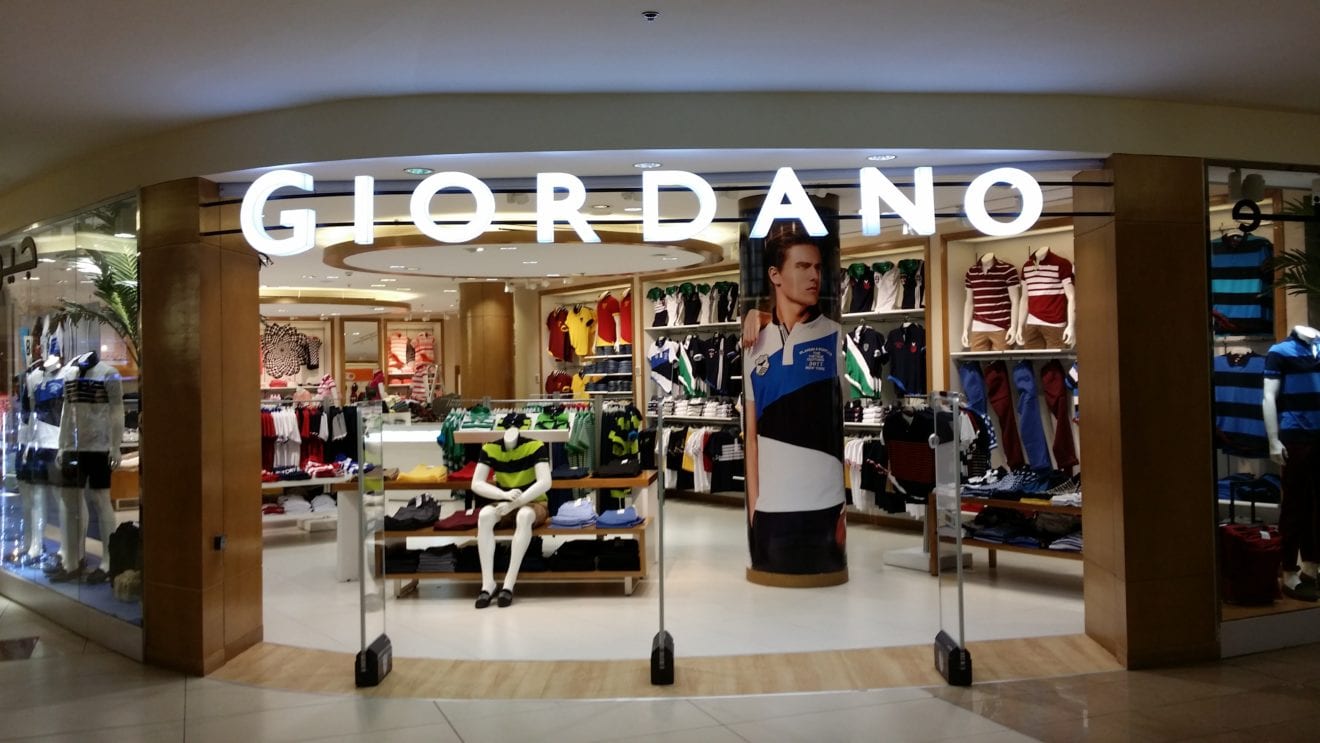
  • Giordano Net Profit Drops to HK$108 Million as Asian Margins Lag

    Giordano Net Profit Drops to HK$108 Million as Asian Margins Lag

    Giordano International reported a net profit drop to HK$108 million for the six months to June 30, down from HK$121 million a year earlier.

    Group revenue slipped 1 per cent to HK$1.914 billion as store counts dropped across Mainland China and Indonesia, leaving the apparel retailer heavily dependent on earnings from the Gulf Cooperation Council.

    The geographic split reveals an uneven business. Greater China, Southeast Asia and Australia generated HK$1.572 billion, representing 82.1 per cent of total sales, but produced only 61 per cent of segment results. In contrast, the GCC delivered HK$62 million in segment profit on just 18 per cent of revenue, even after traffic in Gulf stores fell by up to 40 per cent following regional disruption in late February.

    Pruning China and Sourcing Locally

    In Mainland China, Giordano cut its store footprint to 239 doors from 359 a year earlier, halving its directly operated outlets to 48. The downsizing helped narrow the mainland segment loss from HK$16 million to HK$9 million, with constant-currency revenue down 0.9 per cent at HK$334 million. Management cleared older stock through VIP.com and shifted higher-margin product lines to Tmall, intending to rebuild physical retail starting in southern China.

    Southeast Asia and Australia remained the largest regional earnings contributor at HK$86 million in segment results on revenue of HK$699 million. Indonesia, the anchor market, brought in HK$330 million after import restrictions slowed merchandise shipments and forced store closures from 199 locations to 176. The company countered the disruption by shifting production to Indonesian factories, which began delivering local stock in June.

    Taiwan proved the regional exception. Segment profit climbed to HK$21 million from HK$15 million on a 5.9 per cent constant-currency revenue gain, meaning Taiwan generated more profit than Hong Kong, Macau and Mainland China combined.

    Korean Drag and the Next Overhaul

    The company faced additional pressure from its 48.5 per cent-owned South Korean joint venture, where revenue slid 8.9 per cent to KRW59.7 billion and 19 stores closed. Giordano deliberately restricted wholesale shipments into the venture to clear excess stock, causing group wholesale revenue to decline 12.2 per cent and cutting royalty income.

    For years, Giordano relied on high-density physical networks in lower-tier Chinese cities and steady franchised wholesale to support its balance sheet. With those legacy channels retreating under fierce domestic e-commerce competition and supply chain friction, the group is now forced to extract higher gross margins from a much smaller physical footprint across Asia.

    Management plans to launch its Giordano 2.0 concept in the fourth quarter, rolling out revamped store layouts and core product lines in Hong Kong and Singapore before expanding to overseas digital channels in Europe and North America.

  • Lululemon Cuts Full-Year Forecast to US$10.35 Billion as Sales Slide

    Lululemon Cuts Full-Year Forecast to US$10.35 Billion as Sales Slide

    Lululemon Athletica lowered its full-year sales forecast to between US$10.35 billion and US$10.5 billion, posting its second consecutive guidance downgrade in three months.

    Comparable store sales dropped 9 per cent across the second quarter ended August 2, falling below market estimates and marking the company’s first quarterly decline on that metric since the pandemic.

    Shares tumbled 15 per cent in extended trading in New York following the announcement. The activewear maker has seen its equity lose more than 40 per cent of its value in 2026, trading at less than a quarter of its late-2023 record high.

    Slumping Americas and Rising Rivals

    Revenue in the Americas contracted 8 per cent during the quarter, while women’s apparel sales slipped 4 per cent. International revenue offered the lone bright spot, rising 4 per cent across overseas markets.

    Discounts and design missteps have eroded the brand’s pricing power across primary markets, opening space for fast-growing athleisure competitors such as Alo and Vuori. In Asia-Pacific, where premium sportswear demand has remained relatively steady, Lululemon faces a tight battle against agile regional entrants alongside these expanding Western labels.

    “While we continue to navigate some challenging dynamics, we are taking a prudent approach with our revised full-year outlook,” interim co-chief executive Meghan Frank said.

    Leadership Handover and Boardroom Truce

    Former Nike executive Heidi O’Neill assumes the chief executive role next week, concluding a four-month transition period after her appointment. She inherits depleted executive ranks following several senior departures this year.

    O’Neill must also manage relations with billionaire founder Chip Wilson. Wilson entered a cooperation pact with the board in May, agreeing to regular strategy sessions with O’Neill and an 18-month freeze on public criticism.

    Her first major operational milestone arrives with the release of third-quarter earnings in December, when investors will assess whether the product pipeline can arrest the slide in North American foot traffic.

  • Hong Kong Customs Arrests Third Suspect over Opatra Beauty Sales Tactics

    Hong Kong Customs Arrests Third Suspect over Opatra Beauty Sales Tactics

    Hong Kong customs officers have arrested a third suspect in an investigation into aggressive sales tactics at skincare outlets formerly trading under the Opatra London brand.

    The latest arrest involves a saleswoman suspected of pressuring a customer to buy skincare products at a now-closed store inside New Town Plaza in Sha Tin.

    Enforcement at Sha Tin Branch

    Sayles Retail previously operated the New Town Plaza branch before the location shut down. The detention follows earlier enforcement actions connected to the chain, bringing the total number of arrests in the case to three.

    Customs officials intervened after receiving reports of high-pressure sales behaviour targeting shoppers inside major retail malls. Investigators are examining aggressive commercial techniques used to sell high-value cosmetic and skincare items.

    Scrutiny on Beauty Retailing

    Hong Kong authorities maintain strict enforcement against unfair trade practices across beauty and wellness operators, where storefront staff face direct scrutiny over coercive sales pitches.

    Customs officers have not disclosed further details on bail terms or pending court appearances as inquiries into Sayles Retail and affiliated locations continue.

  • Skechers Opens 8,650-Square-Foot Superstore at Sunway Pyramid in Malaysia

    Skechers Opens 8,650-Square-Foot Superstore at Sunway Pyramid in Malaysia

    Skechers opened an 8,650-square-foot Superstore at the Sunway Pyramid mall in Subang Jaya, expanding its physical presence in Malaysia.

    The relocated store is nearly six times larger than the brand’s previous 1,453-square-foot unit at the same shopping centre. It is the company’s first Superstore format in Subang Jaya. The launch lifts its nationwide network to 120 doors.

    Zoned layout and digital fitting

    Dedicated zones divide the catalogue into sections for walking, running, trail, pickleball, performance apparel and children’s collections. The store also includes SafeSize 3D foot-scanning hardware to generate personalised sizing data. Alongside the scanners, an in-store customisation station lets shoppers modify selected shoes and garments.

    Footwear retailers across Southeast Asia continue to trade standard mall units for large experiential spaces. The bigger layouts capture higher basket sizes and accommodate specialized athletic lines that boutique footprints cannot hold.

    Expansion pipeline across Malaysia

    Malaysia is a key sales volume driver for the American brand. Cedrick Tan, president of Skechers Southeast Asia, Hong Kong and South Korea, said the group will maintain its brick-and-mortar investment pace to keep up with domestic demand.

    More outlets will launch across the country over the coming months to build on the 120-store base.

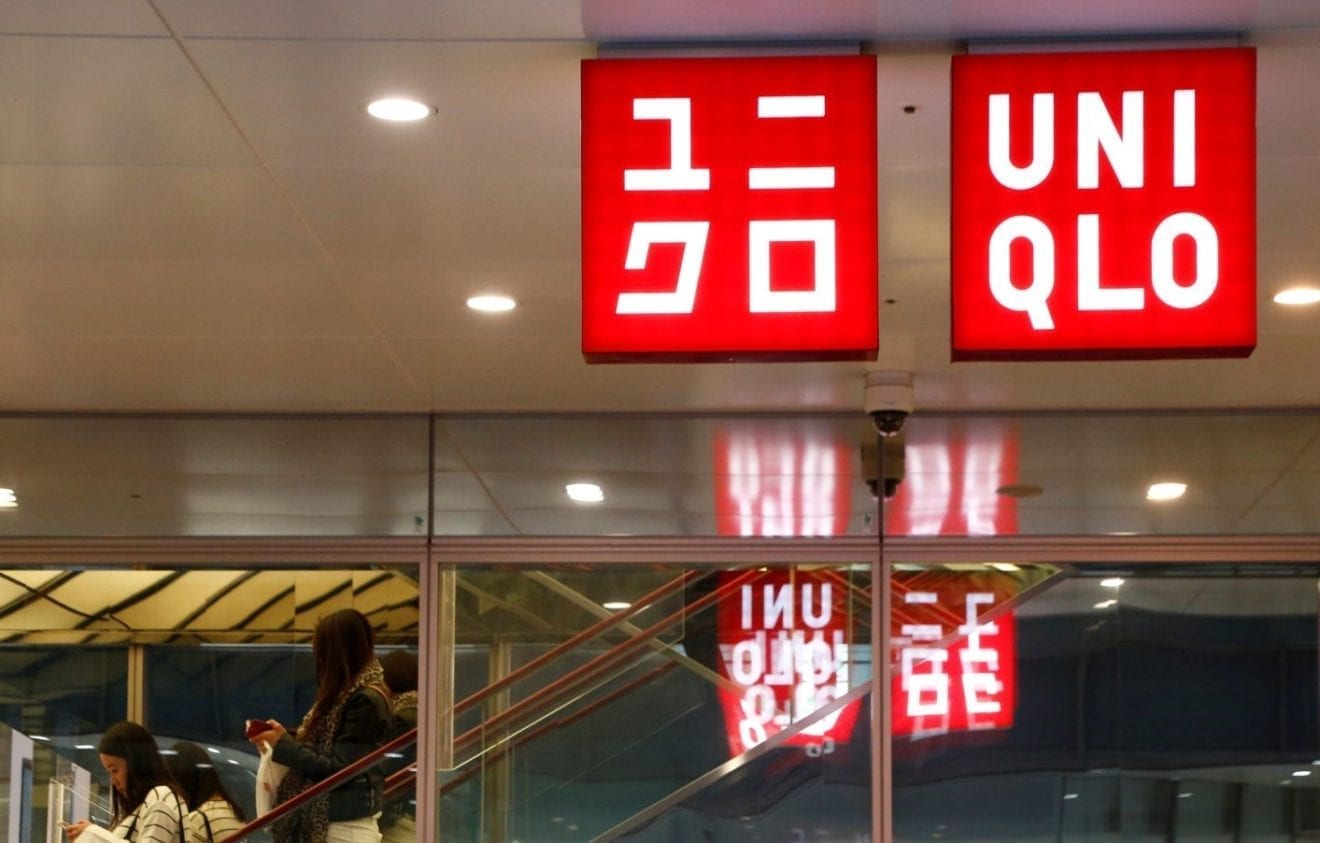
  • Uniqlo to Double Japanese Flagship Count to 20 in Ten-Year Strategy Shift

    Uniqlo to Double Japanese Flagship Count to 20 in Ten-Year Strategy Shift

    Uniqlo will double its network of Japanese flagship stores to roughly 20 locations over the next decade as parent Fast Retailing pivots away from standard shopping mall outlets.

    The apparel group currently runs about 10 flagship or flagship-equivalent premises across domestic city centres, anchored by 3,000-square-metre destinations in Tokyo’s Ginza and Osaka’s Umeda districts. Future domestic openings will focus on major regional hubs such as Nagoya and Sapporo alongside central Tokyo retail corridors, targeting local foot traffic and spending from inbound foreign tourists.

    “Every major city in Japan needs a flagship store,” Fast Retailing chairman and chief executive Tadashi Yanai said. He added that the group sees little value in opening conventional stores that function solely as transaction counters.

    Demographic pressures reshape store networks

    As of late May, Uniqlo operated 785 retail locations across Japan. That count reflects an 8 per cent drop from its peak of roughly 850 outlets in August 2013, following years of flat domestic store numbers.

    A shrinking domestic population and the rise of digital commerce have forced the company to rethink its physical footprint. Stores in Japan now operate less as basic distribution points and more as brand showrooms where customers handle garments and interact with services before buying across omnichannel channels.

    Exporting the Western retail model

    The domestic overhaul mirrors Fast Retailing’s recent playbook in Europe and the United States, where it secured historic buildings and prominent high-street addresses. Those two Western regions together account for nearly 20 per cent of total group revenue and have delivered double-digit sales growth since the pandemic.

    RetailNews Asia views this as a clear signal that the era of aggressive suburban store expansion in mature Asian markets is over. Just as department stores in regional Japan have retreated, fast-fashion operators must concentrate capital into higher-yielding, destination-scale flagships that can capture international tourism spend while digital channels absorb routine replenishment sales.

    Fast Retailing is also preparing to apply this revised large-format strategy to its broader store networks across Southeast Asia and mainland China over the coming fiscal years.

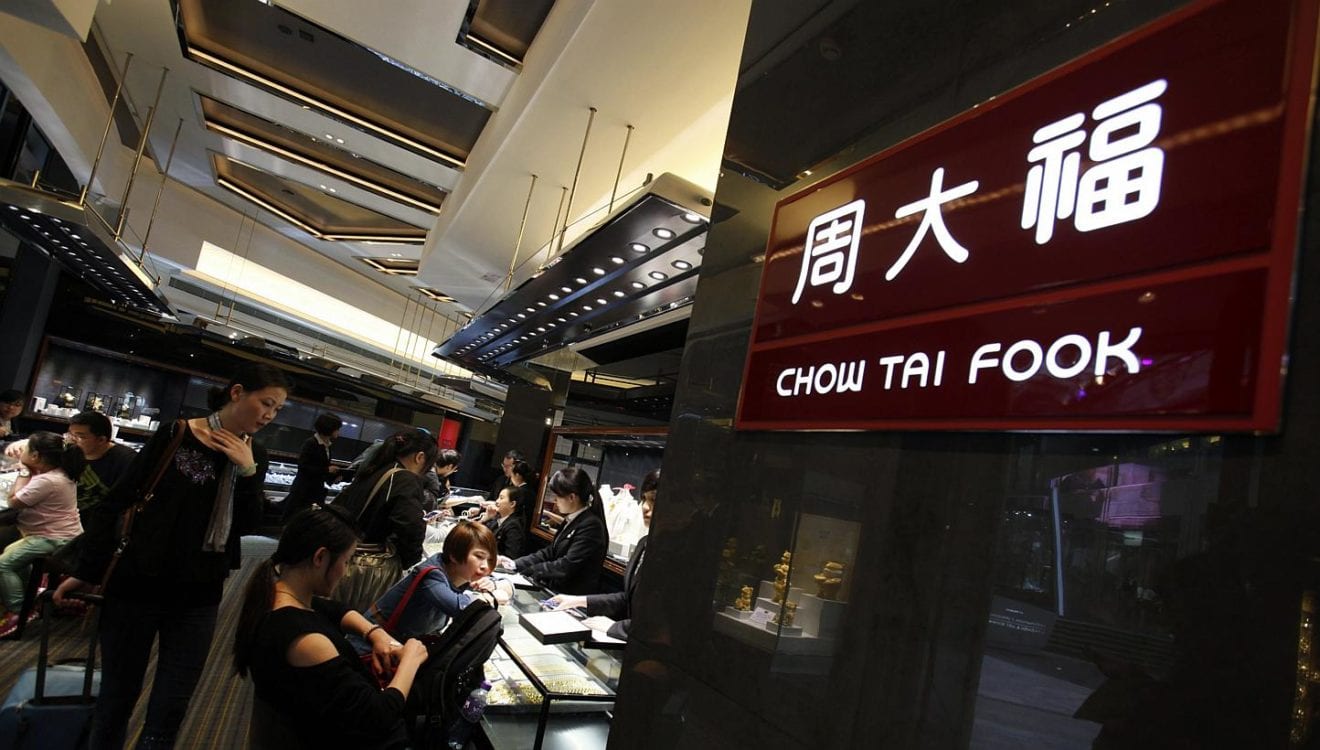
  • Chow Tai Fook Opens Luxury Flagships Across Four Markets in Ten Weeks

    Chow Tai Fook Opens Luxury Flagships Across Four Markets in Ten Weeks

    Chow Tai Fook rolled out a new fleet of luxury-format stores across four international markets within ten weeks, betting on high-end Chinese design to capture affluent consumers. The retail push included a 10,000-square-foot global flagship on Canton Road in Hong Kong’s Tsim Sha Tsui shopping corridor.

    The Canton Road site puts the Chinese jeweller on the same strip as European luxury houses Hermès and Louis Vuitton. That opening followed an aggressive start to the year in Southeast Asia, where the company secured prime retail real estate inside Bangkok’s Siam Paragon shopping mall in January.

    High-Street Real Estate and Prime Malls

    Securing ten thousand square feet on Canton Road represents a major capital commitment in one of Asia’s most expensive retail districts. The scale reflects an explicit repositioning by the group toward higher margin, design-led jewellery lines rather than relying purely on mass-market gold volume sales.

    In Bangkok, the Siam Paragon opening targeted both local Thai wealth and returning Chinese tourists. By late March, the company widened the rollout to additional regional commercial hubs, completing four market debuts in under two and a half months.

    Shifting from Mass Retail to Global Luxury

    Traditional gold jewellery chains across Greater China have long competed on retail footprint density and weight-based pricing. Chow Tai Fook’s shift toward oversized flagships and upscale mall locations mirrors the playbook of European heritage brands, aiming to elevate average transaction values.

    Competing jewellers across Asia face rising raw material costs and cautious consumer spending in mainland department stores. Placing large-format stores in premier tourist precincts allows the brand to test international appetite for contemporary Chinese fine jewellery outside its domestic core.

    RetailNews Asia will track the sales performance across these new flagship sites as the group reports its upcoming quarterly store productivity metrics.

  • Beauticate Launches Curated Marketplace Beauticate Shop

    Beauticate Launches Curated Marketplace Beauticate Shop

    Australian beauty platform Beauticate has relaunched its digital publication and debuted Beauticate Shop, an online marketplace built on selective product curation rather than high-volume inventory.

    Founder Sigourney Cantelo, former beauty director at Vogue Australia, established the digital editorial site in 2014 before integrating the new direct-to-consumer sales arm.

    Editorial Selection Over Infinite Shelves

    The new marketplace operates against the prevailing trend in beauty e-commerce, where digital platforms compete primarily on catalogue depth, customer reviews and automated recommendation engines. Beauticate Shop is structuring its inventory around professional editorial selection, pitching verified product evaluation to shoppers facing decision fatigue across digital channels.

    Cantelo is positioning the platform to bridge content and transaction directly on the site. Rather than relying purely on affiliate links or third-party retail referrals, the marketplace model allows Beauticate to capture transactions directly from its readership base.

    Content-to-Commerce in Asia-Pacific

    Content-led retail models have gained steady traction across Asia-Pacific as customer acquisition costs climb on standard advertising networks. Digital publishing brands and specialist creators in Australia and Southeast Asia increasingly launch proprietary storefronts to monetize existing organic traffic directly.

    Beauty retailers across the region have traditionally scaled through expansive brand partnerships and aggressive discounting. Beauticate is testing whether smaller, curated product edits can achieve sustainable conversion rates against established category giants.

    The marketplace rollout will test consumer appetite for tight editorial edits as the broader online beauty market continues its consolidation around algorithmic discovery.

  • Singapore Fashion Boutiques Pivot from Thrift to Regional Multi-Label Stores

    Singapore Fashion Boutiques Pivot from Thrift to Regional Multi-Label Stores

    Singaporean boutique owners in their twenties are converting second-hand stores into multi-label outlets anchored by emerging Southeast Asian fashion brands. The shift replaces vintage racks with small-batch imports from Vietnam, Indonesia, and China to capture shoppers looking beyond standard shopping mall chains.

    Multi-label retail models give small operators flexibility. Instead of relying entirely on unpredictable thrift sourcing, shopkeepers import limited runs directly from independent designers discovered via social media platforms such as TikTok and Instagram.

    Shifting Shelf Space to Regional Labels

    In November 2025, 26-year-old retailer Audrey Hong rebranded her Haji Lane vintage store, previously operating under the Un.wastelands banner, as Uno Collectives. Hong shifted inventory from purely second-hand garments to an even split between curated vintage and Vietnamese apparel brands, expanding her supplier roster from two to five rotating labels, including Tiemmem, Push Push, Twenti, Migcool, and 777angels.

    Other independent operators are adopting similar sourcing structures. At Zabu Boutique on Hamilton Road, co-owner Cherry Pretty has built a roster of six consignors, shifting inventory toward Indonesian labels to balance curated vintage. Plop Apparels founder Jermaine Ho, who set up her multi-label concept in 2022, built the business on offering multiple variations of niche indie garments to mirror online search behaviour in physical spaces.

    Along Jalan Berseh, 21-year-old Kalen Piamthipmanus opened Incoleur in August 2025. Piamthipmanus invested S$30,000 from savings and loans into the 800-square-foot ground-floor unit, stocking 10 to 12 independent labels alongside second-hand Japanese designer pieces from labels such as Junya Watanabe and Yohji Yamamoto. The brand selection includes Shanghai label Read Moh In Red, Vietnamese streetwear brand The Idiot, and local knitwear creator String of Kisses, with garment prices spanning S$10 to S$200.

    Capitalising on Regional Sourcing

    For independent fashion retailers across Southeast Asia, the multi-label boutique model provides a low-overhead buffer against high commercial rents in prime districts. Sourcing directly from regional manufacturing hubs like Ho Chi Minh City and Bangkok allows operators to maintain higher gross margins than consignment-heavy vintage retail, while offering exclusivity that mass-market fast-fashion chains cannot replicate.

    Uno Collectives plans to add at least two more Southeast Asian apparel brands to its Haji Lane roster before the end of the year.

  • South Korea Fashion Market Targets $25.15 Billion by 2029 as Domestic Labels Scale

    South Korea Fashion Market Targets $25.15 Billion by 2029 as Domestic Labels Scale

    South Korea’s fashion market is projected to reach US$25.15 billion by 2029, driven by an expanding roster of independent designer labels scaling across wholesale and retail channels.

    The figure reflects more than two decades of steady commercial development since Seoul Fashion Week debuted in 2000.

    Exporting Seoul’s Contemporary Aesthetic

    Seoul-based labels are capturing market share by combining technical fabrics with clean, structured tailoring. Amomento, founded in 2016 by designer Lee Mee-Kung, operates standalone stores in Seoul and sources textiles from South Korea and Japan. Open YY, launched by sisters Jiyoung and Boyoung Kim after rebranding from TheOpen Product, has secured global stockists through international luxury e-commerce platforms.

    Footwear and accessories have carved out dedicated niches. Heejin Kang established handbag label Osoi to target contemporary shoppers across Seoul. In jewellery, Numbering produces sterling silver and 14k gold-plated pieces. Eyewear specialist Gentle Monster built international presence through art-installation concept stores and high-profile product collaborations with Maison Margiela and Blackpink’s Jennie.

    Global Trajectories and Wholesale Reach

    Several Korean designers have anchored operations directly in major European fashion capitals. Rok Hwang, an alumnus of Celine, Louis Vuitton, and Chloe, established his label Rokh in Paris after training in London. Hyein Seo launched her utilitarian label in 2014 following graduation from the Antwerp Royal Academy of Fine Arts, staging runway presentations in London and New York.

    Veteran designers maintain long-running commercial runs at home. Former K-pop artist Seung Gun Park founded Pushbutton in 2003, making it one of Seoul’s most established independent brands. Other labels, including Lee Myoung Shin’s Low Classic, Hyunwoo Kim and Myungjun Shin’s Kijun, and outerwear specialist Dunst, continue to build volume through department store channels and multi-brand boutiques.

    For department stores and specialty stockists across Asia-Pacific, Korean contemporary labels offer mid-tier luxury price points with high cultural resonance among younger consumers. This commercial momentum increasingly challenges established Japanese and Chinese designers for shelf space across regional retail hubs.

    Buyers now track the upcoming seasonal order books, where South Korean labels must prove they can convert international runway visibility into steady wholesale reorders.