Category: Fashion

Retail News Asia is committed to providing both local and global retailers with the latest Fashion news throughout the Asian market. This on a daily base.

  • Kering Redirects up to €300 Million to Asia as Regional Sales Grow 12 per Cent

    Kering Redirects up to €300 Million to Asia as Regional Sales Grow 12 per Cent

    Kering has reallocated up to €300 million in capital toward Asia-Pacific markets as regional sales growth of 8 to 12 per cent outpaced softer Western demand across its fashion portfolio.

    Asian territories now generate nearly half of total group revenue, led by Greater China at 20 to 25 per cent, Japan at 8 to 10 per cent, and the rest of Asia-Pacific contributing 10 to 15 per cent.

    Where the Revenue Comes From

    Direct-to-consumer flagship boutiques in cities like Shanghai and Tokyo anchor the group’s regional retail network, capturing full-margin sales. Wholesale partnerships with upscale department stores account for 35 to 40 per cent of total volume, while digital commerce platforms generate 15 to 20 per cent. The standalone eyewear division adds between €1.5 billion and €2 billion annually across all licensed and owned lines.

    Yves Saint Laurent proved the strongest performer in the region. The label expanded at annual rates of 25 to 30 per cent in Asian markets between 2019 and 2023, lifting global house sales from €3.18 billion in 2022 to an estimated €3.7 billion by 2024.

    Brand Performance and Capital Shifts

    Gucci remains the conglomerate’s largest single cash generator, producing roughly €9.5 billion in 2024 revenue. Its share of group intake fell from 52 per cent in 2022 to 48 per cent, prompting management to divert capital toward faster-growing labels and regional retail upgrades.

    Bottega Veneta generated between €1.8 billion and €1.95 billion with gross margins reaching 68 per cent, driven by leather goods demand. Balenciaga showed signs of recovery with projected growth of 5 to 8 per cent after revenues contracted 15 per cent during 2023.

    European luxury groups spent the past two years reassessing their heavy reliance on flagship labels in Asia. While rivals like LVMH diversified early across jewellery and hospitality, Kering’s concentrated bets on fashion houses make regional retail productivity critical to its bottom line.

    Management continues to review smaller portfolio brands generating under €200 million annually, with further divestment decisions expected as capital shifts to primary retail hubs.
  • Ten Australian Fashion Designers Head to Hong Kong for Centre Stage

    Ten Australian Fashion Designers Head to Hong Kong for Centre Stage

    Ten Australian fashion designers will travel to Hong Kong this September to present their collections at the Centre Stage trade fair. The trade mission aims to connect independent labels directly with regional department store buyers, boutique owners, and commercial distributors across North and Southeast Asia.

    Organised by the Australian Fashion Council under its Global Gateways programme, the delegation includes Gary Bigeni, Buluuy Mirrii, Van Brussel, Asiyam, Briar Will, Mos the Label, Niamh Galea, Permanent Vacation, Viceta Wang, and West 14th. The show runs inside a dedicated pavilion at the event, alongside an industry reception hosted by Australia’s consul-general in Hong Kong, Gareth Williams.

    Targeting Asian Wholesale Accounts

    Canberra is funding the initiative through the Trade Diversification Network’s Accessing New Markets Initiative. The programme helps mid-tier apparel companies reduce their exposure to sluggish domestic consumer spending by establishing wholesale accounts in higher-growth Asian markets.

    Austrade trade diversification taskforce general manager Jay Meek pointed to previous cohort transitions, including designer labels securing follow-on pop-up retail spaces in Tokyo, as the benchmark for measuring commercial returns from the Hong Kong trade floor.

    The Regional Buying Circuit

    Hong Kong serves as an entry hub for global labels testing appetite across Greater China and regional luxury stockists before committing to local retail infrastructure. For Asian multibrand retailers and luxury department stores, bringing in niche Australian labels provides exclusive inventory differentiation against dominant European luxury houses.

    The 10 labels will meet buyers during the September trade show schedule, with initial Asian wholesale orders and regional delivery windows expected to begin rolling out for early 2027 collections.

  • Indian Sneaker Brand Zaydn Raises Fresh Capital for Expansion

    Indian Sneaker Brand Zaydn Raises Fresh Capital for Expansion

    Indian sneaker brand Zaydn has secured fresh capital to accelerate retail expansion across the domestic market.

    The investment will support the brand’s production scale and broader distribution network as consumer appetite for homegrown footwear labels increases across Indian urban centres.

    Targeting domestic sneaker demand

    Capital from the round will go directly toward expanding retail channels and widening the brand’s core product lineup. Indian consumers continue to shift casual wardrobe budgets toward sneakers and athletic styling, opening room for domestic players to compete alongside established global labels.

    Distribution strategy for direct-to-consumer and lifestyle footwear in India relies heavily on blended retail channels. Brands must balance online marketplaces with dedicated brand outlets to build repeat purchase rates and maintain stock efficiency in metro regions.

    The race for shelf space

    Homegrown footwear brands in India face stiff competition from multinational sporting goods giants and local value manufacturers alike. Established international brands hold the bulk of premium mall space, leaving younger labels to build loyalty through direct channels and targeted offline footprint before pushing into Tier-2 retail corridors.

    RetailNews Asia will track Zaydn’s subsequent channel rollout and store openings as the new capital deployment begins across regional markets.

  • Louis Vuitton Exits Chinese Province After Sales Drop and Trademark Dispute

    Louis Vuitton Exits Chinese Province After Sales Drop and Trademark Dispute

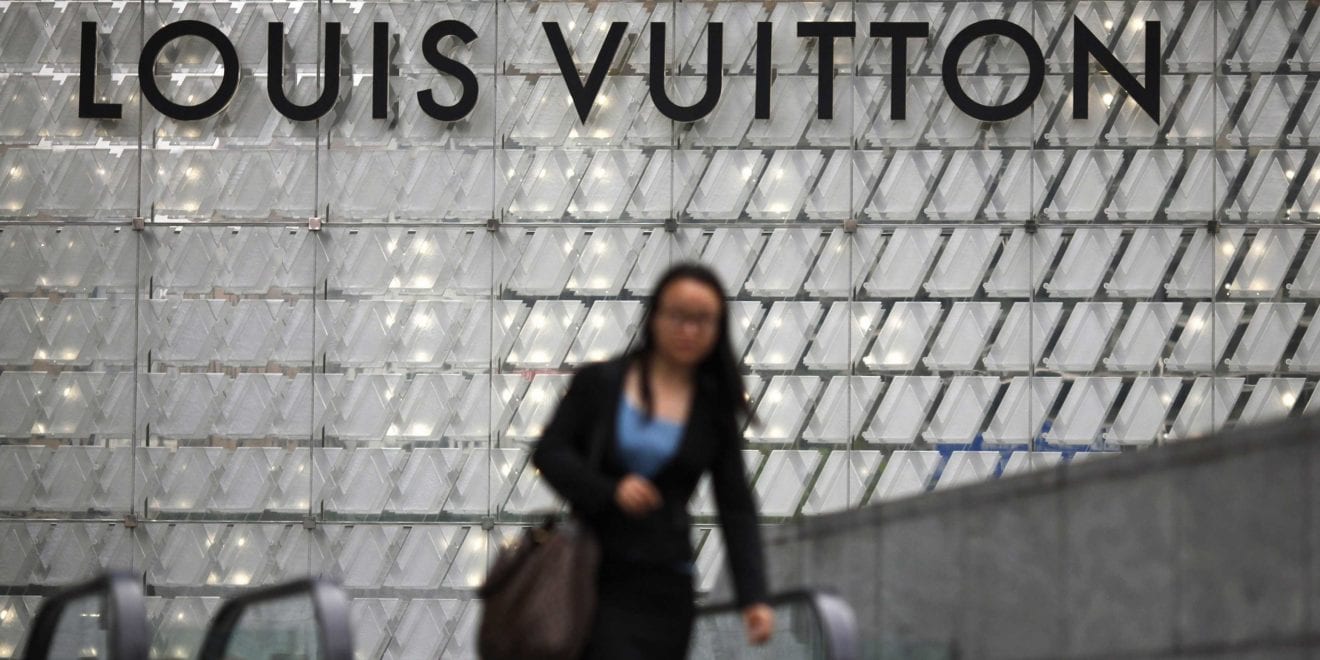
    Louis Vuitton closed its retail footprint in a Chinese province after local store sales dropped and a trademark dispute sparked consumer backlash against the French luxury house.

    The pullout follows intense public scrutiny in China over the brand’s legal enforcement of its intellectual property, which prompted pushback from shoppers and weakened foot traffic across regional department stores.

    Reassessing Regional Footprints

    Luxury groups in mainland China are reviewing their exposure to lower-tier provincial markets where operating costs outpace store revenue. Falling retail demand across secondary cities has pushed European fashion houses to trim underperforming storefronts and redirect capital toward flagship flagships in tier-one hubs.

    Shopper sentiment in the affected province turned sharply against the brand during the legal dispute. Local consumers shifted spending away from the label, accelerating management’s decision to shut down operations in the territory entirely.

    Consolidation in Core Hubs

    European luxury labels previously expanded across provincial capitals to capture rising domestic wealth outside Beijing and Shanghai. That expansion model now faces pressure as consumer spending concentrates in top-tier commercial centres and duty-free zones such as Hainan.

    LVMH continues to review its retail network across Greater China, with future store renewal deadlines and regional lease expiries determining where the group will prune or retain square footage.

  • Uniqlo Plans 20 Urban Flagship Stores Across Japan over Next Decade

    Uniqlo Plans 20 Urban Flagship Stores Across Japan over Next Decade

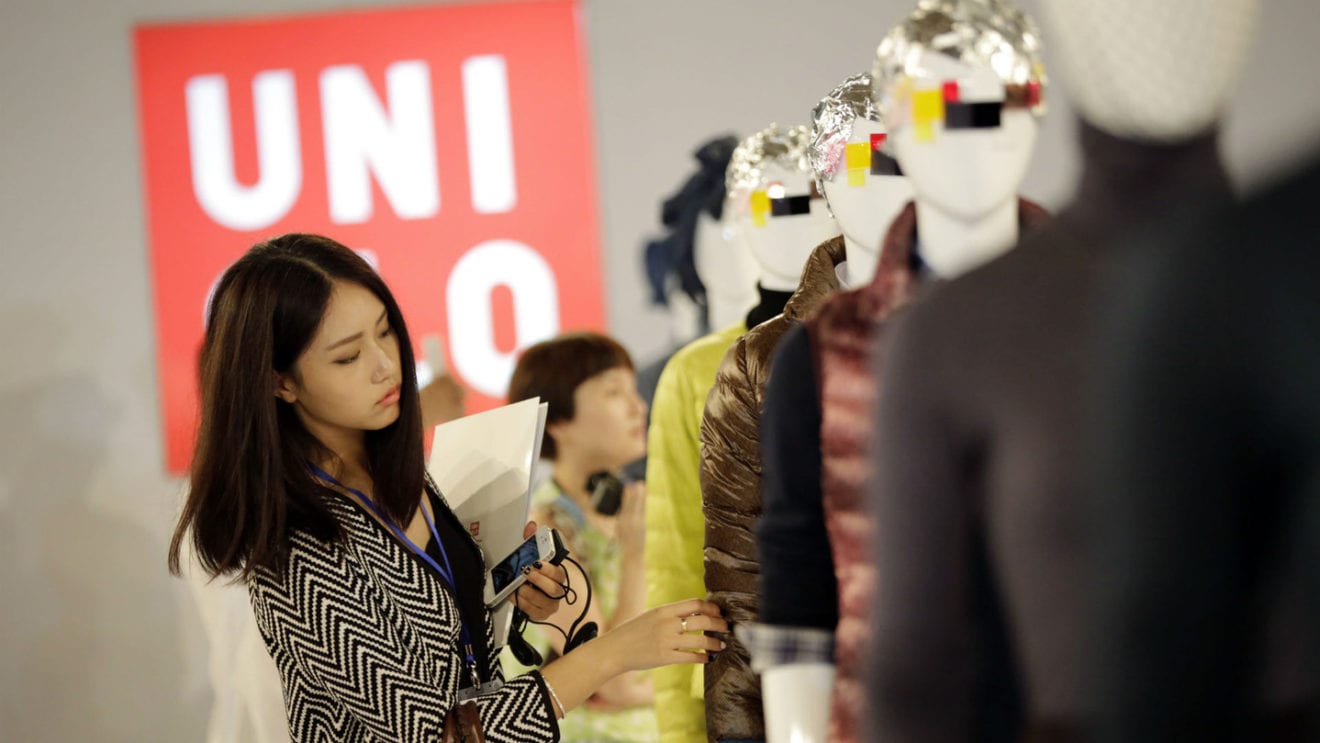
    Fast Retailing plans to expand Uniqlo’s flagship store network in Japan to around 20 locations over the next decade. The apparel group is shifting capital away from standardised suburban shopping centres to focus on multi-storey urban showpieces in prime metropolitan districts.

    The strategy alters the retail footprint that built Uniqlo into Japan’s dominant clothing chain. For decades, the brand expanded by opening uniform formats along roadside corridors and inside suburban shopping complexes across provincial prefectures. Future capital expenditure will prioritise high-traffic urban centres designed to deliver higher sales density and elevated brand visibility.

    Shifting capital from roadside formats

    Standard suburban outlets offer limited scope to show the brand’s full product range or create distinctive customer experiences. Flagship formats allow the group to display complete seasonal collections, test specialty service concepts, and handle heavier transaction volumes per square metre.

    Across Asian retail markets, apparel groups face maturing domestic suburban populations and rising store operating overheads. Flagship locations in transit hubs capture both regular daily commuters and high-spending international tourists, delivering better returns on lease costs than distributed suburban networks.

    New locations and tourist hubs

    Uniqlo currently runs global flagship stores in Tokyo’s Ginza district and Osaka’s Umeda commercial hub. Future openings under the revised 10-year plan will target prime retail corridors in Nagoya and Sapporo, along with additional high-footfall central Tokyo districts such as Shibuya.

    The urban rollout begins in western Japan, with Uniqlo scheduled to open its first global flagship store in Kyoto in November.

  • Sportswear Brands Overhaul Supply Chains as Functional Demand Jumps 74%

    Sportswear Brands Overhaul Supply Chains as Functional Demand Jumps 74%

    Sportswear brands across Asia-Pacific are overhauling supply chains and trimming product lines to protect margins as regional functional apparel demand heads toward a 74 percent surge by 2033.

    Euromonitor projects the Asia-Pacific region will outpace all other markets in sportswear growth through 2030, driven by outdoor recreation, running, racket sports, and women’s athletics.

    Cutting Styles and Betting on Function

    Shoppers are resisting price increases across regional retail markets, forcing sportswear labels to rely on operational efficiency rather than markups. Valerie Van Tran, partner at Delta West Group in Singapore, said consumers increasingly favour durability and performance over fashion-led collections.

    “As consumers become increasingly value-conscious amid macroeconomic uncertainty, demand for functional apparel is projected to grow 74% by 2033, demonstrating that customers are willing to pay for quality rather than trends,” Van Tran said.

    Fast Retailing’s Uniqlo built a dominant regional footprint by focusing on core functional basics, while Chinese platforms Shein and PDD Holdings’ Temu use algorithm-driven forecasting to eliminate unsold stock. Traditional sportswear makers are now adopting similar digital tools to shorten development cycles and limit inventory risk.

    Pricing Pressure and Sourcing Shifts

    Passing higher input costs directly to shoppers is no longer working. Aditya Kaushik, analyst at Coresight Research, said brands must give consumers concrete reasons to pay premium prices, such as superior materials or improved fit, while ditching poor-selling styles.

    Brands need to tighten collections, work directly with manufacturers, and shift away from storewide discounting in favour of targeted promotions, Kaushik added. He pointed to Ralph Lauren’s strategy of improving product mix and customer experience to protect perceived value without eroding margins.

    For global and regional sportswear players, the operational playbook has shifted: inventory precision matters more than sheer volume expansion. Diversified sourcing networks are replacing concentrated factory footprints across the region, shielding apparel labels from trade tariffs and transport bottlenecks.

    Brand operators across the region now face the challenge of proving their investments in automated forecasting and tighter vendor networks before the 2027 production cycles lock in.

  • Lululemon Launches Wellbeing Garden Activation in Shanghai

    Lululemon Launches Wellbeing Garden Activation in Shanghai

    Lululemon launched its Wellbeing Garden activation in Shanghai on October 10, bringing its global Wellbeing for All campaign to mainland consumers. The project anchors community gatherings around physical movement and mental wellness across the city.

    The Canadian athletic apparel maker designed the installation to merge mindfulness exercises with product shows. Shoppers and fitness participants can access instructor-led sessions, interactive wellness spaces, and product trials on site.

    Community Building in China

    Experiential retail remains central to how international sports brands build customer loyalty in Tier 1 Chinese cities. Rather than relying solely on conventional store formats, sportswear labels deploy outdoor pop-ups, run clubs, and yoga sessions to keep foot traffic connected to physical stores.

    Lululemon has built its mainland presence around store ambassadors and free community workouts. The Shanghai garden activation extends that playbook by creating a dedicated destination outside standard shopping mall footprints.

    Competition in Premium Activewear

    Mainland China continues to attract intense competition among premium athletic and outdoor brands. Global names face rising domestic sportswear labels that are expanding their own lifestyle and technical apparel ranges.

    The Shanghai activation runs as retail operators across China watch fourth-quarter foot traffic patterns and community participation figures closely.

  • Lululemon Opens 1,220-Square-Metre Harajuku Flagship in Tokyo

    Lululemon Opens 1,220-Square-Metre Harajuku Flagship in Tokyo

    Lululemon has opened a 1,220-square-metre flagship store in Tokyo’s Harajuku district, its largest retail location across the Asia-Pacific region. The multi-level site serves as the brand’s first global flagship in Japan, built to anchor its wider expansion beyond traditional yoga apparel.

    The store design incorporates a sculptural logo centrepiece built with Japanese furniture maker Karimoku and Torafu Architects. It features commissioned artworks referencing Meiji Shrine, Yoyogi Park and Ura-Harajuku, alongside the company’s first in-store personalisation services in Japan and traditional Furoshiki gift wrapping options.

    Local Design and Product Mix

    Assortments in the Harajuku store focus heavily on category diversification, stocking lines for running, training, golf, tennis and commuting. Apparel includes dedicated Asia Fit cuts tailored specifically to regional sizing preferences, moving the brand deeper into everyday activewear.

    Elliot Harris, Lululemon’s senior vice president and general manager for Asia Pacific, noted that Japanese consumers demand high standards of craftsmanship, longevity and product education. The flagship operates as a community venue hosting running events like the Hatsu Run and sessions with local brand ambassadors.

    Betting on Japanese Sports Apparel

    While many apparel chains across East Asia trim physical square footage to cut overhead, premium athletic labels are taking the opposite route in Tier 1 retail hubs. Japan’s sports apparel market is projected to expand into a US$15 billion sector by 2032, driven by sustained local participation in fitness, running and outdoor movement.

    RetailNews Asia views the Harajuku opening as a direct play for brand equity in a market where shoppers still place heavy value on physical store service before buying online. Large-format spaces allow athletic brands to justify premium price points by bundling experiential marketing with technical product demonstrations.

    Lululemon is monitoring foot traffic and conversion metrics at the Harajuku site as it evaluates flagship store formats for other key metropolitan markets across Asia Pacific.

  • SKIMS Opens Flagship Store at Times Square in Hong Kong

    SKIMS Opens Flagship Store at Times Square in Hong Kong

    SKIMS opened a flagship store at Times Square in Hong Kong, establishing a dedicated physical location in one of the city’s busiest shopping destinations. The opening brings the brand’s core shapewear, loungewear, and apparel lines directly to local shoppers in Causeway Bay.

    Causeway Bay Footprint

    The Times Square location anchors the brand’s direct retail operations in Hong Kong. By securing floor space in a prime commercial mall, the company shifts from wholesale and regional e-commerce fulfilment toward standalone branded storefronts that handle higher foot traffic.

    Shoppers gain direct access to the full product catalogue across sizing ranges and seasonal collections. Physical fitting and immediate inventory availability remain central to the store format, addressing sizing demands that online channels cannot replicate.

    Expansion Across Regional Hubs

    Western direct-to-consumer labels continue to target top-tier retail properties across Asia to capture resilient domestic consumer spending. Hong Kong remains a testing ground for international fashion brands gauging appetite before committing to broader rollouts across mainland China and Southeast Asia.

    Retail property managers in Causeway Bay have adjusted tenancy mixes over the past two years, replacing legacy luxury concessions with high-engagement lifestyle and specialty apparel names. Mall operators look to these direct-to-consumer openings to lift younger demographic footfall and weekday mall conversion rates.

    Attention turns to foot traffic numbers and sales productivity per square foot through the opening quarter, alongside any future site announcements across Greater China.

  • Regatta Opens Refreshed Flagship at SM Mall of Asia

    Regatta Opens Refreshed Flagship at SM Mall of Asia

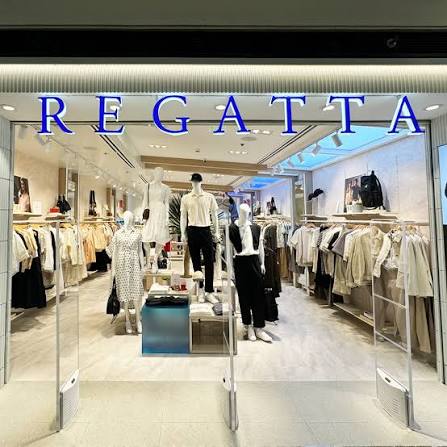
    Filipino lifestyle apparel brand Regatta opened a refreshed flagship store at SM Mall of Asia in Metro Manila, expanding its footprint inside one of the country’s largest retail centers.

    The store occupies space on the third floor of the South Main Mall, introducing an updated coastal retail layout paired with a new apparel sub-category.

    Inside the unit, merchandise is organized into dedicated product zones. A central accessories display carries lifestyle goods, including fragrances, headwear, drinkware, and towels, while an entire wall shows the retailer’s core polo shirt collection next to a customer lounge section.

    Athletic range expands casual lineup

    Alongside the store launch, Regatta introduced Regatta Sport, a product line targeting daily activewear. The collection includes quarter-zip pullovers, polo dresses, sweat shorts, lightweight nylon shorts, and jackets designed to bridge classic country club styling with functional athletic wear.

    The apparel rollout gives the brand broader coverage across technical fabrics and leisure categories as consumer demand for hybrid sportswear grows across Southeast Asia.

    Mall footprints anchor local brands

    Domestic apparel brands in the Philippines continue to renovate key metro flagships to hold floor space against competing international fast-fashion chains. High-traffic centers such as SM Mall of Asia serve as testing grounds for local operators seeking to expand product categories into lifestyle accessories and performance apparel.

    Regatta will monitor sales performance from the sports range at the South Main Mall location before rolling the inventory across its wider domestic store network in subsequent seasons.

  • China Beauty Market Targets 6 Percent Annual Expansion Through 2028

    China Beauty Market Targets 6 Percent Annual Expansion Through 2028

    China’s beauty market will expand at a 6 percent compound annual growth rate between 2024 and 2028, according to projections from consultancy McKinsey. The forecast follows a 3 percent expansion recorded in 2023 across the country’s cosmetics and skincare sectors.

    A 2025 survey showed that 75 percent of beauty executives are pushing to increase sales despite softer volume growth caused by inflation and cautious household spending. Retailers face rising customer acquisition costs across domestic e-commerce channels alongside extended product lifecycles.

    Squeezed Margins and Price Pressures

    Downward pricing pressures intensified over the past year across Chinese retail platforms. Consumers increasingly hunt for value, forcing brands to adjust promotional calendars and discount structures to defend shelf space.

    Foreign and domestic beauty brands are rethinking their operating models in response. Companies such as Changsha-based S’Young International are expanding integrated operations hubs to manage distribution and localization more efficiently.

    Shift Toward Capability Hubs

    International brands previously treated mainland China primarily as a volume driver for global sales. Today, rising domestic competition and fragmented digital channels require dedicated local research, formulation and supply chains within the market itself.

    The critical metric for brand managers in the coming quarters is whether average selling prices stabilize across major retail platforms before margins erode further.

  • Anta Sports Lifts First-Half Revenue 12.9% to $6.1 Billion

    Anta Sports Lifts First-Half Revenue 12.9% to $6.1 Billion

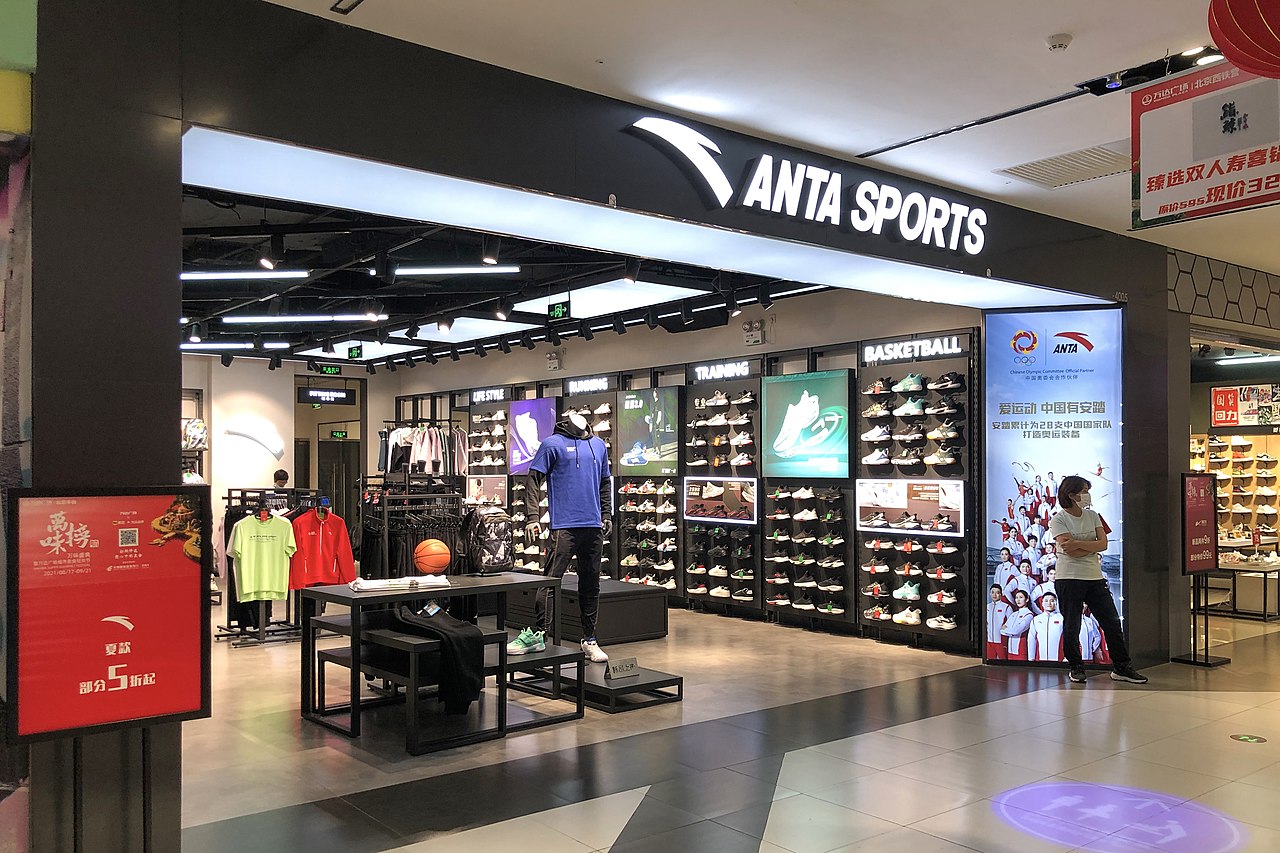
    Anta Sports lifted first-half revenue 12.9 per cent to RMB43.51 billion ($6.1 billion) for fiscal 2026. Strong demand across the company’s outdoor portfolio drove the top-line gain.

    Revenue at the core Anta brand rose 4.8 per cent year on year to RMB17.77 billion ($2.64 billion). Sportswear line Fila added RMB15.05 billion ($2.24 billion), a 6.1 per cent increase over the six-month period.

    Outdoor labels outpace core brands

    Specialty outdoor and niche sports apparel carried the bulk of the group’s sales growth. The division covering Descente, Kolon Sport, Jack Wolfskin and female activewear label Maia Active surged 44.2 per cent to RMB10.69 billion ($1.59 billion).

    Spending on product development increased alongside the broader business. Anta allocated approximately RMB1.11 billion ($164.95 million) to research and development during the half.

    Chairman Ding Shizhong said the company will keep investing in product innovation, brand equity and regional retail upgrades. It also plans to build global management capabilities.

    Leadership reset at the flagship unit

    The financial update follows an executive change at the group’s main commercial division. Anta brand chief executive Xu Yang stepped down in July, citing personal family reasons. Directors placed co-chief executive Lai Shixian in charge of the flagship label on an interim basis.

    Market trends show a broader split in Chinese sportswear retail. Mainstream sneaker and apparel sales face stiffer price competition and saturated footprints. Meanwhile, premium outdoor lines continue to capture higher consumer spending in tier-one and tier-two cities.

    Beyond its directly run portfolio, Anta remains the controlling shareholder in Amer Sports, owner of Arc’teryx, Salomon, Wilson and Atomic. Focus now turns to how quickly interim chief Lai Shixian adjusts retail distribution for the core Anta brand ahead of the winter selling season.

  • Lanvin Group Narrows First-Half Loss to €34.6 Million as Store Closures Bite

    Lanvin Group Narrows First-Half Loss to €34.6 Million as Store Closures Bite

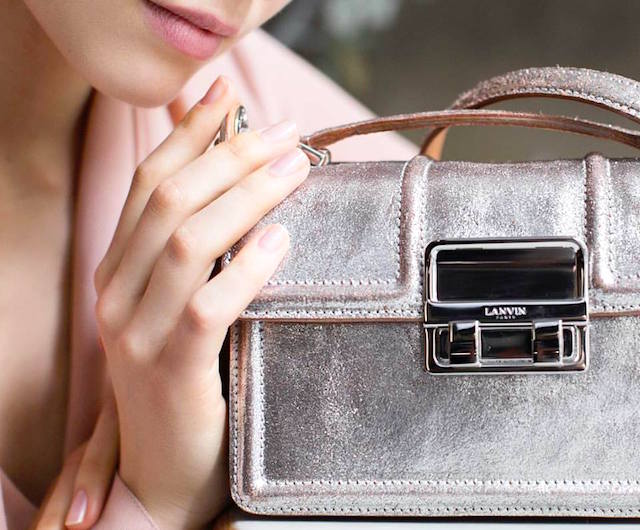
    Shanghai-based Lanvin Group narrowed its first-half adjusted EBITDA loss to €34.6 million as store closures and restructuring outpaced a 12.9 per cent revenue drop to €100.8 million.

    The New York-listed luxury group cut its adjusted EBITDA loss from €52.2 million a year earlier, achieving its first period since listing where operating cuts exceeded top-line decline. The prior-year base excludes Italian tailor Caruso, which the company sold in February to Abu Dhabi-backed MondeVita.

    Management closed 23 directly operated stores during the six months to June 30, bringing its active boutique network down to 151 sites. Over the past 18 months, the company has eliminated 74 stores from a peak of 225, cutting its physical footprint by a third to curb overhead.

    Mixed fortunes across four fashion houses

    St John overtook the namesake maison to become the group’s largest revenue contributor, generating €35.5 million. While that represented a 10.5 per cent decline in euros, sales fell roughly 5 per cent in US dollars, helped by a 31 per cent jump in e-commerce. Chief commercial officer Mandy West, promoted in March, will roll out two capsule collections during the second half.

    Austrian skinwear label Wolford delivered €31.0 million, down 6 per cent. Direct-to-consumer sales slipped 2 per cent while e-commerce expanded 22 per cent, lifting gross margin four percentage points to 60 per cent following the resolution of earlier supply chain bottlenecks. Marco Pozzo took over leadership of the brand in February.

    Revenue at flagship house Lanvin slid 17.9 per cent to €22.9 million, making it the group’s third-largest unit. Barbara Werschine took charge as chief executive in May following stints at Hermès and Eric Bompard, while designer Peter Copping presented his winter 2026 collection in Paris. Footwear brand Sergio Rossi remained the weakest unit, tumbling 28.6 per cent to €10.9 million after artistic director Paul Andrew departed in January and the business phased out third-party manufacturing contracts.

    Asset-light transition across global operations

    Chinese luxury groups that expanded through European acquisitions have spent the past two years paring down overhead to adjust to weaker global wholesale demand. Greater China generated 8.1 per cent of Lanvin Group’s sales last year, leaving the company heavily exposed to European and American department store channels where foot traffic has softened. Trimming company-owned real estate while shifting brands toward licensing mirrors the defensive posture adopted by mid-tier European fashion houses.

    Chairman Zhen Huang expects the broader corporate transformation to wrap up before the end of the year. The group is now preparing second-half wholesale deliveries and expanding asset-light franchise partnerships across Sergio Rossi and Lanvin.

  • Lovisa Hits $938.8 Million in FY26 Sales on Fast Jewellery Demand

    Lovisa Hits $938.8 Million in FY26 Sales on Fast Jewellery Demand

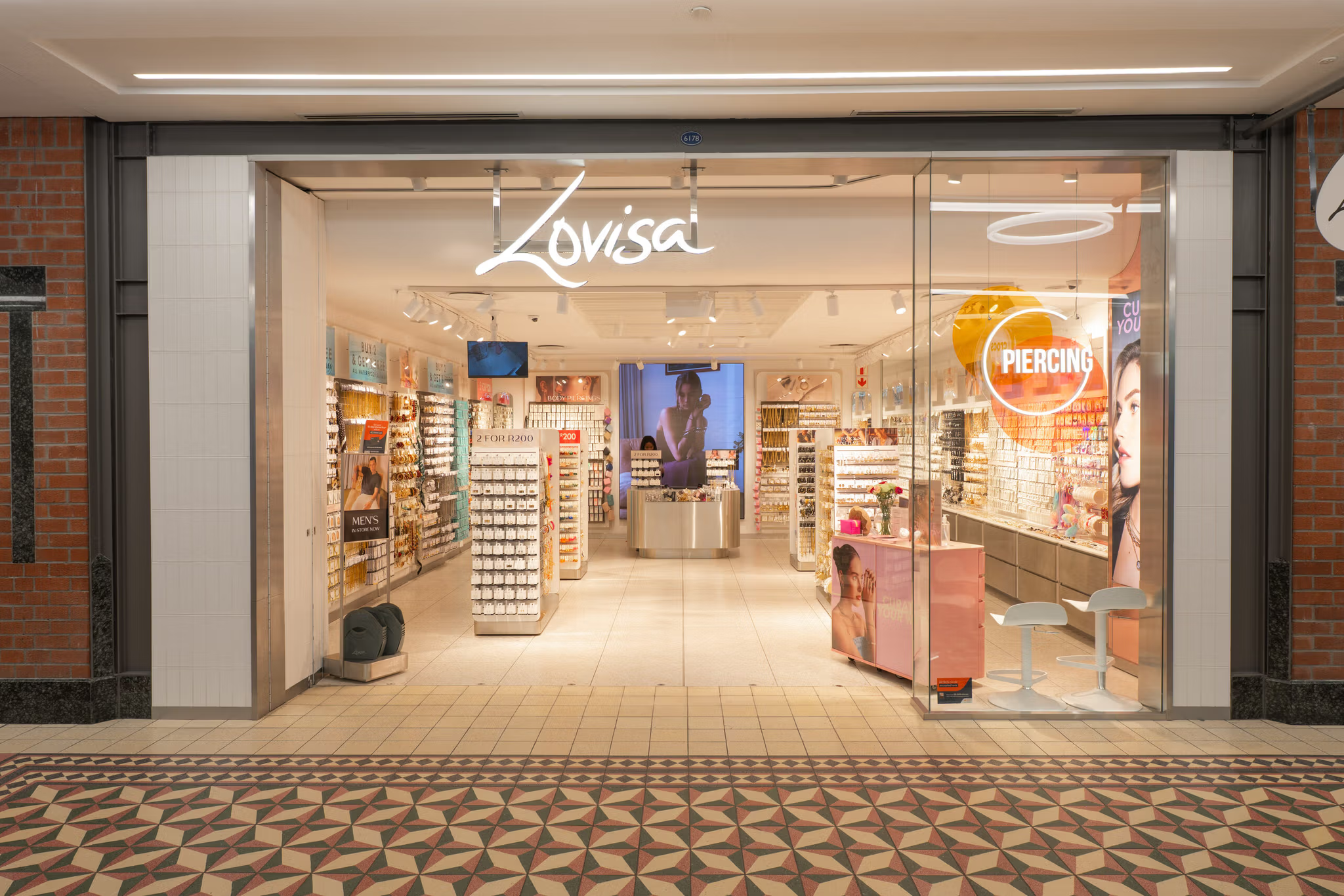
    Lovisa posted double-digit revenue and profit growth for fiscal 2026, generating $938.8 million in total sales across its global store network. The result shows budget-conscious shoppers continued buying affordable accessories despite persistent cost-of-living pressure in Australia and key overseas markets.

    Tightened household budgets did little to slow store turnover. Fast-fashion jewellery continues to capture discretionary spending from consumers who pull back on higher-priced apparel and luxury goods, giving mass-market operators sustained foot traffic across shopping centres.

    Demand across budget accessories

    Lovisa relied on its high-turnover model to drive revenue across its retail footprint. Low price points allowed the brand to maintain transaction volume even as inflation squeezed general consumer spending.

    The performance reflects a broader split in retail spending across the Asia-Pacific region. While big-ticket discretionary categories face softer demand, impulse-driven accessory purchases continue to clear inventory rapidly.

    Market rivals and category pressure

    Competition in the affordable jewellery segment is intensifying across major retail hubs. New challenger brands, including ventures launched by former Lovisa executives, are expanding store networks and targeting the same demographic with rapid product drops.

    Sustaining double-digit expansion will depend on how effectively the chain defends mall real estate and controls store operating costs. Market watchers will track upcoming store rollout milestones and regional trading updates in the next financial reporting cycle.

  • Shein Budgets $15M for Product Safety in 2025 Compliance Push

    Shein Budgets $15M for Product Safety in 2025 Compliance Push

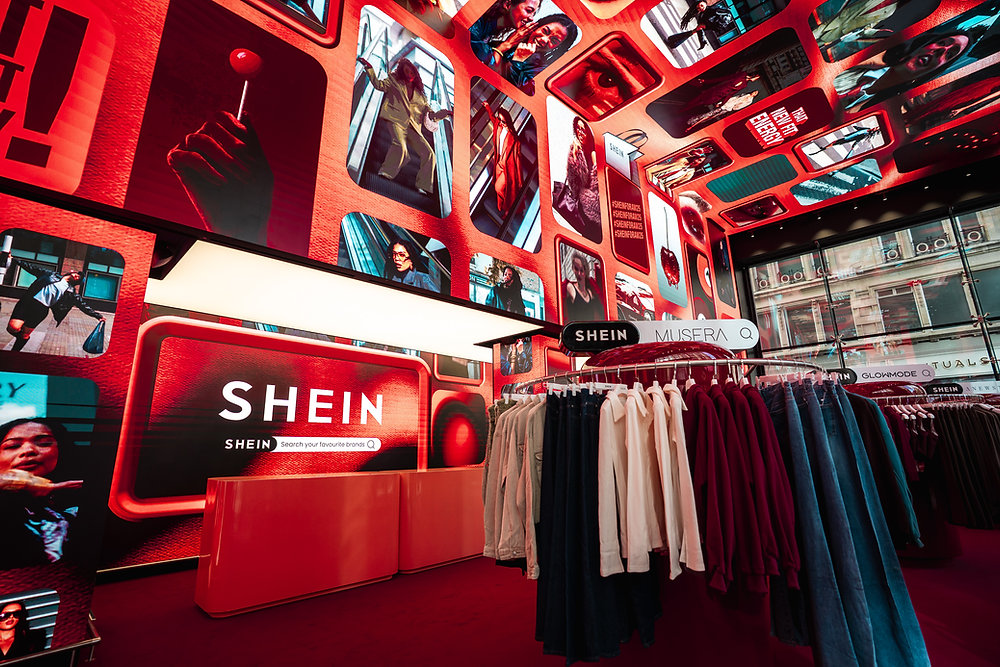
    Shein will spend $15m in 2025 to tighten product safety and regulatory compliance across its global marketplace.

    That budget will fund 2.5 million individual product tests this year, a 25 per cent increase from the testing volume completed in 2024.

    Tighter Rules for Childrenswear and Electronics

    The Singapore-headquartered platform is expanding working agreements with 15 commercial inspection groups, including SGS, Intertek, and Bureau Veritas. The checks target baseline safety benchmarks such as the US Consumer Product Safety Act and the European Union’s General Product Safety Regulation. Suppliers and third-party marketplace merchants must now clear internal standards set out in Shein’s Restricted Substances List.

    Under the new rules, the retailer limits garment production to an approved materials library of certified fabrics, trims, and hardware. Starting April 2025, every fabric used in Shein-branded children’s clothing must clear mandatory chemical and flammability screening before listing. Similar requirements apply to all decorative trims and fasteners.

    A second enforcement phase begins in May 2025, focusing on high-risk third-party merchandise such as consumer electronics, toys, cosmetics, and personal protective equipment. Sellers in these categories must supply verified certifications, including RoHS compliance and FCC documentation, before their listings go live.

    Enforcing Penalties on Third-Party Merchants

    Cross-border retail platforms operating out of Asia face mounting scrutiny from Western regulators over illicit chemical residues and untested electrical goods shipped directly to consumer doorsteps. Direct-to-consumer marketplaces built on rapid-turnaround contract manufacturing must prove they can police hundreds of independent workshops without slowing delivery cycles.

    Shein has already removed more than 540 non-compliant sellers from its marketplace since introducing third-party vendor onboarding. Merchant accounts now undergo recurring audits based on random laboratory screenings and shopper complaints. Vendors that fail testing thresholds face product delistings, financial penalties, or permanent account termination, with Shein committing to notify government regulators of severe safety violations.

    Marketplace teams will track merchant compliance rates closely as the documentation mandate takes effect for electronics and cosmetics vendors in May 2025.