Category: Fashion

Retail News Asia is committed to providing both local and global retailers with the latest Fashion news throughout the Asian market. This on a daily base.

  • City Chic Lifts Underlying Earnings 92% to $12.3 Million Despite US Sales Drop

    City Chic Lifts Underlying Earnings 92% to $12.3 Million Despite US Sales Drop

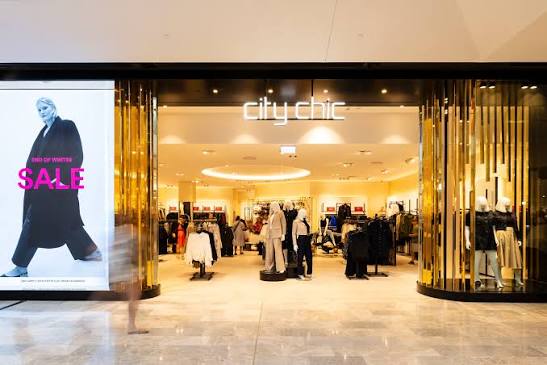
    City Chic Collective nearly doubled its underlying core earnings to $12.3 million in the fiscal year ended June 28, despite total group revenue slipping 3 per cent to $130.5 million.

    Margin expansion and strict operational discipline drove underlying earnings before interest, taxes, depreciation, and amortisation up 92 per cent from the previous year.

    Australia and New Zealand anchored the turnaround. Revenue across the home market rose 7.6 per cent to $113.8 million, with comparable sales lifting 5.6 per cent across physical stores and digital channels. Higher average selling prices and steady customer acquisition cushioned the group while its overseas operations took a hit.

    Retreat from American Tariffs

    The United States delivered a sharp contraction. US sales plunged 42 per cent after management deliberately throttled purchasing activity to limit exposure to import tariff volatility.

    To fix the unit economics, City Chic converted its US Amazon operation from a wholesale setup to a direct marketplace model. Group inventory fell 11 per cent to $24.1 million by the close of the financial year, reflecting reduced capital tied up in North American stock.

    The Sydney-based apparel retailer has deployed automated forecasting and software tools to sharpen buying decisions and lower product return rates. Chief executive Phil Ryan said the company has built a simpler and more resilient operating base after clearing out high-risk inventory channels.

    Trading Momentum in Early FY27

    Cross-border apparel brands have faced intense margin pressure across international channels over recent reporting cycles, forcing operators to protect local margins rather than chase unprofitable foreign volume. City Chic’s retrenchment in North America reflects a broader shift among Australasian specialty chains refocusing on core domestic trade.

    Early numbers indicate the strategy is holding. Comparable store sales in Australia and New Zealand rose 11.4 per cent through the first seven weeks of FY27, with management forecasting a return to revenue and margin growth in the US during the first half.

  • Shein Heads to Hong Kong Listing as Dual-Class Shares Draw Scrutiny

    Shein Heads to Hong Kong Listing as Dual-Class Shares Draw Scrutiny

    Shein is preparing to list its shares in Hong Kong next month, five years after beginning its initial public offering push across Western exchanges.

    The online fast-fashion giant generated $41.8 billion in annual sales last year, but its listing filing shows four co-founders will retain 90 per cent of voting power through a dual-class share structure.

    Under that arrangement, class A shares carry 10 votes each compared to a single vote for class B shares. The founders hold 59.6 per cent of total equity without a fixed expiry on their voting control. Shein also combines the positions of chief executive and chairman, with its four founders occupying board seats while only three of seven directors are independent.

    Emissions and Supply Chain Audits

    Regulators in Europe and the United States continue active investigations into the retailer. The European Commission and the US Federal Trade Commission are examining its operations following prior penalties in France over discount pricing and in Italy over environmental marketing claims.

    Shein expanded its annual sustainability report to 118 pages last year, up from 28 pages in 2021, and formed an external advisory board to address oversight concerns. Audits graded 53 per cent of its suppliers in the top tier in 2025, an increase from 47 per cent in 2024.

    Environmental data filed by the company showed greenhouse gas emissions roughly double those of Zara parent Inditex in 2025. Inditex posted revenue of €39.9 billion ($46.54 billion) during the same period, while Shein churned out 4,700 new styles per day across a catalogue topping 2 million garments.

    Cross-Border Scrutiny Mounts

    Cross-border e-commerce platforms operating out of Asia face stiffening enforcement in Western markets. The European Commission recently levied fines of €550 million on Alibaba unit AliExpress and €200 million on PDD Holdings unit Temu over product compliance.

    For retailers across the region, Shein’s listing marks a shift away from New York and London toward Asian capital markets after political pushback. Yet the heavy concentration of founder control tests how institutional investors value ultra-fast supply chains against governance standards.

    The retailer now heads into investor roadshows ahead of the Hong Kong trading debut scheduled for next month.

  • Coty Full-Year Revenue Drops Five per Cent to US$5.8 Billion Ahead of Gucci License Loss

    Coty Full-Year Revenue Drops Five per Cent to US$5.8 Billion Ahead of Gucci License Loss

    Coty posted a five per cent decline in full-year net revenue to US$5.8 billion as the beauty group prepares to surrender its lucrative Gucci license.

    Fourth-quarter adjusted EBITDA dropped 26 per cent to US$93.6 million, dragging operating margins down 270 basis points to 7.4 per cent. Like-for-like sales in the final quarter slipped one per cent to US$1.3 billion, prompting Coty shares to fall 7 per cent in after-hours trading after management withheld financial guidance for fiscal 2027.

    Markus Strobel, Coty executive chairman and interim chief executive, designated fiscal 2027 a transition year focused on lowering fixed overheads. The departure of Gucci Beauty will trigger an additional drop in revenue and profit in fiscal 2028.

    Fixed costs and new fragrance licenses

    Management plans to counter the Gucci exit by cutting fixed corporate costs and expanding newer licensing contracts. The pipeline relies on cosmetics under Marc Jacobs Beauty alongside fragrance agreements with Swarovski, Etro and Marni.

    GlobalData managing director Neil Saunders noted that replacing Gucci volume requires stronger performance from remaining prestige lines, especially across department stores and travel retail networks. Retail OCD chief executive Barney Stacher cautioned that cost reductions cannot compensate for weak brand heat across mass colour cosmetics lines such as CoverGirl, Rimmel and Max Factor.

    Mass beauty shelf pressure

    Fragrance sales continue to generate cash across Asian metropolitan markets, but Coty’s mass cosmetics portfolio faces intense shelf competition from nimble regional and domestic beauty labels. Rebuilding brand visibility in physical retail and digital storefronts requires targeted product development rather than broad promotional discounting, according to Pepperdine Graziadio Business School marketing professor Kimber Maderazzo.

    Coty will deliver the final decisions from its strategic review of the Consumer Beauty unit by the end of 2026 before the Gucci transition takes effect in fiscal 2028.

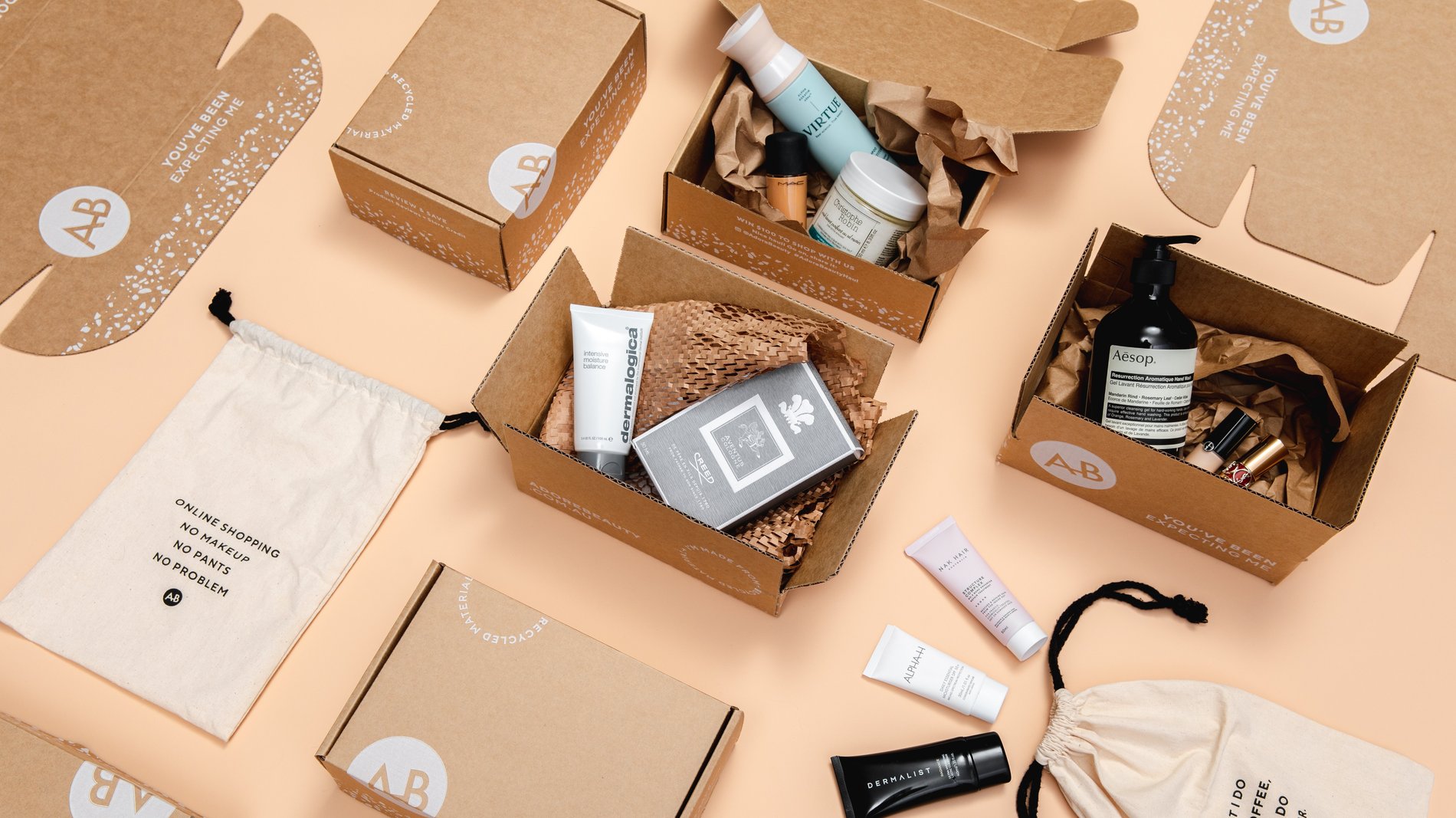
  • Adore Beauty Expands Physical Network to 20 Stores in Omnichannel Shift

    Adore Beauty Expands Physical Network to 20 Stores in Omnichannel Shift

    Adore Beauty opened 13 physical stores during fiscal 2026. The Melbourne online retailer now has 20 locations across Australia.

    This expansion more than doubled its brick-and-mortar footprint. The brand had operated primarily as a pureplay digital platform for 26 years.

    Store Rollout Across Two Banners

    Openings included 11 flagship Adore Beauty storefronts and two locations under the IKOU brand. Group management committed tens of millions of dollars during the year to fund retail leases, supply chain infrastructure and expanded warehouse capacity.

    Those physical storefronts trade alongside the digital platform. Customer retention efforts helped expand the Adore Rewards loyalty program to 538,000 active participants during the financial year.

    Shifting Channel Economics

    Pureplay online beauty retailers across the Asia-Pacific region face climbing digital customer acquisition costs. Physical networks give digital operators direct access to foot traffic and higher-margin basket sizes, mirroring omnichannel rollouts across regional markets.

    Another five physical stores are scheduled to open as the company builds out its national retail pipeline.

  • Korean Fashion Labels Cluster in Seoul’s Hannam District for Flagship Retail

    Korean Fashion Labels Cluster in Seoul’s Hannam District for Flagship Retail

    Independent Korean fashion labels are securing standalone flagship stores across Seoul’s hillside Hannam-dong district, establishing physical footprints along Itaewon-ro to capture rising domestic and inbound tourist spending. The neighborhood offers an alternative to the crowded retail pop-ups of Seongsu-dong, giving younger brands space for full-collection stores and dedicated hospitality concepts.

    Womenswear label Glowny anchors the strip with a 660-square-meter flagship, its first physical location before opening a second store in Apgujeong. Founded in 2020 by sisters Choi Jane and Choi Ji-ho, the label built an audience of nearly 400,000 social media followers on basic jersey lines and low-rise denim before scaling into multi-level retail.

    Celebrity Placement Drives Footwear and Apparel Sales

    Physical stores in the quarter rely heavily on styling seen on Korean pop performers. Open YY, operated by sisters Kim Ji-young and Kim Bo-young, pairs its runway apparel and in-store cafe with sell-out shoe lines, including ballet boots that emptied inventory after appearances during Paris Fashion Week. The store combines seasonal ready-to-wear with swimwear and footwear on open floor plans.

    Streetwear outfit SunburnProject sells graphic apparel alongside accessories like its multi-way M.O.S Bag, supported by licensed partnerships including a collaborative line with American character brand Paul Frank. Nearby, Davichi singer Kang Min-kyung opened a dedicated Hannam outpost for her brand Avie Muah in June, selling higher-priced tailoring alongside metal phone accessories.

    Global Retail Roadmaps and Category Expansion

    For several emerging operators, Hannam flagships serve as testing grounds before international rollouts. TooMuchTax, launched in 2023 around bodywear and swimwear, merchandises its hotel-lounge concept store with individual displays for waffle knitwear and scarves. The label plans to run a US pop-up next year ahead of a targeted permanent American store opening in 2028.

    Across menswear, brand Pottery occupies an entire multi-story building focused on workwear and durable textiles, incorporating lounge space to increase dwell time. Multi-brand retailer Beaker provides broader distribution for domestic labels alongside international home goods from Tekla and Ilkwang Lighting, while makeup brand Hince operates a standalone cosmetic store offering custom palette formulation.

  • Oz Hair and Beauty Discloses Customer Data Breach Across Order Platform

    Oz Hair and Beauty Discloses Customer Data Breach Across Order Platform

    Oz Hair and Beauty has suffered a cyber incident on its online purchasing platform. The breach exposed the personal details and transaction histories of customers who placed orders before August.

    An unauthorised third party gained brief access to data managed through an external service provider. The Australian e-commerce merchant disclosed the incident to shoppers in a direct notification.

    Exposed records include full names, email addresses, mobile numbers, and purchase details showing total spend, currency, city, state, and postcode. Attackers did not obtain passwords, credit card numbers, payment details, or street addresses, the company stated.

    Third-Party Platform Compromise

    External technical specialists launched an investigation immediately after staff detected the intrusion. Early findings point to data held by a contractor rather than a direct breach of internal systems.

    Oz Hair and Beauty has not disclosed the total number of affected customer accounts. It reported the incident to the Australian Cyber Security Centre and the Office of the Australian Information Commissioner while notifying affected buyers.

    Earlier this month, a separate cyber attack hit furniture retailer Nick Scali and forced core IT infrastructure offline across its regional business. Australian consumer brands face tightening scrutiny over vendor data storage as regulators press merchants to shorten retention schedules.

    Security Audit Underway

    The beauty retailer is now overhauling its data protection controls and third-party storage policies to prevent repeat exposures across its digital channels.

    Technical investigators are still determining the full timeline of the intrusion. The retailer has yet to submit its final incident report to federal privacy regulators.

  • Luxury Evermore Flags Cloned Chanel Serial Code Found 127 Times Across 36 Countries

    Luxury Evermore Flags Cloned Chanel Serial Code Found 127 Times Across 36 Countries

    Singapore resale platform Luxury Evermore found a single Chanel serial code repeated 127 times across 36 countries in its authentication database, exposing widespread counterfeit production.

    The code, 10218184, showed up on multiple bag models submitted to the firm’s free authentication screening tool, directly contradicting the brand’s rule that each code belongs to one specific bag.

    Database Flags Cloned Code

    Submissions came through Luxury Evermore’s consumer review service, which screens pre-owned luxury items to weed out fakes in the secondary market. Counterfeiters routinely duplicate legitimate serial strings because they lack access to internal luxury brand databases.

    “There are specific patterns and details on these tags that are very difficult to replicate,” Luxury Evermore founder Mingchuan Tian said. The company noted that while a single code match does not automatically prove a bag is fake, any pre-owned piece bearing the 10218184 string requires physical inspection before purchase.

    Shift to Microchip Authentication

    Chanel changed its authentication architecture in 2021, replacing physical authenticity cards and interior sticker tags with embedded microchips and metal plaques. Bags made before that transition remain heavily traded across Asian consignment platforms, leaving older serial numbers exposed to industrial-scale cloning.

    Secondary luxury platforms across Southeast Asia and East Asia face rising costs as authentication moves from simple serial checks to multi-point material inspections. As counterfeit operations replicate physical tags across multiple product lines, resale operators are tightening screening protocols on legacy inventory to protect platform credibility.

    Resellers tracking the 10218184 code are now screening pre-2021 inventory for matching batch anomalies across regional intake hubs.

  • Borsalino Opens First China Boutique at Shanghai Plaza 66

    Borsalino Opens First China Boutique at Shanghai Plaza 66

    Borsalino opened its first permanent boutique in mainland China at Shanghai’s Plaza 66, launching the 170-year-old Italian luxury hatmaker’s direct retail presence in the country.

    The Shanghai debut anchors the company’s broader expansion push across Greater China and key international retail destinations.

    Mauro Baglietto, managing director of Borsalino, led the ribbon-cutting ceremony alongside Alec Hou, chief executive of Essence Group, joined by representatives from the Italian government and Plaza 66 leasing management. To accompany the launch, the brand unveiled a limited-edition jewellery collection featuring a Fedora finished with an 18-carat gold logo set with rubies, sapphires and diamonds.

    Heritage and Pop-Up Operations

    Plaza 66 hosted a Borsalino pop-up installation from 22 to 27 August to support the boutique opening. The temporary space showed archival vintage headwear, demonstrations of Italian millinery craft, and bespoke personalisation services for local shoppers.

    Giuseppe Borsalino established the company in Alessandria, Italy, in 1857, making it the country’s oldest operating luxury hatmaker. The business currently pairs its own-brand boutiques and wholesale accounts with global distribution networks, fashion collaborations and film-industry styling partnerships.

    Niche Luxury in Prime Retail Malls

    Heritage European craft houses continue to seek dedicated real estate across top-tier Chinese commercial centers to engage high-net-worth buyers directly rather than relying solely on multi-brand stockists. Placing a standalone store inside Plaza 66 gives Borsalino immediate access to Shanghai’s most concentrated luxury customer base.

    The next metric to watch is whether Essence Group and Borsalino follow this flagship opening with additional retail leases in secondary luxury hubs such as Beijing and Chengdu.

  • Lululemon Combines China and Apac Under New Leadership

    Lululemon Combines China and Apac Under New Leadership

    Lululemon has consolidated its China and Asia-Pacific operations under a single regional leadership team, naming San Yan Ng regional president.

    Ng joined the retailer in January 2018. She spent eight years directing its mainland China business as the country grew into one of the company’s largest international revenue drivers.

    Luxury retail veteran to lead Apac

    Under the revised structure, Jeffrey Hang joins the apparel company as senior vice president and general manager of Asia-Pacific. He reports directly to Ng and will manage regional teams across markets outside mainland China.

    Hang brings more than twenty years of Asian retail experience to the post. Most recently, he served as managing director for Bulgari across Southeast Asia, India, Australia and New Zealand after working as senior vice president and chief executive officer at Louis Vuitton China.

    Together, their strong leadership and track records of success will help us to strengthen our local relevance in the region and grow our community of guests around the world.

    André Maestrini, interim co-chief executive, president and chief commercial officer at Lululemon, confirmed the appointments to align operations across regional markets.

    Shared management across regional hubs

    Unifying China and Asia-Pacific under one command structure reflects how global sportswear and premium apparel brands are adjusting regional operations. Many international labels previously ran mainland China as a standalone division separate from the rest of Asia. That split created duplicate resources in supply chains, regional merchandising and digital marketing.

    This combined reporting line lets the company share store-level lessons and inventory strategies across borders. It connects mature hubs such as Hong Kong, Tokyo and Sydney with fast-expanding cities across mainland China.

    Leadership changes take effect immediately. Lululemon now heads into its next round of quarterly financial disclosures and store expansion plans across East and Southeast Asia.

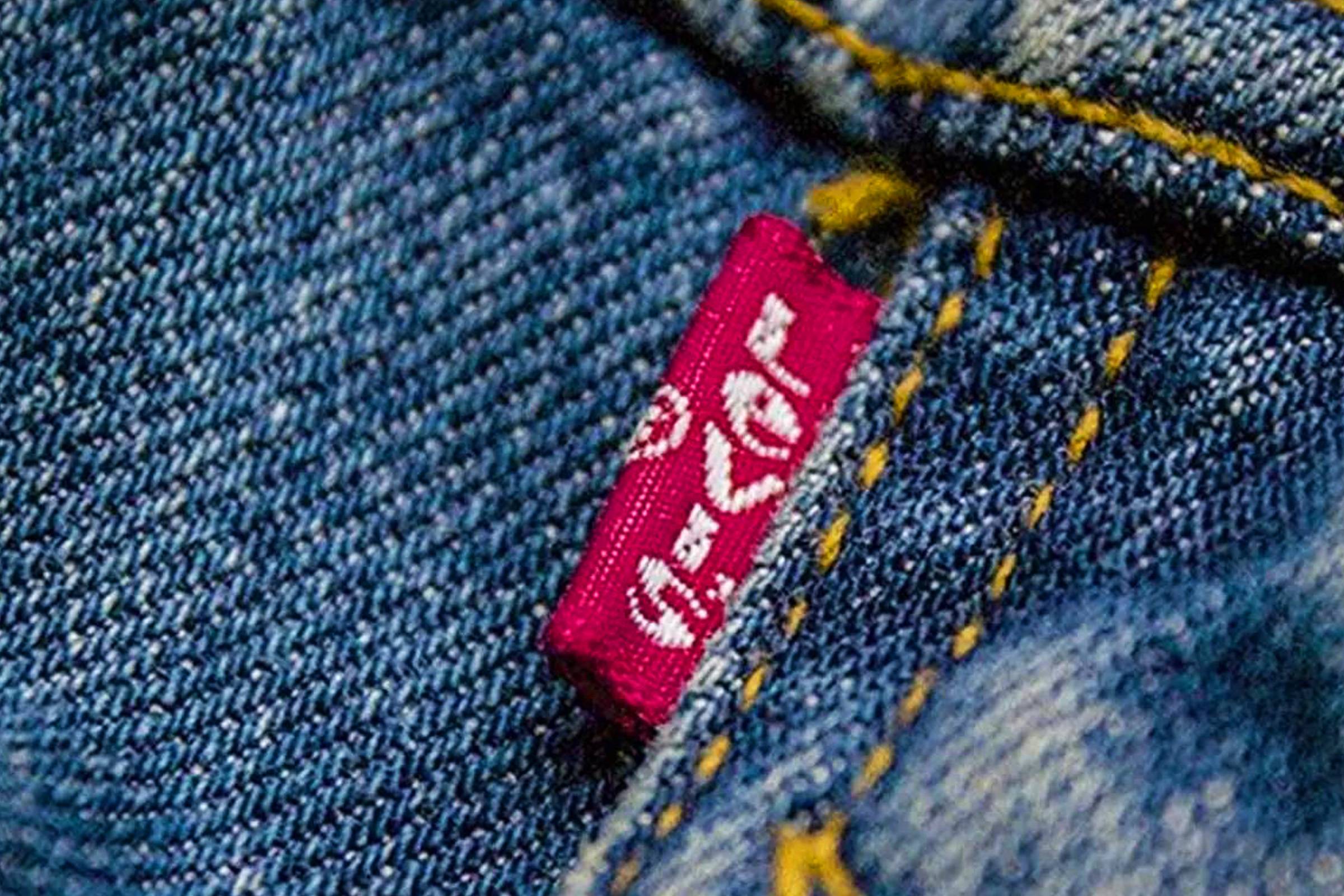
  • Levi’s Expands India Store Footprint and Women’s Wear to Chase Global Sales Target

    Levi’s Expands India Store Footprint and Women’s Wear to Chase Global Sales Target

    Levi Strauss & Co. Is expanding retail floor space across major Indian cities, targeting higher-margin women’s apparel and non-denim categories to fuel regional revenue growth.

    The apparel maker recently crossed 500 stores in India, which now ranks among its top six markets globally. Rather than simply adding shop fronts, the company is increasing the square footage of existing and new locations in metros including Mumbai, Bengaluru, and Delhi, alongside secondary hubs such as Chandigarh, Pune, Ahmedabad, and Chennai.

    Direct-to-consumer sales through its larger ICON store format now generate approximately 20 per cent of the brand’s India DTC revenue. Hiren Gor, managing director for South Asia, Middle East, and Africa at Levi Strauss & Co., noted that adding retail space in high-performing locations delivers equivalent commercial returns to opening separate doors.

    Category Shift Toward Women and Tops

    Consumer buying habits in India are diverging sharply from global denim baselines. Indian shoppers purchase more than one top for every bottom, compared to a global average of one top for every three bottoms sold.

    Demand patterns reflect that split. While both denim and non-denim lines are expanding at mid-double-digit rates, women’s apparel is advancing at high double digits. The company’s upscale casual line, Red Loop, now accounts for roughly 15 per cent of its Indian menswear sales, also expanding at a high double-digit pace.

    Supply chain localization underpins the category push. More than 95 per cent of the products Levi’s sells in India are manufactured domestically, supported by an in-house design team of 10 that creates 85 per cent of its product range specifically for the local market.

    Direct Retailing and Regional Reach

    International fashion labels in South Asia have routinely faced floor space constraints when attempting to sell complete lifestyle collections rather than single staple items. Shifting capital expenditure into large-format direct retail allows multinational brands to show complete lines, capture higher basket values, and protect margin against wholesale discount cycles.

    Parent group Levi Strauss & Co. Recorded $6.3 billion in global revenue for fiscal year 2025. The company is leaning on higher square footage and expanded apparel assortments in India to close the gap toward its stated $10 billion global revenue target.

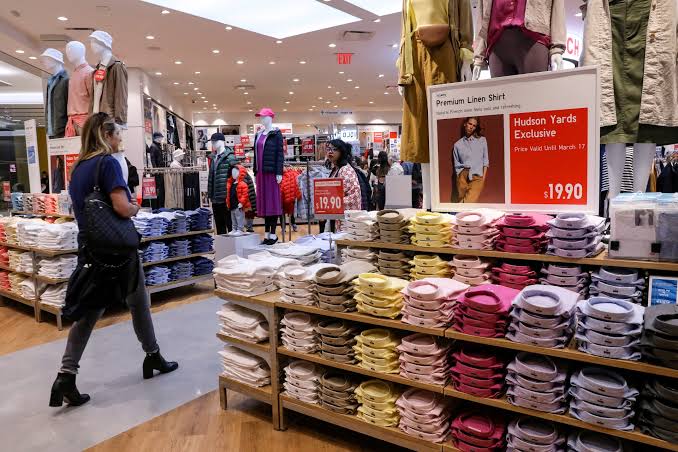
  • Uniqlo to Open First Kyoto Global Flagship Store on Kawaramachi-Dori

    Uniqlo to Open First Kyoto Global Flagship Store on Kawaramachi-Dori

    Uniqlo will open its first global flagship store in Kyoto on 6 November. The new site replaces the retailer’s existing Kyoto Kawaramachi shop, which is currently its largest location in the city.

    Located on Kawaramachi-dori, central Kyoto’s primary shopping boulevard, the new store trades on a strip packed with major retail complexes and heavy pedestrian traffic from both domestic shoppers and international tourists. Fast Retailing plans expanded sales floors at the location to carry its full LifeWear apparel range alongside interior features drawn from Kyoto’s traditional craft culture.

    Upgrading Prime Street Footprints

    Upgrading an existing high-street location to flagship status mirrors Fast Retailing’s broader store strategy across key Asian metros. Rather than multiplying smaller satellite outlets in secondary suburban hubs, the apparel group concentrates capital into dense, high-visibility corridors where large-format stores capture heavy tourist footfall.

    Flagship formats in major Japanese tourist cities serve a dual commercial purpose. They generate steady baseline trade from residents while reinforcing brand awareness for inbound visitors who shop the label across greater Asia, Europe, and North America.

    Focus on Inbound Travel Hubs

    Kawaramachi-dori serves as Kyoto’s main commercial artery, linking central rail transit to the city’s key retail and hospitality zones. Replacing the older Kawaramachi shop provides Uniqlo with modernized floor space built to handle heavy transaction volumes during peak travel periods.

    The company scheduled the launch for 6 November, positioning the expanded sales floors to trade directly into Kyoto’s busiest autumn tourism weeks.

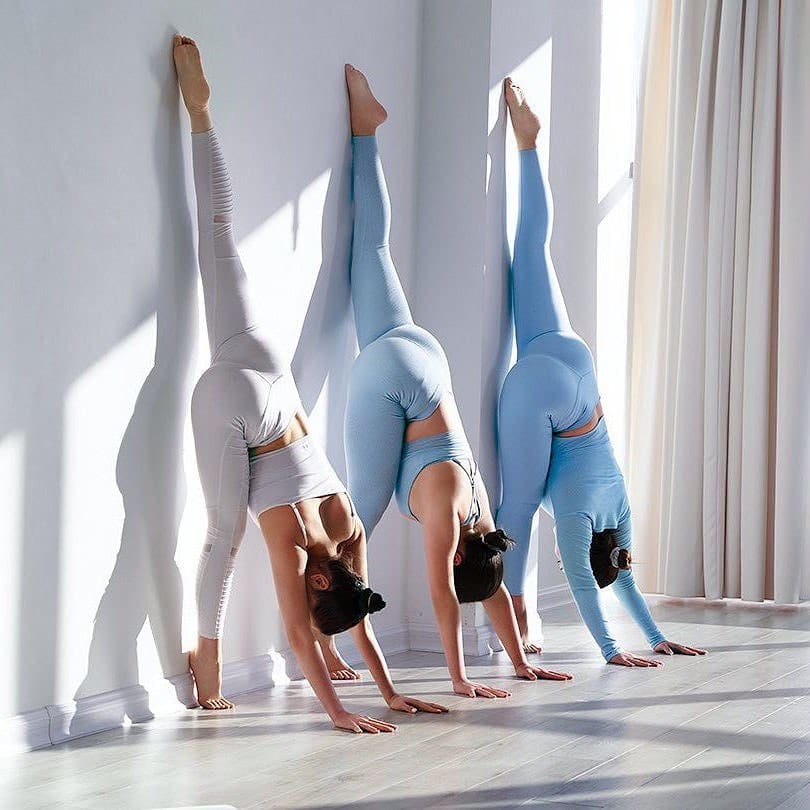
  • ALO Enters China with Tmall Debut After RMB10 Million First-Minute Sales

    ALO Enters China with Tmall Debut After RMB10 Million First-Minute Sales

    Alo Yoga entered the mainland Chinese market on August 12 through an exclusive storefront on Alibaba Group’s Tmall platform, generating over RMB10 million in its opening minute.

    Pre-sales opened at 12:30 a.m., setting a record for the fastest launch sales in Tmall’s sports and outdoor category.

    Targeting high-spend shoppers

    The premium activewear label is retailing women’s and men’s apparel, footwear, accessories and wellness products through the flagship store. The partnership gives Alo direct access to Tmall’s 88VIP program, an active pool of more than 62 million top-tier spenders across the platform.

    “The partnership reinforces Tmall’s position as the go-to choice for global brands in China seeking high-value customers and scalable growth,” said Gu Di, general manager of sports and outdoors at Taobao and Tmall Group.

    Digital-first route into activewear

    Selling online first allows Alo to test product demand across Chinese provinces without committing capital upfront to prime shopping mall leases. Rival athletic apparel brands established their presence in China by building city-by-city community hubs before opening physical stores, whereas Alo is relying on Alibaba’s customer database to build scale immediately.

    The Chinese online rollout follows Alo’s wider expansion across Asia-Pacific, which recently included a physical store launch in the Philippines. The next test for the company is whether early online demand will translate into brick-and-mortar locations in tier-one retail hubs.

  • Adore Beauty Hits Record Sales of $207 Million as Store Costs Cut Profit

    Adore Beauty Hits Record Sales of $207 Million as Store Costs Cut Profit

    Adore Beauty lifted full-year revenue 4.3 per cent to a record $207.3 million for the 12 months ended June 30, but heavy physical expansion cut underlying earnings by more than half.

    Underlying EBITDA fell to $3.8 million from $8.1 million a year earlier. Physical stores contributed $18.6 million to total revenue, while gross margin declined 52 basis points to 34.8 per cent.

    The Cost of Opening 13 Stores

    The Australian retailer added 13 locations during the financial year, comprising 11 Adore Beauty outlets and two Ikou shops. That took its national footprint to 20 doors after years of operating as a pure-play digital platform. New customer numbers climbed 14 per cent over the period.

    Alongside lease and fitout costs for an immature store network, the company funded a new national distribution centre, an enterprise resource planning software overhaul, and broader technology upgrades. Weak consumer sentiment in the fourth quarter added further pressure on margins.

    Adore Beauty expects store drag to ease as locations mature over an 18 to 24 month cycle. Pure-play e-commerce operators across the Asia-Pacific region have faced similar margin friction when transitioning into physical storefronts, trading immediate cash flow against long-term customer acquisition.

    Targets for the New Fiscal Year

    Chief executive Sacha Laing said the group has completed its core infrastructure overhaul on budget and on schedule, positioning the business for operational use.

    “The foundations to support our scaling omnichannel operations are now in place,” Laing said.

    Management has set an underlying EBITDA target of $9 million to $13 million for FY27, predicated on top-line revenue expanding by at least 10 per cent.

  • China’s Proya Cosmetics Enters US Market with Ulta Partnership

    China’s Proya Cosmetics Enters US Market with Ulta Partnership

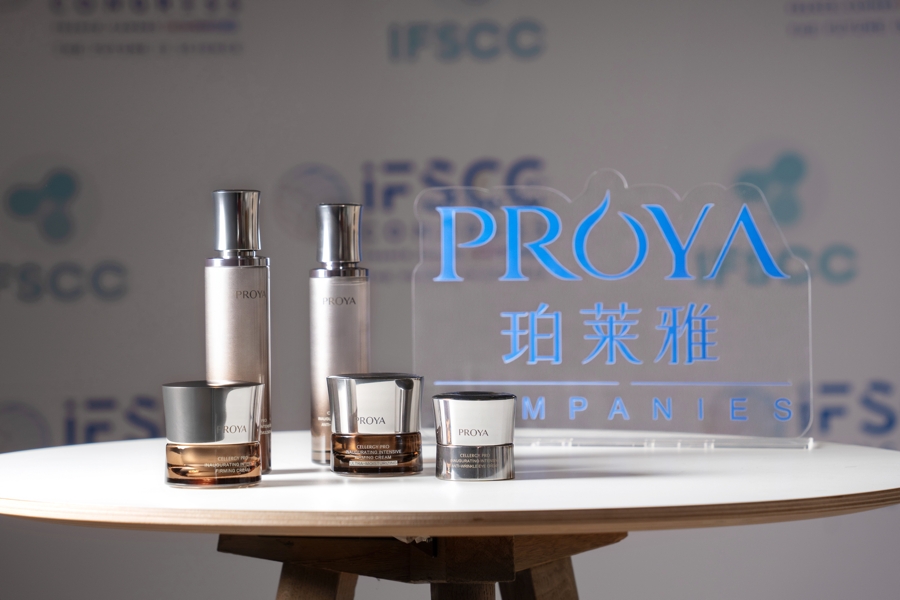
    China’s largest cosmetics firm, Proya Cosmetics, is preparing to enter the United States market through a partnership with Ulta Beauty. The collaboration will see two of Proya’s product lines distributed across 400 Ulta retail locations and its online platform, marking a significant step in the company’s international expansion strategy.

    This initiative comes as Proya faces intense competition within its domestic Chinese market, prompting the company to seek growth opportunities abroad. While Chinese beauty brands rarely achieve mass distribution in Western markets, this partnership with Ulta represents a notable effort to penetrate a major retail channel.

    Strategic International Expansion

    The move into the US follows Proya’s successful test of a similar business model in Southeast Asia. In April, the Hangzhou-based company signed an agreement with Guardian, Malaysia’s leading beauty and personal care chain. This deal has made Proya’s flagship products gradually available in more than 200 Guardian brick-and-mortar stores across Malaysia, demonstrating a phased approach to international market entry.

    Proya’s focus on international and multi-brand expansion is evident in its recent acquisitions, including a 51% majority stake in the popular brand Flower Knows for approximately €45 million. Despite these strategic moves, Proya Cosmetics reported operating revenue of 10,597 million yuan (about $1.5 billion) in fiscal year 2025, a slight year-over-year decline of 1.68%. This dip highlights the pressures within China’s beauty sector and the need for new growth avenues.

    Implications for Asian Beauty Brands

    The partnership between Proya and Ulta is unusual. Historically, Chinese beauty brands like Florasis and Flower Knows have found success in Western e-commerce channels but have struggled to secure significant market share against established players such as L’Oréal or Estée Lauder in physical retail. Proya’s direct entry into mass distribution via Ulta could set a new precedent for how Asian beauty brands approach Western markets.

    For Asian retailers and investors, this development signals the increasing maturity and ambition of Chinese consumer brands. It also underscores a broader trend where companies from the Asia-Pacific region are actively pursuing global expansion to diversify revenue streams and build brand recognition beyond their home territories. Such collaborations demonstrate a growing receptiveness in Western retail to products and brands originating from Asia, potentially paving the way for more partnerships of this nature.

  • C-Beauty Brands Accelerate Global Expansion with State Support, as K-Beauty Shifts Focus

    C-Beauty Brands Accelerate Global Expansion with State Support, as K-Beauty Shifts Focus

    Chinese cosmetics companies are significantly accelerating their global expansion, backed by a thriving domestic market and increasing institutional support from Beijing. This surge sees major C-beauty players establishing a strong presence in international markets, shifting the competitive market for beauty brands in Asia and beyond. This aggressive push comes as South Korean beauty brands, or K-beauty, are experiencing a decline in their long-standing dominance within the Chinese market, prompting them to explore new growth regions.

    Chinese Beauty’s Global Offensive

    Proya, China’s largest cosmetics firm, is making a significant move into the US brick-and-mortar retail sector. Following its initial online sales success, Proya is partnering with Ulta Beauty to introduce two of its skincare lines across approximately 400 stores and Ulta’s online platform starting in November. This expansion is part of Proya’s ambitious “Double-Ten” plan, aiming to become one of the world’s top ten cosmetics companies within the next decade. The company has also bolstered its offline network in Southeast Asia, including a major campaign with Guardian in Kuala Lumpur, and acquired a 51% stake in color cosmetics brand Flower Knows, which already operates in markets such as the US, Japan, South Korea, and Southeast Asia.

    Other Chinese brands are also aggressively pursuing international growth. Florasis is using traditional Chinese aesthetics to enter premium markets in Japan and Europe, initially through online channels like Amazon, Shopee, and Lazada, before moving into upscale physical retail. Judydoll built its international customer base via Shopee and TikTok Shop, then accelerated its offline presence, including entry into about 12,000 FamilyMart stores in Japan, becoming the first Chinese color cosmetics brand in that country’s convenience-store channel. Perfect Diary, under Yatsen Holding, quickly became a leading online cosmetics brand across Southeast Asia via Shopee and has expanded its global platform through acquisitions of European brands Galénic and Eve Lom, with plans for further supply-chain integration and overseas market expansion.

    Domestic Strength and Government Backing

    The robust performance of the Chinese domestic cosmetics market is a key enabler for this international expansion. Chinese companies have developed economies of scale, brand recognition, and product expertise at home, providing a strong foundation for global ventures. Despite a broader economic slowdown, China’s cosmetics retail market showed significant growth, with sales reaching approximately $4.20 billion in July, a 6.8% year-on-year increase. Cumulative sales from January to July rose 6.3% to about $40.16 billion, significantly outpacing overall retail sales growth. This strong momentum has been highlighted by the Ministry of Commerce and the China National Commercial Information Center, classifying cosmetics as a consumption-upgrade product with strong demand.

    The Chinese government is actively supporting the domestic cosmetics industry. The National Medical Products Administration (NMPA) recently issued new regulations aimed at promoting innovation and high-quality development. These changes simplify licensing and registration processes for new products, including exemptions from certain toxicity tests and reduced requirements for submitting product documentation. Companies can now reuse existing test data when shifting production locations and choose their own efficacy assessment methods for certain claims, reducing regulatory hurdles and fostering a more agile environment for product development and market entry.

    K-Beauty’s Strategic Re-evaluation

    As Chinese beauty brands gain momentum, the long-standing influence of K-beauty in China is diminishing. South Korean cosmetics giants like Amorepacific (Sulwhasoo, Laneige, Innisfree) and LG Household & Health Care (The History of Whoo) once thrived on the Korean Wave and demand from Chinese tourists and daigou resellers, with China accounting for 53% of South Korea’s cosmetics exports in 2021. However, boycotts, reduced exposure to Korean pop culture, and the impact of the COVID-19 pandemic on duty-free sales have significantly weakened K-beauty’s position. Chinese domestic brands, bolstered by social media marketing and patriotic consumption, have effectively filled this void.

    This shift has prompted a strategic recalibration for South Korean firms. Amorepacific’s sales in Greater China fell 27% year-on-year in 2024, with its Americas sales surpassing China for the first time. Similarly, LG Household & Health Care’s North American sales surged 47.3% to approximately $147 million in the second quarter, exceeding its China revenue of about $126 million. Both companies are now focusing on profitability in their Chinese operations while diversifying their growth strategies across markets like the United States, Europe, and Japan. RetailNews Asia has observed similar moves by other regional players, as companies seek to de-risk their reliance on single markets and build more resilient global portfolios.