Category: Fashion

Retail News Asia is committed to providing both local and global retailers with the latest Fashion news throughout the Asian market. This on a daily base.

  • Chinese Brand Nice Rice Debuts First Store in Hong Kong’s Fashion Hotspot, Causeway Bay

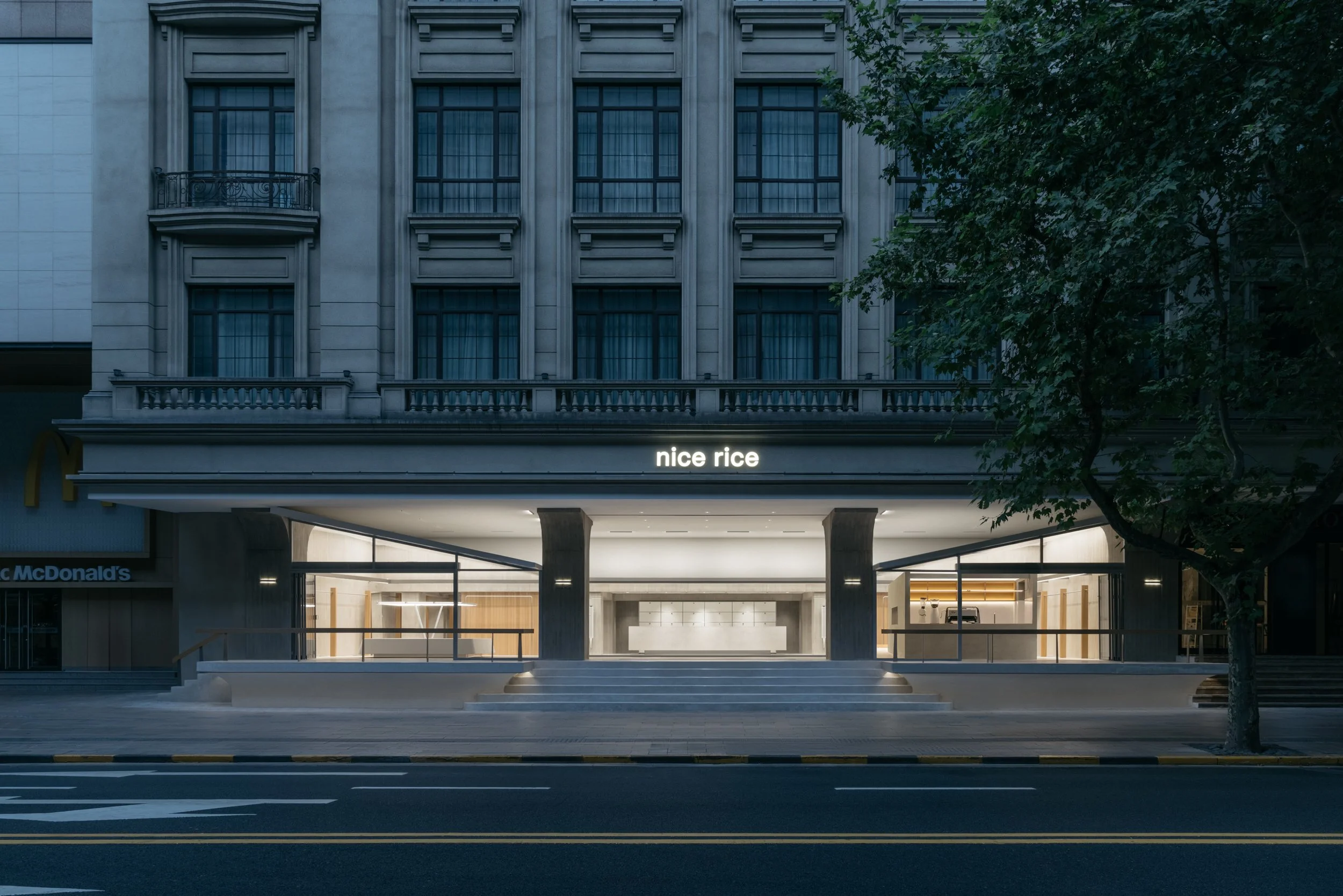
    Chinese Brand Nice Rice Debuts First Store in Hong Kong’s Fashion Hotspot, Causeway Bay

    Nice Rice, a popular Chinese fashion brand, has debuted its first outlet in Hong Kong, marking a crucial step in the brand’s expansion outside of Mainland China.

    Innovative Flagship Store in a Premium Retail Location

    The brand’s flagship store, which spans an impressive 1500 square feet, is located in Causeway Bay, a highly sought-after retail destination. The new Nice Rice store stands alongside a slew of top-tier streetwear brands such as Stussy, Inc., and Carhartt, thereby reinforcing Pak Sha Road’s reputation as a premier fashion retail hub.

    Nice Rice, the brainchild of One Sun, was founded in 2018. It has approximately 20 stores spread across China. The brand’s Shanghai flagship stands out, operating as a unique fusion of a coffee and fashion store.

    Aligning with Expansion Trends

    The move to expand Nice Rice beyond China’s domestic market aligns with a growing trend among Chinese retailers. Causeway Bay, with its international appeal, robust retail infrastructure, and a diverse consumer base, remains a popular choice for brands seeking to establish a flagship presence. The location offers a unique opportunity for brands to engage with both local shoppers and international tourists.

    Questions & Answers

    What is Nice Rice?
    Nice Rice is a popular fashion brand from China that was established in 2018 by One Sun.

    Where is the Nice Rice flagship store situated in Hong Kong?
    The flagship store of Nice Rice is located in Causeway Bay, a premium retail destination in Hong Kong.

    What is unique about the Shanghai flagship store of Nice Rice?
    The Shanghai flagship store of Nice Rice operates as a dual coffee and fashion store, which sets it apart from other outlets.

  • Urban Revivo Unveils Cutting-Edge Flagship Store in Beijings Sanlitun District

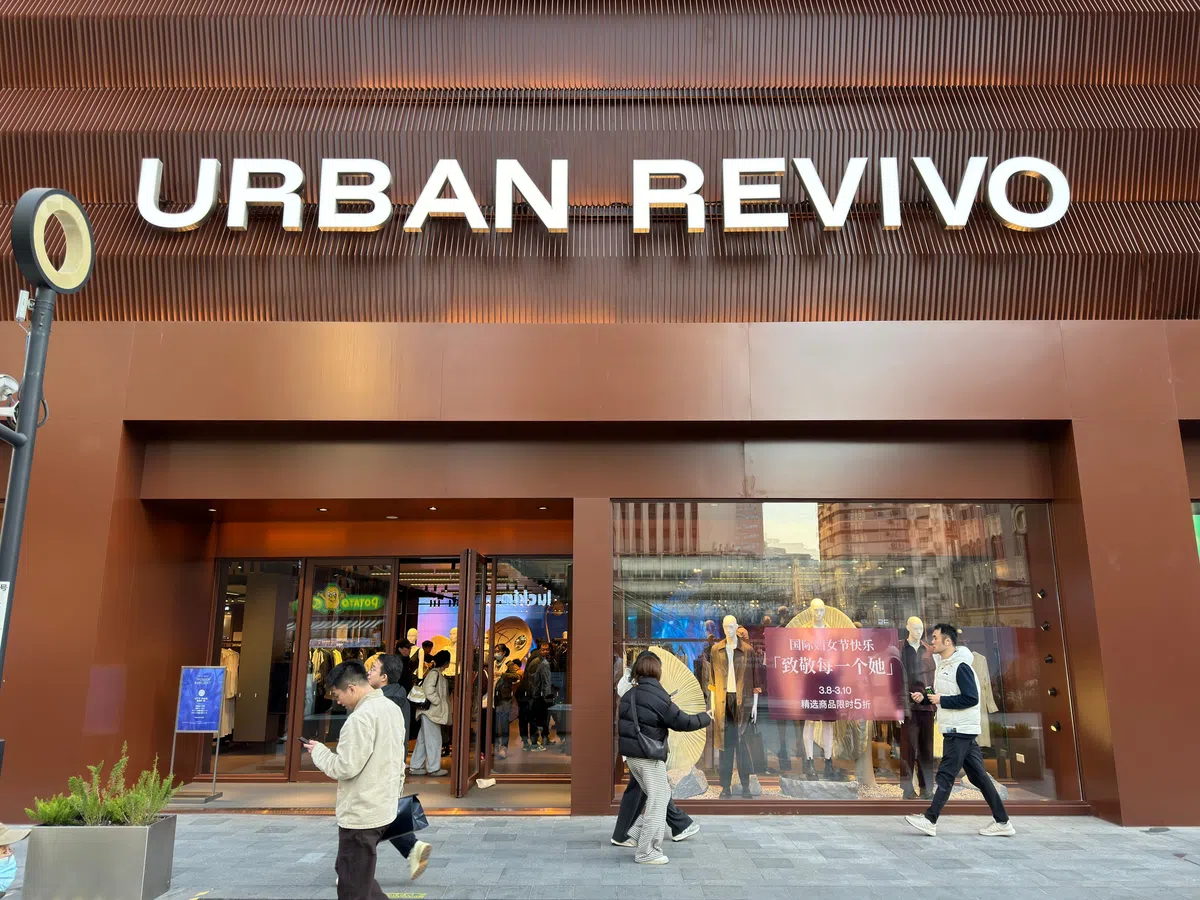
    Urban Revivo Unveils Cutting-Edge Flagship Store in Beijings Sanlitun District

    Urban Revivo, a well-known fashion retailer, recently established a flagship store in Beijing’s bustling Sanlitun district, thereby offering shoppers another destination for their retail therapy.

    Modern Design with Traditional Inspirations

    The store, designed by MVRDV, a Dutch architectural company, spans an impressive 4120 square meters. Its design intricately incorporates features of traditional Chinese architecture – a nod to the local culture. The façade is inspired by conventional Chinese roofing tiles and showcases suspended aluminum panels in the brand’s distinctive blue. The store’s main entrance and display windows are framed by seven circular openings, reminiscent of traditional moon gates.

    The store’s interior design is a homage to Beijing’s historic hutong neighborhoods. It introduces grey brick finishes and presents a unique layout and material palette on each floor. The flagship store also houses six specially themed ‘Bold Rooms’, devised for product displays, seasonal presentations, and collaborations with other brands.

    Jacob van Rijs, founding partner of MVRDV, said, “The aim of this project was to design a space that resonates with its surroundings while also mirroring the international ambitions of Urban Revivo. As such, we integrated local elements, such as Beijing’s roof tiles, with modern techniques to craft spaces that evolve with the customer’s experience, right from the color-changing façade down to the minutest design detail inside.”

    Urban Revivo’s Global Presence

    Established in 2006, Urban Revivo has successfully expanded its presence to over 380 stores worldwide. The Chinese fashion retailer made its foray into the Hong Kong market in the previous year with an 813 square-meter flagship store at the Harbour City shopping center.

    Questions & Answers

    What is unique about Urban Revivo’s new flagship store in Beijing?
    The store’s design incorporates elements of traditional Chinese architecture and is inspired by Beijing’s historic hutong neighborhoods.

    Who designed Urban Revivo’s new flagship store?
    The Dutch architectural firm MVRDV designed Urban Revivo’s new store in Beijing.

    When did Urban Revivo expand into the Hong Kong market?
    Urban Revivo ventured into the Hong Kong market last year with a flagship store at the Harbour City shopping center.

  • DNA Brands Pledges $1M Refunds for Coerced Purchases: Singapore Beauty Giant on Road to Redemption

    DNA Brands Pledges $1M Refunds for Coerced Purchases: Singapore Beauty Giant on Road to Redemption

    DNA Brands Co, a Singapore-based firm that operates a chain of beauty and wellness centers, has pledged to issue refunds worth up to $1 million in response to accusations of coercing clients into making unwanted purchases. The firm, which oversees brands such as The Mineral Boutique, Beautique, Sae-Ren, Jingran, Harmonix, Allura, and Comfeet, has reportedly employed these controversial sales strategies since 2023.

    Manipulative Sales Tactics

    According to an investigation by the Competition and Consumer Commission of Singapore (CCS), these high-pressure tactics were deployed by an area manager and certain staff members and were portrayed as “deliberate and calculated.” The inquiry uncovered that staff had been applying facial masks onto clients even after their treatments had concluded, essentially confining them within treatment rooms for sales pitches. Staff members would then inquire about the number of credit cards clients possessed, purportedly to check for applicable promotions, but actually to gauge their potential spending capacity.

    In the case of elderly clients, staff members would probe about their CPF balances and coerce them into utilizing these savings to purchase beauty packages and products. The investigation by the CCS, however, found no evidence that DNA Brands’ directors either directed or participated in these practices.

    Company Response

    In response to these findings, DNA Brands has promised to set aside up to $1 million with an independent escrow agent to refund affected consumers. Refunds may be available to those who made purchases from specified outlets since January 1, 2023, and experienced undue pressure or distressing circumstances during their transactions.

    The company has further taken disciplinary action against the involved staff, either through dismissal or suspension, and has revoked their ability to earn sales commissions. In addition, DNA Brands has vowed to cease all unfair trade practices and to implement enhanced compliance measures. All outlets will also prominently display a 14-day refund policy for customers’ benefit.

    Questions & Answers

    What actions has DNA Brands taken in response to the investigation?
    DNA Brands has pledged to issue refunds worth up to $1 million to affected customers, dismissed or suspended the staff involved, and committed to ending all unfair trade practices. The company will also implement stricter compliance measures.

    Who is eligible for the promised refunds?
    Customers who made purchases from specified DNA Brands outlets since January 1, 2023, and experienced pressure or uncomfortable situations during their transactions may be eligible for a refund.

    What changes will be made at DNA Brands outlets?
    All DNA Brands outlets will prominently display a 14-day refund policy. The company has also committed to ending all unfair sales practices and implementing stronger compliance measures.

  • Love, Bonito Exposed: Singaporean Fashion Retailers Data Breach Puts Customer Information at Risk

    Love, Bonito Exposed: Singaporean Fashion Retailers Data Breach Puts Customer Information at Risk

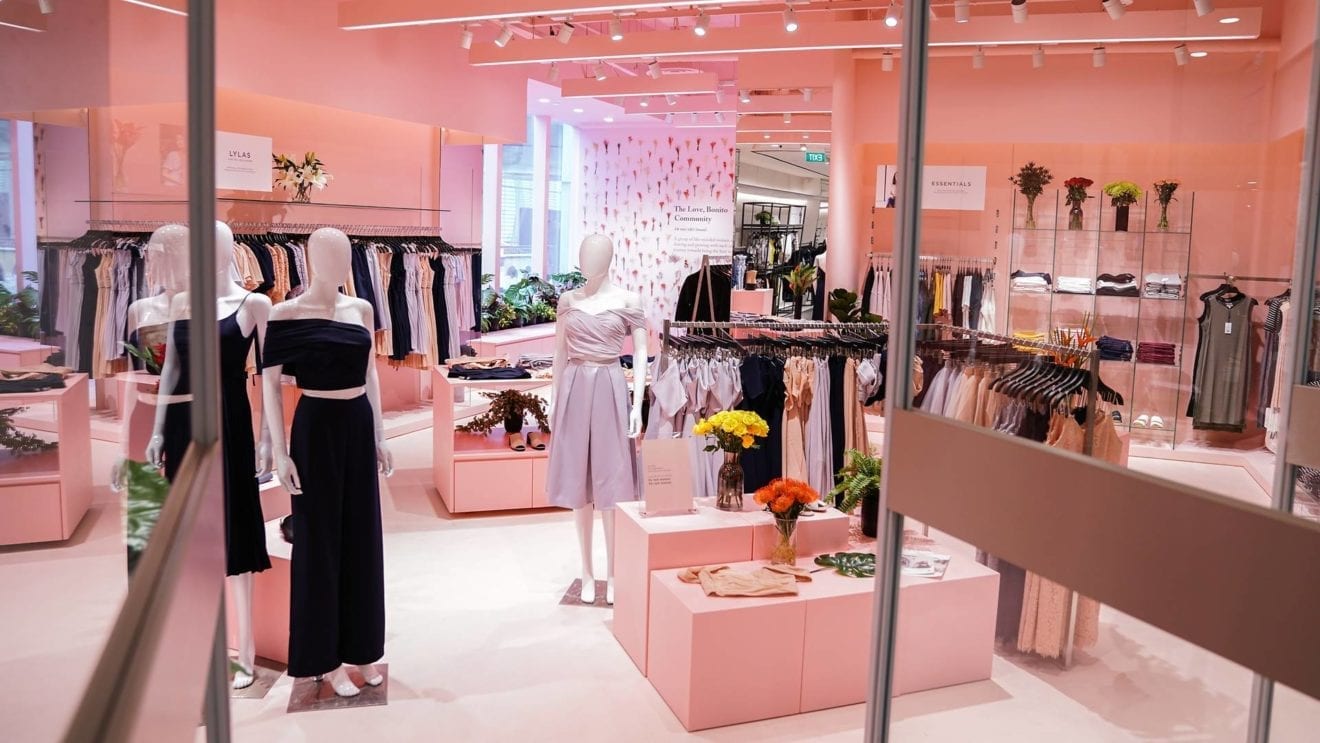
    The Personal Data Protection Commission (PDPC) of Singapore is currently conducting an inquiry into a cybersecurity event involving fashion retailer Love, Bonito. The company revealed recently that a vulnerability on its website might have exposed some of its customers’ personal details.

    Love, Bonito discovered the security glitch on July 26 and promptly addressed the issue on the same day, upon uncovering unauthorized access to select customer account data. Following immediate actions to manage the incident, the retailer has also boosted its security measures to thwart similar incidents in the future.

    Customer Information at Risk

    According to Love, Bonito, the data that was potentially accessible includes customers’ names, birth dates, email and shipping addresses, as well as phone numbers. The company also acknowledged that customers who made card payments on their website might have had certain card information revealed. This includes the final four digits of their card number and the card’s expiration date. However, they were quick to reassure customers that full credit card details were not exposed in the incident.

    Love, Bonito did not divulge the number of customers impacted by the breach or provide any detailed description of the security vulnerability.

    The retailer has advised all affected customers to be on high alert for any possible phishing attempts, refrain from sharing one-time passwords or verification codes, and consistently monitor their accounts and payment cards for any suspicious activities.

    Questions & Answers

    What information was potentially accessed during the security breach?
    Customer names, birth dates, email and shipping addresses, and phone numbers might have been accessed. Limited card information may also have been exposed, including the last four digits of the card number and the expiration date.

    Did the security breach expose full credit card details?
    No, Love, Bonito has assured that full credit card details were not compromised during the incident.

    What measures has Love, Bonito taken following the incident?
    The company has taken immediate steps to contain the incident and has since strengthened its security safeguards to prevent future occurrences. They have also advised affected customers on measures to protect themselves.

  • Lululemon Debuts in Japan with Innovative Flagship Store in Tokyos Fashionable Harajuku District

    Lululemon Debuts in Japan with Innovative Flagship Store in Tokyos Fashionable Harajuku District

    Lululemon, the well-known Canadian athleisure brand, is set to break into the Japanese market with its first flagship store in Harajuku, Tokyo. The store is scheduled to open on August 19, marking a significant milestone for the brand’s international expansion.

    Lululemon’s Harajuku Connection

    The choice to situate their flagship store in Harajuku district, a melting pot of fashion and community spirit, was a strategic move by Lululemon to align with the brand’s identity. The brand expressed how the unique blend of history, culture, creativity, and freedom in Harajuku and Jingumae districts echoes the core values of Lululemon, which include movement, connection, and community. The brand’s appreciation for the diverse cultural energy in Harajuku, the historical significance of Meiji Jingu Shrine, and the vibrant vivacity of Yoyogi Park, is reflected in the ethos of their new store.

    The Harajuku flagship store will feature artwork inspired by the local culture and landmarks such as the Meiji Jingu Shrine and Yoyogi Park. This distinctive artwork, a result of collaborations with local artists, will add an authentic touch of the locale to the store.

    A Unique Shopping Experience

    In addition to offering their signature athleisure line, the store will also provide a unique shopping experience with a personalization service exclusive to the Harajuku store. Customers will be able to customize select products, such as embossing on the Everywhere Belt Bag and engraving on the Back to Life Sports Bottle.

    Stewart Tudor, President of Lululemon Japan, stated that the flagship store is not just a retail outlet, rather it aspires to be a community hub that fosters connections, ideas, and inspiration.

    Questions & Answers

    What is unique about Lululemon’s Harajuku store?
    The Harajuku store will incorporate artwork inspired by local culture and landmarks, created in collaboration with local artists. This store will also offer a unique personalization service for select products, exclusive to this location.

    What does Lululemon’s new store aim to be?
    According to Stewart Tudor, President of Lululemon Japan, the store aims to be more than a retail outlet. It aspires to function as a community hub that connects people and ideas, fostering new inspiration and possibilities.

    Why did Lululemon choose Harajuku for its first Japanese store?
    Harajuku and Jingumae districts are known for their unique blend of history, culture, diverse creativity, and free self-expression. These qualities align with Lululemon’s core values of movement, connection, and community, making it an ideal location for their flagship store.

  • Public Outcry in China as Louis Vuitton Wins Trademark Case Against Popular Beverage Chain Molly Tea

    Public Outcry in China as Louis Vuitton Wins Trademark Case Against Popular Beverage Chain Molly Tea

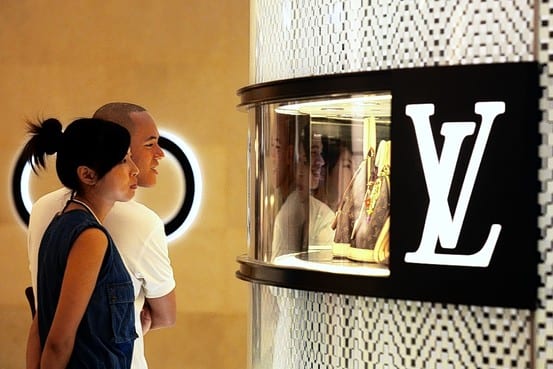
    French luxury fashion giant Louis Vuitton is currently in the midst of public disapproval in China, following its array of trademark lawsuits including a significant victory against the well-liked beverage chain, Molly Tea. In June, a court in Suzhou, Jiangsu province, concluded that Molly Tea, based in Shenzhen, had violated seven of LV’s registered four-petal floral trademarks. The beverage chain was subsequently ordered to pay 10.3 million yuan (approximately US$1.5 million) in damages and legal costs. Despite Molly Tea’s indication of appealing the decision, the verdict has garnered public discontent and stimulated a fervent debate across the country.

    The Dispute Fuels Chinese Public Opinion

    Initially, the argument centered on the resemblance between Molly Tea’s logo and LV’s trademarks, and the reasoning behind the fashion house’s lawsuit against a company operating in a completely different sector. However, the debate soon shifted towards determining the fine line between protecting intellectual property rights and monopolizing elements of shared cultural heritage. As seen from public discourse, a large proportion of Chinese citizens compared the four-petal floral trademarks to various elements of their cultural heritage, including the baoxiang floral designs on Tang dynasty pipa instruments, decorative window patterns in Suzhou’s classical gardens, and even older public toilet ventilation grilles and floor tiles. The critics argue that while the LV monogram has a history of about 130 years, the four-petal flower motif has been a part of Chinese culture for more than a millennia. This case has also rekindled public resentment over perceived cultural appropriation by international luxury brands.

    Public Relations Woes Despite Legal Victories

    Despite its legal defeat, Molly Tea appears to have garnered significant public support. The beverage chain’s official social media account on Weibo witnessed a surge in followers in the days following the lawsuit. Moreover, the brand gained even more backing after donating to the Guangxi Zhuang Autonomous Region, which had been affected by a typhoon.

    Meanwhile, Louis Vuitton continues to actively enforce its trademark rights in China, with numerous cases of opposition filed against designs similar to its four-leaf or four-petal trademarks. Despite some defending the luxury brand’s actions, many have accused it of monopolizing ancient Chinese motifs and exploiting smaller businesses. This controversy has impacted the brand’s foot traffic and resale market prices of popular handbags.

    Spring Chang, founding partner of IP law firm Chang Tsi and Partners, considers these controversies to highlight the gaps in legal application and communication. “If public opinion swings entirely to the view that any enforcement by a big company is bullying, that will weaken the basis for legitimate enforcement and confidence in the system over time,” she noted.

    Questions & Answers

    What is the source of the conflict between Louis Vuitton and Molly Tea?
    The conflict stems from a lawsuit filed by Louis Vuitton, claiming that Molly Tea infringed on seven of its registered four-petal floral trademarks with its logo.

    What has been the public’s reaction to the lawsuit in China?
    The lawsuit has ignited a public debate about cultural appropriation and intellectual property rights. While some defend Louis Vuitton’s actions, many see it as an example of a global luxury brand exploiting smaller businesses and monopolizing shared cultural symbols.

    How has this controversy affected Louis Vuitton’s business in China?
    The controversy has led to a noticeable drop in foot traffic in Louis Vuitton boutiques in several cities, including Shanghai, and a decline in the resale market prices of some of its popular handbags.

  • Me Today Skincare Brand Boosts Earnings Outlook Amid Global Expansion Opportunities

    Me Today Skincare Brand Boosts Earnings Outlook Amid Global Expansion Opportunities

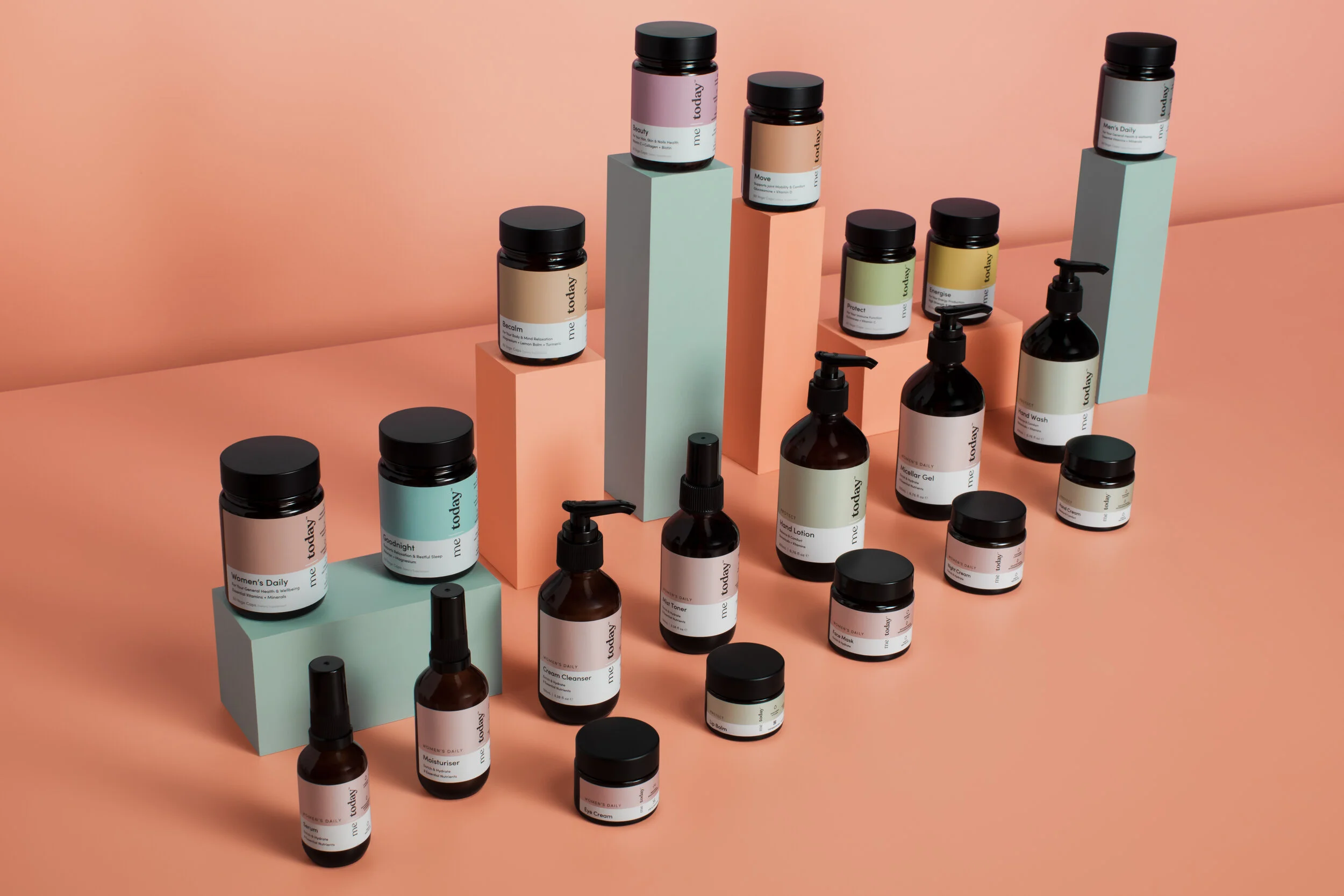
    New Zealand’s publicly traded skincare company, Me Today, is adjusting its earnings forecast upwards, spurred by promising growth and robust global prospects.

    Boosting Revenue and Slowing EBITDA Decline

    In advance of the company’s forthcoming disclosure of its annual financial results, Me Today has announced that it anticipates a significant increase in gross revenue. Furthermore, the EBITDA decline is projected to be less severe than previously estimated.

    The company’s accomplished performance in its home territory, New Zealand, has paved the way for possible international growth. The co-founders of Me Today have recently come back from trips to Southeast Asia and China, where they participated in events aimed at promoting their brand.

    Expansion into Asia and New Product Rollouts

    During a visit to Malaysia, Me Today was launched at the second anniversary celebration of its distributor. Michael Kerr and Stephen Sinclair, co-founders of the brand, shared the brand’s origin story and introduced the initial product range to an audience of over 600 influencers and reseller partners.

    Ahead of its official launch in Southeast Asia, the company has shipped its products to the region, with nine products now up for sale in that market. Additionally, Me Today had the opportunity to exhibit its brand to an estimated 100,000 purchasers at the Children, Baby, and Maternity Expo in Shanghai.

    Back home in New Zealand, Me Today is preparing to further expand its product portfolio. The company has plans to launch an additional 20 products before the year’s end.

    Questions & Answers

    What are Me Today’s plans for international expansion?
    According to the brand’s co-founders, Me Today is focusing on Southeast Asia and China for its international expansion. The company has already begun promoting its brand in these regions and has introduced its product range to hundreds of potential partners and influencers.

    How many products does Me Today plan to introduce by the end of the year?
    Me Today aims to introduce 20 new products in its home market, New Zealand, by the end of the year.

    What is the company’s revised earnings guidance?
    While the exact figures are yet to be released, Me Today anticipates a rise in gross revenue and a slower decline in EBITDA than previously predicted.

  • Hermès Witnesses Stellar Growth in Asia, Japan Leads Charge with 11% Sales Increase

    Hermès Witnesses Stellar Growth in Asia, Japan Leads Charge with 11% Sales Increase

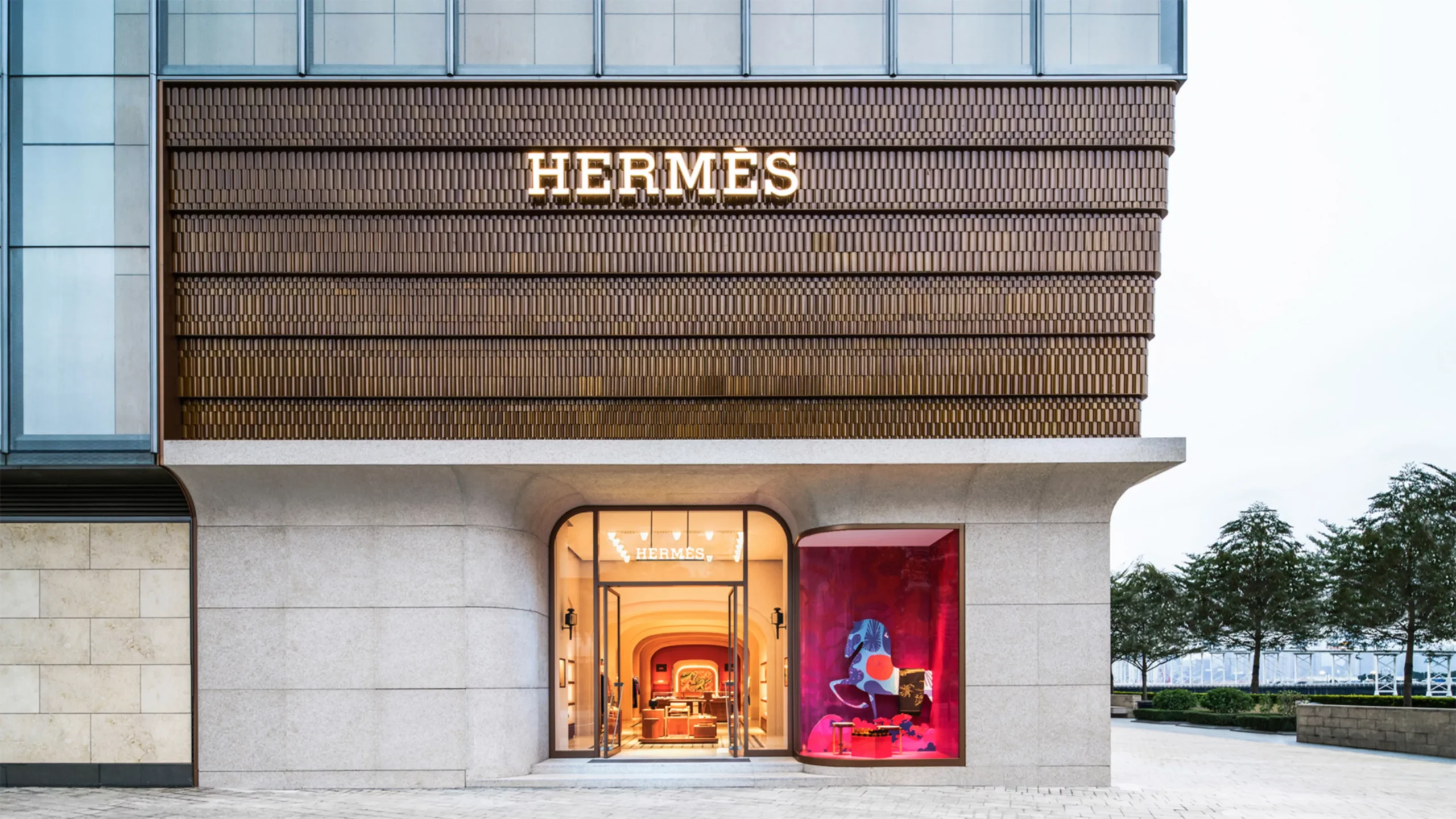
    Luxury goods retailer Hermès has reported a notable surge in sales for the first half of this fiscal year, with the Asian market, particularly Japan, demonstrating substantial performance.

    During the six-month period ending in June, the company garnered a revenue of €8.2 billion (US$9.39 billion), marking a growth of 6 per cent at constant exchange rates and 2 per cent at current exchange rates. The second quarter of the year witnessed a 7 per cent increase in sales at constant exchange rates, hitting €4.1 billion.

    Geographical Growth

    Although all regions exhibited growth, the Middle East was an exception, suffering the repercussions of ongoing turmoil. In Asia, Japan emerged as the region with the highest growth, witnessing an 11 per cent surge in sales in constant currency. This impressive performance was primarily backed by significant customer inflow and consistent customer loyalty. Following the expansion and renovation of Osaka’s Hilton Plaza East store in May, Hermès introduced its new store in Nagoya in June.

    Other Asian markets, including Greater China and South Korea, experienced a 2 per cent growth. In January, the company opened a store in Hanoi, subsequently launching the new Sanlitun store in Beijing and reopening the Hong Kong Elements and Taipei Sogo Fuxing stores in April.

    Sales in the Americas rose by 15 per cent, France saw a 2 per cent improvement, and Europe excluding France reported a 9 per cent growth. In contrast, the Middle East experienced a 4 per cent decline in sales. Despite the unstable geopolitical climate, Hermès noted that the market demonstrated resilience, with the second quarter showing signs of gradual recovery.

    Sales by Category

    In terms of product categories, both leather goods and textiles segments posted sales growth of 10 per cent. The ready-to-wear and accessories sector observed a modest 2 per cent increase, while perfume and beauty suffered a 4 per cent decline. Watch sales remained steady.

    From a financial perspective, the recurring operating income rose slightly to €3.4 billion, whereas the consolidated net profit remained steady at €2.2 billion.

    Looking ahead, Hermès confirmed its medium-term revenue growth outlook at constant exchange rates, despite the prevalent economic, geopolitical and monetary uncertainties.

    Questions & Answers

    What were Hermès’ first-half fiscal year sales results?
    For the first half of the fiscal year, Hermès reported strong sales growth, particularly in Asian markets, with revenue totalling €8.2 billion (US$9.39 billion).

    How did Hermès perform in different geographical markets?
    The company witnessed growth in all regions except the Middle East. The Americas reported a 15 per cent increase in sales, France a 2 per cent rise, and Europe excluding France a 9 per cent growth. Asian markets, particularly Japan, demonstrated significant performance.

    How did different product categories at Hermès perform?
    Leather goods and textiles witnessed a sales growth of 10 per cent, ready-to-wear and accessories experienced a slight 2 per cent increase, while perfume and beauty saw a 4 per cent decline. Watch sales remained stable.

  • Authentic Brands Group Boosts Nautica and Spyder Growth in China with New Operating Partner, Shanghai Hui Zhong

    Authentic Brands Group Boosts Nautica and Spyder Growth in China with New Operating Partner, Shanghai Hui Zhong

    Authentic Brands Group has announced Shanghai Hui Zhong as its primary operational partner for the Nautica and Spyder brands in mainland China, Hong Kong, and Macau. The new appointment aims to bolster the brands’ growth trajectory in these regions.

    Strengthening Local Operations

    Shanghai Hui Zhong will be responsible for managing local operations, encompassing supply chain management, wholesale distribution, and the operation and expansion of the brands’ physical retail stores. Leveraging its understanding of the local market and its robust distribution channels, the company will support the expansion of Nautica and Spyder in the region.

    The partnership, according to Authentic, is a strategic blend of its global brand development platform with Hui Zhong’s local capabilities. This is expected to reinforce Nautica’s and Spyder’s presence in the Chinese market.

    Authentic stated, “This partnership demonstrates our continued dedication to collaborating with top-tier partners to extend the reach and influence of our global brands in the Chinese market. Through global brand management and localized operations, Authentic and Huizhong will cooperate to unveil new growth avenues for Nautica and Spyder in China.”

    Transition from Tristate Holdings

    Since 2018, Tristate Holdings had maintained the management of Nautica and Spyder in China through licensing agreements with Authentic Brands Group. This agreement was extended through December 2032 for Nautica following amendments to the licensing agreements in 2021.

    According to the 2025 annual report, Nautica’s revenue saw a 12% decrease year over year, and Spyder’s experienced a 24% drop due to weakened consumer spending affecting China’s retail market. This led to the company optimizing its store network, ending 2025 with 70 directly managed Nautica stores, 44 partner stores, and 42 Spyder stores spread across China.

    Tristate recently disclosed in a Hong Kong Stock Exchange filing that Authentic had issued notices to terminate the Nautica and Spyder license agreements, which are still under legal proceedings. Authentic did not comment on the status of its licensing arrangements with Tristate in its announcement of the Shanghai Hui Zhong partnership.

    Earlier in the year, Authentic had also chosen NewRee Sports as Reebok’s main operating partner for mainland China, Hong Kong, and Macau, marking a shift in the brand’s operating structure in the region.

    Questions & Answers

    Who has been chosen as the new operating partner for Nautica and Spyder in mainland China, Hong Kong, and Macau?
    Shanghai Hui Zhong has been selected as the new operating partner for these brands in the specified regions.

    What led to the decline in Nautica’s and Spyder’s revenues in 2025?
    The brands’ revenues were impacted by weakened consumer spending in China’s retail market.

    Who was previously managing Nautica and Spyder in China?
    Prior to the new appointment, Tristate Holdings held the management responsibilities for these brands under a licensing agreement with Authentic Brands Group.

  • Kering Bounces Back with Revenue Growth in Q2 Amidst Operational Changes

    Kering Bounces Back with Revenue Growth in Q2 Amidst Operational Changes

    The luxury group Kering has reported an upturn in its performance for Q2, indicating a return to revenue growth. CEO Luca de Meo has attributed this encouraging development to the early signs of progress across Kering’s portfolio, following recent operational and commercial modifications.

    Kering’s revenue for the second quarter reached $4.16 billion, a 1% year-on-year increase, bolstered by an improved retail performance. Comparable sales from directly operated stores witnessed a 2% surge, while wholesale and other avenues of revenue saw a 3% increase. De Meo expressed his satisfaction with Kering’s improved Q2 performance, pointing out the sequential acceleration of growth within the organization, including its Gucci brand, thanks to concerted actions carried out in recent months.

    However, for the first half of the year, revenue stood at $8.22 billion, marking a 3% dip compared to the previous year. On a more positive note, recurring operating income hit the $1.04 billion mark, and the recurring operating margin saw an improvement, reaching 12.8%.

    Kering attributes these results to its ongoing efforts to optimize its store operations. Following the closure of 75 net stores in 2025, the company closed an additional 84 net stores in the first half of 2026, in line with its objective of shuttering 100 stores this year.

    Despite this positive trajectory, Kering noted the persistent geopolitical instability as a factor impacting trade in the Middle East, causing a slight reduction in the group’s second-quarter revenue growth by around one percentage point.

    Sharing the company’s future plans, de Meo revealed that Kering would remain committed to execution, technology investments, and brand development. He emphasized the positive effects of the decisive steps taken by the company to enhance the uniqueness of its brands, streamline its organization, and boost effectiveness throughout the group.

    Questions & Answers

    What was Kering’s revenue for Q2?
    Kering reported a Q2 revenue of $4.16 billion, marking a 1% year-on-year increase.

    What steps is Kering taking to improve its performance?
    Kering is focusing on enhancing the distinctiveness of its brands, streamlining its organization, and boosting effectiveness throughout the group. It has also been closing down stores and investing in technology and brand development.

    What challenges is Kering facing in its operations?
    Geopolitical instability, specifically in the Middle East, has been identified as a significant challenge. This has had a slight impact on Kering’s Q2 revenue growth.

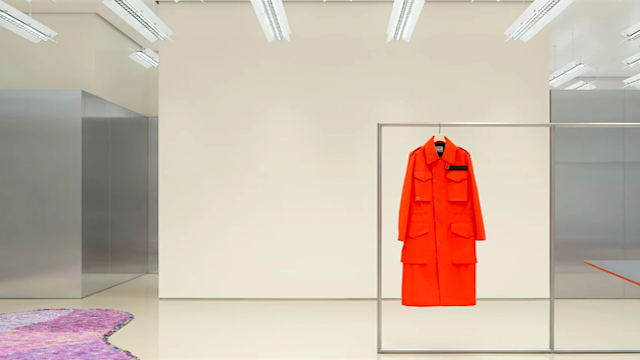
  • Swedish Fashion Sensation Acne Studios Marks Malaysian Debut with Kuala Lumpur Flagship Store

    Swedish Fashion Sensation Acne Studios Marks Malaysian Debut with Kuala Lumpur Flagship Store

    Acne Studios, a renowned Swedish fashion label, has marked its maiden foray into the Malaysian market with the inauguration of its first outlet at Pavilion Kuala Lumpur. This move serves as the latest progress in the ongoing collaboration between Acne Studios and Bluebell Group. The latter also manages the brand’s operations in Singapore and Taiwan, as the duo continue their collective expansion throughout Asia.

    The store, under the creative guide of Jonny Johansson, Acne Studios’ Creative Director, is a collaboration with Halleroed, a Swedish architecture firm. The outlet stays true to the brand’s unique retail concept, reflecting the design ethos prevalent in its global store network.

    Bluebell Group, the company behind the launch, views this venture as a means to bolster Acne Studios’ regional presence. This is achieved by synergizing the brand’s innovative identity with the group’s local market acumen and retail proficiency. Bluebell Group stated that the joint venture amalgamates profound local expertise, market acuity, and a dedication to crafting extraordinary brand experiences that strike a chord with consumers across the region.

    The debut of Acne Studios in Malaysia follows the fashion brand’s ongoing growth in Southeast Asia. In the previous year, the Stockholm-based label expanded its regional imprint by launching its first outlet in Thailand at Siam Paragon.

    Questions & Answers

    What significant step has Acne Studios recently taken in its Asian expansion?
    Acne Studios has entered the Malaysian market with the launch of its first store at Pavilion Kuala Lumpur.

    Who is responsible for the design of the new Acne Studios outlet?
    The store was designed by Jonny Johansson, Acne Studios’ Creative Director, in collaboration with Swedish architecture studio Halleroed.

    What is the strategic vision behind the partnership between Acne Studios and Bluebell Group?
    The partnership aims to strengthen Acne Studios’ regional footprint by blending the brand’s creative identity with Bluebell Group’s local market expertise and retail capabilities.

  • Uniqlo Plans Major Expansion in India: 100 New Stores by 2031

    Uniqlo Plans Major Expansion in India: 100 New Stores by 2031

    Uniqlo, a renowned clothing brand, is set to significantly extend its footprint in India. The company’s ambitious expansion plan aims to increase its store network in the country by five times, amounting to over 100 stores within the next five years.

    Expansion Strategy and Local Production

    Uniqlo’s primary expansion target will be New Delhi and other major Indian cities. The company has a comprehensive strategy in place, which includes importing apparel from its Asian factories. However, in accordance with local regulations, Uniqlo will also initiate production within India.

    Uniqlo, a subsidiary of Japanese retail mogul Fast Retailing, boasts a presence in over 25 global markets and a network of more than 2,500 stores worldwide. The brand made its entry into India in 2019, and as of June this year, it had 20 stores operating across the nation, notably in major cities like New Delhi, Mumbai, and Bengaluru.

    This expansion forms a part of Uniqlo’s business strategy to reinforce its presence in the Global South, encompassing South Asia and Southeast Asia.

    Focus on Southeast Asia

    Uniqlo’s operational presence in Southeast Asia is already substantial when compared to its Indian market. The brand has 81 stores in the Philippines, 78 in Indonesia, 73 in Thailand, 60 in Malaysia, and approximately 30 each in Singapore and Vietnam.

    The combined sales of Uniqlo in South Korea, Southeast Asia, India, and Australia have witnessed a robust increase of 32% for the first nine months ending in May. The growth in sales in India and Southeast Asia alone has continued to exhibit a sustained double-digit increase.

    Takeshi Okazaki, CFO of Fast Retailing, stated that the company views Asia as the next major global growth center for the long term. He added that, similar to successful strategies implemented in the US and Europe, Fast Retailing aims to enhance its brand power in Asia by improving its product lineup and store operations.

    Questions & Answers

    What is Uniqlo’s expansion plan in India?
    Uniqlo aims to expand its store network in India fivefold, reaching over 100 stores within the next five years.

    Where will the expansion primarily focus?
    The primary focus of the expansion will be in New Delhi and other major cities in India.

    What is the company’s strategy for product sourcing in India?
    Uniqlo plans to import clothes from its factories in Asia and also initiate production within India, in accordance with local regulations.

  • Uniqlo Targets Massive Expansion in India with Over 100 Stores by 2031

    Uniqlo Targets Massive Expansion in India with Over 100 Stores by 2031

    Uniqlo, a highly recognized retail brand, is set to embark on a substantial expansion plan in India. The company’s strategy involves a fivefold increase in its store network, boosting the number from 20 to over 100 within the next five years.

    The company’s expansion will primarily concentrate on New Delhi and other significant urban areas, as per inside sources. Uniqlo, a division of the Japanese retail powerhouse Fast Retailing, has a presence in more than 25 markets and boasts a global network of over 2,500 stores.

    Local Production and Global Expansion

    In line with local regulations, Uniqlo will not only import clothes from Asian factories but will also initiate production within India. This move is consistent with the company’s broader strategy to expand its influence in the Global South, encompassing South Asia and Southeast Asia.

    The retail brand’s presence in Southeast Asia is considerably more extensive than in India. Uniqlo operates 81 stores in the Philippines, 78 in Indonesia, 73 in Thailand, 60 in Malaysia, and approximately 30 in both Singapore and Vietnam.

    Impressive Sales Growth

    Uniqlo’s consolidated sales in South Korea, Southeast Asia, India and Australia experienced a surge of 32 per cent for the initial nine months ending in May. Sales in India and Southeast Asia alone continued to demonstrate double-digit growth. “We see Asia as the next global growth centre in the long term,” stated Takeshi Okazaki, CFO of Fast Retailing. The brand aims to bolster its reputation in Asia, with plans to enhance its product lineup and store operations.

    Questions & Answers

    What is Uniqlo’s expansion plan in India?
    Uniqlo plans to expand its store network in India fivefold, from 20 to over 100 stores within the next five years.

    What strategy will Uniqlo employ to meet local regulations?
    To adhere to local regulations, Uniqlo will not only import clothes from Asian factories but will also begin manufacturing in India.

    How has Uniqlo performed in other Asian markets?
    Uniqlo has seen significant growth in Southeast Asia. The brand operates numerous stores in the Philippines, Indonesia, Thailand, Malaysia, Singapore and Vietnam, and has experienced a 32% increase in sales in South Korea, Southeast Asia, India and Australia.

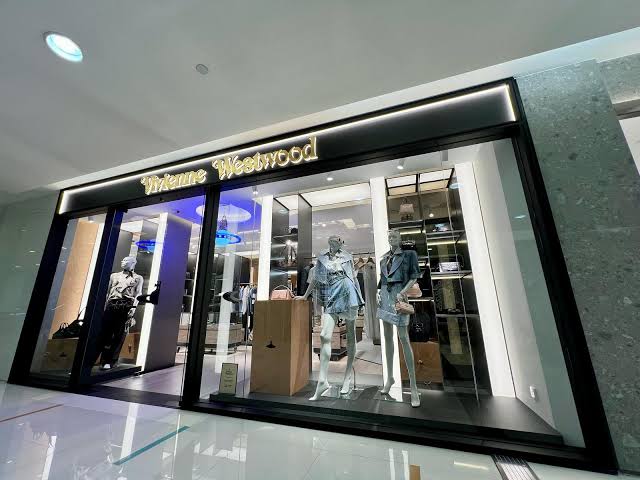
  • Vivienne Westwood Debuts Spectacular Four-Storey Flagship With Fine Dining and Bridal Salon in Beijing

    Vivienne Westwood Debuts Spectacular Four-Storey Flagship With Fine Dining and Bridal Salon in Beijing

    British luxury fashion brand, Vivienne Westwood, recently opened the doors of its first flagship store in mainland China. Located in Beijing’s Huamao district, the multi-story establishment effortlessly combines facets of fashion, hospitality, and dining in one comprehensive setting.

    Design and Offerings

    Situated across four floors, the boutique harmoniously blends raw industrial elements with eco-friendly materials, creating a modern space that embodies the distinctive aesthetic of the renowned fashion house.

    The store features an extensive selection of the brand’s offerings, ranging from womenswear, menswear, and accessories to a diverse array of classic and seasonal jewellery.

    On the third floor, customers can find the Vivienne Westwood Club. This 54-seat restaurant is built around an elegant marble bar featuring a unique gold-veined finish. The setting is further accentuated by dark timber interiors, comfortable banquette seating, and an exclusive chef’s table that can accommodate up to eight guests.

    Patrons of the restaurant can enjoy a diverse menu that blends European-inspired cuisine with Chinese touches. Among the culinary delights on offer are the Grilled Avocado Shrimp Salad and the Burrata ‘Clouds of Summer’. The restaurant also serves an array of cocktails, delectable desserts, and an assortment of bar snacks.

    Moving to the lower ground floor, there is a minimalist bridal salon that displays the exclusive Bridal 2026 collection. This collection includes 14 intricately designed gowns, separates, and accessories, all meticulously handcrafted in England and Italy.

    Additionally, the street-level floor hosts a Vivienne Westwood Cafe that offers a variety of takeaway beverages and light snacks for the convenience of shoppers on-the-go.

    Andreas Kronthaler, the creative director of Vivienne Westwood, expressed his enthusiasm about the new location, stating that Beijing’s rich cultural heritage made it a fitting location for the brand’s first flagship store in mainland China. He described it as a significant moment for the company to have a presence in Beijing and to offer the full spectrum of the Vivienne Westwood world to customers.

    Questions & Answers

    Where is Vivienne Westwood’s first flagship store in mainland China located?
    The store is located in Beijing’s Huamao district.

    What does the new Vivienne Westwood flagship store offer?
    The store offers a wide range of products including womenswear, menswear, accessories, classic and seasonal jewellery, as well as a bridal salon and a 54-seat restaurant.

    What cuisine does the restaurant in Vivienne Westwood’s flagship store serve?
    The restaurant serves European-inspired cuisine with Chinese influences. Key dishes include the Grilled Avocado Shrimp Salad and the Burrata ‘Clouds of Summer’.

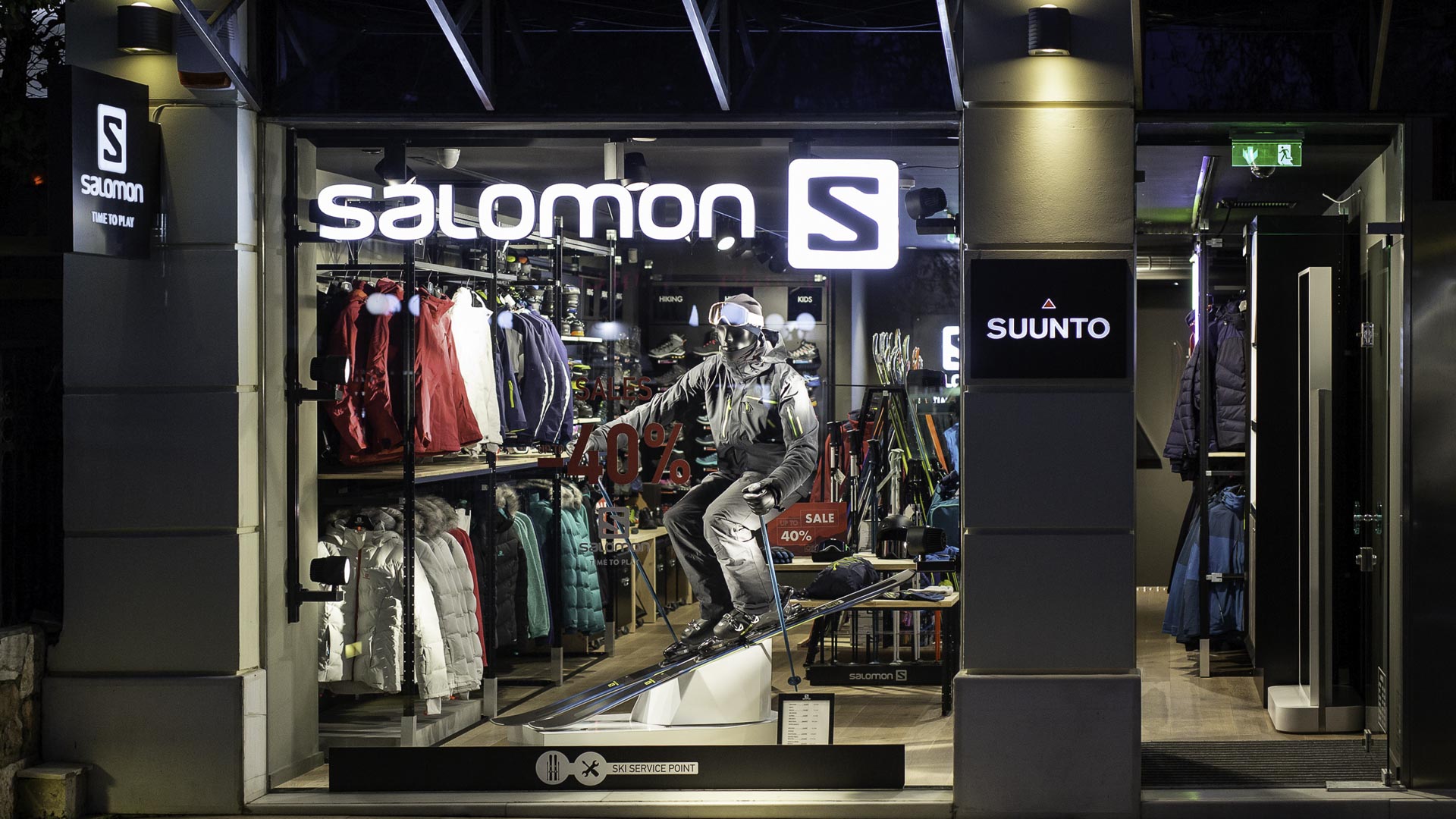
  • Vincent Du: Trailblazing Salomon’s Expansion in Greater China as New Senior VP

    Vincent Du: Trailblazing Salomon’s Expansion in Greater China as New Senior VP

    Renowned sports apparel and goods company, Salomon, has announced the appointment of Vincent Du as the new senior Vice President and General Manager for their Greater China division. Du’s appointment is seen as a strategic move, considering his extensive industry experience spanning over two decades.

    Key Industry Experience

    Vincent Du is recognized for his significant contribution to the sporting goods industry. Before joining Salomon, Du served in crucial product development roles with Nike Global. His tenure at the company saw him contributing to the launch of several influential global footwear models, which have made considerable impact in the market.

    Future Endeavors and Focus

    In his new role, Du is expected to supervise various aspects of Salomon’s business operations across the Greater China region. This includes managing the brand, overseeing business operations, and leading the company’s strategic initiatives in the region.

    Salomon’s primary goal is to hasten retail expansion, strengthen its leadership in trail running, and create momentum across all divisions, including Run All Terrain, Apparel, Sportstyle, and Digital. With this in mind, the company aims to become the leading modern mountain sports lifestyle brand in China.

    Questions & Answers

    Who is the newly appointed senior Vice President and General Manager for Salomon in Greater China?
    Vincent Du is the newly appointed senior Vice President and General Manager for Salomon in Greater China.

    What is Vincent Du’s background in the sporting goods industry?
    Before joining Salomon, Vincent Du held key product development roles at Nike Global and contributed to the launch of several global footwear models.

    What are the key areas of focus for Salomon under Vincent Du’s leadership?
    Under Vincent Du’s leadership, Salomon aims to accelerate retail expansion, strengthen its position in trail running, and build momentum across Run All Terrain, Apparel, Sportstyle, and Digital divisions to become the leading modern mountain sports lifestyle brand in China.