Category: Fashion

Retail News Asia is committed to providing both local and global retailers with the latest Fashion news throughout the Asian market. This on a daily base.

  • Estée Lauder Hits 98 Percent Regional Sourcing for Core Lines as R&D Speeds up

    Estée Lauder Hits 98 Percent Regional Sourcing for Core Lines as R&D Speeds up

    The Estée Lauder Cos. Has shifted 98 per cent of production and sourcing for its core foundation franchise to local regional hubs. The change cuts product development cycles by half.

    That setup covers high-volume lines including the Double Wear franchise. Following a reformulation, it ranked as the top makeup launch in the United States during the first half of 2026.

    Supply chain and research teams now operate across five innovation centers in Shanghai, Long Island, Toronto, Paris and Blaine, Minnesota. They work alongside nine manufacturing plants in the United States, Switzerland, England, Belgium and other markets. By shifting from a sequential stage-gate model to parallel workflows, development time for premium skincare lines like the Re-Nutriv Ultimate Diamond face oil essence fell from 30 months to 15 months. Factory floors now run on a proprietary generative artificial intelligence assistant called ELLA. The system provides historical data so line operators can reconfigure machinery without halting production runs.

    Parallel Development Across Global Hubs

    This overhaul links early ingredient discovery directly to plant-level tooling trials. Traditional cosmetics manufacturing separated research, packaging design and factory scaling into discrete stages. Estée Lauder now runs formulation and industrial scaling concurrently across its research centers and production facilities.

    In hybrid skincare and makeup categories, the group transferred oil-control technology from its skincare laboratories into foundation lines, extending wear time to 36 hours. Brand teams at MAC and The Ordinary used similar acceleration methods. Both rolled out stick formats and high-concentration serums within months of emerging ingredient trends.

    Regionalising Supply to Shield Margins

    Trade barriers and cross-border transport costs forced the group to abandon centralized production for mass-volume product lines. Sourcing and manufacturing now sit directly within the consumer markets where inventory is sold.

    For retailers and department store operators across Asia and the West, localized manufacturing reduces out-of-stock risks during demand spikes. It also cushions wholesale margins against currency swings. However, localized sourcing concentrates inventory risk in individual regional hubs, requiring precision forecasting to prevent gluts.

    Independent beauty labels in South Korea and China continue to cycle new formulations to store shelves in under six months. Established prestige operators moving research hubs closer to regional factories are attempting to match that speed without sacrificing clinical testing standards.

    Expanding Fragrance and Cross-Category Formulations

    To support higher-margin categories, the company added dedicated infrastructure, opening a fragrance atelier called La Maison des Parfums in Paris in 2025. The site develops exclusive scents for Jo Malone London, Le Labo and Kilian Paris. Formulation teams pair proprietary botanical extractions with synthetic molecules to prevent direct imitation by fast-beauty competitors.

    Brand extensions have also branched into adjacent premium consumer categories. These include pet care grooming products developed through third-party specialist partnerships.

    Parallel working means we’re going faster in identifying ingredients, in having the right lead times; in [conducting] line trials at the factories…we’re accelerating these activities by doing them in parallel.

    Tracking Output Across Nine Manufacturing Plants

    Years of tariff disputes and logistical bottlenecks triggered this operational pivot. Earlier distribution networks relied heavily on centralized production facilities in Europe and North America before shipping finished goods overseas.

    Plant managers now face the task of maintaining factory uptime as ELLA and algorithmic formulation tools expand into all nine manufacturing sites ahead of the next financial reporting cycle.

  • Anta Sports Completes 1.51 Billion Euro Puma Stake Buyout

    Anta Sports Completes 1.51 Billion Euro Puma Stake Buyout

    Anta Sports completed its 1.51 billion euro purchase of a 29.06 per cent stake in Puma. The transaction makes the Chinese sportswear group the German brand’s largest shareholder.

    The cash deal, valued at approximately US$1.7 billion, closed after clearing regulatory scrutiny and customary closing conditions.

    Terms of the Artémis buyout

    Shares came directly from Artémis, the private investment arm run by the French billionaire Pinault family. Artémis had held the stake since French luxury group Kering distributed Puma shares to its investors in 2018.

    Funding came in full from existing cash balances and committed credit lines. The transaction transfers European sportswear equity directly into Chinese corporate hands.

    Expanding the global portfolio

    Buying established Western sports brands gives Anta immediate scale without building new labels from scratch. The group already controls a multi-brand stable spanning Fila’s Greater China rights, Arc’teryx parent Amer Sports, Descente and Kolon Sport.

    Securing the largest block in Puma provides direct exposure to global football, running and lifestyle distribution channels across Europe, the Americas and Southeast Asia. The acquisition gives the Chinese group international scale to challenge Nike and Adidas on neutral turf.

    Channel power and China retail

    For Puma, the transaction opens deeper supply-chain and distribution access across Mainland China’s lower-tier cities, where Anta commands thousands of monobrand franchise doors. Puma has struggled against domestic substitution and consumer trading-down across East Asia over recent quarters.

    Operational risk sits in management alignment. Anta typically allows acquired international brands to operate with independent design teams while overhauling back-end sourcing and regional retail networks.

    Governance and board representation

    Initial proposals to acquire the cornerstone block from Artémis were submitted earlier this year. The closing concludes months of antitrust reviews across key operating jurisdictions.

    Shareholder meetings are next. Anta is expected to propose representatives for supervisory board seats to formalise its oversight of the German apparel group.

  • Cin Cin Targets Stores in New York and Miami as US Demand Grows

    Cin Cin Targets Stores in New York and Miami as US Demand Grows

    Australian resortwear label Cin Cin is preparing to open standalone stores in the United States, targeting New York and Miami in October 2026 to capture its largest online buying demographic.

    The brand, founded by Louise Lazarus and Geo Moriarty, manufactures its retro-styled swimwear and apparel lines in Bali, Indonesia, where both founders are based and where the company operates physical storefronts.

    Bali manufacturing footprint

    Lazarus and Moriarty built the label around 1970s bohemian prints and saturated palettes, placing product development and garment production directly in Indonesia. Operating local stores in Bali gave the business an immediate testing ground with international holidaymakers before scaling wholesale and direct-to-consumer digital channels overseas.

    Direct control over Indonesian workshop capacity allows the company to turn around seasonal collections faster than competitors who outsource offshore without an on-the-ground presence. Keeping operations in Southeast Asia while selling into high-spending Western markets maintains strong unit economics for premium resortwear.

    The direct-to-consumer export corridor

    Cin Cin follows a proven path carved by Australian apparel exporters, including Monday Swimwear, PE Nation and Silk Laundry, that built international volume by pivoting early toward US shoppers. North American consumers continue to show heavy demand for southern-hemisphere lifestyle branding, particularly in coastal and warm-weather metropolitan hubs.

    Maintaining that momentum requires transition from pure-play e-commerce and multi-brand stockists into owned brick-and-mortar units. High freight rates and cross-border return friction frequently cap international digital growth, making localized storefronts essential to defend margins.

    “Our dream would be to open in New York or Miami, as our largest customer bases are there.”

    Margin pressures in physical expansion

    Leasing prime retail space in Manhattan or South Beach carries high fixed overheads and substantial upfront fit-out commitments. For independent resort labels, winter trading in non-sunbelt cities presents cash-flow risks that require disciplined inventory management across contrasting hemispheres.

    Retail property landlords in both New York and Miami are demanding solid balance sheets and proven trading histories from foreign direct-to-consumer entrants. Cin Cin will need to balance the costs of long-term commercial leases against seasonal wholesale partnerships with department stores and specialty boutiques.

    Next steps in retail rollout

    The label previously prioritized building out its retail base across tourist hubs in Bali alongside global e-commerce fulfillment. That dual structure generated the cash reserves needed to finance initial overseas market research and site scouting.

    Cin Cin is now reviewing retail real estate options and wholesale distribution schedules across North America for upcoming seasonal drops, with site selection in Florida and New York serving as the benchmark for its physical rollout.

  • Better Cotton Farmers Cut Synthetic Nitrogen 69 Percent in Five-Year Audit

    Better Cotton Farmers Cut Synthetic Nitrogen 69 Percent in Five-Year Audit

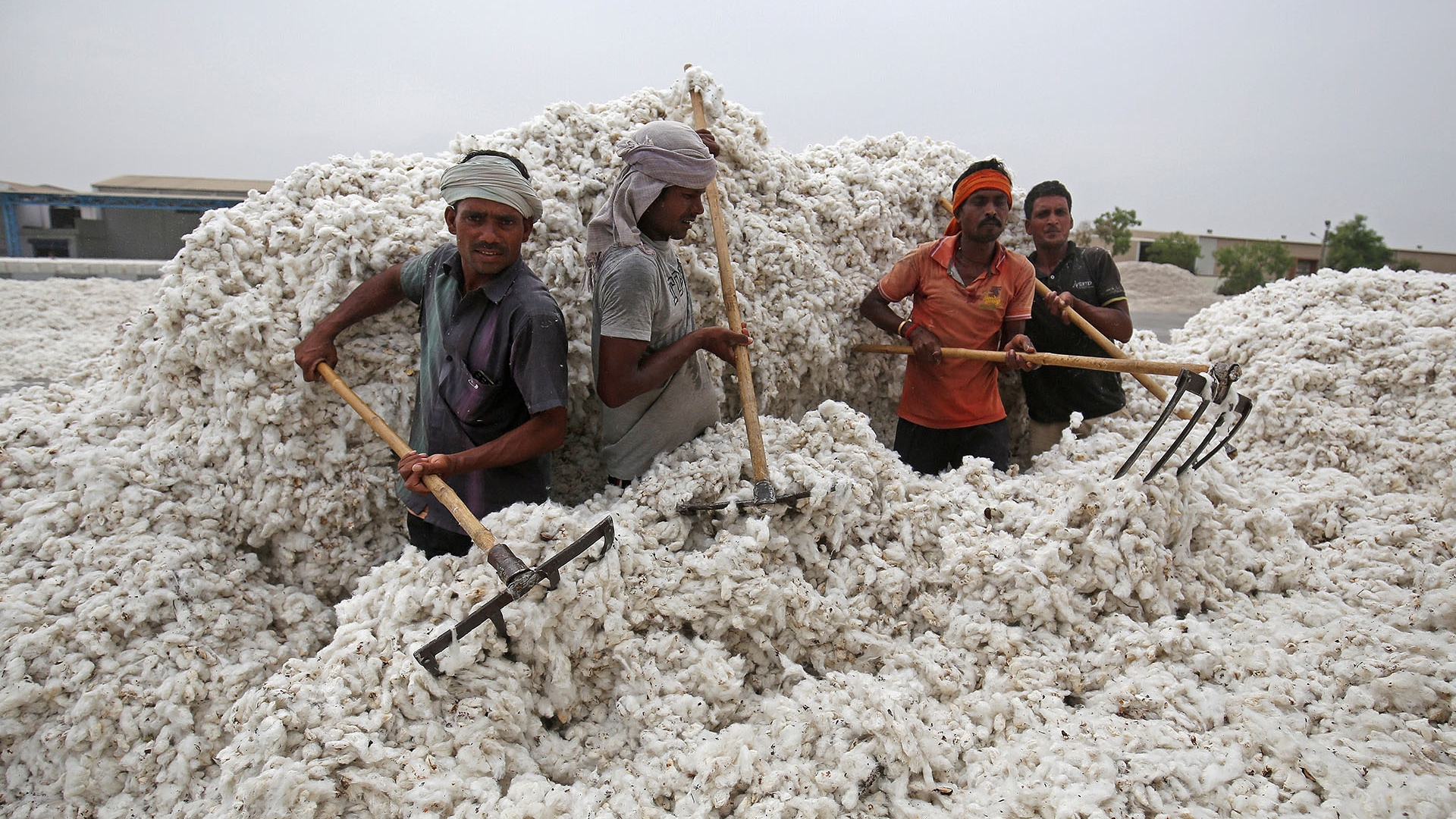
    Better Cotton member farmers cut synthetic nitrogen use per kilogram of cotton by 69 percent and pesticide volume by 65 percent, according to the group’s five-year impact audit.

    The benchmark covers field-level operations supplying roughly 24 percent of the global raw cotton crop to textile mills and apparel retailers worldwide.

    Researchers drew on more than 20 million annual data points gathered across commercial operations and smallholder plots. Alongside chemical cuts, 54 percent of licensed growers lowered their carbon footprint, while 52 percent of irrigated farms cut water use per kilogram of lint by an average of 29 percent.

    Lower input expenses delivered financial relief across rural growing belts. About 59 percent of participating smallholders lifted net farm income after adopting standard agronomic practices. These practices substitute biological controls and composting for commercial chemical inputs.

    Field Cuts Across Water and Chemicals

    Pest management shifts accounted for much of that cost drop. Across participating networks, 65 percent of growers reduced active synthetic pesticide ingredients per hectare. A network of 11,000 bio-input production and distribution centers established with local program partners supported the shift.

    Irrigation efficiency improved across arid basins through structured water stewardship training. Partner organizations conducted field sessions for 690,000 farmers and 175,000 agricultural workers. That outreach reached 65,000 female farmers and 77,000 female field workers.

    Female representation in administrative roles also rose over the five-year tracking window. Women now occupy 17 percent of field facilitation and producer unit management posts across participating organizations. Five years earlier, that figure was 9 percent.

    Pakistan Smallholders and Yield Economics

    Growers in Asia facing volatile weather and high fertilizer costs provided key proof points for the standard. In Pakistan’s Sanghar district, 37-year-old farmer Samina Khaskheli cut operating costs by 15.6 percent across three seasons. She did so by adopting botanical pest treatments, compost applications, and organic bio-fertilizers.

    Certified volumes give Asian spinning mills and garment exporters verifiable scope-3 carbon and chemical data under tighter brand procurement rules. Operational risks remain concentrated upstream. The main challenge sits with certification integrity at farm aggregators and ginning facilities along fragmented rural supply routes.

    Exporters in Pakistan and regional processing hubs face persistent scrutiny over raw material traceability. Standardized field reporting gives manufacturers defensible documentation when shipping finished textiles to regulated European and North American retail channels.

    Season Results Across Global Acreage

    Data from the single 2024 to 2025 growing season confirmed steady adoption rates. During that twelve-month cycle, 61 percent of participating growers reduced synthetic nitrogen per kilogram compared to the previous crop year. Another 49 percent cut their carbon footprint.

    Pesticide reductions continued across the single-season cohort. The report tracked 40 percent of growers lowering active synthetic pesticide usage per hectare. Meanwhile, 34 percent applied organic fertilizers such as livestock manure across their acreage.

    Local program partners ran at least 19,900 demonstration plots during the season. These trials validated alternative pest control methods before farmers risked seasonal capital on broadfield deployment.

    “BCI is committed to rigorous impact reporting, which gives confidence through diligently collected, interpreted, and disseminated findings drawn from reliable and complete data,” said Iain Gardiner, senior director of impact and development at BCI.

    Soil Health Targets for 2030

    The report represents the organization’s first comprehensive global impact assessment in five years. It follows a baseline cycle focused on expanding grower enrollment across South Asia, Africa, and the Americas.

    Attention now turns to the organization’s binding 2030 target. That benchmark mandates that 100 percent of its licensed cotton farmers document measurable improvements in soil health across their cultivated acreage.

  • Armani Group Names Stephanie Wen CEO for Greater China

    Armani Group Names Stephanie Wen CEO for Greater China

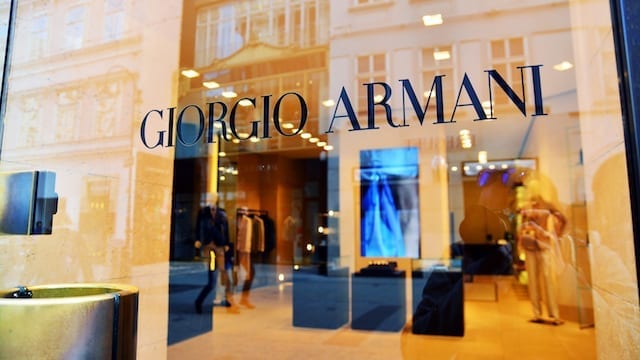
    Armani Group appointed Stephanie Wen as chief executive officer for Greater China on October 1. The appointment places a veteran apparel distributor in charge of operations across mainland China and Taiwan.

    In her new role, Wen oversees regional business development, retail networks, marketing agencies and commercial partnerships for the Milan-based fashion house.

    Distribution Background at Carnival Industrial

    Wen previously served as vice general manager of Carnival Industrial Corporation, an apparel manufacturer under Taiwan’s Yulon Group. The company acts as a distribution partner for Giorgio Armani. She concurrently ran Carnival’s Giorgio Armani division, managing wholesale and retail distribution for the Italian label before taking direct regional leadership for the parent group.

    That operational background gives Armani direct experience in Greater China garment distribution, local department store concessions, and joint-venture retail management.

    Navigating Greater China Retail Channels

    Western luxury fashion groups continue adjusting their executive structures in Greater China. They face divergent market conditions between top-tier mainland cities and secondary retail hubs. Direct operational control over local distributors allows luxury houses to align boutique rollouts, pricing strategies and inventory allocations without intermediary delays.

    Hiring directly from a local distribution partner lets Armani maintain continuity in partner relationships. It also consolidates oversight under group headquarters in Milan.

    Expanding Brand Presence

    Founded in Milan in 1975, Armani Group operates a brand portfolio spanning Giorgio Armani, Emporio Armani, and Armani Exchange across major Asian metropolitan centres. Unifying mainland China and Taiwan under one leader coordinates retail expansion across premier department stores, duty-free locations, and standalone flagships.

    Wen will now execute store performance reviews and strengthen partner networks across both territories through the final quarter of the year.

  • Australian Fashion Label Suboo Collapses into Liquidation with $655,000 in Debt

    Australian Fashion Label Suboo Collapses into Liquidation with $655,000 in Debt

    Bondi-founded women’s fashion label Suboo has collapsed into liquidation owing approximately $655,000 to logistics providers, e-commerce vendors and apparel manufacturers.

    Christopher Darin of insolvency firm Worrells was appointed as sole liquidator to wind up the business following a formal creditors meeting on October 1, according to regulatory filings with the Australian Securities and Investments Commission.

    Founder Sue Di Chio started the label in 2008, expanding the brand from Australian coastal apparel into an international boutique network. Suboo distributed garments through more than 300 wholesale stockists across 17 countries, including multi-brand luxury channels such as Farfetch, Saks and Bloomingdales.

    Breakdown of the Unpaid Debts

    Documents show the bulk of the unpaid balances is concentrated among digital infrastructure providers, revenue-based financiers and global logistics carriers. E-commerce platform Shopify is listed as the largest single creditor with an outstanding balance of $140,232.89.

    Revenue-based merchant financier Wayflyer is owed $105,162.50. Shipping operators DHL and FedEx hold unpaid claims of $60,909.41 and $58,299.49 respectively, reflecting the costs of moving inventory across cross-border wholesale channels.

    Supply-chain liabilities extend into international apparel manufacturing, with Dongguan P&J Clothing Co listed for $18,253.25, alongside a debt of $51,840.66 owed to Swell Ltd. Operations ceased as the company entered winding-up proceedings, and the brand website was replaced with a temporary maintenance notice.

    Wholesale Reach and Platform Exposure

    Suboo relied heavily on influencer visibility and high-profile endorsements, dressing personalities including Gigi Hadid, Kendall Jenner, Matilda Djerf and Tash Oakley to drive consumer interest. That marketing reach helped secure presence in major department store groups across North America and Europe alongside its domestic boutique stockists.

    The creditor list illustrates the operational structure of direct-to-consumer fashion brands founded in the late 2000s. High platform fees, financing arrangements tied to projected sales, and rising international courier rates left the business exposed when top-line consumer spending contracted.

    Pressures Across Independent Fashion

    Independent fashion labels across Australia and the wider Asia-Pacific region are confronting tighter discretionary budgets, rising input costs and freight rate increases. When mid-market labels face slowing wholesale orders from overseas department stores, cash flow disruptions quickly transmit down to local suppliers and overseas garment factories.

    For offshore suppliers in hubs like Dongguan, small fashion label failures produce immediate write-downs on completed production runs. Financiers and logistics providers are increasingly taking collateral positions or requiring shorter payment terms from mid-tier apparel exporters navigating volatile consumer demand.

    Liquidator Assessment and Next Steps

    Suboo issued a statement attributing its insolvency to broader market headwinds, stating that

    Many of these factors have been outside our control and are being felt across the industry more broadly

    . The company stated that all pre-existing retail customer orders were fulfilled before operations halted.

    The liquidator is now assessing the remaining company assets, intellectual property rights and debtor books to determine the potential return to unsecured creditors. Creditors will receive a formal statutory report from Worrells detailing asset realizations and potential dividend prospects in the coming weeks.

  • Pandora Opens US$150 Million Jewellery Facility in Vietnam

    Pandora Opens US$150 Million Jewellery Facility in Vietnam

    Last week, Pandora chief executive Berta de Pablos-Barbier stood alongside Vietnamese officials on the northern fringe of Ho Chi Minh City to unveil the first piece of jewellery the Danish company has ever made outside Thailand.

    The group spent US$150 million on the 7.5-hectare plant in Vietnam-Singapore Industrial Park III, which it describes as the world’s largest fine jewellery crafting facility. At full capacity, the site can produce up to 60 million pieces a year.

    Breaking the Thailand monopoly

    The new plant shifts Pandora’s production footprint. For decades, the Copenhagen-listed company concentrated all manufacturing in Thailand. It relied on large craft facilities in Bangkok and Lamphun.

    Vietnam gives the jeweller a second manufacturing base in Southeast Asia. The industrial corridor north of Ho Chi Minh City provides established logistics links, deep-water port access, and a large manufacturing workforce.

    Production scale at VSIP III

    Located inside Vietnam-Singapore Industrial Park III, the facility adds volume to Pandora’s global supply network. Capital expenditure of US$150 million covers precision crafting equipment, casting lines, and finishing stations.

    Pandora designed the site to lift total group production as it expands its store network across Europe, the Americas, and Asia-Pacific. Full ramp-up depends on steady order volumes across core charm bracelet and fashion jewellery lines.

    Supply chain concentration risk

    Single-country sourcing created operational risks for Pandora during past supply chain disruptions. Building in Vietnam reduces political, regulatory, and labor exposure tied to a single operating market.

    Other global fashion and accessories brands have also shifted manufacturing capacity into Vietnam. Pandora must now build local technical expertise to match craftsmanship standards honed over decades in Thai facilities.

    Factory output and market demand

    Adding 60 million units of annual capacity requires sustained sales growth across key consumer markets. Global retail footfall and discretionary spending remain uneven across major shopping districts.

    Operations will test how fast Pandora integrates the Vietnam facility into its global fulfillment chain. Management will track initial run rates from the Ho Chi Minh City site as production scales toward the 60 million piece ceiling.

  • LVMH Loses $167 Billion in Value as Chinese Shoppers Cut Handbag Spending

    LVMH Loses $167 Billion in Value as Chinese Shoppers Cut Handbag Spending

    LVMH has lost more than $167 billion in market value this year as Chinese consumers pull back from expensive handbags, cutting group valuation by more than half from its peak above $500 billion.

    The selloff exposes the conglomerate’s heavy concentration in a single division and a single region, with Asia excluding Japan generating 35 percent of Fashion and Leather Goods revenue in 2025.

    Fashion and Leather Goods accounts for roughly three-quarters of recurring operating profit across LVMH’s 75 brands. UBS estimates the flagship Louis Vuitton label alone generates more than half of divisional earnings. Chinese shoppers account for nearly a third of all fashion and leather sales, leaving group performance tightly bound to domestic sentiment in mainland China.

    Bernard Arnault, the 77-year-old chairman and chief executive whose family controls 65 percent of voting rights through Agache, faces a market where the pricing power of the past five years has stalled. Average luxury prices rose 54 percent between late 2019 and September 2024, according to HSBC estimates. While that strategy lifted group revenue from €54 billion in 2019 to €86 billion in 2023, shoppers in Asia are no longer absorbing further price increases for coated canvas and leather.

    Mainland luxury market contracts for two straight years

    China’s personal luxury goods market shrank between 18 percent and 20 percent in 2024, followed by an additional decline of 3 percent to 5 percent in 2025, according to Bain estimates. Leather goods suffered the steepest drops, falling between 8 percent and 11 percent last year. Real estate weakness and employment concerns have eroded consumer confidence, while local fashion labels have gained market share by emphasizing cultural relevance.

    Consumer budgets are shifting rather than disappearing entirely. A 2026 survey by Oliver Wyman found 37 percent of affluent Chinese consumers plan to increase spending on prestige beauty, compared with just 4 percent planning higher spending on leather goods. L’Oréal recorded 10 percent revenue growth for its Luxe division in China during its latest reported quarter, while Compagnie Financière Richemont reported a 14 percent sales rise at constant currency for jewellery brands Cartier and Van Cleef & Arpels in the year to March.

    Rivals test price cuts while Vuitton protects margins

    Rival luxury groups are responding with aggressive regional pricing adjustments. Gucci reduced prices by 20 percent to 30 percent across several handbag collections to recruit entry-level customers, while Chanel rolled out smooth-leather accessories positioned below its signature quilted lines. Chanel lifted first-half comparable sales by about 16 percent following the adjustments.

    LVMH has resisted broad price reductions, choosing instead to invest in store upgrades and creative turnover at Dior and Loro Piana. Bernstein calculations indicate a hypothetical €1,350 entry-level Vuitton bag could generate €440 million in incremental revenue and boost divisional unit volume by 5 percent, even if average selling prices drop 1.8 percent. For now, the group relies on North America to offset Asian weakness, with Jefferies forecasting 5 percent growth in US fashion sales against a 10 percent contraction across its Chinese customer base in the third quarter.

    Local missteps add friction in mainland malls

    Brand perception in China has faced additional scrutiny. A trademark dispute in which Louis Vuitton successfully sued Shenzhen-based drinks chain Molly Tea over a floral pattern triggered public backlash from state media and social network users, who argued the design stemmed from traditional Chinese heritage. Jefferies reported the controversy caused a measurable drag on Vuitton’s mainland store sales.

    Direct acquisitions of Western luxury houses offer little help because LVMH’s current revenue base is too large for mid-sized European brands to move group earnings. Competitors have turned to minority equity investments in local players: Kering took a minority holding in Shanghai-based ICICLE parent ICCF, while L’Oréal backed domestic Chinese fragrance companies To Summer and Documents to tap shifting consumer taste.

    Earnings multiple resets to five-year lows

    The structural shift follows five years of rapid expansion that ended late in 2024, when LVMH posted its first quarterly revenue contraction since 2020. Divisional sales in Fashion and Leather Goods dropped 1 percent in 2024 and slipped another 5 percent in 2025, breaking an operating margin run that had peaked at 26.5 percent.

    Equity markets have adjusted valuations accordingly. LVMH trades at roughly 16 times forward earnings, down from 24 times at the start of the year, as institutional investors wait for third-quarter earnings figures to determine whether Chinese cluster sales can stabilize before year-end.

  • Bangladesh Garment Shipments to Russia Drop to $257 Million

    Bangladesh Garment Shipments to Russia Drop to $257 Million

    Bangladesh apparel exports to Russia plunged to $257.26 million in fiscal year 2025-26, down 61 percent from pre-war highs as banking restrictions and shipping hurdles severed trade corridors.

    The export drop from $665.31 million in fiscal 2020-21 ends a decade of rapid expansion that local suppliers hoped would reach $1 billion in annual sales. Garments account for more than 95 percent of all goods Dhaka ships to Moscow, led by knitwear and sweaters.

    Payment Bottlenecks and Trapped Capital

    Trade ground to a crawl after Western sanctions disconnected major Russian lenders from the SWIFT international payment messaging network following the invasion of Ukraine in February 2022. Exporters in Dhaka cannot collect funds through normal interbank channels, forcing transactions into complicated third-country clearing systems.

    Bangladeshi apparel makers now hold more than $1 billion in unpaid receivables from Russian accounts, according to Mohammad Hatem, president of the Bangladesh Knitwear Manufacturers and Exporters Association. Individual small and mid-tier knitwear suppliers carry between $3 million and $4 million each in uncollected dues, with payments stalled even on indirect shipments handled through European intermediaries such as Polish retail group LPP.

    Transit Rerouting Adds Freight Costs

    Direct ocean shipments to Russian ports have stopped entirely. Manufacturers now route consignments through overland and sea corridors across Poland, Finland, Belarus and Germany, adding transit time, border handling fees and third-party forwarding costs.

    Attempts to settle trade in alternate currencies such as Chinese yuan or Turkish lira create separate liabilities for suppliers. Factory owners face the risk of secondary sanctions or international blacklisting if transactions cross sanctioned Russian entities or non-compliant payment conduits.

    “Because of payment problems, I stopped exporting to Russia, although I used to export more than $1 million worth of garments to the country before the war,” said Rajiv Chowdhury, managing director of Young4ever Textiles, a local apparel exporter.

    Pivot to Alternative Asian Markets

    For factory operators in Dhaka and Chittagong, the collapse of direct Russian business forces a structural shift in capacity allocation. Rather than carrying the credit risk of trapped receivables, large manufacturing houses are redirecting production lines to established and emerging buyers in Japan, India, South Korea and Turkey.

    This shift increases competition across Asian consumer markets as Dhaka seeks volume buyers to replace lost European orders. Exporters that built specialised heavy-knit capacity for cold-climate markets must either convert machinery for year-round collections or compete for tighter margins in East Asia.

    Tariff History and the Line to Sanctions

    Direct garment flows between Bangladesh and Russia originally took off after 2011, when Turkey imposed a 17.5 percent safeguard duty on Bangladeshi clothing to protect domestic producers. Prior to that duty, Bangladeshi factories shipped basic garments to Turkish intermediaries, who rebranded and re-exported the finished apparel to Moscow. The Turkish tariff forced Dhaka suppliers to bypass Istanbul and establish direct commercial links with Russian retail buyers, building export volumes from nominal levels to $638.30 million by fiscal 2021-22.

    Trade bodies including the Bangladesh Garment Manufacturers and Exporters Association maintain that Russia remains a viable long-term outlet once geopolitical conditions normalize. BGMEA president Mahmud Hasan Khan noted that factory groups will focus on expanding market share across Asian retail corridors while monitoring unresolved payment settlements on outstanding Moscow shipments.

  • Manchester City Scandal Puts $1 Billion Asian Merchandise Sales at Risk

    Manchester City Scandal Puts $1 Billion Asian Merchandise Sales at Risk

    Manchester City and the English Premier League face potential retail fallout across Asia, where massive fan followings support merchandise sales that could reach US$1 billion or more.

    A financial cheating scandal spanning English and European football threatens to dent the club’s commercial appeal over the coming months as ripple effects spread through the sport.

    The Value of Regional Fan Spending

    English top-flight clubs have spent years building direct retail pipelines in major Asian commercial centres. Licensing partnerships, local flagship outlets and regional e-commerce channels turn overseas fan followings into steady merchandise cash flows. Manchester City sits at the centre of that commercial network, driving jersey sales and co-branded retail deals across East and Southeast Asia.

    Financial compliance allegations now place that commercial apparatus under direct pressure. When sporting integrity comes into question, consumer sentiment can shift rapidly among neutral and casual buyers who account for a substantial share of non-domestic kit purchases.

    Commercial Exposure for Retail Partners

    Distributors, regional department stores and sportswear stockists face the immediate inventory risk. Retailers that allocate floor space and working capital to club-branded collections cannot easily redirect stock if reputation damage dampens consumer appetite.

    Rival European teams already competing for regional shelf space stand to benefit if retail buyers reallocate seasonal inventory budgets toward clubs with cleaner brand profiles. A prolonged inquiry leaves Asian retail partners holding commercial risk they cannot control.

    The Regulatory Background

    The development follows protracted investigations into Manchester City’s financial reporting by English and European football authorities. Scrutiny centres on alleged breaches of competition and financial regulations spanning multiple seasons of domestic dominance.

    Club executives have defended their financial conduct as formal hearings proceed. The commercial fallout, however, moves faster than regulatory tribunals, leaving consumer brands and Asian retail partners to weigh the immediate sales exposure.

    What to Watch Next

    Retail buyers in Asia are now tracking club apparel pre-orders and sell-through rates as the legal proceedings advance. The final determination from English football authorities will set whether official merchandise volumes hold or face a sharp contraction across regional distribution networks.

  • Salomon Expands Womens Footwear Push Following Jisoo Seoul Campaign

    Salomon Expands Womens Footwear Push Following Jisoo Seoul Campaign

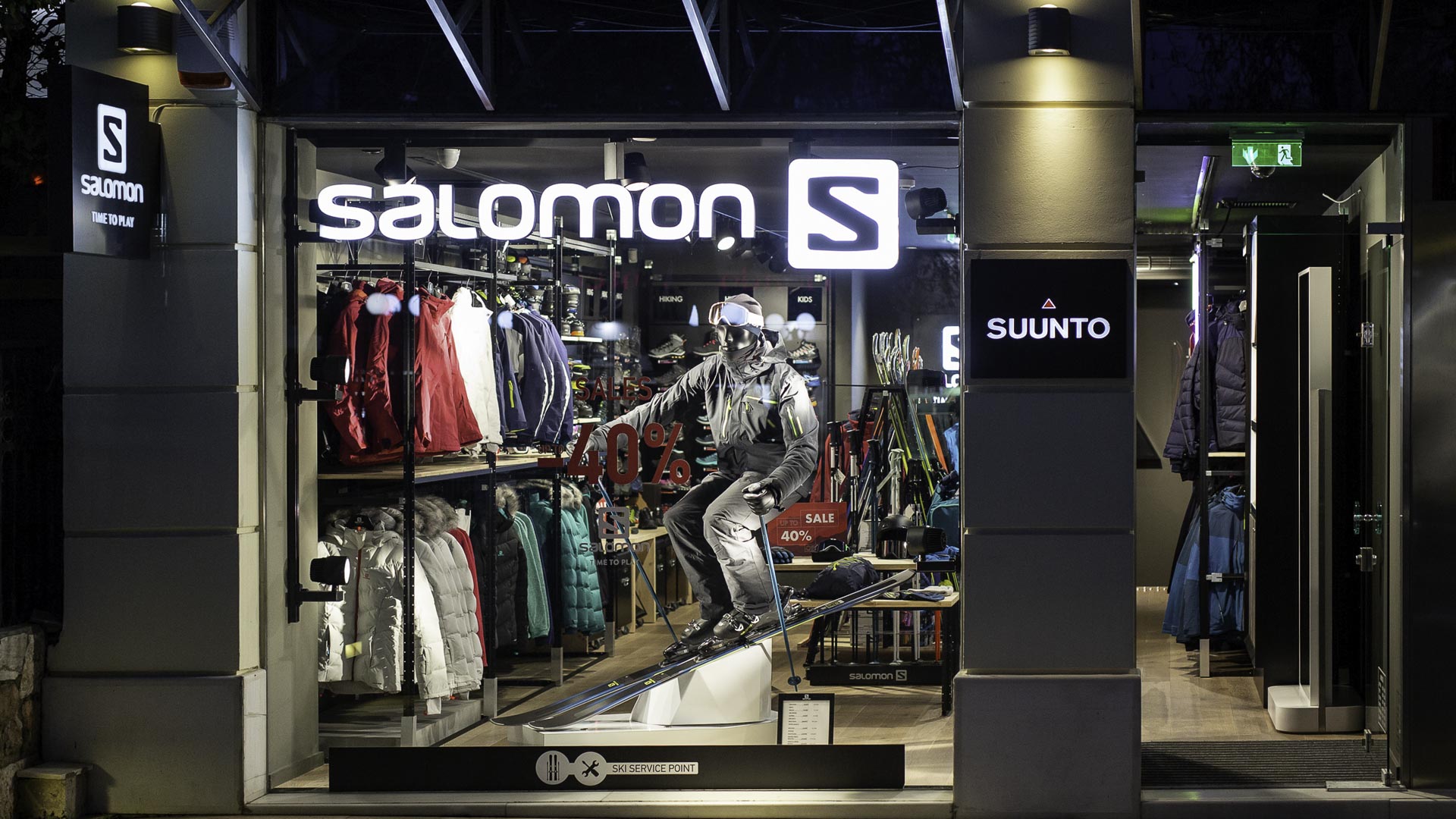
    Salomon released a collaborative sneaker capsule with FP Movement on Monday priced up to $185. The launch accelerates its push to win female consumers across global and Asian markets.

    Direct-to-consumer sales to women rose 10 percentage points over the past two years. They now account for roughly 45 percent of direct revenue, according to Amer Sports disclosures.

    The capsule reworks Salomon’s XT-6 and XT-Whisper silhouettes in gradient colorways. The XT-6 incorporates pink, mint, and ivory tones with green accents. Meanwhile, the XT-Whisper blends coral, blush, and peach alongside purple and blue details across its SensiFit structure. Pricing runs between $145 and $185 across select Salomon and FP Movement retail stores and e-commerce channels.

    Building Out Womens Technical Footwear

    Amer Sports has made expanding Salomon’s female audience a core pillar of its revenue strategy. Management outlined the plan during an investor day presentation in September. Targeted product design, specific color palettes, and focused design collaborations are expanding the French label’s footprint beyond its traditional core of male trail runners.

    Kristof Cavazzana, vice president of product and experience at Salomon, pointed to multi-season design partnerships like previous work with Sandy Liang as crucial drivers for broadening market reach. The brand uses these capsules to bridge mountain sports heritage with everyday lifestyle demand in major metropolitan centers.

    For retailers and multi-brand distributors throughout the Asia-Pacific region, the shift recalibrates shelf space allocation. Salomon has transitioned from a niche technical outdoor label into a mainstream lifestyle competitor. It now challenges established athletic giants for premium display space in top shopping malls across Seoul, Tokyo, and Shanghai.

    Asian Demand and Cultural Alignment

    Operational risk sits in maintaining technical credibility while chasing fast-moving fashion trends. Functional outdoor brands that lean heavily into trend-driven colorways risk alienating core athletes and face rapid product life cycles. Salomon hedges this risk by keeping its proprietary sole units, chassis systems, and weather-resistant membranes fully intact across all lifestyle releases.

    Competition in technical outdoor footwear has intensified across Asian gateway cities. Competing labels are fighting for the same urban consumers who combine weekend trail activities with commuter sportswear. Salomon’s conversion rates depend on maintaining authentic performance specifications while delivering softer aesthetic executions.

    Campaign Precedents in Seoul

    The FP Movement capsule follows Salomon’s major visual campaign titled In The Open, which debuted in late September starring Blackpink member Jisoo. Shot across parks, trails, and urban streets in Seoul under creative director Heikki Salonen, the campaign presented the Fall/Winter 2026 footwear range against South Korean landscapes.

    Jisoo formalized her global ambassadorship in May, making this visual rollout her first major project with the label. The campaign showed technical footwear built for mixed environments, including the XT-6 Protective, the XT-Whisper Gore-Tex, and the XT-4 OG Gore-Tex.

    Valerie Loh, senior vice president of brand and marketing at Salomon, noted that female participation in direct sales channels climbed from 35 percent to roughly 45 percent during the two-year repositioning period.

    Next Steps on the Product Calendar

    The wider Fall/Winter 2026 collection featured in the Seoul campaign goes on sale globally on October 7 through Salomon’s direct website and wholesale network. Amer Sports management will track whether conversion rates among female shoppers keep rising as these seasonal styles reach physical stores across Asia and North America.

  • Alo Yoga Expands in Mainland China to Test Global Premium Positioning

    Alo Yoga Expands in Mainland China to Test Global Premium Positioning

    Alo Yoga is testing its international expansion in mainland China, positioning its stores and pricing against established premium athletic apparel labels across tier-1 retail districts.

    The push tests whether consumers in China will pay top-tier prices for another Western athleisure brand as premium fashion spending has grown selective over recent quarters.

    The Battle for Prime Retail Real Estate

    Entering the Chinese market requires securing flagship locations in high-traffic commercial centers alongside rivals such as Lululemon. Premium shopping developments in cities such as Shanghai and Beijing allocate ground-floor footprints to proven revenue generators, forcing newer entrants to compete aggressively for leasing terms.

    Retail landlords have welcomed lifestyle activewear labels to fill space vacated by traditional department store formats. However, foot traffic alone does not guarantee conversion at premium price points, especially as property owners demand strong sales productivity per square meter.

    Competing Against Entrenched Athleisure Rivals

    Lululemon already commands significant market share and deep community loyalty across major Chinese metropolitan centers. Domestic players have also elevated product quality and brand marketing to capture consumers seeking performance apparel at lower price brackets.

    Alo relies heavily on its celebrity following, studio aesthetic, and streetwear crossover appeal. Differentiating its offer in China requires translating that West Coast lifestyle narrative to local shoppers who prioritize functional performance and fabric innovation alongside aesthetics.

    Consumer Spending and Margin Pressures

    Chinese consumer sentiment in luxury and premium fashion has grown selective over recent quarters. Shoppers increasingly scrutinize price-to-value ratios, creating margin risks for brands attempting to establish top-tier positioning without localized brand equity.

    Discounting remains a hazard in the market. Premium labels that resort to promotional pricing on major domestic e-commerce platforms risk diluting the prestige required to sustain flagship store operations.

    Community Engagement and Localization

    Success for lifestyle athletic brands in China depends on offline community activation. Building localized running clubs, yoga sessions, and wellness events serves as the primary engine for customer acquisition and repeat visits.

    The test for Alo will be whether its local retail execution can build genuine community roots or remain limited to initial novelty among fashion-forward shoppers in Shanghai.

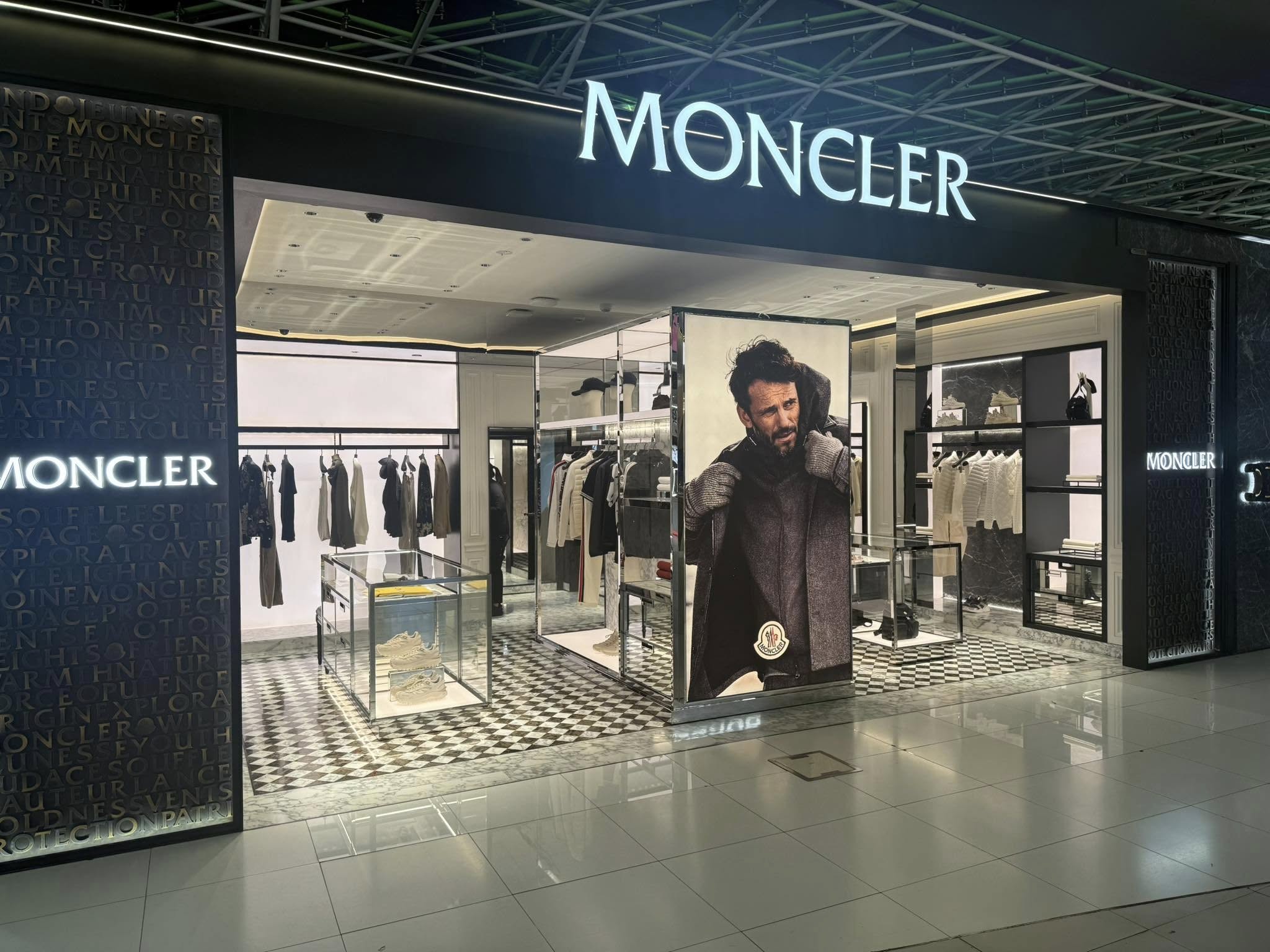
  • Moncler Expands Re/Icons Archive Range into Full Ready-to-Wear Line

    Moncler Expands Re/Icons Archive Range into Full Ready-to-Wear Line

    Moncler expanded its archival Re/Icons project into a full ready-to-wear line priced between 990 and 2,400 euros. An exclusive prelaunch takes place at Tokyo’s Isetan department store.

    The collection introduces complete apparel looks alongside four remastered jacket silhouettes. It widens the scope of a technical heritage program that previously centered on standalone outerwear releases.

    Previews begin during Paris Fashion Week inside Il Rifugio, a renovated private suite within the label’s Champs-Elysees flagship. Paris hosts an initial prelaunch on Thursday. Next comes the dedicated pop-up at Isetan in Tokyo, followed by a prelaunch at the Fifth Avenue flagship in New York on October 14. Global distribution opens October 15 across select Moncler boutiques and the brand’s e-commerce platform.

    Archival silhouettes and ready-to-wear expansion

    Four core models anchor the lineup: the Karakorum, the Verone, the Himalaya and the Tibb gilet. Beyond outerwear, the capsule incorporates windbreakers, T-shirts, pants and skirts. Accessories round out the range with beanies, balaclavas, silk-twill foulards, and titanium and leather sunglasses modeled after vintage climbing goggles.

    Each jacket uses a camaieu dyeing method and carries an interior label reproducing Vittorio Sella’s June 1909 photograph of K2. Pocket attachments feature metal badges styled after vintage alpine souvenir pins. The brand is also issuing an Alpine Diary, blending fictional 1950s expedition journal entries with historical mountain photography set against the 2026 collection imagery.

    The 1954 Karakorum jacket returns in 10-denier micro ripstop. Originally, it was built from raw down-filled cotton for Achille Compagnoni and Lino Lacedelli during the first ascent of K2. The cut includes double snap fastenings, a detachable hood, internal carry straps and a redesigned chest badge. Men’s colorways comprise black, red and petrol-blue, while women’s options come in black and purple.

    Urban iterations and Paninari styling

    Urban references shape the Verone, an 1980s silhouette associated with the Paninari subculture in Milan. The reissue uses lightweight matte micro cotton with a stowable hood and buttoned storm flap. It comes in pastel pink, lilac and black for women, alongside navy, gray and black for men.

    Lionel Terray’s 1950s Makalu expedition gear inspired the Himalaya jacket before its 2009 commercial debut and subsequent evolution into the Maya jacket. Moncler built the new version from a matte cotton-nylon blend with signature sleeve pocketing, offered in off-white, brown, navy, black and pastel pink. Meanwhile, the sleeveless Tibb vest arrives in reversible recycled matte Longue Saison nylon or wool gabardine with boudin quilting across four shades per gender line.

    Asian wholesale and department store positioning

    Securing a dedicated prelaunch floor at Isetan Shinjuku gives Moncler direct access to Tokyo’s high-spending luxury clientele ahead of general distribution. Japanese department stores serve as key testing grounds for European luxury houses validating high-ticket technical capsules before wider Asian rollouts. The Isetan pop-up connects the technical archival narrative directly with Japanese shoppers who prioritize heritage craftsmanship and expedition provenance.

    Category expansion carries risk in ready-to-wear execution. Lightweight layers face competition from established luxury fashion houses that already dominate seasonal wardrobe spend. Moncler relies on its technical credibility and distinct alpine aesthetic to justify prices reaching 2,400 euros, testing whether outerwear loyalists will buy skirts, pants and tailored separates under the same label.

    Heritage project trajectory and cinema tie-in

    Moncler initiated the Re/Icons series in 2023 to commercialize historical milestones from its founding in Monestier-de-Clermont in 1952. Executive chairman Remo Ruffini described the initiative at its inception as an effort that “represents a unique opportunity to celebrate some of our timeless and most iconic styles by remastering, reimagining and reintroducing them to current and new generations of Moncler lovers.”

    Cinema provides the next platform through Bianco, a feature film directed by Daniele Vicari. Actor Alessandro Borghi portrays climber Walter Bonatti in the recreated Karakorum jacket. Be Water Film produced the movie alongside Rai Cinema, The Project Film Club and Tarantula. It heads to Italian cinemas in 2027 through 01 Distribution, while Rai Cinema International Distribution manages global rights ahead of Moncler’s subsequent worldwide retail delivery deadlines.

  • LVMH and Prada Shares Trade at Deep Discount to Zara and H&M

    LVMH and Prada Shares Trade at Deep Discount to Zara and H&M

    Shares in luxury powerhouses LVMH and Prada traded at an unusually deep valuation discount to fast-fashion retailers Zara and H&M in October 2026. Investors hesitated to buy the dip amid growing concern that the luxury sector’s strongest growth period has passed.

    The valuation gap marks a sharp reversal after trends that made high-end luxury groups a standout investment over the past 20 years began fading. Top fashion houses are increasingly exposed as demand cools across broader consumer segments, leaving them reliant on a narrow group of ultrawealthy spenders.

    Valuation gap widens

    Stock multiples for top luxury names historically commanded a heavy premium over mass apparel operators. That pricing power built on high gross margins, tight inventory control, and reliable price increases on leather goods and apparel.

    Equity markets have flipped that relationship. Fast-fashion groups Inditex, which owns Zara, and H&M now trade at higher comparative multiples than both Paris-listed LVMH and Hong Kong-listed Prada.

    Fast fashion takes market momentum

    Mass-market retailers have defended turnover by turning inventory quickly and adjusting collections within weeks. Zara and H&M adjusted prices more conservatively while capturing spend from middle-income households managing tighter budgets.

    Luxury brands took the opposite path over the last four years. Aggressive price increases on core handbags and accessories pushed aspirational shoppers out of the market entirely.

    Squeeze on aspirational spenders

    Department stores and flagship retail malls across Asia report softer footfall in premium corridors as middle-class consumers cut discretionary purchases. The pullback leaves luxury groups reliant on top-tier VIP clients who buy haute couture and high jewelry.

    That customer base is too narrow to sustain the double-digit revenue growth rates equity investors came to expect. Mall operators in major retail hubs are already reassessing space allocations as mass-market and sports labels post steadier sales densities.

    Earnings reports to watch

    The downturn follows consecutive years of record revenues across European luxury houses between 2021 and 2023. Those gains unraveled as post-lockdown shopping splurges faded and mainland consumer sentiment turned cautious.

    Market watchers are tracking upcoming third-quarter revenue updates from LVMH and quarterly trading figures from Prada to gauge whether holiday order books show any signs of stabilization.

  • Asia-Pacific Expands Market Share in Netherlands Apparel Imports

    Asia-Pacific Expands Market Share in Netherlands Apparel Imports

    Asia-Pacific manufacturers captured a larger share of the Netherlands’ apparel imports during the first seven months of 2026, outperforming European suppliers despite falling overall trade values.

    Sourcing intelligence data from TexPro shows Asian suppliers retained the top position in Dutch garment procurement between January and July 2026, extending a multi-year market share gain over regional European competitors.

    Europe held the second-largest share of Dutch clothing procurement over the same period. While European regional shipments also edged higher in percentage terms, the wider multi-year shift continues to favour Asian manufacturing hubs across South and Southeast Asia.

    Cotton and Trouser Shipments Anchor Volume

    Cotton garments remained the largest product category by value entering Dutch ports during the seven-month period. Trousers and shorts led specific product categories, confirming that core high-volume basic lines continue to dominate retail order books.

    European fashion buyers have concentrated purchase orders into core everyday categories rather than expanding speculative fashion inventory. For Asian fabric mills and garment factories, volume resilience in woven and knit trousers provides steady production runs even when retailer demand softens in value terms.

    Pressure on European Garment Sourcing

    The steady shift toward Asia-Pacific production highlights cost advantages that nearshore European suppliers struggle to match under current retail pricing pressures. Dutch retailers and cross-border e-commerce hubs operating out of Amsterdam and Rotterdam continue to route base volume through Asian supply chains.

    Nearshore suppliers in Southern and Eastern Europe retain speed advantages for short-cycle replenishment. However, Asian producers have steadily upgraded logistics links and compliance standards, narrowing the operational gap for standard seasonal collections.

    Shifting Trade Policy and Regional Flow

    The import pattern across the Netherlands reflects wider European retail adjustments ahead of prospective changes to low-value parcel duties across the European Union. Similar procurement shifts toward Asian production hubs have appeared in neighbouring markets including Austria.

    For Asian apparel associations in markets such as Bangladesh, Vietnam, India, and China, maintaining Dutch market share provides critical stability. The Netherlands acts as a primary logistics gateway for re-exporting fashion goods into Germany, Belgium, and Northern Europe.

    Order Books for the Final Quarter

    Garment exporters across Asia now face the critical fourth-quarter delivery window for winter stock and preliminary manufacturing runs for spring 2027 collections.

    Trade desks will track Dutch full-year customs filings and European retail sell-through rates through December to gauge whether Asian volume gains translate into margin recovery for supplier factories.