Category: Fashion

Retail News Asia is committed to providing both local and global retailers with the latest Fashion news throughout the Asian market. This on a daily base.

  • Loewe Opens Largest Japan Flagship in Tokyo’s Ginza District

    Loewe Opens Largest Japan Flagship in Tokyo’s Ginza District

    Loewe has opened CASA LOEWE Ginza in Tokyo. It is the brand’s largest flagship in Japan and its second-largest retail footprint worldwide.

    Located at the intersection of Chuo-dori and Miyuki-dori in Tokyo’s luxury district, the street-level store lands as the Spanish fashion house marks its 180th anniversary. The opening anchors its retail presence in Japan’s resilient high-end consumer market.

    Suna Fujita Collaboration and Exclusive Ranges

    Inside, the flagship features an exclusive collaboration with Kyoto ceramic studio Suna Fujita. The studio produced designs specifically for the Tokyo location. Those artworks appear on the signature Hammock bag, a shearling coat, and a jacket detailed with cherry blossom motifs.

    Alongside the bespoke launch pieces, the store secured an advance pre-release of the wider Loewe and Suna Fujita collection. That lineup includes reworked versions of the Amazona and Basket bags. Dedicated floor displays show small leather goods, charms, and accessories.

    Luxury Brands Cement Prime Ginza Real Estate

    Securing corner plots along Chuo-dori remains a core strategy for European luxury labels competing for tourist spending and domestic shoppers in Japan. Following flagship rollouts in Shanghai and Seoul, Loewe’s expanded presence shows top-tier brands still view Tokyo street retail as essential for long-term brand equity in North Asia.

    Doors are now open to the public. Retail traffic around Ginza’s prime intersections will test full-year footfall targets across the brand’s expanded footprint in the months ahead.


  • Laopu Gold Targets Global Expansion as Sales Growth Moderates

    Laopu Gold Targets Global Expansion as Sales Growth Moderates

    Laopu Gold is pushing ahead with overseas expansion plans to secure new sales channels as top-line retail growth cools across its core Chinese market.

    The Beijing-based luxury heritage gold brand reported a moderating pace of domestic expansion while confirming plans to establish footprints in key international shopping hubs.

    Slowing Domestic Demand

    Consumer appetite for pure gold jewellery in China faced pressure after a prolonged run of sharp price gains. Shoppers who drove previous surges in heritage gold sales have pulled back on discretionary luxury purchases, forcing premium jewellers to adjust their operational expectations.

    Laopu Gold built its brand equity on handcrafted traditional gold ornaments sold at significant premiums through boutique locations. As domestic store productivity normalises, management is looking beyond mainland shopping centres to sustain revenue momentum.

    Pushing Into Global Retail

    International luxury corridors represent the next commercial frontier for the brand. Establishing outposts in regional financial hubs and tourist destinations allows the jeweller to capture affluent Chinese travellers as well as international high-net-worth consumers.

    Rival jewellers across Hong Kong and mainland China have made similar shifts into Southeast Asia and the Middle East over the past two years. For Laopu Gold, competing on international high streets requires convincing foreign consumers to pay luxury design markups on traditional Chinese craftsmanship rather than treating items purely as gold weight assets.

    Execution details on specific international leases and overseas opening schedules will determine whether foreign revenue can counterbalance cooling domestic retail volumes.

  • Bogg Moves Production to Vietnam Following 10 Million Dollar Tariff Hit

    Bogg Moves Production to Vietnam Following 10 Million Dollar Tariff Hit

    American bag maker Bogg has begun shifting its manufacturing footprint to Vietnam after absorbing a $10 million tariff penalty on its China-based production lines.

    The move lands as the foam-tote brand surpassed $100 million in annual revenue and crossed $400 million in cumulative lifetime sales. Founder and chief executive Kim Vaccarella built the business around washable EVA foam bags, relying on Chinese factories for more than a decade before import duties forced a supply-chain overhaul.

    Supply chain retooling and raw material costs

    Concentrating production in China left the company exposed when cross-border tariffs surged over the past year. Vaccarella said Bogg started shifting manufacturing orders into Vietnam to reduce that tariff drag, while managing swings in the price of raw EVA polymer across global markets.

    The supply revamp coincided with a broader retail push. Bogg added six retail partners and entered roughly 200 new storefronts across the United States, placing inventory into fashion chains including Anthropologie and Urban Outfitters as well as specialty sellers like The Container Store. Wholesale accounts now generate about 40 per cent of total sales, with direct-to-consumer digital channels and Amazon supplying the balance.

    The factory shift across Southeast Asia

    Bogg is following a path well worn by international footwear and apparel brands that have spent the past five years building secondary production hubs in Southeast Asia. For mid-sized consumer labels, diversifying out of coastal China protects operating margins, but it also creates fresh logistical friction as Vietnamese factories face tighter capacity and fluctuating feedstock costs.

    Vaccarella turned down a nine-figure buyout offer to keep Bogg independent, and the company is now preparing its first proprietary retail stores alongside an eventual international expansion.

  • Fossil India Bets on Analogue Revival as Young Buyers Build Watch Wardrobes

    Fossil India Bets on Analogue Revival as Young Buyers Build Watch Wardrobes

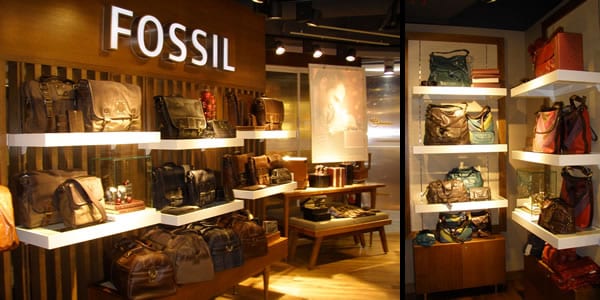
    Fossil India is repositioning its product lineup toward premium analogue timepieces as younger domestic consumers buy multiple watches for different occasions rather than relying on a single device.

    The shift follows a rebound in traditional watch demand across India, aided by the proliferation of secondary wearables like smart rings that free up wrist space previously dominated by connected screens.

    Freeing wrist space for premium mechanicals

    Speaking at the ETRetail ShopFWD Summit in Bengaluru, Fossil India managing director Johnson Verghese said younger shoppers are researching models independently, entering the category earlier and curating separate watches for work, sports and evening social events. Fossil manages its own label alongside licensed fashion brands including Michael Kors, Emporio Armani and Diesel in the Indian market.

    To capture higher spending, the group introduced higher-priced mechanical models such as the racing-inspired X1 automatic watch, pricing it well above Fossil’s historic average in India. Verghese noted that buyers willingly paid the premium because of upgraded materials like ceramic and titanium, automatic movements and distinct visual design.

    Across Asia-Pacific markets, watchmakers face a dividing consumer base: entry-level connected fitness monitors on one side and design-led mechanical timepieces on the other. For accessible fashion watch brands, category growth depends on positioning the traditional watch as a personal accessory rather than a functional clock.

    Expanding retail footprint beyond metropolitan centres

    In-store services, particularly caseback engraving, have become central to conversion rates by turning purchases into personalised gifts and commemorative items. Verghese stressed that modern buyers research specifications online before testing weight and wrist fit in physical stores, making consistent pricing and stock data essential across both channels.

    Fossil India plans to direct its next store rollouts toward tier-II and tier-III cities, where quality retail space remains limited despite rising disposable incomes among first-time corporate workers.

  • Esprit Posts HK$87.7 Million First-Half Loss as Licensing Pivot Stumbles

    Esprit Posts HK$87.7 Million First-Half Loss as Licensing Pivot Stumbles

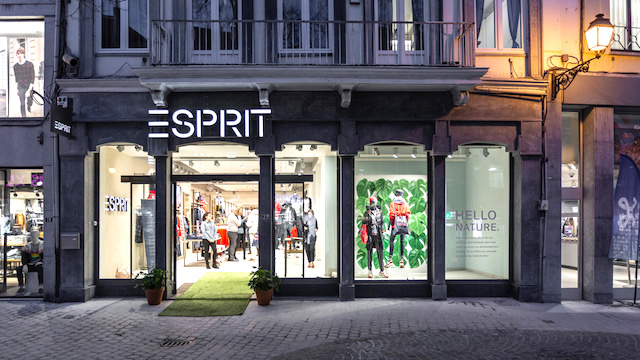
    Esprit Holdings swung back into the red with a net loss of HK$87.7 million (US$11.2 million) for the first half of 2026. Revenue for the six months to June totaled just HK$14.9 million ($1.9 million), reflecting the brand’s radical downsizing into a pure licensing shell.

    The result reverses a brief HK$1.3 million profit recorded a year earlier. Esprit has booked a full-year profit only once since 2016, racking up more than $1 billion in cumulative losses while shuttering store networks and liquidating units across Europe and North America. In June, the company deconsolidated its Canadian business following local insolvency filings.

    Balance-sheet cash generation was minimal, with net cash inflow standing at $712,000 for the period. Total assets stood at HK$295.45 million against liabilities of HK$232.19 million, supported by HK$335 million in total credit facilities, of which HK$125.13 million was drawn at the end of June.

    Accumulating Legal Claims

    Legal liabilities from defunct operational entities continue to drain group reserves. In July, the International Court of Arbitration ordered Esprit to pay $3.93 million and HK$40,900 plus interest over disputed 2024 legal fees, forcing an additional HK$22.5 million charge on top of earlier provisions.

    A Dutch bankruptcy trustee handling the collapse of Esprit Europe is seeking up to 49 million euros ($57.1 million) over contested intra-company transfers. Esprit contends the claim is unenforceable in Hong Kong courts. A separate dispute over an early lease termination poses an estimated HK$14 million exposure.

    Retail Partners and Royalties

    Under acting chairman Bradley Wright, the company has staked its survival entirely on collecting royalties from third-party partners. Licensees handle inventory, logistics, and store operations across Asia and the Americas while Esprit trades as an asset-light trademark owner.

    In Hong Kong, Esprit’s licensee opened a second location with a flagship store at Olympian City. Mainland Chinese partners sell across Tmall, Douyin, Vip.com, and JD.com while pushing the brand into activewear. In North America, the local licensee placed retro logo fleece sweatshirts into Costco in the United States and Walmart in Canada in July.

    The shift mirrors the path taken by troubled apparel names across the region that abandoned direct retail in Asian markets in favor of wholesale brand licensing. Stripping away direct operating costs lowers overhead quickly, but the model leaves Esprit dependent on wholesale discounters and cut-price online channels that risk diluting whatever brand equity remains from its 1980s peak.

    Attention turns next to the legal jurisdiction dispute in Hong Kong, where proceedings on the 49 million euro Dutch trustee claim will test whether Esprit’s offshore corporate structure can protect its remaining HK$63.26 million in net assets from European creditors.

  • Coach Targets 10 Billion Dollars in Sales by 2028

    Coach Targets 10 Billion Dollars in Sales by 2028

    Coach plans to reach 10 billion dollars in annual sales by 2028, up from its current 7 billion dollar revenue base. The expansion relies on growing international store networks, pushing deeper into ready-to-wear and footwear, and recruiting younger shoppers.

    The brand generates the vast majority of revenue for parent company Tapestry Inc., which recently reported 8 billion dollars in annual sales. Chief executive officer and brand president Todd Kahn, who took the helm in 2020 after joining as general counsel in 2008, is steering the push as the label marks 85 years since its founding in 1941.

    Expanding Global Footprint and Gen Z Reach

    Attracting Gen Z buyers sits at the center of the sales roadmap. Coach has broadened its assortment beyond signature leather handbags into ready-to-wear lines, footwear collections, dedicated brand cafes, and circular fashion initiatives like Coachtopia.

    Creative director Stuart Vevers continues to lead product design, balancing heritage leather craftsmanship with youth-focused styling. Kahn noted that while the company started as a small workshop run by immigrant artisans on 34th Street in Manhattan, preserving core leather craft remains essential to its identity as an accessible luxury house.

    From Leather Workshop to Tapestry Growth Engine

    Department store distribution once dominated accessible luxury, but direct retail networks and localized experiential spaces across Asia, Europe, and North America now anchor the brand’s margins. Rivals in the premium leather goods category face tighter consumer spending, yet Coach has maintained price discipline and direct-to-consumer momentum across international markets.

    Tapestry will measure progress against the 10 billion dollar milestone across its quarterly filings leading up to the fiscal 2028 deadline.

  • Giordano Profit Drops 9% to HK$121 Million as Middle East Sales Slump

    Giordano Profit Drops 9% to HK$121 Million as Middle East Sales Slump

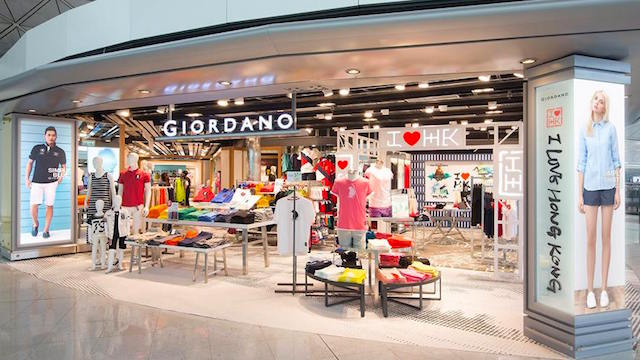
    Giordano’s first-half profit after tax dropped 9 per cent to HK$121 million as revenue slipped 1 per cent to HK$1.9 billion (US$243 million). A sharp sales contraction across Gulf Cooperation Council markets dragged down the Hong Kong-listed retailer during the six months ended June 30.

    Management pinned the downturn on Middle Eastern disruptions that began hitting regional trade in March. Excluding the Gulf business, underlying revenue rose 0.4 per cent, supported by steady demand in core Asian territories and a 12.5 per cent expansion in online sales.

    Pricing Shifts and Margin Gains

    Gross margin climbed 1.6 per cent during the period. The margin improvement followed a deliberate channel shift away from lower-margin wholesale volume, tighter product pricing, and cost reductions across production.

    For Asian apparel chains running international store networks, regional diversification usually provides insulation from domestic slumps, but leaves earnings vulnerable to distant geopolitical shocks. Giordano protected its unit margins through tighter price discipline, yet lower store turnover in the Middle East quickly eroded operating profit.

    Rebranding and Western Push

    The business is currently in the second year of its five-year “Beyond Boundaries” restructuring plan. Management wants to restore top-line momentum by overhauling existing lines and entering new regions.

    Execution now turns to the rollout of the Giordano 2 brand refresh, while the company prepares digital launches in North America and Europe alongside a brand relaunch across India.

  • Indian Digital Beauty Brands Face Margin Squeeze as Offline Push Costs Mount

    Indian Digital Beauty Brands Face Margin Squeeze as Offline Push Costs Mount

    India’s digital beauty startups face steep margin pressure as marketing costs jump past 50 per cent of revenue once annual sales cross ₹200 crore ($21 million).

    Offline retail accounts for 75 to 80 per cent of the country’s beauty and personal care market, forcing online-native brands into capital-heavy physical store networks to sustain growth.

    Mobile data costs in India dropped from roughly ₹200 ($2) to under ₹9 ($0.09) per gigabyte over recent years, bringing over 800 million consumers online and giving early direct-to-consumer operators cheap customer acquisition. That easy digital runway hits an initial wall at ₹100 crore ($10.4 million), according to an industry analysis by Kearney.

    Past the ₹200 crore mark, acquiring incremental shoppers turns expensive. Heavenly Secrets, the owner of Pilgrim, allocated 57 per cent of its revenue to advertising and promotion, while Bad Habit Mediacorp spent 55 per cent and Foxtale Consumer directed 53 per cent into marketing.

    The Omnichannel Hurdle

    Scaling past ₹600 crore ($63 million) requires building direct distribution across India’s 50 largest cities, an effort that takes 12 to 18 months before turning profitable.

    Larger operators manage to rein in promotion costs once they establish physical store footprints. Brands generating more than ₹400 crore ($42 million) typically trim marketing expenditure to between 30 and 36 per cent of sales.

    Honasa Consumer reached profitability in 2024 by generating 36 per cent of its revenue offline against 59 per cent online, keeping its marketing spend at 36 per cent. Mosaic Wellness also capped ad spending at 36 per cent, while Plum owner Pureplay Skin Sciences ran at 35 per cent and Minimalist parent Uprising Science spent 34 per cent.

    Enterprise Restructuring and Buyouts

    Operating at scale forces startups to overhaul management structures in favour of enterprise executives, including chief revenue officers who understand fragmented wholesale networks and senior supply chain directors.

    Software investments also shift away from basic ad trackers. Companies take six to nine months to deploy unified customer data platforms that combine offline point-of-sale receipts with web data, alongside algorithmic demand planning systems.

    Across Asia, online-born brands in South Korea and China faced the same reckoning when digital customer acquisition matured, eventually turning to department stores and pharmacy chains to protect volume. For Indian founders, Kearney said the organic playbook stops working once revenue approaches ₹1,000 crore ($104 million).

    Expansion at that threshold shifts toward mergers and acquisitions to buy physical retail routes and specialised research facilities outright, setting up a consolidation phase among the country’s largest personal care independents.

  • Cettire Net Loss Widens to $8.5 Million as US Tariffs Hit Sales

    Cettire Net Loss Widens to $8.5 Million as US Tariffs Hit Sales

    Australian luxury platform Cettire posted an annual net loss of $8.5 million for the year ended June 30, more than trebling its deficit from a year earlier.

    The loss widened from $2.6 million in the previous financial year as sales revenue dropped 3.2 per cent to $718.4 million. Gross revenue fell 2 per cent, though it posted a small gain when measured on a constant currency basis.

    Tariff Friction and Middle East Disruption

    Active customer numbers fell 8 per cent to 605,000 during the twelve-month period. Management attributed the decline to weaker demand in the United States and a deliberate cut in paid marketing expenditure.

    The platform ran into direct regulatory friction in its largest market after US authorities removed the de minimis import duty exemption. In the second half of the financial year, consumer sentiment in high-growth Middle Eastern markets also weakened as regional conflict disrupted cross-border trade.

    During the period, US tariff changes, including the impact from the removal of the de minimis exemption, contributed to ongoing challenges in our largest market.

    Dean Mintz, founder and chief executive of Cettire, said US tariff refunds helped ease pressure late in the financial year.

    Momentum Outside North America

    Business outside the United States delivered better results, with sales revenue rising 14 per cent across the rest of the company’s geographic footprint. The expansion beyond North America cushioned the top-line decline and delivered market share gains across secondary regions.

    Pure-play luxury aggregators in Asia-Pacific have spent the past two years wrestling with excess inventory and fading post-pandemic demand. Cettire’s reliance on cross-border drop-shipping makes it unusually sensitive to customs thresholds, putting operational execution under scrutiny as border rules tighten.

    Attention now turns to trading updates in early fiscal 2027 to see whether the 14 per cent growth rate outside the US can offset lingering drag in North America.

  • Lovisa Lifts Full-Year Profit 10.7 per Cent as Network Reaches 1,136 Stores

    Lovisa Lifts Full-Year Profit 10.7 per Cent as Network Reaches 1,136 Stores

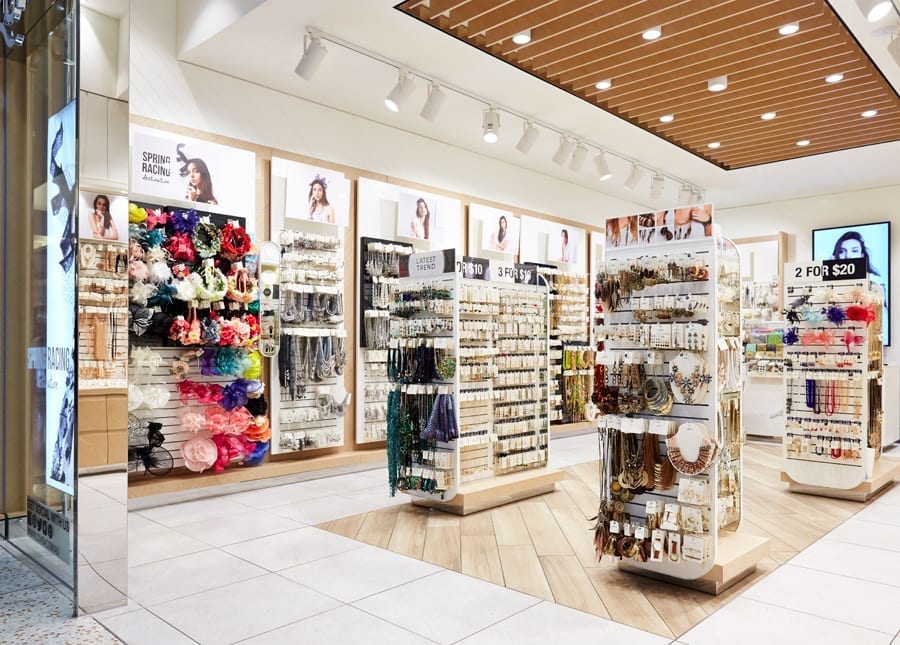
    Australian fast-fashion jewellery retailer Lovisa increased net profit after tax by 10.7 per cent to $95.6 million for the 2026 financial year.

    Total revenue rose 17.6 per cent to $938.8 million, supported by 160 store openings and a 2 per cent rise in global comparable store sales. Gross margin widened by 60 basis points to 82.6 per cent, helped by lower sourcing costs and tighter promotional spending, while earnings before interest, tax, depreciation and amortisation grew 20.9 per cent.

    Offshore sales outpace domestic trade

    Western markets delivered the bulk of the growth. Sales in the Americas rose 29.6 per cent, while European revenue increased 29.5 per cent over the twelve-month period.

    The company accelerated its physical expansion by launching 160 locations and shuttering 43 underperforming sites. That netted 117 additions and lifted the total footprint to 1,136 stores across more than 50 markets. Lovisa relies on small-format stores with low fitout costs to enter new territories quickly, a model that allows it to exit unprofitable leases without heavy capital losses.

    Early momentum in the new financial year

    Trading in early fiscal 2027 maintained that pace. Total sales climbed 16.4 per cent over the first eight weeks of the new financial year, with comparable store sales up 3 per cent and momentum accelerating through August.

    Management plans to add further physical and digital stores across both established and new territories. Investors will track whether store opening targets hold as the group rolls into additional franchise and company-owned markets in the first half.

  • Puma Relocates and Expands Flagship Store at VivoCity Singapore

    Puma Relocates and Expands Flagship Store at VivoCity Singapore

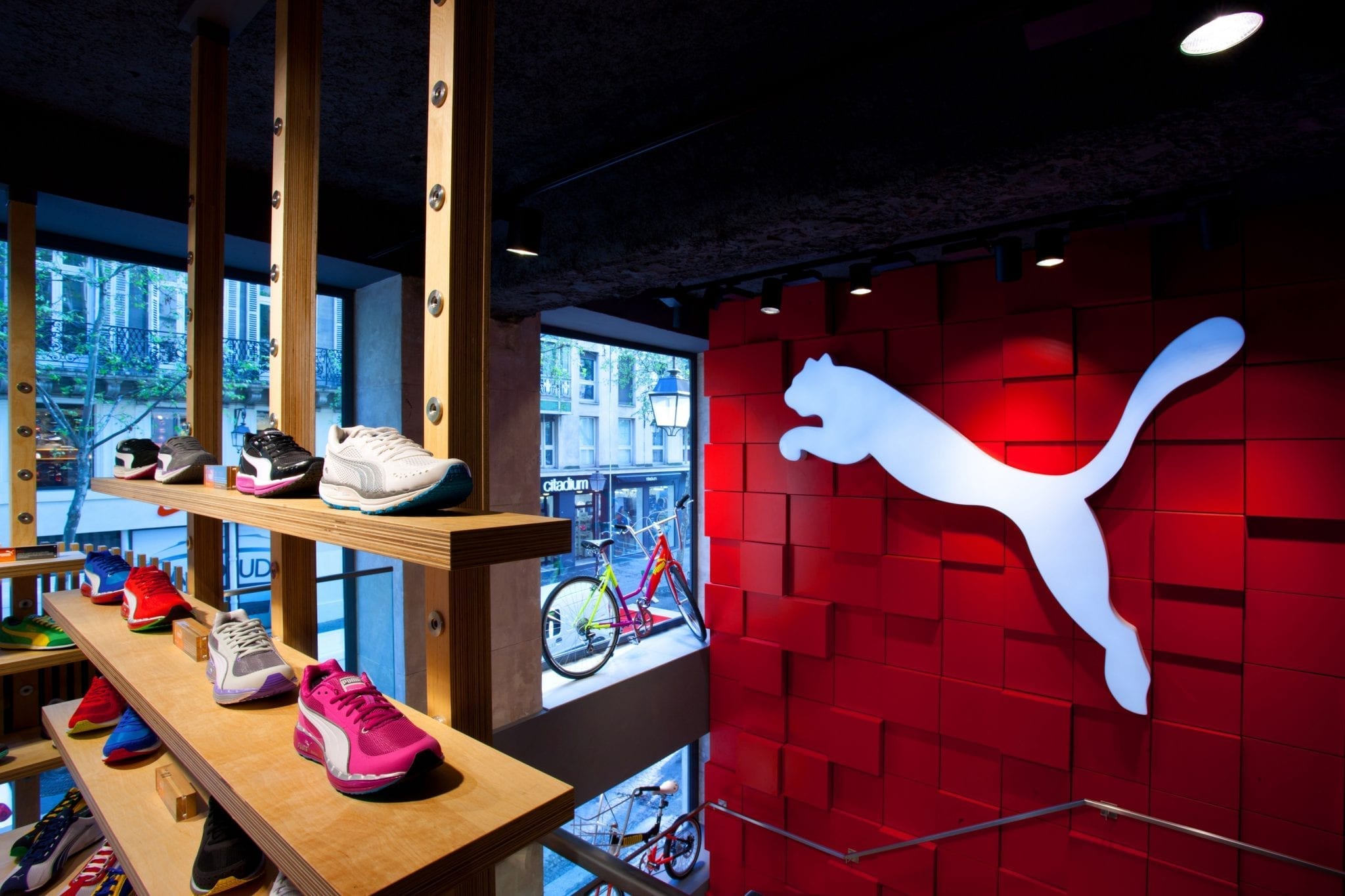
    Puma has opened its renovated flagship store at VivoCity in Singapore. The label shifted operations to a larger space on the mall’s ground level.

    Trading previously took place on level two. The new location sits on level one to capture heavier shopper traffic.

    Floor shift and category layout

    The expanded store houses the brand’s footwear, apparel, and accessories across distinct sections. Key product zones show running, training, team sports, and motorsports merchandise.

    “VivoCity is an important retail destination in Singapore, and this new flagship allows us to bring the full breadth of Puma to consumers in a more engaging and accessible way,” said Sanjay Roy, managing director of Puma Southeast Asia and Oceania.

    Sportswear footprint in regional malls

    Sports brands across Southeast Asia continue upgrading mall tenancies from upper levels to prime ground-floor units. The strategy targets casual lifestyle buyers alongside performance athletes. RetailNews Asia has observed similar moves across core retail nodes in Singapore, where flagship expansions anchor marketing and broader wholesale distribution.

    At VivoCity, the store is now fully operational with the brand’s complete seasonal line-up ahead of the final quarter retail cycle.

  • European Luxury Houses See China Rebound as Burberry Sales Climb 9%

    European Luxury Houses See China Rebound as Burberry Sales Climb 9%

    European luxury groups are tracking a tentative rebound across mainland China, led by high-net-worth spending and demand for premium beauty and apparel.

    July retail sales across the country’s top 25 luxury labels dropped more than 10 percent under tighter scrutiny on offshore wealth, but corporate earnings forecasts point to an autumn turnaround. Household spending on cosmetics has begun to stabilize, while quarterly reports from fashion houses reveal pockets of early momentum.

    Divergence Across Brands

    Burberry Group posted a 9 percent increase in Greater China retail sales during its latest quarter, helped by younger shoppers and localized campaigns. The British fashion house partnered with Chinese National Geography magazine on documentary marketing to lift brand engagement among Gen Z consumers.

    Gucci parent Kering expects sales in the region to return to positive growth by the fourth quarter of 2026. Chief Executive Luca de Meo called the country a strategic priority as trading conditions improved steadily through the latest reporting period.

    LVMH reported steadying demand in mainland stores, citing improving figures for its Sephora retail chain and cognac labels. Swiss group Richemont captured higher tourist spending across Hong Kong and Macau, while Moncler gained ground in market niches.

    Uneven Recovery Profile

    The rebound remains concentrated among high-net-worth buyers rather than broad middle-income households. That divide keeps the pace uneven across retail categories and price points.

    Hermes continues to accelerate sales in the region, while Danish jeweler Pandora is seeing sales declines narrow. For retail operators across Asia, the test will be whether luxury spending broadens beyond top-tier VIP clients before fourth-quarter results land.

  • Louis Vuitton to Close Guiyang Store as Southwest China Footprint Shrinks

    Louis Vuitton to Close Guiyang Store as Southwest China Footprint Shrinks

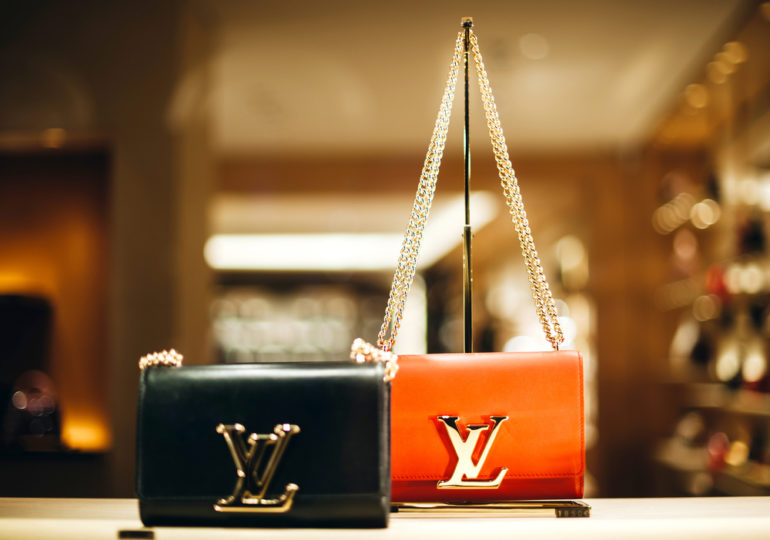
    Louis Vuitton will close its only store in Guiyang on August 31, cutting its footprint in southwestern China to three locations.

    The retreat brings the French luxury house down from a peak of six stores across the southwestern region.

    An on-site notice confirmed the pending exit in the capital of Guizhou province. The closure follows a wider review of the brand’s network across mainland China, where consumer spending on luxury goods has softened and purchasing habits continue to evolve.

    Network cuts in the southwest

    Trimming regional outposts allows luxury operators to protect margins while focusing resources on premier flagship locations in tier-one hubs. Southwestern provincial capitals once served as key targets for European brands seeking newly affluent shoppers outside Beijing and Shanghai. That rapid retail buildout has steadily unwound across secondary hubs as consumer footfall and basket sizes contract.

    Legal pushback and consumer sentiment

    The network changes coincide with active trademark enforcement in mainland courts. In July, Chinese beverage chain Molly Tea was ordered to pay Louis Vuitton 10.3 million yuan ($1.5 million) over the use of a similar logo. While the court ruled in favour of the luxury brand, the verdict generated public sympathy for the domestic drinks company across Chinese social platforms.

    S&P Global Ratings director Sandy Lim noted that while immediate sales effects from the dispute are limited, brand perception among younger buyers requires attention. Lim stated that this emerging consumer group prioritises cultural respect alongside prestige when selecting brands.

    Operations at the Guiyang store cease on August 31, leaving three operational sites in the southwestern provinces as luxury houses track autumn demand trends.

  • Weleda Expands Skin Food Line into Clinical Skincare and Daily Care

    Weleda Expands Skin Food Line into Clinical Skincare and Daily Care

    Swiss natural beauty producer Weleda plans to expand its flagship Skin Food franchise into medical-grade skincare and daily personal care across global markets. The century-old product line generates approximately 20 per cent of Weleda’s global turnover, led by sales in Australia, Japan, the United States, and the United Kingdom.

    First formulated in 1926 using chamomile, calendula, rosemary, and viola tricolor, the original multi-use cream remained unchanged for decades. The company has since adapted the blend into night creams, body oils, lip care, and face serums. A dedicated eye cream recently joined the range, with a hand wash and hand lotion scheduled to roll out in the first quarter of 2026.

    New Categories and Clinical Formulations

    Weleda is collaborating with professional makeup artists to refine formulas for high-definition photography and screen production. Beyond cosmetic skin prep, the group has initiated longer-term research and development targeting chronic dermatological conditions.

    Over the next five to ten years, Weleda plans to test Skin Food formulations for acne, rosacea, eczema, and psoriasis. Jayn Sterland, Country Manager for the UK and Ireland, noted that product development will hinge on regulatory compliance across different jurisdictions. The company is also working on mineral UV protection formulations, though executives confirmed those products remain in testing.

    Packaging Shifts and Digital Demand

    Supply chain adjustments accompany the product rollout. Weleda has transitioned its packaging back to aluminium tubes, replacing temporary post-consumer recycled plastic with 100 per cent recycled aluminium worldwide.

    In Asian retail channels, where multi-step skincare routines dominate department stores and specialty beauty chains, multi-purpose European heritage creams have found a distinct niche. While traditional drugstores stock the core green tubes, growth in Japan and Southeast Asia is shifting toward digital platforms. Social media campaigns on TikTok have drawn younger consumers who bypass brick-and-mortar shelves entirely.

    Regulatory filings for the first wave of therapeutic claims across international beauty registries will determine how quickly Weleda can clear its clinical skincare line for retail distribution.

  • On Opens First Sydney Store at Westfield Bondi Junction

    On Opens First Sydney Store at Westfield Bondi Junction

    Swiss sportswear company On has opened its first Sydney store at Westfield Bondi Junction. The launch brings its Australian retail network to two physical locations.

    Located on Level 3, the 493-square-metre space pushes the brand’s global corporate-owned store count past 70 units across major metropolitan centres.

    Footwear, Collaborations and Local Design

    The shop carries On’s core inventory across running, training, tennis, and lifestyle footwear, apparel, and accessories. Shoppers can also buy limited-edition collaborative collections with external partners, including Post Archive Faction, Sky High Farm Goods, and grocery brand Erewhon.

    Local design elements run throughout the interior. Builders fitted the unit with textured concrete, sandstone-style seating, regional tiles, and a bespoke accent wall created by Australian finish firm Pretty in Paint Australia to match coastal running corridors around Bondi.

    “It is a place that feels deeply connected to what On stands for,” said Lauren Portelli, commercial director for Oceania at On.

    Direct Retail Push in Asia-Pacific

    Direct retail expansion has become a primary channel for performance footwear labels seeking higher margins and greater control over brand presentation across Asia-Pacific. Wholesale distribution through specialty running shops gave On its initial market volume in Australia. Dedicated company stores now allow the business to show full technical lines alongside higher-priced lifestyle apparel that multi-brand stockists rarely carry.

    Founded in Zurich in 2010, the company now distributes products across more than 80 countries worldwide. Attention turns to whether the Swiss group will add direct retail sites in Melbourne and Brisbane as it scales regional store operations.