Category: Fashion

Retail News Asia is committed to providing both local and global retailers with the latest Fashion news throughout the Asian market. This on a daily base.

  • Singapore Luxury Bag Auction Clears S$1.1 Million in First Liquidation Sale

    Singapore Luxury Bag Auction Clears S$1.1 Million in First Liquidation Sale

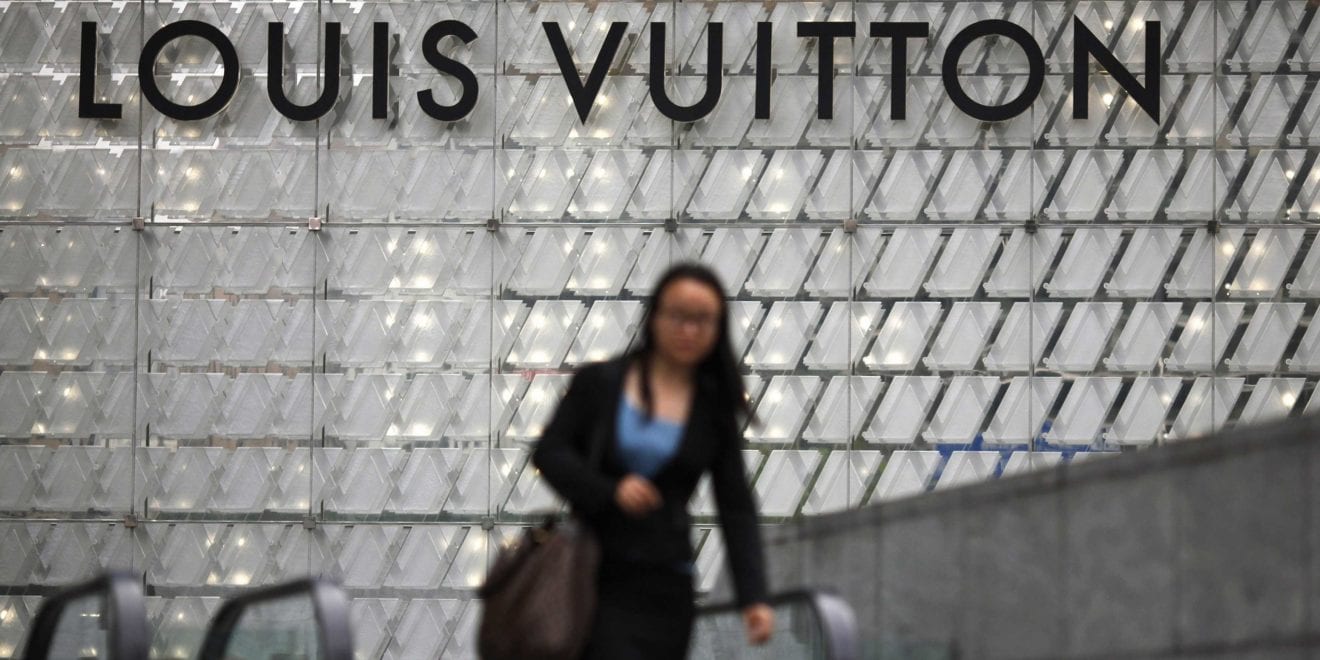
    Singapore sold all 337 seized designer handbags and accessories in its first money-laundering asset auction on Sunday night, raising more than S$1.1 million.

    A limited-edition Louis Vuitton x Yayoi Kusama yellow pumpkin bag led the sale at S$87,000, more than five times its upper pre-sale estimate of S$16,000.

    Auction house Hotlotz managed the online sale, which drew 42 last-minute bids on the Kusama piece alone during an extended 30-minute closing window. The platform applies a 20 percent buyer premium on hammer prices, which includes local goods and services tax for domestic buyers. Every lot found a buyer, clearing inventory that had been held in storage at Le Freeport.

    Premium Bids Defy Secondary Market Baselines

    Bidding across top labels consistently outpaced standard secondary market benchmarks for pre-owned luxury accessories. Chanel classic flap bags in caviar leather fetched S$13,000, running well above typical pre-owned transaction bands below S$10,000. A rhinestone-studded beige goatskin Chanel mini flap drew 28 bids before closing at S$15,000.

    Silver and diamond jewellery from Chrome Hearts generated similar competitive runs. A diamond double cross pendant sold for S$11,000, about ten times its initial estimate of S$1,000 to S$1,500. Most items from the American brand drew 30 or more individual bids before closing.

    Contrasting Demand Across Asset Classes

    The total clearance of high-end accessories highlights strong liquidity for portable luxury goods relative to large-ticket real estate. While consumers and resellers bid up authenticated bags and jewellery, a separate court-ordered auction on Sep 17 for luxury residential properties tied to the same illicit network failed to find a single buyer.

    For luxury resellers and secondary operators in Asia, the aggressive pricing shows how state-backed provenance and high media visibility can distort standard depreciation curves. Buyers paid top-tier premiums despite the assets being sold without standard boutique warranties or return policies.

    Liquidation Pipeline Through 2027

    The auction forms part of a broader recovery effort stemming from Singapore’s S$3 billion illicit financing crackdown. Police transferred the seized inventory to audit firm Deloitte in August last year to manage formal liquidation procedures. All net proceeds flow directly into the government’s consolidated fund to support state expenditure.

    Hotlotz is running a second auction of 286 fine jewellery pieces that remains open until Sep 27, with the two opening catalogues combined expected to yield between S$2.9 million and S$3.9 million. That sale will be followed by 13 additional online tranches scheduled through May 2027 to clear remaining forfeited goods.
  • Newme Expands Indian Store Footprint Targeting Break-Even

    Newme Expands Indian Store Footprint Targeting Break-Even

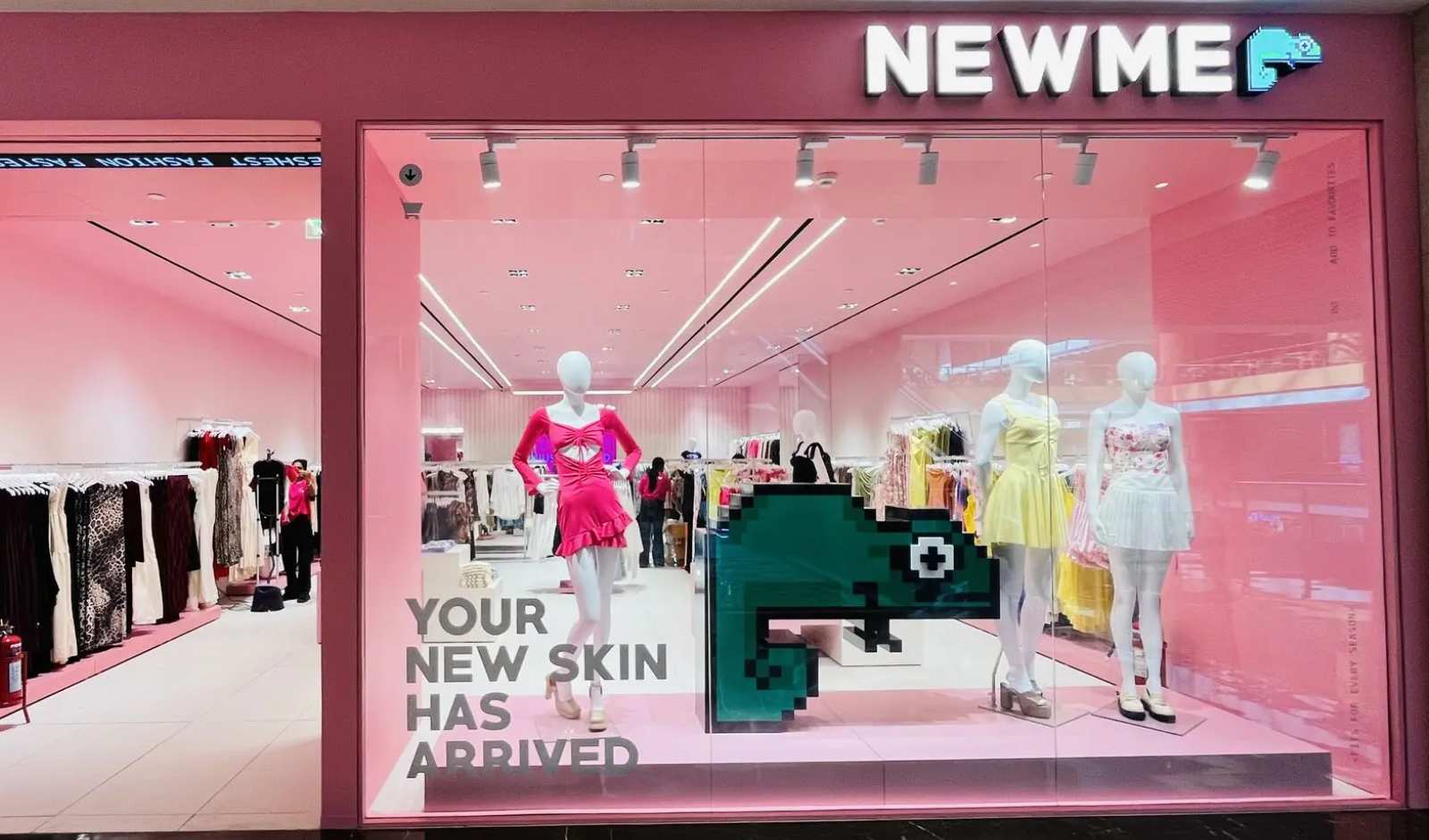
    Indian apparel brand Newme is expanding its brick-and-mortar footprint across secondary cities to reach young female shoppers and achieve break-even this year.

    The Bengaluru-based fast-fashion startup recorded revenue gains through the financial year ended March 31, 2025, and is pushing into regional markets where digital sales are accelerating ahead of physical retail supply.

    Targeting Underserved Regional Hubs

    Chief executive officer and co-founder Sumit Jasoria said the company is opening stores in cities that established apparel chains often overlook. The brand focuses on affordable Western wear designed for Gen Z women.

    Physical expansion is targeting tier-two and tier-three centers, including Ahmedabad and markets across northern India, where online customer acquisition has outpaced physical retail space.

    “Ahmedabad is a market which is underserved by every brand. North is a market underserved by every brand. We feel there is a very big space for us to go and build a very big brand there,” Jasoria said.

    Balancing Unit Economics and Expansion

    Opening physical stores across non-metro cities lowers customer acquisition costs compared to pure-play online marketing, but it introduces fixed overheads and inventory risks.

    For retail landlords in secondary Indian cities, fast-fashion brands targeting young shoppers offer high footfall and reliable rental yields. The risk for Newme sits in managing inventory turnover across a wider physical network while keeping prices low enough to retain Gen Z buyers.

    The Shift to Omnichannel Retailing

    Direct-to-consumer apparel labels across India have increasingly moved offline after reaching digital growth ceilings. Rising digital ad rates on social platforms have made pure-play online customer acquisition prohibitively expensive.

    By setting up storefronts in high-density shopping districts, Indian fashion startups are converting digital brand awareness into immediate cash flow, mirroring strategies deployed by regional value-fashion competitors.

    Financial Targets and Next Steps

    Newme recorded revenue gains through the financial year ended March 31, 2025, and is prioritizing operational profitability over growth at any cost.

    Management is tracking store opening targets through the end of the calendar year as the company works to deliver its first break-even financial year.

  • Brand Collective Buys Glue Store, the Dom and Running Bare

    Brand Collective Buys Glue Store, the Dom and Running Bare

    Brand Collective bought youth fashion chain Glue Store, online outlet The Dom and activewear label Running Bare to expand its Australian retail footprint.

    The deal adds three distressed apparel brands to a portfolio of more than 30 operating labels owned by billionaire Larry Kestelman.

    Under the terms, Brand Collective acquired Glue Store’s intellectual property and customer database from footwear operator Accent Group. Accent shuttered the streetwear chain in mid-June after an 8.4 million dollar loss and multiple store closures. The new owner plans to reopen physical stores targeting Gen Z and millennial shoppers. It will also upgrade the brand’s digital sales platform.

    Building a Discount Marketplace Unit

    The transaction also includes The Dom. That online factory outlet platform folded in April following cash constraints. Brand Collective will use its digital marketplace infrastructure to anchor a broader clearance portal selling apparel, footwear and accessories.

    Running Bare enters the fold after six months out of business. Brand Collective plans a digital overhaul for the activewear label while keeping its design identity intact.

    These acquisitions demonstrate Brand Collective’s ongoing evolution and innovation as a business. Brand Collective has considerable experience in taking brands to new levels of success, and we see enormous potential across all three.

    Picking Through Distressed Inventory

    Buying dormant brand assets allows multi-brand groups to secure established customer databases without taking on legacy lease liabilities. Accent Group offloaded Glue Store after less than five years of ownership. High mall rents and promotional pressure had eroded youth streetwear margins.

    Similar pressures hit Running Bare and The Dom as discretionary fashion spending slowed across Australian metropolitan centers. Folding all three into a single back-end operating unit cuts warehousing, marketing and digital fulfillment costs across the combined group.

    Shifting Channel Exposure

    The strategy mirrors consolidation seen across regional department stores and specialty apparel groups chasing online volume. Traditional storefronts have struggled against direct-to-consumer labels. Discount marketplaces offer an alternative route to clear excess inventory.

    For shopping center landlords, the planned revival of physical Glue Store outlets offers replacement tenancy in youth-focused retail precincts. Those locations lost foot traffic following Accent Group’s June exit.

    Operational Integration Ahead

    Accent Group walked away from Glue Store after restructuring costs failed to stem operating losses across mall locations. The divestment allows Accent to refocus capital entirely on its core footwear chains.

    Chief executive David Thomas said Brand Collective will announce rollout timelines and opening locations for the revitalised brands over the coming months.

  • Bangladesh Garment Factory Cooling Costs Recovered Within Four Years

    Bangladesh Garment Factory Cooling Costs Recovered Within Four Years

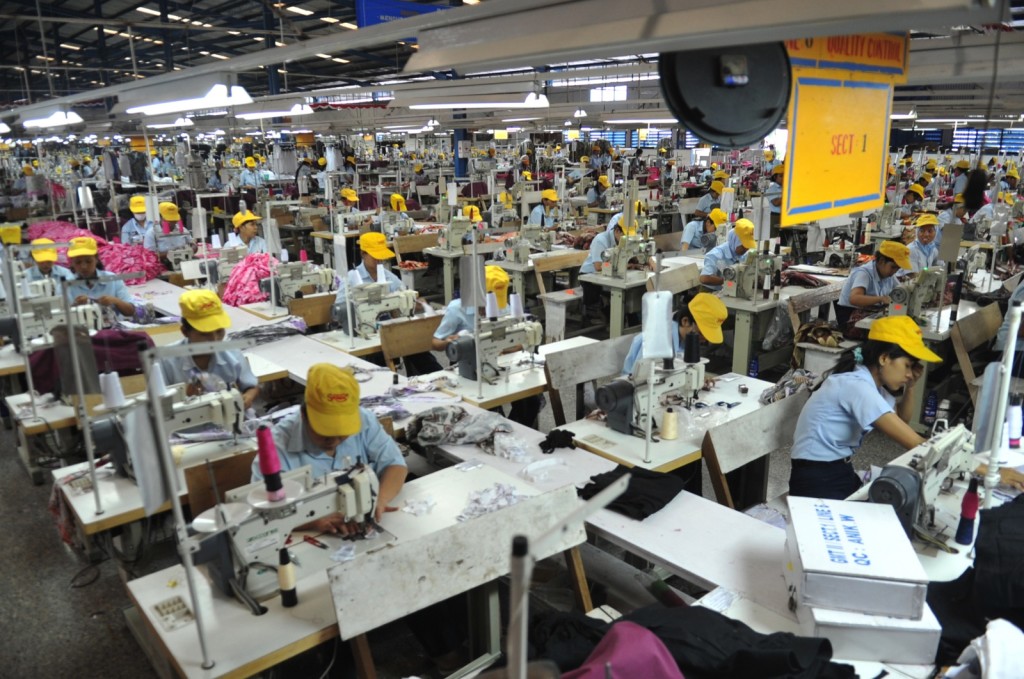
    Investments in cooling systems across Bangladesh garment factories pay back capital costs within four years, according to a study released on Sunday. Temperature data collected over a six-month period across eight manufacturing facilities in Dhaka showed that indoor heat stress erased an average of 4.1 per cent of annual factory revenue.

    Researchers at Cornell University’s Global Labor Institute found that physical modifications, including reflective roof paint, overhead insulation, and airflow ventilation, are commercially viable. Factory temperatures regularly climbed higher than outdoor readings, with the heaviest thermal load concentrated in pressing, ironing, and finishing lines.

    The Math on Shop Floor Cooling

    Jason Judd, executive director of the Global Labor Institute, noted that suppliers considering heat mitigation have struggled to weigh upfront spending against operational savings. Over the past year, apparel brands have sought verified payback timetables while discussing mitigation costs, emissions targets, and alternative energy sources with manufacturers.

    Apparel brands have spent years negotiating greenhouse gas targets and energy efficiency standards with suppliers. Adding physical climate adaptation to commercial contracts changes the financial equation. It shifts the focus from pure regulatory compliance to protecting factory throughput.

    Buyer Pricing and Cost Sharing

    Paying for factory retrofits creates friction between Asian garment manufacturers and Western fashion labels. Factory operators run on thin unit margins. They hesitate to fund facility upgrades without long-term order commitments or higher purchasing prices from international buyers.

    A heat resilience toolkit from the American Apparel and Footwear Association recommends that global brands co-fund factory modifications when direct commercial returns fall short of total setup costs. Nate Herman, executive vice president at the trade group, stated that brands must help protect workers across manufacturing networks as extreme heat events become frequent.

    Regional Export Exposure

    Earlier trade assessments showed severe climate risks across Asian manufacturing hubs. Heat stress and seasonal flooding threaten to wipe out $65 billion in combined apparel export earnings across Bangladesh, Cambodia, Pakistan, and Vietnam by 2030 if industrial zones fail to adapt physical infrastructure.

    Suppliers in Dhaka and regional production belts face a clear timeline to integrate cooling into capex plans. Retail buyers and factory operators will test the financial returns of these ventilation and insulation upgrades as contract pricing rounds open for upcoming production cycles.

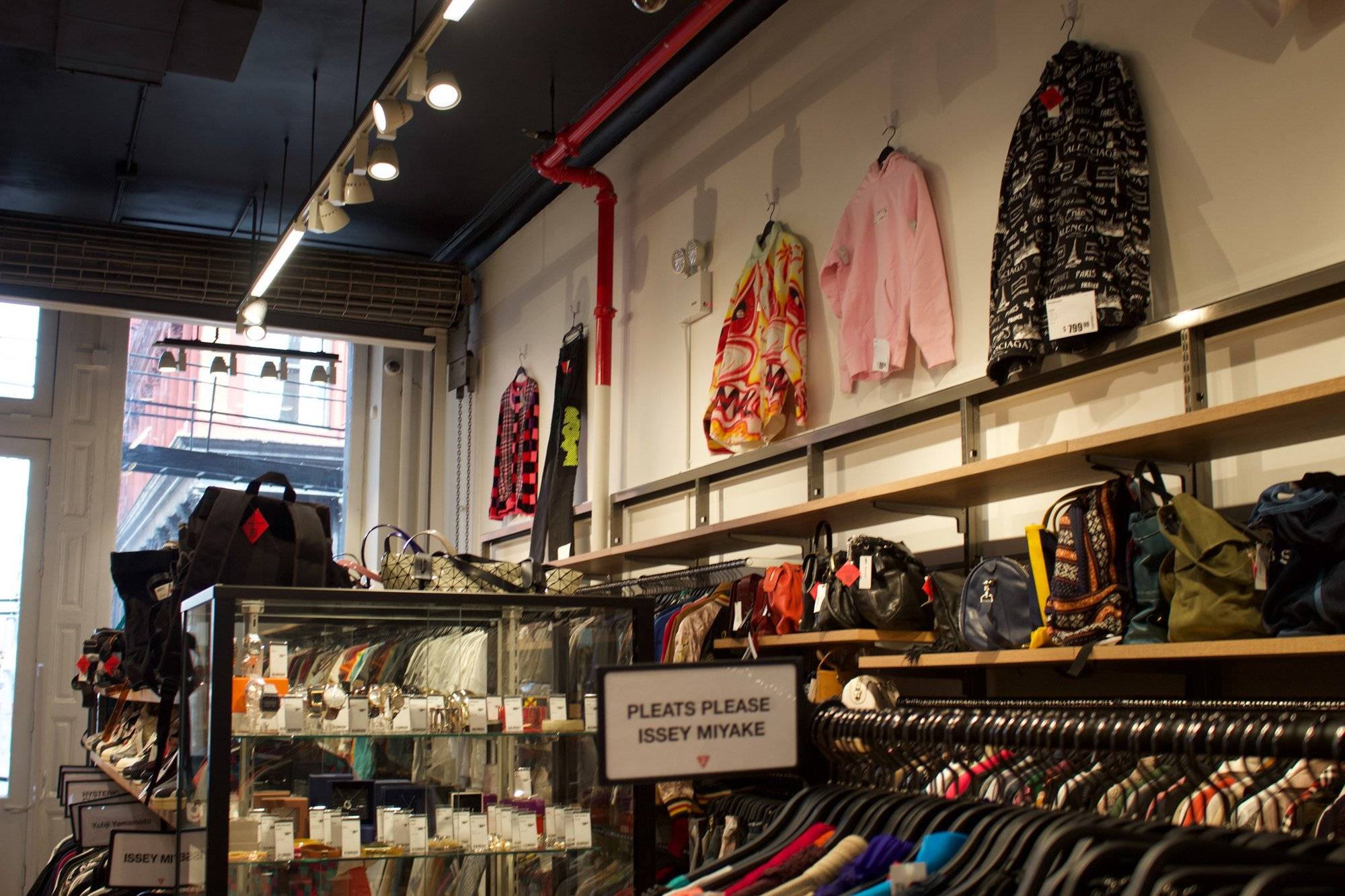
  • Second Street Opens 13Th Thai Store in Bangkok as Regional Network Reaches 111

    Second Street Opens 13Th Thai Store in Bangkok as Regional Network Reaches 111

    Second Street opened its 13th Thai store at Bangkok’s Siam Discovery mall on September 1. The launch advances parent company Geo Group’s plan to reach 111 regional outlets this year. Two more Bangkok locations will open before the end of December.

    The mezzanine floor site trades in curated used apparel and accessories in the city’s central shopping district. Adding the two upcoming Bangkok branches will expand the regional network across Thailand, Taiwan, Malaysia, and Singapore to 111 stores by the close of 2026.

    Expansion across four regional markets

    Geo Group focuses its overseas retail push on four Asian markets with steady foot traffic and sustained demand for Japanese second-hand goods. Taiwan holds the largest share of the regional store count. Malaysia, Thailand, and Singapore make up the rest.

    Southeast Asia’s clothing reuse sector remains fragmented between informal thrift vendors and peer-to-peer apps. Second Street places its shops inside high-traffic malls instead of street-level thrift alleys. It treats second-hand fashion as a formal department-store retail category.

    Mall positioning and luxury resale demand

    Securing prime commercial venues like Siam Discovery alters tenant economics for regional landlords. Department stores and lifestyle malls use curated vintage boutiques to draw younger shoppers who hunt for specific designer labels.

    Landlords gain steady rental income and consistent floor turnover from branded resale chains. Second Street relies on high customer volume. Its in-store buying counters give shoppers immediate cash or store credit for used designer items.

    Inventory sourcing and supply chain dynamics

    Running more than a hundred stores outside Japan requires a steady flow of inspected inventory. The chain relies on local trade-ins in Southeast Asian cities alongside imports from Geo Group’s collection network in Japan.

    Japanese stock carries strong buyer trust across the region due to strict anti-counterfeit standards in Japan. Sourcing counters in Bangkok and Singapore offset transport costs by buying clothes straight from local wardrobes.

    Targets for the year-end rollout

    Suburban shopping complexes housed the first batch of Thai branches before the company took units in downtown Bangkok. The Siam Discovery store puts the brand near major transit interchanges in the Pathum Wan retail belt.

    Two final Bangkok store handovers will wrap up in the fourth quarter of 2026, hitting the 111-store target across Thailand, Taiwan, Malaysia, and Singapore.

  • Tommy Hilfiger Launches Dedicated E-Commerce Platform in India

    Tommy Hilfiger Launches Dedicated E-Commerce Platform in India

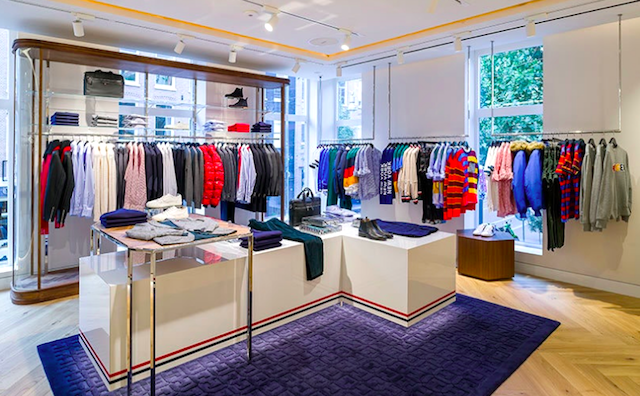
    Tommy Hilfiger launched its official India e-commerce website, in.tommy.com, this week, marking the brand’s first dedicated Tommy.com experience in the country.

    PVH Arvind Fashion Private Limited, the joint venture between PVH Corp and Arvind Fashions, operates the digital storefront alongside the brand’s physical retail network.

    Direct digital channel in India

    The new website gives Tommy Hilfiger direct control over 1 unified channel for customer data, catalog presentation, and promotional pricing in the Indian market. Shoppers gain access to the brand’s complete apparel, footwear, and accessories collections through a single proprietary digital hub.

    Local fulfillment routes through PVH Arvind Fashion’s domestic logistics infrastructure. Orders ship directly across Indian pin codes from warehouses that also supply the brand’s standalone brick-and-mortar stores.

    Shifting away from marketplace dependence

    Premium global apparel brands in India long relied on third-party marketplaces such as Myntra, Tata Cliq Luxury, and Ajio to build digital sales volume. Those platforms deliver footfall, but they compress wholesale margins and limit direct consumer engagement.

    Setting up a proprietary site shifts the economic equation for PVH Corp. Direct-to-consumer sales protect full-price sell-through rates and allow the operator to manage inventory clearance without diluting premium brand positioning.

    Joint venture operational footprint

    Arvind Fashions and PVH Corp have operated their Tommy Hilfiger partnership in India for two decades, building an extensive physical network in Tier 1 and Tier 2 metro hubs. The brand sells through hundreds of retail touchpoints across the country, including company-run stores, franchise doors, and department store shop-in-shops.

    Adding in.tommy.com unifies physical store loyalty programs with online accounts. Customers can access brand-specific promotions, cross-channel returns, and unified customer service through the JV’s centralized system.

    Execution targets and rollout

    Managing direct fulfillment across diverse Indian delivery zones requires tight inventory synchronization between central hubs and physical stores. PVH Arvind Fashion must maintain service speed against domestic e-commerce aggregators that offer same-day delivery in major metros.

    The joint venture will track online conversion rates, average order values, and repeat purchase frequencies as the platform scales across non-metro regions over the coming quarters.

  • Myer Posts AU$276.5 Million Loss on Impairments as Solomon Lew Joins Board

    Myer Posts AU$276.5 Million Loss on Impairments as Solomon Lew Joins Board

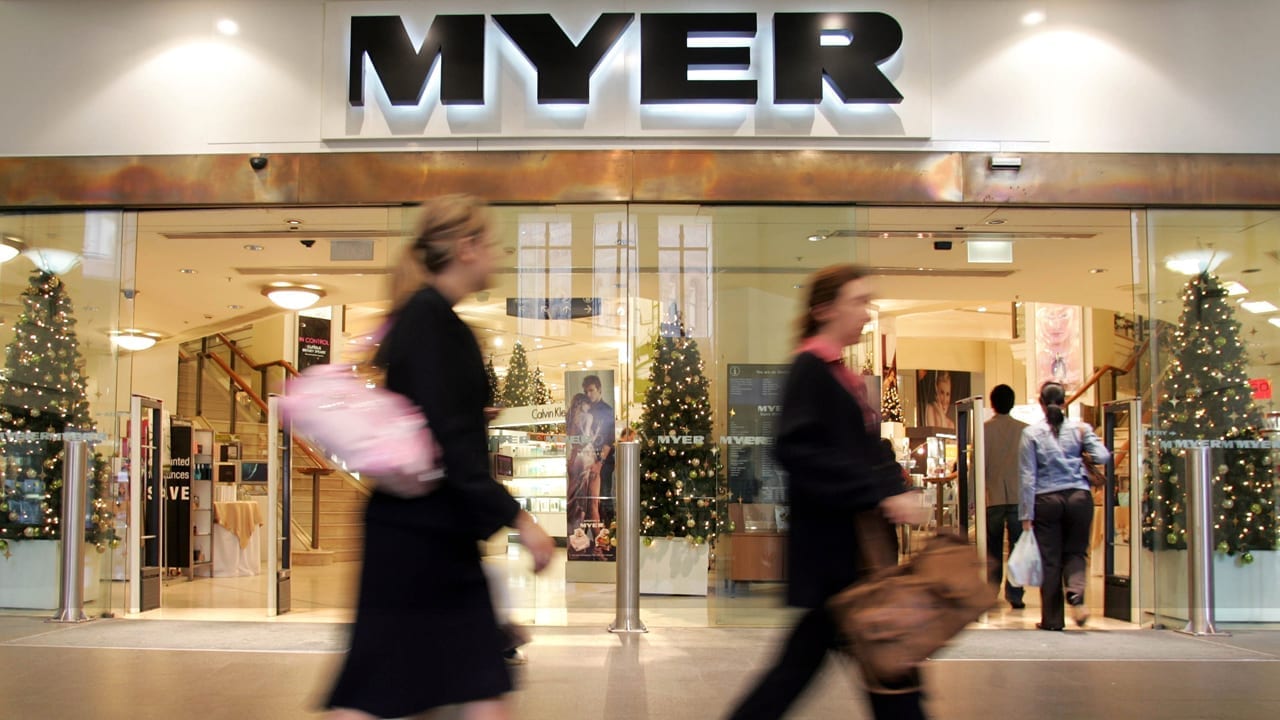
    Department store operator Myer posted a statutory net loss of AU$276.5 million for fiscal 2026. The result followed AU$319 million in one-off write-downs and expenses.

    Total group revenue surpassed AU$4 billion, rising 11.3 per cent over the year after consolidating apparel chains acquired from Premier Investments. An asset impairment of AU$279.6 million drove the bulk of the bottom-line hit. Stripping out exceptional charges, underlying net profit after tax stood at AU$42.5 million.

    Retail magnate Solomon Lew joins the Myer board on September 24 as a non-executive director. Lew controls Premier Investments, which holds approximately 30 per cent of Myer equity. Premier executive Mark Middeldorf joins alongside him as an alternate director.

    Apparel Brands Show Mixed Integration

    Revenue in the consolidated Apparel Brands division, spanning Just Jeans, Jay Jays, Jacqui E, Dotti and Portmans, fell 1.3 per cent during the period. Just Jeans sales rose 6 per cent. That gain failed to offset weak customer demand at other former Premier labels like Portmans. Core department store operations under Myer Retail booked a 0.7 per cent sales increase year on year.

    Consumer demand shifted abruptly during the final quarter of the financial year across Australian shopping centers. Group executive chair Olivia Wirth cited steep slowdowns in June and July as household budgets tightened across the country.

    “The second half of FY26 was characterised by a volatile and significantly more challenging macroeconomic and retail environment than 1H26 or FY25,” said Myer Group executive chair Olivia Wirth.

    Asset Impairments and Market Pricing

    The AU$279.6 million impairment resets the balance sheet after years of structural pressure on department store floor space and portfolio valuations. Writing down those assets clears accumulated legacy costs ahead of integrating supply chains and loyalty programs across hundreds of regional storefronts. Equity investors took the writedowns in stride. They bid the stock higher on the underlying earnings figure, despite a 61 per cent share price drop over the preceding twelve months.

    Operating costs across Australian retail supply chains remain high as freight contracts, store rent escalations and award wage adjustments squeeze gross margins. Competing department store and apparel groups have trimmed inventory orders and turned to promotional discounts to clear seasonal stock. Myer must now extract distribution savings from its newly absorbed specialty brands before overheads erode specialty store cash flows.

    Earlier Steps in the Premier Transaction

    That restructuring traces back to December, when Myer completed the purchase of the Apparel Brands portfolio from Premier Investments in exchange for equity. The deal made Lew the retailer’s dominant shareholder and granted him board observer status while regulatory reviews concluded. Lew was initially slated to assume a formal directorship in April before the company finalized its full-year accounts.

    Earlier trading updates in July had warned of soft first-half momentum across discretionary retail categories. The full-year results confirm the winter retail slowdown deepened, leaving margins compressed across multiple apparel lines.

    Board Oversight and the Next Trading Window

    With Lew taking a direct seat in boardroom deliberations, capital allocation decisions will focus on store footprint rationalisation and digital integration across the combined portfolio. Management expects volatile consumer sentiment to persist across the domestic retail sector throughout the next twelve months. The upcoming November promotional period and December Christmas trading quarter will test whether the expanded brand lineup can stabilize operating cash flows.

  • Uniqlo Expands in Queensland with 777-Square-Metre Sunshine Plaza Store

    Uniqlo Expands in Queensland with 777-Square-Metre Sunshine Plaza Store

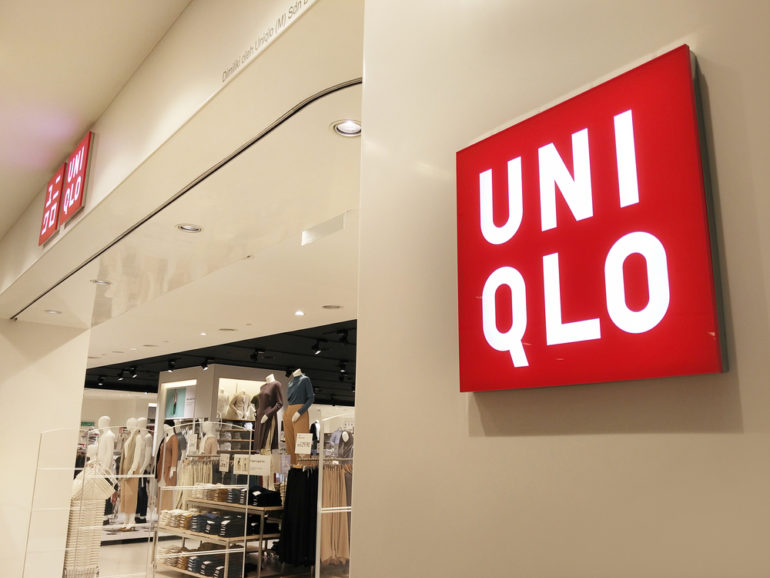
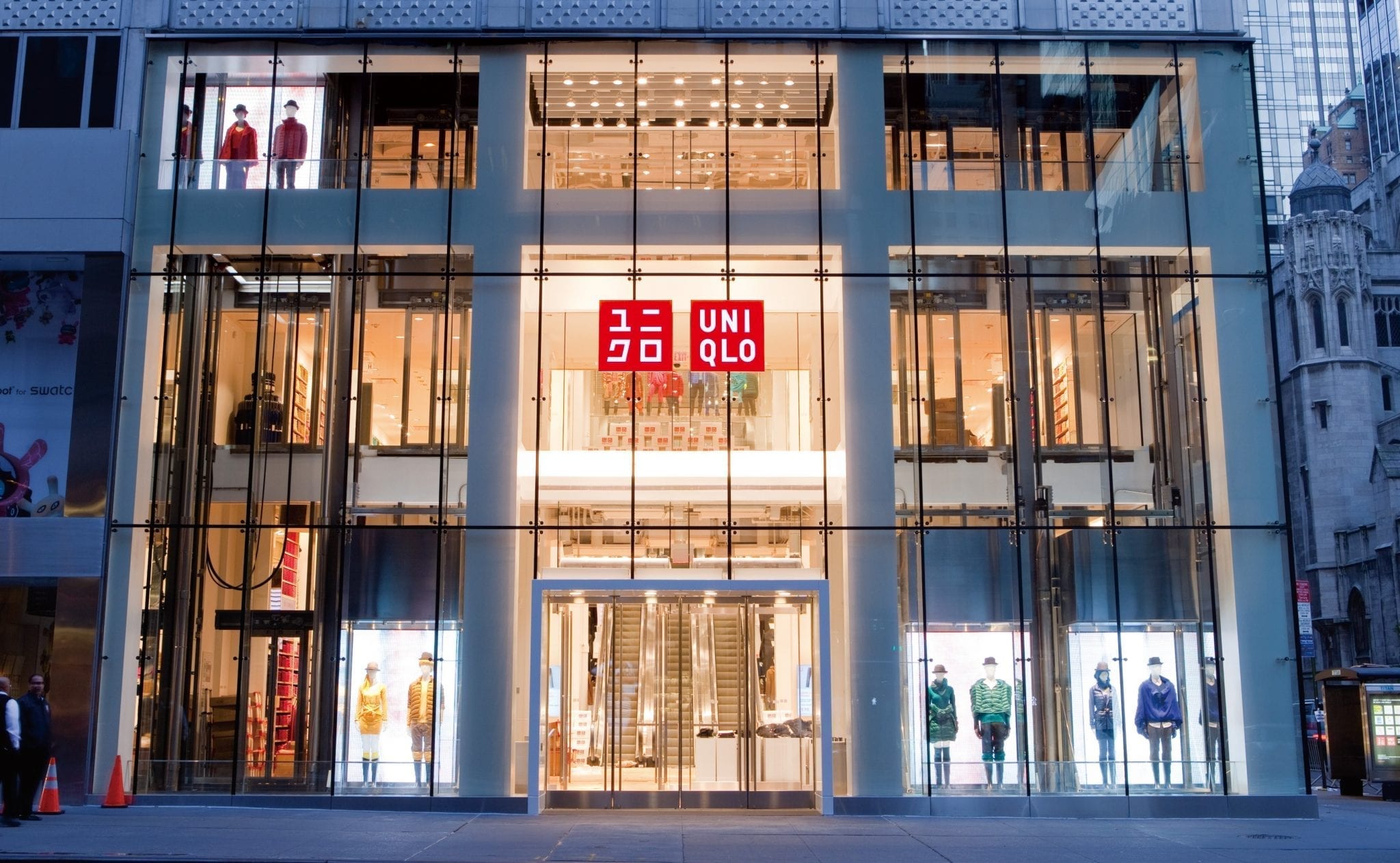
    Uniqlo will open its first store on Queensland’s Sunshine Coast on October 15, anchoring a 777-square-metre space at Sunshine Plaza. The site introduces the Japanese apparel brand’s full LifeWear lineup to the coastal region across men’s, women’s, children’s and baby categories.

    The store features an updated layout alongside digital interactive elements designed to streamline foot traffic and product discovery. It will also sell exclusive UT graphic T-shirts developed with a local Sunshine Coast artist.

    Regional Expansion Across Australia

    Satoshi Naito, chief operating officer of Uniqlo Australia, said the location reflects how the brand adapts its physical format as it broadens coverage outside core metropolitan centres. The Sunshine Coast site extends the retailer’s footprint beyond Brisbane and the Gold Coast, capturing population shifts toward regional commercial hubs.

    This store represents the evolution of Uniqlo in Australia, offering not only our full range of LifeWear essentials, but also a dynamic and interactive shopping experience that reflects our Japanese roots and global vision.

    Fast Retailing continues to push Uniqlo into regional Australian shopping centres where stable domestic spending balances volatile tourist footfall. By securing mid-sized formats under 1,000 square metres, the retailer limits inventory holding costs while maintaining full product category presentation.

    Shifting Demographics and Suburban Leases

    Shopping centre landlords across Queensland face heightened competition for reliable international fashion tenants as departmental store footprints shrink. Securing Uniqlo at Sunshine Plaza gives the asset a resilient traffic driver capable of drawing everyday basics shoppers from across the Maroochydore catchment.

    Rival international fast-fashion operators face higher pressure to refresh regional mall presences. Where competitors rely heavily on rapid turnover trends, Uniqlo’s core staple strategy provides steady sales volumes, though managing supply chain distribution to non-metro sites introduces minor freight overheads.

    Building on Decade-Long Groundwork

    The Sunshine Coast rollout follows a major reinvestment phase across Australia’s eastern seaboard. Late last year, the company reopened its refurbished Emporium Melbourne flagship after extensive works, marking ten years since Uniqlo entered the Australian retail sector.

    Trading begins at the Sunshine Plaza location on October 15, with trading hours and regional footfall performance over the fourth quarter set to inform further outer-metro site selections across Queensland.

  • Musinsa Seeks 10 Trillion Won Valuation in Listing as Beauty and Overseas Bets Mount

    Musinsa Seeks 10 Trillion Won Valuation in Listing as Beauty and Overseas Bets Mount

    Musinsa filed a listing application on Sept. 7 that values the South Korean fashion e-commerce platform at up to 10 trillion won ($7.2 billion).

    That target sits well above the 5.5 trillion won implied by unlisted market trades. It also nearly triples the 3.5 trillion won figure secured during a 2023 funding round. To justify that price to institutional investors, the platform is expanding beyond online apparel into physical beauty retail while opening stores across key Asian markets.

    Recent earnings show the cost of that transition. Revenue reached a record 822 billion won in the first half of the year, following nearly 1.5 trillion won across all of last year. Operating profit fell 11.2 per cent to 52 billion won over the same six-month stretch. Store expansion, raw material costs and distribution logistics drove up overheads.

    Beauty Push Challenges Olive Young

    Musinsa is leaning on its pool of 16 million registered fashion users to fuel cosmetics sales. Over 80 per cent of Musinsa Beauty buyers previously purchased apparel on the platform. That gives the company a ready customer base without typical retail startup acquisition costs.

    Beauty inventory expanded from roughly 800 brands in 2021 to about 2,500 brands by August. Transaction value in the category jumped 1,340 per cent over the same three-year stretch. Sourcing includes Chinese makeup brands Into You and AZTK alongside domestic labels.

    Taking on CJ Olive Young represents an uphill fight for domestic market share. CJ Olive Young operates an extensive nationwide store network that dominates South Korean health and beauty retail. To differentiate its shelves, the platform is focusing on niche labels, medical tourism lines and dermocosmetics tailored for post-procedure skincare.

    Offline Footprint and Flagship Formats

    Physical store performance provides an early test for the retail crossover. In western Seoul’s Hongdae district, a pharmacy-grade beauty flagship generated 250 million won in gross sales across its first three days. Women accounted for 76 per cent of transactions. International visitors made up nearly 60 per cent of buyers.

    Inside the Musinsa Megastore in Seongsu, the country’s largest single fashion and cosmetics retail format, beauty transaction value increased 20 per cent in August compared to April. A second dedicated beauty branch will open in Seongsu in November. That launch puts the store in direct competition with Olive Young N Seongsu.

    Landlords and distributors gain a high-traffic tenant capable of drawing younger shoppers who bypass traditional department stores. Still, physical retailing alters capital requirements. Leases and store fit-outs shift the business from an asset-light marketplace into a capital-intensive brick-and-mortar operator with higher fixed liabilities.

    China Rollout Leads Global Push

    Overseas expansion forms the second leg of the listing pitch. China serves as the primary testing ground. The company aims to operate more than 100 stores there by 2030. It currently runs one multibrand store and four Musinsa Standard locations in Shanghai, where shoppers under 30 make up more than 85 per cent of sales.

    Southern China expansion starts on Oct. 31 with stores at Shenzhen’s One Avenue commercial complex. In Taiwan, the target is 15 stores within five years, focused on the private-label Musinsa Standard range. Distribution partnerships are also in place across Malaysia, Vietnam, Indonesia and the Philippines.

    Export sales across digital channels are growing quickly from a low base. The cross-border Global Store platform, serving 13 markets, reported a 143 per cent lift in second-quarter transaction value. First-half export revenue rose ninefold to 37.2 billion won. Even so, the overseas subsidiary Musinsa Shanghai has not yet reached operating profitability.

    Margin Squeeze Tests Listing Thesis

    Growth limits at home explain the transition from a 2001 online sneaker community into a regional omnichannel chain. South Korean apparel platforms face limited runway once domestic user numbers peak. Moving into beauty offers a standard way to defend growth.

    Public market investors face margin dilution risks. Sourcing private-label inventory and signing multi-year leases in tier-one Chinese cities requires sustained cash commitments. Those fixed overheads can erode operating margins during retail downturns.

    Past valuations relied on high-margin marketplace commissions from independent domestic streetwear brands. As the revenue mix shifts toward owned inventory and physical shopfronts, working capital needs will expand significantly.

    Upcoming milestones will test whether the company can maintain revenue momentum while turning foreign outposts cash positive. Key checkpoints include an Osaka pop-up show in October, the Shenzhen store debut on Oct. 31, and the Seongsu beauty flagship opening in November.

  • Uniqlo Rolls Out Life Wear Week in Singapore for Fall/Winter 2026

    Uniqlo Rolls Out Life Wear Week in Singapore for Fall/Winter 2026

    Uniqlo rolled out Life Wear Week across its Singapore stores in September 2026, tying local promotions to its global Fall/Winter launch. The campaign spanned the island. It featured in-store installations, consumer styling sessions, and tiered gift-with-purchase incentives for apparel shoppers.

    Activations supported the retailer’s ‘Modern City Feelings’ theme, aimed at urban shoppers tracking digital fashion trends. The Japanese chain built the campaign around social media’s role in spreading local city styles across borders.

    Localizing global seasonal campaigns

    Paulene Ong, marketing director of Uniqlo Singapore, led the islandwide drive. The rollout paired physical floor displays with local wardrobe advice. That helped pull shoppers into stores during the seasonal changeover.

    Apparel retailers in Southeast Asia face a clear challenge with autumn and winter lines. Tropical climates do not require heavy cold-weather coats for daily wear. To counter this, Uniqlo focused its Singapore displays on lightweight layering, versatile city travel pieces, and functional innerwear for local commuters and regional travellers.

    The shifting mechanics of city retail

    This push reflects a wider operational shift across Southeast Asian hubs. Rather than relying solely on standard regional distribution, global fast-retailing brands now use experiential marketing, tailored visual merchandising, and timed gifts to lift basket sizes.

    Competitors across Singapore and Malaysia have also expanded experiential floor space to protect margins against online pure-plays. For mall landlords, interactive setups like styling sessions boost repeat visits and keep shoppers in flagship stores longer.

    What to watch across the network

    Parent company Fast Retailing continues to expand Uniqlo’s Southeast Asian footprint. It uses gateway markets like Singapore to test consumer response to global collection themes before widening regional promotions. Core LifeWear lines remain crucial to keeping up sales momentum across the regional fleet.

    Attention now shifts to sell-through rates for the Fall/Winter 2026 assortment across Southeast Asia as year-end travel demand builds toward the fourth quarter.

  • Glance Adds True Fit Sizing Data to AI Shopping Platform Ahead of 2026 Holidays

    Glance Adds True Fit Sizing Data to AI Shopping Platform Ahead of 2026 Holidays

    Glance has partnered with sizing technology provider True Fit. The deal embeds fit intelligence into Glance’s AI shopping interface across 60 million connected screens ahead of the 2026 holiday shopping season.

    The system links Glance’s generative virtual try-on tools with True Fit’s transaction records. That database covers 91,000 apparel and footwear brands and more than $500 billion in purchase history. By combining visual simulations with verified purchase data, both firms aim to reduce return rates on agentic e-commerce platforms.

    Integrating Fit Models Into Lockscreen Discovery

    Online fashion retailers lose billions each year to sizing-related returns. According to True Fit customer data, more than 70 per cent of shoppers interacting with AI retail agents ask specifically about fit before buying.

    Glance pushes shopping recommendations across mobile lockscreens, connected televisions and desktop computers. Integrating True Fit sizing predictions allows the interface to suggest specific garment sizes alongside on-screen try-on previews. Shoppers no longer have to guess.

    “AI is moving more of the shopping decision into the conversation, so the agent has to resolve the questions that determine whether someone buys,” said Mansi Jain, chief operating officer at Glance. “In fashion, fit is one of those questions.”

    How the Dataset Operates

    True Fit builds its recommendation layer on two decades of transactional data. The archive spans 60 million individual products. It also tracks post-purchase behavior, including returns and repeat orders across hundreds of partner retailers.

    Computer vision models then pair that database with user photos to render garments on screen. The software cross-references user measurements against actual return histories for each garment cut. It narrows size options before routing the buyer to checkout.

    Agentic Commerce and Brand Adoption

    For fashion brands across Asia and Western markets, agentic systems replace traditional search-and-browse websites. Sizing errors create major friction when an AI interface autonomously assembles complete outfits for shoppers.

    Autonomous shopping software must convert browsing intent into keepable orders. Putting verified returns data directly into the discovery layer lifts conversion confidence for apparel labels. It also reduces fulfillment overhead from bracket purchasing, where shoppers buy multiple sizes intending to return the extras.

    Expansion Plans for 2027

    Operating as a core unit of India-based InMobi Group, Glance runs on more than 400 million devices globally. In September 2026, the platform expanded its agentic commerce footprint by linking with Mastercard Agent Connect to process direct payments.

    Following the holiday launch on Glance screens, True Fit will roll out the joint try-on software to its wider merchant network in 2027. Both companies will present the technical architecture at the RetailClub AI Festival in California on September 22.

  • Sulwhasoo Launches in Japan with Isetan Shinjuku Pop-Up and Online Push

    Sulwhasoo Launches in Japan with Isetan Shinjuku Pop-Up and Online Push

    Sulwhasoo opened its first pop-up shop at Tokyo’s Isetan Shinjuku department store on September 5. The opening brings the 600-store Korean luxury skincare label into physical Japanese retail.

    Located on the main building’s first floor, the boutique runs through October 13, 2026. It anchors a broader rollout across Japanese e-commerce platforms.

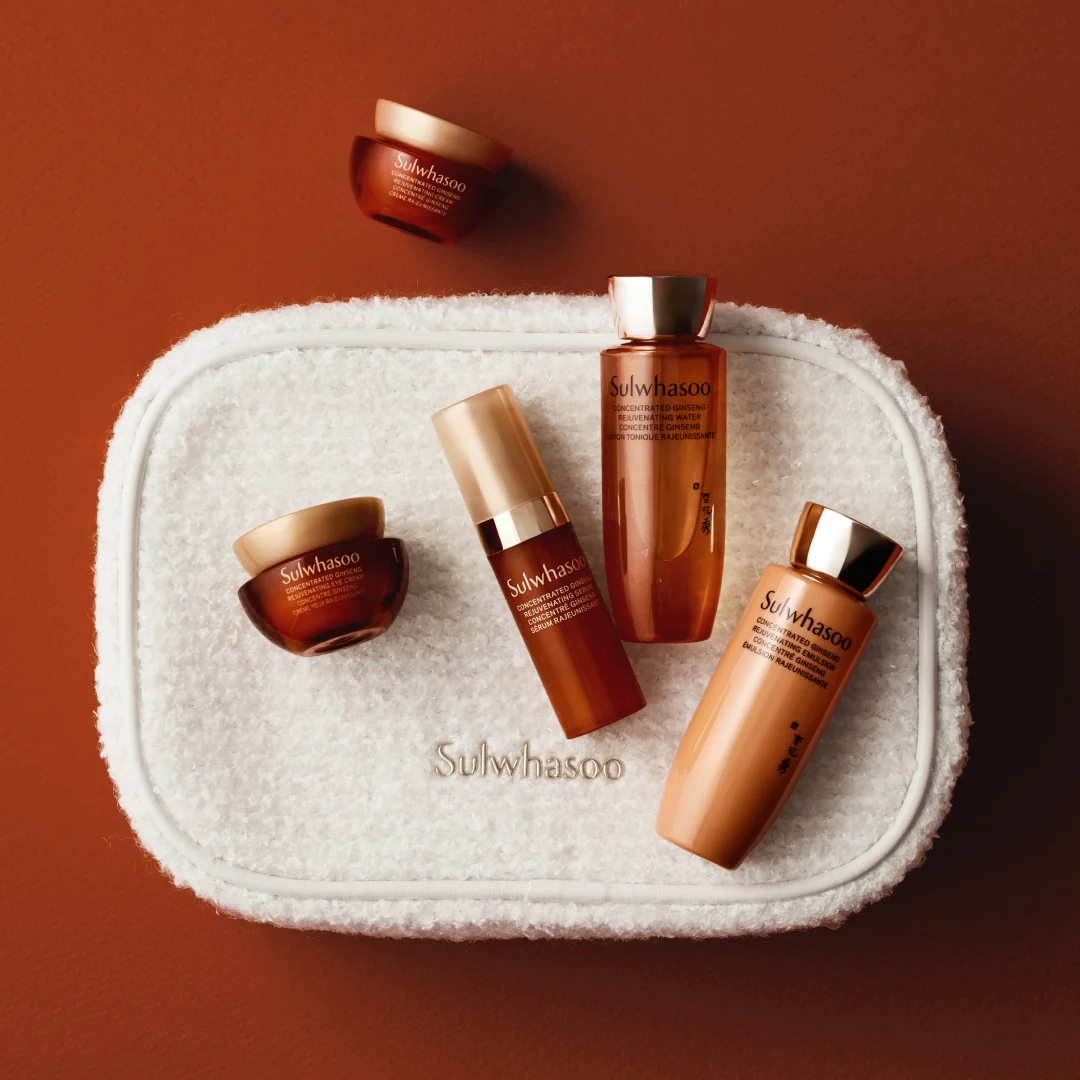
    Parent company Amorepacific launched the brand simultaneously on Isetan Beauty Online, Qoo10, Amazon Japan, and @Cosme Shopping. The Tokyo installation displays core products led by the Concentrated Ginseng Rejuvenating Cream and First Care Activating Serum. Staff provide hand massages and complimentary Jihambo gift-wrapping, a packaging service derived from traditional Korean bojagi fabric wrapping. The space also features promotions for department store VIP clientele.

    Department store testbed in Shinjuku

    Isetan Shinjuku serves as the primary proving ground for prestige beauty imports in Japan. Floor space allocations here dictate broader department store adoption across Kansai and Kanto. Amorepacific is deploying this short-run counter to gauge basket sizes and repeat purchases before committing to long-term leases.

    Tokyo department store cosmetics floors are dominated by domestic giants Shiseido, Kanebo, and Kose alongside European luxury houses. Competition is fierce. Korean cosmetics makers historically captured Japanese market share through mass-market drugstores, variety shops like Loft and Plaza, and discount e-commerce. Sulwhasoo is taking a direct route into Japan’s highest price tiers, where brand longevity depends on counter consultations rather than social media virality.

    Omnichannel rollout across Japanese platforms

    Digital marketplace listings diversify distribution beyond physical foot traffic. An appearance on @Cosme Shopping connects the label to Japan’s most influential beauty review database. Storefronts on Amazon Japan and eBay-owned Qoo10 capture broader suburban demand.

    Selling across multiple channels reduces reliance on any single wholesale partner. Online beauty buyers in Japan require localized product descriptions, ingredient safety disclosures, and domestic return pathways. Amorepacific handles these directly through its Japanese infrastructure.

    Ginseng heritage and luxury positioning

    Amorepacific established Sulwhasoo in 1997, building the brand around traditional Korean herbal medicine formulations known as Hanbang. Its underlying research traces back to the 1966 release of ABC Ginseng Cream. The company identifies that formula as the world’s first cosmetic product derived from ginseng.

    Today, the brand operates in 15 countries across more than 600 retail doors. Sulwhasoo uses its 60-year research heritage to stand apart from younger indie K-beauty labels that compete on price and packaging trends.

    Amorepacific’s multi-tier strategy in Japan

    Ground preparation in Tokyo began months earlier. Amorepacific ran an initial pop-up on the @Cosme platform in May. In August, it hosted a show for domestic beauty editors, department store buyers, and influencers that included sample distributions partnered with Japanese beauty publication Biteki Grand.

    Success now hinges on whether the six-week Isetan Shinjuku counter converts into permanent luxury concessions across Japan’s leading department store chains by early 2027.

  • Salon Lane Opens 675-Square-Metre Melbourne Duplex in Victorian Expansion

    Salon Lane Opens 675-Square-Metre Melbourne Duplex in Victorian Expansion

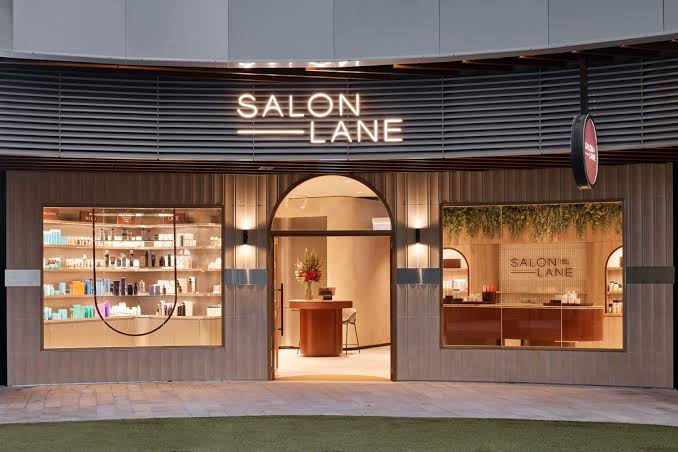
    Salon Lane will open a 675-square-metre duplex at Richmond Square in Melbourne in February. The launch expands the shared salon operator into Victoria.

    Up to 50 independent practitioners will work out of the two-level facility. They cover hair, aesthetics, skin, brows, lashes, wellness and nail care. It is the company’s sixth location nationally.

    Inside the Richmond Square Layout

    The space holds 21 private studios and 14 open workstations alongside specialized service stations. Architecture firm X+O designed the interior layout. The design brings an artistic visual identity tailored to Melbourne’s retail corridor.

    Customer amenities include a dedicated wash lounge, nail and colour stations, a client lounge with a coffee bar, and an on-site retail store. Independent beauty professionals get access to a private member lounge and back-of-house infrastructure. They run autonomous businesses under one roof.

    The Shared Real Estate Model

    Co-working salon hubs alter conventional retail leasing by gathering independent operators into a single anchor tenancy. For commercial landlords, this structure lowers vacancy risk. It replaces individual small-lease negotiations with a single master tenant.

    Commercial pressure falls directly on workstation utilization and tenant retention. Independent practitioners must generate steady foot traffic to cover recurring station costs. At the same time, the operator relies on full occupancy across private suites and open chairs to protect margins.

    Expanding From East Coast Hubs

    Salon Lane built its footprint across five locations in Sydney and Brisbane before committing to Melbourne. This expansion tests whether the shared-space beauty model can duplicate its northern East Coast momentum in a competitive personal care market.

    Doors open at Richmond Square in February for the initial intake of 50 independent operators.

  • Fashion Brands Influence 30 Percent of Global Farmland, Oxford Study Finds

    Fashion Brands Influence 30 Percent of Global Farmland, Oxford Study Finds

    Global fashion brands hold purchasing influence across 1.45 billion hectares of agricultural land, representing 30.15 percent of the world’s farmland, according to a joint study by the University of Oxford and Dirt Charity.

    Livestock grazing for leather and wool accounts for almost 97 percent of that total footprint, linking apparel buyers directly to commercial livestock farming networks worldwide ahead of European Union due diligence enforcement starting Sept. 27.

    Researchers at Oxford’s Smith School of Enterprise and the Environment and Dirt Charity analyzed five natural fiber categories to measure the full territory shaped by textile demand. Leather production ties into 876 million hectares of grazing land, while wool involves 528.4 million hectares. Cotton farming occupies 34.7 million hectares, linen and hemp cover 5.9 million hectares, and silk accounts for 2.3 million hectares.

    Allocating Land Across Shared Commodity Chains

    The calculation counts the entire agricultural area involved in growing crops or grazing animals rather than isolating the textile portion alone. Cotton lint makes up roughly 40 percent of harvested seed cotton, with the rest processed into cottonseed oil and animal feed, yet farm-level chemical inputs and soil practices apply to the entire crop. Because livestock systems serve meat, dairy, and leather markets simultaneously, the researchers treated the whole grazing area as subject to brand procurement requirements.

    Industrial leather processing reached more than 2.9 billion square meters globally in 2024. Footwear, apparel, and leather goods consumed 1.2 billion square meters of that output, while automotive interiors and furniture manufacturers bought the remaining volume.

    “We are not measuring blame. We are measuring power, and it turns out fashion has far more of it than anyone has been telling us.”

    Supply Chain Gaps Across Asian Sourcing Hubs

    For Asian garment hubs and raw material producers, the findings place commercial responsibility squarely on brand purchasing offices. Sourcing directors across Europe and North America often treat raw material agriculture as an unmanageable Tier-4 liability, leaving farm-level investments to local growers in India, China, and Pakistan. That separation is ending as buyers face mandatory supply chain due diligence rules in their home retail markets.

    Asian yarn spinners and fabric mills now face conflicting pressures from Western clients. Buyers demand verified low-impact cultivation methods such as organic or regenerative farming, but rarely offer long-term price premiums or multi-year purchasing volume guarantees. Without committed off-take contracts, smallholders across South Asian cotton belts bear the entire capital risk of switching soil management practices.

    Carbon Variations Outweigh Material Selection

    Production methods create wider environmental gaps within the same fiber category than the switch between alternative materials, the report found. Life cycle reviews cited in the study showed leather emissions ranging from 8.5 kilograms to 151.9 kilograms of carbon dioxide equivalent per square meter. Viscose emissions spanned 0.20 to 8.30 metric tons of carbon dioxide equivalent per metric ton of fiber, governed by feedstock origin and local electricity grids.

    Agricultural trials cited in the research show operational benefits from alternative soil methods. Long-term cotton trials running over 12 years in India demonstrated stronger soil microbial activity under biodynamic management systems. A five-year project at Egypt’s Sekem initiative cut chemical pesticide use to below 10 percent of previous levels, lifted cotton yields by almost 30 percent, and reduced soil salinity by 18 percent.

    European Compliance Deadlines Press Brand Filings

    The Oxford assessment builds on earlier NGO audits of fashion supply chains, which identified persistent traceability blind spots between Tier-1 assembly plants and upstream agricultural holdings. European retailers are now scrambling to document farm-level provenance as the European Union begins enforcement of its Empowering Consumers for the Green Transition Directive on Sept. 27.

    Dirt Charity and Biodynamic Federation Demeter International are finalizing the Demeter Textile Standard, a commercial framework covering 11 raw material categories across agricultural production, processing, and garment compostability. Apparel groups face mounting scrutiny to verify farm-level environmental claims before the next round of statutory sustainability disclosures opens in 2027.

  • Louis Vuitton to Launch 13-Design Keith Haring Capsule on Jan. 1

    Louis Vuitton to Launch 13-Design Keith Haring Capsule on Jan. 1

    Louis Vuitton will release a 13-design Keith Haring handbag collection worldwide on Jan. 1. The launch follows an exhibition preview at Art Basel Paris on Oct. 23.

    This Artycapucines capsule leads a wider commercial release. It spans ready-to-wear, leather goods and accessories across selected international boutiques.

    Developed with the Keith Haring Foundation, the line adapts the late American artist’s drawings into limited-edition versions of the Capucines bag. The pieces will appear at the brand’s Art Basel Paris booth alongside works from earlier artist partnerships. Then they head to retail counters.

    Art Basel Paris Preview and January Rollout

    Collectors get their first look at the 13 designs when the Paris exhibition opens Oct. 23. Commercial sales follow on Jan. 1. At that point, the house will distribute the bags to top-tier stores globally alongside an expanded Haring collection.

    Workshops used multiple craft techniques to translate Haring’s visual language onto hides. Artisans relied on leather marquetry, laser printing, embroidery and embossing. Select models also feature enameled charms on decorative chains.

    Individual models show contrasting materials and silhouettes. The Capucines BB Holiday features a drawing of dolphins swimming with humans in pink and blue tones, executed in calfskin inlaid with ostrich and karung leather. Another piece, an evening clutch with Haring’s 1984 “Running Heart” artwork, carries more than 12,000 crystals across its exterior.

    Runway Debut at the Frick Collection

    Behind the collaboration sits a physical piece of brand history. During the 1980s, Haring drew his “Radiant Baby” figure onto a battered Louis Vuitton suitcase. That act created an informal bridge between street culture and Parisian luggage craft.

    Nicolas Ghesquière, artistic director of womenswear, revived that trunk for his cruise 2027 show at the Frick Collection in New York City in May. A model carried the original piece to open the presentation. Haring motifs also ran across selected runway garments.

    Vuitton scanned the vintage suitcase to digitally print its aged surface onto two production bags: the Capucines MM Genesis and the Valisette Genesis, a mini attaché case fitted with a shoulder strap. The cruise show also debuted a minaudière shaped like a takeout noodle box, decorated with Haring’s “Statue of Liberty” and “Big Apple” graphics.

    Craft Techniques and Archive Motifs

    Luxury groups rely on limited artist runs to maintain exclusivity and test appetites for high-margin collector items. These editions serve as halo products. They draw foot traffic into flagships and command substantial price premiums over core leather lines.

    Across Tokyo, Seoul, Hong Kong and Singapore, securing allocations of Artycapucines bags is an essential tool for client engagement. Top VIP shoppers in Asia consistently buy short-run artist editions. That steady demand insulates luxury houses from softer traffic in entry-level accessories.

    Global Allocation and Luxury Demand

    Staging the initial reveal at Art Basel Paris links the brand’s commercial output directly to high-net-worth art collectors. The Artycapucines program serves as Vuitton’s primary bridge between art institutions and retail floors.

    Production capacity creates the main operational bottleneck, as multi-material inlays and crystal applications restrict manufacturing volumes. Retailers must allocate scarce stock across flagship stores. They will also manage client waitlists ahead of the broader ready-to-wear rollout.

    Presentations of the accompanying ready-to-wear garments and accessory lines will take place later this year before the full Keith Haring collection arrives in stores on Jan. 1.