Category: Fashion

Retail News Asia is committed to providing both local and global retailers with the latest Fashion news throughout the Asian market. This on a daily base.

  • Korea’s Born to Stand Out Opens First Southeast Asia Store in Makati

    Korea’s Born to Stand Out Opens First Southeast Asia Store in Makati

    South Korean luxury perfume label Born to Stand Out opened its first Southeast Asian boutique at Glorietta 4 in Makati City, entering the Philippine market through local distributor Scent & Beauté.

    Founded in Seoul by Jun Lim in 2022, the brand built its identity on high-concentration formulations and unconventional scent profiles, contrasting with the clean, minimalist branding common among East Asian beauty exports.

    Inside the Glorietta 4 Boutique

    The Makati boutique pairs bright crimson interiors with white ceramic-style flacons across the full catalog. Inventory spans four core collections: Dirty and Sticky, Dark and Drunk, Eau Intimité, and the flagship Extrait Extrême tier.

    Formulations in the Extrait Extrême series run between 55 and 62 per cent perfume oil concentration. The brand ages those blends for three months in traditional Korean earthenware jars known as onggi to round out volatile top notes before bottling. The store also stocks scented body lotions, washes, and home fragrances.

    The Play for Manila’s Niche Beauty Spend

    Distributor Scent & Beauté handles store operations, logistics, and retail management for the rollout. The company manages luxury and premium personal care portfolios across the Philippines and Singapore.

    Department store beauty counters in Metro Manila have long favored Western legacy houses, but independent Korean beauty and lifestyle brands are taking dedicated square footage in prime retail properties. Ayala Land continues to reconfigure Glorietta’s ground floors toward specialized retail and indie beauty concepts to capture younger foot traffic.

    What to Watch Next

    Niche fragrance carries high margin potential, yet price elasticity in Metro Manila will test whether consumers convert from entry-level K-beauty purchases into ultra-high-concentration extracts. Scent & Beauté has not disclosed expansion targets for additional locations across Metro Manila or second-tier Philippine retail hubs.

  • Kering Partners with Reliance Brands to Bring Generation Award to India

    Kering Partners with Reliance Brands to Bring Generation Award to India

    Kering is launching its Generation Award in India with Reliance Brands this week. The initiative seeks startups working on circular fashion and resource protection.

    The R|Elan Circular Design Challenge will serve as the exclusive nominating partner, connecting a local innovation network with the global luxury group.

    An awards ceremony is planned in Delhi on October 13, giving emerging businesses a route to wider visibility and industry relationships.

    How the Partnership Operates

    Under the agreement, the R|Elan Circular Design Challenge vets and nominates applicants from across India. Finalists will present solutions addressing raw material conservation, textile recycling and low-impact processing.

    Winners receive industry mentorship alongside commercial visibility across Kering’s portfolio houses. The structure links local research facilities and young apparel designers directly with procurement teams in Paris and Milan.

    What It Means for Indian Apparel

    For Reliance Brands, the tie-up deepens relations with a key European partner. It also positions its R|Elan synthetic and recycled fabric arm at the center of sustainable textile development. Reliance already operates joint ventures and distribution pacts with several luxury labels across major Indian metros.

    Luxury operators across South Asia now treat certified sustainable supply chains as an operational priority rather than a marketing exercise. Sourcing circular materials domestically cuts logistics lead times. It also helps brands meet European Union material traceability standards before raw garments ship abroad.

    Earlier Expansion Steps

    Kering established the Generation Award in China in 2017 to discover material science ventures before expanding the format into other manufacturing territories. The Indian rollout is the first time the programme has integrated directly with an industrial conglomerate’s existing design competition.

    A joint jury will review shortlisted startups through September. The Delhi presentation on October 13 will reveal the winning enterprises and confirm their initial mentoring schedules.

  • Natura Bissé Targets 102 Million Euros in Hotel Revenue by 2030

    Natura Bissé Targets 102 Million Euros in Hotel Revenue by 2030

    Natura Bissé plans to double revenue from its hotel and spa division to €102 million by 2030. The growth strategy relies on expanded commercial supply deals with international luxury operators.

    That target represents a sharp increase from the €47 million generated across the channel in 2025. The Spanish skincare brand confirmed the projection in Barcelona alongside the renewal of its sponsorship as official spa partner of The World’s 50 Best Hotels.

    Expanding Across Asian Luxury Portfolios

    Current partnerships put the brand in more than 400 properties across nearly 60 countries. Operating partners include Mandarin Oriental, Rosewood, The Ritz-Carlton, Four Seasons, Waldorf Astoria, St. Regis and Grand Hyatt. These accounts give the label direct distribution across premier gateway properties in Tokyo, Hong Kong, Singapore and Bangkok.

    Hoteliers and spa directors across Asia-Pacific now treat branded wellness as a primary revenue driver rather than a secondary amenity. Integrating high-ticket spa treatments with room amenities drives recurring retail conversion when guests buy full-sized formulations after treatment sessions.

    Amenity Supply and Treatment Networks

    Distribution runs through three channels: professional back-bar products for spa therapists, retail counters inside resort wellness centers, and in-room amenities developed with guest-amenity specialist La Bottega. Portions of the amenity proceeds support the Ricardo Fisas Natura Bissé Foundation.

    Rivalry for luxury hotel space across Asia remains fierce. European heritage brands face persistent competition from regional clean-beauty startups and Japanese clinical labels. Master vendor agreements with Asian-headquartered operators like Mandarin Oriental and Rosewood lock in volume. That wholesale stability shields European brands from cyclical swings on department store beauty floors.

    Sponsorship Terms and Commercial Rollout

    Natura Bissé renewed its exclusive category position with The World’s 50 Best Hotels for a second consecutive year. The company will use the 2026 gathering in Paris to show new treatment protocols to hotel executives.

    “Today, hospitality is one of the driving forces behind the new definition of luxury, where wellness has evolved from an added amenity into an essential part of the guest experience,” said Verónica Fisas, chief executive of Natura Bissé.

    Heading into the final quarter of 2026, the five-time World’s Best Spa Brand winner relies on operator deployment schedules to hit its interim 2028 milestone toward the €102 million target.

  • Cue Clothing Loses CEO and CFO as Hilco Puts 51-Store Retailer on Market

    Cue Clothing Loses CEO and CFO as Hilco Puts 51-Store Retailer on Market

    Cue Clothing Co is operating without a chief executive or chief financial officer as owner Hilco Capital attempts to sell the 51-store Australasian fashion retailer.

    CFO Josephine Barbaro departed during the sale process, followed shortly after by CEO Melanie Remai, leaving the Sydney-founded owner of Cue and Veronika Maine without top executive leadership.

    Executive Exits During FTI Advisory Mandate

    Advisory firm FTI Consulting is managing the sale on behalf of Hilco, which placed the retailer on the market just over a year after acquiring it. Both departing executives spent less than two years combined at the company.

    Hilco put the retail network on the market despite a 5 per cent annual sales increase that internal forecasts project will continue. The UK turnaround firm has not issued an official rationale for the rapid divestment.

    Operational losses at the business have narrowed over the past year. They remain substantial enough to weigh on cash flow, while inflexible long-term store leases across Australia and New Zealand restrict further rent reductions.

    Turnaround Friction and Portfolio Track Record

    For private equity buyers and turnaround specialists in the Asia-Pacific apparel sector, the breakdown highlights the structural risk of inherited retail footprints. High street landlords across major Australian shopping centres continue to enforce long lease terms, limiting the room private owners have to restructure cost bases without formal insolvency processes.

    Hilco has run into similar operational friction across its consumer portfolio in recent cycles. The firm placed UK homeware chain Homebase into administration in 2024, and it offloaded accessories brand Cath Kidston to Next Plc in 2025 for 16 million Australian dollars, equivalent to 8.5 million British pounds.

    Legacy Leases and the Next Ownership Phase

    The Sydney fashion house built its reputation over five decades on local design and premium department store distribution before selling to Hilco. The private investment firm took control with plans to stabilise the brand following post-pandemic trading shifts.

    Prospective bidders reviewing the FTI sale memorandum must now price in executive recruitment costs alongside fixed store lease commitments across the 51 operating locations.

  • Musinsa Opens Hongdae Beauty Flagship as Daiso Expands Low-Priced Cosmetics

    Musinsa Opens Hongdae Beauty Flagship as Daiso Expands Low-Priced Cosmetics

    Musinsa opened its first standalone four-storey beauty flagship in Seoul’s Hongdae district. The store stocks 600 cosmetics labels alongside a licensed pharmacy counter.

    That launch follows a 30 per cent jump in beauty sales at discount retailer Daiso between January and August. Non-traditional operators are carving up South Korea’s cosmetics retail market.

    Above ground, the Hongdae site stocks skincare, makeup, and health lines from brands such as Rovectin, S.Nature, and LBB. In the basement, Musinsa partnered with Onnuri Pharmacy to run Beauty Onnuri Pharmacy. The counter pairs regulated pharmaceuticals with active dermocosmetics containing polydeoxyribonucleotide (PDRN) and tranexamic acid. Pharmacists staff the counter directly. They provide multilingual consultations for foreign tourists and young domestic shoppers.

    Customers can shop more efficiently in one building, with relatively high-performance skincare products concentrated at the pharmacy on the basement floor.

    Daiso cuts into the sub-5,000 won segment

    At the opposite end of the pricing spectrum, discount chain Daiso opened a 66.12-square-metre specialist store near Konkuk University in Seoul. It dedicates 80 per cent of shelf space to beauty products. Daiso caps all item prices at 5,000 won ($3.70). The store targets university students, office workers, and tourists.

    Several low-cost formulas have sold out repeatedly across Daiso’s network after viral social media attention. Top sellers include Mommy Care’s Sea Grape Skin Pack and VT Cosmetics’ Reedle Shot lines. Daiso avoids direct competition with prestige brands. Instead, the discounter relies on volume sales and high turnover among young shoppers seeking alternatives to high-street beauty chains.

    Online lift and store conversions

    Physical flagships serve primarily as discovery hubs for fashion platforms like Musinsa. They feed digital marketplaces. When Musinsa opened a beauty zone on the second floor of its Seongsu Mega Store, sales in that section increased 20 per cent between April and August. Digital sales for approximately 500 beauty brands listed on Musinsa’s online platform rose 35 per cent in the three weeks following the Seongsu opening.

    Legacy health-and-beauty specialists face immediate pressure along Seoul’s retail corridors. Fashion e-commerce leaders are building multi-brand flagships. Meanwhile, dollar-store operators capture everyday replenishment spend. Traditional middle-ground retailers face squeezed margins and rising customer acquisition costs.

    Earlier retail formats laid the groundwork

    Both retailers tested formats before committing to dedicated spaces. Musinsa spent the past year running shop-in-shop beauty sections and curated brand zones before taking the Hongdae building. Daiso expanded supplier partnerships with domestic cosmetics manufacturers for exclusive budget lines, then converted standalone retail space near university transport hubs.

    Industry attention turns to the autumn shopping season. Retailers will track whether Musinsa’s pharmacy concept can sustain tourist spending volumes, while monitoring Daiso’s inventory levels for viral formulations across its national network.

  • Heavy Pop Brings Vietnamese Streetwear to Siam Discovery in Bangkok

    Heavy Pop Brings Vietnamese Streetwear to Siam Discovery in Bangkok

    Vietnamese fashion platform Heavy Pop opened a pop-up store inside Bangkok’s Siam Discovery mall this September. It brings domestic streetwear brands to Thai consumers.

    Labels including Stressmama, DirtyCoins and Hades now sit on the complex’s first floor. Together, the Thai and Vietnamese streetwear markets represent an estimated $1 billion to $2 billion in value.

    Heavy Pop operates without permanent stores. Instead, the curator secures short-term space in busy regional hubs to show Hanoi and Ho Chi Minh City labels. Its Bangkok floor features graphic T-shirts, relaxed shorts and oversized hoodies.

    Contrasting aesthetics drive mall demand

    Mall operator Siam Piwat is dedicating square footage across Siam Discovery, Siam Center, Siam Paragon and Iconsiam to emerging regional brands. It avoids relying solely on global chain tenants. The Vietnamese apparel provides a dark contrast to domestic Thai streetwear, which leans toward vibrant colours, internet memes and Muay Thai boxing references.

    Both markets design for tropical heat with boxy silhouettes and gender-neutral cuts. Streetwear across Asia-Pacific continues to outperform broader retail benchmarks. Fortune Business Insights values global sector revenue at nearly $398 billion in 2026, alongside a projected 7.95 per cent annual growth rate through 2034.

    Regional platforms step in where Western retailers lag

    Landlords gain foot traffic from younger shoppers hunting for limited drops. For the brands, physical floor space in Bangkok offers an essential international testing ground. Western retail chains still lack the direct supply-chain connections to distribute niche Asian streetwear profitably.

    Production scale remains the primary operational bottleneck. Vietnamese streetwear houses maintain brand equity through small, exclusive production runs. That prevents them from fulfilling wholesale inventory minimums required by global department stores or scaling beyond direct-to-consumer e-commerce.

    Siam Piwat accelerates regional brand incubation

    Curated retail initiatives are expanding across Siam Piwat properties. Alongside the Heavy Pop installation, Siam Discovery added ground-floor spaces this month for Vietnamese womenswear labels Cocosin and Mollynista.

    The pop-up runs at Siam Discovery through the end of September 2026. Tenant turnover will follow ahead of fourth-quarter holiday trading.

  • Over 90 per Cent of Luxury Consumers Seek Experiences Beyond Products

    Over 90 per Cent of Luxury Consumers Seek Experiences Beyond Products

    More than 90 per cent of luxury consumers now seek brand experiences outside the product itself, including hospitality, travel, dining, and wellness, according to a 2026 report by MG2 Advisory.

    Craftsmanship remains the primary purchasing driver for 62 per cent of buyers, yet luxury houses such as Hermès, Gucci, and Kith are increasingly evaluated on the ongoing relationships and environments they build around their goods.

    More than three-fourths of respondents associate luxury with rarity and exclusivity, while nearly half expressed interest in private, members-only spaces and repair services that preserve product value.

    Hospitality reshapes flagship formats

    Houses are reacting by building operational ecosystems that extend past apparel and leather goods. Kith opened its members-only Ivy concept to integrate sport, dining, and retail, while Gucci expanded its culinary presence through Gucci Osteria da Massimo Bottura. In London, Hermès opened its sixth Hermès Maison concept store, replicating mixed hospitality and retail formats already operating in Tokyo, Seoul, Shanghai, Paris, and New York.

    For prime landlords across Asia-Pacific, this shift changes leasing economics entirely. Retailers no longer evaluate store footprints solely on sales density per square metre. Instead, top-tier brands require larger floorplates to accommodate private client salons, cafes, and preservation workshops, forcing mall operators in Hong Kong, Singapore, and Tokyo to reallocate prime ground-floor space from transactional sales to experiential services.

    The operational risk sits squarely in execution. Running fine dining, bespoke tailoring, and hospitality requires different supply chains and labour models than selling boxed leather goods. When service levels in brand-run restaurants or repair centres slip, the reputational damage flows directly back to the core fashion label.

    After-care moves to the balance sheet

    Post-purchase services have evolved from back-office cost centres into client retention mechanisms. Hermès and Louis Vuitton have reinforced dedicated repair units to extend product lifespans, while Coach runs its circular (Re)Loved restoration and resale division across major retail markets.

    Physical flagships in major regional capitals will increasingly reflect this split between exhibition and maintenance. The next metric to watch is whether luxury groups maintain capital expenditure for multi-floor experiential maisons as store construction costs and prime commercial rents across Asia climb through late 2026.

  • Forvr Mood Targets Eight Figures and Eyes Expansion into Australia

    Forvr Mood Targets Eight Figures and Eyes Expansion into Australia

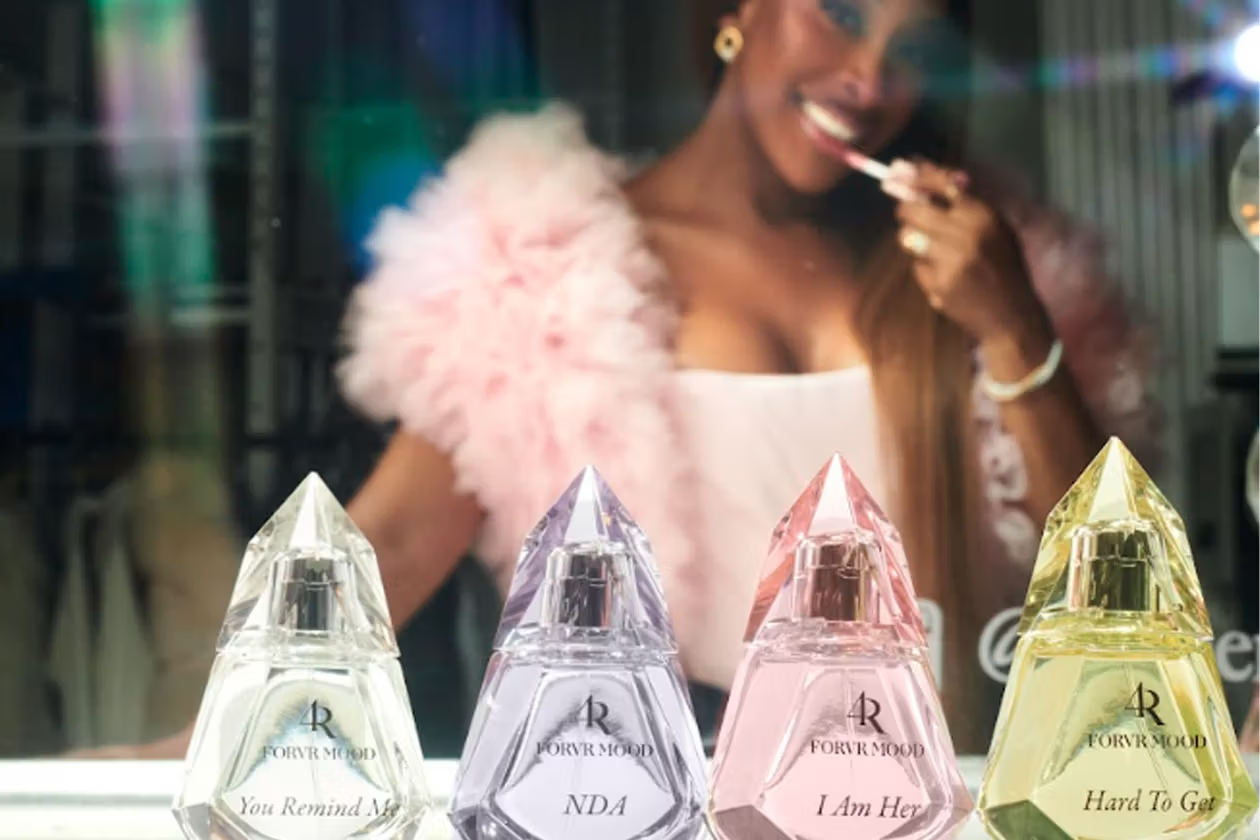
    Fragrance maker Forvr Mood expects revenue to rise by more than 50 per cent this year, crossing into eight figures as it prepares international expansion into Australia.

    Co-founder Denis Asamoah said the brand currently sells across just under 500 Sephora doors in the United States and aims to secure distribution in all chain doors before entering international markets.

    Former finance executive Asamoah launched the business in August 2020 alongside beauty content creator Jackie Aina with roughly $200,000 in startup costs. The label sold 10,000 units within hours of opening its direct-to-consumer site on Aina’s birthday, generating $3 million in sales during its first six months in operation.

    Inventory Lessons and Fragrance Shifts

    Scaling required rapid operational adjustments. The business initially operated out of a 3,000-square-foot space before leasing a 35,000-square-foot warehouse, which management later reduced to a smaller footprint once supply chains stabilized.

    Forecasting remains the core operational hurdle as the brand moves beyond candles into fine fragrance. Following the April 2024 launch of its fine-fragrance collection, Asamoah acknowledged over-ordering production volumes for the ‘Not Your Type’ eau de parfum to prevent the multi-month stockouts that hit earlier product cycles.

    Your influence and your audience may be able to get you your first sale, but without a good product, you are not going to get someone that wants to come and buy again.

    Managing Creator Risk in Retail Channels

    Wholesale buyers across Asia-Pacific evaluate creator-led labels with stricter scrutiny after several high-profile direct-to-consumer brands stumbled on repeat purchasing and wholesale margins. For department stores and specialty beauty chains in markets like Australia, shelf space requires steady replenishment cycles and marketing that reaches consumers outside a creator’s existing digital following.

    Separating the brand identity from Aina’s personal accounts protects the wholesale business from sudden shifts in social media sentiment. Retailers carrying celebrity-backed beauty lines face inventory writedowns when consumer backlash hits a founder, making operational independence a requirement for regional distributors managing multi-market shipments.

    Wholesale Roadmap Ahead

    Forvr Mood began as a candle line designed in four months during pandemic lockdowns before securing shelf space in Sephora’s North American network. The company spent the subsequent four years refining logistics and product formulation ahead of its 2024 fine-fragrance rollout.

    Management is now preparing to pitch the brand to Sephora at Kohl’s locations across the United States. Retail negotiations for overseas distribution in the United Kingdom, Australia and the Middle East will follow as the company completes its domestic store rollout.

  • Thai Label Gentlewoman Opens First Singapore Store at 313@Somerset

    Thai Label Gentlewoman Opens First Singapore Store at 313@Somerset

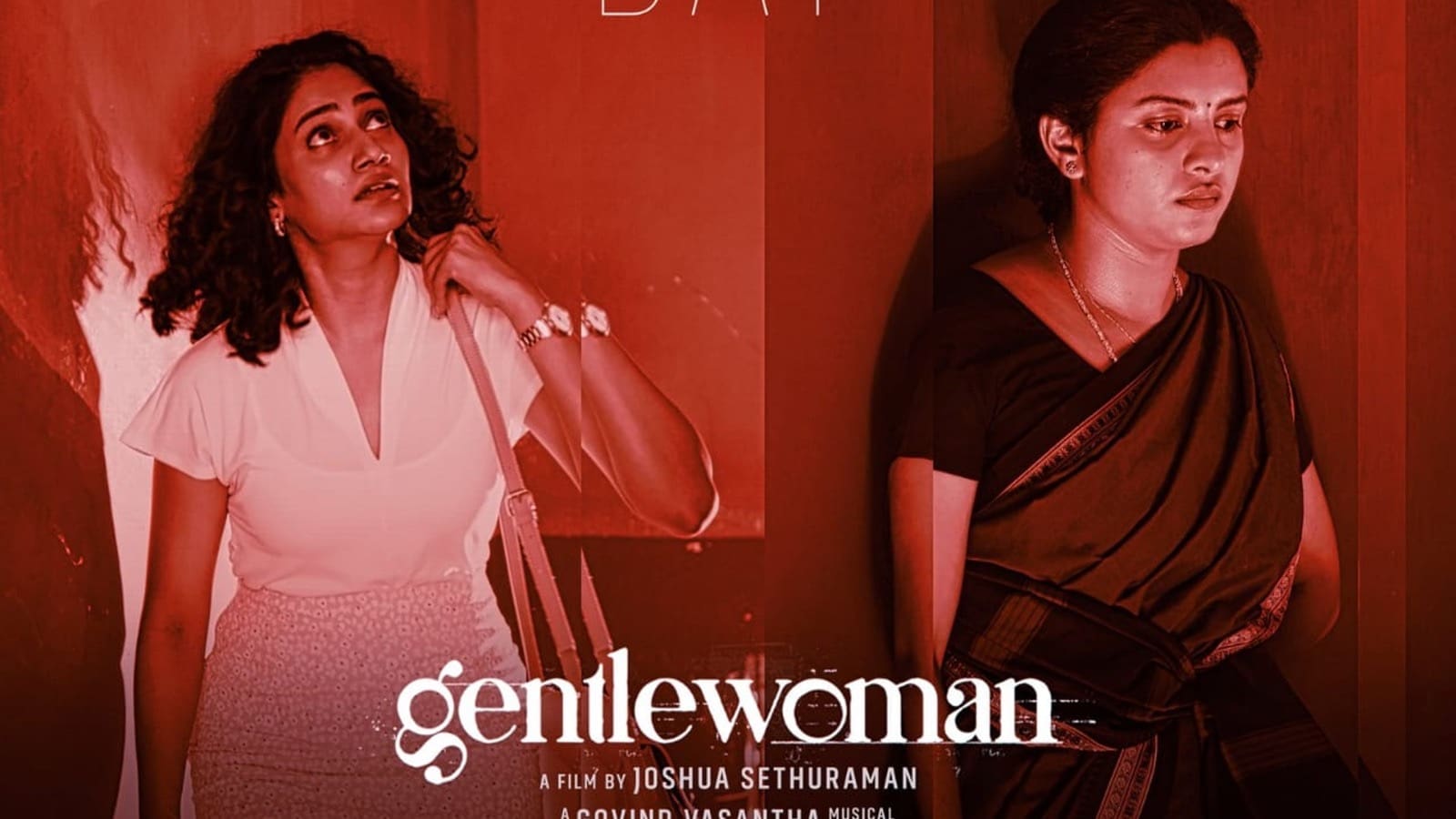
    Thai apparel brand Gentlewoman opens its first Singapore boutique inside Orchard Road’s 313@Somerset on October 15. The launch adds a second international market to the Bangkok retailer’s network of 29 domestic stores.

    The unit will stock core ready-to-wear lines, swimwear, activewear, accessories, and exclusive collaboration ranges. It also brings the signature canvas tote bags that built the brand’s regional profile. Management plans to use the Somerset location as an anchor for a wider Singapore store rollout.

    Securing prime space on Orchard Road

    Sitting directly above the Somerset MRT station gives the store heavy youth and tourist footfall. That matches the brand’s regional customer base. For years, local shoppers bought its products through third-party resellers or traveled directly to Bangkok flagships.

    Orchard Road landlords view popular direct-to-consumer labels as a useful counterweight to slowing sales at traditional mid-market chains. Mall operators continue reallocating ground- and mid-level floor space to regional cult brands that generate instant social media interest and steady physical foot traffic.

    Testing Southeast Asian demand beyond Bangkok

    Expanding across Southeast Asian borders brings clear operational hurdles. Gentlewoman built its following on accessible price points and recognizable canvas totes. Running physical stores in Singapore demands far higher sales densities to offset steep local rents and wage bills.

    The critical test is whether Singapore shoppers will buy full seasonal apparel lines as readily as entry-level accessories. Competing with established fast-fashion chains and local contemporary brands requires rapid stock turnover. Constant product refreshes will also tie up more working capital across the regional supply chain.

    “As we continue to grow beyond Thailand, our ambition is to build a brand that feels relevant across cultures and communities, while remaining unmistakably Gentlewoman,” said co-founder Raya Wannapinyo.

    Building regional scale from Malaysia to Singapore

    Raya Wannapinyo, Siripa Rueangwutthisakulchai and Jitpon Siriwattanamathangkul launched Gentlewoman in Bangkok in 2018. It scaled swiftly from an e-commerce shop into a nationwide network, eventually adding multi-storey flagships in central shopping hubs like Siam Square.

    Malaysia served as the retailer’s first foreign market earlier this year. After testing logistics and warehousing in Kuala Lumpur, the company is committing capital to Southeast Asia’s most expensive retail market to build regional scale.

    Leasing teams are already evaluating additional Singapore mall sites ahead of the October 15 debut at 313@Somerset.

  • Skechers Expands Asian Performance Lines 1 Year into Private Ownership

    Skechers Expands Asian Performance Lines 1 Year into Private Ownership

    Skechers is pushing deeper into performance categories across Asia as it evolves from a footwear brand into a broader lifestyle and sportswear business. In an interview with Inside Retail in September 2026, Cedrick Tan explained how the company adapts its strategy across diverse regional markets.

    The push comes 1 year into life as a privately held company. Skechers is expanding its focus beyond footprint expansion to deepen customer relationships through retail experiences, sports, entertainment, communities and local partnerships.

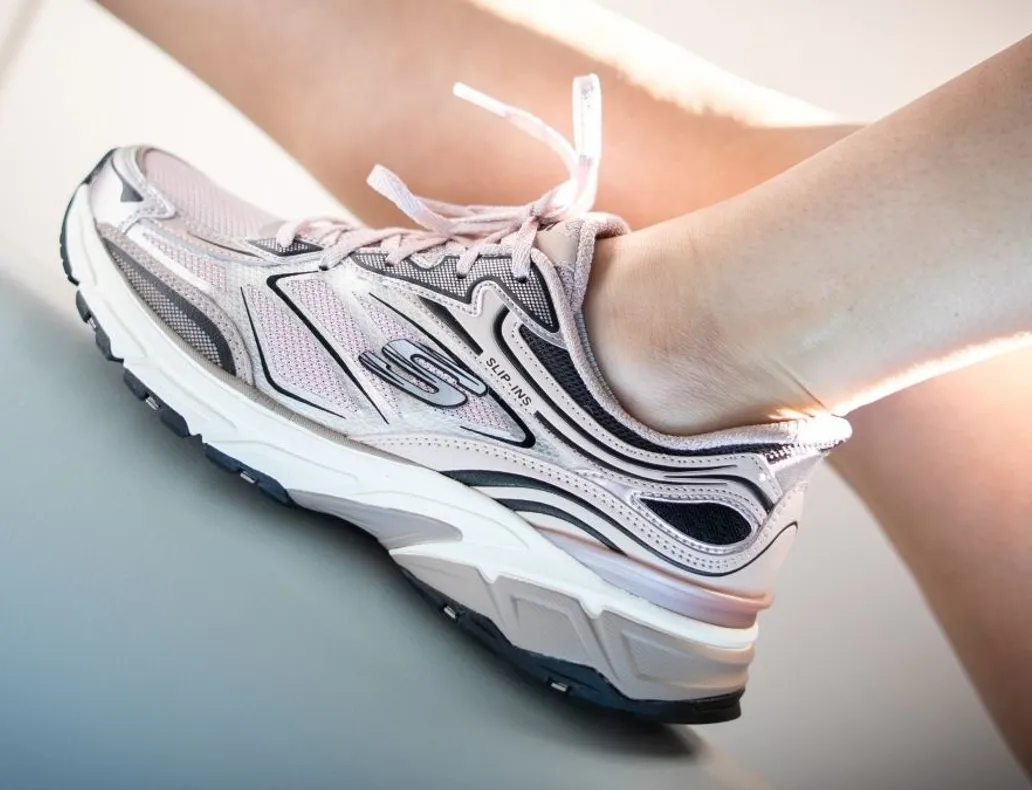
    Tan said the company sees room to grow across running, golf, football and emerging sports like pickleball, supported by proprietary technologies such as Hands Free Slip-ins, Arch Support and Glide-Step. The assortment also incorporates apparel, accessories and market-specific items like sports hijabs across Southeast Asia.

    Splitting Performance and Mass Retail

    Sportswear growth in Asia requires a divided merchandising model. Mature metro markets demand technical running and convenience-oriented shoes. Developing hubs, meanwhile, require sharper entry price points and everyday utility.

    Rivals like Nike and Adidas have faced inventory clearing cycles across Asia when pushing uniform global performance lines into secondary cities. Skechers aims to avoid those markdowns. It pairs its walking foundation with sport-specific entry models, lowering the price barrier for recreational runners and weekend athletes.

    Shifting Channel Strategies for Mall Landlords

    For shopping centre operators across Southeast Asia, the broader sportswear lineup alters floor space requirements. Skechers stores now compete for larger inline units instead of standard footwear bays. That footprint growth pressures traditional multibrand sports retailers that depend on basic sneaker sales.

    Growth should not be about expansion for its own sake. It needs to be relevant, sustainable and grounded in consumer demand.

    Apparel and sports accessories carry different margin profiles than molded footwear, raising supply chain demands for regional franchisees. Localized collections like modest athletic wear give the company an edge. The approach targets shoppers in Indonesia and Malaysia whom Western performance brands often overlook.

    Transition to Private Operations

    This merchandise pivot builds on a restructuring completed in September 2025, when Skechers shifted to operate as a privately held entity. Free from quarterly reporting pressure, regional managers recalibrated distribution networks. They moved away from door-count growth to focus on experiential stores and category-specific sports marketing.

    Distribution speed will test operations next as autumn performance collections roll out to flagship stores in Singapore, Bangkok and Jakarta.

  • Tara McKeon Regains Control of Proud Poppy Across 3 Remaining Stores

    Tara McKeon Regains Control of Proud Poppy Across 3 Remaining Stores

    Proud Poppy founder Tara McKeon has regained control of the womenswear brand after creditors voted this week to approve a Deed of Company Arrangement.

    Creditors from Hall Chadwick voted to allow McKeon to continue owning and operating the business, following an initial creditors’ meeting held on August 17.

    Founded in 2019, Proud Poppy once operated seven standalone stores and will now trade online alongside three remaining retail locations.

    Downsizing The Store Network

    The approved arrangement formalises a sharp reduction in physical retail overhead. Proud Poppy built its initial scale around inclusive sizing ranging from Australian sizes six to 30, expanding quickly into standalone shopping locations before rising operational costs and softened apparel spending squeezed cash flow.

    By trimming four locations prior to and during the statutory process, management reduced fixed lease liabilities to protect inventory purchases. The remaining three doors now serve as localized collection points and brand touchpoints rather than a high-cost national footprint.

    “It feels very meaningful that each creditor voted to return the business to me. I want to especially acknowledge our staff and our suppliers. I know the level of support we have been shown is rare, and we do not take it for granted,” McKeon said.

    Pressure Across Mid-Market Apparel

    Australian independent fashion labels face persistent margin compression as commercial rents, freight charges, and digital customer acquisition costs stay high. For operators in the mid-market segment, maintaining extensive store networks without institutional equity backing has proven unsustainable under volatile consumer demand.

    Passing a deed of company arrangement offers a rare path back to solvency without an outright trade sale or asset liquidation. The risk shifts directly to working capital management, where trimmed product ranges must generate enough cash to settle legacy claims under the agreed deed timetable.

    Earlier Footprint And Next Milestones

    Established in 2019, Proud Poppy expanded its inclusive-size model over five years before cash strain forced management to close multiple locations and trim its garment range in mid-2026. McKeon placed the company into voluntary administration in early August to halt creditor actions and assemble a compromise package.

    Trading continues uninterrupted across the digital store and the three surviving physical doors as administrators finalize the formal execution of the deed.

  • Australian Adaptive Apparel Brand Jam the Label Closes Down

    Australian Adaptive Apparel Brand Jam the Label Closes Down

    Australian adaptive apparel brand Jam The Label will shut down operations after founders Emma Clegg and Molly Rogers declared the business commercially unviable. The company ceased all new product manufacturing following seven years of running an inclusive clothing line that shipped internationally from Australia.

    Former disability support workers Clegg and Rogers founded the business in 2019 to design functional, stylish clothing for people with disabilities. Growth was supported partly through participant purchases via Australia’s National Disability Insurance Scheme (NDIS), alongside appearances on mainstream runway circuits and fashion festivals. Both founders confirmed they will no longer produce inventory as they shift focus to their families following recent births.

    Market Education Burden on Independent Labels

    Specialist apparel brands across Asia-Pacific face heavy acquisition costs when attempting to build niche categories without department store distribution. Jam The Label carried the entire financial weight of consumer education, fit development and specialized manufacturing runs without institutional equity backing.

    Mainstream apparel retailers across the region have largely treated adaptive clothing as occasional capsule lines rather than permanent departments. That leaves independent operators to absorb high fabric minimums and complex design iterations on thin cash buffers. For suppliers and investors, the closure shows that government support schemes alone cannot substitute for high-volume retail distribution.

    The Limits of Specialized Retail Models

    Clegg and Rogers pointed directly to the commercial mismatch between independent brand resources and the demands of market creation. The sector was not ready to sustain a dedicated direct-to-consumer label without broader retail infrastructure.

    “We have put our heart and soul into Jam, but it is tough for small businesses to carry a clothing category and educate a whole market,” the founders said in a joint statement.

    The label gained regional visibility in 2021 and 2022 by securing runway slots at major Australian fashion weeks, demonstrating demand for accessible fasteners and seated-fit tailoring. Those appearances expanded international order volumes but did not lower production costs enough to offset rising operational overheads.

    Clearance of Remaining Production Batches

    Jam The Label will sell through its remaining stock online before formally winding down its corporate entity. Wholesale accounts and disability sector advocates will watch whether larger apparel groups acquire the brand’s technical fit patterns or leave the Australian adaptive apparel space to generalist overseas platforms.

  • Malbon Golf Expands in China with Stores in Shanghai and Beijing

    Malbon Golf Expands in China with Stores in Shanghai and Beijing

    US golf lifestyle brand Malbon Golf is expanding its retail presence in China with locations in Shanghai and Beijing as part of its broader market expansion strategy.

    Founded in Los Angeles in 2017, the company has partnered with TKG Lifestyle to support its rollout, with Hangzhou and Shenzhen among the next markets in its pipeline.

    Tier-one footprint and localized store designs

    Earlier this year, the brand opened its first Mainland China flagship at Shanghai’s Jing’an Kerry Centre, followed by a second location in the West Bund and a store at Beijing’s Taikoo Li Sanlitun.

    Its Shanghai stores combine golf and streetwear aesthetics with references to local culture, with the West Bund site incorporating vintage imagery, creative elements, and interactive golf features. The Taikoo Li Sanlitun store in Beijing features localized design elements alongside city-specific apparel and lifestyle collections.

    The streetwear crossover in Chinese sports retail

    China-exclusive products form part of the company’s local strategy, with city-specific collections developed alongside its core golf apparel and accessories. Malbon’s partnership with TKG Lifestyle also extends to other regional markets, including Vietnam and the Philippines.

    Earlier expansion steps

    Malbon operates at the intersection of golf and lifestyle fashion, with collections and collaborations spanning apparel, accessories, and cultural partnerships since its founding in 2017. The planned expansion into Hangzhou and Shenzhen will further extend the label’s footprint across major Chinese cities.

  • Determinant Expands Singapore Lineup with Fall 2026 Casualwear Range

    Determinant Expands Singapore Lineup with Fall 2026 Casualwear Range

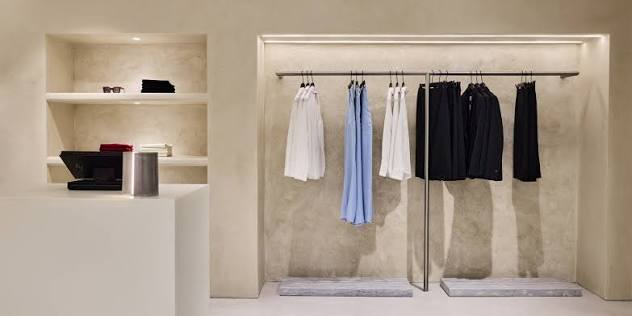
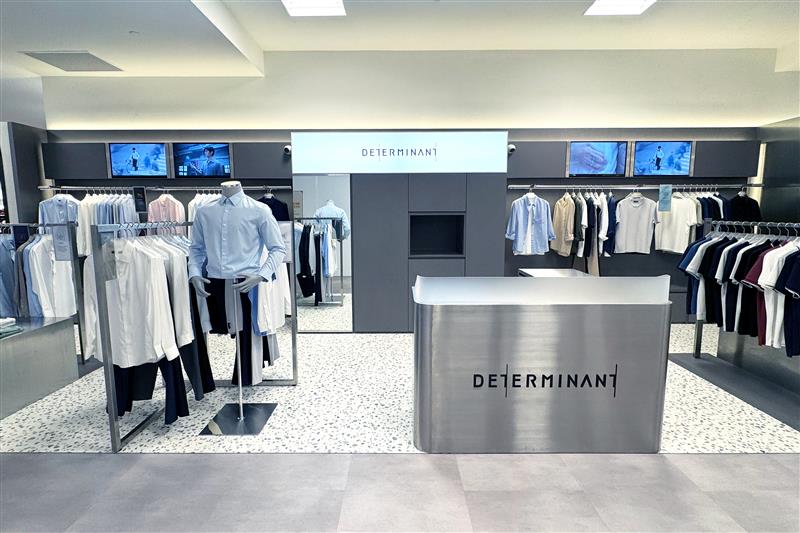
    Menswear label DETERMINANT launched its Fall/Winter 2026 collection in Singapore on September 9. The line pushes into everyday casualwear, with short-sleeve shirts starting at SGD 75.

    This release broadens the brand beyond formal office attire. Stock is available across its standalone store at Plaza Singapura, its counter at Takashimaya Department Store, and its local web store.

    Pricing and Fabric Lineup

    Lighter silhouettes target office workers and weekend dressers in Singapore’s tropical climate. Short-sleeve casual shirts retail at SGD 75. Corduroy and flannel long-sleeve designs sell across three price tiers at SGD 80, SGD 120, and SGD 160. Cotton-linen blends also feature across the casual line to improve airflow and moisture management.

    In formal wear, the brand updated its core Supreme Cotton Dress Shirt at SGD 120. That line uses extra-long staple cotton treated with a proprietary DP 4.0 wrinkle-free finish in regular and slim cuts. Outerwear additions include water-repellent shirt jackets and knitwear blended from cotton and yak down.

    The Pivot Away From Pure Office Formalwear

    Retailers across Southeast Asia face steady pressure from hybrid work arrangements and casual office dress codes. Brands built entirely on structured business shirts must adapt their product mix or lose basket size to lifestyle labels. DETERMINANT bridges that gap by applying wrinkle-free treatments and technical cottons to relaxed silhouettes, rather than competing solely on price against fast-fashion chains.

    Along Orchard Road, the shift drives floor-space reallocations in menswear departments. Department stores have trimmed formal tailoring space. They now favor smart-casual items that turn inventory across seven days rather than five.

    Retail Footprint and Distribution

    DETERMINANT previously centered its Singapore marketing on formal dress shirts before signing entertainer Nicholas Tse to front its wider campaign push. The label maintains its primary retail presence at Plaza Singapura alongside a dedicated menswear concession inside Takashimaya Department Store.

    Online distribution runs in parallel through its dedicated Singapore portal. The rollout continues into the fourth quarter, with the Cotton-Yak quarter-zip ribbed jacquard sweater arriving in stores on October 16 at SGD 140.

  • Fast Retailing Names James Kelly as Global CEO of Theory

    Fast Retailing Names James Kelly as Global CEO of Theory

    Theory appointed James Kelly as its global chief executive officer, elevating the former Fast Retailing executive after two years in senior leadership at the New York-based fashion brand.

    Kelly takes over from Dinesh Tandon, who led the label globally since 2019 and now returns to run Theory China while serving as global co-chief operating officer alongside Serena Peck.

    Leadership reshuffle across two labels

    In his new post, Kelly assumes oversight of both Theory and sister label Helmut Lang. His remit covers global headquarters functions, commercial operations and international expansion.

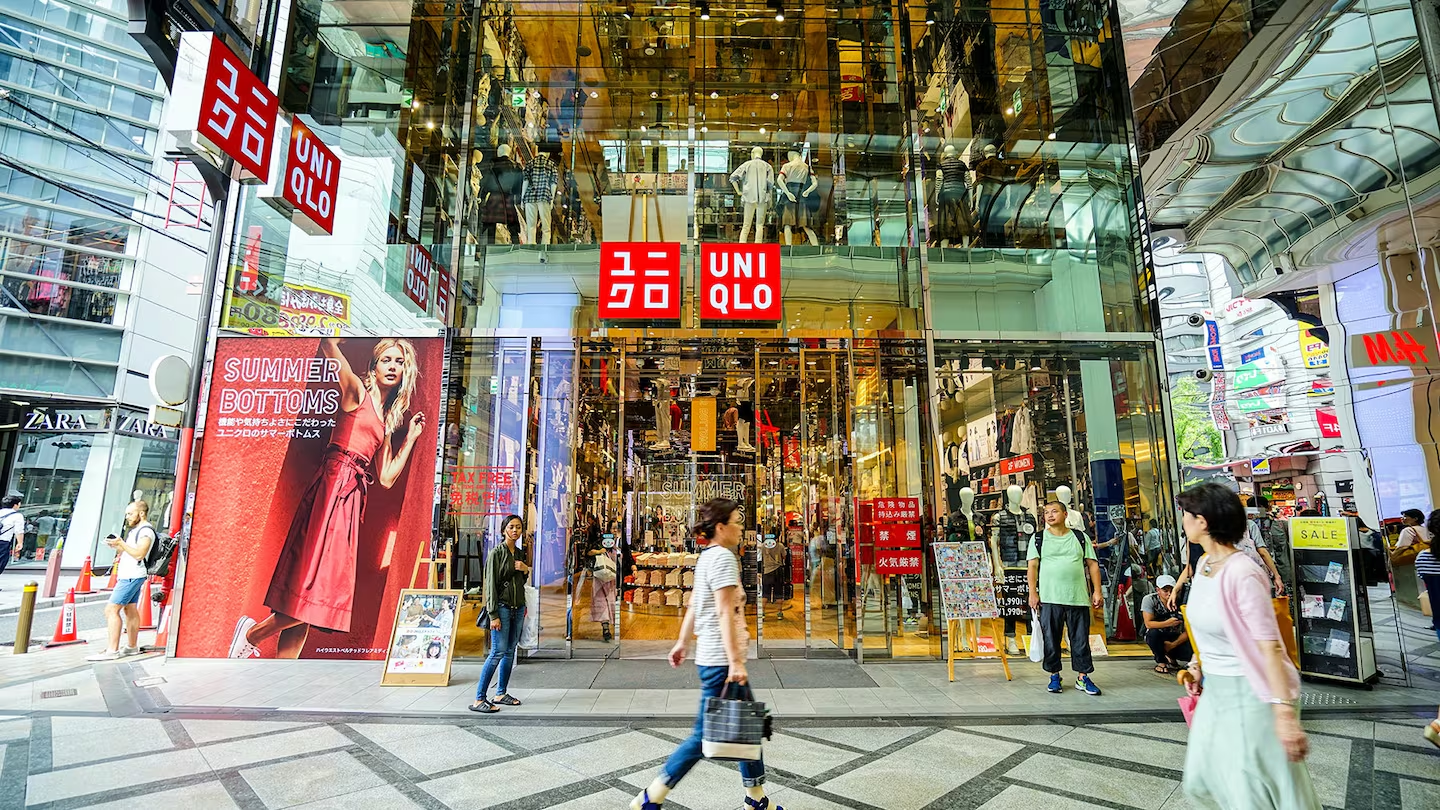
    Kelly joined Theory in 2022 as chief financial officer before stepping into the global co-chief operating officer role. Prior to that, he spent years inside Japanese parent group Fast Retailing, where he directed store network expansion for Uniqlo across the United States and Canada.

    Sharpening focus on Asian retail operations

    Splitting global commercial control while sending Tandon directly back to helm China operations shows how Fast Retailing is organizing its premium brands around Asian retail demand. Putting an experienced operator on the ground in China gives the Japanese group closer operational control over store productivity, concession partnerships and local inventory allocation in a highly competitive market.

    For competing contemporary fashion labels across East Asia, the management shift signals an aggressive push from Fast Retailing to scale its higher-margin portfolio. Theory provides Fast Retailing with access to affluent office workers who want technical tailoring, a segment where traditional European designer labels face margin pressure at entry-level price points.

    Two decades under Japanese ownership

    Andrew Rosen and Elie Tahari founded Theory in New York in 1997, building the brand on stretch-fabric tailoring and contemporary workwear. Japanese licensee Link International acquired the company in 2003, and Fast Retailing took full ownership of the business in 2009.

    Link Theory Holdings had previously purchased Helmut Lang from Prada Group in 2006, creating the high-end apparel pillar that sits alongside Fast Retailing’s mass-market Uniqlo and GU banners.

    Commercial execution to watch

    Retail observers will track Tandon’s store rollout and comparable-sales performance across mainland China’s department store network, alongside Kelly’s progress in turning Helmut Lang into a steady profit generator.