Category: Fashion

Retail News Asia is committed to providing both local and global retailers with the latest Fashion news throughout the Asian market. This on a daily base.

  • Konvy Bags $15M from Cool Japan Fund to Boost Japanese Beauty Brands in Southeast Asia

    Konvy Bags $15M from Cool Japan Fund to Boost Japanese Beauty Brands in Southeast Asia

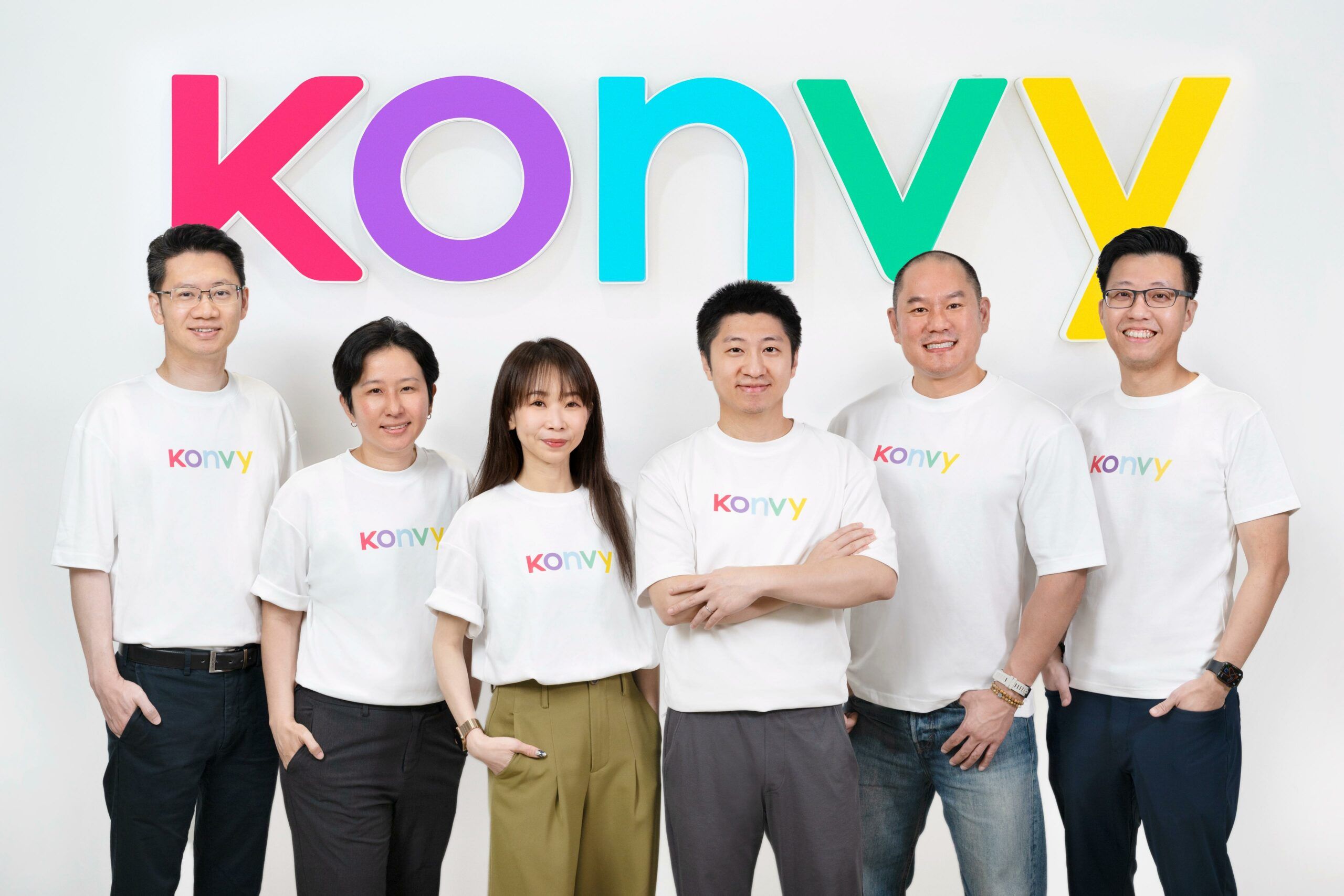
    Konvy, a renowned Thai retailer specializing in beauty and healthcare products, recently received a $15 million investment from Japan’s Cool Japan Fund (CJF). This strategic partnership aims to stimulate demand for Japanese beauty and healthcare brands across Southeast Asia.

    The Strategic Investment

    CJF’s investment into Konvy is intended to leverage the retailer’s robust multi-channel network and digital marketing prowess for the promotion of Japanese-brand products within the healthcare and beauty sectors in overseas markets. The main goal is to amplify the international appeal and consumption of these products, thereby cementing Japan’s position in these markets.

    Konvy, established in 2011, has rapidly developed into a frontrunner in Thailand’s beauty e-commerce scene. Its expansive product range boasts over 20,000 items from more than 1000 brands, spanning categories such as skincare, cosmetics, fragrances, and beauty accessories.

    Konvy’s Multi-Channel Retail Network

    Konvy’s retail operation utilizes a multi-faceted approach, leveraging both online and offline channels. The retailer operates its proprietary e-commerce platform and collaborates with prominent online marketplaces like Shopee and Lazada. It has also adopted social commerce, marking its presence on platforms like TikTok Shop.

    Further, Konvy has successfully expanded its brick-and-mortar footprint, with 16 stores in Thailand and one in the Philippines. The company also collaborates with retail partners such as Watsons to strengthen its offline presence. Apart from Thailand and the Philippines, Konvy operates in Malaysia as well.

    This recent investment signifies a continuation of Konvy’s previous partnership with Japanese companies under the Japan External Trade Organization’s Japan Mall Project that took place between 2022 and 2023. This project aimed at promoting Japanese products in overseas markets.

    Questions & Answers

    What is the purpose of the Cool Japan Fund’s investment in Konvy?
    The investment aims to increase the global demand for Japanese-brand products in the healthcare and beauty sectors, leveraging Konvy’s multi-channel retail network and digital marketing capabilities.

    What categories of products does Konvy offer?
    Konvy offers a wide range of products spanning categories such as skincare, cosmetics, fragrances, and beauty accessories.

    Where does Konvy operate?
    Konvy operates in Thailand, the Philippines, and Malaysia, both through its online platforms and physical retail stores.

  • Eternal Beauty Boosts China Presence with Four Spectacular Store Launches in Beijing, Shanghai, and Shenzhen

    Eternal Beauty Boosts China Presence with Four Spectacular Store Launches in Beijing, Shanghai, and Shenzhen

    Eternal Beauty, a leading perfume conglomerate in China, is on a rapid expansion spree. The group recently announced the opening of four new stores in Beijing, Shanghai, and Shenzhen.

    Eternal Beauty, which is listed in Hong Kong, specializes in the distribution and management of global beauty and fragrance brands throughout mainland China, Hong Kong, and Macau. The organization has expressed that its latest store openings are a strategic move aimed at strengthening its direct-operated retail network in China’s leading-tier cities.

    Store Openings and Collaborations

    In Shenzhen, Eternal Beauty launched a store under its ‘Perfume Box’ brand, featuring the theme ‘Muse Scent Box’, at the Haiya Mega Mall. This multi-brand store, housing nearly 30 fragrance and lifestyle labels, marks the Shenzhen debut of the Italian home fragrance brand, Culti Milano.

    In Beijing, the first standalone store of Dr Vranjes Firenze was inaugurated in the China World Mall. In addition, Shanghai’s Xintandi precinct welcomed two new fragrance concepts.

    The French luxury fragrance house, Parfums de Maly, launched a standalone boutique, while Memo Paris introduced a limited-edition pop-up in collaboration with French illustrator Jean Jullien.

    Chole Lam, the CEO and Executive Director of Eternal Beauty, stated, “Our strategy involves the continued expansion of our store presence in core cities through self-operated or partnership models. We aim to increase the market penetration of our self-operated retail brand, Perfume Box, and offer superior offline display and sales terminals for our international brand partners.”

    Future Expansion Plans

    The group has expressed its intentions to continue expanding its direct-operated network across China’s core and emerging tier-1 cities. This move aligns with its goal of capturing further growth in the country’s premium fragrance market.

    Questions & Answers

    What is Eternal Beauty’s primary business?
    Eternal Beauty is a leading perfume group in China, specializing in the distribution and operation of international beauty and fragrance brands across mainland China, Hong Kong, and Macau.

    What is the main purpose of Eternal Beauty’s recent store openings?
    The store openings are a strategic move by Eternal Beauty to strengthen its direct-operated retail network in China’s top-tier cities.

    What are the future plans of Eternal Beauty?
    The group plans to continue expanding its direct-operated network across China’s core and emerging tier-1 cities in order to capture further growth in the country’s premium fragrance market.

  • Thai Fragrance Powerhouse PanPuri Unleashes Bold Expansion across Asia, Eyes Luxury Retail Hubs in Nine Countries

    Thai Fragrance Powerhouse PanPuri Unleashes Bold Expansion across Asia, Eyes Luxury Retail Hubs in Nine Countries

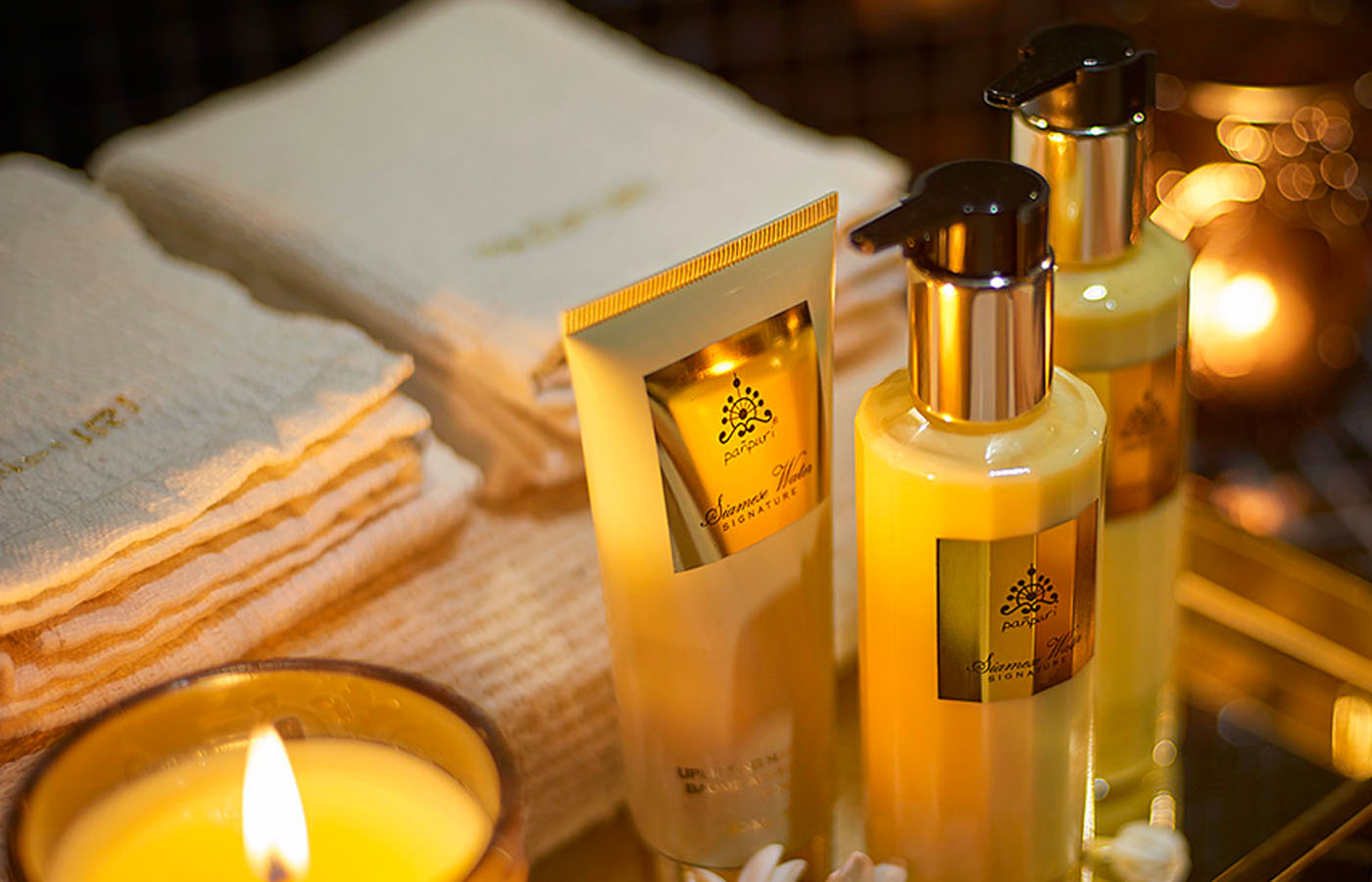
    Panpuri, a prominent fragrance brand from Thailand, has recently announced an aggressive expansion plan that aims to establish 16 new retail outlets across Asia within the year.

    This initiative marks a significant step in the company’s comprehensive growth blueprint, which envisions over 80 retail locations spread across nine countries by the end of the decade. The new establishments will primarily be located in high-end shopping centers and bustling business districts.

    Since 2024, Panpuri has successfully penetrated markets in Hong Kong, Singapore, and Macau. In line with their expansion plans this year, the company intends to make substantial inroads into the Japanese market, launching first in Tokyo before branching out into other major cities. The fourth quarter will see the brand’s debut in China, with initial focus areas being Shanghai and Beijing.

    Vorravit Siripark, the founder and CEO of Puri Company Limited, stated, “Japan and China are crucial markets for us.” He added, “Consumers in these markets have a keen eye for craftsmanship, detailing, ambiance, and emotional values – qualities that align closely with Panpuri’s brand essence.”

    Siripark emphasized the role of localization in the company’s growth strategy. Every store will be designed to resonate with the culture and pace of the city it is located in, while ensuring the brand’s unique atmosphere is maintained.

    The upcoming Panpuri stores will prioritize immersive sensory experiences, marrying fragrance narratives with aspects of wellness, hospitality, and emotive design.

    North Asia’s contribution to Panpuri’s total revenue is projected to reach 30 per cent by 2029, with the brand aiming for a total revenue of THB 3 billion (approximately US$92 million). While North Asia holds prominence in the company’s plans, Siripark stressed that Southeast Asia will continue to be a cornerstone of their long-term vision.

    In Siripark’s words, “Thailand will always be our home, the hub of our creativity, and the source of our emotional grounding.” He further stated, “We persist in making considerable investments here, especially in wellness experiences and next-gen retail concepts. We also see immense potential in cities like Singapore, where there is a growing fondness for fragrance, ritualistic experiences, and more emotive forms of luxury living.”

    Questions & Answers

    What is Panpuri’s expansion plan for this year?
    Panpuri intends to open 16 new stores across Asia as part of its expansion plan for the year.

    What is the key focus of the next generation of Panpuri stores?
    The next generation of Panpuri stores will prioritize immersive sensorial experiences, marrying fragrance narratives with aspects of wellness, hospitality, and emotive design.

    What is the company’s revenue target by 2029?
    Panpuri aims to generate a total revenue of THB 3 billion (approximately US$92 million) by 2029.

  • Diesel Powers Up Osaka Presence with Bold, New Flagship Store Location

    Diesel Powers Up Osaka Presence with Bold, New Flagship Store Location

    Italian lifestyle label Diesel has upgraded its flagship store in Osaka, Japan, shifting to a more prominent location as part of its strategy for enhanced visibility in the city.

    Store Relocation and New Design Theme

    Diesel’s new Osaka home is situated in Quartz Shinsaibashi, a multi-purpose edifice in the bustling Shinsaibashi district. The two-tiered store exhibits a distinct popcorn concrete exterior and proudly displays the recognizable Diesel ‘Biscotto’ logo. This striking exterior design embodies Diesel’s robust and dynamic visual identity.

    The interior of the store mirrors Diesel’s renegade spirit, utilizing materials such as metal-board-covered walls to create an engaging graphic environment. Central to the store’s layout is an illuminated red staircase, a standout feature that gives the space a unique character.

    Retail and Product Expansion

    The store presents a clear division of Diesel’s product lines, with womenswear occupying the first floor and menswear on the second. The store also showcases a limited-edition denim capsule collection, giving customers access to exclusive product offerings.

    This redesign was driven by the brand’s aspiration to increase its prominence and to mirror the evolving artistic direction led by creative director Glenn Martins. Apart from this standalone flagship, Diesel operates several other outlets within department stores and malls across Osaka, including Daimaru Shinsaibashi and Hankyu Umeda.

    Questions & Answers

    Why did Diesel decide to relocate its flagship store in Osaka?
    Diesel relocated its flagship store in Osaka to enhance its visibility and presence in the city.

    What is unique about the new store’s design?
    The Diesel store features a popcorn concrete exterior with the brand’s iconic ‘Biscotto’ logo. The interior incorporates materials that embody Diesel’s rebellious spirit, including metal-board-covered walls and a standout red staircase.

    What does the store’s product inventory look like?
    The store is divided into two floors, with womenswear on the first floor and menswear on the second. It also offers a limited-edition denim capsule collection.

  • Trailblazing Beauty: How Diipa Büller-Khosla Propelled Indian Ayurvedic Brand Indē Wild into Sephoras Global Spotlight

    Trailblazing Beauty: How Diipa Büller-Khosla Propelled Indian Ayurvedic Brand Indē Wild into Sephoras Global Spotlight

    Brands like Ranavat, Fable & Mane, and Squigs Beauty are making their mark in the United States beauty industry, thanks to the rising interest in Ayurvedic-inspired beauty products. Ayurveda, an ancient Indian medical system commonly referred to as the “science of life,” offers a holistic perspective on physical, mental, and emotional well-being. It places a strong emphasis on employing natural ingredients, such as amla (Indian gooseberry) and turmeric, in the treatment of various ailments.

    A Journey Towards Ayurvedic Beauty

    Indian-born influencer Diipa Büller-Khosla shares her experience as the first Indian native brand to enter Sephora. Her mission is to increase the visibility and recognition of Ayurvedic beauty within the global industry.

    Before she launched Indē Wild, Büller-Khosla’s career journey was one that always pointed towards establishing a beauty brand. Raised in India, Ayurvedic rituals for mind, body, and soul were a regular part of her life. Her mother practiced both dermatology and Ayurveda, creating a home where scientific knowledge and traditional practices seamlessly coexisted. Büller-Khosla’s studies in international human rights in the Netherlands marked her first encounter with living between cultures. This experience made her realize the lack of representation of her cultural beauty practices in the global beauty industry.

    As she built her digital platform, Büller-Khosla saw an opportunity to influence and shape global beauty conversations. Her interactions with the beauty industry and her desire to share her culture and perspective on beauty eventually led her to establish Indē Wild.

    Building the Brand and Overcoming Challenges

    The inception of Indē Wild was a product of Büller-Khosla’s life experiences and her belief in the efficacy of the Ayurvedic rituals she grew up with, especially in haircare. When she observed a lack of modern and accessible representation of her world in global beauty, she decided to bring to the forefront something that she knew worked well and could resonate with others.

    One of the significant challenges in the initial stages of launching Indē Wild was the process of building a global brand from India. Büller-Khosla and her team had to navigate the different aspects of running a business, including formulation, supply chain management, and scaling the brand internationally, all in real time. Transitioning from being a digitally native brand to retail, particularly on a platform as large as Sephora US, also presented its own learning curve.

    Despite these challenges, the brand’s strategic approach to staying closely connected to their community and adapting swiftly to change proved beneficial. The brand’s development was seen as an evolving conversation rather than a fixed project.

    The brand’s launch at Sephora US has been a major highlight for Büller-Khosla. Witnessing the support of the community, with thousands braving the cold New York weather for the launch, was a testament to the brand’s success and its significant impact on the beauty industry.

    Community Engagement and Competitive Edge

    Büller-Khosla’s background as a social media influencer and content creator considerably influenced her brand-building approach. The direct engagement with the audience and the constant listening helped shape the brand’s product development. In today’s competitive beauty market, understanding the consumer deeply is a significant advantage. This understanding was facilitated by the continuous dialogue with the community throughout the brand’s development.

    Büller-Khosla also recognizes the advantage of having had exposure to the best talents in the beauty industry, from formulation to design, over the past decade.

    Questions & Answers

    What advice would you give to aspiring entrepreneurs?
    Always trust yourself. You do not need to have everything figured out before you start. Understand that learning comes from doing and that perfection should not hold you back from starting.

    Which is your favourite SKU from your brand?
    The Champi Hair Oil holds a special place in my heart. It has a personal connection for me, and it’s always heartwarming to hear stories from users who have rediscovered the champi ritual through this product.

    How important was your background as a social media influencer in building the brand?
    It had a significant impact. Being a content creator allowed me to have direct conversations with my audience, which greatly influenced how we developed our products. It has also made me acutely aware of authenticity and the importance of maintaining consumer trust.

  • Diptyque Unveils Flagship Store on Hong Kongs Hollywood Road, Blending Parisian Chic with Local Culture

    Diptyque Unveils Flagship Store on Hong Kongs Hollywood Road, Blending Parisian Chic with Local Culture

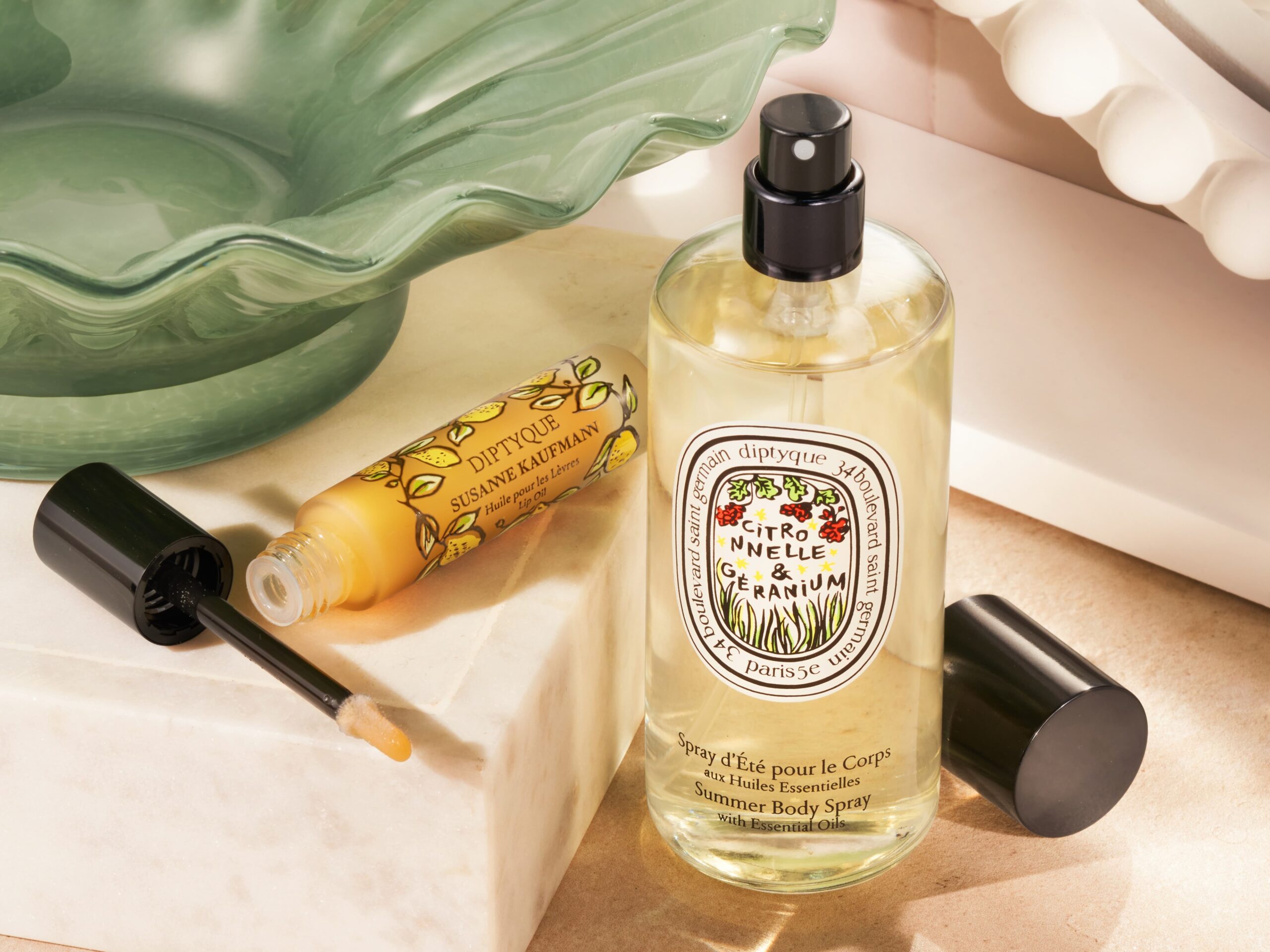
    Diptyque, the prominent fragrance brand, has extended its presence in Hong Kong with the inauguration of a flagship store on Hollywood Road. This move comes as an expansion of its initial street-level concept store, which was launched in the same location a year prior.

    Positioned in the Central district, the 100 square meter, two-story boutique embodies a Parisian-inspired interior design aesthetic. The store’s aesthetics pay homage to the architectural and cultural heritage of Hong Kong. An eye-catching feature is the green, double-story facade, with a neon installation embedded in the upper-floor window. This vibrant piece is the brainchild of renowned Hong Kong artist Jive Lau.

    On stepping inside, one can observe an intricate blend of traditional Parisian apartment elements, fused with mosaic details inspired by the old-style storefronts and antique shops in Hong Kong. The ground floor gives prominence to an expansive wooden island display, exhibiting a range of products and gift items. Fragrance and home collections are also showcased within wall niches peppered around the area.

    The first floor plays host to a number of collections, inclusive of the Les Mondes de Diptyque and Les Essences de Diptyque ranges. Also featured on this level is an Art of Body Care section, boasting a fresco by the Redfield and Dattner design studio.

    According to Diptyque, the primary aim behind this flagship store was to curate an immersive retail experience. This concept revolves around the themes of fragrance, home decor, and body care rituals. Established in Paris in 1961, Diptyque is a specialist in fragrances, scented candles, and decorative objects. It currently runs multiple outlets and counters throughout Hong Kong, including locations at IFC Mall, Harbour City, and K11 Musea.

    Questions & Answers

    What inspired the interior design of the new Diptyque flagship store?
    The interior design draws inspiration from traditional Parisian apartments and Hong Kong’s cultural and architectural heritage, evident in the mosaic detailing echoing older shopfronts and antique stores.

    What kind of collections does the Diptyque store house?
    The store houses various collections including Les Mondes de Diptyque and Les Essences de Diptyque, as well as an Art of Body Care section.

    What is the concept behind Diptyque’s Hong Kong flagship store?
    The concept of the store is to provide an immersive retail experience centered around fragrance, home decor, and body care rituals.

  • CRC Sports Targets Thai Sneaker Market with 40% Stake in JD Sports Deal

    CRC Sports Targets Thai Sneaker Market with 40% Stake in JD Sports Deal

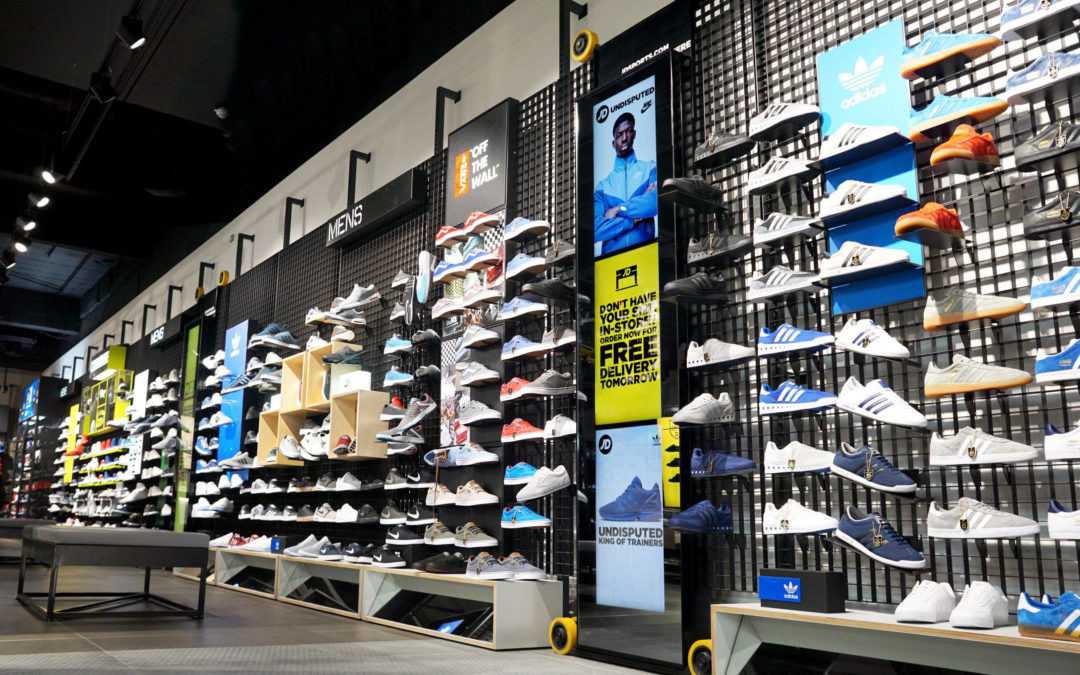
    CRC Sports, a division of Central Retail, has recently acquired a significant 40% stake in JD Sports Thailand. This strategic move is aimed at bolstering the company’s standing in Thailand’s rapidly expanding sports fashion sector.

    The transaction is projected to expedite growth in the premium sneaker and athleisure sectors, predominantly among the younger demographic. By merging CRC Sports’ expansive local retail network with JD Sports’ worldwide brand affiliations and merchandising expertise, the partnership is anticipated to be a formidable force in the market.

    Benefits of the Collaboration

    Tai Chirathivat, the CEO of Central Retail Brands and Specialties (CRBS), has highlighted the numerous benefits this collaboration brings. He emphasized that this partnership not only enhances their access to exclusive global products and licensing rights but also paves the way for the company to penetrate the sports lifestyle market fully. This sector, which is currently valued at over 35 billion baht (approximately US$1.1 million), is growing at an impressive annual rate of around 6%.

    With this acquisition, the company aims to seize up to 40% of the market share and emerge as the unrivaled leader in the sports lifestyle sector.

    JD Sports, a prominent player in the global market, currently runs more than 4,900 stores across 49 countries, hosting distinguished brands such as Nike, Adidas, New Balance, and On. Meanwhile, JD Sports Thailand operates 15 stores.

    On the other hand, CRC Sports operates over 129 stores throughout Thailand, featuring brands like Supersports, Rev Runnr, and Mono Store.

    Questions & Answers

    Why did CRC Sports acquire a stake in JD Sports Thailand?
    The acquisition aims to strengthen CRC Sports’ position in Thailand’s swiftly growing sports fashion market and accelerate its expansion in the premium sneaker and athleisure sectors.

    What advantages does the partnership between CRC Sports and JD Sports bring?
    The partnership combines CRC Sports’ extensive local retail network with JD Sports’ global brand affiliations and merchandising expertise, enhancing their access to exclusive global products and licensing rights.

    What is the growth rate of the sports lifestyle market in Thailand?
    The sports lifestyle market in Thailand is growing at an average annual rate of around 6%, and is currently valued at over 35 billion baht (approximately US$1.1 million).

  • Shiros First Hong Kong Outlet: An Experiential Fragrance Haven at K11 Musea

    Shiros First Hong Kong Outlet: An Experiential Fragrance Haven at K11 Musea

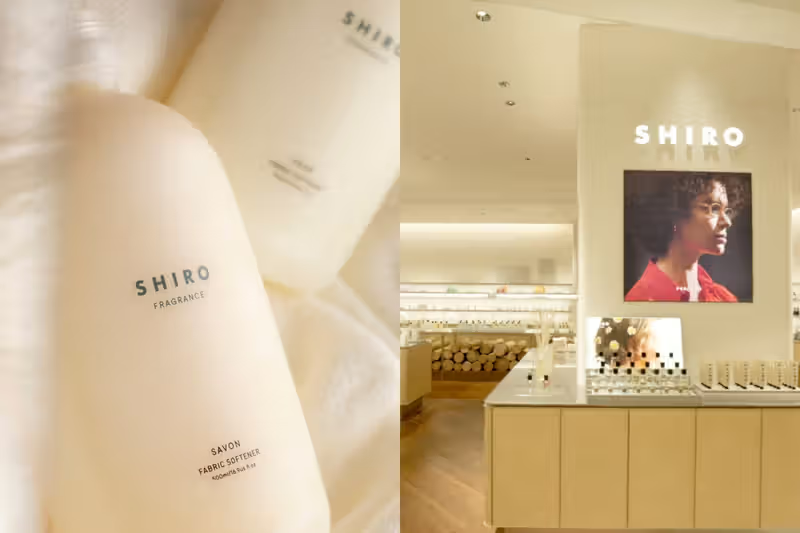
    Shiro, a renowned Japanese fragrance company, recently launched its inaugural store in Hong Kong, incorporating an immersive shopping experience that focuses on in-store fragrance creation.

    The store, located in K11 Musea, showcases an interior design that pays homage to local materials and traditions. Bamboo scaffolding and metal, symbols of Hong Kong’s historical architecture and residential buildings, are prominently featured within the space.

    Discovering the Zero Blender Lab

    A highlight of the store is the Zero Blender Lab, a unique feature that allows customers to design their own personalized fragrance mists. This innovative concept employs prototype scent materials from Shiro’s product development cycle, which would otherwise be discarded.

    Shiro’s initiative aligns with their longstanding commitment to zero waste, a policy they have embraced since 2024 in their product development and store design. As stated by the brand, the Zero Blender Lab offers customers the opportunity to experiment with blending fragrances, all within a setting inspired by the Research and Development room of their Minnano-Sunagawa Factory in Sunagawa, Hokkaido. Shiro aims to provide an experience that mirrors the work of a professional perfumer.

    Founded in Hokkaido, Japan in 2009, Shiro not only specializes in fragrances, but also offers a variety of complementary services through their Shiro Life, Shiro Café, and Shiro Beauty businesses.

    Questions & Answers

    What is unique about Shiro’s new store in Hong Kong?
    The new store offers an immersive shopping experience, with a focus on in-store fragrance creation. It features the Zero Blender Lab, where customers can create their own fragrance mists using scent materials that would otherwise be discarded.

    What is Shiro’s commitment to sustainability?
    Since 2024, Shiro has been striving towards achieving zero waste in both their product development and store design. The Zero Blender Lab is an example of this, as it reuses prototype scent materials that would typically be discarded.

    What other businesses does Shiro operate?
    Besides fragrances, Shiro also runs complementary businesses, including Shiro Life, Shiro Café, and Shiro Beauty, offering a comprehensive lifestyle experience for their customers.

  • Nykaa Faces $210K Lawsuit for Alleged Copyright Violation on Instagram Reels

    Nykaa Faces $210K Lawsuit for Alleged Copyright Violation on Instagram Reels

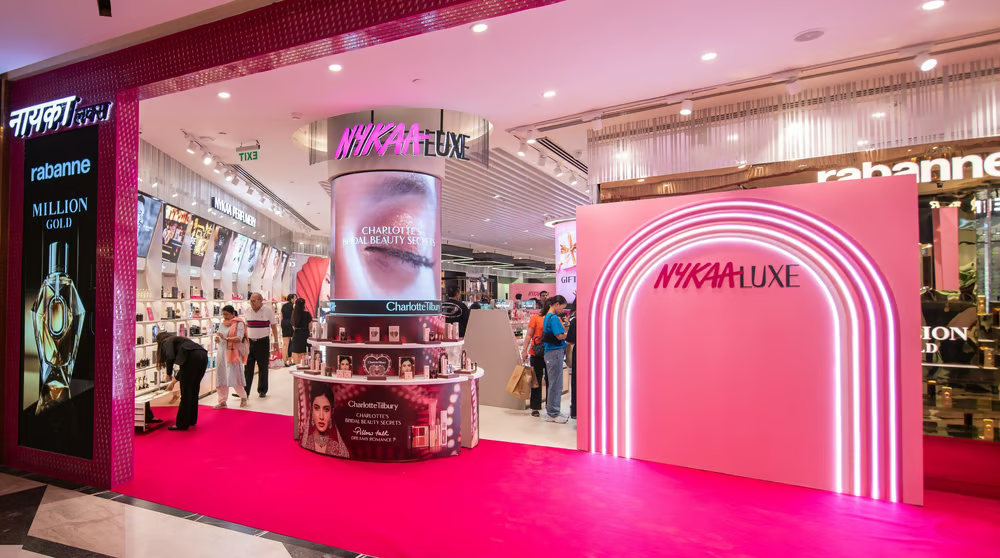
    Zee Entertainment, an entertainment company based in India, has initiated a lawsuit against Nykaa, a fashion and beauty retailer. The entertainment company has accused Nykaa of using its copyrighted songs in promotional reels on Instagram, without the necessary permissions. As a result, Zee Entertainment is seeking $210,000 in damages.

    Zee’s Licensing Agreement with Meta Platforms

    According to the lawsuit filed with the Delhi High Court on April 3, Zee Entertainment holds a licensing agreement with Meta Platforms. This agreement permits individuals to use Zee’s music for non-commercial purposes in their Instagram posts. However, Zee alleges that Nykaa has violated this agreement by using various copyrighted songs to advertise products to its millions of followers on Instagram.

    The lawsuit in question is not available to the public. Both Nykaa and Zee Entertainment have refrained from commenting on the issue.

    Social media platforms such as Instagram, a Meta product, have seen a surge in their use for advertising purposes. Brands now frequently employ short-video formats, often accompanied by popular music, to promote their goods.

    Removal of Flagged Links

    The lawsuit filed by Zee Entertainment cites 12 specific Instagram posts where Nykaa allegedly used Zee’s licensed music unlawfully. Following a brief hearing on Thursday, Nykaa’s legal representative informed the court that the 12 flagged links had been removed.

    Zee’s lawsuit, which spans over 900 pages, asserts that Nykaa utilized the music “without procuring any permissions or authorizations” from the entertainment company. The lawsuit advances a claim for 20 million rupees (approximately $209,742) as compensation for Nykaa’s illicit use of Zee’s music.

    The legal dispute between these two major companies could potentially have broader consequences. Aditya Gupta, a partner at Ira Law in India, suggests that “Marketing departments often use content available on music libraries without reading the fine print of the Instagram terms” and that the court’s decision could “provide much-needed clarity.”

    Questions & Answers

    What is the basis of Zee Entertainment’s lawsuit against Nykaa?
    Zee Entertainment alleges that Nykaa has used its copyrighted music in promotional Instagram reels without the necessary permissions, thereby violating Zee’s licensing agreement with Meta Platforms.

    What action has Nykaa taken in response to the lawsuit?
    Nykaa has removed the 12 specific Instagram posts flagged in Zee’s lawsuit, as reported by their legal representative in court.

    What are the potential implications of this case?
    The case could have wider consequences, potentially affecting the way marketing departments utilize content from music libraries. The decision could also provide clarity regarding the use of such content under Instagram’s terms.

  • Lanvin Takes Strides Towards Stability in Q2 Despite Falling Sales: The Power of Restructuring Examined

    Lanvin Takes Strides Towards Stability in Q2 Despite Falling Sales: The Power of Restructuring Examined

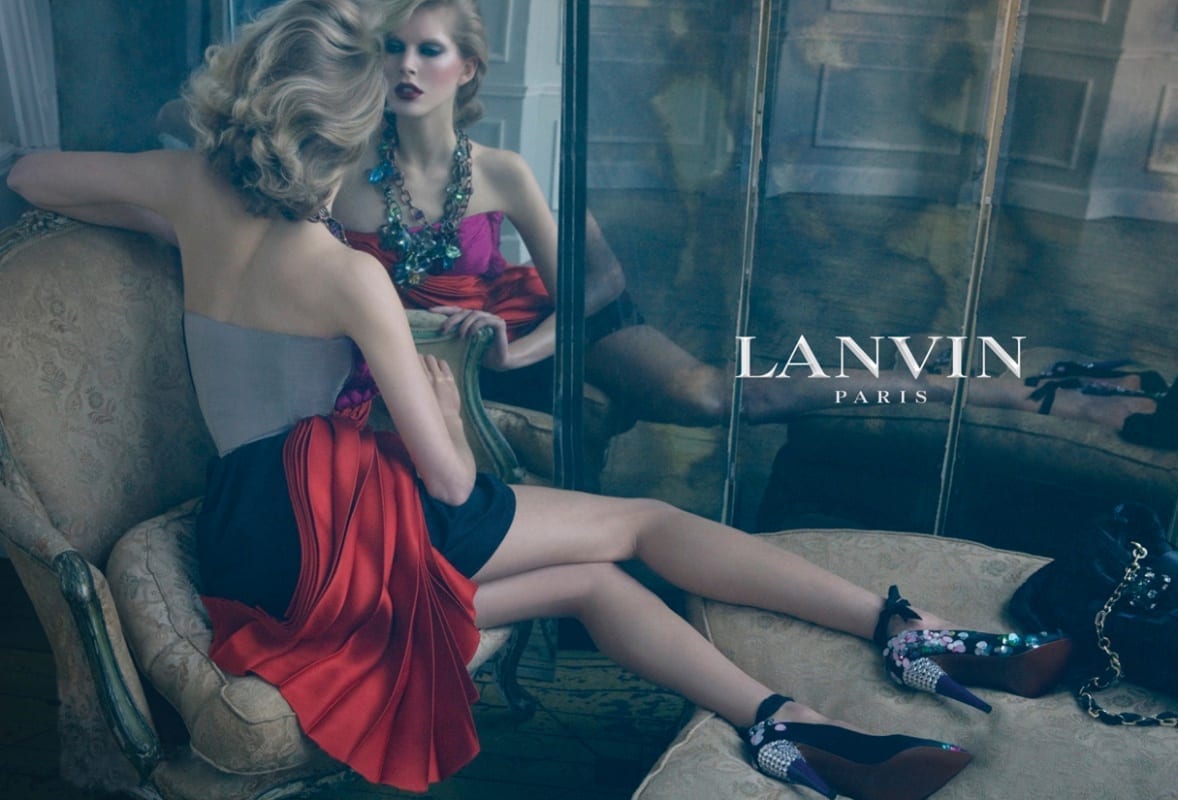
    In the words of Zhen Huang, Chairman, Lanvin experienced a steadier second half following a tumultuous year where restructuring efforts started to show promise. Sales for the brand itself, however, observed a downturn of nearly a third.

    The Current Economic Climate and Restructuring Efforts

    Huang explained that despite the tough macroeconomic environment, the company continued to simplify its operations and bolster the long-term position of its brands.

    The luxury conglomerate, a parent to brands like Lanvin, Wolford, Sergio Rossi, and St John, clocked in a full-year revenue of US$281 million, witnessing an 18% dip compared to the previous year.

    This decrease in revenue mirrored a weakened demand in key markets, including EMEA and Greater China. This was also a result of ongoing plans such as shutting down stores and undertaking renovations.

    The gross profit stood at $164 million, yielding a margin of 58%. Meanwhile, the adjusted EBITDA (earnings before interest, taxes, depreciation, and amortisation) loss slightly reduced to $105.5 million.

    Performance of Individual Brands

    Among all the brands under the group’s umbrella, Lanvin saw the most significant decline with a 30% drop in revenue, which amounted to $68 million.

    Wolford followed suite with a 14% dip in revenue, amounting to $89.1 million. However, the company noticed an uptick in performance in the second half of the year, backed by a robust product inventory and a 19% surge in wholesale revenue.

    Sergio Rossi also experienced a decline in revenue by 30%, bringing it down to $35.2 million.

    Contrarily, St John demonstrated resilience as its revenue experienced a minor 1% drop, amounting to $91.5 million. The brand saw growth in the North American region and an increase in wholesale and e-commerce sales.

    Huang expressed optimism regarding the upward momentum observed in the second half of the year and remained hopeful about the group’s ability to yield sustainable growth over time.

    Questions & Answers

    What was the full-year revenue of the luxury group?
    The group reported a full-year revenue of US$281 million.

    Which brand under the group’s umbrella recorded the sharpest decline in revenue?
    Lanvin recorded the sharpest decline in revenue with a 30% fall.

    Which brand proved to be more resilient and saw growth?
    St John demonstrated resilience by maintaining its revenue with only a 1% drop and experiencing growth in North America with stronger wholesale and e-commerce sales.

  • Balenciaga Unveils First Duplex Flagship Store in Hong Kong: A New Level of Luxury at K11 Musea

    Balenciaga Unveils First Duplex Flagship Store in Hong Kong: A New Level of Luxury at K11 Musea

    Balenciaga, the luxury fashion brand, has launched its first ever two-level flagship store at K11 Musea, located in the bustling Tsim Sha Tsui district of Hong Kong.

    Details of the New Store

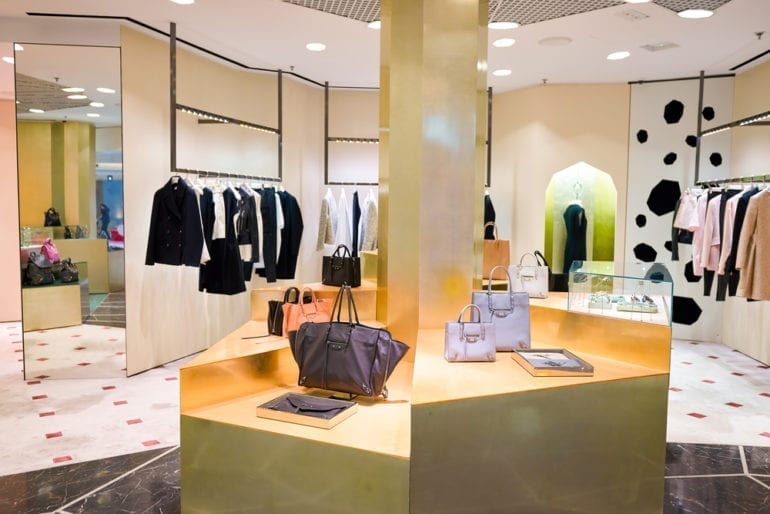
    Occupying a generous 461 square meters of retail space spread over two levels, the store offers a vantage point over Salisbury Road. The interior design cleverly juxtaposes industrial materials with high-end luxury finishes, a design concept that the brand refers to as its ‘Raw Architecture’ aesthetic.

    The store’s extensive inventory includes both men’s and women’s ready-to-wear collections, footwear, bags, accessories, jewelry, and eyewear. It also features products exclusive to this store.

    Innovative Features

    In addition, the new flagship store includes an exclusive area for Very Important Clients, designed for private appointments. This is a first for Balenciaga in Hong Kong. The design of this area takes inspiration from the fitting rooms of Balenciaga’s Paris Couture Store.

    Part of a Wider Luxury Brand Upgrade

    This launch comes as part of a larger luxury brand upgrade program at K11 Musea. In recent times, the retail complex has seen significant store upgrades from other high-end brands including Audemars Piguet, Van Cleef & Arpels, and Dior Beauty.

    Furthermore, K11 Musea has recently become home to the Delvaux Hong Kong flagship store and the largest Tory Burch store in the city, as part of its ongoing efforts to enhance its luxury brand portfolio.

    Questions & Answers

    What is unique about the new Balenciaga store in Hong Kong?
    The new store is Balenciaga’s first two-level flagship store in Hong Kong. It also introduces a private appointment area for Very Important Clients, a first for Balenciaga in the city.

    What is the ‘Raw Architecture’ aesthetic?
    ‘Raw Architecture’ refers to Balenciaga’s signature design style that combines industrial materials with high-end luxury finishes.

    What is the significance of the store’s location at K11 Musea?
    The store’s location at K11 Musea is significant as the retail complex is currently undergoing a luxury brand upgrade program. The complex is home to a number of high-end brands and is actively enhancing its luxury brand portfolio.

  • Vivaia Amplifies US Expansion with Offline Stores, Catering Sustainable Luxury Footwear to New Markets

    Vivaia Amplifies US Expansion with Offline Stores, Catering Sustainable Luxury Footwear to New Markets

    Vivaia, a footwear brand originating from China, is extending its footprint in the United States with the launch of two new retail locations, highlighting the company’s ongoing commitment to increasing its physical availability globally.

    The first location was recently inaugurated at the Roosevelt Field Mall in Long Island, while the second store is scheduled to commence operations in late May at the Garden State Plaza in New Jersey.

    The Long Island outlet, encompassing 650 square feet, is architecturally fashioned after the ‘wabi-sabi’ principles. An inherent Japanese philosophy, wabi-sabi underscores minimalistic and pared-down aesthetics. The store boasts an ambiance marked by light wood finishes and soothing illumination, aimed at facilitating a serene shopping experience for the customers.

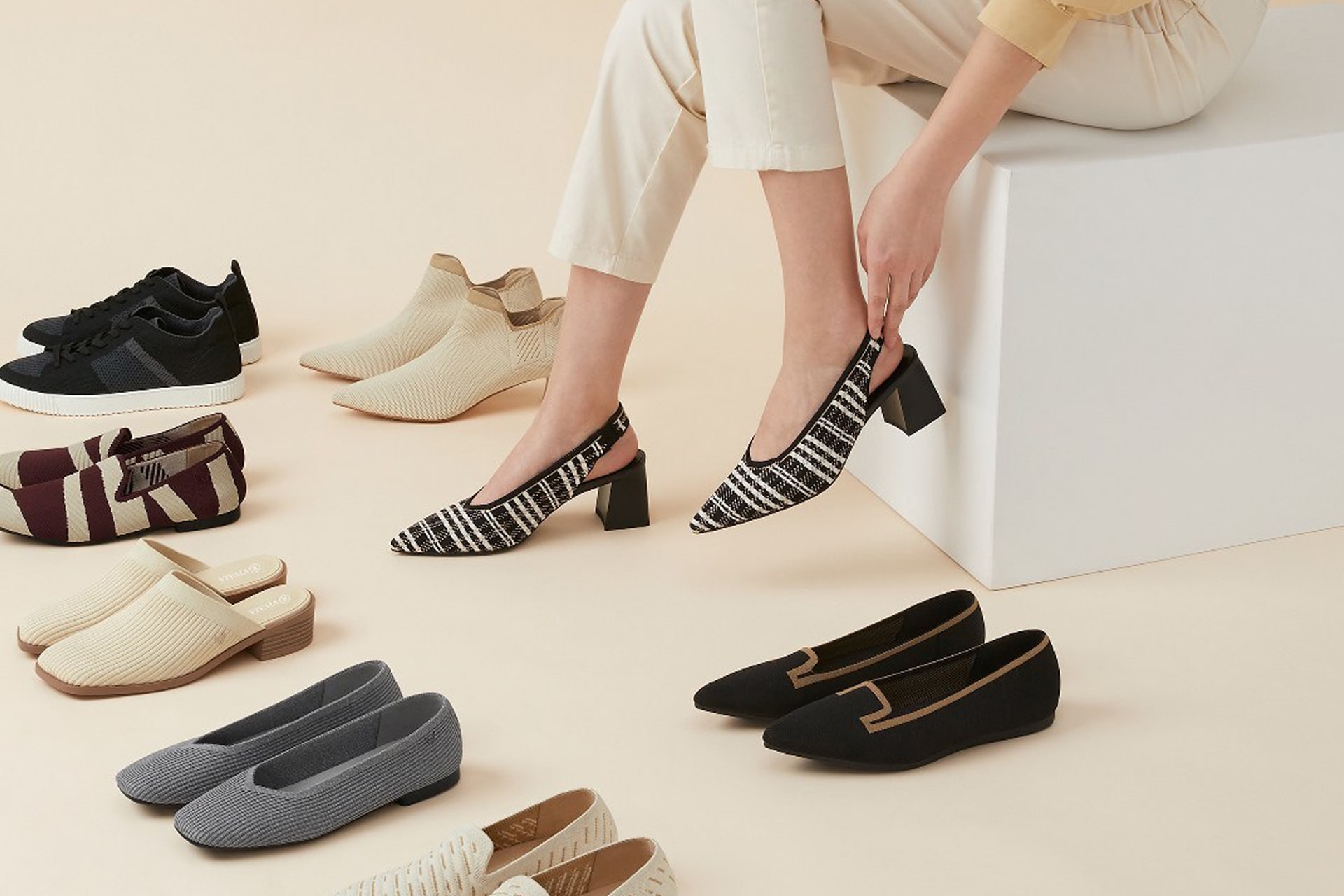
    Each store will showcase a handpicked assortment of Vivaia’s footwear offerings. The product line-up includes the Margot Mary Jane, Healing Garden Slingback Heels, and the Satin Sneakerina.

    Jeff Chan, Vivaia’s Co-founder, shared his insights on the brand’s US expansion strategy. He said, “Given that the United States constitutes our principal market and fuels our online growth, branching out beyond New York was a logical progression for us.” He added, “By synergising our robust digital presence with tangible retail outlets, we can better cater to our customers and make our comfort-centric, environmentally-friendly merchandise more accessible to them.”

    Established in 2020, Vivaia has garnered recognition for its footwear that seamlessly melds comfort and sustainability. The brand employs recycled materials in its manufacturing process, such as yarns derived from PET bottles, and leverages 3D knitting technology to minimise waste.

    Questions & Answers

    What is Vivaia’s expansion plan in the US?
    Vivaia plans to increase its US presence by opening two new retail outlets. The first store has already opened in Long Island’s Roosevelt Field Mall, and the second one is set to launch in late May at the Garden State Plaza in New Jersey.

    What are the principles behind the design of Vivaia’s Long Island store?
    The Long Island store is designed following ‘wabi-sabi’ principles, a Japanese philosophy that embraces minimalism and simplicity. The store is characterized by light wood finishes and soft lighting to provide a tranquil shopping experience.

    What is unique about Vivaia’s product offerings?
    Vivaia is known for its comfort-based and sustainably produced footwear. The brand uses recycled materials, including yarns made from PET bottles, along with 3D knitting technology to decrease waste.

  • End of an Era: Iconic Isetan Department Store Shuts Down 15-Year-Old Singapore Outlet

    End of an Era: Iconic Isetan Department Store Shuts Down 15-Year-Old Singapore Outlet

    The renowned Japanese department store, Isetan, recently ceased operations at its NEX shopping mall location in Singapore. The store, which had been in operation for 15 years, sold a wide range of items, including home goods, fashion, and beauty products. The closure came on April 26, following the expiration of the store’s lease.

    A Fond Farewell

    Isetan made the announcement of the closure via a Facebook post, expressing heartfelt gratitude to all its loyal customers and stakeholders who had supported the store for the past 15 years. A touching video shared online showed employees bidding their final goodbyes to customers on the store’s last operational day.

    A large crowd of shoppers gathered at the store’s entrance, where the store manager gave a farewell speech. In it, he showed appreciation for the customers’ unwavering support and kindness throughout the years. “Today is our last day of business,” he declared, adding warm wishes of health and happiness to the store’s patrons.

    Isetan’s Journey in Singapore

    Since its initial footprint in Singapore in 1972, Isetan has become a household name in the city-state. The opening of its Havelock outlet marked the arrival of the first Japanese department store in Singapore.

    At its height in 2013, Isetan operated six outlets across the country. However, the firm has had to close several stores in recent years. The most recent closures, prior to the NEX location, were the Tampines Mall store in November, after 30 years of operation, the Isetan Katong at the Parkway Parade shopping center in March 2022, and the Isetan Jurong at the Westgate Mall in March 2020.

    Looking Ahead

    The reasons behind the closures include a careful evaluation of local conditions and the consideration of future profitability. As Isetan continues to adapt to changing market conditions, its future strategies, operations, and presence in Singapore will undoubtedly be keenly watched.

    Questions & Answers

    Why did Isetan close its NEX outlet?
    The Japanese department store Isetan closed its NEX outlet due to the expiration of its lease on April 26.

    How long has Isetan been operating in Singapore?
    Isetan has been present in Singapore since 1972, when its Havelock outlet launched as the first Japanese department store in the city-state.

    How many stores did Isetan operate at its peak?
    Isetan operated six outlets across Singapore at its peak in 2013.

  • Prada Embraces Indian Craftsmanship: Launches Authentic Kolhapuri Sandals to Mend Cultural Appropriation Rift

    Prada Embraces Indian Craftsmanship: Launches Authentic Kolhapuri Sandals to Mend Cultural Appropriation Rift

    Prada, the renowned Italian luxury brand, is set to debut a limited-edition collection of sandals crafted in India, bearing a keen resemblance to the traditional Indian Kolhapuri footwear. This initiative comes just months after the brand had to face a wave of criticism for showcasing similar designs without giving due credit to their Indian origins.

    Price Point & Controversy

    These exclusive pairs, each having a price tag of approximately 750 euros (US$881), are set to make a grand entrance into the luxury fashion platform. This initiative has its roots in a controversy that stirred up in June 2025. Prada was under fire for presenting sandals at a Milan fashion show which greatly resembled the traditional Indian Kolhapuri chappals. This led to an uproar among Indian artisans and political figures, who claimed this to be a case of cultural appropriation.

    In response, Prada acknowledged the inspiration drawn from the timeless Indian styles and disclosed that it had initiated discussions with artisan groups for potential collaboration.

    Production & Distribution

    In December, Prada revealed its plans to manufacture a total of 2000 pairs of these Indian-inspired sandals. This production will take place in the Indian states of Maharashtra and Karnataka, as part of agreements with two state-endorsed organizations. This collaboration aims to blend localized craftsmanship with innovative Italian technology.

    The brand announced that these sandals will be available for purchase in 40 carefully chosen Prada outlets around the globe, as well as online.

    Artisan Training Programme

    Moreover, Prada has initiated a three-year training programme specifically designed for artisans hailing from the eight districts in India traditionally associated with the crafting of Kolhapuri sandals. This programme, divided into six-month structured modules, will be delivered by two esteemed Indian design institutes. The objective is to enhance the skills of 180 artisans, with the first batch starting next month.

    In a statement, Tanu Kashyap, the director general at the National Institute of Fashion Technology, expressed her enthusiasm for the initiative, stating, “It is time that Indian traditional crafts take their rightful place on the world stage”.

    Additionally, these artisans will be given a chance to visit the Prada Group Academy in Italy to enhance their technical prowess further.

    Questions & Answers

    What was the controversy Prada faced in June 2025?
    Prada faced backlash for showcasing sandals at a Milan fashion show that resembled traditional Indian Kolhapuri chappals, without acknowledging their cultural origin.

    How is Prada merging traditional Indian craftsmanship with Italian technology?
    Prada plans to manufacture 2000 pairs of sandals in Maharashtra and Karnataka in India, in collaboration with local artisans and under agreements with two state-backed organizations.

    What is the three-year training programme initiated by Prada?
    Prada has kicked off a three-year training programme for artisans from eight districts in India traditionally associated with Kolhapuri sandal-making. Delivered by two leading Indian design institutes, the programme aims to enhance the skills of 180 artisans.