Category: Fashion

Retail News Asia is committed to providing both local and global retailers with the latest Fashion news throughout the Asian market. This on a daily base.

  • Uniqlo’s Parent Company Fast Retailing on Path to Historic Earnings amid Global Expansion and Resilience to Middle East Crisis

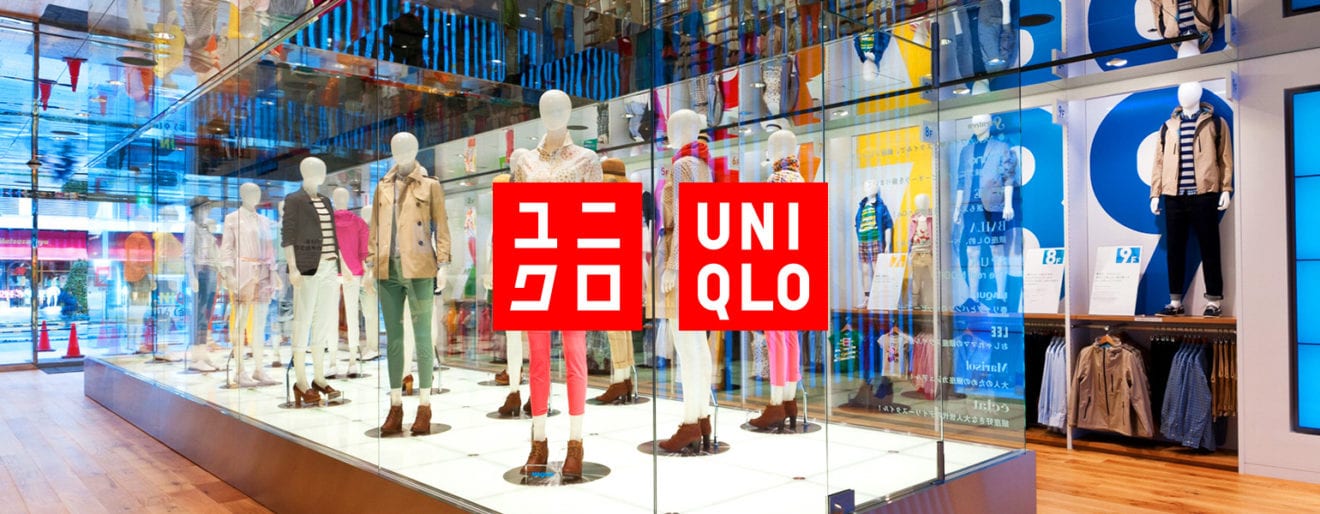
    Uniqlo’s Parent Company Fast Retailing on Path to Historic Earnings amid Global Expansion and Resilience to Middle East Crisis

    Fast Retailing, the Japanese firm which owns the Uniqlo brand, has upgraded its yearly forecast, anticipating another year of record-breaking profits driven by strong international expansion. The company reported a 29.4% increase in operating profits during the quarter ending in February, reaching 189.8 billion yen (approximately US$1.19 billion) from last year’s 146.7 billion yen.

    This robust growth in earnings surpassed the 161.6 billion yen average estimate drawn from seven analysts. Consequently, Fast Retailing raised its full-year operating profit forecast from 650 billion yen to 700 billion yen, setting the stage for the fifth consecutive year of record earnings.

    Projected Stability Amidst Global Tensions

    In its statement, the company indicated it doesn’t foresee any significant repercussions from the ongoing Middle East crisis affecting its production and logistics for the fiscal year 2026. The conclusion of the company’s second financial quarter occurred just before the commencement of the US-Israeli air strikes against Iran. This conflict has led to an escalation in oil prices and disrupted supply chains, creating an atmosphere of uncertainty in the markets around the feasibility of a permanent peace agreement.

    The main concern for Fast Retailing is how the crisis in Iran could impact the production costs for Uniqlo, a retailer known for affordable basic clothing, many of which are made of polyester.

    Despite a 0.5% drop in Fast Retailing’s shares on the Tokyo Stock Exchange ahead of the results, the company’s shares have risen by over 18% so far in 2026. Teijin Frontier, a supplier to the company based in Japan, recently announced a 20% increase in polyester fibre prices due to the hike in oil prices.

    Retail Industry’s Concerns

    European retailers, including clothing behemoth H&M and British supermarket chain Co-op, have voiced concerns that a protracted Middle East conflict could push prices upward and hamper consumer demand. Fast Retailing’s CFO, Takeshi Okazaki, stated that the crisis has already complicated air freight from production bases in Southeast Asia to Europe.

    Fast Retailing is regarded as a barometer for consumer spending in Japan and mainland China, where it operates nearly 900 stores. From humble beginnings in 1984 with one store in Hiroshima, Uniqlo has expanded to over 2,500 locations worldwide, with a particularly aggressive growth strategy in Europe and North America.

    The company’s North American and European segments have reported an annual sales growth of 30% – 50% since fiscal 2022. The company expects annual revenue from these regions to reach 3 trillion yen each over the medium term, a significant increase from this fiscal year’s 300 billion yen and 500 billion yen, respectively.

    Challenges and Reforms

    While the weak yen has generated a tourism boom that has bolstered Fast Retailing’s Japanese sales, growth in China has decelerated due to weak consumer sentiment, leading to store closures and restructuring. Okazaki commented on the situation in China, stating, “We’re pushing forward with structural reforms … I think it’s fair to interpret that the results are now beginning to show in our performance.”

    The company’s Asia-based supply chain faced pressure last year from the US’s frequently changing tariffs, and it now confronts the added challenge of increased costs due to the Middle East conflict. Tadashi Yanai, Fast Retailing’s founder, Japan’s wealthiest individual, and an outspoken critic of the risks posed by tariffs, has an ambitious goal to make his company the world’s top clothing brand.

    Questions & Answers

    How has the Middle East crisis impacted Uniqlo?
    The crisis has the potential to increase production costs for Uniqlo, especially as many of its products are made with polyester, the price of which is likely to rise due to increased oil prices. The situation has also complicated air freight from production bases in Southeast Asia to Europe.

    What is Fast Retailing’s future growth strategy?
    Fast Retailing is pursuing aggressive growth in Europe and North America, expecting these regions to generate annual revenues of 3 trillion yen each over the medium term.

    How has consumer sentiment in China affected Fast Retailing?
    The weak consumer sentiment in China has slowed growth, leading to store closures and restructuring. However, the company is pushing forward with structural reforms, the results of which are beginning to show in their performance.
  • French Chic Meets Thai Style: Maje Unveils First Concept Store in Bangkok’s IconSiam

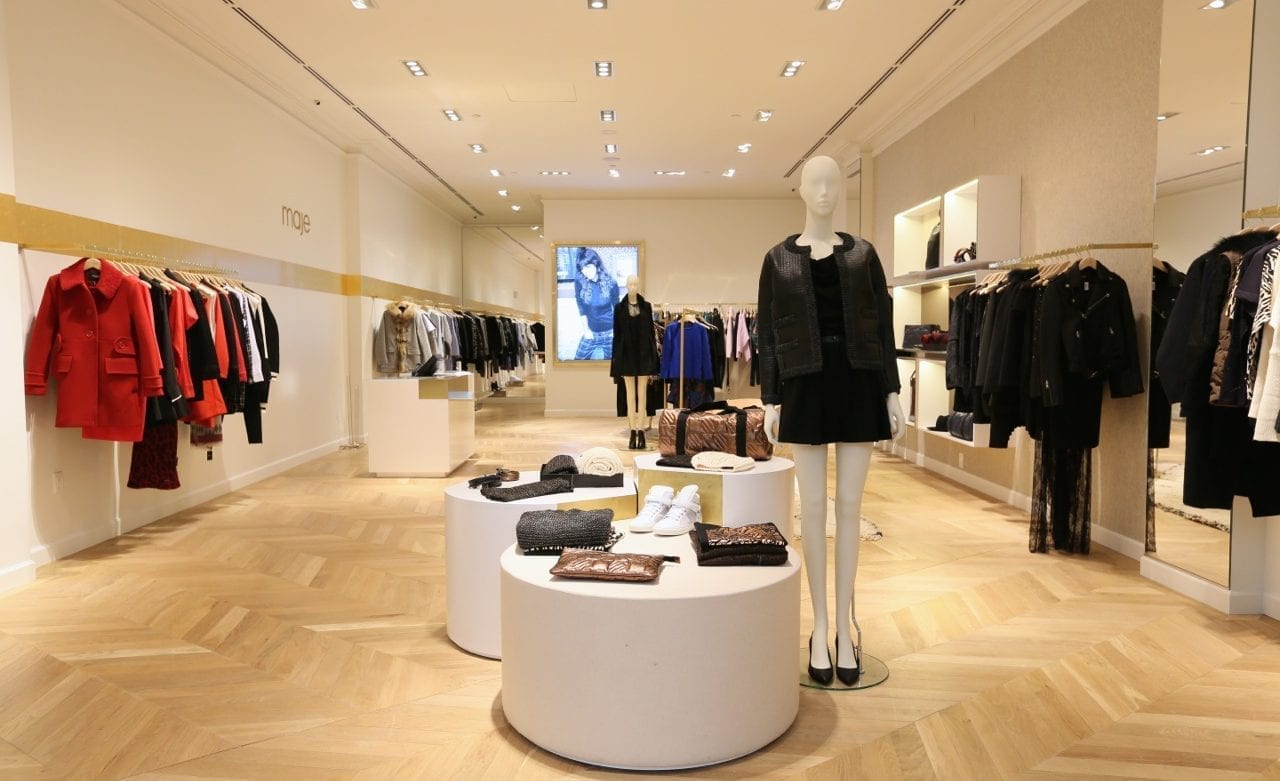
    French Chic Meets Thai Style: Maje Unveils First Concept Store in Bangkok’s IconSiam

    The French fashion label Maje has unveiled its inaugural concept store in Thailand. The new establishment is situated in Siam Takashimaya, part of the renowned Bangkok shopping complex, IconSiam.

    New Store, New Design Concept

    Positioned on the M Floor of Takashimaya, the shop introduces a rejuvenated design idea that marries Parisian chic with a contemporary, feminine sensibility. The store’s layout was crafted in collaboration with designer Valeriane Lazard, who sought inspiration from the Mediterranean’s unique aesthetic, focusing on natural materials and light.

    Visitors are welcomed with a dark-glazed facade, which leads into a more luminous interior space. The finishing touches include pink terracotta floor tiles from Raujolles, hammered wrought-iron racks, ceramic display stands crafted in Portugal, and a centrally located curved sofa.

    The store utilises materials like wood, wicker, and lime-coated walls consistently throughout its design, along with textured glass shelves and mirrors that subtly alter their appearance under different lighting conditions throughout the day.

    Spring/Summer 2026 Collection

    In addition to its stylish interior, the boutique showcases Maje’s Spring/Summer 2026 range, which draws heavily from the maritime theme. The collection fuses practical elements such as hoods and workwear inspirations with more prep-oriented details. It also features loose silhouettes, lightweight materials, culottes, and designs that are reminiscent of sails.

    Questions & Answers

    What is the design inspiration behind Maje’s new store in Thailand?
    The design concept for Maje’s new store combines Parisian style with a modern, feminine approach. It was created in collaboration with designer Valeriane Lazard, who drew inspiration from the Mediterranean, emphasising the use of natural materials and light.

    What kind of materials and elements are used in the interior of the new Maje store?
    The store uses natural materials like wood, wicker, and lime-coated walls. Other design elements include pink terracotta floor tiles, hammered wrought-iron racks, ceramic display stands from Portugal, and a curved sofa situated in the store’s centre.

    What are some key features of Maje’s Spring/Summer 2026 collection?
    The Spring/Summer 2026 collection is centred around a maritime theme. It combines practical elements like hoods and workwear inspirations with preppy touches. The range also features loose silhouettes, lightweight fabrics, culottes, and sail-inspired shapes.

  • Omani Luxury Perfumer, Amouage, Unveils First Indian Boutique at Mall of Asia, Bangalore

    Omani Luxury Perfumer, Amouage, Unveils First Indian Boutique at Mall of Asia, Bangalore

    Amouage, a renowned perfume retailer originating from Oman, has made its first foray into the Indian market with a boutique outlet in the Mall of Asia located in Bangalore.

    Amouage’s Global Presence

    Founded in 1983, Amouage has significantly expanded its global footprint, boasting 25 boutiques worldwide following its retail expansion in 2025. The illustrious brand was established by Prince Sayyid Hamad bin Hamoud Al Busaidi as per the request of the Sultan at the time.

    The Petite Boutique Concept

    The petite boutique concept adopted by the company serves as a tangible manifestation of the retailer’s homeland. The boutique’s aesthetics draw inspiration from the natural landscapes and architectural principles of Oman. Sandstone textures reminiscent of the desert terrain, fluted concrete resembling the flow of dunes, and polished travertine symbolizing the geometric discipline inherent in Omani design collectively compose the unique ambiance of the store.

    The boutique also proudly showcases the Amouage logo in the Kannada script, which is the primary language of Bangalore, boasting a rich literary history of over 1500 years.

    Amouage’s Petite Boutique Locations

    The opening of the Bangalore outlet marks the addition of the fourth petite boutique to the Amouage portfolio, joining existing locations in Kuala Lumpur, London, and Muscat. In order to facilitate the successful launch of the Bangalore site, Amouage collaborated with LuxAsia, a distribution platform.

    Questions & Answers

    When was Amouage founded and by whom?
    Amouage was founded in 1983 by Prince Sayyid Hamad bin Hamoud Al Busaidi at the Sultan’s behest.

    What is the significance of the ‘petite boutique’ format adopted by Amouage?
    The petite boutique format serves as a direct translation of Amouage’s home country, Oman. The design elements inside the store reflect different aspects of Omani culture and environment.

    What are the other locations of Amouage’s petite boutiques?
    Prior to the opening of the Bangalore outlet, Amouage’s petite boutiques were located in Kuala Lumpur, London, and Muscat.

  • EssilorLuxottica Expands Southeast Asia Presence with Strategic Stake in Thai Optical Powerhouse Top Charoen

    EssilorLuxottica Expands Southeast Asia Presence with Strategic Stake in Thai Optical Powerhouse Top Charoen

    Global eyewear conglomerate EssilorLuxottica has recently acquired a piece of the pie in Thailand’s optical market, Top Charoen. This move is part of EssilorLuxottica’s expansion plan in Southeast Asia, reinforcing its presence in one of the fastest-growing regions for the eyewear industry.

    Partnership At Its Best

    The financial particulars of the deal were kept under wraps. However, the fusion of the world’s leading eyewear group, EssilorLuxottica, with Top Charoen, one of the largest optical chains in Thailand boasting over 2000 stores nationwide, is noteworthy. This partnership is a result of a long-standing commercial relationship between the two companies. The acquisition strengthens this bond and provides EssilorLuxottica with a deep penetration into Thailand’s retail distribution, a strategic move as global eyewear companies increasingly focus on expanding in the rapidly growing Asian markets.

    Aiming High

    Francesco Milleri, the Chairman and CEO, and Paul du Saillant, Deputy CEO at EssilorLuxottica, commented on the partnership. They expressed that their collaboration with Top Charoen is set to bolster their existing dominance in one of Asia’s most significant countries. The partnership aims to elevate vision care standards and foster growth in the emerging wearable category across the region, they added.

    Moreover, the company leadership is committed to prioritizing their customers’ needs, providing high-quality, innovative vision care products and services. With their combined strengths, they plan to drive awareness and take measures to address the increasing visual health needs of Asia.

    A Brief About Top Charoen

    Established in 1947 in Saraburi, Top Charoen has flourished into a nationwide network operating under various banners. The company has an array of brands like Top Charoen, Luxoptic, Eye Class, Eye Bright, Eye Sport, Big C Optical, Robinson Optical, and Beautiful Optic. In addition to its physical stores, Top Charoen also has a strong e-commerce presence through its own platform and local marketplaces.

    Questions & Answers

    What is the significance of EssilorLuxottica’s stake in Top Charoen?
    This acquisition provides EssilorLuxottica a deep penetration into Thailand’s retail distribution, a strategic move as global eyewear companies increasingly focus on expanding in the rapidly growing Asian markets.

    How will this partnership benefit the eyewear industry in Asia?
    The collaboration aims to elevate vision care standards and foster growth in the emerging wearable category across the region.

    What are some of the brands under Top Charoen?
    Top Charoen operates under various banners such as Top Charoen, Luxoptic, Eye Class, Eye Bright, Eye Sport, Big C Optical, Robinson Optical, and Beautiful Optic.

  • New York Luxury Brand Tiffany & Co. Amplifies Presence in Thailand with Opulent IconSiam Store

    New York Luxury Brand Tiffany & Co. Amplifies Presence in Thailand with Opulent IconSiam Store

    Tiffany & Co, the renowned luxury jeweller from New York, has further extended its presence in Bangkok by inaugurating a new boutique in IconSiam. This marks the esteemed brand’s third establishment in the capital city of Thailand.

    A Distinctive Boutique

    The latest addition to Tiffany’s outlets stands out as the first in Southeast Asia to showcase a façade inspired by Favrile glass, a creation of Louis Comfort Tiffany. Mr. Tiffany, the company’s inaugural art director, developed this unique type of glass in the late nineteenth century.

    Boasting an area of 256 square meters, the boutique has been tastefully designed with plaster walls that are complemented by ceilings adorned with gold leaf. Complementing this opulent interior are customized furniture pieces replete with hand-woven upholstery.

    Exquisite Collections

    The recently opened boutique provides a dazzling showcase for a wide array of Tiffany’s collections. These include the HardWear, Knot, Lock, and T collections from Tiffany. Alongside these, the boutique displays an array of high jewellery pieces, engagement rings, and home accessories.

    All About Love

    A special space within the boutique, named ‘All About Love’, presents an enchanting display of engagement rings. The ivory and silver walls of this section, combined with a diamond-inspired display, create a mesmerizing backdrop for these symbols of commitment.

    Private Salon

    The boutique also houses a private salon, designed for those seeking a more intimate shopping experience. Decked with bespoke furniture and orchid-patterned wallpaper, the salon offers a tranquil escape from the bustling city outside.

    Continued Investment

    The opening of this boutique is indicative of Tiffany & Co’s ongoing commitment to investing in Thailand. This comes after the company’s establishment of previous boutiques in Bangkok.

    Operating over 300 stores worldwide, the company employs more than 14,000 individuals. Since its founding in 1837, Tiffany & Co has become globally recognized for its premium jewellery, watches, and luxury accessories.

    Questions & Answers

    What is unique about the new Tiffany & Co boutique in IconSiam, Bangkok?
    The boutique is the first in Southeast Asia to feature a façade inspired by Favrile glass, a creation of Tiffany’s first art director, Louis Comfort Tiffany.

    What collections can customers expect to find at the new Tiffany & Co boutique?
    Customers can explore a diverse range of collections, including the HardWear, Knot, Lock, and T collections from Tiffany, alongside high jewellery, engagement rings, and home accessories.

    What kind of shopping experience does the new Tiffany & Co boutique offer?
    The boutique offers a luxurious and intimate shopping experience, with a special section called ‘All About Love’ for engagement rings and a private salon for customers desiring a more private shopping environment.

  • Levi Strauss & Co Welcomes Anita Fung as New MD to Boost Greater China Operations

    Levi Strauss & Co Welcomes Anita Fung as New MD to Boost Greater China Operations

    Levi Strauss & Co. has announced that Anita Fung will take on the role of Managing Director for the Levi’s brand in Greater China. The region is a key strategic market for the company, and this appointment is an important step in their long-term growth plans.

    Leading Commercial Operations in Greater China

    In her new role, Fung will oversee commercial operations across all channels in the region. She will be directly reporting to Gianluca Flore, the Chief Commercial Officer at Levi Strauss & Co. This move is part of the company’s ongoing efforts to enhance its direct-to-consumer strategy.

    Expertise in the Fashion Industry

    Fung brings to the table an impressive 20 years of experience in the Asia-Pacific region. Her previous roles include notable senior positions at global luxury fashion brands Burberry and Alexander McQueen, both part of Kering. As a part of these roles, Fung was responsible for managing regional operations and played a crucial part in increasing the brands’ presence and performance.

    Confidence in the New Appointment

    “Anita’s role is crucial to our long-term growth ambitions in Greater China,” said Gianluca Flore. “I am confident in her ability to enhance our status as a leading lifestyle brand. She possesses a wealth of expertise in engaging with customers in this dynamic and fashion-forward market.”

    This appointment is a strategic move by Levi’s to strengthen its execution in Greater China, a market that is not only highly competitive but also integral to the global fashion industry’s growth.

    Earlier this year, the company also appointed Hiren Gor as Managing Director for the South Asia, Middle East, and Africa (SAMEA) region.

    Questions & Answers

    Why was Anita Fung appointed as the new Managing Director for Levi’s in Greater China?
    Anita Fung was appointed due to her extensive experience in the Asia-Pacific region and proven track record in senior roles at global luxury fashion brands.

    What are the responsibilities of Anita Fung in her new role at Levi’s?
    As the Managing Director for Levi’s in Greater China, Fung will oversee commercial operations across all channels in the region and report to the Chief Commercial Officer, Gianluca Flore.

    What is the significance of the Greater China market for Levi Strauss & Co.?
    Greater China holds strategic importance for Levi Strauss & Co. as it is central to global fashion growth. The company is working to strengthen its position in this highly competitive market as part of its long-term growth plans.

  • Freitag Bolsters Global Presence with Exclusive Dover Street Market Partnership: A New Era in Retail Strategy

    Freitag Bolsters Global Presence with Exclusive Dover Street Market Partnership: A New Era in Retail Strategy

    Swiss accessory brand, Freitag, is expanding its international retail presence through a multi-faceted partnership with Dover Street Market (DSM). The partnership will consist of both permanent and temporary retail establishments, as well as an exclusive product line.

    Expanding Retail Footprint

    The partnership will activate a recently established Freitag Space at Dover Street Market Ginza and a temporary setup at Dover Street Market London. Both of these retail spaces were introduced on March 28, alongside the launch of a three-item, DSM-exclusive product collection.

    Freitag has stated that this collaboration signifies a move towards a deeper integration within influential multi-brand environments, as opposed to singular retail expansion. Freitag’s product manager and project lead, Oliver Fischhaber, expressed that following their 2023 project with Comme des Garçons, further collaboration with the DSM team was the next logical step.

    An Unmatched Aura

    Fischhaber spoke highly of Dover Street Market, highlighting its unique atmosphere and its inspiration from various angles, cultures, and movements. He expressed admiration for DSM’s customers, describing them as possessing a finely-tuned eye and a profound sense of authenticity. These are qualities that resonate with Freitag and the consumers they aim to engage.

    Focusing on Japan

    The opening in Ginza comes at a time when brands are increasingly prioritizing Japan for retail expansion. This focus is driven by a blend of design-aware consumers and a robust desire for unique, concept-based products.

    Established in Zurich in 1993, Freitag currently manages 30 stores globally, with Japan hosting four of these locations.

    Questions & Answers

    What is the nature of Freitag’s partnership with Dover Street Market?
    The partnership will consist of both permanent and temporary retail establishments, as well as an exclusive product line.

    What does this collaboration signify for Freitag?
    This collaboration signifies Freitag’s move towards a deeper integration within influential multi-brand environments, as opposed to singular retail expansion.

    Why is Japan a focus for brands’ retail expansion?
    Japan is a focus for retail expansion due to its blend of design-aware consumers and a robust desire for unique, concept-based products.

  • Cotton On Group Dissolves Inactive Singapore Entity in Strategic Asian Restructuring Move

    Cotton On Group Dissolves Inactive Singapore Entity in Strategic Asian Restructuring Move

    The Australian fashion retail giant, Cotton On Group, has announced the shuttering of its regional division, Cotton On Asia. This decision comes in the wake of a resolution passed by shareholders that approved the winding up of the business and the appointment of liquidators.

    Despite the closure of this regional subsidiary, Cotton On Group has no intentions of withdrawing from the Asian market. Cotton On Australia’s main office has clarified that the liquidated entity was not responsible for operating any stores or hiring employees.

    “We have no plans to exit the Asia region,” a company representative stated.

    It was further explained that Cotton On Asia was an inactive holding company and its existence was no longer necessary. The closure will not affect customers, team members, stores, suppliers or operations within the Asian region in any way.

    Official documents from the Government Gazette reveal that the Singapore-based entity has entered a creditors’ voluntary liquidation. This action was a result of an extraordinary general meeting where members passed a special resolution under the Insolvency, Restructuring and Dissolution Act 2018.

    This move is reportedly part of a more extensive restructuring of the group’s corporate setup in Asia. Although the details have not been specified, it is generally believed that such actions are intended to streamline legal structures and enhance operational efficiency across different markets.

    Cotton On was first established in Singapore in 2007 and over the years have expanded its brand portfolio. The group now includes a variety of brands such as Cotton On, Cotton On Body, Cotton On Kids, Typo, and Rubi.

    The company was founded by Nigel Austin, who still maintains control over the business operations.

    Questions & Answers

    What is the reason behind Cotton On Group closing its regional division, Cotton On Asia?
    The closure is part of a broader restructuring strategy of the group’s corporate setup in Asia, aimed at streamlining legal structures and enhancing operational efficiency across different markets.

    Will the closure of Cotton On Asia affect the company’s operations in the region?
    No, the company has made it clear that the closure of this division will not impact customers, team members, stores, suppliers, or operations within the Asian region.

    Who founded Cotton On Group, and who currently oversees its operations?
    The Cotton On Group was founded by Nigel Austin, who continues to control the business operations.

  • Misto Holdings Amplifies K-fashion Revolution: 100+ Retail Outlets and New Brand Launches in Greater China on the Horizon

    Misto Holdings Amplifies K-fashion Revolution: 100+ Retail Outlets and New Brand Launches in Greater China on the Horizon

    Misto Holdings is set to broaden its reach in the Greater China region, bringing a multitude of Korean fashion brands to the rapidly growing market. The company’s portfolio consists of brands such as Matin Kim, Marithé+François Girbaud, Raive, and Rest & Recreation. It aims to manage over 100 retail units by mid-year.

    Misto Holdings reports that its brands have shown a substantial early rise. Mardi Mercredi, for example, saw its sales increase by 190 per cent in its second year, while Raive experienced a 200 per cent growth in its first year.

    In terms of digital presence, Misto Holdings oversees platforms like Tmall, Xiaohongshu, and Douyin. It uses a blend of in-house content, live-commerce studios, and influencer collaborations to interact with local consumers.

    Moreover, the company is re-evaluating its Greater China portfolio this year. It aims to diversify into men’s high-end contemporary, women’s casual, and athleisure categories. Commencing next year, the plan is to introduce approximately five new brands in the region.

    Misto Holdings emphasizes that its focus is on sustainable, long-term brand growth across both online and offline channels.

    “We are not just managing brands; we are long-term partners dedicated to building brand value across both online and offline touchpoints,” said a spokesperson for Misto Holdings. “Our focus remains on building sustainable brand equity across the Greater China region.”

    Earlier this month, Misto Holdings also announced a surge in fourth-quarter sales as the company restructured its US operations.

    Questions & Answers

    What is the expansion plan of Misto Holdings in the Greater China region?
    Misto Holdings plans to introduce multiple Korean fashion brands to the market and aims to manage over 100 retail units by the middle of this year.

    What digital platforms does Misto Holdings manage and how does it reach local consumers?
    Misto Holdings manages platforms like Tmall, Xiaohongshu, and Douyin. It reaches local consumers through a blend of in-house content, live-commerce studios, and influencer collaborations.

    What is the focus of Misto Holdings?
    The company is focused on sustainable, long-term brand growth across both online and offline channels. It aims to build brand value across both online and offline touchpoints in the Greater China region.

  • “Tiger Triumphs over Puma: Singapore Regulators Dismiss Trademark Dispute Over ‘Big Cat’ Logos”

    “Tiger Triumphs over Puma: Singapore Regulators Dismiss Trademark Dispute Over ‘Big Cat’ Logos”

    In a recent trademark dispute involving two sportswear brands, Puma and Sun Day Red by Tiger Woods, both known for their “big cat” logos, Singapore regulators have concluded that there is no risk of causing confusion among consumers. The controversy was brought to an end by the Intellectual Property Office of Singapore (Ipos).

    Trademark Dispute Settlement

    The dispute was sparked by Sun Day Red’s trademark application, which was met with opposition from Puma. The trademarks, both featuring “big cat” designs, were scrutinized following an application submitted by Sun Day Red on January 18, 2024. Puma declared its opposition to the application just 11 days later.

    According to Ipos, the onus was on Puma to prove the likelihood of confusion between the two marks. To successfully oppose the trademark application, Puma needed to show similarities in the design of the logos, as well as in the goods and services associated with each logo.

    Brand Backgrounds

    The brand Sun Day Red was founded in 2024, with golf legend Tiger Woods and TaylorMade Golf as its creators. The brand name was inspired by Woods’ tradition of wearing red during the final rounds of golf tournaments. Puma, however, has been a staple in Singapore since 2007, when it set up its Southeast Asia hub in the city-state.

    In its defense, Sun Day Red argued that the animals depicted in the competing trademarks were distinct, highlighting that its logo features a tiger, indicated by a stripe pattern, whereas Puma’s logo is based on the animal of the same name.

    Regulator’s Ruling

    Upon reviewing the evidence presented by both parties, Ipos determined that the competing marks had significant visual differences. “The competing marks differ in terms of composition, shape, features, and movement, and these differences influence the consumer’s overall impression of the marks,” Ipos stated.

    In relation to the potential confusion among consumers, Ipos clarified that, due to the visual dissimilarities and the level of attention typically given during the purchasing process, consumers were unlikely to mistake one brand for the other.

    Questions & Answers

    What was the basis of the trademark dispute between Puma and Sun Day Red?
    The dispute centered around the “big cat” logos used by both brands, with Puma opposing Sun Day Red’s trademark application.

    Which factors did Ipos consider in resolving the trademark dispute?
    Ipos evaluated the visual similarities between the logos, the goods and services associated with each logo, and the potential for consumer confusion.

    What were the final conclusions of Ipos regarding the trademark dispute?
    Ipos concluded that the logos were visually different and that consumers would not likely confuse one brand for the other due to these differences and the degree of attention involved in the purchasing process.

  • Gap Eyes China Expansion: Plans 50 New Stores, Hong Kong Comeback and Australia Re-Entry

    Gap Eyes China Expansion: Plans 50 New Stores, Hong Kong Comeback and Australia Re-Entry

    Gap, the prominent American clothing retailer, is said to be significantly expanding its footprint in Greater China. The company’s plans include opening 50 fresh storefronts throughout mainland China during the current year, as well as reestablishing its presence in Hong Kong.

    This expansion initiative follows in the wake of Gap’s first-ever quarterly break-even performance in China. This success has been credited to Baozun, the local operator who assumed control of the business in 2022. Under Baozun’s leadership, the company completed a comprehensive overhaul of its supply chains, merchandising, and digital channels.

    The forthcoming new stores are not confined to the established business hubs of Shanghai and Beijing. Indeed, locations span from tier-one cities to tier-three cities, broadening the brand’s geographical reach.

    Baozun has set a target of approximately 30% annual growth over the coming two years. The strategy for achieving this ambitious goal blends physical retail development with a fortified online presence.

    Vincent Qiu, the chairman and CEO of Baozun, has publically expressed the brand’s readiness to “accelerate the business and scale it to a bigger size” within the next three-year period.

    In addition to its expansion in Greater China, Gap is also gearing up to make a return to the Australian market. The company will do so through a collaborative partnership with Myer. Despite forming part of its wider international strategy, this Australian venture remains secondary to Gap’s primary focus on Greater China.

    Questions & Answers

    What plans does Gap have for expansion in Greater China?
    Gap plans to open 50 new stores across mainland China this year and re-enter the Hong Kong market.

    What is Baozun’s growth target for the next two years?
    Baozun aims to achieve around 30% annual growth over the next two years by combining physical retail expansion with a stronger online presence.

    Is Gap planning to re-enter any other markets?
    Yes, Gap is preparing to re-enter the Australian market through a partnership with Myer as part of its broader international strategy. However, this remains secondary to the company’s focus on Greater China.

  • H&M: Shrinking Store Network Hits Sales, But Profits Skyrocket Amid Optimized Portfolio

    H&M: Shrinking Store Network Hits Sales, But Profits Skyrocket Amid Optimized Portfolio

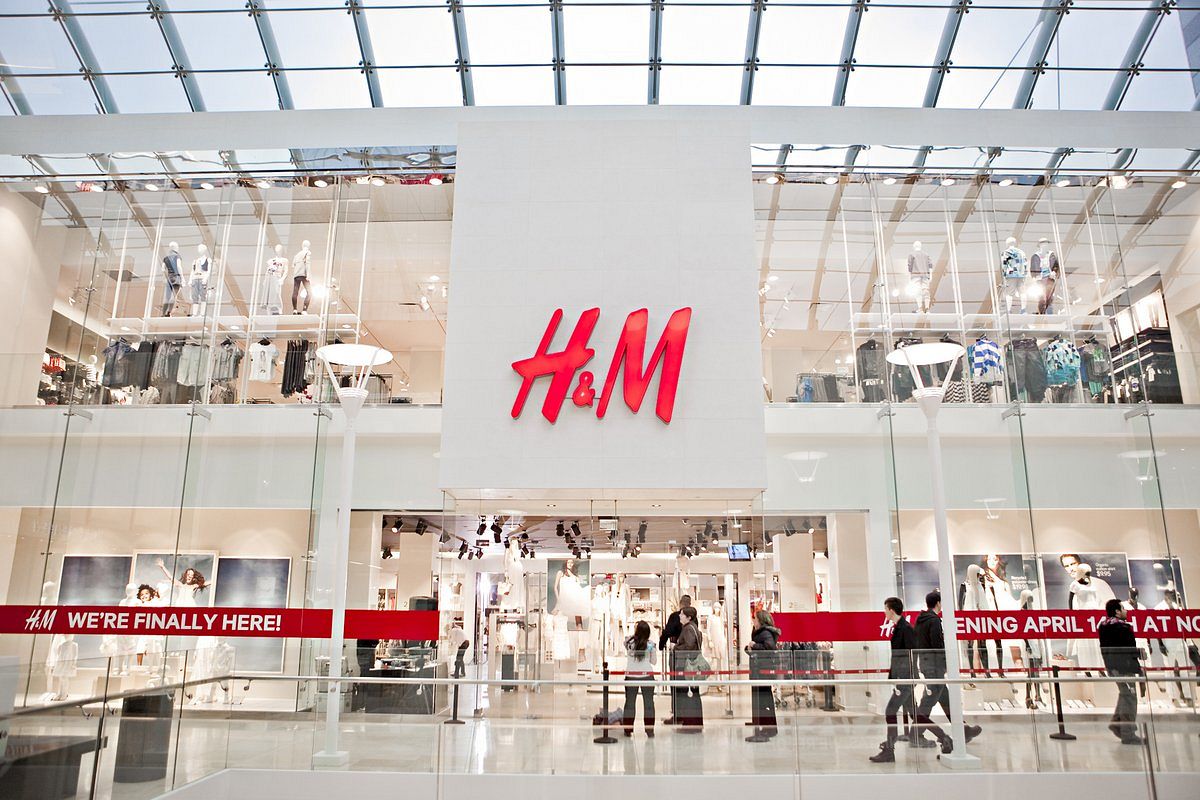
    In the first fiscal quarter, Swedish fashion powerhouse H&M witnessed a decrease in sales, corresponding with a reduction in the total number of store locations.

    Sales Performance

    By the end of the quarter, which concluded on February 28, net sales were reported to be SEK49.6 billion (US$5.2 billion)—a 1% year-on-year decrease in constant currency. The company saw a 4% reduction in stores, or 163 fewer outlets, compared with the same timeline last year. The global store count was noted to be 4050 as of February 28.

    H&M is undertaking steps to strengthen its long-term position and further enhance profitability through the optimization of its store portfolio. Actions include the renovation of existing stores, the opening of new outlets, and closure of others.

    However, reported net sales witnessed a 10% decrease, largely due to currency translation. The quarter began with a weak December, with a noticeable demand drop after November’s Black Friday trading. However, a positive sales trend emerged towards the end of the quarter, driven by the successful reception of the spring collections.

    Regional Sales Performance

    Sales in Asia, Oceania, Africa, and the Americas fell 3% when calculated in constant currency. In Western and Eastern Europe, sales were down by 1%, whereas Southern Europe saw a sales increase of 3%. Sales performance in the Nordics remained steady.

    Gross margin rose from 49.1% to 50.7% during the quarter. The operating profit saw a significant boost with an increase of 26%, amounting to SEK1.512 billion. Profit for the period also grew by 21.5% to SEK704 million. CEO Daniel Ervér attributed the strengthened profitability to good cost control and an improved gross margin, despite cautious consumption and large currency translation effects.

    Ervér also stressed the significance of flexibility in the current challenging macroeconomic environment, which is marked by increased geopolitical uncertainty.

    Future Expectations and Concerns

    H&M anticipates a 1% increase in sales in constant currency for March in the current quarter. The company is closely observing the developments in the Middle East, along with the potential implications on global trade. The Middle Eastern markets, which are managed through franchise partners, account for a minor portion of H&M’s sales.

    Questions & Answers

    What was the net sales value for H&M in the first fiscal quarter?
    The net sales value was SEK49.6 billion (US$5.2 billion).

    What changes are being undertaken within H&M’s store portfolio?
    Actions include updating existing stores, opening new ones, and closing some outlets.

    What is the anticipated sales increase for March in the current quarter?
    H&M expects a 1% increase in sales for March in the current quarter.

  • Human Made Expands Asian Footprint with Tokyo Mega-Store and Exciting Bangkok Debut

    Human Made Expands Asian Footprint with Tokyo Mega-Store and Exciting Bangkok Debut

    Japanese fashion label Human Made is increasing its presence in Asia with the impending launch of its most spacious flagship store in Tokyo, as well as its debut store in Thailand.

    Branching Out into Thailand

    Human Made is slated to introduce its first Thailand-based store in Bangkok on March 28, located in Central Embassy. This move marks the brand’s premiere entry into the Thai market.

    The Bangkok store will provide a fusion of fundamental merchandise and location-specific releases. Among the exclusive offerings include a collection embellished with an elephant graphic, a nod to the country’s national symbol, complemented by Muay Thai shorts and limited-edition items adorned with the brand’s iconic heart design.

    In addition to the retail aspect, the brand will also be extending its culinary venture by opening a new branch of Curry Up, a curry restaurant under the Human Made banner, adjacent to the store.

    Establishing a Larger Presence in Japan

    Simultaneously, back in its home country, Japan, Human Made is preparing to unveil Human Made Tokyo. This will be the brand’s most expansive flagship store, boasting a floor area of 59 square meters. The launch is set to take place in the Harajuku district around August to September of the current year.

    Questions & Answers

    Where will the largest Human Made flagship store be located?
    The largest Human Made flagship store will be located in Tokyo, specifically in the Harajuku district.

    What are some of the exclusive offerings that will be available at the Bangkok store?
    The Bangkok store will offer a collection featuring an elephant graphic, Muay Thai shorts, and limited-edition pieces incorporating the brand’s signature heart motif.

    What additional venture will Human Made be introducing in Bangkok alongside its retail store?
    Alongside its retail store in Bangkok, Human Made will be introducing a new branch of Curry Up, a curry restaurant operated by the brand.

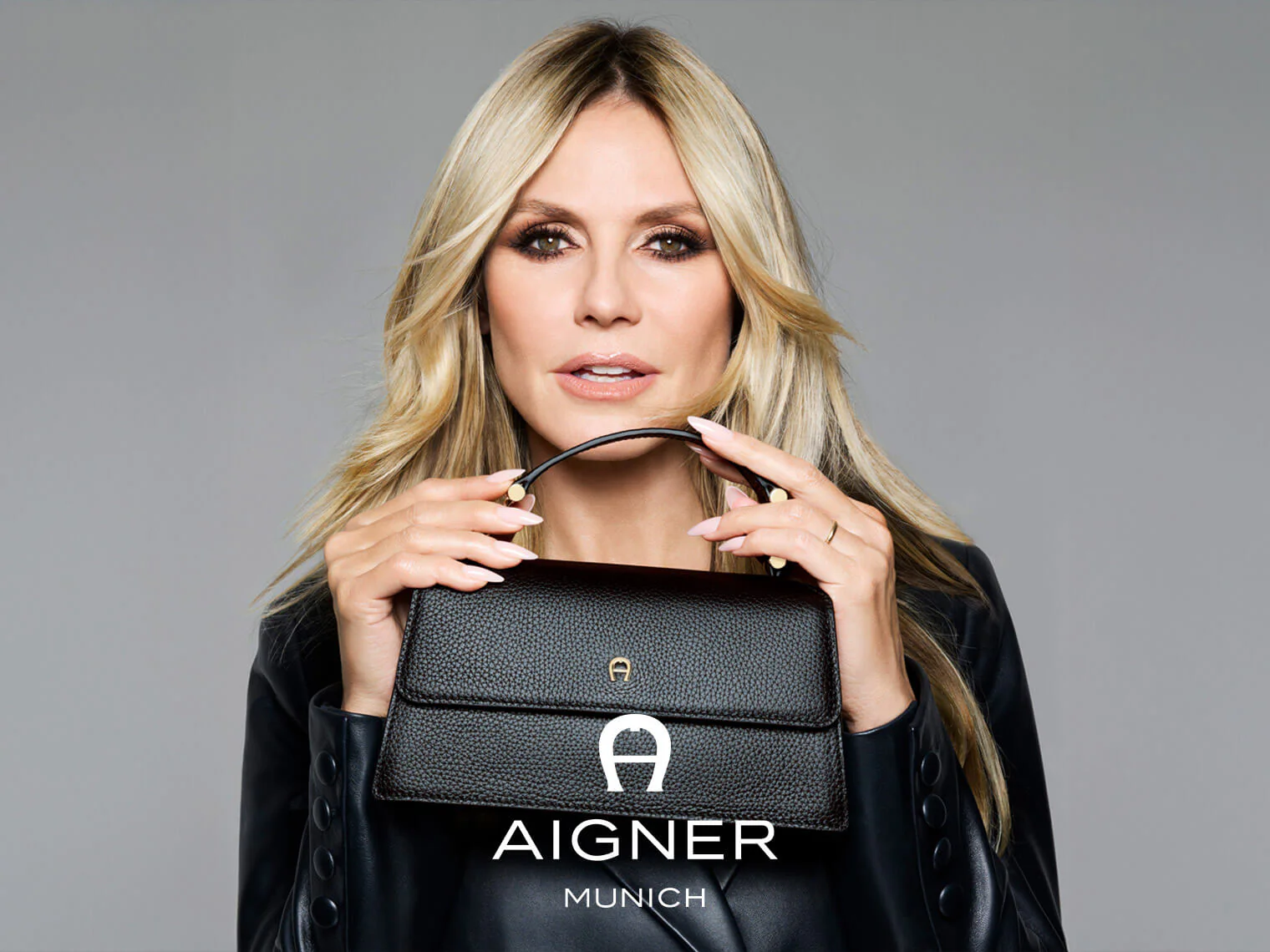
  • Aigner Teams Up with Melchers to Conquer China’s Luxury Market: Unveiling Flagship Store on Tmall

    Aigner Teams Up with Melchers to Conquer China’s Luxury Market: Unveiling Flagship Store on Tmall

    German luxury leather goods brand, Aigner, has entered into a collaboration with Melchers China to bolster its presence in mainland China.

    Partnership Details

    As per the arrangement, Melchers China will handle all facets of Aigner’s local retail and e-commerce ventures. The partnership will officially kick-off with the unveiling of Aigner’s flagship store on the Luxury Pavilion of Tmall, which is a part of the Alibaba Group’s luxury segment. This platform has evolved into a significant entry-point for international brands seeking to make inroads into the Chinese marketplace.

    In addition to this, the cooperation will concentrate on enhancing Aigner’s presence on notable platforms such as Xiaohongshu (also known as Little Red Book) and WeChat.

    Claus Toxvig, the CEO of Melchers China, expressed his enthusiasm about the partnership. He stated that the shared values of both organizations, such as Aigner’s heritage, artisanship, and timeless style, align seamlessly with Melchers’ brand building approach in China. Their collective goal is to lay a robust foundation for sustained success and foster meaningful relationships with the Chinese consumer base.

    About Aigner

    Established in Munich in 1965 by Etienne Aigner, the brand has scaled globally, showcasing its collections at Milan Fashion Week and establishing its presence across Europe, Asia, and the Middle East. Aigner places emphasis on durability and contemporary design.

    Questions & Answers

    What is the purpose of Aigner’s partnership with Melchers China?
    The partnership aims to boost Aigner’s local retail and e-commerce presence in mainland China.

    Where will the launch of this partnership take place?
    The partnership will be inaugurated with the launch of Aigner’s flagship store on Alibaba Group’s Tmall Luxury Pavilion.

    What values do Aigner and Melchers China share?
    Both companies value heritage, craftsmanship, timeless style, and a focused approach to brand-building in China.

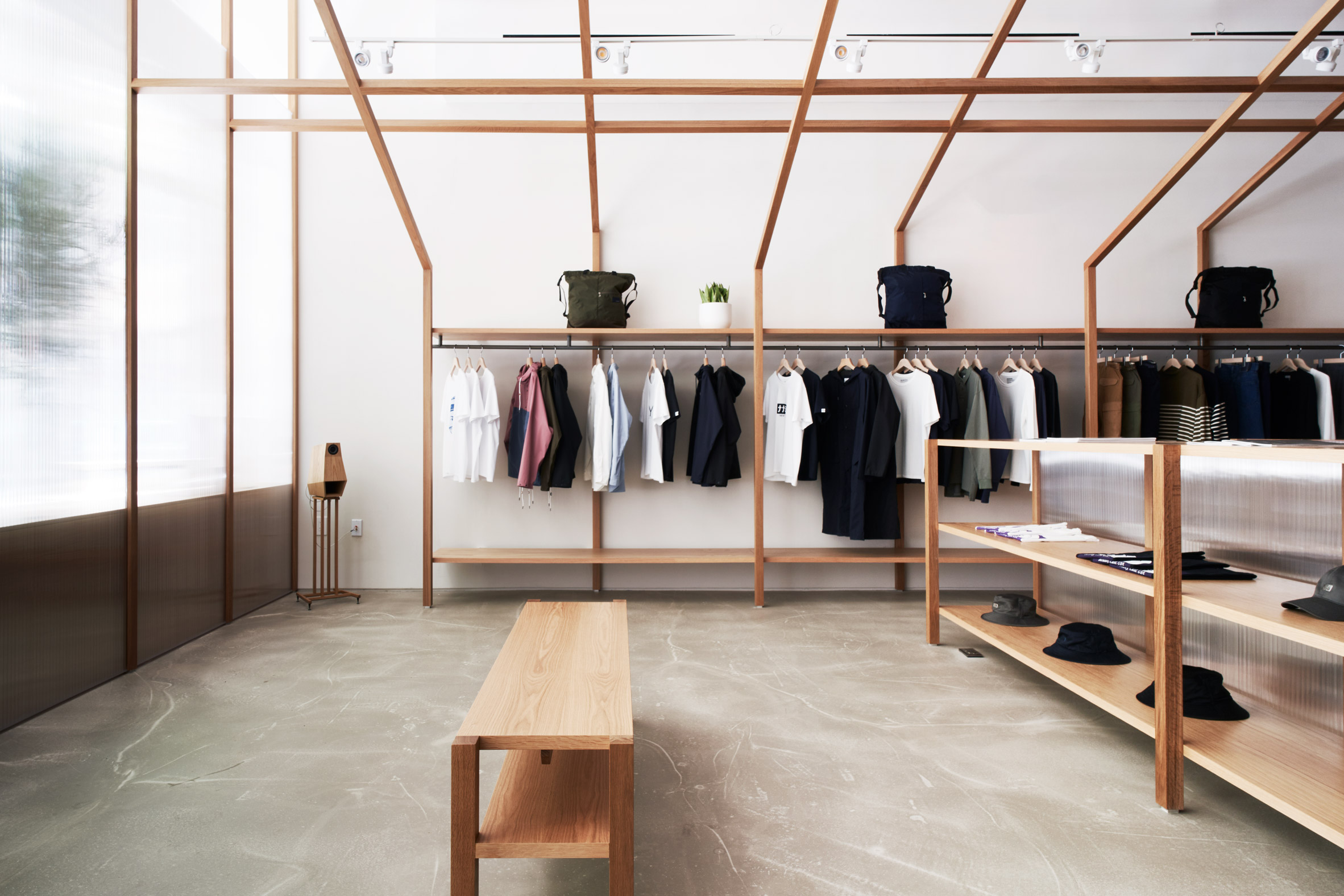
  • Nanamica Breaks into China’s Fashion Scene: Japanese Brand Launches First Store in Shanghai

    Nanamica Breaks into China’s Fashion Scene: Japanese Brand Launches First Store in Shanghai

    Renowned Japanese fashion label, Nanamica, has announced the inauguration of a new retail outlet in Shanghai, China. This is set to be the brand’s second international presence.

    The shop is strategically situated on Wukang Road, a bustling area within Shanghai’s Xuhui district. The location’s existing architecture is expected to harmoniously blend with the brand’s contemporary, minimalist aesthetics.

    Nanamica is recognized for its unique blend of attire that impeccably combines fashion with functionality. The brand prides itself on its versatile offerings that effortlessly “transcend genre, age, and gender”, setting it apart in the global fashion industry.

    The company expressed its vision for the newly launched Nanamica Wukang branch. It aims to provide a unique space where customers can experience the brand’s ethos in line with the local cultural backdrop and creative ambiance.

    As part of its consumer-centric approach, Nanamica has a clear message for its customers: the brand is determined to create garments that can be worn and cherished for an extended period. The company values longevity, coupling it with style and comfort.

    Nanamica has a strong retail presence, with stores operating in various locations such as Daikanyama, Kobe, Fukuoka, Kyoto, New York, and now making its mark in Shanghai.

    Questions & Answers

    What is the vision for the new Nanamica store in Shanghai?
    The vision for the new Nanamica Wukang store is to provide a space where customers can experience the brand’s ethos in a setting that harmonizes with the local cultural backdrop and creative ambiance.

    What is unique about Nanamica’s range of clothing?
    Nanamica’s clothing range is unique in its combination of fashion and functionality, offering versatile designs that transcend genre, age, and gender.

    Where else does Nanamica have store locations?
    In addition to its new Shanghai location, Nanamica operates stores in Daikanyama, Kobe, Fukuoka, Kyoto, and New York.