Category: Fashion

Retail News Asia is committed to providing both local and global retailers with the latest Fashion news throughout the Asian market. This on a daily base.

  • Experience the Fusion of Innovation and Tradition at Hermes’ Revamped Sogo Fuxing Store in Taipei

    Experience the Fusion of Innovation and Tradition at Hermes’ Revamped Sogo Fuxing Store in Taipei

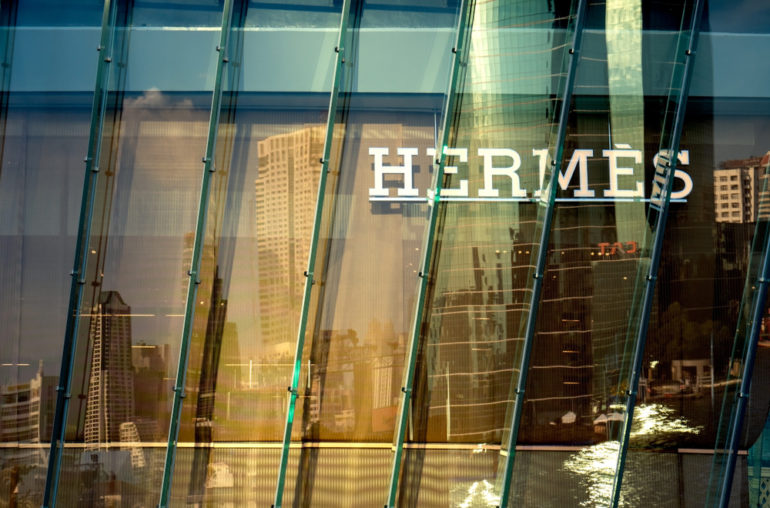
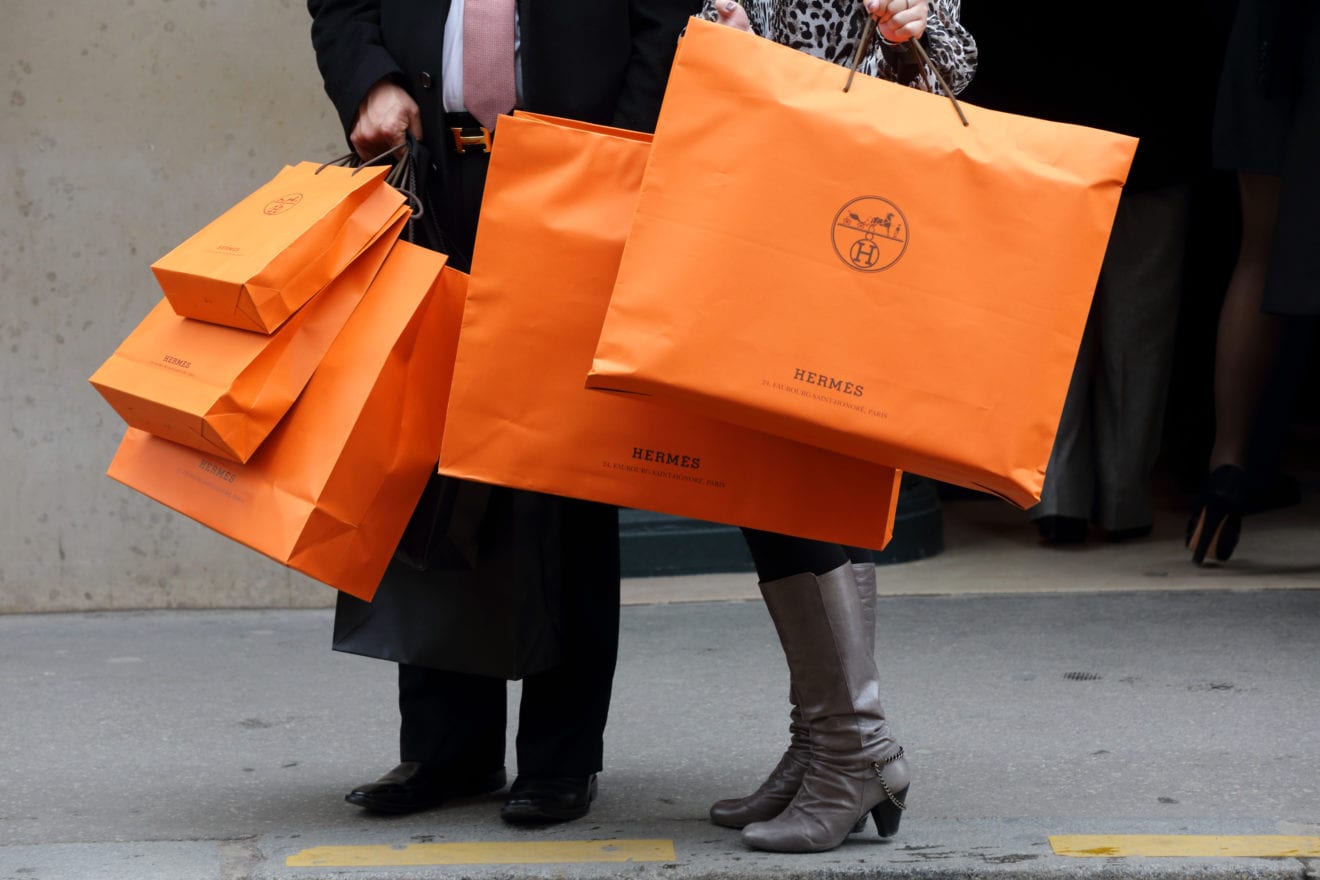
    The luxury brand Hermès recently celebrated the grand reopening of its outlet located in Sogo Fuxing Mall, Taipei. This event comes after a considerable period of renovations, reflecting the brand’s innovative and dynamic spirit that mirrors the vibrant essence of the city.

    Originating in 2007, the three-tiered store now boasts a modern look with its ceramic tile facelift. The French architectural firm, RDAI, is the mastermind behind the redesigned aesthetics of the Hermès store.

    Upon entering the establishment, visitors are instantly enveloped by a luxurious universe of silk. The space is tastefully arranged with fashion jewelry displays on the right and an enticing array of perfumes and beauty products on the left. Enhancing this opulent ambiance is the house’s signature Grecques lighting, adding a refined touch to the overall shopping experience.

    The redesign also features screen walls to define the space and accentuate Hermès’ commitment to local artisans. These walls are adorned with intricate thread compositions crafted locally and blended with Hermès silk offcuts, showcasing the brand’s marriage of traditional craftsmanship with contemporary design.

    As customers delve deeper into the store, they will come across an intimate and exclusive section dedicated to the brand’s exquisite jewelry and timepieces.

    Art connoisseurs will appreciate the store’s unique collection of artworks sourced from the Emile Hermès collection, as well as the Hermès ‘Collection of Contemporary Photographs’. These carefully curated pieces add an artistic touch, rendering the store not just a shopping destination, but a place of inspiration and creativity.

    In conclusion, Hermès stated: “This revitalized store welcomes both our loyal patrons and newcomers alike to explore Hermès’ timeless creations and craftsmanship within a bold, innovative setting.”

    Questions & Answers

    When was the Hermès store in Sogo Fuxing Mall, Taipei, first opened?
    The Hermès store in Sogo Fuxing Mall, Taipei, initially opened its doors in 2007.

    Who was behind the renovation and redesign of the Hermès store?
    The renovation and redesign of the Hermès store were carried out by the French architecture agency, RDAI.

    What unique features does the renovated Hermès store offer to its customers?
    The renovated Hermès store offers a luxurious shopping experience with its silk universe, fashion jewelry, perfumes and beauty products. It also showcases locally crafted thread compositions and a selection of artworks from the Emile Hermès collection and the Hermès ‘Collection of Contemporary Photographs’.
  • Matin Kim in Partnership with Musinsa Launches Flagship Store in Tokyo’s Fashion Hub

    Matin Kim in Partnership with Musinsa Launches Flagship Store in Tokyo’s Fashion Hub

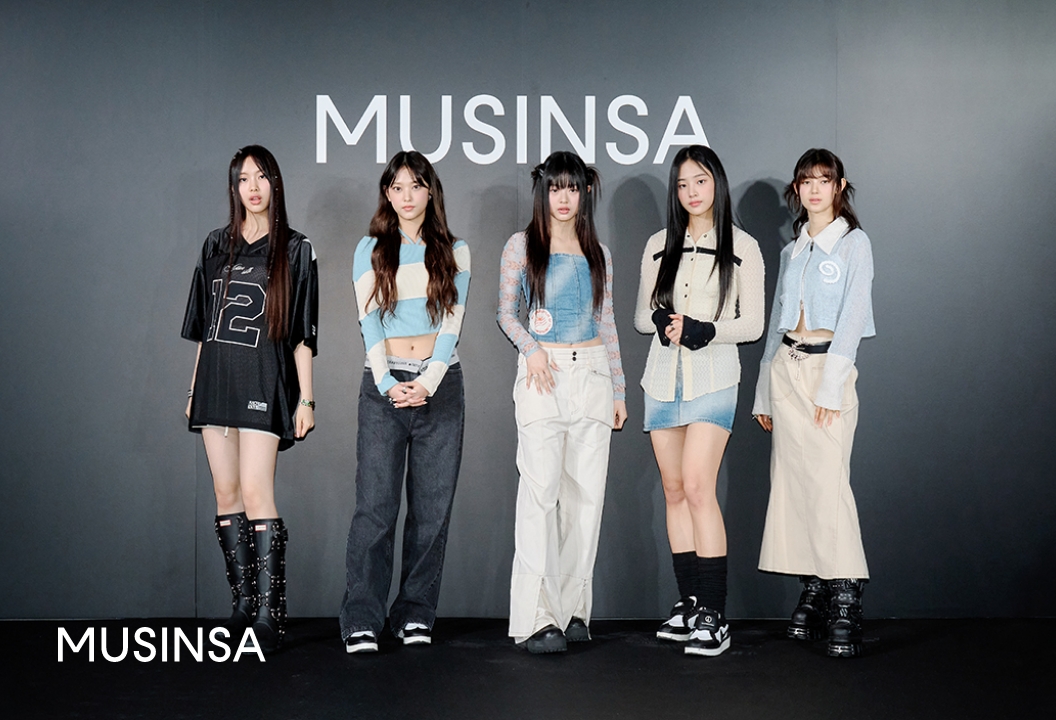
    Matin Kim, a renowned fashion brand from South Korea, is set to expand its presence in Japan with the inauguration of a flagship store in Tokyo. The move is a part of the brand’s continuing collaboration with Musinsa.

    A New Addition to Tokyo’s Fashion Scene

    The upcoming store will be situated in Harajuku, a neighborhood widely known for its vibrant fashion culture. Spanning two floors, the outlet will occupy roughly 195 square meters. Slated to open its doors on April 26th, the new location marks Matin Kim’s third establishment in Japan, following the successful launches in Shibuya and Nagoya.

    Unlike its previous outlets located in shopping malls, this new store stands out as Matin Kim’s first standalone store in the country. The brand perceives this as a significant progression and intends to utilize the venue as a platform to exhibit its unique identity and innovative approach to fashion design.

    Offering an Enhanced Shopping Experience

    Apart from showcasing its extensive array of regular products, the store will feature Matin Kim’s latest Spring/Summer 2026 collection and exclusive limited-edition items. Additionally, the brand plans to enrich the customer experience by hosting a variety of experiential events and other engaging activities.

    Matin Kim, a portfolio brand of Hago Haus, a premier brand incubator in South Korea, currently boasts approximately 70 stores at both domestic and international locations.

    In November of 2024, Matin Kim entered into an exclusive agency agreement with Musinsa for the Japanese market. This led to the opening of its first permanent store in Japan at Miyashita Park in Shibuya, Tokyo, in April last year.

    Questions & Answers

    What is unique about Matin Kim’s new store in Tokyo?
    The new store, located in the Harajuku district, is the brand’s first standalone store in Japan. It will also serve as a showcase for the brand’s identity and creative vision.

    What can shoppers expect at the new Matin Kim store?
    Shoppers can look forward to a wide range of products, including Matin Kim’s latest Spring/Summer 2026 collection and exclusive limited-edition items. The store will also host experiential events and other activities to enhance the shopping experience.

    What is Matin Kim’s history in Japan?
    Matin Kim entered the Japanese market in November 2024, in partnership with Musinsa. The brand opened its first permanent store in Japan at Miyashita Park in Tokyo’s Shibuya in April the following year. The Harajuku store is the brand’s third in Japan.

  • Satorisan Marches into China: Spanish Footwear Brand Expands Asian Presence

    Satorisan Marches into China: Spanish Footwear Brand Expands Asian Presence

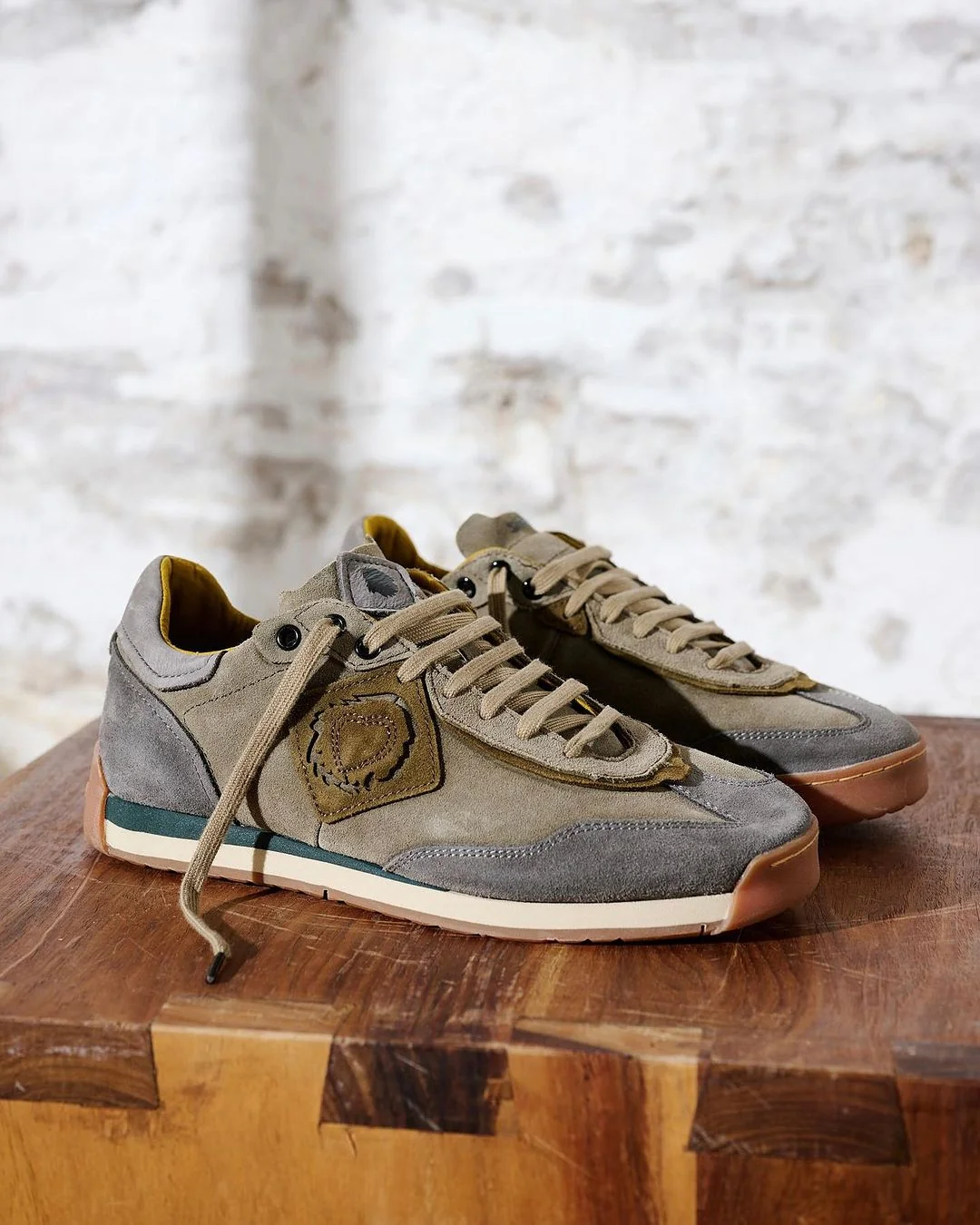
    Recognized as an influential player in the footwear industry, Spain’s Satorisan has successfully broken into the Chinese market. This strategic move is part of their ongoing venture to expand their reach across Asia, following a solid foundation laid in Europe and South Korea.

    Satorisan was established in 2010 by Alejandro Monzó Tadeo, who has over two decades of experience in the active footwear industry. Since its inception, the brand has witnessed steady growth, with sales surpassing 1.6 million pairs in over 100 countries worldwide.

    Satorisan’s Debut in China

    Satorisan unveiled its presence in China through a showroom presentation of their Fall/Winter 2026 collection at Shanghai Fashion Week. The brand also launched its official account on Xiaohongshu, a popular social media and e-commerce platform in China, marking its initial entry into this vast market.

    International Growth Strategy

    Satorisan has been working consistently on their international growth strategy. In Spain, the brand operates flagship stores under the ‘Satori Home’ concept. Their Valencia store, located at Calle Sorní 25, exemplifies this concept. Established in 2016 within a renovated modernist building, it serves as both a retail store and a showroom, hosting events and community-led initiatives.

    Entering the Competitive Chinese Market

    China’s footwear market is highly competitive, with both local and global brands vying for consumers’ attention. By entering this market, Satorisan positions itself among these contenders, aiming to meet the growing demand for comfortable, lifestyle-oriented footwear.

    Questions & Answers

    What is Satorisan’s background?
    Satorisan was founded in 2010 by Alejandro Monzó Tadeo, a veteran in the active footwear industry. It has witnessed steady growth, with sales surpassing 1.6 million pairs in over 100 countries.

    How has Satorisan entered the Chinese market?
    Satorisan made its debut in China through a showroom presentation at Shanghai Fashion Week and by launching an official account on Xiaohongshu, a popular social media and e-commerce platform in China.

    What kind of competition does Satorisan face in the Chinese market?
    The Chinese footwear market is highly competitive, with both local and international brands targeting consumers. Satorisan, with its focus on comfortable, lifestyle-oriented footwear, is positioning itself to meet this robust demand.

  • Experience Luxury Reimagined: Hermès Unveils Its Revitalized Boutique at Elements Mall, Hong Kong

    Experience Luxury Reimagined: Hermès Unveils Its Revitalized Boutique at Elements Mall, Hong Kong

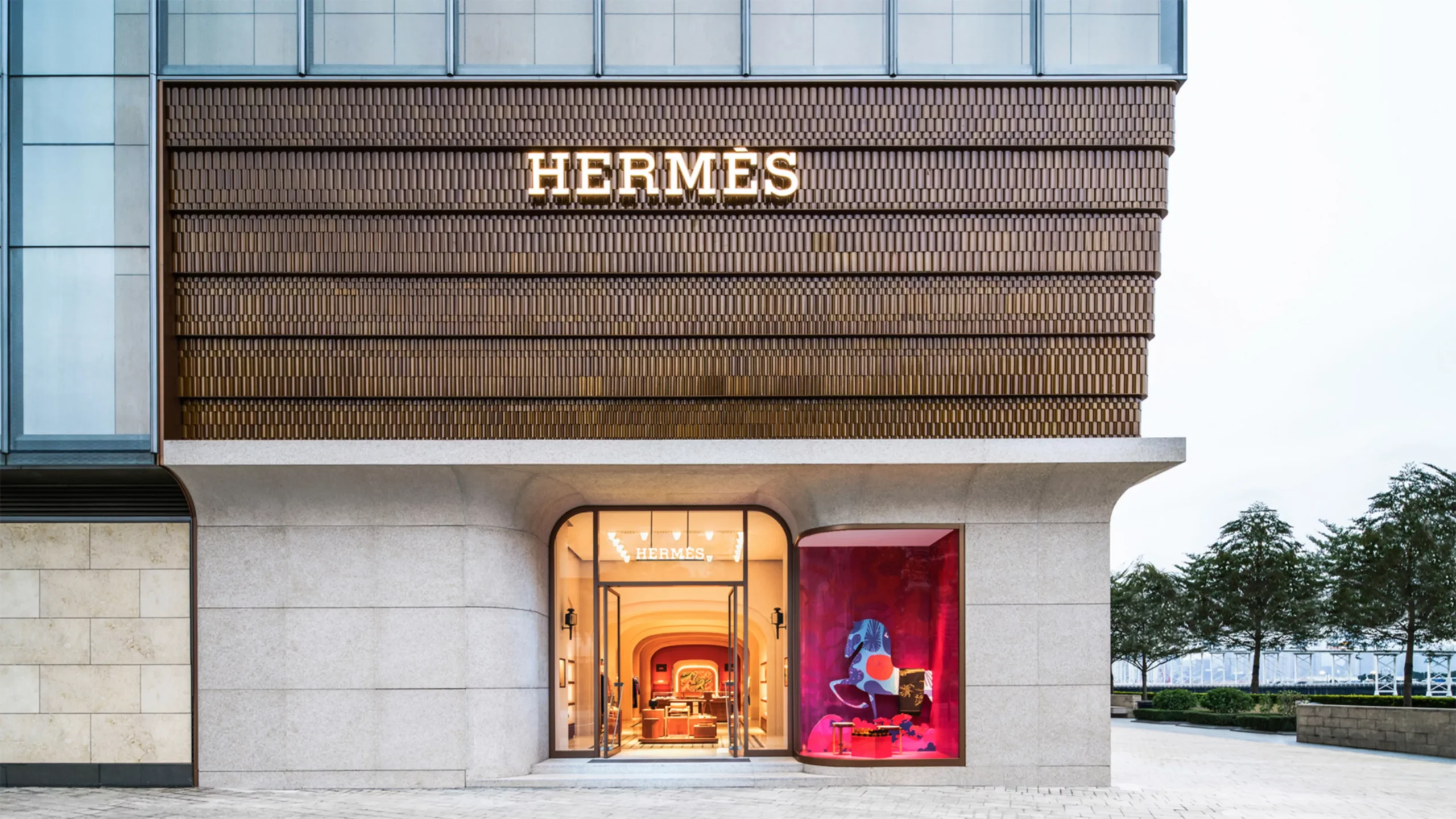
    Following a comprehensive redesign and expansion, the Hermès store located at Elements mall is once again open for business. The refreshed retail space is a significant upgrade from its original construction in 2009.

    Store Design

    The store revamp was spearheaded by RDAI, presenting a unique concept inspired by nature and Chinese cosmology. The design of the store’s façade is particularly eye-catching, featuring ceramic tiles shaped like feathers in a nod to the mythical phoenix. This theme is extended to the display windows, which are adorned with whimsical landscapes designed by artist Claire Detallante.

    Store Layout

    Inside the boutique, the retail sections are strategically planned and organized. A mosaic flooring pathway guides customers through various collections, from silk and home goods to jewelry and watches positioned at the rear of the store.

    The store layout strategically segregates merchandise based on gender, with women’s ready-to-wear, leather goods, and beauty products located on one side, while men’s items are presented in a separately defined section, differentiated by contrasting materials and colors.

    Art and Craftsmanship

    The store also serves as a mini-gallery, displaying various artworks from the Emile Hermès collection and the Hermès Collection of Contemporary Photographs. Art pieces from other renowned artists, including Aline Honoré, Luciano Perna, and Denis Polge, are also showcased throughout the store.

    In the words of the luxury house: “We invite our customers to visit our newly renovated, light-filled store and discover timeless creations and craftsmanship in a bold new setting.”

    Questions & Answers

    When did the Hermès store at Elements mall first open?
    The Hermès store at Elements mall first opened in 2009.

    What is the main concept behind the store’s redesign?
    The redesign presents a concept inspired by nature and Chinese cosmology, featuring a façade that references a phoenix and display windows that showcase illustrated fantasy landscapes.

    What collections can customers expect to find in the store?
    Customers can explore various collections, such as silk and home goods, jewelry and watches, women’s ready-to-wear, leather goods, beauty products, and men’s items.

  • Moncler Group Soars in Asia: China and Korea Power Double-Digit Growth

    Moncler Group Soars in Asia: China and Korea Power Double-Digit Growth

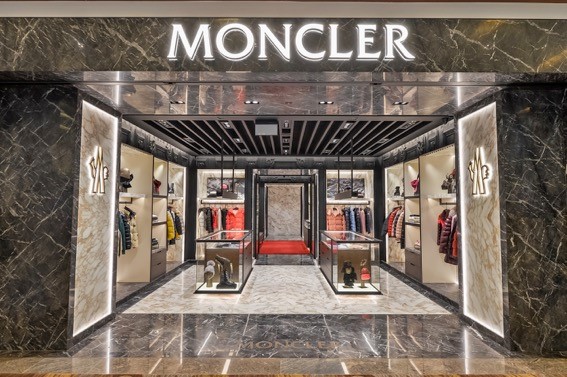
    Moncler Group, the parent company of Moncler and Stone Island, has announced a robust first quarter. The company’s earnings were primarily driven by sales in Asia.

    First Quarter Sales Surge

    The group registered a substantial $1.03 billion in sales during the first quarter. It reported double-digit growth for both of its brands, leading to an overall year-on-year increase of 12 per cent.

    The Asian Market Triumphs

    In Asia, Moncler’s sales grew by an impressive 22 per cent. Moncler attributes this significant increase to strong performances in China and South Korea. However, the sales in Europe, the Middle East, and Africa experienced a minor dip of one per cent year-on-year.

    Brand Performance

    The Moncler brand was the group’s star performer with $900 million in sales. This was propelled by a 14 per cent rise in direct-to-consumer traffic. Stone Island, on the other hand, contributed a solid $134 million to the total sales.

    The Asian market continues to escalate its share of Moncler’s brand revenue. It now represents 56.5 per cent of total sales, marking a 3.7 per cent annual increase.

    Moncler Group’s Future Outlook

    Remo Ruffini, executive chairman of Moncler Group, expressed the company’s anticipation for the future. He stated that the first quarter not only demonstrated strong revenue performance but also the depth of relationships that their brands continue to build with their global community.

    Despite a global context shaped by conflicts and instability, both Moncler and Stone Island have exhibited considerable energy and cultural relevance.

    Ruffini also touched on the appointment of Bartolomeo Rongone as the group’s CEO that was announced earlier this year. He highlighted this as part of the group’s “next phase.” He further reiterated the group’s commitment to remain adaptable and responsive, guided by a clear strategic vision, in the face of an increasingly complex external environment.

    Questions & Answers

    What were the first quarter sales for Moncler Group?
    Moncler Group reported $1.03 billion in sales during the first quarter.

    Which market led the sales for Moncler Group?
    The Asian market led the sales for Moncler Group, with a 22 per cent growth.

    How does the Moncler brand perform in comparison to Stone Island?
    The Moncler brand outperformed Stone Island, with a contribution of $900 million in sales, as compared to Stone Island’s $134 million.

  • Songmont’s Fusion of Old and New: Grand Reopening of Shanghai Flagship Store Reveals Exciting Redesign

    Songmont’s Fusion of Old and New: Grand Reopening of Shanghai Flagship Store Reveals Exciting Redesign

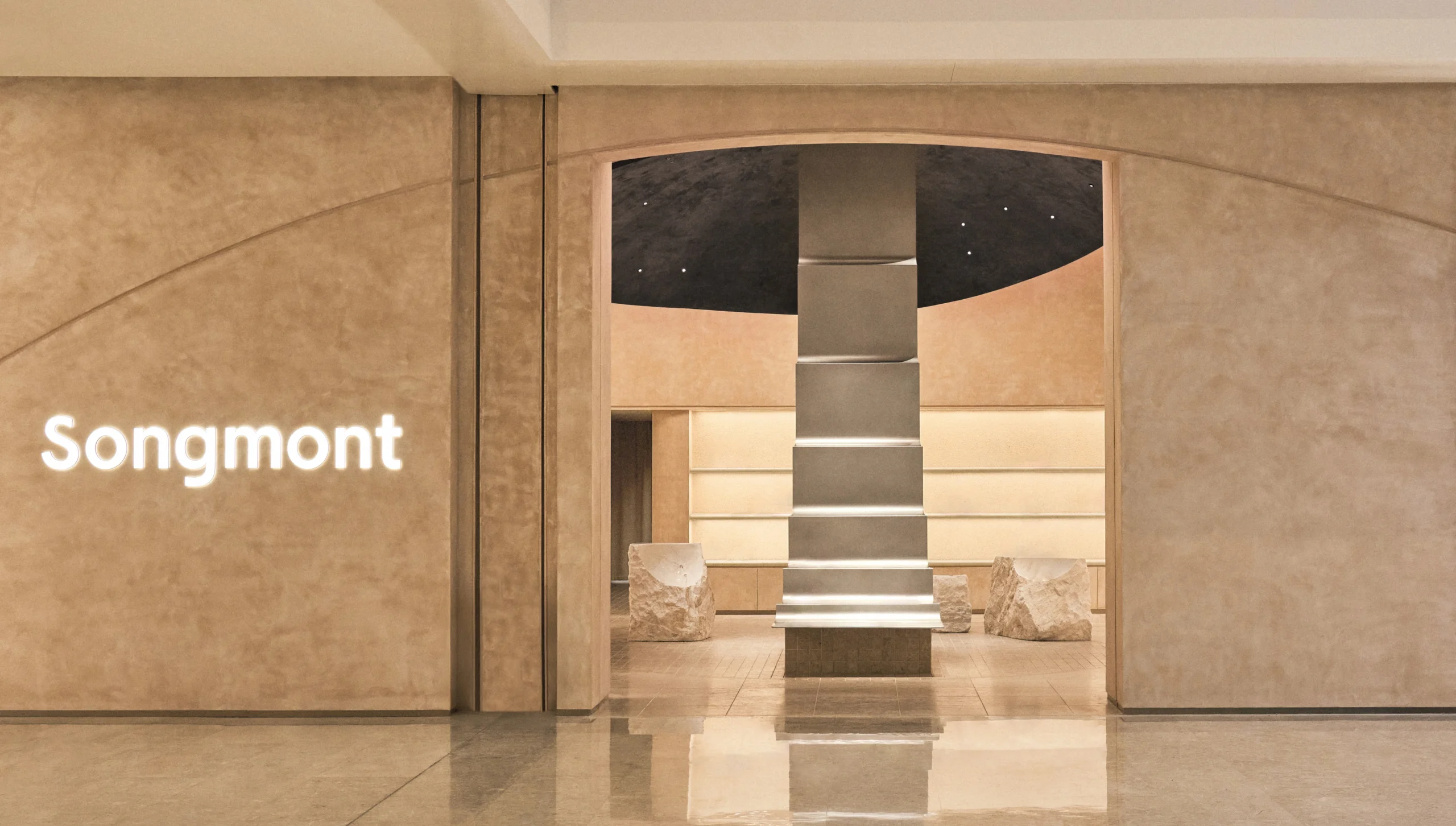
    Songmont, a premium designer brand based in China, has recently unveiled its revamped flagship store located in Shanghai. The store’s redesign showcases a unique blend of original and novel elements aimed at enhancing the layout and shopping experience for its customers.

    The Concept Behind the Revamp

    The original design concept for the store, known as ‘Windy Mountain Valley’, was a nod to the picturesque landscapes sculpted by wind and terrain. This concept is retained in the redesigned space, still encapsulating the harmony of nature and design.

    The updated store retains elements from its initial design while introducing new features that add more depth and definition to the space.

    Balancing Old and New

    Having been a part of the company’s journey for over five years, the flagship store in Shanghai holds significant importance for Songmont. The revamped store is not just about bringing in new elements but also about preserving the old, creating a unique blend of old and new.

    The updated store space now presents a harmonious blend of the familiar, a nod to the store’s past, and the introduction of fresh elements, signaling a warm welcome to new possibilities.

    About Songmont

    Songmont is a designer brand known for its premium leather bags and accessories that are not only functional but also carry a distinctive Eastern-inspired aesthetic. Among its assortment of products are the Luna Bag, Song Bag, Gather Bag, Drippy Tote, and Chocolate Bag. These are often characterized by their convertible designs, offering versatility to their users.

    Questions & Answers

    What is the concept behind the redesign of Songmont’s flagship store in Shanghai?
    The redesign retains the original design concept, ‘Windy Mountain Valley’, while introducing new elements to add more depth and definition to the store layout.

    What does the revamped store represent for Songmont?
    The updated store space presents a harmonious blend of the familiar, a nod to the store’s past, and the introduction of fresh elements, signaling a warm welcome to new possibilities and growth.

    What products does Songmont specialise in?
    Songmont specialises in premium, functional leather bags and accessories featuring Eastern-inspired aesthetics. Their product lineup includes the Luna Bag, Song Bag, Gather Bag, Drippy Tote, and Chocolate Bag, which often feature convertible designs.

  • Birkenstock Bolsters Japanese Presence with Grand Opening of Osaka Flagship Store

    Birkenstock Bolsters Japanese Presence with Grand Opening of Osaka Flagship Store

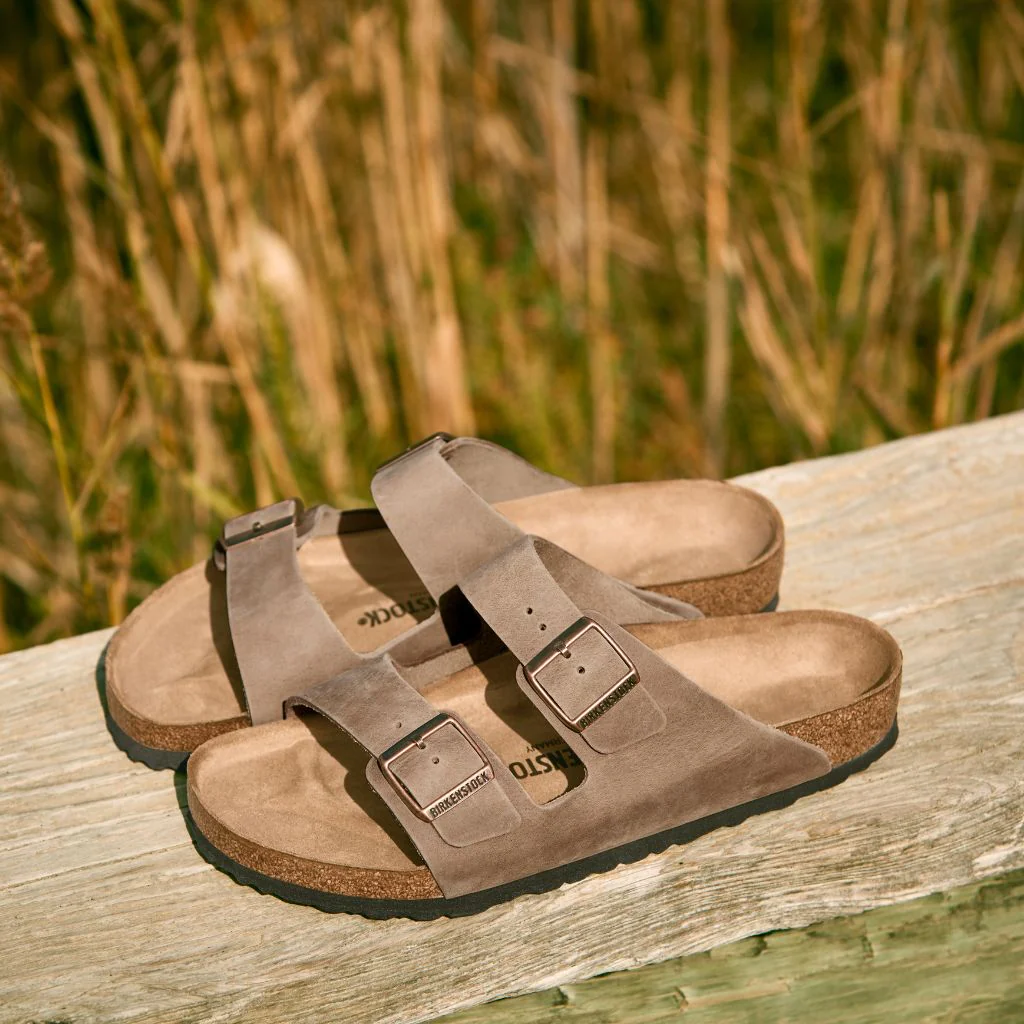
    Birkenstock, the renowned footwear brand, has broadened its retail footprint in Japan with the inauguration of a grand flagship outlet in the Shinsaibashi district of Osaka.

    The new store is spread across two floors, following the lead of previous concept stores that were launched in Harajuku, Shinjuku, and Nagoya. This new addition raises the tally of permanent, directly operated Birkenstock stores in Japan to 12.

    Located in Shinsaibashi, the outlet stands as one of the largest street-level retail spaces for the brand in the country.

    Store Design and Features

    The design of the store is based on a minimalist interior concept that places a premium on product display and materials used. The interior is decked out predominantly in white, offset by earthy wall finishes. The design elements subtly reference the brand’s signature cork footbed structure.

    The ground floor of the store is dedicated to the Care Essentials range, setting up an interactive space for customers to sample foot and body care merchandise. The upper floor showcases the brand’s comprehensive footwear collection. This includes staple sandal designs, clogs, shoes, boots, and the latest additions for the season.

    Questions & Answers

    Where is Birkenstock’s newest store located?
    The newest Birkenstock store is located in the Shinsaibashi district of Osaka, Japan.

    How many directly operated Birkenstock stores are there in Japan now?
    With the opening of the new store in Shinsaibashi, the total number of directly operated Birkenstock stores in Japan has risen to 12.

    What is unique about the design of the new Birkenstock store?
    The design of the new Birkenstock store is based on a stripped-back interior concept, featuring a predominately white palette contrasted with earthy wall finishes. It also incorporates design elements referencing Birkenstock’s signature cork footbed structure.

  • Hermès Soars with Robust Q1 Sales Amid Global Economic Uncertainties: A Revealing Peek into Luxury Fashion Resilience

    Hermès Soars with Robust Q1 Sales Amid Global Economic Uncertainties: A Revealing Peek into Luxury Fashion Resilience

    Despite geopolitical tensions affecting the Middle East, Hermès, the renowned French luxury fashion brand, has reported a strong performance in its Q1 sales. The company’s consolidated revenue stood at €4.1 billion (US$4.8 billion) for the quarter ending March 31, marking a 6% increase at constant exchange rates. However, on a reported basis, revenue dipped by 1% due to the adverse effects of currency fluctuations.

    Regional Performance

    The company attributed much of its growth to impressive gains in Japan, the Americas, and Europe, excluding France. Japan saw a 10% increase in sales, while the Americas and Europe, excluding France, each reported a 17% and 10% sales increase, respectively.

    Sales in Asia, excluding Japan, also rose slightly by 2%, with Greater China maintaining its marginal growth. However, France’s revenue decreased by 3%, a decline influenced by a reduced tourist flow, particularly in March. This downturn is mainly linked to the unfolding situation in the Middle East.

    The Middle East, classified under the ‘Other’ region in the company’s report, experienced a 6% decline in sales. The geopolitical developments in countries such as the UAE, Kuwait, Qatar, and Bahrain have had a significant impact on the region’s performance.

    Sales Channels

    Despite these challenging conditions, sales in the group’s stores increased by 7%. In contrast, wholesale activity was significantly affected, recording lower sales to concession stores, especially in the Middle East and airports.

    According to Axel Dumas, Executive Chairman of Hermès, the brand remains steadfast in its long-term strategy, even amidst a tense geopolitical environment. The company’s abundant creativity, unwavering quality standards, and loyal customer base enable Hermès to continue its profitable growth trajectory into 2026 with confidence. He further emphasized that the fundamentals of the Hermès model are a distinguishing strength more than ever.

    In the medium term, the group has confirmed its goal to achieve revenue growth at constant exchange rates. This is notwithstanding the persistent economic, geopolitical, and monetary uncertainties that pervade the global landscape.

    Questions & Answers

    What were Hermès’ consolidated revenue figures for Q1?
    The consolidated revenue for Hermès in Q1 stood at €4.1 billion (US$4.8 billion), marking a 6% increase at constant exchange rates.

    Which regions reported the most growth for Hermès?
    The regions that reported the most growth for Hermès were Japan, the Americas, and Europe (excluding France), with sales increases of 10%, 17%, and 10% respectively.

    How did the geopolitical situation affect Hermès’ sales in the Middle East?
    The geopolitical situation in the Middle East led to a 6% decline in Hermès’ sales in the region. This was particularly notable in countries such as the UAE, Kuwait, Qatar, and Bahrain.

  • Gucci’s Rebranding Challenge: Kering CEO Maps Out Strategy for Sophisticated Chinese Luxury Market

    Gucci’s Rebranding Challenge: Kering CEO Maps Out Strategy for Sophisticated Chinese Luxury Market

    Kering’s flagship brand, Gucci, is focusing on rebuilding its market position in China following years of stagnation. The luxury company’s complacency resulted in an underwhelming retail experience and poorly situated stores, according to Kering CEO Luca de Meo.

    China: A Changed Landscape

    China has been a significant growth driver for the global luxury sector, worth approximately US$400 billion, for over a decade. Gucci, like many of its competitors, capitalized on this expanding market. However, the brand failed to take advantage of a brief shopping surge following the pandemic and couldn’t recover when Chinese consumer spending slowed.

    De Meo, speaking at Kering’s first investor day since he assumed his role in September, expressed that Gucci needs to reevaluate its strategy in China. He emphasized the necessity to cater to the discerning clientele with high-quality retail experiences and to move away from relying on off-price outlets offering goods at discounted rates.

    “Gucci needs a comeback,” de Meo asserted, criticizing the brand’s previous approach to China as an easy revenue source.

    The Evolving Chinese Consumer

    The retail landscape in China has transformed significantly over the years. De Meo noted that Chinese consumers are now motivated by quality, design, and experience rather than logo-driven purchases, a trend seen in markets like Japan, South Korea, and Europe.

    The CEO stressed the importance of a consistent brand message and an enhanced in-store experience to revive growth in China. Kering also revealed plans to acquire a minority stake in the Shanghai-based Icicle Fashion Group.

    Learning from the Auto Industry

    De Meo, who previously served as CEO of Renault, drew parallels between the luxury sector and the auto industry. He warned luxury brands not to underestimate domestic competition and acknowledged China’s innovative capabilities.

    Other brands in Kering’s luxury portfolio, such as Bottega Veneta and Saint Laurent, have already begun reaping the benefits of a more finely-tuned China strategy. However, he indicated that Gucci’s recovery would be a more prolonged process.

    “For Gucci, the verdict is still out. This transformation won’t be instantaneous, but we anticipate seeing measurable progress within the next few months to a year,” he stated.

    Questions & Answers

    What is Kering’s plan for Gucci in China?
    Kering plans to reinvent Gucci in China by focusing on higher quality retail experiences and catering to discerning clientele. The company is moving away from off-price outlets and is focusing on a consistent brand message and enhanced in-store experience.

    How has consumer behavior changed in China’s luxury market?
    Chinese consumers are now motivated by quality, design, and experience rather than logo-driven purchases. This shift mirrors trends seen in other markets such as Japan, South Korea, and Europe.

    How long will Gucci’s recovery take according to Kering’s CEO?
    Kering’s CEO, Luca de Meo, anticipates that Gucci’s recovery in China will be a prolonged process, with measurable progress expected within the next few months to a year.

  • Kering’s Revenue on the Upswing: Luxury Brand’s Road to Recovery Gains Momentum

    Kering’s Revenue on the Upswing: Luxury Brand’s Road to Recovery Gains Momentum

    Kering, the luxury conglomerate that owns brands such as Gucci and Balenciaga, has noted a sequential improvement in its revenue for the first quarter, indicating that the company’s recovery is gaining momentum.

    Quarterly Revenue Trends

    The company reported a revenue of €3.568 billion (US$4.2 billion) for the quarter that concluded on March 31. This figure represents a 6% decline year-on-year on a reported basis, but remained steady on a comparable basis.

    The fashion and leather goods segment, however, witnessed a 9% reduction in sales as per reports, and a 3% drop on a comparable basis. Brands like Saint Laurent, Bottega Veneta, Balenciaga, and Brioni showcased year-on-year growth during the quarter, with North America emerging as a significant influencer of this positive trend.

    Brand Performance

    Gucci, one of Kering’s prime assets, saw a 14% dip in revenue on a reported basis, and an 8% decrease on a comparable basis. Despite a promising 8% increase in North America, declining trends in Asia-Pacific (Apac) and Western Europe overshadowed its performance.

    On the other hand, Kering’s jewelry section reported a 14% increase in sales on a reported basis and a 22% surge on a comparable basis. This rise was attributed to strong performance across key regions, with Japan and Apac leading the demand.

    Kering Eyewear also experienced growth, with a 3% increase in sales on a reported basis and a 7% increase on a comparable basis.

    CEO’s Statement

    Kering’s CEO, Luca de Meo, highlighted that the stabilizing revenue signals an essential first step towards the group’s recovery. He further added, “Nearly all our Houses delivered growth during the quarter, with a particularly strong contribution from jewelry. Gucci remains our top priority. A comprehensive turnaround is underway, with decisive actions across client, distribution, and, above all, the offer.”

    Attention to Conflict Zones

    The luxury group acknowledged the ongoing conflict in the Middle East as an area of ‘heightened attention.’ The region, with around 1100 employees and 79 stores, accounts for approximately 5% of total retail revenue. The first quarter saw an 11% decline in retail revenue in the region, following growth in the initial two months. Despite temporary disruptions in some areas, the entire retail network is currently operational, as per the company’s statement.

    Questions & Answers

    What was the overall revenue of Kering for the first quarter?
    The overall revenue for the first quarter was €3.568 billion (US$4.2 billion).

    Which brand under Kering saw significant growth in this quarter?
    The brands Saint Laurent, Bottega Veneta, Balenciaga, and Brioni reported year-on-year growth in the quarter.

    How has the conflict in the Middle East affected Kering’s retail revenue in the region?
    There was an 11% decline in retail revenue in the Middle East in the first quarter.

  • Bonia Transforms Shopping Experience with Innovative Store Design in Kuala Lumpur

    Bonia Transforms Shopping Experience with Innovative Store Design in Kuala Lumpur

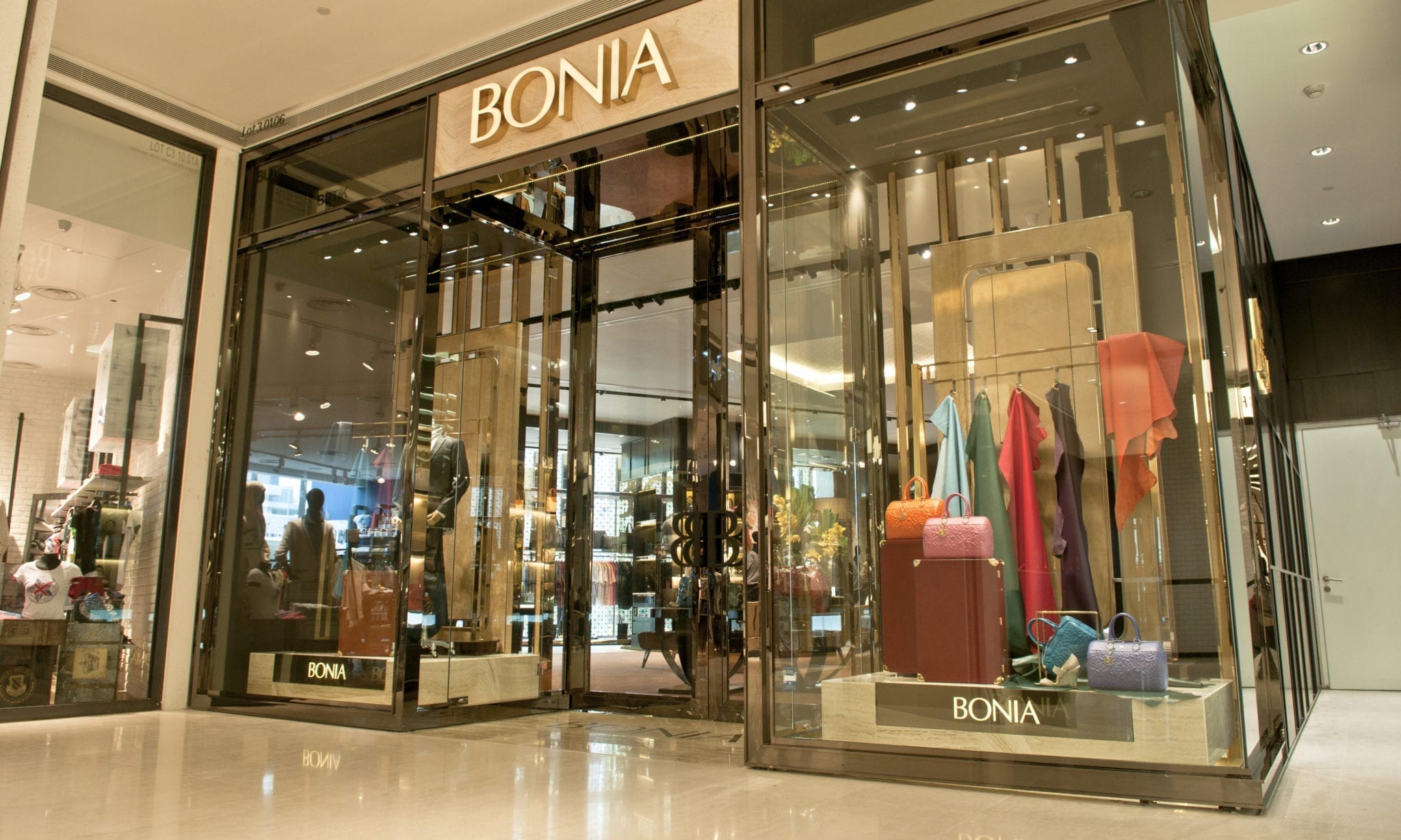
    Malaysia’s lifestyle brand Bonia has launched a flagship store in Kuala Lumpur, revealing a unique retail concept that combines customer engagement and innovative spatial design.

    Exterior and Interior Design

    The new store boasts a colonnade-style exterior adorned with red brick tiles, reminiscent of traditional street architecture. Inside, the space showcases a layout composed of four interconnected rooms, each revolving around a major display area. This design offers a more immersive and easily navigable shopping experience to the customers.

    Distinct Functional Spaces

    Each room within the store is assigned a unique function. Some of the areas draw inspiration from different environments, such as a library, dressing room, and lounge. The transition between these distinct spaces is marked by varying color schemes, including hues of red, orange, and terracotta.

    A New Retail Concept

    Bonia’s concept aims to make the retail environment more interactive. This is achieved by merging product presentations with flexible design elements. The brand’s focus on creating a dynamic and engaging retail experience is clearly reflected in this innovative approach.

    The opening of the Kuala Lumpur store comes in the wake of Bonia’s international expansions, notably in Vietnam. However, the company had to withdraw a joint venture in the country earlier, following a provision for losses amounting to US$1.3 million.

    Questions & Answers

    What is the unique concept of Bonia’s new store in Kuala Lumpur?
    The store integrates customer engagement with innovative spatial design, creating a dynamic and immersive shopping experience.

    How is the interior of the Bonia store structured?
    The store’s interior comprises four interconnected rooms, each assigned a unique function and theme. The rooms are designed to resemble a library, dressing room, and lounge, among others.

    What led to Bonia’s earlier withdrawal from a joint venture in Vietnam?
    Bonia had to exit a joint venture in Vietnam due to a provision for losses which amounted to US$1.3 million.

  • Byredo Elevates Luxury Shopping Experience with New Flagship Store in Hong Kong’s Central District

    Byredo Elevates Luxury Shopping Experience with New Flagship Store in Hong Kong’s Central District

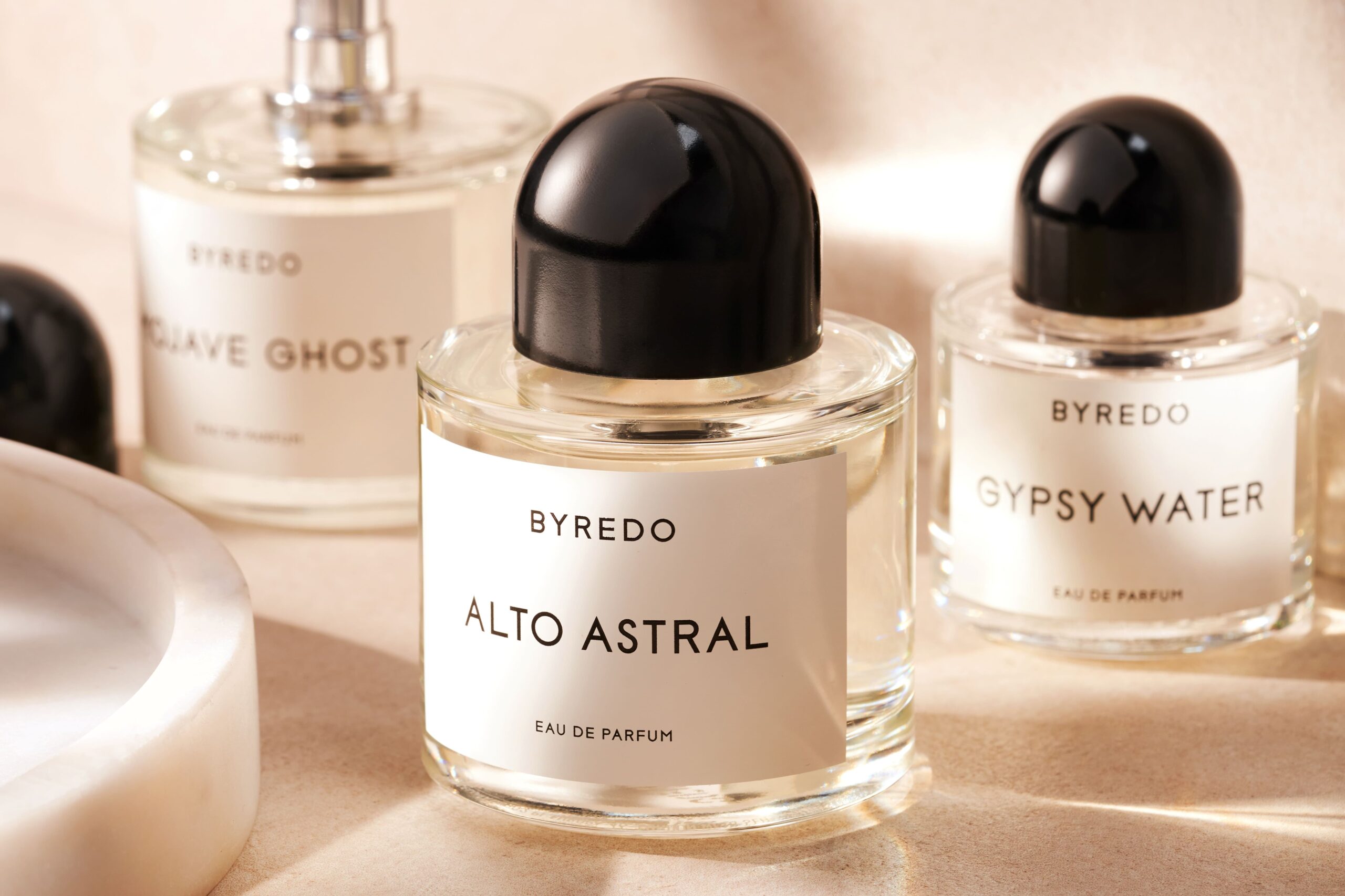
    Luxury fragrance brand, Byredo, has further solidified its presence in Hong Kong’s high-end retail sector by launching a flagship store in the city’s Central district.

    The New Store’s Unique Design

    The store, situated on Gough Street, boasts a unique architectural design, drawing inspiration from traditional shopfront gates for its stainless steel exterior. Inside, the space adopts a minimalist aesthetic enhanced by a thoughtful selection of materials. Granite flooring, textured plaster walls, and exposed steel elements create a modern, industrial ambiance. Wood and burgundy accents are used sparingly, adding warmth and richness to the overall scheme.

    Prioritizing spaciousness and meticulous product display over cluttered merchandising, the store design aims to offer an enjoyable and comfortable shopping experience.

    Product Range and Customer Experience

    The store’s primary focus is on the brand’s fragrance collection. However, the brand’s body care, home, and cosmetic product ranges are also featured, each having its designated display area. The built-in sink within the store allows customers to try out the products, reflecting the brand’s commitment to interactive and experiential beauty retail.

    Byredo, in a statement, eloquently described the new store as “more than a store, it is an atmosphere. A distilled expression of material, memory, and movement.”

    Byredo’s Expansion in Hong Kong

    The Gough Street store marks Byredo’s second flagship store in Hong Kong. The brand first entered the Hong Kong market in 2015, and just seven years later, it launched its first flagship store on Fashion Walk in Causeway Bay in 2022.

    Questions & Answers

    Where is Byredo’s new flagship store located?
    The new flagship store is located in Hong Kong’s Central district, on Gough Street.

    What is the main focus of the product range in the new store?
    The store primarily showcases Byredo’s fragrance collection, supplemented by body care, home, and cosmetic products.

    When did Byredo first enter the Hong Kong market?
    Byredo made its initial foray into the Hong Kong market in 2015.

  • LVMH Navigates Middle East Tensions: Q1 Revenue Slips but Expansion and Innovation Remain Steady

    LVMH Navigates Middle East Tensions: Q1 Revenue Slips but Expansion and Innovation Remain Steady

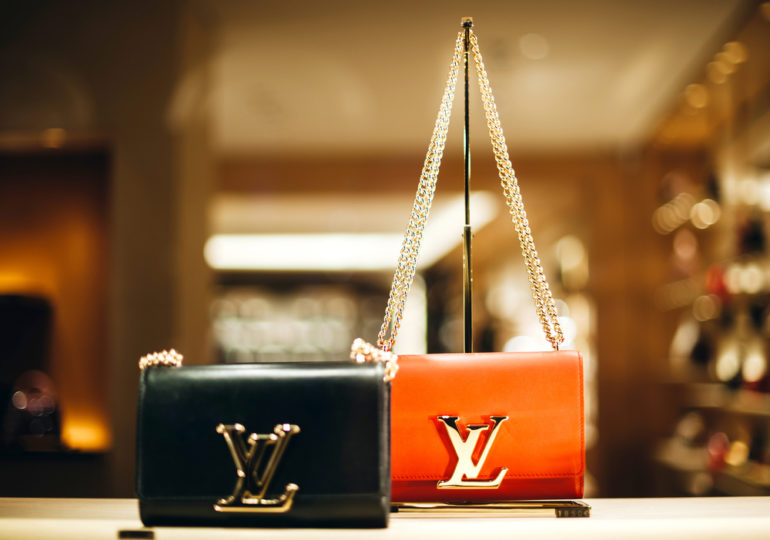
    In the first quarter, LVMH reported revenues of €19.1 billion (US$22.4 billion), marking a decrease of 6%. This decline is largely attributed to various geopolitical tensions impacting business operations across the globe.

    Geopolitical Impacts on Revenue

    LVMH noted that its robust presence in key markets, specifically in the US and Asia, significantly helped in mitigating the disruptions arising from economic instability and conflict in the Middle East.

    Performance Across Different Business Segments

    Looking at the performance of various business segments, wines and spirits showcased revenues of $1.49 billion, showing a decrease of 2% as compared to the previous year. The fashion and leather goods segment, which is the largest division of the group, witnessed a revenue of $10.8 billion, marking a decline of 9%.

    Simultaneously, revenues from perfumes and cosmetics amounted to $2.39 billion, representing a drop of 6%, while watches and jewellery brought in $2.86 billion, a decrease of 2%.

    Expanding Retail Network and Portfolio Optimization

    Furthermore, LVMH has been proactive in expanding its retail network, especially in the UK, and advancing portfolio optimization initiatives within its duty-free business. DFS, a division of LVMH, entered into an agreement with China Tourism Group Duty Free to vend its Greater China operations, which includes the Gallerias located in Hong Kong and Macau. The group also offloaded airport concessions in Los Angeles and San Francisco to Duty Free Americas.

    In spite of the challenging geopolitical and economic environment, mainly due to the conflict in the Middle East, the company remains watchful yet confident.

    LVMH said, “The group stays committed to the growth of its brands, propelled by a consistent policy of innovation and investment along with a continuous pursuit for quality in its designs, their appeal, and their selective distribution.”

    Questions & Answers

    What was LVMH’s reported revenue in the first quarter?
    LVMH reported revenue of €19.1 billion (US$22.4 billion) in the first quarter.

    Which business segment is LVMH’s largest division, and how did it perform?
    LVMH’s largest division is its fashion and leather goods segment, which reported a revenue of $10.8 billion, marking a decline of 9%.

    What is LVMH’s outlook amidst the challenging geopolitical and economic environment?
    Despite the challenging conditions, LVMH remains vigilant yet confident. The group is committed to the growth of its brands, propelled by a consistent policy of innovation and investment and a continuous pursuit of quality in its designs.

  • Uniqlo Parent Company, Fast Retailing, Predicts Record Earnings Amid Global Expansion and Strong Quarter

    Uniqlo Parent Company, Fast Retailing, Predicts Record Earnings Amid Global Expansion and Strong Quarter

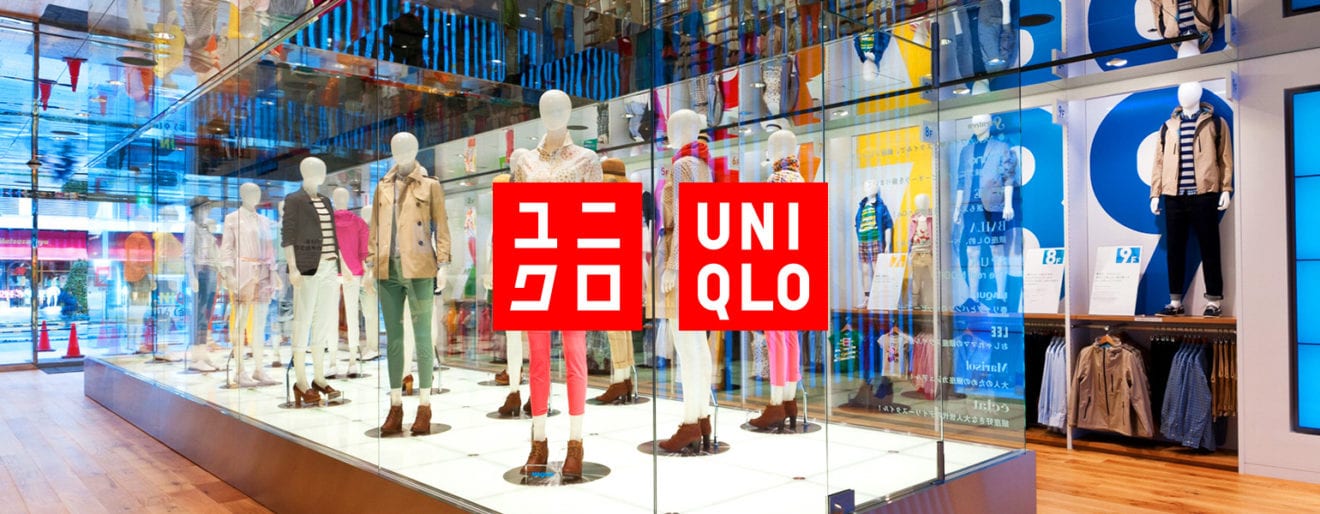
    Fast Retailing, the Japanese company that owns global clothing brand Uniqlo, has revised its full-year forecast, indicating yet another year of record growth. This comes on the back of a stronger-than-expected surge in quarterly earnings, attributed to international expansion.

    Surpassing Expectations

    Fast Retailing reported a 29.4 per cent increase in its operating profit for the quarter ending February, reaching 189.8 billion yen (US$1.19 billion). This impressive figure outperformed the average estimate of 161.6 billion yen. As a result, the company has revised its full-year operating profit forecast upwards to 700 billion yen. This puts the retailer in line for a fifth consecutive year of record earnings.

    Anticipated Impact of Middle East Crisis

    Fast Retailing stated that it does not anticipate any significant repercussions from the Middle East crisis on its production and logistics for its fiscal 2026 year. The company’s second quarter had ended just before the commencement of US-Israeli airstrikes on Iran. This conflict has been instrumental in causing a rise in oil prices and disrupting supply chains. Investment and trading circles are currently on high alert due to uncertainties regarding a potential permanent peace agreement.

    How Uniqlo Could be Affected

    Investors will be closely monitoring how the Iran crisis may influence the expense for Uniqlo, a brand renowned for its affordable clothing basics, including many items made with polyester. Fast Retailing’s shares in Tokyo closed down by 0.5 per cent before these results, but have escalated by more than 18 per cent in 2026.

    Teijin Frontier, a supplier to the company based in Japan, announced recently that it will increase its polyester fiber prices by 20 per cent due to rising oil costs. This echoes warnings from European retailers that a drawn-out Middle East conflict could inflate prices and impact consumer demand.

    Global Expansion and Performance

    Fast Retailing, with its nearly 900 stores in Japan and mainland China, serves as a benchmark for consumer expenditure in these areas. From its origin as a single store in Japan’s Hiroshima city in 1984, Uniqlo now has a presence in over 2500 global locations. The brand has been aggressively expanding in Europe and North America, aiming to diversify its reach beyond China, its largest overseas market.

    Corporate Outlook

    The company’s North American and European operations have seen an annual sales growth of 30-50 per cent since fiscal 2022. Anticipated annual revenue from these regions is projected to reach 3 trillion yen each over the medium term. Meanwhile, a tourism surge driven by a weak yen has bolstered the company’s domestic sales in Japan. However, growth in China has decelerated due to weak consumer sentiment, leading to store closures and restructuring.

    On China, Fast Retailing’s CFO Takeshi Okazaki commented: “We’re pushing forward with structural reforms … I think it’s fair to interpret that the results are now beginning to show in our performance.”

    Questions & Answers

    What is Fast Retailing’s revised full-year operating profit forecast?
    Fast Retailing has increased its full-year operating profit forecast to 700 billion yen.

    How might the Middle East crisis influence costs for Uniqlo?
    If the Middle East crisis leads to sustained high oil prices, the cost of polyester and air freight could increase, potentially impacting Uniqlo’s production costs.

    What are Fast Retailing’s plans for structural reforms in China?
    CFO Takeshi Okazaki did not detail specific reforms but expressed optimism about the positive impact of ongoing changes on the company’s performance.

  • BlackPink’s Jennie Rocks Ray-Ban: New Global Brand Ambassador Brings K-pop Style to Eyewear

    BlackPink’s Jennie Rocks Ray-Ban: New Global Brand Ambassador Brings K-pop Style to Eyewear

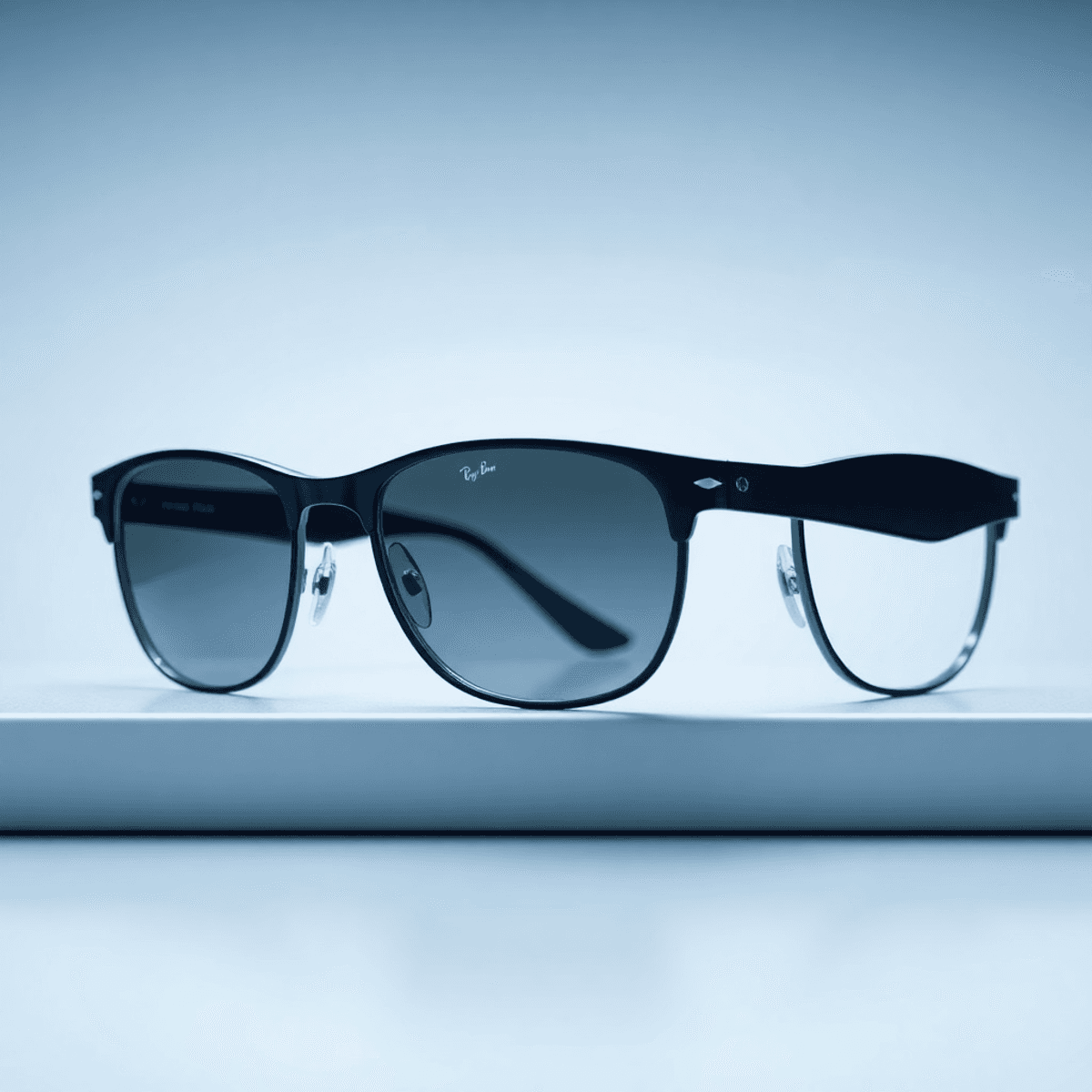
    Global eyewear leader, Ray-Ban, has announced Jennie Kim, from the K-pop girl group, Blackpink, as its newest worldwide brand ambassador. This engagement aligns with the brand’s strategy of exploring partnerships in the music and fashion spheres.

    The Campaign

    The campaign showcases minimalist imagery punctuated with deep red accents, mirroring Jennie Kim’s stage identity as Jennie Ruby Jane. The visuals are designed to resonate with her vibrant persona and dynamic stage presence.

    Curated Collection

    In conjunction with this announcement, Ray-Ban has launched a six-piece capsule collection, curated by Jennie Kim. This range encapsulates her personal style, serving as an extension of her aesthetic appeal.

    The collection features a mix of existing silhouettes, including the Daddy-O and Alix models. Additionally, it includes frames from Ray-Ban’s Asian Design Collection which boasts low-bridge fits and retro-inspired details, combining modern aesthetics with a nostalgic touch.

    Jennie Kim on the Partnership

    Expressing her delight at the partnership, Jennie Kim shared, “I’m really happy to be partnering with Ray-Ban – it felt natural from the beginning.” She further added, “To me, confidence isn’t loud; it comes from feeling comfortable with yourself and expressing who you are in a quiet way. Ray-Ban has that same energy: simple, expressive, and easy to live in.”

    Questions & Answers

    Who is the new global brand ambassador for Ray-Ban?
    Jennie Kim, from the K-pop girl group Blackpink, is the new global brand ambassador for Ray-Ban.

    What is special about the new Ray-Ban campaign?
    The campaign features minimalistic visuals with deep red accents that reflect Jennie Kim’s stage persona, Jennie Ruby Jane. Along with this, a six-piece capsule collection curated by Jennie herself has been launched.

    What does the curated collection by Jennie Kim include?
    The collection includes existing models like the Daddy-O and Alix, as well as frames from Ray-Ban’s Asian Design Collection that feature low-bridge fits and vintage-inspired details.