Category: Fashion

Retail News Asia is committed to providing both local and global retailers with the latest Fashion news throughout the Asian market. This on a daily base.

  • Estée Lauder Partners with Profound to Track Brands Across Generative AI

    Estée Lauder Partners with Profound to Track Brands Across Generative AI

    The Estée Lauder Companies has partnered with AI marketing platform Profound to monitor and optimize how its beauty portfolio appears across generative artificial intelligence platforms.

    Earlier this summer, industry leaders highlighted a new visibility battle for beauty brands as consumers increasingly consult 2 leading AI assistants, ChatGPT and Gemini, for product comparisons and personalized beauty advice.

    Through the collaboration, Estée Lauder gains a consolidated view of how its brands are represented across major AI engines worldwide, deploying Profound’s tools to ensure conversational recommendations align with product positioning.

    Tracking Generative Engine Optimization

    Retail marketing is shifting rapidly from search engine optimization to generative engine optimization. Traditional search engines return ranked links based on keywords, indexing and paid placements. Conversational models work differently. They synthesize answers from training data and live retrieval, producing direct recommendations without standard search results.

    Profound co-founder and chief executive James Cadwallader noted that brand owners must actively monitor how algorithmic systems describe their products to shoppers. The software scans model outputs across regions to flag inaccurate claims, missing product lines and unapproved comparisons.

    “The way people discover beauty is being rewritten in real time, and we intend to shape that shift rather than reacting to it,” said Aude Gandon, global chief digital and marketing officer at The Estée Lauder Companies.

    Shifting Digital Spend From Keyword Search

    Beauty conglomerates face higher customer acquisition costs across standard digital channels as retail media networks fragment and search traffic slows. Deploying optimization software lets brand managers identify which datasets feed recommendation models.

    That transition creates operational friction for teams accustomed to bidding on static keywords. Generative models update retrieval patterns frequently. As a result, visibility is harder to predict and measure across regional variations in product nomenclature.

    Dynvibe chief executive Anne-Cécile Guillemot characterized the rise of conversational discovery tools as a new visibility battle for consumer brands. She noted that companies must rebuild how they structure product data and publish ingredient documentation.

    Monitoring Brand Accuracy Across Platforms

    Estée Lauder will direct its portfolio teams to standardize product attributes, clinical claims and application guidance across databases that large language models crawl. The initiative covers the group’s global stable of skincare, makeup, fragrance and hair care labels.

    Consumer adoption of generative search interfaces has spread across North America, Europe and Asia over the past two years. Beauty remains one of the most queried retail categories on conversational platforms. Shoppers frequently seek advice on complex ingredient combinations and personalized skin routines.

    Looking ahead, the two companies will integrate regional language queries into the monitoring platform as AI engines expand local conversational capabilities.
  • Pakistan Cotton Arrivals Rise 19 Percent to 2.39 Million Bales

    Pakistan Cotton Arrivals Rise 19 Percent to 2.39 Million Bales

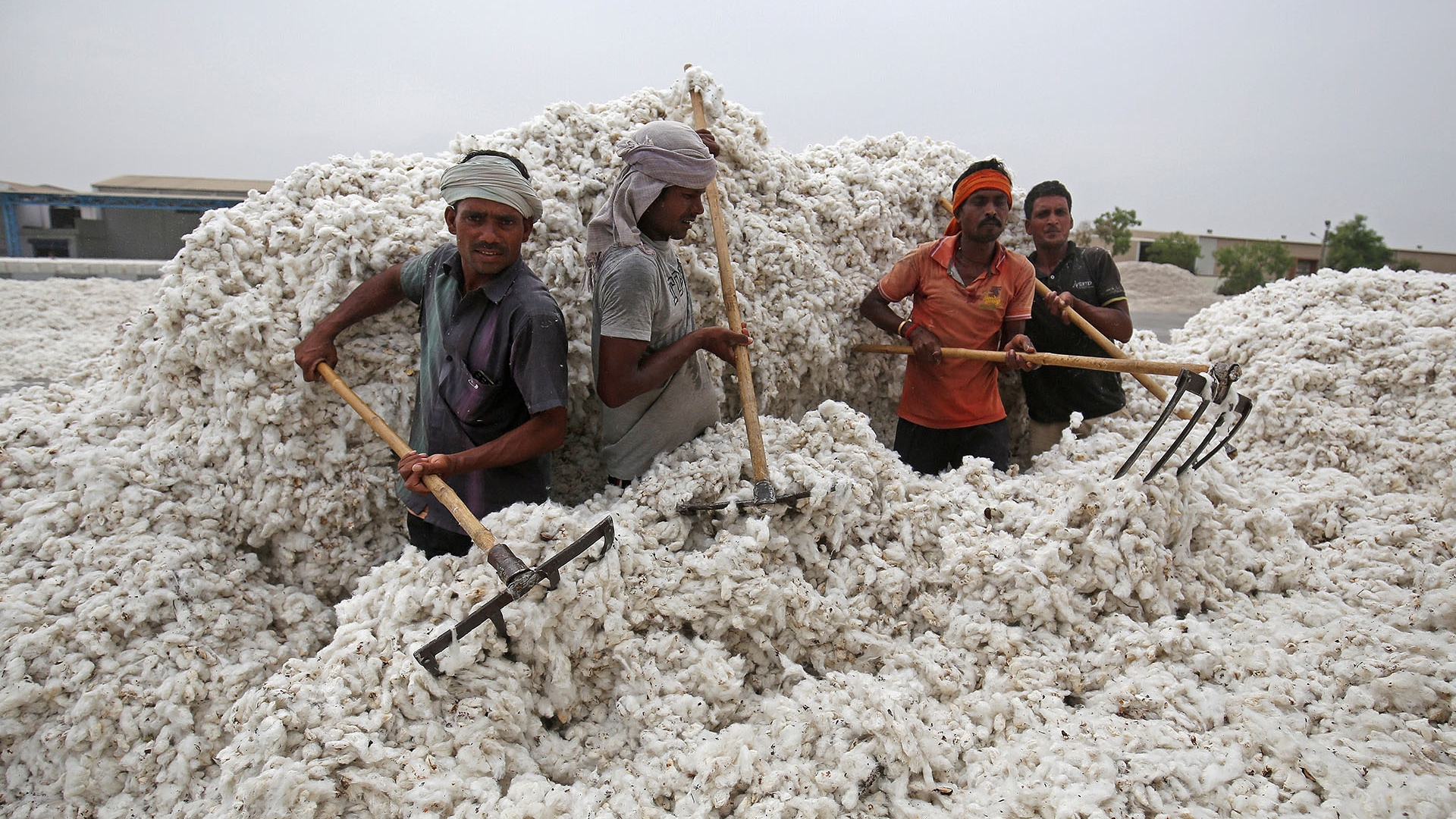
    Cotton arrivals at Pakistani ginning factories reached 2.389 million bales by September 15. That volume is up 19 percent from 2.004 million bales during the same period last year.

    The early surge lifts industry projections for full-year national output above six million bales. Last season yielded roughly 5.5 million bales.

    Provincial receipts showed uneven growth across primary growing regions. Punjab deliveries jumped 24.73 percent to 860,942 bales, while Sindh processed 1.528 million bales, a rise of 16.25 percent. Active facilities totaled 205 ginning factories in Punjab and 207 in Sindh.

    Regional Splits and Factory Volumes

    Sindh led early harvesting through intensive picking in key southern districts. Sanghar district alone delivered 888,607 bales to local ginners by mid-September. That single district outpaced the combined intake of all ginning units in Punjab.

    Steady field conditions across Matiari, Tando Allahyar, Hyderabad, Mirpurkhas, Nawabshah and Naushahro Feroze supported the southern haul. In Punjab, picking concentrated across Bahawalpur, Bahawalnagar, Dera Ghazi Khan, Multan, Vehari, Rahim Yar Khan, Muzaffargarh and Rajanpur.

    Mill Demand and Price Competition

    Domestic spinning and textile mills secured the bulk of intake, buying 2.035 million bales by the reporting deadline. Raw cotton exporters booked 93,000 bales. Ginners were left holding an unsold inventory of approximately 261,000 bales.

    Spot prices dropped sharply across trading hubs despite steady buying by domestic spinners. Over seven days, lint prices fell by about Rs1,000 per maund. Rates settled near Rs18,600 in Punjab and Rs18,400 in Sindh.

    Lower import parity prices for Brazilian raw cotton prompted several Pakistani mills to place overseas orders, dampening local price support. Cheaper imported fiber caps production costs for downstream yarn and fabric makers. Domestic growers, however, face tighter margins at the farm gate.

    This price squeeze creates supply chain risks for regional fashion retailers who rely on Pakistani mills for yarn and finished garments. Falling domestic lint prices could erode farm profits. That risk threatens to reverse acreage recovery in future planting cycles and drive higher import dependency across the South Asian textile corridor.

    Data Gaps and Acreage Shifts

    Cotton acreage in Punjab faces land competition from sugarcane, which has expanded into traditional cotton tracts. That shift explains part of the volume gap between the two provinces.

    Official production figures also show large reporting discrepancies between agencies. The Pakistan Cotton Ginners Association recorded 860,942 bales in Punjab through September 15. The Punjab Crop Reporting Service estimated 1.483 million bales by September 17. That represents a 72 percent gap between factory receipts and provincial field estimates.

    Pest Control and Final Crop Risks

    Early arrivals do not guarantee an unbroken harvest, field specialists warn. Agronomists have identified pink bollworm infestations in both provinces. Whitefly, jassid and thrips also apply localized pressure.

    Pest management over the coming weeks will determine whether crop yields hold.

    “The next few weeks will be critical,” Mahmood said, stressing continuous monitoring of bolls, timely pest-control measures and picking to protect both yield and lint quality.

    Growers and ginners are tracking pest counts and late-season rainfall across southern Punjab and Sindh. The next fortnightly arrival report will confirm whether picking maintains the six-million-bale trajectory.

  • Japanese Lolita Fashion Sales Boom on Chinese E-Commerce Platforms

    Japanese Lolita Fashion Sales Boom on Chinese E-Commerce Platforms

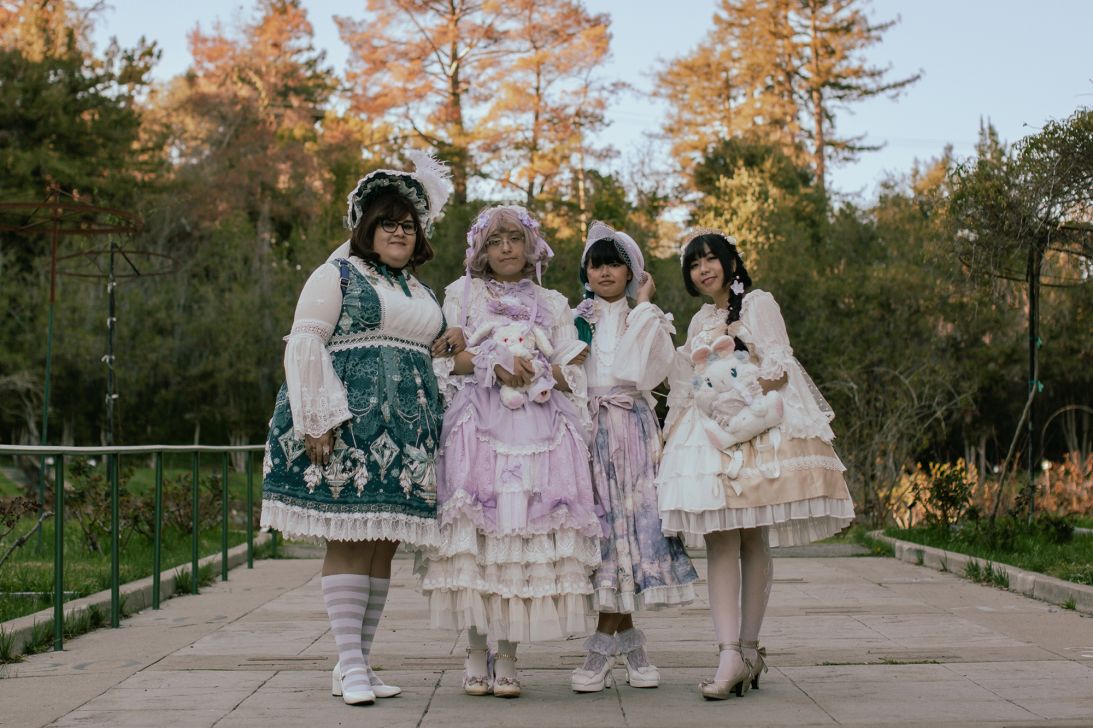
    Young Chinese consumers are driving a surge in Lolita fashion sales across major domestic e-commerce platforms, embracing Japanese kawaii culture with a local twist.

    Demand for the doll-like, lace-trimmed aesthetic was on display in July when 1 woman from Sichuan province showed her Lolita look at a Shanghai anime event photographed by Tomoko Wakasugi.

    Online platforms capture subculture demand

    Online marketplaces carry the bulk of this transaction volume. Specialized domestic apparel merchants list localized versions of Victorian- and Edwardian-inspired garments, shipping directly to buyers across top-tier metros and interior provinces such as Sichuan.

    Events focused on animation, gaming and comics serve as physical show hubs for these collections. Gatherings in Shanghai bring subculture communities together, converting digital engagement into real-world wardrobe displays.

    Cross-border aesthetics reshape domestic apparel

    For fashion brands and apparel manufacturers, the category demonstrates how subculture aesthetics migrate from niche enthusiast circles into broader consumer consciousness. Chinese manufacturers adapt foreign cultural trends quickly, shortening production lead times and lowering entry price points compared to imported Japanese originals.

    Suppliers face distinct operational dynamics in this segment. The garments require complex patterning, specialized lace trim and multi-layered construction, forcing garment factories to maintain higher craftsmanship standards than standard fast-fashion runs demand.

    Subculture commerce and consumer identity

    Younger shoppers in China increasingly allocate discretionary apparel spending toward identity-driven niche fashion. The growth of Lolita fashion builds on earlier waves of Japanese pop culture imports, including anime licensing and cosplay apparel, which established distribution channels on local online platforms.

    Consumer demand persists independently of broader diplomatic frictions between Beijing and Tokyo, reflecting the durable pull of specialized lifestyle subcultures among generation Z buyers.

    Merchant execution and next steps

    Merchants now face the task of retaining customers beyond seasonal animation conventions. The key operating metric to watch is repeat order volume across dedicated subculture storefronts during upcoming fourth-quarter platform sales campaigns.

  • David Jones’s 2012 Mystery UK Takeover Approach: Historical Context

    David Jones’s 2012 Mystery UK Takeover Approach: Historical Context

    Historical context correction (8 November 2026): This article concerns the takeover approach reported on 29 June 2012, not a new approach in 2026. ABC’s report from that date subsequently identified the bidder as EB Private Equity and described an initial A$1.65 billion proposal. ABC’s updated report recorded a 14.6% share-price rise; it does not verify the 12.3% / A$2.54 snapshot retained below. References to a forthcoming offer describe expectations at the time, not a live transaction. The broader commentary about online competition and lease risks is analysis, not a finding established by that ABC report.

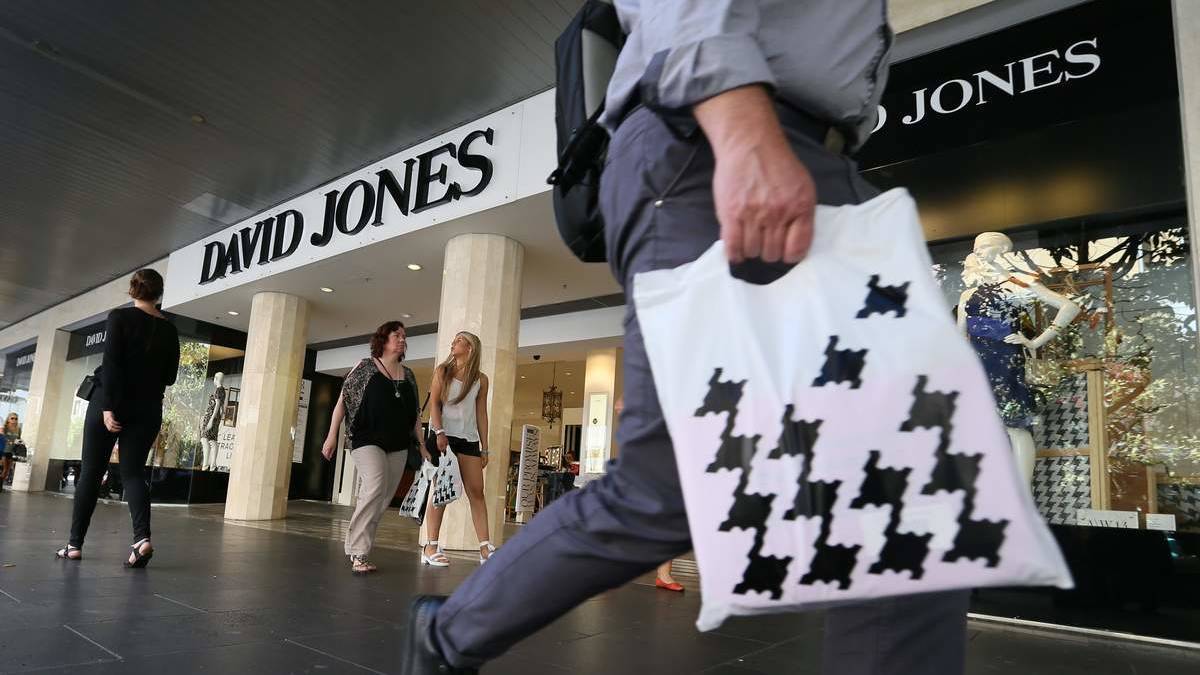
    David Jones shares surged 12.3 per cent to Aus$2.54 on 29 June 2012 after the upmarket Australian department store received an unsolicited takeover approach from a mystery British bidder.

    Early trading peaked with an intraday gain of more than 17 per cent before easing in the afternoon.

    Unsolicited letter from an unincorporated entity

    The Australian retailer confirmed receipt of an indicative letter from a non-incorporated UK business seeking to explore a buyout of the company. Board members stated they lack sufficient operational and financial detail to evaluate the proposal at this stage.

    The directors do not believe they currently have relevant information to enable them to qualify or value the approach but, should this change, will advise the market accordingly.

    Sector-wide rally across department store rivals

    Trading desks reacted immediately across the broader Australian discretionary retail sector. Shares in key domestic rival Myer advanced more than four per cent to Aus$1.61 following the announcement.

    Investors view the approach as an opportunistic bid to acquire prime retail footprint at discounted valuations. Department store operators across the region face margin compression, elevated leasing costs and intensifying competition from foreign e-commerce platforms.

    Balance sheet pressures and online competition

    Traditional multi-brand retailers in Australia continue to grapple with sluggish household spending and shifting shopping patterns. Physical department stores carry substantial fixed property overheads while digital pure-plays capture market share in apparel and beauty categories.

    For institutional shareholders, an offshore buyout approach tests whether current trading prices reflect underlying asset backing. Commercial landlords face lease renegotiation risks if new ownership chooses to rationalise underperforming store space.

    Profit downgrade set the stage for opportunistic bids

    The takeover approach follows a difficult operational stretch for the Sydney-based retail group. In March, David Jones warned that full-year profit could drop by up to 40 per cent as stalled consumer demand and accelerating digital sales weighed heavily on store traffic.

    At the time, attention focused on whether the approach would develop into a formal offer; this was a 2012 development, not a current transaction.

  • South Korea Seizes $3.26 Million in Counterfeit K-Beauty Goods

    South Korea Seizes $3.26 Million in Counterfeit K-Beauty Goods

    South Korean regulators have referred a domestic broker to prosecutors over a 4.5 billion won ($3.26 million) counterfeit ring. The network sold fake cosmetics across major domestic online marketplaces.

    Goods came from Shenzhen. The operation smuggled 61 knockoff product lines into South Korea across a 13-month run starting in October 2024.

    How the Shenzhen pipeline supplied open platforms

    Investigators at the Ministry of Food and Drug Safety found the broker coordinated directly with a Chinese factory to replicate packaging and formulations. The pipeline ran from October 2024 through November 2025 before enforcement teams shut it down. Seized inventory spanned 61 distinct items across skincare and dietary categories.

    Lab inspections by the regional food and drug safety office confirmed every batch came from China. Specialists compared the seized stock against authentic factory samples. They found clear discrepancies in container shapes, label typography, product sizing, liquid color and cream textures.

    Targeting high-demand skincare labels

    Counterfeiters targeted fast-selling domestic brands with large digital followings and strong export sales. Knockoffs copied beauty labels including Celladix, Kahi and Beauty of Joseon, along with Korea Eundan dietary supplements.

    All of these brands rely on digital storefronts and social commerce for volume. The case exposes verification gaps on open platforms, where unauthorized sellers siphon off search traffic for top-selling skincare items.

    E-commerce platform liability and brand defense

    Direct-to-consumer skincare brands face heavy costs policing open marketplaces against counterfeiters in southern China. When unauthorized copies enter domestic channels, brand owners absorb the damage through lost sales, customer service overhead on defective items and degraded consumer trust.

    To protect supply chains, Korean brand operators are shifting distribution toward direct-operated web stores and whitelisted corporate accounts. The ministry urged shoppers to buy only through certified brand storefronts on open marketplaces and avoid unverified sellers offering steep discounts.

    Prosecution referral and market enforcement

    Director Kim Jin-hwi of the Ministry of Food and Drug Safety detailed the seizure at a briefing in Yangcheon-gu, Seoul. Regulators sent the broker’s file to prosecutors for formal indictment. Border inspection teams continue targeted screening on small-batch cosmetics shipments from Guangdong province.

  • Extravaganza Beauty Acquires Luxury Fragrance House Roja London

    Extravaganza Beauty Acquires Luxury Fragrance House Roja London

    Extravaganza Beauty has acquired British perfume house Roja London to fund international retail expansion and new product lines.

    Terms were not disclosed. The transaction shifts founder Roja Dove into an advisory role, while chief executive Audrey Minard remains at the helm.

    Minard has led the business since 2021 and will manage its next operational phase. Dove will provide creative direction and formulation guidance under a long-term consultancy agreement.

    Leadership and Commercial Footprint

    The brand manufactures its products in England. Distribution spans department stores including Harrods, Bloomingdale’s, Saks Fifth Avenue, KaDeWe, Oberpollinger, Jovoy, Laure and El Palacio de Hierro, alongside a standalone boutique in London’s Burlington Arcade.

    Chairman Chadi Douaihy said the deal provides capital to scale innovation across Roja London’s five signature lines: Prestige, Elysium, Aoud, Isola and Art.

    Synergies Across Niche Perfumery

    Extravaganza already holds distribution agreements and brand investments in Amouage, Ex Nihilo, Nishane, Maison Crivelli and Marc-Antoine Barois. Buying Roja London gives the group full equity ownership of a British heritage asset, replacing a reliance on wholesale partnerships across the Gulf Cooperation Council and Asian luxury markets.

    For department store operators and duty-free concessionaires, the deal concentrates supply under one distributor in a category where bottles command high price points. The operational risk lies in protecting prestige and pricing while scaling production.

    From Bespoke House to Portfolio Asset

    Dove established Roja London in 2011 after a career as a perfumer and fragrance historian. He published “The Essence of Perfume” in 2006 and updated it in 2014. The brand gained Butterfly Mark certification from Positive Luxury in September 2024 for sustainable sourcing and packaging across its crystal-embellished flacons.

    Pipeline and Product Rollout

    Fresh capital will fund formulations and counter merchandising across networks in Europe, the Middle East, the Americas and Africa.

    Immediate product development will focus on the Elysium and Isola collections. Revised retail assortments will reach international store shelves in the coming financial year.

  • Esprit Faces US$4 Million Statutory Demand in Hong Kong over European Arbitration Loss

    Esprit Faces US$4 Million Statutory Demand in Hong Kong over European Arbitration Loss

    Creditors have served Hong Kong-listed Esprit Holdings with a statutory demand for nearly US$4 million following an arbitration defeat over its collapsed European operations. The apparel brand manager has three weeks to settle the debt or face a winding-up petition in Hong Kong.

    The claim stems from an ICC International Court of Arbitration award tied to the 2024 failure of Esprit’s European business. Esprit disclosed the liability in half-year results published last month. The formal demand sharply escalates immediate legal exposure.

    The Three-Week Liquidation Clock

    Under Hong Kong insolvency rules, a debtor has 21 days to satisfy or reach terms on a statutory demand. Miss that window, and the creditor can petition the High Court for compulsory liquidation. The law firm owed the arbitration award can start those proceedings if Esprit fails to pay.

    A winding-up petition would freeze asset transfers, disrupt banking relationships, and threaten the group’s listing status on the Hong Kong Stock Exchange.

    European Restructuring Fallout

    Heavy store overheads and sustained losses forced Esprit’s European operating subsidiaries into insolvency in 2024. Management tried to cut those liabilities loose. The board then shifted focus to brand licensing, e-commerce, and joint ventures in Asia.

    Legacy disputes continue to dog the holding company. Unresolved contractual claims from European counterparties remain a direct drain on cash reserves already strained by years of turnaround attempts.

    Mounting Financial Pressure

    The demand arrives as Esprit forecasts another annual loss. Prolonged operational restructuring has failed to reverse revenue declines across core channels, leaving the balance sheet vulnerable to unexpected cash calls.

    Regional retail partners and suppliers face renewed counterparty risk as European liabilities reach the parent entity in Hong Kong.

    Next Steps on the Docket

    Esprit must now decide whether to settle the US$4 million claim in full, negotiate a payment plan, or apply to the court to set aside the demand before the 21-day countdown expires.

  • Frasers Group Extends 65-Cent Takeover Bid for Accent Group to January 2027

    Frasers Group Extends 65-Cent Takeover Bid for Accent Group to January 2027

    Frasers Group extended its hostile on-market takeover bid for Australia’s Accent Group on Friday. Shareholders now have until January 29, 2027 to accept the cash offer of 65 cents per share.

    The London-listed retail conglomerate already controls 22.9 per cent of Accent. It wants to buy every remaining share listed on the Australian Securities Exchange.

    Under the revised schedule announced through broker Barrenjoey Markets, the acceptance deadline shifts from September 30 to 4:00pm Sydney time on January 29. All other financial terms remain unchanged at 65 cents per ordinary share.

    Board Resistance and Turnaround Friction

    Accent’s board has urged shareholders to reject the approach from the start. Directors labelled the 65-cent valuation insufficient and opportunistic. They warned investors that tendering stock forfeits future dividend streams and upside from the retailer’s 2030 strategic growth plan.

    Frasers argues that current leadership broke the business model. Christopher Wootton, a director at Frasers, stated that the group has significant concerns regarding Accent’s strategic direction and performance under chairman Lawrence Myers and the incumbent executive team.

    Ashley’s group has also demanded that Myers step down from the board. Frasers backs the footwear and apparel brands across Accent’s network, but it insists the business needs hands-on operational restructuring rather than standalone turnaround promises.

    Earnings Pressure Across the Australian Footwear Network

    Trading numbers have put Accent under heavy scrutiny. The Melbourne-headquartered retailer recorded $1.64 billion in sales for fiscal 2026, but finished the financial year with a net loss of $13.8 million.

    This playbook matches the standard Frasers takeover blueprint across the Asia-Pacific retail market. The company builds a blocking minority stake, waits for margin compression or losses, and tables a low-premium cash bid to squeeze institutional holders.

    For Australian retail landlords and rival apparel chains, prolonged ownership battles create operational paralysis. Store network optimisation, lease renewals, and capital expenditure decisions slow down while executives defend against board spills and creeping takeovers.

    Timeline of the On-Market Pursuit

    The takeover fight started on June 15, 2026, when Frasers lodged its initial bidder’s statement on the ASX after amassing its 22.9 per cent holding. A supplementary bidder’s statement followed on August 10 to address technical offer disclosures.

    Barrenjoey Markets registered the extension notice with the ASX on September 18. The revision keeps the offer active through holiday trading and forces Accent’s board to defend its interim performance numbers in the middle of the takeover window.

    Shareholders face a four-month wait until the January 29, 2027 closing bell. Market attention now turns to whether Frasers lifts its 65-cent price or attempts a formal boardroom challenge at the upcoming annual general meeting.

  • Guangzhou Fashion Label Mithridate Plans Retail Expansion and Footwear Push

    Guangzhou Fashion Label Mithridate Plans Retail Expansion and Footwear Push

    Guangzhou fashion label Mithridate will open new physical stores this year. It is also expanding into commercial accessories and footwear categories.

    The Chinese brand announced the retail push alongside its Spring 2027 ready-to-wear runway presentation at London Fashion Week.

    Store Openings and Category Growth

    Management is using the international runway schedule to back a broader commercial build-out. Creative director Daniel Fletcher confirmed the label will add brick-and-mortar locations this year to capture domestic and regional demand.

    Teams spent recent seasons developing production lines for shoes and accessories. Those categories carry higher margins and faster replenishment cycles than runway garments.

    “We have new stores opening this year, we’re really growing, and when you look at what we’re doing with accessories and shoes, categories that have taken some time to develop, the ambition is big,” Fletcher said.

    Runway Format and Product Lineup

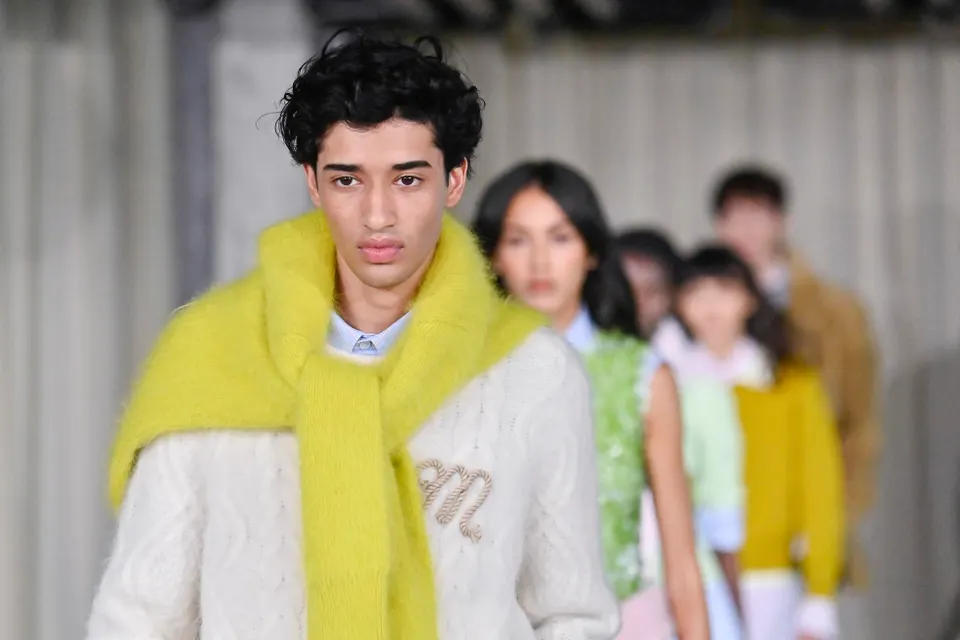
    Its latest women’s and men’s collection mixed British tailoring with casual separates to anchor the retail mix. Looks included Victorian-style uniform tailoring, bubble-hem party dresses and headwear designed by milliner Noel Stewart.

    Commercial pieces centered on British preppy sportswear. Offbeat rugby jerseys, ribbed polos, school-style scarves, striped micro shorts and relaxed studded denim formed the core line for retail distribution.

    Shifting Playbook for Chinese Labels

    Chinese independent designer houses have overhauled their expansion strategies over the past two seasons. Instead of relying solely on domestic multi-brand stockists and wholesale showrooms, brands based in Guangzhou and Shanghai are funding direct store networks.

    Standalone shops require reliable footwear and leather goods to lift revenue per square meter. Ready-to-wear draws foot traffic. Leather goods and shoes protect operating margins when department store wholesale orders drop.

    Building Foundation Beyond Domestic Wholesale

    Earlier, the company established its production base in Guangzhou before tapping Fletcher to lead design and raise its profile in European markets. Early collections tested international wholesale interest before management committed capital to retail leases and category diversification.

    Mithridate will roll out its Spring 2027 footwear and accessories lines as the upcoming retail locations open later this year.

  • Nike Appoints LVMH Executive Alexandre Arnault to Board

    Nike Appoints LVMH Executive Alexandre Arnault to Board

    Nike has appointed LVMH executive Alexandre Arnault to its board of directors. The hire adds luxury brand experience as the company battles an 80 percent share price collapse from its 2021 peak.

    Revenue reached $46.4 billion during fiscal 2026. That was a 2 percent decline in constant currency, driven by slower demand for core footwear lines across global markets.

    Arnault serves as deputy chief executive of Moët Hennessy, the wine and spirits division of French luxury conglomerate LVMH. He previously directed product and communications at Tiffany following its $16 billion acquisition in 2021. Before that, he ran luggage maker Rimowa for four years, leading collaborations with streetwear and designer labels.

    Luxury Playbook Meets Mass Footwear

    He joins a boardroom that includes Nike co-founder Phil Knight and Apple chairman Tim Cook. Arnault becomes the group’s first director drawn directly from luxury retail. Chief executive Elliott Hill wants to sharpen brand positioning across direct retail and wholesale channels. That push focuses on streetwear and basketball, where product excitement has waned.

    Regional markets across Asia-Pacific and Greater China present structural headwinds. Domestic sportswear groups have captured market share there, while specialist running brands claim prime mall space. Collaborations and elevated styling generate social cachet. Still, they cannot replace the volume engine of core running shoes that fill supplier order books and franchise retail floors.

    Streetwear Weakness and Wholesale Friction

    Retail partners have contended with slower sell-through across Nike Sportswear and Jordan lines. This forced discounts that compressed profit margins over recent quarters. Hill stated during the fiscal fourth-quarter review that weak demand in lifestyle categories continues to hurt current pricing and future order commitments.

    Distribution strategies between the two sectors differ sharply. Luxury houses thrive on tight product allocation and high direct margins. Mass sportswear operators in Asian metropolitan centres rely on wide availability, wholesale scale, and predictable replenishment.

    Delisting From S&P 100

    A sharp drop in valuation led S&P Dow Jones Indices to schedule Nike’s removal from the S&P 100 index on September 21. That ends an 18-year presence. The company’s stock has dropped 50 percent since the start of 2026.

    Pershing Square Capital Management founder Bill Ackman endorsed the board addition publicly. Ackman built and exited an equity position in Nike between mid-2024 and early 2025. Mark Parker, executive chairman of Nike, said Arnault had earned a reputation for helping global brands evolve in a complex marketplace.

    Earnings Test on October 1

    Hill told investors earlier in September that management is restructuring product creation and delivery for a decade-long recovery rather than quarter-to-quarter fixes. The overhaul covers design, manufacturing, and distribution to re-establish athletic performance credibility.

    Investors turn next to October 1, when Nike reports financial results for the first quarter of fiscal 2027. Market consensus projects quarterly revenue of $11.35 billion and earnings of $0.45 per share.

  • Onitsuka Tiger, Laneige, Adidas and Lacoste Open Four Asian Flagships

    Onitsuka Tiger, Laneige, Adidas and Lacoste Open Four Asian Flagships

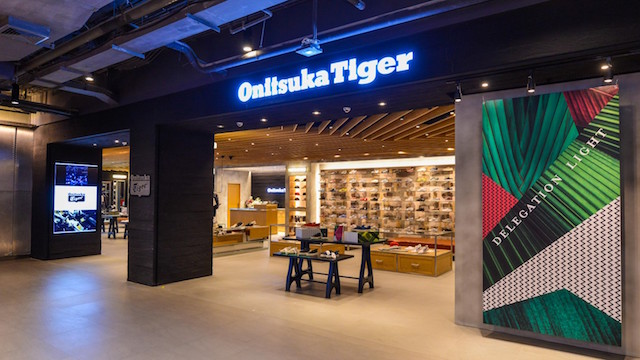
    Four major retail brands, Onitsuka Tiger, Laneige, Adidas Originals, and Lacoste, opened flagship stores across Tokyo, Seoul, Bangkok, and Hong Kong in August 2026 to expand their physical footprints in Asia.

    The rollouts include an 1,837-square-metre store for Onitsuka Tiger in Shinjuku and an 18-month redevelopment for Laneige in Seoul featuring on-site robotic product compounding.

    Automation in Seoul and Scale in Tokyo

    In Tokyo, Onitsuka Tiger opened its largest global flagship across four levels in Shinjuku. Designed with Milan architecture firm Studio Dini Cataldi, the building features a Tiger Yellow concrete facade and houses the label’s complete lineup, including the Heritage, Contemporary, and The Onitsuka formal footwear ranges under a unified roof.

    Laneige reopened its Seoul flagship with automated manufacturing built directly into the sales floor. Shoppers use artificial intelligence diagnostics to generate custom skincare and complexion formulations. A robotic dispenser produces personalized cushion foundation from 150 shades, while custom Cream Skin toners are blended on site from 25 base formulations in roughly 20 minutes.

    Laneige Seoul is our perception of what the future of beauty, technology and design looks like. Every visit is different; every product is yours alone.

    Heritage Streetfronts in Bangkok and Hong Kong

    Adidas Originals took over a two-storey godown on Song Wat Road in Bangkok, creating its first standalone street location in Thailand. The ground floor integrates trading district props such as pushcarts alongside a Maker Lab for apparel customization, while the upper level holds Southeast Asia’s first combined Adidas and % Arabica coffee outlet overlooking the Chao Phraya River.

    Lacoste established a flagship in Hong Kong’s Central district inside the Grade I historic Pedder Building. The interior repurposes the structure’s classic arches into dedicated zones for menswear, womenswear, and sport, incorporating art by Alvin CK Lam and furniture built from recycled tennis balls by Belgian designer Mathilde Wittock.

    The Direct-to-Consumer Calculation

    These large-footprint flagships show operators trading sales floor density for operational theatre. By bundling customization labs, in-store cafes, and robotic assembly lines into physical spaces, brands are treating flagships as media channels rather than simple inventory distribution points. The approach increases fit-out costs and staffing requirements, but it insulates physical locations against pure e-commerce erosion by selling products that cannot be purchased online.

    For landlords across prime Asian high streets, the shift favors tenants that can generate sustained foot traffic without relying entirely on wholesale distribution. The risk rests in long-term maintenance: high-concept production zones and customized hardware require ongoing operational discipline once initial opening publicity fades.

    The Shinjuku opening follows an August restructuring announcement from parent group Asics, which approved a plan to carve out the Onitsuka Tiger business into a wholly owned unit named OT Group. That operational transfer takes effect on January 1, when the brand begins trading under the dedicated subsidiary.

  • Melbourne Fashion Week Schedules 100 Events Across City Retail Precincts

    Melbourne Fashion Week Schedules 100 Events Across City Retail Precincts

    Melbourne Fashion Week will show more than 600 looks across seven runways next month as the annual municipal event rolls out over 100 commercial and cultural programs.

    The schedule features more than 300 designers and retailers occupying city streets, public venues, and commercial precincts under the theme Wear the Moment.

    Runways and retail capsules

    Organisers split the program across ticketed runway presentations, free public events, and retail activations. Participating Australian labels include Bianca Spender, Búl, Clea, Elk the Label, Perple, and Sean Rentero, alongside First Nations brands Clothing The Gaps, Gammin Threads, Grace Lillian Lee, and Ngali.

    Independent events woven into the lineup include a fashion dining session at Pastuso, an Amnesty International runway show, and a textile sustainability swap organized with the United Nations Association of Australia. A series of Fashion Capsules will run separately from September 28 to October 25, staging installations from over 30 local designers across five public sites.

    Melbourne doesn’t just follow the fashion trends; we create them. For a week, Melbourne becomes a runway.

    Commercial exposure and independent labels

    Municipal fashion programs in the Asia-Pacific region increasingly serve as direct-to-consumer sales engines rather than strictly trade-buyer shows. Melbourne’s decentralized model pushes foot traffic directly into central business district retail hubs, supporting domestic labels that rely on local brand engagement rather than wholesale department store orders.

    The mix of established commercial brands and independent micro-labels reflects the realities of the Australian apparel market. Rising operating overheads and tight consumer discretionary spending have pressured mid-tier retail networks, making high-visibility municipal stages critical for independent designers seeking consumer conversion without heavy marketing budgets.

    Industry dialogues and rollout dates

    Business discussions during the week will focus on commercial scaling and demographic representation. The Collarts-presented M/FW Conversations series, moderated by journalist Virginia Trioli, will cover the logistics of growing an apparel business alongside sessions addressing the representation of women over 50 in fashion retail.

    Melbourne Fashion Week begins its full calendar next month following the launch of the Fashion Capsules installations on September 28.

  • Cue Clothing Enters Voluntary Administration 17 Months After Hilco Capital Takeover

    Cue Clothing Enters Voluntary Administration 17 Months After Hilco Capital Takeover

    Australian womenswear retailer Cue Clothing Co collapsed into voluntary administration and receivership on Tuesday, 17 months after private equity firm Hilco Capital acquired the business.

    The insolvency puts both the flagship Cue label and sister brand Veronika Maine under external control after nearly six decades of continuous trade in Australia and New Zealand.

    Staff received notice of the administration on Tuesday afternoon. Hilco Capital bought the business from the founding Levis family in April 2025 for an undisclosed sum, aiming to restructure operations across its standalone retail boutiques and department store concessions.

    Private Equity Turnaround Stalls

    Hilco stepped into Cue with a track record of distressed retail interventions in Britain and Australasia. The firm sought to stabilise operating margins while keeping local store footprints intact, yet cost pressures across domestic mall tenancies and softened discretionary apparel spending eroded working capital.

    Mid-market fashion labels across the Asia-Pacific region face intense margin compression. Fast-fashion platforms operating cross-border logistics out of southern China have captured younger demographics, while premium international labels squeeze traditional domestic department store brands out of top-tier foot traffic corridors.

    Landlords and Concessions Face Exposure

    Shopping centre landlords across Sydney, Melbourne and Brisbane face immediate lease renegotiations as administrators assess store profitability. Department store chains hosting Cue and Veronika Maine concession pads must now review floor allocations ahead of peak holiday trade.

    Supply chain partners across domestic cut-and-sew contractors and regional fabric mills face payment freezes under the administration process. Cue long differentiated its brand identity through local Australian manufacturing quotas, an operational model carrying higher unit production costs than peers relying entirely on offshore contract manufacturing.

    From Family Ownership to Receivership

    The Levis family established Cue in Sydney in 1968, guiding the label through multiple economic cycles, tariff reductions and the arrival of global apparel giants. The family retained full ownership until agreeing to the April 2025 sale to Hilco Capital.

    Appointed administrators will now run an urgent financial assessment of store operations while soliciting expressions of interest for brand assets and inventory before convening the first statutory meeting of creditors.

  • Kushal’s Launches Silver Brand Anera Targeting Rs 25 Crore

    Kushal’s Launches Silver Brand Anera Targeting Rs 25 Crore

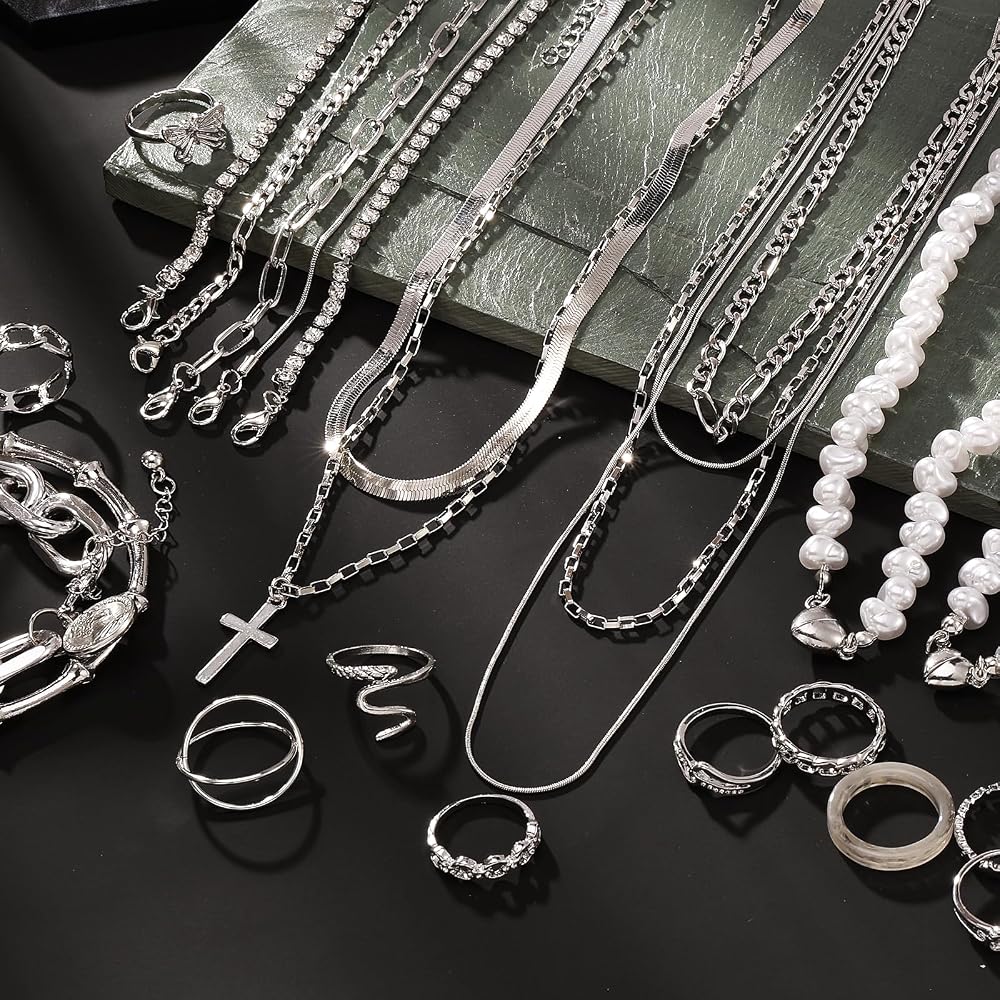
    Indian fashion jewellery retailer Kushal’s launched a standalone silver jewellery brand named Anera, targeting Rs 25 crore in first-year revenue across a new standalone retail network in southern India.

    The expansion commits the Bengaluru-based company to six initial high-street stores covering 2,500 to 3,000 square feet each, starting with a flagship location in Bengaluru on September 26.

    Five additional outlets will follow over the subsequent seven weeks across Bengaluru, Hyderabad, Coimbatore and Vijayawada. The initial footprint allocates two stores each to Bengaluru and Hyderabad, alongside single units in Coimbatore and Vijayawada. Founder Kalpesh Gulechha confirmed the brand will evaluate store unit economics across these four cities over a three to six-month test period before deploying capital toward a broader pan-India store opening programme.

    High-Street Stores and Metal Mix

    Silver accounts for a rapidly expanding share of the parent company’s existing merchandise mix. Contribution from the metal rose from between 2 and 3 per cent four to five years ago to between 15 and 18 per cent today, prompting management to separate the category from its traditional imitation fashion jewellery counters.

    Anera targets shoppers aged 25 to 45 with merchandise tailored for daily office wear, weddings, festive collections and self-gifting. The business model relies on converting younger buyers seeking design variety without committing to the higher price points commanded by gold.

    “We want to shift the conversation from the metal value to meaning, style, expression and emotion,” Gulechha said.

    The standalone retail format requires larger store footprints than typical fashion jewellery kiosks, opting for dedicated high-street frontage to build a premium atmosphere. That retail footprint increases fixed lease commitments, putting the onus on high sales density per square foot to justify standalone store viability.

    South Indian Test Bed

    Selecting Bengaluru, Hyderabad, Coimbatore and Vijayawada gives Kushal’s an immediate reading on regional appetite across tier-one and tier-two southern retail corridors. South India remains the country’s most active regional jewellery market, though organized competition in branded silver has expanded as apparel and lifestyle chains compete for the same discretionary spend.

    For high-street landlords, the entry of dedicated silver formats adds another commercial tenant category competing for ground-floor fashion frontage against traditional gold retail giants and beauty brands. The operational risk sits in managing inventory turnover across fast-moving fashion designs while silver raw material costs fluctuate.

    Before launching Anera, Kushal’s built its core business around costume and fashion jewellery retail, gradually increasing its fine silver assortment inside existing stores over the last half-decade. That shift laid the groundwork for carving out a separate retail brand once internal sales data demonstrated steady customer migration toward higher-ticket precious metal purchases.

    Management projected Anera’s annual revenue to reach Rs 65 crore in its second year. Performance metrics from the first six southern stores across the upcoming six-month trial window will determine the pace and geography of the brand’s national retail rollout.

  • Converse Opens 2 Next-Generation Stores in Nanjing and Shanghai

    Converse Opens 2 Next-Generation Stores in Nanjing and Shanghai

    Converse opened two concept stores in Nanjing and Shanghai in September 2026 as part of an experiential retail push across mainland China. The footwear brand already distributes through more than 700 locations across the country. Those operations are led by its Star Concept and X-Ing shop formats.

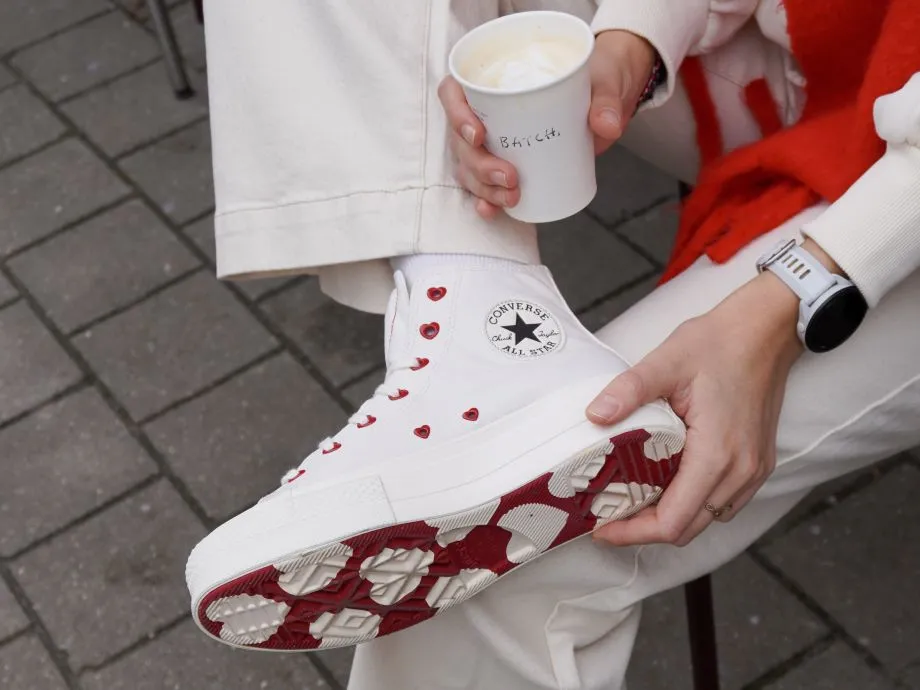
    In Nanjing, the store follows the Converse Star Concept design. It pairs localized city storytelling with premium product allocations. There is also a dedicated Converse Select zone built for early-access releases and top-tier merchandise. The site served as the debut platform for the Chuck 70 X, an updated edition of the core sneaker with an altered structural fit and cushioned insoles.

    Community Formats on Yuyuan Road

    On Yuyuan Road in Shanghai, the brand launched a Converse X-Ing store. The location functions as an interactive hub rather than a transactional shop. It incorporates customisation workshops, art displays, rotating pop-ups, and collaborative workspaces for local designers.

    Converse said in an announcement detailing the Shanghai site that the store invites creators and consumers to connect through community programming.

    Shifting Floor Space to High-Touch Retail

    Sportswear brands in China face heavy margin pressure from domestic e-commerce channels and local rivals. Footwear labels are responding by reallocating capital into prime street locations and major mall units. These spaces serve as marketing assets rather than simple stock rooms. By splitting tiers between core Star Concept stores and creative X-Ing outposts, Converse aims to defend its pricing power and cultural cachet with younger urban shoppers.

    Higher overhead creates real risk for operators. Prime rents on strips like Yuyuan Road add up quickly alongside event production and staffing costs. If programming fails to drive repeat visits and full-price sales, concept spaces turn into costly marketing drains rather than profitable channels.

    Building Out the Asia Network

    These mainland openings follow the rollout of larger formats across Asia, including the launch of the brand’s largest flagship store in India in June 2026. Across the region, the company continues to refine its direct retail tiers. This separates basic wholesale distribution from high-margin specialty releases.

    Market watchers will track how the Chuck 70 X and Select zone lines perform across the wider 700-door mainland network before Converse takes the Star Concept format into secondary Chinese retail hubs.