Category: Fashion

Retail News Asia is committed to providing both local and global retailers with the latest Fashion news throughout the Asian market. This on a daily base.

  • Coty sales, profit best estimates despite supply chain woes

    Coty sales, profit best estimates despite supply chain woes

    Coty Inc announced  its second-quarter results for fiscal 2019, confirming it expects to make in a net profit for the period, despite overall sales taking a dive and supply chain issues. The New York-based cosmetic and luxury fragrance company said net revenues for the second quarter came in at $2,511.2 million, for a decrease of 4.8%, while like-for-like revenues grew 0.7%.

    The company said it was helped by higher sales in its luxury segment, with strong holiday demand for the Gucci, Marc Jacobs and Burberry brands.

    That said, the maker of luxury perfumes recorded a net loss of $960.6 million compared to $109.2 million in the prior-year.

    Adjusted net income was $181.9 million, a decline of 23%, “driven by the lower adjusted operating income and the $41.8 million positive foreign tax settlement in the prior year,” said Coty in press release.

    Excluding certain items, the company earned 24 cents per share, topping expectations of 22 cents, and sending its shares up 20%

    “I must stress that while we are confident that we can return Coty to a path of sustainable growth, we are also realistic that it will take time to achieve this outcome,” Coty’s recently appointed Chief Executive Officer Pierre Laubies, said in a statement.

    Revenues in Asia, Latin American, the Middle East and Africa (ALMEA) totalled $567.4 million, to make up 23% of total revenues. Coty said the region showed solid growth despite impacts from supply chain disruptions. Revenues decreased 5% as reported, but grew 4% LFL, fuelled by strong growth in Luxury and Professional Beauty.

    However, Coty’s consumer beauty Max Factor declined in China.

    North America revenues were unchanged at $742.2 million, or approximately 29% of total net revenues, while Europe remained Coty’s largest market, accounting for close to half of company revenues at $1,201.6 million, down just 1% on last year.

  • Avon 2018 sales dip, culls sales reps globally

    Avon 2018 sales dip, culls sales reps globally

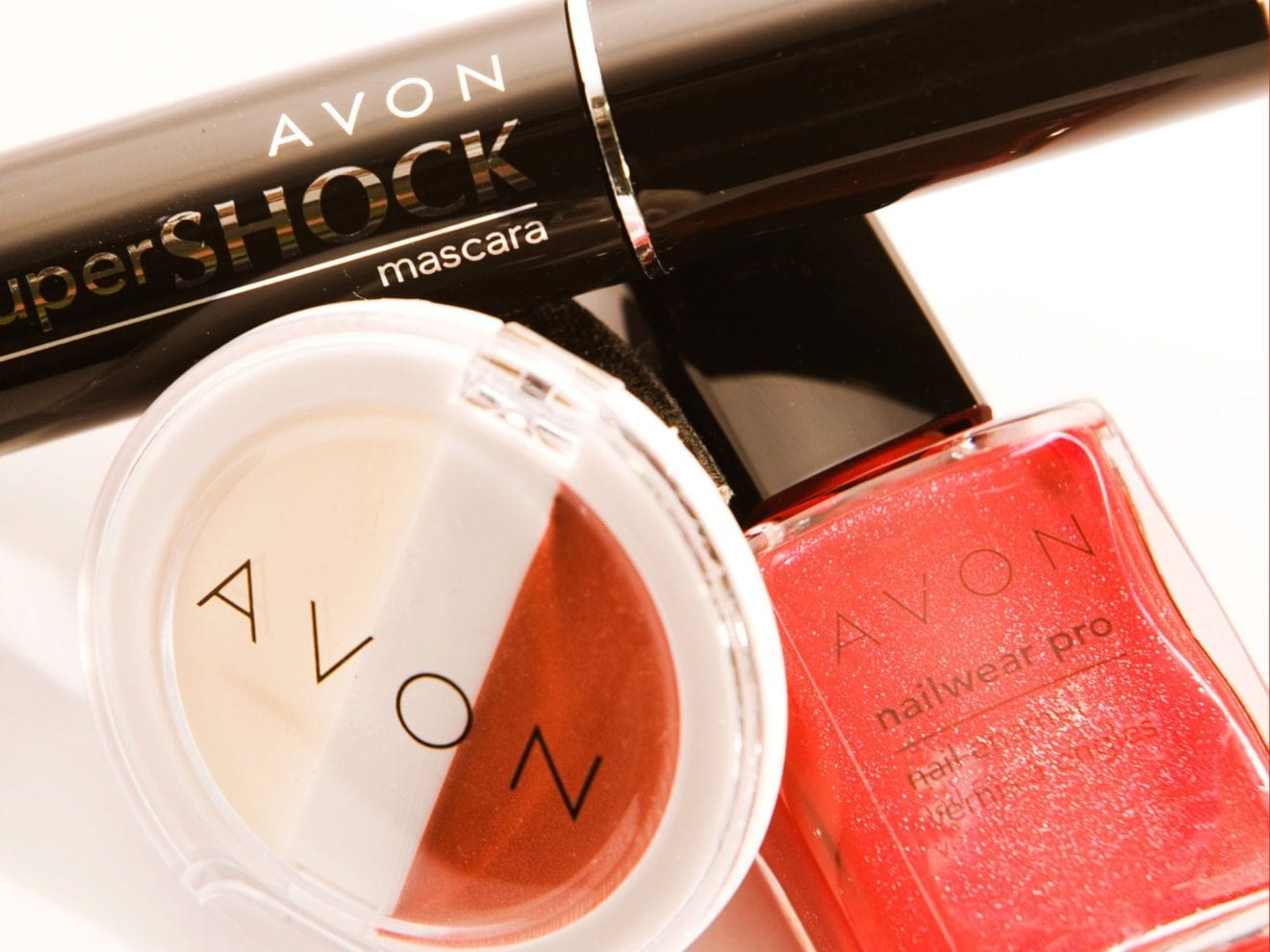
    Avon reported its fiscal 2018 results earlier in the month, saying revenues declined as the beauty giant continued to cull it sales representatives across the globe. The London-headquartered company said total revenue decreased 2% for the twelve months, while like-for-like revenues decreased 3% in constant dollars. The number of Active Representatives declined 5% with decreases reported in all segments, said Avon, with Ending Representatives declining 8% with decreases reported in all segments.

    On a positive note, Avon’s average order increased 10%, while on a like-for-like basis, average orders increased 2%, primarily driven by increases in South Latin America, North Latin America and Asia Pacific, said Avon in a press release.

    Avon reinforced the positives of its “Open Up Avon” strategic plans, addressing falling levels of its representatives.

    “We are in the initial stages of our turn-around plan with fourth-quarter results showing sequential improvement in revenue trends in 4 of our top 5 markets, as well as some early signs of progress against our core strategies,” said Avon’s CEO, Jan Zijderveld.

    “As we look over the course of 2018, we are seeing tangible signs of increased productivity by our Representatives, with sequential increases in Average Representative Sales, Net Price Per Unit and e-commerce.”

    Avon made several cost-reducing decisions in 2018, including the announced sale of its China manufacturing facility. The cosmetic giant more recently announced its intention to reduce the global workforce by an additional 10% in 2019, on top of its already completed 8% reduction in 2018.

    “We have begun to identify repeatable business models in training and recruiting, while reducing our cost structure and taking steps to simplify our business infrastructure,” added Zijderveld.

    Avon reported a diluted loss per share of $0.10. Like-for-like diluted earnings per share was $0.01, compared with $0.06 for 2017.

  • Esprit’s loss in line with forecast

    Esprit’s loss in line with forecast

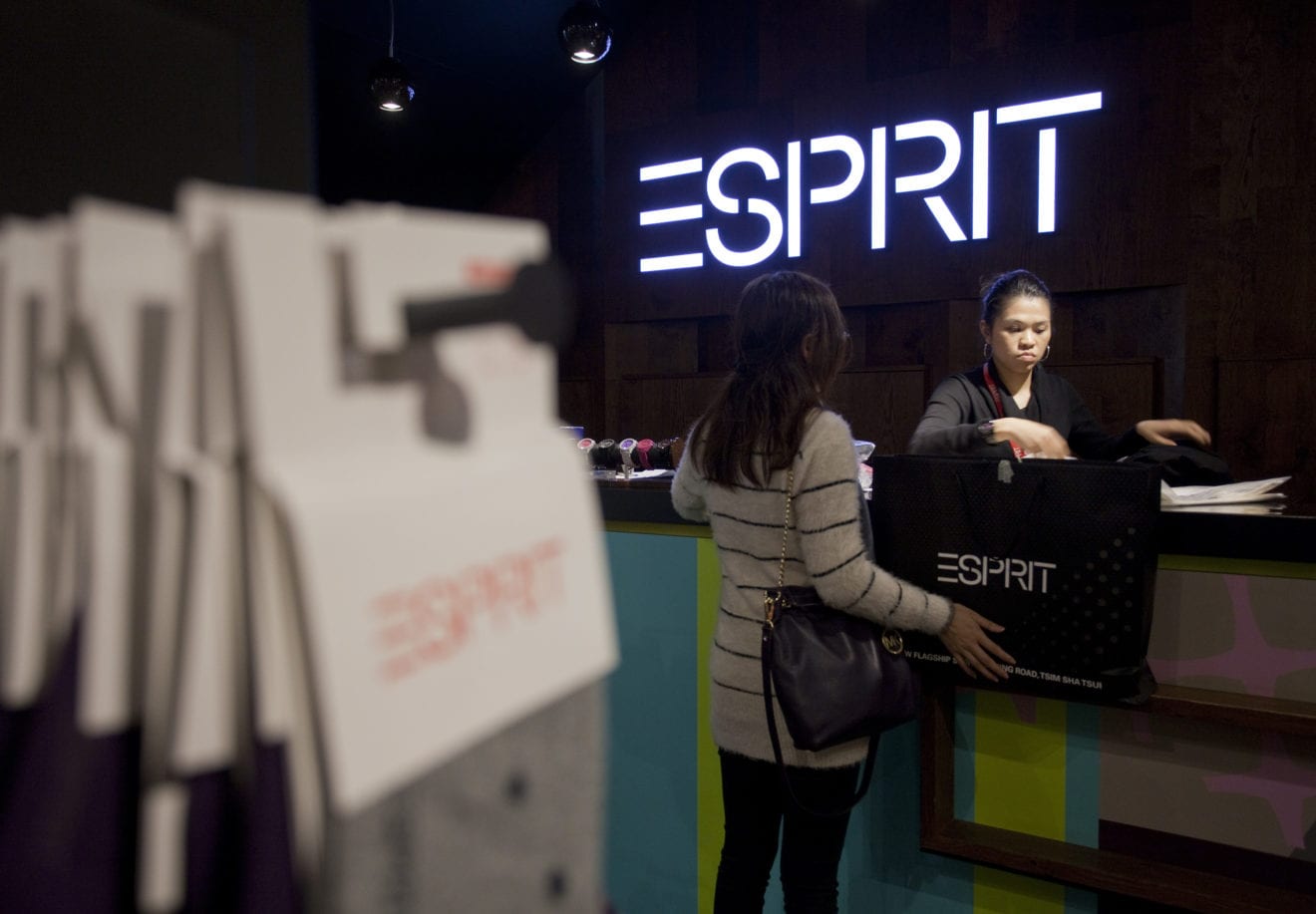
    Fashion retailer Esprit shuttered 91 stores in the six months to December and recorded a loss of HK$1.773 billion (US$225.876 million). While the loss is massive, it is within the estimates Esprit provided at an investor presentation last November when it unveiled its rescue strategy for the embattled Hong Kong-listed brand. The 91 stores closed during the fiscal half year come on top of another 50 in the half year preceding it. More closures are to come as the company trims its network to meet falling consumer demand for its range and save on rent.

    Esprit’s revenue for the half year fell to $6.766 billion, down 14.4 per cent in local currency terms, due to fewer stores and “reduced customer traffic across the distribution channels due to the weakness in brand identity and product appeal,” the company said in a stock exchange filing.

    The company’s share price fell from $2.04 to $1.83 (US 23 cents) as the results were released, before recovering a little this morning despite the results being inline with the company’s forecasts last November.

    Esprit “has a clear strategy plan in place setting forth bold changes to build a powerful organisation and restructure the cost base and develop a new model for the future,” the company reiterated in its filing. That plan includes becoming a leaner and more efficient organisation, eliminating loss-making areas of the business, sharpening the Esprit brand identity and putting the customer at the centre of everything the group does, and

    improving the product offer and its relevance to consumers.

    “The execution of the strategy plan is progressing well and is on track. While the group is encouraged by the initial progress and [has] a committed team in place to see the execution through, it is important to appreciate that it will take time to see this translate into a positive business performance, as most initiatives are still at this stage a work-in-progress and it will require time to make the corresponding improvements in brand and product visible to our customers for attracting them back into Esprit stores.”

    Included in that process is the reduction of between 35 and 40 per cent of non-store employees, already completed in Asia and on track in Europe.

    Meanwhile, the company said that while revenues continued to decline in the first half, the rate of decline is slowing. In the three months to September, sales in local currencies fell by 16.2 per cent, while in the following three months, sales fell by 12.5 per cent.

    Asia Pacific – comprising mainly China, Hong Kong, Singapore, Malaysia, Taiwan, Macau, Thailand, India and the Philippines – accounted for just 10.4 per cent of the group’s total revenue, or $698 million. That was down 26.6 per cent, in part affected by the closure of the Australia and New Zealand Esprit businesses last year.

    Transition period

    Esprit says it expects the next two years to be a period of transition for the company and its brands

    “Revenue is expected to see further decline in the next two financial years due to closure of loss-making stores, before reverting to growth to be driven by impact from product and brand initiatives. Overall, the group expects revenue to increase at a compound annual growth rate of a mid-to-high single-digit percentage in local currency between FY19/20 and FY23/24.”

    It reiterated its earlier forecast of breaking even in two to three years time.

    A “low double-digit” decline in topline sales is expected in the second half of the current financial year.

  • Amorepacific facing painful dilemma

    Amorepacific facing painful dilemma

    For Amorepacific, the last year has been painful in terms of both sales and brand development. The cosmetics giant saw its operating profit halve to 549 billion won (US$491 million) in 2018, just two years after it joined the “1 trillion-won sales club” in 2016 for the first time as a cosmetics maker. With its glory falling to the past, Amorepacific has been outpaced by rival LG Household & Healthcare. LG Group’s cosmetics arm became the newest member of the 1 trillion-won sales club last year, cementing its No. 1 status in terms of market capitalization, which totaled 23.1 trillion won as of June last year.

    In the fourth quarter of 2018, Amorepacific’s operating profit came to 16.4 billion won, down 82 percent on-year.

    The company had many reasons to blame for its profit decline, including a rise in the minimum wage, weak performance of its budget cosmetics brand with the advent of numerous competitors at health and beauty stores, e-commerce and even home shopping channels.

    This has put the brakes on Amorepacific’s drive to construct a beauty industrial complex in Yongin, Gyeonggi Province. In 2017, the cosmetics giant had unveiled its plan worth 163 billion won for the complex to develop cosmetics and beauty products.

    But the company announced last month that it would scrap its complex project due to dwindling profits as well as fierce opposition from local residents.

    Market watchers voice concerns that this year will be a make-or-break period for the group, as a continued sales downfall will make it harder for the company to recover from its ongoing slump.

    “Profit recovery from the domestic beauty market as well as pulling up sales among Chinese customers will be the major points for Amorepacific to overcome this year,” said Na Eun-chae, a researcher from Korea Investment and Securities.

    Sulwhasoo vs. History of Whoo

    Although South Korea-China ties started mending last year after the detrimental diplomatic and economic fallout from the deployment here of the US Terminal High Altitude Area Defense missile system in 2017, the China comeback is still not so evident.

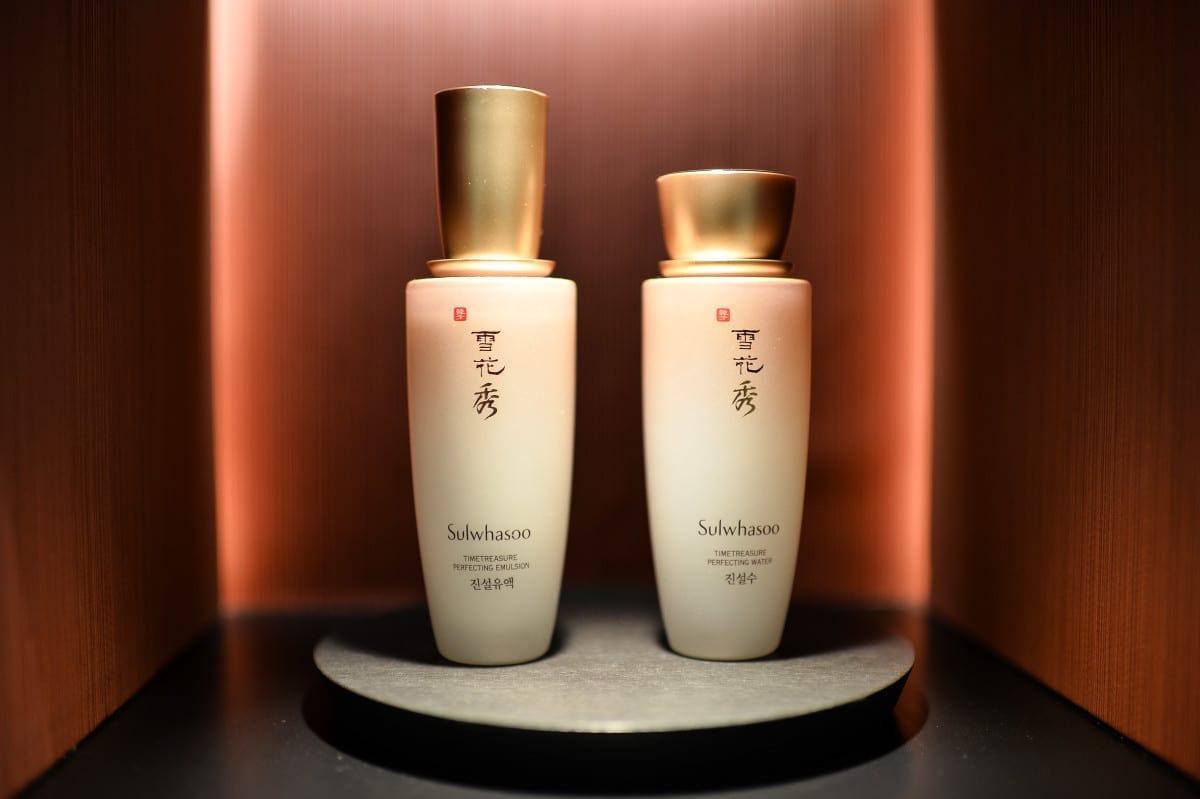
    Amorepacific’s Sulwhasoo, the company’s flagship luxury skin care brand, had been the most favored brand among Chinese tourists in the past few years. Market data showed that mainland China accounted for at least 10 percent of Sulwhasoo’s total sales, followed by Hong Kong at 6 percent and Taiwan with 0.5 percent as of 2018.

    But The History of Whoo, the latecomer in herbal cosmetics, has now taken the limelight.

    Whoo, a luxury skin care brand by LG Household & Healthcare, posted high sales at duty-free shops largely backed by Chinese consumers. This led Sulwhasoo to hire actress Song Hye-kyo as its global brand ambassador, seeking a breakthrough. It was Sulwhasoo’s first-ever attempt to have a celebrity promote its products.

    In terms of sales, Whoo has outpaced Sulwhasoo by recording 2 trillion won of sales last year. Whoo has also made a 40.8 percent on-year increase. Sales of Sulwhasoo had been around 1 trillion won since it peaked in 2015.

    “It is not an exaggeration that Sulwhasoo is the only, but very strong, cash cow of Amorepacific Group. It is the most important department in the entire company. Employees, especially in that department, feel grave responsibility and pressure about having to pull up the sales,” an insider said.

    According to the group, around 55 percent of the company’s sales come from its luxury cosmetics brands. Of them, Sulwhasoo is responsible for 36 percent.

    Market insiders said budget cosmetics brands are also enduring fierce competition in the “red ocean” market, with more consumers looking for luxury, premium brands as the beauty trend now centers on anti-aging efforts.

    Industry experts see the causes of Sulwhasoo’s lackluster performance as coming from its brand positioning and sales strategy at duty-free stores.

    “In the luxury cosmetics market, Sulwhasoo has only focused on its simple, basic skin care products, whereas Whoo diversified its luxury product lineup and upgraded all the products of the brand,” said an industry insider surnamed Jung, who has been in charge of overseas sales for a cosmetics brand for 30 years.

    Amorepacific also restricted Chinese shoppers, or “daigou,” from purchasing in bulk at duty-free stores, he added.

    “As a result, Amorepacific could not stabilize its supply chain in China. But LG, unlike Amorepacific, rolled out flexible rules for daigou and increased their demand,” Jung added.

    Others added it may simply be the product design and brand concept that work better for Chinese customers, who prefer gold, royal and fancy images.

    “To Korean customers, design and concept of Whoo may be regarded as ‘too much.’ But Whoo wisely focused in the concept that can appeal to Chinese customers. Hiring Lee Young-ae as its main model was also very clever, because Hallyu stars like her are still very influential in the Chinese market,” said an industry insider who is very familiar to exporting cosmetics to China.

    Is overseas sales expansion only way?

    To overcome the situation, Amorepacific plans to once again focus on strengthening its luxury brand lineup, including cosmetics brand Amorepacific, which is a luxury skin care brand named after the company.

    The brand rolled out only 2,000 limited edition facial creams last year, priced at 750,000 won per bottle.

    The reason is largely due to weak sales of budget cosmetics brands such as Innisfree and Etude in the domestic market, as well as in China.

    In 2012, the company launched budget cosmetics brand Innisfree in China. It now operates 512 stores in cities like Hangzhou and Shanghai. As of last year, 50 percent of sales of Amorepacific’s Chinese corporation came from Innisfree.

    But sales had been on a decline amid competition with local players that launched brands like One-leaf with similar concepts — natural and clean.

    “There are already too many budget cosmetics in China. That’s why Chinese tourists coming to Korea are now looking for luxury, premium cosmetics that they cannot find in their market,” said a market insider, adding that the trend is especially evident among Asian countries.

    The company said it will renew the Innisfree brand and debut Primera to China this year, aiming for 601 billion won in operating profit by the end of the year. It will also accelerate Sulwhasoo store openings in additional Chinese cities, and expand touch points in online retail in major e-commerce sites such as VIP.com and JD.com.

    Earlier this year, the cosmetics giant announced the business goal of securing a 10 percent increase in sales and a 24 percent increase in operating profit this year. The group said it would focus on investing in innovative beauty sectors such as customized cosmetics or overnight beauty items based on developing the customer experience.

    “The company believes in the value of traditional Korean beauty. It is also Chairman Suh Kyung-bae’s business philosophy to create beauty products that can instill Korean beauty, products with value that can last for a century,” said a company insider.

    Overseas expansion actually did pay off for Amorepacific last year. Despite its increased investment in overseas markets, both sales and operating profits inched up by 8 percent to 1.9 trillion won and 6 percent to 2.6 trillion won, respectively.

    But some say it is time for Amorepacific to bring in a new cash cow for practicality, referring to LG Healthcare & Household’s budget brand The Face Shop that bought Avon’s manufacturing facility in China last year.

    “It is time for Amorepacific to make the bold move and seriously consider active M&A ideas. M&A can offer positive opportunities in terms of global market expansion and investment for future. Especially when global beauty companies like Loreal and Unilever are buying Korean beauty brands, it is important for the company to take a strategic position to diversify brand portfolio for global competition,” said a researcher at Euromonitor International.

    Seo Yong-koo, a professor of business at Sookmyung Women’s University, said Amorepacific should not put all its risk in the Chinese market.

    Seo said since Amorepacific saw aggravating sales following its downfall in the Chinese market, the company experienced that its market portfolio is important. He added the group should also take the Muslim market into consideration, which will add up to 1.8 billion customers.

  • Puma reports strong sales, profitability in 2018

    Puma reports strong sales, profitability in 2018

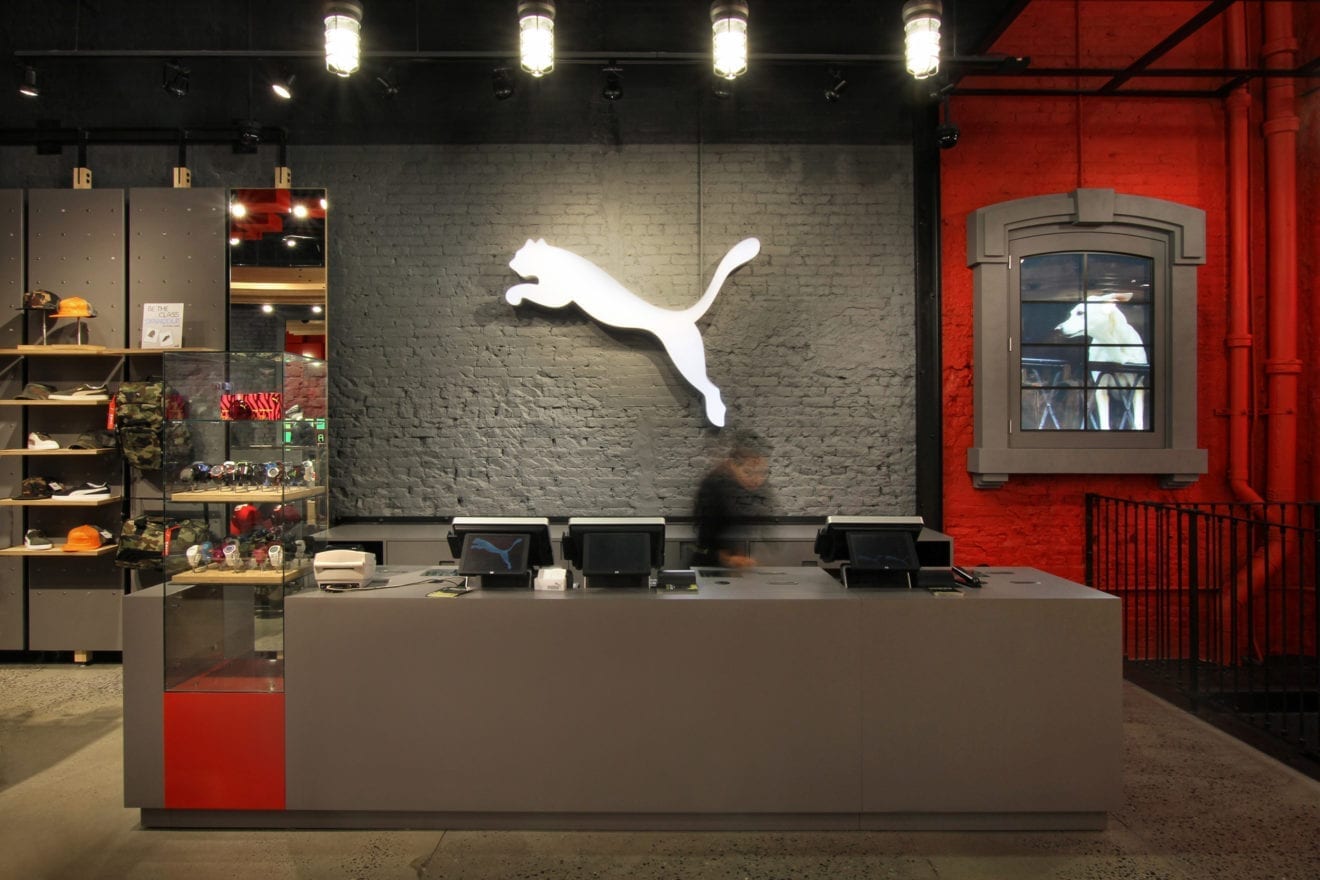
    Sportswear giant Puma reported strong annual results in 2018, as the German company witnessed double-digit growth across all geographic zones and product divisions. For the year ending December 31, 2018, the Herzogenaurach-based company said sales increase by 17.6% currency adjusted to €4,648 million (+12.4% reported) with double-digit growth in all regions.

    Asia-Pacific, despite being the smallest of Puma’s three regions after the Americas (+16.9%) and market leader EMEA (+11.4%), was the strongest in growth terms for 2018, up 28.8% to €1,235.5 million. APAC was mainly driven by high growth in China and Korea, while sales in Japan increased at a more moderate mid to high single-digit rate.

    In product terms, Puma highlighted the success of new sneaker styles Thunder, RS-0 and RS-X in 2018, as part of the company’s debut into the “chunky shoe” category.

    Puma also spent 2018 re-entering the basketball category after 20 years, and signed supermodel Adriana Lima as its women’s training ambassador.

    Net earnings increased by 38 % from €135.8 million to €187.4 million, and earnings per share lifted from €9.09 to €12.54.

    “We are very happy with how our business developed in 2018. Sales rose organically by 17.6% to €4,648 million and the operating result (Ebit) improved by 37.9% % to €337 million, which shows our strong momentum,” said Bjørn Gulden, Chief executive officer of Puma.

    “The double-digit growth in all regions is a proof that the we have strengthened the Puma brand globally and the double-digit growth in all product divisions shows that we have enhanced our product portfolio,” added Gulden.

    In 2019, Puma said it expects currency adjusted sales to grow around 10% and operating results to increase to a range between €395 million and €415 million.

    “We still have a lot to improve, but we feel we are moving our brand and company in a good direction,” said Gulden.

  • Takeover bid lodged for struggling Laura Ashley

    Takeover bid lodged for struggling Laura Ashley

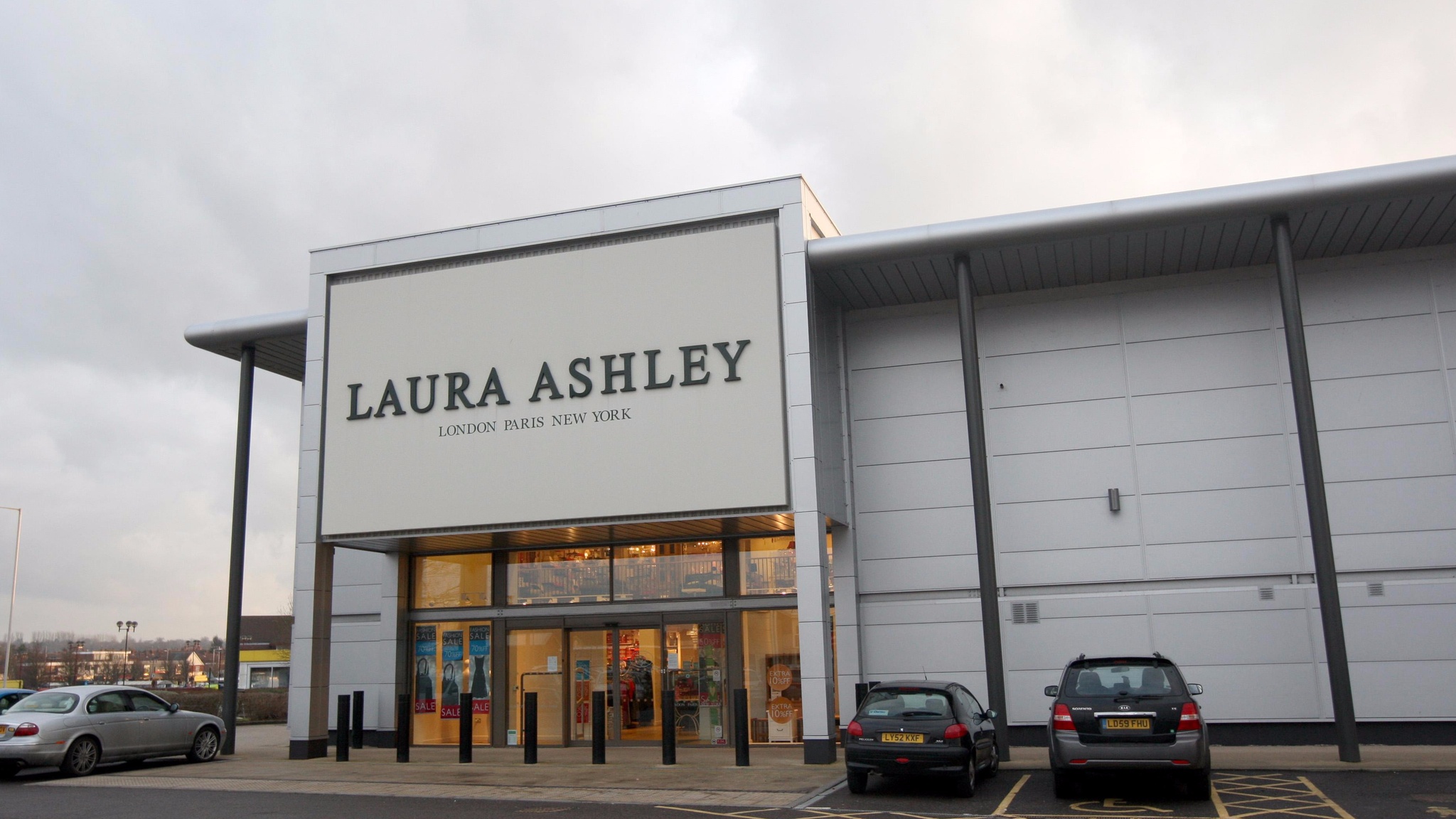
    US investment company Flacks is considering making a bid for Malaysian-owned, British fashion retailer Laura Ashley. The firm is in the “very preliminary stages” of a takeover bid for the brand. Any possible takeover offer will be limited to 2.748p in cash per share, resulting in an overall valuation for the retailer at around £20 million (US$26.38 million), according to an announcement by the firm confirming the details.

    If Flacks buys Laura Ashley, it is expected to primarily focus on the US market and other non-European markets.

    “As far as I am concerned, there is no takeover bid because there has been no approach whatsoever,” Laura Ashley chairman Andrew Khoo told investors on Monday, a day prior to Flacks’ announcement. “If and when an approach is made, the board will discharge its duties as always and assess it on its relative merits.

    “I would, however, like to state for the record that as major shareholders of Laura Ashley, we have no intention of divesting our controlling stake,” he continued. “Whilst I understand why potential parties would think we are significantly undervalued, I have complete confidence that we will be able to grow profitably and in a sustainable manner so as to create long-term value for our shareholders.”

    A recent report issued by the firm warned that its full-year profits would “fall short of market expectations” following announced plans to close around 30 of its remaining 120 stores to control costs in the firm’s competitive and sluggish market. The firm filed a £1.5 million ($1.98 million) loss in the final half of last year.

    Laura Ashley’s Australian business collapsed late last year, but in December Khoo said he believed the brand’s future lied in Asia, where he was planning expansion.

  • CIMB partners SimplySiti on halal beauty biz

    CIMB partners SimplySiti on halal beauty biz

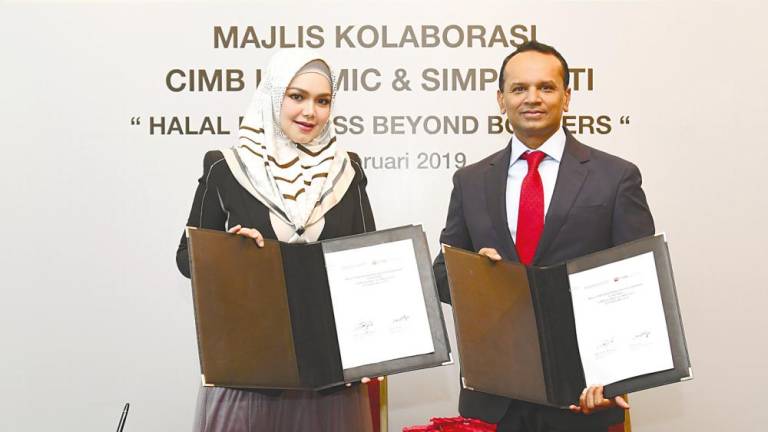
    CIMB Islamic Bank Bhd and local beauty brand SimplySiti have announced a collaboration that will see CIMB Islamic enabling SimplySiti to expand its halal beauty care business beyond Malaysian borders. The homegrown brand will also leverage the end-to-end support of the CIMB-Asean Halal Corridor and CIMB’s strong regional network, to meet the demand for quality halal beauty, cosmetics and skincare products across the region.

    CIMB Group Islamic banking CEO Rafe Haneef said for any homegrown business and SME, opportunities for growth are aplenty but the challenge is always on how to scale up.

    “This is where CIMB Islamic’s expertise, the CIMB-Asean Halal Corridor and CIMB’s regional network provide a strong value proposition to our customers. Through this collaboration, we are excited to facilitate SimplySiti’s move into its next growth phase by reaping the vast halal business opportunities within Asean,” he said.

    The CIMB-Asean Halal Corridor is an enhanced trade network linking halal businesses with trade infrastructure and ecosystems across Asean to take advantage of increasing demand for halal products in the region and beyond.

  • Nest Fragrances opens flagship store in New York City

    Nest Fragrances opens flagship store in New York City

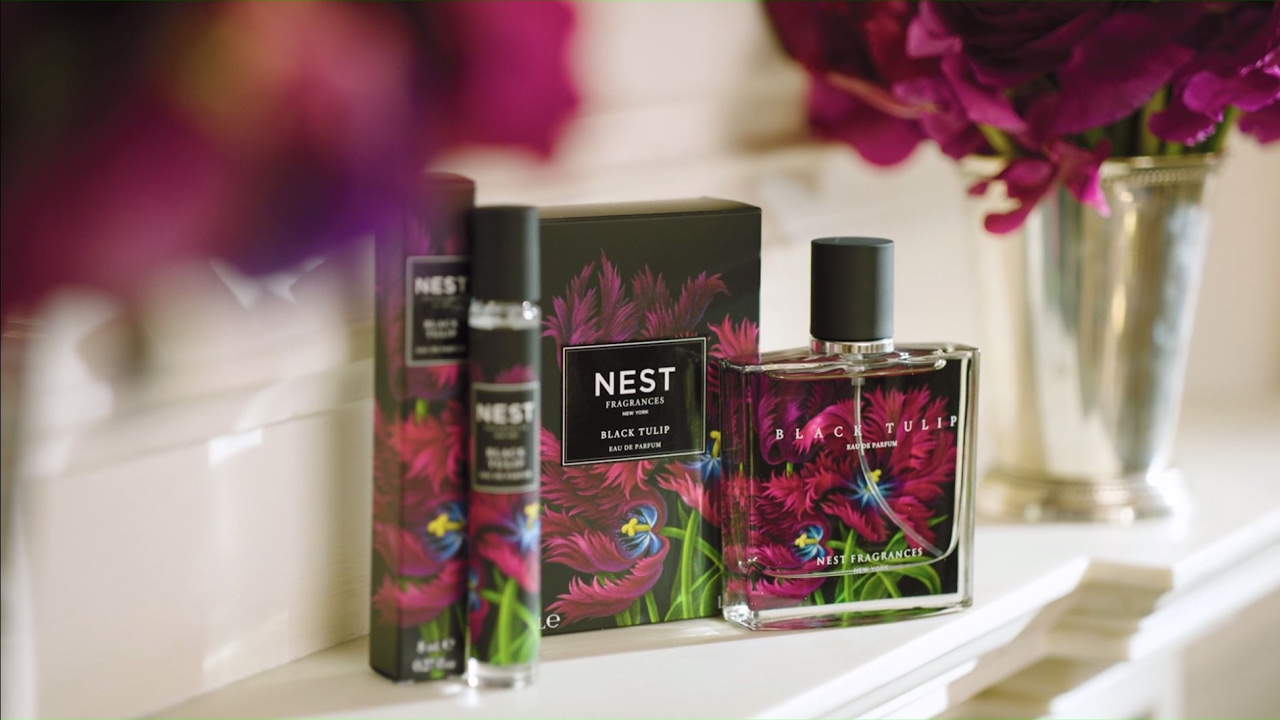
    Luxury-lifestyle brand Nest Fragrances has opened its first retail store in the NoLita neighborhood of Lower Manhattan. For the first time anywhere, the new Nest Fragrances flagship store unites the brand’s entire product portfolio in one retail location, which company founder Laura Slatkin describes as “an enchanted, fragranced garden”.

    “The theme of our first retail store reflects – and was inspired by – our desire to showcase the Nest Fragrances brand in a harmonious and holistic fashion in an environment that, like our fragrances, is artful, sophisticated, and approachable,” said Slatkin. “For the very first time, our new flagship store brings together under one roof our Home and Fine Fragrance collections and our newly launched Lifestyle Bodycare collection.”

    Nest Fragrances partnered with New York-based interior design firm R. Douglas Gellenbeck Studio to conceptualise and build its first retail store. MJ Atelier, an art studio based in Los Angeles, was commissioned to create a hand-painted, sculpted wall covering for the store inspired by early 20th-Century French interior designer Armand-Albert Rateau’s bath design, which he created for the Duchess of Alba.

    “Our brand’s mission is to create exceptional fragrances that shape moods, transport people, and transform spaces,” continued Slatkin. “Since 2008, when I founded Nest Fragrances, I have drawn inspiration from art, fashion, destinations, and literary works combined with the beauty of nature and its natural elements to create fragrances and products to achieve that mission. Now, 10 years later, I am thrilled that we have come full circle by successfully applying that same approach and fragrance-forward philosophy to achieve our mission in our very first retail store. Consumers will see a lot more of it as we continue to expand our footprint at retail in the coming years.”

    The 1140sqft store sells more than 215 SKUs across the brand’s three core product categories. It will also offer limited-edition products and specialty gift sets across its three core product categories – as well as year-round specialty gift sets, the option to create custom-made gift sets, candle accessories, and a concierge delivery service in New York.

  • Men make-up driving K-beauty boom

    Men make-up driving K-beauty boom

    Men wearing makeup – once a practice unique to TV stars and celebrities – is becoming a part of popular culture in South Korea. As an increasing number of South Korean men are purchasing clothes, cosmetics, and other beauty products to take care of their looks, cosmetics goods for men are expanding both in terms of variety and sales. Olive Young, a major South Korean cosmetics store, said sales of cosmetics for men increased by 30 per cent last year compared to the year before.

    Cosmetics for men are going beyond BB creams and cushions to include coloured lip balms, eyebrow products, concealers and eyebrow-hair scissors.

    A coloured lip balm for men, for instance, has seen sales skyrocket 16-fold over the last two years, according to Olive Young. Sales of makeup cushions and BB creams have increased by 30 per cent as the number of men wearing make-up burgeons.

    Drawing eyebrows, once a practice unique to women, is now spreading among men, as seen by the fact that sales of eyebrow products for men have increased by 25 per cent over the last two years.

    An increasing number of eyebrow-hair scissors, nipple bands, and body hair removers are being developed for men as well.

    “Makeup is now becoming a tool to express one’s confidence, leading to increased demand for various cosmetic products for men,” said Olive Young.

  • Newest Esprit stores reveals new concept

    Newest Esprit stores reveals new concept

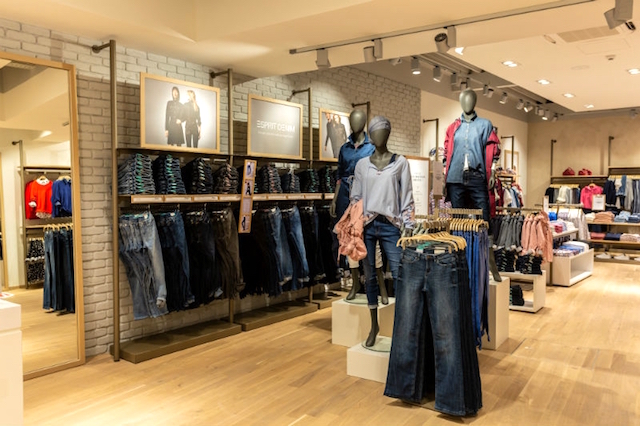
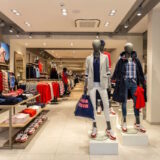
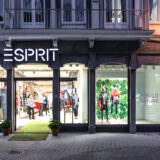
    Two new Esprit stores opened in Europe this month give an insight into the new direction of the embattled brand as it rebuilds. In the historic centre of Liege in Belgium a new 400sqm boutique stocks only womenswear. According to an understated news release issued in Germany, the “modern and bright store design creates a pleasant and warm atmosphere”.

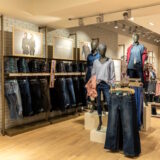
    A standout feature is a denim wall standing in front of a brick wall painted in light grey. The floor comprises terrazzo tiles and oak parquet.

    The new store also reflects a growing focus on Esprit’s e-commerce offer, with a click & collect area for customers to pick up items they have ordered online.

    The second of the Esprit stores to open in Europe this month is an outlet store at Wolfsburg in Germany.

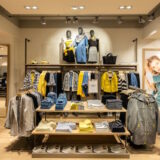
    The 400sqm store is described by Esprit as “an important location” in its outlet portfolio. It offers both women’s and men’s apparel.

    Michael Ernst, centre manager of Designer Outlets Wolfsburg, says customers have been asking for an Esprit store at the centre for several years.

    “We are delighted to be able to fulfil this wish now. The new store offers an attractive range of fashion at excellent value.”

    Designer Outlets Wolfsburg is the first inner-city outlet centre in Germany, home to more than 70 designer and lifestyle brands.

    After ongoing losses, Esprit last year launched a massive overhaul of its business with a new management team at the helm, promising changes to product, its retail network and its e-commerce offer.

    The company is due to release its interim results this week.

  • India’s V-Bazaar opens 1st outlet in Lalitpur

    India’s V-Bazaar opens 1st outlet in Lalitpur

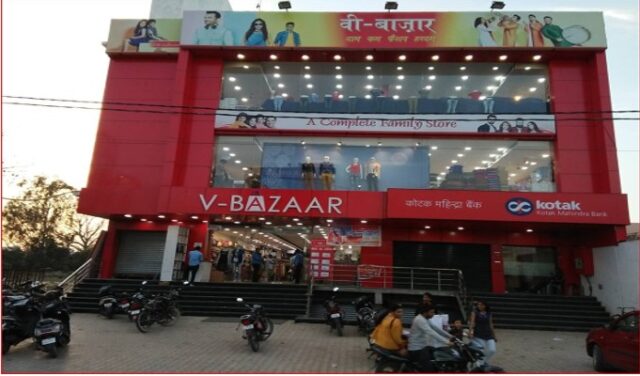
    V-Bazaar has announced the launch of its 1st store in Lalitpur and 30th in Uttar Pradesh. V- Bazaar is a complete family fashion store which brings trendy and fashionable merchandise to every category of people, at reasonable prices by eliminating the middleman between manufacturers and customers. The store is spread over 8,856 sq.ft. area.

    Announcing the launch, Hemant Agarwal, CMD of V-Bazaar said, “It is a very happy and proud moment for us to open our 1st store in Lalitpur. Looking at the overwhelming response of our other store, we thought of providing the convenient shopping experience to the customers of the city. It has been our attempt to provide our customers the superior merchandise, service and the overall international shopping experience. This 1st new store in Lalitpur is a significant achievement for us. Our new store is fashionable and individualistic, showcasing a collection of the finest quality merchandise at unbelievably pocket-friendly prices.”

    The new showroom has been spread over large area with spacious interiors. The new store offers a vibrant trendy line for the youth which includes shirts, pants, sherwanis, kurta pyjama, jackets for men and fancy wedding sarees, wedding designer suits, cotton suits, pants, half sleeve and full sleeve t-shirts for women. There is large variety of dresses for your young ones too.

    The range offers funky, stylish, and incredibly comfortable garments that are a must in every teenagers and young adult’s wardrobe. Created while keeping current international trends in mind, the collection is trendy, fashionable and is available at unbelievably low prices. Customers can make their shopping fun with special opening offers at V-Bazaar as on every purchase they get assured gifts.

    V-Bazaar primarily operates in Tier II and III cities. It is chain of value retail fashion stores offering apparels for men, women, kids, home furnishing, footwear and accessories catering to the entire family.

  • Shinsegae to launch SSG.com as separate unit

    Shinsegae to launch SSG.com as separate unit

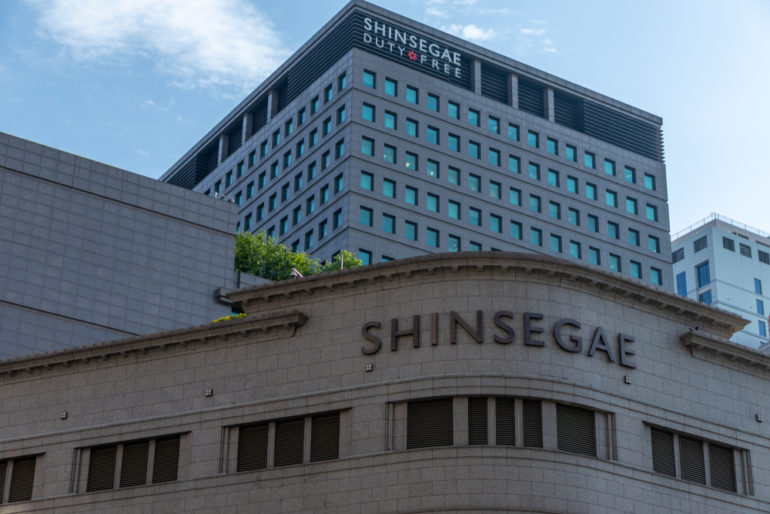
    Shinsegae Group will launch a brand new entity that specializes in e-commerce next month in an effort to become Korea’s answer to Amazon. Titled SSG.com, Choi Woo-jung, vice president of Shinsegae’s e-commerce division, will be the CEO. “[Through the new entity], we hope to maintain the existing SSG.com brand and maximize brand power by raising [people’s] awareness of our professionality in the online market,” the company said in a statement.

    The latest move reflects Shinsegae’s ambition to become the country’s top e-commerce company by gathering its scattered online businesses.

    Shinsegae Group in December spun off Emart Mall and Shinsegae Mall from Emart and Shinsegae. The board of directors in January voted to merge the two new entities.

    It has already been running SSG.com as an e-commerce website that offers access to its various online malls, but it is currently only a customer-facing interface, not a company in its own right.

    SSG.com’s sales goal for this year is 3.1 trillion won ($2.8 billion), which is 29.1 percent higher than the sales recorded by the online platform last year.

    The company hopes to reach its ambition through aggressive marketing, especially on raising the efficiency of delivery services.

    It will make a heavy investment on raising the delivery speed by establishing an additional distribution center in Gimpo, Gyeonggi. It will be the third distribution center, and is scheduled to open in the second half of this year.

    “With the official launch of SSG.com, we are getting ready to become the country’s top e-commerce enterprise,” said Choi in a statement.

    “Instead of just selling goods online, we are also planning to function as a ‘Linker’ by connecting consumers online and offline like [offering them the platform to] share their lifestyles on the internet.”

  • India’s Tanishq brings its first Augmented Reality experience for its customers

    India’s Tanishq brings its first Augmented Reality experience for its customers

    From social media filters, to reshape the concept of traditional retail, Augmented Reality (AR) is rapidly growing in popularity because it brings elements of the virtual world, into the reality, thus enhancing the things we see, hear, and feel. AR has made retail engagement all the more experiential, fascinating and personal and it’s often considered to be in the middle of a mixed reality spectrum; between the real world and the virtual world.

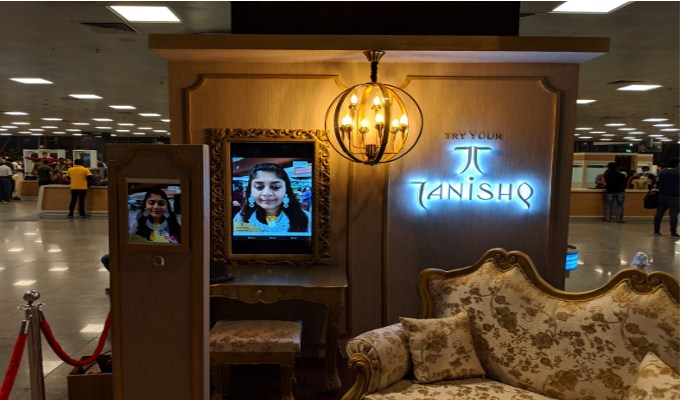
    Tanishq has taken one step further to be more accessible to its customers by launching into the Augmented Reality experience at the Bangalore and Delhi airports. For the first time in India, a jewellery brand is doing an Augmented Reality/ hybrid reality (combination of physical space Augmented Reality) campaign at an airport to engage with a large audience at a completely new level. Tanishq is leaving no stone unturned to keep their customers happy by adopting innovative ways to display their product range.

    With this technological advancement, customers will have the option of ‘Try and Buy’; trying out the jewellery virtually looking at the AR screen. Customers can benefit from this advanced jewellery experience for a month starting from February 06, 2019 at Delhi airport and February 08, 2019 at Bangalore airport.

    Tanishq is implementing MirrAR, an Augmented Reality software platform in collaboration with StyleDotMe, a startup focused in innovative application of Augmented Reality (AR) and Artificial Intelligence (AI) for providing the next generation experience to consumers who are interested in the Gems and Jewellery industry. Using the platform users can virtually try on the jewellery in real time, without actually having to wear them.

    Sharing her thoughts on the launch of AR experience, Deepika Tewari, Associate Vice President, Marketing, Jewellery Division at Titan Company Limited said, “Tanishq has always aimed at providing the best for our customers and this fascinating initiative is one such approach in achieving the objective. Consumers have the option of browsing through multiple jewellery pieces virtually with just one click. The real-time customer experience will definitely strengthen the retail connection between the brand and our esteemed consumers; a transformative step on how India will shop and purchase jewellery in the near future.”

  • Japanese “Yama style” goes global

    Japanese “Yama style” goes global

    The “made in Japan” words on the label, for many people, have always been a guarantee of high quality. Even after the economic downturn and natural disasters,  Japanese still keep their quality and try their best to differentiate themselves through the attention to details. Their perseverance, loyalty to their country and respect for their traditional culture, have always been their strength.

    Unfortunately, today’s fashion industry pursues speed and high productivity. Thus, Japanese’s persistence seems to be easily overlooked. Although this is an irreversible condition in a money-orientated world, there are still some people who appreciate and value the spirit of the craftsmanship in Japan.

    Despite the fact that Japan is a modern country focusing on economic development, Japanese also focus on the pursuit of spirituality. There are Buddha followers, but also those ones who believe in gods behind the natural elements, such as mountains.

    In terms of geography, 70% of land in Japan is hill and mountains. Since the ancient times, fishermen regarded the hills as navigation coordinates. And for people who lived in the mountains, they saw mountains as resources for their lives, harvesting and hunting were their major activities to live on. Through worship of mountain gods, Japanese express their fear of nature as well as pray for peaceful life.

    Today, the Japanese government still shows respect towards mountains. In 2016, the government announced the Mountain Day, 11th August, as public holidays providing a chance for people to get closer to the mountains via hiking.

    Functional and practical with bright and unique colors

    Whenever a craze sweep the country,  Japanese will always concoct and create the relevant peripheral products and accessories. As a result, the “mountain fashion” was developed, which is the so-called Yama Style (Yama means mountain in Japanese), referring to the clothes that is suitable for hiking.

    Yama style emphasizes on integration with the natural environment, usually designed in gray black, dark green, yellow-brown and other earth tone colors. Additionally, it comes with an oversize coat or shawl in relatively bright color, to create a unique style.

    Integration of Art and Technology

    On the other hand, while Korean pop culture has been in the limelight internationally in recent years, the Japanese brand is still leading the world due to a number of Asian representatives who have a pivotal position in the high fashion.

    Since the 1980’s, Japanese have established a position in the international fashion trend, rooted their perception of fashion and influenced over the global fashion industry deeply.

    Due to the fashion industry values on materials, design, and details, Japanese fashion style still has their charm, followed by a lot of people around the world. Thus, many international fashion brands still love to work with Japanese brands, and launched a series of collaborations.

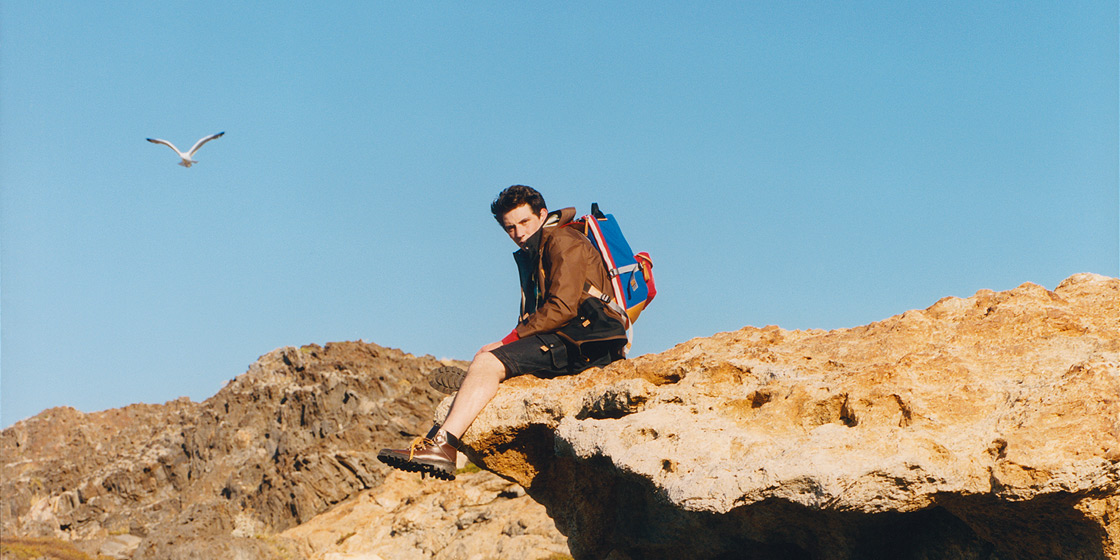
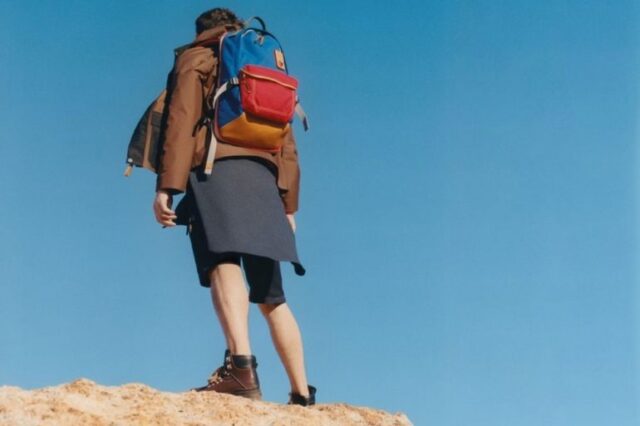
    In the recent years, Loewe, which has been known for its excellent quality, also seems to be paying tribute to Japanese culture and tradition. The new “Eye/Loewe/Nature” menswear series is inspired by nature, offering a range of clothes designed for outdoor activities with both practical and functional features as their selling points.

    Obviously, the design deliberately takes the ideas from the Yama style. Not only replacing the traditional outdoor clothing’s dark color with bright colors, but also having a great variety of styles and different layers. Thus, customer may easily match their outfit with different kinds of  clothes and practice different outdoor activities.

    In terms of accessories, the brand even changes the place of production from Spain to Japan, in order to combine their traditional craftsmanship with advanced technology.

    Undoubtedly, they see the advantages and market in the Japanese Yama style to feed  fashion industry with a new touch.

  • H&M launches collection with artist Nathalie Lete

    H&M launches collection with artist Nathalie Lete

    H&M has unveiled a collaboration with Paris-based artist Nathalie Lete on a children’s clothing and accessories capsule collection. The collection, which will be available online and in selected stores worldwide from March 7, features several of Lete’s fantasy-land-inspired artworks as prints.

    The H&M collaboration is a childrenswear collection for babies and children with a wide range of t-shirts, jackets, jeans, dresses, jumpsuits, shorts and swimsuits. The colourful animal and floral prints created by artist Nathalie Lete start with paintings in acrylics by hand, which are then artfully arranged together to create an imaginative story. For this collaboration, Lete brought a tropical jungle to life with chameleons and tigers, along with her iconic representation of flowers with cats, birds and rabbits.

    “In my work, I create a fantasy land for myself,” said Lete. “A land that I want to share with other people to make them dream. It’s all about flowers, animals, birds, naivety and colors. I want to create a cocoon that brings happiness and harmony all around. The relationships between the different elements tells stories, stories that create a beautiful atmosphere. I ‘m happy to share my world through this collaboration, all around the world, together with H&M.”

    “Natalie Lete and her work is something we have admired for a long time, and we are thrilled to be collaborating with her for this kids’ collection,” said H&M kids’ division designer Jennifer Helmer.

    “The collection is playful and inviting and the pieces truly makes you feel like you’re in a botanical dream. We cannot wait to share this collection with our youngest fans.”