Category: Fashion

Retail News Asia is committed to providing both local and global retailers with the latest Fashion news throughout the Asian market. This on a daily base.

  • Gucci fine jewelry new style revealed

    Gucci fine jewelry new style revealed

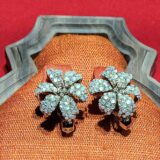
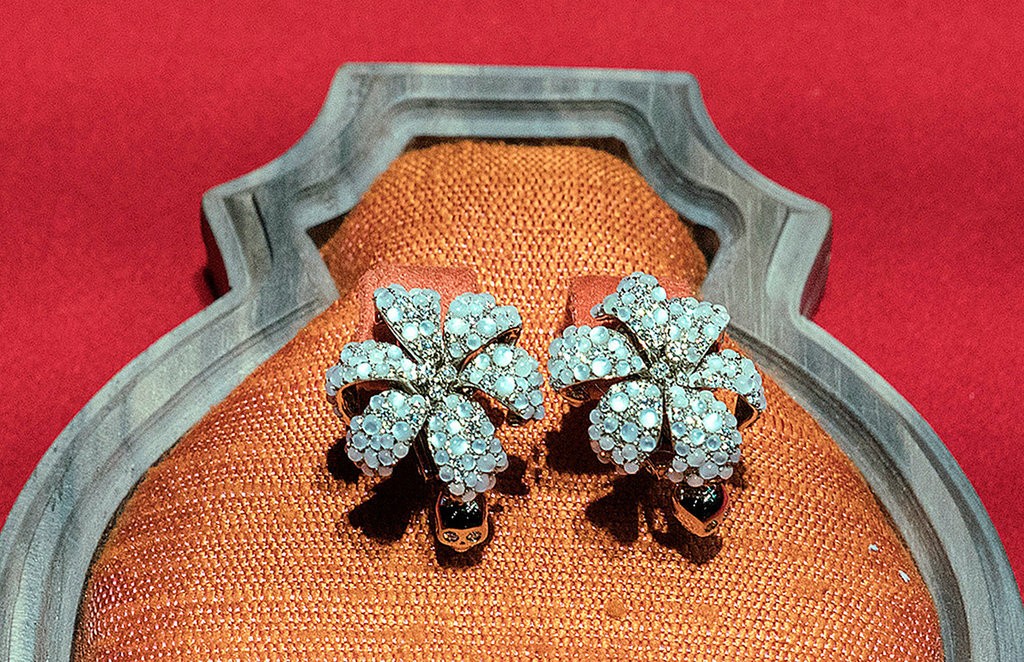
    These are flush times for Gucci, the 96-year-old house that in recent years has become fashion’s all-conquering luxury brand. And amid booming sales, Alessandro Michele, Gucci’s creative director since 2015, has introduced the brand’s first high-end fine jewelry line, a series of extravagant styles that present the designer’s florid evocations of flea market finds as gem-encrusted treasures.

    Talking of the nostalgic inspiration behind many of his creations, Mr. Michele said, “I’ve dressed a number of women in things that were gathering dust in vintage archives — they no longer existed.”

    “That includes jewelry as well,” he added. “It’s beautiful to bring them back to life and give them importance once again.”

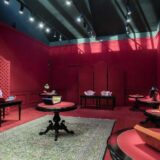
    At the Gucci Hub, a former aeronautical factory here where the brand opened its headquarters last year, the jewelry showroom reflects Mr. Michele’s opulent touch: red velvet-covered walls, red velvet room dividers, red velvet-topped tooled wood tables around a densely floral Oriental rug, and bright-toned velvet coffers lined in silk to showcase the designer’s well-established motifs rendered as precious jewels.

    Tigers, snakes, lions and foxes form necklaces, bracelets and rings, mirroring earlier versions that Mr. Michele created for both the costume and the mid-market fine jewelry lines at Gucci. But the new higher-end collection — which has no specific name — is more elaborate, its 25 design styles accented with a range of gemstones.

    The new line appears to expand the reach of Mr. Michele’s remarkably successful universe for his most ardent and wealthy collectors. It’s Gucci style for Cartier spenders — at a time when Gucci has pledged to go fur-free, eliminating what had been the brand’s biggest-ticket items.

    Mr. Michele, who calls himself “a passionate student of antique jewelry,” has resurrected animalier styles, like those of the midcentury American jewelry designer David Webb, and for this new collection he has employed some vintage techniques like the intricate hand engraving used to create the animals’ faces, skipping the rhodium plating now common on white gold so it retains a yellowish cast, and the use of old-fashioned raised settings for the tiny diamonds spangled across the fishtail of a ring.

    “When you see the way I combine things with each other, you perceive everything together as a new language,” he said, referring to his fashion aesthetic that mashes up the animal motifs with Chinese silks and Mexican embroideries, Renaissance gowns, Victoriana, disco drama, high ’80s glam, shades of Elton John and Dapper Dan, and more. “There’s a complete fusion of ideas. This ‘disruption’ that everyone’s talking about is found in the dialogue between these elements.”

    From the new collection, Marco Bizzarri, the chief executive of Gucci, wears a woven gold bracelet with black diamonds that is embossed with the phrase “Blind for Love” in capital letters across the top.

    Mr. Michele himself has a gold ring with a fox’s head, a large brown diamond set between its ears.

    Though the pieces look like styles that, in their antique forms, were made for women, in the Gucci context, anyone can wear them.

    “Clothes, like jewelry, don’t have very revolutionary roots, meaning that what’s revolutionary is the way you wear a piece of jewelry,” the designer said.

    So far the collection, with prices that mostly range from 15,000 euros to 70,000 euros (US$17,900 to US$83,500), has been offered only to favorite clients through private sales in Japan, China and the United States and private appointments that began in July.

    Gucci refers to the pieces, which are not high jewelry (typically starting in the $100,000 range and going into the millions), as “medium-high,” or as “unique pieces” when it repeats designs using different gems.

    However, the brand says it is considering a move into the bigger stones and larger price tags of true high jewelry for its next collection.

    Gucci is not the first fashion house to enter the upper echelons of jewelry.

    Chanel, Dior and Louis Vuitton have all made it big business, as the high jewelry market has flourished through and beyond the economic downturn of the last decade.

    And the brand’s fortunes have been growing at a clip that has shocked industry watchers.
    Kering, its parent group, reported that Gucci’s revenue soared 42 percent to €1.5 billion in the three months to the end of September. And its biggest boost has been coming from millennials, who, Kering says, account for at least half of its 2017 sales thus far.

    “The new generation is going to want a more modern jeweler,” said Maurizio Pisanu, the house’s director of jewelry merchandising. “So it’s up to the brand that realizes that first, and Gucci already had the right intuition two years ago — to break the rules.”

    Gucci has hired its first staff gemologist to search for stones worldwide and maintains a jewelry workshop with about 30 goldsmiths and stone-setters near Milan.

    All of the brand’s existing fine jewelry and now most of its high-end fine jewelry pieces are made there, with some help from an external atelier in Valenza, a center of Italian jewelry fabrication about 60 miles to the south.

    According to the brand, sales of the initial pieces have been brisk (although it won’t provide specifics).

    So if the collection does expand, Mr. Michele’s antique-tinged, everything-is-precious aesthetic might disrupt the higher stratospheres of the jewelry sector in the way that he has already reset Gucci and the fashion desires of a vast public.

    The collection has arrived at a moment when the codes of high jewelry are in flux — important stones are becoming more difficult to find, and a new generation of customers is more interested in showing off wearable (and possibly recognizably branded) design than owning the special occasion gem-encrusted parures of the past.

    Mr. Pisanu said design-driven jewelry customers “benefit a brand like Gucci, where jewelry isn’t our core business but we have the ability to make high-quality jewelry like the other brands — and with a different aesthetic that’s much more innovative than what a classic brand would ever dare to make.”
  • Valentino and Dior Men to run show in Japan?

    Valentino and Dior Men to run show in Japan?

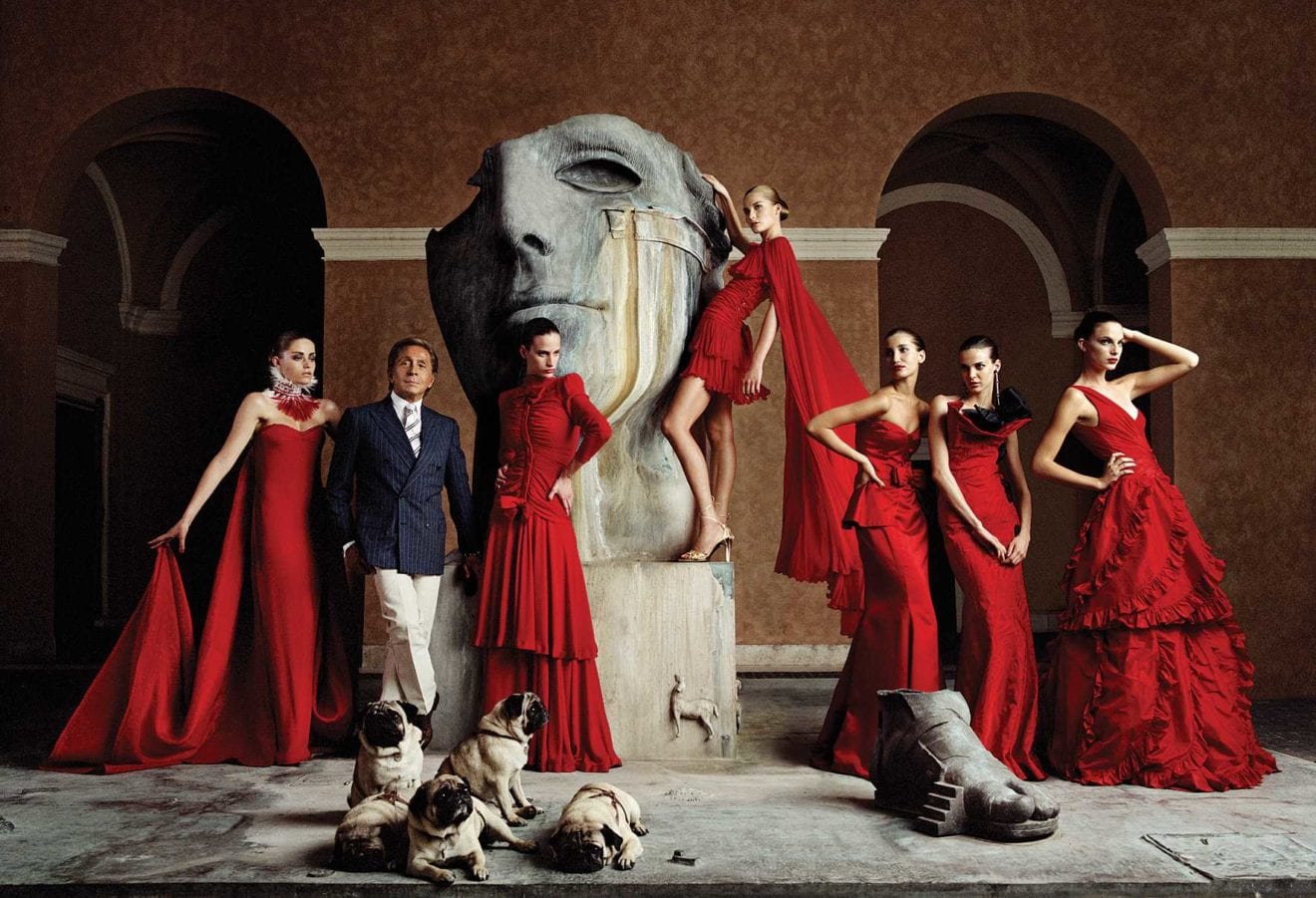
    Pierpaolo Piccioli, creative director of Valentino, was in Tokyo last week to celebrate the brand’s Ginza Six store opening and its Pre-Fall 2019 runway show, titled “Valentino TKY,” of which Japan’s wabi-sabi aesthetic was credited as one inspiration.

    Kim Jones was also in town to present Dior Men’s Pre-Fall 2019 collection and a pop-up store Thursday evening, although his nod to Japan was a fraction subtler, having mined the Dior womenswear archives for Japanese influences to reinterpret as men’s garments.

    It’s not the first time that luxury brands have turned to Japan: Last October, Tokyo was also the site of Valentino’s Resort 2018 pop-up, while Dior’s haute couture Spring/Summer 2017 show bowed in April. In May 2017, Louis Vuitton took their cruise collection a few hours away to Kyoto.

    It’s also not unexpected that most designers who stage their collections in Japan find a way to reference the country on the catwalk, however fleetingly.

    The nation is home to inspiration galore: eclectic street style subcultures, unparalleled artisanship, a thriving beauty industry and icons of design and architecture all makes the country a mecca for creatives of all persuasions.

    But beneath the surface of very real enthusiasm that fashion creatives harbour for Japan, there is of course a carefully calculated business rationale for their choice of locale.

    As Asian markets now account for a disproportionately large share of luxury sales, it is clear that brands need to find ways to launch meaningful marketing activations in the region on a regular basis. Such shows have become a tried-and-tested formula.

    Unlike Korea, whose popularity as a location for pre-collection shows appears to have peaked, Japan is emerging as a perennial favourite. And although China continues to attract many brands looking for a place to present their catwalk shows in the world’s largest luxury market, recent examples tend to be repeats of shows that already had a debut elsewhere like last week’s re-staging of Miu Miu Resort 2019 in Shanghai or Chanel’s Cruise 2018 collection reappearing in Chengdu after also debuting in the French capital.

    Japan, by contrast, is not in the habit of staging re-runs.

    The value that luxury brands gain by using Japan as a staging post between their shows in Europe comes from several sources.

    Logistical efficiency is one not-so-romantic reason for its popularity as a transseasonal show location. By bringing their pre-collection activation to Japan, brands embellish a requisite part of their global marketing strategy while creating an opportunity to meet local partners and management in Asia’s most mature luxury market — and the world’s third largest.

    Piggybacking off the show in this way sends an important message at the consumer level too.

    Having been eclipsed by the Chinese, Japanese consumers are no longer the object of affection and attention to the degree that they once were. Luxury brands are increasingly stretched, unable to devote as much time to Japanese activations as they once were. With so many emerging markets in Asia and around the world to tend to, they are less able to provide Japanese kokyaku (VIP consumers) with intimate access to designers or face time with the press.

    With China consuming a third of the global luxury market, brands have been investing in strategic WeChat campaigns, optimising retail channels and desperately finding new ways of understanding the proverbial Chinese luxury consumer.

    Yet unlike China, where brands are rapidly opening retail and digital storefronts, online luxury sales are less developed in Japan, with only 7 percent penetration, according to McKinsey & Co. With consumers preferring to shop offline, Japan’s department stores remain dominant luxury distributors.

    The icing on the cake is that Japan remains one of the most attractive destinations for other Asians — and Asian fashion industry leaders are no different.

    Whether they be the brands’ joint-venture partners from Vietnam, distributors from Singapore, fashion editors from Indonesia or influencers from Thailand, Japan has the magnetism needed to draw in brand stakeholders in a way that other markets can’t emulate across the continent.

    Omotenashi — the philosophy of Japanese hospitality — usually tips the scales for potential show-goers in the region who may be wavering over an invitation.

    According to the latest report by Bain & Company, luxury purchases in Japan softened slightly this year, pushing brands to find new solutions to bring consumers back to stores. Retail sales in Japan grew at 3 percent at current exchange rates to €22 billion ($25 billion).

    Bringing an olive branch in the form of a pop-up or capsule collection to Japan is a way of balancing out the China-heavy luxury narrative, and assuring local consumers that they are still a priority for foreign brands and retailers. It’s also worth noting that Japan is a favourite holiday destination for Chinese luxury consumers.

    In light of the 2020 Tokyo Olympics, tourists are expected to further boost the luxury market — especially if the Japanese government takes key measures to improve the nation’s attractiveness.

    However, following Beijing’s latest efforts to boost domestic consumption of imports, Chinese shoppers’ holiday purchases may see a drop. How this affects travel hotspots such as Japan remains to be seen.

  • Chanel to stop using exotic skin in its collection

    Chanel to stop using exotic skin in its collection

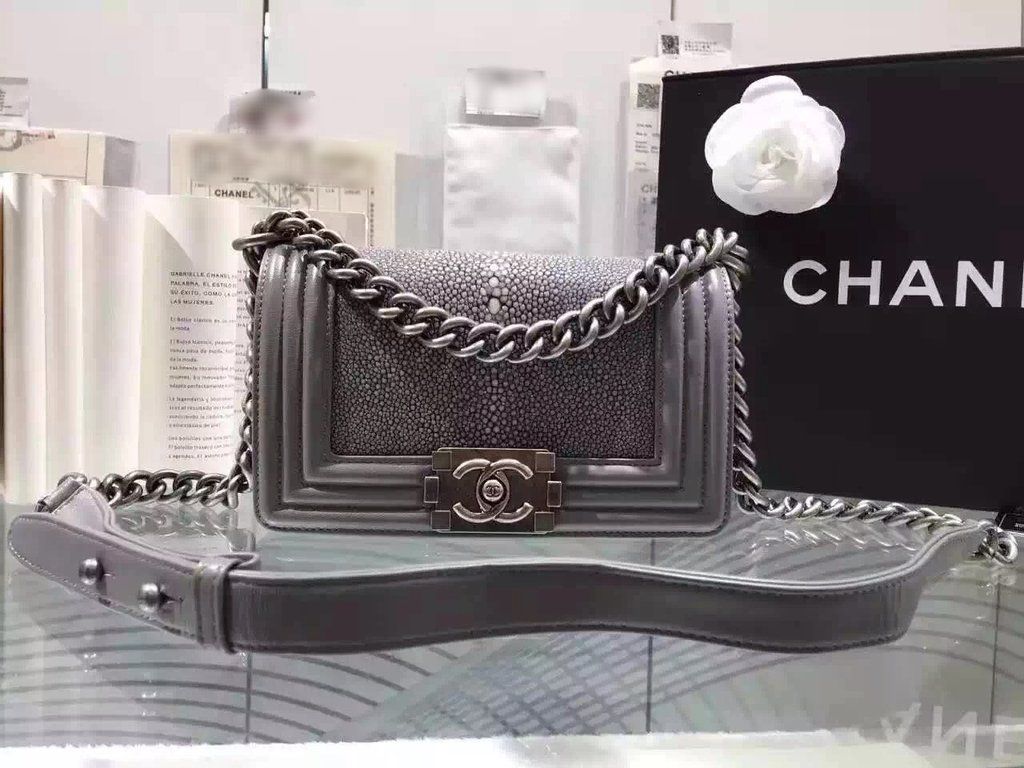
    Ahead of its pre-fall 2019 Métiers d’Art show in New York’s Metropolitan Museum of Art, Chanel has said it will “no longer use exotic skins in [its] future creations”. The exotic skins in question include crocodile, lizard, snake, stingray and fur, of which Chanel uses very little.

    The decision is down to the fact it is becoming increasingly difficult to source skins that meet the house’s quality and ethical standards. “There is a problem of supply and that was not Chanel’s business anyway,” Bruno Pavlovsky, president of Chanel fashion and president of Chanel SAS, commented. “We did it because it’s in the air, but it’s not an air people imposed to us. It’s a free choice.”

    The brand’s attention will shift to the research and development of materials and leathers generated by “agri-food” industries.

    “The future of high-end products will come from the know-how of what our atelier is able to do,” Pavlovsky continued. It will, however, take time for existing goods containing exotic skins to leave Chanel’s distribution network entirely.

    Chanel is the first luxury brand to join labels, including Asos, Nike, H&M, Puma, Arcadia Group and L Brands, which have already banned exotic skins from their product offering.

    The likes of Armani, Coach, Versace, Michael Kors, Gucci, Burberry and John Galliano have pledged to halt the use of fur, however, they have not made the leap to include skins in their entirety.

  • “The Marc Jacobs” is launched

    “The Marc Jacobs” is launched

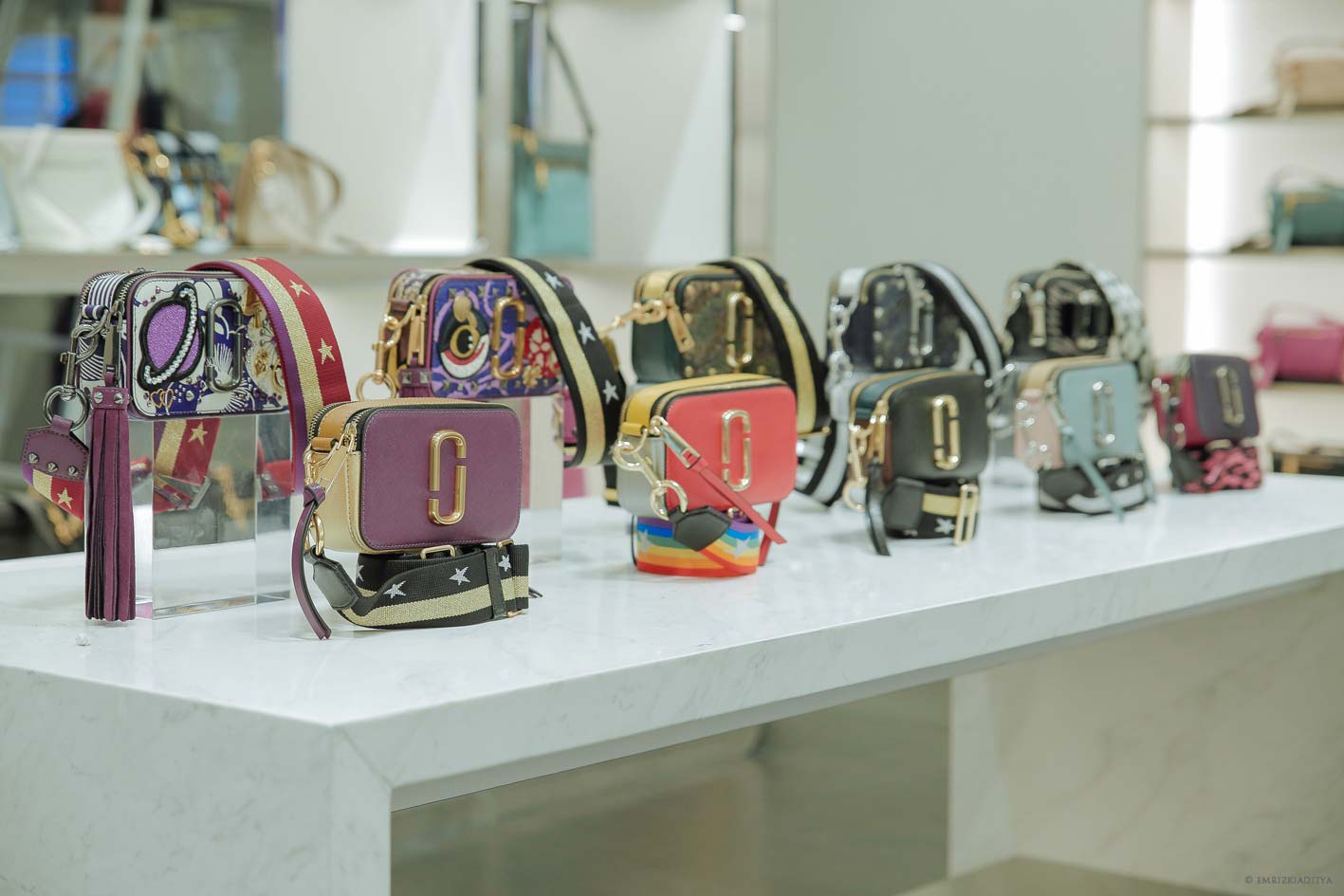
    A new era of Marc Jacobs is coming. Marc Jacobs is launching a new affordably priced label called “The Marc Jacobs.” The line will be introduced for pre-fall 2019. According to WWD, which saw an image from the line’s new look book, The Marc Jacobs will feature such items as colourful rugby sweaters, corduroy pants, and accessories.

    The designer also hired Russian stylist Lotta Volkova to style the look book, which was shot by Hugo Scott.

    While not much else is currently known about the new “democratically priced” label, a spokesperson for the brand did tell WWD that more images would be published in May – and that the line is part of a collection that also includes a “Runway” component.

    On Instagram, Jacobs acknowledged the existence of the new collection, writing that the image of the line was leaked.

    “Consider it a taste of things to come,” he wrote, before referring to the collections as “fantastic and fresh.”

    Although there has been no confirmation, The Marc Jacobs may resemble the former lower-priced Marc by Marc Jacobs label – which was discontinued in 2015.

    The announcement of the new brand comes after increasing speculation that the designer would leave his namesake brand amidst declining sales.

    In the beginning of the year, it was announced by Business of Fashion that the LVMH-owned company Jacobs would close its London store, as well as other European brick-and-mortar locations.

    This year the designer also announced the re-release of the Redux Grunge collection, a collection of 1993 looks that got him fired from Perry Ellis, and a collaboration with Dr Martens to create a range of limited-edition boots.

  • India Ancestry opens first store in Kolkata

    India Ancestry opens first store in Kolkata

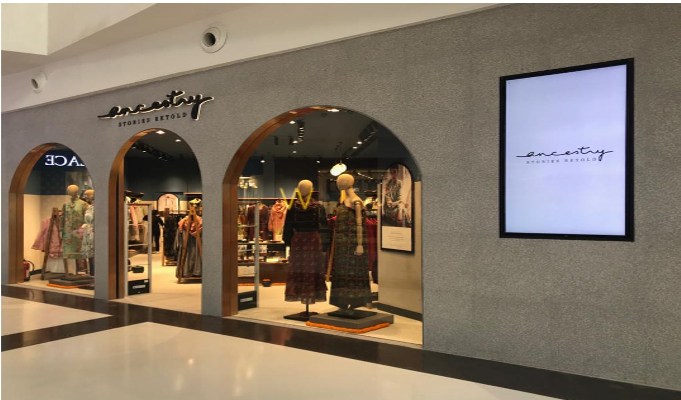
    The newest brand from Future Style Lab, Ancestry, which launched its maiden store in the capital city in May, has recently opened its first store in Kolkata, South City Mall. The brand, which presents a contemporary take on traditional Indian fashion and lifestyle, has earned many accolades in India’s fashion circles already and seems all geared up to woo Kolkatites too.

    Ancestry is inspired by the evolving face of the new age Indian who is self-assured, professionally competent and curious to discover new paths. The brand’s offering, encompassing women’s apparel & accessories, home furnishings, and other lifestyle products, is constantly evolving and is in line with international trends, and yet interestingly rooted in Indian heritage and crafts.

    With pricing that is perfectly suited to any urban Indian’s pockets, Ancestry’s unique collection of dresses, tops, and tunics are created completely using natural fabrics, thereby offering an unmatched quality and fashion sensibilities in that price range. This is one of the key reasons why the brand’s products have nearly flown off the shelves at its current stores in Delhi and Mumbai.

    For the new store launch, Manjula Tiwari, CEO at Future Style Lab, the parent company of Ancestry, said, “Ancestry provides an unparalleled, modern-day experience of old-style Indian artistries, and we’re sure that the brand’s offering will find much love and appreciation with our consumers in Kolkata. We’re truly excited about launching this store, and are thankful to South City Mall for providing us with an impeccable space and opportunity, right in the heart of Kolkata.”

    Ancestry’s tagline #StoriesRetold, perfectly sums up its ethos, for every line of products the brand comes up with tells the story of a particular craft or tradition, but in a way that is suited to the new-age lifestyle.

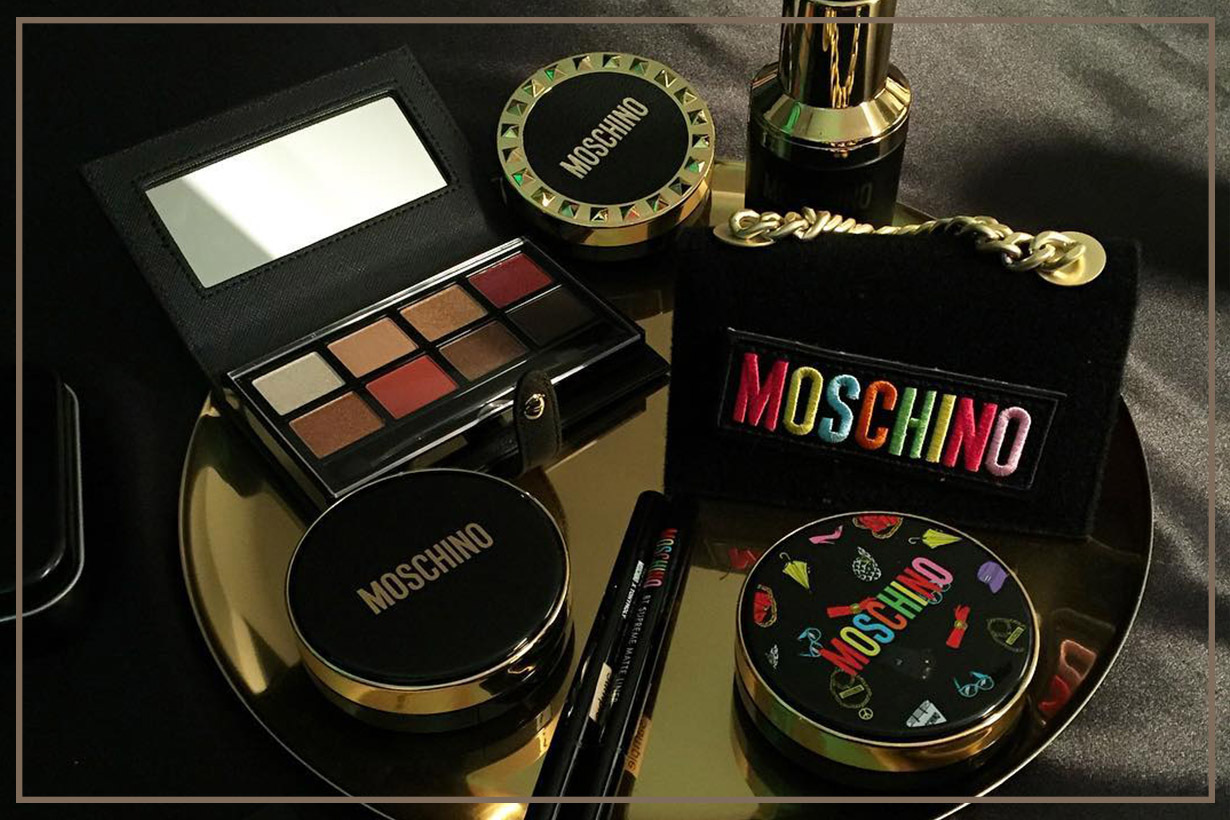
  • Korea’s brand Tonymoly inked partnership with Moschino

    Korea’s brand Tonymoly inked partnership with Moschino

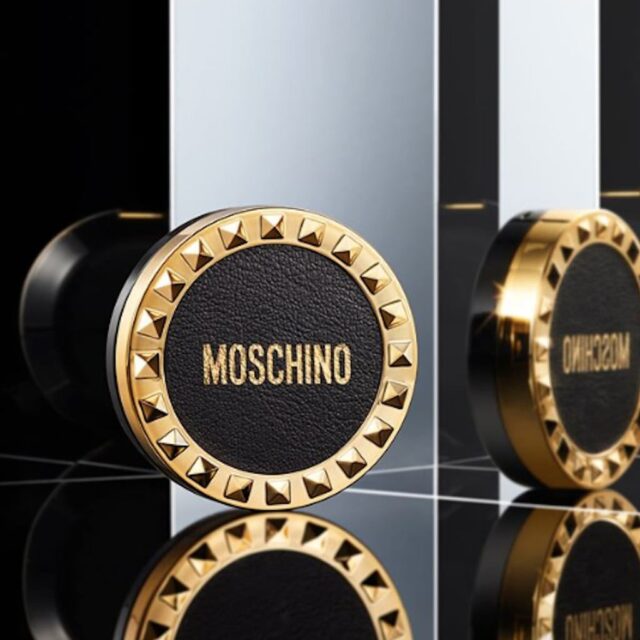
    Italian fashion design house Moschino has released a collaboration with South Korean cosmetics brand Tonymoly on a collection of makeup and skincare products. The collection includes a cosmetics line and a few skincare items in sleek black, white, gold and rainbow packaging. The full range will be available from Tonymoly’s US web store throughout December.

    Moschino also collaborated on a reportedly fast-selling fashion line with H&M earlier this year. South Korean cosmetics brand Tonymoly sees the US as a key market in its plan to accelerate international growth.

  • Zara lipstick launched online

    Zara lipstick launched online

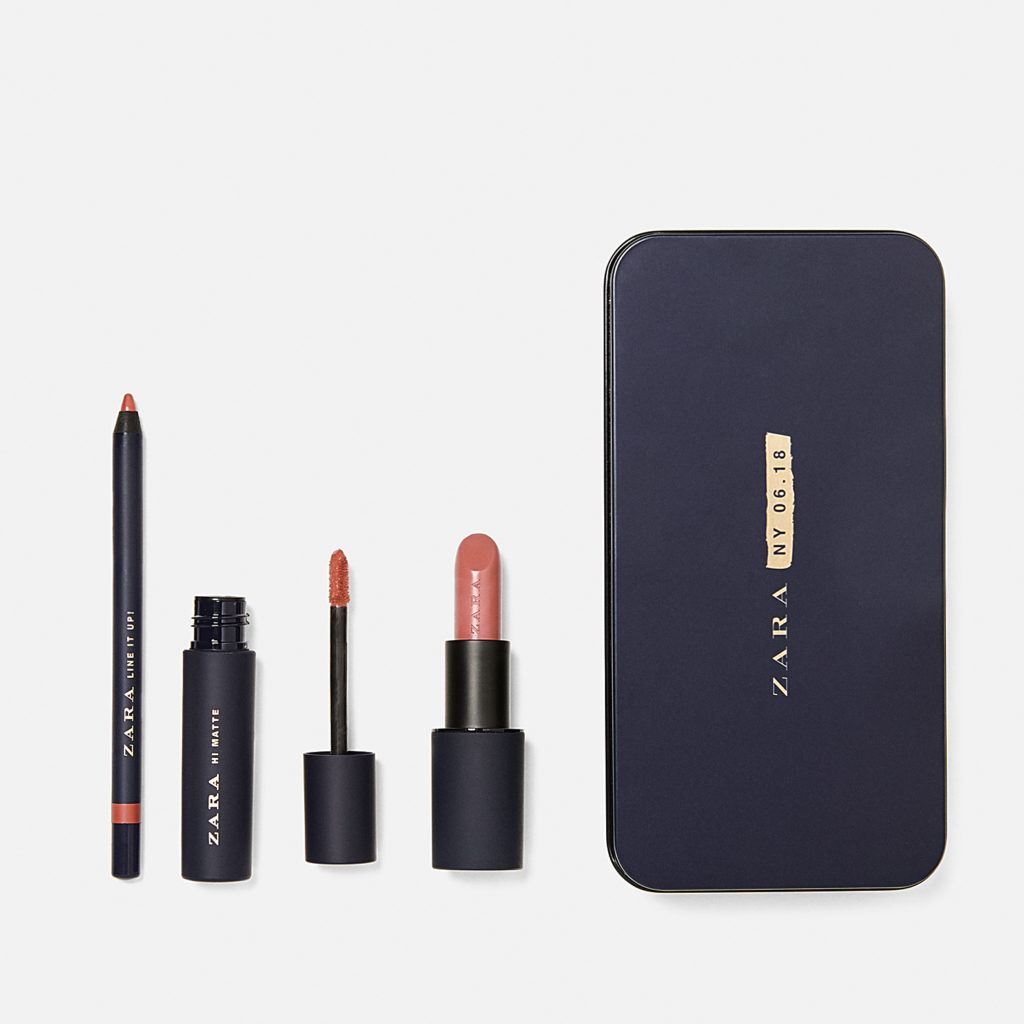
    Zara lipstick goes on sale this week – but only online. The fast-fashion brand’s first lipstick collection – called Zara Ultimatte – marks a continuing expansion of its beauty and cosmetics offer. Sister brands Bershka and Pull&Bear already have makeup lines, targeting younger consumers.

    Parent company Inditex says the collection was “inspired by the kind of makeup needed to create ad campaigns”. It is based on a colour palette created by British make-up artist Pat McGrath, (famous for working with Christian Dior and Armani Beauty, among others).

    The French-made Zara lipstick collection was designed in Los Angeles, featuring 12 high-pigment lipsticks, eight liquid-matte lipsticks, a box kit with three red colours and a limited-edition, behind-the-scenes kit. Prices range from €7.95 to €19.95. While available only on the Zara website, the company will ship worldwide.

  • ASICS India opens first store in Kolkata

    ASICS India opens first store in Kolkata

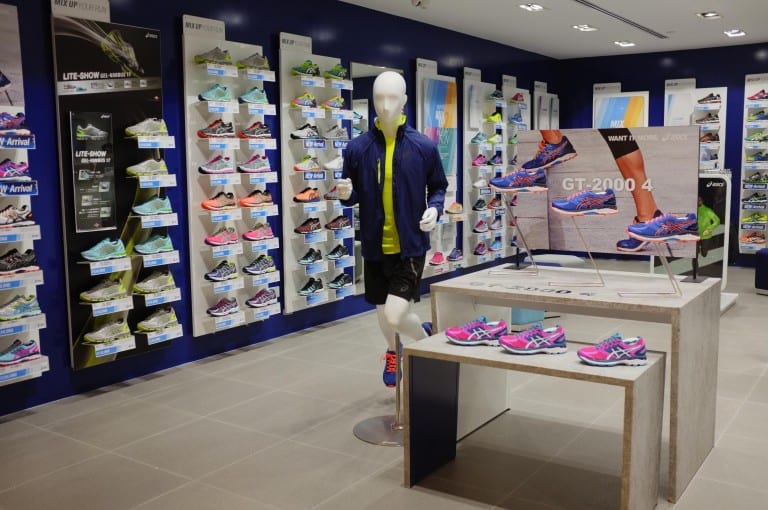
    ASICS, a true sport performance brand, launched its first store in Kolkata thereby expanding its retail footprint in a bid to strengthen its presence in India. With the opening of the ASICS Kolkata store, the brand has taken a step forward to strengthen its presence in the east region. The new store is located conveniently in one of the finest malls of the city – South City Mall. The store will offer a wide range of running, training and core performance sports shoes, apparel and accessories for men and women.

    The brand will accelerate its expansion of operations in India, bolstering sales and marketing support for retail stores in response to increasing consumer awareness of health and fitness and rise in spending power.

    Speaking on the new launch, Rajat Khurana, Managing Director, ASICS India said, “Given the potential and growing demand for fitness and sports, India has emerged as an important market for ASICS. This year, our focus is to expand our footprint in both tier 1 and tier 2 cities and offer our best in class products ranging from running, sports, for gym and other fitness-related gear. Kolkata is a very key market for us considering the large audience for sports and fitness in this market. We are hopeful that our products designed keeping core performance in mind will be able to cater to the needs of sports and fitness lovers in the city.”

    The store will showcase the latest ASICS AW18 collection that will host a range of key collections, like the newest additions to the ASICS running portfolio – ASICS Liteshow along with key products like Kayano 25 and Nimbus all featureing FLYTEFOAMTM, ASICS lightest-ever midsole technology. FLYTEFOAM works with the wearer’s foot to deliver superior cushioning every step of the way. It is also about 55 percent lighter than the industry standard midsole material, offering runners a comfortable fit with a fast, responsive feel.

  • Malabar Gold to expand into Hong Kong market

    Malabar Gold to expand into Hong Kong market

    Indian jewellery firm Malabar Gold & Diamonds is making plans to open 500 more outlets globally over the next five years – and Hong Kong is among the targets. The jeweller currently operates more than 250 outlets in 10 countries, 75 of which are in the Gulf region, including 12 in Qatar.

    The firm’s immediate expansion plans are to open more branches in Malaysia in the coming months, where the group started operations last year.

    Malabar Group chairman M P Ahammed said jewellery customers in Malaysia are showing enormous interest in the company’s ornaments and now the brand is gaining remarkably good acceptance in the country.

    “As part of our expansion, we are also looking at markets such as Hong Kong where there is increasing activity at present. The Chinese are buying both gold and diamonds in large quantities unlike what they used to, say, some three decades ago.”

    Speaking about the state of the business in general, Ahammed said: “From a modest beginning in Kozhikode in 1993, we have now expanded our operations even to the US, where our first outlet was opened earlier this year in Chicago.

    “Wherever there are strong family traditions and customs, there is hope for expansion in this business. A husband may want to gift something precious to his wife on a memorable occasion, a mother to his daughter and a son to his mother. No wonder, the choice of everyone in such moments – of strengthening bonds – continues to be gold or diamond.’

  • Sexual Harassment Claims Against Ted Baker’s Founder investigated

    Sexual Harassment Claims Against Ted Baker’s Founder investigated

    UK fashion retailer Ted Baker has appointed an independent committee of non-executive directors to investigate workplace harassment claims that current chief executive and founder Ray Kelvin expected staff to hug him and sit on his lap when visiting stores.

    “Ray, and the company’s leadership, have always prided themselves on Ted Baker being a great employer and business to work with,” the company said in a response to media reports about the claims and a petition started by staff members to stop the behaviour.

    “Accordingly, they and the board take these concerns very seriously and the board has directed a thorough and urgent independent external investigation carried out into these matters.”

    Organise, a website that allows employees to speak out against what they see in the workplace, and where Ted Baker staff initially spoke out about the workplace harassment, was contacted by leadership at the retailer who said they’re “open to changing the way we do things” when it comes to hugs.

    “Together our pressure exposed what was happening at the highest level. Now, over 100 anonymised reports of harassment are sat with Ted Baker’s board,” Organise said in a blog post about the matter.

    In an interview, Kelvin explained that he hugs people because his psoriatic arthritis makes it painful to shake hands, and took offence when it was suggested that people would be uncomfortable doing so.

    “You can’t expect my life to change because today people are particular about certain things that we grew up quite naturally with,” Kelvin explained, calling it “good old-fashioned stuff.”

    “Plenty of people might have sat on Ted Baker’s knee.”

  • Marcelo Burlon Opens First Flagship Store in Singapore

    Marcelo Burlon Opens First Flagship Store in Singapore

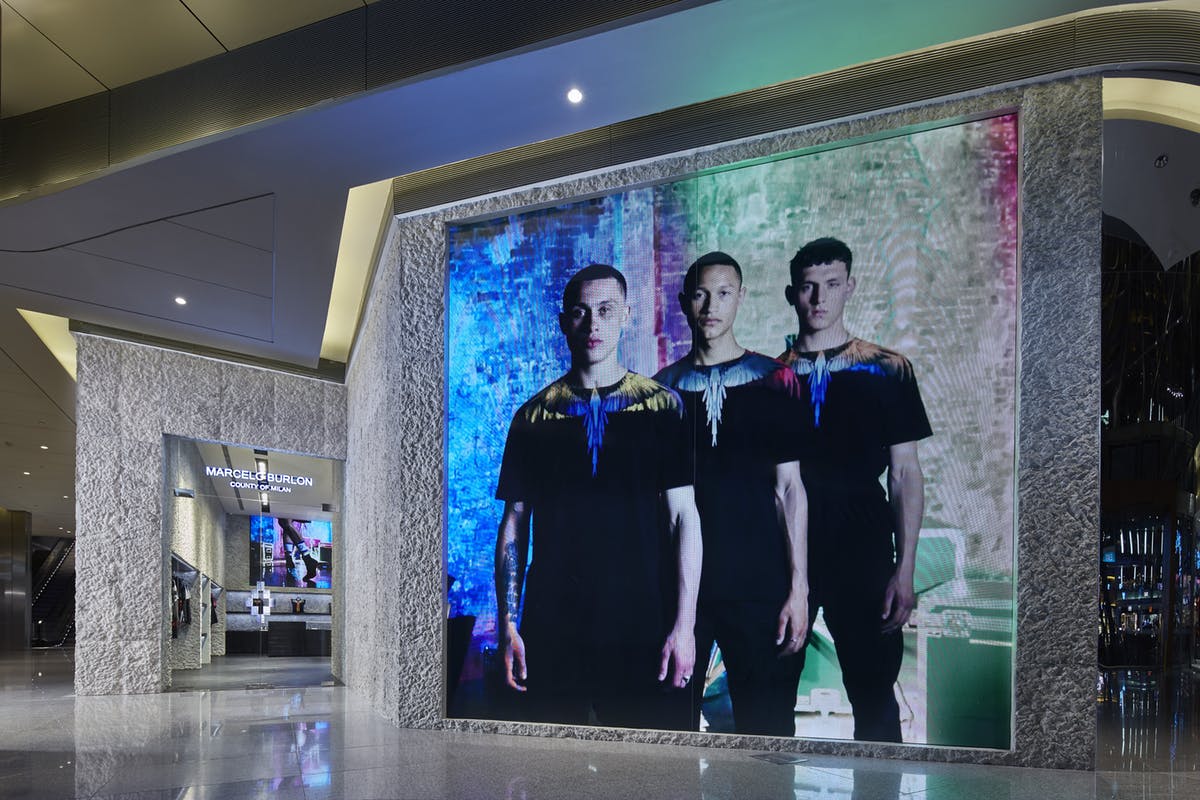
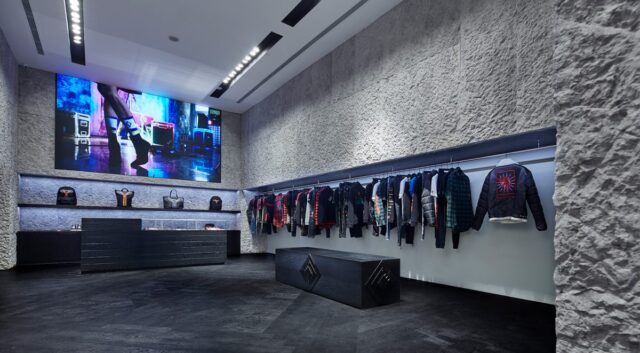
    Italian fashion label Marcelo Burlon has launched a Singapore flagship store on Orchard Road. The Marcelo Burlon Singapore store – the brand’s first in Southesast Asia, will offer a comprehensive range of the brand’s most recent collections, as well as the latest collaborations with NBA and MLB. Exclusive T-shirts were released to celebrate the store’s opening.

    The venue’s interior design reflects the Patagonian roots of the popular designer, who was personally present to attend the launch.


  • Chow Tai Fook reveals massive China expansion plan

    Chow Tai Fook reveals massive China expansion plan

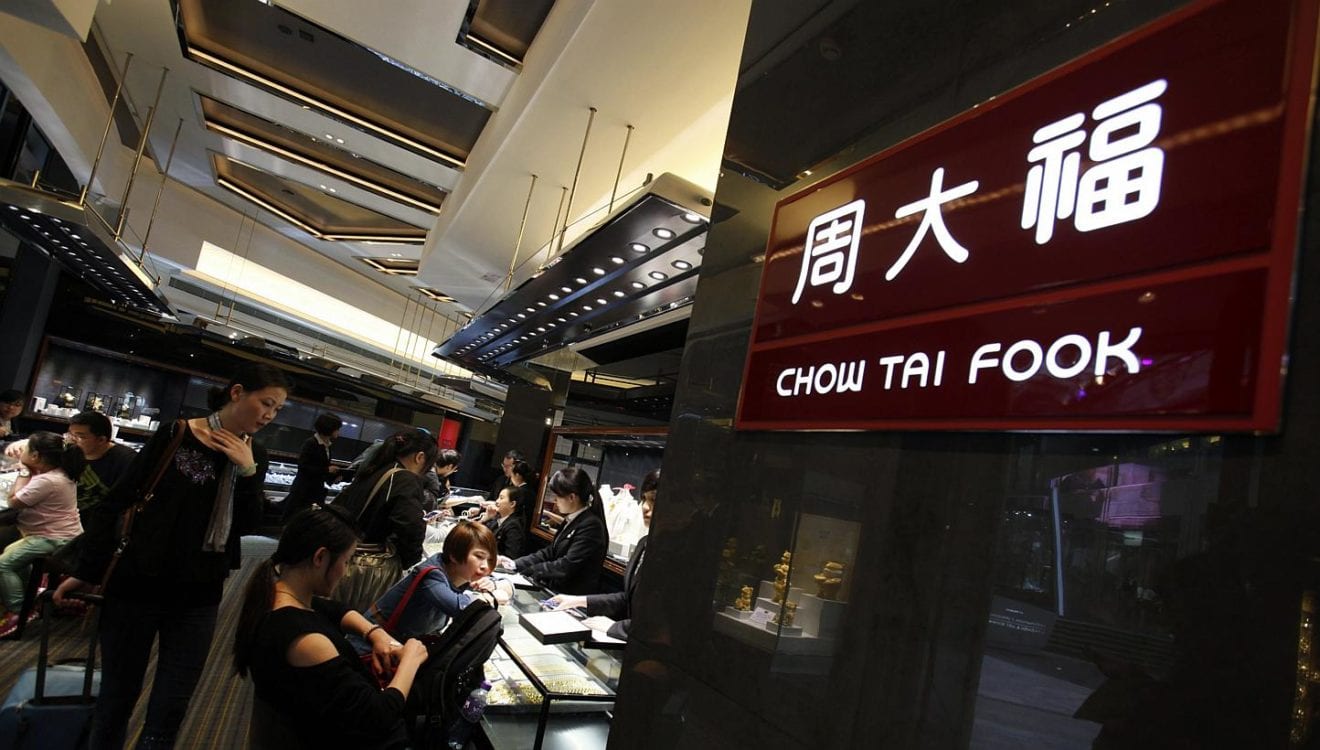
    Chow Tai Fook opened 233 stores in Mainland China in the first half – and is planning another 400 next financial year. The Hong Kong-listed jeweller is targeting shopping malls for its new stores, and second-tier cities. The latest additions took the company’s global network to 2822, with 2682 of those located on the mainland. By the end of the 2020 financial year, the company will have more than 3000 stores on the mainland alone.

    In Hong Kong and Macau, the network remained stable during the first half, the company closing one store in Hong Kong’s tourist district and opening another in a residential neighbourhood targeting locals.

    The jeweller has reported robust growth of 20 per cent year-on-year backed by the buoyant consumer demand. Same-store sales in Hong Kong and Macau soared 24.4 per cent in what the company described as “stellar” growth, driven by gold products, gem-set jewellery and platinum/karat gold products.

    On the mainland, same-store sales were up 4.9 per cent. Core operating profit rose 24.7 per cent to HK$2.989 billion.

    However the company has warned of a slowdown in sales growth in the second half of the year “as the escalating comparison base, rising US-China trade tensions and foreign exchange fluctuations could cloud the performance”.

    Meanwhile, the company says its new jewellery retail brand Monologue, targeting younger customers, is going well and the T Mark diamond brand achieved a 134 per cent increase in sales in Mainland China and 156 per cent increase in Hong Kong and Macau.

  • Esprit appointed new chief product and brand officer

    Esprit appointed new chief product and brand officer

    Struggling fashion retailer Esprit has tapped a former Burberry and Tommy Hilfiger executive to become its chief product and brand officer. Mia Ouakim will take up the new role – a crucial post in the brand’s turnaround plan – in February, reporting to the group CEO.  She will be responsible for managing the product creation and design of all product divisions, as well as the consistent execution of the brand strategy across all product divisions and consumer touch points, according to Esprit in a stock exchange filing.

    Ouakim’s experience spans corporate strategy, product design, merchandising, planning and development, brand and communication, and distribution gained from luxury and premium fashion brands. Her most recent role was senior VP of Tommy Hilfiger menswear and tailored, overseeing the brand’s menswear division globally. Prior to that, she served as VP at Tommy Jeans, formerly known as Hilfiger Denim (Women & Men) between 2014 and

    2017 where she had full business responsibility of the denim division globally.

    Before joining Tommy Hilfiger, Ouakim held various roles with Burberry, working in product, merchandising and design roles for childrenswear between 2006 and 2014. Before that, she was with Children Worldwide Fashion in the UK, responsible for brand, communication and public relations of various luxury and premium brands, including Burberry, Timberland, Kenzo, Nike, Elle and DKNY childrenswear.

  • Innisfree lands in the Philippines

    Innisfree lands in the Philippines

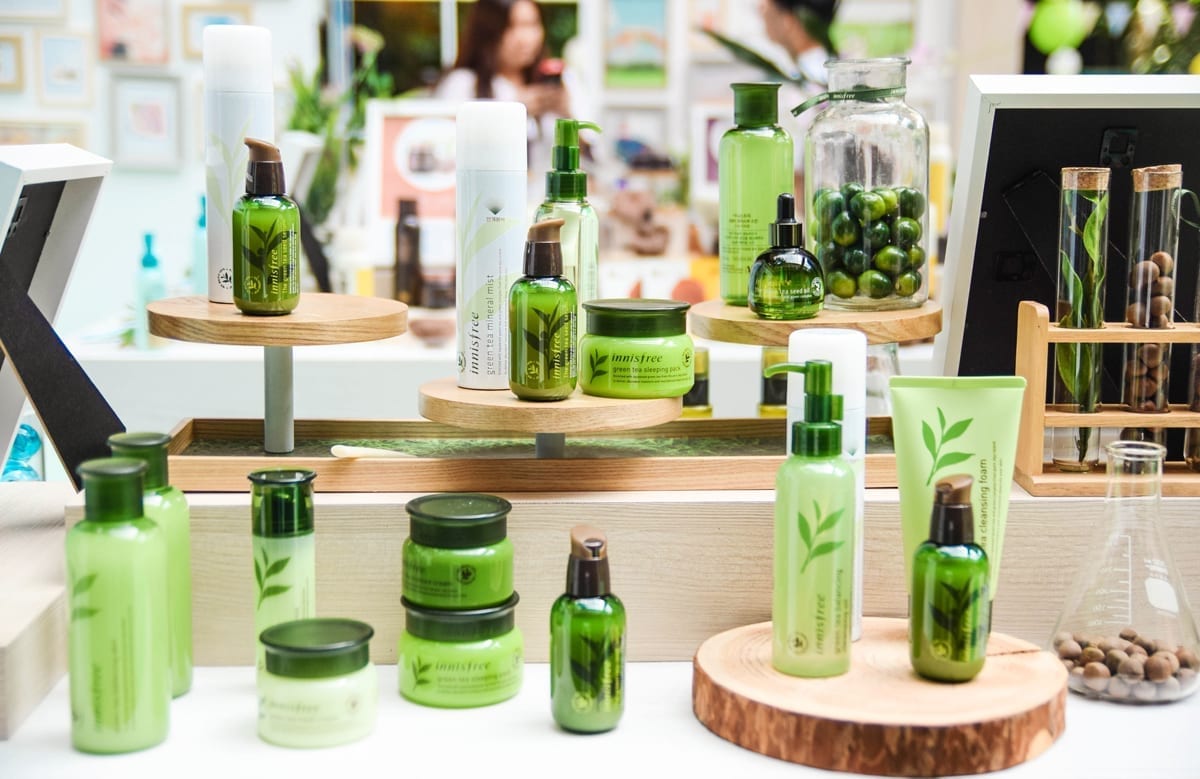
    Innisfree Corp., budget cosmetics manufacturer under South Korea’s beauty powerhouse Amorepacific Group opened its first store in the Philippines with hopes to expand its presence in the bourgeoning Southeast Asian market. According to the company, the 148-square-meter store opened at SM Mall of Asia, the largest shopping mall in Manila.

    The naturalism-oriented brand plans to introduce skin-care products made of natural ingredients from Jeju Island such as green tea and volcanic pine mushroom and their effectiveness to consumers in the Philippines to satisfy beauty demand and experience.

    The Philippines is considered a potential market due to the high ratio of young people in their 20s and 30s interested in hallyu, or Korean wave, and Korean beauty.

    An unnamed official from Innisfree said that the company will introduce not only its flagship beauty items but also pore- and oil-treatment mask and powder products tailored for humid and hot climate. The official added that the company will also pursue its environmentally-friendly green life campaign in the Southeast Asian country.

    Innisfree, meanwhile, manages 655 outlets overseas including the latest store in the Philippines.

    The skin-care brand, which opened its first overseas store in China in 2012, has outlets in Hong Kong, Taiwan, Singapore, India, Thailand, the United States, and Japan.

    Innisfree also plans to open stores at three major shopping malls in Metropolitan Manila next year and launch online channel

  • Morgan Tan to lead Shiseido China region

    Morgan Tan to lead Shiseido China region

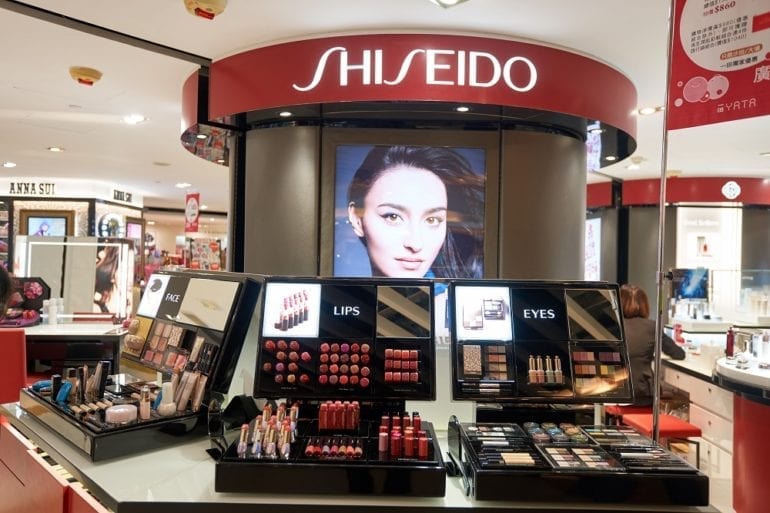
    Shiseido is boosting management of its Greater China business as part of a new strategy to boost is presence and sales in the region. Hong Kong-based Morgan Tan has been named as the senior VP of the Prestige Brands Division for the China region and will take up the new role on January 1. In her new role, Morgan will drive the growth of the prestige brands business in the China region under the new regional headquarters system.

    Morgan Tan has been with retail industry for more than 20 years, with experience in fashion, luxury and cosmetics. She started with Polo Ralph Lauren in Taipei before moving to Hong Kong in 2003 as the sales and operations director at Lane Crawford Hong Kong, gaining experience in leasing, merchandising and e-commerce. She was appointed president of Shiseido Hong Kong in 2015 and will retain that role along with her new one.

    The appointment is a key part of Shiseido’s medium-to-long-term strategy, Vision 2020, in which the company aspires to “be a global winner with our heritage” by ensuring sustainable growth in the Chinese market.

    Shiseido said in a statement that it will reinforce both the brand and corporate business structures in the China region “to enhance brand appeal to Chinese consumers and strengthen market execution”.

    Kentaro Fujiwara, as president and CEO of China region, will oversee the strategic alliances with emerging e-commerce platform companies across the region

    Newly hired Julie Chiang has been appointed chief marketing officer, overseeing Shiseido’s cosmetics brands and personal care brands.

    Other new China region appointments are Anson Yu as CFO, Julia Li as chief people officer, and Zaheer Nooruddin as senior VP, digital experience division.