Category: Fashion

Retail News Asia is committed to providing both local and global retailers with the latest Fashion news throughout the Asian market. This on a daily base.

  • Amazon to acquire Net-A-Porter?

    Amazon to acquire Net-A-Porter?

    Speculation is rife that e-commerce giant, Amazon, is in talks with online luxury retailer Net-A-Porter for what could be its biggest acquisition yet.

    Luxury goods group, Richemont, bought Net-A-Porter in 2010 for around €350 million (A$492.35 million).

    Net-A-Porter, has seen huge growth in the last few years, and is reportedly worth more than £2 billion globally.

    Founded in 2000, Net-A-Porter stocks more than 350 designers including Alexander McQueen, Chloé, Dolce & Gabbana, Isabel Marant, Jimmy Choo, Miu Miu, Stella McCartney, and Valentino.

    In 2009, the company launched discount fashion website, The Outnet, and in 2011 created menswear website, Mr Porter. In 2014, Net-A-Porter Group’s publishing division  launched the company’s first ever consumer magazine, Porter.

    Following a series of investments, including a significant push into fashion, Amazon surprised the market with far better than anticipated Q4 profit results.

    Amazon posted earnings of $US214 million ($A275.88 million) in the fourth quarter as sales jumped 15 per cent to $US29.3 billion, swinging to profit after two consecutive losing quarters.

    The Seattle-based company faced pressure from shareholders to deliver profits even as founder Jeff Bezos invested in a vast array of projects.

    For the full year 2014, Amazon posted a net loss of US$241 million on sales of US$89 billion.

    Amazon has denied speculation of the Net-A-Porter acquisition.

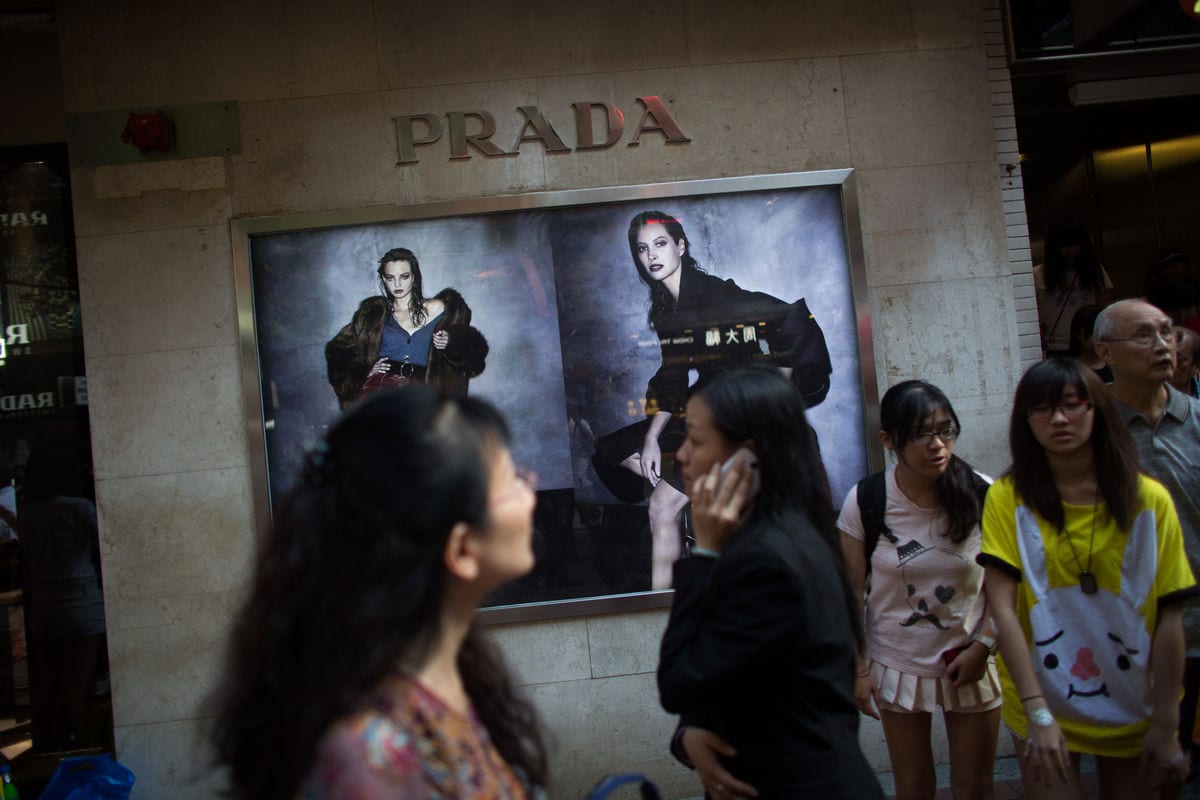
  • China sinks Prada profit

    China sinks Prada profit

    Luxury retailer Prada Group has blamed China for a 28 per cent slump in profit last year.

    The Italian company says sales in its key Asia-Pacific market – which contributes 35.7 per cent of its global turnover – slid 3.1 per cent.

    This was largely due to the clampdown in corporate gift giving as China tries to reduce graft, and changing purchasing patterns in Hong Kong, which cashed up Chinese are spurning for other travel destinations.

    “Results in the region were hit by the negative performances recorded in Hong Kong and Macau. The Greater China area still benefited from growth on the [mainland] Chinese domestic market and ended the year with net sales of 774.1 million euros, a decrease of 6.3 per cent,” the company said.

    While Prada accounts for 81.2 per cent of the group’s sales, Miu Miu and Church’s both improved globally, while the smallest, Car Shoe, returned a sales drop of 11.9 per cent.

    Prada opened 21 new stores in Asia Pacific in the year to January 31 and closed three. Retail sales slid 5.5 per cent, but this was in part compensated for by a double digit growth in the wholesale division, largely due to increasing numbers of inbound tourists into South Korea. In the Americas, sales were up 0.9 per cent.

    In Europe, sales fell 4.9 per cent, but in Japan (which is not included in the Asia-Pacific figures) sales rose 7.9 per cent, despite store network rationalisation.   Prada said overall revenue for the year dipped by one per cent to 3.55 billion euros, while net income dropped to 450.7 million euros from 627.8 million euros a year earlier. Its operating margin was down from 31.9 per cent to 26.9 per cent, largely due to store openings.

  • Cotton On tells staff to keep it real or face the sack

    Cotton On tells staff to keep it real or face the sack

    It may be a new low in human resources gibberish.

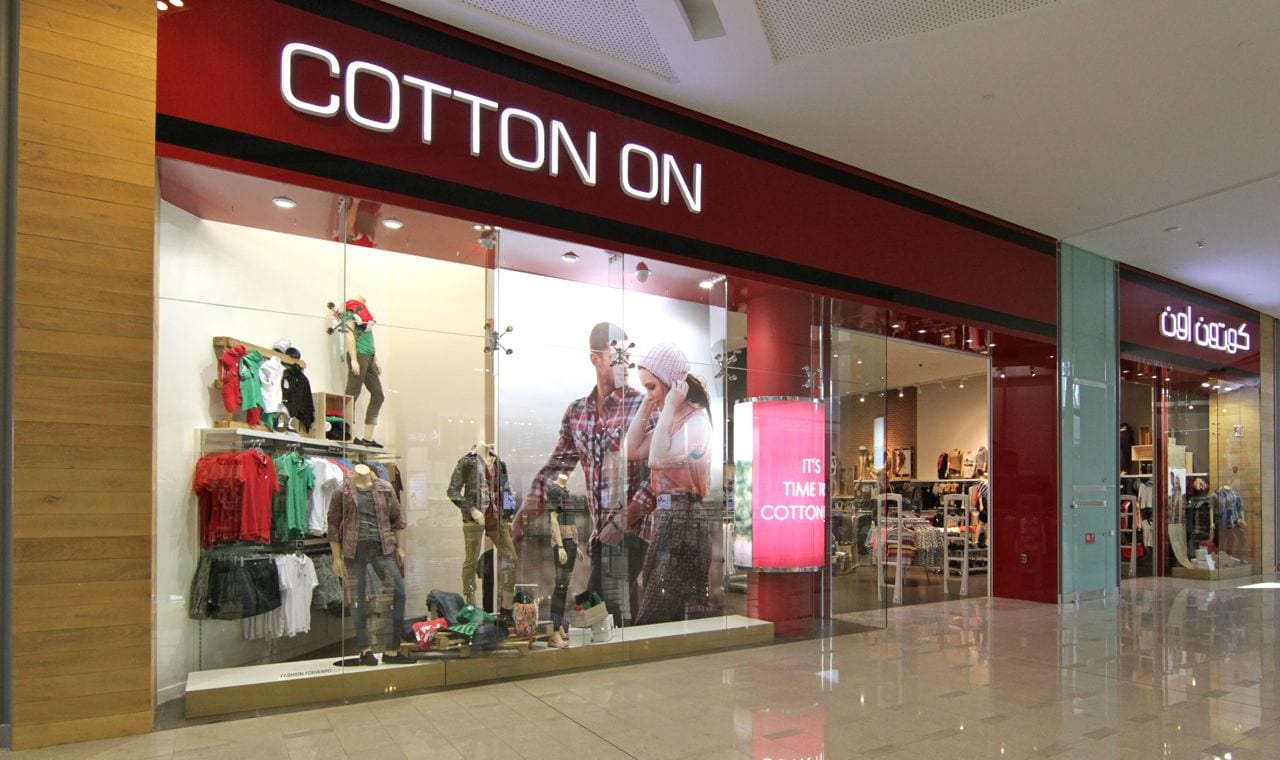
    But the fun crowd at retailer Cotton On have told staff they need to “keep it real” or face the sack.

    A leaked copy of Cotton On’s code of conduct tells its staff it is “unacceptable” when working with colleagues or customers, to be anything but “fun” and “keeping it real”. No ifs or buts. Failure to do so can result in being fired on the spot.

    Less well defined in the document is what “keeping it real” means. The Online Slang Dictionary tells us that to “keep it real” is to “stay true to one’s self; to resist the temptation to be fake”. One claim is that the origins of the phrase emerged out of hip-hop culture in New York in the late 1970s and early 1980s.

  • Ashapura plans to open 200 stores across India in 3 years

    Ashapura plans to open 200 stores across India in 3 years

    Ashapura Intimates Fashion plans to open 200 Valentine loungewear retail showrooms across the country in three years on a franchise basis.

    It plans to open 26 Valentine showrooms in Mumbai this year, most of which will be company-owned, it said in a statement on Monday.

    The first Valentine showroom of 1,550 square feet was opened at Bandra in December 2014, following the state’s largest loungewear showroom spread over two floors in Mulund.

    The third store was opened at Ghatkopar this month and another two stores are expected to come up at Borivali and Thane by April, it added. Ashapura is also planning to open its third Valentine loungewear retail showroom in Bangalore this month, following a similar one launched last month.

    Two stores will be opened in Ahmedabad next month, it said.

    Harshad H Thakkar, Chairman, Ashapura-Valentine Group, said with its second plant going on-stream soon in Gujarat, the company will have the highest loungewear production and warehousing capacity in India.

    Ashapura sells intimate garments such as lounge wear, bridal night wear, honeymoon sets, bathrobes, nightwear, relax-wear and sportswear.

  • British bag brand Zatchels eyes Asia

    British bag brand Zatchels eyes Asia

    Hip British bag brand Zatchels says it plans to make inroads into Asia as its young brand gains international awareness.

    Zatchels was established in April 2011 and has its manufacturing base in Leicester, UK.  A multi-channel retailer, it has shops in York, Westfield London and now Bath.

    Now it says it wants to enter Vietnam, Thailand, Cambodia and Singapore to make the most of their young populations and a growing love of products made in Britain among southeast Asians.

    The company manufactures and retails, with boutique stores in the UK. Overseas stores are usually operated as concessions in department stores.

    The manufacturer already exports a third of the designer satchels and bags made at its factory near Leicester’s city centre to around 90 countries. It makes more than 25 styles of bags, turns over £3.5 million annually and employs 70 people in manufacturing and retail.

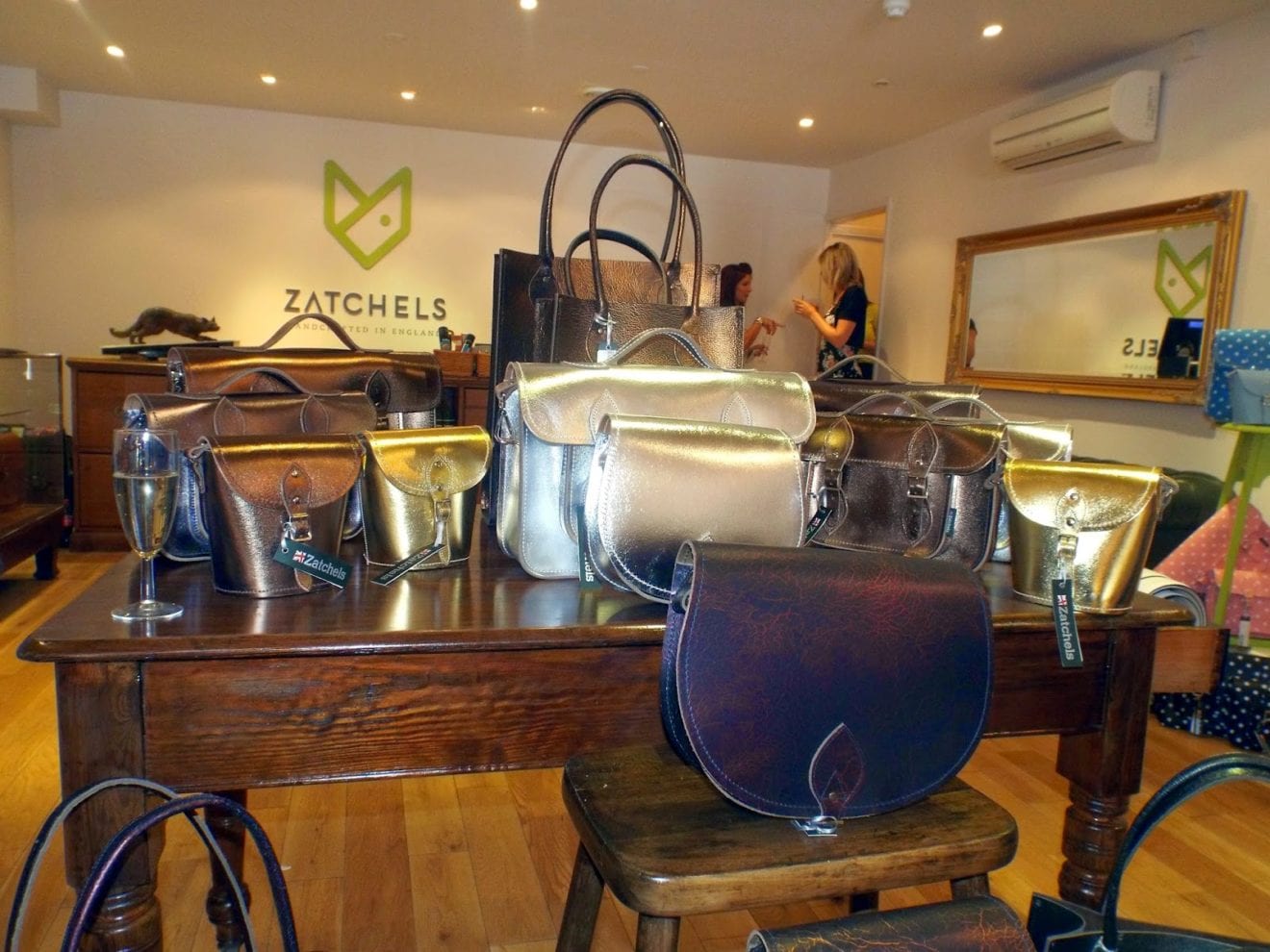
    Zatchels store York 315*The Zatchels store in York.

    The business has just hosted a visit by Douglas Barnes, HM Consul General to Ho Chi Minh City and Director of Trade and Investment Vietnam, to discuss the opportunities available.

    MD Dean Clarke, who founded Zatchels with business partner Brian Brady, said exports are a growing and vastly important part of the company’s business plan for 2015 onwards.

    “We hope to include Vietnam in those plans, along with other important areas of South East Asia and the Pacific region,” Clarke said in an interview with the Leicester Mercury newspaper.

    “Meeting with Mr Barnes gave us the opportunity to further investigate this emerging high growth country in more detail and potentially make influential contacts to help us grow our business in this exciting market.”

    Barnes said Vietnam is one of the fastest-growing retail markets in the world and there is a huge demand for products as consumer spending power grows.

    “It has a young and dynamic population – with 60 per cent under the age of 30. I am impressed with Zatchels’ hugely ambitious approach to exports which has placed them at the top of their game and I’m keen to help them develop their business in Vietnam.”

    Zatchels focuses on making quality leather goods, with each bag made to order. Zatchels currently has 10 Collections designed for men, women and children as well as a range of accessories.

    Zatchels people inside 315


  • Hugo Boss takes control in Asia

    Hugo Boss takes control in Asia

    German luxury fashion retailer Hugo Boss is forging ahead with plans to take direct control of its Asian store network as it looks to the region to offset stagnant sales growth in Europe.

    Hugo Boss says it will take over 17 franchise stores in South Korea and set up its own distribution company in Dubai.

    It will also take over all of its stores in China, currently operated by a joint venture, with plans for 130 shops in the mainland.

    The Russian market is crumbling, on concert with its currency, the rouble. And Germany’s luxury fashion market has lost its lustre in recent times. Fashion retail sales slid eight per cent in the fourth quarter of 2014 according to independent data. Investment house Goldman Sachs Group has advised clients to sell Hugo Boss shares, predicting little growth for the company in 2015.

    But the German company remains optimistic, focusing its hopes on Asia, especially China, where it says there is a growing thirst for luxury fashion.

    “Looking ahead over the next few years, Hugo Boss faces excellent prospects for growth,” said Claus-Dietrich Lahrs, CEO, in a statement.

    In its latest quarterly earnings statement, Hugo Boss reported group-wide sales growth of five per cent to US$721 million and pre-tax earnings of $176 million.

  • French Connection on comeback trail

    French Connection on comeback trail

    UK fashion chain French Connection has reduced its full year loss as sales recover.

    FCUK has reported an £800,000 underlying operating loss for the year to January 31 – vastly better than the £4.4 million loss in the year to January 31, 2014.

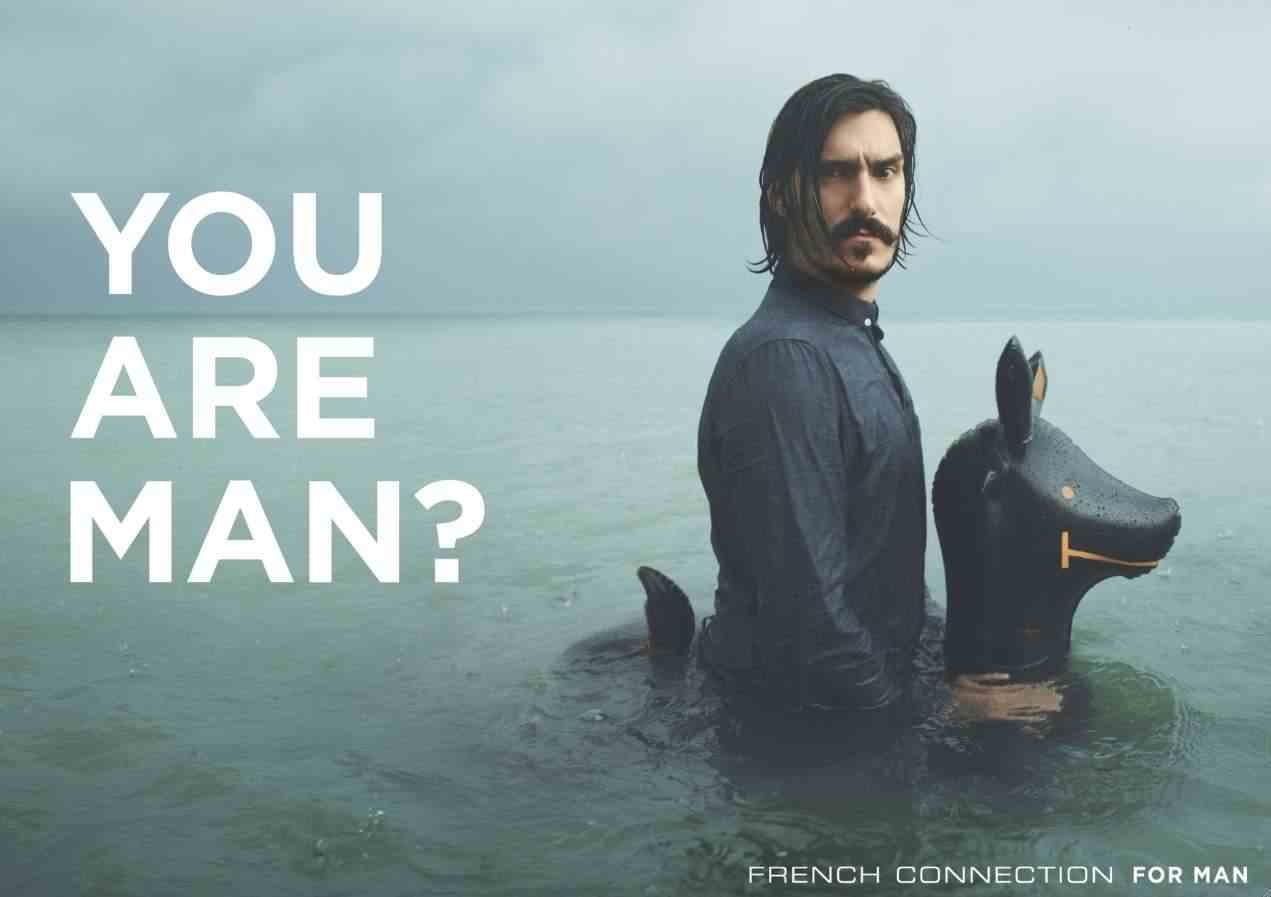
    The retailer, once notorious for its casual fashion items bearing slogans with its abbreviated name FCUK, had fallen out of favour with customers when the ‘joke’ wore off. It subsequently changed its labeling to French Connection and tried to move more upmarket path with its design positioning. But that change took years to gain favour with shoppers.

    The company spent the last year closing unprofitable stores and redesigning its product range.

    Announcing its figures this week, FCUK said same store sales across the UK fell by three per cent year-on-year, citing unusually warm weather in the second half of the year for the drop, in concert with its rivals.

    Wholesale revenues rose 4.6 per cent.

    Chairman and CEO Stephen Marks said despite “difficult retail trading conditions” in the second half the results demonstrated the company has made another step towards returning to profitability.

    “Although we are encouraged by forward orders in our wholesale business, trading on the high street remains challenging and we are planning accordingly.”

  • Crocs India terminates franchise deal

    Crocs India terminates franchise deal

    US shoemaker Crocs has cancelled its exclusive franchising agreement in India with Chogori Retail.

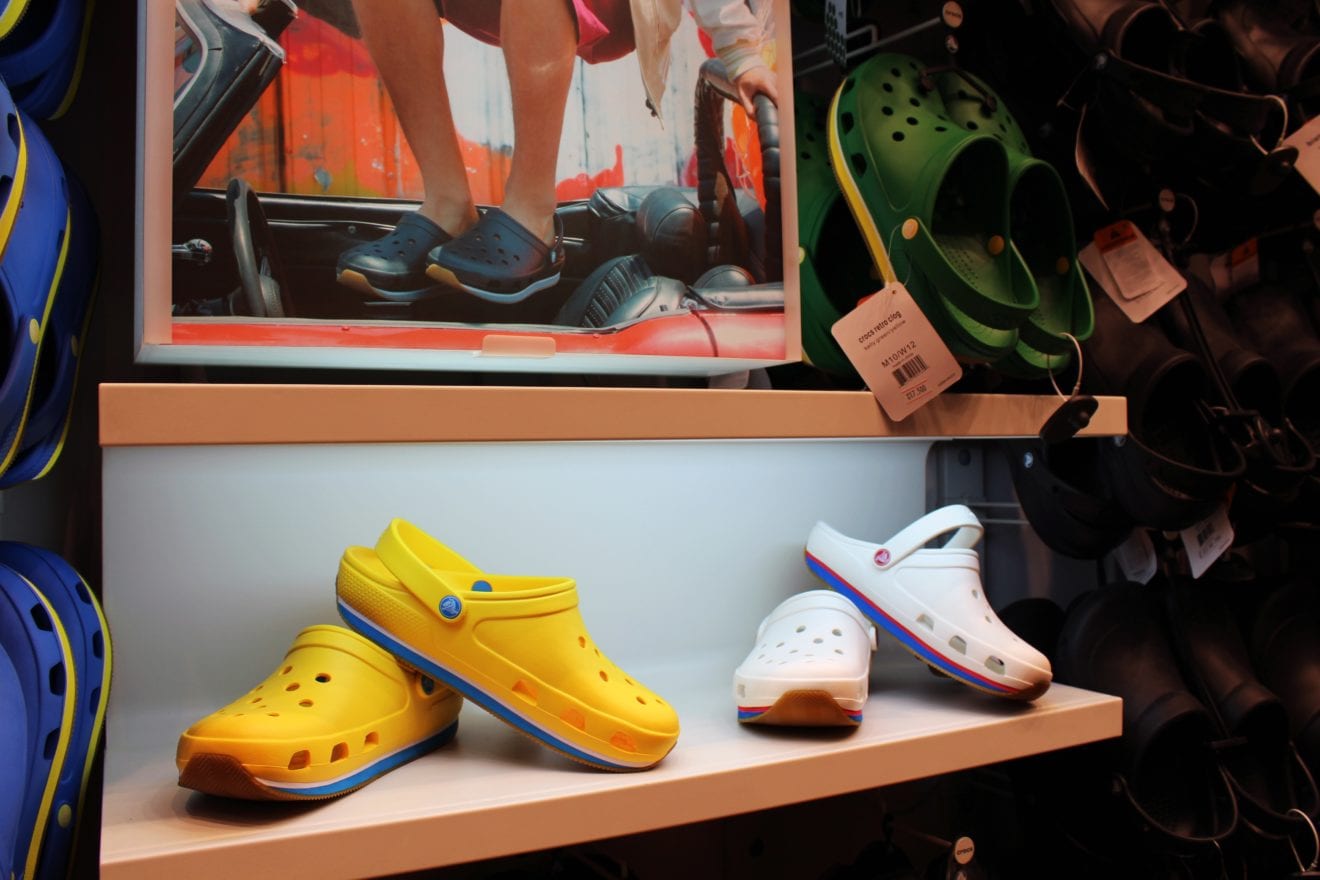
    The Colorado-based company, renowned for its unsightly but comfortable shoes, says it will now partner with several retail companies and will ramp up its store roll-out program.

    Crocs debuted in India in 2007 after entering into an exclusive joint venture deal with Chogori retail. Later the contract was converted into a franchise agreement.

    But the venture has been far from successful to date. After eight years the brand has just 30 stores in India, after closing about 12 during the last eight months.

    Crocs says by opening the door to other partners in the fast growing market it can open about 60 new stores over the next three years. The company also has a successful eCommerce operation which already accounts for 10 per cent of its India sales.

    “We have planned out a strategy of having few but strong franchise and shedding some of the partners that don’t, can’t or won’t want to grow with us whatever the reason might be,” said Nissan Joseph, Crocs India GM.

    The last of the Chogori JV stores would close by June.

    “Some will close and reopen, some will reopen in different locations inside the mall and some will reopen through new franchise partners,” he said.

    Chogori, meanwhile, has other priorities. It is the India licensee for Hi-Tec, amongst other brands, and has recently announced a partnership with US adventure wear brand Columbia Sportswear to open 25 stores.

  • Trinity weathers stagnant China market

    Trinity weathers stagnant China market

    Li & Fung subsidiary Trinity, which retails high-end menswear Greater China and Europe, has weathered a stagnant home market in 2014.

    The company posted revenue of HK$2.6 billion (US$335.2 million) and the gross profit was HK$1.9 billion ($244.95 million). The gross profit margin was 74.1 per cent representing a 1.4 percentage point decline due to liquidation of excess inventory, a management priority in the second half.

    Trinity’s brands include D’Urban, Gieves & Hawkes, Cerruti 1881, Intermezzo and Kent&Curwen CEO Richard Cohen said Trinity achieved the performance milestones it set out last August and is on track with its medium-term strategy.

    He said the company was putting in place “the right retail strategy and structure” to deliver consistent, sustainable returns into the future.

    “We have significantly strengthened our teams up and down the organisation and continue to improve inventory management. In the past six months we have developed centralised shared services across all departments and improved our supply chain to make it more cost-effective and flexible.”

    Cohen said that Trinity remained bullish about the Chinese market and opportunities to serve the Chinese consumer, whether at home or travelling abroad.

    “We target globally and think locally,” he said.

    “We are optimistic for the near and medium-term, and remain confident about the longer term potential for our business.

    “We are looking forward to 2015 when the first Trinity collections developed by the new management team appear in stores.”

  • Marc Jacobs partners with ImagineX

    Marc Jacobs partners with ImagineX

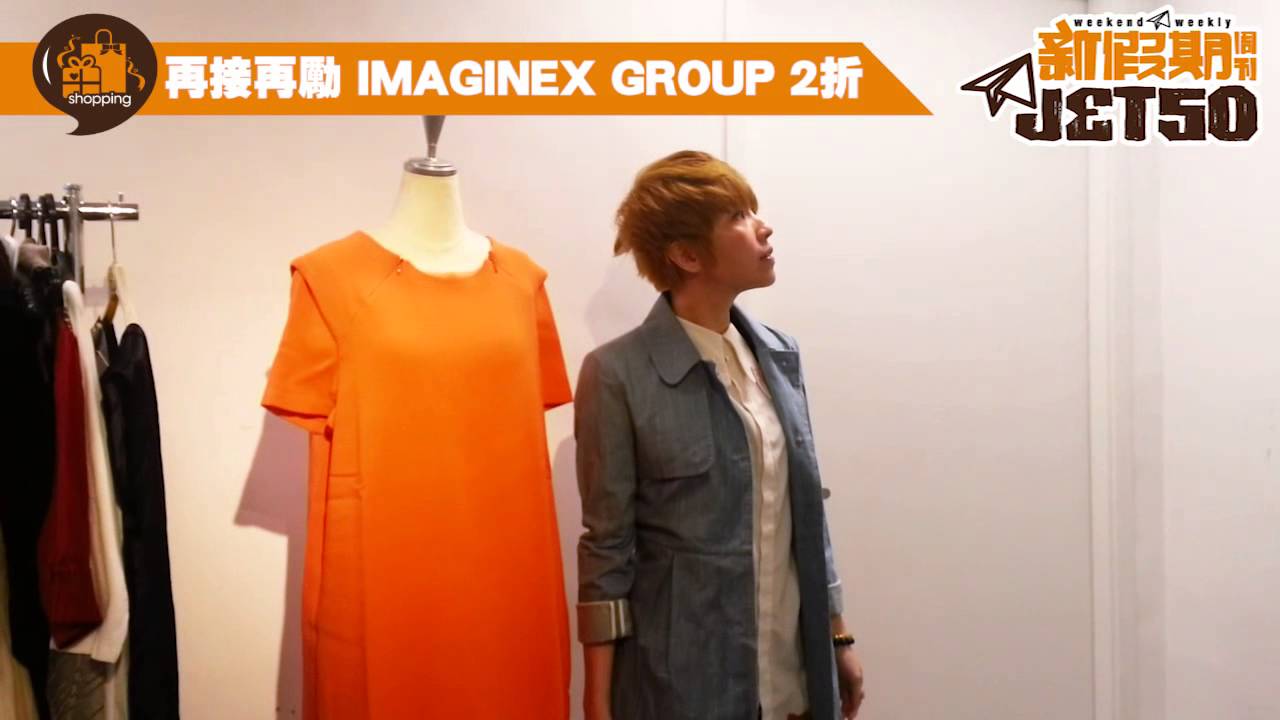
    Marc Jacobs International and ImagineX Group have established a 50-50 joint-venture companies in both Hong Kong and Macau to take over distribution of Marc Jacobs collections in Hong Kong and Macau.

    Marc Jacobs Hong Kong Distribution Co has taken over the existing retail network as a base for an ambitious development of Marc Jacobs brands in terms of sales and network development. Marc Jacobs Macau Distribution Co will set up a retail network during the coming months.

    ImagineX Group, part of The Lane Crawford Joyce Group, is a specialist retail, brand management and distribution company operating in Greater China and South East Asia.

    It has fashion partnerships with brands Salvatore Ferragamo, Marc Jacobs, Donna Karan, Paul & Shark, Paul Smith, DKNY, Club Monaco, alice + olivia by Stacey Bendet, Scotch & Soda, Tory Burch and Isabel Marant among others.

    Marc Jacobs International has more than 200 free standing stores across the globe, and the brand includes Women’s and Men’s RTW and accessories, a children’s line called Little Marc Jacobs, multiple award winning fragrances, and Marc Jacobs Beauty, which will launch in Asia later this year.

  • Pumpkin Patch looking for buyers

    Pumpkin Patch looking for buyers

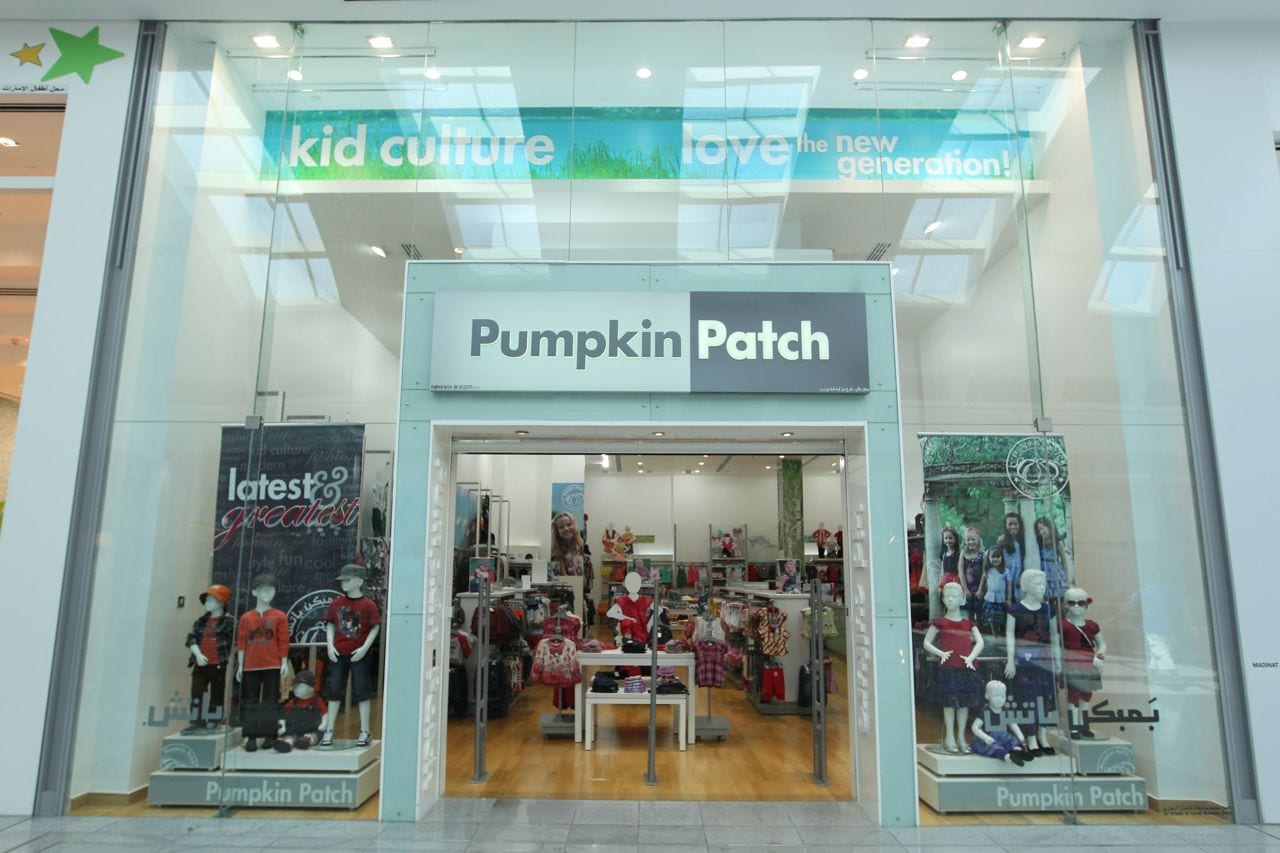
    Children’s clothing retailer Pumpkin Patch, whose shares have lost two-thirds of their value the past year, is seeking formal proposals after receiving approaches to buy or refinance the company.

    The Auckland-based retailer, which on Friday posted an improvement in first-half earnings, says third parties have indicated an interest in Pumpkin Patch since the company announced a capital review at its annual meeting in November.

    It has a market capitalisation of NZD35.5 million (USD26.4 million).

  • Li-Ning retail revamp finally working

    Li-Ning retail revamp finally working

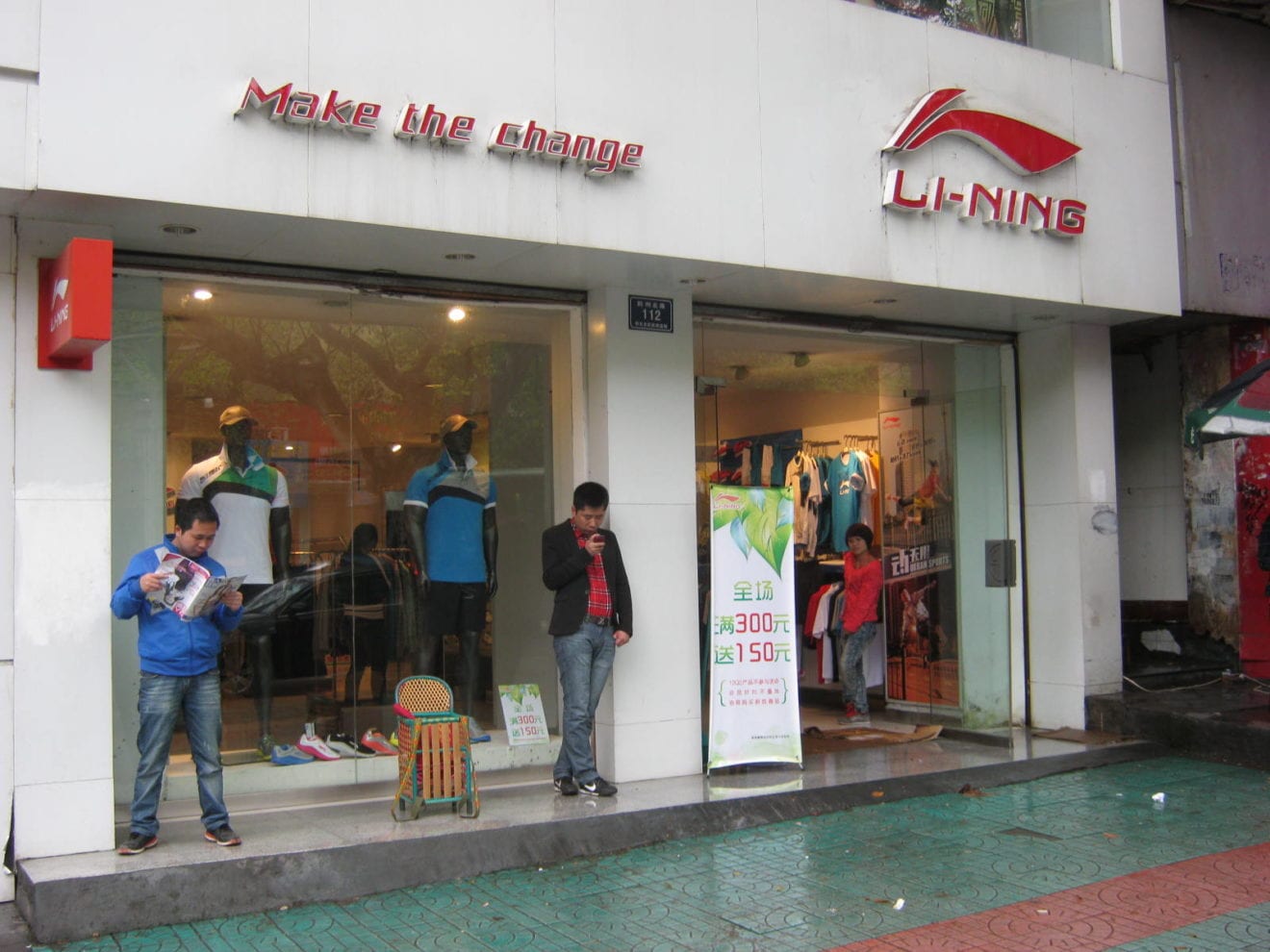
    Embattled Chinese sportswear brand Li-Ning is continuing to rebuild its massive Chinese store network as it works to return to profitability.

    The company ended the year with 5626 stores, a net decrease of 289. But it boosted its company-operated store network by nearly 30 per cent as it continued to cull franchisees across the nation.

    Li-Ning expanded its own network from 926 at the end of 2013 to 1201, and culled its franchisees by 565, or 11 per cent, 4424.

    “In 2014, we devoted our efforts in improving retail capability among all channels,” the company said in its earnings statement.

    “We focused on strengthening management on merchandising, retail execution, channel expansion and innovations. The higher overall efficiency as well as fast response to market and consumer appeals laid a solid ground for better retail results.”

    Li-Ning reported a net revenue growth of 16 per cent to RMB6,728 million (US$1.085 billion) for the full year, but said its second half revenue growth rate was a higher 23 per cent.

    It reported a pretax loss of RMB323 million ($52 million), although made a second half profit of RMB28 million ($4.5 million), suggesting the turnaround strategy is beginning to work at last.

    Much of the rebuilding effort is focused on its retail strategy in the sportswear market, a retail category which is saturated with international and local brands and an oversupply of retailers, a situation dating back to the national sports craze fuelled by the Beijing Olympics in 2008.

    Li-Ning says it has established a management team to standardise store opening and operations to ensure they become profitable within six to nine months.

    “In 2015, we will continue to review some of the markets we lost while seeking opportunities to open new stores. One of the challenges we are still facing today is that many of our sub-distributors are single-store operators with low productivity and poor retail operations. Many of them have an outdated inventory mix which makes the store look stale and affects its revenue-generating capability, resulting in the threat of operating loss and store closure. In 2014, we identified multiple approaches to address sub-distributor revival, which have made some preliminary positive results.”

    Behind the scenes, the Li-Ning retail revamp has seen a variety of processes implemented to improve store performance.

    Its sales department worked closely with its product category department and distributors to classify stores by attributes of consumer needs, in order to drive better store assortment planning, which has greatly improved its order accuracy and effectiveness.

    “We also started our efforts in making further segmentation and differentiation of commercial districts to align store assortment planning with product categories. Stores were grouped for management by city tier, commercial zone, consumer segments, sports/sports life relativity, etc. based on our product category strategy.”

    A new ‘Resources Management Platform’ monitors and optimises inventory resources, helping predict forward order matching and in identifying warehouses, distributors and subsidiaries which have inventory excesses or shortfalls. That enables decisions on order rebalancing, merchandise allocation, sales promotion and clearance to be more accurate.

    “We have been able to catch the opportunity to replenish the bestsellers since 2014 Q2 to distributors and sub-distributors with out-of-stock situation. Throughout the year, we also intentionally offloaded the seasonal slow- moving products to discount stores, to clear up the space in regular stores for the bestsellers.”

    Li-Ning’s sales promotion strategy has moved actual retail prices more in line with the market needs and authorisation for price changes has been delegated  to regional level to allow a more flexible response to competitors.

    “These reforms on retail operation resulted in strong growth of more than 18 per cent in our current season product sales in regular stores in 2014, with over 80 per cent of our sales driven by our current and prior season products. Retail discount was improved across the stores, which helped increase gross margin of stores and profitability of distributors. Driven by the improving retail efficiency, our same store growth turned positive in the second half of the year and recorded a high single-digit growth in the fourth quarter.”

    Li-Ning also focused on expanding its LNC (Li-Ning Collection) retail brand, which focuses on premium products in the sports life category to expand the middle and premium consumer market. The stores offer a mixture of cross-category products originated by Korean designers, with the endorsement of Jessica (a former member of the Korean pop group Girls’ Generation), which attracted fashion-minded consumers. More than 10 LNC stores have been opened which contributed sound results in the fashion mall channel, and more new stores are scheduled in 2015.

    Li-Ning also worked with Korean Visual Merchandising Display specialists ESPEC to revamp its store look and visual displays. The result is a seventh generation store format which highlights sports attributes and introduces more fashion elements.

    “Currently, we have four stores of the seventh generation in operation. We believe that, fuelled by the new store image, our retail results will be positioned for effective improvement and enhancement.”

    Li-Ning says its eCommerce business posted revenue growth of 48 per cent in 2014.

    “Our flagship stores on major eCommerce platforms such as Tmall and JD have more than doubled in size, with wider and better assortment and excellent operations.

    On the key November 11 trading day, Li-Ning recorded sales of RMB77 million ($12.4 million), ranking No. 2 in the sports/outdoor category and overtaking both Nike and Adidas.

    In 2015, the company plans to further enhance its presence in the fast growing mobile channel, strengthen its digital innovations, build up an ‘O2O’ eco-system and customer relationship management platform and “provide a world-class Omni-channel shopping experience for customers”.
  • Jessica Alba mulls Honest China

    Jessica Alba mulls Honest China

    Actress Jessica Alba is contemplating taking her non-toxic consumer products brand Honest into China.

    Honest is a growing range of non-toxic consumer products ranging from baby feeding products to shampoos, personal care lines, vitamins, diapers and blankets. Alba is the chief creative officer and Brian Lee, the CEO.

    Now she is considering Honest China.

    Last year, US-based Honest achieved $150 million in revenue. Despite being on the shelves of more than 3000 retailers, including Nordstrom, Target, Costco and Whole Foods, some 75 per cent of the brand’s sales are direct to consumer online, the majority of that in monthly subscription packs. Sales trebled in 2014.

    “We’re looking at China in particular. We believe our brand will really resonate with the Chinese family looking for nontoxic lifestyle choices,” Lee said.

    “We believe it’s a very large market for us.”

    A growing number of Chinese consumers have lost faith in local Chinese suppliers of foods – especially products produced for babies and children. A growing middle class is seeking healthier products and don’t trust local suppliers to meet safety standards. So the concept of non-toxic product lines sourced from the US should resonate with a skeptical Chinese population.

    Honest expanded its range from 450 to 625 products in 2014 and is showing no sign of slowing its development  program in the year ahead.

    This month, the brand launched baby feeding products which Alba told CNBC was “going really well”.

    “Our customers are demanding that we go even further and offer solids and snacks and at a later stage, foods as well. And our customers have also asked us to do more personal care, so feminine care is a vertical we’re launching in the summer, and in the fall – beauty. Both of those verticals we’ve been working on for years, it’s just now that we’re at the point we can finally launch them.”

    Honest China would most launch via an eCommerce model, but given the brand’s approach in the US, a partnership with Alibaba’s Tmall is not a foregone conclusion.

    Honest won’t sell on Amazon because Alba believes in the importance of maintaining one on one relationships with customers and does not want to cede control of the customer experience to another etailer.

    Alba said consumers should not consider Honest a non-toxic version of a consumer products company.

    “[Honest] really is a lifestyle and a way of life. And we’re also an education platform. In so many ways, it’s a different idea.”

    “The core of the business truly is to create a nontoxic world,” added Lee.

  • Iconix takes control in China

    Iconix takes control in China

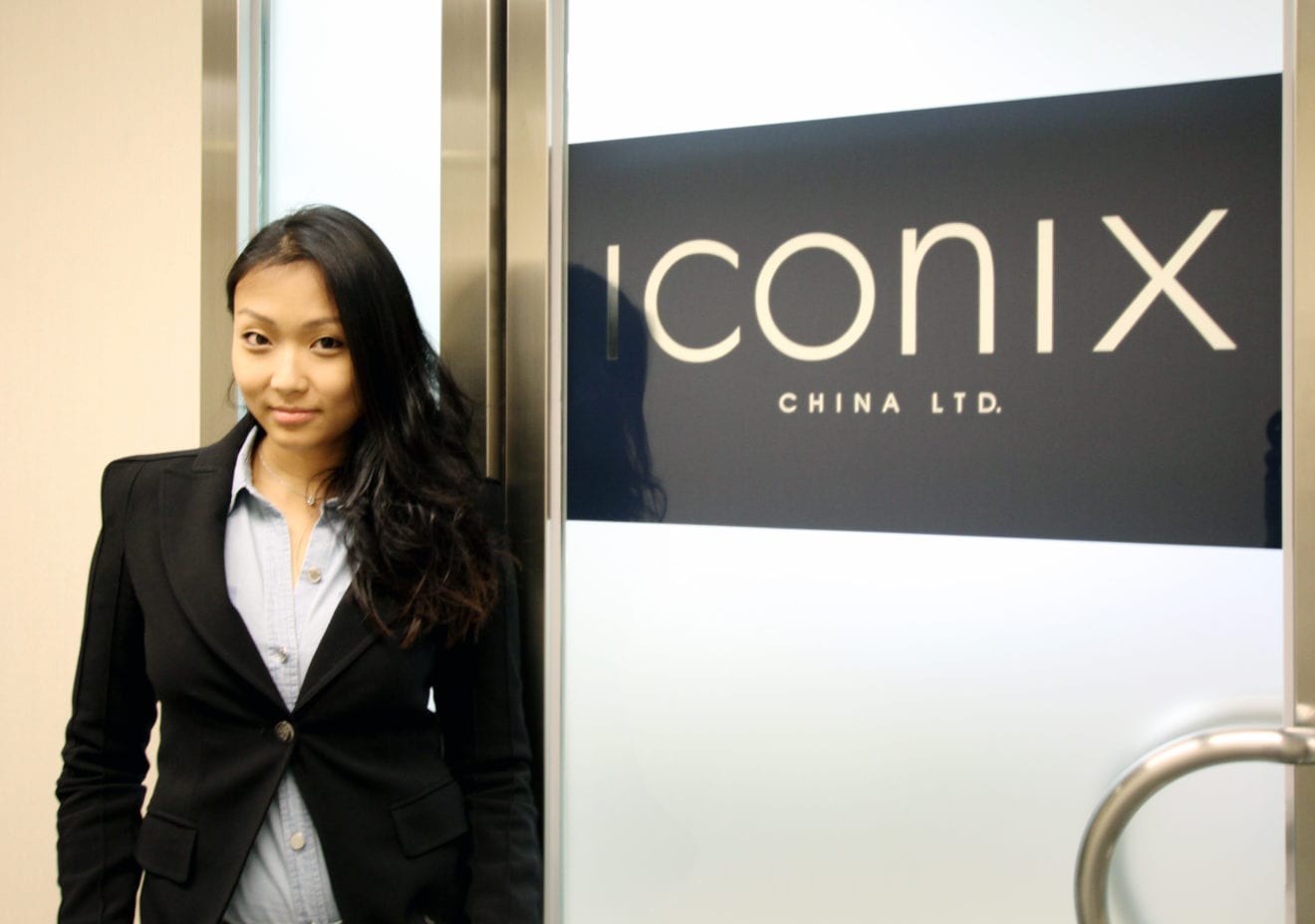
    Iconix Brand Group has bought the 50 per cent stake in its China joint venture from partner Novel Fashion Brands.

    Iconix paid Novel’s owners, the Chou family, $56.4 million for the share, of which $40.4 million was paid in cash and $16 million was paid in the company’s common stock.

    “We view China as a major growth opportunity. Through Silas and Veronica Chou’s expertise and relationships, Iconix China has successfully launched nine of our brands with more than 900 standalone stores, shop-in-shops and counters throughout China,” said Neil Cole, chairman and CEO of Iconix.

    “Now that our business has gained sufficient scale, we have decided to acquire management and control of the business, consistent with the next phase of our international growth strategy.”

    Iconix China was formed in September 2008 and to date has successfully launched Candie’s and Marc Ecko Cut & Sew with Shanghai La Chapelle Fashion; London Fog with China Outfitters; Material Girl with Ningbo Peacebird; Ed Hardy with Landmark International;  Ecko Unltd with Xi Ha Clothing; Badgley Mischka with Eve NY, Joe Boxer with Northeast Socks and Royal Velvet with Qingdao Hongfang.

    The company’s operating model, different from the US parent company’s traditional licensing model, has been to attract entrepreneurs and fast-growing local Chinese companies, providing them with an Iconix brand in which they invest through the build-out of stand-alone stores and shop-in-shops, and in return Iconix China receives an equity stake in the newly formed venture.

    The largest brand in the Iconix China joint venture is Candie’s, which partnered with Shanghai La Chapelle in 2010. The Candie’s business in China expanded to more than 700 stores and shop-in-shops by 2014 and is poised for continued growth.

    The company’s business platform in China also includes its three global brands of Peanuts, Umbro and Lee Cooper which have been managed outside of the joint venture.

    China has been one of the fastest growing territories for the Peanuts brand. Today, Peanuts has over 2000 points of distribution across China including 20 Charlie Brown Cafe’s, and significant growth potential with the highly anticipated launch of the Peanuts movie.

    Last year, Iconix partnered with Global Brands Group (a spin-off of Li & Fung) to build out the Lee Cooper and Umbro brands in China, both of which have strong brand recognition in the region.

    Willy Burkhardt, EVP, MD international, said the transaction will take the company closer to the Chinese market, which is strategically important to the business.

    “It will help us to identify potential brand acquisitions and develop new business opportunities for our unplaced brands.”

    This transaction provides Iconix with full control and ownership of Iconix China, which also includes equity stakes in an additional six retail ventures of which four have plans to go public in the next five years and control over a portfolio of 15 unplaced brands.

    Iconix Brand Group’s global portfolio also includes Rampage, Mudd, Mossimo, Ocean Pacific, Danskin, Rocawear, Charisma, Starter, Zoo York, Sharper Image, Strawberry Shortcake and partnerships in Billionaire Boys Club, Ice Cream, Buffalo, Nick Graham and Pony brands.

    In 2014, the company signed a joint venture with Global Brands Group and is experiencing solid gains in both the top line and equity earnings.

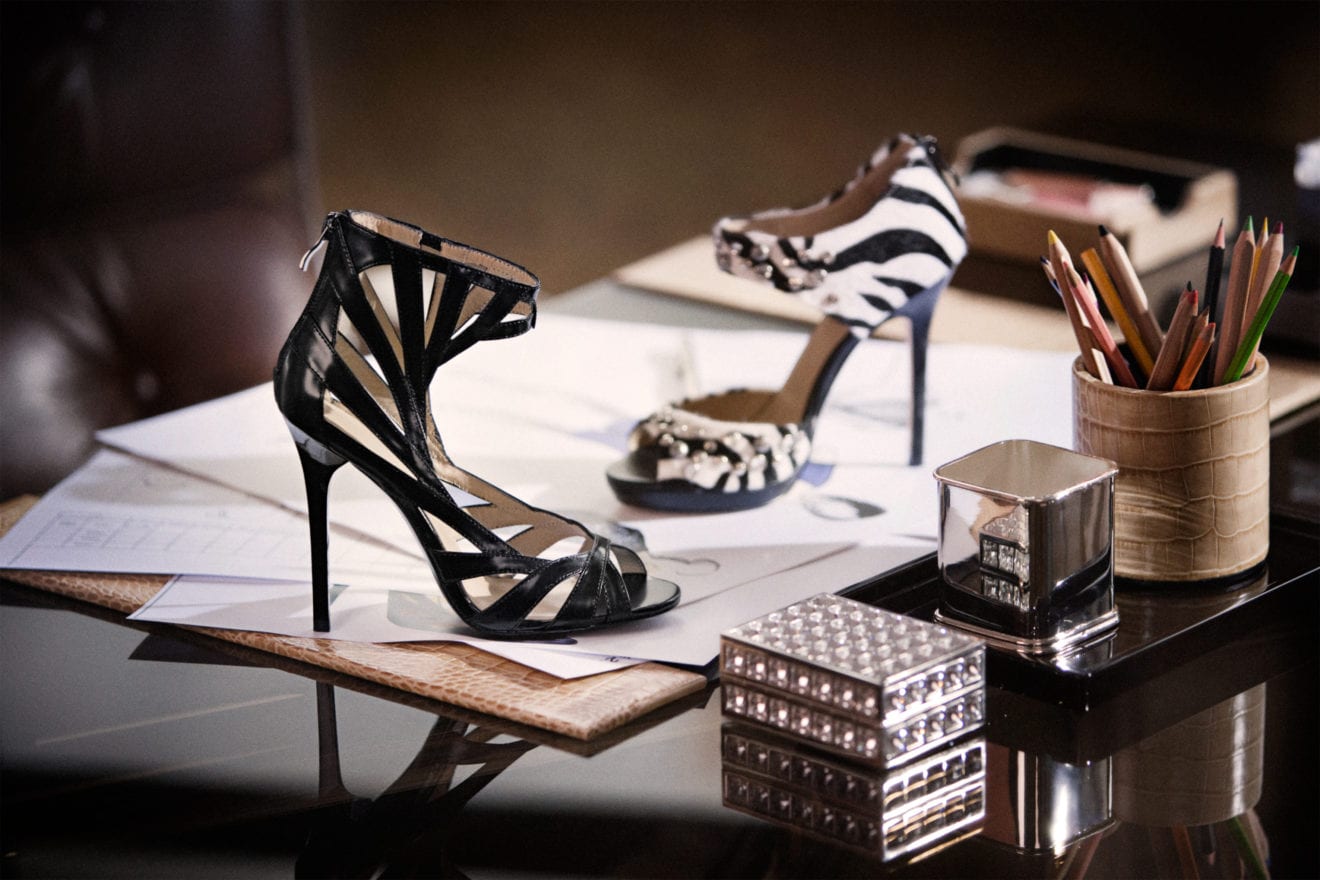
  • Jimmy Choo China plots expansion

    Jimmy Choo China plots expansion

    Jimmy Choo China plans more stores as Asia drives the newly-listed brand’s global growth.

    This week, Jimmy Choo posted its first results since floating on the London Stock Exchange last year – a small pre-tax loss, largely attributable to IPO costs.

    About half of the nine new stores the company opened In 2014 were in China. Now it plans to open up to 15 stores a year for the foreseeable future.

    “We are expanding in Asia and selected new markets where we are underpenetrated compared to our peers,” said CEO Pierre Denis in a statement.

    “This has been a year of great financial, strategic and operational progress for the company.

    With our unique DNA and experienced team we have continued to deliver products that resonate strongly with our clients. As a specialist brand we have invested to outperform in this attractive and complex category thus delivering operating leverage.”

    Jimmy Choo’s designs are clearly resonating with Asian consumers, particularly those in China. Asia is its strongest growth region and when it launched its IPO the company said funds raised would help its strategic focus on the market.

    Meanwhile, the company says men’s shoes and its Made to Order service helped drive a 5.7 per cent year-on-year sales increase in its retail operation to £192 million.

    “We remain focused on executing our growth strategy and pursuing growth without compromising our brand or its luxury position despite the more challenging macroeconomic environment,” said Denis.