Category: Finance

Retail News Asia is committed to providing both local and global retailers with the latest Finance news throughout the Asian market. This on a daily base.

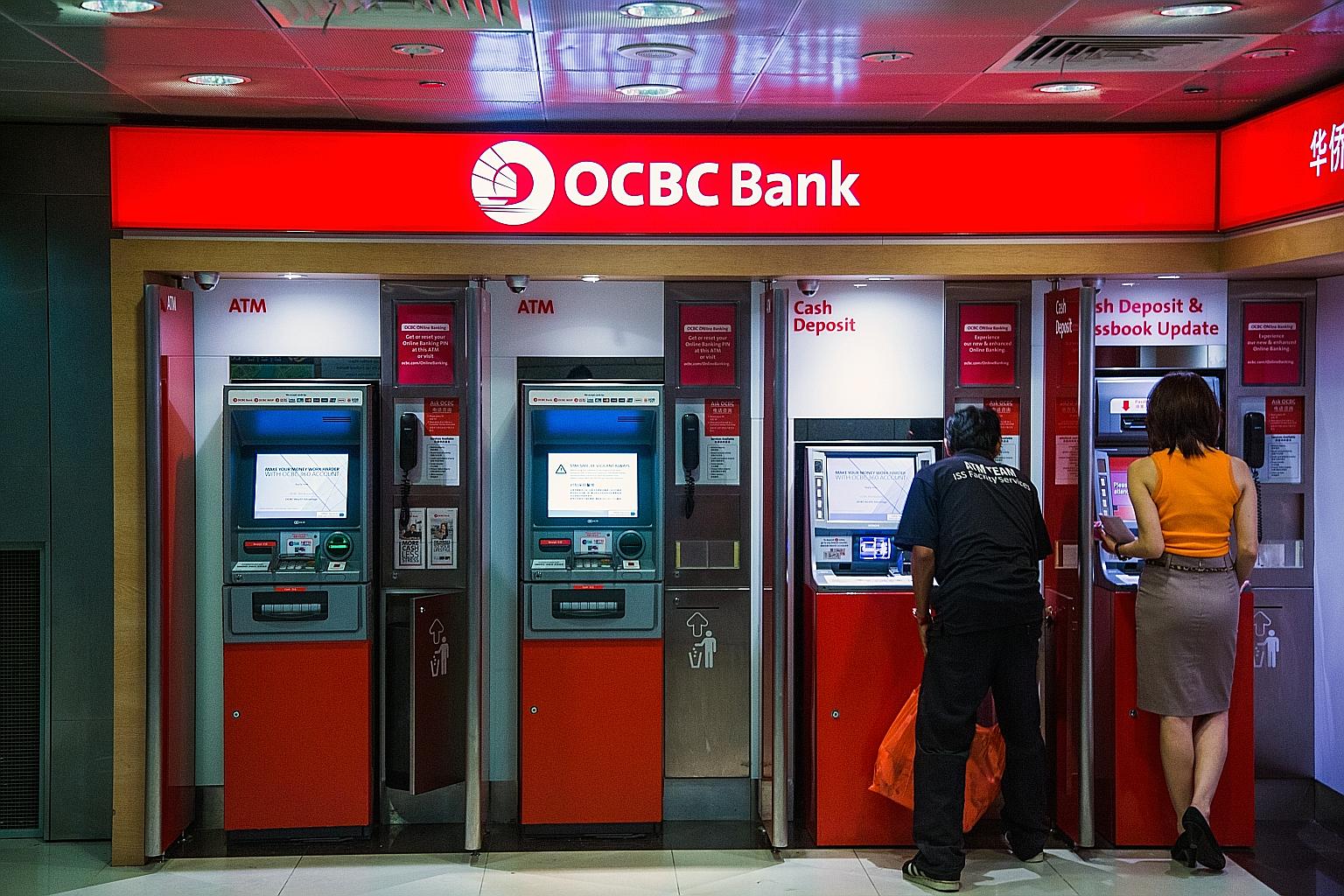
  • OCBC, JCB Collaborate to Broaden Card Acceptance

    OCBC, JCB Collaborate to Broaden Card Acceptance

    The leading payment card issuer from Japan has announced a partnership to extend its reach in Singapore, bringing added convenience to cardholders in the region.

    JCB International, the international operations subsidiary of JCB, has announced a partnership with Overseas-Chinese Banking Corporation (OCBC Bank) to broaden the acceptance of JCB payment cards in Singapore, the two firms announced in a statement on Wednesday.

    This partnership brings added convenience to JCB cardholders in Singapore, Japan and Northeast Asia, and the «fast-growing card issuing base in Southeast Asia, the statement said. It also allows OCBC merchants to develop their business through a wider choice of payment schemes to attract more customers.

    This new partnership with JCB is an indication of our continuing work to establish a higher level of card acceptance that goes beyond Visa and Mastercard,» Desmond Tan, head of Group Lifestyle Financing, said, adding that the partnership is «an opportunity for OCBC to extend our comprehensive credit card network to a new consumer base.»

    JCB has 120 million cardmembers worldwide.

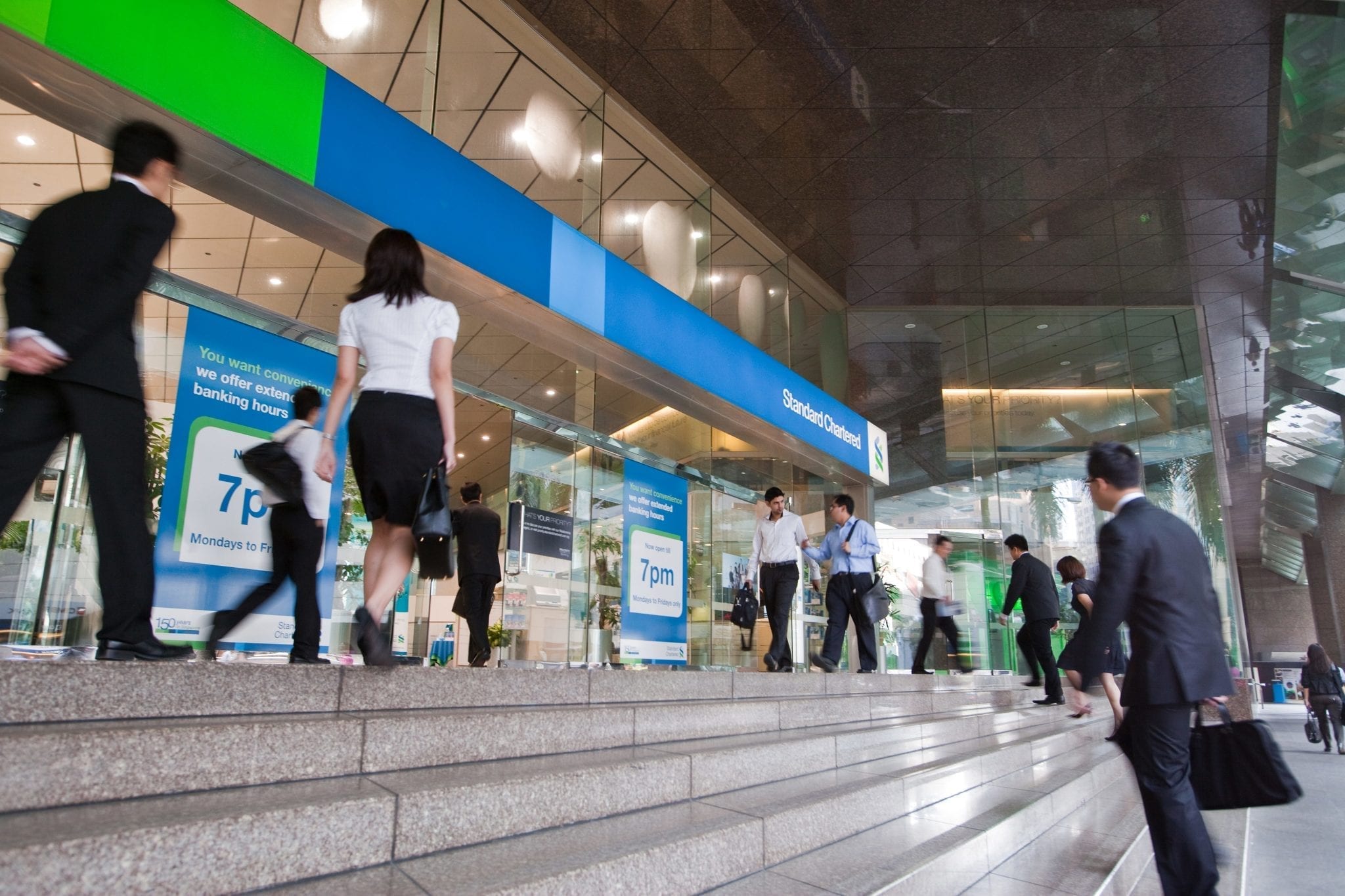
  • Standard Chartered Hires Southeast Asia Private Banking

    Standard Chartered Hires Southeast Asia Private Banking

    Following the exit of Srinivas Siripurapu from Standard Chartered, the private bank has swiftly hired a replacement.

    Cedric Lizin joins the bank as its South and Southeast Asia private banking head, following his most recent stint as the Dubai-based head of wealth management at UBS. Andrew Ho, south and southeast Asia market head at the private bank will take on interim responsibilities until Lizin joins later this year.

    The bank has been facing a flurry of regulatory hiccups including the most recent news that it was reviewing roughy 8,000 client accounts from its Dubai arm due after regulators exposed a severe lack of know-your-client data ranging from wealth source to even current address or phone numbers.

    In addition to regulatory challenges, the private bank also faces a high level of staff dissatisfaction, according an internal survey.  When asked if they would recommend others to work for Standard Chartered’s private banking business, the internal metric scored negatively, a Bloomberg report noted.

    And possibly as a means of improving morale, senior manages in the region recently delivered handwritten thank you cards to staff. The bank subsequently furthered the exercise by asking employees to write letters praising each other during a team bonding session.

  • Ingenico launches full suite of Chinese payment options for e-commerce players

    Ingenico launches full suite of Chinese payment options for e-commerce players

    Ingenico is one of the very first international payment service providers (PSP) to support all use cases for WeChat Pay, including the capability to integrate into WeChat Official Accounts and Mini-Programs. This is a crucial advantage that allows the 1.1 billion WeChat users to complete their purchase without leaving the WeChat environment.

    Additionally, Ingenico offers an upgraded Alipay integration to its customers, enabling these businesses to reach the vast majority of online consumers in China, while also allowing them to offer real-time payments, both on desktop and mobile devices. Furthermore, Ingenico supports UnionPay’s (UPI) SecurePay and ExpressPay solutions as part of a comprehensive payment solution designed to cater to a greater range of local payment preferences in China. Through Ingenico, merchants can offer Chinese Yuan (CNY) to consumers via these payment methods, which is critical for conversion and customer experience.

    The new China is a huge opportunity for western businesses. It is the world’s largest and most dynamic e-commerce market and a pioneering force in a digital and mobile culture. In total, it has an internet penetration rate of 57%, representing 25% of internet users worldwide. However, it is a more challenging market to operate in than many others, as the unique domestic e-commerce ecosystem often demands specific solutions tailored to local preferences.

    “Our long-time presence and activity in China means that we are perfectly positioned to partner with merchants wanting to access the truly local consumer market. Our expertise here, combined with this new set of payment capabilities, will allow international merchants to reach Chinese consumers that were previously difficult to access,” explains Gabriel de Montessus, SVP Global Online (Retail BU) for Ingenico Group. “Our merchants will be able to offer all the relevant local Chinese payment methods in local currency denomination as part of their digital experience, which will help increase conversion.”

  • Singapore and Thailand Join Hands In Insurance Supervision

    Singapore and Thailand Join Hands In Insurance Supervision

    The authorities in both countries signed a Memorandum of Understanding (MOU) to strengthen cooperation in insurance supervision. The Monetary Authority of Singapore (MAS) and the Office of Insurance Commission (OIC), Thailand, on Thursday signed a Memorandum of Understanding (MOU) to strengthen cooperation in insurance supervision.

    This MoU is an important step which will provide OIC and MAS with a committed approach to working more closely. The MoU will advance a framework for cooperation, exchange of information and assistance in insurance supervision between two authorities as well as facilitating mutual development of the insurance sector in both jurisdictions,» said Suthiphon Thaveechaiyagarn, Secretary-General of the OIC, Thailand in a media statement.

    The MOU on insurance supervision was signed by Suthiphon Thaveechaiyagarn, Secretary-General, OIC and Daniel Wang, Executive Director (Insurance Department), MAS, in Bangkok at the sidelines of the annual Thailand Insurance Expo.

    This MOU affirms the strong relationship between MAS and OIC, as well as our mutual interest to enhance insurance supervision and collaboration in both our jurisdictions. It further deepens partnerships between insurance regulators in ASEAN,» said Ong Chong Tee, Deputy Managing Director (Financial Supervision), MAS in the media statement.

    The Office of Insurance Commission manages the supervision of insurance companies, brokers and agents and promotes the development of business conducts of insurance companies. OIC also builds confidence and accessibilities, strengthens the capacity and promotes the infrastructure of the insurance system.

  • UOB Malaysia Announces Firms for Digital Accelerator Program

    UOB Malaysia Announces Firms for Digital Accelerator Program

    The program, now in its third edition, aims to help startups, SMEs and businesses adopt digital technology to drive productivity and growth.

    Sixteen Malaysian SMEs have been selected to take part in UOB’s three-month-long digital accelerator program, the bank announced in a press release on Tuesday. The firms taking part in the «Jom Transform» program, whittled down from more than 900 applications, are from diverse sectors, including food and beverage, healthcare, consulting, logistics, manufacturing and more.

    As part of the program, these businesses will be paired with mentors, which include the Chinese Chamber of Commerce & Industry of Kuala Lumpur & Selangor, Malaysian Association of Tour and Travel Agents, Maxis, Malaysia Digital Economy Corporation and SME Corporation Malaysia, who will advise them on how to optimize workflow processes and inventory, distribution and human resource management systems.  They will also be paired with technology partners to pilot and assess digital solutions.

    «As family-owned businesses transition from the first- to second-generation leadership, we see an accelerated use of technology in their business. Yet many business leaders lack the skills to implement digital solutions successfully and effectively,» Wong Kim Choong, UOB Malaysia CEO, said about the opportunities and challenges SMEs in Malaysia face.

    Jom Transform is run by UOB and Singapore-based innovation accelerator The Finlab. It was announced in June in Malaysia, following successful editions held in Singapore (2018) and Thailand (2019).

  • DBS to Expand E-Wallet Functionalities

    DBS to Expand E-Wallet Functionalities

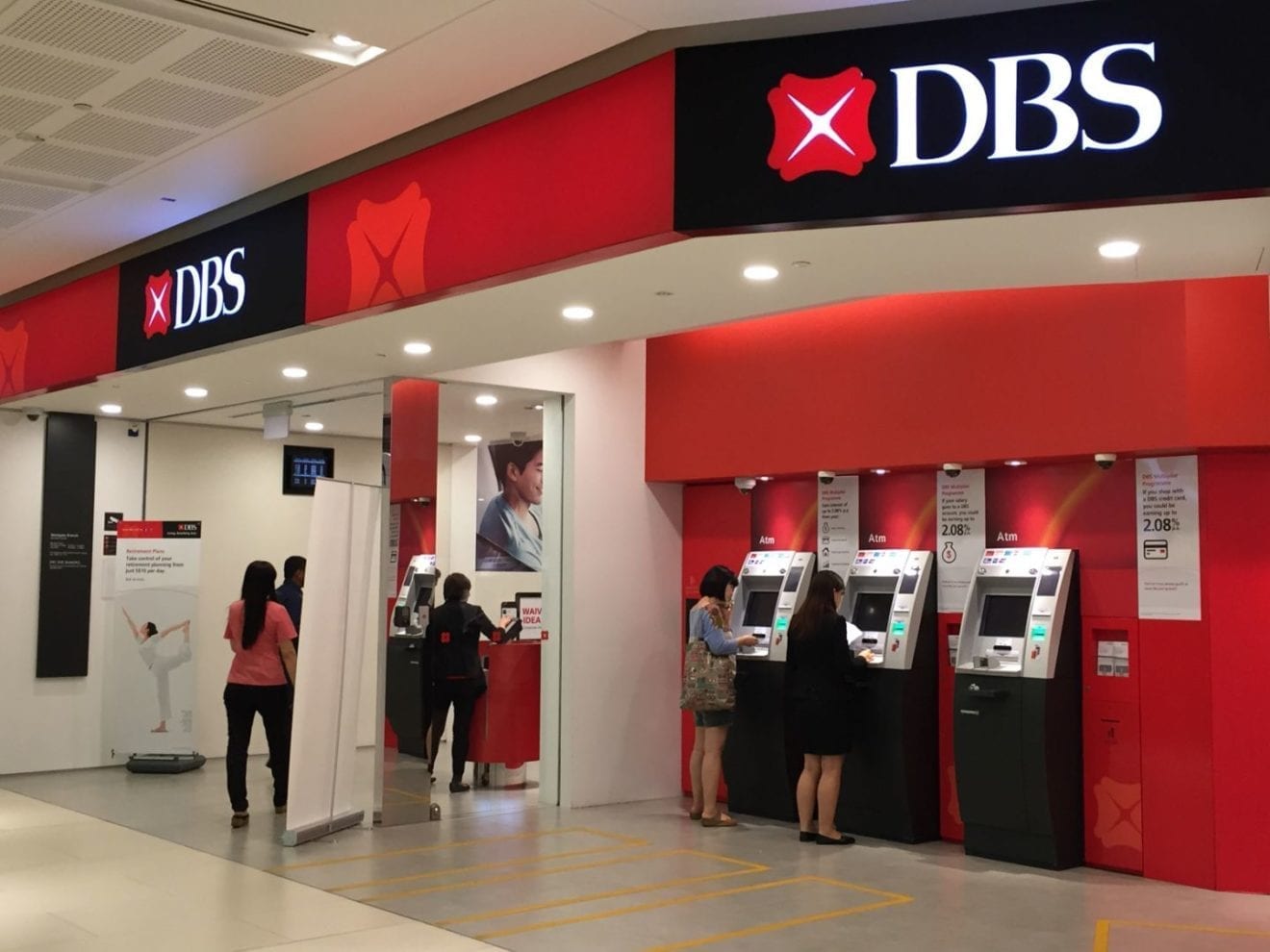
    To mark the e-wallet’s fifth anniversary, DBS announced new functionalities and merchant deals and said it hopes to grow its user base.

    BS Bank wants to grow its PayLah e-wallet user base from 1.6 million users currently to 3.5 million users by 2023, and will roll out new functionalities and improve the user experience, the bank said in a statement on Wednesday.

    From next year, the bank will integrate its rewards app, as well as debit and credit cards payments to the PayLah platform, expand payment touchpoints across the region, and increase ecosystem partnerships, the statement said, highlighting strategic platform partnerships with merchants like KFC, SISTIC and AXS.

    «In 2020, we’ll be building on the three Ps – Payments, Partners and Platform – as part of a longer-term strategic roadmap. By linking DBS/POSB debit and credit cards and integrating the DBS Lifestyle rewards app into DBS PayLah!, our customers will be able to earn and redeem rewards instantly on a single platform simply and seamlessly, regardless of their mode of payment,» Anthony Seow, DBS head of Payments & Platforms, Consumer Banking Group (Singapore), said.

    Introduced in 2014, PayLah allows users to make instant peer-to-peer fund transfers, purchase travel insurance, movie tickets, pay bills and transport expenses and pay for their purchases at more than 80,000 NETS QR, SGQR and PayNow QR-enabled merchants. The app was the first in Singapore to allow users to send and receive funds using QR codes.

    According to DBS, its 1.6 million e-wallet users made S$1.5 billion ($1.09 billion) in transactions from August 2018 to September 2019.

  • Goldman Reducing Loan Exposure to Softbank Vision Fund

    Goldman Reducing Loan Exposure to Softbank Vision Fund

    Goldman Sachs Group aims to offload a portion of its stake in a $3.1 billion credit line to SoftBank Group Corp’s Vision Fund which it helped arrange.

    The U.S. lender has approached other financial institutions to take on some of its lending commitment to decrease its risk, quoting people with knowledge of the matter.

    The bridge facility involved, which Goldman and Mizuho International began arranging last year, enables the famous investment vehicle to quickly decide on transactions. The loan was syndicated to other banks including Standard Chartered, Citigroup, Barclays and Royal Bank of Canada, according to a SoftBank presentation in May.

    Goldman has been looking to cut its exposure to the facility for the last few months, one of the people said to the media outlet. Goldman is offering the debt at prices slightly below par, and also sell the credit line in pieces as small as $50 million, according to Bloomberg’s sources.

    In May, Goldman already reduced its exposure by bringing on board additional lenders. Now, the firm is looking beyond the existing group, and at least one of the original 10 lenders isn’t interested in boosting its exposure, one of the people said.

    Bad news has been plaguing SoftBank this week, from the stalled initial public offering of WeWork(one of its biggest bets) to doubts over the sale of its debt-laden Sprint. The cost to protect against nonpayment by SoftBank in the credit-default swaps market jumped on Wednesday, according to ICE Data Services.

    Goldman Sachs has deep ties to SoftBank, working with the company to raise a second Vision Fund and advising founder Masayoshi Son’s businesses on several deals in recent years. SoftBank’s first Vision Fund, which counts Saudi Arabia’s Public Investment Fund as its largest investor, has backed firms including messaging software company Slack, ride-hailing giant Uber and office-sharing startup WeWork.

  • Despite Heavyweight Exits HSBC Sticks With Hiring Plan

    Despite Heavyweight Exits HSBC Sticks With Hiring Plan

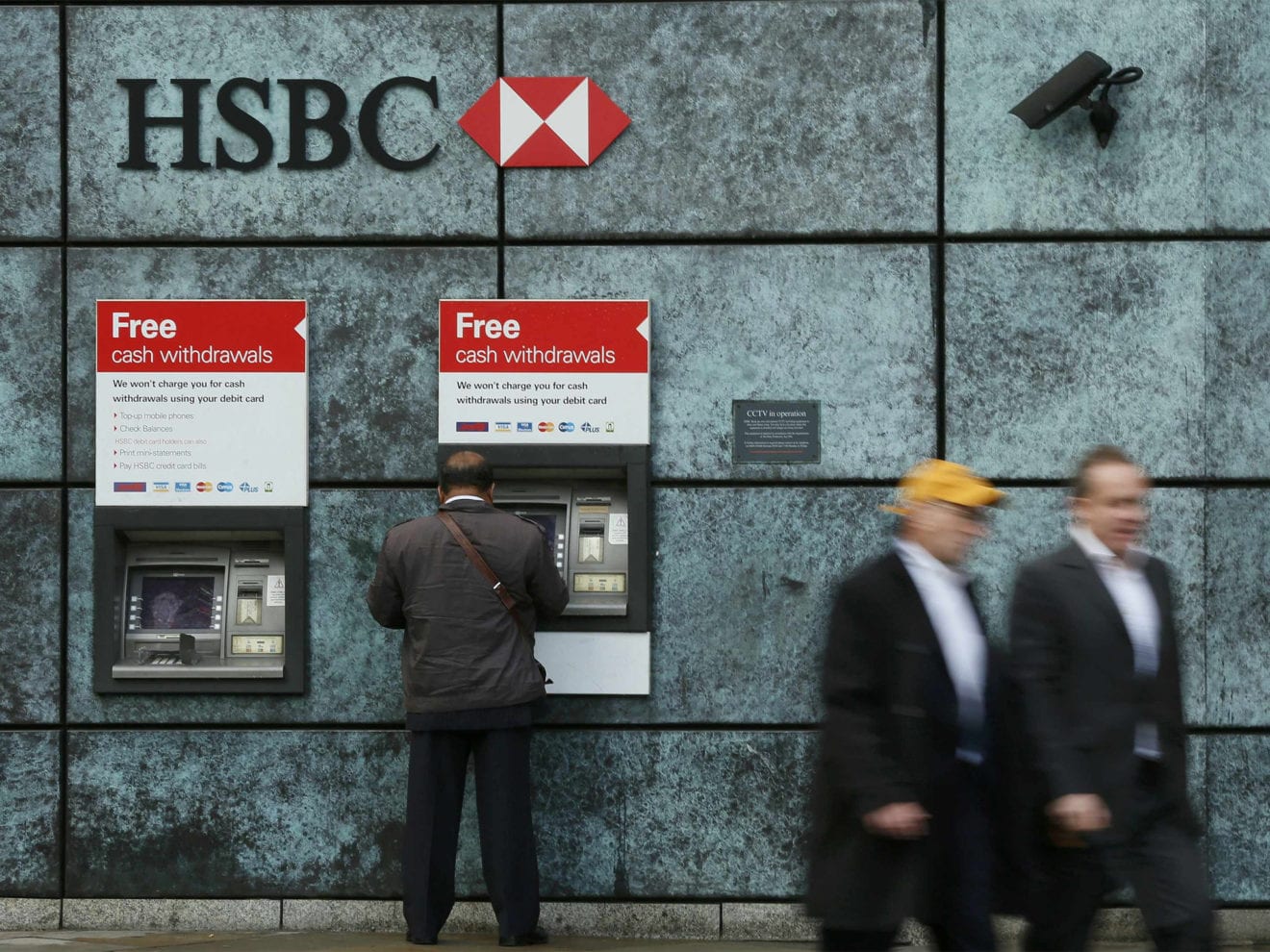
    HSBC Holdings said it is sticking with hiring plans for its wealth business in Asia following the surprise exit of two senior executives who pushed for the strategy.

    The London-based bank with a strong franchise in Asia wants to hire more than 600 staffers by the end of 2022 for the business in the Asia-Pacific region, said Kevin Martin, regional head of retail banking and wealth management who was quoted in Bloomberg. On Monday, it announced three key appointments.

    A year ago, the lender said it would add more than 1,300 positions in retail and private banking in Asia by 2022. «We continue to double down on Asia, pivot to Asia, grow Asia wealth. That’s exactly what we’re doing. Nothing’s changed,» said Martin, who was quoted in «Bloomberg». More than 300 are likely to be hired through this year within his division, which includes HSBC’s Jade service that targets customers with account balances of more than $1 million, he added.

    Despite the ambitious targets, a slower Hong Kong economy and the Huawei issue has rocked the lender recently. Aside from the departures of CEO John Flint and Greater China head Helen Wong last month, HSBC said last month it is cutting more than 4,000 posts, with a focus on senior executives. The group employed about 238,000 people as of June, according to its interim report.

    The lender opened an outlet in Shanghai last month for its new Jade wealth program. It plans to open one in Beijing as well, and a few more in Hong Kong next year, Martin said. The focus of the hiring will be in Hong Kong, Singapore, and China.

  • Techcombank to issue bonds worth $430 mln for Vietnamese

    Techcombank to issue bonds worth $430 mln for Vietnamese

    Techcombank plans to issue VND10 trillion ($430 million) in bonds through two private placements before the end of this year. The bonds will have a maturity date of up to three years with a par value of VND1 billion ($43,000) or a multiple of VND100,000 ($4.3), the bank said in a statement.

    The interest rate of the bonds, which are non-convertible and non-collateral, will be decided by the bank’s CEO at each issuance.

    The bonds are set to be issued in the third and last quarter of this year, with each issue worth VND5 trillion ($215 million).

    Buyers will include individuals and corporates, both local and foreign, but not credit organizations, foreign bank branches and member companies of credit institutions.

    Techcombank, the largest private bank in the country, said the bond issuance aims to increase its capital adequacy ratio and scale up operations.

    Techcombank’s plans follow a large number of banks that have been issuing bonds since earlier this year to increase their capital.

    Between January-August, banks issued over VND56 trillion ($2.42 billion) worth of bonds, accounting for half of bond issues, according to stock brokerage Saigon Securities Inc (SSI). 99.6 percent of bank bonds were bought, it added.

  • South Korean firm to invest $700 mln towards cashless payment in Vietnam

    South Korean firm to invest $700 mln towards cashless payment in Vietnam

    Financial solutions firm Alliex will invest over $700 million to build shared Point of Sales (POS) across Vietnam. Alliex plans to install a total of 600,000 shared POS devices in Vietnam over the next five years, its director Park Byounggun told Deputy Prime Minister Vuong Dinh Hue at a meeting on Friday.

    The company, along with local partners, will build and operate this shared system, and continue to add new features on the POS devices such as QR code, contactless payment, and biometrics in line with regulations, Byounggun said.

    The shared POS system will help local authorities cut down cash in circulation and transaction costs, combat tax losses and speed up payment transactions in a safe and efficient manner, helping the government’s efforts to transform Vietnam into a cashless society, he added.

    Alliex has also signed collaboration contracts with private lender Sacombank and the state-owned VietinBank to roll out the POS system in Vietnam.

    Electronic payments in the country increased by 22 percent in 2017 to $6.14 billion, according to Statista, a local market research firm. The figure is projected to rise to $12.33 billion by 2022.

    Economists have said that the potential for cashless payments in Vietnam is huge due to a growing middle class and rapidly improving telecom infrastructure. The Vietnamese government targets to make 90 percent of all transactions cashless by 2020.

    However, for now, the reliance on cash remains huge. About 80 percent of Vietnamese prefer to use cash for daily transactions, according to the Ministry of Industry and Trade.

  • HSBC Announces Key Senior Appointments

    HSBC Announces Key Senior Appointments

    HSBC Private Banking has announced the expanded role of Cynthia Lee, appointed as Regional Head of Private Wealth Solutions (PWS), Asia Pacific, and the appointment of Steven Weekes as Head of Private Wealth Solutions (PWS), South East Asia.

    Cynthia Lee  is the new Regional Head of Private Wealth Solutions, Asia Pacific at HSBC Private Bank. In order to build on Private Wealth Solutions’ comprehensive regional support for a growing number of HSBC Group-connected clients, Cynthia Lee takes on an expanded role to cover Asia Pacific. The change means PWS’ structure will mirror that of Private Banking, the largest contributor of referrals for the business. Cynthia will continue to report to Alan Beattie, Global Head of Private Wealth Solutions.

    As we look to strengthen our position in Asia, a region where we continue to see an immense opportunity, Cynthia and Steven’s wealth of experience and deep expertise will help us bring the best of PWS to our Asian clients,” said Alan Beattie, Global Head of Private Wealth Solutions. Cynthia has over 20 years of wealth advisory experience, focusing on private clients and families. She joined HSBC as Head of PWS, North Asia, in January 2019. She was formerly at JP Morgan where she was most recently Head of Wealth Advisory for Asia.

    Steven Weekes has joined HSBC as head of private wealth solutions, South East Asia from Citi Private Bank, where he worked for 23 years. Most recently, Steven was Head of International Fiduciary Services based in Zurich, Switzerland, leading a global team of professionals with responsibility for International Trust companies in the Bahamas, the Cayman Islands, Jersey, Singapore and Switzerland.

    Prior to this, Steven was the Regional Trust Head for Asia, responsible for the delivery of wealth planning to Private Banking clients in Asia with a strong focus on Next Gen and Wealth Transfer Planning. Steven has also held other Trust, Private Banking and business advisory roles at Citi and KPMG in Switzerland and Australia.

    Weekes will be based in Singapore, reporting to Cynthia Lee, Regional head of Private Wealth Solutions, Asia Pacific. He takes over from Michelle Lau, who has been appointed to a new role within HSBC Private Banking as Managing Director, Ultra High Net Worth and Family Office Strategic Services, South East Asia. In her new position, Michelle will drive further development in South East Asia of HSBC Private Banking’s UHNW proposition, services for Family Offices, and global connectivity.

    HSBC is aiming to significantly expand its Asian Private Banking business over the next five years, including Private Wealth Solutions, with a key focus on Greater China and the ASEAN region.
  • Vingroup unit licensed to offer e-wallet services

    Vingroup unit licensed to offer e-wallet services

    Vingroup’s loyalty program VinID has been permitted to operate e-wallet services, furthering the private conglomerate’s foray into cashless payment.

    VinID acquired local payment firm People Care Jsc in May. It also owns People Care’s e-wallet MonPay, and has replaced the management board of the payment firm with its own executives since the end of last year.

    Vingroup established VinID in July last year with a charter capital of VND3 trillion ($129.4 million), in which Vingroup owns 80 percent.

    The license for VinID Pay is among the 31 certifications that the central bank has issued for payment intermediary companies.

    Economists have said that the potential for cashless payments in Vietnam is huge due to a growing middle class and rapidly improving telecom infrastructure. The government targets to make 90 percent of all transactions cashless by 2020.

    However, for now, the reliance on cash remains huge. About 80 percent of Vietnamese prefer to use cash for daily transactions

  • Alibaba Acquires One-Third of Ant Financial

    Alibaba Acquires One-Third of Ant Financial

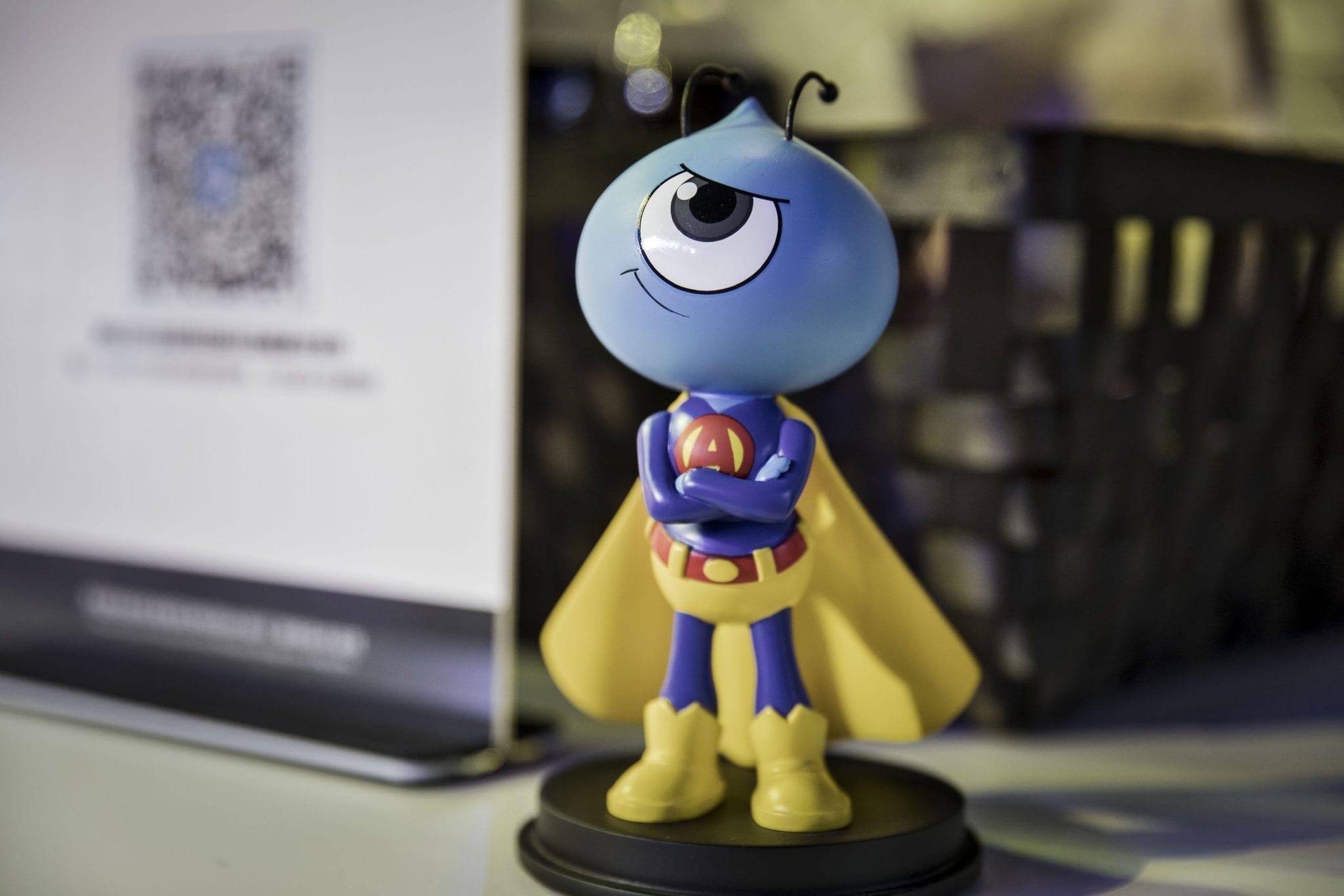
    Alibaba Group has bought a 33 percent equity interest in Ant Financial, pulling the financial tech giant closer to mainland China.

    Following the acquisition, Ant will no longer be required to pay 37.5 percent of its pre-tax profits to the e-commerce behemoth.

    The profit transferal agreement was brokered in 2011 following a dispute Alibaba and Yahoo which consequently led the former’s co-founder Jack Ma to shift Ant Financial – formerly known as Alipay – into a separate entity he controlled. Concerns about conducting business in China with a foreign-owned entity was the cited for the move.

    Every year we generate new stuff and we acquire new stuff. We never stop,» Alibaba chairman Daniel Zhang said at its annual investor conference in Hangzhou. «Payment and financial services are very important pillars in Alibaba’s system.

    The latest deal places the value of Alibaba’s global portfolio at $83 billion with investments into diverse high tech industries including artificial intelligence and augmented reality, according to group CFO Maggie Wu.

    Ant, valued at $150 billion, offers a full range of financial services and products including micro-lending, insurance, credit scoring and China’s largest money market fund. It is also in the midst of foreign acquisitions in India and Thailand. Its flagship digital payments platform currently boasts 900 million users.

  • All 7-Eleven Philippines stores now sell Bitcoin

    All 7-Eleven Philippines stores now sell Bitcoin

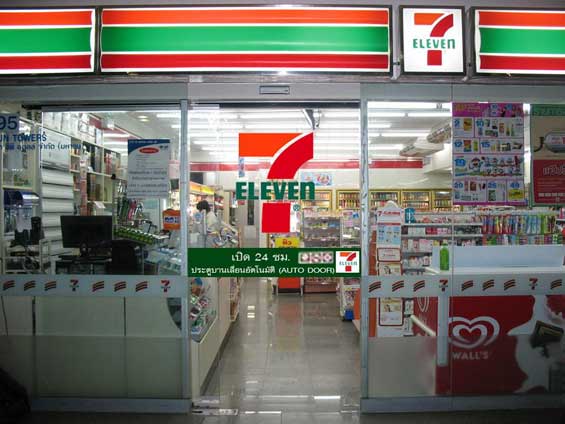
    Bitcoin purchasers can now buy the cryptocurrency in all 7-Eleven Philippines stores.

    The move has been introduced by Cryptocurrency investment app Abra in partnership with ECPay payments firm, making the coin available in more than 6000 locations in the territory. The purpose of the new strategy is to simplify access to Bitcoin investment.

    “Using new digital tools that open up financial access shouldn’t be hard,” said a spokesperson for the firm to Cointelegraph, “and they shouldn’t be complicated. Moving cash to crypto and other digital assets should be simple and fast. That’s why we are really excited to announce our new partnership.”

    Bitcoin purchase is being made available under the “Bills Payment” option at Cliqq ECPay kiosks in stores, or use the mobile app.

  • DBS Expands Transaction Banking

    DBS Expands Transaction Banking

    As trade flows around Asia are reconfigured amid an ongoing trade war, the bank is seeing brisk business in growth markets, and plans to grow its global transaction services business there.

    DBS is on track to achieve its five-year target of quadrupling its cash management business by 2020, one year ahead of time, said John Laurens, the bank’s group head of global transaction services (GTS) said.

    According to Laurens, China’s slowing economic growth and falling commodity prices have resulted in trade finance having a lower share of trade finance revenues – going from 70 percent to 30 percent in the past five years. However, cash management has conversely become the business’ main growth driver, now contributing to 70 percent of revenue, with a compound annual growth rate (CAGR) of 39 percent from 2015 to 2018.

    Overall, revenue for DBS’ global transaction banking business grew from S$1.59 billion ($1.16 billion) to S$2.45 billion during the same period, a CAGR of 15 percent.

    Laurens said the bank has plans to grow its GTS revenue in Vietnam and the Greater Bay Area by 30 percent and 55 percent respectively over the next five years, and will also ramp up its digital capabilities by tripling its tech investments in cash management solutions in Vietnam.

    Transaction banking will become one of the most fast-moving, technologically advanced aspect of banking – this is a good place to be, he said.