Category: Finance

Retail News Asia is committed to providing both local and global retailers with the latest Finance news throughout the Asian market. This on a daily base.

  • Alipay+ Links to QR Ph to Connect 2.5 Million Philippine Merchants to Global Wallets

    Alipay+ Links to QR Ph to Connect 2.5 Million Philippine Merchants to Global Wallets

    Philippine Payments Management Inc. And Ant International have integrated Alipay+ into QR Ph, opening the country’s standardized merchant network to international digital wallet users across 2.5 million businesses.

    The integration connects arriving tourists directly to local point-of-sale systems after QR Ph transaction volumes jumped more than thirteenfold in 2025.

    Under the rollout, overseas visitors pay by scanning existing merchant QR Ph counter stands with their home banking applications and digital wallets. Filipino merchants receive payments in Philippine pesos through their standard settlement accounts without installing separate point-of-sale hardware or signing individual foreign merchant contracts. Bangko Sentral ng Pilipinas figures show digital channels handled 64.69 percent of total retail transaction volume nationwide in 2025.

    How the Cross-Border Routing Works

    Ant International operates Alipay+ as an aggregation switch connecting more than 50 e-wallets, bank apps, and domestic clearing systems covering two billion accounts globally. The Philippine Payments Management Inc., established under the National Payment Systems Act to oversee retail clearing houses PESONet and InstaPay, acts as the local operational counterparty under central bank supervision.

    Transactions clear instantly over the domestic interbank infrastructure. By routing foreign user credentials through the standardized QR Ph matrix, independent grocers, transport operators, and shopping mall tenants process foreign spend through their existing merchant acquiring banks.

    Through our partnership with Alipay+, we are extending that connectivity beyond our borders, enabling Filipino merchants, particularly SMEs, to serve international customers.

    Carmelita Araneta, general manager of Philippine Payments Management Inc., confirmed the system enables local micro, small, and medium businesses to capture inbound tourist spending directly without upgrading terminal hardware.

    Regional QR Linkages Across Southeast Asia

    Central banks across the Association of Southeast Asian Nations spent five years connecting national QR systems through bilateral central bank arrangements, including links between Singapore, Thailand, Malaysia, and Indonesia. Ant International has taken a parallel commercial route by plugging its private wallet switch directly into ten national QR schemes across Asia, the Middle East, and Latin America.

    Retailers benefit immediately from broader payment acceptance, yet the shift consolidates settlement traffic onto private gateway protocols rather than public central-bank settlement rails. For merchant acquirers and payment processors in Manila, merchant acquisition margins face pressure as payment routing shifts toward high-volume, low-margin standard QR processing.

    Central Bank Mandates and the Next Phase

    The Bangko Sentral ng Pilipinas designated PPMI as the country’s official payment system management body under Circular 980 in 2018, mandating standardized QR codes to eliminate proprietary closed-loop merchant terminals. That policy push cleared the ground for interoperability between competing domestic mobile wallets before enabling cross-border integrations.

    Ant International is now rolling out artificial intelligence analytics and fraud screening modules across its regional merchant network to manage currency conversion risks and transaction disputes. The Philippine clearing body will monitor cross-border settlement volumes through InstaPay as inbound tourist arrivals ramp up across provincial retail corridors.
  • Jefferies-Linked Fund Seeks Singapore Injunction Against Radiant World

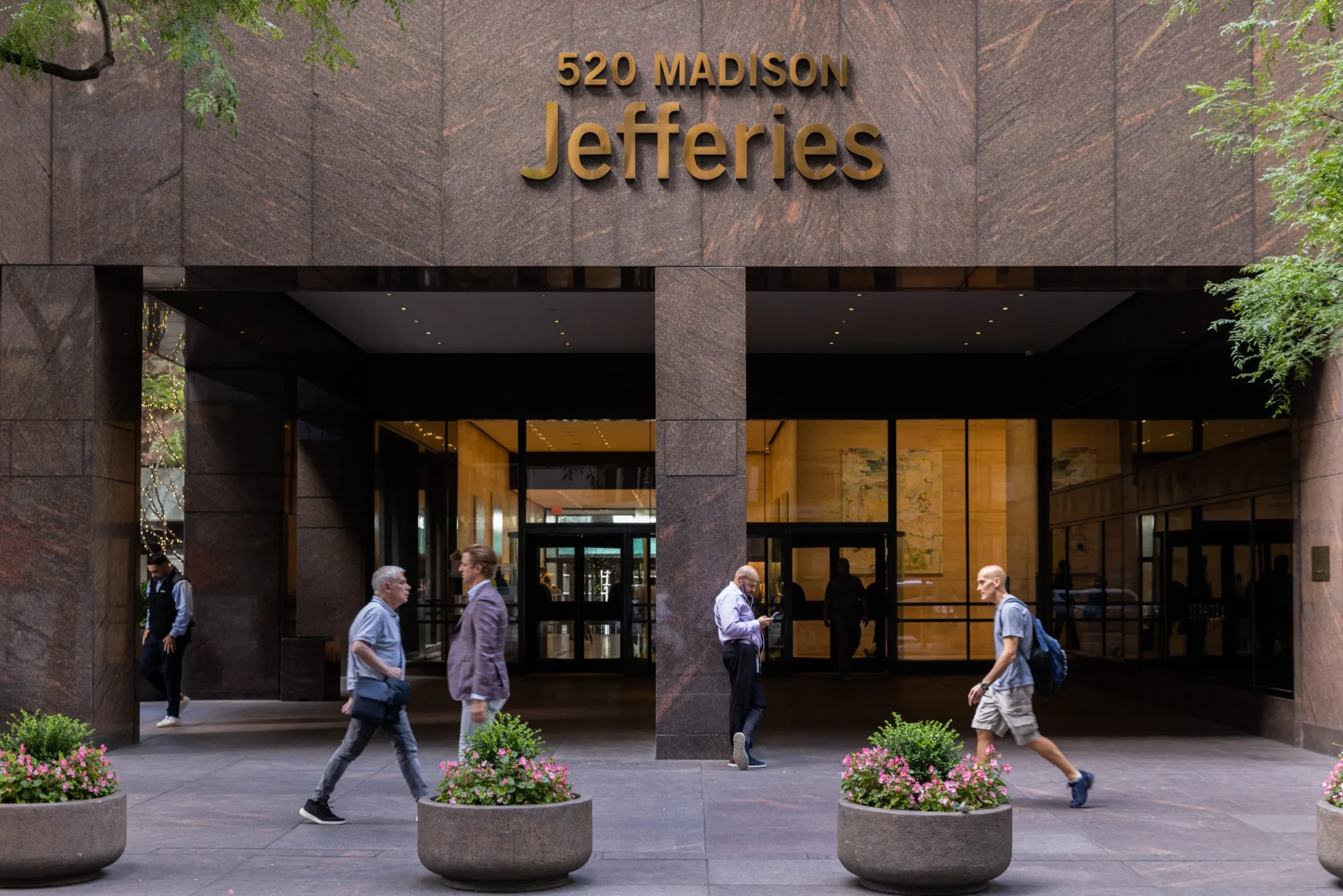
    Jefferies-Linked Fund Seeks Singapore Injunction Against Radiant World

    LAM Trade Finance Group II applied for a freezing injunction against iron ore trader Radiant World and founder Pinkesh Nahar in Singapore on Sept 7, court records show.

    The filing in the Supreme Court escalates legal pressure on the trading house. Commercial banks have frozen accounts, and trading partners cut ties over questioned invoices.

    Court Filings and Named Entities

    Court documents name Radiant World entities alongside Nahar, as well as iron ore trading firm Sapphire Minmetals and its chairman Rakesh Sethi. LAM Trade Finance Group II filed the application ahead of a Sept 9 hearing. US investment bank Jefferies holds a minority stake in the fund.

    British judges granted the fund a separate freezing order against Radiant World a week earlier. Radiant World denies all allegations of wrongdoing. Representatives for the named firms and executives did not respond to requests for comment.

    Trade Finance Exposure and Market Fallout

    Legal actions across London and Singapore show how fast credit lines vanish when financiers question collateral documents. A freezing order in Singapore stops an operator from moving capital through Southeast Asia’s primary financing hub. Commodity desks across the region are tracking the case.

    Lenders are moving to ring-fence recovery positions rather than waiting for formal restructuring. Trade finance specialist Incomlend is pursuing separate litigation against Radiant World and Nahar in Singapore. Meanwhile, Japan’s Mizuho Bank took legal steps to oust the management of Radiant World’s local operating entity.

    Police Raids and Cross-Company Ties

    Troubles for the trader widened in August 2026, when the Singapore Police Force opened an investigation into Radiant World following official reports on its operations. Glencore chief executive Gary Nagle said that month that the mining giant treated Radiant World and Sapphire Minmetals as parts of a single group. Sethi disputes that claim.

    Singapore’s Supreme Court will hear the freezing injunction application from LAM Trade Finance Group II on Sept 9.

  • Tokyo Stock Exchange Delistings Set for Record High in 2026

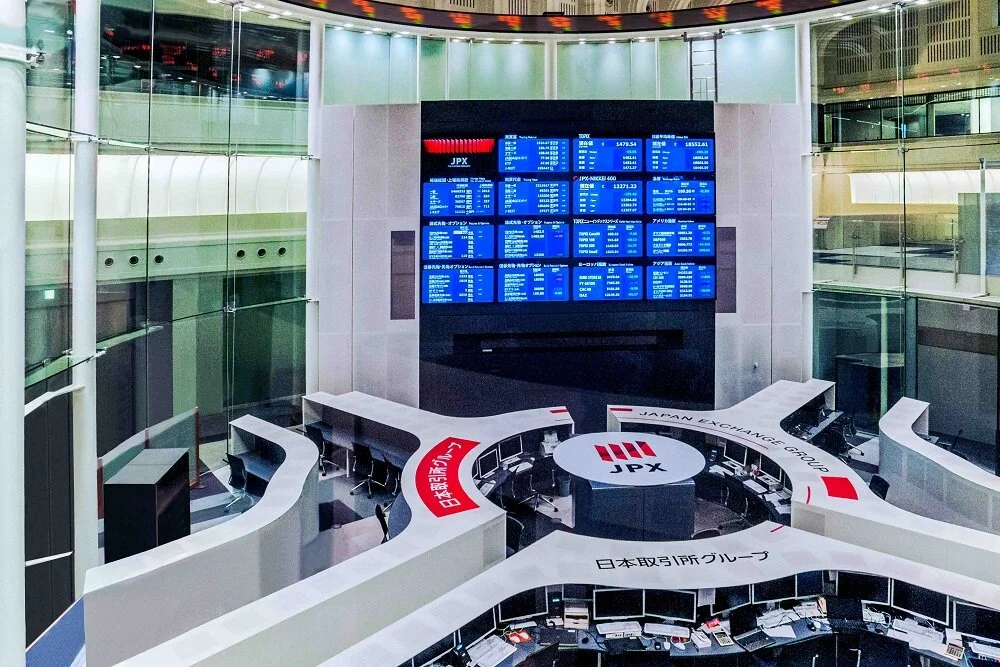
    Tokyo Stock Exchange Delistings Set for Record High in 2026

    A record number of companies will delist from the Tokyo Stock Exchange in 2026, marking the third consecutive year of peak departures from Japan’s main equity market.

    Departures stem from corporate buyouts alongside investment funds seeking to take firms private, combined with companies failing to satisfy stricter listing criteria across exchange segments.

    Tougher Criteria Squeeze Growth Names

    Stricter compliance thresholds have forced underperforming issuers to evaluate their public status. On the Tokyo Growth market, a majority of listed equities sit below required market capitalisation cutoffs as regulatory deadlines approach. Companies unable to reverse their valuations or generate sufficient trading liquidity face mandatory removal.

    At the same time, maintaining a listing carries heavier burdens. Rising domestic interest rates have increased the cost of capital for corporate borrowers, while Japan now ranks second globally in shareholder activism campaigns. Management teams face direct pressure from institutional investors to improve capital efficiency, leading smaller operators to conclude that public market scrutiny outweighs the benefits of an equity quote.

    Private Capital and Shifting Exits

    Private equity sponsors have moved quickly to absorb listed targets. Founders and management teams are teaming up with domestic and global buyout funds to execute management buyouts, taking operating businesses private to restructure away from quarterly earnings demands.

    For consumer, retail, and technology operators across Asia, this turnover alters how expansion capital is secured. Public equity is no longer an automatic default for mid-tier Japanese businesses. Instead, unlisted status gives boards latitude to cut unprofitable units, absorb logistics cost increases, and realign supply chains without continuous market valuation hits.

    New Channels for Unlisted Shares

    Japanese regulators have adjusted market infrastructure to accommodate this shift away from traditional public listings. Authorities greenlit a dedicated trading platform for unlisted shares, providing secondary liquidity for private companies and venture-backed entities that choose to bypass or exit the main exchange.

    The current delisting volume builds on two prior years of record departures following the Tokyo Stock Exchange’s comprehensive market restructuring in 2022. That overhaul replaced legacy trading sections with Prime, Standard, and Growth boards, setting concrete governance and liquidity minimums.

    Attention now turns to upcoming compliance deadlines for Growth market issuers sitting below capitalisation cutoffs, which will dictate the final delisting count before year-end.

  • South Korean Retail Traders Amass Billions in US Used ETF’s

    South Korean Retail Traders Amass Billions in US Used ETF’s

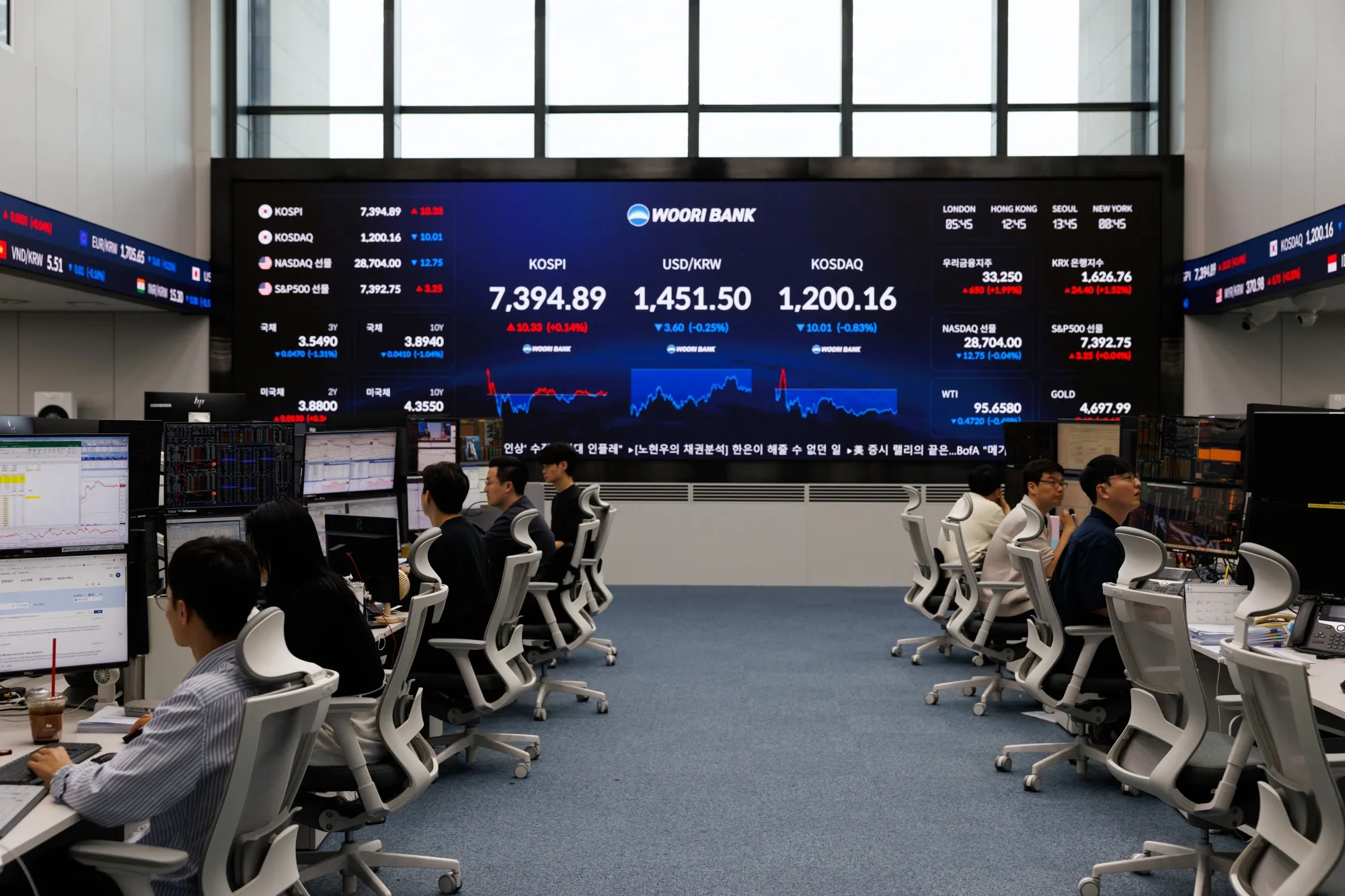
    South Korean retail investors poured an estimated $10 billion into US used exchange-traded funds during the first half of the year. The buying gave them dominant stakes in several high-risk products. Korea Securities Depository filings show domestic accounts held $5.24 billion in the Direxion Daily Semiconductor Bull 3X Shares alone. That equals 27 per cent of the fund’s $19.3 billion market capitalisation.

    This concentration spreads well past semiconductor tracking. Korean buyers hold 38.8 per cent of the Direxion Daily TSLA Bull 2X Shares and 37.6 per cent of the Direxion Daily MSCI South Korea Bull 3X Shares, alongside 20.9 per cent of the ProShares Ultra QQQ. Net buying of the semiconductor fund reached $2.43 billion this year. That outstripped demand for standard index trackers by a factor of 1.5.

    Regulatory Caps at Home Drive Outflows

    Financial regulators in Seoul prompted the overseas shift by imposing minimum deposit rules and volume ceilings on domestic single-stock used products. The restrictions failed to cool risk appetite. Capital flowed straight to US exchanges, where investors access uncapped daily use across individual equities, semiconductor benchmarks, and international country indices.

    Total Korean equity holdings in the US stand at $112 billion. That is barely 0.2 per cent of total American market capitalization. In specialized used derivatives, however, concentrated buying turned Seoul day traders into the dominant liquidity provider.

    Past retail surges across East Asia followed a similar pattern. Tighter domestic margin rules in markets like Hong Kong and Tokyo pushed speculative volumes into offshore derivatives whenever local platforms restricted margin access.

    Night Trading Halts Force Blind Orders

    Heavy order flow disrupted execution infrastructure on September 1. Alternative trading system Blue Ocean ATS suspended daytime trading for 18 securities, including the top semiconductor and Korea bull funds. The platform acted under the US Securities and Exchange Commission Fair Access Rule. That rule triggers extra regulatory burdens when an alternative venue handles 5 per cent or more of a single security’s volume over four out of six months.

    Local brokerages including Samsung Securities and Toss Securities routed daylight orders to alternative platforms MOON and Bruce to keep order lines open. These backup venues do not deliver real-time quote feeds. Clients had to enter limit orders without viewing bid and ask spreads.

    Blue Ocean reviews trading volumes monthly to determine when the 18 suspended securities can return to its platform. Meanwhile, brokerage houses in Seoul are building backup order-routing networks to prepare for further liquidity limits.

  • South Korea Inflation Climbs to 3.1% on Fuel Costs and Telecom Rebound

    South Korea Inflation Climbs to 3.1% on Fuel Costs and Telecom Rebound

    South Korea’s consumer price growth accelerated to 3.1 percent in August from a year earlier, driven by persistent energy costs and a rebound in mobile phone service charges.

    The pace picked up from a 2.8 percent annual rise in July, returning above the 3 percent mark after recording 3.1 percent in May and 3.2 percent in June, according to government statistics released in Sejong.

    Fuel and Telecom Shift Topline Figures

    Mobile phone bills jumped 26.7 percent compared to the same month last year. The spike reflects a low statistical base from a year earlier, when SK Telecom Co. Issued widespread customer discounts following a network data breach. Without the mobile bill distortion, overall consumer price inflation for the month stood at an estimated 2.5 percent.

    Oil prices climbed 14.2 percent on-year, adding 0.54 percentage points to the headline consumer price index. Diesel prices surged 19.6 percent while gasoline advanced 11.5 percent, sustaining pressure on transport and logistics networks in an economy that imports virtually all of its crude oil.

    Core inflation, which strips out volatile food and energy components, rose 3.4 percent on-year. That represents the sharpest gain since May 2023, when core prices advanced 3.8 percent.

    Food Relief and Service Pressures

    Industrial product prices increased 3.7 percent from a year earlier. In the service sector, overall costs climbed 3.7 percent as insurance premiums rose 13.4 percent and overseas package tour prices jumped 14.9 percent.

    Grocery shelves offered mixed relief for household budgets. Fresh produce, livestock and fishery prices dropped 2.6 percent helped by larger supplies of napa cabbage and tomatoes alongside state-backed retail discount promotions. Meat counters diverged, with imported beef prices rising 6.2 percent and domestic beef up 3.3 percent.

    For consumer brands and retailers across East Asia, the persistence of core inflation above 3 percent indicates that discretionary spending will face headwinds even as staple produce costs stabilise. Utility charges for electricity, gas and water rose 0.4 percent over the period, leaving transport costs and recurring service fees as the primary drain on disposable household income.

    Market watchers now turn to September price data to assess whether seasonal harvest supplies and crude import pricing can bring headline inflation closer to baseline targets.

  • Chelsea Stablecoin Shirt Deal Sparks Hong Kong Merchandising Regulatory Fears

    Chelsea Stablecoin Shirt Deal Sparks Hong Kong Merchandising Regulatory Fears

    English Premier League club Chelsea signed a front-of-shirt sponsorship deal with Circle in late August to display its USDC stablecoin logo across official jerseys for the 2026-27 season. The agreement has created immediate uncertainty for Hong Kong sports apparel retailers and consumers navigating the city’s strict digital asset marketing framework.

    Only two stablecoin issuers, Anchorpoint Financial Limited and HSBC, currently hold operating licences in Hong Kong. Circle’s USDC token is neither issued nor licensed under Hong Kong law, putting local replica jersey distributors in an uncertain regulatory position.

    Licensing Limits Under City Ordinance

    The legal friction stems from Hong Kong’s Stablecoins Ordinance, which took effect on August 1, 2025. Under guidelines issued by the Hong Kong Monetary Authority (HKMA), actively marketing unlicensed fiat-referenced stablecoins to the public is illegal.

    Regulators assess active marketing based on target audience, language, local domain usage, and whether an intentional promotional strategy exists. While the ordinance provides exemptions for live broadcast networks that do not control commercial content, it does not explicitly clarify whether physical apparel retail falls under promotional activity.

    Apparel stockists in major retail hubs are already weighing the commercial risk. Hammer Chung, owner of football apparel store DirectSoccer in Mong Kok, questioned whether stocking and retailing replica kits bearing unlicensed crypto logos exposes shop owners to regulatory enforcement.

    Retail Merchandising and Active Marketing Rules

    Supporter demand across Asia remains a vital revenue stream for European football merchandise, but grey areas in sports sponsorship compliance are multiplying. European teams continue to sign lucrative sponsorship contracts with global crypto firms, yet Asian jurisdictions are enforcing increasingly localised virtual asset licensing regimes to protect retail consumers.

    The UK Financial Conduct Authority warned Premier League clubs three months before the Chelsea deal about partnering with unregulated crypto platforms. In Hong Kong, consumer advocates and digital asset compliance specialists, including VerifyVASP, have called for clearer retail guidance and on-screen disclaimer requirements for televised fixtures.

    Retailers in the city are now waiting to see whether the HKMA issues formal enforcement guidance on replica sports merchandise before peak sales for the 2026-27 European football season get underway.

  • Vietnam Gold Prices Edge up as Domestic Premium Holds at VND6.8 Million

    Vietnam Gold Prices Edge up as Domestic Premium Holds at VND6.8 Million

    Domestic gold prices in Vietnam climbed on Friday morning, led by Saigon Jewelry Company lifting bullion bars 0.13 percent to VND148.6 million ($5,697.31) per tael.

    Plain gold rings gained 0.14 percent to VND148.1 million per tael. A standard Vietnamese tael equals 37.5 grams, or approximately 1.2 ounces.

    Domestic Spread and Annual Movement

    Despite the morning uptick, Saigon Jewelry Company bars remain down 0.07 percent from the start of the week. Since the beginning of the year, domestic gold prices have dropped 2.75 percent across Vietnamese trading desks.

    Retail buyers in Vietnam continue to pay a hefty premium for physical inventory. Local bars traded at roughly VND6.8 million per tael above prevailing international spot benchmarks on Friday.

    The price gap reflects sustained domestic preference for physical store-of-value assets, keeping retail jewelry and bullion counters priced well above import parity even during quieter trading weeks.

    International Pressures and Rate Outlook

    Overseas bullion traded flat on Friday after a volatile run earlier in the week. Spot gold held steady at $4,468.27 per ounce after gaining 2 percent during Thursday trading, while US gold futures for December delivery dropped 0.6 percent to $4,514.60.

    Global market participants have focused their attention on upcoming US employment figures for indications on interest rate policy. Ross Maxwell, global strategy operations lead at VT Markets, noted that central bank accumulation continues to underpin physical demand and limit broader downside across the sector.

    Market participants and domestic retail bullion traders now watch upcoming inflation data releases scheduled for next week to set the near-term direction for spot pricing.

  • SoftBank Sets 4.75% Coupon for 1 Trillion Yen Retail Bond

    SoftBank Sets 4.75% Coupon for 1 Trillion Yen Retail Bond

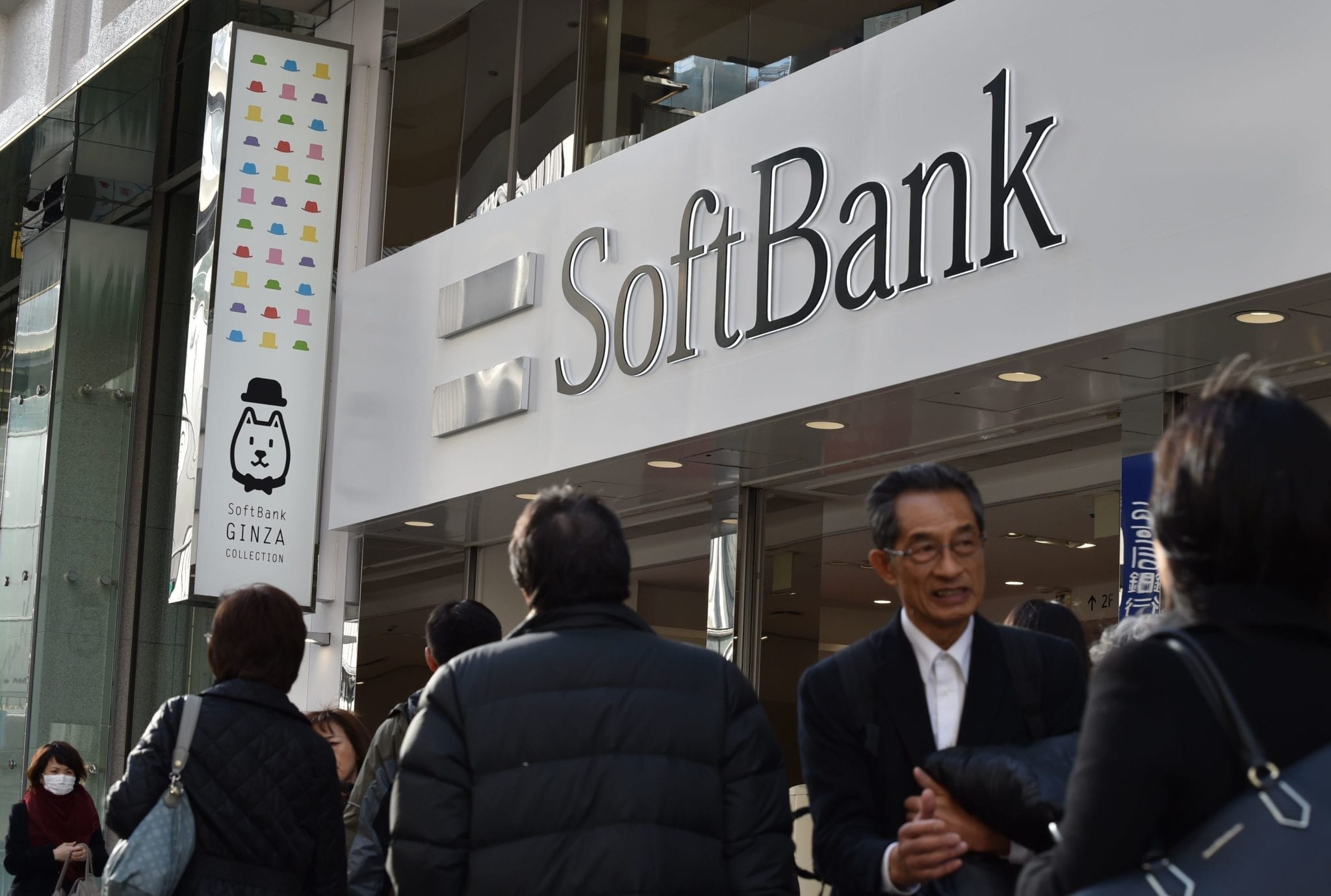
    SoftBank Group set a 4.75 per cent coupon rate on its 1 trillion yen ($6.4 billion) retail bond issue in Tokyo. It is the company’s highest coupon on straight bonds in 17 years.

    The 1 trillion yen offering ties an earlier debt sale by NTT Finance as the largest bond issue ever pitched directly to individual Japanese investors by a domestic company. SoftBank Chairman and Chief Executive Masayoshi Son is tapping local household savings. The group is reloading its balance sheet for technology and artificial intelligence investments.

    Yields Hit Seventeen-Year High

    Retail buyers have crowded into corporate bond issues from issuers like SoftBank and e-commerce group Rakuten after decades of near-zero deposit rates. They want income. At 4.75 per cent, SoftBank is paying a premium over standard domestic debt instruments to lock in retail capital directly.

    Shifting benchmark rates in Tokyo have increased corporate borrowing costs across the market. SoftBank continues to lean on domestic household savers. Local depositors remain drawn to the company’s brand recognition and fixed coupon rates compared to standard bank accounts.

    Fueling Tech and AI Capital Needs

    Individual investors across Japan have historically served as a reliable funding source for SoftBank during previous growth phases. Domestic retail debt issues shielded the group from tighter conditions in global syndicated loan and dollar bond markets during volatile tech cycles.

    These funds give Son expanded liquidity to pursue large-scale commitments across computing infrastructure and global tech platforms. Market attention now turns to the final subscription figures and allocation breakdown across domestic brokerage networks when the retail book closes.

  • Allianz Ayudhya Posts 56% Jump in Thai Unit-Linked Insurance Premiums

    Allianz Ayudhya Posts 56% Jump in Thai Unit-Linked Insurance Premiums

    Allianz Ayudhya Assurance generated 233 million baht in first-year premiums from unit-linked policies across Thailand during the first seven months of 2026.

    The total represents a 56 per cent jump from the prior-year period, making the company the second-largest player in the country’s unit-linked segment.

    Demand from younger investors and affluent households seeking life protection alongside capital growth is driving the uptake. Unit-linked policies channel a portion of paid premiums into mutual funds, offering variable returns rather than fixed payouts. Falling bond yields have squeezed returns on traditional life policies and raised provisioning costs for carriers, prompting customers to evaluate investment-linked options.

    Unit-linked contracts generate 14 per cent of first-year premiums booked through Allianz Ayudhya’s agency network. The company launched its My Style Protect Series to capture that business by letting clients adjust coverage levels and fund allocations over time.

    Regional Gap and Wealth Transfer

    Thailand’s life insurance penetration sits at 3.6 per cent of gross domestic product, with average coverage lingering near 300,000 baht. While developed regional markets such as Singapore and Malaysia generate a substantial share of total life sales through unit-linked products, Thailand remains at an early stage of adoption. Chief agency officer Virong Patanakorn noted that financial planning combining wealth creation with legacy transfer is accelerating the shift among Millennial clients.

    Expanding the Licensed Agency Force

    Distributing investment-linked products requires certified personnel. Allianz Ayudhya currently employs 1,582 agents holding investment consultant licences, representing 12 per cent of its total agency roster.

    The Bangkok-based insurer projects full-year unit-linked sales will rise 45 per cent to roughly 688 million baht in 2026, supported by a target to expand its licensed consultant pool to 1,800 agents.

  • Vingroup Deputy Chair Pham Thu Huong Enters Global Top 1,000 Wealthiest at $4.5B

    Vingroup Deputy Chair Pham Thu Huong Enters Global Top 1,000 Wealthiest at $4.5B

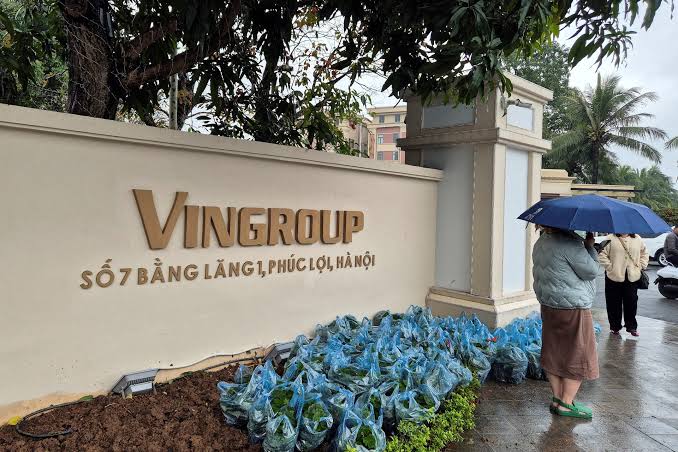
    Vingroup deputy chairwoman Pham Thu Huong entered the world’s 1,000 wealthiest people on Friday as her net worth climbed to US$4.5 billion. Shares in the Vietnamese conglomerate reached a record VND256,000 (US$9.82), adding nearly US$200 million to her personal fortune in a single trading day.

    The 57-year-old executive ranked 963rd on the Forbes real-time billionaire index after gaining 4.67 per cent in valuation during the session. She has climbed 443 positions since February, when she first joined the global ranking in 1,406th place. Huong now ranks as the second-richest woman in Southeast Asia, trailing only Indonesian data center operator DCI Indonesia co-founder Marina Budiman, who controls an estimated US$6 billion fortune.

    Record Conglomerate Rally

    Vingroup shares have advanced 51 per cent since the start of the year, expanding wealth across the group’s founding family. Pham Nhat Vuong, Huong’s husband and the chairman of Vingroup, expanded his net worth by 36 per cent over the same period to US$39.3 billion.

    Vuong reached 54th place on the global wealth table on Friday. His personal fortune increased by US$1.6 billion in 24 hours, making him one of the five biggest single-day wealth gainers worldwide.

    Southeast Asian Wealth Shifts

    Regional market trends tracked across Southeast Asia show Vietnam’s large diversified groups capturing substantial equity gains this year, outpacing broader regional indices. Other Vietnamese business figures on the global list include Vietjet Air chairwoman Nguyen Thi Phuong Thao, who ranked 1,099th with US$3.9 billion, alongside Vingroup leader Pham Thuy Hang.

    Trading desks in Hanoi will monitor whether Vingroup can defend its record share price above VND256,000 as third-quarter earnings disclosures approach.

  • Weak Peso Pushes Philippine Supermarkets Toward Cheaper Stock

    Weak Peso Pushes Philippine Supermarkets Toward Cheaper Stock

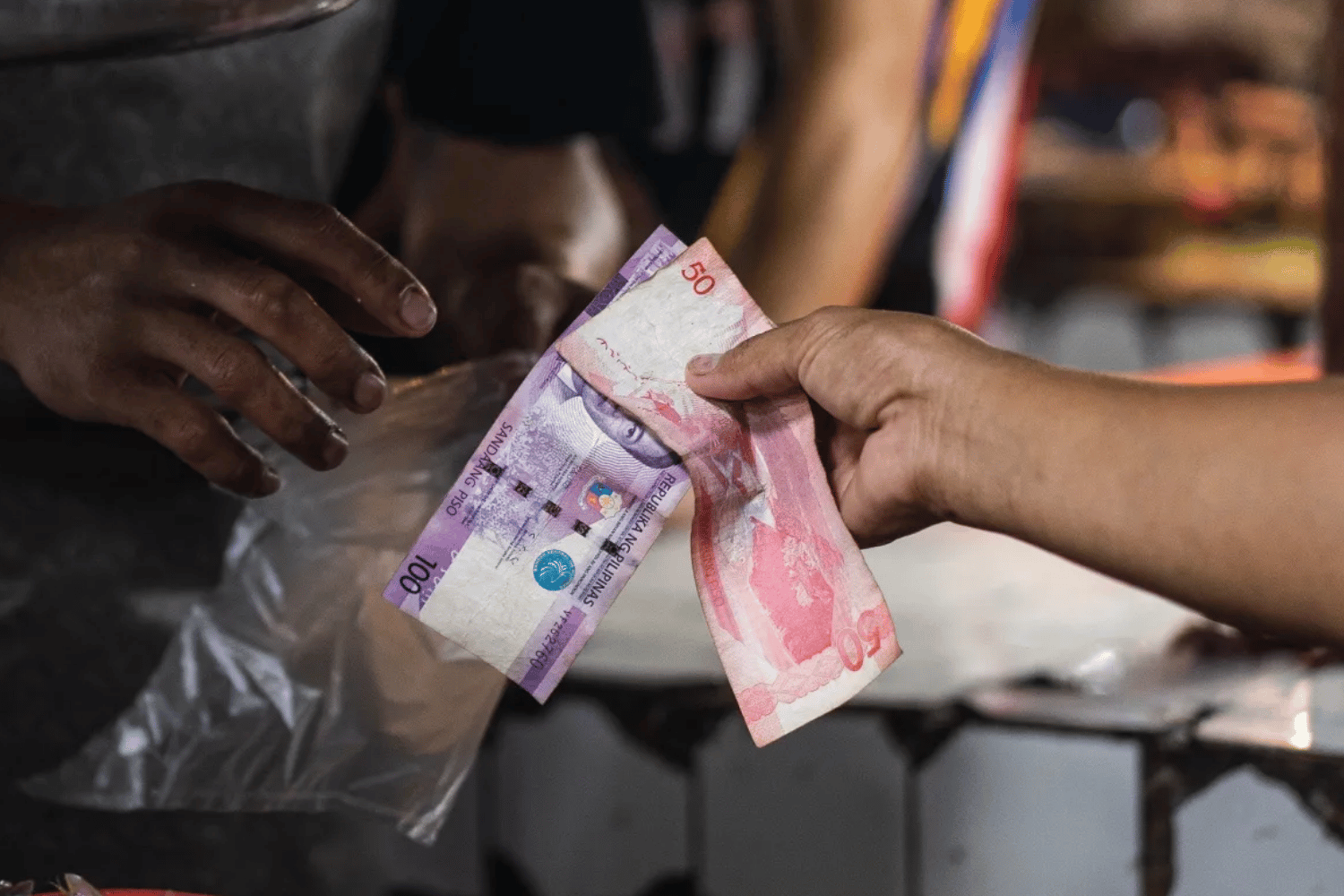
    Philippine manufacturers and retailers face severe cost pressures after the peso slid past 62 per US dollar. The slump drives up import expenses for raw materials, machinery, and store inventory.

    The currency touched an all-time low of 62.265 against the greenback on August 28. That drop amplified imported inflation after domestic headline inflation reached 6.2 percent in July.

    Warnings from the Federation of Philippine Industries indicate that higher landed input costs will cascade through wholesale channels onto retail shelves. Raw materials, intermediate goods, capital equipment, and mineral fuels make up more than 85 percent of total Philippine imports, according to government trade data. Domestic producers must spend more pesos to secure ingredients and packaging. At the same time, higher diesel and electricity charges lift distribution expenses across store networks.

    Supermarket Shelves and Downgraded Goods

    Consumer goods companies also face steeper capital expenditure hurdles. Machinery and equipment account for nearly 28 percent of inbound shipments. Meanwhile, a 25-basis-point interest rate increase by the Bangko Sentral ng Pilipinas has pushed commercial borrowing rates higher.

    If brand owners pass cost increases to retail buyers, store operators will adapt by altering product selections. Grocers may have to stock cheaper, lower-grade alternatives to maintain transaction volumes as household budgets tighten, warned Steven Cua, president of the Philippine Amalgamated Supermarkets Association.

    Retailers across Southeast Asia have confronted similar currency depreciation cycles by shrinking pack sizes and expanding private-label ranges. Remittances from overseas workers normally cushion Philippine consumer spending. However, sustained food and energy inflation threatens to cancel out those remittance gains by eroding baseline purchasing power.

    Input Clearances and Inflation Watch

    To ease cashflow strains on domestic factories, manufacturing lobbies are pressing government agencies to fast-track customs clearance for industrial inputs. Expedited releases would cut storage and port fees that accumulate during administrative delays.

    Market watchers now look to the upcoming official August inflation print. Central bank officials must decide whether further interest rate adjustments are needed to stabilise the peso.

  • Japan Household Spending Drops 3.6% in July as Inflation Bites

    Japan Household Spending Drops 3.6% in July as Inflation Bites

    Japanese household spending dropped 3.6 per cent year-on-year in July, falling at its fastest annual pace in 30 months as persistent inflation squeezed family budgets.

    The contraction exceeded the 1.6 per cent drop projected by economists and extended a losing streak that has run for eight straight months. It represents the sharpest annual pullback since January 2024, when outlays tumbled 6.3 per cent. On a seasonally adjusted month-on-month basis, spending ticked up 0.5 per cent, falling far short of the 2.6 per cent gain expected by the market.

    Food and Transport Budgets Shrink

    Data from the internal affairs ministry reveals clear shifts in how shoppers manage everyday expenses. Families cut back sharply on groceries and transportation while directing remaining discretionary yen toward entertainment and select household goods.

    The squeeze shows that higher price tags are eating through recent pay increases across the country. Wage gains secured during spring negotiations have not translated into stronger checkout tallies, leaving merchants to navigate cautious foot traffic and smaller baskets.

    Masato Koike, senior economist at Sompo Institute Plus, noted the challenge facing household balance sheets: “Although large wage hikes were achieved again in this year’s spring wage negotiations, downward pressure on consumption is expected to intensify as higher prices become more pronounced going forward.”

    Rate Hike Scrutiny

    Weak private consumption complicates the immediate policy path for the Bank of Japan, which meets this month to review borrowing costs. Central bank officials are weighing whether the domestic economy can absorb higher interest rates while consumer demand stays sluggish.

    Price pressures continue to build across metropolitan centers. Annual core consumer inflation in Tokyo accelerated for a third consecutive month in August, pointing to persistent living costs that will keep retail spending under pressure heading into the final quarter.

  • Hawala Networks Tap Asian Fintech Platforms and Crypto to Move Funds

    Hawala Networks Tap Asian Fintech Platforms and Crypto to Move Funds

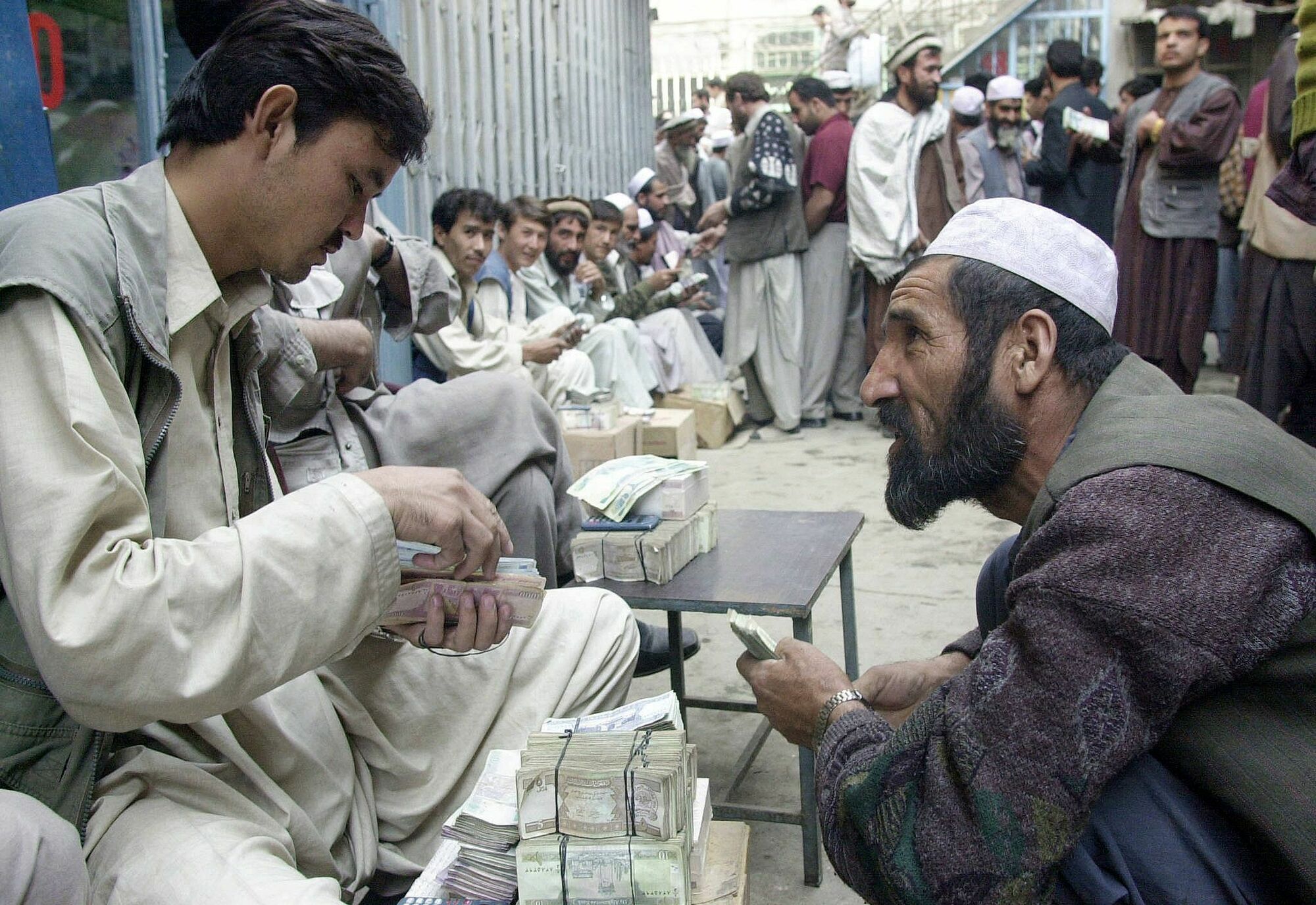
    Underground hawala networks are tapping instant payment rails, digital wallets and crypto assets to launder funds across Asia, a joint FATF and OECD study shows. More than 80 per cent of surveyed jurisdictions identified these unlicensed services as primary conduits for professional money laundering, with single operations clearing upwards of €500 million within months.

    The study, compiled with data from 45 jurisdictions including India and Pakistan, details how informal value transfer systems have shifted into commercial, scalable operations. Operators increasingly rely on encrypted messaging apps, digital banking logins and stablecoins to settle balances across borders without physical cash.

    Digital Wallets and Cross-Border Corridors

    Nearly 70 per cent of responding jurisdictions reported a sharp transition toward digital hawala. Hawaladars advertise currency exchange and transfer services in private groups on WhatsApp, Telegram and Signal, offering lower transaction fees than regulated money transfer operators.

    In one case cited by the Central Bank of Oman, an unlicensed ring moved money to Pakistan by having expatriates transfer funds via cash or mobile services. The operators then used payment apps and domestic instant payment systems such as Raast in Pakistan to settle the recipient side, capturing profits through currency differentials while running $72,293 in tracked flows over 12 months.

    Operators also deploy purpose-built mobile applications, virtual international bank account numbers (IBANs) and artificial intelligence tools to coordinate complex payment flows across multiple countries.

    Gambling Rings and Shadow Rails

    In India, investigators identified an illegal online wagering ring that used an extensive network of panel operators to process player deposits and withdrawals. The scheme routed transactions through the Unified Payments Interface (UPI), online bank accounts and digital wallets opened with stolen identities or run by money mules.

    Organisers converted portions of the proceeds into cash and routed them through underground hawala channels to the United Arab Emirates. The money was subsequently funneled back into India disguised as legitimate foreign investment.

    For legitimate fintech operators and digital banks across Asia, the findings signal heightened regulatory pressure to monitor micro-transactions and peer-to-peer flows on retail payment rails. National regulators and standard-setters are preparing stricter registration requirements and oversight rules for digital wallet providers and payment service intermediaries.

  • Hong Kong Narrows Gap on London and New York in Global Financial Index

    Hong Kong Narrows Gap on London and New York in Global Financial Index

    Hong Kong is closing in on London and New York in global financial centre rankings, trailing the front-runner by just two points.

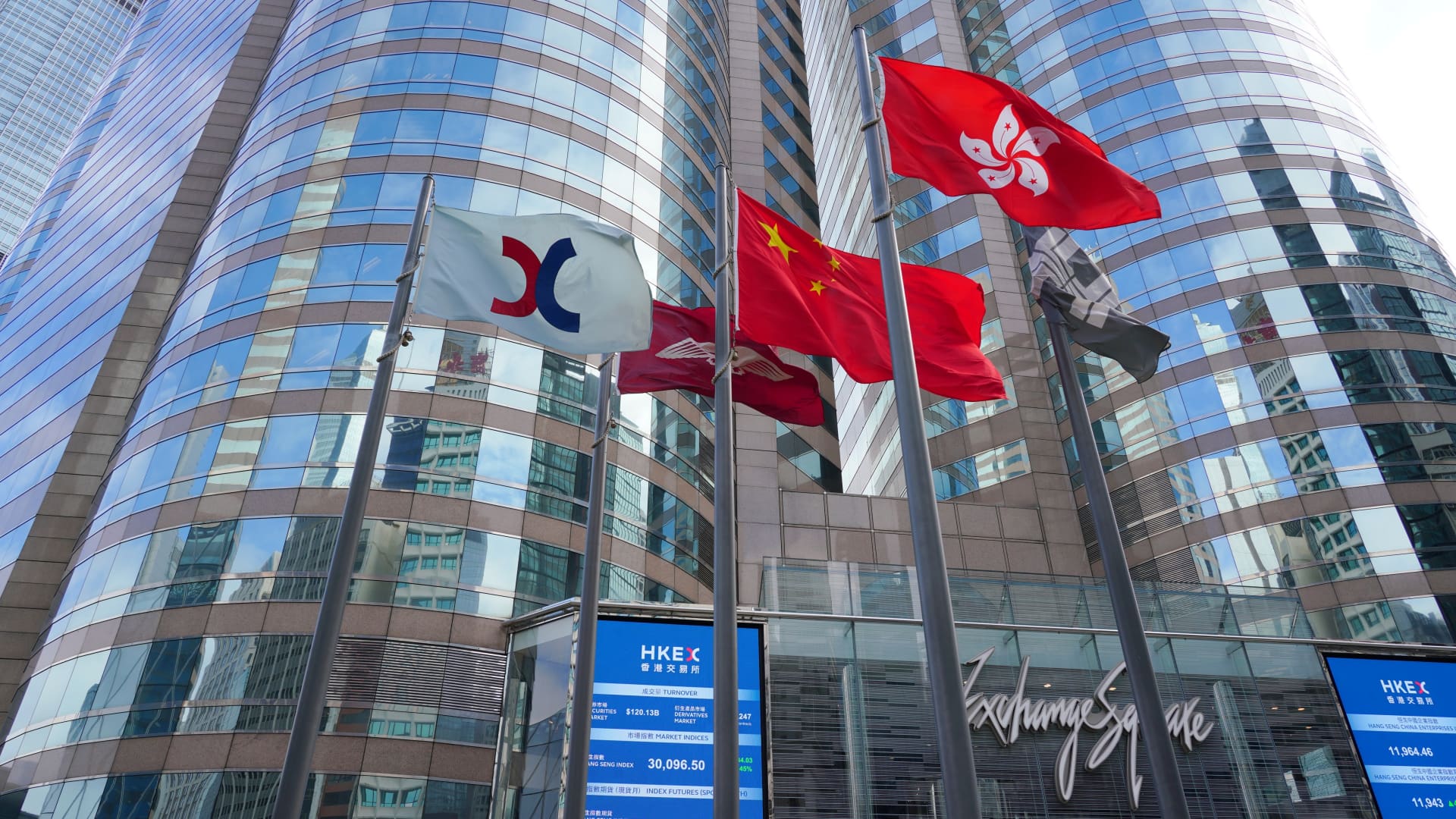
    In the March edition of the Global Financial Centres Index compiled by London think tank Z/Yen Group and the China Development Institute, Hong Kong placed third, one point behind London and two behind New York. Michael Mainelli, chairman of Z/Yen Group, said a structural shift toward Asia, which now commands roughly 40 per cent of global finance, will eventually push an Asian city into the top spot.

    Legal Stability and Fiscal Discipline

    Mainelli pointed to the territory’s common law framework and predictable tax structure as decisive factors against Western competitors. Government spending accounts for approximately 15 per cent of gross domestic product in Hong Kong, compared with 19 per cent in Singapore and more than 40 per cent across European economies.

    Survey results from the March index showed that financial institutions prize regulatory predictability above processing speed, cost flexibility, or tax adjustments. Mainelli warned that frequent policy revisions designed to match competitor incentives risk undermining investor confidence over the long term.

    Infrastructure and Physical Gold Assets

    Competition from mainland Chinese centres has not eroded Hong Kong’s standing. Shanghai held sixth place and Shenzhen ranked ninth in the same survey, functioning as feeder markets into Hong Kong rather than direct replacements.

    Physical trading logistics continue to expand across the territory. A centralized precious metals clearing and settlement system started trial operations in July, backed by plans to expand airport vault capacity beyond 2,000 tonnes.

    For corporate treasurers and commercial operators tracking regional capital flows, the steady ranking shows that Hong Kong retains its institutional pull despite regulatory friction across other international hubs. The next edition of the Global Financial Centres Index will be published later this month.

  • Kasikornbank Launches KBank Indonesia with 40 Trillion Rupiah Loan Target

    Kasikornbank Launches KBank Indonesia with 40 Trillion Rupiah Loan Target

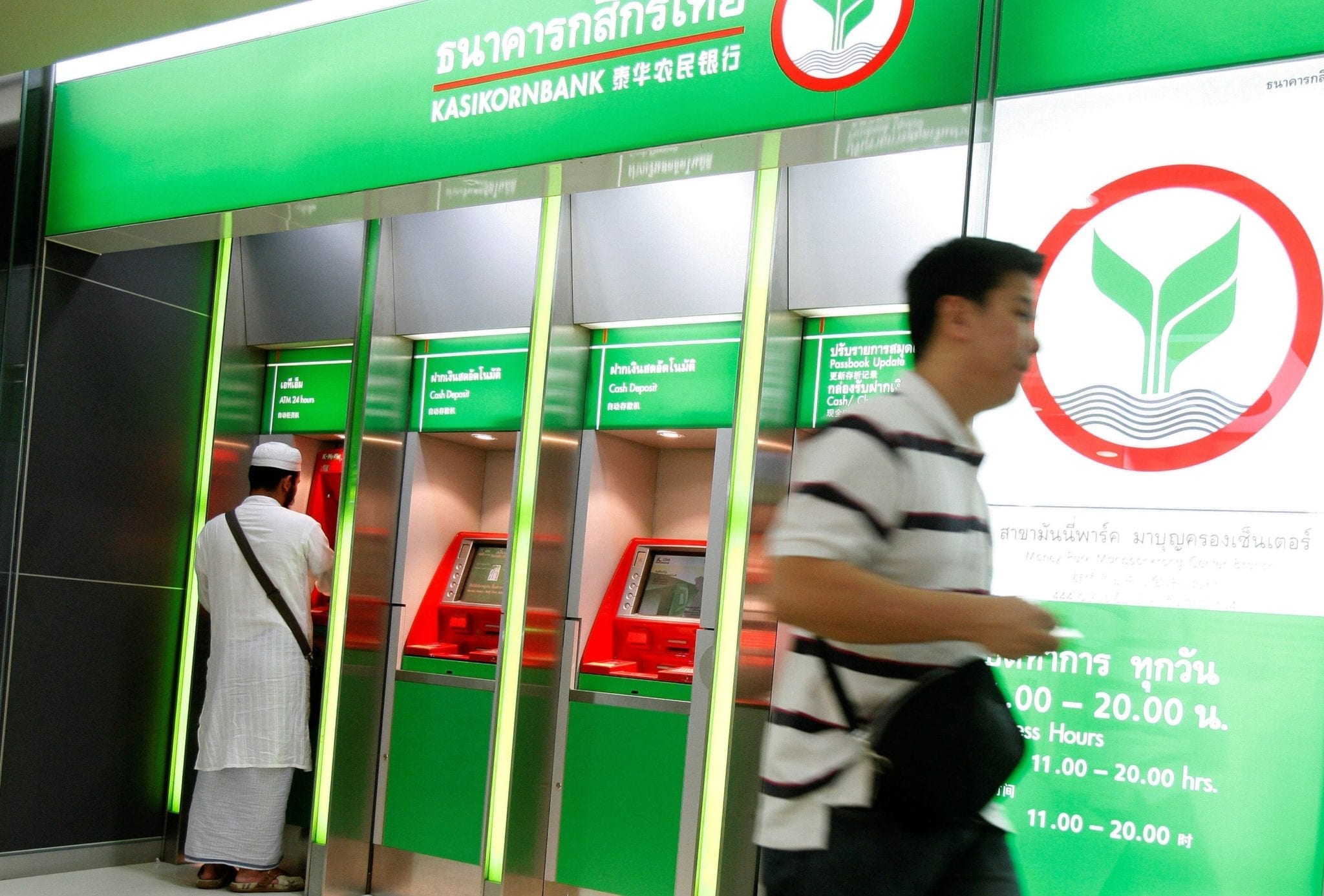
    Thailand’s Kasikornbank has opened operations in Indonesia under the KBank Indonesia brand, targeting a loan portfolio exceeding 40 trillion rupiah by 2030.

    The formal launch follows the rebranding of PT Bank Maspion Tbk to PT Bank Kasikorn Indonesia Tbk after a multi-year acquisition drive in Southeast Asia’s biggest economy.

    KBank Indonesia will focus on corporate, commercial, and retail clients, combining Maspion’s branch network with the parent bank’s regional cross-border infrastructure. Kasemsri Charoensiddhi, chief executive officer of KBank Indonesia, said the bank will connect Indonesian clients directly to trade and investment flows with Thailand, Vietnam, and China.

    Building an 89 Percent Stake

    Kasikornbank entered Bank Maspion in 2017 with an initial 9.99 percent purchase. It took majority control in 2022 by lifting that share to 67.5 percent, before injecting roughly 3.5 trillion rupiah in 2023 to reach 84.55 percent.

    Regulatory filings from July 31, 2026, show the Thai group and its units hold a combined 89.48 percent stake in the Indonesian lender. Kasikorn Vision Financial Company Pte. Ltd. Holds 86.03 percent, Kasikornbank Public Company Limited owns 2.45 percent, and PT Kasikorn Vision Financial Indonesia holds 1 percent. Public investors hold the remaining 10.52 percent.

    Trade Corridors and Mobile Banking

    Thai financial groups have expanded aggressively across Southeast Asia over the past decade to offset slower growth and demographic shifts at home. Bangkok Bank acquired Indonesia’s Bank Permata for 2.3 billion dollars in 2020, while Kasikornbank has focused on building proprietary cross-border platforms across the Greater Mekong Subregion and Indonesia.

    Digital retail services form a core pillar of the Indonesian strategy. Maspion rolled out its MEB mobile banking platform in 2024 to adapt Kasikornbank’s small-business credit underwriting and consumer app interface for local depositors.

    The bank now faces the task of growing its balance sheet toward the 40 trillion rupiah mark while competing against established state-owned and private commercial lenders across Java and the outer islands.