Category: Finance

Retail News Asia is committed to providing both local and global retailers with the latest Finance news throughout the Asian market. This on a daily base.

  • Rel Cap arm to launch fund in South Korea

    Rel Cap arm to launch fund in South Korea

    Aiming to bring in more foreign funds into India, Reliance Capital Asset Management (RCAM), the funds management arm of Anil Ambani-controlled Reliance Capital, is launching a fund in South Korea for retail and institutional investors in the South Asian country that will invest in the Indian market.

    This is the seventh fund that RCAM is launching to attract foreign money into India, with a target to top $5 billion worth of assets in the next three years, a company source said.

    RCAM is launching the India focused fund in Korea along with its Korean partner Samsung Asset Management. The fund will directly invest in the stocks of Indian mid and small cap companies with long term potential. The fund will be managed by Samsung Asset Management while RCAM will be the advisor to its Korean partner. Samsung Asset Management is the fund management arm of Korean conglomerate Samsung Group, globally known more for its presence in the mobile and electronics space.

    At present RCAM has three India focused funds in Japan, in which the aggregate assets under management is about $1 billion. It also manages two India focused funds in Singapore and one more in Mauritius. Most of its assets are managed under the three Japanese funds. Nippon Life, one of the largest life insurers in the world, holds 49% stake in RCAM. The Korean fund management firm, however, does not hold any stake in RCAM but has signed a memorandum of understanding (MoU) with the Indian funds management major.

    Currently RCAM manages assets worth more than Rs 2 lakh crore spread across mutual funds, pension funds, managed accounts and offshore funds.
  • Worldpay processes over 1000 payments per second during China Singles Day

    Worldpay processes over 1000 payments per second during China Singles Day

    Worldpay processed on average over 9,000 transactions per minute globally during China Singles Day 2015 with        transactions peaking at 1,111 transactions per second during the day’s busiest sales period.

    The number of transactions Worldpay processed on Singles Day more than doubled between 2014 and 2015, rising 146%. The total value of Singles Day transactions rose 320% between 2014 and 2015.

    In the UK the total value of China Singles Day transactions made on cards in the UK grew 251% and the volume of transactions was up 307%.

    Shane Happach, chief commercial officer, Global e-commerce at Worldpay, said: “We’ve been tracking the rise of China Singles Day for a few years now, and it’s incredible to see just how quickly the event has risen to prominence. Alibaba just revealed that Singles Day was the biggest ecommerce day in history, and our global transaction figures only reinforce just how relevant this event has become for online shoppers everywhere. It will be interesting to see how this year’s BlackFriday sales stack up, particularly with many major retailers announcing they’re opting out.”

  • Coupang plans $1.3 billion expansion

    Coupang plans $1.3 billion expansion

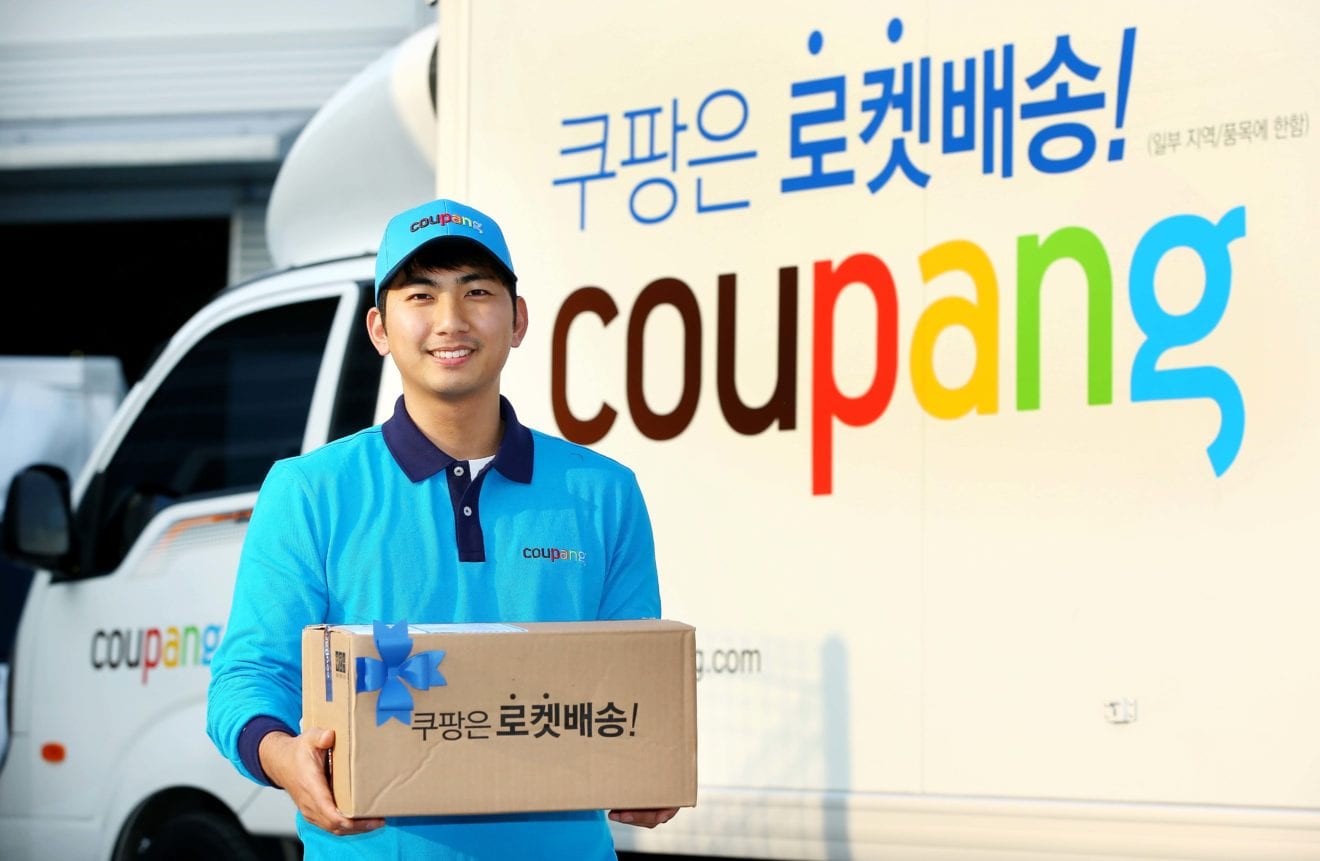
    South Korean eCommerce giant Coupang will invest 1.5 trillion won (US$1.3 billion) by 2017 to hire 40,000 delivery people called ‘Coupang Men’, and increase its number of logistics centers from 14 to 21.

    This is a significantly larger-scale investment than the $1billion infusion attracted from Softbank, a Japanese IT company, in June.

    To strengthen its ‘Rocket Delivery’ service, Coupang plans to increase the number of Coupang Men on staff from 3500 to 5000 by the end of the year, 10,000 during next year, and 15,000 by 2017.

    In addition, the number of staff members at its logistics centers and call centers will also be increased from the current 6000 to 18,000 by 2016, and 24,000 by 2017. Altogether, a total of 40,000 new employees will be hired Coupang, which hopes to provide same-day delivery service across the country, plans to expand its number of mega logistics centers from 14 to 16 by 2016, and 21 by 2017. Their overall size is the equivalent of 110 soccer fields.

    As the number of Coupang Men and logistics centers increases, the Rocket Delivery service, which is currently limited to major cities, will be offered in other areas, and a larger variety of products will be eligible for shipping through the service.

    Henry Ro, Coupang’s VP, said the Rocket Delivery service provides the greatest experience to the consumers.

    “The Rocket Delivery service is an integrated ‘end-to-end’ service that has never been tried in other countries.”

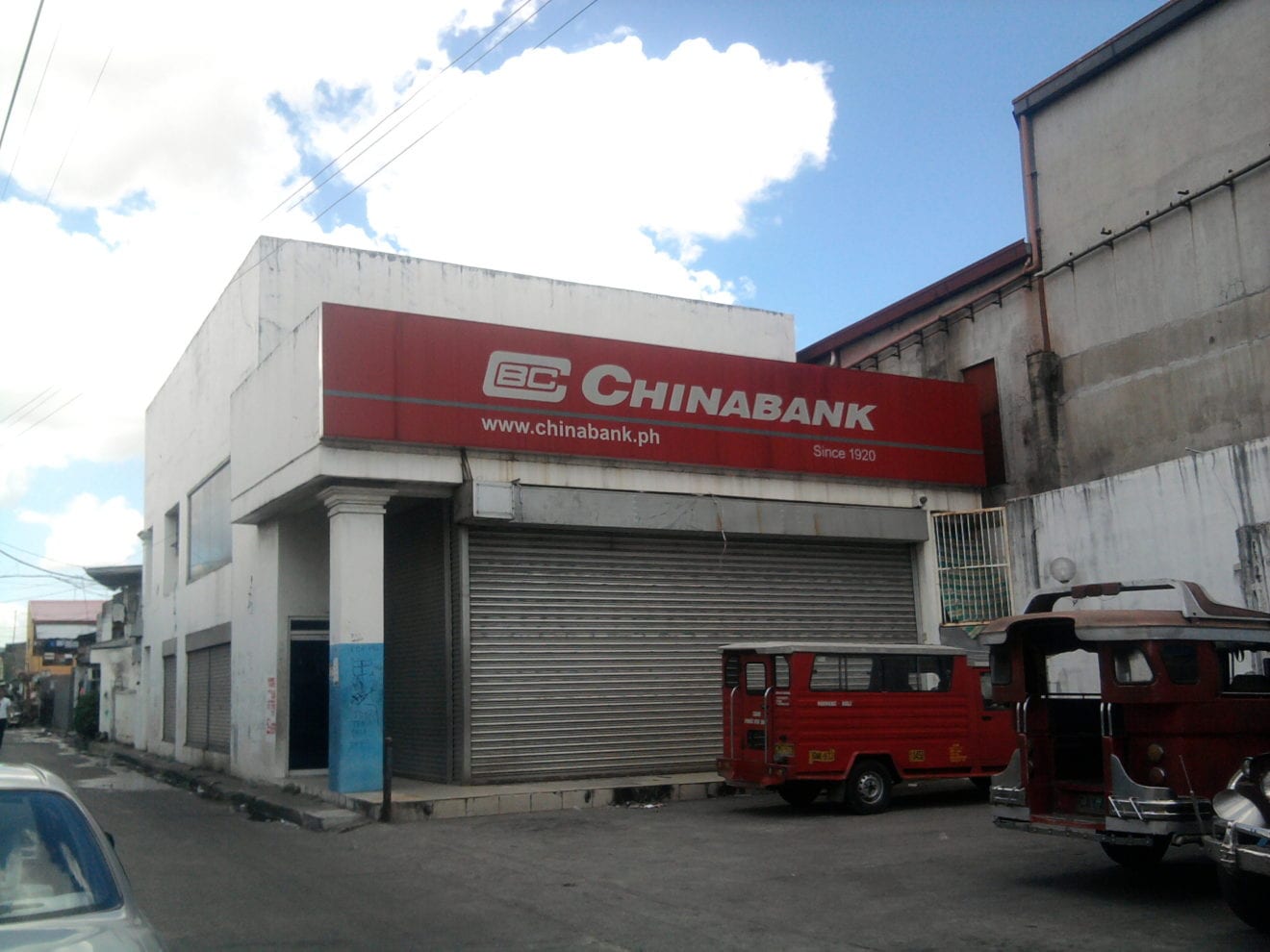
  • Calypso Technology Partners With China Bank in the Philippines

    Calypso Technology Partners With China Bank in the Philippines

    Calypso Technology, Inc., the standard for treasury and capital markets software, has signed its first client agreement in the Philippines, furthering its rapid 2015 expansion in Asia Pacific. The onboarding of China Banking Corporation (China Bank), one of the top banks in the country, follows similar successes in China, Hong Kong, and Korea during the last several months.

    By upgrading its treasury system with the Calypso front-to-back trade processing solution, China Bank has reduced its dependence on custom development and the operational risks associated with manual operations.

    “At the core of our decision was Calypso’s dedication to understanding our unique business needs,” said Antonio Espedido Jr., Executive Vice President & Head of the Financial Capital Markets & Investment Segment at China Bank. “Calypso’s modern technology is highly scalable and will support our business direction and allow us to achieve our aggressive growth targets in the future. Together with its local partner Kris FinSoftware, I am confident that Calypso can bring industry best practices to China Bank while retaining our local feel and expertise.”

    “Collaborating with one of the leading banks in the Philippines in addressing their current issues is such an honor. We look forward to partnering with more banks locally as Calypso and Kris FinSoft continue the efforts to help banks’ treasury businesses,” said Sherrizah Lubigan, Business Development Manager at Kris FinSoftware, Inc.

    “It’s always exciting for us to solve the local challenges of banks in a new country, and the core of this project is a software solution that can help the entire region,” said Mark Bell, Regional Manager at Calypso. “We are excited about more banks in the Philippines joining us, and bolstering our commitment to expand our services for the region.”

    Calypso Technology continues to make significant investments in the Calypso software product with over 50% of its staff dedicated to research and development. Calypso is a Leader in the Gartner Magic Quadrant for Trading Platforms, and the #1 selling Treasury and Capital Markets Solution for the sixth year running in the 2015 IBS Sales League Table.

    About Calypso Technology, Inc.Calypso Technology provides award-winning, enterprise-wide software solutions that empower capital markets, investment management and treasury professionals around the world. We have been setting the global standards for innovative, cost-effective financial markets software solutions since 1997. Now trusted by more than 34,000 financial market professionals in 60 countries, our integrated trading, risk and investment management solutions are leading the industry towards full systems consolidation.

    We address rapidly evolving capital and regulatory challenges with robust, nimble and scalable technology. It’s part of our commitment to facilitate operational and financial excellence throughout the workflow. From front to back office, our solutions are global, universal and future-proofed, and are relied on by more than 200 financial institutions, including over half of the top 25 banking institutions.

  • Mobikon partners with BPI for Philippines foray

    Mobikon partners with BPI for Philippines foray

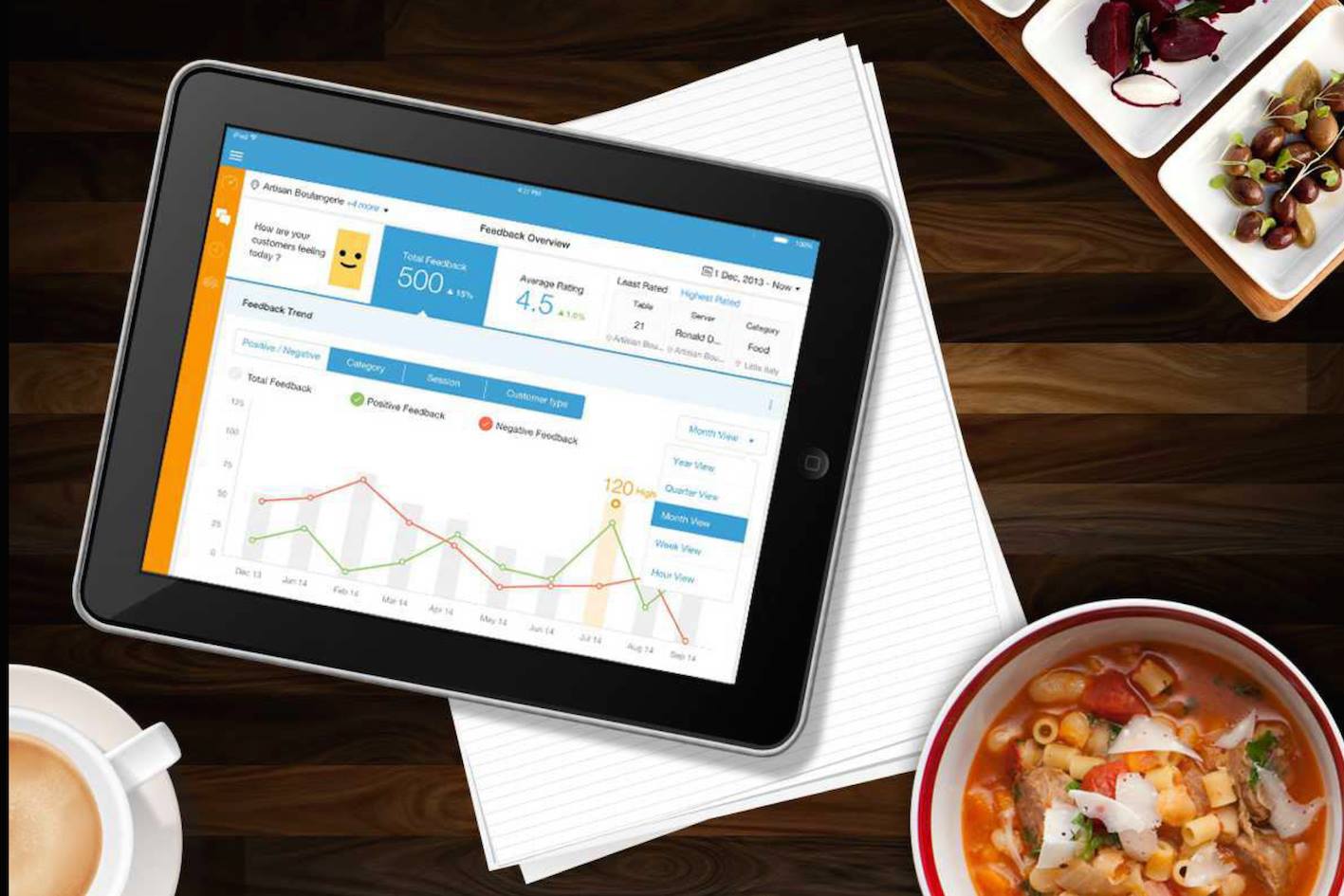
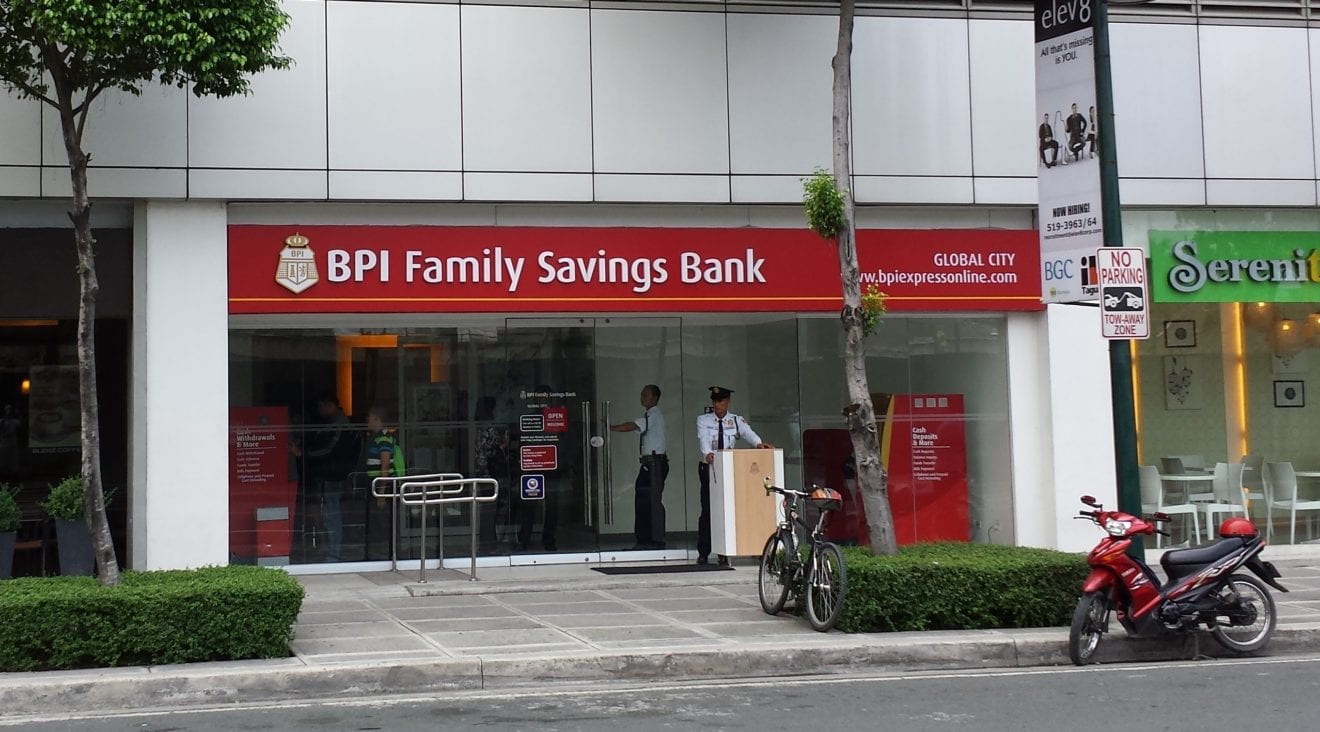
    Singapore-based Mobikon has tied up with Bank of the Philippines Islands (BPI) in Manila to offer its customer engagement platform to restaurants.

    The tie up will add a repertoire of over 300 restaurants in Mobikon’s network and strengthen its presence in South East Asia. Currently, the company has 1500 restaurants across India, Singapore, Malaysia, Macau, Philippines, and Dubai.

    “Apart from organic growth for the company, one of the key pivot in our strategy is where we target larger brand as a reference point for other brands to follow. The rewards program given out by banks is commoditised. We saw an opportunity for a win-win tripartite partnership with BPI,” said Anuj Jain, vice-president, Asia-Pacific, Mobikon. BPI confirmed the tie up but declined to discuss further details in response to an email query from ET.

    Through this contract-based partnership, BPI will provide Mobikon’s customer relationship management platform to restaurants on a tablet as a ready-to-use value-added solution. In turn, BPI will advertise its offering on Mobikon’s platform to restaurant brands as self-promotion and to strengthen relationships.

    Currently, Mobikon works with 100 restaurants in Manila. Mobikon is also in talks with other leading banks in India and other markets and also exploring strategic partnerships with mPOS & cloud POS companies.

    Within this year, Mobikon has raised close to $4 million from Jungle Ventures, Life-.Sreda and Qualgro. It strengthened its market reach in Singapore this August acquiring ‘Triibe’, a customer feedback platform in South East Asian markets.

  • BPI books P13.8-b net profit

    BPI books P13.8-b net profit

    Bank of the Philippine Islands, the third-largest bank in the country, posted an 8-percent increase in net income in the first nine months to P13.84 billion from P12.8 billion year-on-year on the strength of its core businesses.

    Total revenues increased 9 percent or P3.67 billion to P44.1 billion year-on-year as both net interest income and non-interest income grew P2.98 billion and P0.68 billion, respectively.

    Operating expenses rose 6.7 percent to P22.89 billion on year, a slower rate than revenue growth. As a result, the bank’s cost-to-income ratio improved to 51.9 percent from 53.1 percent a year ago. Return on equity decreased to 12.6 percent, from last year’s 13.3 percent.

    Both total loans and total deposits rose in double digits year-on-year. Total loans stood at P780.07 billion, an increase of 11.2 percent on year. Corporate loans accounted for 76.6 percent while retail loans stood at 23.4 percent.

    “Gross 90-day non-performing loans rose slightly to 1.9 percent from 1.8 percent of total loans, while loan loss cover remained 107 percent. Total deposits stood at P1.18 trillion, up 13.3 percent higher year-on-year. CASA ratio ended the quarter at 72.5 percent,” the bank said.

    Total assets during the period stood at P1.41 trillion, 8.8 percent or P113.78 billion higher than that of the same period last year.

    Investment securities closed at P303.28 billion, a 15.2 percent hike year-on-year. The bank’s investment securities remained mostly held-to-maturity, at P240.87 billion.

    Capital, net of cash dividends of P3.54 billion paid to shareholders on Sept. 2, 2015, ended at P150.44 billion. This represents a 9.3-percent growth in total capital versus September last year.

    Capital adequacy ratio was at 14.9 percent from 15.7 percent a year ago. CET1 stood at 14.0 percent.

    Earlier in the year, the Asian Banker named BPI as the Best Retail Bank in the Philippines for 2015. BPI also received the Best Electronic Delivery Channel award during the inaugural Bank Marketing Awards night, organized by the Bank Marketing Association of the Philippines.

    The award recognizes the bank that successfully implemented the most innovative electronic delivery systems and achieved the desired results in terms of usage and acceptance.

    BPI, the first bank in the Philippines and in Southeast Asia, is a commercial bank with an expanded banking license. BPI’s services include consumer banking and lending, asset management, insurance, securities brokerage and distribution, foreign exchange, leasing, and corporate and investment banking.

  • BDO Unibank Nomura partnership presents new opportunities

    BDO Unibank Nomura partnership presents new opportunities

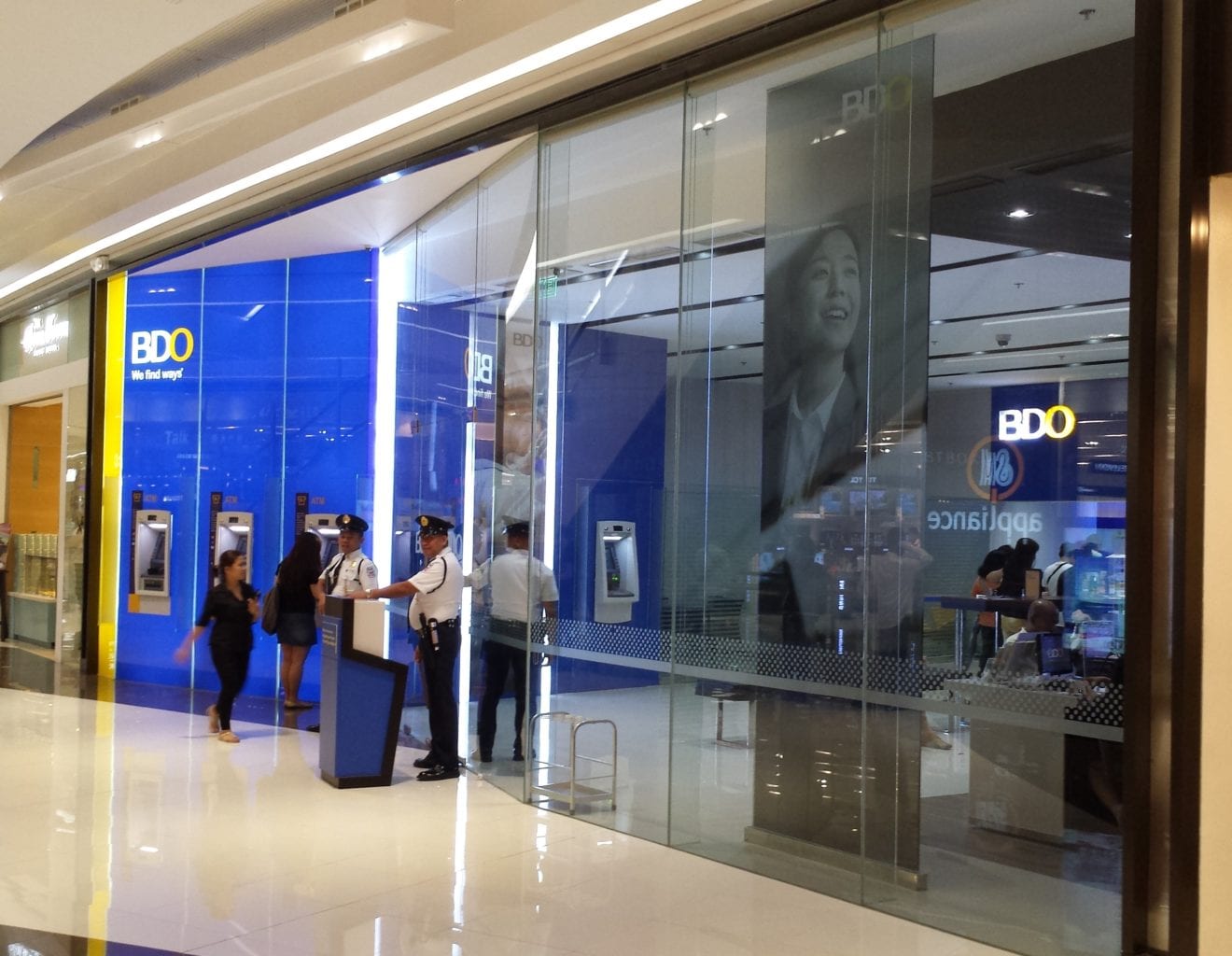
    BDO Unibank, already the Philippines’ largest lender, with total assets of 1.86 trillion pesos ($39.3 billion), has big plans — some of which include a new Japanese partner.

    The bank is part of the SM Group, which mainly operates a range of retail businesses and has piggybacked the Philippines’ economic growth to steady revenue gains. The lender is now aiming to explore new business areas at home and abroad through a joint venture with leading Japanese brokerage Nomura Holdings as well as partnerships with Japanese regional lenders.

    BDO Unibank Chairwoman Teresita Sy-Cosop

    BDO Unibank has been expanding its business scale through a series of acquisitions since 1976. As a result, it now has more than 900 branches throughout the Philippines. Moreover, the lender in recent years has taken various measures to improve the quality of its services; it has extended its opening time by two hours, to 5 p.m., and has used blue as the base color at all its branches in an attempt to create a clean, fresh image.

    The efforts have been led by BDO Unibank Chairwoman Teresita Sy-Coson, the eldest daughter of SM Group founder Henry Sy. Sy-Coson’s business acumen has won the admiration of Tadashi Yanai, chairman and president of Fast Retailing, the Japanese holding company that operates the Uniqlo chain of casual clothing stores. Yanai praised her in one of his books, and Fast Retailing has formed a joint venture with SM Retail, an SM Group company.

    Sy-Coson is eyeing more Japan-Philippine business transactions. BDO Unibank has forged partnerships with a number of Japanese regional lenders, including Joyo Bank, based in Mito, Ibaraki Prefecture. In addition, the Philippine bank is set to open a money remittance center in Tokyo in December.

    As the Philippine economy has been growing, more Filipinos have begun to open securities trading accounts. The trend has Sy-Coson anticipating a future in which more pesos in circulation further boost the country’s economic growth.

    In June, BDO Unibank and Nomura agreed to set up a joint stock-trading venture in which the Philippine lender has a 51% stake and the Japanese securities house holds the remaining 49%.

    BDO Unibank says it manages around 7 million bank accounts. What’s more, the SM Group operates large shopping malls across the country that can attract tens of thousands of visitors a day. As such, the bank is well-positioned to raise the new brokerage’s profile through ads and other platforms.

    Sy-Coson expects synergies from BDO Unibank’s countrywide network and Nomura’s investment banking expertise. “In the future, we hope to offer our clients more services, to include cross-border investments,” she said. “This will provide a wider choice of opportunities to investors, particularly in the context of Asean integration.”

  • ING researches online banking venture in China

    ING researches online banking venture in China

    ING reported third-quarter underlying pretax profit of 1.50 billion euros ($1.64 billion), compared with 1.49 billion euros in the same period last year, beating analysts’ mean forecast.

    The figures, and an upbeat outlook, came as many leading European-based banks, including Deutsche Bank, Credit Suisse and Standard Chartered are shedding thousands of jobs and reorienting their businesses to meet stricter capital requirements.

    Morgan Stanley analysts, who have an “overweight” rating on ING shares, said the numbers were better than expected thanks to falling provisions on bad loans. They dipped to 261 million euros from 322 million euros.

    ING stock was the best performer on the Amsterdam stock exchange, rising more than 4 percent. They are up 26 percent year to date.

    CEO Ralph Hamers said the bank was considering entering the Chinese online banking market with local partner Bank of Beijing, and was in the preliminary stages of researching the option.

    Hamers said he believed the Chinese stock market had stabilized and measures taken by the government would “help economic recovery by the end of this year.”

    Chief risk officer Wilfred Nagel said Chinese loan default rates, though they had risen, were still lower than in Europe. He said the Chinese retail banking sector was an attractive opportunity.

    “China adds the size of the GDP of the Netherlands to its economy every year. This is still in absolute terms an economy that grows quite strongly,” he said.

    ING’s online banking platform is helping it add 1,000 retail customers per week in Germany.

    Nagel said the Chinese discussions were at an early stage and no decisions had yet been taken on timing or ownership.

    In the earnings report, ING said it grew its lending portfolio by 1.6 billion euros.

    Net interest margin improved slightly quarter-on-quarter to 1.46 percent from 1.45 percent.

    “In Europe, sentiment is holding up,” Hamers said. “We see a recovery in bank lending in countries like Belgium and Germany.”

  • Pay by fingerprint

    Pay by fingerprint

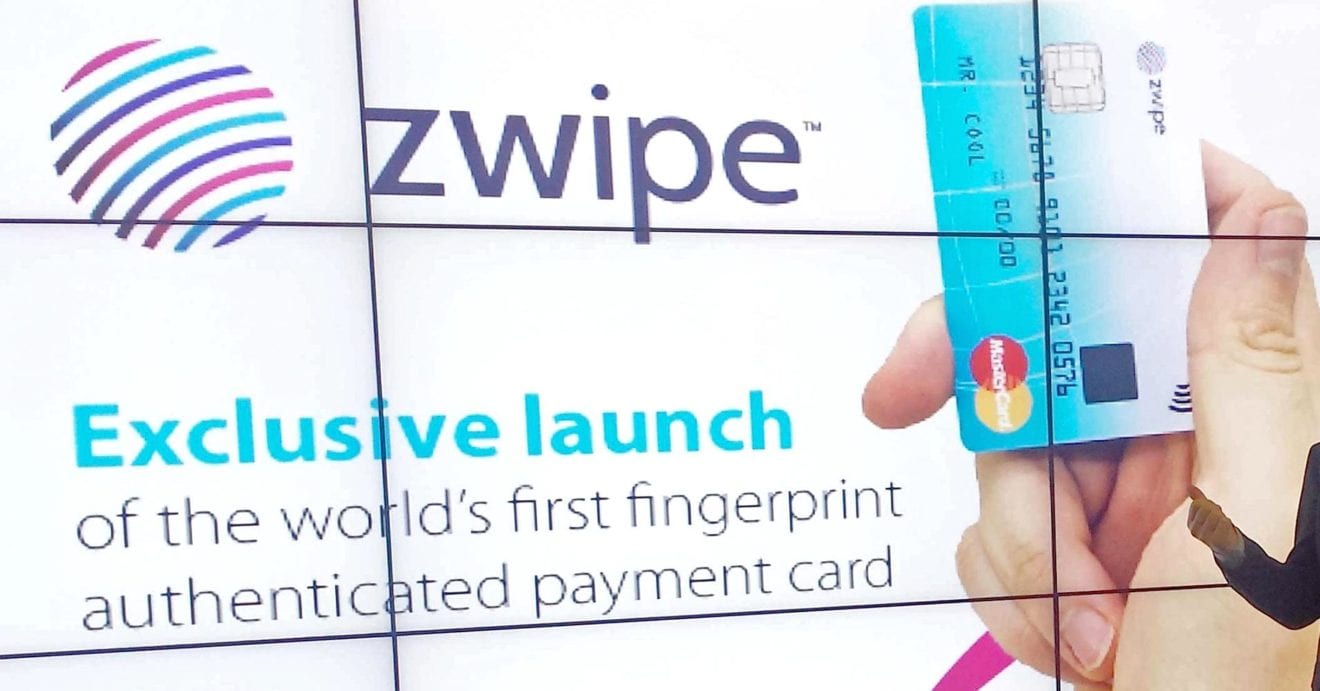
    MasterCard and a Norwegian start-up Zwipe have unveiled a prototype of the world’s first biometric contactless payment card, allowing payment confirmation by fingerprint instead of PIN.

    The card, which features an integrated fingerprint sensor, has been revealed after a successful live pilot with Norway’s Sparebanken DIN, aligned to the Eika Group.

    It’s designed as an answer to the complex challenge of providing a fast, convenient payment solution that does not compromise on security.

    The Zwipe MasterCard payment card includes an integrated biometric sensor and the Zwipe secure biometric authentication technology that holds the cardholder’s biometric data. It contains an EMV certified secure element and  MasterCard’s contactless application.

    The card is the first of its kind to combine the security of biometric authentication with the speed and convenience of contactless payment. Cardholder fingerprint data is stored directly on the card, not in an external database. After activation by a simple fingerprint scan, the Zwipe MasterCard card can be used to make contactless payments. The biometric authentication replaces the PIN entry, thus enabling cardholders to make payments of any amount, unlike other contactless payment cards on the market.

    Zwipe is now working on the next generation of its card that will be the same format as a standard card and designed to work with all payment terminals for release in 2015. This new card will harvest energy from the payment terminals without the need for a battery.

    At a media launch, Ajay Bhalla, President of Enterprise Security Solutions at MasterCard said his company believes people should be able to identify themselves without having to use passwords or PIN numbers.

    “Biometric authentication can help us achieve this. However, our challenge is to ensure the technology offers robust security, simplicity of use and convenience for the customer. Zwipe’s first trial is a significant milestone and its results are very encouraging.”

    Kim Humborstad, founder and CEO of Zwipe, added: “Feedback from our pilot with Sparebanken DIN has been very positive. Cardholders love how easy the card is to use with the added security feature. We have also had exceptionally good feedback from retailers participating in the pilot. This pilot enabled the partners to gather valuable customer feedback, experience and best practice for the enrolment and deployment phase.”