Category: Finance

Retail News Asia is committed to providing both local and global retailers with the latest Finance news throughout the Asian market. This on a daily base.

  • Gaisano bank takes in Korean partner

    Gaisano bank takes in Korean partner

    The Gaisano family has enlisted Woori Bank of South Korea as a strategic partner in thrift bank subsidiary Wealth Development Bank Corp. to boost the banking unit amid a competitive local banking landscape.

    Cebu-based Vicsal Development Corp. (Vicsal), parent firm of Wealth Development, announced the forging of an investment agreement with Woori Bank, creating a strategic alliance between the South Korean bank and one of the country’s leading thrift banks.

    The joint venture combines the global and technical resources of Woori Bank and Viscal. However, the statement did not disclose how much economic interest the South Korean partner would get in this venture.

    “It is a strategic initiative in response to the liberalization of the country’s banking sector,” WealthBank chair Edward Gaisano said.

    Gaisano said the deal was expected to increase the net worth of the thrift bank by threefold, strengthen its balance sheet and deepen its market reach and product offerings.

    WealthBank claims to be one of the country’s fastest growing independent thrift banks, expanding from just one branch in 2002 to 16 across the country today. The bank has close to P7 billion in assets.

    Under the partnership, WealthBank plans to ride on the world-class facilities and expertise of Woori Bank. It also targets to serve 1.2 million Korean tourists who visit the Philippines yearly and the 100,000-strong Korean expatriate community in the country.

    The partnership also seeks to allow WealthBank to cater to overseas Filipino workers in South Korea, as well as local and Korean small and medium enterprises.

    “This partnership with Woori Bank will unlock the huge potential of WealthBank. We are excited about the joint venture as it further underscores our commitment to growth through collaboration with world-class companies,” Gaisano said.

    Vicsal recently strengthened its strategic alliances through joint ventures with other leading global companies such as Ayala Land, Megaworld Corp. and Hong Kong Land.

    Retail unit, Metro Retail Stores Group Inc. (MRSGI), recently debuted on the Philippine Stock Exchange.

    The Cebu-based Gaisanos trace their roots to an entrepreneurial family with a long retailing heritage dating back to the 1930s. From one of the many branches of the Gaisano family sprang the lineage of Victor, who decided to go on his own and, with wife Sally, opened his first store in Colon, Cebu, in 1982. This marked the beginning of MRSGI, which didn’t use the storied surname as part of a deliberate strategy to carve its distinct identity and avoid mix-up with similar businesses operated by relatives.

    Aside from banking and retailing, Vicsal is also into real estate development through the Taft Property Venture Development Corp. and in financial management through AB Capital. Vicsal is also the majority owner of Filipino Fund Inc., a closed-end mutual fund listed on the local bourse.

    Viscal and its various businesses are now run by the second generation Gaisanos: Margaret, Jack, Edward and Frank.

  • 4 Quick Things to Learn from Singapore Press Holdings Limited’s Annual Report

    4 Quick Things to Learn from Singapore Press Holdings Limited’s Annual Report

    Reading the annual report of a company is a great way to learn more about it.

    I had recently read through the latest annual report from Singapore Press Holdings Limited, a leading media organization in Singapore. There are several important things I had picked out from the report which may be of interest to investors. Here are four of them:

    1. A multi-faceted media organization

    SPH houses multiple media formats under its umbrella. The best known are probably newspapers like The Straits Times and Lianhe Zaobao. Additionally, SPH owns more than 100 magazine titles and online sites such as AsiaOnehardwarezone.com, ShareInvestor, and Stomp.

    The company’s media segment also includes SPH Buzz, a network of 78 convenience stores, and radio stations like Kiss92 and ONE FM 91.3.

    Elsewhere, SPH has a 20% stake in MediaCorp TV Holdings and a 40% stake in MediaCorp Press Limited.

    2. SPH REIT is the key to its property segment

    “SPH REIT comprises Paragon, a premier upscale retail mall and medical suite/office property in Orchard Road and The Clementi Mall, a mid-market suburban mall in the centre of Clementi town. The Seletar Mall, located in Sengkang, is SPH’s latest retail development. This property is a potential asset to be injected into SPH REIT.”

    SPH owns more than 70% of SPH REIT. At the moment, the real estate investment trust (REIT) has only two properties in its portfolio. The new Seletar Mall, which enjoys 100% occupancy, might be injected into SPH REIT in the future.

    3. Newspaper circulation remains high

    “SPH’s total newspaper circulation, covering both print and digital editions, averaged 1,113,879 copies per day, a year-on-year increase of 4.3 per cent. This was achieved by reaching out to more readers on their mobile devices while continuing to excel in print.

    ST [Straits Times] and The Sunday Times registered a year-on-year growth of 4.9 per cent to 481,700 daily average circulation copies, with its paid digital edition ending the year at 177,400 copies, a growth of 18.6 per cent.”

    Circulation of newspapers, including digital formats, remains robust. For Straits Times and the Sunday Times, the majority of circulation growth had come from its digital edition which grew by 18.6%. The digital edition now makes up close to 37% of its circulation.

    As SPH transitions its traditional media platforms into digital formats, digital circulation and readership data will be important things for investors to watch.

    4. All eyes are on new digital formats

    “The Straits Times, Lianhe Zaobao, Lianhe Wanbao, together with news aggregator website AsiaOne and bilingual interactive web portal omy.sg, developed and launched Apple Watch applications.

    BT [Business Times] now caters to an increasingly mobile readership and has boosted the value of its All-in-One subscription bundle.

    Berita Harian (BH), the Group’s Malay-language newspaper, implemented several initiatives to streamline its operations and develop new revenue streams. In July 2015, the newspaper launched a new version of its mobile apps and e-newsletter.

    Mobile is an integral platform for publishers to deliver content to its users.”

    SPH is also exploring new formats for delivery of content on smart wearable devices, like with the Apple Watch. An overarching theme for the company’s digital efforts may be mobile, where most of the online traffic may be coming from.


  • China stocks plunge 7%, activate circuit breaker for the second time

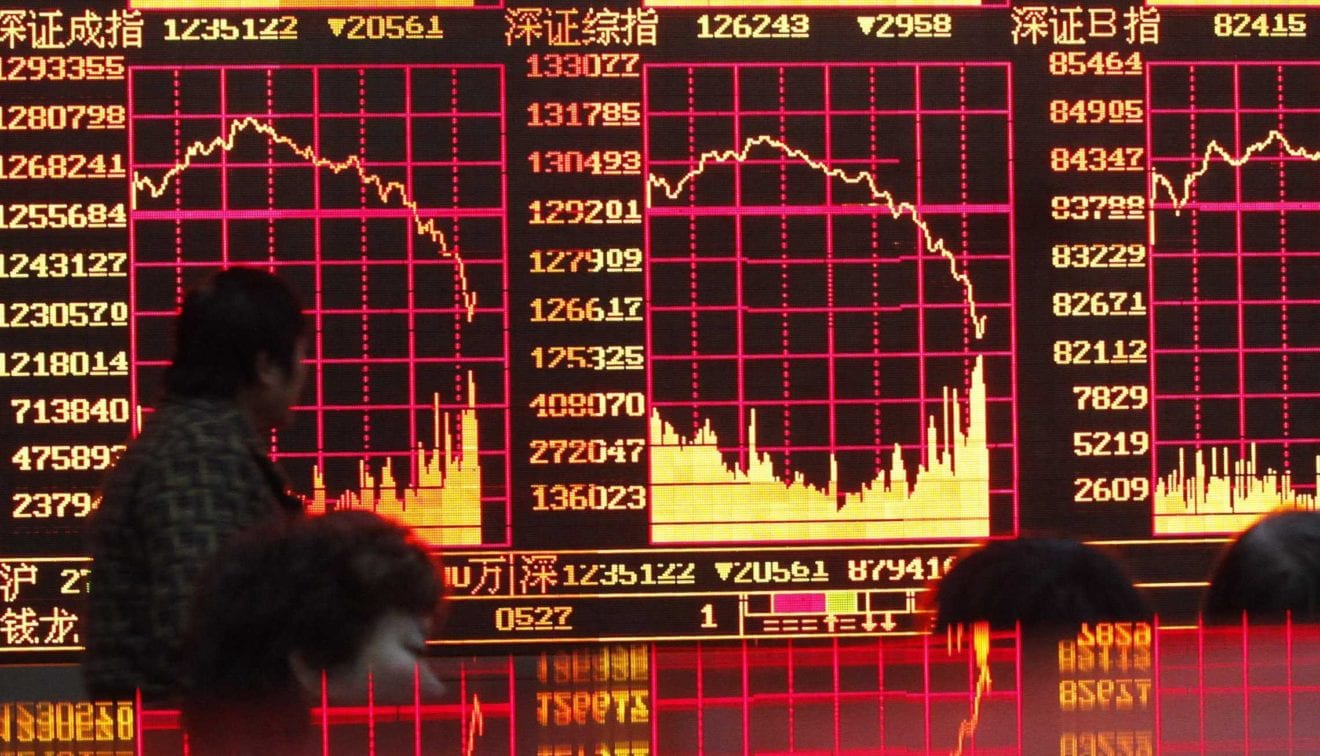
    China stocks plunge 7%, activate circuit breaker for the second time

    Trading in China’s stock markets has been halted for the rest of the day, after a 7 per cent plunge in the blue-chip CSI300 index in the afternoon trading session triggered a circuit breaker mechanism which came into effect on Monday (Jan 4).

    Earlier in the session, trading in both the country’s equity indexes and equity index futures had been halted for a brief 15 minutes, following a 5 per cent decline in the benchmark index.

    The rapid activation of the second trading halt just after 1.30 pm local time indicated “a rise in market volatility” following the first trade suspension.

    “There was uncertainty in the markets. Investors were worried that maybe they might not be able to sell stocks after markets were halted,” Jackson Wong, associate director at Huarong international Securities, said in a telephone interview. “So when markets resumed trade, we saw an acceleration in selling.”

    The fact that retail investors account for nearly 70 per cent of China’s stock-market trading volume also contributed to the rapid selloff.

    “Retail investors are by nature more risk averse than institutional investors.. It isn’t hard to understand why markets legged down hard to the 7 per cent final breaker limit when markets reopened after the first circuit breaker was triggered and halted the market for 15 minutes, as this 15 minutes give a big window of opportunity for investors, mostly retail, to get new sell orders queued into the market,” Gavin Parry, managing director of Hong Kong-based Parry International Trading, said in an email interview.

    For most of Monday’s session, Chinese shares were on the back foot, following a dismal reading from the latest Caixin manufacturing purchasing mangers’ index (PMI) and ahead of the imminent expiration of a share sales ban on listed companies’ major shareholders, according to IG’s market strategist Bernard Aw.

    In addition, the move by authorities to cut the yuan’s value against the greenback on Monday, making it weaker than 6.5 for the first time in more than four-and-a-half years, added to the risk-off sentiment.

    The Shanghai Composite ended down 6.9 per cent, while the smaller Shenzhen Composite nosedived 8.2 per cent. In Hong Kong, the benchmark Hang Seng index was pulled down nearly 3 per cent.

    Mr Aw expects China’s stock markets to remain on a downward spiral on Tuesday. “I’m quite sure that there will be downward pressure tomorrow,” he said. “Circuit breakers only help to stall the pace of declines, but they do not stop the direction of movements.”

    For CMB International’s Strategist Daniel So, China’s A-shares will likely see downward pressure in early trading on Tuesday, but may “turn north by (the) market close” on the back of support from some investors who believe that now is “a good opportunity for bottom fishing amidst panic selling”.

    CIRCUIT BREAKER: BOON OR BANE?

    The idea of a circuit breaker mechanism was first raised by the Shanghai Stock Exchange last September and officially confirmed on Dec 4, 2015.

    Under the mechanism, a move of 5 per cent in either direction from the CSI300 index’s previous close will trigger a 15-minute trade suspension across the country’s stock indexes if the move occurs before 2.45 pm local time. After that, a 5 per cent move will prompt a trade suspension until the market closes at 3.00 pm.

    Moves of 7 per cent in the index will spark a trading halt for the rest of the day.

    The introduction of a circuit breaker seems to have sparked more unease among Chinese investors, despite its good intentions of limiting market volatility, according to Huarong’s Mr Wong.

    “Investors are just getting used to the new mechanism. After they get used to the idea, it may not be as bad,” the Hong Kong-based analyst said. “But to be honest, 5 to 7 per cent swings is very normal for China’s markets so while the stock market circuit breaker is introduced with good intentions, it might not be a good idea given the experiences of Chinese investors.”

    On the other hand, IG’s Mr Aw believes that investors should look beyond the short-term repercussions as the new mechanism will bring China’s markets more in line with international standards.

    The circuit breaker system will also “complement” the current 10 per cent daily limit rule which is usually limited to only “a handful of stocks”, he noted.

    Under current rules, individual stocks and index futures in China are allowed to rise or fall a daily maximum of 10 per cent from the previous closing level. Trading of a stock stops when it hits the daily maximum allowable limit.

  • Strong growth recorded by Bank NTT in assets

    Strong growth recorded by Bank NTT in assets

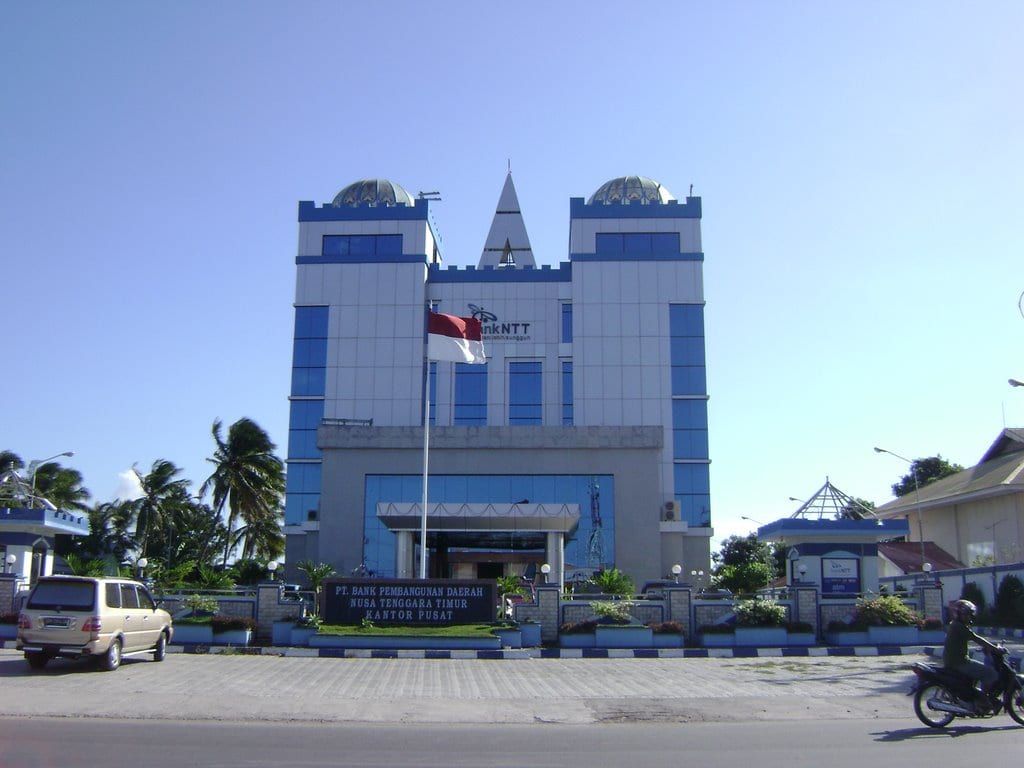
    Regional lender, PT Bank NTT, in East Nusa Tenggara, recorded a strong growth of 44.03 percent year-on-year in assets to Rp11.9 trillion in 2015.

    “The bank has recorded a steady growth until the close of 2015,” Daniel Tagu Dedo, the president director of the lender, which is owned by the regional administration, said.

    Daniel said the bank also recorded good growth of 20.29 percent in drawing third party funds to Rp7.54 trillion by the end of 2015 from Rp6.27 trillion a year earlier, and a 20.29 percent growth in in credit expansion.

    The banks outstanding credit was recorded at Rp6.61 trillion by the end of 2015, up from Rp5.5 trillion a year earlier.

    Its profit grew 34.01 percent to Rp380 billion from Rp244 billion and its core capital totaled Rp1.23 trillion including paid up capital at Rp973 billion.

    The capital put the bank in the category of Buku II, allowing it to offer internet banking service or selling other products such as insurance product.

    The bank has received citations in recognition of its good performance in 2015 from various organization and agencies including banking agency.

    “The bank would not boast about the citations, but the recognition would serve to spur the management to work the harder,” he said.

    In 2015, BNK NTT won Infobank Award with the notation of excellent for 15 consecutive years for category of banks with assets of around Rp10 trillion, and Annual Report Award (ARA) 2014 for category of listed state companies, as the third best.

    The awards were received in Jakarta in September 2015.

    The award ceremony was organized by the Financial Service Authority (OJK), the Indonesian Stock Exchange,Bank Indonesia, The ministry for state enterprises, the National Committee for Governance Policy, the Association of Indonesian Accountants and the Taxation Directorate General.

    In the same year, the bank also received the award of Anugerah Perbankan Indonesia (APBI) IV 2015 in a ceremony held by the Economic Review Magazine and Institute of National Banking (Perbanas) for the category of bank with core capital of Rp1 trillion up to Rp5 trillion.

    The award was presented on November 5, 2015.

    Another award, Lintas Artha Award, was received by the bank later that month.

  • Seoul shares edge up on pharmaceutical, retail gains

    Seoul shares edge up on pharmaceutical, retail gains

    South Korean stocks rose marginally high on Tuesday, propped up by rallies in pharmaceutical and retail companies. The local currency lost against the greenback.

    The benchmark Korea Composite Stock Price Index (KOSPI) added 2.25 points, or 0.11 percent, to end at 1,966.31. Trade volume was thin at 394.49 million shares worth 3.76 trillion won (US$3.21 billion), with winners beating losers 461 to 368.

    The market started lower and moved in and out of positive terrain. Propping up the market are individual investors who picked up about 265 billion won worth of shares, while institutions and foreign investors remained net sellers.

    “The mood remained subdued in the KOSPI market as investors locked in taking profits from gains prompted ahead of the ex-dividend date when shares lose the right to receive dividends,” said Kim Hyung-rae, a KDB Daewoo Securities analyst.

    Large-cap shares ended mixed, with pharmaceutical companies leading the upward move.

    No. 1 drug maker Hanmi Pharm jumped 14.46 percent to 736,000 won, while Green Cross gained 4.91 percent to 181,500 won. Furniture maker Hansem surged 6.73 percent to 238,000 won.

    Banking and steel issues weighed on the market. The Industrial Bank of Korea shed 5.26 percent to 12,600 won, while steelmaker POSCO fell 3.69 percent to 169,500 won.

    Telecom giant SK Telecom plunged 6.52 percent to 215,000 won following media reports over the SK Group chairman’s planned divorce with his long-estranged wife, which prompted uncertainty over its corporate governance.

    The local currency ended at 1,169.6 won against the greenback, down 4.2 won from Monday’s close.


  • SEC seals China Bank-Plantersbank merger

    SEC seals China Bank-Plantersbank merger

    The Securities and Exchange Commission (SEC) has approved the merger of China Bank Savings Inc. (CBSI) and Planters Development Bank (PDB), with China Bank becoming the surviving corporation.

    Both CBSI and PDB are subsidiaries of retail tycoon Henry Sy’s China Banking Corporation (China Bank), after PDB, established in 1072 by businessman Jesus Tambunting, became part of China Bank in 2014.

    “As a result of the merger, CBSI and PDB shall become a single corporation, with CBSI as the surviving corporation,” China Bank said in a disclosure to the Philippine Stock Exchange on Monday.

    As of end-2015, China Bank is operating a total of 517 branches, including 165 CBSI and Plantersbank branches.

    Aside from the CBSI-Plantersbank merger, the SEC has also approved the appointment of some executives effective January 1, 2016.

    The executives include Carlos M. Borromeo as senior vice president, chief financial officer, and head of financial statement segment; as well as lawyer Marissa B. Espino as co-vice president, chief compliance officer, and head of compliance office.

    Maria Cristina C. Hernandez was also approved as co-vice president, head of treasury financial institution, under financial capital markets and investment segment.

    In 2015, China Bank opened a total of 47 branches. For 2016, plans are up for opening 66 more branches—50 for China Bank and 16 for the consolidated CBSI network.

    In the first nine months of 2015, China Bank’s net income rose by 8 percent to P3.64 billion, on track with its targets to grow profits by 10 percent by end-2015.

    Established in 1920, China Bank is an affiliate bank of richest man in the Philippines, Henry Sy. It mainly caters to the small and medium enterprises (SME) market through subsidiaries CBS and Plantersbank. It also offers banking services to other markets—corporate, commercial, and retail.

  • Deutsche Bank sells China’s Hua Xia Bank stake for up to $4 billion

    Deutsche Bank sells China’s Hua Xia Bank stake for up to $4 billion

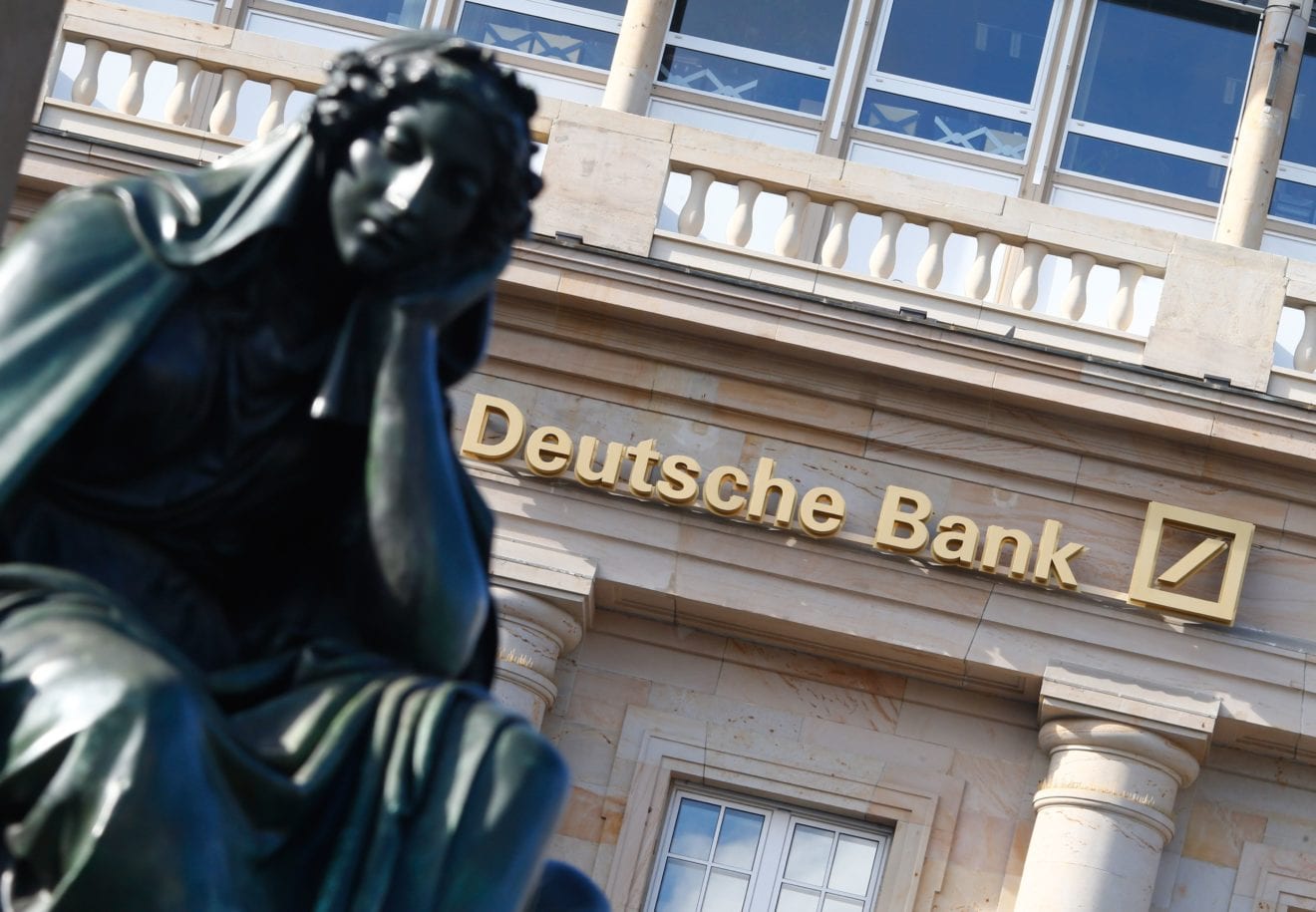
    Deutsche Bank has agreed to sell its 20 percent stake in China’s Hua Xia Bank to insurer PICC Property and Casualty Co for up to 25.7 billion yuan ($4 billion) as it seeks to raise cash and reduce its balance sheet exposure.

    “As we execute on Deutsche Bank’s strategic agenda, now is the right time for us to sell this investment,” Chief Executive John Cryan said in a statement on Monday.

    Deutsche Bank has announced plans to slash 15,000 jobs, shed businesses employing some 20,000 staff and suspend dividends for two years as it seeks to bolster its finances.

    The stake in Hua Xia will generate between 23.0 billion and 25.7 billion yuan ($3.6-4.0 billion), or 3.2 billion to 3.7 billion euros at current exchange rates, depending on Hua Xia’s share price ahead of the sale’s completion.

    At the end of September, the stake was in Deutsche Bank’s books at a fair value of 3.038 billion euros.

    When Deutsche Bank first invested in Hua Xia in 2006 to tap into China’s retail banking sector, the Chinese lender’s stock stood below 4 yuan a share, compared with 11.44 yuan at Monday’s close.

    The stake sale will help boost the German bank’s common equity tier 1 capital ratio as of Sept. 30 by about 0.3 to 0.4 percentage points from 11.5 percent, it said.

    PICC said it expected relatively steady investment returns from its stake in Hua Xia, in addition to the benefits of a strategic cooperation.

  • Battle for young customers heats up in HSBC’s Asia stronghold

    Battle for young customers heats up in HSBC’s Asia stronghold

    HONG KONG Banks in Hong Kong are intensifying the battle for young customers key to their future retail profit, offering online perks and mobile banking products in a bid to erode the dominance of HSBC in its Asian stronghold.

    Like peers around the world, banks operating in Hong Kong including Bank of China Ltd (601988.SS) (3988.HK) and Citigroup Inc (C.N) are trying to improve their online banking products to lure tech-savvy students and young professionals as they are about to open their first bank account.

    For HSBC the battle to win the hearts of young Hong Kongers is particularly important as retail banking activity in the Asian financial centre helped drive its overall profit up 2 percent in the first half of this year.

    The London-based bank, which has put China at the centre of its global strategy, is also in the process of deciding whether to move its global headquarters to Hong Kong.

    A survey of 2,500 people conducted in November by specialised research firm RFI, gave Bank of China a bigger market share among bank customers aged 18-24 than HSBC, which dominates in all other categories.

    These customers loathe spending time at bank branches and seek a lender that can allow them to carry out multiple transactions from their smartphone. “I would rate both the online and mobile services offered by Bank of China as good as they allow me to pay my parking tickets instantly, and this is very important to me,” said Chun Hoi Lau, a 23-year-old student at the University of Hong Kong.

    Bank of China, which says the young generation is a key customer segment, allows clients to carry out cross-border payments through an app, uses the popular WeChat social media platform to handle customers’ queries and has introduced a popular virtual securities investment contest for students.

    “We have been developing a comprehensive strategy with a set of products and services delivered through their preferred channels to suit their life styles,” the bank told Reuters.

    BANK FOR LIFE

    The jury however is still out on which lender is making effective inroads among the young, a segment targeted because people often stick with a bank for life once they have made their choice, analysts said.

    In a detailed survey commissioned by HSBC, and conducted by Nielsen last year, the bank said its market share of 18-24 year olds was nearly double that of Bank of China. It said it was aware of the increasing need to offer more online services.

    “We are investing heavily in developing new capabilities to meet customers’ needs,” said Kevin Martin, HSBC’s head of retail banking and wealth management, Asia Pacific.

    HSBC will next year launch more products for smartphones and digital payments as well as new security features, Martin added.

    Citibank is also appealing to younger customers with 19 “smart” branches in Hong Kong that boast the sleek lines of Apple Inc’s retail stores, touch panels, video conferencing facilities and iPads to access a wide range of banking services. Hong Kong spokesman James Griffiths said Citibank was also offering customers discounted fees on stock and forex trading via digital platforms to encourage more transactions.

    The question now for HSBC’s challengers is whether they can convert young people lured by attractive rates or flashy online offerings into lifelong customers.

    “HSBC isn’t that popular among young people,” said John Pang, a 24-year-old civil servant who banks with the lender. “It hasn’t changed a lot in the past 5-10 years, the online interface still looks the same.”


  • Rupiah strengthens to Rp13,774 against dollar

    Rupiah strengthens to Rp13,774 against dollar

    The Indonesian rupiah closed stronger at Rp13,774 per dollar in the Jakarta interbank market on Monday evening, up 143 points from the previous close of Rp13,917 per dollar.

    The rupiah strengthened against the US dollar as uncertainty about the money market eased following the Federal Reserves decision to raise its rate, Chief Researcher of NH Korindo Securities Indonesia, Reza Priyambada, said here on Monday.

    “The euphoria due to the US central banks decision has revived investors demand for assets of risky countries. The fact that Indonesia has regained its investment grade rating is one of the factors prompting investors to reinvest in the country and, accordingly, the rupiah is strengthening,” he said.

    Investors are also optimistic about Indonesias economic outlook in 2016 as a result of aggressive capital expenditure and monetary stimuli aimed at pushing economic growth, he said.

    Economist Leo Rinaldy of Mandiri Sekuritas, meanwhile, said the Federal Reserves plan to raise its rate gradually in 2016 has received positive responses from money market investors.

    He said the investors also believed that Indonesias macroeconomic fundamentals will be better next year.

    However, the domestic economic performance, which is far from expectation, and the Fed rate which may increase at a faster pace to more than 1.25 percent in 2016, may send out signals of a negative sentiment about the rupiahs exchange rate, he said.

    “The Fed rate hike will entail a risk if it does not meet market expectation,” he said.

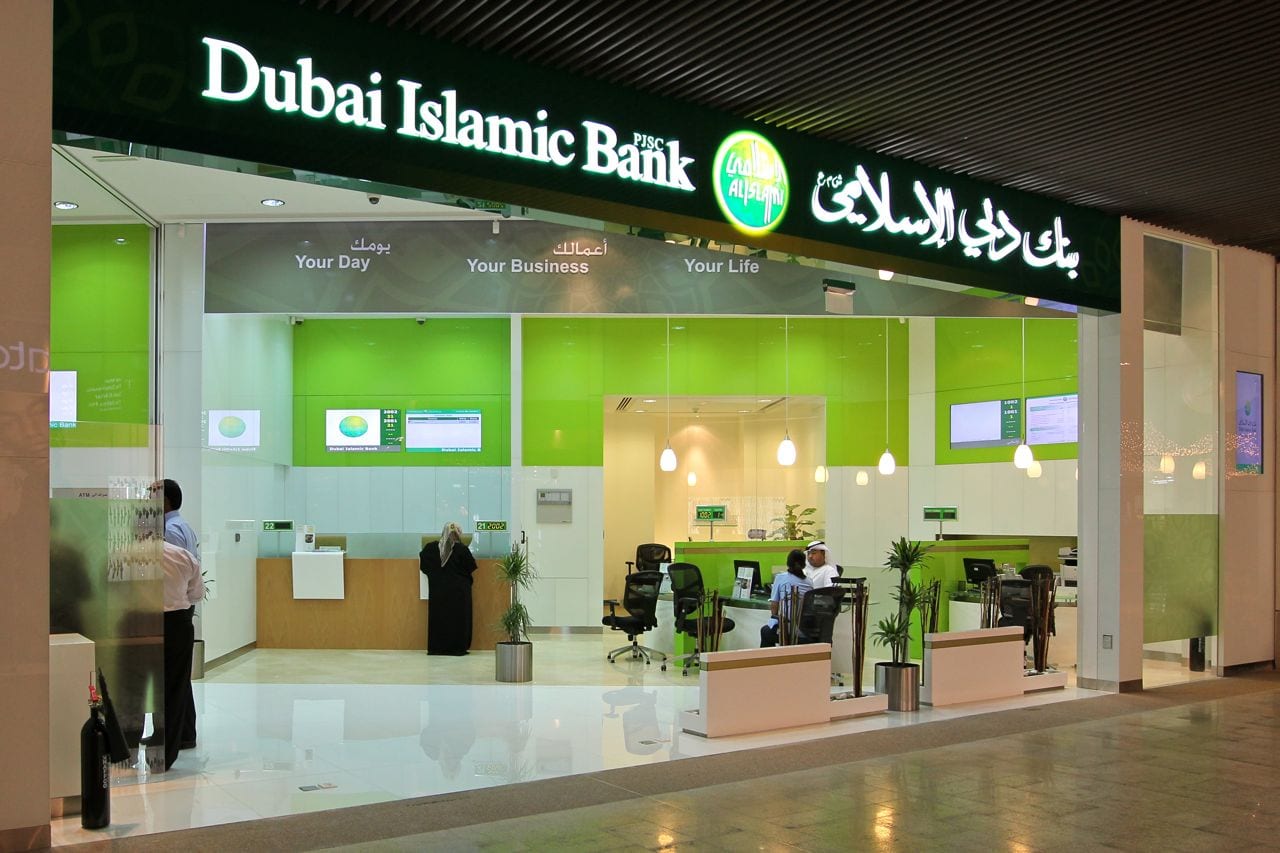
  • DIBPL wins ‘Best Islamic Retail Bank in Asia’ award

    DIBPL wins ‘Best Islamic Retail Bank in Asia’ award

    The ceremony was also attended by the Presidents and CEOs of other Islamic banks as well. Junaid Ahmed said that Dubai Islamic Bank being the pioneer and leading Islamic banking institution globally is committed to the long-term prosperity of Pakistan and Islamic Finance as a whole.

    Junaid Ahmed said that DIBPL is a wholly owned subsidiary of Dubai Islamic Bank UAE, the world’s first Islamic bank. Alhamdulillah, DIBPL is a Minimum Capital Requirement (MCR) compliant bank that enjoys a short-term credit rating of ‘A-1’ and long-term credit rating of ‘A+’, with a “positive” outlook from JCR-VIS. He further stated that DIB UAE Group is one of the largest Islamic bank in the world total asset base of approximately over Rs 4.5 trillion (US Dollars 41 billion) at September 30, 2015.

    He further said that DIBPL intends to keep this momentum going for 2016 as well, aiming to take the overall branch footprint of over 250 locations nation-wide. This will enable more customer convenience and highlight the Bank’s endeavour for bring world class Islamic Banking at the customer’s doorstep.

  • What if…HSBC sold Hang Seng for BoCom deal?

    What if…HSBC sold Hang Seng for BoCom deal?

    Companies of China are increasingly focused on international expansion, at the exhortation of Beijing. Its desire to expand has helped support the international ambitions of local insurers such as Anbang and Fosun International, or securities firms such as Citic and Haitong. But one vital part of this sector has yet to demonstrate such assertiveness: China’s banks.
    Chinese individuals are remarking upon their meekness. The South China Morning Post reported that Li Ruogo, former chairman of the Export-Import Bank of China and now an executive vice-president at the International Financial Forum, claimed the international capabilities of China’s banks is not suitable for the needs of the nation’s outbound investments and acquisitions.

    Similarly, the newspaper reported that Ma She, deputy director of European affairs at the Ministry of Commerce, as criticising the banks for “underdeveloped” overseas branch networks and poor data sharing management.

    To date China’s banks have embarked on tentative acquisitions offshore, in South Africa and South America. But these have been small, and piecemeal.

    It looks unlikely the banks would ever unveil grandiose plans to buy a Deutsche Bank, or a Standard Chartered. Instead, for a truly transformational purchase they would be most likely to seek targets close to home.

    Hong Kong would be the most obvious immediate candidate, boasting geographic, financial and cultural ties. However, the city has relatively few decent-sized candidates that are obvious acquisition prospects.

    Bank of East Asia might be the most obvious potential target. However, the bank recently issued an exchangeable bond in its shares to Sumitomo-Mitsui Financial Group, effectively raising its stake to around 17.5%. That, combined with the Li family’s 11%, might make a takeover bid highly challenging, particularly given the likely reluctance of the Li family to sell out.

    But there is another possibility: Hang Seng Bank.

    Appealing acquisition

    Hang Seng’s biggest shareholder is HSBC. It bought a 51% stake in Hang Seng in 1965, after the latter was tottering following a bank run, and has subsequently raised this stake to 62.14%.

    As a result HSBC, which is by far Hong Kong’s largest retail bank, was responsible for 52% of Hong Kong loans (HSBC 40% and Hang Seng 12%) and 55% of deposits in 2014 (HSBC 44% and Hang Seng 11%), according to a report by Dagong Securities, published in May.

    The UK-headquartered bank holds Hang Seng at arm’s length, no doubt in order to avoid accusations of monopolistic practices. But it would be very reluctant to sell it. Understandably so; Hang Seng reported a profit of HK$20.05 billion ($2.59 billion) for the first half of 2015, had total assets of HK$1.3 trillion, while it was trading at 1.93 times price to book value on Wednesday, according to Bloomberg. It enjoys strong retail banking and insurance businesses and is growing in wealth management too.

    Acquiring Hang Seng would make a potentially appealing addition to a Chinese state-owned bank. It would offer the lender immediate scale in Hong Kong, North Asia’s leading financial centre. More importantly, Hang Seng would provide expertise in international banking practices and customer services.

    For Hang Seng, the backing of mainland lender with international aspirations would offer it the opportunity to flourish into commercial and retail banking outside of Hong Kong.

    Getting a sale done

    Hang Seng’s strength and financial stability means HSBC would be very reluctant to part with it. Yet it might be persuaded to do so for a large enough incentive.

    As it happens, Beijing could give HSBC what it may want most of all:  ownership of a local nationwide bank.

    The most likely is Bank of Communications. HSBC has owned around 19% of BoCom for years, and hoped to eventually get majority control, but these plans are currently impossible due to China’s 20% foreign ownership limit in its banks.

    Beijing could offer HSBC an exemption to its foreign ownership limits (potentially utilising the idea that HSBC’s local Hong Kong bank unit, The Hong Kong & Shanghai Banking Corporation, is applicable to buy larger stakes in China banks). Then it could sell HSBC enough shares to give it a controlling interest at a competitive rate (following, no doubt, a very thorough audit).

    In return, HSBC would agree to relinquish Hang Seng to a local bank for a similarly competitive valuation.

    The biggest challenge would be building enough political support for such a deal.

    It would likely require sanctioning by the State Council, plus the Ministry of Finance, State-owned Assets Supervision and Administration Commission and the China Banking Regulatory Commission. Additionally, the Chinese bank would need to agree to the purchase of Hang Seng Bank.

    However, if the political will could be found, it should be relatively straightforward to sell shares in BoCom to HSBC. The Chinese government owns 46.3% of BoCom, with the National Council for Social Security Fund owning another 4.78% and Sasac holding a further 4.66%, according to 4-traders.com.

    Securities fast track

    HSBC might ask for another favour in return for giving up BoCom: rapid approval of its new securities joint venture.

    The bank HSBC agreed to establish a joint-venture securities company with Shenzhen Qianhai Financial Holdings, of which it would own 51%, on November 2. However, the deal is subject to regulatory review and approval, which can take a long time – some JV players have been waiting years to get final approval on certain licences.

    Therefore HSBC would likely want fast-tracked approvals that gave its JV full underwriting, trading and wealth management access to China’s local capital markets.

    In addition to offering HSBC incentives, Beijing could also – if it so chose – place pressure on it to divest Hang Seng via the compliant politicians who run Hong Kong’s government.

    For all the operating separation of HSBC and Hang Seng, the fact remains the two comprise a dominant percentage of Hong Kong’s retail banking sector. In most countries this would cause antitrust concerns.

    Coincidentally, Hong Kong’s government introduced a new Competition Ordinance on December 14. International law firm Linklaters noted “the impact of the new law will grow over time, but it will ultimately lead to a more mature marketplace in which consumers will benefit through enhanced competition.”

    Costly acquisition

    Aside from political will, the biggest sticking point of any deal over bank acquisitions would be cost.

    Neither purchase would be cheap. BoCom had a market capitalisation of Rmb416 billion, or $64.13 billion, as of Thursday, giving it a price-to-book valuation of 0.94 times. Assuming BoCom’s balance sheet didn’t raise any major concerns, HSBC might spend $21.8 billion to raise its stake from 19% to 51%, assuming it paid on a par price-to-book valuation.

    Hang Seng is a bit cheaper. Its market capitalisation was HK$281.4 billion ($36.3 billion) on Thursday, giving it a price to book valuation of 1.98 times. At that valuation, a Chinese bank would need to pay $18.5 billion to gain a simple 51% majority stake from HSBC.

    To put those price tags into perspective, the largest banking M&A on record in Asia-Pacific, Westpac Banking Corporation’s $17.9 billion purchase of St. George’s Bank in 2008. Malaysia’s CIMB, RHB and Malaysia Building Society did discuss a three-way merger worth $22.3 billion in 2014, but the plan was scrapped early this year.

    Beijing would need to have a truly unshakeable desire to get one of its banks to expand internationally to sanction such an expensive M&A. And it would be hard for the Chinese government to cajole HSBC into such a sale without giving it in return the sort of local bank control it has thus far been unwilling to allow.

    But China appears keen to get its banks to support the expansion of its companies and the usage of its currency overseas. And HSBC really wants more mainland access.
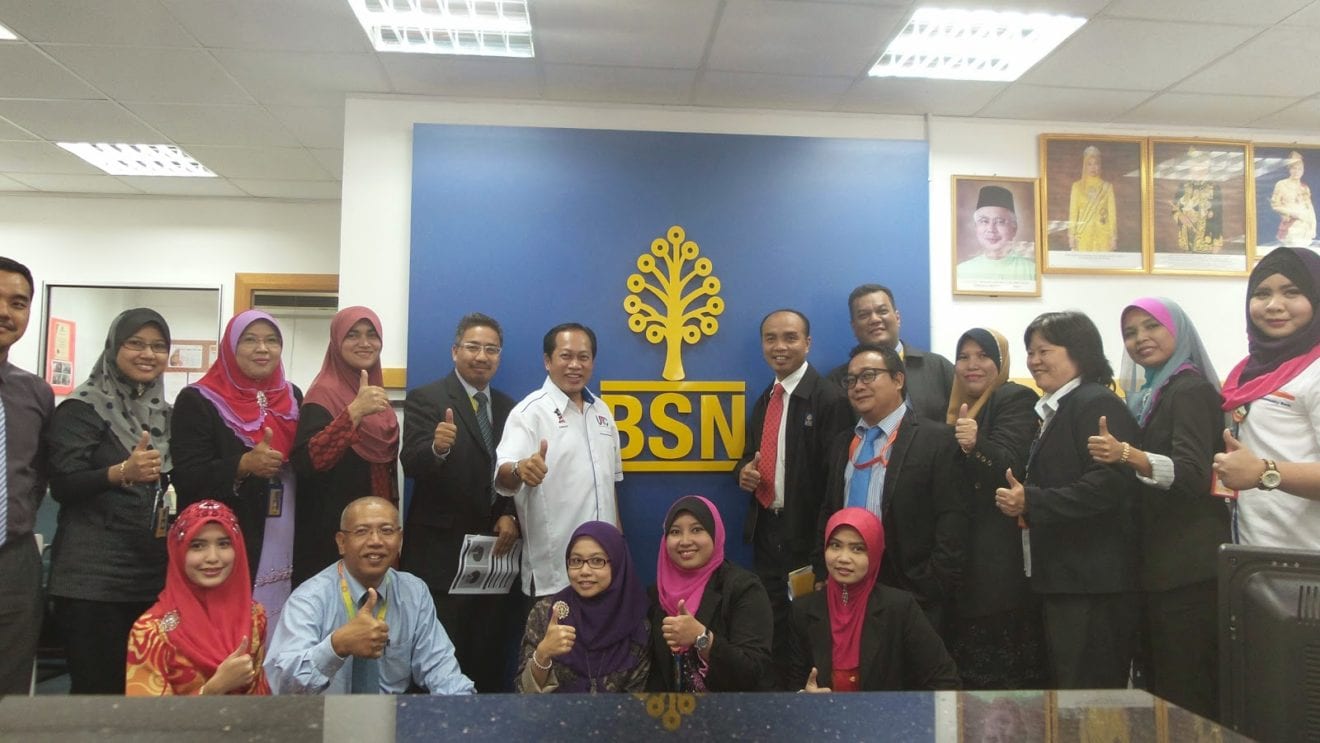
  • Bank Simpanan Nasional and Cisco Digitise Banking in Malaysia

    Bank Simpanan Nasional and Cisco Digitise Banking in Malaysia

    Malaysia’s premier savings bank, Bank Simpanan Nasional (BSN), is transforming their products and services to appeal to a new generation of digital-enabled customers by deploying Virtual Teller Machines (VTM) across 31 branches. Built on Cisco® Unified Communication and Cisco Unified Computing platforms the VTM helps enable virtual, real-time engagement between customers and tellers in any of the branches, through a highly secure and immersive video platform.

    “The VTM balances the work load between branches, enabling customers in busy branches to perform transactions assisted by tellers in less busy branches nationwide. Customers can now enjoy counter transactions without geographical limitations and experience more comfortable and personalised professional financial services,” said Datuk Adinan Maning, Chief Executive of Bank Simpanan Nasional.

    Key Benefits to Digitised Teller Services

    Virtualising the services provided by in-bank tellers enables BSN to increase resources for the customer, increase bank productivity and most importantly, increase the efficiency of their organisation and the efficiency of service to their customers. Each BSN branch will have three VTM machines and these self-service kiosks that are supported by 450 virtual teller agents placed to assist their colleagues at branches that have higher customer traffic.

    The virtual tellers will be able to attend to customers’ needs, provide advice on banking products and services, and handle account inquiries as well as loan applications.

    The VTMs installed at BSN branches have highly secure features including encrypted electronic signature, thumb print verification, and card identification to ensure customers are protected.

    “The financial services industry is not immune to competition from market disruptors. Non-traditional financial institutions are delivering new digital services that are personal, customised and convenient. Malaysia is committed to transforming the economy through digitisation, and two critical aspects of the Eleventh Malaysia Plan — innovation to drive revenue and productivity acceleration for sectoral growth — are addressed with this implementation at BSN. By leveraging technologies from Cisco to drive a connected banking experience, BSN is leading the way in delivering greater value to their customers, appealing to the digital consumer, improving their productivity and efficiency, while increasing their revenue and customer base. The digitisation of bank branches is an important part of the Omni channel banking experience that transforms the customer’s transaction and increases their engagement with the bank,” said Albert Chai, Managing Director for Cisco in Malaysia.

    Built on the Cisco Business Edition 7000 unified communications platform that includes voice over Internet Protocol (IP), video through Telepresence with Cisco DX 650 and Cisco Jabber for chat functionality and presence, the VTM allows BSN employees to connect to their customers at any time during branch operation hours. The scalable, open and interoperable technologies are hosted on Cisco Unified Computing System foundation.

    “In total, BSN is investing RM30 million to roll out the VTM that provides more than 80 percent of counter services, and is an improvement over current automated teller machines (ATM) and cash deposit machines (CDM). In the near future, the VTMs will also be offering additional services including Account Opening and Debit Card, Customer Information Management and Bills Payment. The VTMs may also allow extended banking hours with the placement of VTMs at public locations,” continued Datuk Adinan.

    BSN customers will be able to use the new banking service in 31 branches, with 93 VTMs serving customers fromDecember 2, 2015.

    According to McKinsey, more than 700 million consumers currently use digital banking across Asia. With digital banking through desktops, smartphones, and tablets becoming much more common, consumers that prefer digital banking are more attractive to financial institutions as they tend to be more educated, have account balances that are two to three times higher, hold multiple banking products and are very active in online shopping. By digitising banking services through VTM machines, BSN is able to optimise technology to improve the customer experience and meet customer demand, while competing with emerging fin-tech start-ups.

  • Myanmar central bank to grant new foreign bank licences

    Myanmar central bank to grant new foreign bank licences

    The Central Bank of Myanmar plans to initiate a second round of foreign bank licencing in early 2016, the monetary authority said.

    The aim is to licence banks from “additional neighbouring and important trading partner economies”, quoted the central bank as saying.

    “The main objective of the second round of licensing is to further promote existing economic cooperation.”

    Foreign banks headquartered in countries that successfully obtained a licence in the first round – namely Australia, China, Japan, Malaysia, Singapore and Thailand – will not be allowed to participate in the second round, the notice said.

    Foreign banks with representative offices in Myanmar or which are in the process of obtaining one will be permitted to participate.

    The licence will be for onshore wholesale banking through a branch, and a call for expressions of interest will be made in early 2016, the Central Bank said.

    In the last, hotly-contested bidding round, nine foreign banks won licences on October 1 last year, and winners were given a year to prepare operations to meet the approval of the Central Bank.

    All of the banks – Bangkok Bank, Australia’s ANZ, Japan’s the Bank of Tokyo-Mitsubishi UFJ, Mizuho Bank and Sumitomo Mitsui Banking Corporation, the Industrial and Commercial Bank of China (ICBC), Malaysia’s Maybank, and Singapore’s Oversea-Chinese Banking Corporation (OCBC) and United Overseas Bank (UOB) have now opened branches.

    The licences came with a number of restrictions – banks are only permitted to lend to foreign businesses and local banks. They may team up with local lenders to offer additional services, but are prohibited from involvement in retail operations.

    This marked the first time that foreign banks have operated in the country for more than 50 years – Myanmar had not allowed onshore banking by foreign institutions since 1963, when 14 foreign banks were nationalised.

  • Hong Kong Regulates Mobile and Contactless Payment Systems

    Hong Kong Regulates Mobile and Contactless Payment Systems

    Hong Kong recently introduced a new regime to regulate stored value facilities (SVFs) and retail payment systems (RPSs) offered by non-financial institutions. The primary new legislation is the Payment Systems and Stored Value Facilities Ordinance (“Ordinance”), which amends and replaces the previous Clearing and Settlements System Ordinance. The Hong Kong Monetary Authority (HKMA) is now responsible for supervising the activities of non-financial institutions operating in this area.

    Issuers of multiple purpose SVFs must now obtain a specific approval and license from HKMA for such SVFs, regardless of whether these are operated through a device or not. However, an SVF which is used only for purchases from a single retailer remain exempt from this requirement. In addition, while there is no automatic approval and license requirement for RPSs, HKMA is entitled to decide on which RPSs will be subject to its regulation.

    The new regime seems to track the increasing use and proliferation of such new payment systems, as well as the increased risk of data loss and theft and fears that unnecessary personal data may be embedded and accessible within the chips in contactless cards.

    Companies operating in this area should check whether the new requirements apply to them and commence applications for licenses if necessary. While there is a grace period until November 2016 before penalties can be imposed, it is unclear how long the administrative processes will take in practice and there is a risk of significant fines or suspension of business for failure to meet the deadline.

  • First Visa token service launched in Asia-Pacific

    First Visa token service launched in Asia-Pacific

    Visa launched on Monday the first Visa Token Service in Asia-Pacific with the United Overseas Bank (UOB) as the first bank implement the service. 

    The service is a new security technology that replaces sensitive payment account information found on payment cards, such as the 16-digit account number, expiration date and security code, with a unique digital identifier or “tokens” that can be used to process payments without exposing actual account details.

    Visa cards that are tokenized are also domain controlled, meaning the tokenised card is linked to a consumer’s phone or wallet application and is validated in real-time by VisaNet, Visa’s global payment processing platform.

    Tokenisation was first introduced as a new global standard in October 2013 by Visa and other payment schemes to enhance security and simplify consumers’ purchasing experience.

    “We live in a connected world and with the rise of digitization, it is important the payments industry is focused on delivering a safe, secure, simple, and consistent consumer purchasing experience,” said T.S. Anil, Head of Product for Asia Pacific for Visa.

    “The Visa Token Service can help prevent fraud by offering financial institutions, merchants, and third party payment providers, such as digital wallet providers, a secure way to enable mobile and online payments without sharing sensitive account information,” he added.

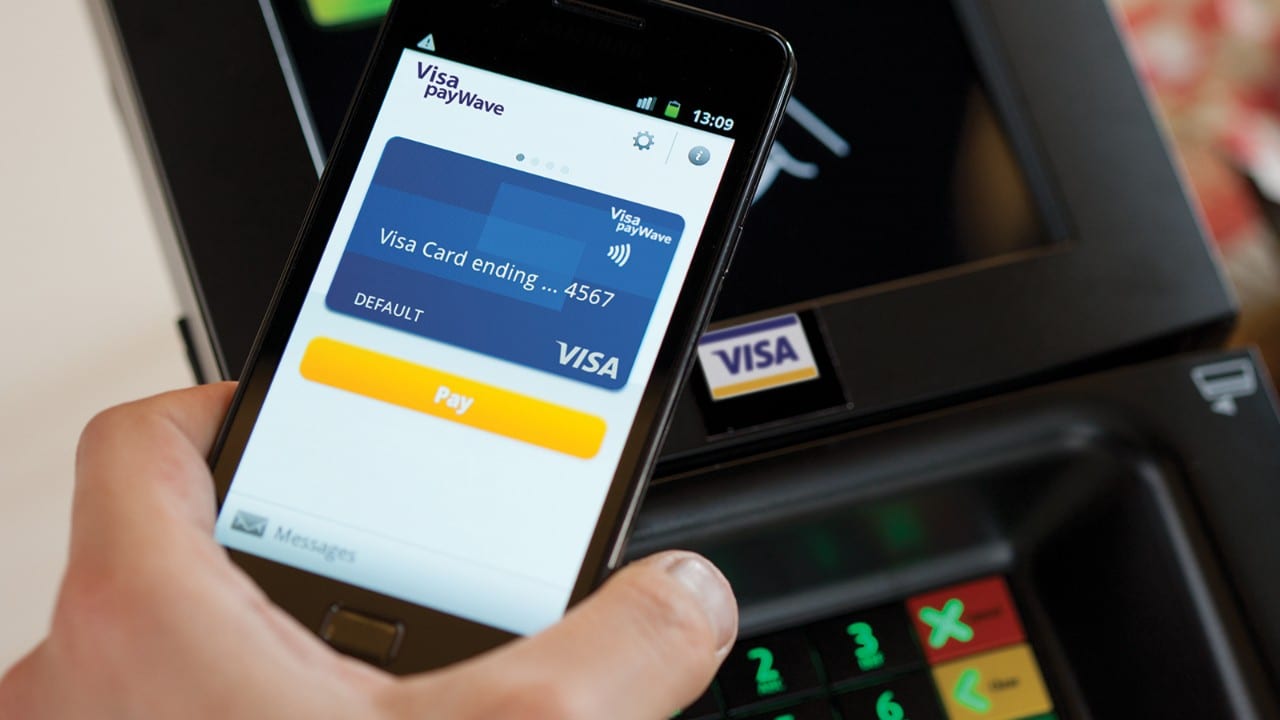
    United Overseas Bank has implemented the Visa Token Service as part of its digital wallet UOB Mighty. The service allows its Visa credit or debit cardholders to make contactless payments with an NFC-enabled Android smartphone simply by launching the UOB Mighty app, selecting the “Pay” function, entering a PIN and tapping to pay at all NFC-enabled terminals in Singapore and overseas.

    “Consumers are increasingly attached to their smartphones which have become an indispensable lifestyle device. With the Visa Token Service, UOB is able to offer Singapore customers the option of making contactless payments, with tokenised security, through their smartphones at the point of sale – whether it is in a supermarket, coffee shop or at a petrol station,” said Mr Dennis Khoo , Head of Personal Financial Services, Singapore, UOB.