Category: Food

Retail News Asia is committed to providing both local and global retailers with the latest Food and Food & Beverage news throughout the Asian market. This on a daily base.

  • foodpanda group acquires Middle East food delivery service 24h.ae

    foodpanda group acquires Middle East food delivery service 24h.ae

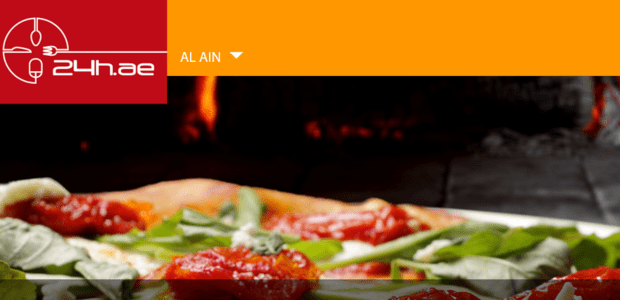
    Targeting the Middle East as next high growth market in the food delivery sector, online food delivery company foodpanda acquired 24h.ae, a food business delivery in the United Arab Emirates.

    Founded in 2011, 24h.ae delivers food in seven cities: Dubai, Abu Dhabi, Al Ain, Sharjah, Ajman, Fujairah and Ras Al Khaima. It has 700 restaurant partners, including major brands like Subway, Wendy’s , Domino’s, Johnny Rockets, and Pizza Express.

    foodpanda is already active in Saudi Arabia and Jordan with its hellofood.sa and hellofood.jo brands, respectively.

    Ralf Wenzel, Co-Founder and CEO of foodpanda group, said that combined with its existing hellofood business in Saudi Arabia and Jordan, they would be able to offer the best food ordering experience in the Middle East.“

    The foodpanda group also recently announced acquisitions in Southeast Asian and Asian markets.

  • Circle K opens 100th outlet in Vietnam, to add 50 more by year end

    Circle K opens 100th outlet in Vietnam, to add 50 more by year end

    US-owned 24-hour convenience store Circle K has opened its 100th outlet in Vietnam and expects to have 150 by the year’s end.

    Vietnam CEO Tony Yan was optimistic about achieving the target, saying Vietnam’s modern retail industry was in the initial development phase.

    While modern retail represented only 13 percent of the total market share in the country compared to 50 percent elsewhere in Asia, Vietnam was a promising market of 90 million people with rising incomes, he said.

  • Dominos wants to take a slice out of McDonalds, KFC

    Dominos wants to take a slice out of McDonalds, KFC

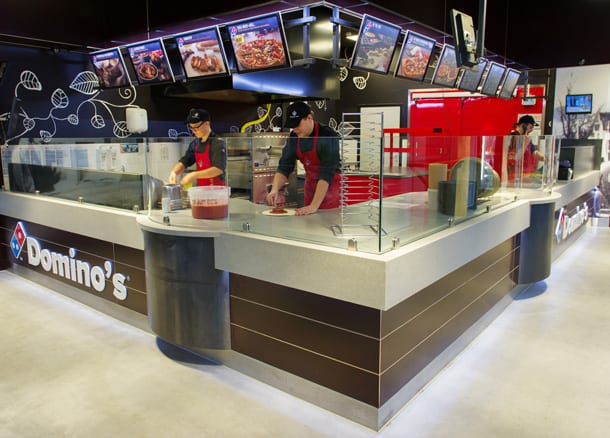
    After doubling sales and earnings over the last few years, Domino’s Pizza is chasing a bigger share of the AUD11 billion (USD8.5b) fast-food market by taking sales from fried chicken outlets and drive-through outlets like McDonalds and Hungry Jacks.

    Not content with his market-leading 25 percent share of the Australian pizza market and a runner-up position in Japan, Domino’s chief executive Don Meij is going after consumers who would rather snack on KFC’s Original Recipe chicken or a McDonalds’ Big Mac than a Cheesy Crust Meat Lovers or Thin ‘n Crispy margherita.

    Domino’s has no plans to open drive-through outlets or branch into fried chicken or burgers. Rather, it plans to tap into the consumer attributes that drive consumption of these products, including the desire for instant gratification, by offering faster and easier ordering and delivery, cheaper menus and new toppings and crusts

  • Australia’s The Coffee Club opens in UAE

    Australia’s The Coffee Club opens in UAE

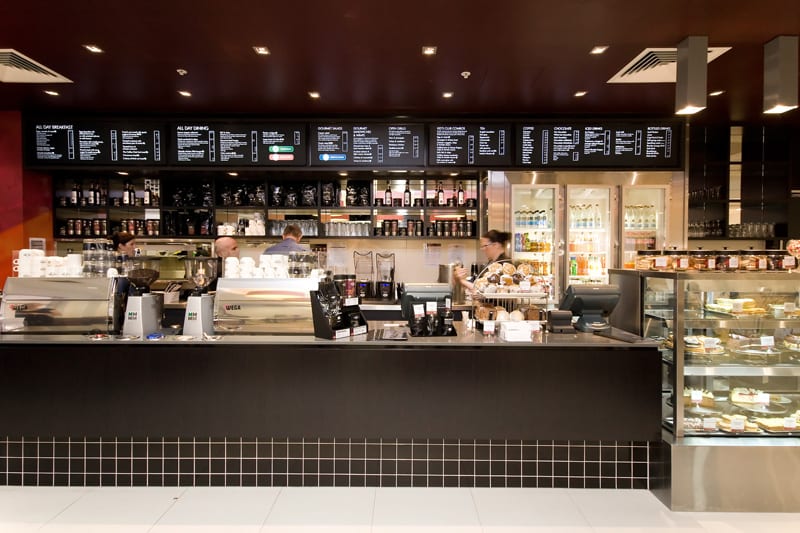
    Australia’s homegrown cafe group, The coffee Club, has officially opened its first outlet in the United Arab Emirates.

    The UAE outlet, is being operated by Liwa Minor Food and Beverages, the joint venture company of local operator Al Nasser Holdings and Thai public listed company Minor Food Group.

    Abdulla Nasser Al Mansoori, Chairman of the Board at Al Nasser Holdings, said they expect to expand to other markets in the Gulf Cooperation Council (GCC) within the next three years.

    Another eight cafes and restaurants are in the pipeline in the UAE while it is expected to reach 25 cafes in the country within the next 4 years.

  • Tesco Thailand bid spurned

    Tesco Thailand bid spurned

    As speculation mounts over the future of its Asia business units, a bid for Tesco Thailand has reportedly been rebuffed.

    As reported in November, Thai billionaire Dhanin Chearavanont prepared a speculative bid by his company Charoen Pokphand Group (CP) to buy back the troubled Tesco Plc’s Thailand business division, which he sold during the Asia financial crisis.

    Reuters now reports Chearavanont held “preliminary talks” with Tesco after securing the support of the Bank of America in November, but Tesco spurned his approach. He has now secured support from UBS and Siam Commercial Bank (SCB) for another bid for the business, which could be worth about US$10 billion.

    A sale of the Thai operation – and/or its Korean, Malaysian or Indian businesses – would greatly benefit Tesco’s balance sheet, and its credit rating now classified essentially as junk status by ratings agencies.

    Citing “people familiar with the matter” Reuters reported Tesco and the Thai tycoon are not currently engaged in any talks, however he is ready to proceed with a formal offer if Tesco decides to sell the Thailand operations.

    “While it is not known why Tesco turned down Dhanin’s approach, his sustained interest in the asset could be positive for Britain’s biggest retailer, which is battling sluggish growth at home and has been hit by ratings downgrades and an accounting scandal,” said Reuters.

    Chearavanont, 76, bought back Siam Makro in 2013 for $6.6 billion and reacquiring Tesco would give him control of a substantial part of Thailand’s retail market.

    The future of Tesco’s offshore businesses has been under increased speculation since new CEO Dave Lewis took the helm of the company, under siege from regulatory probes into profit exaggerations and substantial loss of market share in its core UK home market.

    Lewis enigmatically said in January Tesco was “committed to keeping all of the operations we have overseas, until we make any decisions otherwise”.

    Tesco Thailand acquired a controlling interest in Chearavanont’s Lotus supermarket business in 1998 for £206 million, rebranding it Tesco Lotus. The chain has now grown to 1700 shops – from hypermarkets to convenience stores. Investment banker Morgan Stanley estimates Tesco Thailand to be worth between US$7.2 billion and $9.9 billion.
  • China Fruits boosts retail network

    China Fruits boosts retail network

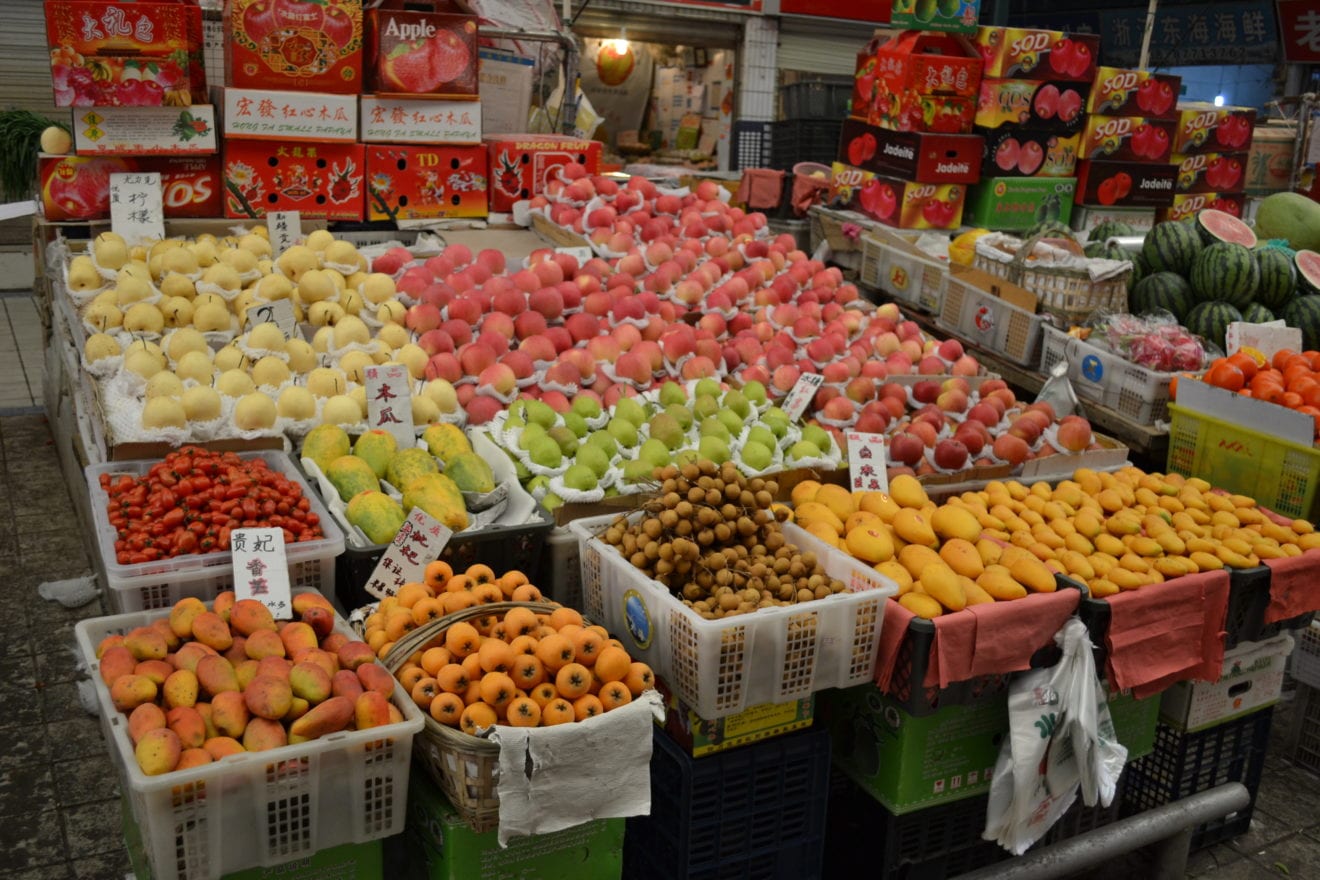
    Chinese fruit wholesaler and exporter China Fruits Corporation expanded its store network to 64 shops in 2014.

    The franchised network, built and operated by its subsidiary Taina International Fruits, stood at just 13 at the end of 2013. Now the company is set to expand the branded store network nationwide.

    CFC specialises in tangerines, which it grows, as well as wholesaling and exporting produce. But it is find retailing a lucrative arm of the business, catering to the increasing number of Chinese seeking fresh produce from reliable sources in the wake of a growing number of food safety scares in recent years.

    Besides its physical store network, China Fruits is selling on more than 10 well-known e-commerce platforms, including Tmall, JingDong mall, Taobao, yhd.com, Gome.com.cn – and has built its own official online store.

    In 2014, the Taina Fruits eCommerce generated approximately $1 million in revenue, representing a growth rate of 100 per cent every month. It has been rated number one in online sales of fresh fruit in Beijing area since its launch in August 2014.

    China Fruits says it achieved a Chinese eCommerce record last year, selling 218 tons of winter jujube fruit within just 39 days.

    “We plan to devote into developing e-commerce in 2015, which is going to be a significant component of our business expanding strategies,” said Quanlong Chen, chairman and CEO of the US-listed China Fruits Corporation.

    “Being a leading company of fruit e-commerce in China is always our goal and direction.” The company has raised capital internationally to strengthen its branded franchise fruit retail stores and plans to “dig deeply in this niche”.

  • Taiwan convenience store boom

    Taiwan convenience store boom

    Taiwan convenience store sales are expected to hit a record US$9.52 billion in 2015 according to Taiwan’s Ministry of Economic Affairs.

    So fast is the growth, Taiwan’s convenience store network now has the highest density of any country in the world: overtaking even Japan.

    Taiwan’s c-store population rose from 9958 in 2013 to 10,131 at the end of last year, which equates to one store per 2300 people, compared with one per 2450 in Japan.

    The boom has been fuelled by an ongoing expansion of c-stores’ core lines, and diversification into services, such as bill paying, transportation tickets, phone top-ups and event ticketing.

    In 2014, Taiwan convenience stores achieved net sales of NT$289.2 billion, up by 4.8 per cent year-on-year. In 2013, the figure was NT$276.1 billion, 3.1 per cent higher than the previous year. Next year’s sales will top NT300 billion, a further 3.73 per cent increase.

    The ministry started compiling commercial sales data in 1999, and has tracked steady increases every year since.

    Taiwan convenience stores now account for 26.1 per cent of Taiwan’s total retail sales, up from 20 per cent in 1999.

    Department stores continue to account for the largest share of the nation’s retail sales – 27.7 per cent. But with the gap now so narrow, c-stores could well become the top retail category in 2015.

    Hypermarkets take third spot, with 15.9 per cent of the retail market, supermarket’s 15.1 per cent, the ministry’s data revealed.

    While the range of products and services offered by Taiwan convenience stores continues to grow, food and beverages still account for the vast majority of sales – 87.8 per cent by value in 2014.

  • Wendy’s to sell 500 more stores to franchisees in 2015

    Wendy’s to sell 500 more stores to franchisees in 2015

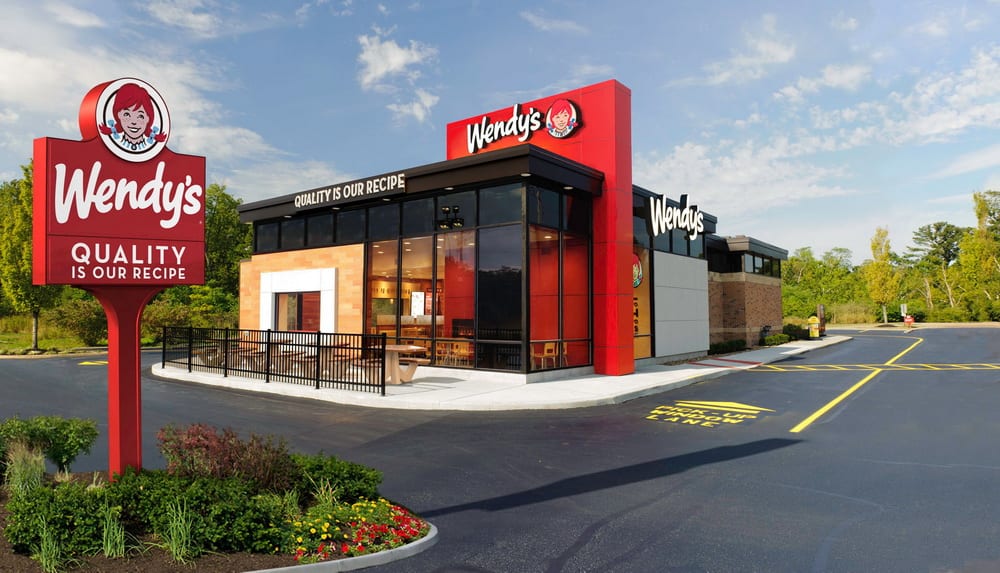
    In pursuit of its goal to reduce company-operated restaurant ownership to approximately 5 percent of the total system by the middle of 2016, Wendy’s recently announced that it is planning to sell 500 additional restaurants to franchisees this year.

    The company sold 237 company-operated restaurants to franchisees in 2014, including 29 restaurants under its Canadian system optimisation initiative to sell approximately 130 restaurants by the end of the second quarter of 2015.

    “Going forward, we intend to buy and sell restaurants opportunistically to act as a catalyst for growth by further strengthening our franchisee base, driving new restaurant development and accelerating Image Activation adoption,” said President and Chief Executive Officer Emil Brolick in a statement.

    Brolick also said that reducing ownership in company-owned restaurants will result in pretax cash proceeds of approximately USD400 to USD475 million and significantly reduce future capital expenditure requirements.

    “We can achieve long-term average annual systemwide same-restaurant sales growth of approximately 2.25 to 3 percent beginning in 2016, along with our system goal for average annual unit sales volumes of USD2 million by 2020,” he added.

    As part of its brand transformation, the company also recently announced a plan to reinvest its resources to focus on consumer-facing technology, including a Common Systemwide point-of-sale system.

    It installed its POS solution in more than 2,600 restaurants and expects to have all its North America restaurants converted to the system by 2016.

    Wendy’s is a member of the Merchant Customer Exchange (MCX), a coalition of approximately 40 merchants representing nearly 80 brands, including a number of top retailers and restaurant companies in the United States, dedicated to building a customer- and merchant-friendly mobile commerce solution. Wendy’s expects to begin a pilot test of the MCX mobile wallet solution, CurrentC, in the coming months.

    “Platforms such as mobile payment, mobile ordering and loyalty programs are rapidly growing in the retail marketplace and provide potential benefits such as consumer convenience, increased transactions, higher check, faster speed of service and a seamless brand experience,” Brolick said.

  • Yum’s China sales fall less than expected, shares rise

    Yum’s China sales fall less than expected, shares rise

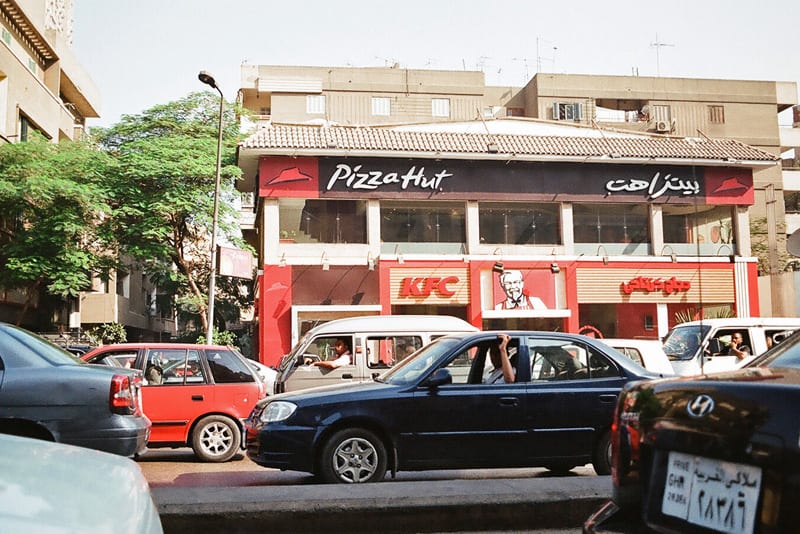
    Yum Brands Inc, owner of KFC and Pizza Hut, said on Wednesday that sales at established restaurants in its biggest market China fell less than feared in the fourth quarter as it fights to recover from a food scandal involving a minor supplier, and its shares jumped 2.1 percent.

    Same-restaurant sales in China, Yum’s number one market for revenue and profit, fell 16 percent for the quarter that ended on 27 December on continued fallout from allegations that a former supplier used expired meat.

    But the decline was less severe than the 19.4 percent drop expected by analysts polled by Consensus Metrix, and shares in Yum rose USD1.51 to USD75.16 in extended trading.

  • Hungry Foodpanda eats up rivals

    Hungry Foodpanda eats up rivals

    Online food delivery service Foodpanda.com has gobbled up six rival services across Asia.

    The Rocket Internet subsidiary recently secured US$60 million in a capital funding round and his wasted little time investing in rivals to boost its market share.

    The businesses bought, with business descriptions provided by TechInAsia.com,  are:

    • Just Eat in India – This deal pertains only to the Indian segment of UK-based Just Eat. Along with Foodpanda’s recent TastyKhana buy-up, Foodpanda now claims to cover over 200 Indian cities and 12,000 restaurants. This gives the Rocket company a strong hold of the Indian market.
    • EatOye in Pakistan – This startup came into life this time last year. It covers 1,000 partner restaurants in 15 cities.
    • Food Runner in Malaysia and Singapore – This is the food delivery subsidiary of Singapore-based DealGuru. The acquisition also includes sister site Room Service.
    • City Delivery in the Philippines – This is also a spin-off from DealGuru, so it’s technically the same deal that snapped up the above two sites.
    • Koziness in Hong Kong – Foodpanda’s Hong Kong deal means it runs not only Koziness but also the related sites Dial-a-Dinner, SOHO Delivery, and Ring-a-Dinner.
    • Food By Phone in Thailand – This started out in 1998 for phone-based orders, but later opened up on the web as well. It covers over 650 restaurants in three of Thailand’s biggest cities.

    “With the recent acquisitions Foodpanda becomes the market leader across Southeast Asia,” said Ralf Wenzel, co-founder and CEO of Foodpanda in an announcement this afternoon.

  • Metcash accused of unconscionable conduct by supplier

    Metcash accused of unconscionable conduct by supplier

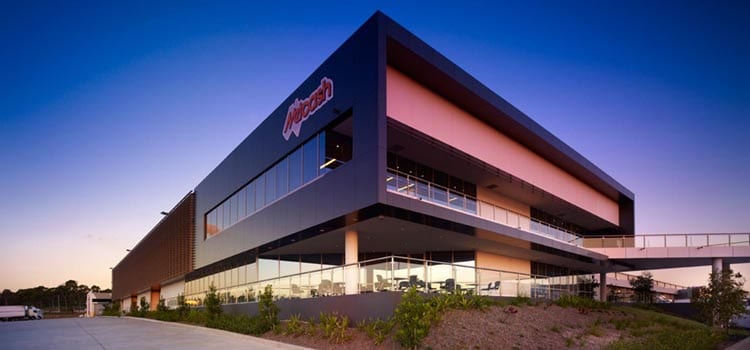
    Less than two months after Coles agreed to settle unconscionable conduct claims, Metcash is embroiled in a legal stoush with a major supplier who has accused the food and liquor distributor of demanding excessive rebates and payments.

    COFCO Distributors and Fasttrack Logistics, which are owned by a group of Indonesian businessmen, have accused Metcash of unconscionable conduct and using unfair tactics to force them to hand over more than AUD11 million in rebates and payments over the last six years.

    In a statement of claim lodged in the Federal Court in Sydney in December, COFCO said it had paid Metcash AUD10.36 million in rebates on sales of AUD39.24 million over the six years to 30 June, 2014 and had been forced to pay AUD395,275 for “overseas study tours” for Metcash staff.

  • ‘Luxury water’ to hit China stores amid water-safety fears

    ‘Luxury water’ to hit China stores amid water-safety fears

    Nongfu Spring Co., one of China’s biggest bottled-water suppliers, is planning to launch a “luxury” line of mineral-water products amid growing anxiety in China about water and food safety, according to a Securities Daily report Wednesday.

  • Japan’s fast-food chains face new headache

    Japan’s fast-food chains face new headache

    Already reeling from a handful of scandals, Japan’s fast-food industry faces a new problem: diners are no longer heading out for meals like they used to.

    “Japanese consumers are choosing to buy their meals at convenience stores and eat at home,” said Japan Food Analyst Association (JFAA) chairman Hiroyuki Kamiya.

    While the trend started a few years ago as convenience stores introduced new product lines, the consumption tax hike to 8 percent from 5 percent last April that pushed the economy into a technical recession and a string of employee exploitation scandals have accelerated the trend, he said.

  • McDonald’s names new CEO, CFO

    McDonald’s names new CEO, CFO

    McDonald’s said on Wednesday that Don Thompson will retire as President and CEO and as a member of the Board of Directors after nearly 25 years of service to the company, effective on 1 March. The Board has elected Steve Easterbrook to replace Thompson as President and CEO. Easterbrook was also elected to the Board of Directors, filling the vacancy created by Thompson.

    Prior to this promotion, Easterbrook was Senior Executive Vice President and Chief Brand Officer, leading McDonald’s efforts to elevate its marketing, advance menu innovation, and create an infrastructure for its digital initiatives. An accomplished, McDonald’s veteran, Easterbrook previously served in key leadership roles across the company’s global business, including president of McDonald’s Europe.

    In addition, Pete Bensen, Senior Executive Vice President and Chief Financial Officer, is promoted to the newly-created role of Chief Administrative Officer. In his new position reporting to Easterbrook, Bensen will oversee a number of functions supporting the company’s operations. Kevin Ozan, who currently serves as Senior Vice President and Corporate Controller, will succeed Bensen and is promoted to Executive Vice President and Chief Financial Officer.

    As CFO, Ozan will report to Bensen and will be responsible for managing the global financial organisation and leading the development and execution of the company’s fiscal strategies. Ozan brings broad financial experience and has held senior-level positions in the company’s Finance, Investor Relations and Accounting departments with assignments in both the US and European markets.

    The McDonald’s Board of Directors on Wednesday elected Bensen and Ozan to their respective positions, which will also be effective on 1 March.

  • Supermarket giants’ push into healthfood gets boost

    Supermarket giants’ push into healthfood gets boost

    Coles’ and Woolworths’ push into the healthfoods category has been bolstered by a global survey underlining the strength of consumer demand for healthier packaged and fresh foods.

    According to research firm Nielsen, about 71 percent of consumers in the Asia-Pacific region are changing their diets to lose weight and 25 to 40 percent are more than willing to pay a premium for foods that are free from artificial colours, flavours and gluten, low in fat and salt, and higher in protein and fibre. In Australia, more than half (56 percent) of consumers believe they are overweight and 78 percent believe changing their diet is more important than exercising.

    This behaviour is underpinning strong growth in the healthfoods category and prompting Coles and Woolworths to boost their offers by creating health food “destinations” within stores – increasing shelf space, expanding the number of products, and building private label brands.