Category: Food

Retail News Asia is committed to providing both local and global retailers with the latest Food and Food & Beverage news throughout the Asian market. This on a daily base.

  • Quiznos China plans 1500 stores

    Quiznos China plans 1500 stores

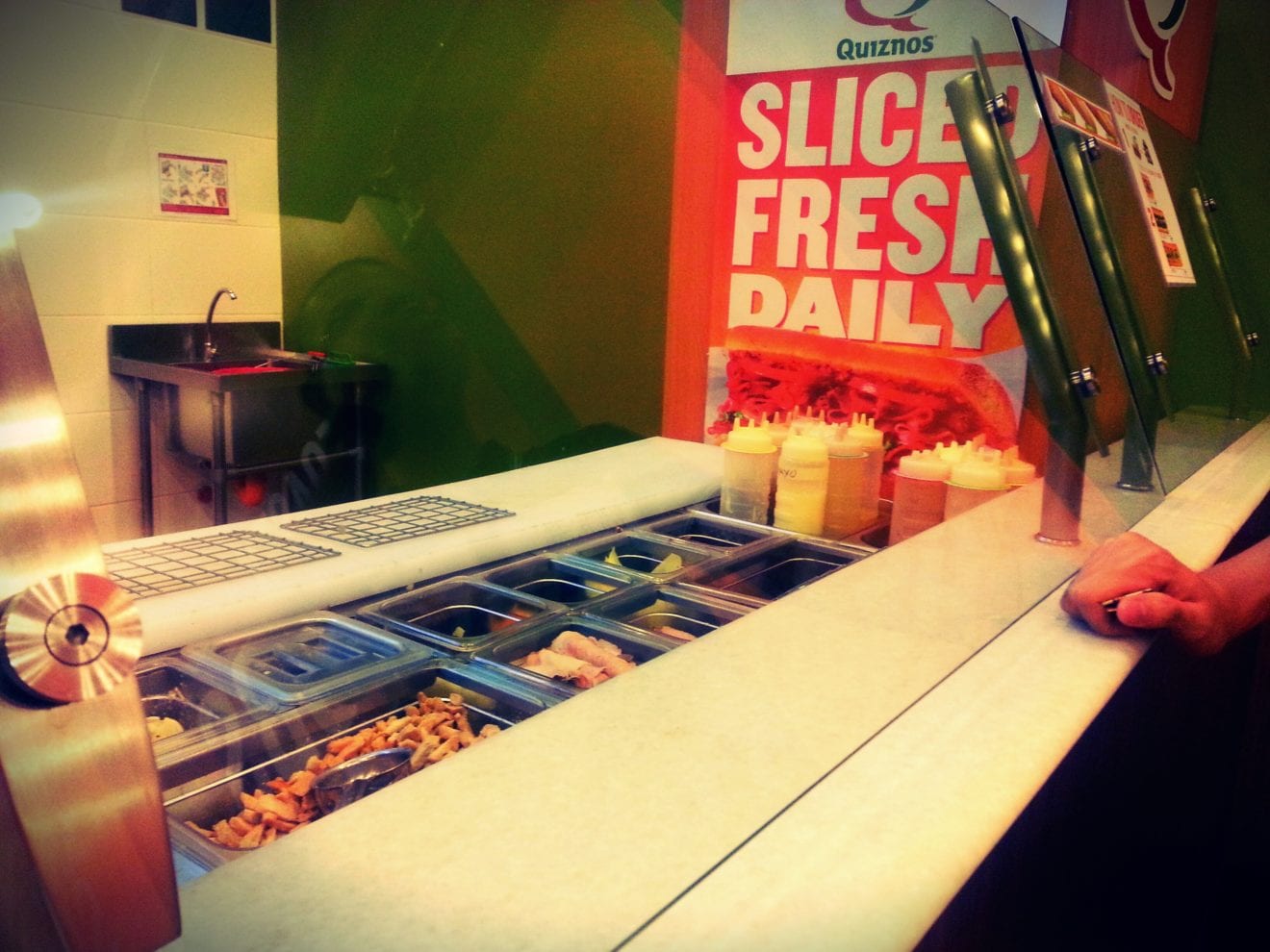
    US fast food chain Quiznos has revealed more details of its plan to roll out a massive 1500 strong network across China.

    Last October, Quiznos signed a deal with a subsidiary of Lion Group’s Parkson Retail Group to roll out 1500 stores across China.

    In the US the deal has been described as possibly the largest franchise deal in history, but the planned roll out does span a lengthy 15 year timeline – now a four year longer timeline than originally announced last year.

    The deal was originally launched with Malaysian company AUMH, which Parkson bought a stake in last year.

    “We are looking forward to paving the way for Quiznos in China,” said AUMH director Tham Lih Chung last year. “The brand’s long standing history of international accomplishments, combined with our knowledge of the region and culture, is sure to be met with success in China.”

    But this month, Quiznos International president Ken Cutshaw has revealed further details of the plan in an email interview with QSR magazine online.

    “To be the foundation of a China [food and beverage] group that has already established its successful roots in the China retail sector‎ is exciting for the Quiznos brand,” he said.

    Three Quiznos will open in Shanghai this year, then a further 100 in 2016. Parkson will then focus on the Shanghai market before expanding into other parts of China. With about 60 department stores in China, it shouldn’t find it too hard establishing an early foothold there.

    Cutshaw said he believes the scale of the Parkson partnership marks the most ambitious ever of a franchised food network, eclipsing the 1400-strong Dunkin’ Donuts deal of last year.

    Tham Lih Chung, a spokesman for The Lion Group, told QSR magazine Quiznos will do well in China because western brands are widely accepted there.

    Meanwhile, Cutshaw said Quiznos will continue its aggressive international expansion while its US operation restores its balance sheet (the US parent company was placed in Bankruptcy Protection a year ago).

    New stores are opening in Malaysia, Taiwan, Indonesia, Iraq, Pakistan and the United Arab Emirates.

    “Every successful global restaurant chain begins with a successful US foundation,” he said. “Quiznos is no exception. And Quiznos will continue to expand its presence both domestically and internationally with strong franchisees like The Lion Group of China.”

  • Where are our beer caves? Convenience stores in Australia want US-style alcohol sales

    Where are our beer caves? Convenience stores in Australia want US-style alcohol sales

    US retailing giant Costco is appealing a court decision blocking it from selling alcohol at its new Adelaide store, as the government is urged to review restrictions on supermarkets.

    Australia’s complicated alcohol retail market is under the spotlight after the Harper review into competition policy said restrictions preventing supermarkets from selling liquor “impede competition”.

    Australia’s No.1 supermarket, Woolworths, and industry association the Australian Hotels Association last year successfully objected to Costco’s bid for a “Special Circumstances Licence” in SA.

    Convenience stores say that allowing supermarkets to stock alcohol in their aisles would be an unfair advantage.Convenience stores say that allowing supermarkets to stock alcohol in their aisles would be an unfair advantage.Photo: Gabriele Charotte

    The state’s licensing court concluded that Costco’s model for liquor retailing was not compatible with South Australian requirements and granting the big-box retailer a licence would risk setting “an undesirable precedent”.

    Only one liquor licence has been issued in SA in the past nine years, said Jos de Bruin, chief executive of the Master Grocers Australia. MGA represents the $9 billion independent grocery sector.

    Costco Australia managing director Patrick Noone told Fairfax Media he was hoping for a decision on the appeal in the next few months.

    Victoria and the ACT have the country’s most liberal alcohol retail laws.

    Costco sells alcohol in Victoria, the ACT and NSW. NSW requires Costco customers to pay for alcohol in a separate, defined area.

    In Queensland, retailers must have a pub licence or a pub to sell alcohol. Costco has yet to set up in WA.

    There are very few Coles, Woolworths and independent supermarkets, such as IGA, that are able to sell alcohol from the supermarket aisles, said Mr de Bruin. Instead, they sell alcohol in nearby but separate areas.

    Discount supermarket retailer Aldi is able to display alcohol in its Victorian and NSW supermarkets near the counter, with expensive items locked in cabinets. It also sells alcohol online.

    The government’s long-awaited Competition Policy Review this week recommended making it more difficult for large companies to competitively crush smaller ones by strengthening the Competition and Consumer Act, and deregulating retail shopping hours and planning and zoning rules.

    In response to the recommendations, Mr Noone said: “We welcome the encouragement to have more competition in all areas of retailing.”

    But the idea supermarkets might be able to sell alcohol in-store has “disappointed” Australian convenience stores, which complain their inability to sell alcohol deprives them of up to half a billion in sales.

    Jeff Rogut, the chief executive of the Australasian Association of Convenience Stores, said enabling convenience stores to sell alcohol would deliver them about $400 million to $500 million in sales, from a $17 billion overall market.

    Mr Rogut said rules in North America, the UK and Asia showed Australia’s liquor licensing laws were “really back in the [19]60s and ’70s.”

    In the US, some convenience stores have “beer caves”, areas with cold beer, and customers can fill large containers called “growlers” with beers on tap, he said.

    “There’s 160,000 convenience stores in the US,” Mr Rogut said. “There may be one or two isolated areas where they don’t allow alcohol – like Philadelphia or Pittsburgh, or somewhere up there – but the vast majority sell alcohol.

    “We were in Japan and Korea last year, virtually every convenience store that we saw sold beer, wine and spirits, from individual, almost little cups that you can drink on the run, to full bottles.”

    Mr Rogut also said giving the green light to supermarkets only would “further entrench the dominant players”, that is Woolworths and Coles, while depriving its members, such as 7-Eleven, BP and Caltex.

    “It’s a difficult category [alcohol], generally, because a lot of people tend to look at the social impacts, without really considering the commercial impacts,” he said.

    “What we’re saying is, it’s a legal category, it’s dominated by only a handful of players.

    “We really should have the ability, for those stores that choose to sell beer and wine, and that’s really what we’re looking for, to be able to sell responsibly, as we sell tobacco, lottery, other restricted-type products.”

    Grocery wholesaler Metcash did not respond on the prospect of selling alcohol on supermarket shelves.

    The Harper review made six recommendations in relation to retail markets.

    These were to develop “more effective misuse of market power provision, [to] consider competition in planning and zoning rules, [to] remove remaining restrictions on retail trading hours, [to] remove pharmacy ownership and location rules, [to] promote the development of industry codes with practical and effective dispute resolution processes, [and to] examine liquor licensing rules as part of a review of regulatory restrictions.”
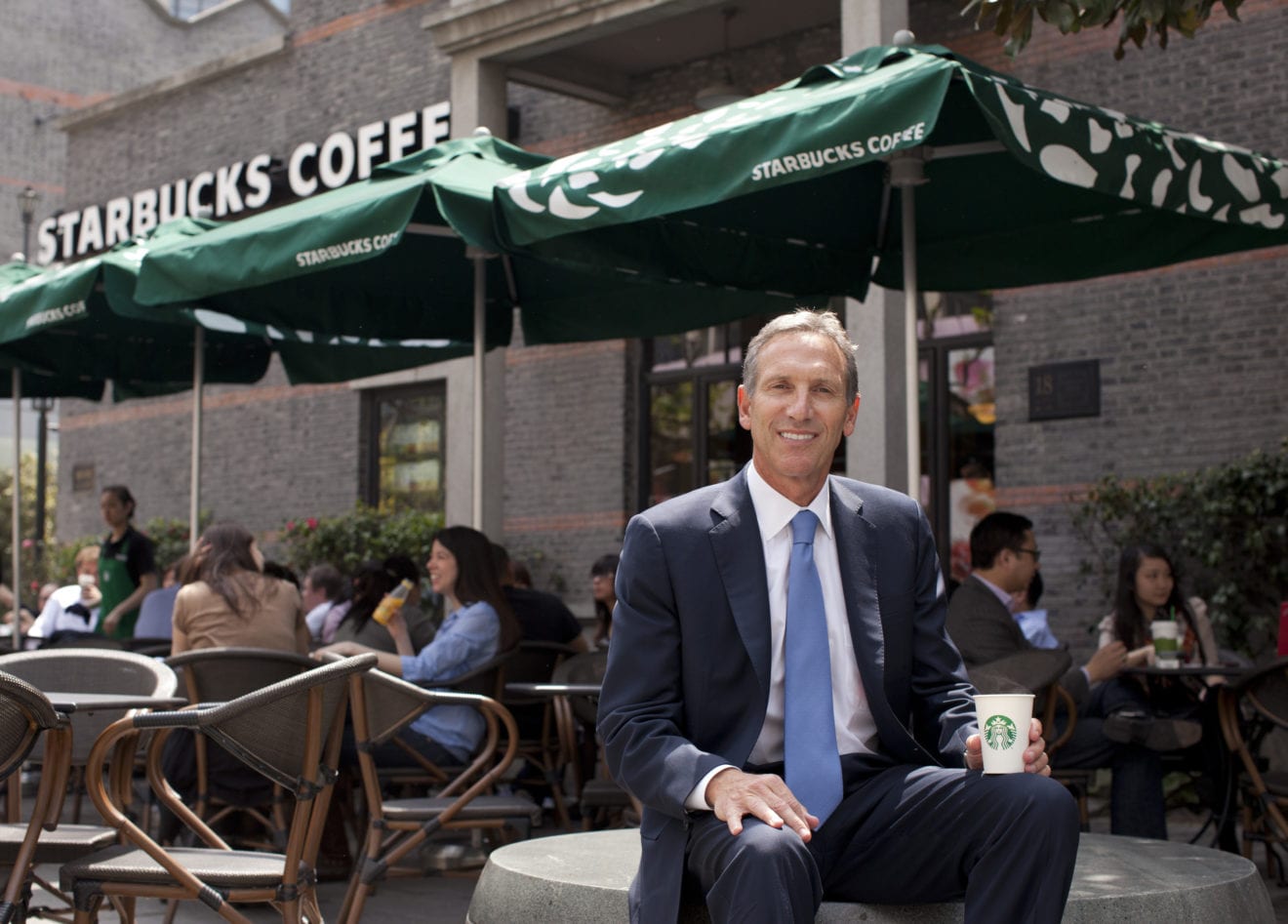
  • Starbucks who? The other java king named Schultz

    Starbucks who? The other java king named Schultz

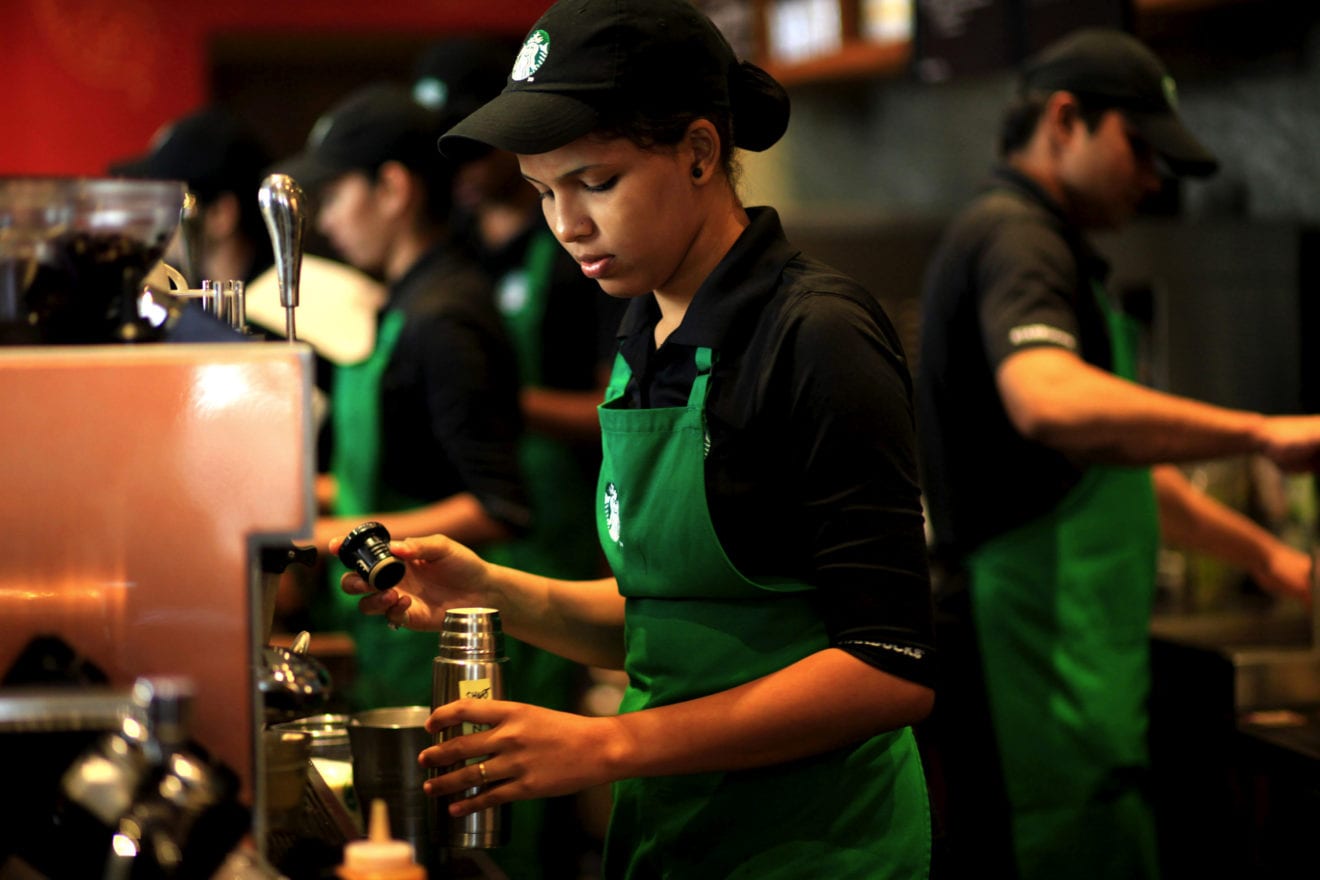
    When I first entered the coffee industry in 2002, it was one dominated by Starbucks. Not much has changed.

    However, when a consumer industry is dominated by one player, I look at that as an opportunity. Consumers will always want choice, whether that is in the US, Japan, China or, to be honest, anywhere in the world. Starbucks created an industry that did not exist 25 years ago, but it is impossible for a company to be all things to all people, no matter how dominant.

    Over the past five years, Honolulu Coffee has grown from six stores in Hawaii to 32 stores in Tokyo, Osaka, Shanghai, Guam and Hawaii, with another 10 to 15 stores scheduled to open this year.

    Our growth is attributable to three factors: 1) well-developed points of differentiation, 2) efficient use of capital and 3) continual focus on quality over competing for the lowest price point.

  • 1000 Degrees heads for Malaysia

    1000 Degrees heads for Malaysia

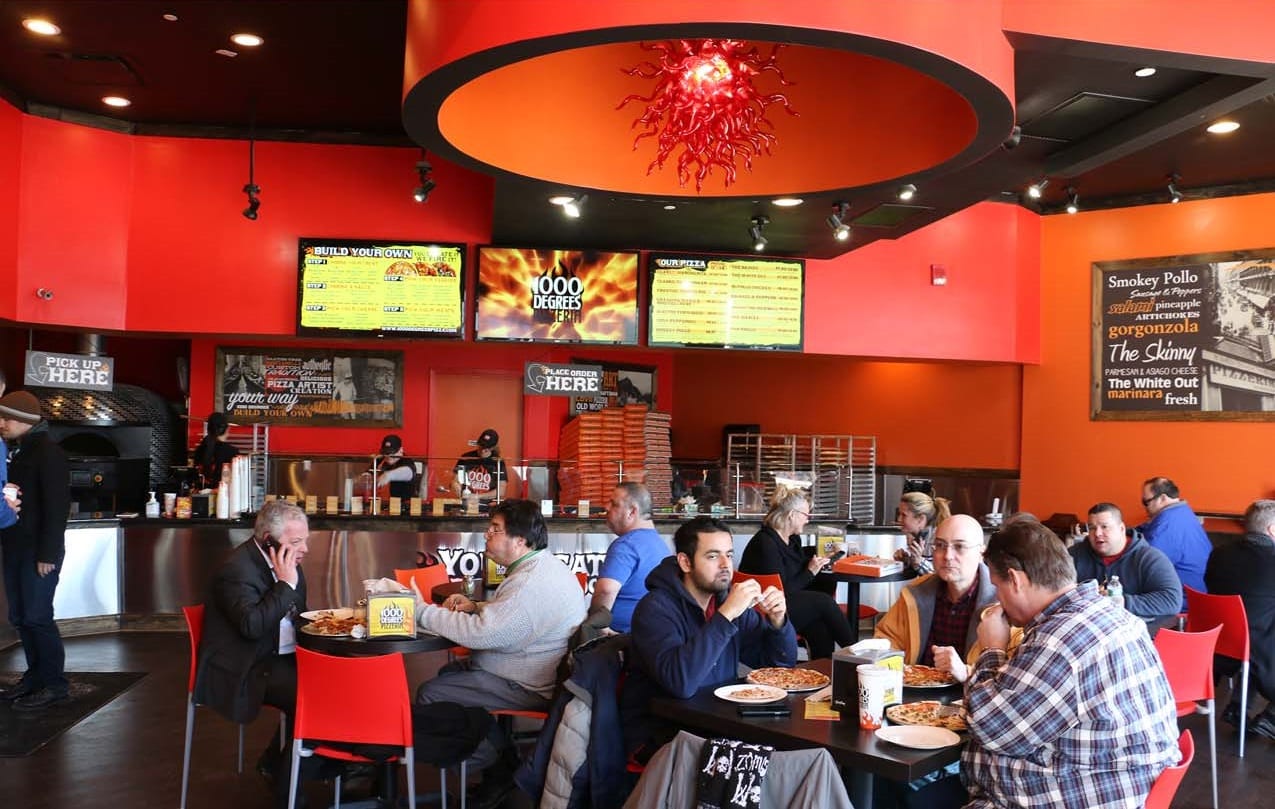
    US pizza company 1000 Degrees Pizzeria has chosen Malaysia as its first international market.

    The company said it would open its first pizza outlets in Kuala Lumpur, later this year in Kuala Lumpur, the federal capital, with an unidentified local partner.

    1000 Degrees says while Malaysia will be its first international market outside its US home base, talks are already underway with potential partners in Panama City, Qatar and Dubai.

    “We are excited to bring our spin on traditional Neapolitan Pizza, served in a fast-casual environment to the citizens of Kuala Lumpur,” said a company spokesman.

    1000 Degress pizza store 315

    “We feel as if this city, which is experiencing tremendous growth, is ready for something new in the name of pizza.”

    1000 Degrees has grown rapidly during the past six months and expects over 60 franchisees to be signed by the end of third quarter of 2015.

    The franchise was started in northeastern US, but quickly has gained traction in 16 of the 50 states.

    The spokesman said Malaysia was chosen for its international debut because it was “an exciting place” and the company is working with “an exciting group of experienced operators” in Kuala Lumpur.

    1000 Degrees offers both single and multi-unit operators an opportunity to serve what they feel is the best pizza in the nation, for as little as $250,000 per unit.


  • Foodpanda Malaysia reaches 700

    Foodpanda Malaysia reaches 700

    In just three years, Foodpanda Malaysia has expanded its offer from 40 restaurants to more than 700.

    The online restaurant food delivery service this month markets its third birthday, with country manager of Foodpanda Malaysia, Sidney Ng, reflecting on how the business launched with just 40 restaurants operating in the Klang Valley, home to capital Kuala Lumpur..

    Now Ng says the network is larger than 700 and covers most major cities in the country, including Johor Bahru, Penang, Ipoh and Melaka.

    “Foodpanda Malaysia has come a long way,” said Ng.

    “From just taking orders via our website, progressing to a mobile friendly site and finally developing a mobile application.

    “We recognise modern consumers are moving towards mobile technology and we want to make ordering food as seamless as just a few taps on our app. We will also be launching a new version of our app very soon that will simplify the order process.”

    Foodpanda Malaysia has plans to expand its current delivery zones within the Klang Valley and to launch operations in Kota Kinabalu. It also plans to add more restaurants and to further develop its website, mobile application and overall operations.

    “We treasure our partnership with Foodpanda – they have definitely improved with leap and bounds in terms of both number of orders and operation efficiency since they started,” says Billie, the owner of Puzzini Pizza – one of Foodpanda’s early restaurants.

    Foodpanda Group is the leading global food delivery marketplace, active in 39 countries in five continents.

  • Kemenys sales and profits down in tough liquor market

    Kemenys sales and profits down in tough liquor market

    One of Australia’s largest independent liquor retailers, Kemenys, has suffered a drop in sales and profits in its latest financial year and faces an even tougher time this year as it tries to counter the full impact of a Dan Murphy’s superstore owned by Woolworths that opened nearby in a prime eastern Sydney site in mid-2014.

    Kemenys, which runs a large retail store in the beachside Sydney suburb of Bondi and has more than 100,000 mail-order and online customers it services from a separate warehouse, is owned by the Kemeny family. The business has been operating since 1960.

    It has remained independent in a fiercely competitive liquor retailing market where Woolworths and Coles have been increasingly dominant, even though there was a formal process in 2005 when investment bank Grant Samuel tested the appetite of potential buyers of the business.

  • Foodpanda Malaysia eats up rival

    Foodpanda Malaysia eats up rival

    Foodpanda Malaysia is now the largest food delivery service in the country after the US$110 million funding and acquisition of rival Food Runner Group.

    Sidney Ng, country manager of foodpanda Malaysia said the funding from investors underlined the confidence in the venture’s business model and the acquisition of Room Service brought significant synergies.

    Room Service has been in the food delivery industry since 2003 focusing mainly on high end restaurant food delivery in the Klang Valley.

    “With Room Service’s expertise in delivery system and Foodpanda’s strong online marketing, we believe that this synergy will bring in greater food variety and greater delivery efficiency to further delight our customers. This cements our commitment to bring the best restaurant experience directly to the doorsteps of Malaysia,” said Ng.

    Ralf Wenzel, co-founder and CEO of the Foodpanda Group said the investment and acquisition were further steps in the company becoming the leading online food delivery marketplace across the most promising and fastest growing emerging markets internationally.

    “The new funding allows us to fully focus on user experience and customer service with the aim of completely disrupting the way people order food by establishing a real alternative to pizza flyers and phone calls.”

    Foodpanda Group is active in 39 countries on five continents. The company enables restaurants to become visible in the online and mobile world and provides them with a constantly evolving online technology. For consumers, the group’s Foodpanda  and Hellofood brands offer the convenience of ordering food online and the widest gastronomic range, from which they can choose their favorite meal on the web or via an app.

  • Starbucks China expands in grocery

    Starbucks China expands in grocery

    US coffee retailer Starbucks has signed a joint venture in China to manufacture and distribute ready-to-drink beverages in the grocery channel.

    Starbucks China chose listed Chinese drinks company Tingyi Holding Corp, which trades as Master Kong, to make and sell the drinks in supermarkets and convenience stores.

    Starbucks will be responsible for providing coffee expertise, brand development and future product innovation, and Tingyi will manufacture and sell Starbucks RTD portfolio in China.

    China is already Starbucks’ fastest growing market worldwide with the chain already operating more than 1500 cafes in 90 cities. Now it wants to use its brand strength to gain its share of the coffee-on-the-go and home-consumption markets.

    The RTD coffee and energy category is a $6 billion business, and is projected to grow by 20% over the next three years, according to Euromonitor data.

    In a statement, Starbucks said the agreement leverages the respective strengths of Starbucks and Tingyi to bring the entire Starbucks RTD portfolio to customers in China as well as the ability to innovate specifically for the China market.

    Tingyi is a leading Chinese food and beverage producer which, after more than 20 years of development, boasts world-leading production facilities and management expertise with a broad spectrum of quality channel resources. Tingyi’s local manufacturing, sales and distribution expertise combined with Starbucks strong brand recognition and coffee expertise will unlock new market opportunities.

    “We are pleased to work with Tingyi, a leader in China’s RTD beverage category, to unlock the massive ready-to-drink market and grow local demand for Starbucks,” said John Culver, group president, Starbucks Coffee China and Asia Pacific, channel development and emerging brands.

    “Our agreement enables us to develop new categories and occasions to delight our customers and connect people outside of our stores to Starbucks where they live, work and play.”

    James Wei, CEO of Tingyi Holding Corp, said the China RTD market has a huge growth potential.

    “The agreement with Starbucks will further expand Tingyi’s beverage product portfolio and enables us to provide consumers with more high-quality and convenient product options and experiences. As part of this cooperation, Tingyi will leverage its strength in production and distribution to increase the market share of Starbucks’ RTD products in the Chinese market.”

    Today, customers in China can purchase Starbucks Bottled Frappuccino beverages in nearly 6000 locations including select Starbucks retail stores, grocery and convenience stores throughout mainland China. Through this agreement, Starbucks and Tingyi plan to bring new and existing Starbucks Bottled Frappuccino in the marketplace during 2016, which will be followed by innovation and an increased number of locations and cities for consumers to purchase Starbucks RTD products.

  • McDonald’s global sales decline

    McDonald’s global sales decline

    Fast food giant McDonald’s says its global same store sales fell 1.7 per cent in February.

    More worryingly, “aggressive competitive activity”, led to sales in its core US home market falling by four per cent.

    Across Asia, the Middle East and Africa, sales fell 4.4 per cent, but in Europe they rose a modest 0.7 per cent.

    McDonald’s is aware it needs to take action to restore its market share in the US. New CEO Steve Easterbrook hosted a “Turnaround Summit” for US franchisees in Las Vegas last week.

  • Country Style Cooking focuses on quality

    Country Style Cooking focuses on quality

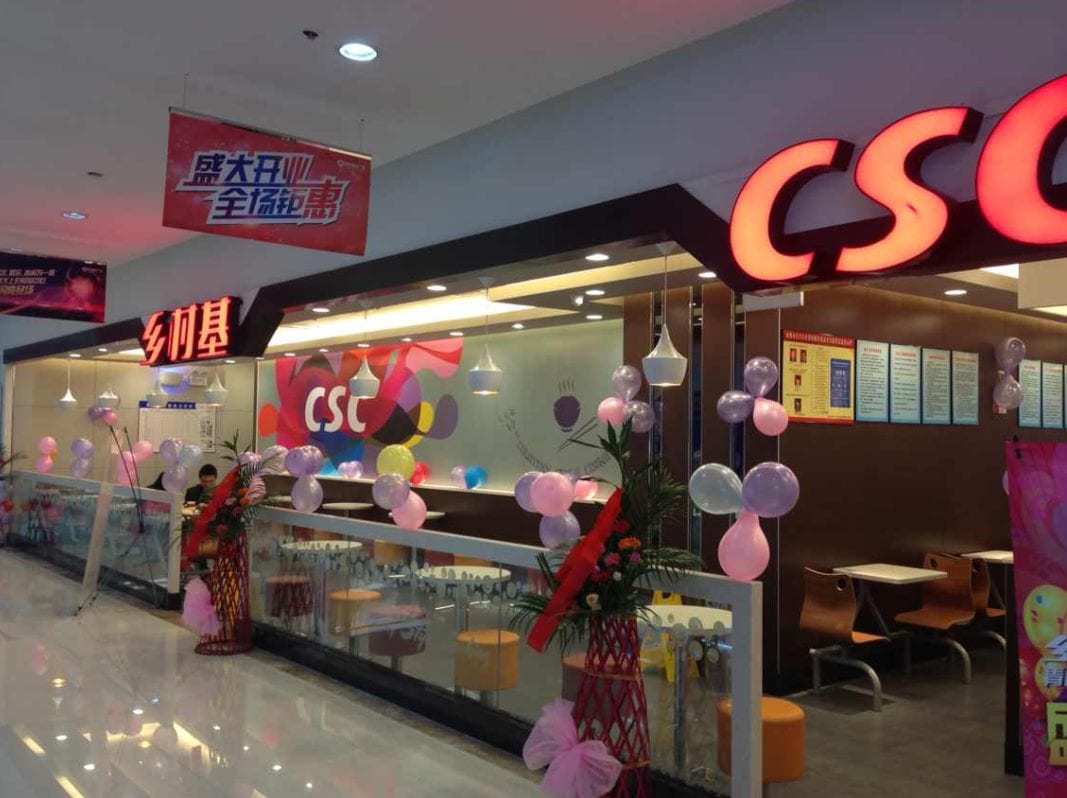
    Fast growing Chinese QSR operator Country Style Cooking Restaurant Chain has reported a decline in same-store sales as it focuses on quality rather than price.

    Total revenue in 2014 rose 7.5 per cent to RMB1.46 billion ($235.7 million), but comparable sales slid 5.3 per cent. The company’s restaurant network grew from 293 outlets to 337 year-on-year, but the same store comparison included 228.

    “The QSR (quick service restaurant) industry in China remains highly competitive and we continue to evaluate opportunities to further improve performance and customer loyalty,” said Xingqiang Zhang, Country Style Cooking CEO.

    “Instead of engaging in intense price wars, we have been focusing on training our cooks and staff, developing new dishes and combo meals, refining our online ordering experience and renovating some of our older stores, upgrading visual identification and interior decoration to improve brand recognition, customers’ dining experience and overall customer satisfaction.

    “We believe this commitment to invest in our future will differentiate us from our competitors and reinforce our leadership in China’s QSR industry, resulting in higher levels of long-term revenue and profit growth.”

    Country Style Cooking said its restaurant operating margin was 13.8 per cent in 2014, down 130 basis points from 2013. Income from operations decreased by 33.3 per cent to RMB22.6 million ($3.6 million). Net income in 2014 was RMB38.0 million ($6.1 million), compared to RMB39.6 million in 2013.

    Fourth quarter revenues rose 7.4%, while comparable restaurant sales decreased by 7.7 per cent, (with 252 restaurants in the comparison). It lost RMB700,000 ($100,000), compared to income from operations of RMB1.7 million in the same quarter of 2013.

    Xingqiang Zhang said the company met both its fourth quarter and full year 2014 financial forecast.

    “Our fourth quarter financial performance showed modest top line growth, primarily supported by our expanding restaurant network. As previously announced, during the fourth quarter of 2014, we signed a strategic cooperation agreement with an e-commerce company, Yimutian, to build a more efficient procurement model. We are firm believers in utilising the technology and leveraging the strengths of our business partners to enhance our operations.”

  • Portugalia Beerhouse lands in Macau

    Portugalia Beerhouse lands in Macau

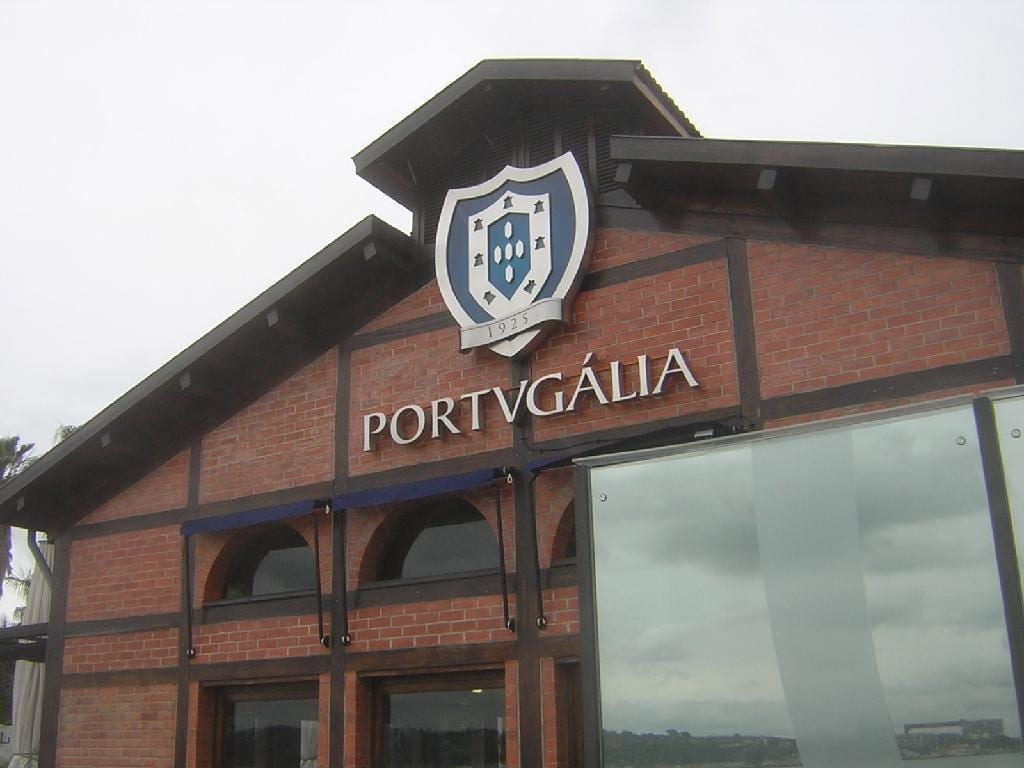
    Portugalia, the Portuguese beerhouse chain, has marked its 90th anniversary by opening its first restaurant away from home – in Macau.

    The new restaurant, officially opening today (March 6), is the result of an international expansion plan developed over several years and marks the first of several direct investments planned for Asia.

    Located in Taipa Village (Mercadores St No 5), Portugalia is designed in the tradition of a Portuguese house. Three floors are open for dining and are accented with classic tiles brought directly from Portugal.

    Patrons will also find historic images from the beerhouse’s early days, a custom-built wine cellar and a private room adorned with cork decor elements, plus two outdoor terraces.

    The restaurant serves genuine Portuguese cuisine – fitting for Macau, a former Portuguese colony before its handover to China in 1997.

    The steak is the brand’s iconic dish, but patrons can also find fresh seafood and traditional fare such as codfish and “Alentejana” pork.

    Draught beer and exclusively selected Portuguese wines are offered alongside the restaurant’s famous fresh snacks including octopus salad and meat croquettes. For desserts, it offers traditional Portuguese delicacies like egg pudding, rice pudding and the national version of creme brulee.

    The restaurant is designed to create “a relaxed, family ambience together with modern decor plus excellent service” and the management team, including chef Ricardo Alves, came from Portugal for the challenge to represent Portugalia in Macau.

  • Tous Les Jours China expands

    Tous Les Jours China expands

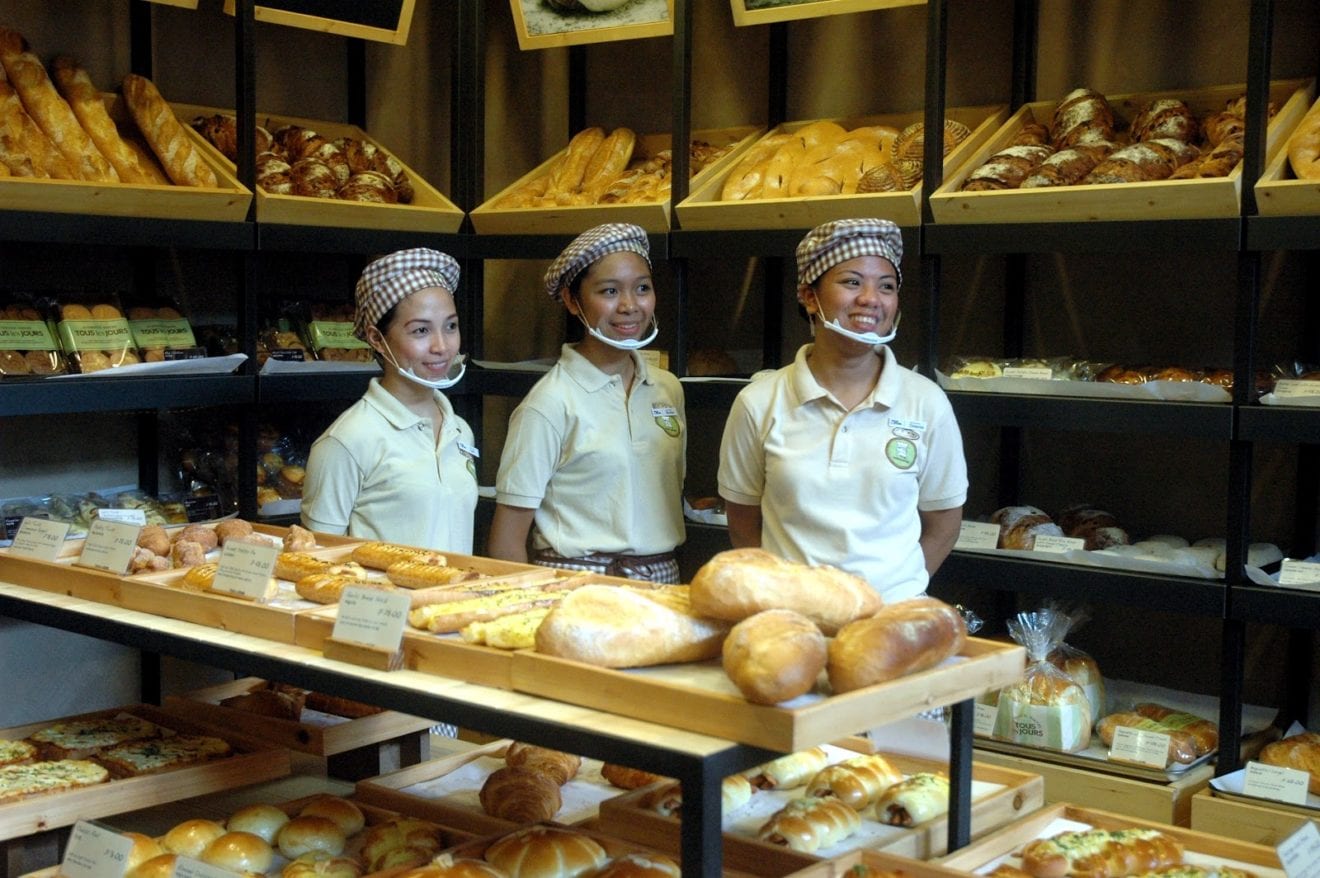
    Korea’s CJ Foodville has opened its first Tous Les Jours store in the Xinjiang Uyghur Autonomous Region of China.

    CJ Foodville now has Tous Les Jours stores in 14 regions of China and more business region-based contracts than any other Korean bakery franchise company in the world’s most populous nation. It says it is committed to opening more than 1000 stores in China by 2020.

    Tous les Jours China inside 315

    The new bakery is located on the first floor of a landmark department store in Xinjiang’s capital city of Ürümqi, and saw more than 1000 customers on its opening day.

    CJ Foodville established a master franchise contract with a local restaurant operating company last October.

    One of the best-selling baked goods at the store is a Halal sandwich, which accounts for more than 20 per cent of overall sales, reflecting the unique demographic of Xinjiang Uyghur.

    The company has 172 overseas stores in seven countries including the US and Vietnam.

  • Kim Soo-Hyun: Caffe Bene’s new face

    Kim Soo-Hyun: Caffe Bene’s new face

    Korean-based coffee shop franchise Caffe Bene has named famous Korean actor Kim Soo-Hyun as its global face for the next year.

    Korean film and television drama has massive following throughout China and southeast Asia making Kim Soo-Hyun a recognised personality throughout the region.

    Caffe Bene will use the actor’s image in TV commercials, print advertisements and online, promoting its brand in 13 countries, with particular focus on Taiwan and China.

    Caffe Bene is the largest coffee franchise in Korea, based on store numbers, and now has 1500 cafes in Korea, China, Taiwan, Vietnam, the US, the Philippines, Indonesia, Saudi Arabia, Mongolia, Malaysia, Cambodia, Singapore and Japan.

    Kim Soo-Hyun has been chosen for his pan-Asian popularity, which will help Caffe Bene to make inroads globally.

    The company said that Kim Soo-Hyun has risen to be a global star based on a very hard earned filmography, which can be related to Caffe Bene’s success on the global scene.

    According to Wikipedia, he is an actor, model and singer best known for his roles in the television dramas Dream High, Moon Embracing the Sun, and My Love from the Star, as well as the movies The Thieves and Secretly, Greatly.

  • Tesco food chief exits

    Tesco food chief exits

    Tesco’s in-store restaurant and cafe concepts may be doomed after the man heading the division exited the company this week.

    Analysts are interpreting the departure of Michael Holmes, who headed the Tesco food division, as an admission the concepts had failed.

    Giraffe restaurants and Harris + Hoole cafe chains were opened in a number of larger Tesco supermarkets in the UK as part of former CEO Philip Clarke’s strategy to draw customers back to its stores. Holmes also oversaw Euphorium bakeries and Decks, an in-store restaurant created by Tesco.

    The grocer paid £50 million to buy Giraffe and took a strategic stake in Harris + Hoole. Harris + Hoole reportedly lost £13 million in the year to February 2014 and Giraffe is understood to have also been booking losses.

    Critics of the former Tesco CEO have long said the company should be focusing its investment on cutting prices and improving product quality, focusing on the core grocery business instead of such initiatives like in-store cafes and restaurants.

  • KFC China moves into ‘premium’ coffee

    KFC China moves into ‘premium’ coffee

    t’s a hard concept to grasp: ‘quality coffee’ at a fried chicken chain.

    But KFC China is reportedly planning a serious move into the ‘premium’ coffee market, aiming to become a low cost alternative to Starbucks.

    Yum! Brands-owned KFC is the leading fast food player in China already and Starbucks has built a strong and loyal following in the market after 16 years there.

    According to a report on Bloomberg News, KFC China will start selling freshly ground hot coffee this year.

    The new coffee offer made its debut in several restaurants in December and the company is “very pleased with the results” according to CFO Pat Grismer, commending at an investors conference last week.

    So by the end of 2015, KFC China will add ‘premium’ coffee to 2500 outlets – 1000 more than the size of Starbucks’ network. It’s following in the footsteps of McDonald’s, which has McCafes at most of its 2000 Chinese outlets.

    “Trying to beat Starbucks on higher-quality coffee in China makes more sense than it might seem for KFC, which has a long-established breakfast menu featuring such local fare as congee,” Bloomberg observed.

    A premium coffee is priced at about 10 RMB (US$1.60) which is about half the price of a like cup at Starbucks.

    While it is not clear quite the range of coffee styles on offer, it is unlikely to be as broad as Starbucks, which is also gaining favour in Asia for its range of teas.

    “While Starbucks coffee is positioned as a more luxurious product, the entry of a large competitor such as KFC at a midrange price will certainly complicate those expansion plans in a country where tea is far more popular,” observed Bloomberg.