Category: Food

Retail News Asia is committed to providing both local and global retailers with the latest Food and Food & Beverage news throughout the Asian market. This on a daily base.

  • Bulgogi Brothers Bangkok debuts

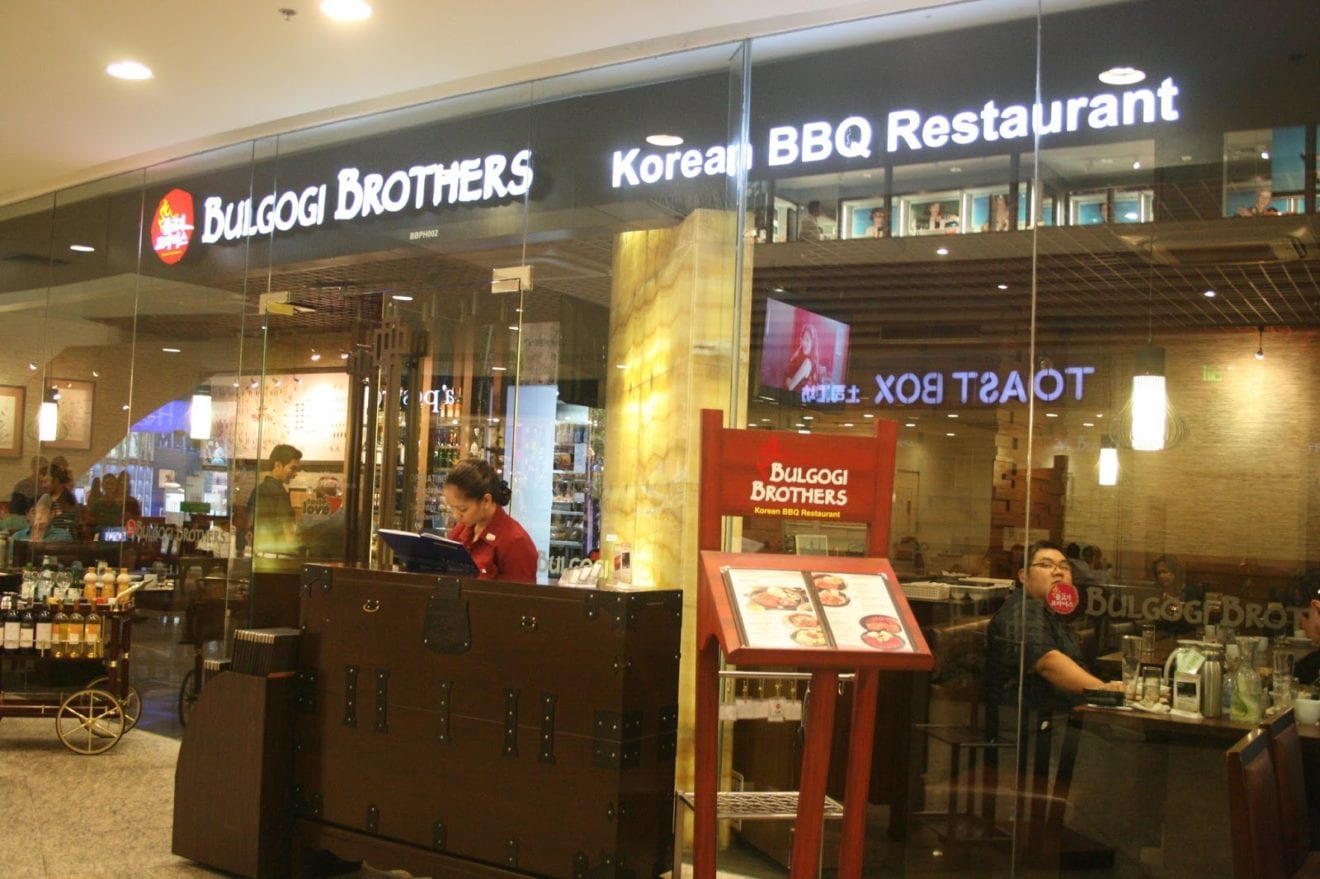
    Bulgogi Brothers Bangkok debuts

    South Korean QSR chain Bulgogi Brothers has added Thailand to its growing Southeast Asian footprint, with its first store opened in the EmQuartier mall in central Bangkok.

    The barbecue restaurant chain has 42 restaurants worldwide – including seven in the Philippines, five in China, three in Malaysia and others in Indonesia and Myanmar. The company will open its first outlet in Tokyo in October and in Taiwan’s capital, Taipei, in December. It also plans an Indian debut this year and is targeting 100 worldwide within five years.

    The Thai franchise rights are held by Ausanee Mahagitsiri Leonio, the daughter of Prayuth Mahagitsiri, described by Thai media as “the Nescafe coffee tycoon”. She also owns the Thai Krispy Kreme franchise.

    The chairman and CEO of Bulgogi Brothers’ parent company Et & Zeus is Intae Jung, who says his brand is making the most of the popularity of K-pop music, Korean TV series and fashion reputation.

    “Korean food has become a fad in Asia due to the popularity of South Korean pop music and TV series. Korean is the fourth most recognised cuisine by nationality among Thai consumers, following Japanese, Italian and Chinese,” he said in an interview with the Bangkok Post newspaper.

    “The Philippines, Thailand and Myanmar are the top three priority markets we want to focus on for our five-year business plan. In Thailand we want to see 10 more Bulgogi Brothers restaurants by 2020,” Jung said.

    Ausanee, president of King of Bulgogi Thailand, said she plans to spend 100 million baht (US$3 million) to open two Bulgogi Brothers Bangkok restaurants, including the EmQuartier one.

    “We expanded into the Korean restaurant business because the food tastes similar to Thai food. Many Thais travel to South Korea and enjoy watching Korean dramas, which inspires them to try some dishes,” she said.
  • Wendy’s India makes debut

    Wendy’s India makes debut

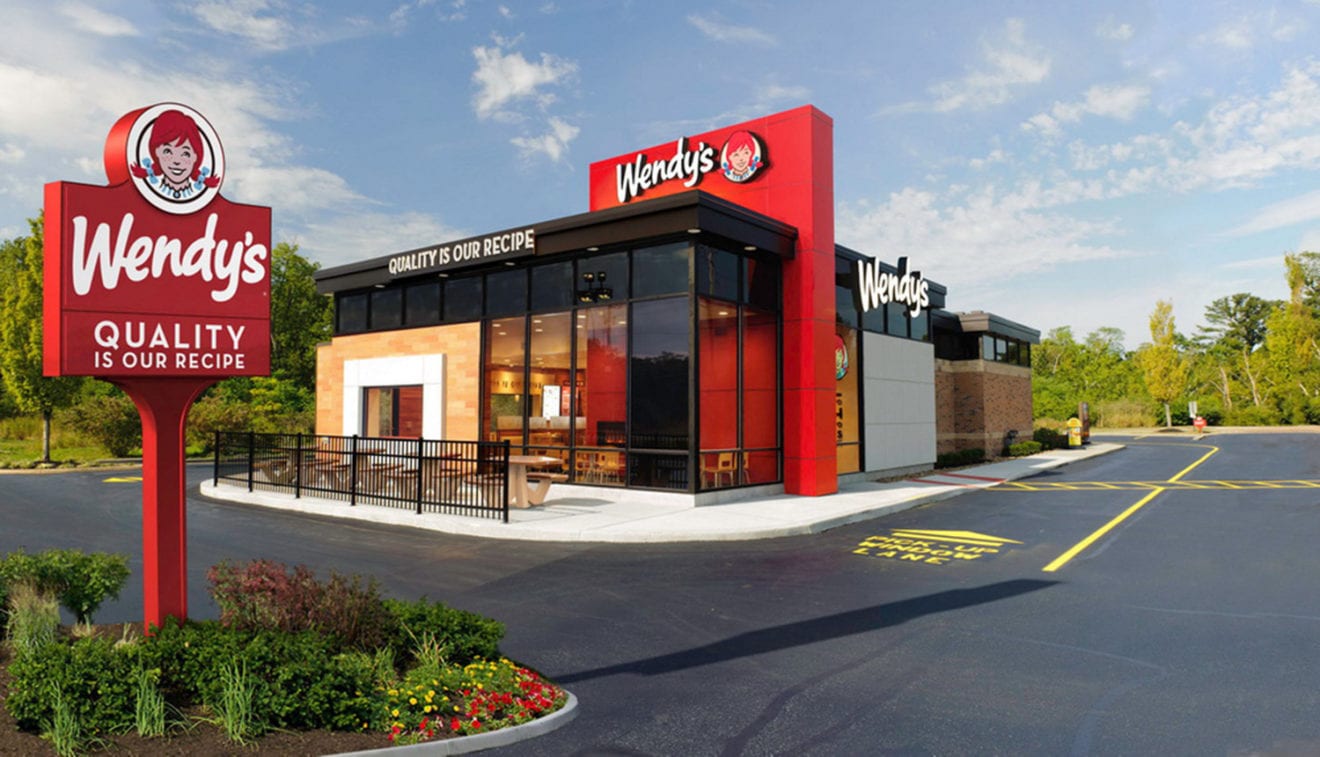
    US burger chain Wendy’s has made its Indian debut this week – with the first of up to 50 stores planned over the next five years.

    Wendy’s India is a joint venture between International Market Management of England and Rollatainers of India who established Sierra Nevada Restaurants to run the business.

    The first outlet has opened in Gurgaon.

    “Sierra Nevada plans to open three more outlets in the Delhi-National Capital Region during summer and up to 20 more in Northern India over the next few years,” the statement said.

    Wendy’s India is seeking to differentiate itself from rivals like McDonald’s and KFC. Its burger pricing will start at Rs 59, while McDonald’s and KFC sell burgers from Rs 25-35 upwards.

    Sierra Nevada says it will offer customers “a casual dining experience at a quick serving restaurant price”.

    “We are starting at Rs 59 (US$0.92) because we believe that’s where quality comes in,” Wendy’s global president Darrell van Ligten told the Economic Times of India. “Competition is playing the Rs 30 game but you can’t do quality at that price.”

    The Wendy’s India menu will not include beef, instead offering 11 vegetarian products and 10 non-vegetarian, using chicken or lamb. The most expensive burger will be Rs 200 ($3.12).

    “India is a growing, dynamic market, which is attracting the attention of leading brands around the world,” Wendy’s president and CEO Emil Brolick said in a statement.

    “We’ve worked on the concept with the Wendy’s team for almost two years” one of Sierra Nevada’s directors Sanjay Chhabra added.

    Wendy’s is the world’s third largest burger chain behind McDonald’s and Burger King, with 6500 restaurants in 29 countries.

    Van Ligten told the Economic Times losing the first mover advantage by entering the Indian market behind McDonald’s and KFC had an advantage.

    “Thanks to them, we don’t have to educate Indian consumers about western QSRs.”

  • Alibaba aims to slash wine prices

    Alibaba aims to slash wine prices

    Online retailer Alibaba believes it has found a way to cut the retail prices of wine in China.

    Using its business to business website 1688.com Alibaba has commenced selling wine direct to retailers, short-circuiting a raft of middlemen currently adding margins yet no value to the supply chain.

    Buyers from 1688.com are negotiating to buy wine in bulk direct from Spanish exporters which it then sells online to retailers.

    According to China news service Xinhua, in an article published on Alibaba’s own news website, a bottle of wine sold for 10 euros (68.54 yuan) in Spain can cost more than 240 yuan in China. That’s because the wine is often sold and on sold exporters to general agents, regional agencies and wholesalers before it finally reaches the retail shelf for consumers to buy. Each time the wine changes hands some 15 per cent margin is added to the price, along with additional freight charges and duties.

    Alibaba estimates that using 1688.com to link exporter and retailer, the same 10 euro bottle of wine in Spain could be retailed in China at just 116 yuan – that’s less than a half of the price traded through traditional channels, according to Liu Fei, a department manager at 1688.com.

  • Costs eat into Eu Yan Sang profit

    Costs eat into Eu Yan Sang profit

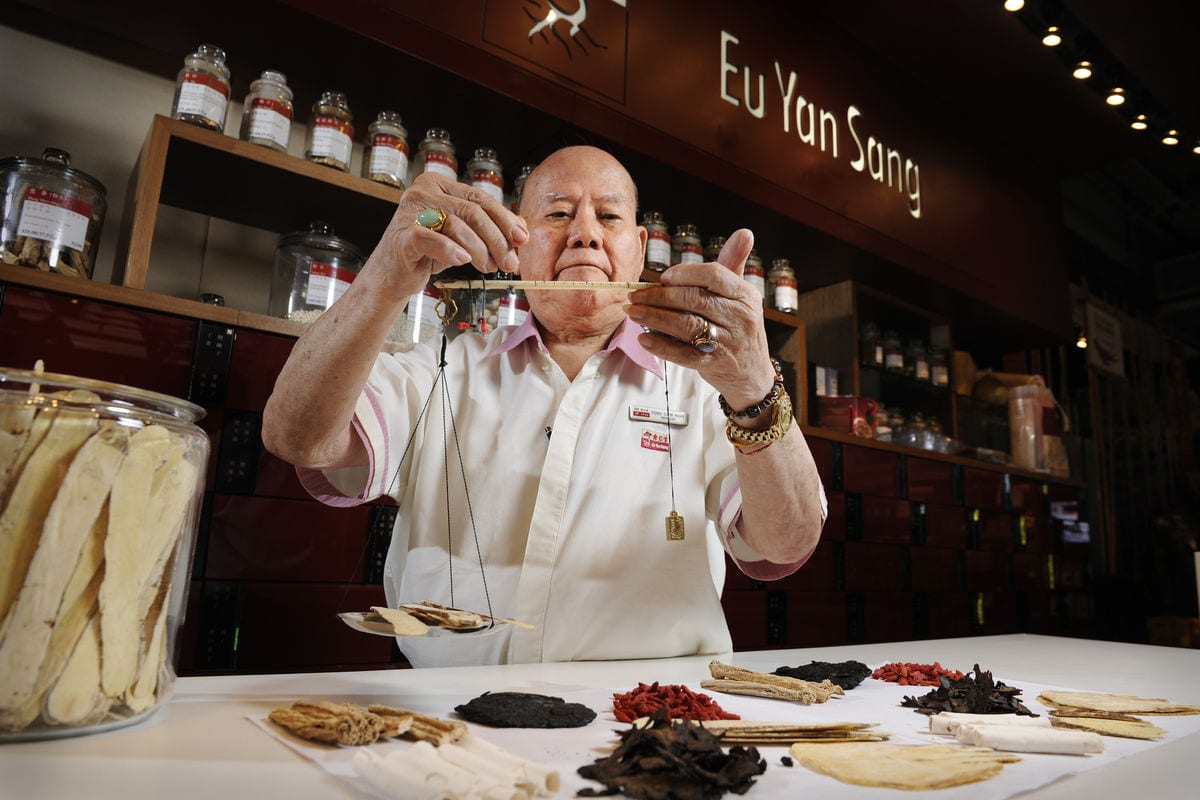
    Chinese herbal medicine retailer Eu Yan Sang has repoted a 38 per cent drop in profit on stable revenues in the first quarter of its current financial year.

    Eu Yan Sang posted a net profit of S$5.45 million on sales of $110 million.

    Improved sales in Australia, Singapore and Malaysia during the Chinese New Year, and in Malaysia where shoppers stocked up ahead of the introduction of GST on April 1, balanced a decline in Hong Kong, where the company says sales were soft due to the fall in mainland visitros.

    Gross margin for the quarter dipped 2.6 per cent due mainly to the impact of sales mix and longer lead time to Chinese New Year. Correspondingly, the group’s operating profit declined due to lower gross margin contribution and increased operating expenses.

    As at 31 March 2015, Eu Yan Sang had 258 company-operated retail outlets and 30 franchises in China, Hong Kong, Macau, Malaysia, Singapore and Australia.

    Group CEO Richard Eu said despite the challenging retail environment in Hong Kong and Macau, where retail revenue fell 21 per cent, most of the company’s key markets showed resilience.

    “Singapore, Malaysia and Australia markets have reported revenue growth. We see long-term opportunities especially in rising health awareness as consumers are becoming more discerning and better educated about wellness issues and are actively seeking for healthy food and natural health remedies. This is a space where we differentiate ourselves from others, where consumers understand product quality over pricing.

    “Rising disposable income in the region also played an important role to our business. In addition, our wellness offerings are easily accessible through ongoing introduction of new, exciting products and the extension of our wholesale channels,” he said.

    Retail revenue rose five per cent driven by increased consumer spending during the longer lead up period to Chinese New Year in Malaysia and Singapore, while the increased sales in company-operated outlets and improvement in same-store sales boosted retail revenue in Australia.

    The wholesale segment dipped by 32 per cent due to the slower offtake in trade as a result of the decline in mainland tourists’ spending in Hong Kong, which was caused by China’s recent move to restrict visitations of its nationals to Hong Kong.

    “In local currency terms, Australia showed the strongest improvement with a boost of 28 per cent in revenue,” the company said in its earnings statement. “This was in line with the increase in number of company-operated outlets and the increase in same-store sales.”

    For the rest of the year, the company expects the softer market to continue in Hong Kong, and in Malaysia where consumers are still adjusting to the impact of GST.

    But after two years of decline, Singapore is showing growth.

    “Given the recent regulations to limit Chinese tourists in Hong Kong and the enforcement of GST in Malaysia, the group expects a protracted recovery in these markets. We believe that the negative impact of GST on retail sales in Malaysia will be a short-term challenge.”

  • BBQ Chicken Vietnam gets Foodpanda boost

    BBQ Chicken Vietnam gets Foodpanda boost

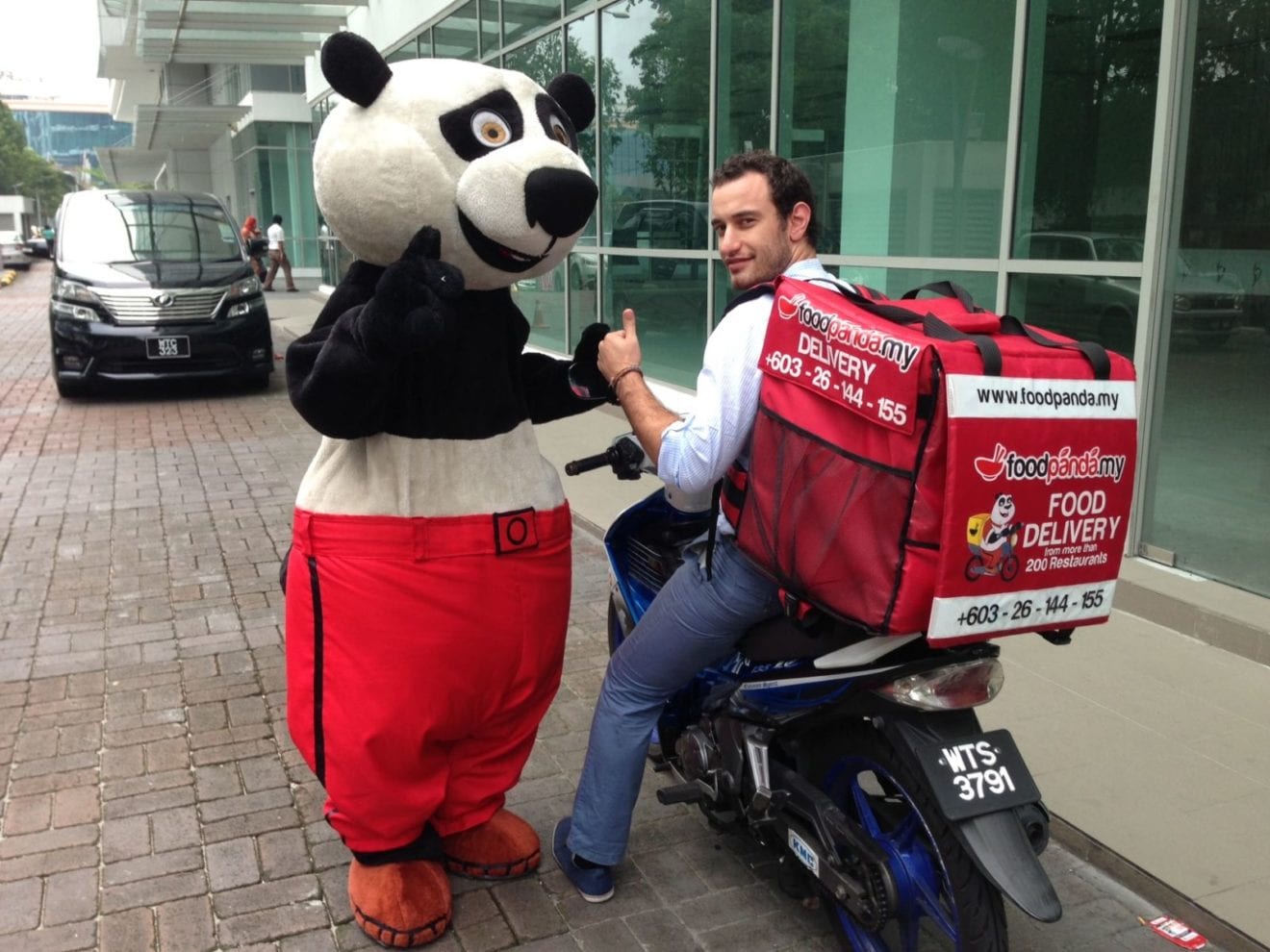
    Online food delivery service Foodpanda has given Korean QSR BBQ Chicken Vietnam a major marketing boost.

    While BBQ Chicken is “better known than KFC, Jollibee or Subway” in Vietnam’s capital city Hanoi, down south it still has some work to do on its brand awareness.

    So Foodpanda and BBQ Chicken have signed an exclusive delivery service partnership nationwide.

    Foodpanda had previously made deliveries on behalf of some individual stores.

    The Rocket Internet subsidiary, in which Goldman Sachs has just invested US$100 million, now has delivery partnerships in Vietnam with 20 franchised chains and some 800 restaurants Vietnam-wide, after only three years in the market.

    Foodpanda has services in six Vietnamese cities: Hanoi, Ho Chi Minh City, Da Nang, Can Tho, Nha Trang and Hai Phong

  • Burger giant McDonald’s to end deforestation in supply chain

    Burger giant McDonald’s to end deforestation in supply chain

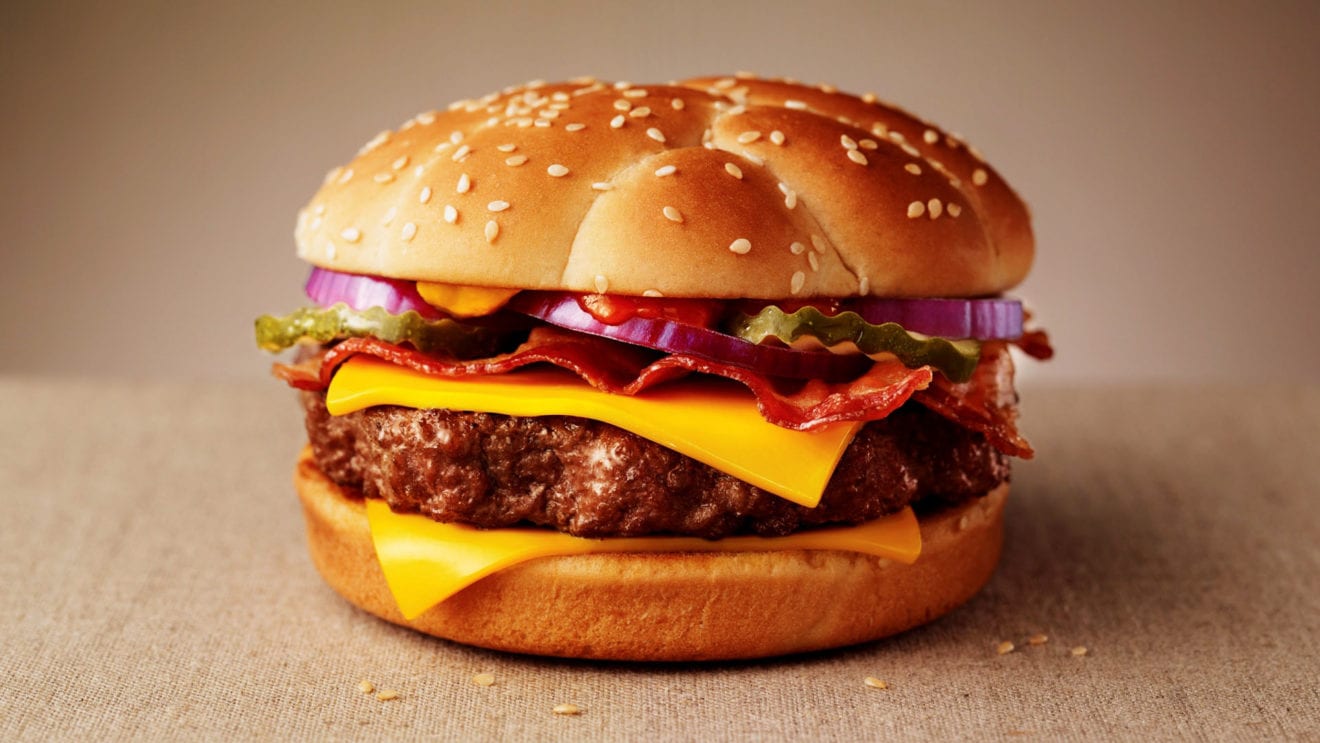
    Global fast food giant McDonald’s Corporation has pledged to end deforestation caused by production of commodities in its supply chain, focusing on beef, coffee, palm oil, poultry and packaging.

    A US-based scientific advocacy group welcomed the pledge, saying it was the first by a global fast food chain covering its whole supply chain and would push the industry to set new environmental standards.

    McDonald’s promised on Tuesday not to buy from suppliers that clear primary forest and other areas with high conservation value, as well as peatlands.

    It also said human rights must be respected and conflicts over land use resolved through a balanced and transparent process.

    The multinational company said it would begin developing specific time-bound targets for the raw materials it sources this year and would help smallholders, farmers, plantation owners and suppliers to comply with its commitment.

    “Making this pledge is the right thing to do for our company, the planet and the communities in which our supply chain operates,” said Francesca DeBiase, senior vice president of McDonald’s worldwide supply chain and sustainability.

    Like many other international food, cosmetics and commodity giants, the company — famous for its burger restaurants — has come under pressure from activists to make its business environmentally and socially sustainable.

    The Union of Concerned Scientists (UCS), a US-based advocacy group, said the pledge made McDonald’s the first global fast food chain to promise to eliminate deforestation from its worldwide supply chain, going well beyond the palm oil commitments made by competitors.

    “The sheer scale of McDonald’s commitment includes significant potential for change, pushing the industry to implement new environmental standards across the board and ultimately reducing climate emissions,” said UCS analyst Lael Goodman. “However, the commitment is still a work in progress.”

    UCS urged McDonald’s to set strong, time-bound goals for individual commodities, and to follow through on the ground.

    David McLaughlin, WWF’s vice president of sustainable food, said success would require the expansion of monitoring and compliance efforts by McDonald’s and its suppliers.

    “We hope that this commitment will inspire other companies to take action,” he added in a statement.

    A 2015 scorecard produced by UCS, ranking pledges by top US brands on deforestation-free palm oil, shows that fast food firms have lagged behind packaged food and personal care companies.

    UCS’s Goodman said the McDonald’s commitment had the potential to create a “new normal” whereby fast food brands demand deforestation-free commodities from their suppliers.

    McDonald’s said it had begun addressing deforestation in 1989 when it stopped sourcing beef from the Amazon rainforest.

  • McDonald’s supplier fined for pollution in China

    McDonald’s supplier fined for pollution in China

    A Chinese joint venture of U.S.-based J.R. Simplot, which supplies frozen french fries to McDonald’s, was fined 3.92 million yuan ($632,370) on Wednesday by the Beijing city government for water pollution, the official Xinhua news agency reported.

    The Beijing government found the venture had been discharging contaminated waste water that exceeded stipulated levels, according to Xinhua.

    Xinhua said the business was a joint venture between Simplot, a unit of McDonald’s, and a local firm. Reuters could not independently verify the relationship.

    Phone calls to Simplot in China were left unanswered.

    Simplot, headquartered in Idaho, is a global potato supplier for McDonald’s.

    “Simplot has assured us that they have implemented a corrective action plan, and we will continue to hold them accountable for implementation and enhanced procedures for compliance,” McDonald’s said in an emailed statement to Reuters, adding it took the infraction “very seriously.”The fine comes as China is strengthening its environmental regulations as public anger builds over worsening pollution.

    China will ban water-polluting paper mills, oil refineries, pesticide producers and other industrial plants by the end of 2016, as it moves to tackle severe pollution of the water supply which has left one-third of China’s major river basins and 60 percent of its underground water contaminated.

    Chinese sales at McDonald’s and Yum Brands’s KFC slumped last year after one of their suppliers, Shanghai Husi Food, was forced to suspend operations after an undercover Chinese media report showed workers using out-of-date meat and doctoring production dates.

    U.S-based meat supplier OSI Group is the parent company of Shanghai Husi.

  • Horror quarter for McDonald’s Japan

    Horror quarter for McDonald’s Japan

    McDonald’s Japan had already warned investors it would be a nightmare year.

    Earlier this month it announced the closure of 131 stores, a menu revamp and refurbishment of 500 stores in a bid to stem a projected US$319 million loss.

    This week, McDonald’s Holdings Company (Japan) released its first quarter trading results: same-store sales plunged 32.3 per cent due largely to a 24.3 per cent drop in customers and total sales fell 39.9 billion yen (US$332 million) to 83 billion ($691 million).

    Sales were hampered by ongoing food safety issues relating to suppliers, and even a widely reported shortage of fries, which led to unprecedented rationing to customers.

    The result was an ordinary trading loss of 11.1 billion yen ($92.4 million) which after the first round of one-off restructuring costs grew to a total 14.5 billion ($121 million) loss for the three months to March 31.

    But the fast food company said same store sales are trending upwards – with expectation they will turn positive in the third quarter. Provisional figures for April show a drop of 21.5 per cent, nearly a third less than the first quarter.

    For now, the company says its focus is on executing the Business Revitalization plan in order to accelerate the business recovery, lay the foundations for future growth, and achieve mid- and long-term goals.

    “Going forward, regaining customer confidence will remain our number one priority. In addition, we aim to accelerate the pace of business recovery and lay the foundations for future growth through the flawless execution of our Four-pillar Business Revitalization Plan: “Customer Focused Initiatives”, “Accelerate Restaurant Revitalization”, “Localize Our Business Structure”, and “Improve Cost and Resource Efficiency”,” McDonald’s Japan said in its earnings statement.

    “Through these structural changes along with customer and community focused activities, we will strive to achieve our vision of becoming a Modern Burger Restaurant that Connects with Customers.”

  • Foodpanda seals $110m funding

    Foodpanda seals $110m funding

    One of the world’s best-known merchant bankers has taken a strategic stake in fast-growing food delivery service Foodpanda.

    Just 50 days after securing $110 million cash injection from its parent and other new investors, the Rocket Internet subsidiary says Goldman Sachs has invested another $110 million into the business and will take a seat on its advisory board.

    The funds are being used by Foodpanda to snap up rival delivery services in new and existing markets to help it gain critical mass and eliminate competition. Since its launch in 2012 the business has now raised more than $310 million.

    Its latest acquisitions have been in Malaysia and other Southeast Asian markets, along with Russia, Mexico and Eastern Europe.

    Foodpanda says it will use the Goldman Sachs funds to expand its own delivery activities and improve overall customer experience across its 40 markets.

    Foodpanda’s service standards are slipping in some established markets and customers often lack an alternative supplier due to Foodpanda’s ‘scorched earth’ acquisition strategy. Improving delivery times, the temperature control and delivery condition of food and improving customer response times is becoming a major challenge for the company in some markets.

    “Last-mile delivery has been part of Foodpanda’s operations since the beginning. It will now accelerate its efforts to drive customer satisfaction, aiming to offer the most convenient way of ordering food – from the mobile app and online,” the company said in a statement.

    Ralf Wenzel, co-founder and CEO of Foodpanda group, said Goldman Sachs has deep expertise in online marketplaces and will help the company build the leading mobile food delivery marketplace in Emerging Markets targeting over 3 billion consumers.

    “The Emerging Markets represent the largest opportunity in online food delivery and we are committed to create the most convenient way for ordering and delivering food.”

    Foodpanda now has partnerships with more than 45,000 restaurants across 40 countries, and claims market leadership in 32 of those markets.

  • Nespresso opens cafe concept

    Nespresso opens cafe concept

    Capsule coffee brand Nespresso has opened a global pilot cafe concept in Vienna, Austria.

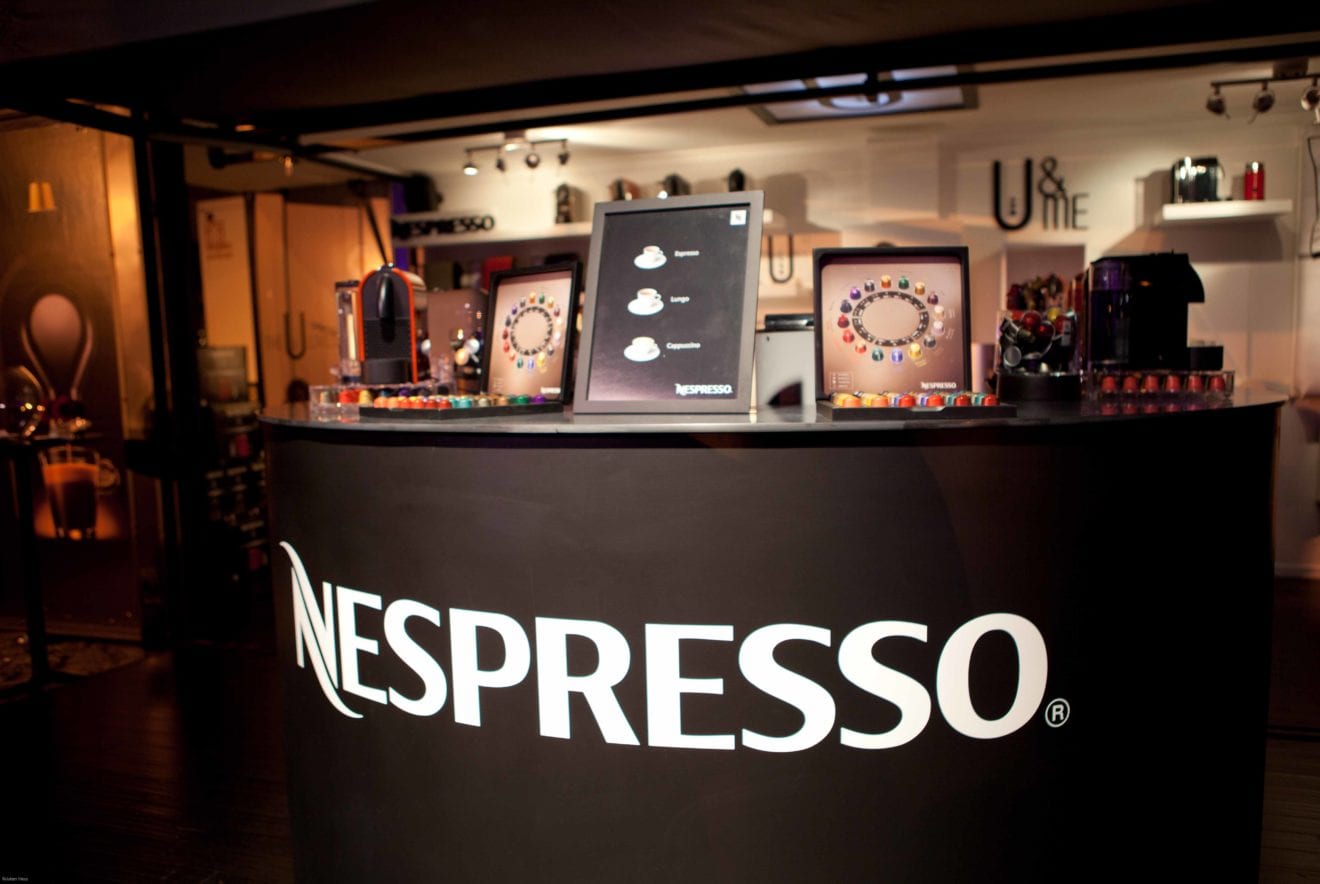
    The cafe, located in the Mariahilferstrasse, is part of a joint venture with ‘super premium food caterer’ Do&Co. This new cafe boutique concept combines a premium coffee shop and take-away service with the Nespresso Cube, an automated retail solution for the convenient purchasing of Nespresso coffee sleeves, bringing an exclusive and personalised luxury experience to consumers.

    “The Nespresso Cafe is the latest in our pipeline of retail and service innovations. It is a true embodiment of our brand. Not only can consumers indulge in the Nespresso experience, they will also be able to purchase our Grand Cru coffees through our automated boutique, the Nespresso Cube,” said Jean-Marc Duvoisin, CEO of Nestle Nespresso SA.

    “Our partnership with Do&Co is highly complementary in terms of their expertise in providing super premium food expertise to enrich the experience.”

    Nestle says the Nespresso Cafe offers coffee lovers the opportunity to enjoy the Nespresso experience at their own pace. Combining aesthetic design with high-end technology, the cafe features high quality materials with elegant lighting and soft music to provide a refined and relaxing atmosphere.

    Consumers can taste Nespresso Grand Cru coffees and a range of over 20 permanent and seasonal coffee recipes prepared by baristas, who will also be on hand to share their knowledge of Nespresso highest quality coffees.

    Consumers can also dine on savoury and sweet premium delicacies, including salads, macaroons and pastries, specially created for the Nespresso Cafe and tailored to each time of the day.

    The Nespresso Cafe also proposes its food and beverage options as takeaway to cater to Nespresso consumers’ busy lifestyles and the desire to enjoy their favourite Nespresso coffee moment while on the go.

    It features the company’s newest retail innovation: an integrated Nespresso Cube, the first in Austria. The Cube, already implemented in five other countries in 2013 and 2014, is an automated boutique that offers the brand’s 23 Grand Cru or Limited Edition coffees and prepares any personalised multi-product order in a matter of seconds thanks to an advanced, robotised order-picking system.

    The Nespresso Cube contains up to 48,000 capsules, or 4800 sleeves, of all the Nespresso Grand Cru coffees and can service two customers at the same time. Club Members can purchase the capsules using their Nespresso Club card, other consumers can use their credit card.

    As part of Nestle’s sustainability commitment, the cafe accepts used capsules for recycling. In a statement, Nestle said the Nespresso Cafe “embodies the company’s latest step in introducing new innovative services tailored to contemporary living and shopping preferences, and satisfying consumer desire for convenience and choice while at the same time providing exceptional premium experiences”.

  • Massive Hooters Pattaya to open August

    Massive Hooters Pattaya to open August

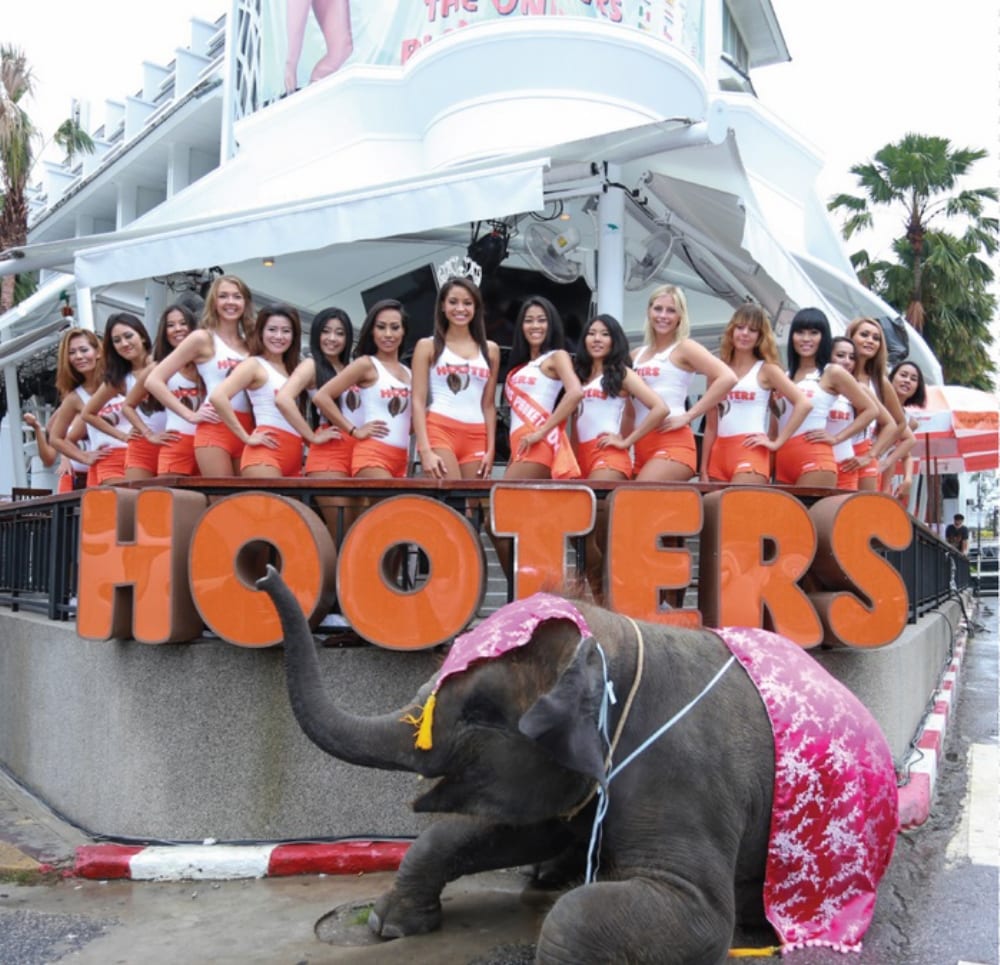
    Hooters will open the largest international Hooters location in Pattaya, Thailand, in August.

    Hooters franchisee Destination Resorts, will open the 11,000 sqft, 564-seat Hooters Pattaya in the thriving tourism and nightlife destination as part of a 30 restaurant development agreement signed earlier this year to expand Hooters throughout Southeast Asia.

    Hooters Pattaya is slated to open in early August on Beach Rd, directly across from Pattaya Beach.

    The restaurant will feature two bars, 50 high-definition televisions and two outdoor patios where guests can relax and take in the scenic views. The “Wild West” themed restaurant will allow locals and tourists to experience great fun, delicious food, world-famous chicken wings and “Hooters Girl hospitality”.

    “With the popularity of the Pattaya Beach area and its multicultural mix of locals, tourists and expats, we saw it as the ideal setting for one of the world’s largest Hooters,” said Gary Murray, CEO, Destination Resorts.

    “We successfully introduced the Hooters dining concept to Thailand last year with Hooters Phuket, and look forward to expanding our footprint in the second most visited city in Thailand.”

    Recruitment for more than 75 local Hooters Girls from Pattaya and neighboring cities has already begun.

    “A hiring road tour is scheduled to pass through Bangkok, Chiang Mai, Khon Kaen, Korat, Pattaya and Udon Thani in search of fun, friendly and outgoing personalities to sport the iconic Orange Shorts and represent the global Hooters brand,” the companies said in a release.

    Headquartered in Bangkok, Destination Resorts is the company behind DoubleTree Resort by Hilton Phuket at Surin Beach, DusitD2 Phuket Resort, Sri Racha International Golf at Sri Racha Hills, Hard Rock Café Phuket at Patong Beach, Novotel Phuket Karon Beach Resort & Spa, Novotel Hua Hin Cha Am Beach Resort & Spa, Swissotel Resort Phuket and Four Points by Sheraton Bangkok Sukhumvit 15.

  • Starbucks Hong Kong opens new Landmark cafe

    Starbucks Hong Kong opens new Landmark cafe

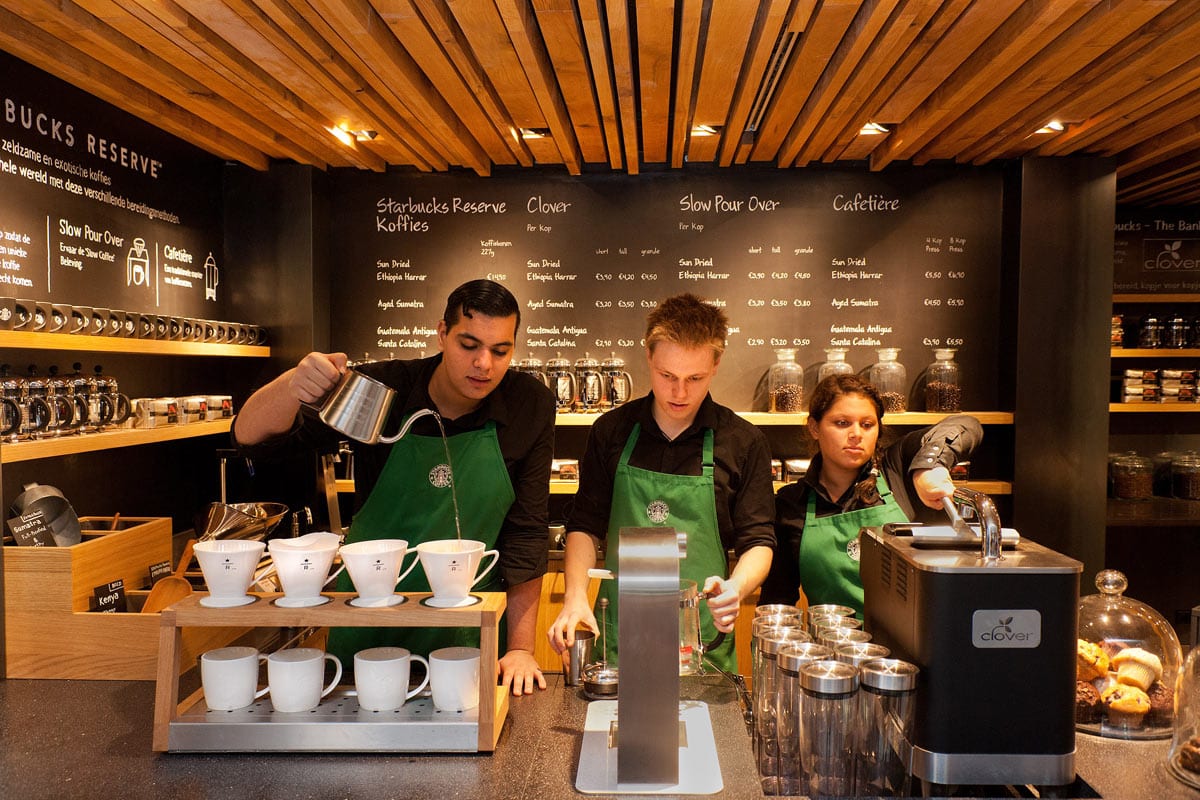
    Starbucks Hong Kong has opened a new cafe in the heart of Hong Kong’s Sheung Shui.

    The cafe is unique in that it features an indoor brewing and restaurant area together with a large, open air verandah seating space.

    Starbucks Landmark North Hong Kong 415 2

    The new cafe opened this month in Landmark North, a 230,000 sqft shopping centre connected to the Sheung Shui MTR station close to the Shenzhen border crossing.

    Starbucks Landmark North HK 415 3

    The new cafe will be open from 8am to 10pm daily.

    Starbucks Hong Kong and Macau is run by master franchisee Maxim’s Group.

  • Yum profit beats as China sales fall less than forecast

    Yum profit beats as China sales fall less than forecast

    Yum Brands shares rallied on Tuesday after the restaurant operator topped earnings expectations as comparable sales in China declined less than forecast.

    Yum, which operates KFC, Pizza Hut and Taco Bell restaurants, reported first-quarter earnings of 80 cents per share on revenue of USD2.62 billion.

    Same-store sales in China, a key division for the company, fell 12 percent during the quarter after allegations that a former supplier used expired meat. The company’s China unit has been especially hard hit this year because of a supplier scare last summer. Analysts expect same-store sales in the country to shrink 14.4 percent.

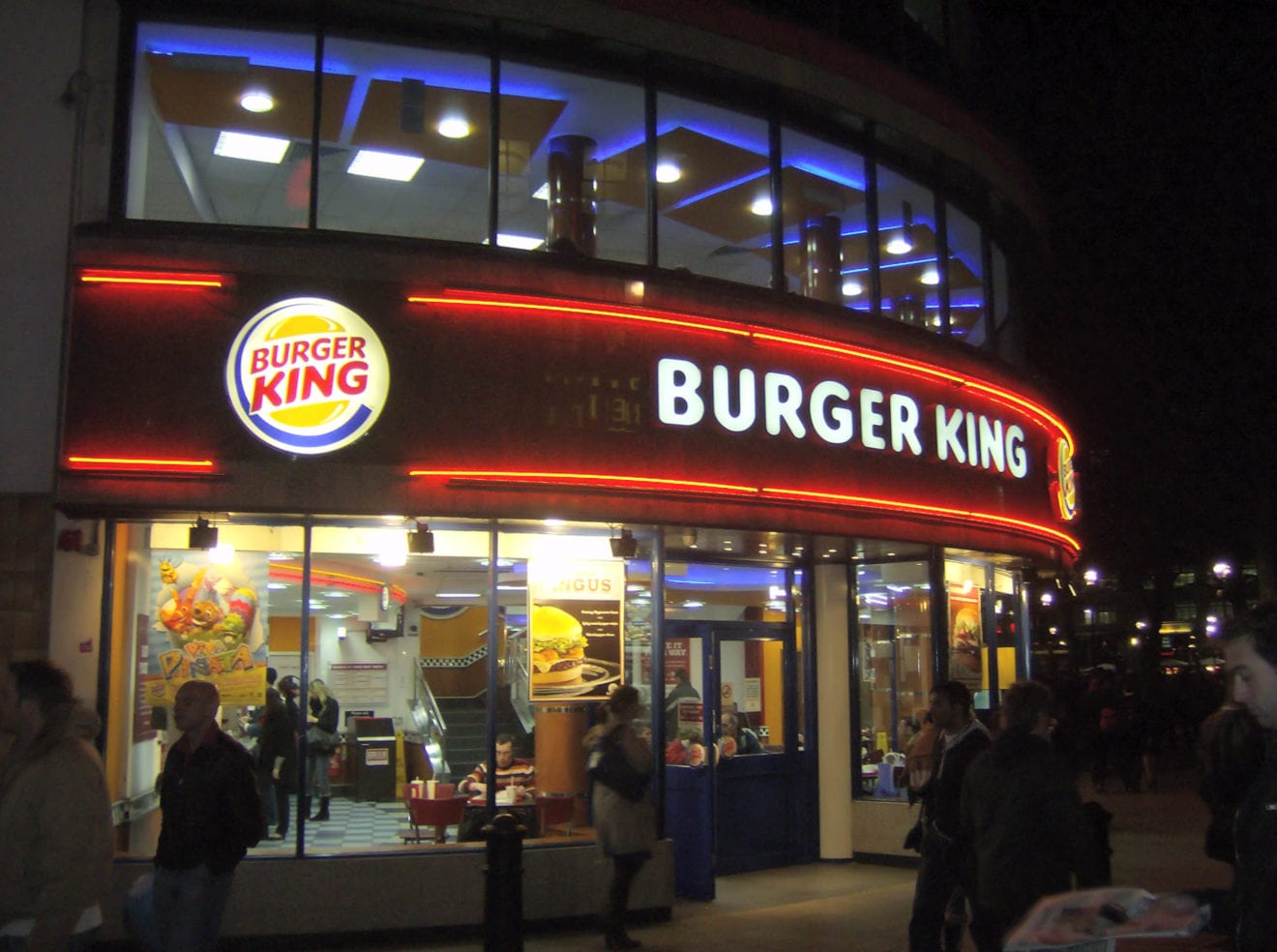
  • Whopper quarter for Burger King

    Whopper quarter for Burger King

    US fast food company Burger King has posted its best quarterly sales increase in nearly a decade.

    The company says the sales boost is the result of a promotional ‘two for $5’ campaign, the introduction of the new spicy BLT Whopper and a boost in breakfast sales – no single “silver bullet”.

    Burger King’s same store sales rose 6.9 per cent in the US and Canada, according to parent Restaurant Brands International, but it declined to say if it was the result of increased customer traffic or a high per customer spend. Given the low cost promotional offer, it’s likely to have come at the cost of margins.

    Burger King’s performance is all the more significant due to its coincidence with a 2.6 per cent fall in sales by its larger rival McDonald’s.

    Global same store sales rose 4.6 per cent at Burger King.

  • Krispy Kreme Cambodia deal

    Krispy Kreme Cambodia deal

    Krispy Kreme has signed a development agreement with a master franchisor in Cambodia.

    The Express Food Group (EFG) will open 10 Krispy Kreme Cambodia shops over the next five years.

    “This agreement will further strengthen Krispy Kreme’s brand position throughout Asia and will enable us to bring our mission of touching and enhancing lives through the joy that is Krispy Kreme to the people of Cambodia,” said Dan Beem, Krispy Kreme’s senior VP and president – international.

    “One of the keys to the success of Krispy Kreme in any country is working with top-quality franchisees, and EFG is an experienced company dedicated to delivering an exceptional customer experience.”

    A member of Bangkok-based RMA Group, EFG was founded in 2004 and currently employs more than 1200 Cambodians at its 42 restaurants from a variety of QSR and casual restaurants, including Swensen’s, Costa Coffee, The Pizza Company and Dairy Queen. The company also operates 15 food and beverage outlets in Phnom Penh and Siem Reap international airports.

    “We are very proud and excited to introduce Krispy Kreme to the Cambodian market,” said Jean-Boris Roux, regional director of RMA Group’s food division.

    “EFG has always been determined to bring strong leading brands to this country, and we are confident that Cambodians will quickly embrace Krispy Kreme’s signature sweet treats and the entire Krispy Kreme experience.”

    North Carolina-based Krispy Kreme now boasts more than 1000 retail shops in 24 countries.