Category: Food

Retail News Asia is committed to providing both local and global retailers with the latest Food and Food & Beverage news throughout the Asian market. This on a daily base.

  • Artsy coffee chain Blue Bottle brews long queues in Tokyo

    Artsy coffee chain Blue Bottle brews long queues in Tokyo

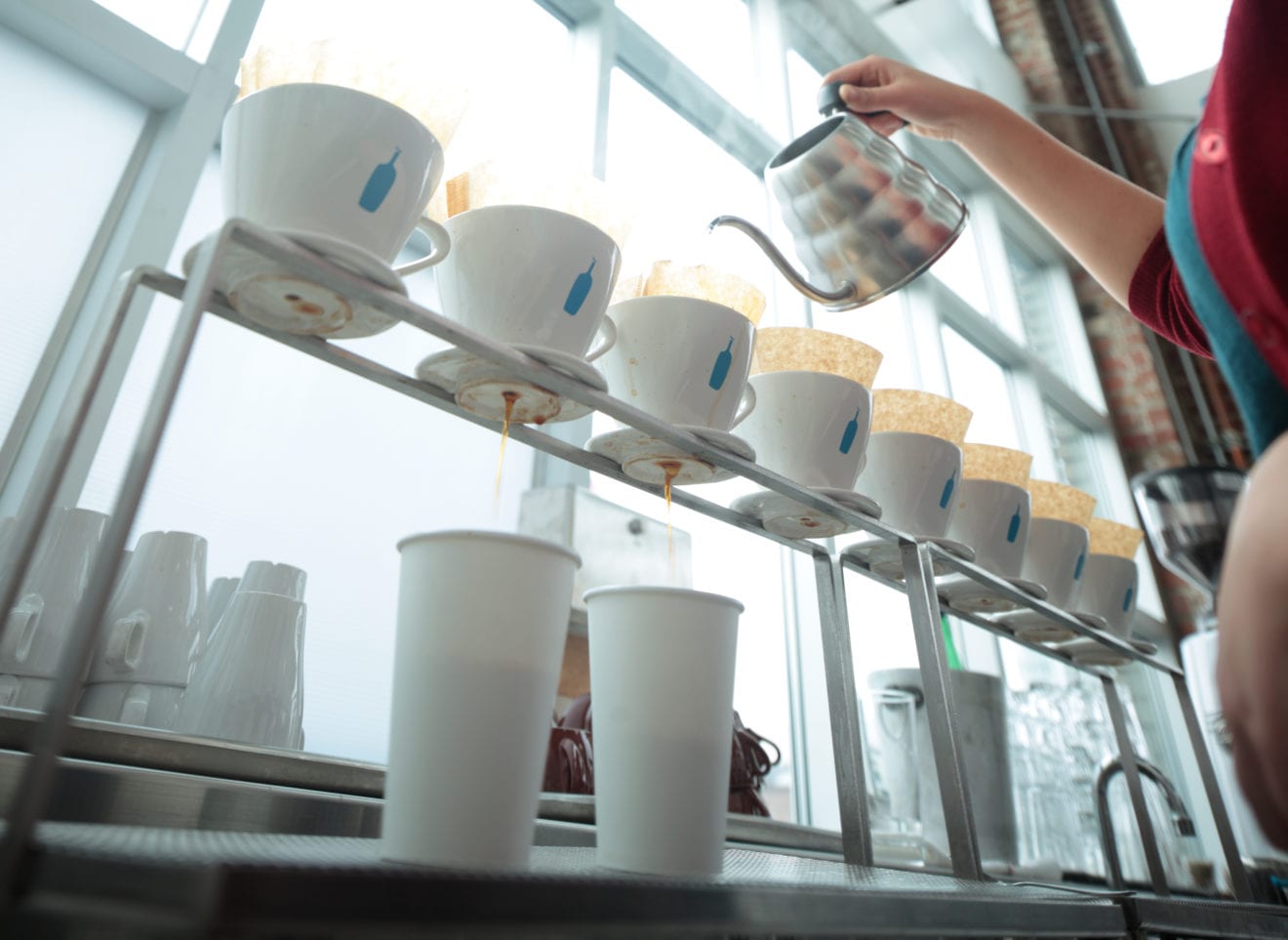
    Japan, famous for green tea, is welcoming artisanal American coffee roaster Blue Bottle with long lines that have at times meant a four-hour wait for a cup.

    The company, which began in Oakland, California in 2002, hopes its early popularity is more than a passing fad. Japan’s consumer culture is littered with manias for Western food imports: pancakes, popcorn, doughnuts, even Taco Bell.

    Success in Japan is important for Blue Bottle, which operates 17 cafes in the San Francisco Bay area, New York and Los Angeles. Japan is its first foray outside of the U.S. Blue Bottle raised nearly $26 million last year to invest in expansion, including financing from Silicon Valley executives, setting the stage for a test of whether an artsy gourmet coffee chain can go big.

    Founder James Freeman, a musician, was inspired by Japan’s old-style “kissaten” coffee-shops: tiny dimly-lit establishments, with good music and a barista behind a wooden counter. Think places for quiet serious thinking and real drip coffee, not sweet, frivolous drinks.

    “We care about every part of the coffee. We call it from seed to cup,” said Saki Igawa, the business operations manager for Blue Bottle in Japan.

    Attention to detail that dovetails with aspects of Japanese culture accounts for part of the coffee chain’s early popularity. The spread of Starbucks internationally, which has created a cookie-cutter coffee culture that some people want to trade up from, is another factor. Blue Bottle is also benefiting from the image problems in Japan of fast food chains and highly processed foods.

    “It’s a new era in eating out,” said food industry consultant Jotaro Fujii who contends that Blue Bottle’s arrival and the decline of McDonald’s in Japan is part of a bigger trend of consumer interest in the safety and quality of the entire food supply chain.

    McDonald’s is suffering declining popularity in Japan, a problem exacerbated after plastic pieces, and even a tooth, was found in its food last year, setting off an outrage among consumers.

    Upscale burger chain Shake Shack, which started as a hot dog stand in New York, is expected to arrive in Japan soon, said Fujii.

    Such chains, including Blue Bottle, are likely to aim for 50 or at most 100 outlets in Japan, not the thousands that fast-food eateries, such as McDonald’s, has achieved here, he said.

    Instead, they will focus on fortifying a brand image, which can lead to other kinds of lucrative businesses.

    Although the prevalent image of Japan might be tea, it has long had plenty of affection for coffee.

    Starbucks has been a hit since arriving in 1995. It now has more than 1,000 shops in Japan. Not a single prefecture (state) is without a Starbucks with one opening in holdout Tottori Prefecture this month — not surprisingly, welcomed with long lines.

    Even convenience stores are serving freshly brewed coffee. Japan also invented “manga-kissa,” or a cafe-cum-library, where you can curl up with a comic book and sip on coffee for hours.

    Such newcomers have hammered the once omnipresent kissaten. Their numbers have dropped by half from the 1980s, or to 77,000 in 2009, according to a Japanese government study.

    But Blue Bottle’s popularity is part of a rediscovery of cafes serving carefully prepared, quality coffee, a trend already long evident in the U.S.

    Blue Bottle’s first Japan shop, which has a roaster, is in Kiyosumi, an older part of Tokyo, chosen because it reminded Freeman, the founder, of Oakland. It opened in February. The second shop, in a backstreet of Tokyo’s fashionable Omotesando, opened in March.

    A third, likely opening later this year in Tokyo’s Daikanyama shopping area, will feature a menu that reflects Blue Bottle’s recent acquisition of San Francisco-based Tartine Bakery, which serves croissants, sandwiches and pastries.

    Blends such as “Giant Steps,” combining African and Indonesian-grown beans for a chocolate taste, sell for 450 yen ($3.75) a cup. A latte costs 520 yen ($4.30).

    On a recent day, the Blue Bottle shop in Kiyosumi, Tokyo, was filled with sunlight pouring through huge windows, the hum of a giant roaster, the fragrant aroma of fresh coffee and a crowd of people.

    Takuya Nakagawa, a 39-year-old hairdresser, who came all the way from rural Toyama Prefecture (state), was impressed with the coffee’s taste and the store’s stylish stark decor. He bought granola and coffee beans as souvenir gifts.

    “I just love the taste,” he said. “This kind of place doesn’t exist in Toyama.”

    True to its inspiration, Blue Bottle is learning from Japan, said Andrew Smith, 29, of San Francisco, a barista and one of three Americans who came to work for the chain in Japan.

    “People here have different ways of conceptualizing about coffee so they taste things differently,” Smith said.

    “They are looking for different kinds of things in coffee. And that is a fun way to learn how everyone in the world perceives coffee differently.”
  • Tottori Starbucks opening draws 1,000 people

    Tottori Starbucks opening draws 1,000 people

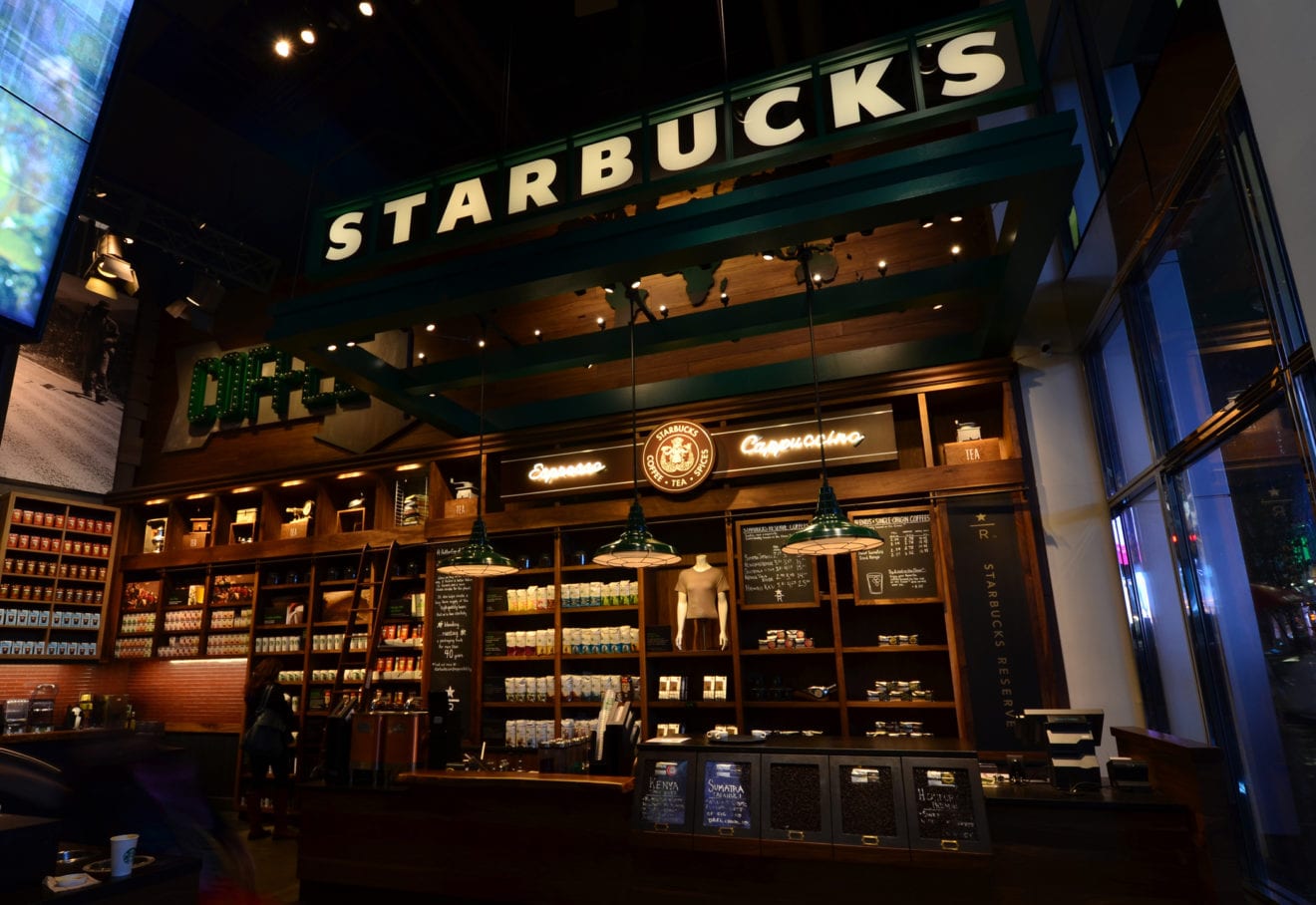
    About 1,000 people lined up Saturday for the opening of the first Starbucks outlet in Tottori Prefecture.

    Japan’s least populated prefecture was the last in which the coffee chain lacked a presence.

    The outlet, near a train station in the city of Tottori, the prefectural capital, started forming lines from around noon Friday. About 150 people had gathered by midnight to camp out for the opening.

    College student Atsushi Miyagawa, 19, was first in line. “It tastes good. It’s unlike any other coffee I know,” he said.

    An established coffee shop nearby, named Sunaba Coffee, gave away free mugs and offered a full refund to any customer who thought that Starbucks coffee tasted better.

    Sunaba Coffee was launched in April last year partly to mock Starbucks and partly to promote Tottori’s famous sand dunes. The Japanese word for sand issuna.

    The nation’s first Starbucks opened in Tokyo’s Ginza district in 1996. Although Starbucks has become a major player in Japan’s coffee market, major convenience store chains recently jumped into the fray by offering improved coffee products.

  • McDonald’s revives free smiles, launches month-to-month occasions

    McDonald’s revives free smiles, launches month-to-month occasions

    McDonald’s Holdings Co. (Japan) on Monday revived its “smile for zero yen” marketing campaign and stated it can designate the 25th day of every month as a “mac smile day.”

    On every “smile day” this yr, McDonalds will maintain occasions in its retailers aimed toward recovering buyer belief, broken by a collection of blunders, together with the invention of overseas objects in its merchandise.

    The corporate held ceremonies for its first smile day at six retailers throughout Japan, together with in Tokyo and Osaka. On the hamburger chain’s Nakano Central Park outlet in Nakano Ward, Tokyo, singers Might J. and Chris Hart carried out a music that includes smiles and have been named honorary store managers for the day.

    McDonald’s additionally revised its menu, providing clients salads as a part of its set menus.

  • Figaro ’s Pizza eyes Asia

    Figaro ’s Pizza eyes Asia

    A US-based pizza chain which has already expanded into the Middle East is now seeking franchisees across most of Asia.

    Figaro’s is a casual dining concept offering a variety of proprietary pizzas, as well as traditional pizza combinations and related Italian items, such as calzones.

    The company started in Oregon on the US West Coast in 1981 and today has outlets in 60 cities around the world, including in Mexico, Cyprus and much of the Middle East.

    In Asia, it is particularly interested in China, India, Indonesia, Japan, Malaysia, the Philippines, Singapore, South Korea, Taiwan, Thailand, Australia and New Zealand, along with countries in Europe and Africa.

    Figaro’s says its pizza dough, sauces and cheese are proprietary, made from unique recipes developed by the company. Outlets make pizzas for consumption on premises, takeaway or delivery as well as in a ‘take-and-bake’ unbaked version consumers can bake at home.

    Figaro’s says its brand appeals to locals, expats and tourists seeking a high-food value, American-style pizza. It caters to the mid to high income customer demographic. The company has restaurant models ranging from 1000 to 1200 sqft delco format (delivery and take-out only) to 3000 sqft units which seat 100.

    The franchise fee starts at US$100,000, with a total starting investment of US$500,000.

  • Capsule coffee sales boom in Korea

    Capsule coffee sales boom in Korea

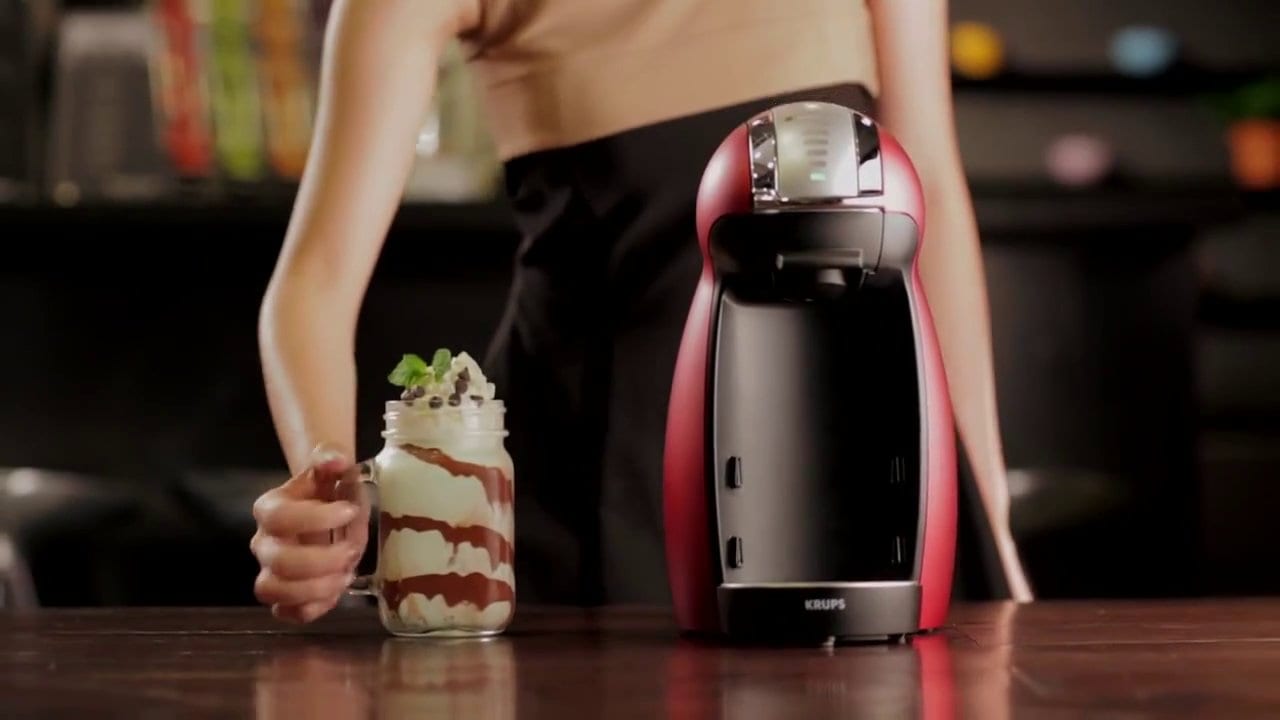
    As more people enjoy their own coffee at home or at work, sales of capsule coffee machines are going through the roof.

    Nescafe Dolce Gusto, the largest capsule coffee machine provider in Korea, announced this week that sales of its capsule coffee machines in the first quarter this year rose 73.4 per cent over the same period of the previous year.

    However, during the same period, sales of automatic espresso machines and filter coffee machines saw increases of only 15.6 per cent and 3.5 per cent respectively.

    Market watchers believe the rising popularity of capsule coffee machines is the product of consumer demand for both taste and convenience. In particular, they attributed the rise in sales to a tendency among consumers to enjoy reasonably-priced coffee at home instead of splurging on expensive beverages at popular coffee shops, a change brought on by financial restraint in the midst of a period of economic uncertainty.

    An official at Nescafe Dolce Gusto said: “In the early stages of the Korean capsule coffee market, newly-wed couples led the way. Now, with a variety of products in terms of price and design, more and more people are showing interest.”

    Meanwhile, Nescafe Dolce Gusto is offering a trade-in promotion giving a 50 per cent discount on its new capsule coffee machine to those who exchange their old coffee machine, until June 14.

  • Competitors eats into Nation Fashion gross sales

    Competitors eats into Nation Fashion gross sales

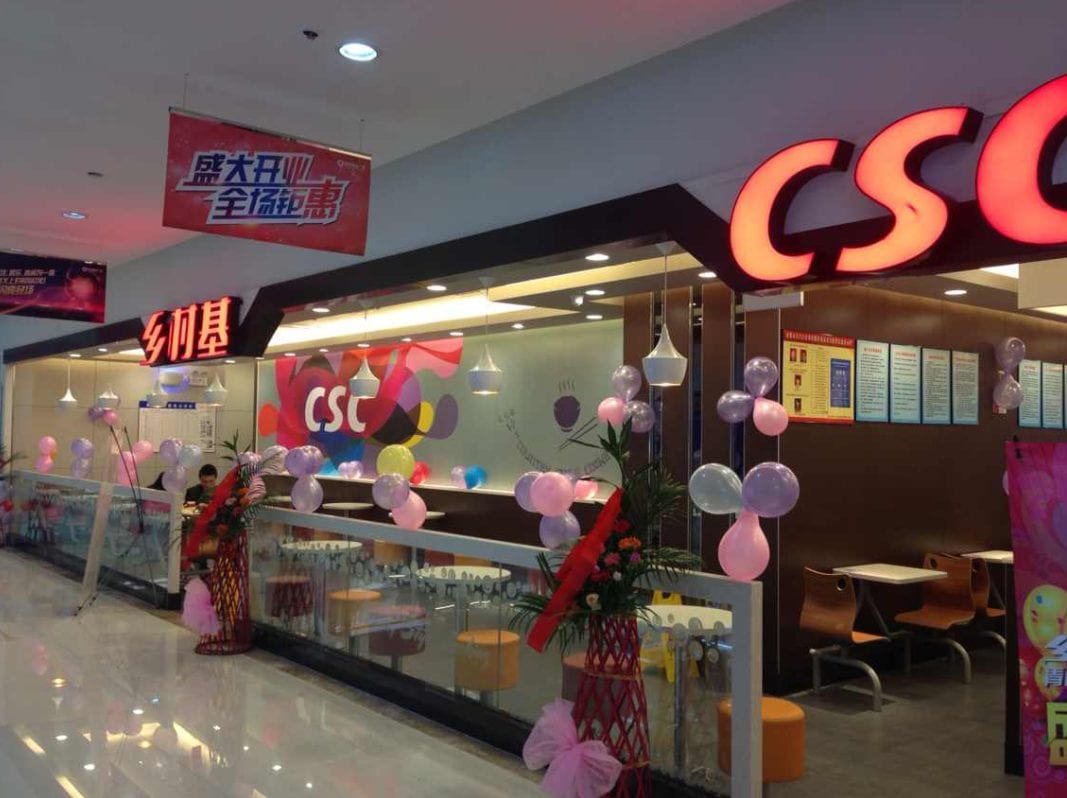
    China QSR operator Nation Type Cooking Restaurant Chain says same-store gross sales slumped 7.three per cent within the first quarter of this yr.

    The corporate, which is on monitor to open 60 new eating places this yr, reported first quarter revenues of RMB353.5 million ($57 million), a rise of 1.9 per cent on the identical quarter in 2014. The corporate had 245 eating places buying and selling in each quarters, however as on the finish of March had 344 buying and selling, in 29 Chinese language cities, 77 beneath the Mr Rice model.

    Its eating places working margin was 12.9 per cent, a lower of 170 foundation factors from the identical quarter of 2014.

    Internet revenue for the quarter was RMB8.three million ($1.three million), in comparison with RMB11.6 million in the identical quarter of 2014.

    Xingqiang Zhang, CEO, stated the corporate was happy with continued income progress and community enlargement within the first quarter.

    “Through the quarter, we targeted on additional enhancing meals security and vitamin through the use of high-quality uncooked supplies like non-GMO oil, sea salt and cage-free chickens to our product choices. We consider these efforts to enhance meals high quality is in keeping with the evolving eating habits of our clients, can higher differentiate CCSC from its rivals and should result in greater per-order spending over time,” he stated.

    “We’re additionally engaged on modifying our picture and the eating setting in our eating places to strengthen buyer notion of CCSC eating places as a perfect location for younger individuals and households who recognize an distinctive buyer expertise and a spot for socialising.”

    The corporate stated growing competitors had led to the discount in gross sales, together with a rise in meals and packaging prices and wages.

    CCSC expects second quarter revenues of between RMB 360-380 million ($58.1-$61.three million), representing a year-over-year progress of between roughly four.four per cent and 10.1 per cent.

  • Philippines to import extra rice as El Nino bites – sources

    Philippines to import extra rice as El Nino bites – sources

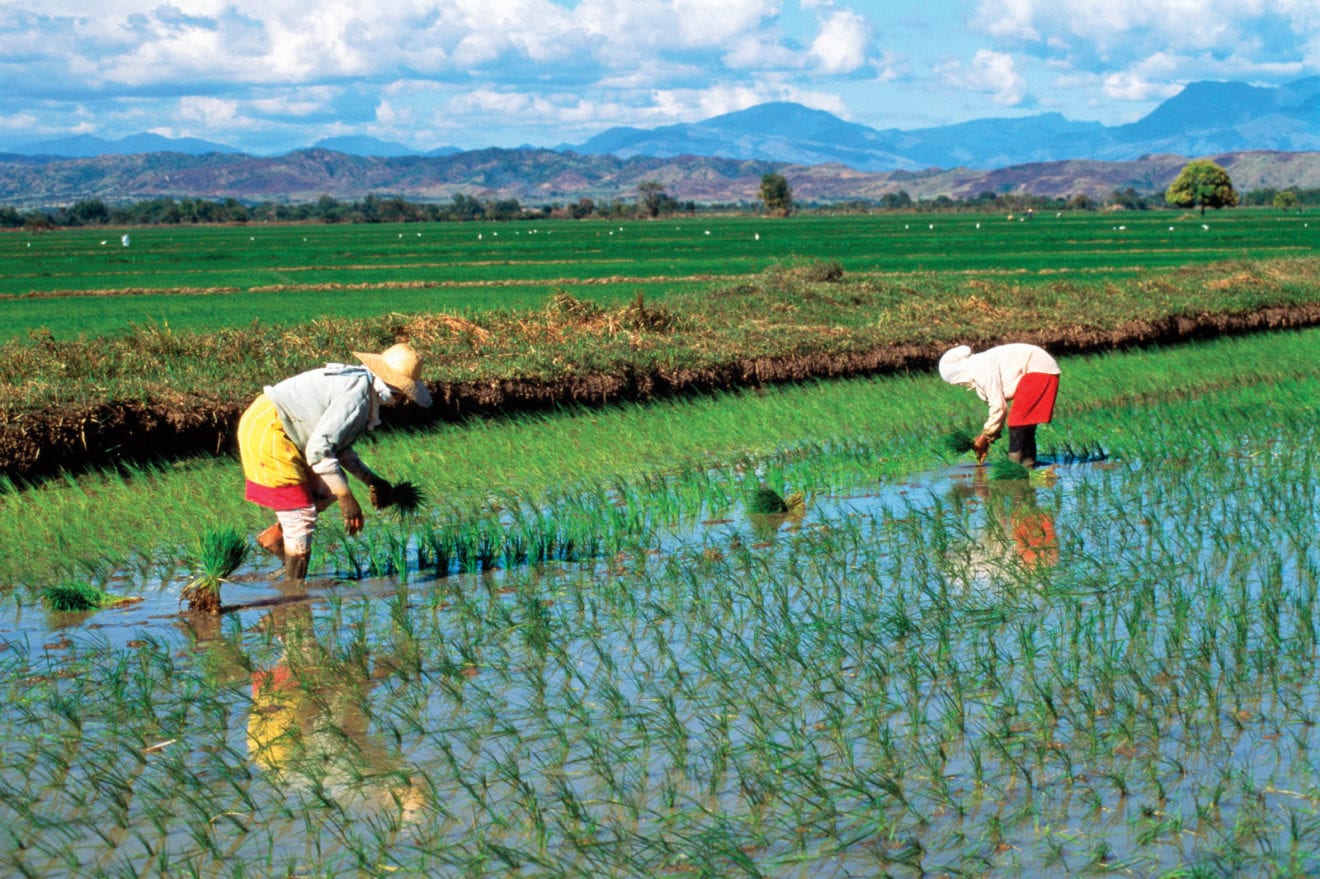
    President Benigno Aquino has approved a proposal to import more rice this year, government sources said, in a move to avert a potential spike in food price inflation due to forecast El Nino affected dry weather conditions.

    Fresh buying by the Philippines, one of the world’s biggest rice importers, could help support rice export prices in Asia, which have fallen in recent months because of weak demand.

    The final terms of the increased imports, which normally specify the amount and variety, are still subject to approval by the National Food Authority (NFA) Council headed by Food Security Chief Francis Pangilinan, the two sources said.

    The Philippine government last week revised down its estimate of first-half domestic rice production, with dry weather already affecting more than half of the country’s 81 provinces.

    The sources declined to disclose the volume of additional imports, although industry sources have said the Philippines may buy up to 310,000 tonnes more this year, with shipments expected before the lean harvest season starting July.

    The Southeast Asian nation recently bought 500,000 tonnes via government-to-government deals with key sellers Vietnam and Thailand, and regional supplies remain abundant.

    Thailand, the world’s second-biggest rice exporter after India, has said its plans to sell 2 million tonnes of rice over the next two months from stockpiles built up under the previous administration’s failed buying program.

    In Vietnam, the world’s third-largest exporter where prices have weakened this week on a lack of buying demand, a new crop harvest will begin from around late June, traders said.

    FOOD INFLATION IN FOCUS

    A dramatic rise in retail rice prices in the Philippines last year after damage to supply chains from Super Typhoon Haiyan pushed food price inflation to the highest in more than five years.

    Economic Planning Secretary Arsenio Balisacan said in March that the government must guard against future food price spikes, which had driven up the country’s poverty rate.

    The El Nino phenomenon, a warming of sea-surface temperatures in the Pacific, can lead to scorching weather across Asia and east Africa and is almost certain to last through the Northern Hemisphere summer, the U.S. weather forecaster has said.

    A significant El Nino would put the Philippines’ headline inflation well over the 2-4 percent target by 2016, which could put the central bank under pressure to raise interest rates sooner than expected, HSBC economists said this month.

    “We now expect two rate hikes in 1Q and 2Q (next year), but food inflation risks could bring this into late 2015,” HSBC said.

  • NZ Mad Group sure for Japan, US

    NZ Mad Group sure for Japan, US

    New Zealand restaurant idea Mad Group, says it has signed Memorandums of Understanding to enter Japan and the US.

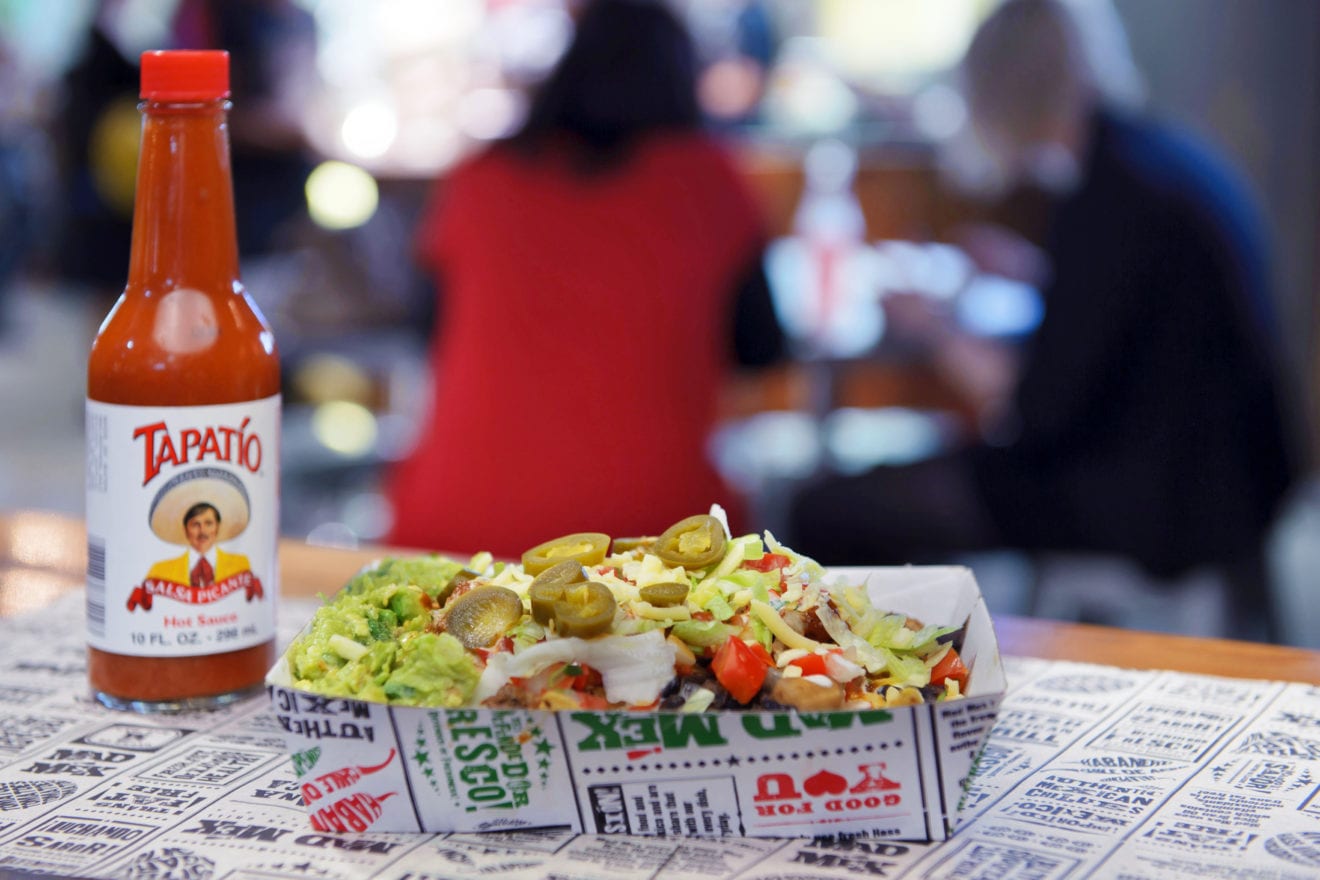
    Mad Group runs the Mad Mex Mexican fast service restaurant idea and Ordinary Repair, which specialises in wholesome wraps, salads, smoothies and juices.

    A 10-year Memorandum of Understanding (MoU) has been signed with an nameless American associate to launch 30 Ordinary Repair restaurant chains within the US beginning in Los Angeles in 2016. The deal is value over NZ$6 million in franchise royalties over the preliminary time period and could be renewed for an additional 10 years after the preliminary time period expires at a franchise royalty fee of greater than $1 million per yr. The corporate plans to have Ordinary Repair places in at the least 5 totally different US states inside 5 years.

    Mad Group has additionally signed a separate MoU with one other as but unidentified companion in Japan, however not but launched additional particulars about plans for that market..

    The enlargement of the wholesome consuming ideas follows a worldwide development towards more healthy consuming of high quality recent meals, for which Mad Group is famend. Only recently McDonald’s added kale to its menu to maintain up with altering dietary preferences.

    The corporate lately raised fairness in a crowdfunding marketing campaign to develop the Mad Mex enterprise regionally, rolling out each manufacturers round New Zealand and aiding within the gross sales and advertising of worldwide franchise licences for Ordinary Repair.

    Ordinary Repair eating places are to date situated in Auckland and Wellington and can doubtless quickly be coming to the South Island as properly.

  • Liquor samplers take maintain in Korea

    Liquor samplers take maintain in Korea

    Like selecting cosmetics after utilizing a pattern, a brand new development is rising of liquor samplers in Korea’s eating places and bars.

    Based on the business, Baesangmyun Brewery, a standard Korean rice wine maker, presents 4 sorts of Sluggish Metropolis Brewery Makgeolli within the sampler course at its Sluggish Metropolis Brewery & Pub eating places. Sluggish Metropolis Makgeolli, a hand-made Korean conventional rice wine, can have 4 totally different tastes by various the extent of getting old or maturation.

    For many who can’t select what to drink for his or her makgeolli, the restaurant presents free samples of the 4 tastes and lets the client select their very own.

    A buyer on the restaurant stated: “This place is superb as we will watch the brewery course of with our personal eyes and choose the makgeolli we would like after sampling numerous sorts.”

    Soju samplers are additionally gaining in reputation, as it may be a burden to order high-quality soju by the bottle.

    Aoi Sora, a standard soju pub in Itaewon, Seoul, is promoting a sampler for soju-lovers. It presents two soju samplers with 4 soju manufacturers every at 15,000 gained (US$13.70) and 16,000 gained (US$14.60).

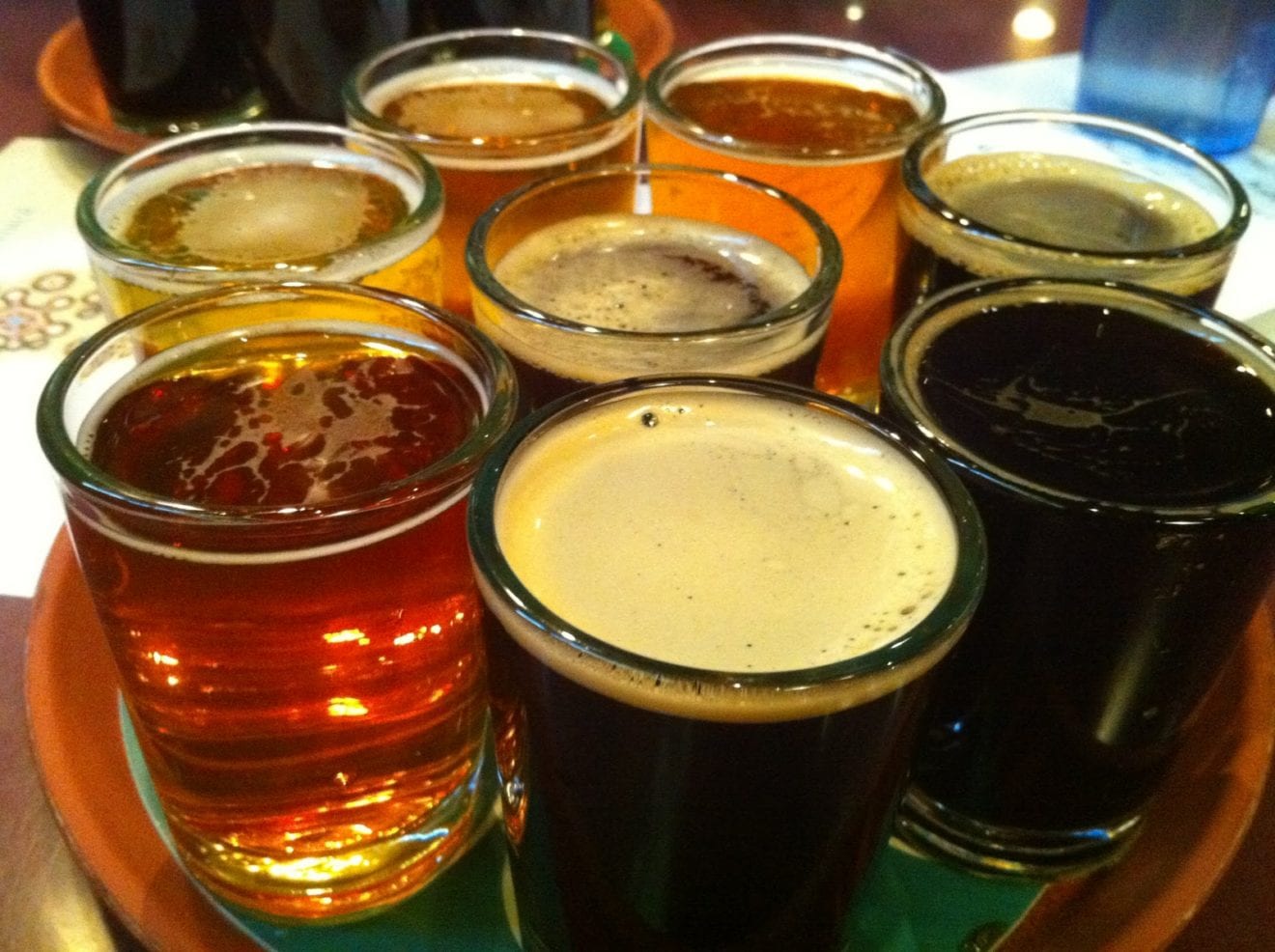
    As well as, craft beers at the moment are promoting in samplers. As they’re brewed in several methods, a beer sampler could be one of the best match for beer-lovers who need to attempt numerous tastes in beer.

    An government at Baesangmyun Brewery stated: “Liquor and beverage samplers are a pure improvement to satisfy the varied tastes of consumers. The samplers have acquired good response from first time guests and youthful clients who are usually not acquainted with makgeolli, notably ladies.”

  • Esquires Espresso seals Hunan partnership

    Esquires Espresso seals Hunan partnership

    New Zealand-listed Cooks International Meals has signed a three way partnership settlement with Shenzhen-listed retail and property big BuBuGao Group to develop 30 Esquires Espresso shops in Hunan by 2020.

    The three way partnership cements China’s place as Esquires Espresso’s quickest rising worldwide territory and lifts the whole variety of deliberate shops within the nation to a minimum of 150. It additionally additional advances Cooks’ aspiration for Esquires Espresso to be working 800 shops all over the world by 2020.

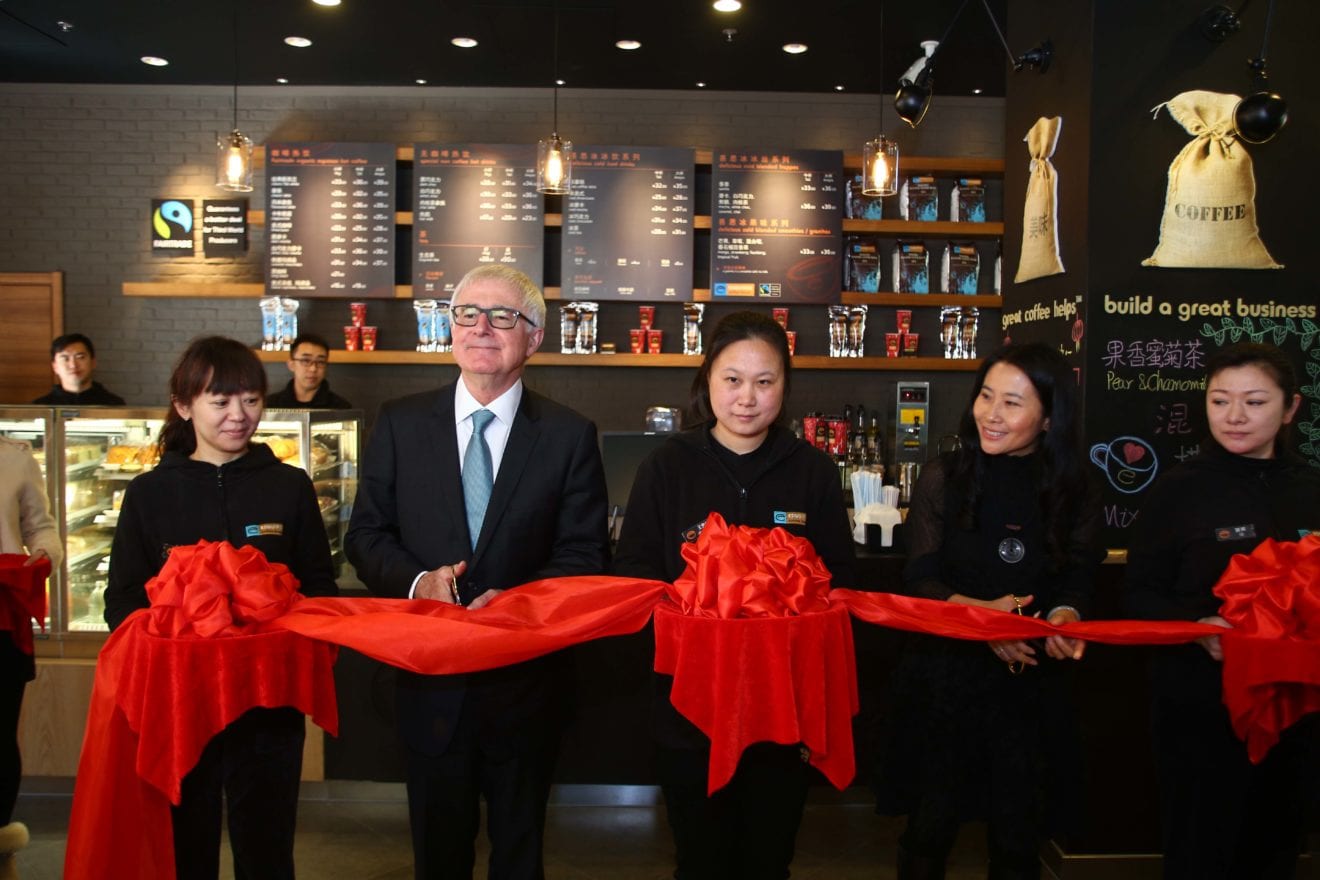
    * BBG chairman Wang Tian (left) and Esquires Espresso China MD Ellen Zhang toast their new China three way partnership.

    BBG, or Higher Life, has taken a 49 per cent stake within the three way partnership and can progressively contribute property in its buying malls which might be based within the Hunan province. Cooks, with a 51 per cent stake within the enterprise by way of its wholly-owned Chinese language grasp franchisee Beijing Esquires Administration Co, will develop and handle the shops.

    BBG has annual revenues of almost CNY12.three billion, (NZ$2.7 billion), employs over 70,000 individuals and operates over 373 shops within the Hunan, Jiangxi, Sichuan, Chongqing, Guangxi, and Guizhou provinces, together with 156 supermarkets and 29 purchasing malls. It additionally has a CNY10 billion property portfolio and is lively in on-line commerce and finance.

    Cooks International Meals government chairman Keith Jackson stated the brand new deal is additional endorsement of the potential for Esquires Espresso’s artisan fashion Natural and Fairtrade model to develop quickly in Chinese language markets.

    The enterprise is a continuation of our technique to drive progress in China by partnering with vital home companies that may present the assets, retail experience and native information which are pre-requisites for fulfillment within the area. These capabilities, coupled with a Chinese language Esquires Espresso administration staff that understands the right way to translate the model’s distinctive tackle New Zealand café tradition into home settings, provides us nice confidence within the potential of the enterprise to develop.”

    BBG chairman Tian Wang stated that with demand for branded espresso rising in China at charges that outstrip progress charges in the remainder of the world, Esquires Espresso will fill an essential a part of the retail combine throughout its buying centres.

    Its Natural, Fairtrade and artisan positioning makes it an aspirational vacation spot for a broad cross part of the inhabitants. We’re assured the brand new enterprise will generate appreciable worth for the BuBuGao group.”

    Cooks now operates 21 shops in China using 130 individuals, making it the third largest New Zealand non-Authorities employer within the Peoples’ Republic. It’s now concentrating on a footprint of greater than 150 shops in China by 2020.

    Earlier this yr, Cooks acquired the Esquires Espresso Chinese language grasp franchisee Beijing Esquires Administration and as a part of that transaction, one of many former house owners, Yunnan Metropolitan Funding Firm (YMCI) took a 15.75 per cent stake in Cooks.

    Cooks additionally has an identical three way partnership with Jiajiayue Group (JJY) grocery store chain to develop 50 shops within the Shandong province. JJY is among the largest corporations in Shandong, using virtually 30,000 employees and working greater than 550 supermarkets.

    We proceed to hunt companions to increase our foot print in different areas and our administration group, led by expatriate Chinese language-New Zealander Ellen Zhang, is already in dialogue with a number of different events,” Jackson stated.

    Cooks owns the mental property and grasp franchising rights to Esquires Espresso Homes worldwide excluding New Zealand and Australia. Following the signing of a brand new grasp franchise settlement for Egypt final week, the corporate is now rising in 13 separate territories around the globe and it’s in discussions to increase its grasp franchise community additional.

  • Indonesia`s red onion production predicted to reach 1.14 million tons

    Indonesia`s red onion production predicted to reach 1.14 million tons

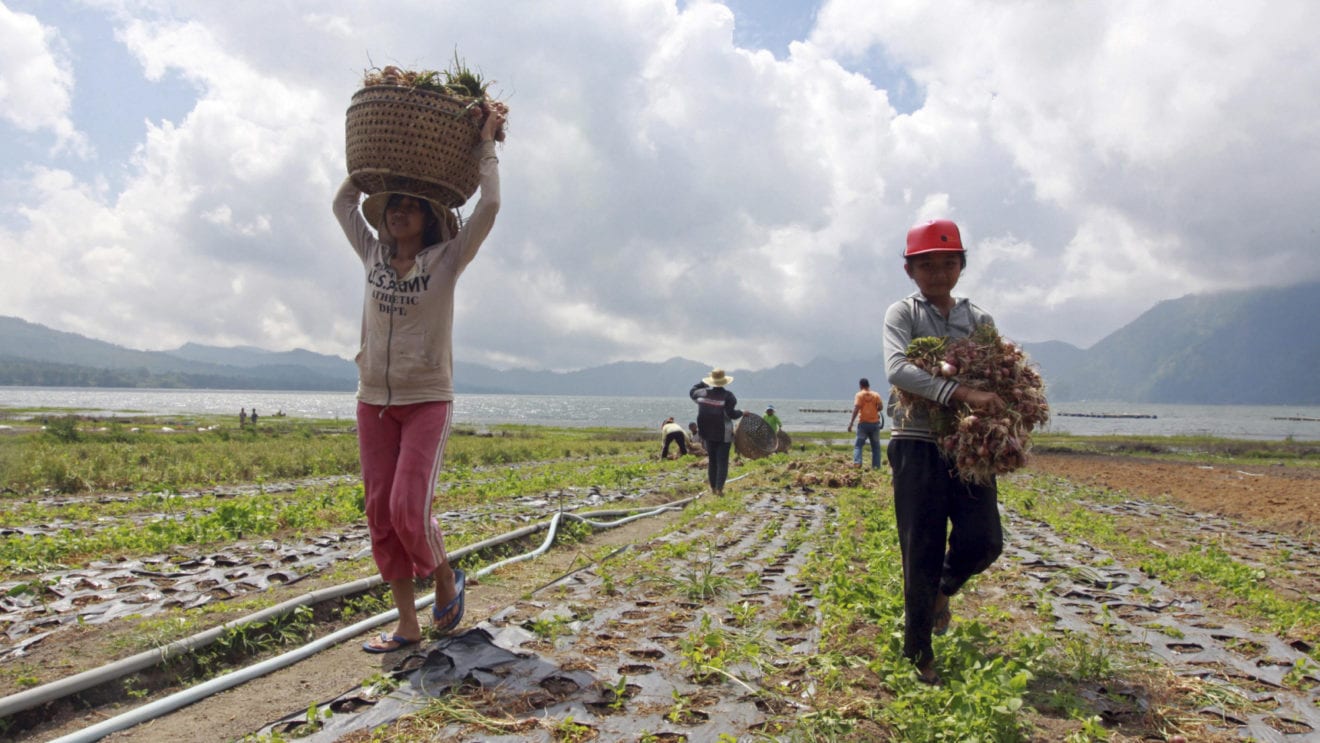
    The agriculture ministry said the countrys production of red onion is predicted to reach 120,000 tons a month or 1.14 million tons this year. The production fell from 122,000 tons a month in 2014, but still is higher than domestic requirement.

    Horticulture Director General Hasanuddin Ibrahim said the production will exceed domestic consumption of around 90,000 tons a month.

    “In the period of January to September this year, the production is predicted to rise 20 to 30 percent, but October to December, the production is expected to fall by the same rate of 20 to 30 percent,” Hasanuddin said.

    The countrys red onion production is expected to peak in June at 122,800 tons. The second highest was 116,300 tons in January and the third highest was 110,900 tons in August, he said.

    The lowest production was expected in March at 65,270 tons , November at 81,010 tons and in October at 83,850 tons.

    “The production is not level from month to month depending on the season. The production falls in rainy season but surges in dry season,” he said.

    In rainy attacks by season plant disease on red onion are more wide spread, he said. He said red onion plantations totaled 119,966 hectares in 2014. In 2015, red onion would be grown in 27 of the countrys 34 provinces.

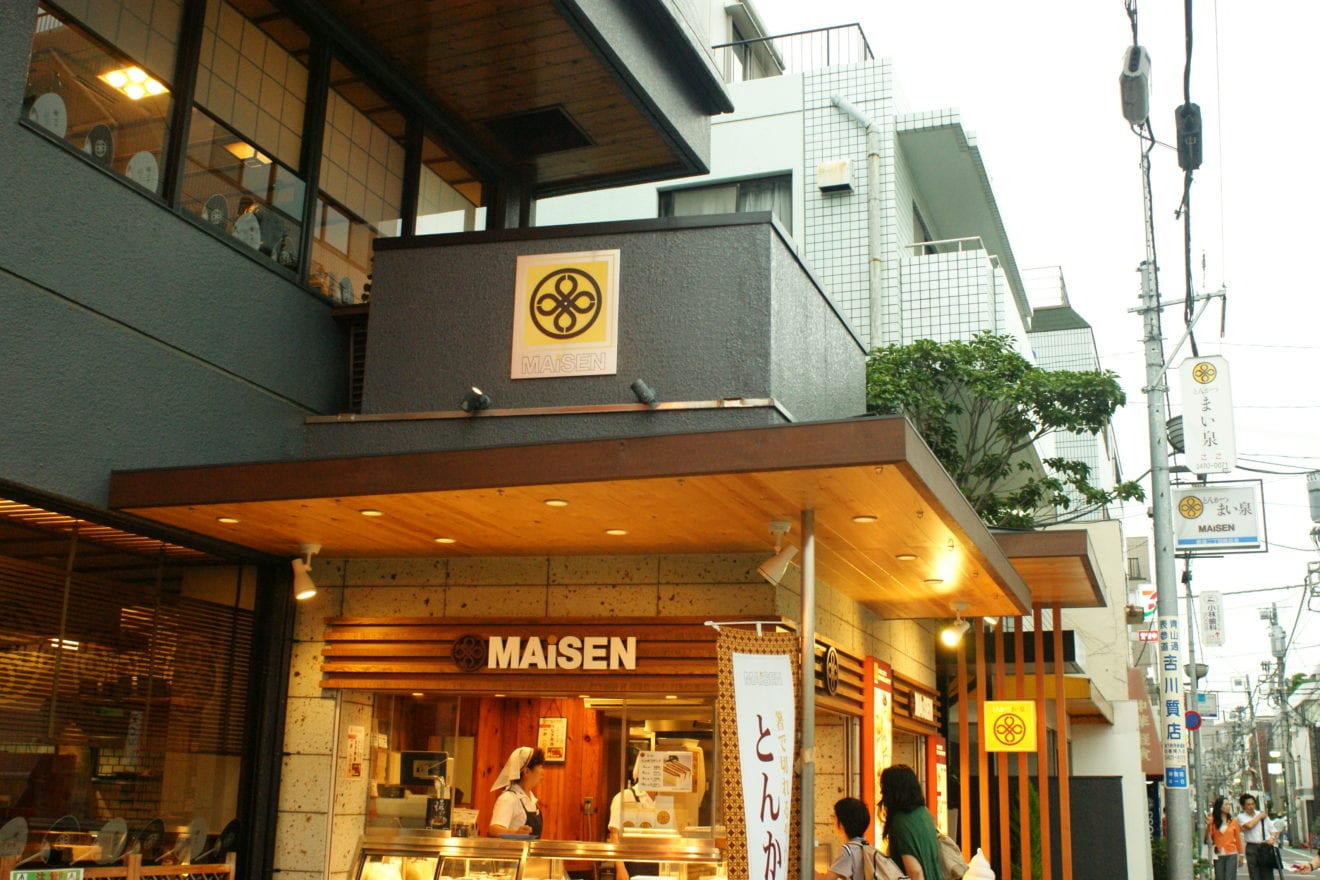
  • Maisen Tonkatsu heads to Philippines

    Maisen Tonkatsu heads to Philippines

    Maisen Tonkatsu, described as Japan’s “greatest tonkatsu restaurant”, is to open a sequence of eating places within the Philippines.

    The primary restaurant, described as a flagship, will open at SM Megamall by the third quarter of 2015.

    Maisen Tonkatsu, based in 1965, will increase into the Philippines underneath Katsucuisine Inc, a subsidiary of its Japanese father or mother Suyen Company.

    Thought-about the market chief in its class in Tokyo, the restaurant model is steadily increasing in Asia. It has six branches in Bangkok, Thailand, a part of a community now numbering 1100 worldwide.

    Foodies and vacationers alike typically queue outdoors the Tokyo eating places whose profile has been boosted by in depth reward on social media and by skilled reviewers.

    The restaurant’s positioning slogan is: “Tender tonkatsu you’ll be able to minimize with chopsticks.”

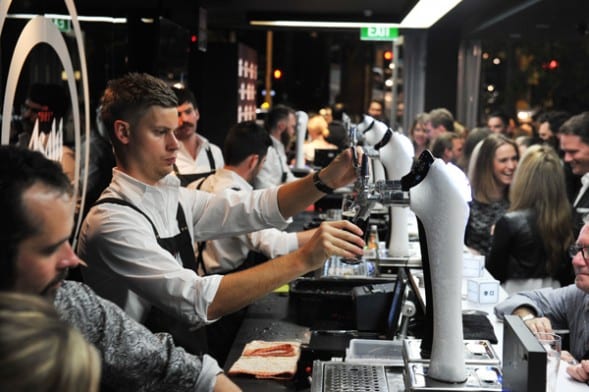
  • Japanese to launch Singapore Asahi Bar

    Japanese to launch Singapore Asahi Bar

    A Japanese entrepreneur is elevating money to open the primary Asahi Tremendous Dry Additional Chilly Bar in Singapore by the yr’s finish.

    Seiki Takahashi, who has beforehand opened and managed greater than 50 eating places globally, is looking for to boost US$10 million to broaden Japanese restaurant and bar ideas into new markets.

    Final December, Takahashi launched the GP Asia Pacific Hospitality & Way of life LP fund, which owns the franchise rights to the ASahi bar idea, the place the Japanese brewer’s beer is served at under zero temperatures.

    The Singapore Asahi Bar is predicted to seek out comparable favour with clients as namesake bars in Japan and South Korea, in line with studies.

    Analysis carried out by the Japan Tourism Company exhibits foreigners rank consuming Japanese meals because the most-liked exercise within the Asian nation – forward of even sightseeing. Takahashi is one among a rising group of entrepreneurs who needs to take genuine Japanese eating and consuming experiences into different nations.

    “Japanese manufacturers are appreciated in Asia. We need to convey these valued meals and drinks as contents of way of life to different nations.”

    His fund will prolong past the Asahi idea. He informed Bloomberg in an interview that he would would spend money on “no less than 5 offers in Singapore, the US and Hong Kong”. One is the Miyabi Steak & Seafood Home a Teppanyaki type restaurant idea he’ll open in Denver, Colorado.

  • KFC to enter Myanmar

    KFC to enter Myanmar

    Yum! Manufacturers’ KFC is about to grow to be the second multinational quick meals chain to enter Myanmar.

    Yum! has signed an settlement with native franchise associate Yoma Strategic to open fried hen eating places within the quickly opening-up nation. The primary outlet will open in downtown Yangon quickly.

    KFC will comply with South Korean burger chain Lotteria into Myanmar. That chain, owned by Lotte Group, has opened seven eating places because it arrived there in 2013. It has additionally efficiently established first mover benefit in different Southeast Asian markets together with Vietnam.

    No date has been launched for the opening of the primary KFC outlet, however Yoma Strategic stated in a press release it is going to be the “first main American fast service restaurant to determine a foothold in Myanmar”.

    As much as 4 KFC eating places will open in Yangon by the top of the yr earlier than the corporate appears at different cities, reminiscent of Mandalay.

    Laos is now the final remaining Southeast Asian market KFC has but to enter.

  • DFS flagship has walk-in bar

    DFS flagship has walk-in bar

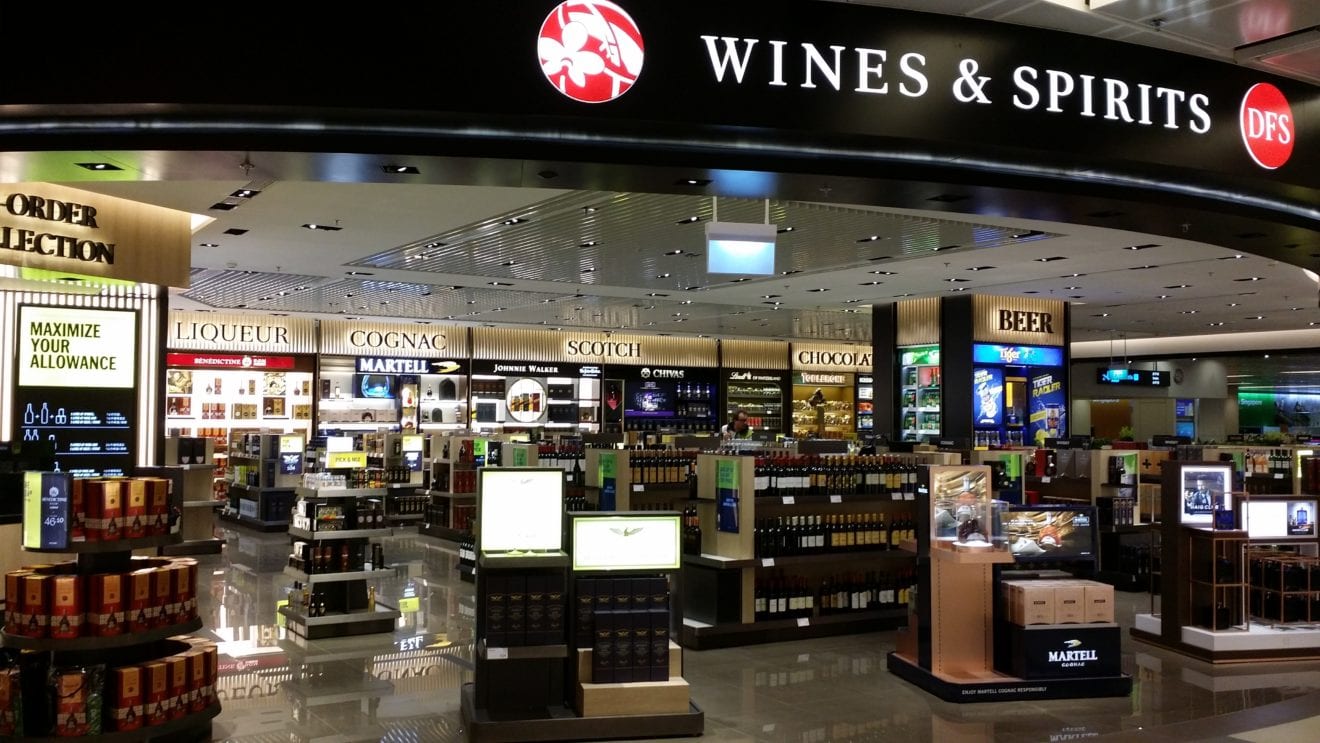
    DFS Group has opened a new wines and spirits flagship duplex store at Singapore’s Changi Airport – the first of its kind in the world.

    The 11.400 sqft store at Terminal 3 is DFS Group’s largest single retail space for wines, spirits and tobacco.

    Designed by Masamichi Katayama, the award-winning interior designer and founder of design firm Wonderwall, the store showcases the luxury retailer’s full assortment of wines, spirits and tobacco in a visually dramatic environment and façade inspired by flowing water and undulating shapes. Within the store, warm and modern design elements accentuated by a double-height atrium measuring over eight meters high provides an inviting shopping and tasting environment for travellers.

    Amongst the store’s most innovative features are expanded common areas designed especially for lifestyle and cultural experiences. This includes a Raffles Long Bar – in collaboration with one of Singapore’s most historical landmarks, the Raffles Hotel – the ground-floor atrium tasting bars and a private lounge. The Long Bar will serve its famed cocktail invention, the original Singapore Sling. These common areas also provide space for guided tastings and a monthly program of exciting and interactive activities, featuring master classes for cocktail mixology, bartending and hosting at home.

    Philippe Schaus, CEO and chairman of DFS Group, said that when the company embarked on the project, it wanted to open a wines and spirits store of “a quality and richness unlike anywhere else in the world”.

    “That is why we secured the collaboration of Masamichi Katayama to build this one-of-a-kind, two-level experiential store, drawing inspiration from the most stylish bars and restaurants around the world as well as on the traditional and historic cellars of France and Scotland.

    “This project would not have been possible without the close collaboration and shared vision between DFS and the farsighted management team of Changi Airport.”

    DFS’ Loyal T customers can access The Lounge by DFS for an elevated shopping experience. From private viewings to new personal shopping across all product categories of DFS, Changi Airport stores, customers will be treated to a personalised level of service.

    In the new duplex store, DFS also introduces Changi’s first branded boutiques for wines and spirits, situated on the second floor. Nine brands – Absolut, Dom Pérignon, Glenfiddich, Hendrick’s, Hennessy, Johnnie Walker, The Macallan, Martell, and Penfolds – will showcase their heritage and their finest products within individually-designed boutiques, from the travel trunk-inspired Johnnie Walker House to the Glenfiddich boutique’s cellar and cask design.

    The store will also host visits from master distillers, blenders and brand ambassadors throughout the year, and unveil worldwide product launches for these nine brands.

    “For over 30 years, travellers have shopped with DFS at Changi Airport because we are the destination for the best in wines, spirits and tobacco. Our new store reinforces our promise to our customers, and our vision,” says Brooke Supernaw, senior VP, global merchandising – spirits, wine and tobacco.

    “Travellers will discover exclusive products and unique experiences that will elevate their journey.”