Category: Food

Retail News Asia is committed to providing both local and global retailers with the latest Food and Food & Beverage news throughout the Asian market. This on a daily base.

  • McDonald’s India expands McCafe

    McDonald’s India expands McCafe

    McDonald’s India has opened three McCafés in Bengaluru.

    Westlife Development, owner of the Master Franchisee of McDonald’s in India, Hardcastle Restaurants, said the McCafes were the first in South India.

    Smita Jatia, MD of Hardcastle Restaurants, said Bengaluru has great significance as a coffee hub and there is tremendous potential for growth there.

    “With the launch of McCafe, we will strengthen our beverage strategy and build our restaurants as a one stop destination for all customers to enjoy across all ‘day parts’.

    Smita Jatia, Managing director, Hardcastle restaurants Pvt Ltd at the Launch of McCafe in Bengaluru

    *Smita Jatia, Managing director, Hardcastle restaurants Pvt Ltd at the Launch of McCafe in Bengaluru

    The store-in-store format enables a quick roll-out of a McCafé with an investment of Rs 30-35 lakhs per outlet across key trading areas in metro cities of West & South India to make it easily accessible to our consumers.”

    Jatia said within the last 18 months McDonald’s India has expanded the McCafé network across 41 restaurants in six cities – Mumbai, Ahmedabad, Nashik, Aurangabad, Pune and now Bengaluru.

    “Today, we are well on track as per the stated goal to launch 75-150 McCafé over the next three to five years, a clear testament to the fact that our coffees, frappes and muffins have been very well accepted by customers.”

    The expansion of the McCafé brand and its product offering is part of the company’s goal to elevate its coffee portfolio and to become India’s favourite destination for good food and quality beverages.

    McCafe counter at McDonald's outlet at JP Nagar,Bangalore (2)

    “We believe that we will be able to delight customers in Bengaluru too with our freshly brewed aromatic coffees,” said Jatia.

    McCafé uses 100 per cent Arabica coffee beans brewed by professionally trained baristas and sourced from sustainable farms in Chikmangalur, India.

    McDonald’s India first opened a McCafe in October 2013. Hardcastle Restaurants, which operates McDonald’s in west and south India, recognised an unmet need, for existing and new customers, in the rapidly growing Indian specialty coffee segment.

    McCafé was created and launched in Melbourne, Australia in 1993, and has since spread worldwide, with the first in the US opening in Chicago, Illinois, in May 2001. Today, McCafés can be found in Costa Rica, Japan, Paraguay, South Africa, Spain, Ukraine, Canada, Malaysia, Macau, Hong Kong, Thailand and the UK, amongst other countries.

  • Pastamania wins Cambodia entry

    Pastamania wins Cambodia entry

    Singapore foodservice operator Commonwealth Capital Group is to enter Cambodia with two F&B brands – Pastamania Casual Dining Restaurant and Gelatofix Italian Gelateria and Cafeteria.

    A franchise agreement has been signed between Commonwealth subsidiary PastaMatrix International and an as yet unidentified local Cambodian company operating in retail and real estate.

    “We expect to open the first flagship outlet for both PastaMania & Gelatofix in the third quarter of 2015 at an exclusive heritage site in Phnom Penh overlooking the scenic Mekong River,” said Yin-Yin Yeo, MD of international business.

    Commonwealth 1 415

    “The location is widely frequented by local trendsetters and tourists. It will serve as a landmark site for a memorable dining and chill out experience,” she said.

    Commonwealth expects to open six PastaMania and Gelatofix stores in total over the next 18 months.

    Yeo said both PastaMania and Gelatofix will provide “more exciting dining and hang out options” for the maturing Cambodian market, she said.

    “PastaMania features the widest range of great tasting pasta dishes along with authentic Italian pizza that suit the taste buds of Cambodians. We will also be the first in the market to launch an authentic Italian gelato coffee shop chain under Gelatofix.”

    Commonwealtg 2 415

    PastaMania is the largest Italian casual dining chain in Singapore with more than 50 stores in eight countries. It offers affordable authentic Italian cuisine with ambience modelled after the Italian piazza concept.

    Gelatofix features creamy gelato cones dripped with dark chocolate created by Italian celebrity chef Ernst Knam and serves up a variety of dishes ranging from desserts to all-day-breakfasts and Italian risottos. The Gelatofix store format was designed by Italian architect Stefano Ricci.

    Yeo says Cambodia has strong economic growth running above seven per cent since 2011, a young population (50 per cent aged below 25) and a more open and vibrant market.

  • Starbucks cashes in on revamped offering

    Starbucks cashes in on revamped offering

    Starbucks is extracting more money from customers with offerings like a flat white and revamped baked goods that cost a little more.

    The Seattle-based chain reported a higher quarterly profit on Thursday, with sales jumping seven per cent at established US stores.

    The company said much of the increase came from higher spending per visit.

    New drinks like the flat white and Teavana Shaken iced teas help drive up sales because they’re a little pricier than other drinks, Starbucks CFO, Scott Maw, said.

    He noted the company is also charging more for baked goods like croissants, which are being made with new recipes.

    “What we’re seeing is a premiumisation, a trade up,” Maw said.

    In a conference call with analysts, CEO Howard Schultz, said the flat white and new cold brewed iced coffees also help extend the company’s position as a “coffee authority”.

    During its second fiscal quarter, Starbucks said its US sales bump was also helped by a two per cent uptick in customer traffic, which translated into an additional 10 million visits.

    That was driven in part by people coming in to redeem the US$1.6 billion (A$2.06 billion) that was loaded onto gift cards during the holidays.

    The company is also convincing people to buy more food in general.

    Overall Starbucks food sales in the US were up 16 per cent from a year ago, while breakfast sandwich sales were up 35 per cent, the company said.

    A key part of Starbucks’ strategy for continuing to drive up sales is its expansion into the afternoons and evenings, when its stores tend to be less busy.

    Already, Starbucks says about a third of orders include a food item and that the figure has been ticking higher.

    The company is also testing a program in about 30 locations where it sells alcohol in its cafes in the evenings, and has said plans to expand that more broadly this year.

    Globally, sales at established locations rose seven per cent during the period.

    That included a 12 per cent increase in Asia, while the unit encompassing Europe, the Middle East, and Africa rose two per cent.

    For the period ended March 29, Starbucks’ profit jumped 16 per cent to US$494.9 million, or 33 US cents per share, which was in line with expectations.

    Total revenue rose 18 per cent to US$4.56 billion, more than the US$4.53 billion Wall Street expected.

    Shares of Starbucks Corp were up 4.3 per cent at US$51.54 in extended trading.


  • Heineken in talks with Indonesia on beer ban, underage drinking

    Heineken in talks with Indonesia on beer ban, underage drinking

    Brewing companies and Indonesia’s Trade Ministry will form a joint working group to discuss alternative solutions and programs to prevent underage drinking, Dutch brewer Heineken says.

    Heineken, the largest shareholder in Multi Bintang Indonesia, met with Trade Minister Rachmat Gobel on Sunday just days after the government banned alcohol sales at convenience stores and small shops across the country.

    In a press release obtained by GlobeAsia, Heineken said that the company applies very strict rules about how to market and sell its beer products that include prevention of underage drinking. It also said that Multi Bintang has worked with a large number of minimart operators to train their staff to make sure they do not sell to people below the legal drinking age of 21 years old.

  • Starbucks Malaysia earns employer accolade

    Starbucks Malaysia earns employer accolade

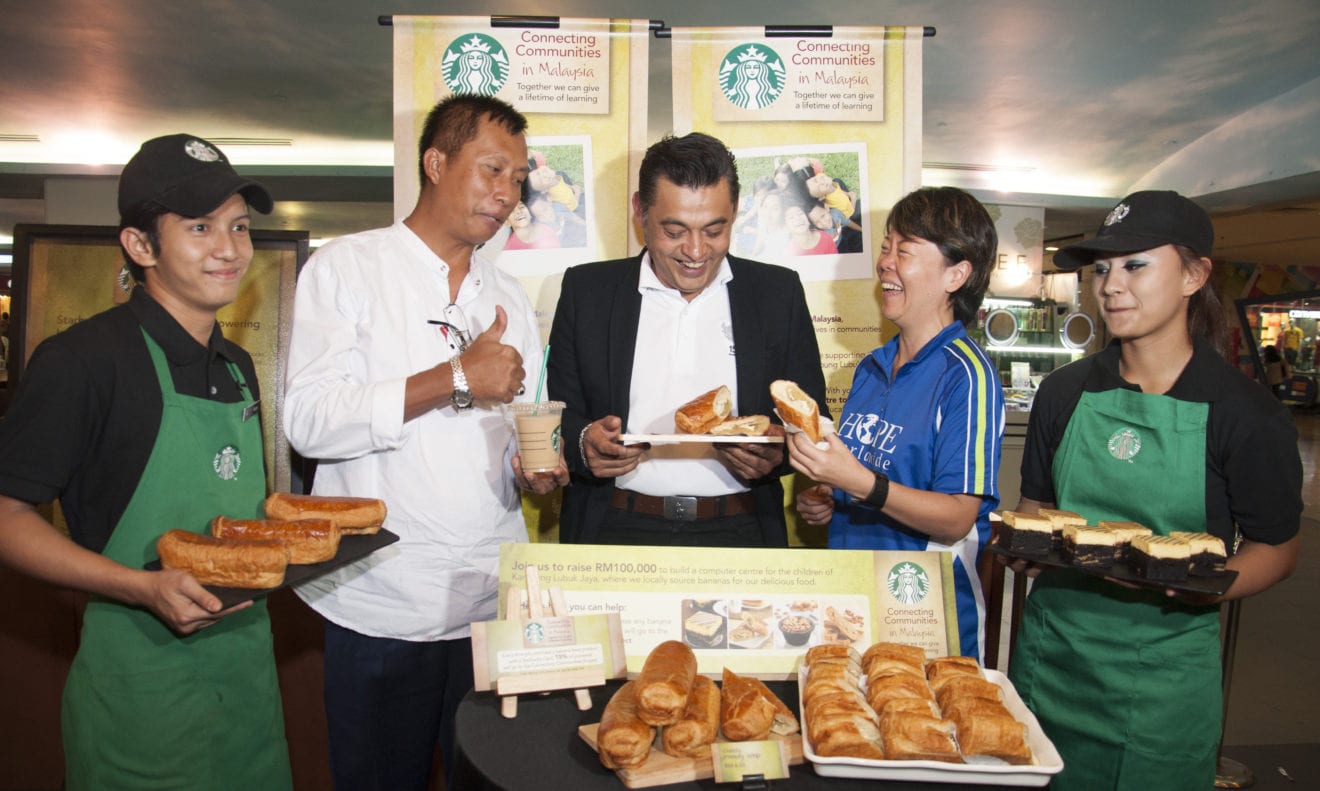
    Starbucks Malaysia has earned top honors for its employment practices at the Aon Hewitt Best Employers of 2015 Awards.

    The Best of the Best award was presented to Starbucks Malaysia at the Awards Presentation and Learning Conference in Kuala Lumpur.

    The Aon Hewitt Best Employers Award is one of the most prestigious awards recognising companies with strong employee engagement, high-performance culture, effective leadership and a compelling brand. Aon Hewitt’s research is conducted over nine months and is active in a dozen Asia Pacific markets, including China, Japan, Australia, and Malaysia. The Malaysian survey was completed in partnership with TalentCorp Malaysia.

    Sydney Quays, MD of Starbucks Malaysia and Brunei, called the honor “one of the most significant recognitions that a company could get in validation to its human resources practices and talent management initiatives”.

    “We’re known for our coffee, but our people make us famous,” Quays added.

    A substantial part of Starbucks recognition was related to the company’s efforts to retain, engage and motivate partners.

    “Retention starts from hiring the right talent,” said June Beh, partner resources and compliance director for Starbucks Malaysia and Brunei.

    “We also highly invest in the training of every partner (employee) empowering them with the necessary skills and knowledge.”

    Starbucks store manager Desmond Soon was given the opportunity last year to lead a district for the company. “This allowed me to create a lasting connection with the community, to be involved in company programs, and to share our amazing stories with customers,” Soon said.

    Starbucks Malaysia opened in Kuala Lumpur in 1998 and today has more than 190 stores across the country.

  • La Cure Gourmande lands in Asia

    La Cure Gourmande lands in Asia

    French confectionery brand La Cure Gourmande has chosen Korea for its Asian market debut.

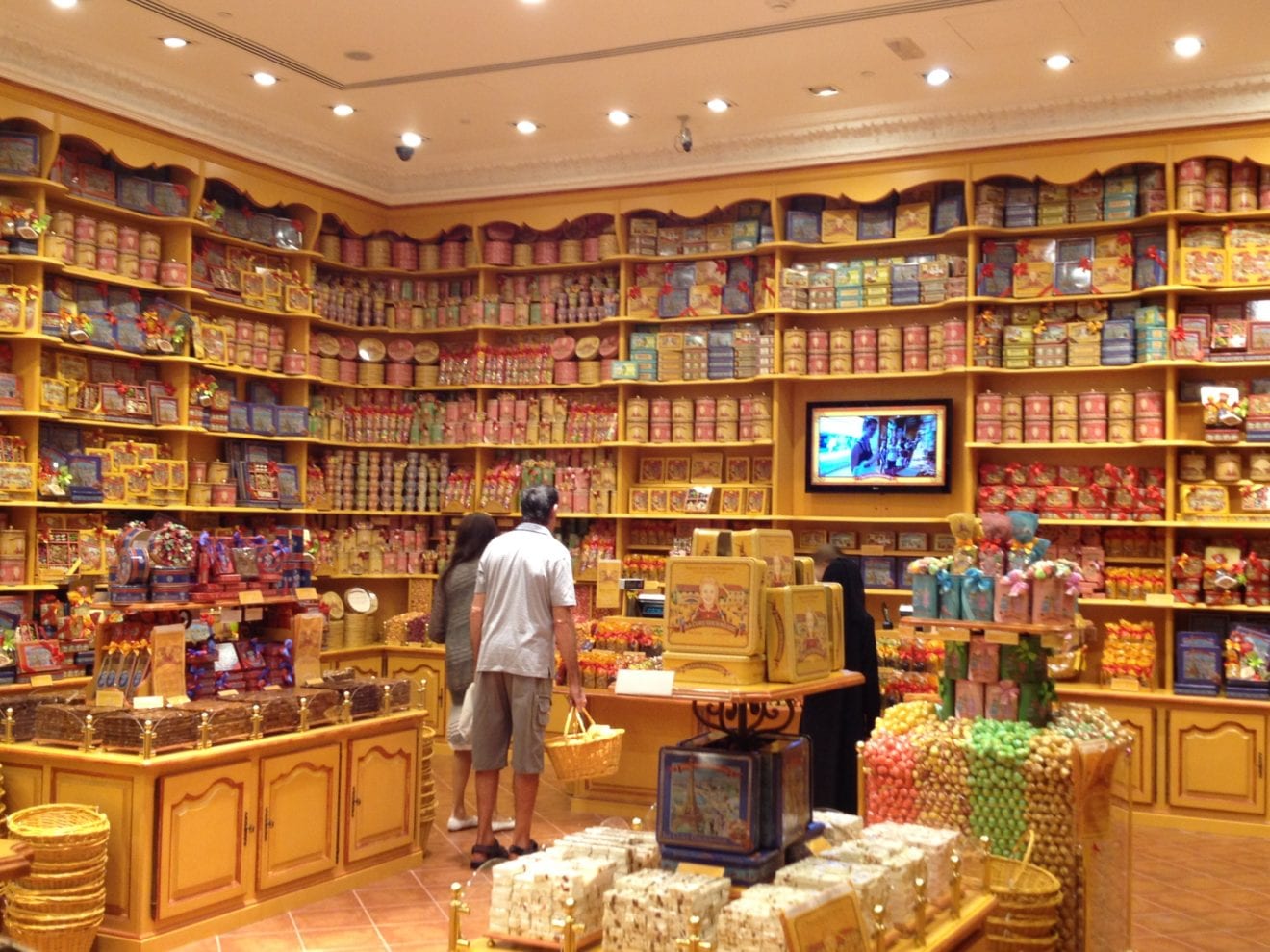
    The sweets specialist has opened its first outlet in the continent inside the Lotte Department Store Sogong-dong downtown Seoul.

    The 36 sqm bright yellow coloured store offers more than 30 kinds of candies, cookies, caramels and chocolates, all imported from France. The Korea Herald reports that on its first day of trading, it grossed the highest sales in the department store’s food section.

    Customers are encouraged to taste and inspect the candies, with store staff named “Sunshine” offering samples.

    “We want people to feel nostalgic when they enter the store, bring back their memories of going to an old candy store and sticking their noses into the cookies and caramels,” said Edouard Hennebert, the company’s founder.

    La Cure Gourmande plans two more stores-in-stores inside department stores in southern Seoul and Gyeonggi Province and says it will offer up to 150 kinds of product by the end of the year.

    The French company’s debut in Korea is the result of Lotte staff seeking unique brands to create a point of difference from rival department stores Shinsegae and Hyundai.

    “Lotte Department Store was searching for dessert brands that could cement their market status as a high-end and luxury retail channel, just like what Louis Vuitton and Chanel used to three decades ago,” said Stephane Lo, CEO of La Cure Gourmande Korea.

  • Menya Sandaime makes Australian debut

    Menya Sandaime makes Australian debut

    South Korean restaurant chain Menya Sandaime is to open its first restaurant in Australia – in the Melbourne CBD.

    The chain has chosen a prime site on Russell St in the Victorian capital’s CBD, according to Savills Australia Victorian retail director, Michael Di Carlo, who brokered the deal, with colleagues Jeremy Marmur and Jock Thomson.

    Menya has taken a 10 year lease on the 93 sqm site.

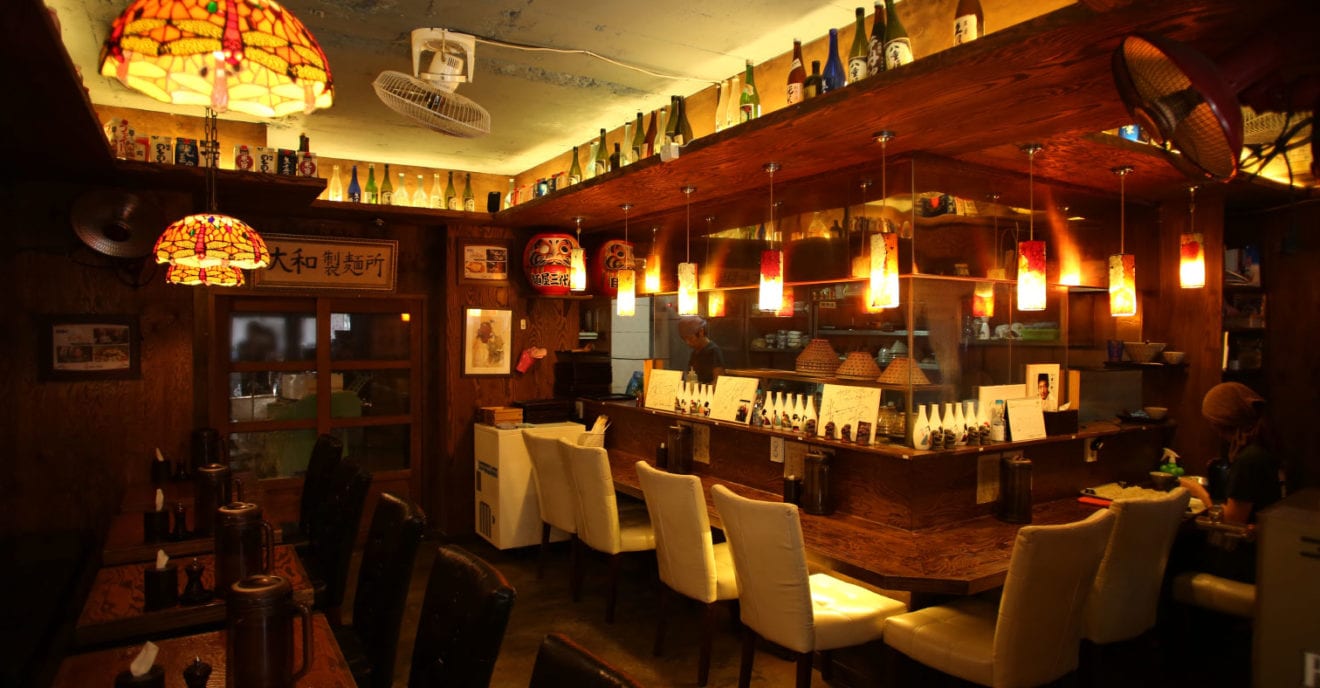
    Menya Sandaime specialises in Japanese ramen dishes and chose Melbourne for its Australian debut due to the city’s reputation as a multicultural community with a well developed appreciation of foreign foods. Its website says it adheres to strict Japanese traditions in preparing its food, including brewing meat broth for at least 24 hours.

    “Melbourne has the second biggest population of Koreans in Australia but also a community which loves food and especially Asian food.

    “The location near Chinatown, QV and Lonsdale St attracts strong pedestrian traffic to the many food and beverage operators in the area, [thus] was a very good fit,’’ Di Carlo said.

  • McDonald’s Japan to close 131 stores

    McDonald’s Japan to close 131 stores

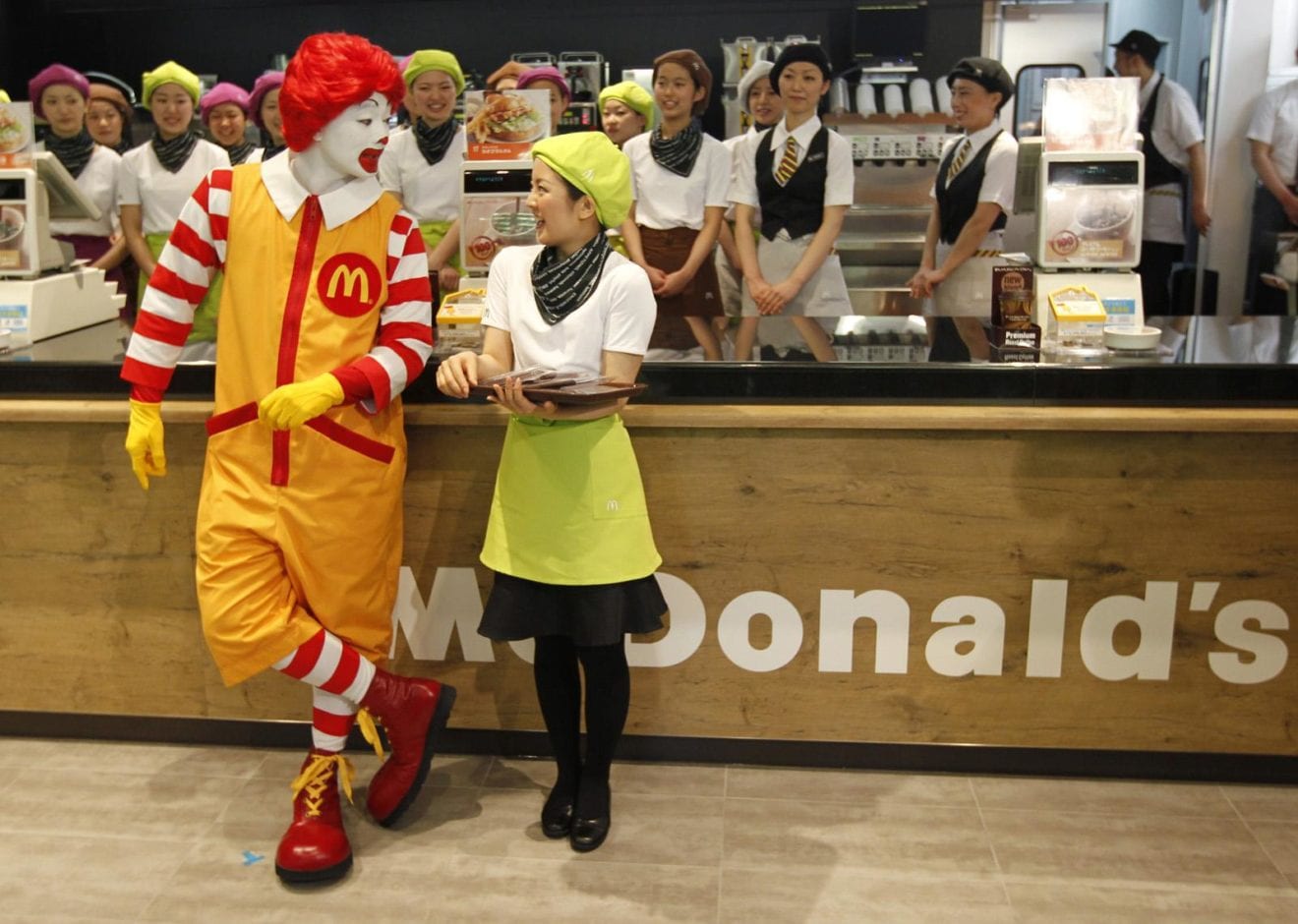
    McDonald’s Japan will axe 131 stores, revamp its menu and refurbish 500 stores this year as it tries to reduce a projected US$319 million loss.

    Listed McDonald’s Holdings Company (Japan) said it expects sales to fall by 14 per cent this calendar (and financial) year. Worse, it projects a loss of 38 billion yen (US$319 million) reflecting the ordinary loss and impairments. System-wide sales combine company sales and those of its franchisees.

    The company says in the year ahead it will implement a Business Revitalization Plan aimed to “bring our customers visible points of change and become a Modern Burger Restaurant that Connects with Customers”.

    The plan has four pillars: New customer focused initiatives, speeding up restaurant revitalisation, localising its business structure and improving cost and resource efficiency.

    McDonald’s Japan outlined the four pillars in a statement:

    • Customer Focused Initiatives

    “We strive to bring more comfortable dining experience for our customers. Some immediate initiatives currently under trial and to be announced in the very near future include:

    ✧ New set menu that provide more customised choice and wider variety for our customers.

    ✧ New Happy Meal options.

    ✧ A new personalised digital loyalty program with relevant coupons.

    ✧ A mobile app which gathers real-time feedback from our customers.”

    • Accelerate Restaurant Revitalisation

    “We will further accelerate remodeling of existing restaurants to provide more modern, clean, inviting restaurants environment for our customers to enjoy their meals. Presently, only 25 per cent of our restaurants fit our vision of a Modern Burger Restaurant; we plan to remodel approximately 2000 restaurants aiming to have 90 per cent of our restaurants upgraded to modern within four years. In 2015, we are targeting to remodel approximately 500 restaurants located in food courts or shopping malls. In addition, we will close 131 underperforming restaurants this year that have no long-term growth potential, and will reallocate resources resulting from the strategic closures to invest in remodeling restaurants with greater growth potential.”

    • Localise Our Business Structure

    “Broad-scale national strategies, such as national marketing, menu development and operation system development, are defined as ‘Big M’, whereas the activities rooted in restaurants and/or local communities are defined as ‘Little M’. We will strengthen ‘Little M’ activities and operate our business in a manner more rooted in local communities and restaurants.

    “In order to realise management from a position that is closer to our customers, we will introduce Regional Headquarters. We will reorganise McDonald’s Japan into three regions. Each region will have business functions such as marketing, HR and finance, and have full business execution responsibility for their region, which will enable each region to reduce the layers within organisation and to implement activities rooted in the local community and customers. Also, we will further strengthen Marketing activities to meet the demands of the local communities and customers.”

    • Improve Cost and Resource Efficiency

    “To concentrate our resources into investments for long-term business growth, we will effectively allocate our resources such as people and capital, and drastically transform our cost structure.

    Accelerate Restaurant Revitalisation: New restaurant development will be very carefully selected and we are shifting our resource from new store openings to remodeling existing stores. We will prioritise remodeling of existing restaurants rather than new opening to offer great restaurant experiences and bring our customers visible points of change.

    On the other hand, we will secure capital for investment through strategic closures. Strategic closures are expected to incur non-recurring cost of approximately 4 billion yen and improvement in profitability of about 2.4 billion yen (annualised).

    Re-engineer our costs structure: To maximise the effect of the regional HQ structure, we will review and reprioritise the HQ functions and operations and will put the right people into the right jobs. This involves the offering of voluntary early retirement packages to approximately 100 permanent positions in our Tokyo HQ and the field.

    We have identified more than 12 billion yen in cost saving potentials across food & paper, logistics and labor and we will promote cost optimisation.

    Financial support to franchise owners: We will continue to provide financial support to franchise owners this year to offer continuous great restaurant experiences to all of our customers.

    Borrowing facilities: To secure capital required to execute our Business Revitalization Plan, we have increased borrowing facilities and borrowed 22 billion yen.

    McDonald’s Japan said the board accepts responsibility for recent results and the disappointing forecast, so will reduce the pay of its board and senior executives by between 10 and 20 per cent.

    “We expect to post a huge loss for FY2015 impacted by non-recurring one-time cost and investments associated with the above-mentioned Business Revitalization Plan. However, by executing this Business Revitalization Plan, we expect to return to profitability in FY2016.”

  • Huy Vietnam secures offshore funding

    Huy Vietnam secures offshore funding

    Private equity firms in Singapore and Hong Kong have invested US$15 million into Huy Vietnam Group, Vietnam’s largest operator of local Vietnamese food restaurants.

    The Series C round of funding will be used to support the company’s network expansion in Ho Chi Minh City, Hanoi and other cities in Vietnam – as it clearly works towards regional expansion.

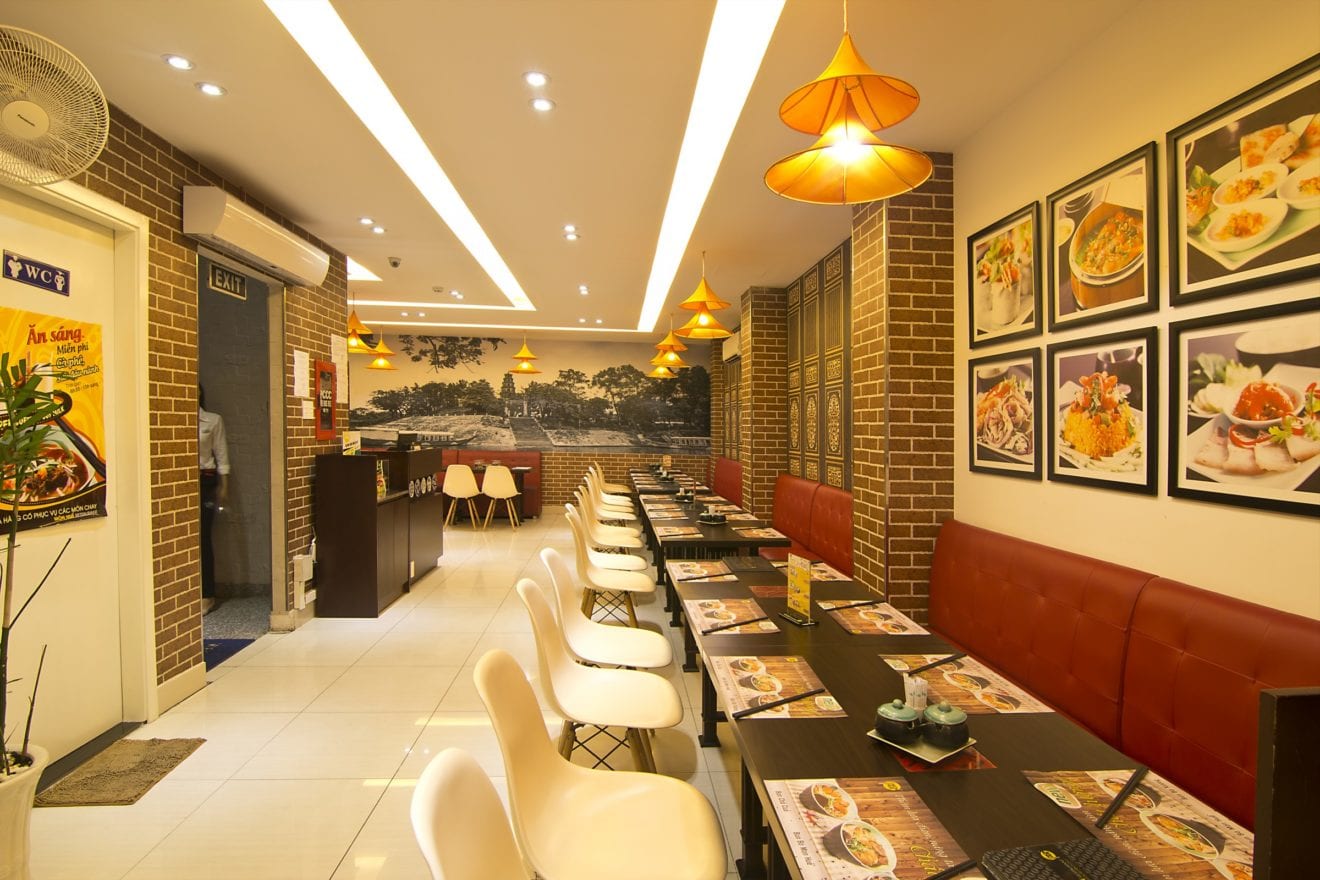
    Just five years old, Huy is one of Vietnam’s first international, professionally managed restaurant companies serving traditional Vietnamese food prepared from formulated family recipes. It already runs over 70 restaurants under the Mon Hue Vietnam, Com Express and Pho Ong Hung brands, serving affordable and authentic local Vietnamese cuisines.

    Mon Hue restaurant 1-415

    Huy Vietnam plans to continue opening additional Mon Hue, Com Express and Pho Ong Hung restaurants during the course of 2015. It also intends to expand its geographical footprint to include restaurants in Nha Trang, Hue and Dalat in the second half of 2015.

    KY Huy, co-founder, chairman and CEO of Huy Vietnam said the Series C financing allows the company to leverage its multi-restaurant brand strategy in Ho Chi Minh City and Hanoi and expand to second tier cities in Vietnam.

    Dennis Nguyen, co-founder, vice chairman of Huy Vietnam and chairman of New Asia Partners, a Hong Kong-based private equity group and a cornerstone Huy shareholder, said the investors in this round include Templeton Strategic Emerging Markets Fund, Welkin Capital and Prosperous Alliance.

    “I especially look forward to working with Templeton on the Huy Vietnam board as it brings well-respected market analysis and corporate governance to the company,” said Nguyen.

    Mark Mobius, chairman of Templeton Emerging Markets Group, said Huy has impressed investors by successfully growing its restaurant chains, satisfying local Vietnamese and foreigners alike with its cuisine and comfortable restaurant ambience.

    Mon Hue restaurant 2-415

    “We are excited about the company’s prospects under its existing brands and others which may come. Templeton is therefore happy to be able to play a part in Huy Vietnam’s growth.”

    Johnny Kong, CEO of Welkin, a Hong Kong-based private equity firm, provided a hint at the company’s broader long term ambitions beyond Vietnam’s shores.

    “Welkin is proud to make Huy Vietnam its first China-plus investment. We are confident in the leadership of Mr Huy and his management team and we look forward to working together to continue developing the company as a leading restaurant chain in Vietnam and across the region.”

    Vietnam is forecast to achieve 6.5 per cent GDP growth in 2015 and has averaged more than seven per cent annually over the past decade. That strong growth has fuelled the development of the restaurant business in Vietnam due to the local culture of eating out, and many international QSR concepts have entered in the market during the last three years, including, McDonald’s Starbucks, Dunkin Donuts, Popeye’s and Texas Chicken.

    Huy’s brands focus on different regional Vietnamese cuisines: Mon Hue on central foods, Com Express on southern Vietnamese rice cuisine and Pho Ong Hung on northern Vietnamese noodles.

    Huy says the chains are each continuing to expand their market share.

  • Yum! China opens luxury restaurant

    Yum! China opens luxury restaurant

    US fast food giant Yum! Brands has opened a luxury restaurant overlooking Shanghai’s Bund to test menu concepts on locals.

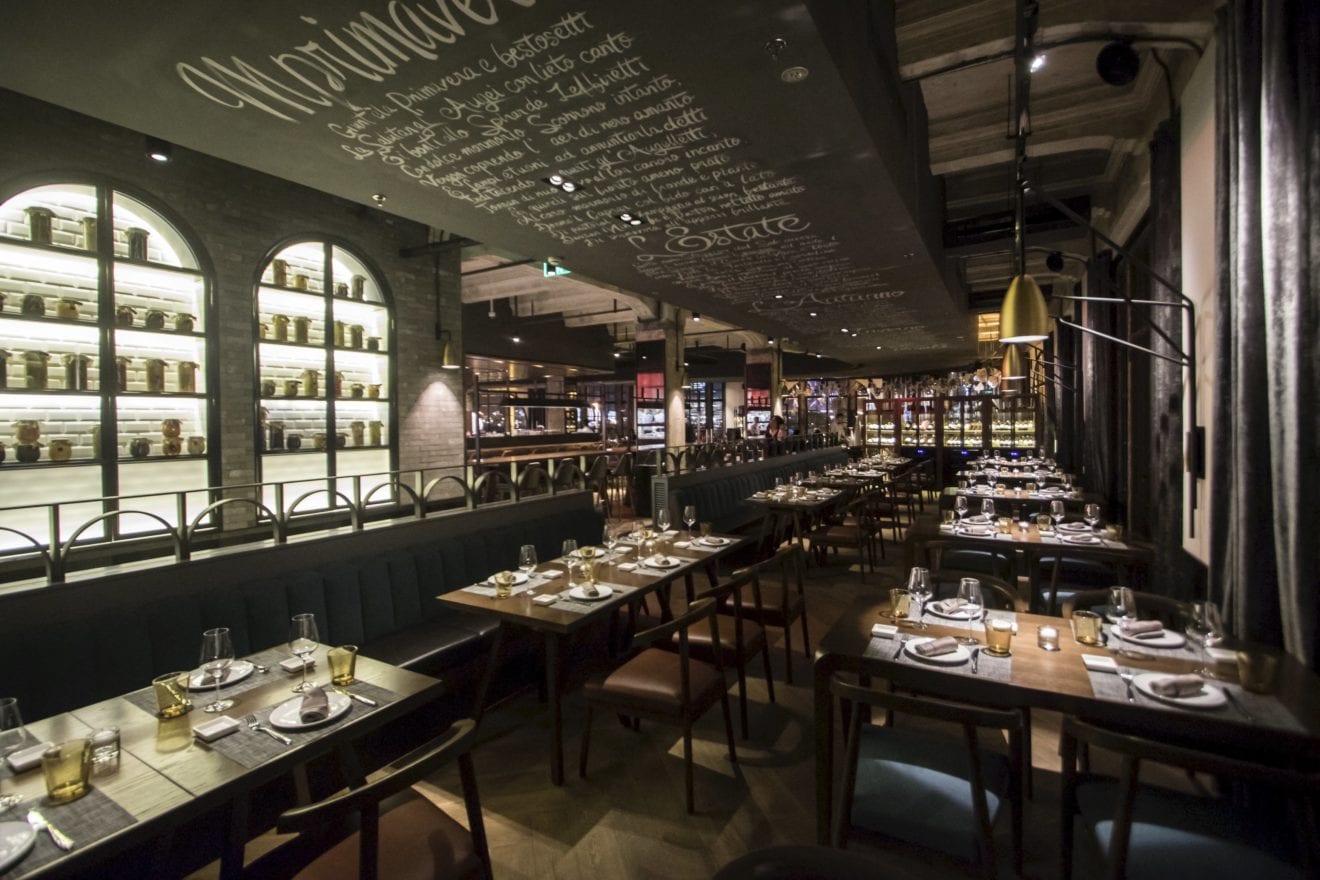
    Atto Primo, complete with its Italian name, is as far from the fast fried chicken concept of KFC or Pizza Hut as you could possibly get. The expansive restaurant is located in a historic building more than 100 years old. The decor is heavy on design and atmosphere, the dining environment with dim light, captivating wall murals, natural wooden furniture – and it has an expansive bar.

    Atto Primo 415

    “Atto Primo also houses a bar, and the design here stems from a puppet theatre concept,” wrote on Shanghai food blogger, seemingly unaware of the identity of the owner. “When diners make their order, bartenders, baristas, pizza and grill chefs leap into action, preparing cocktails and coffee, pizzas and meat, much like a puppet being pulled along by its strings, acting on the fancies of its masters.”

    Atto Primo The Bund interior

    So far from fast food is Atto Primo, Inside Retail Asia crossed checked multiple sources to be sure it was a Yum! Brands project. Sure enough, both Forbes and Reuters have reported on the concept, without going into any detail of how stunning the restaurant looks.

    To us, it’s as if Primark had suddenly unveiled a $5000 Vera Wang style wedding dress!

    Yum! China has apparently dubbed the venture a “lab” and while the investment has not been revealed, just the location and the decor, not to mention the sheer size of the venue, suggests a serious chunk of the R&D budget has gone into this experiment.

    “A high-end test kitchen will let Yum! test the waters with new menus and concepts and get feedback from more sophisticated diners – helpful if you want to go a bit upmarket,” Ben Cavender, a principal at China Market Research Group, told Reuters.

    Atto Primo The Bund wall mural

    Yum! China has been experiencing serious challenges in China, which started with, but are by no means all linked to, food safety scares when suppliers were outed using dodgy hygiene standards. The company has about 7000 QSR restaurants across the country, but its early-to-market advantage from being one of the first multinational food chains to enter China has been eroded by an increasingly sophisticated army of local chains more attuned to Chinese eating habits and tastes. Yum!’s same store sales slumped 16 per cent in the last quarter of 2014. Some analysts describe the company’s predicament as “brand fatigue”.

    In an email to Reuters, Yum! China spokesman Jonathan Blum described Atto Primo has “an innovation lab to help us learn more about the evolving tastes of Chinese consumers”.

    Atto Primo The Bund table

    Somehow, in an environment where diners can expect to splash $50 on a dinner, Yum! will learn recipes and dining solutions it can sell at the bottom end of the market over the counter of a KFC or Pizza Hut.

    English language blog Shanghai Wow describes Atto Primo as “a fine balance between classy, fashionable interiors and a good, authentic menu”, again with no obvious awareness it is a Yum! establishment.

    It has a heavy Italian theme, suggesting it may be more about developing menu solutions for Pizza Hut than KFC.

    Atto Primo  415

    Designer Lance Smith has blended modern design elements with the building’s historical architecture for an “east meets west” end result. Think wine red colours, turquoise green, heavy theming such as a giant mural of a bull (surely more Spanish than Italian).

    Atto Primo food pic 1

    The restaurant is divided into three main areas – Sonetto, Drama, and Satira.

    “The Drama section features Pirandello’s famous masks. It’s dynamic, jarring, very dramatic, almost like being seated on the stage of a grand Italian play,” writes Wow Shanghai.

    “The Sonetto area is located beside the building’s 100-year old floor-to-ceiling colonial windows. Overhead, Vivaldi’s quatrain lyrics that inspired his famous “Quattro Stagioni” concerts are etched across the ceiling.

    “The Satira area, where the main focal point is a large mural of a bull made up of different vegetables against a backdrop of red. The painting is inspired by the works of 16th century Italian painter Giuseppe Arcimboldo.”

    Atto Primo   1-415

    A Forbes columnist observed Yum! is calling the restaurant a lab for now, but “I suspect it could quickly expand the concept with new outlets if it proves popular”.

    • We doubt that very much, but we can see the potential in some of the images of food dishes shared by That’s Shanghai  for low cost versions suited to QSR restaurants.

    A trendy eatery being managed by a fast food specialist is a hard concept to embrace. But then one has to not-so-grudgingly admire any multinational brave enough to venture into such a costly and experiential form of research in order to understand a local market.

    KFC China is at the bleeding edge; Atto Primo is at the leading edge. Somewhere in the middle there surely has to be a compromise of convenience and innovation which could well lead to a profitable change of strategy for a business with such a large store network and reach.
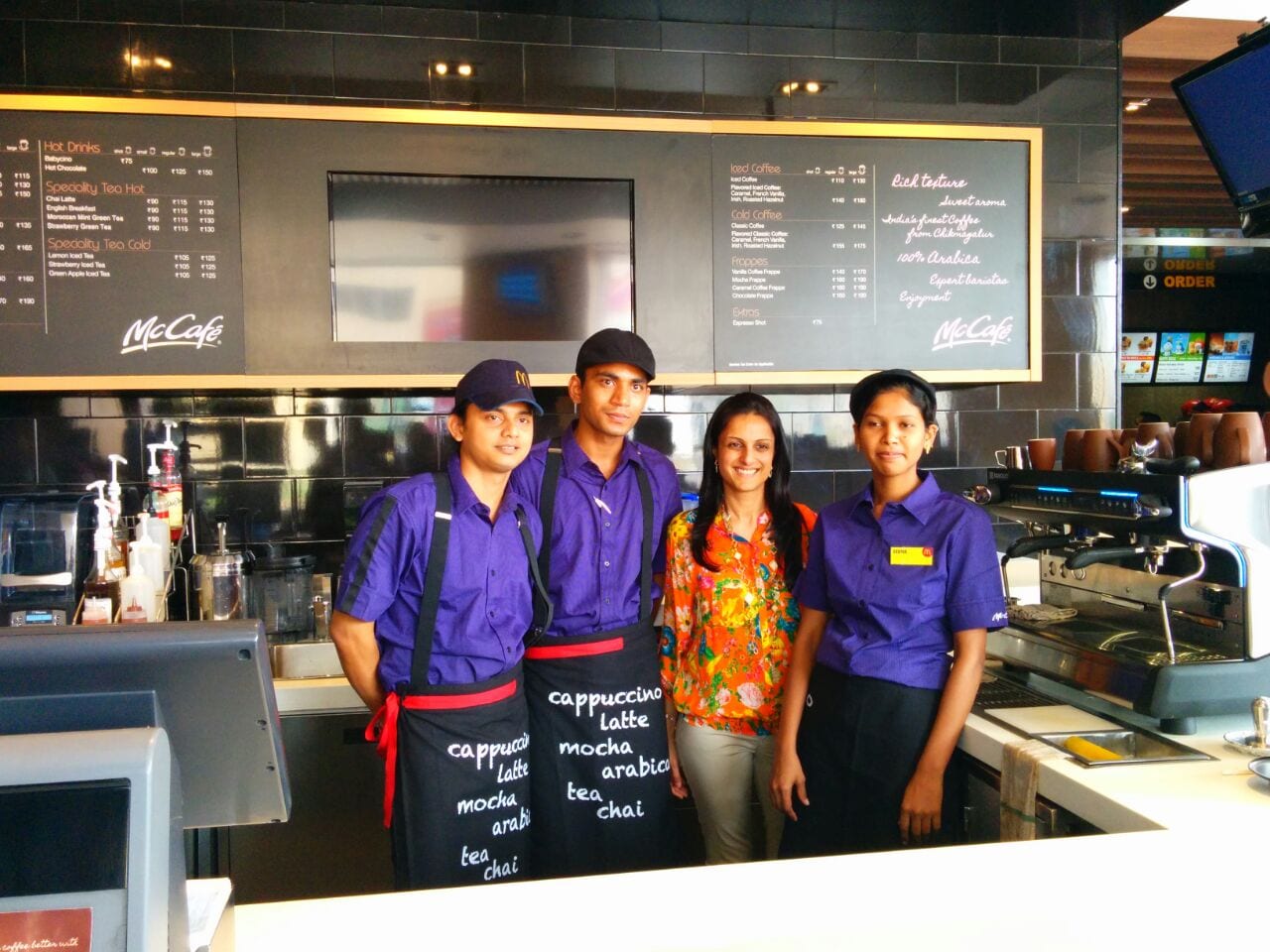
  • Starbucks Indonesia to double network

    Starbucks Indonesia to double network

    Starbucks Indonesia plans to double its current 200-strong store network within five years.

    In an interview with Indonesia Real Time, Starbucks Indonesia COO Anthony Cottan says demand is growing for the American-based global coffee giant’s products – and so, too, is Indonesia’s middle class.

    Starbucks made its Indonesian debut in 2002, opening its first store in the luxury Jakarta mall Plaza Indonesia. It now has cafes in 13 of the nation’s larger cities, located in shopping centres, airports, hospitals and motorway laybys.

    Cottan said the company plans to introduce bubble tea in June in a trial in several stores and is planning its first ‘Community store’, which, like those in markets like Thailand and Korea, will return a share of profits to community causes.

    He said it was great that Indonesians are adopting more of a coffee cultures.

    “More people are doing it and taking a deeper level of interest. I love all these independent coffee shops; they have great coffee. They roast it fresh, using Indonesian beans most of the time.”

    Starbucks Indonesia is trying to make its global culture relevant to the Indonesian market, Cottan said.

    “We try to make each [cafe] relevant to its neighborhood. The [outlet] in Grand Indonesia Mall has a very Batavia feel about it. The one we have in Stasiun Kota (in central Jakarta)… has an industrial look. So just because we’re a big company doesn’t mean that we can’t build with some consciousness and some connection to heritage. That makes it more exciting,” he told Indonesia Real Time.

  • Taco Bell Japan makes comeback

    Taco Bell Japan makes comeback

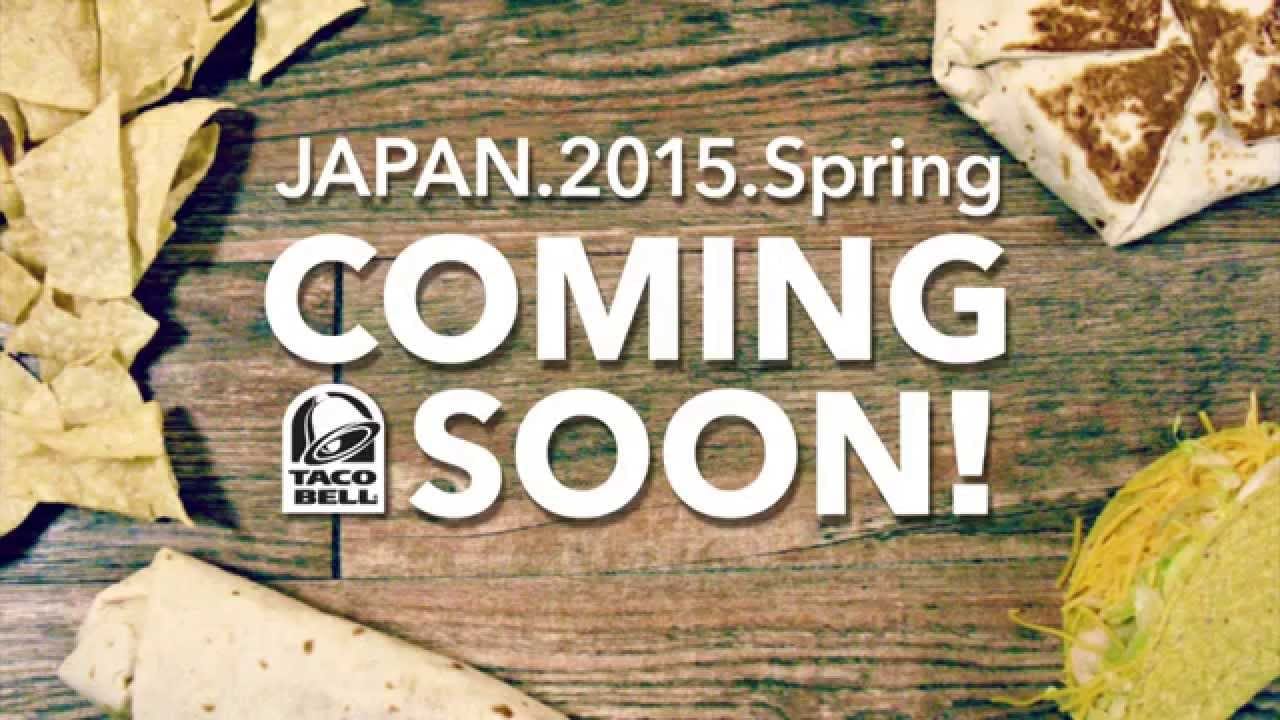
    US fast food brand Taco Bell is to make a comeback in Japan.

    Restaurant chain operator Asrapport Dining Co has partnered with the Taco Bell brand’s parent Yum! Brands and will open the first store in Shibuya, Tokyo, on April 21.

    It will be the brand’s first outlet in Japan in more than 20 years.

    Taco Bell Japan will serve the staples of the US fast food menu – burritos, tacos and quesadillas, along with items unique to the Japanese market, to suit the local population: a shrimp and avocado burrito and something called ‘taco rice’.

    “Taco rice will be a plate of taco meat and vegetables served on top of rice,” a spokeswoman told Japanese media.

    An unspecified number of stores is planned, with a distinct layout including an open kitchen where customers can see food being prepared.

    A combination meal is likely to be priced at about ¥800 ($US6.70).

    Taco Bell originally entered Japan in the 1980s but its foray was short lived, its Mexican style cuisine failing to excite the Japanese palate.

    Some Taco Bell outlets operate in Japan within US military bases, inaccessible to the general public.

  • Gelatissimo seeks new Malaysian partner

    Gelatissimo seeks new Malaysian partner

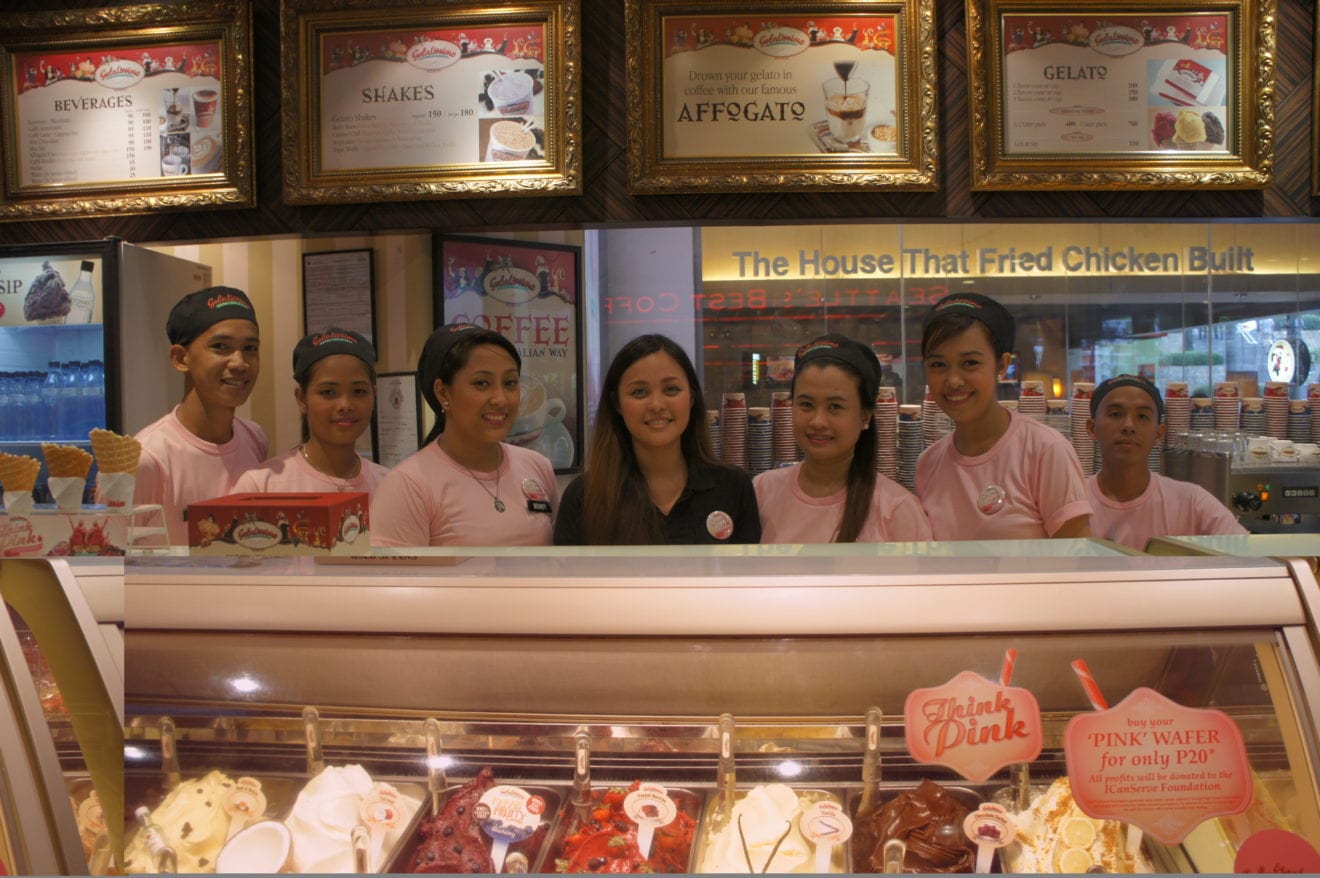
    Australian gelato chain Gelatissimo is searching for a new franchise partner in Malaysia – but says its expansion strategy in Asia and beyond remains on track.

    Gelatissimo’s sole store in Malaysia, at The Gardens mall in Mid Valley, closed late last year after the partnership proved less than successful, but Carlos Antonius, the company’s international franchise development manager, says it remains committed to Malaysia.

    “We are currently in the market for a new franchise partner to capitalise on the brand equity already developed in Malaysia,” he told InsideRetail.Asia by email.

    Meanwhile, Gelatissimo operates successfully in international markets of Singapore, the Kingdom of Saudi Arabia, Kuwait and the Philippines.

    “We are working collaboratively with our existing franchise partners to further develop our presence in these markets and are continually reviewing all aspects of our operations to drive the business forward,” said Antonius.

    “At the same time we are investigating additional market entry options into South East Asia and the Americas.”

    Gelatissimo launched in Australia with a concept store in 2002 and after quickly finding favour with customers, commenced franchising two years later.

  • TWG success: like selling ice to Eskimos

    TWG success: like selling ice to Eskimos

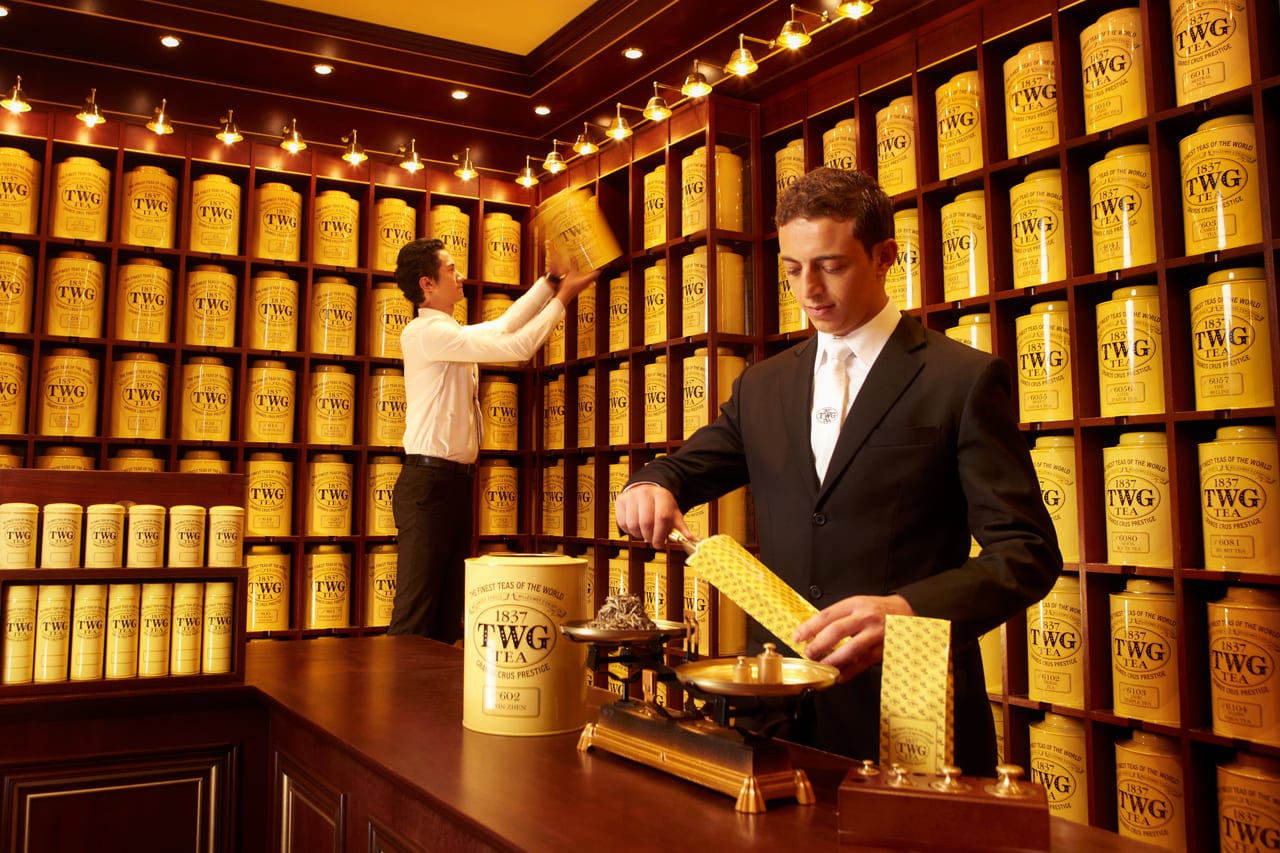
    In just seven years, Singapore tea house chain TWG has expanded from a single cafe to a network of 44 spanning 15 countries. From three employees to 3000.

    In an interview with Channel NewsAsia for its Women at the Top series, TWG co-founder Maranda Barnes described her success as akin to selling ice to Eskimos: last year the company opened its first store in China, the world’s most populous nation of tea drinkers.

    Barnes had a background in luxury retailing prior to founding TWG, experience working with fragrances and high-end fashion brands preparing her well for marketing upmarket teas.

    “I knew about luxury packaging,” she told ChannelNews Asia. “I knew how you are supposed to talk about luxury products, how important the ceremony was and these small little details.”

    But she says it was still a challenge tackling Asian markets.

    “In the beginning, it was a bit of a scary challenge because it was like selling ice to the Eskimos. Here we are, coming from overseas to sell a product to Asia and the Asians are the connoisseurs of tea. But at the same time, I sometimes feel like it takes a foreigner to see the value and the beauty in a product that has become very mundane.”

  • Johnny Rockets China plan signed off

    Johnny Rockets China plan signed off

    Johnny Rockets has signed the largest development deal in its history: for 100 restaurants in China.

    Johnny Rockets has entered into a partnership with a joint venture between AUM Hospitality and its parent Parkson Retail Group.  The first restaurant will open in 2016. AUM Hospitality is a multi-brand food and beverage developer and currently works as franchise partner and operator for Johnny Rockets in Malaysia.  Parkson Retail Group is a member of a conglomerate based in Malaysia and a department store operator with an extensive network of more than 130 stores, including over 60 in the China market.

    The same companies are partnering in the rollout of 1500 Quiznos sandwich stores across China.

    The initial plan is to open stores within Parkson department store complexes, which will also likely feature Quiznos and other food brands as Parkson builds a food-anchored retail concept in China.

    Scott Chorna, SVP of international development for Johnny Rockets, said AUM Hospitality’s success in the food and beverage industry and Parkson Retail Group’s proven track record in operating major retail outlets, made for an ideal partnership for his company’s Chinese entry.

    “Moreover, there is a strong demand in China for American brands as well as a growing middle class population with more spending power. Our partners have a keen sense of consumer preferences and shopping habits.

    “While they will be showcasing Johnny Rockets all American menu including our world famous made-to-order hamburgers and hand-spun shakes as well as our unique signature guest experience that includes dancing servers, they will also be able to offer regional tastes and flavors to our extensive menu items,” Chorna said.

    Johnny Rockets has already launched successful development partnerships in the Philippines, Malaysia, Korea and Indonesia.

    Johnny Rockets’ franchise partners currently operate more than 125 restaurants outside the US and the brand’s global strategy is to double that number by 2017.