Category: Food

Retail News Asia is committed to providing both local and global retailers with the latest Food and Food & Beverage news throughout the Asian market. This on a daily base.

  • Malaysia brings tropical touch to Scandinavia

    Malaysia brings tropical touch to Scandinavia

    Malaysian-grown tropical fruits are taking centre stage at retail stores across Scandinavia for the second straight year. The Asian nation’s Agriculture Representative Office in The Hague (PPP The Hague), Netherlands, has extended it marketing activity in the Northern European region, which will see products such as mangoes, durian and jackfruit promoted across stores owned by Swedish retail group ICA AB.

    The campaign kicked off last week, following on from the success of similar promotional activity last year, which helped propel the value of Malaysian agricultural exports to Sweden to RM9,899,050 (US$2.4m), up from RM7,067,625 (US$1.7m) in 2014.

    “This proves that the Swedes have become more inclined towards Malaysian agriculture products, which has a certain uniqueness and quality to it when compared to similar offerings from neighbouring countries,” Mohammad Wafiuddin Esa, Malaysia’s second secretary of Agriculture.

    The promotion is being coordinated by PPP The Hague, ICA AB, DRS Trading and EMA’S International AS.

  • McDonald’s Thailand plans to double burger outlets

    McDonald’s Thailand plans to double burger outlets

    More McDonald’s Thailand restaurants are in the pipeline under a plan by national franchise-holder McThai aimed at almost doubling sales by 2020.

    At least 5 billion baht (US$140.8 million) will be spent to nearly double the number of outlets over the next five years.

    CEO Hester Chew has told the Bangkok Post that about 1 billion baht will be spent each year opening stores and upgrading with a target of 400 stores by 2020. The store count at the end of last year was 223.

    This year’s budget includes about 900 million baht pegged for 25 new stores, half of which will be drive-through outlets. This is creating jobs for about 1000 people.

    Already this year four new outlets have started trading in Bangkok and in the north of Thailand.
    Chew says the aim is to grow sales at a double-digit rate this year, as the group had single-digit sales growth last year in the face of lower consumer spending, higher costs and increased competition with more local and international food brands being established.

    “We will continue to invest, no matter whether consumer spending power is good or not, particularly on people training and product quality, which are the two areas where we never compromise,” says Chew, who believes the Thai economy will improve this year with a stimulus economic package from the government.

    McDonald’s has been in the Thai market for 30 years. The food giant has more than 35,000 restaurants serving 70 million people in more than 100 countries each day.

  • Japanese noodle firm ready for halal certification

    Japanese noodle firm ready for halal certification

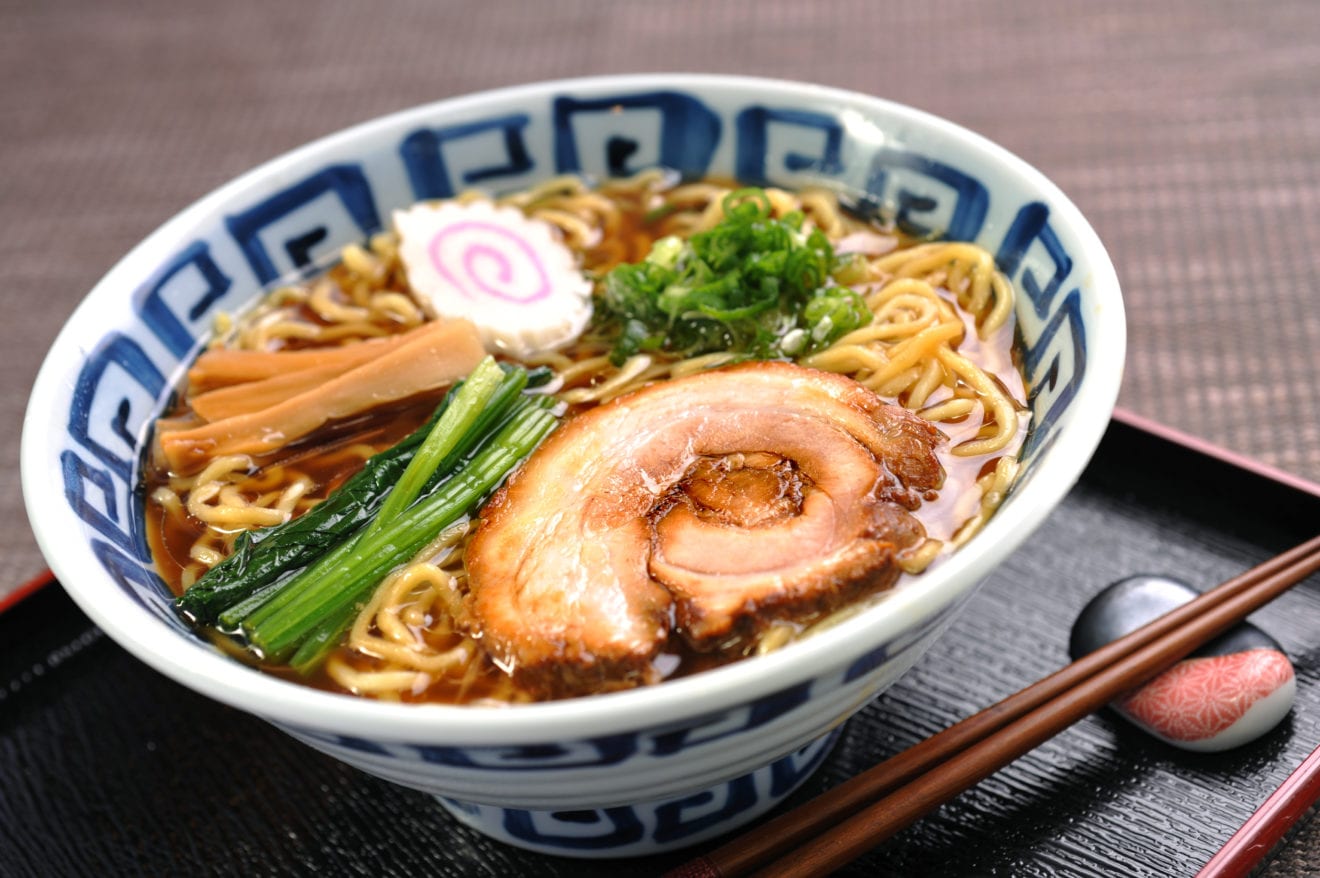
    A Japanese noodle firm in Hyogo Prefecture has expressed readiness to meet administrative requirements such as halal certification for its food products to be sold to Indonesian consumers.

    The Japanese company notified the representative office in Tokyo of the Indonesian Capital Investment Coordinating Board (BKPM) on its readiness to meet the halal certification for its noodle products.

    “I have received reports that several Japanese food companies are contemplating to enter Indonesia after observing the spurt in the number of Japanese restaurants and grocery stores in the country. This means that they already have market segments to sell their products in Indonesia,” Franky Sibarani, the BKPM head, noted in a press statement here on Wednesday.

    He affirmed that the Hyogo Prefecture was included in the areas covered by the Indonesian Consulate General in Osaka. It often conducted promotional activities in cooperation with the Tokyo office of the BKPM.

    Franky lauded the interest shown by the Japanese noodle firm to invest in Indonesia. He remarked that it was an interesting development as, so far, Japanese companies making investment in Indonesia were mostly doing business in the automotive and component industries.

    “This indicates that the interest of Japanese companies to invest in Indonesia is increasingly varying,” the BKPM chief pointed out.

    According to data at the representative office of the Japan External Trade Organization (Jetro), there were 1,199 students enrolled in Japanese schools in Jakarta in 2014. The institution also recorded that at the national level, there were 16 thousand Japanese expatriates living in Indonesia of which 10 thousand were in Jakarta.

    “Data on Japanese expatriates in Jakarta is the main factor that has led to new investment interest in Indonesia,” he claimed.

    Saribua Siahaan, the BKPM representative for investment promotion (IIPC) in Tokyo, stated that companies from Japan were so far mostly doing business in the electronics, automotive, and components sectors in addition to garment products.

    “Other fields of business that have attracted Japanese investors include semiconductor production and electrical appliances. The IIPC is ready to help the Japanese investor who came from Hyogo Prefecture,” Saribua remarked.

    In line with the implementation of the ASEAN Economic Community (AEC), the Japanese investors have begun showing interest to invest in the food sector in Indonesia.

    “The Japanese investors view this as an opportunity since over 40 percent of the ASEAN population resides in Indonesia,” noted Saribua.

    Based on the BKPM data, the realization of Japanese investment in Indonesia in 2015 increased by six percent compared to that in 2014.

    The Japanese investment realization in 2015 stood at US$2.87 billion, with 2,030 projects absorbing 115,400 workers.

    The manufacturing sector, particularly the automotive, electronics, machinery, chemical, and pharmacy sectors, constituted the main contributors to the Japanese investment in Indonesia.

    Japanese investment commitment in 2015 reached US$8.1 billion, up 95 percent from that in the previous year. Japan came third on the list of foreign countries having investment commitment in Indonesia.

    The countries topping the list of foreign investment above Japan were China, with US$22.2 billion, up 42 percent compared to the same period in the previous year, and Singapore, with investment increasing by 69 percent to US$16.3 billion.

    Following Japan was South Korea, which recorded an increased investment of 86 percent that reached US$4.8 billion.

  • E-grocer HappyFresh aims to click with Philippine consumers

    E-grocer HappyFresh aims to click with Philippine consumers

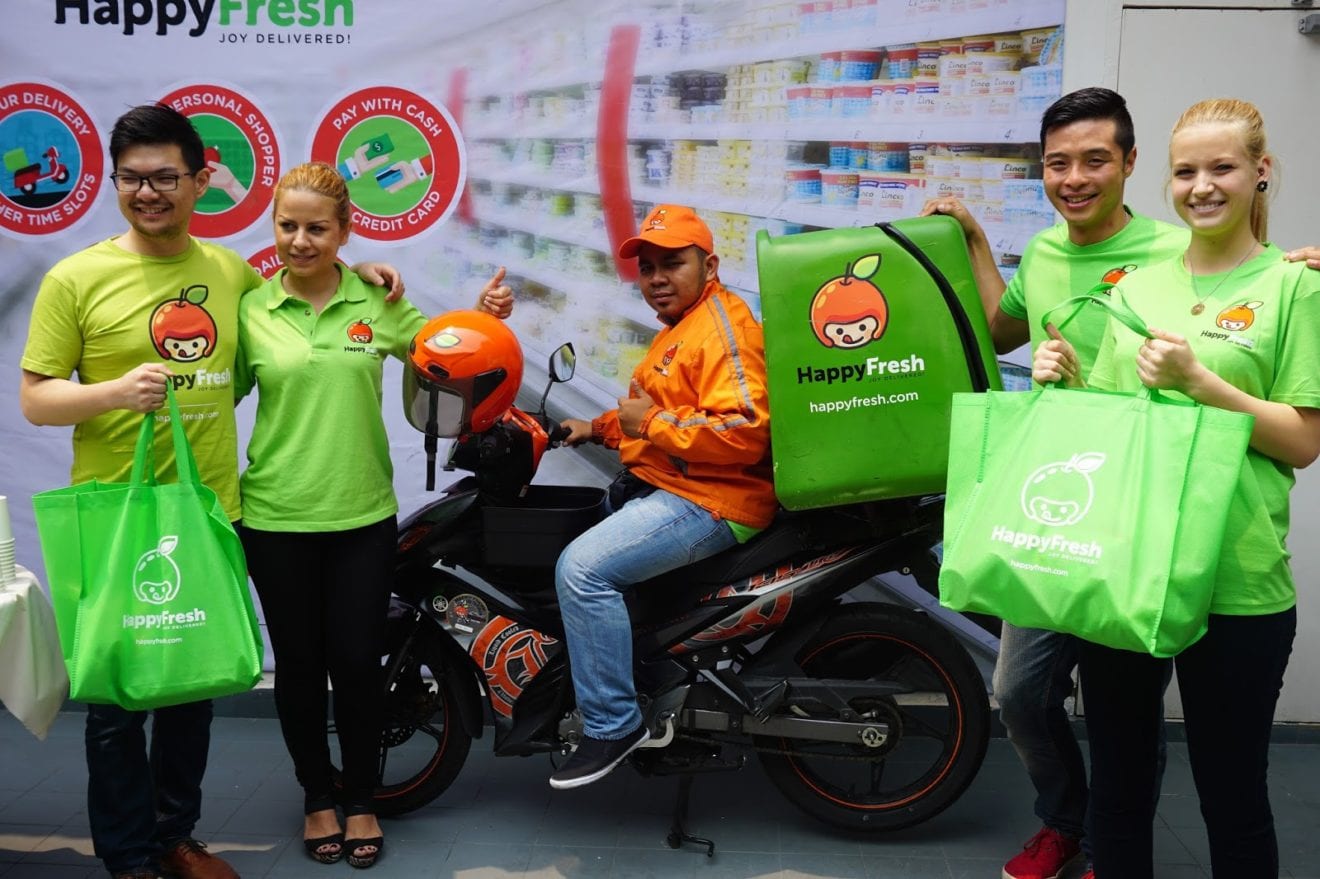
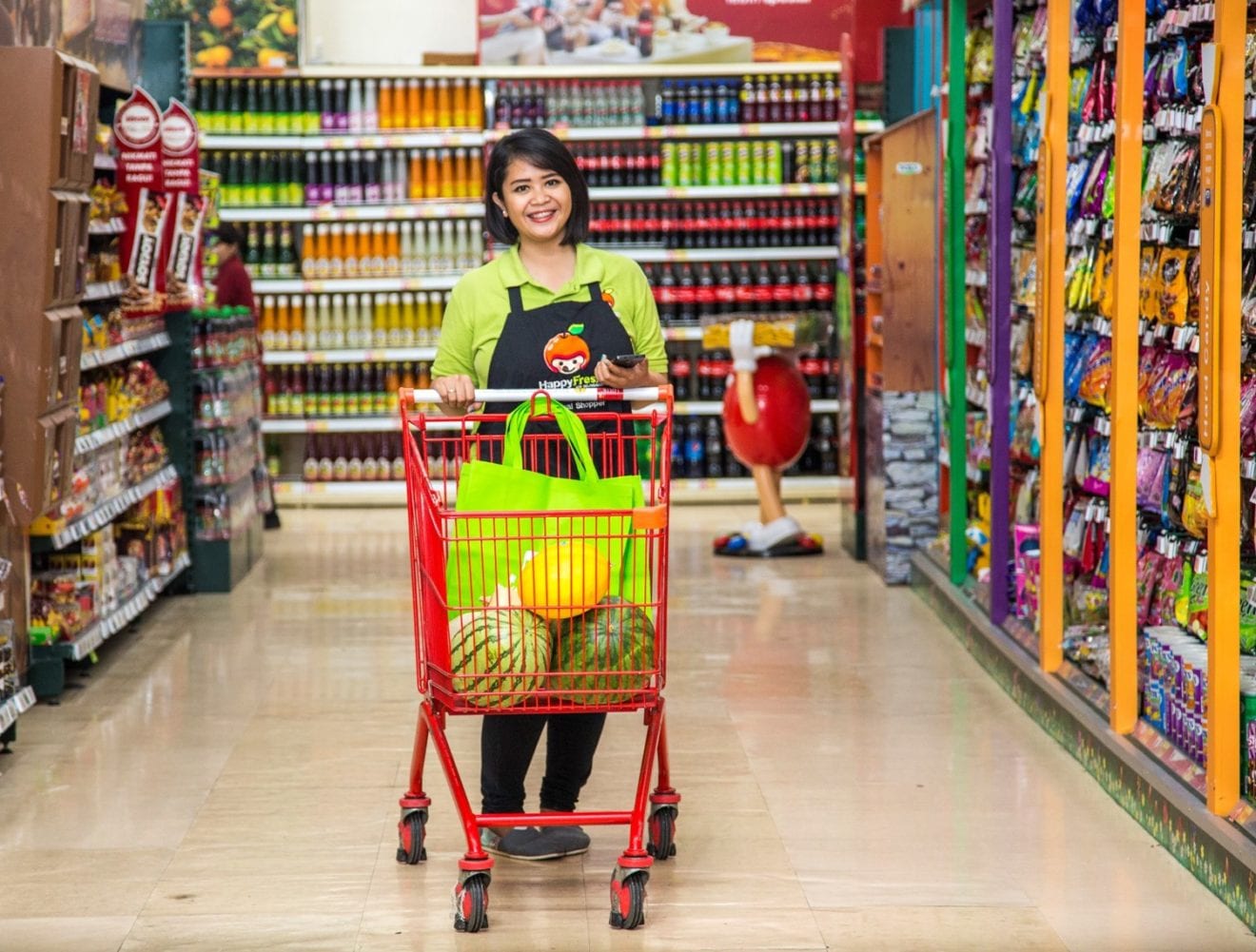
    Despite challenges such as slow internet speed, online grocery platform HappyFresh remains confident that it has a winning recipe for its expansion into the Philippines.

    The grocery delivery start-up announced on Mar 3 that it would be venturing into the Philippines, a move to expand its footprint in a burgeoning e-grocery retail market in Southeast Asia. Apart from its home market Indonesia, HappyFresh has previously rolled out its services in Malaysia and Thailand.

    Analysts told Channel NewsAsia that it is not surprising to see the online grocer moving into the Philippines, where the number of internet users is poised for double-digit growth in 2016 and set to become one of the fastest-growing e-commerce markets in the region.

    However, problems such as lagging internet infrastructure may serve up challenges for the new kid on the block, according to industry analyst Ng Zhi Ying from research firm Forrester. “The Philippines has one of the slowest internet speeds in Asia, and this might result in cart abandonment if it takes too long for the customer to add their product to the cart or to make a payment.”

    Despite that, CEO Markus Bihler believes that HappyFresh – a platform that allows customers to make grocery orders online and receive them within an hour – is a “lightweight” application that is designed to work well even in areas with slower networks and limited bandwidth.

    “Given the various infrastructural developments in the countries that we operate in, we have chosen an app that works across the region. I can imagine (slow internet) to be a problem for heavyweight programs such as music-streaming apps, but we are very lightweight and works perfectly with the existing speed of wifi in Manila,” he told Channel NewsAsia.

    Mr Bihler, who co-founded HappyFresh in Oct 2014, also noted that the company’s usage of mobile technology to pair up drivers and shoppers will ensure that orders are delivered on time. In fact, the CEO said that Manila’s traffic woes may be a booster for the start-up, instead of an obstacle.

    “Ironically, we benefit from the existence of traffic jams because the convenience factor increases for customers who previously have to endure the traffic when out for grocery shopping.”

    RISING COMPETITION NOT AN ISSUE

    According to research firm Euromonitor International, the Southeast Asian market is increasingly sought after due to factors including a booming population and impressive economic growth rates. The rapid take-up of connected devices amid developments in internet infrastructure have also fuelled interest among online grocery retailers.

    “Emerging markets like Thailand, Philippines and Indonesia are among key countries of new online grocery services thanks to huge populations. Total population of these three countries reached over 400 million in 2015, nearly 70 per cent of the total population in ASEAN,” said Euromonitor’s research analyst Anisa Ngandee. “Meanwhile, forecasted internet users (in these countries) will reach nearly 150 million within 2020.”

    As such, it is unsurprising to see regional players such as Singapore’s grocery giant RedMart, stepping up efforts to position themselves for dominance. Foreign firms such as Japan-based messaging app company Line have also joined in the battle by unveiling its first-ever online grocery delivery service “Cheap Sure Sure” in Thailand last year.

    Despite the threat from competitors, Mr Bihler said that rising competition could act as a positive factor for a market which remains in the nascent stages.

    “We are attempting to change a decade-old consumer behaviour that involves visiting one’s favourite supermarkets into shopping via a mobile device. Currently, only less than 1 per cent of grocery spending is spent online. A higher online penetration rate will involve a multi-year joint effort by all players in the market to educate consumers about the convenience of ordering groceries online,” the boss of HappyFresh said.

  • AB InBev sells SABMiller’s stake in Chinese brewer

    AB InBev sells SABMiller’s stake in Chinese brewer

    The world’s top brewer, Anheuser-Busch InBev, has agreed to sell SABMiller’s stake in China’s leading beer maker to the local partner for $1.6bn, as part of a mega-merger between the giants.

    China Resources Beer (Holdings) Co will buy the 49% stake in Snow Breweries, its joint venture with SABMiller, it said in a statement to the Hong Kong stock exchange, where it is listed.

    It said the deal would go through “as soon as practicable” after AB InBev, a Belgian-Brazilian company, takes over SABMiller.

    AB InBev announced in November last year that it would buy SABMiller for $121bn — the third-largest acquisition in history — creating a juggernaut that brews three times as much beer as its nearest rival.

    Analysts said the sale appeared aimed at persuading Chinese regulators to sign off on the deal.

    AB InBev aims to complete the SABMiller takeover by the end of this year, and said last month the plans were on track.

    “After the acquisition deal between AB InBev and SABMiller, their market share in China would have exceeded 40%. This may not pass the antitrust survey by the ministry of commerce, so AB InBev had to sell the stake,” Guotai Junan Securities analyst Song Tao said.

    The Snow Breweries venture, set up in 1994, has a market share of about 24% in China and operates 98 plants across the country, according to SABMiller, which describes the venture’s Snow product as the world’s biggest beer brand.

    AB InBev already has a presence in China with a 15.9% domestic market share and 39 beverage plants as of 2014, according to the company.

    But analysts said that shedding the Snow Breweries holding was a setback for the newly formed entity in the world’s biggest beer market, while China Resources Beer — part of the massive conglomerate China Resources — loses a strong foreign partner, leaving it weak in the premium segment.

    “Losing the Snow Breweries stake has a huge impact on the foreign brand because it will lose the price negotiation advantage it used to have with raw material suppliers and the scale-of-production advantage from the factories,” said Stacey Yu, an analyst at consultancy Business Connect China.

    Analysts said competition was expected to intensify in the Chinese beer market, where growth was slowing in the face of economic headwinds.

    “Without one company dominating the market and enjoying increased pricing power, the beer market will remain fiercely competitive,” Mr Song said.

    AB InBev has acquired or formed partnerships with a number of leading Chinese brewers and doubled its China business in 2006 by acquiring Fujian Sedrin Brewery.

    At 10.10am,

    SABMiller shares were up 0.49% at R925.74 at 10.10am on the JSE, valuing the company at about R1.8-trillion, while AB InBev had added 1.26% to R1,792.31, valuing the company at about R2.8-trillion.

    In Hong Kong, shares in China Resources Beer jumped 25% to their highest level in five years, regaining ground lost so far this year after the stock was dropped from the main constituents in the Hang Seng index.


  • Pincon Spirit acquires Singapore-based Orbitol Solutions

    Pincon Spirit acquires Singapore-based Orbitol Solutions

    Pincon Spirit Ltd today said it has acquired Singapore-based Orbitol Solutions, engaged in merchant trading and agriculture business.

    The company’s business is dispersed through Southeast Asia.

    Pincon Spirit did not disclose financial details of the transaction, but plans to make Orbitol Solutions its subsidiary.

    It has also signed a pact for taking over of three operational bottling units in West Bengal for Indian Made Indian Liquor (IMIL).

    This strategic transaction would enable Pincon Spirit to export own liqour brands to the Southeast Asian market.

    Simultaneously, PSL would be importing foreign made liquor and pulses of foreign produce for marketing the same in India, the company said.

  • Dairy Farm exits Starmart Indonesia

    Dairy Farm exits Starmart Indonesia


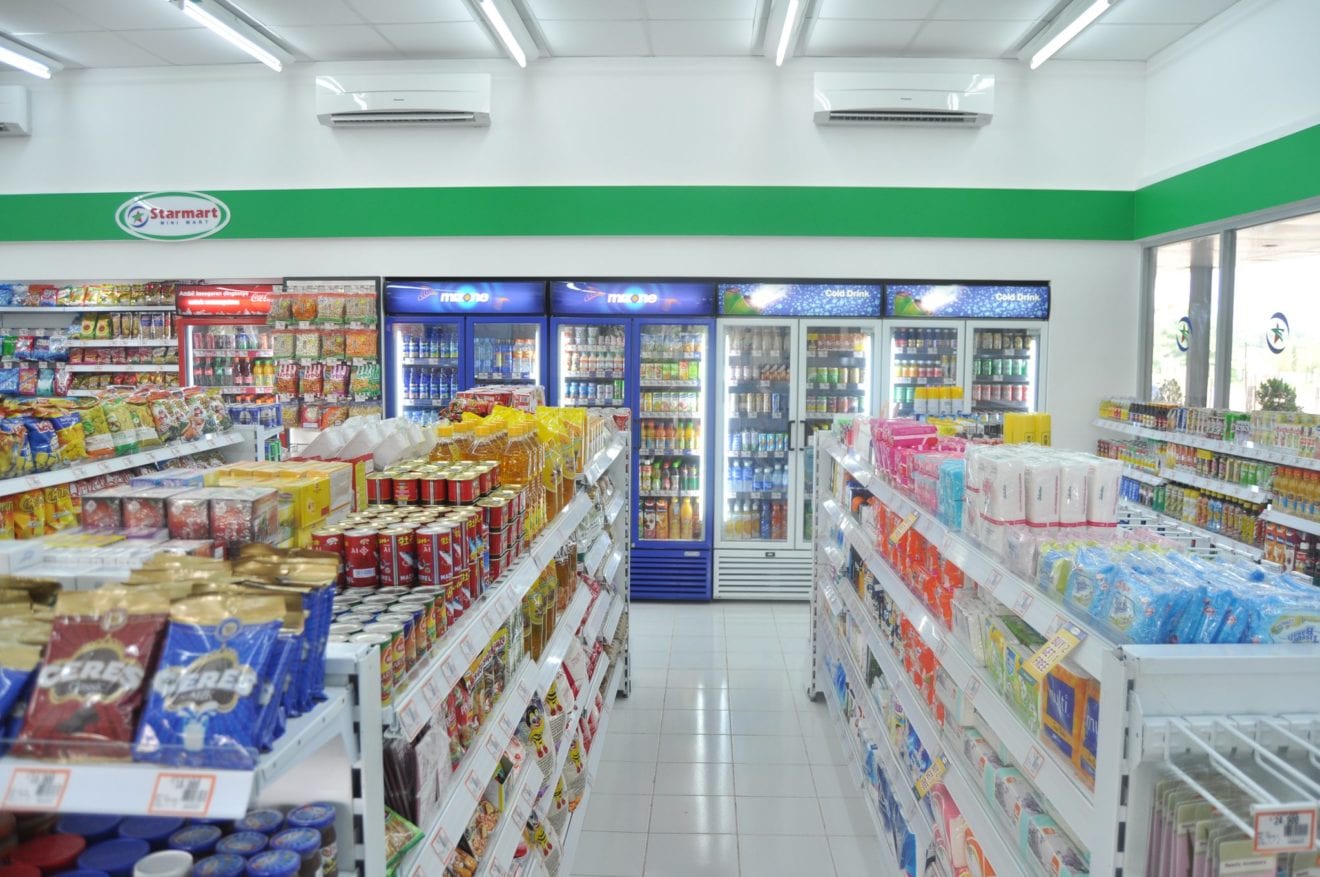
    Convenience store and grocery retailer Hero Supermarket is to exit the troubled Starmart Indonesia business.

    Hero, a subsidiary of Hong Kong-headquartered Dairy Farm International, has announced the sale of 80 stores to Fajar Mitra Indah, a subsidiary of Wings Group, an Indonesian food conglomerate which owns the FamilyMart franchise in the country. The networks will be merged by the year’s end under the FamilyMart banner, taking that network to 80.

    The sale follows the closure of 50 poorly performing stores in the network last September after a long-running strategic review. The balance of the stores – the number of which is undisclosed – will be shuttered.

    The Starmart business had effectively been kneecapped by rapidly implemented Indonesian government policies, most significantly a ban on convenience stores selling alcohol which took effect last April. A general economic slowdown has not helped sales of other goods.

    In a statement, Hero said it would withdraw entirely from the convenience stores business in Indonesia. No transactional details were revealed but the company said the closure would have no material impact on its trading figures this year.

    Both Starmart and FamilyMart are relative minnows in the Indonesian convenience store sector – local chains Alfamart and Indomart – each about 10,000 outlets strong – dominate.

    According to a report in the Nikkei Asian Review, Hero’s profit fell 90 per cent in 2014 and slipped into the red in 2015. Its supermarket business is under pressure from discounters and the company has also shuttered a number of unprofitable Guardian drugstores.

  • Jollibee Foods takes over processing unit

    Jollibee Foods takes over processing unit

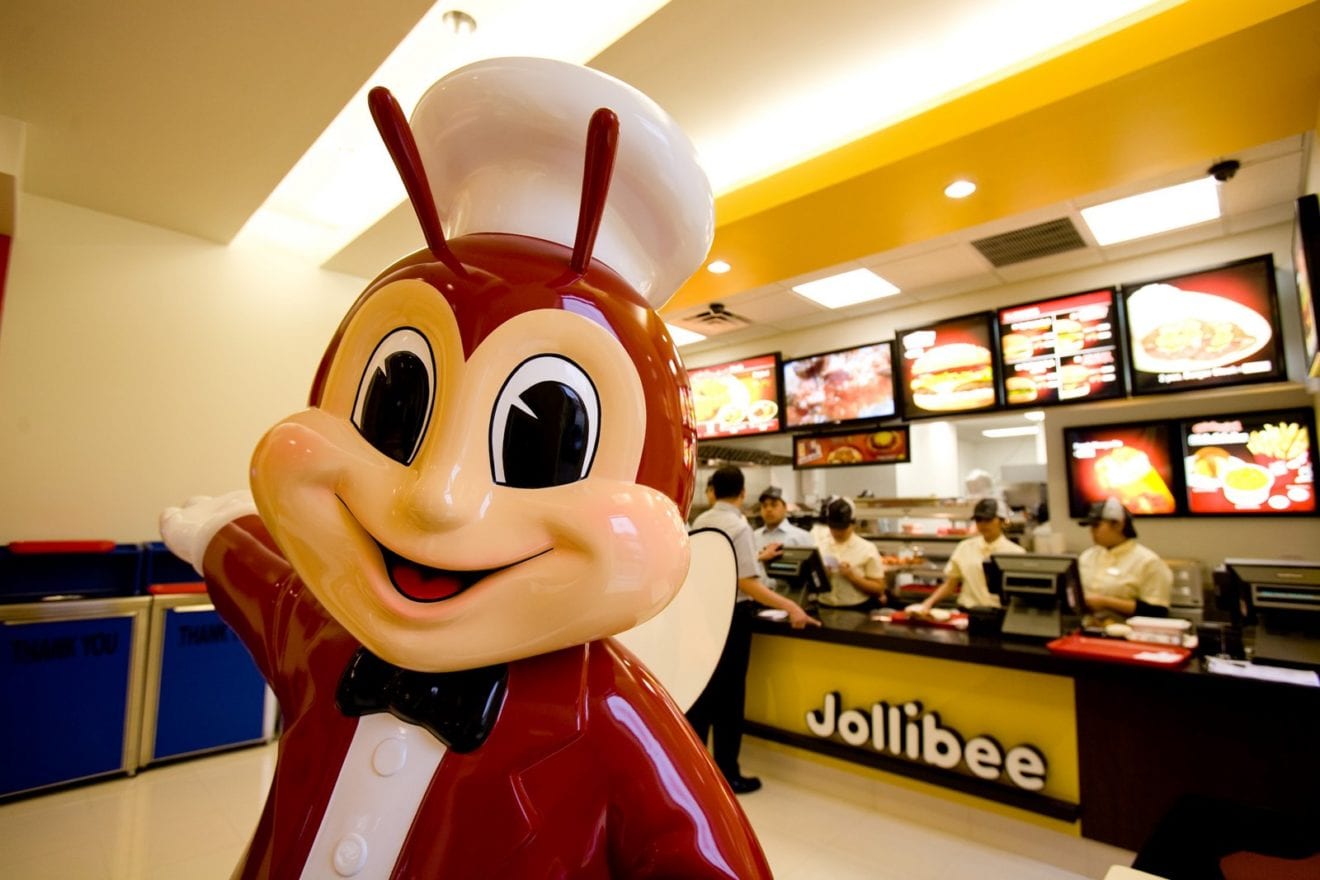
    Asia’s largest fast food player -Philippines-based Jollibee Foods, is seeking to take full control of China’s Happy Bee Foods Processing.

    The Manila company will buy an extra 30 per cent stake for US$10.4 million.

    Jollibee, which now has a 70 per cent stake in Happy Bee, acquired a 40 per cent share of US-based restaurant brand Smashburger for $99 million last October. It is continuing to scour the region for acquisition targets, with as it pursues its goal of becoming one of the world’s top 10 fast-food brands.

    Jollibee VP Valerie Amante has told the stock exchange its wholly-owned subsidiary Jollibee Worldwide (JWPL) entered into an agreement with Hua Xia Harvest Holdings to acquire its 30 per cent equity shareholding in Happy Bee, which is their joint venture entity.
    Hua Xia will be selling its 3,518,018 shares in Happy Bee at $2.96 a share. Jollibee will acquire the remaining 30 per cent of Happy Bee for about $10.4 million in the form of assets related to the production of food products intended for institutions outside of Jollibee brands in China.
    It is expected the deal, which does not include any cash outlay, will be closed this year.
    “The objectives of the acquisition – essentially an equity share and asset swap – are for Jollibee to concentrate on supporting the growth of its Yonghe King business, and on further improving its food quality and increasing assurance on food safety,” says Amante.

  • Hooters Thailand doubles presence

    Hooters Thailand doubles presence

    Hooters Thailand has doubled its network with two new locations: one more in Bangkok and the other in Pattaya – the group’s largest outlet.

    Hooters Pattaya and Hooters Nana join Hooters Bangkok and Hooters Phuket as part of a 30-location Southeast Asia development agreement between the American chain and Bangkok-based international franchisee Destination Resorts.

    In the heart of Pattaya, about an hour from Bangkok’s Suvarnabhumi Airport, Hooters Pattaya has a ‘Wild West theme’. Covering 3300 sqm, it has two bars, 50 high-definition televisions, live music, pool tables, a mechanical bull named Ricardo and two patios.

    “Opening the largest international Hooters location in the heart of bustling Pattaya signifies our commitment to continued expansion in Asia,” says Hooters of America senior VP of global development Mark Whittle.

    Meanwhile, the 630 sqm Nana outlet in the heart of the Sukhumvit district seats 271 customers. Along with, 21 high-definition flat screens, DJs and pool tables, it has a mechanical bull named Turbo.

    Based in Atlanta, Hooters America owns and franchises more than 430 Hooters outlets in 28 countries. The privately held corporation owns 160 units. Its first establishment, in Clearwater, Florida, opened in 1983. Hooters’ website says the six founders were “quickly detained for impersonating restaurateurs, but fortunately for America they were soon allowed to go about their business”.

    Hooters’ casual beach-themed establishments feature music, sports on large flat screens, and a menu that features chicken wings, seafood, sandwiches, burgers and salads.

    “Destination Resorts has proven success with many restaurants in Thailand, and we’re continuing to bolster our presence with the largest international Hooters and a new location in Bangkok,” says CEO Gary Murray.

    Destination Resorts properties include DoubleTree Resort by Hilton Phuket – Surin Beach, DusitD2 Phuket Resort, Sri Racha International Golf at Sri Racha Hills, Hard Rock Cafe Phuket at Patong Beach, Novotel Phuket Karon Beach Resort & Spa, Novotel Hua Hin Cha Am Beach Resort & Spa, Swissotel Resort Phuket and Four Points by Sheraton Bangkok Sukhumvit 15.

  • Honolulu Coffee Shop opening in Singapore

    Honolulu Coffee Shop opening in Singapore

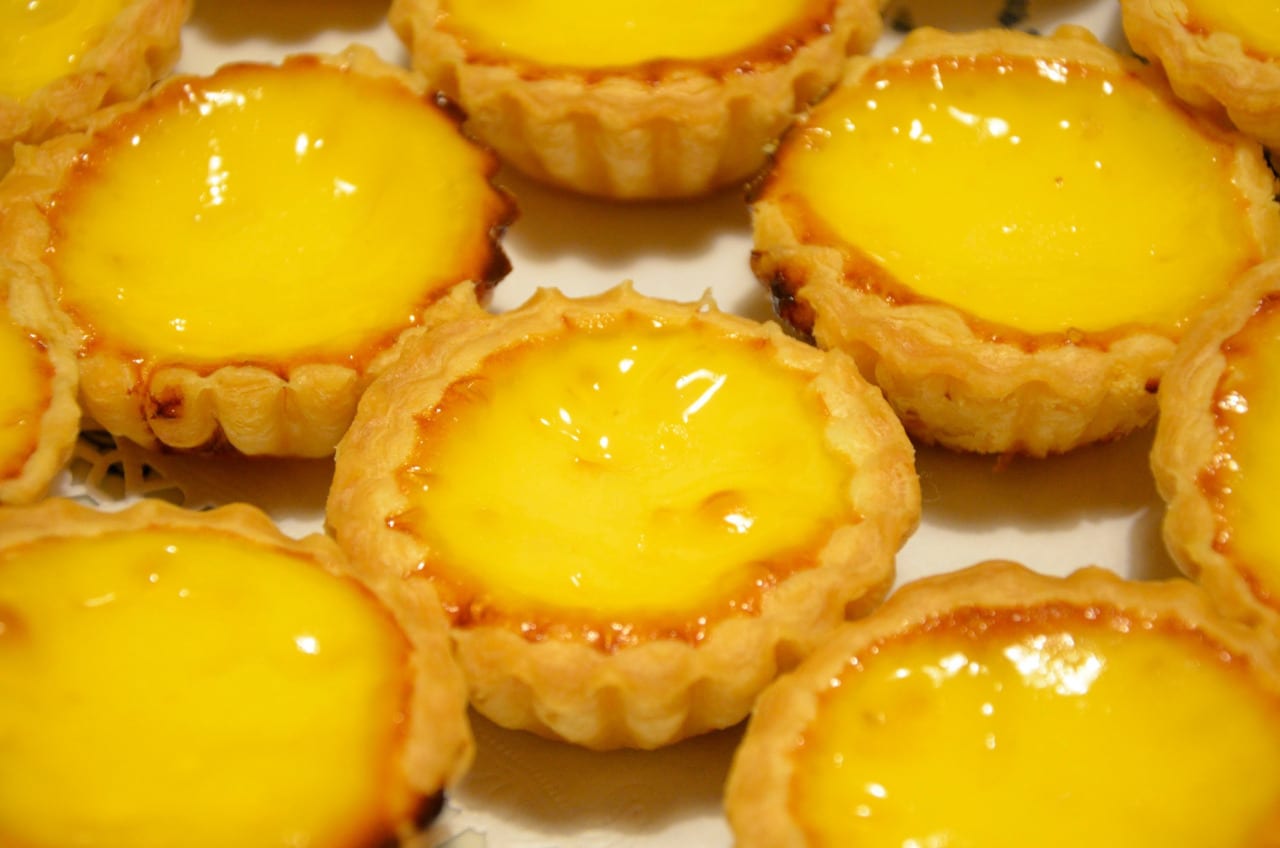
    Honolulu Coffee Shop, known in Hong Kong for its egg tarts with flaky pastry, will open a 50-seat restaurant in Singapore in April.

    At The CentrePoint in Orchard Rd, the restaurant will go head to head with Hong Kong’s Tai Cheong Bakery, which is known for its egg tarts made with shortcrust pastry and is scheduled to open in Orchard Rd within the next three months, according to the Straits Times.

    Meanwhile, Tai Cheong will set up a pop-up stall early next month at a location yet to be advised. The new outlet is a joint venture with Food People, a company set up by The Pine Garden MD Wei Chan and Han Jin Juan of Palm Beach Seafood Restaurant.

    Honolulu Coffee Shop is a franchise brought in by a new F&B company set up by Lee Yuen Yong, who is also MD of Asia Gourmet. That company brought in wonton noodle specialist Mak’s Noodle from Hong Kong, which has shops at The CentrePoint and Westgate, and will open a third at VivoCity in May.

    Lee says not many people in Singapore know about Honolulu Coffee Shop, “but its egg tart is the best we can get in Hong Kong”. He says the recipe has 70 years of history, with all other egg tarts evolving from it.

    “On more than 10 trips to Hong Kong, the team tried egg tarts from more than 50 stores before deciding that Honolulu’s are the best.”

    Honolulu Cafe Hong Kong Wan Chai

    Its signature egg tart has 192 layers of flaky pastry.
    Meanwhile, Chan says the market is big “and diners will figure out which egg tart tastes better”.

    Honolulu Coffee Shop was founded in the 1940s by Yeung Jin Hei, who died nearly three years ago. It started out selling coffee, tea and baked goods, and over the past 20 years its menu has evolved to include everything from noodle dishes to sandwiches.

    Yeung’s second son Derrick, 50, took over the business in 1996 and runs it with his 51-year-old brother Wayne, who handles the six outlets in Hong Kong.

    Derrick has been instrumental in expanding the brand overseas, starting 18 months ago. Honolulu has three shops in Beijing and one in Shanghai. The Singapore shop will be its fifth overseas outlet and will also serve macaroni and noodle dishes as well as weekly specials.

    He is now meeting suppliers and recruiting staff and chefs, who will be trained in Hong Kong.
    Aside from Singapore, he plans to open in Taiwan in line with his plans to go “more international”.
    Asked why the chain is called Honolulu, he says it dates back to the time Hong Kong was a British colony and the company wanted a Western name.

  • PappaRich expands into Hong Kong

    PappaRich expands into Hong Kong

    Malaysian restaurant chain group PappaRich has opened its first Hong Kong outlet, marking a strategic move in its Asian expansion by leveraging the city’s status as a ‘food paradise’ in the region.

    The PappaRich restaurant at the L-Square in Causeway Bay offers traditional Malaysian cuisine with a sophisticated twist, boasting genuine PappaRich ingredients flown fresh from its Malaysia headquarters, according to the president of PappaRich Asia Pacific Region, Sebastian Low. The restaurant offers, among other dishes, branded Hainan bread as well as the country’s famous durian cheese cake.

    Said Low: “When we were choosing a location for our global expansion, Hong Kong was one of the most promising destinations, not only because of its thriving restaurant and bar scene, but also its dynamic cultural background as an international city. It is the ideal place for us to promote Malaysian cuisine, as well as our food culture, to the world.

    Paparich food

    “The Hong Kong outlet is a joint venture between Tang Palace (China) Holdings and Beppu GroupLimited. With concerted efforts of the professional team and business partners in Hong Kong, we are ready to take the PappaRich brand to the next level.”

    Founded in 2006 in Malaysia, PappaRich has steadily grown from the home country into a franchise network comprising over 100 outlets worldwide. It has 80 outlets in Malaysia and has ventured into overseas markets such as Australia, Mainland China, Singapore, the US, South Korea, Brunei, Indonesia, Taiwan and New Zealand since 2012.

    Associate director-general of Investment Promotion Dr Jimmy Chiang said Hong Kong is renowned as the culinary capital of Asia and many restaurants with different dining options have already established their presence in the city.

  • Mars chocolate products removed from DFS in Singapore

    Mars chocolate products removed from DFS in Singapore

    DFS (Singapore) has removed Mars chocolate products from its shelves following a global recall of the products. Mars Inc said on Tuesday (Feb 23) that it was recalling chocolate bars and other products in 55 countries, including Singapore, due to choking risk after a piece of plastic was found in a Snickers bar in Germany.

    On Wednesday, the Agri-Food and Veterinary Authority of Singapore (AVA) also issued a recall of such products manufactured in the Netherlands as a precautionary measure.

    DFS said on Thursday that the products which have been removed from its stores here are Mars Minis Pouch and Celebrations Pouch that expire on Jan 1, 2017; Mini Variety Pack that expires on Oct 9 and Celebrations Pouch that expires on Dec 11 this year.

    “As Mars has issued this recall, we will wait to hear from them on any necessary next steps and act accordingly to ensure the safety of our customers,” said DFS, which offers shoppers a selection of duty-free goods in its stores, yesterday.

    Meanwhile, The Cocoa Trees, a candy retail chain, said it has removed all Dutch-made products from its shelves, and is waiting for further clarification from Mars to ensure that its products are safe.

    The company said it is still in talks with the AVA, and is prepared to throw away its stock of Mars products if they are certified to be unsafe.

  • World of Beer Asia launch confirmed

    World of Beer Asia launch confirmed

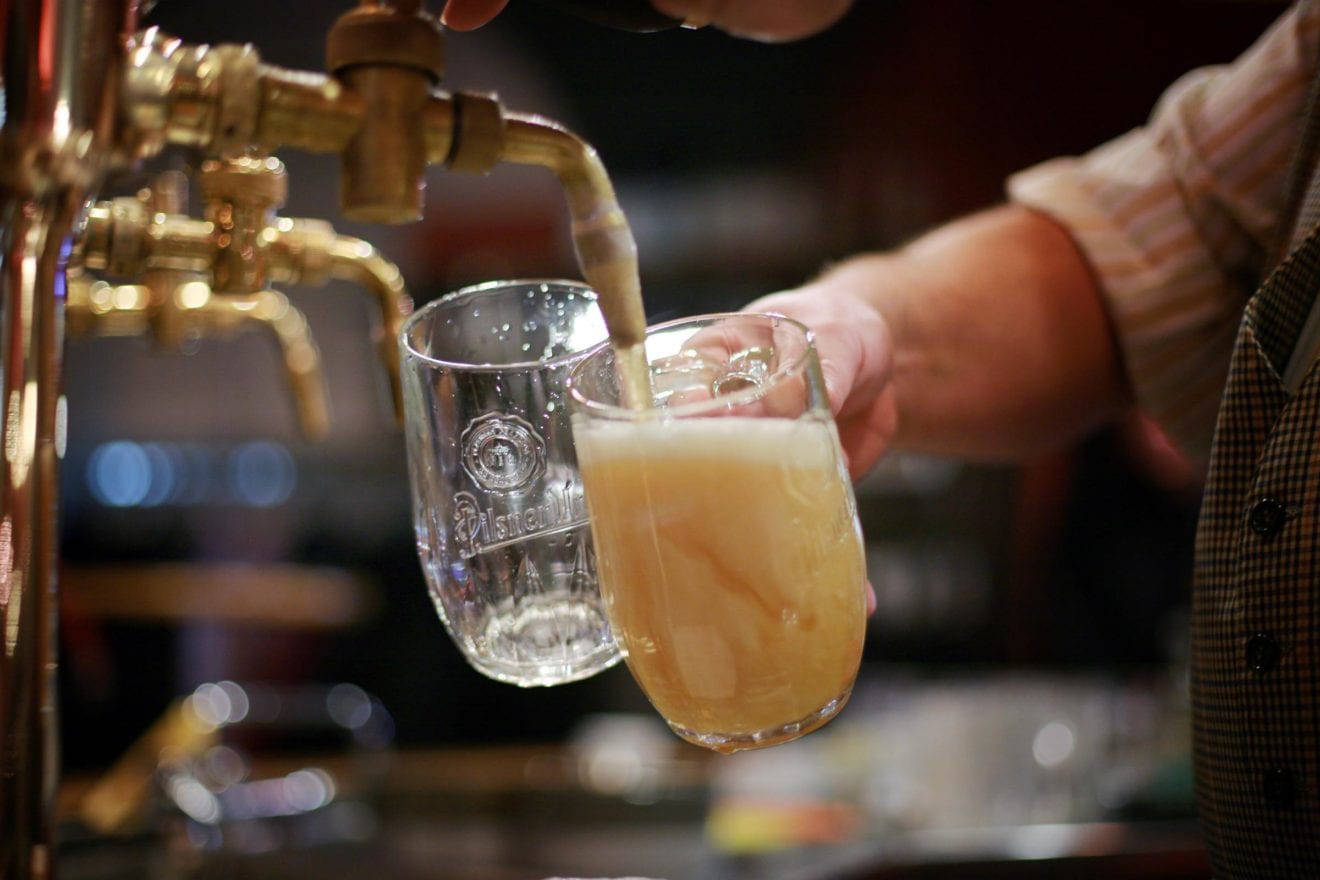
    An American tavern chain known for its craft beer is headed for Asia this year, opening first in Shanghai, then India and The Philippines.

    It is the first overseas bar for World of Beer, based in Tampa, Florida. CEO Paul Avery, a 20-year veteran of the Outback Steakhouse chain, says the move to open franchisee-owned taverns overseas is the next logical step for the brand’s growth.
    “I am very confident that World of Beer will do well in international markets,” he says. “Craft beer is already there, but no-one offers what we do.”
    Avery, 56, bought a controlling interest in the six-year-old company in January 2013, and has built it up to now offer craft cocktails. The footprint is nearly double in size, and most of the taverns serve food. But the focus is squarely on craft beer, reports Tampa Bay Times.
    World of Beer has 77 locations in 19 states in mainland America. Fourteen are company owned, the rest by franchisees.

    Avery says the company will open 35 new restaurants this year, including at least one of the three World of Beer Asia locations.. The goal is to grow the number of company-owned stores to 30 per cent.

  • Salim Group backed Indonesian bread maker forays into Philippines

    Salim Group backed Indonesian bread maker forays into Philippines

    Indonesia’s top bread producer Nippon Indosari Corpindo on Monday said it will enter the Philippines bakery market by setting up a joint venture factory with local food company Monde Nissin Corporation.

    A girl looks at breads shaped like roasted pigs, locally known as “Lechon”, sold for $3 at a bakery in Manila December 31, 2012. Lechon is a popular delicacy served during New Year revelries in Philippines. © Reuters

    Nippon Indosari will own 55% of the joint venture, Sarimonde Foods Corporation, which will have a total paid up capital of $12.5 million. It plans to start producing white and sweet bread in 2017.

    The Philippines marks Nippon Indosari’s foray into overseas markets. Established in 1995, the company produces the locally well-known Sari Roti branded sweet bread sold in local retail stores and commands a 20%-plus market share. The company logged 1.56 trillion rupiah ($109 million) in revenue for the nine months ended September, a 15% increase from the previous year, while net profit rose 46% to 192 billion rupiah.

    But competition at home is intensifying. A joint venture between Japan’s Yamazaki Baking and Mitsubishi Corp. began producing bread locally in 2014 under a partnership with Sumber Alfaria Trijaya, which runs a network of 12,000 convenience stores and mini supermarkets. Nippon Indosari wants to establish a new source of revenue in the Philippines, a populous and growing consumer market.

    “The Philippines is a very attractive market to serve as the company’s overseas expansion area because it has a very large population,” Nippon Indosari said in a news release. “The Philippines has a demographic profile that is no different from Indonesia, where 60% of the population is aged under 30 years, has a growing middle economic class, and has the trend for healthy and practical food that fits their busy lifestyle.”

    The Philippines is also a core market for Salim Group, which owns 31.5% of Nippon Indosari’s shares through its Indonesia-listed investment vehicle Indoritel Makmur Internasional. The group, controlled by Chinese-Indonesian billionaire Anthoni Salim, has interests in Philippine Long Distance Telephone, the country’s largest telecommunication company, and infrastructure developer Metro Pacific Investments. But its presence in the food industry was small.

    Japan’s Sojitz Corp. and Pasco Shikishima Corp. also have minority stakes in Nippon Indosari.

    Monde Nissin is a major snack maker in the Philippines. The privately held company produces packed instant noodles, biscuits, cookies and yoghurt drink. In most product segments, the company directly competes with Universal Robina, a leading producer of branded consumer foods.

    The 35-year-old company founded by entrepreneur Betty Ang has been expanding aggressively in the last few years by teaming up with other brands and acquiring companies. With vast distribution network and market presence, cereal maker Kellogs partnered with the company last month as its distributor. In October 2015, Monde Nissin signed a joint venture agreement with Thailand’s Malee Beverage Public Co. Ltd., a leading juice and canned fruit manufacturer. In the same year, it acquired British meat substitute maker Quorn and Australian food producers Menora and Black Swan.

  • Explore bittersweet world of coffee at ‘Thailand Coffee Fest’

    Explore bittersweet world of coffee at ‘Thailand Coffee Fest’

    With the bittersweet scent of coffee in the air and the endless coffee products on display, Thailand Coffee Fest 2016 will turn Queen Sirikit National Convention Center into a heaven for coffee addicts.

    Organized by SCATH and CP Link, Thailand Coffee Fest 2016 will be a hub for all things caffeinated. The event features shopping and will showcasing products from Thailand’s leading coffee companies, along with fancy appliances that can help you to brew your perfect cup.   

    The event will host various exhibitions including a photography gallery, while coffee lovers can head to workshops to learn basic barista skills including the art of latte making and cold drip coffee, and coffee-themed seminars.

    Thailand’s Brewer Cup and Latte Art Championship 2016 will pit skilled baristas against each other, while the Highlight will host the search for quality coffee and the 10 best coffee beans of the fair, followed by an auction of the coffee treats.

    You can register for workshops and seminars on the website.

    Thailand Coffee Fest 2016 takes place from Feb. 25-28 at Plenary Hall, Queen Sirikit National Convention Center. Entry is free.